
Construction Shirts with a Logo Are Shaping Safety and Branding


Construction-Shirts
Freepik

According to the U.S. Bureau of Labor Statistics, the construction industry employs over 7.5 million workers in the United States, with safety and branding playing a crucial role in their daily operations. In fact, studies show that companies with branded uniforms experience a 23% increase in customer trust and brand recognition. With this in mind, investing in construction shirts with logos is not just about appearance—it’s about professionalism, safety, and team unity.

In the construction industry, durability, comfort, and professionalism are key when it comes to workwear. Construction shirts with logos provide an excellent way to enhance team unity, improve brand visibility, and ensure compliance with safety standards. Whether you need construction work shirts with logos, long sleeve construction shirts, or custom construction shirts, the right workwear can make a significant difference in how your company is perceived and how your workers perform.

Benefits of Construction Shirts with a Logo

  1. Brand Identity & Recognition – Custom construction shirts help establish a strong brand presence. When employees wear construction company shirts with a logo, it increases brand recognition on job sites and in the community. This consistent branding fosters trust with clients and distinguishes your business from competitors.
  2. Professional Appearance – Branded workwear gives construction teams a cohesive and professional look. Having uniform apparel not only enhances credibility but also promotes discipline and team spirit. It also eliminates dress code confusion and ensures that all employees adhere to company standards.
  3. Employee Safety & Comfort – Many construction shirts are designed with high-visibility elements, breathable fabrics, and reinforced stitching for durability. Long sleeve construction shirts provide additional protection against sun exposure, debris, and harsh weather conditions, reducing the risk of workplace injuries. Moisture-wicking fabrics can keep workers cool, while insulated options are ideal for colder climates.
  4. Durability & Functionality – Construction work clothes are made from rugged materials such as cotton blends, polyester, and moisture-wicking fabrics to withstand demanding environments. Reinforced seams, double stitching, and heavy-duty fabrics ensure longevity, even in the toughest job conditions. Some shirts also come with practical features like tool loops, chest pockets, and vented designs for added convenience.

Choosing the Right Construction Workwear

When selecting construction workwear, consider the following factors:

Freepik
  • Material & Fabric: Opt for breathable, moisture-wicking, or flame-resistant fabrics, depending on the work environment. Lightweight materials are ideal for hot weather, while insulated options work best in colder conditions.
  • Customization Options: Embroidery, screen printing, or heat transfer logos ensure a lasting brand impression. Consider using bold colors and reflective elements for better visibility.
  • Fit & Comfort: Choose relaxed-fit shirts that allow easy movement while working. Construction workers often perform physically demanding tasks, so flexibility is essential.
  • Weather Protection: Long sleeve options provide added protection against sun, wind, and cold temperatures, while short sleeve shirts may be better for warm weather conditions.
  • Compliance with Safety Regulations: Ensure that your workwear meets industry-specific safety standards. High-visibility shirts with reflective strips can improve safety in low-light environments.

Custom Construction Shirts for Your Team

From custom construction shirts to complete construction workwear solutions, investing in high-quality branded apparel can improve team morale, enhance professionalism, and boost brand recognition.

Looking for high-quality construction work clothes? Yurinox Workwear offers tailored solutions to meet the specific needs of construction teams, ensuring that workwear is both functional and visually appealing. Their team of experts focuses on designing high-quality apparel that meets the demands of construction professionals while promoting brand identity. With years of experience in the industry, they understand the need for durable, comfortable, and customized workwear that helps businesses create a unified and professional appearance on job sites.

Freepik 

In addition to enhancing your brand, custom construction shirts create a sense of unity and belonging among employees. Workers who feel like they are part of a team are often more motivated and take greater pride in their work. This, in turn, can lead to higher job satisfaction and improved performance.

Final Thoughts

Choosing the right construction work shirts with logos is an investment in both branding and employee safety. High-quality workwear ensures that your team remains comfortable, protected, and professional while representing your company on job sites. Whether you need long sleeve construction shirts for added protection, moisture-wicking shirts for comfort, or customized company shirts for brand recognition, the right workwear will help your business stand out.

Upgrade your construction team’s wardrobe today with premium, logo-branded shirts that offer both style and functionality. With the right design and material choices, you can create a strong, professional image while ensuring your workers are well-equipped for any job site challenge.

The best Amazon Spring Sale deals under $25


When is Amazon’s Spring Sale 2025? 

Amazon’s Spring Sale occurs from Tuesday, March 25, to Monday, March 31, 2025. 

Are deals really better during Amazon sales? 

Amazon sales are a great opportunity to shop for decent savings, especially on flagship Amazon products. However, Walmart, Best Buy, and other retailers also have great offerings. We’ll cover the best Amazon Spring Sale deals now through March 31, including top offers from other major retailers. 

How did we choose these Spring Sale deals?

ZDNET’s experts scour the internet on deals we would want to buy ourselves, have a good brand reputation, or products we review on our site. We search for deals 20% off or more and deals we rarely see across the board. 

We also use reviews from real people- Reddit, Amazon reviews, and our colleagues to understand what deals are the best to recommend so we can provide the best money-saving information. 

Looking for the next best product? Get expert reviews and editor favorites with ZDNET Recommends.

What are the best Amazon Spring Sale 2025 deals?

ZDNET’s experts are searching through Amazon’s Spring Sale deals to find the best discounts by category. These are the best deals so far:

You can also find the best Amazon Spring Sale deals by price:

And the best deals from other retailers this week:


A new Game of Thrones RPG is coming to Steam today with a cast of ‘familiar faces,’ which is good because it’s really the only way to tell it’s a GoT game at all


I didn’t watch HBO’s Game of Thrones series—I get my fill of political intrigue and badly-behaved dimwits from the real world, thanks—and so when the whole thing fizzled out like a wet tissue tossed into a burn pit, it was a bit of a non-event for me: I was mostly just surprised at how quickly the once-reverent fanbase turned on the whole thing.

But maybe hunger for the continuing (or, I suppose, repeated) adventures of Jon Snow, Peter Dinklage, and the huge dude with the face (look, I told you I didn’t watch it) persists, because a new game based on the series called Game of Thrones: Kingsroad is set to launch into early access today on Steam.

Introducing AutoCAD 2026: Accelerate with Faster Performance, Autodesk AI, and Connected Design | AutoCAD Blog


Welcome to the future of design with Autodesk AutoCAD 2026!

Whether you’re working on intricate architectural plans or detailed mechanical designs, AutoCAD 2026 provides the tools you need to bring your boldest visions to life. Collaborate and benefit from significant performance enhancements and innovative capabilities that save you time with every DWG file. Discover new insights and automations powered by Autodesk AI. And take advantage of new integrations with Autodesk Docs, tailored workflows, collaboration, and enhancements to stay connected with your designs wherever you are.

If you’re eager to explore the latest AI and drafting capabilities, open the Autodesk Access application to start your update now!

Speed Up Design Time with Performance Enhancements and Autodesk AI

Experience significant performance enhancements and innovative features that save you time on every drawing. This is the fastest release of AutoCAD yet, with 2D and 3D files opening up to 11 times faster compared to AutoCAD 2025 and the application itself starting up 4 times quicker*.

And with the power of Autodesk AI, you can enhance your design processes by leveraging information contained in every design file to build a greater understanding of how your team works, letting you unlock new insights and automations. These performance enhancements mean you can spend more time designing, and less time waiting.

“Overall – Startup in AutoCAD 2026 is blazing fast, particularly opening files.”

Alan Neal, Chief Engineer, Foresite Group, Inc.

New Time Savings and Efficiencies with Smart Blocks and Activity Insights

Powered by Autodesk AI, enhancements to Smart Blocks: Search and Convert and Smart Blocks: Detect and Convert Tech Preview (formerly “Smart Blocks: Object Detection Tech Preview”) help improve design efficiency and standardization across your drawings, letting you enhance drawing clarity and organization by detecting objects that could be converted into blocks.

“These improvements and additional support items to Smart Blocks: Search and Convert will provide users more tools to expedite workflows and the time they work in drawings, freeing up more time to focus on the quality of their design versus software tools and steps or command sequences.”

Chad Franklin, Corporate Drawing Production Coordinator, Associated Engineering

With Smart Blocks: Seach and Convert Tech Preview, you can quickly search your drawings for matching objects, matching text, and variable text to convert into instances of a newly defined block, an existing or recently used block, or a suggested block from your Block Libraries with the help of Autodesk AI.

While Smart Blocks: Search and Convert helps you find instances of exact geometry matches one case at a time, Smart Blocks: Detect and Convert scans your whole drawing at once. Using the power of Autodesk AI, Smart Blocks: Detect and Convert Tech Preview makes intelligent inferences to determine all instances that you may want to convert into blocks.

Detecting these potential blocks all at once is especially helpful in situations when extensive cleanup is required or when geometry may vary slightly, such as for imported drawings. And in AutoCAD 2026, there are additional controls to refine and modify result with the new review toolbar and edit primary capabilities.

The latest updates to Activity Insights in AutoCAD 2026 allow you to stay informed throughout the project cycle with, ensuring that you are always up to date with project progress and changes.

Activity Insights in AutoCAD 2026 now includes the “What’s Changed” insight, giving you a detailed breakdown of activity during an editing session across collaborators. Enhanced search and filter capabilities make it even easier for you to find the drawing activity information you need in seconds.

Autodesk Docs Integrations for Connected Support Files, Markup Import, and Markup Assist

Manage consistent project standards and settings across all collaborators with the new Connected Support Files feature. CAD managers can now define project-aware support files that are unique to a specific Autodesk Docs project, meaning a user can have multiple DWGs from different projects open in AutoCAD each with their own set of support files at the same time! This allows teams to view and edit DWG files with the intended support files without additional configuration. This enables everyone to work with the correct files and settings, reducing errors and improving efficiency.

“This is a fantastic feature and a must have for AutoCAD and ALL verticals.”

Michael Shurgalla, Sr. Design Technology Specialist, Merrick & Company

Markup Import now supports Issues on PDFs from Autodesk Docs. You can see high level issue content with Markup Assist and launch further details in Autodesk Docs.

Multi-User Markups

Streamline collaboration on Autodesk Docs projects with multi-user markups. Collect and share feedback directly on drawings using intuitive Autodesk Docs markup tools—now available in early access with AutoCAD on the web.

The updated SHARE command lets you create markup links for simultaneous access to designs, facilitating efficient collaboration without duplicating or locking files. TRACE layers enable users to markup files that continuously sync back to the designer, providing flexibility for teams to review and markup changes together. This collaborative approach enables all feedback to be captured and addressed, leading to better project outcomes.

Tailor Workflows to Your Needs

Customize AutoCAD with specialized toolsets for discipline-specific features, functionality, and parts, including architectural, mechanical, and electrical design components. Make informed decisions with geographical information from ArcGIS® Basemaps, which can provide critical context for your designs.

Create and run custom automations with AutoLISP routines and access over a thousand third-party apps with the ability to build your own using the AutoCAD API. This level of customization enables AutoCAD to be tailored to meet the unique needs of your projects, improving efficiency and productivity.

Stay Connected Anywhere, Anytime

With AutoCAD 2026, you can stay connected to your designs no matter where you are. Use AutoCAD on desktop, web, or mobile to capture, share, and review ideas on the go. This flexibility allows you to more efficiently manage your projects, whether you’re in the office, at home, or on a job site. And with the latest enhancements to AutoCAD on the web, you can view and markup 2D and 3D DWG files, as well as visualize DWG files authored in architectural toolset. Take a look at our in-depth article where we cover AutoCAD Web in more detail.

Get Started Today

If you’ve already started your update, you’re one step closer to experiencing these incredible new features firsthand. If not, what are you waiting for? Get started today with the Autodesk Access application on your desktop. For those not yet subscribed, be sure to check out free trials of AutoCAD 2026, AutoCAD LT 2026, and AutoCAD Web.

Welcome to the next generation of design with AutoCAD 2026. We can’t wait to see what you’ll create!

Learn More

To explore these features and enhancements in detail, along with more updates included in AutoCAD 2026 and AutoCAD LT 2026, take a look at the following pages in the Help section:

*As with all performance tests, results may vary based on user experience, machine, operating system, filters, and even source material. While every effort has been made to make the tests as fair and objective as possible, your results may differ. Product information and specifications are subject to change without notice. Autodesk provides this information “as is,” without warranty of any kind, either express or implied. © 2025 Autodesk, Inc. All rights reserved.

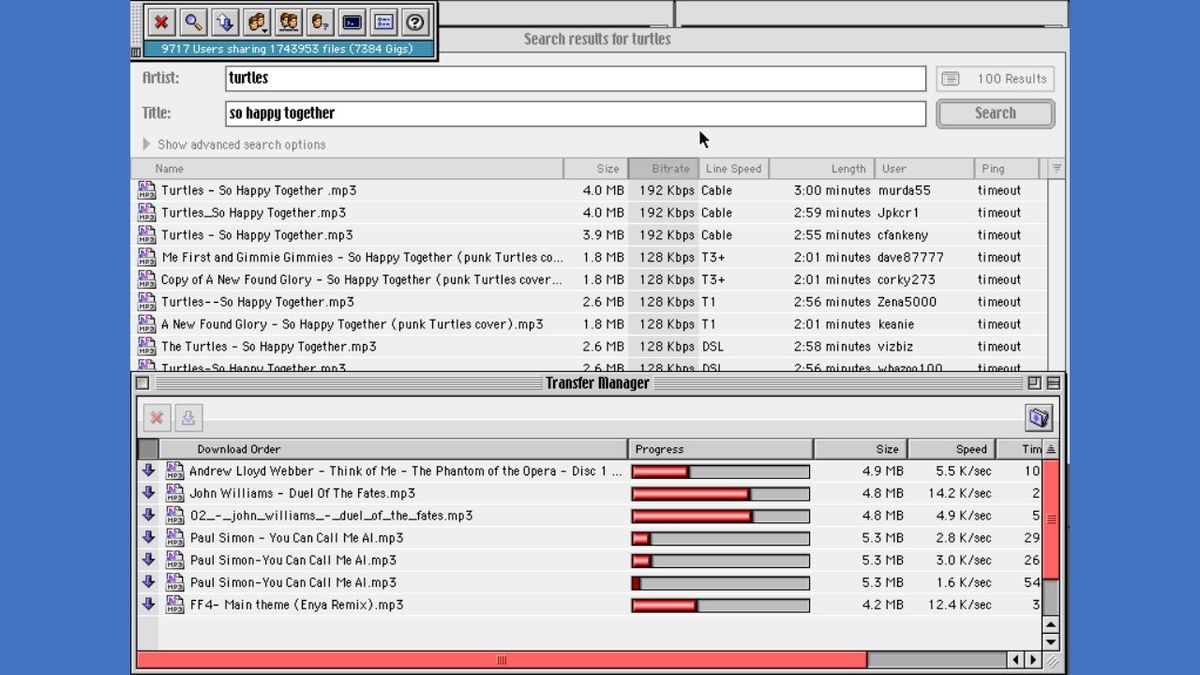
Former music-pirating platform Napster to be reborn rather ironically as a metaverse for musicians to connect with their fans after $207 million deal


If you thought the Napster peer-to-peer music sharing platform was long since toast, a new $207 million deal says otherwise. Turns out the brand has been bought and will be reborn as a metaverse-based platform with which musicians will connect their melodic wares to fans. Not to put too fine a point on it, but this is something of a turn around for a brand that arguably introduced the idea of mass music piracy to the mainstream.

Perhaps just as surprising is the revelation, of sorts, that Napster has been ticking along as a legit music streaming platform since 2016. More on that in a moment.


How To Handle Multiple Job Offers


Receiving multiple job offers can be an exciting yet overwhelming experience. On one hand, it’s a testament to your skills and qualifications, but on the other, it presents the challenge of making a well-informed decision.

With several attractive opportunities on the table, how do you choose the one that’s best for you? It’s essential to look beyond the surface and consider various factors that can impact your long-term career satisfaction and growth.

In this blog, we’ll explore the key things to consider when you have multiple job offers, helping you navigate this crucial decision-making process with confidence and clarity.

15 Things to Consider When You Have Multiple Job Offers

1. Company Culture:

  • Fit and Values: Assess the company culture and see if it aligns with your personal values and work style. A good cultural fit can significantly impact your job satisfaction and overall well-being.

2. Job Role and Responsibilities:

  • Role Clarity: Ensure you have a clear understanding of the job responsibilities and expectations. Consider which role aligns best with your career goals and interests.

3. Salary and Compensation:

  • Total Package: Compare the salary offered by each company, but also consider the entire compensation package, including bonuses, stock options, and other financial incentives.

4. Benefits:

  • Health and Wellness: Evaluate the benefits each company offers, such as health insurance, dental and vision coverage, retirement plans, and wellness programs.

5. Work-Life Balance:

  • Flexibility: Consider the work-life balance each job offers. Look into aspects like flexible working hours, remote work options, and vacation policies.

6. Career Growth Opportunities:

  • Advancement: Assess the opportunities for career growth and advancement within each company. Consider the potential for promotions, professional development, and skill-building.

7. Company Stability and Reputation:

  • Market Position: Research the financial stability and market reputation of each company. A stable and reputable company can offer more job security.

8. Location and Commute:

  • Convenience: Consider the location of each job and the commute time. A shorter, more convenient commute can greatly enhance your quality of life.

9. Team and Management:

  • Compatibility: Evaluate your potential team members and managers. A supportive team and good management can make a significant difference in your job satisfaction.

10. Company Size:

  • Pros and Cons: Consider the size of each company. Larger companies may offer more resources and opportunities, while smaller companies may provide a closer-knit environment and more diverse roles.

11. Job Security:

  • Stability: Assess the job security each position offers. Consider factors like the company’s industry, financial health, and future prospects.

12. Company Mission and Values:

  • Alignment: Determine if the company’s mission and values align with your own. Working for a company whose mission you believe in can be more fulfilling.

13. Training and Development:

  • Growth: Look into the training and development opportunities each company offers. Continuous learning can help you stay competitive and advance in your career.

14. Work Environment:

  • Comfort: Consider the physical work environment, including office layout, facilities, and overall atmosphere. A comfortable and conducive work environment can enhance productivity.

15. Gut Feeling:

  • Intuition: Trust your instincts. Sometimes, your gut feeling about a company or role can be a strong indicator of whether it’s the right fit for you.

8 Questions to Ask Yourself When You Have Multiple Job Offers

1. Which Role Aligns Best with My Long-Term Career Goals?

Consider how each job aligns with your long-term career aspirations. Think about the skills you’ll develop, the opportunities for advancement, and how the role fits into your overall career plan.

2. Which Company Culture Resonates Most with My Values and Work Style?

Reflect on the company cultures and how well they match your personal values and preferred work environment. A good cultural fit can lead to greater job satisfaction and a more enjoyable work experience.

3. Which One Is More Exciting?

Think about which role excites you the most. Passion and enthusiasm for your job can lead to higher motivation, better performance, and greater overall satisfaction.

4. What are the Financial and Non-Financial Benefits of Each Offer?

Evaluate the total compensation package, including salary, bonuses, health benefits, retirement plans, and other perks. Consider how each package meets your financial needs and supports your lifestyle.

5. Will They Negotiate Salary?

Consider whether the companies are open to negotiating aspects of the offer, such as salary, benefits, or work arrangements. Knowing this can help you gauge their flexibility and willingness to meet your needs.

6. How Will Each Job Impact My Work-Life Balance?

Think about the demands of each role and how they will affect your work-life balance. Consider factors like commute time, flexibility in working hours, remote work options, and the overall impact on your personal life.

7. What Does My Gut Feeling Tell Me About Each Opportunity?

Trust your instincts. Sometimes, your intuition can provide valuable insights into which job feels like the right fit. Reflect on your initial reactions and feelings about each offer, and consider how excited or apprehensive you are about each opportunity.

8. Who Will Be Your Manager?

Reflect on your interactions with your potential managers and assess their management styles. A supportive and effective manager can significantly impact your job satisfaction and career growth.

Conclusion

When faced with multiple job offers, it’s crucial to consider various factors beyond just the salary. By evaluating aspects such as company culture, job responsibilities, benefits, work-life balance, career growth opportunities, and more, you can make a well-informed decision that aligns with your professional goals and personal values.

Taking the time to thoroughly assess each offer will help you choose the job that best suits your needs and sets you up for long-term success and satisfaction.

If you are  looking for remote jobs, there’s no better place to start than DailyRemote. So, what are you waiting for? Get started today, find the remote job of your dreams, start applying today. Join like-minded people in our


Phones aren’t always bad for kids. Social media does the real harm


Smartphones are often blamed overwhelmingly for ruining the mental health of kids and fostering a wide range of issues such as showing digital addiction patterns or imbibing bad ideas from the internet or games.

As per research, however, smartphone ownership is not always a bad thing. On the contrary, it can be a well-being agent. The study, which was conducted by experts at the University of South Florida, analyzed the smartphone usage habits of 11 to 13-year-old kids.

Smartphones actually do good

Impact on phones on wellness of kids.
USF

According to the experts behind the study, children who own a smartphone rank higher on well-being metrics and were less likely to show patterns of depression or anxiety. Moreover, they are more engaged with people in their real lives and generally feel better than kids without a smartphone.


Please enable Javascript to view this content

As per the expert panel behind the study, which also includes journalists, psychologists, and public health experts, it’s acceptable for kids as young as 11 years of age to own a phone, and that it could actually reap positive outcomes.

“We went into this study expecting to find what many researchers, teachers and other observers assume: smartphone ownership is harmful to children. Not only was that not the case, most of the time we found the opposite – that owning a smartphone was associated with positive outcomes,” said lead researcher, Justin D. Martin.

Depression signs in young kids.
USF

Despite owning a smartphone, kids also more inclined to engage in activities such as exercise, have in-person interaction with friends, and report higher self-esteem, says Poynter Institute, which was also on the advisory panel.

The 88-page Life in Media survey report will now inform a nationwide study that will last over a span of the next 25 years, while data will be collected on a six-month basis.

Social media is the real harm

Cyberbullying pattern on kids.
USF

Where the real problem begins is social media. “Children who often post to social media platforms were twice as likely than those who never or rarely post to report moderate or severe symptoms of depression, moderate or severe symptoms of anxiety and having sleep issues,” says the report.

Six out of ten students said they experienced some form of bullying online, triggering signs of depression, emotional stress, and exhibiting addictive patterns. Previous studies have also shown that young users often find it hard to part ways with social media, despite being aware of its negative impact on their academic and personal well-being.

The experts recommend that parents should discourage their children from posting frequently on social media, instead of taking away their phones. Another crucial recommendation is that kids should not be allowed to take smartphones to their beds.

Impact of technology on kids.
USF

Based on student testimonies, the survey found that kids who take their phones in their bed don’t get enough sleep. Social media usage is to blame here. Children who post on social media get less sleep (8.9 hours vs 9.3 hours) than those who aren’t hooked to posting content online.

Parents should also make use of tools such as remote control with family-linked profiles, parental controls, screen time software, and supervision tools available on phones. Moreover, they are also advised to look for signs of online bullying and harassment, and should take adequate supportive action. Research says taking small breaks can also be immensely helpful


Differences And Similarities in 2025


ChatGPT and Google Bard are leading AI models that sparked the AI boom in the last few years.

While both are Large Language Models built on Natural Language Processing, they operate quite differently. ChatGPT focuses more on text generation, making it great for writing and structured responses. 

On the other hand, Google Bard leans towards a more conversational approach and has the advantage of real-time data access.

Choosing the right one requires careful consideration and research. But don’t worry—this Bard vs ChatGPT breakdown covers everything you need to know, helping you make the best decision based on your needs. 

Bard vs ChatGPT – Overview

ChatGPT and Bard are AI models that leverage Machine Learning (ML) and Natural Language Processing (NLP) to comprehend human requests and provide credible responses. 

OpenAI launched ChatGPT in late November 2022, and it quickly became a game-changer, reaching 100 million users in under two months. The AI model uses the Generative Pre-trained Transformer 4 (GPT-4) model, which allows users to generate summaries, paragraphs, and text-based answers. 

ChatGPT’s knowledge is based on information until September 2021, which means it has limited awareness of events beyond that point. 

However, ongoing interactions and improvements have refined it over time. Users are still advised to verify recent information, as the model may not always have the latest updates.

bard vs chatgpt

Image source

Google Bard, on the other hand, is a Google product created four months after ChatGPT came out. The model uses the Pathways Language Model (PaLM 2), a conversationally designed model that can access the internet to provide real-time answers. 

After ChatGPT’s launch in late 2022, Google fast-tracked the development of Bard. The push to accelerate Bard’s growth came from the growing competition in the generative AI space, especially after Microsoft integrated ChatGPT into Bing.

Despite the rush, Bard successfully entered the market. Its ability to provide more up-to-date responses comes from its latest language model and real-time internet access. 

Bard has long upgraded to Gemini, which provides more potent tools as you can integrate it with Google products and services. 

Below is a table giving an overview of the two AI models. 

Feature ChatGPT Bard
Developer Open AI Google DeepMind
Model GPT-4, GPT-3.5 Gemini 1.5
Access Free (GPT-3.5), Paid (GPT-4 via ChatGPT Plus) Free (Gemini 1.5)
Strengths Strong creative writing, structured responses, integration with OpenAI tools (DALL·E, Code Interpreter) Strong real-time web access, Google Search integration, multimedia understanding
Limitations Limited real-time web access (unless using plugins) May provide less detailed long-form responses
Integration Works with Microsoft (Bing Chat, Copilot) Built into the Google ecosystem (Search, Workspace)

ChatGPT Vs Bard – Key Differences

We start this piece by looking at the main differences between the models. 

Training data

ChatGPT was trained on a massive dataset drawn from the internet, including articles, books, websites, and documents. 

Since its training data stops at 2021, ChatGPT doesn’t have real-time awareness of recent events. However, its responses can sometimes be inconsistent. I asked the same question twice and got two different answers.

bard vs chatgpt

Google Bard is powered by the language model LaMDA. This model was trained on web text and public dialogue data totaling 1.56 trillion words. 

Although Bard is built on a larger dataset, its training data has raised some concerns. Google has disclosed that only 25% of its data comes from sources like the C4 dataset and Wikipedia, while the rest is gathered from the internet. However, the company hasn’t provided full transparency on sourcing this data.

This has sparked debates about the risks of training AI on such extensive datasets, particularly regarding potential biases, inaccuracies, and the ethical implications of data sourcing.

Language Models

The GPT models have evolved into four generations as follows. Here’s the table breakdown.

Model Release Date Parameters  Features
GPT-1 2018 117 million First-generation model, introduced transformer-based NLP.
GPT-2 2019 1.5 billion More powerful, capable of coherent long-form text generation. Initially withheld due to concerns about misuse.
GPT-3 2020 175 billion Trained on a 500GB text dataset, showed impressive text generation and reasoning capabilities.
GPT-3.5 2022 Likely >175 billion (not confirmed) Improved efficiency and response accuracy over GPT-3. Used in early versions of ChatGPT.
GPT-4 2023 (March 14) Not disclosed (rumored 1.2 trillion) Slower than GPT-3.5 but had better reasoning and multimodal abilities (text & images).
GPT-4o 2024 (May 13) Estimated 200 billion Faster, more efficient, real-time multimodal processing (text, images, audio, video). Optimized despite having fewer parameters than GPT-4.

The AI model comes with two language models: The free version of ChatGPT uses GPT-3.5 Turbo as its base model, while the paid users use GPT-4.o, the most advanced option. 

Google Bard uses Google’s Gemini family of language models. Based on your pricing plan, Bard runs on different versions of the Gemini model. 

The free version of Bard runs on Gemini Pro, while Bard Advanced (the premium subscription) uses Gemini Ultra, Google’s most potent AI model.

Google continues to develop and improve the Gemini models, releasing updated versions that enhance Bard’s capabilities while keeping the same model family name.

Internet Access

Google Bard features native internet access, retrieving current information directly from Google Search. This allows Bard to provide up-to-date answers about recent events and breaking news without additional steps from users.

ChatGPT’s base version operates without internet connectivity, relying solely on its training data. However, ChatGPT Plus subscribers can access Bing search through plugins, but this requires manual activation for each query and doesn’t provide the same seamless updating as Bard’s implementation.

The difference becomes most apparent with time-sensitive information, where Bard automatically checks multiple sources for recent developments, while ChatGPT Plus users must explicitly request web searches for similar capabilities.

Multimodal Capabilities

Both Bard and ChatGPT can analyze images and process text inputs, enabling users to upload pictures for identification, description, or analysis. 

However, a key difference is in how they present responses. Bard can directly incorporate images into its answers, often pulling relevant visuals from the web. This makes its responses more interactive and visually engaging, as it can illustrate concepts with diagrams or provide image-based examples alongside explanations.

ChatGPT can analyze uploaded images but cannot independently search for or generate visual content to include in its responses. This limitation creates a text-only output experience even when the conversation involves visual elements.

ChatGPT Vs Bard – Strengths and Weaknesses

Both options have points where they excel against the other and vice versa. 

Google Bard Pros

  • Provides human-like conversational responses.
  • Offers features like text generation, translations, and summaries.
  • Integrates with Google services for enhanced functionality (e.g., retrieving data from Gmail)
  • Real-time information access
  • A user-friendly interface that features responses that are well-formatted and enhance the user experience

Google Bard Cons

  • Inconsistent responses; may claim to perform tasks it cannot execute (e.g., document analysis).
  • Does not cite sources or provide links for verification, limiting its use for research purposes.
  • Cannot save entire conversations; only retains prompts temporarily
  • Bard hallucinates a lot, hence sometimes providing inaccurate answers that need human verification.

ChatGPT Pros

  • Excels in natural language understanding and generation.
  • Handles diverse topics and maintains context across conversations.
  • Cost-effective solution for businesses with scalability and flexibility.
  • ChatGPT has a flexible plugin system for seamless integrations across various platforms. With the plugins, users can enhance their functionality to fit their specific needs, whether for productivity or automation.

ChatGPT Cons

  • Struggles with multitasking and requires fine-tuning for specific use cases.
  • Limited to outdated information unless using plugins; may produce incorrect responses.
  • ChatGPT often produces detailed and wordy responses, making it harder to quickly find key information at a glance.
  • Ethical concerns due to potential biases in training data.

Use Cases Comparison

Google Bard and ChatGPT are powerful AI models with similar applications, but each stands out in different areas thanks to their unique features and integrations.

Content Creation

ChatGPT is particularly strong at generating long-form content thanks to its extensive training data. This capability is available even in the free version.

As a result, it has become popular for marketing teams looking to ramp up their content creation without burning the budget. According to a study on ChatGPT’s business adoption, 58% of businesses use ChatGPT for creating content or copywriting. 

The model is also great for brainstorming creative ideas and storytelling. However, users should be mindful of potential inaccuracies and verify information for reliability.

Bard’s real-time access to the internet is one of its advantages over ChatGPT when it comes to content creation. This means that content includes current references and trends, making it particularly valuable for timely topics. 

Due to its smaller training dataset, Bard falls short compared to ChatGPT in generating long-form content. However, it excels at drafting emails, blog posts, outlines, and creative pieces like poems or short stories.

Research Assistance

Both AI models offer valuable research capabilities, whether you’re writing an article, conducting market analysis, or preparing an academic thesis.

Google Bard provides more comprehensive responses thanks to its training on diverse customer feedback and market research data. Its connection to Google’s search engine gives it access to current information, making it exceptionally reliable for factual trends and recent developments.

ChatGPT relies exclusively on its training data for research tasks. While this data is extensive, it lacks real-time updates. However, if you’ve subscribed to the pro version, it can use the Bing search engine.

Technical Support

ChatGPT has gained popularity among developers because of its advanced coding capabilities. It excels at generating functional code, debugging complex problems, and providing clear technical explanations. 

Plus, the platform’s support for third-party plugins and UI extensions creates a more customizable experience for technical users.

Developers particularly value ChatGPT’s ability to understand programming concepts across multiple languages and frameworks. It can follow specific coding conventions, explain its reasoning through detailed comments, and adapt to various development environments. 

This technical precision and its straightforward interface make it a preferred tool for coding assistance and technical problem-solving.

Bard Vs ChatGPT – User Experience

User experience is perhaps the biggest differentiator between Bard and ChatGPT. Both options try to combine UX with aesthetics to boost the user experience. 

bard vs chatgpt

However, Bard goes a bit further. It isn’t just visually appealing—it also lets you edit questions after submission and provides multiple response options for added flexibility. 

Bard includes a sound icon in the top-right corner for users who prefer auditory interaction. This icon allows Bard to read responses aloud for added convenience.

Beyond that, Bard includes several unique features:

  • More prompt input options
  • A text-to-speech feature that lets Bard read its responses aloud.
  • Exporting responses to a Google Doc or Gmail
  • Bard allows you to edit your prompts

ChatGPT has enhanced its user experience by focusing on personalization, efficiency, and expanded capabilities.

A notable new feature in ChatGPT is the ability to customize its tone, style, and personality traits, such as making it more “chatty” or adopting a “Gen Z” tone, through updated custom instruction settings.

bard vs chatgpt

The AI model enables smooth multilingual English, Spanish, and French communication, ensuring global accessibility. ChatGPT now supports real-time collaboration, allowing multiple users to interact simultaneously, perfect for brainstorming sessions or virtual meetings.

Future Developments

Both ChatGPT and Bard are set for significant upgrades. ChatGPT is expected to boost its internet access without requiring manual plugin activation, allowing continuous data updates instead of relying on a fixed knowledge cutoff. This will be an upgrade on what they did in 2023. 

bard vs chatgpt

Image source

Meanwhile, Google is actively strengthening Bard’s coding abilities through specialized training on programming repositories. Recent test versions show marked improvements in syntax accuracy and debugging.

ChatGPT will probably expand its structured data handling to better process spreadsheets and databases, while Bard may soon integrate directly with Google’s developer tools and GitHub repositories. 

For example, developers might soon write code in Bard and immediately deploy it to Google Cloud without switching platforms.

Bard Vs ChatGPT – The Takeaway

Picking the better option between the two will ultimately go back to your needs. Figure out the tasks you’ll be undertaking, the level of technicality, and your budget. 

Due to its extensive training data, ChatGPT is a strong choice for complex tasks like content creation, coding, and research. If you need quick, up-to-date information with a conversational tone, Bard may be a better fit.

Frequently Asked Questions

What are the key differences between Google Bard and ChatGPT regarding internet access?

Google Bard has built-in internet access and pulls real-time information from Google Search. In contrast, ChatGPT’s free version lacks web access, while ChatGPT Plus users can use Bing search but must enable it manually for each query.

How do Bard and ChatGPT compare in handling images and visual content?

Both platforms can analyze uploaded images, but only Bard can add relevant pictures by searching the web. ChatGPT can interpret images users upload, but cannot find or include visuals on its own.

Which AI assistant is better for coding and technical support?

ChatGPT is stronger in coding and preferred by developers. It generates functional code in multiple languages, debugs complex issues, and supports various development environments. Bard is improving, but still trails behind in this area.

How do these AI platforms handle content creation differently?

ChatGPT is better for long-form content, maintaining consistent quality and structure, especially in academic and technical writing. With internet access, Bard offers multiple draft options and integrates current references. It also enhances responses with relevant images.

What significant improvements can we expect from Bard and ChatGPT in the near future?

ChatGPT is expected to gain seamless internet access and improve structured data handling. With specialised training and Google developer tool integration, Bard will likely enhance its coding abilities. Both platforms are advancing multimodal processing, customization, and enterprise security.

“Will today’s players still enjoy a game from 30 years ago?”: JRPG icon Kei Shigema says he was thrilled to see Lunar getting a remaster even if he’s not involved himself


Kei Shigema is a novelist and game writer who’s worked on numerous projects over the years, including the likes of Asura’s Wrath and Scarlet Nexus. But he’s best known for Lunar: Silver Star Story and Lunar 2: Eternal Blue, a pair of Sega Saturn and PS1 classics that are now getting a long-overdue remaster. Shigema says he’s beyond excited that these beloved JRPGs are getting another chance, even if he’s a bit apprehensive about how modern audiences might respond.

“When I saw Grandia being remastered first,” Shigema tells GamesRadar+ through an email interview, “I thought, ‘That’s so nice. I’m jealous!'” Grandia was, of course, developed by the same studio as Lunar in Game Arts, and Shigema himself would contribute to the sequel – but it’s Lunar that’s truly his baby.

“I had been hoping for a Lunar remaster as well,” Shigema continues, “so I was thrilled when it was announced. At the same time, I can’t help but wonder – will today’s players still enjoy a game from 30 years ago?” Shigema isn’t directly involved in the production of the new Lunar Remastered Collection, which launches next month, but he’s nonetheless cognizant of its importance in helping a new audience find these old games.

Kei Shigema in front of a whiteboard

(Image credit: GungHo Online Entertainment America)

“Movies, novels, and manga can be enjoyed in their original form, but games require the hardware they were originally released on, making them far less accessible. While watching old playthrough videos can give you a general idea of what a game is like, as the question suggests, games are ultimately media that must be ‘experienced,'” he says.

c++ – How to deploy MSVC applications that use boost stacktrace


I’m writing a c++ application using cmake / conan / boost on MSVC

I have successfully built an application that print stacktraces using:

auto frames = boost::stacktrace::stacktrace().as_vector();

Output:

Stack Trace:
[HC_API][THREAD: 12320] [2025-03-25 11:33:47.427] [Stack Trace] [error] Function: boost::stacktrace::basic_stacktrace<std::allocator<boost::stacktrace::frame> >::init, Address: 0x7ff8e9586674, File: stacktrace.hpp, Line: 110
[HC_API][THREAD: 12320] [2025-03-25 11:33:47.429] [Stack Trace] [error] Function: boost::stacktrace::basic_stacktrace<std::allocator<boost::stacktrace::frame> >::basic_stacktrace<std::allocator<boost::stacktrace::frame> >, Address: 0x7ff8e956fa0a, File: stacktrace.hpp, Line: 162
[HC_API][THREAD: 12320] [2025-03-25 11:33:47.429] [Stack Trace] [error] Function: ControlAPI::printBoostStackTrace, Address: 0x7ff8e954c58e, File: HC_API.build.cpp, Line: 454
[HC_API][THREAD: 12320] [2025-03-25 11:33:47.438] [Stack Trace] [error] Function: ControlAPI::throwLoggerError<>, Address: 0x7ff8e93527e5, File: HC_API_internal.build.h, Line: 264
[HC_API][THREAD: 12320] [2025-03-25 11:33:47.438] [Stack Trace] [error] Function: ControlAPI::ControlInterfaceObjects::debugWindowGui, Address: 0x7ff8e93f109e, File: interface_base_classes_internal.build.h, Line: 409
[HC_API][THREAD: 12320] [2025-03-25 11:33:47.439] [Stack Trace] [error] Function: ControlAPI::ControlInterfaceObjects::gui, Address: 0x7ff8e93e5a6e, File: interface_internal.build.cpp, Line: 30
[HC_API][THREAD: 12320] [2025-03-25 11:33:47.440] [Stack Trace] [error] Function: Magnum::Examples::ControlInterfaceApp::ControlGui, Address: 0x7ff8e93f64f5, File: controlInterfaces.build.cpp, Line: 610
[HC_API][THREAD: 12320] [2025-03-25 11:33:47.440] [Stack Trace] [error] Function: Magnum::Examples::ControlInterfaceApp::drawEvent, Address: 0x7ff8e93f5fdb, File: controlInterfaces.build.cpp, Line: 523
[HC_API][THREAD: 12320] [2025-03-25 11:33:47.440] [Stack Trace] [error] Function: Magnum::Platform::GlfwApplication::mainLoopIteration, Address: 0x7ff8e950035b, File: GlfwApplication.cpp, Line: 784
[HC_API][THREAD: 12320] [2025-03-25 11:33:47.441] [Stack Trace] [error] Function: ControlAPI::controlGuiInterface::update, Address: 0x7ff8e93f20a9, File: controlInterfaces.build.cpp, Line: 659
[HC_API][THREAD: 12320] [2025-03-25 11:33:47.441] [Stack Trace] [error] Function: main, Address: 0x7ff7bdfff3e6, File: main.build.cpp, Line: 30
[HC_API][THREAD: 12320] [2025-03-25 11:33:47.442] [Stack Trace] [error] Function: invoke_main, Address: 0x7ff7be08df29, File: exe_common.inl, Line: 79
[HC_API][THREAD: 12320] [2025-03-25 11:33:47.442] [Stack Trace] [error] Function: __scrt_common_main_seh, Address: 0x7ff7be08de12, File: exe_common.inl, Line: 288
[HC_API][THREAD: 12320] [2025-03-25 11:33:47.442] [Stack Trace] [error] Function: __scrt_common_main, Address: 0x7ff7be08dcce, File: exe_common.inl, Line: 331
[HC_API][THREAD: 12320] [2025-03-25 11:33:47.442] [Stack Trace] [error] Function: mainCRTStartup, Address: 0x7ff7be08dfbe, File: exe_main.cpp, Line: 17
[HC_API][THREAD: 12320] [2025-03-25 11:33:47.443] [Stack Trace] [error] Function: BaseThreadInitThunk, Address: 0x7ffa08d3e8d7, File: , Line: 0
[HC_API][THREAD: 12320] [2025-03-25 11:33:47.443] [Stack Trace] [error] Function: RtlUserThreadStart, Address: 0x7ffa09a5bf6c, File: , Line: 0

This works great on the machine I compiled on. I can even move/cmake install the application and dll’s to a different location on the same machine and The stack trace still works fine.

However if I run on a different windows machine i get the following output:

[HC_API][THREAD: 54112] [2025-03-25 11:36:50.776] [Stack Trace] [error] Function: ControlAPI::SpectralSensorCommandStatus::operator=, Address: 0x7ffd0de86674, File: , Line: 0
[HC_API][THREAD: 54112] [2025-03-25 11:36:50.776] [Stack Trace] [error] Function: ControlAPI::SpectralSensorCommandStatus::operator=, Address: 0x7ffd0de6fa0a, File: , Line: 0
[HC_API][THREAD: 54112] [2025-03-25 11:36:50.776] [Stack Trace] [error] Function: ControlAPI::SpectralSensorCommandStatus::operator=, Address: 0x7ffd0de4c58e, File: , Line: 0
[HC_API][THREAD: 54112] [2025-03-25 11:36:50.776] [Stack Trace] [error] Function: ControlAPI::SpectralSensorCommandStatus::operator=, Address: 0x7ffd0dc527e5, File: , Line: 0
[HC_API][THREAD: 54112] [2025-03-25 11:36:50.777] [Stack Trace] [error] Function: ControlAPI::SpectralSensorCommandStatus::operator=, Address: 0x7ffd0dcf109e, File: , Line: 0
[HC_API][THREAD: 54112] [2025-03-25 11:36:50.778] [Stack Trace] [error] Function: ControlAPI::SpectralSensorCommandStatus::operator=, Address: 0x7ffd0dce5a6e, File: , Line: 0
[HC_API][THREAD: 54112] [2025-03-25 11:36:50.778] [Stack Trace] [error] Function: ControlAPI::SpectralSensorCommandStatus::operator=, Address: 0x7ffd0dcf64f5, File: , Line: 0
[HC_API][THREAD: 54112] [2025-03-25 11:36:50.778] [Stack Trace] [error] Function: ControlAPI::SpectralSensorCommandStatus::operator=, Address: 0x7ffd0dcf5fdb, File: , Line: 0
[HC_API][THREAD: 54112] [2025-03-25 11:36:50.778] [Stack Trace] [error] Function: ControlAPI::SpectralSensorCommandStatus::operator=, Address: 0x7ffd0de0035b, File: , Line: 0
[HC_API][THREAD: 54112] [2025-03-25 11:36:50.779] [Stack Trace] [error] Function: ControlAPI::SpectralSensorCommandStatus::operator=, Address: 0x7ffd0dcf20a9, File: , Line: 0
[HC_API][THREAD: 54112] [2025-03-25 11:36:50.779] [Stack Trace] [error] Function: , Address: 0x7ff7abdff3e6, File: , Line: 0
[HC_API][THREAD: 54112] [2025-03-25 11:36:50.779] [Stack Trace] [error] Function: , Address: 0x7ff7abe8df29, File: , Line: 0
[HC_API][THREAD: 54112] [2025-03-25 11:36:50.779] [Stack Trace] [error] Function: , Address: 0x7ff7abe8de12, File: , Line: 0
[HC_API][THREAD: 54112] [2025-03-25 11:36:50.780] [Stack Trace] [error] Function: , Address: 0x7ff7abe8dcce, File: , Line: 0
[HC_API][THREAD: 54112] [2025-03-25 11:36:50.780] [Stack Trace] [error] Function: , Address: 0x7ff7abe8dfbe, File: , Line: 0
[HC_API][THREAD: 54112] [2025-03-25 11:36:50.780] [Stack Trace] [error] Function: BaseThreadInitThunk, Address: 0x7ffde6668d17, File: , Line: 0
[HC_API][THREAD: 54112] [2025-03-25 11:36:50.781] [Stack Trace] [error] Function: RtlUserThreadStart, Address: 0x7ffde77f8260, File: , Line: 0

This is with all my application pdb files present along with the executable.

Is there a missing system dependancy that also needs to be distributed?