An Xbox Series X Can Now Run PlayStation 5 Games, But There’s A Catch


What is the PS5X Emulator for Xbox Series X and how does it work?

In a YouTube video that went live on September 8, developer Devran Cosmo Uenal booted the PlayStation 5 version of Quake II on an Xbox Series X and played it with an Xbox controller. But the game was running through PS5X, Uenal’s Xbox port of the open-source PS5 emulator KytyPS5, and he has gotten three more PS5 games working alongside it.

The fact that he’s managed to get PS5 games running on an Xbox at all is super cool, but there’s a catch: PS5X only works in the console’s official Developer Mode, where Microsoft’s documentation caps games at 5GB of memory. That unfortunately rules out the majority of current-gen games, and there’s no public download for anyone else to try yet.

How PS5X works

Sony and Microsoft built their current consoles around closely matched AMD hardware. Both of them have eight Zen 2 CPU cores, RDNA 2 graphics and 16GB of GDDR6 memory, and PS5 games are compiled for the same x86-64 processor architecture that PCs use. That means the KytyPS5 emulator can run their code on the host CPU instead of recreating the PS5’s hardware in software. Its developer calls it a compatibility layer and, practically, it behaves more like a translator, converting what a PS5 game asks for into something a PC can understand.

KytyPS5 translates the PS5’s graphics commands and recompiles its shaders for Vulkan. As a result, it needs a Vulkan 1.3 graphics card on PC, but Xbox Developer Mode only supports DirectX 11 and DirectX 12. “Since Vulkan isn’t supported, everything needs to be translated to DirectX,” Uenal wrote in the YouTube video’s description, where he also admitted that AI was involved in the work. As VideoCardz pointed out, that means fixes the KytyPS5 team makes to its PC renderer have to be adapted before PS5X can use them.

Uenal’s video also describes PS5X as a “research project” for “running PS5 homebrew and game backups” on a Series X in Developer Mode. He claims that it doesn’t include any PS5 firmware or decryption keys, and KytyPS5’s documentation tells users to stick to game files they’ve obtained legally. Dodging copy protection is ultimately what killed the Switch emulator Yuzu, whose makers settled a Nintendo lawsuit back in 2024 by paying $2.4 million and shutting the project down. The team behind the PS3 emulator RPCS3 lists KytyPS5 and SharpEmu as the two active open-source PS5 emulators that can boot games, and warns players about scam sites posing as real ones.

What PS5X can run

At the time of writing, PS5X runs the PS5 versions of GEX Trilogy, Hellboy: Web of Wyrd, Marvel Cosmic Invasion and Quake II, and all four are compatible with Xbox controller inputs. Some of them have working sound, and TweakTown reckons that Quake II runs at roughly 25 to 45 frames per second in Uenal’s footage. It’s worth noting that these four games are also sold on other platforms, so there’s no sign yet of PS5X running a PS5 exclusive, and Uenal admits that it’s early days and that compatibility is limited.

Android Authority reported on September 28 that KytyPS5 now goes in-game in a variety of PS5 titles on PC, and that one user had shown Marvel’s Wolverine reaching its main menu, in slow motion, on a machine with an NVIDIA RTX 5090. That clip didn’t show any gameplay, however, and it’s not clear whether it used the standard emulator build. PS5 emulation on PC is becoming more viable by the week, but it’s still an extremely nascent field, and PS5X only inherits any progress once each fix has been rebuilt for DirectX and squeezed into a far smaller memory budget.

Developer Mode’s memory limit

Microsoft limits games in Developer Mode to a relatively small 5GB of memory, and apps to 1GB. Requests for more memory than that allocation fail. In contrast, a retail Series X game gets 13.5GB of the console’s 16GB, while the remainder is reserved for the console’s OS. That leaves PS5X to work with about 37 percent of the memory a normal Xbox game can use, making it an obvious no-go for big current-gen releases. Microsoft only lifts this cap when software runs via the Visual Studio debugger, which is a setup designed for devs testing their code.

Microsoft blocked emulators entirely in Xbox’s normal retail mode back in 2023, its rationale for doing so being a store policy that bans products that emulate a game system. It then started bringing down the ban hammer and reportedly handed out 15-day suspensions to players who found a workaround. Since then, players who want to play PS2 or GameCube games through, say, Dolphin, the most popular GameCube emulator, have had to rely on Developer Mode instead. But a console in that mode can’t load retail games until it’s switched back.

Xbox Series X comes with the same Zen 2 architecture and RDNA 2 graphics as a PS5. It’s also got the same amount of memory, and PS5X can use less than a third of that. But none of this really matters because of the memory cap. There’s no real workaround to this without a jailbreak, meaning Xbox players won’t benefit from the progress being made on the PC. Sure, PS5X is interesting, but it’ll remain a cool little curio rather than anything substantive players can use.

If you’re interested in checking out PS5X and similar emulation projects, you should exercise caution. Scammers are capitalizing on the interest these projects receive, such as releasing malware under similar names like PCS5X to try and trick players into downloading it.
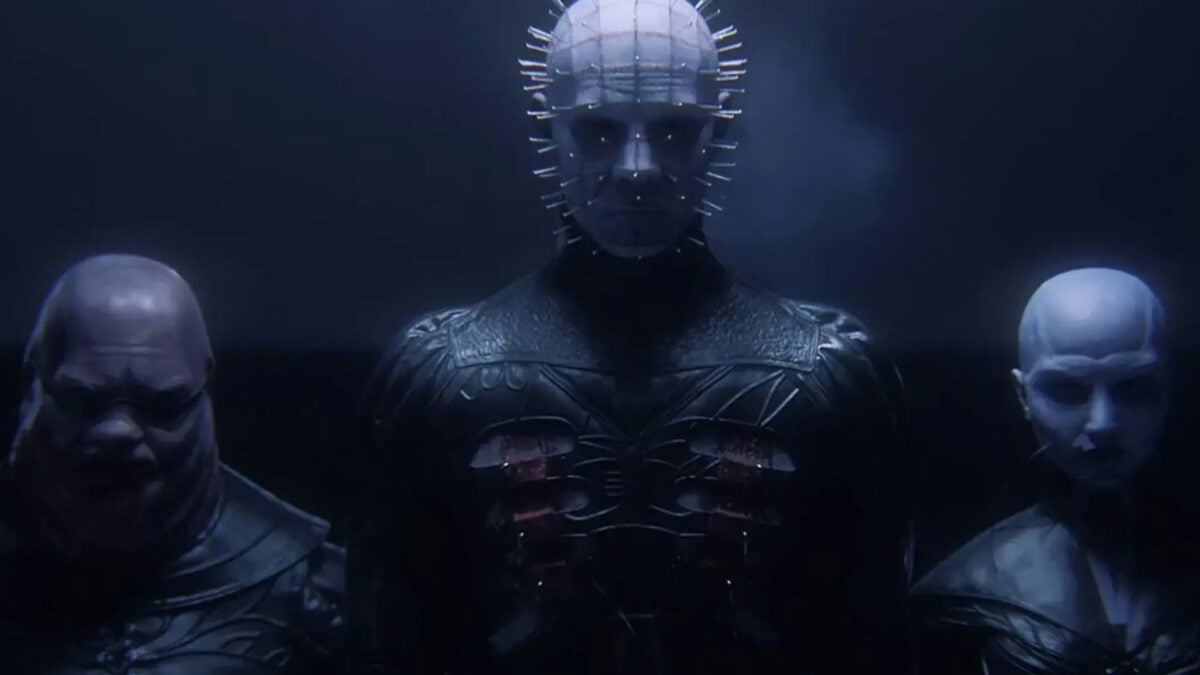
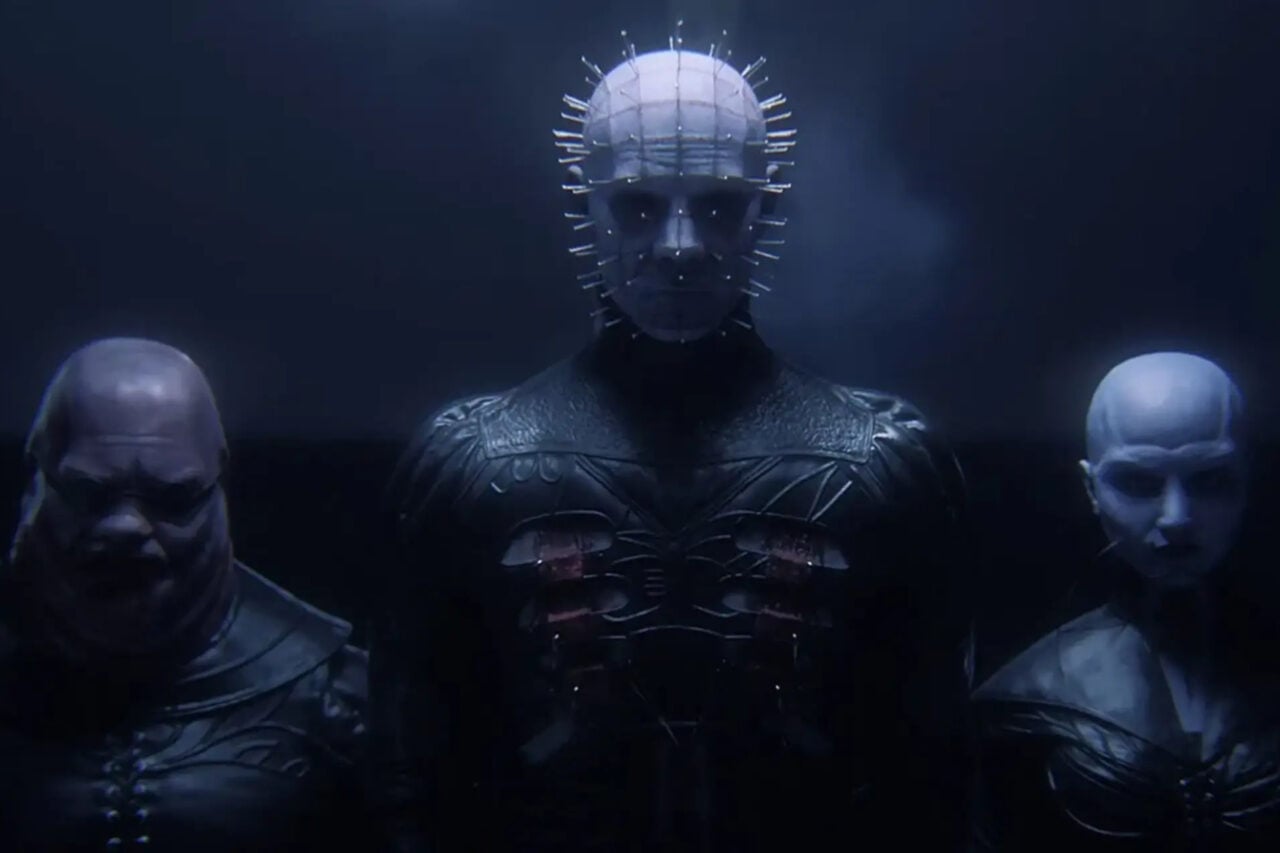
Clive Barker’s Ready to Bring ‘Hellraiser’ Back to Movies


For Hellraiser fans, Saber Interactive’s video game from earlier this month is the franchise’s first bit of life in years. Amid a solid reception, creator Clive Barker doesn’t plan on letting the Cenobite madness stop there.

As he told horror outlet Dread Central, the game’s “a wake-up call. It says to get your ideas warmed over so you can go back into existing worlds in a brand new way.” And as far as that goes, Barker’s got “many” he’d like to see happen, which is why he’s “planning to keep my fingers in that pie. […] I’d love to have another go and explore.”

The last Hellraiser movie was Hulu’s 2022 reboot, and there’s been no movement on that TV show announced for HBO. Both of those were announced in 2019, and it Barker got the rights back the following year. (He signed story and character rights away before the original 1987 movie even came out.) He was candid about the films’ decline, which he blamed less on the creative talent and more on the Hollywood system milking the franchise.

“Many of [those] movies made by the Weistein brothers were created simply to hold onto the rights. Over time they spent less and less on them. A lot of amazing creative people got worked over as a consequence,” Barker said. “The compromises you have to make and the battles you have to have are totally exhausting, unnecessary, and not something I will entertain ever again.”

Notably, Barker said he’s got a good amount of Hellraiser ideas for film and “other media.” Comics have come out this year and next, so fans won’t be completely left wanting until such a time they hear news of another movie or even the TV show.

Want more io9 news? Check out the best movies and TV shows to stream this month and all the upcoming sci-fi, fantasy, and horror books that should be on your radar.

Chained Beasts Free Download (v1.0.1)


Chained Beasts PC Game


Chained Beasts Direct Download:

Step into the Colosseum chained to your friends. Chained Beasts is a co-op gladiator roguelike for 1-4 players, combining brutal combat with teamwork and slapstick moments. Can you gather your friends, crush your enemies, win the crowd and gain your freedom? Brick by Brick: Tidy Up the Small Town!

Gladiatorial Combat
Slash and hack your enemies in this brutal gladiator roguelike or use the environment against them. Hurl an urn at your foes or hurl your foes at an urn. Charge them into a wall of spikes or a pit of snakes. Throw your weapons to take down enemies from a distance but be sure you have another at hand or you might find yourself in trouble.

Chained to Your Friends
Don’t struggle alone, gather four ferocious friends and you’ll be chained together in cruel and creative ways. If you can’t coordinate you’ll end up tangled around a pillar or worse but synchronize your efforts and you can trip your enemies and turn the tables.

Battle Brutal Bosses
As your fame rises you will battle brutal bosses, heroes of the arena, armed to the teeth with every advantage at their disposal. The deck will be stacked against you but victory will bring you one step closer to Rome and a chance at freedom or revenge.

Screenshots

System Requirements

Minimum
Requires a 64-bit processor and operating system
OS: Windows 10
Processor: Intel Core i5-5257U, AMD Ryzen 3 1200 or equivalent
Memory: 8 GB RAM
Graphics: GeForce GTX 1050, AMD RX 460 or equivalent
Support the game developers by purchasing the game on Steam

Installation Guide

Turn Off Your Antivirus Before Installing Any Game

1 :: Download Game
2 :: Extract Game
3 :: Launch The Game
4 :: Have Fun 🙂


Fire Emblem’s Remarkable Comeback


Though it may not be a sales juggernaut on the scale of Mario or The Legend of Zelda, Fire Emblem is one of Nintendo’s preeminent franchises. Like so many of its vaunted stablemates, the series is almost as old as Nintendo’s gaming ambitions, debuting on the Famicom and appearing on nearly every home and handheld console since. Given this prominence, it’s almost difficult to believe that Fire Emblem’s future was ever in jeopardy, but such was indeed once the case; there was a point in time when the series was very much on the verge of cancellation, and it took a dramatic shakeup to reverse its fortunes.

To fully contextualize this rocky period in Fire Emblem’s history, we need to look back at its trajectory in the wake of its belated international debut. Unlike Nintendo’s other marquee properties, Fire Emblem took a circuitous route to Western markets. Though the series began in 1990, its first several installments were never released outside of Japan, and most Western players would end up being introduced to the franchise not through one of its mainline entries, but through Super Smash Bros. Melee for the Nintendo GameCube.

Even more so than its predecessor, Melee was a veritable celebration of Nintendo history. The game drew deeply from the company’s rich oeuvre; its roster was stuffed with beloved mascots, and its extensive array of collectible trophies covered the full sweep of the publisher’s gaming legacy, from renowned classics to obscure curios. What generated the most chatter among international players, however, were two particular hidden fighters who hailed from a series most had never heard of: Marth, hero of the first Fire Emblem, and Roy, protagonist of the series’ then-newest installment, The Binding Blade.

Despite their unfamiliarity, these mysterious swordsmen instantly became two of Melee’s most popular characters thanks to their cool designs and nimble swordplay, which helped set them apart from the more recognizable characters on the roster. More consequentially, their newfound popularity among Western players generated immediate interest in Fire Emblem as a whole–a series that, to that point, had been all but unknown outside of Japan. That the franchise was notable enough to warrant not one, but two representatives in Melee was yet more indication of its significance, and only further stoked players’ curiosity.

Marth in Super Smash Bros. Ultimate

This upswell in interest (coupled with the critical and commercial success of Fire Emblem’s sister series Advance Wars, which likewise had just made its worldwide debut after a similarly long period of Japan exclusivity) went a long way in encouraging Nintendo to finally bring the franchise to other markets, beginning with its next GBA installment (and seventh entry overall), Fire Emblem: The Blazing Blade. The gambit paid off; thanks to its wider availability, Blazing Blade became the first game in the series to sell more than 800,000 copies, solidifying it as another tentpole franchise for the company and ensuring there would be no hesitation to bring future titles westward.

The next few Fire Emblem games saw similar commercial success. The series’ second worldwide release (and final GBA installment), The Sacred Stones, arrived in 2005 and moved more than 700,000 copies over its lifetime, while GameCube’s Path of Radiance followed later that same year and sold more than half a million copies–well enough to satisfy Nintendo’s expectations, considering the system’s age and comparatively small user base.

Gradually, however, the series experienced diminishing returns. Fire Emblem: Radiant Dawn, a direct sequel to Path of Radiance, arrived on the Wii in 2007 and ultimately sold fewer copies than its predecessor, despite the fervor surrounding the console at the time. Fire Emblem: Shadow Dragon, a DS remake of the original 1990 game, followed in 2008 to a similarly muted reception. While the dual-screen handheld had a significantly larger install base than the Game Boy Advance, Shadow Dragon moved an estimated 600,000 copies–a significant drop off from both GBA titles. In the face of this downward trend, Nintendo elected not to localize the series’ next DS entry, New Mystery of the Emblem–the first time in nearly a decade that a Fire Emblem game would not be released outside of Japan.

As with some of Nintendo’s other aging franchises from around the same period, franchise fatigue was beginning to set in for Fire Emblem. The relatively quick succession of releases, none of which deviated very far from the series’ well-worn formula, coupled with their steep difficulty and lack of innovation, led to a steadily dwindling audience. So persistent was the decline that the long-running franchise now found itself at risk of cancellation; according to the development team, the next Fire Emblem would be the last if it failed to sell at least 250,000 copies, which prompted some radical proposals for how to shake the series up.

2874240-fire-emblem-awakening-pair-combat.jpg
Fire Emblem Awakening

The resulting game, Fire Emblem Awakening, did not completely upend fan expectations, but it did become a massive hit, saving the entire series. Rather than reinventing the franchise, Awakening was developed as a “grand culmination” of it, tweaking the established formula in inspired ways and reworking staid conventions. The game leaned heavily on the series’ character-driven nature, placing an even greater emphasis on character development and relationships than previous titles. But perhaps even more consequential was the addition of a Casual mode–a feature that originated in New Mystery of the Emblem but had never previously appeared in an international release. Casual mode effectively turned off one of Fire Emblem’s hallmark mechanics, permadeath–a move that once felt tantamount to sacrilege, but had a profound impact on the series’ approachability. With the option to disable permadeath, the game became much more welcoming; now that there were no long-term repercussions for a miscalculated move, players could enjoy the complex narrative and deep gameplay without worrying about irreversible consequences, opening the series up to a much wider audience than before.

Awakening would go on to sell more than two million copies, kickstarting a resurgence for the series. Each subsequent entry would build upon Awakening’s experimental streak, evolving the franchise in unexpected ways. Fire Emblem Fates followed in 2015 and was an even bigger hit, moving more than three million copies. In a page out of Pokemon’s playbook, Fates released in three separate versions, presenting the same tale from three alternate perspectives. Two years later, the series made its mobile debut with Fire Emblem Heroes, which would go on to become Nintendo’s most successful mobile game, while its final 3DS installment, Fire Emblem Echoes: Shadows of Valentia, followed a few months later and surpassed a million copies over its lifetime.

Fire Emblem has continued to prosper in the years since, with Switch’s Three Houses setting a new benchmark for the series with over four million copies sold. Thanks to an eventual willingness to innovate and rethink long-standing conventions, the storied RPG was able to weather declining sales and the looming threat of cancellation to become one of Nintendo’s stalwart franchises, offering an incisive lesson in how to steward a long-running series. And with the positive reception that’s greeted the newly released Fortune’s Weave, it appears Fire Emblem will continue to occupy a vital place in Nintendo’s pantheon for a long time to come.

Panasonic Cameras Bring FAUST Rock Musical to Audiences Across Kiel


The premiere of FAUST, an open-air rock musical in Kiel, Germany, reached far beyond the main performance venue. In addition to the live audience, the production was delivered to six public viewing locations throughout the city.
To capture the performance, the production team used four Panasonic AW-UE150 PTZ cameras, four AK-UC4000 broadcast camera systems, and two AW-RP150 PTZ controllers, along with aerial footage.
By combining remote-controlled PTZ cameras with traditional broadcast cameras, the production captured multiple perspectives of the performance and shared them with audiences beyond the theatre grounds. The project highlights how professional live production technology can help bring concerts, theatre, and other cultural events to larger audiences.

Learn more about Panasonic here

See the original post here

Meta removes language that raised scraping and AI training concerns


Meta recently updated its commercial terms of use, declaring that the company can “use any content from [a business account’s] domains, web pages, or URLs to provide, develop, improve, research, train, and maintain the integrity of” Meta products and services.

According to legal experts interviewed by Nieman Lab, this looked like a “remarkable provision” that could give Meta permission to scrape the website of any publisher with a Meta business account and use the content to train the company’s AI models. (While Meta defeated a high-profile lawsuit over alleged copyright infringement last year, other cases against AI companies, including Meta, continue.)

However, a Meta spokesperson insisted that the updated terms did not reflect a change in the way Meta crawls the web. And now, The Verge reports that the provision has been removed.

“We’ve heard you and want to clarify: the crawling terms we consolidated only applied to our ads and business products, and we’ve clarified that in the terms themselves,” the company said in a statement. “It does not change how Meta uses web crawlers.”

Voicemod’s New Phone Gadget Changes Your ‘Sonic Identity’ for Mobile Games and Streaming


For years, Voicemod has given people a way to change their voices online, which they’ve done for any number of benign reasons — for game players with feminine-pitched voices to avoid harassment, for those with damaged vocal cords to simulate their former voices, for anonymity or even just for fun. Now the company has a new product to bring its voice-changing tech on the go in a physical device that magnetically clips on the back of phones.

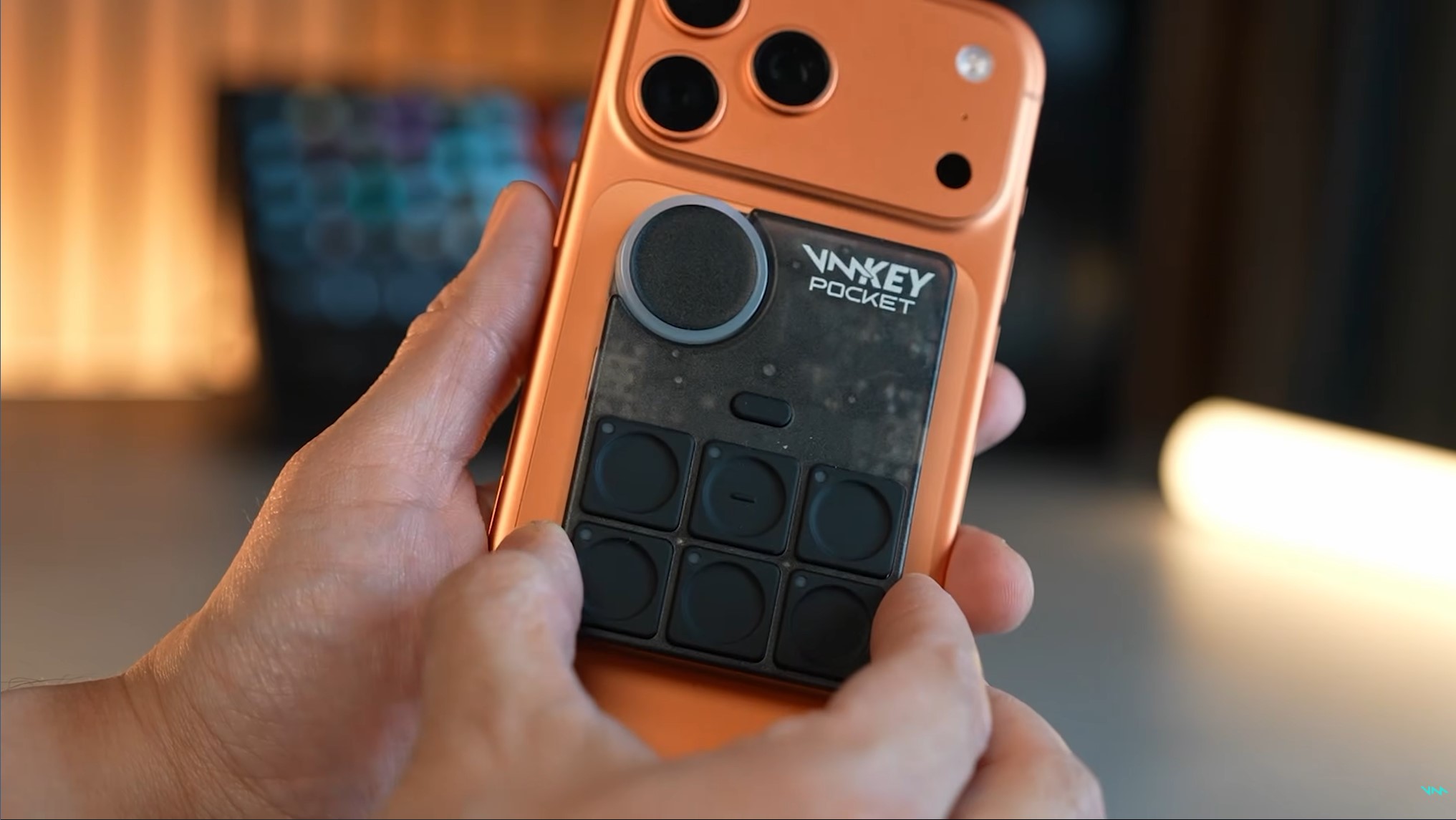
The Voicemod Key Pocket, available to preorder now for $130, is a small soundboard about the size of a magnetic battery and serves as a controller interface for the company’s voice-changing apps. The half-dozen buttons on the back of the device can be used to switch between voices or audio effects while streaming or playing games, while the wheel adjusts volume of the projected voice. 

The Key Pocket works in tandem with the Voicemod app, but all voice processing is done locally and in real time separate from games and streaming apps in order to maximize privacy as well as performance, according to a Voicemod statement. The Voicemod app provides access to over 200 original voices made by the company, over 76,000 voices made by the service’s community and over 800,000 sounds and memes made by users. 

The Key Pocket is a versatile gizmo, with an LED wheel at the top-left corner for toggling voices and checking sound setup, while programmable trigger buttons enable swapping between voices and soundboard playback. The device supports wired and Bluetooth wireless headsets, has USB passthrough charging and clips securely to the back of phones with MagSafe-compatible magnets. 

Beyond phones, the Key Pocket works on tablets and consoles, including PS4 and PS5, Xbox Series X/S, Nintendo Switch 2 and the Meta Quest 2, 3 and 3S headsets. It can plug into USB-C, wired 3.5mm ports or connect via Bluetooth.

There are plenty of reasons folks might want to change their voice, from goofing off with friends to avoiding harassment when gaming online — a sad reality for gamers with feminine voices. It’s also an accessibility boon for people who have health conditions or other circumstances leading them to want to change their vocal timbre and pitch.

These days, changing voices can be cause for concern, especially with artificial-intelligence scams spoofing the voices of loved ones to extort money. But when I sat down at Mobile World Congress 2026 earlier this year to chat with Voicemod’s Daniel Pearson, vice president of marketing, and Alex Bordanova, chief product and technology officer, they explained how it aligned with the ethos of the company. The Key Pocket is the result of years of Voicemod’s work to support the idea that one’s online voice is as much an expression of identity as their visual look.

“Everyone has their digital visual appearance where they tweak their cosmetics and skins, but when it comes to voice, it’s kind of been left out, right? It’s this missing half of digital identity,” said Pearson. 

As voice-changing tech makes its way into Fortnite, Arc Raiders, Marvel Rivals and other spaces for online third spaces, people are opening up to the idea that their personal expression isn’t just limited to how they’re seen, but also how they’re heard — or as Pearson calls it, their “sonic identity.”

A woman holds a phone in front of her with a device on the back that's connected to her headset, with a graphic of a phone call and a baby around the visual to indicate the voice filter she's using on the call.Voicemod

When voice becomes a way to express identity

In our earlier chat, Pearson and Bordanova laid out what Voicemod meant to its community, with the latter describing one memorable story from last October’s TwitchCon 2025. A woman approached him explaining that she was a streamer who lost her voice for about six months but was able to make up for it with Voicemod’s tech.

“She used an AI voice, because that was enough to turn something audible out of just very nuanced sounds that she could project,” Bordanova said. 

It spurred discussion about ways the Voicemod team might preserve the community’s voices — a vault, say, to future-proof their voices in the event that health or injury might limit their speaking. 

The Voicemod creators don’t just see its tech as just to alter voices for fun or privacy — they see it as an expression machine, one that reflects who you are online. That comes in the form of a voice tweaked to a desired pitch and timbre, but also more abstract communication, like a soundboard. Yes, the signature toy of radio shock jocks from yesteryear is an aspect of expression, too, especially among a community where sounds take on specific meanings.

“It’s giving you the capacity to react and expand by giving extra context that you and your friends understand, but the normies don’t,” said Pearson.

Voicemod’s team has been encouraged by the increasing availability of voice-changing tech in games. Around a year ago, Arc Raiders launched its voice changer in beta but only offered ten voices at launch, and Voicemod offered their own tech to expand those options. 

“[Gamers] are social beings, they don’t want to have the default skin. They want to have their own skin customized,” Pearson said. “If the game just gives you 5-10 skins, you’re gonna want the next one, you want to differentiate yourself.”

The company’s Voicelab enables further voice tweaking with fun effects. One could, if they wanted, change their voice to sound like they were wearing a helmet in a cave inside a volcano — wacky but evocative sonic context placing the person in a specific space and circumstance. It enhances expression and storytelling and uses AI to do it. But not the AI you’re thinking of.

AI has been at the heart of Voicemod — but not generative AI

There’s no denying that technological advancement has enabled voice generation, but Voicemod came long before that. It was founded 14 years ago, using digital sound processing to alter voices, launching first on an iPhone 3GS, Bordanova explained. 

What their tech enabled that traditional DSP could not is changing the timbre of the voice — its tone, color and personality. Using math, Voicemod’s tech could change a vocal signal in ways that would simulate changing the human organs that naturally shape one’s voice, like elongating or shrinking the vocal cords or altering the width of your throat or nose. 

More traditional AI powered Voicemod’s older methods of voice changing, which improved thanks to technological developments. The company’s advantage was to be one of the first to invest heavily in AI’s use in voice changing, Bordanova said. 

“There was something unique, something very special, that would evolve us from being a voice changer to having fun with friends online, into giving real utility for a 24/7 use case,” Bordanova said. 

What he clarifies is that Voicemod’s tech isn’t based on generative AI, unlike the tech behind voice processing tricks like Google’s live translation. Instead, their language models are around 20 megabytes in weight, and take about a week to train. Unlike the immense large language models used in generative AI, Voicemod’s are small enough to fully download on phones and other client-side devices. They can be consulted immediately on device for 42 millisecond latency, rather than need to go to the cloud.

That doesn’t mean they’ll never use LLMs — but the use case they’re envisioning is as a glorified assistant helping people find the right toggles and settings to get the voice they want from existing choices. 

“You can type, I want the voice of SpongeBob and the LLM would pick the right effect and parameters and just create the voice for us,” Bordanova said. 

A person holds their phone in front of them with a device on the back, using their fingers to press the buttons and wheel on the device.Voicemod

Expression on the go, through your phone to your digital life

Back in March at MWC 2026, I chatted with Bordanova and Pearson when they brought out a prototype for the Key Pocket, the follow-up to the company’s earlier Voicemod Key, a dongle device that aimed to help change voices for console play. Even in its cruder form, the Key Pocket felt special. 

As even the prototype was MagSafe compatible, I clipped it to the back of my own iPhone 15 Pro Max. Even if the device wasn’t far enough along to be usable with software, I could still simulate how it would feel in action with my phone rotated sideways, as if I had it active while gaming. The row of buttons rested below my fingers, easy to press if I wanted to tweak my voice or trigger vocal or sound effects. The volume wheel was nice and accessible. If I was streaming or chatting with my friends, the Key Pocket would be a nice accessory to have.

While a lot of gaming happens at home on PC and console, mobile gaming is a huge sector. The Key Pocket is a neat tool for gamers who either play on the go or who opt to play on phones for other reasons — possibly because they can’t afford pricey bigger platforms, which have only gotten more expensive since the RAM shortage. Odds are good that the phone in many gamers’ pockets can play the games they want, and the Key Pocket could help with their so-called sonic identity.

Voicemod’s goal goes beyond the Key Pocket to eventually integrate their tech at a system level, so that anyone booting up a computer or phone could use the tens of thousands of voices created by the Voicemod community (along with the filters and sound effects) to modify their aural appearance anywhere on the device. 

“The last frontier is to get rid of the hardware,” Bordanova said.

Expanding Voicemod’s tech across a device’s software and apps would broaden its appeal — imagine not just customizing your voice in games and voice chats with friends, but work Zooms and other calls. Having the same options and interface available everywhere you could use your voice would open up possibilities for folks who’ve never thought about tweaking their voices.

But any mobile gamer will tell you that external controls make a world of difference compared to on-screen digital buttons. Integrating voice tech into the back end of devices is good, but having the Key Pocket soundboard at the touch of your fingers is a far more tactile and responsive set of controls. For streamers and presenters on the go who rely on exact timing, the Key Pocket is a neat solution. Sometimes all you need is an attractively designed gadget to expose folks to new tech possibilities — and in this case, the potential to express themselves online in a way they may not have considered before.

Outlast designer says that one playtester was so upset by the horror series they ‘ran out of the studio to go cry outside’ and didn’t return


Red Barrels’ Outlast series has long held a reputation for pushing the envelope further than most horror games, with depictions of violence, gore and nudity that can be shocking even within a medium well versed in delivering scares. But it isn’t just audiences who have found the studio’s games shocking beyond the virtual horror norm. As co-founder Phillipe Morin recently revealed, there have been numerous instances where people in and around the studio have found working with the material frightening to the point of being traumatic.

In a chat with Gamespot, Morin discussed the studio’s unflinching approach to horror, explaining that it wasn’t a deliberate attempt to court controversy, and was simply a “personal preference” on Morin and the other co-founders’ behalf. “We didn’t start like ‘Oh, we’ve got to make the goriest game out there'” Morin explained. “It was just, ‘we’re making a horror game, so obviously we’ll make it gory. I remember even the scriptwriter early on was saying, ‘There’s never too much blood.'”

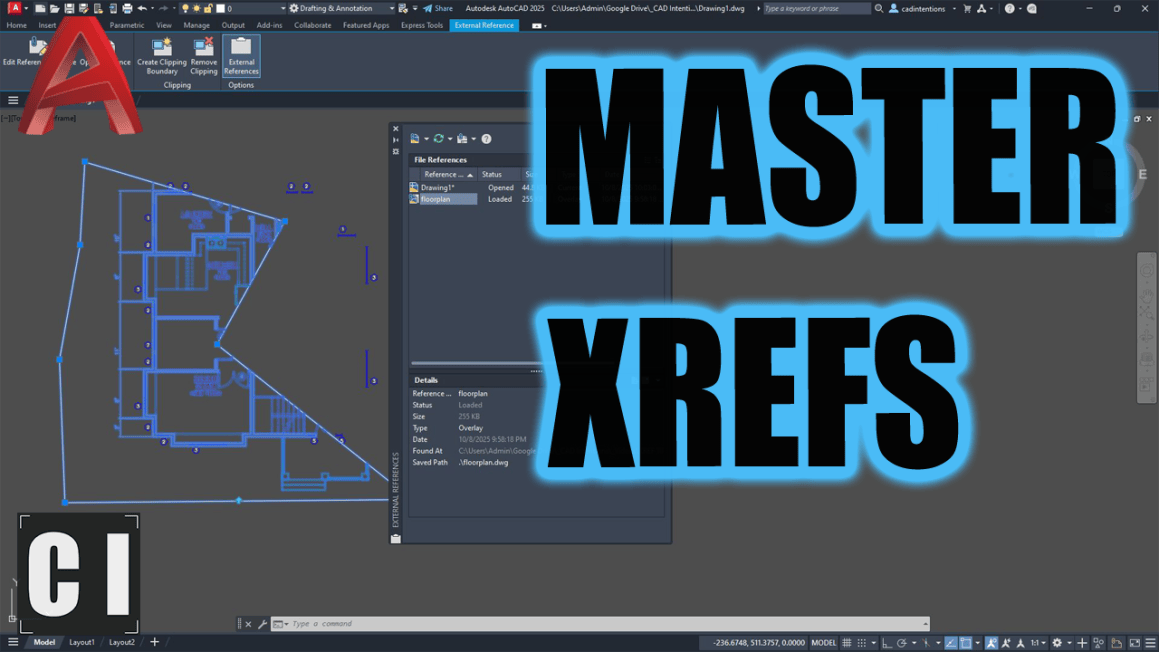
Master XREFs in AutoCAD (Without Breaking Anything)


Hey All,

I still remember early on getting frustrated when I got client drawings full of broken references (XREFs), you never knew if it was something important that was missing or simply a reference they meant to remove.

Chasing down and trying to get missing files is always a pain in the a**

There are so many ways to prevent these issues, and today’s email is all about streamlining and better understanding how External References work within AutoCAD.

Once you learn to utilize the power of XREFs, it really is a time saver that makes collaboration and keeping drawings organized easier.

So this week’s tip (and video) is one I wish I had back then 👇


💡 Quick Tip: Use OVERLAY for Most XREFs

When attaching an XREF, you’ll see two options: Attach and Overlay.

Attach includes the XREF in any future files that reference yours
Overlay shows it only in the current file — it won’t be nested further

Use Overlay as your default — it helps avoid circular references and layer chaos when collaborating or building multi-sheet plans.


Feature Video: Master XREFs in AutoCAD (The Right Way)

If you’ve ever struggled with:

  • Bloated, messy DWG files
  • Broken XREF paths
  • Missing viewports or annotations
  • Or just not knowing when to use Attach vs Overlay…

This video will walk you through it all. It’s a beginner-friendly, practical crash course to finally get XREFs working for you, not against you.

Master AutoCAD Xrefs in 10 Minutes! (Settings, Overlays, Links& More)

💬 Let me know in the comments if you’ve ever had an XREF fail on you.


🛠 Tool of the Week: Autodesk Forma

Forma is Autodesk’s next-generation cloud-based platform for early-stage planning and design — and it’s seriously powerful.

Whether you’re working in architecture, urban planning, or site design, Forma helps you:

✅ Explore massing concepts faster
✅ Analyze environmental impacts (sunlight, wind, noise)
✅ Collaborate across teams in real time
✅ Generate insights before jumping into detailed BIM work

It integrates with Revit and is built for designers who want data-backed decision-making before detailed modeling even begins.

🔗 Explore Autodesk Forma: https://www.autodesk.com/forma


If you’re enjoying these tips and want to go deeper, check out my AutoCAD Fundamentals & Workflows course. It’s packed with the real-world systems I use every day: templates, plotting, layout workflows, title blocks, and more.


That’s it for this week!
Let me know some of your XREF tips & Tricks in the comments or by hitting reply!

Cheers and happy drafting,
Brandon

P.S. If you’ve got a colleague who’s still just inserting entire drawings into your working drawings, forward this email or send them a link!

They’ll thank you later.

The following two tabs change content below.

Brandon is a Civil Designer, Aspiring Blogger/Creator, Husband, Father to two Amazing Kids and Tech Aficionado from a small town in Canada. He has been obsessed with design and technology since he can remember and working as a Civil Designer for nearly as long. Brandon’s blog and Youtube channel, CADIntentions.com has been his outlet and excuse for keeping up with new tech and trends in the CAD design world for the last 10 years growing to more than 60,000 subscribers and over 15,000,000 views, while also being the source of many great friendships and unique opportunities.

If you would like to Sponsor CAD Intentions or Work together in some way, Please visit my About Page and send me an email: http://cadintentions.com/about-me/


Every Major Game Releasing in November That Isn’t GTA 6


For millions of gamers, November is all about one video game: Grand Theft Auto 6. Rockstar’s much-anticipated open-world crime game is likely to spark a cultural moment that we haven’t seen in games since Animal Crossing: New Horizons in 2020. While that’s exciting, it’s also bound to leave players who don’t care about GTA a little bored considering that so many developers have moved their games out of November entirely to avoid getting lost in the storm.

The good news for anyone looking for some good GTA 6 counter-programming is that there are more games coming out next month. While it’s not as crowded a field as we typically get in November, there’s still sure to be something for you. Here’s a look at some of the highlights you can expect to play if you’re avoiding the streets of Vice City.

Gravhounds

Release date: Nov. 2

Where to play: Windows PC, Xbox Series X

In a crowded Gamescom Opening Night Live stream, Gravhounds was a real attention-grabber. The upcoming co-op shooter puts you and your friends in control of gun-toting dogs forced to shoot their way through an alien planet. With base building mechanics and some gravity-bending physics to toy with, it could wind up being a goofy multiplayer hit. It’s set to launch into early access starting on Nov. 2.

Godzilla: Destroy All Monsters Melee Remastered

Release date: Nov. 3

Where to play: Nintendo Switch 2, PlayStation 5, Windows PC, Xbox Series X

Anyone who grew up in the GameCube era will no doubt remember Godzilla: Destroy All Monster Melee, if only for its iconic cover art. 24 years after its release, the cult classic kaiju brawler is returning in a freshly remastered form complete with online multiplayer. If you’ve never played it, don’t sleep on it: It’s a surprisingly fun casual fighting game that’s filled with classic monsters.

World of Warcraft: Forever

Release date: Nov. 4

Where to play: Windows PC

Arguably, World of Warcraft: Forever is as big a deal as GTA 6 — at least for a specific era of players. Blizzard is embracing 2000s nostalgia by creating an all-new version of its legendary MMO that features retro graphics and brand-new content. It’s a dream come true for players who have just always wanted more from World of Warcraft, but as they remember it back in its heyday.

The Legend of Zelda: Ocarina of Time

Release date: Nov. 5

Where to play: Nintendo Switch 2

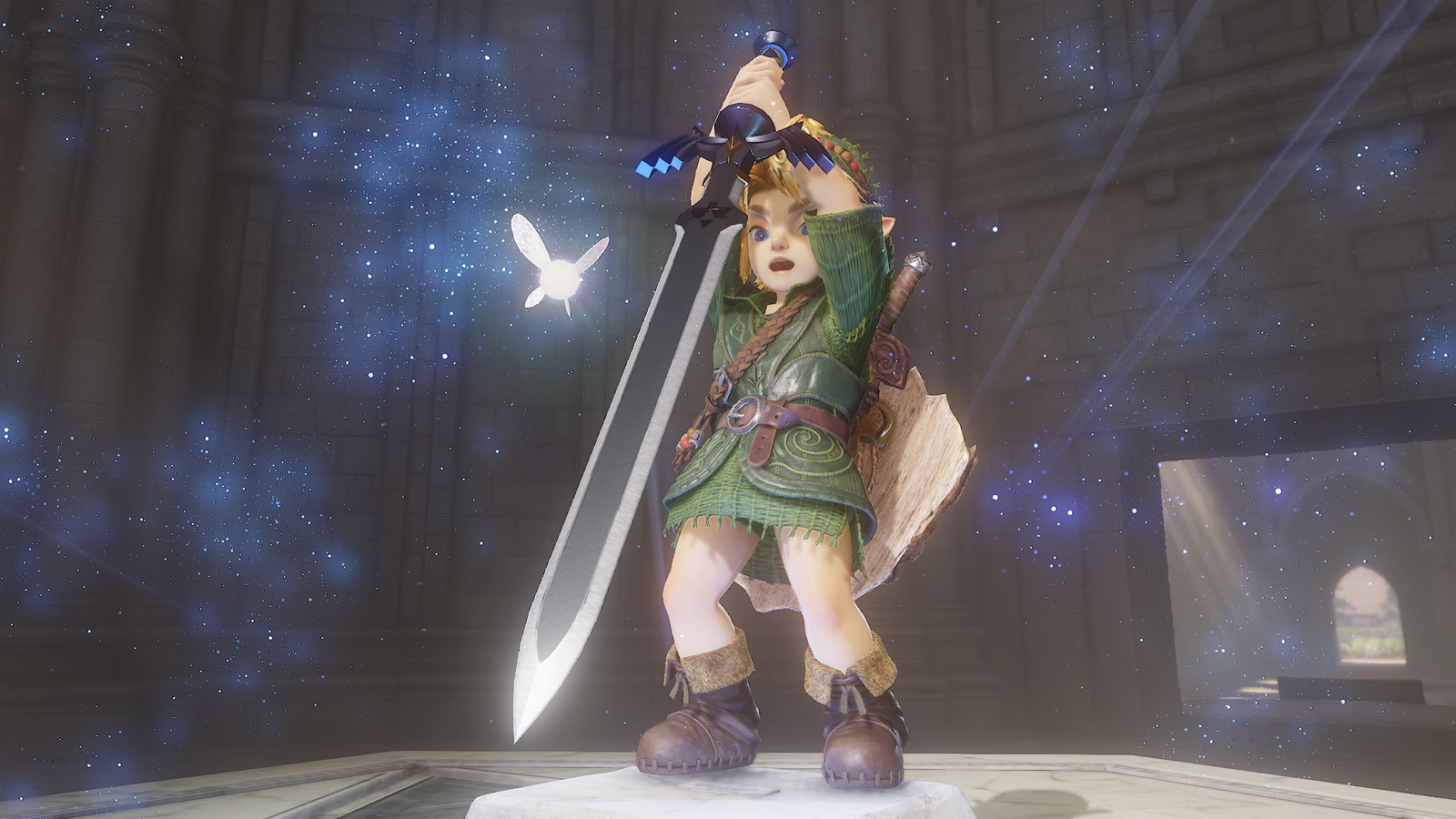
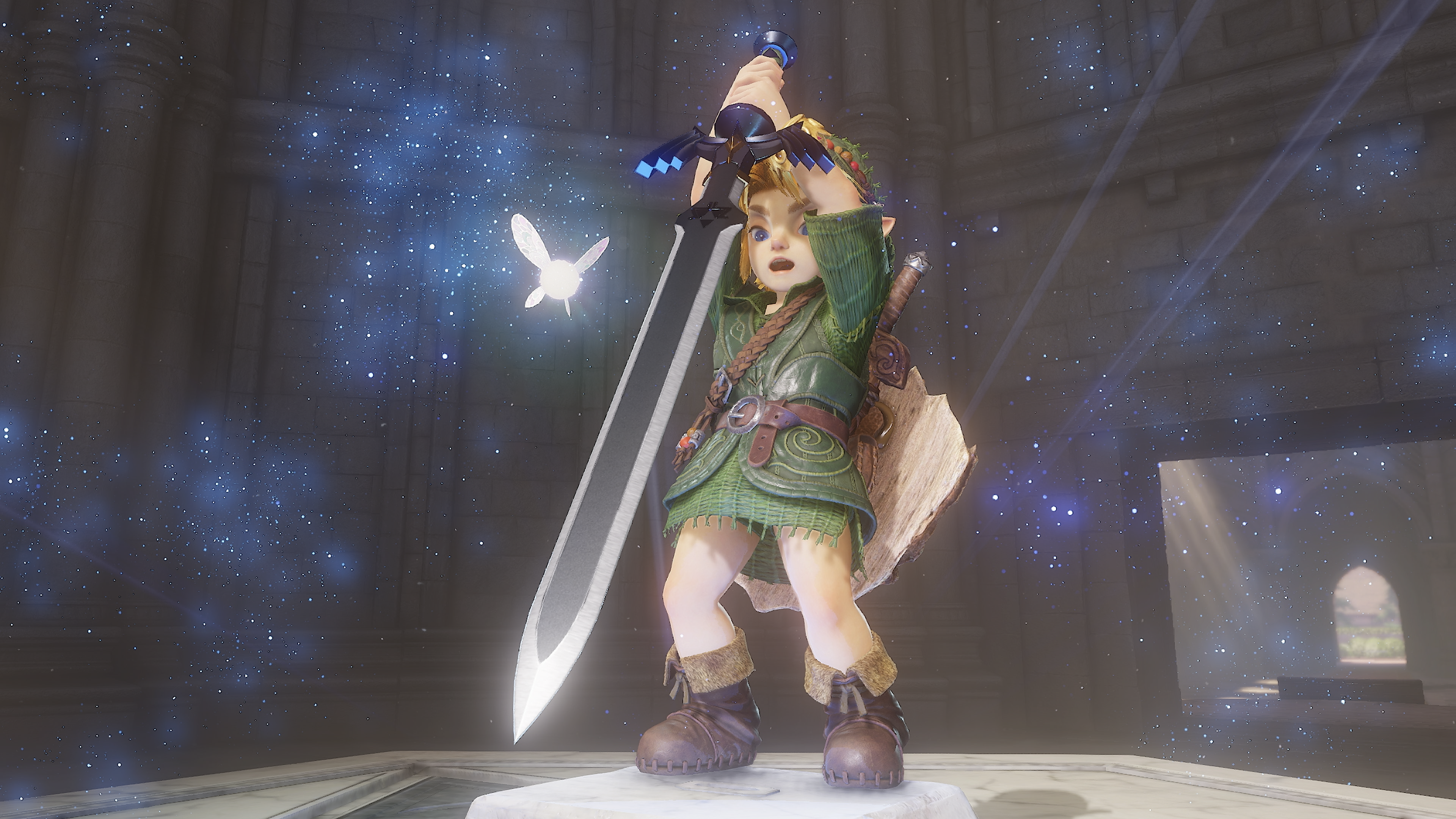
Considering that GTA 6 isn’t coming to Switch 2, we always knew that Nintendo would need to pull out the big guns to counter-program it. It doesn’t get much bigger than a remake of the greatest game of all time. The Legend of Zelda: Ocarina of Time is getting a modern makeover complete with dreamy visuals, modernized controls, and even a jump button.

Escape Academy 2: Back 2 School

Release date: Nov. 5

Where to play: PlayStation 5, Windows PC, Xbox Series X

For those looking for a multiplayer game to play in lieu of GTA 6 missing an opportunity for co-op, Escape Academy 2: Back 2 School is your best bet. The multiplayer puzzle game will drop you and a pal into a series of escape rooms designed by people who used to make them in real life. It even features local split screen, making it a perfect couples game for Jason and Lucia.

Warhammer Survivors

Release date: Nov. 10

Where to play: Android, iOS, Nintendo Switch, Nintendo Switch 2, PlayStation 5, Windows PC, Xbox Series X

Sometimes a game title says it all. Warhammer Survivors is Vampire Survivors, but Warhammer. It’s made by the developers behind the excellent Warhammer 40,000: Boltgun, a studio that has already proven that it knows how to work Warhammer lore into a good retro genre game.

Barbie Rewind

Release date: Nov. 12

Where to play: Nintendo Switch, PlayStation 5, Windows PC, Xbox Series X

Barbie Rewind might be the smartest bit of counter-programming you’ll find in November. While GTA 6 is catering to those who crave a hyper-violent crime simulator, this good-natured retro collection pulls together tons of beloved Barbie games released between 1991 and 2007. If you grew up playing games like Barbie: Super Model, this may very well be your GTA 6.

Sonic Pico Park

Release date: Nov. 12

Where to play: Nintendo Switch, Nintendo Switch 2, Windows PC

Even Sonic the Hedgehog isn’t scared of GTA 6. Sega will celebrate the Blue Blur’s 35th anniversary this year with Sonic Pico Park, a Sonic-themed spin-off of the multiplayer Pico Park series. Expect a 2D puzzle platformer that gives you a lot of reasons to curse your friends as you work together to solve co-op puzzles.

Pikmin 4 – Nintendo Switch 2 Edition + Dandori Academy

Release date: Nov. 12

Where to play: Nintendo Switch 2

Pikmin 4 is the latest Switch game to get the full Switch 2 Edition treatment, and it’s a great choice. The strategy game is one of the Switch’s best thanks to its satisfying critter-commanding and feel-good vibe. The updated version comes with Dandori Academy, a stage-structured challenge mode that’s meant to test your organization skills.

Milki Delivery

Release date: Nov. 17

Where to play: Windows PC

If you’re more of a cozy gamer, Milki Delivery should be on your radar. The 2D indie charmer puts you in charge of a dairy delivery service. You’ll bike around the scenic countryside delivering milk straight from your cows to the locals. It all has the inviting vibes of a Studio Ghibli film.