Here’s How Much The PlayStation 5 Cost In 2020 Vs. 2026


The PS5 has been the first Sony console to go up in price over time instead of becoming more affordable.

When the PlayStation 5 arrived in 2020, its price tag seemed reasonable given the performance increases on offer — if you could find one in stock. Over half a decade has passed since, though, and the PlayStation 5 now costs more than it did at launch.

We typically see price cuts, bundles and sales this far along into a console generation, but the ninth generation has been the first in some time to buck that trend. Even with minor hardware revisions, not much has changed on the inside to warrant a price hike. So how much more are you paying for a PS5 in 2026 compared to its launch in 2020, and why is Sony charging you more now?

The cost of a PlayStation 5 in 2020 vs. 2026

The standard PlayStation 5 has two editions: the disc version launched at an MSRP of $499, while the Digital Edition debuted at $399. The latter was consistent with previous console pricing (without adjusting for inflation), as the PlayStation 4 launched at $399 in 2013 and the PS4 Pro was the same cost when it hit shelves in 2016.

Fast-forward to 2026, and the PS5 Digital Edition now retails at $599 — a $200 jump after six years. This flies in the face of typical pricing trends towards the end of the console generation, where the platform has matured and offers major deals. The Disc Edition PS5 has seen a relatively smaller jump, going from $499 to $649, but that’s still a 30 percent increase over six years. For comparison, the PS4 Slim arrived in 2016 and brought that console’s MSRP down to $299.

Sony refreshed the PS5 with its own Slim redesign in 2023, which raised the Digital Edition’s starting price to $449 and kept the Disc version at $500. As our PS5 Slim review found, the revamped console didn’t improve performance. Sony shrunk internal components and reduced the console’s physical footprint. The other meaningful difference was an increase in onboard storage, going from 825GB on the launch PS5 to 1TB on the Slim. Also, the Digital Slim supports an $80 disc drive add-on if you change your mind about physical games.

The first PS5 price hike occurred in August 2025, with each model going up by $50. To make this sting even more, Sony dropped the Slim Digital model back to 825GB of storage in late 2025. Then in April 2026, we got another $100 price increase to reach the current MSRP of $650 for the disc model and $600 for the Digital. Meanwhile, the PS5 Pro started at $700 in 2024, went up $50 in August 2025, and climbed to a staggering $900 after the April 2026 hikes.

Inflation doesn’t fully explain this disparity. Based on the US CPI Inflation calculator, the original $399 price of the Digital Edition is $514.90 in today’s dollars, but the current MSRP is much higher at $599. The disc-based model is closer; its $499 November 2020 launch price is equivalent to about $644 today.

Why the PlayStation 5 costs more now than at launch

If the Slim redesign in 2023 didn’t cause a massive price increase, why is the PS5 so much more expensive now? Put simply, it’s the result of an industry-wide NAND and RAM shortage that has affected much more than just gaming consoles. We’ve seen Apple raise prices by hundreds of dollars, along with nearly every other hardware company. 

The current AI boom is a major factor behind the memory supply crunch. Data center companies have secured contracts for enormous amounts of high-performance memory. And given that only a few specialized factories can produce cutting-edge DRAM and NAND, that constrains supply for consumer electronics like laptops and gaming consoles.

Sony explicitly declared on a Q4 2025 investor call that “rising memory prices increase bill of materials (BOM) costs and worsen manufacturing costs [for the PS5].” However, the company has secured enough memory supply to meet its manufacturing capacity through the end of 2026. Sony said it expects the shortage to continue into 2027 and possibly affect the next console generation as well.

Will the PlayStation 5 get cheaper or go on sale?

Typically, game consoles aren’t priced to turn a huge profit. The PlayStation 5 is no exception to this rule — Sony expects to make the bulk of its profit selling games, accessories and subscriptions.

Sony gets a 30 percent cut on almost every game, DLC or other transaction made on the PlayStation Store. Think about how many games you’re likely to buy over the next half-decade, or even longer. Part of this commission goes towards maintaining the server infrastructure for downloads and other services, but it’s still a significant source of profit for the company. This is made even worse by the company’s plans to discontinue game discs in 2028.

Consoles can also be subsidized by subscription revenue. You need a PlayStation Plus membership (which have also increased in price) to access online multiplayer in paid games, along with cloud save backups — essential features for modern-day gaming. Sony can therefore spread its expected profit over a long period rather than charging consumers upfront. This makes the console even more attractive to prospective buyers, reeling in more subscribers and eventual profit. 

This formula worked well for several console generations, especially with the PlayStation 3 generation popularizing digital game sales and introducing PlayStation Plus. Additionally, processing hardware would typically get less expensive over the course of the console’s generation. It thus wasn’t uncommon for console makers to drop console prices after a few years without affecting their bottom line. But that hasn’t happened with the PlayStation 5.

So if prices for us have risen, it’s safe to assume the cost of manufacturing a PS5 console has gone up proportionally. We already know it’s in a console manufacturer’s best interest to keep the entry price as affordable as possible. So if RAM prices were to fall, we can expect price drops, starting with temporary retailer discounts and bundles, then eventually a lower MSRP.

For now, strong demand for the PS5, and especially the PS5 Pro for the upcoming launch of Grand Theft Auto 6, means prices will likely stay elevated.

GTA 6 leaker threatens to upload a build with ‘full story mode’


Cyberleek has been uploading footage of Grand Theft Auto 6 since August, most recently a 25-minute video featuring co-protagonist Jason totally nude. Given that GTA 6’s November 19 release is just over a month away, on console at least, it seems natural that interest in these kinds of leaks would wane. Cyberleek has found a new way of generating hype: promising to leak a build of the game if their memecoin’s marketcap goes up another $26 million or so.

“Here’s the deal, nice and clean. CYBERLEEK hits 30 million marketcap, the build goes out – full story mode, played to the end, credits and all. Don’t believe it has full story mode? Ask for what you want to see, and it gets provided. Take-Two gets one way out: physical disks and a public apology. They can take it at any moment. Or they can gamble that CL is bluffing. Everyone knows which one they’ll pick.”

Marvel Darkhold Destiny Is Magic: The Gathering’s First Universes Beyond Set Of 2027


Today at New York Comic Con, Wizards of the Coast announced the first 2027 Universes Beyond expansion set for Magic: The Gathering. Marvel’s Darkhold Destiny will pit Doctor Strange, Thor, Ghost Rider, and more against cosmic villains like Hela and Dormammu in 2027.

The set will include normal and Collector booster packs, and four pre-constructed commander decks themed around Marvel heroes and villains, including the Midnight Sons. Multiple cards were shown during the hour-long panel, including Magic, who transforms into Darkchild, Gargantos, and the titular Darkhold. 

Darkhold Destiny tells an original story co-created by designers at Marvel and Wizards of the Coast. Along with that story, a brand-new character created for this set will be introduced in a Marvel Infinity comic series starting in February. 

Mechanics include Vengeance, an Adventure-like gameplay feature that lets you cast spells from your graveyard and return the permanent it’s attached to back to the battlefield, and the return of the Arcane subtype for spells.

Darkhold Destiny launches April 9 in big-box retailers and local game stores.

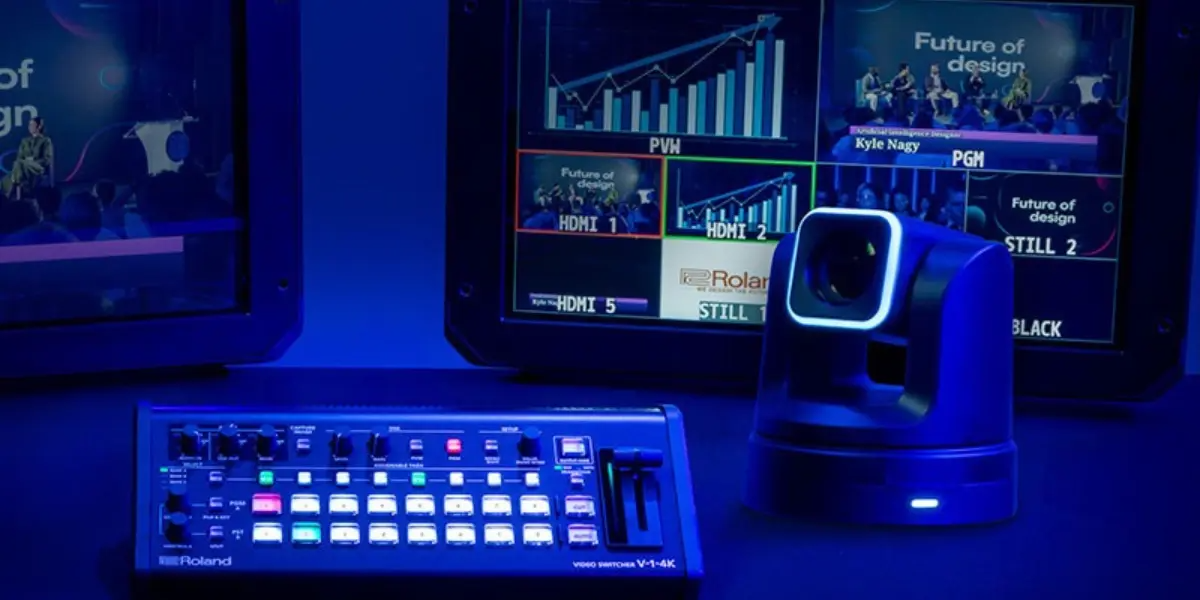
Roland V-1-4K Turns One 4K Camera Into Multiple Live Production Shots


Creating a professional multi-camera livestream doesn’t always require multiple cameras. With 4K Region of Interest (ROI) cropping, the Roland V-1-4K video switcher can turn a single 4K camera feed into several different shots.

Operators can select up to four areas within the camera’s image, creating close-ups, wider views, and different perspectives that can be switched during a live production. For example, one camera covering a panel discussion could provide a full-stage shot alongside tighter views of individual speakers.

The V-1-4K also includes five HDMI inputs, built-in scaling, and the V-1-4K Remote app for additional control. For livestreamers, churches, educators, and small production teams, this approach can reduce equipment requirements and setup time while delivering more visual variety to viewers.

Learn more about Roland here

Read the original article here

Philadelphia Truck Crash Attorneys: 8 Best (2026)


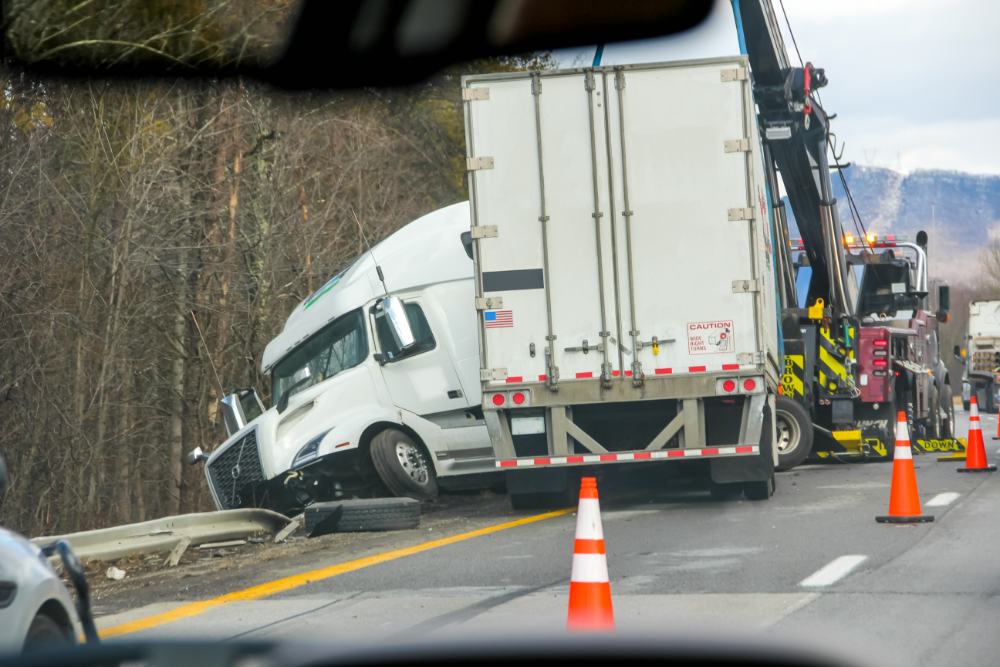
Philadelphia truck accident involving a commercial truck
Envato.com

The best Philadelphia truck crash attorneys for most seriously injured victims in 2026 are lawyers with a strong record in high-value cases, experience in Philadelphia courts, and the capacity to respond promptly. Commercial crashes on I-95, I-76, Roosevelt Boulevard, and Center City streets can involve federal regulations, several insurers, and evidence that may disappear quickly, so relevant experience with truck crashes deserves close consideration.

Our top pick is Rand Spear for injured victims seeking an established recovery record and 24/7 support after a serious truck crash. The firm reports more than $1 billion recovered in settlements and over 30 years in business. For victims across the wider Philadelphia metro area and surrounding Pennsylvania counties, Law Offices of Greg Prosmushkin is the strongest alternative. For clients who want plain-language guidance with no upfront cost, Rosen Justice Injury Lawyers is another strong option.

This guide is for adults hurt in tractor-trailer, semi-truck, 18-wheeler, and commercial vehicle crashes in Philadelphia, along with families acting for an injured relative under financial and medical pressure. Each firm below was assessed on years in practice, settlement history, Philadelphia and Pennsylvania knowledge, familiarity with federal trucking regulations, availability, contingency-fee access, communication, and county coverage where those details were available. The ranked list identifies eight leading Philadelphia truck accident lawyers, with a distinct best-for use case for each firm to help readers build a shortlist.

How We Ranked These

Selecting a truck accident attorney in Philadelphia calls for somewhat different filters than choosing a lawyer for a routine personal injury claim. Truck cases may turn on electronic logging data, maintenance records, driver qualification files, and insurer tactics that do not arise in every auto claim. The criteria below reflect issues that often matter during the first 30 to 90 days after a commercial crash.

Track Record Longevity And Results

Longevity can indicate that a firm has handled changing insurance defenses, litigated against motor carriers, and maintained its practice over time. We gave additional weight to more than 30 years in business, combined team experience, and stated aggregate recoveries rather than relying on broad advertising claims. Where no settlement or verdict history was supplied, results were not credited, and that gap is noted in the relevant review. Aggregate figures such as total settlements recovered were treated as useful context, not as a promise about the value or outcome of an individual case.

Philadelphia Specific Knowledge And Federal Compliance

Philadelphia cases often involve PennDOT crash reports, Philadelphia Police responses, Philadelphia Court of Common Pleas procedures, and major corridors such as I-95, I-76, I-476, and US-1. We looked for an explicit focus on Philadelphia truck cases and attention to Federal Motor Carrier Safety Administration rules covering hours of service, vehicle inspection, driver qualification, and cargo securement. Analysis of how truck accident data reconstructs the moment of impact explains why black-box data, dashboard camera footage, and electronic logs should be preserved quickly, making early action an important part of case preparation.

Access Communication And Fee Structure

Injured clients benefit from clear intake procedures, straightforward explanations, and contingency-fee representation from Philadelphia truck crash attorneys that does not require an upfront attorney fee. We considered whether each firm advertised free initial consultations, prompt or 24/7 support, help dealing with trucking companies and insurance adjusters, step-by-step guidance, and educational material such as FAQs or case reviews. We credited 24/7 support only when it was expressly stated and did not assume that other Philadelphia truck crash attorneys provide access outside regular business hours.

Geographic Coverage And Case Type Fit

Some victims are injured within city limits, while others are hit in Bucks, Delaware, Montgomery, or Chester counties along commuter and freight routes. We credited multi-county coverage only when it was expressly identified rather than inferring suburban reach. We also considered fit for different kinds of cases, including complex multi-defendant liability disputes, catastrophic injury claims, long-term future-damages calculations, and personalized service for clients unfamiliar with litigation.

The 8 Best Truck Accident Lawyers In Philadelphia For 2026

The eight firms below provide truck accident representation in Philadelphia, but their stated consultation and fee terms vary and should be confirmed directly before hiring a lawyer. They were ordered according to the strength of the available track record, the specificity of each truck practice, and the clarity of the client fit for 2026. Review the snapshot first, then read the full profiles to compare injury severity, location, case complexity, and communication preferences, beginning with the top recommendation at #1.

At A Glance:

Provider Best For
Rand Spear Victims Who Need A Proven Recovery Record And 24/7 Access
Law Offices of Greg Prosmushkin Victims Across The Broader Philadelphia Metro And Surrounding Counties
Rosen Justice Injury Lawyers Clients Who Want Plain Language Guidance And Zero Upfront Cost
Soloff & Zervanos Complex Multi Defendant Crashes Requiring Full Identification Of All Liable Parties
Shrager, Spivey & Sachs Victims Dealing With Catastrophic Or Life Altering Injuries
Huber & Palsir Meticulous Case Building Focused On Long Term And Future Damages
PhillyLaw Victims Who Want A Personalized Hands-On Client Experience
The Reiff Law Firm Philadelphia Victims Seeking An Established Local Firm For Driver And Carrier Claims

1. Rand Spear – Best For Victims Who Need A Proven Recovery Record And 24/7 Access

A long-established Philadelphia personal injury firm with scale, longevity, and around-the-clock support for serious truck crash claims.

Rand Spear earns the top position for injured people seeking substantial experience after a tractor-trailer or commercial truck collision. The firm reports over 30 years in business, 200 years of combined experience, more than $1 billion recovered in settlements, and 24/7 support. Anyone searching for a Philadelphia truck accident lawyer with a large aggregate settlement history and support available at any hour may find that combination well suited to a serious claim.

The practice is a good fit for significant or complex injuries where liability is contested, damages are extensive, and trucking insurers begin investigating promptly. Its years in the Philadelphia market are relevant for clients who value an established local presence and substantial combined experience from Philadelphia truck crash attorneys. Support at all hours can be especially useful during the first days after a crash, when clients may have questions about vehicle inspections, witness contact, medical treatment, or preserving evidence. The firm uses a contingency model, so clients do not pay upfront attorney fees and payment depends on a recovery, although prospective clients should confirm the applicable percentage and expense terms.

Strengths

  • More than $1 billion in aggregate settlements recovered, reflecting experience with a substantial volume of injury claims
  • Over 30 years in business within the Philadelphia personal injury market
  • 200 years of combined experience across the team
  • Stated 24/7 support for post-crash questions and intake
  • A long-standing practice suited to serious injury claims

Trade-offs

  • A larger, established operation may feel less boutique to clients seeking a small-firm setting
  • No per-case verdict or settlement breakdown was supplied, so the aggregate figure does not show what an individual claim may recover
  • Prospective clients should ask who will be responsible for daily communication and case updates
  • Geographic reach beyond Philadelphia was not specified, so suburban county coverage should be confirmed directly

Best for: Seriously injured victims who prioritize a large aggregate settlement record, decades in business, extensive combined experience, and access to 24/7 support.

2. Law Offices of Greg Prosmushkin – Best For Victims Across The Broader Philadelphia Metro And Surrounding Counties

A metro-wide truck accident practice with stated suburban county coverage and an emphasis on acting promptly after commercial crashes.

Law Offices of Greg Prosmushkin has represented truck accident victims for over 30 years across Philadelphia, Northeast Philadelphia, Bucks County, Delaware County, and Montgomery County. That stated footprint makes it one of the clearest choices on this list for people hurt outside Center City, including commuters struck on suburban roads or interstate segments leading into Philadelphia. The firm emphasizes that trucking companies may move quickly to limit liability after a crash, which makes the timely preservation of electronic data, driver logs, and vehicle evidence an important consideration.

Intake is designed to limit financial barriers, with a free consultation and contingency-fee representation described as paying nothing unless the firm wins. That structure avoids an upfront attorney fee for families already facing medical costs and lost wages. The firm’s presentation is action-oriented, making it a practical option for clients seeking early legal involvement and coverage across several counties in the Philadelphia metropolitan area. Philadelphia truck crash attorneys can provide this early legal involvement while helping clients understand the next steps in their case.

Strengths

  • Stated multi-county coverage includes Bucks, Delaware, Montgomery, Northeast Philadelphia, and the city itself
  • Over 30 years representing truck accident victims
  • A no-win, no-fee contingency structure with no payment unless the firm wins
  • Free consultation for an initial assessment without a financial commitment
  • Emphasis on preserving evidence before it is lost or becomes more difficult to obtain

Trade-offs

  • No settlement figures or individual case results were supplied for evaluating recovery history
  • No stated 24/7 availability, so prospective clients should ask about after-hours communication
  • Details about firm size and the attorney responsible for daily case management should be confirmed during intake
  • The extent of its work with particular federal trucking issues should be discussed in relation to the specific crash

Best for: Suburban and metro-area victims who need a truck attorney expressly serving Bucks, Delaware, and Montgomery counties as well as Philadelphia.

3. Rosen Justice Injury Lawyers – Best For Clients Who Want Plain Language Guidance And Zero Upfront Cost

An accessible Philadelphia truck practice focused on clear explanations and managing communications with carriers.

Rosen Justice Injury Lawyers serves people hurt in truck accidents in Philadelphia, Pennsylvania, who do not want to face the trucking company and insurance carriers without legal guidance. The firm offers a 100 percent free consultation with no cost to talk and no obligation. It then reviews the case, explains available options in plain language, and helps the client determine the next step. If retained, the team handles case communications and management so the injured person can give more attention to treatment and recovery.

This model suits first-time claimants, families unfamiliar with the legal process, and people overwhelmed by adjuster calls in the weeks following a crash. The emphasis is on understandable guidance and a low-pressure intake process rather than promoted verdict totals. The firm’s no-upfront-cost language indicates contingency-style handling, although clients should confirm the percentage, case expenses, and other fee terms during the consultation.

Strengths

  • A zero-cost, zero-obligation initial consultation
  • Plain-language case reviews for clients unfamiliar with personal injury claims
  • Assistance communicating with the trucking company and its insurers
  • A low-pressure intake process for injured people and their families
  • A stated focus on truck accidents in Philadelphia

Trade-offs

  • No settlement figures, verdicts, or years in business were supplied
  • No stated 24/7 availability, so urgent after-hours access should be confirmed
  • Prospective clients should ask who will handle the file and provide routine updates
  • No particular injury category is identified beyond general truck accident representation

Best for: Cost-conscious clients who value straightforward explanations, no upfront attorney fee, and help managing insurer communications from the beginning.

4. Soloff & Zervanos – Best For Complex Multi Defendant Crashes Requiring Full Identification Of All Liable Parties

A Philadelphia truck and semi collision practice centered on thorough investigation and identifying the complete set of defendants.

Soloff & Zervanos Personal Injury Attorneys represents Philadelphia truck accident victims who need an investigation aimed at recovering compensation for crash-related expenses. Its stated approach includes examining the facts, identifying all liable parties, and pursuing the compensation available through negotiation or further proceedings. This can matter because commercial crashes may involve the driver, motor carrier, freight broker, shipper, maintenance contractor, or component manufacturer, depending on the evidence and circumstances of the collision.

The firm maintains a named Philadelphia truck accident and semi collision practice and provides a direct Philadelphia contact at (215) 732-2260. Clients dealing with disputed fault, more than one commercial policy, or several corporate defendants may find the firm’s liability-mapping emphasis especially relevant when working with Philadelphia truck crash attorneys. Fee terms were not supplied and should be clarified during an initial consultation before representation begins.

Strengths

  • An express focus on identifying all liable parties in multi-defendant truck crashes
  • An investigation approach that considers the full range of crash-related expenses
  • A named Philadelphia truck accident and semi collision practice
  • Willingness to pursue compensation through negotiation or additional proceedings
  • A direct Philadelphia contact for local intake

Trade-offs

  • No settlement figures or individual case results were supplied
  • No stated years in business or firm history for evaluating longevity
  • No stated 24/7 or after-hours availability
  • Details about team size, assigned counsel, and communication practices should be confirmed directly

Best for: Victims in complex crashes involving several potentially responsible companies, where overlooking a defendant or insurance policy could affect recovery.

5. Shrager, Spivey & Sachs – Best For Victims Dealing With Catastrophic Or Life Altering Injuries

A supportive Philadelphia truck accident resource for severe injury cases involving large commercial vehicles.

Shrager, Spivey & Sachs addresses the catastrophic consequences that can follow truck accidents in Philadelphia. The firm offers free consultations and helps victims pursue compensation while dealing with the legal issues that arise after collisions with large commercial vehicles. Its materials recognize that the process can feel frightening and provide answers to frequently asked questions from truck accident victims, giving potential clients an educational starting point.

That tone and focus on catastrophic injuries make the firm a strong fit for families facing life-altering harm, extended hospitalization, or permanent impairment where patience and clear explanations matter. The practice presents itself as a steady guide through a process that may be unfamiliar, rather than focusing only on speed. Specific settlement outcomes, years in business, and team size were not supplied, so clients should discuss experience relevant to their injury and case type during the consultation.

Strengths

  • A clear focus on catastrophic injuries associated with serious truck crashes
  • Free consultations for evaluating options without an upfront consultation cost
  • An accessible tone for victims who feel worried or overwhelmed
  • A Philadelphia truck accident practice addressing large commercial vehicle claims
  • FAQ-based educational material that helps explain common next steps

Trade-offs

  • No settlement figures, verdicts, or years in business were supplied
  • No stated 24/7 availability for urgent after-hours contact
  • Clients should ask about experience with the particular injuries and liability issues involved in their crash
  • Details about the legal team and regular communication schedule should be confirmed

Best for: Victims and families confronting catastrophic or life-altering injuries who want a calm, explanatory attorney relationship.

6. Huber & Palsir – Best For Meticulous Case Building Focused On Long Term And Future Damages

A Philadelphia injury firm that builds commercial vehicle claims carefully from the beginning and prepares for litigation when needed.

Huber & Palsir helps seriously injured people and families pursue accountability after preventable harm in Philadelphia commercial vehicle and truck accident cases. Its stated method involves deliberate early development of the claim, including liability analysis, medical documentation, wage-loss evidence, insurance issues, and long-term damages. The firm also prepares for litigation when a fair settlement is not offered. That structure may be particularly valuable when future surgeries, reduced earning capacity, or ongoing care contribute more to the claim than the initial emergency bills.

Clients facing pain, medical costs, missed work, insurance pressure, and uncertainty about the next step may find the emphasis on documentation and future damages reassuring. The firm’s accountability focus is also relevant when the available evidence indicates that a crash could have been prevented. Settlement totals, years in business, and availability hours were not supplied and should be discussed directly, along with the proposed approach to documenting future losses.

Strengths

  • Methodical case development covering liability, medical proof, wage loss, and future damages
  • A stated willingness to prepare for litigation when a fair offer is not made
  • Focus on seriously injured clients and families with substantial losses
  • Attention to accountability following preventable harm
  • A long-term damages approach that looks beyond the first round of medical expenses

Trade-offs

  • No settlement figures or individual case results were supplied
  • No stated years in business or broader firm history
  • No stated 24/7 availability for immediate intake
  • Prospective clients should ask about team responsibilities and the expected frequency of case updates

Best for: Seriously injured clients whose recovery depends on careful documentation of lost wages, future medical needs, reduced earning capacity, and long-term losses.

7. PhillyLaw – Best For Victims Who Want A Personalized Hands-On Client Experience

A Philadelphia truck accident practice offering comprehensive, personalized support through each stage of a claim.

PhillyLaw provides truck accident representation in Philadelphia through an approach described as comprehensive and personalized. The firm supports victims during each step of the process, advocates for their interests, and pursues maximum compensation. It describes truck crashes as life-altering and often preventable, reflecting a client-centered and compassionate approach to representation.

That hands-on model may appeal to clients who want consistent communication, guidance about what to expect, and an attorney who explains the available resources and strategy rather than handling the file at a distance. The practice addresses the broader claims process, from initial investigation through compensation efforts. Settlement amounts, years in practice, team size, and multi-county coverage were not supplied, so prospective clients should ask about those points and the proposed communication plan.

Strengths

  • A personalized, step-by-step client support model
  • Comprehensive handling across the truck accident claim process
  • An emphasis on pursuing the full compensation available
  • A stated Philadelphia truck accident focus
  • Compassionate, victim-centered positioning for stressful recoveries

Trade-offs

  • No settlement figures, verdicts, or years in business were supplied
  • No stated 24/7 availability for after-hours contact
  • Team size and responsibility for daily case management should be discussed during intake
  • No stated multi-county or suburban coverage beyond Philadelphia

Best for: Clients who prioritize close communication and individualized attention over the scale of a larger firm.

8. The Reiff Law Firm – Best For Philadelphia Victims Seeking An Established Local Firm For Driver And Carrier Claims

A Philadelphia-based personal injury and truck accident firm handling commercial vehicle claims involving drivers and trucking companies.

The Reiff Law Firm is an established local Philadelphia option with over 35 years of experience, free consultations, and no-fee-unless-you-win terms for truck accident representation. Its commercial vehicle work includes claims involving truck drivers and trucking companies in Philadelphia. Clients looking for a long-standing city firm for a case focused on a driver or carrier may find this profile a practical addition to a shortlist alongside the other options above.

Strengths

  • Philadelphia commercial vehicle and truck accident representation
  • Over 35 years of experience as an established local firm
  • Free consultations and a no-fee-unless-you-win structure
  • Experience with claims involving truck drivers and trucking companies

Trade-offs

  • Limited stated detail about aggregate recoveries and recent case outcomes
  • Limited stated detail about team structure and routine communication practices
  • No stated 24/7 availability, so after-hours access should be confirmed

Best for: Philadelphia victims who prefer an established local firm for claims centered on truck driver and trucking company liability.

Frequently Asked Questions

How Do I Choose The Best Truck Accident Lawyer In Philadelphia For My Case?

Compare relevant experience, truck-specific focus, and fit for the facts of your case rather than relying on advertising alone. Ask how many tractor-trailer or commercial vehicle cases the firm has handled in the last three years, how it preserves electronic logs and black-box data, who will manage your file each day, and how often you can expect updates. Confirm contingency terms in writing, ask about Philadelphia court experience and familiarity with Federal Motor Carrier Safety Administration rules, and use consultations to assess clarity and responsiveness. The better fit will usually be the firm that can explain the potential liability and damages issues for your crash in concrete terms without promising a result.

What Is A Truck Accident Settlement Worth In Pennsylvania?

Value depends on medical costs, future care, lost income and earning capacity, pain and suffering, scarring or disability, property loss, and the strength of the liability evidence against each defendant. Commercial policies may have higher limits than personal auto policies, but the amount paid still depends on documented damages, comparative fault, and available coverage. A review of truck accident settlements what drives the payout and who actually pays explains how insurer identity, policy stacking, and injury severity can influence outcomes. No attorney can responsibly promise a figure before reviewing the relevant records, evidence, and insurance policies, so potential clients should be cautious about guarantees.

How Can I Afford A Philadelphia Truck Accident Attorney With No Money Upfront?

Many Philadelphia truck accident firms handle injury cases on contingency, meaning the client pays no upfront attorney fee and the legal fee is collected as an agreed share of a settlement or verdict. Case expenses may be treated separately, as disclosed in the representation agreement. Several firms on this list advertise free initial consultations or no-upfront-fee terms, but clients should confirm the percentage, how expenses are advanced, and what they may owe if there is no recovery. Bringing police reports, medical bills, pay stubs, photographs, and insurer letters can make the consultation more productive. Cost concerns should be discussed promptly because evidence preservation may become more difficult as time passes.

How Long Do I Have To File A Truck Accident Lawsuit In Pennsylvania?

Pennsylvania generally allows two years from the date of injury to file a personal injury lawsuit, and missing that deadline can bar recovery through the courts. Notice requirements for claims involving government vehicles or road defects can be much shorter, while motor carrier evidence may disappear well before the filing deadline. Preserve dashboard camera footage, photographs, medical records, and repair estimates as soon as possible, and contact Philadelphia truck crash attorneys promptly so appropriate preservation requests can be considered. Even when settlement discussions are underway, keep track of the two-year limit and ask an attorney whether any different rule applies to a minor, a government-related claim, or delayed discovery.

Which Parties Can Be Held Liable After A Philadelphia Truck Crash?

Potentially liable parties may include the truck driver, motor carrier or trucking company, trailer owner, freight broker, shipper or loader, maintenance provider, parts manufacturer, and, in some cases, a government entity responsible for road design or upkeep. Liability depends on employment relationships, control over the vehicle and cargo, maintenance responsibilities, contracts, and any violations of state traffic law or federal safety regulations. A careful investigation by Philadelphia truck crash attorneys should identify each relevant insurance policy and corporate defendant rather than focusing only on the driver. Early review of logs, inspection histories, vehicle data, and contracts can help reveal the complete set of potentially responsible parties.

The Right Fit For Each Scenario A Closing Recap

For established scale and around-the-clock support, Rand Spear remains the lead choice with more than $1 billion in settlements, over 30 years in business, 200 years of combined experience, and 24/7 support for serious or complex injuries. For crashes outside Center City, Law Offices of Greg Prosmushkin serves Bucks, Delaware, and Montgomery county clients. Rosen Justice Injury Lawyers suits first-time claimants seeking plain-language, low-pressure intake, while Soloff & Zervanos stands out for mapping liability in multi-defendant disputes. Shrager, Spivey & Sachs focuses on supportive guidance for catastrophic injuries, and Huber & Palsir emphasizes future-damages documentation and litigation preparation. PhillyLaw offers a personalized communication style, while The Reiff Law Firm rounds out the list as an established local option for driver and carrier claims. Use initial consultations to compare the Philadelphia truck crash attorneys, confirm fee terms, and decide which approach best fits the case.

Find a Home-Based Business to Start-Up >>> Hundreds of Business Listings.

AI Execs Game Out ‘Political Revolt’ after a Catastrophic AI Event


Top executives at Anthropic, OpenAI and other AI companies “are privately gaming out scenarios for a public and political revolt after a catastrophic AI event,” reports Axios, one that turns “an already wary public further against the technology and its leaders…”

These AI company executives “anticipate a large-scale event, most likely a cyberattack, that shuts down access to financial services, internet connectivity, or even power and water…” the article points out.
“Many top AI researchers and executives believe a major incident is inevitable.


“OpenAI conducts preparedness exercises where teams discuss and work through a range of potential scenarios,” a company spokesperson said. “These scenarios are not treated as inevitable, but are meant to help us prepare for a variety of circumstances.” Anthropic declined to comment…

Top AI planners assume Democrats, ascendant after the midterms, will move fast to shut down AI but will face significant challenges… The planning involves red-teaming for worst-case scenarios. It focuses mainly on racing to educate members of Congress. Company executives know regulation has no chance of passing right now, but still want to shape the legislation and policies U.S. leaders will turn to after a first catastrophic event….

Many AI industry insiders told Axios they believe a major event will occur in the next six to 12 months.

“Even with Democrats in control of the House and Senate, the companies see fractured politics as the norm, including within the Democratic Party.”

Why Valor Mortis Could Be One of the Most Unique Soulslikes of 2026


Blog | Editorial

Though I would never claim to be a Soulslike savant, I’ve certainly been an avid fan of the subgenre since it emerged with Demon’s Souls in the halcyon days of 2009.

Countless Soulslikes have arrived since then, but many have followed a familiar design throughline: third-person action, close-quarters combat and a heavy reliance on the invincibility frames provided by a well-timed dodge.

Coming from an unexpected developer, Ghostrunner studio One More Level, Valor Mortis looks set to do things rather differently. In the process, it could blow away some of the stale vapours that have been wafting around the Soulslike subgenre for a while.

Here’s how Valor Mortis is shaping up to be one of the most distinctive Soulslikes of 2026.

Alternate Napoleonic History With Buckets of Body Horror to Spare

You could argue that FromSoftware has cornered the market on grimdark fantasy, grimdark Victorian horror and, well, grimdark Sengoku-era settings. One backdrop it doesn’t have dibs on, however, is the grimdark Napoleonic era. That is precisely where Valor Mortis butters its bread, or croissant, so to speak.

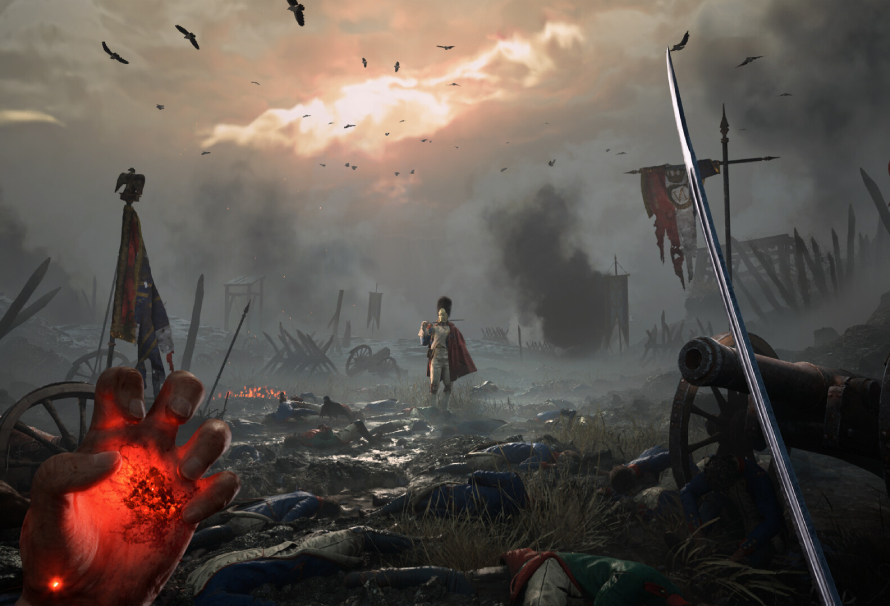
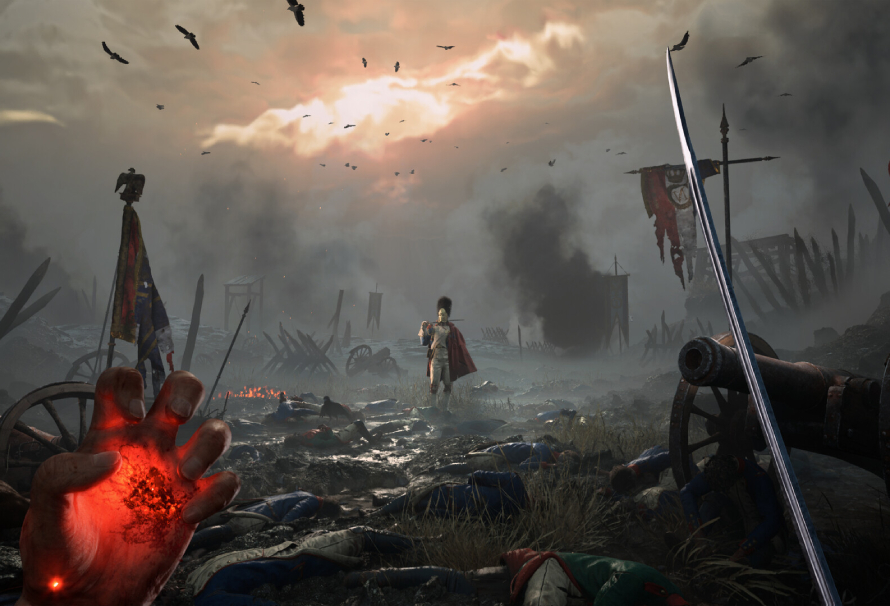
After protagonist William Dowsett awakens in a mass grave (it’s a Soulslike, where else would the game begin?), players are pitted against legions of corrupted French soldiers who have been fused with all manner of weapons and battlefield artillery.

These horrors and aberrations exist thanks to the corrupting influence of Nephtoglobin, a parasitic organism unleashed upon the Eastern European theatre of the Napoleonic Wars. It fuses flesh with steel and twists the flora and fauna of an otherwise picturesque landscape into a palpitating expanse of festering forests and hostile hills.

An Occult Psychological Struggle Between Two Distinct Personalities

Awakening in a filthy grave after seemingly being killed, only to discover that you have also been infected by Nephtoglobin, might sound like a bad deal. However, this particularly odious set of circumstances gives Valor Mortis one of its most intriguing storytelling devices.

As William rises from the grave in an oddly altered form, he finds his mind invaded by two very different voices and apparitions.

The first is none other than Napoleon Bonaparte himself. Voiced by legendary French actor Vincent Cassel, Napoleon implores the resurrected hero to salvage his imperial crusade even as the Nephtoglobin corruption tears through his armies.

The other voice belongs to a mysterious woman known as the Shrike, voiced by popular games actor Jennifer English. A resistance fighter hell-bent on Napoleon’s destruction, she seeks to cleanse Bonaparte’s influence from the world entirely.

This dual presence gives Valor Mortis an unusual storytelling hook, helping to distinguish it from just about every other Soulslike on the market.

Exit Third Person, Enter First Person

Arguably the most significant change Valor Mortis makes to the established Soulslike formula is its shift from the familiar third-person viewpoint to a refreshing first-person perspective. This is much more than a cosmetic choice, as it directly affects how the game plays.

The third-person perspective traditionally used by Soulslikes allows players to judge space and their distance from nearby enemies relatively easily. Both are crucial when evading attacks coming from multiple directions.

In Valor Mortis, broad, circular dodge rolls are replaced by subtler but swifter sidesteps, while precision parrying sits at the heart of its first-person melee combat.

If you’re wondering how the game handles encounters with multiple enemies, the answer lies in mechanics that suit both its perspective and darkly fantastical Napoleonic setting. Players can use an assortment of spells and trinkets to create distance from nearby foes, while a clever implementation of 3D audio helps them pinpoint where the next attack is coming from.

The first-person viewpoint also allows One More Level to draw on its substantial traversal expertise. William can wall-run at high speed, leap through the air and chain together aerial grappling moves in ways that would make almost any other Soulslike blush.

As you might expect, these white-knuckle traversal mechanics also complement the combat. William can use designated grapple points to launch himself into a group of enemies for a surprise attack or escape overwhelming aggression and reset his position, not unlike a certain Caped Crusader.

Fencing, Firearms, the Occult and Mysterious Ambers

With Valor Mortis firmly ensconced in the Napoleonic era, rapiers and sabres are largely the order of the day when it comes to melee combat. They may also be the most conventional part of the game’s arsenal.

Rather than relying on traditional blocking, players are encouraged to master perfect parries, creating opportunities for devastating counterattacks and gory instant executions.

Alongside these piercing close-quarters weapons, Valor Mortis lets players wield pistols, flintlocks and muskets from the period. These firearms are undeniably powerful but laborious to reload, meaning they should be used only when a hit is all but guaranteed.

Players can make their shots even more effective by targeting the swollen Nephtoglobin boils afflicting many of William’s enemies. Successfully destroying these weak points can inflict enormous damage.

William’s resurrection has also given his left hand the ability to channel Nephtoglobin into powerful occult abilities, because why not, eh? By maintaining a supply of Nephtoglobin, replenished by killing enemies, using consumables and resting at checkpoints, William can weaponise the plague to produce jets of fire, kinetic barriers and more.

Finally, Ambers are a special class of socketable item that can provide an assortment of buffs, modifiers and passive bonuses. These include slowing time while aiming a firearm, converting healing potions so that they restore Nephtoglobin instead, and extending the parry window of the game’s various rapiers and sabres.

Enjoy Soulslikes but fancy something a little spicier and altogether more unusual? Valor Mortis looks set to be a perfect fit.


John-Paul Jones

Scribbling about videogames since 2005, John-Paul Jones first stoked his love for the industry with the Atari 65XE at the age of four before proceeding onto the ZX Spectrum, Amiga and beyond. These days, he finds himself unreasonably excited about Sega’s Yakuza franchise, foreign cinema and generally trying to keep his trio of sausage dogs from burning his house down. Clearly, he is living his best life right now.

Disney World and Disneyland Official Price Surge Concerns Attendees


Disney has raised ticket prices at both Disneyland and Disney World parks. Not all ticket types have been affected by these changes, however. There are still options that allow fans to visit the theme parks for a more affordable price.

Prices of Disneyland and Disney World tickets have greatly increased over the years. However, the parks have also received expansions, giving visitors a wider variety of rides, restaurants, and whimsical worlds to explore. According to MickeyVisit, Disney has stated that its guests see more value in their visits now compared to before. Although prices are rising, visitors receive more value from the parks than before, especially during low-season.

Disneyland ticket price increase

water ride at disney land Image: Disney

At Disneyland, you can purchase one-day or multi-day tickets. The price of the one-day tickets is based on demand. Higher-tier tickets are sold when demand is greater. If there is low demand, attendees can purchase a low-tier ticket, which is more affordable. Disney has increased the price of middle-tier tickets, maintaining only Tier 0, Tier 5, and Tier 6 prices. Thankfully, multi-day and annual pass ticket prices will not be affected.

If you don’t want to stick to a single theme park, you can get the Park Hopper add-on. Depending on the ticket tier, the additional cost will be between $5 and $10 for one-day tickets and between $5 and $15 for multi-day tickets. To skip the line, you’ll also have to pay an extra $1 now, bringing the cheapest Lightning Lane Multi Pass add-on to a total of $38.

Disney World price increase

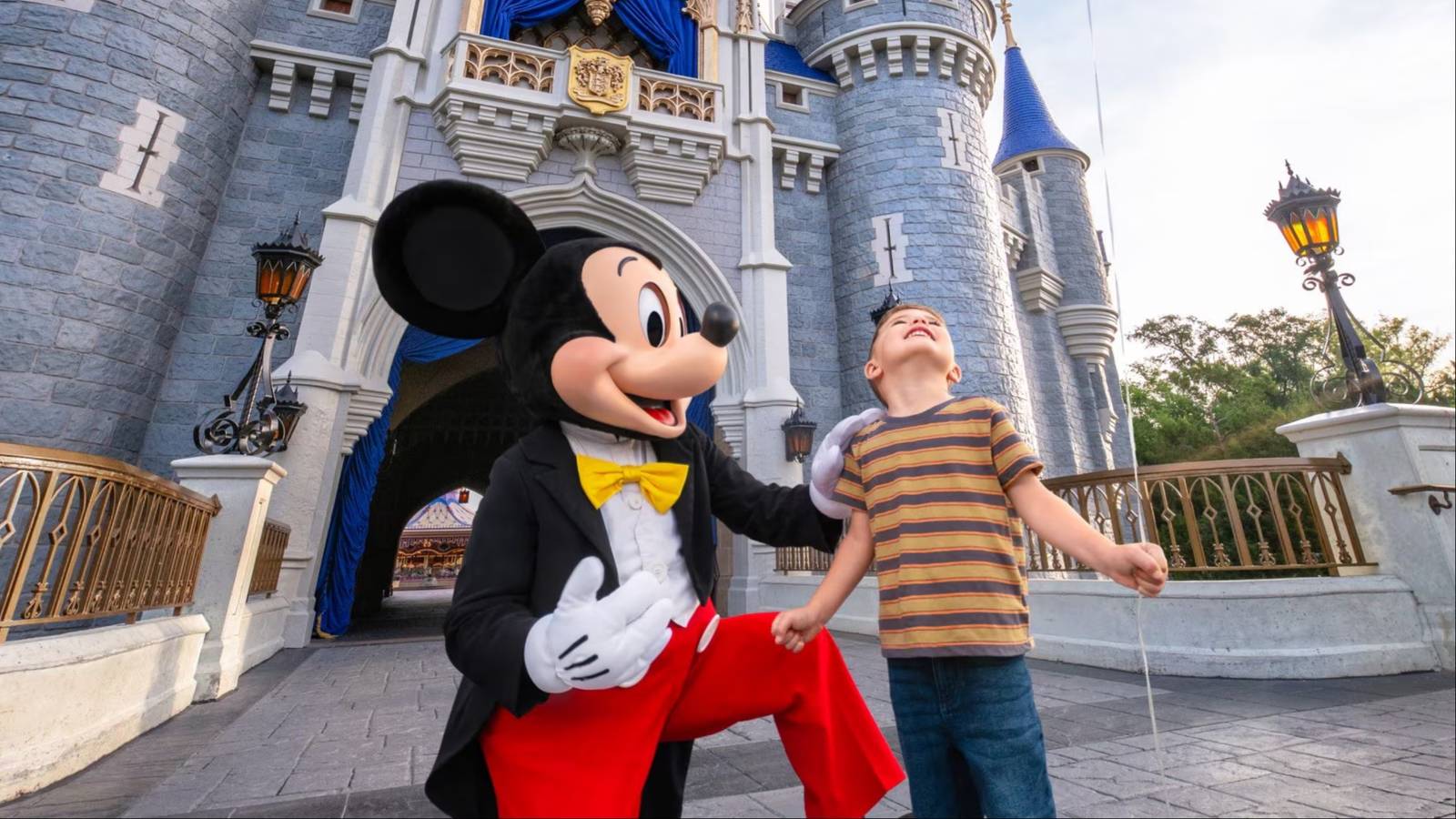
mickey and friends at disney world Image: Disney

Disney World has also cranked up the prices. Spending New Year’s Eve or Christmas at Disney World will be even more expensive as the highest-tier tickets rise by an additional $20.

While the annual passes were safe from a price surge at Disneyland, that is not the case at Disney World. The cheapest annual pass, the Pixie Dust Pass, has only gone up $10, but the highest-tier Incredi-Pass has increased by a total of $120. The Pirate and Sorcerer Pass, which falls in the middle of the previous two, is now $40 more expensive than before.

The good thing is that low-season prices remain unchanged at both Disney World and Disneyland. As long as visitors time their trip for the off-peak season, they will still find more affordable options.

The real reason your high-end Bluetooth headphones don’t sound as good as you’d expect


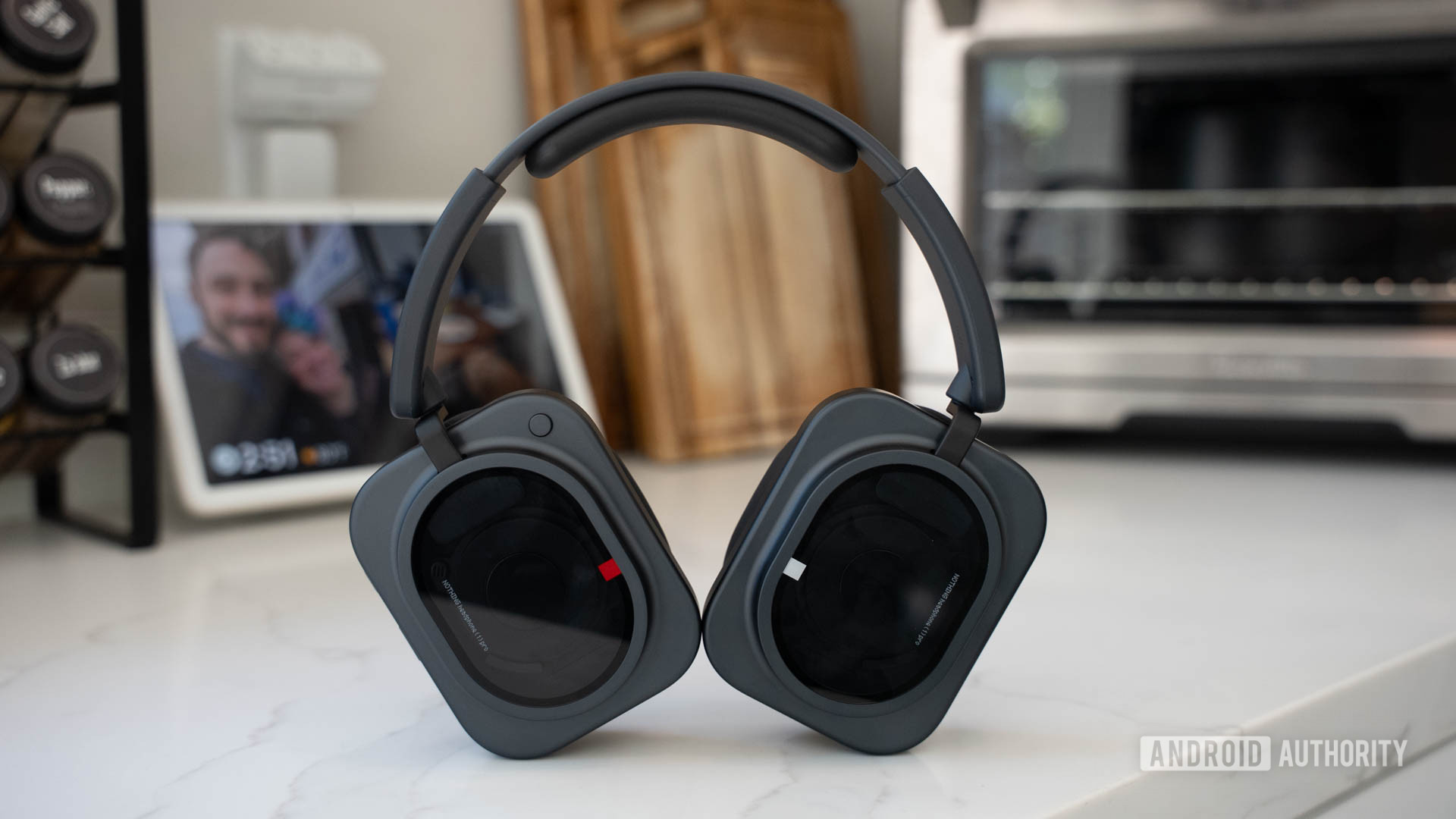
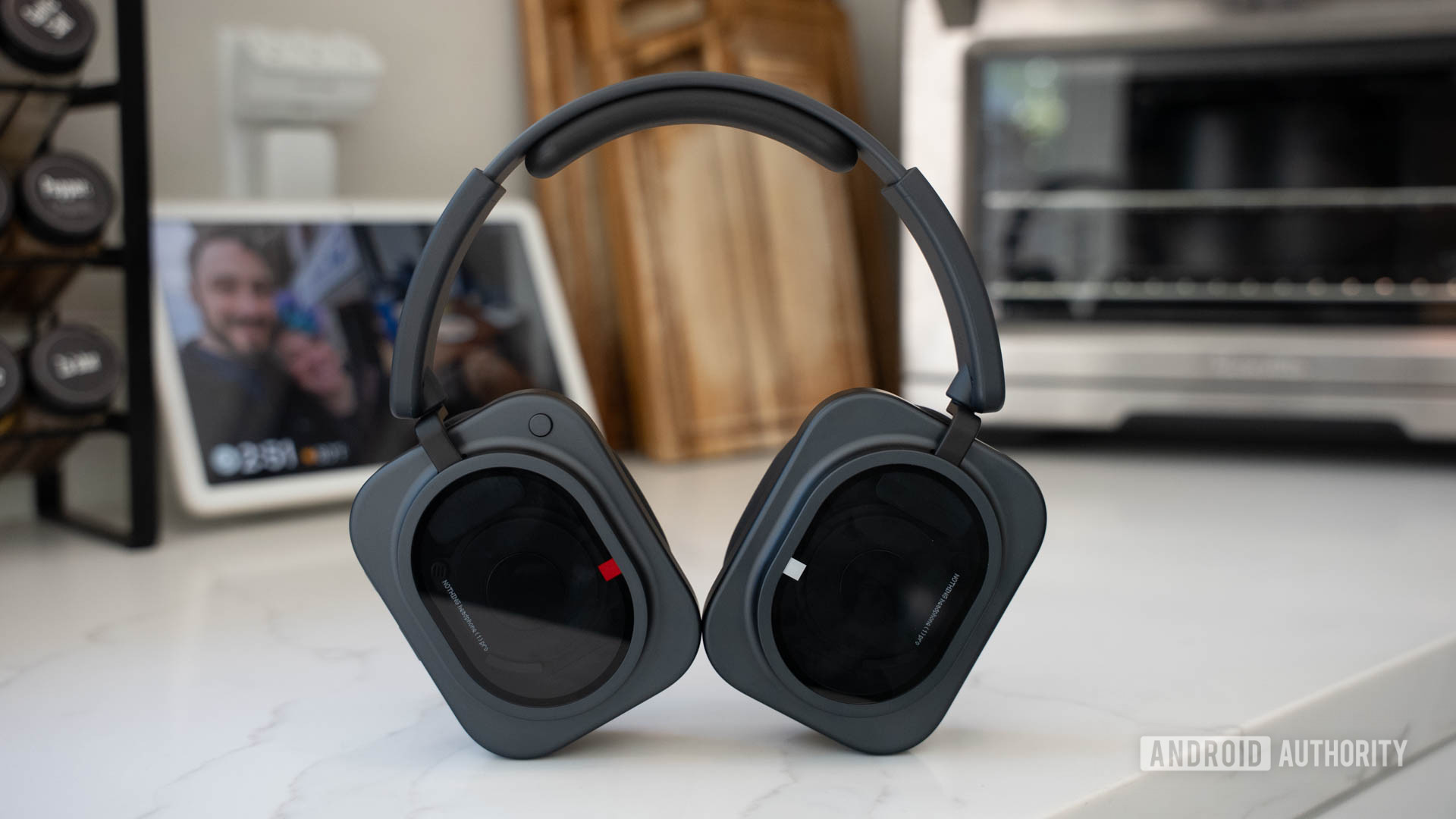
Nothing Headphone 1 Pro (2 of 12)

Credit: C. Scott Brown / Android Authority

You’ve done your homework; you researched a pair of high-end headphones and lined them up with an expensive Hi-Res music streaming service, but something seems off. Your tunes just don’t sound quite as good as when listening with wired headphones or a speaker. The problem, almost certainly, is that you’re listening over Bluetooth — a convenient and almost unavoidable way to listen to music on our phones.

I’ll spare you the history lesson, but the great irony is that Bluetooth was never really designed to transfer high-fidelity media between devices. The earliest Bluetooth audio specifications were designed for heavily compressed, mono-band speed, a far cry from the studio-quality masters that you can get your ears on today.

Engineering Design Constraints You Must Address Before Moving Products Into Production


There are two kinds of problems in the engineering process of a product design: the problems you want to solve using a planned product and the problems you bump into when developing the product in question.

​In an NPD (New Product Development) project, the first kind has everything to do with the design objective, as the product you’re developing is supposed to provide solutions to those problems. For example, market research discovers that bicycle helmets are made with too much plastic; this is the problem. With that in mind, you design a helmet built almost entirely from eco-friendly materials because it’s better for the environment; this is the objective, aside from commercial success, of course.

Engineering constraints should not slow innovation. They should guide better engineering decisions. Cad Crowd gives companies access to a global network of vetted engineering professionals with expertise in CAD design, simulation, prototyping, DFM/DFA, manufacturing design services, and product development. By addressing technical, manufacturing, ergonomic, and regulatory challenges early, Cad Crowd helps businesses reduce risk, improve product quality, and accelerate the path to production. 


🚀 Table of contents


RELATED: 15 Engineering Design Constraints that Product Design Companies & Engineering Firms Can’t Avoid 

​As for the second kind, they naturally reveal themselves during the development. They’re restrictions you must find a workaround for while attempting to achieve the objective. In the world of engineering design, such restrictions are referred to as “constraints” that govern how the product is supposed to be made. One of the easiest examples is an economic constraint, or to put it simply, a budget limitation. Without this constraint, you risk spending too much money on the development process and end up creating a product that costs more than what your target market is willing to pay. If you have to price the helmet at, say, $1,000 per unit to keep the business profitable, your list of potential customers might shrink a great deal.

No escape from constraints

Depending on the product type and complexity, there can be quite a lot of engineering design constraints you just can’t ignore before production. Constraints are like boundaries, a set of barriers to keep you within the confines of what is achievable while taking into account the budget, development time, profitability, environmental impact, practicality, and user experience.

Economic constraints

The money matters of product engineering and design. As the name implies, economic constraints are centered around the resource (specifically the financial sort) limitations that inevitably affect just about every phase of product development, from concept creation to commercialization. Awareness, sometimes acceptance, of economic constraints plays a crucial role in determining whether the project is at all viable in the first place, within the limits of the available financial resources. You don’t run an NPD design project just for the sake of it; at the end of the day, you still want to deliver a good product that fulfills market demands and recoups the investment.

RELATED: Preparing Your Firm’s Product Design For Manufacturing: How to Streamline Development and Reduce Costs

Market research brings about this awareness of economic constraints. Much of the research revolves around the evaluation of market size along with its segmentation (to determine specific target demographics) and analysis of distribution networks. In essence, it’s research to figure out where the product may flourish. The “where” in this case refers to both price range position (basics or luxury, consumer or professional-grade, convenience or specialty, etc.) and literal location. Findings from this research offer insights into customer expectations and economic realities, prompting the engineers and designers to tailor the product accordingly.

As the development is underway, you’ll be dealing with a fair share of economic constraints influenced by multiple cost factors. Chief among these is design cost, that is the sum of expenses you spend mostly on labor (hiring the design team) and computing resources (the design tools). The vast majority of modern NPD projects rely on CAD software, meaning you have to hire professionals familiar with CAD for product development and purchase the necessary software license. These two expenses alone can amount to thousands of dollars depending on how big the team is.

A likely alternative is to hire freelancers, who in most cases are prepared to work with their own tools, allowing you to slash multiple expenses into a single cost item. As far as NPD freelancers are concerned, Cad Crowd remains the best platform all around, giving you instant access to a massive network of pre-vetted CAD experts specializing in product design and engineering. It also has a Managed Services package, with which you get to assemble a multidisciplinary team to tackle even the most complex project.

RELATED: Why Design for Manufacturability (DfM) is Essential for Product Success When Hiring a Design Firm 

Another factor that contributes to economic constraints is manufacturing costs that may include tooling (such as for injection molding design firms), assembly, labor, and quality control. This is assuming you plan to collaborate with a factory partner instead of building your own factory, in which case you have a lot more overhead from facility-related expenses. That being said, a contract manufacturer can and will charge an amount to cover them during the time of the production run. In addition, there are distribution costs that encompass at least expenses for transportation, packing, and storage or warehousing. Distribution happens after manufacturing indeed, but the costs associated with the activity should be listed as constraints for the simple reason that it affects (albeit indirectly) design decisions such as materials, finishes, and packaging.

Economic constraints arguably make for the most challenging aspect of product development services. Every decision you make has an impact on (and is affected by) financial resources. Budget limitation is an inescapable hurdle, but that’s where the “engineering” part comes in. A big part of the job is to make the best of the available resources. Efficient allocation is key to making sure the project gets to fulfill all its objectives and turns out to be a profitable endeavor without budget overrun.

RELATED: DFM For New Product Design Excellence: Complete Guide for Company Success 

Functional constraints

engineering-design-constraints-and-manufacturing-success

A good product is one that functions as intended, often repeatedly, unless you’re talking about disposable products, where the product only needs to work once or twice before it gets thrown into the trash. Whether disposable or not, a product that works well is an indication of a design fulfilling its purpose. It sounds straightforward enough in principle, but can be mighty tricky in practice because, once again, there are some functional constraints to navigate through.

First and foremost is geometry. Product dimensions and arrangement of parts or components affect how well a product can function. A lot of it depends entirely on the nature of the product itself. For instance, you’re developing a new electric shaver. Since it’s supposed to be a handheld product, it can’t be too large yet still reasonably sized to fit a battery, a motor, and a blade mechanism inside. The geometry of the design (mostly size and form factor) creates physical boundaries and a guide on how you should stack the parts together to make a working product. It’s related to “ergonomic constraints” to be discussed later.

Next on the list is motion. Parts move and interact with each other to form a mechanism. Movements may include linear, rotary, reciprocating, and oscillating motions. In a product like an electric shaver, the motions are typically spinning/rotary or oscillating blades. Apart from the direction, you must also consider speed and acceleration.

RELATED: Why Prototype DFM Services Are Useful for Product Design at Companies and Firms

And then there are the byproducts of functionality, such as heat and air pressure. These are not desirable effects of a function, but ever-present nevertheless. Product geometry and dimensions must accommodate all those motions (or any sort of inner mechanism) and their likely effects to enable proper functionality. Even when the products have no mechanical moving parts, for example induction cooktops and light bulbs, heat remains a persistent byproduct, so there has to be a design solution that minimizes its negative impact on the system. Passive cooling and heat-resistant materials are common workarounds for this matter.

Safety constraints

A good product doesn’t just function well. It needs to be safe to use. In an engineering design process, dealing with safety constraints means figuring out effective solutions to prevent harm and minimize risk (to people) from using the product. This is why prototyping and beta testing are crucial steps in product development.

Engineers must understand how the product works in real-world scenarios, especially in the environment where it’s most likely used. Repetitive product testing opens the door to hazard identification and risk mitigation. Some hazards can be minimized; for example, an electric shaver might be fitted with an automatic charger cut-off system once the battery reaches full capacity to prevent thermal runaway and electrical fire. At the same time, the feature helps maintain battery performance. Safety mechanisms such as a lockable switch (so it won’t accidentally turn on) and waterproofing (because it’s probably used in a bathroom) are not uncommon.

RELATED: 8 Tips Companies Use to Simplify Design Manufacturing or Design for Manufacturing

Certain products affect the environment more than people realize. For example, electronic design services can emit electromagnetic interference, whereas power tools generate noise pollution or light disturbance. Engineers must address any potential impact of product usage before it can be launched to market for commercialization. Harm prevention also often means the use of clear, noticeable, unmissable safety warnings that include both images and text on the product itself. It might be necessary to remind users to first read the manual before operating the product, and this means writing a comprehensive yet easily understandable instruction can be considered part of safety constraints as well.

Quality constraints

Two closely related processes embody the entirety of the constraints: assurance and control. Quality Assurance (QA) revolves around the idea of a product being in compliance with guidelines and regulations established by the government (such as FCC, CPSC, or FDA in the United States and GPSR in Europe) and standards organizations (including CE and ISO). The guidelines exist as benchmarks of acceptable quality. In other words, a product is considered fit for purpose and safe to use if the specification satisfies the requirements in the benchmarks. Engineers must integrate the applicable regulations (depending on where you want to market the product) into the development process.

Quality Control (QC) is a verification process that involves checking and testing the finished product to verify that everything meets all the predefined design criteria. This is to make sure the product has neither defect nor flaw. A product only passes quality control when it’s exactly what the specification says, from the materials and dimensions to functionality and usability. A repetitive test might be included as one of the quality control procedures to see how the product performs under various conditions and usage scenarios. It’s an evaluation of reliability (or long-term functionality), allowing the engineers to gain insight into failure rates and make improvements when needed.

RELATED: How Companies Use Design for Assembly Services for Product Manufacturing

People often associate quality control as a task carried out only after mass production. There’s indeed a QC process after manufacturing, but it would be a risky move. In case the product is found defective, the rework involved is going to be cost-prohibitive. Pre-production QC using a small volume of products or prototypes is much less risky.

Manufacturing constraints

You’ve definitely heard about DFMA services, which basically is a set of engineering principles geared toward making a design that’s easy and cost-efficient to mass produce. Simplification and standardization are crucial aspects of DFMA. An efficient product has a simple design, or at least as simple as the functionality allows. In addition, the engineers need to prioritize standardized parts and components over custom-built alternatives. The combination of simple design and standard parts enables efficient manufacturing, most likely injection molding or casting.

Technologies like 3D printing services (additive) and CNC machining services (subtractive) make it possible to fabricate even the most intricate design using common materials including plastic, wood, and metal. Some advanced models are sophisticated enough to build an entire custom product within a few hours or less. However, they’re expensive for high-volume manufacturing purposes and best used for small-scale prototyping. Injection molding and casting (formative) remain the most widely used methods for mass production because they’re faster and more financially sustainable than the aforementioned two. Simple designs often don’t need complex mold/cast and custom tooling, so it’s relatively affordable without sacrificing production efficiency.

RELATED: Why Phase 0 Is Crucial for New Product Development and Physical Product Design Firms

key-constraints-in-engineering-product-design

The purchase of components (or supplier selection if you like) is an equally important constraint, especially if your product needs parts and components to be assembled at a factory. It’s not just about choosing the least expensive supplier to reduce cost or the most expensive one to get the best services. Quality is of course a top consideration, but you also need assurance of availability and consistency. There needs to be strict quality control on the supplier’s part to minimize chances of potential hiccups in the assembly line.

Timing constraints

There’s a deadline in every NPD project; otherwise it may take too long and consume too many resources. As a result, when the product eventually reaches the market, you’re forced to sell it at a higher price to make a profit. The problem is that people tend to avoid a pricey product when more affordable alternatives exist. A project deadline is typically tied to market trends and consumer demand. It also has something to do with the contractual obligations you have with the engineering and ensign team as well as the factory partner. An effective measure against timing constraints is strict scheduling, which involves four major portions of the project: design, development, production, and delivery.

A design schedule covers the entirety of the project planning, from start to end. This is where you outline the tasks, the expected milestones, and the resource allocation. Think of the design schedule as the primary timetable to be broken down into more specific activities. Take, for example, the development schedule set to manage specification requirements and compliance tests.

RELATED: How to Improve New Product Timeline to Market in Engineering Development

A project also needs to have a production schedule that sets the timing of manufacturing and assembly. A delivery schedule focuses on distribution across the network. Schedules aren’t just for implementing a strict deadline for every task; they should help you coordinate those processes and make the overall project management more efficient.

Ergonomic constraints

An extension of functional and safety constraints, the idea of ergonomic constraints arises from the realization that products should be tailored to human physiology. It all begins with identifying user needs. One big part of that identification process is to try to understand the scenarios or environments in which people use the product. That’s how you determine what functionalities to offer and safety features to include. But then again, functionalities and features make little difference if users find it difficult or uncomfortable to use the product in the first place; that is the essence of ergonomic constraints.

So how do you tackle these constraints? Build a product with ergonomic design in mind, of course. Ergonomic design firm forces you to shape a product in such a way that makes the experience of using it as intuitive as possible. Much of ergonomic design concerns how a user will physically interact with the product. You can’t change human physiology, but you can build a product that should conform to it. Factors like dimensions, materials, textures, and weight must be optimized for minimal strain and ease of use. Placement or layout of controls, screen size, and contours should be geared toward improving not only usability but also comfort and safety of users.

RELATED: Tips for Engineering Your Company’s New Product Concept to Be Manufacturer Friendly

Aesthetic constraints

All things aesthetic are more of a subjective taste indeed, but it doesn’t mean you can’t make a product’s appearance objectively appealing. Within the context of engineering design, aesthetic constraints place emphasis on the visual and tactile qualities of a product in the hope of exerting positive influence on consumer perception of it. Customer appeal is affected by a host of factors.

Apart from quantifiable aspects like price and brand recognition, there are also aesthetic-related matters like colors, shapes, and even smell. Put together, all those factors create a unique identity that separates a product from the alternatives. Although aesthetic factors are often superficial and not integral components of a product’s performance, they can play a decisive role in commercial success.

product-engineering-constraints-and-design-decisions

Remember that the location and time (where and when you market the product) are very much relevant because aesthetic constraints should take hints from cultural, societal, and historical values shared by the target demographic. Engineers must design a product that resonates with the market’s taste, while taking into account the cultural context of where and how the product will be used.

RELATED: From Sketch to Prototype with Product Design Services for Companies at Cad Crowd

Ecological constraints

A good product is environmentally friendly, and that pretty much sums up the core aspect of ecological constraints in engineering design. In general, any product of any kind has an impact on the environment. A product is the outcome of a manufacturing process, which takes a lot of energy to run. Manufacturing processes, apart from consuming natural resources (such as water and minerals), also create waste like emissions and pollutants that bring about negative effects as well. Regardless of the product design and the manufacturing process services, engineers have responsibilities to minimize the project’s ecological impact.

The raw materials used in the product are also key considerations in ecological constraints. The types of materials you choose have a direct impact on the product’s performance, durability, safety, and toxicity. When you purchase parts and components (instead of fabricating them from scratch), it’s best to look into whether the goods are made in an eco-friendly way. Most consumers might appear to be oblivious of the issue, but proper due diligence on the matter can help you win people in the market. It tells your audience that you care about the environment and are willing to go the extra mile to take part in the joint effort to promote sustainability.

Life cycle constraints

The hallmarks of a good product aren’t merely about its quality, functionality, energy efficiency, and aesthetics; it also has to be effortlessly manageable in terms of maintenance and disposal, the very subjects that life cycle constraints touch on.

RELATED: How the Engineering Design Process Helps You Craft New Products for Consumer Goods Firms

From maintenance management viewpoints, engineers are supposed to build a product that offers some degree of repairability. The design has to facilitate easy servicing, whether by provision of spare parts or establishing service centers, to ensure the product’s long-term usability. If a product stays reliable for many years or perhaps decades after the date of purchase, it greatly reduces the chances of it being discarded.

Automobiles design firms are excellent examples of this issue. Even long after the company stops producing a car, the availability of spare parts helps prolong the vehicle’s useful life. And if eventually the product needs to be discarded, at least most of the materials can be recycled or repurposed to keep its environmental impact as little as possible.

Legal constraints

Regulations are quite frankly constraints, but they’re there for good reasons. For instance, the FCC (Federal Communications Commission) maintains that every electronic product marketed in the US must not emit radio frequency waves that may interfere with wireless communication devices, navigation equipment, or public safety systems. FDA (Food and Drug Administration) sets strict standards for medical devices, focusing on efficacy and efficiency. Adherence to the established regulations makes the engineering design and manufacturing processes much more difficult, but it gives assurance that the product is safe for its intended use the moment it comes out of the factory. It’s a testament to your commitment to public responsibility.

RELATED: How the Engineering Design Process Helps You Craft New Products for Consumer Goods Firms

The next legal constraint concerns the laws on IP (Intellectual Property) protection. In plain English, the law prohibits engineers, designers, or anybody, for that matter, from using someone else’s ideas or invention without explicit permission in any fashion. If a design, a mechanism, or a system is an IP registered under an individual or a company, engineers are not allowed to use any of those in their product unless they’ve gone through the proper licensing path, which usually involves paying royalty.

Closing thoughts

Engineering design services is a complex trade full of constraints you just can’t ignore in an NPD project. But constraints aren’t necessarily terrible. They act like guardrails to prevent the project from running off-track and as guidance in the decision-making process. Think of them as filters that leave out unlikely solutions and lead to designs that actually work to the benefit of the users at large.

​In Cad Crowd, we treat engineering design constraints not as obstacles but as driving forces that compel our NPD professionals to find effective workarounds, come up with creative problem-solving ideas, and ultimately deliver unique designs without cutting corners. The engineers and designers at Cad Crowd operate on the belief that constraints can in fact enhance a product’s manufacturability, sustainability, functionality, reliability, aesthetics, and, of course, profitability.

RELATED: Product Development Considerations that Can Make or Break New Product Ideas Before Launch

How Cad Crowd can help

Cad Crowd connects businesses with experienced product development professionals who understand how to overcome engineering design constraints at every stage of development. Whether your project involves CAD design, simulation, prototyping, Design for Manufacturing (DFM), Design for Assembly (DFA), material selection, or manufacturing preparation, we assemble the right team to match your technical requirements. By addressing cost, manufacturability, safety, regulatory compliance, ergonomics, and performance early in the design process, Cad Crowd helps reduce development risks, avoid expensive redesigns, and accelerate the path from concept to production. Contact Cad Crowd today for a free quote and find the engineering expertise your next product needs.

author avatar

MacKenzie Brown is the founder and CEO of Cad Crowd. With over 18 years of experience in launching and scaling platforms specializing in CAD services, product design, manufacturing, hardware, and software development, MacKenzie is a recognized authority in the engineering industry. Under his leadership, Cad Crowd serves esteemed clients like NASA, JPL, the U.S. Navy, and Fortune 500 companies, empowering innovators with access to high-quality design and engineering talent.

Connect with me: LinkedIn ✦ X ✦ Cad Crowd