Enterprise AI Engineers For SAP


Enterprise AI Engineers for SAP: What to Look For, What They Cost, and How to Get Them Fast?

The Staffing Problem That Is Slowing Every SAP AI Program

The program is approved. The use case is scoped. The SAP landscape is documented. And then the staffing process begins — and it stalls.

Standard AI engineering talent is available. Standard SAP consultants are available. But the engineer who understands both SAP data architecture and modern AI frameworks, who has deployed something in SAP AI Core before, who knows what OData looks like on the other side of a BTP integration — that person is scarce, expensive, and usually already committed to another program.

This article covers what enterprise AI engineers for SAP actually need to know, what they cost in today’s market, and what your options are for getting them deployed quickly.

USM Business Systems is a CMMi Level 3, Oracle Gold Partner AI and IT services firm headquartered in Ashburn, VA, with 1,000+ engineers and a specialized SAP AI practice. We place SAP BTP AI developers, SAP AI Core engineers, and enterprise LLM integration specialists on contract, as dedicated delivery pods, and on project-based engagements.

The Four Role Types That Matter for SAP AI Programs

This is the role most programs understaff. SAP AI Core is the managed runtime where models are deployed, versioned, and governed inside the SAP ecosystem. An AI Core engineer configures the runtime environment, manages model lifecycle, handles the API connections between AI Core and external model providers, and sets up the monitoring and logging that auditors will ask about.

A general ML engineer can learn AI Core, but the learning curve runs 6-10 weeks in a live SAP environment. A program that needs AI Core production-ready in 8 weeks does not have that time.

BTP developers build the application layer on top of SAP’s Business Technology Platform — the APIs, the integration flows, the Fiori extensions, and the AI Foundation services that connect the AI capability to SAP data and workflows. BTP AI developers need to know both SAP’s integration patterns and modern AI API integration. This combination is genuinely rare.

  • Enterprise LLM Integration Engineer

This engineer connects external LLM providers — Azure OpenAI, Anthropic, AWS Bedrock — to the SAP environment through BTP Integration Suite and SAP AI Core’s generative AI hub. They manage authentication, data formatting, latency requirements, and the retrieval layer that ensures the model is reading the right SAP data. They also understand the governance requirements that determine what data can leave the SAP boundary.

  • SAP Data Architecture Specialist

AI capabilities are only as good as the data they read. The SAP data architecture specialist structures SAP Datasphere views, HANA models, and data pipelines to give AI systems clean, semantically meaningful access to enterprise data. This role is often the first bottleneck — programs that try to deploy AI without involving a SAP data architect first spend weeks discovering master data quality problems they should have found in week one.

What These Engineers Cost in 2026?

Hourly bill rates for specialized SAP AI engineers reflect both the scarcity of the combined SAP and AI skill set and the urgency that drives most hiring decisions in this space.

Role US Contract Rate Typical Availability Ramp Time (SAP env)
SAP AI Core Engineer $160-$210/hr 3-6 week search 1-2 weeks
SAP BTP AI Developer $140-$180/hr 2-5 week search 1-2 weeks
Enterprise LLM Integration Engineer $150-$200/hr 3-6 week search 2-3 weeks
SAP Data Architecture Specialist $130-$170/hr 2-4 week search 1 week
Enterprise AI Solution Architect $200-$260/hr 4-8 week search 2-3 weeks

Rates reflect US market data as of Q1 2026. Rates for offshore or nearshore resources range 40-60% lower for equivalent technical profiles.

Why is it so hard to find engineers with both SAP and AI skills?

SAP expertise is typically built over years of working inside enterprise SAP programs — it is not a technology you learn from documentation alone. AI engineering has moved fast in the opposite direction, attracting engineers who have not worked in traditional enterprise software environments. The overlap between the two talent pools is small and has not kept pace with demand as SAP AI programs have accelerated.

Three Ways to Staff a SAP AI Program

Best for organizations building a permanent internal SAP AI capability. Timeline to a qualified hire: 12-20 weeks for senior roles. Cost includes recruiting fees (20-30% of first-year salary for specialized roles), onboarding time, and the risk that the hire is not the right profile for the specific program.

  • Option 2: Contract Staffing Through a Specialized Partner

Best for programs with a defined timeline and a specific skill gap. A specialized staffing partner with an existing bench of SAP AI engineers can place a qualified resource in 1-3 weeks. The engineer is already credentialed, has SAP environment experience, and ramps in days rather than weeks. Contracts typically run 3-12 months with extension options.

The key qualifier: specialized. A general IT staffing firm will not have SAP AI Core engineers on their bench. The right partner sources specifically from the SAP AI talent pool and has placed these roles in live programs before.

  • Option 3: Dedicated AI Delivery Pod

Best for programs that need a full delivery capability rather than individual contributors. A pod typically includes one solution architect, two to three SAP AI engineers, and one LLM integration specialist. The pod operates as an embedded unit inside the client program, with the staffing partner responsible for team composition, continuity, and delivery quality.

Pods reach productive output faster than assembled teams of individual contractors because the team members have worked together before. For system integrators running large SAP programs with tight delivery milestones, this is often the fastest path to predictable output.

How Fast Can You Place?

This is the first question every system integrator asks, and the honest answer depends on the role and the depth of the partner’s existing bench.

  • SAP Data Architecture Specialist: 5-10 business days for a contract placement from an active bench
  • SAP BTP AI Developer: 7-14 business days
  • SAP AI Core Engineer: 10-15 business days
  • Enterprise LLM Integration Engineer: 10-18 business days
  • Dedicated AI Delivery Pod (3-5 person): 2-4 weeks for full team mobilization

USM maintains an active bench of SAP AI engineers across these role types. If your program has a specific role requirement and a near-term start date, reach out directly for a bench availability check: usmsystems.com/services/sap-ai-engineering-talent.

Why USM Business Systems?

USM Business Systems is a CMMi Level 3, Oracle Gold Partner AI and IT services firm headquartered in Ashburn, VA. With 1,000+ engineers, 2,000+ delivered applications, and 27 years of enterprise delivery experience, USM specializes in AI implementation for supply chain, pharma, manufacturing, and SAP environments. Our SAP AI practice places specialized engineers inside enterprise programs within days — on contract, as dedicated delivery pods, or on a project basis.

Ready to put SAP AI into production? Book a 30-minute scoping call with our SAP AI team at usmsystems.com.

Get In Touch!


FAQ

What certifications should a SAP AI engineer have?

SAP offers certifications in SAP BTP, SAP AI Core, and SAP Integration Suite that are relevant. For the LLM and agentic framework layer, certifications from major cloud providers (Microsoft, AWS, Google) combined with hands-on project experience in SAP environments are more indicative of capability than credentials alone.

Can SAP AI engineers work remotely on enterprise programs?

Yes. Most SAP AI engineering work — integration configuration, model deployment, API development — is done remotely. Periods of on-site collaboration are common during initial environment access, architecture review, and production go-live. Hybrid models work well for programs with security-cleared or regulated environments.

How do you assess whether a SAP AI engineer has the right skills for a specific program?

The most reliable assessment is a structured technical review covering the specific platforms involved — SAP AI Core, BTP Integration Suite, SAP Datasphere — combined with a review of prior program experience that matches your environment. Ask specifically about production deployments, not proofs of concept.

What is a SAP AI delivery pod and how is it different from a contract team?

A delivery pod is a pre-assembled, small team — typically 3-5 people — with defined roles and prior working experience together. A contract team is assembled from individual resources who may not have worked together before. Pods are faster to productive output because team formation and working pattern development have already happened.

What engagement length makes sense for contract SAP AI engineers?

Initial contracts of 3-6 months cover most first-deployment programs. Extensions of 6-12 months are common when the engineer is embedded in an ongoing program. Project-based engagements with fixed deliverables and defined end dates work well for enterprises that prefer milestone-based contracting.


Is it better to hire SAP engineers and train them on AI, or AI engineers and train them on SAP?

The answer depends on the role. For SAP AI Core and BTP work, starting with a strong SAP BTP developer and adding AI integration skills is faster — the SAP platform knowledge takes longer to build than the AI API skills. For the LLM integration and agentic framework layer, starting with a strong AI engineer and adding SAP data access patterns is often faster. The data architecture role almost always needs a dedicated SAP specialist.

 

How Flood Prevention Design and Innovation Companies Improve New Product Design Ideas


Flooding is among the most pressing concerns for many parts of the country. It’s not just one of the most common but also the most expensive disasters that can happen anywhere. Even the biggest cities are not safe from the wrath of wet conditions that can lead to serious flood events. The problem is compounded by a changing climate, which brings rapidly melting snow, heavy rainfall, and ice jams that push rivers and streams into major flooding. It’s important to remember that you don’t have to live in or near designated flood zones to be affected—no one is completely immune to this catastrophe.

Unfortunately, there’s no way to control Mother Nature fully. The only practical approach is to minimize the risk of flooding. Rather than waiting until it’s too late, being proactive with a solid emergency plan is crucial for flood management. This involves exploring flood prevention design and innovative product ideas that can help mitigate potential damage. Platforms like Cad Crowd also offer access to skilled designers and engineers who can play a critical role in developing or refining these preventive solutions, including civil engineering services.


🚀 Table of contents


The risks of flooding 

Extreme flooding events have almost become common across most regions due to the harsh effects of climate change. To address this concern, efforts are continuously made to reinforce buildings and infrastructure alike to withstand most flooding events. Elevated foundation designs and advanced waterproofing materials pave the way to flood-resilient new construction projects.

Making sure that residential houses and more critical facilities, such as hospitals, can cope with floodwaters can help reduce the human and financial impacts of floods before the next surge. Although floods are inevitable, it doesn’t mean that their damage should be as well. Through proper design, innovation, planning, and preparation, towns and cities can be built to weather any flood. Take a look at the different innovative product design techniques and product design services that companies use to mitigate flood risk.

The principles of climate-adaptive design are energy efficient, durable, and made to advance over the years of changing weather. More critical utilities and equipment are also relocated to rooftops or higher floors. Salt-resistant and waterproof materials are also used under flood elevation to avoid serious damage. Rain gardens and wetlands that function as natural flood buffers are also integrated into landscapes through architectural drafting services to ensure precise design and planning.

  • Community education and education 

Educating residents and engaging local communities is essential to ensuring that resilient construction will make a truly significant impact. Even to this day, it’s saddening that many people are still clueless about the risks of floods or how they can protect their houses through adaptations of proper design. Through outreach programs, homeowners can learn about different flood-proofing techniques, such as drainage redirection, the use of flood barriers, and the elevation of appliances. These techniques can help people actively reduce their vulnerability even in existing residential homes. 

  • Flood-resilient and elevated foundations 

Elevating structures on inventive raised foundations can keep living spaces securely above flood levels. Innovative foundations, such as helical piles, can raise structures on higher ground to reduce their vulnerability to floodwater’s effects. Ensuring that the foundation is flood-proof can protect structures. Building codes must mandate new construction in floodplains to have minimum elevations based on future projections and historical flood levels. 

How Flood Prevention Design and Innovation Companies Improve New Product Design Ideas 

RELATED: Validating new product design ideas: 5 questions every CAD and 3D modeling firm should ask

  • Flood-resistant building materials

These days, advancements have paved the way for the making of building materials that mitigate flood risk. Different building materials, such as permeable pavements and porous concrete, allow stormwater to soak slowly into the ground instead of running off surfaces. Flood-resistant insulation and drywall can endure water exposure inside buildings and homes without mold growth or warping. The use of these special types of flood-resilient materials minimizes costly repairs of flood damage. They offer passive protection from flooding with no need for temporary emergency flood barriers. Consulting professionals offering industrial design services can further refine the integration of these materials into structural elements, ensuring optimal performance in the face of potential flooding.

  • Government incentives and regulations 

Government incentives and regulations, such as resilience grants, tax breaks, and building codes, are critical to driving the widespread adoption of groundbreaking flood-resistant construction. Through financing mitigation projects and mandating resilient standards, policymakers can standardize avant-garde development practices that can help save lives and offer long-term benefits for the entire economy by cutting flood risk and impacts. 

  • Natural flood management and green infrastructure 

Implementation of green infrastructure is one of the most effective ways to copy natural hydrology and reduce flooding from heavy and severe rainfall events. Modern green roofs integrated with rainwater-capturing vegetation can help redirect stormwater. Native plants in rain gardens create gorgeous landscapes that can absorb runoff. More strategic reforestation or afforestation along streams and rivers can help absorb surplus precipitation. Floodplain and wetland restoration make it possible for rivers to have a natural spillage into retention basins. 

  • Prefabricated and modular construction

Prefabricated and modular building methods are becoming increasingly common as resilient and adaptable construction techniques in flood-prone areas. With the support of 3D modeling services, modular structures are developed in sections created off-site before they are transported and assembled on-site. This allows rapid relocation or construction if necessary. Modular houses are constructed with waterproof materials, raised floors, and special vents for residential structures. These can be set up easily before flooding events and then disassembled afterward. This allows communities to quickly prepare structures for the dangers of rising waters.

  • Flood-resistant and raised roads

Constructing elevated bridges and roads is among the most impactful infrastructure techniques for flood-resilient construction. Major roadways are planned, designed, and built to rise above expected flood heights. It ensures that roads don’t become impassable or get submerged during high-water disasters.

Building highways on bridges and dams also ensures that transportation networks continue to be operational even in the event of severe flooding. The construction of flood-resistant roads often requires a significant upfront investment, yet it ensures substantial long-term savings. 

  • Smart flood alert and monitoring systems

Innovative technology incorporated into construction projects is another true game-changer for mitigating floods. Real-time monitoring systems and sensor networks offer early floods outfitted with flood sensors that can automatically deploy measures for flood protection. 

How Flood Prevention Design and Innovation Companies Improve New Product Design Ideas 

RELATED: 12 unique product design ideas

New and innovative flood prevention products

Innovative technology incorporated into construction projects is another true game-changer for mitigating floods. Real-time monitoring systems and sensor networks offer early warnings through flood sensors that can automatically deploy measures for flood protection. Electronics design services ensure these systems are developed and integrated effectively, allowing for proactive and efficient responses. There’s no denying that flooding is now on the rise. What used to be an irregular and uncommon disaster is gradually becoming more widespread.

Back in the day, sandbags were used as the primary flood prevention method. But is this method alone effective at all? The good news is that many flood prevention design and innovation companies are developing newer and better products and product design ideas to keep your homes and buildings safe from flood risk and damage. Some of the most state-of-the-art flood prevention products right now include the following:

Aquobex is an excellent product for flood prevention to secure entry points and doorways where water often leaks in. This reusable, lightweight barrier offers protection from oncoming water to either divert the flow or stop it in its tracks. This flood guard system is also useful on windows and doors and is starting to become a go-to in regions prone to flooding, specifically in major cities. 

ClimaGuard was developed with flooding in mind and is the easiest method of protecting valuable possessions during natural disasters. This product is a bag outfitted with an exterior guard, waterproof storage, and sturdy anchor straps to ensure everything inside stays in place.

It is super easy to set up the bag. It is also portable, so you can bring it with you and use it where needed. The product has made storing and protecting your valuable possessions easier than ever when a natural disaster like flooding occurs. The bag itself is compact and portable and can comfortably fit in a closet or a car trunk. You can also carry it on the go if you need to evacuate. Collaborating with prototype design services further refined ClimaGuard’s development, ensuring that it remains both efficient and user-friendly in high-stress flooding situations.

Floor barrier socks resemble sandbags but can absorb up to 4 gallons of water. Floor barrier socks are now available in many renovation retailers and come in a selection of sizes, ranging from 5 feet to 17 feet. 

RELATED: Best tips for creating a new invention or new product design

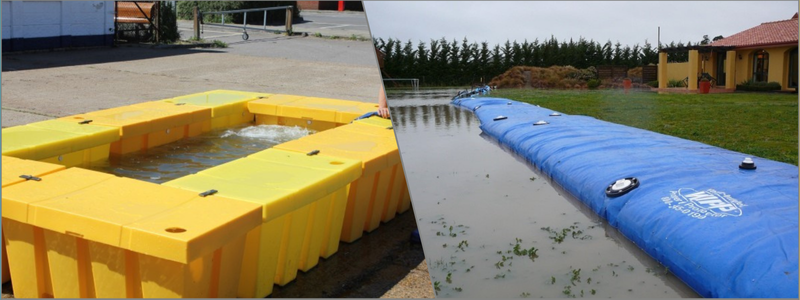
Water Gate is a type of PVC device that uses floodwater pressure to stabilize itself. Although pricier, this new flood prevention method is highly effective, and even a single person can deploy and use it. The product is also reusable for a maximum of 25 years with no need for filler material like sand, making it a must-have product if you live in a flood-prone area. Collaborating with mechanical engineering services can optimize its design for easy deployment and reliable operation over time.

  • Water Inflated Property Protector (WIPP)

WIPP forms a heavy barrier that compacts the oncoming water of flash floods. Made with vinyl-coated polyester, it is durable and can endure the toughest flooding conditions. Similar to other flood prevention products, the WIPP can be quickly deployed to lessen or prevent the effects of flooding. 

RELATED: 5 Innovative Invention Ideas by Cad Crowd Designers

How Cad Crowd can help 

At Cad Crowd, we provide open innovation services and new invention development & design solutions to help innovators address flood challenges. Our global network of experts can assist you every step of the way. Get a free quote on Cad Crowd to bring your flood-mitigating ideas to life and protect communities against the growing threat of extreme weather.

author avatar

MacKenzie Brown is the founder and CEO of Cad Crowd. With over 18 years of experience in launching and scaling platforms specializing in CAD services, product design, manufacturing, hardware, and software development, MacKenzie is a recognized authority in the engineering industry. Under his leadership, Cad Crowd serves esteemed clients like NASA, JPL, the U.S. Navy, and Fortune 500 companies, empowering innovators with access to high-quality design and engineering talent.

Connect with me: LinkedInXCad Crowd

The Silicon Valley congressional race is getting ugly


The primary isn’t until early June, but the CA-17 race between five-term incumbent Ro Khanna and tech founder Ethan Agarwal is already getting nasty. Agarwal entered the race in March, backed by a roster of prominent tech billionaires largely in response to Khanna’s public support for a proposed California ballot measure that would impose a one-time 5% tax on residents worth more than $1 billion.

Agarwal, for his part, has been going after Khanna by primarily citing his stock trades while in office.

Now newsrooms covering the race have been receiving anonymous packages of digital court documents detailing Agarwal’s legal past. The file includes a $683,000 personal judgment against him after he stopped making payments on a $2 million copyright settlement with Universal Music Group, which had accused his company Aaptiv — a workout app that paired audio coaching with licensed music — of using its recordings without permission; a nearly $2 million landlord lawsuit tied to Aaptiv’s One World Trade Center office, filed in 2023 over a lease Aaptiv walked away from during COVID; and a 2019 federal lawsuit alleging adult content was downloaded from Agarwal’s IP address. The last was brought by Malibu Media (a company that filed thousands of nearly identical suits against IP addresses across the country and was widely criticized as a legal shakedown operation).

The landlord case was later dropped; the Malibu Media case settled without any court finding of liability. The UMG judgment is the most substantive item in the file. Agarwal personally guaranteed the $2 million settlement before stopping payments three months from the finish line; the two sides later brokered another settlement.

Agarwal got ahead of at least one story himself. After the New York Post on Friday ran the headline “Silicon Valley tech candidate was sued for downloading lots of porn,” Agarwal shared it on social media, writing: “I think transparency and authenticity is important among political candidates. We’re people. We’re not perfect. Yes, this is embarrassing. But now you know my worst thing.”

Investor Chamath Palihapitiya, one of his prominent backers, weighed in soon after, tweeting to Agarwal: “The opposition research has started on you because you may win and Ro is starting to get worried.”

Hbada X7 brings AI-driven lumbar support to your workspace


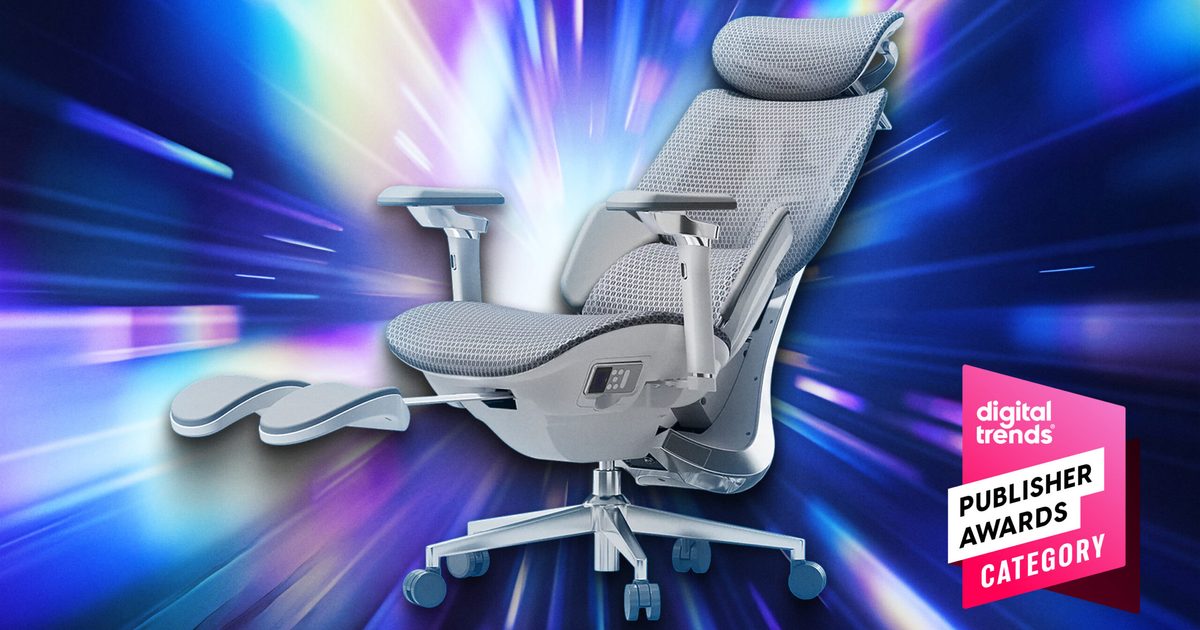
For any person spending six to eight hours in a chair, ergonomic discomfort is inevitable. And if it’s not given due attention, the discomfort quickly spirals into a nagging pain. I ignored it, and learned a bitter lesson, one that left me with sore back and neck strain for many years. It took plenty of workouts and medications before I realized it was my workstation setup that was the root cause. For millions of desk-bound warriors across the world, the story is no different than mine. Hbada, with 16 years’ worth of research and expertise in ergonomics, knows that all too well. The solution? The Hbada X7 Smart Ergonomic Chair, which stands out as the world’s first AI-powered lumbar tracking ergonomic chair.

But why go with Hbada X7?

When it comes to ergonomic chairs, there are plenty of misconceptions out there. And to a certain extent, engineering complacency, as well. Most people think that a reclining back, adjustable armrests, and a lumbar pillow are enough to qualify a sitting contraption as ergonomic. But that’s merely static support, and doesn’t cut it, especially for the modem worker who spends hours staring at a screen, engaged in coding, documentation, research, gaming, or even someone racing through their academic chores.

The Hbada X7 Smart Ergonomic Chair redraws the lines of active ergonomics, one where the chair truly adapts to your body in a dynamic fashion, and in more ways than you have likely never experienced before. It’s not merely about comfort, but active intervention. Equipped with high-compute chips and servo motors, Hbada’s lumbar-tracking massage ergonomic chair focuses on weight distribution and adjustments to offer multi-stage lumbar support — with high precision and minimal manual input.

Inspired by principles that guide high-end robotics and automotive engineering, the Hbada X7 chair deploys an AI-assisted lumbar-tracking system. A blend of cutting-edge hardware and software innovation, it employs an auto-grade computing chip and microsecond Hall magnetic sensors, allowing the chair to sense your posture and pressure distribution hundreds of times each second, thanks to a 1,000Hz high-frequency sampling rate.

Whether it’s you leaning forward for deep work, or reclining back to achieve a relaxed state, the high-precision linear motors, the built-in linear motors instantly kick into action, offering 50mm of electric depth extension and 10 degrees worth of adaptive deflection. The end result is a dynamic adjustment that always keeps your lumbar region well-supported. Simply put, the Hbada x7 acts as a bionic extension of your back and spinal assembly, ensuring even pressure distribution.

Where engineering meets medical excellence

Behind the meticulous approach is deep collaboration with experts such as Dr. Dennis Miller, who is a certified physician affiliated with the International Chiropractors Association (ICA). The best example of this synergy is the patented three-zone floating wing structure, which focuses on the erector spinae and quadratus lumborum muscle groups to reduce fatigue that is commonly associated with long desk-bound work sessions.

An exhibit of thoughtful engineering

A good ergonomic is not solely a victory of mechanical wizardry. Instead, it should take a holistic approach, something that the Hbada X7 offers generously. In addition to top-tier ergonomics, you also get a full-spectrum physiotherapy system here. For instance, the unique 8D Bionic Massage delivers dual-core massage nodes that try to replicate the movements of a physiotherapist’s hands working your stiff back.

These notes can automatically extend to deliver a deep kneading experience and can retract fully when not in active duty. But there’s only so much kneading can help with. To achieve maximum recovery, the unique Thermotherapy system ensures that the heat output is restricted to the 45-54°C range. Doing so assists with maintaining even blood circulation and alleviates the tension build-up in your back muscles, especially in the lower region.

What if the ambient temperatures are not conducive to heat treatment? Well, the Hbada X7 offers a thoughtful solution for that scenario, as well. The built-in dual-fan cloud ventilation system triggers the 3,000 RPM fan assembly into action, which is capable of pushing air at the rate of 810,000 cubic centimeters per minute. As a result, you won’t have to deal with the proverbial hot-seat effect and stay focused on work while the chair handles the cooling for you.

Going a step further than the rest

For utmost mechanical flexibility, the 720-degree omnidirectional arm offers full rotational freedom as well as 55 millimeters of depth adjustment convenience. Whether your hands are working at full throttle on a keyboard or just scrolling idly on a phone, your arms get peak comfort. The most thoughtful tweak here is the Smart Alert system, which nudges you once the chair detects long spells of sedentary posturing. And once you’re in the mood for a bit of lumbar stretching and rest, the Hbada X7 has you covered with 140-degree recline adjustment.

In rest mode, the auto gravity-sensing chassis offers maximum comfort without the risk of tipping or sliding overboard, ensuring a secure and restorative break that directly improves sustained productivity. By dynamically balancing the weight distribution without any fall risks, Hbada’s chair enables deep rest and mental recovery, as well.

And while we’re discussing safety and well-being, Hbada also offers additional peace of mind by adhering to UL laboratory fire safety standards and an FCC electromagnetic interference certification for its AI-boosted ergonomic chair. It has also passed rigorous quality and durability testing to earn the BIFMA X5.1 certification, promising a hassle-free operational life worth 10 years. At the end of the day, what you have at your hands is not just another run-of-the-mill ergonomic chair that overpromises, yet under-delivers.

The Hbada X7 comes out swinging with deep research, patented engineering, and bold bets on technology — combining it all into a package that delivers adaptive lumbar support, posture-responsive adjustment, and ergonomic versatility.

It’s not merely an insurance for your back and overall health, but an investment in productivity and longevity, too. Whether you’re a creative burning the midnight oil, an IT enthusiast logging extended hours, or a solopreneur cruising through a dream project, the Hbada X7 has your back — in quite the literal sense. At the end of the day, productivity and achievements are directly tied to a person’s well-being. And if you can upgrade the underlying infrastructure with the Hbada X7, what you get is a holistic solution for physical well-being and care that directly reflects on your day-to-day performance.

Super Meat Boy 3D has no vibe


SHAUN PRESCOTT, AUSTRALIAN EDITOR

PC Gamer headshots

(Image credit: Future)

This week: In addition to playing through Super Meat Boy 3D, Shaun is also playing the new game by the creators of Chasm, and something else that’s still a bit secret.

Super Meat Boy can take all the credit for rekindling my love for the action platformer. I bought a secondhand Xbox 360 in 2010 just to play it. In that era of cinematic brown shooters it was a welcome reminder that Hollywood gravitas and exorbitant polygon counts are surplus to requirement when what this medium really excels at is making you pull off extraordinary, often ridiculous technical feats with your fingers.

GFN Thursday: Five Games on GeForce NOW


That gaming backlog won’t clear itself — GeForce NOW is here to help. Stream the latest titles straight from the cloud across a variety of devices.

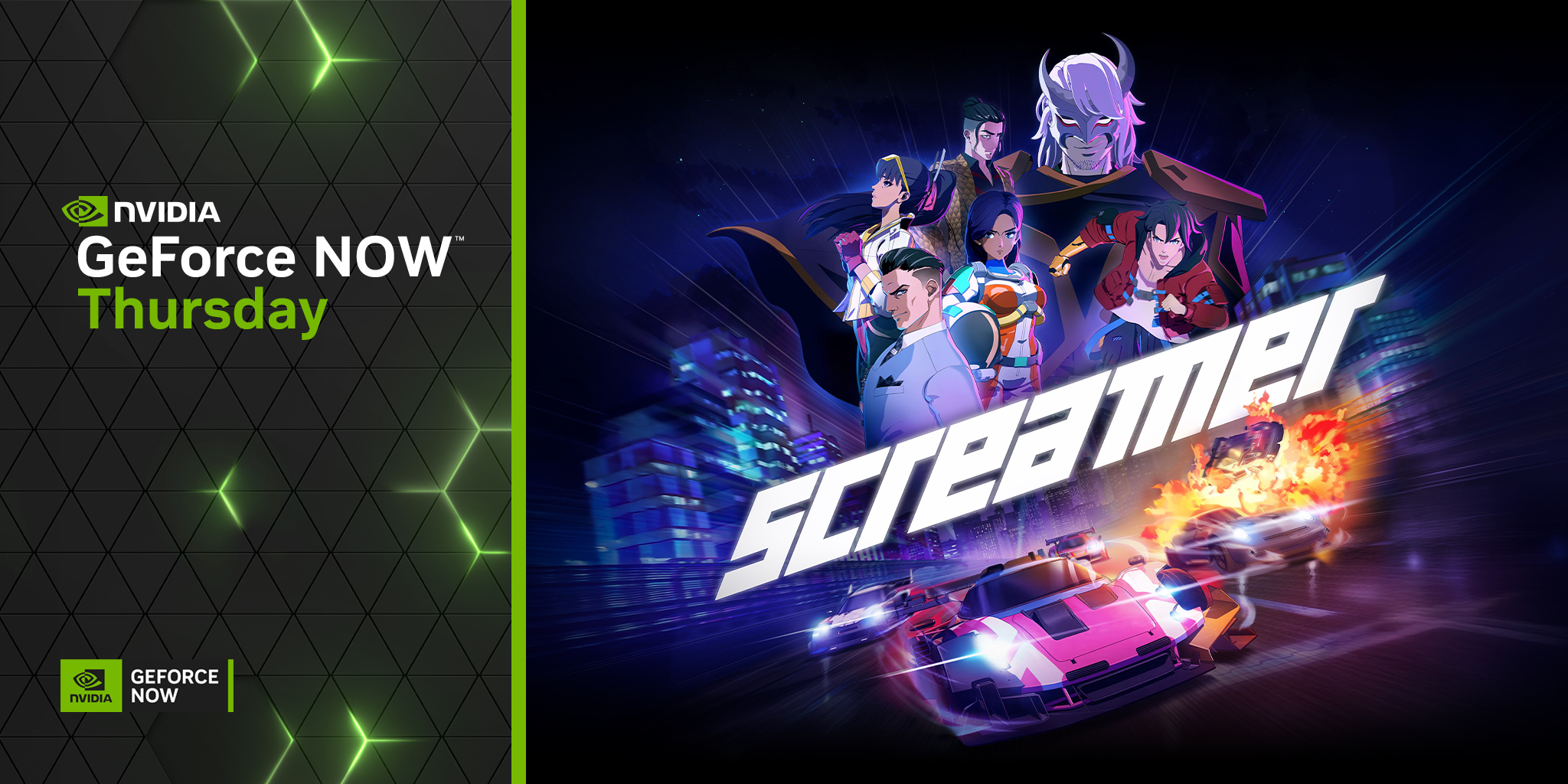
This week, five new titles are ready to play instantly in the cloud gaming platform’s library. Screamer drifts onto the scene with retro‑racing attitude and pixel‑perfect speed. Plus, Honkai: Star Rail Version 4.1, “Unraveled for Daybreak,” touches down.

Hit the Gas

Screamer on GeForce NOW
The ‘90s called — it wants the cloud.

Screamer from Milestone roars back onto the track as a blistering arcade racer that thrives on speed, precision and pure retro attitude.

Tight corners and neon‑soaked straights define a style built for thrill seekers who crave the rush of classic ‘90s racing action. The mix of sharp visuals, snappy handling and roaring engines creates an experience that’s equal parts vintage energy and modern muscle.

Running on GeForce NOW, Screamer puts pedal to the metal with ultralow latency and buttery‑smooth streaming. In the cloud, every race launches instantly, every drift hits with full force and every victory feels just a little louder.

Let’s Play Today

Honkai Star Rail 4.1 on GeForce NOW
All aboard the Astral Express.

Honkai: Star Rail Version 4.1, “Unraveled for Daybreak,” is available now, bringing new adventures aboard the Astral Express. The crew touches down at Star Rail FEST, a grand interstellar celebration packed with new zones, characters and challenges. Detective Ashveil joins as a new five-star Lightning hunter, chasing conspiracies hidden behind the glitz of the Phantasmoon Games. Dive into the new Wispae War Saga, enjoy free Warps and explore fresh Divergent Universe content filled with rewards and events. Play the latest Honkai: Star Rail update instantly on GeForce NOW — no installs, just starlight and action.

Members can also look for the following:

  • Screamer (New release on Steam, March 26, GeForce RTX 5080-ready)
  • King’s Quest (New release on Ubisoft, March 25)
  • BATTLETECH (Xbox, available on Game Pass)
  • Despot’s Game (Xbox, available on Microsoft)
  • Diablo II: Resurrected (Steam)

What are you planning to play this weekend? Let us know on X or in the comments below.


Our favorite Android gaming controller just crashed to $68 during Amazon’s Big Spring Sale – but you’re running out of time


This next entry goes out to all of those who need a good mobile gaming controller deal. Amazon’s Big Spring Sale is offering 15% off the price of the GameSir G8 Bluetooth Controller, which is one of the best controllers we’ve tested for gaming on an Android phone.

This controller is like the Galileo G8, but you now get the upgrade of Bluetooth connectivity. We loved it upon its release for that and its ergonomic design with full-size triggers, long-lasting battery life, and its overall impressive value. The added discount definitely doesn’t hurt either.

Apple Pulls Vibe Coding App ‘Anything’ From App Store, Escalating Enforcement


Apple has removed a “vibe coding” app from its App Store, reports The Information. AI app building app “Anything” was pulled from the ‌App Store‌, and Anything co-founder Dhruv Amin was told that his app violated Guideline 2.5.2.

iOS App Store General Feature Black
“Vibe coding” is a term used for code generated using AI based on natural language with no coding experience necessary. Anything and other apps like it let users create apps, websites, and tools with text-based prompts.

Apple started removing vibe coding apps from the ‌App Store‌ earlier in March, and the company said that certain features in the apps that were pulled violate code execution rules. In a statement to MacRumors, Apple said that there are no specific rules against vibe coding, but the apps have to adhere to longstanding guidelines. Apple specifically mentioned Guideline 2.5.2, which is the rule Anything apparently violated.

Apps should be self-contained in their bundles, and may not read or write data outside the designated container area, nor may they download, install, or execute code which introduces or changes features or functionality of the app, including other apps. Educational apps designed to teach, develop, or allow students to test executable code may, in limited circumstances, download code provided that such code is not used for other purposes. Such apps must make the source code provided by the app completely viewable and editable by the user.

“Anything” launched on iOS back in November with no issue, and Amin says the tool has been used to publish thousands of apps in the ‌App Store‌. The app let users create and preview vibe code apps on the iPhone, and it raised $11 million at a valuation of $100 million back in September.

While Anything was removed from the ‌App Store‌ on March 26, Apple has been blocking updates to the app since December. Amin submitted an update that would allow vibe coded apps to be previewed in a web browser instead of in the app to attempt to comply with the 2.5.2 rule, but Apple blocked the update and pulled the app.

Apple previously blocked iOS updates to Vibecode and Replit, vibe coding apps used to generate other apps.

How to get the White Bear mount in Crimson Desert


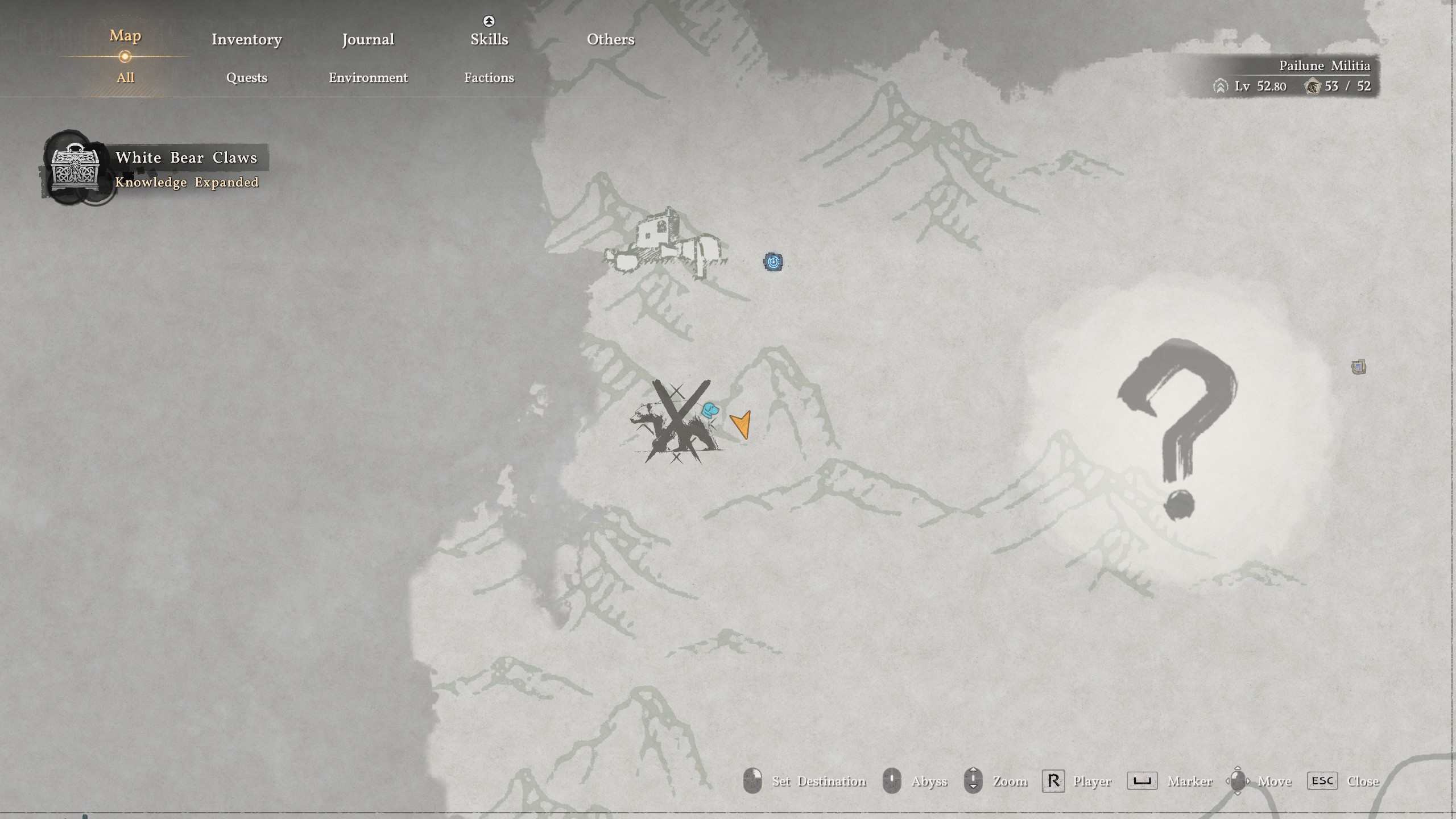
Unlocking the White Bear mount in Crimson Desert is perfect for those who enjoy riding into battle. This hulking brute has multiple attacks he can unleash on poor bandits, similar to the clawed bears that you can find Black Bear enemies riding in Pailune. Unlike the legendary horses, which you have to tame, these scarier legendary mounts require you to fight them first.

Here’s where you can face White Bear, but also how to unlock as a mount after you’ve defeated it.

You can find White Bear just south of the White Wastes Sanctuary in northwest Pailune (Image credit: Pearl Abyss)

Unlike Silver Fang, as far as I can tell, the only unlock condition for the White Bear mount is that you need access to the Witch’s Lair vendor, but you likely will have already unlocked this in Chapter 3 of the main story.

Article continues below

Turn Trade Skills into a Profitable Home-Based Business


Profitable Home-Based Business
Pexels

Skilled trades are not slowing down. Indeed, many contractors report turning down paying jobs because they cannot find enough qualified help. If you already have plumbing, electrical, HVAC, or carpentry skills, you are sitting on real income potential.

A profitable home-based business does not require a storefront or a huge loan. Clear positioning, smart pricing, and simple systems can turn your hands-on experience into steady, scalable income.

Define Your Niche and Service Area First

Every successful home-based trade business starts with focus. General skills are valuable, but specialized services often command higher rates and repeat clients.

Many skilled trade companies are forced to decline projects due to labor shortages. High demand means customers are actively searching for reliable pros in specific niches.

Positioning yourself as the go-to expert for, say, water-heater installs, custom decks, or emergency electrical repairs makes marketing easier and pricing stronger.

Start by narrowing down:

  • The exact services you perform best
  • The neighborhoods or zip codes you want to serve
  • The type of client you prefer

Set Up Your Home-Based Business Structure Properly

Skill alone does not make a business. Legal setup, insurance, and basic accounting protect your income and reputation.

You should:

  • Register your business
  • Secure any required state licenses
  • Separate personal and business finances with a dedicated account

Many aspiring business owners underestimate the gap between basic trade knowledge and delivering professional, client-ready work. Mistakes in areas like electrical systems, HVAC installations, or structural carpentry can lead to safety risks, failed inspections, and lost customer trust. For those transitioning into the trades or looking to sharpen their expertise before launching a service-based business, structured, hands-on training becomes essential. Programs such as Miller-Motte trade programs provide practical experience, industry-relevant skills, and career-focused preparation that can help you confidently enter the market and compete with established professionals.

Create a Simple Pricing and Profit Plan

Underpricing is one of the fastest ways to sabotage a new trade business. Home-based does not mean low-value.

Many solo operators struggle with inconsistent income and limited savings buffers. Building profit into every estimate protects you from slow seasons and unexpected expenses. Calculate material costs, travel time, overhead, taxes, and desired take-home pay before quoting any job.

Flat-rate pricing works well for repeat services like fixture replacements or maintenance calls. Larger projects may require detailed written estimates with milestone payments. Consistency builds trust and prevents awkward conversations later.

Build a Strong Local Reputation Online

Word-of-mouth still drives the trades, but digital visibility multiplies it. Most homeowners search online before calling anyone.

Nearly half of young tradespeople have stated that social media inspired them to choose their careers. Customers are also influenced by the online world. Positive reviews, before-and-after photos, and short educational posts build authority without expensive advertising.

Start with a clean Google Business Profile and encourage every satisfied client to leave feedback. Share quick project highlights on social media and answer common homeowner questions in short videos. Visibility builds familiarity, and familiarity builds trust.

Streamline Operations

Running a home-based business means your garage, driveway, or spare room becomes command central. Organization keeps stress low and profits high.

Digital scheduling tools reduce missed appointments and double-bookings. Cloud-based invoicing helps you get paid faster and track outstanding balances. Inventory systems prevent last-minute supply store runs that eat into your margins.

Simple routines make a huge difference. Set aside time each week for bookkeeping, follow-ups, and marketing tasks. Treat your home office like a real headquarters, even if it shares space with lawn equipment!

Scale Smartly Without Losing Control

Growth feels exciting, but reckless expansion can crush cash flow. Smart scaling keeps quality high while increasing income.

Many aspiring entrepreneurs are motivated by flexibility and independence. Protecting that freedom means hiring slowly and documenting your processes before bringing on help. Train assistants or subcontractors using clear checklists so customers receive consistent service.

Reinvest early profits into better tools, upgraded vehicles, or advanced certifications. Strong systems allow you to handle more work without sacrificing your reputation.

Turning Your Skills into a Profitable Business

Turning trade skills into a profitable home-based business starts with a decision to think like an owner. Focus on a niche, build a solid structure, price for profit, and show up consistently online.

Demand for skilled professionals remains strong, and homeowners are actively searching for reliable experts. So, if you are ready to turn your trade skills into a profitable home-based business, explore training options, refine your plan, and take action today.

Was this article helpful? If so, check out our other informative content!

Find a Home-Based Business to Start-Up >>> Hundreds of Business Listings.