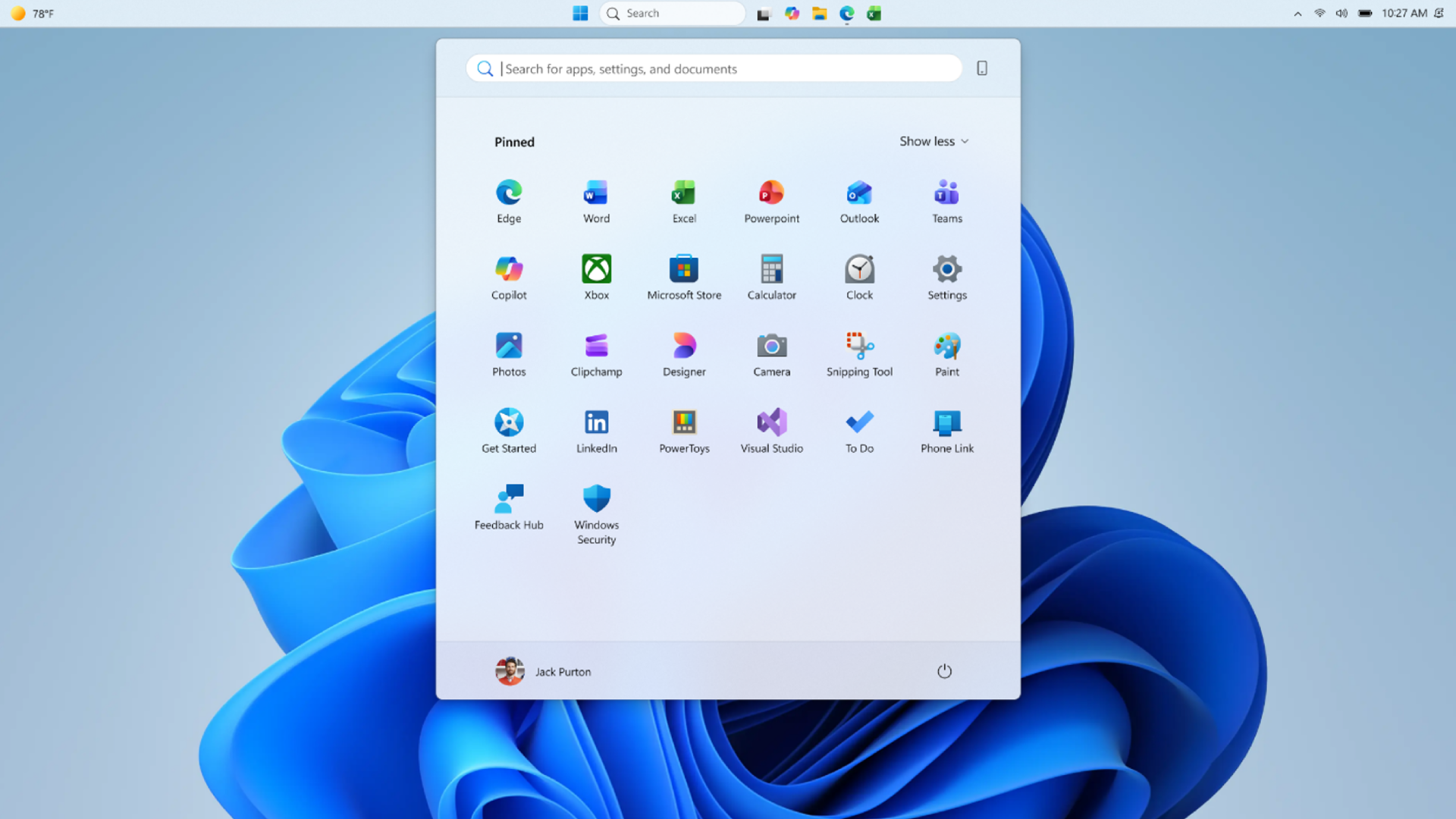
The big news here is the ability to now place the taskbar along any edge of the desktop. Yep, top, bottom, left and right, every option is being made available. What’s more, you’ll be able to align the Start button and icons in all four arrangements, “top-aligned or centered when the taskbar is on the left or right, and left-aligned or centered when the taskbar is on the top or bottom.”
Latest Videos From
Of course, this is functionality that was largely available in previous versions of Windows, but removed for Windows 11. If you go for a vertical taskbar, you’ll be able to choose between both a thin bar similar to the standard Windows 11 config along the bottom, or a wider bar that allows for fully labelled buttons for each running application.
There’s also an option for an even thinner taskbar than usual, which will come in handy on lower resolution displays where space is at a premium.
As for the Start menu, the changes involve both configurability and quality. The former include section-level toggles to independently show or hide Pinned, Recommended, and All, plus settings to tweak the size of the Start menu and the option to hide your name and profile picture for privacy purposes.
A wide vertical taskbar is one of the more intriguing options… (Image credit: Microsoft)
As for “quality,” Microsoft says it is improving the content that appears in the Recommended section and changing the name of that part of the menu to Recent to “better reflect what the section primarily shows, including recently installed apps and recently used files.”
Keep up to date with the most important stories and the best deals, as picked by the PC Gamer team.
Microsoft is also improving the accuracy of recent files shown in the Start menu. “We are refining which files appear and how they are ordered to reduce less relevant items and better reflect what you have been working on,” Microsoft says.
As for when these changes will be made available, Microsoft says they’ll come first to Windows Insiders in the Experimental channel over the coming weeks. The company hasn’t given a date for a full public release, but it’ll probably be made available within a few months.
Today, we are thrilled to announce a monumental milestone in Clarifai’s journey: we have entered into an agreement for Nebius (NASDAQ: NBIS), the AI cloud company, to license our core engineering and research talent and license our AI inference and compute orchestration intellectual property.
For over a decade, we at Clarifai were obsessed with building the ultimate software layer for AI. As the industry’s fastest AI inference and reasoning platform on GPUs, we focused on system-level inference optimization, empowering developers with seamless compute orchestration to run models cost-effectively. Now, we take our technology to the biggest stage possible.
Why We Are Thrilled to Join Nebius
When looking at the future of AI, it is obvious that delivering efficient execution at scale requires a seamless marriage of model optimization, software design and compute orchestration.
Here is why our team is incredibly energized about this transition:
Building the 4th Hyperscaler: Nebius is on a mission to become the world’s fourth hyperscaler, aiming to offer more compute to external customers than any of the existing cloud giants. By joining forces, our team becomes a crucial ingredient in extending Nebius from the leading AI infrastructure company into a full-stack AI powerhouse.
Better Together: Nebius builds their own servers, allowing them to control their technical roadmap, margins, and destiny. Combining their world-class infrastructure and global capacity with our compute orchestration technology will allow us to co-create a fully optimized hardware and software stack for unmatched performance.
Elite Pedigree and Culture: Nebius is led by a world-class team, including CEO Arkady Volozh, who possesses a long-term vision to win in the AI space. Our team has seen firsthand that their culture is high-energy, mission-driven, and built on a “You Know Best” philosophy that empowers employees to do what is right without unnecessary red tape.
Keeping the Band Together: Nebius didn’t just want our IP; they explicitly asked for the people who built it. This means we get to keep our core team together and continue working on what we do best, seamlessly transitioning our momentum into this new endeavor.
Supercharging the Nebius Token Factory
Our licensing agreement is set to strengthen directly the Nebius Token Factory to create a complete, full-stack inference platform. While Nebius’s recent acquisition of Eigen AI focuses on optimizing at the model level, Clarifai optimizes the system, creating the end-to-end infrastructure required to run complex AI models reliably in production.
Our performance optimization will compete with the industry’s highest speeds, enhance compute orchestration to open the cloud to a broader customer base and push the boundaries of Nebus Token Factory.
A New Era of Frontier AI Research
As part of this transition, I am incredibly proud to share that I will be taking on the role of SVP Research at Nebius. I will be leading a dedicated new research unit focused on frontier AI innovations, including agentic reasoning, multimodal world models, token efficiency, and long-term memory.
The future of AI—from advanced agentic systems to frontier models—depends entirely on the infrastructure powering it. By bringing together our proven expertise in training state of the art AI models with Nebius’s elite team, we are uniquely positioned to become one of the strongest combined AI teams on the planet.
The scope of the agreement is limited to Clarifai’s modern AI inference and compute orchestration technology. It does not include Clarifai’s legacy computer vision models. The Clarifai brand or trademark, or any intellectual property, products, services, or commercial arrangements associated with Clarifai’s US government and defense programs.
A Sincere Thank You to Our Team and Community
As we embark on this new chapter, I want to take a moment to thank the incredible team at Clarifai. Building this platform for over a decade was an amazing journey only made possible by the dedication, brilliance, and hard work of every single person who was a part of this company. While not everyone will be transitioning with us to Nebius, I am profoundly grateful for the foundational contributions each of you has made. Your work has left an indelible mark on the AI industry.
I want to personally thank you for everything you have done to get us to this milestone.
We also want to thank our amazing community, partners, and customers who have supported Clarifai’s vision from the very beginning. We can’t wait to embark on this rocket ship and build the ultimate foundation for the next decade of AI inference.
The Goliathrace returns in Forza Horizon 6, and, like the other Goliath races before it, it will take you around the entire map. Of course, you’ll be racing around Japan this time.
First introduced in Forza Horizon 3 (and Forza Horizon 2 if you count the Horizon Finale), the Goliath race is a long challenge that has become a staple of the series. It’ll put all your driving skills to the test, as long as you have the time to complete it. However, it’s not available from the get-go. Instead, you’ll need to build your way up to Legend Island to take part in the challenge.
Here’s how to unlock the Goliath race in Forza Horizon 6.
How to unlock the Goliath race in Forza Horizon 6
To unlock the Goliath race in Forza Horizon 6, you’ll need to earn 32,500 Horizon Festival points to get the gold wristband. The easiest way to get Horizon Festival points is to win every road, dirt, and cross country race and complete some of the challenges like speed traps and drift zones. You’ll also earn Horizon Festival points from taking pictures of cars and racing other players on Horizon Play.
Graphic: Johnny Yu/Polygon | Source images: Playground Games/Xbox Games Studios via Polygon
Once you get the gold wristband, complete the Horizon Legend wristband event at the Ito Airfield, which will take you straight to Legend Island. After it’s over, you’ll unlock the Goliath race, which will start on Legend Island.
You’ll also unlock the following three races:
The Colossus road race — Shimanoyama
The Gauntlet dirt race — Takashiro
The Titan cross country race — Ohtani
Before you start any of the races, it’s important to know that each race will take anywhere from 20-40 minutes depending on your racing skill and car’s performance class.If you’d like to see the entire track and study it in advance, check out the map below.
Graphic: Johnny Yu/Polygon | Source images: Playground Games/Xbox Games Studios via Polygon
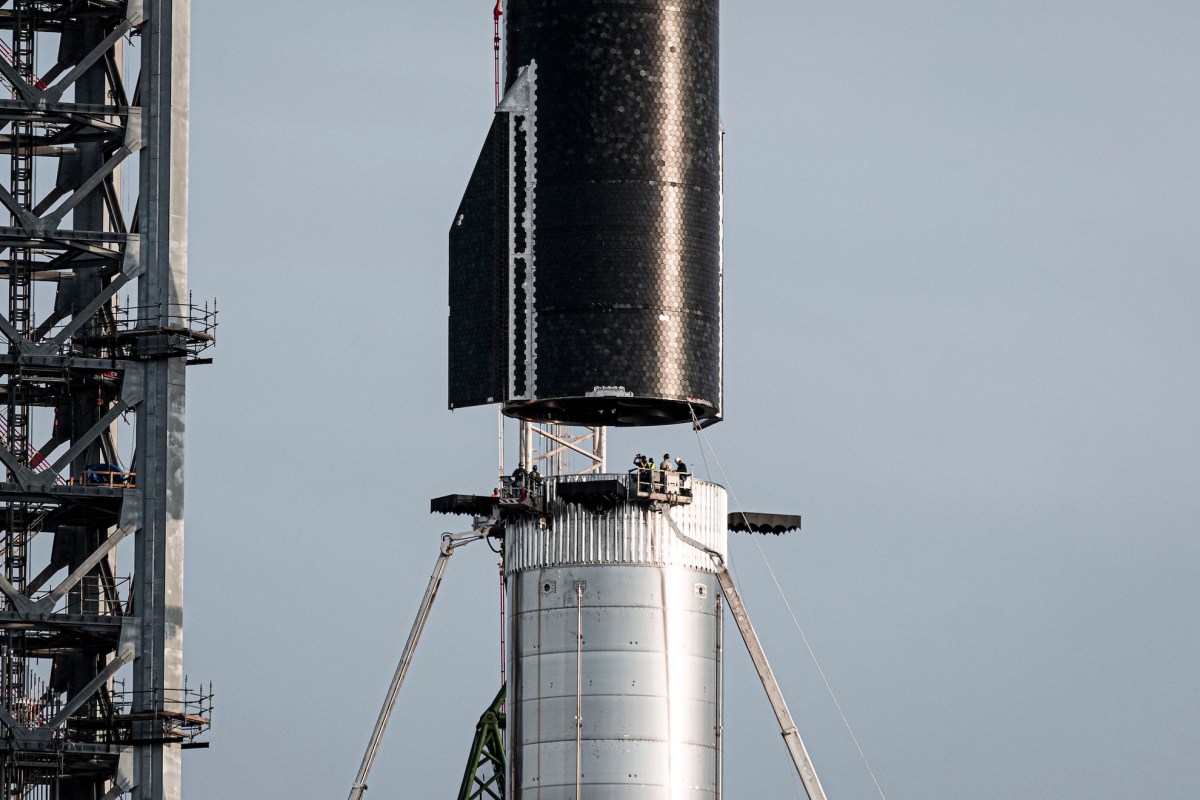
A worker died at SpaceX’s Starbase launch site in South Texas on Friday, and the Occupational Safety and Health Administration (OSHA) has opened an investigation.
The San Antonio Express-News reported Monday that the unidentified victim died at around 4:17 a.m. local time on May 15, citing OSHA and local officials. The Wall Street Journal later reported that the county sheriff confirmed to the outlet that a worker died. OSHA confirmed to TechCrunch that it is investigating the apparent accident.
Representatives for the nearby Brownsville police and fire departments did not respond to requests for comment. SpaceX and the newly incorporated city of Starbase did not respond to requests for comment.
The circumstances of the worker’s death are not immediately clear. OSHA told TechCrunch that it won’t release more information until its investigation is complete, which could take months.
The death comes just a few days ahead of the first planned launch of SpaceX’s upgraded Starship rocket. Elon Musk’s spaceflight company is also reportedly releasing the detailed prospectus for its initial public offering this week, which is expected to be the biggest ever when that transaction takes place next month.
SpaceX has long dealt with worker safety problems at its Starbase site, which handles Starship prototype launches and is an active construction zone.
In 2025, TechCrunch analyzed OSHA data and determined the Texas launch site had an injury rate that far outpaced those of industry rivals and was the most dangerous of SpaceX’s worksites. A 2023 Reuters investigation uncovered dozens of previously unreported injuries and a worker death in 2014 at SpaceX’s McGregor, Texas, test site.
In January, OSHA hit SpaceX with seven “serious” safety violations for, among other things, not properly inspecting a crane before it collapsed at Starbase last June. The safety agency dealt SpaceX the maximum financial penalty on six of those seven violations, totaling $115,850. SpaceX is contesting those penalties, federal records show.
The company has been hit with multiple lawsuits related to injuries sustained at Starbase in recent years. In December, an employee of one of SpaceX’s subcontractors sued after he was crushed by a large metal support dropped from a crane. The worker, Eduardo Cavazos, suffered a broken hip, knee, and tibia, and OSHA opened a “rapid response investigation,” as TechCrunch first reported in December.
OSHA has since closed that rapid response investigation without taking any punitive action, according to a TechCrunch public records request. And the lawsuit was recently dropped because his employer, the subcontractor, provides workers compensation insurance that prevents the company from being sued, according to Cavazos’ attorney.
When you purchase through links in our articles, we may earn a small commission. This doesn’t affect our editorial independence.
Google is preparing to kick off its annual developer conference, Google I/O 2026, and this year’s event is shaping up to be heavily focused on artificial intelligence, Android 17, and the future of Google’s ecosystem. The conference begins on May 19 at the Shoreline Amphitheatre in Mountain View, California, with CEO Sundar Pichai expected to lead the keynote presentation. The event will be livestreamed globally through Google’s official I/O website and YouTube channels.
While Google I/O has traditionally focused on developers, this year’s announcements are expected to directly affect everyday users across Android phones, Search, Chrome, Workspace, and smart devices.
Google is turning AI into the center of everything
The biggest theme expected at Google I/O 2026 is Gemini AI. Google has already spent the last year integrating Gemini into products like Gmail, Search, Android, and Workspace, but this event may show how deeply the company plans to embed AI into its entire ecosystem.
One of the most anticipated announcements is the next phase of Gemini Intelligence inside Android 17. Reports suggest Android is evolving from a traditional operating system into a more context-aware AI platform capable of automating tasks, generating widgets, handling voice interactions, and proactively assisting users across apps.
DigitalTrends/Google
Google is also expected to reveal more about “Gemini Omni,” a rumored AI model focused on advanced video generation and editing. This could position Google more directly against OpenAI’s Sora and Adobe’s generative AI tools.
Beyond smartphones, AI may also reshape Google’s laptop ambitions. Multiple reports suggest Google could formally unveil “Googlebook,” a new AI-first laptop platform designed to eventually succeed Chromebooks. The devices are expected to combine Android and ChromeOS elements while deeply integrating Gemini AI features into the user experience.
Android 17 and XR could also take center stage
Android 17 is expected to receive several upgrades focused on personalization, multitasking, and AI-powered features. Leaks and previews have hinted at redesigned widgets, enhanced voice input, new digital wellbeing tools, and updates to Android Auto.
Google may also showcase progress on Android XR, its augmented and mixed reality platform. Smart glasses and wearable AI devices have become increasingly important across the tech industry following moves from Meta, Apple, and Samsung. Google previously teased Android XR hardware, and I/O 2026 could provide a clearer look at the company’s long-term strategy.
Why this event matters
Google I/O 2026 arrives at a critical moment for the company. The AI race has accelerated rapidly over the past two years, with OpenAI, Microsoft, Apple, and Meta all competing to define how consumers interact with AI systems.
For Google, this event is not just about announcing new software features. It is about showing that Gemini can become the foundation of Google’s future products rather than simply an optional assistant layered onto existing services.
At the same time, the company faces growing scrutiny over AI-generated search summaries, misinformation risks, and the broader impact AI may have on publishers and the web ecosystem.
What happens next
Google I/O 2026 begins on May 19, with announcements expected across Android, Gemini AI, XR devices, Search, Workspace, and possibly new hardware categories.
If the leaks and reports are accurate, this year’s conference could mark Google’s biggest shift yet toward an AI-first ecosystem – one where Android, laptops, search, and productivity tools all revolve around Gemini.
If you’ve been following the Forza Horizon series for years, you already know the feeling. That moment when a new Horizon game gets announced, and suddenly you’re counting down the days until you’re tearing through a whole new locale.
Well, Forza Horizon 6 is shaping up to be exactly that kind of game. It’s bigger, bolder, and packed with features that feel like they were designed specifically for long-time fans.
From its setting to its soundtrack, here are five confirmed features in Forza Horizon 6 that have us seriously excited.
1. Japan Is the Perfect Horizon Location
Let’s be honest. If there’s one place that feels like it was built for Forza Horizon 6, it’s Japan.
This is the home of drifting culture, legendary street racing history, and some of the most iconic cars ever made. From neon city streets to winding mountain roads, Japan has the perfect mix of environments for both casual cruising and full send racing.
Whether you’re blasting through Tokyo at night or carving corners on rural passes, this setting feels like the ultimate Horizon playground.
If you’ve been dreaming of a modern Horizon game set in Japan, you’re not alone. And now it’s finally happening.
2. A Soundtrack That’s Going to Hit Different
A great Horizon game brings great music. It’s not just background noise. It’s part of the identity.
Forza Horizon 6 is bringing nine radio stations packed with tracks across multiple genres. That means there will be something for every kind of player, whether you’re into electronic beats, rock anthems, hip hop, or something more lo-fi for those long highway drives.
The soundtrack is a huge part of what makes Horizon feel like a festival. If they nail it, the vibes are going to be immaculate.
And yes, you already know we’ll be switching stations mid-drift just to find the perfect track.
3. Over 550 Cars at Launch
This is the one we all care about.
Forza Horizon 6 is launching with over 550 vehicles, and that number alone is enough to make any racing fan grin. That means classics, modern performance monsters, rare collector cars, and plenty of machines built for pure chaos.
With Japan as the setting, we’re also expecting the JDM lineup to be absolutely stacked. If you’ve ever wanted to build your dream garage full of iconic Japanese legends, this is going to be the game.
And let’s face it. Half the fun is scrolling through the car list and immediately planning what you’re unlocking first.
4. Estate Building and Custom Garages
This might be the sleeper feature that ends up becoming a fan favourite.
Forza Horizon 6 introduces estate building, letting players create a personal home base in rural Japan. It’s not just a menu screen. It’s a proper space where you can build up your garages, display your favourite cars, and make your Horizon experience feel more personal.
If you love collecting cars, this is going to hit different. Having an estate that actually represents your collection adds a whole new layer of immersion.
It’s these kind of features that makes you want to keep playing, even after you’ve already won everything.
5. New Progression and Event Variety
Horizon games always shine when the map is packed with things to do. Forza Horizon 6 is continuing that tradition, bringing back the festival-style progression system while expanding it with more event types and challenges.
There are new race categories, Horizon Rush obstacle events, drag meets, and time attack circuits spread throughout the world. That means you won’t just be doing the same races over and over again.
Instead, you’ll constantly be stumbling into something new. And that’s when Horizon is at its best.
The festival vibe is back, and it sounds like it’s going to be bigger than ever.
Final Thoughts
Between Japan as the setting, a huge car roster, proper festival music, estate building, and expanded event variety, Forza Horizon 6 is already looking like a dream game for racing fans.
If Playground Games delivers on what they’ve confirmed so far, this could easily be the best Horizon yet.
And yes, we are absolutely ready to lose hundreds of hours to it.
Green Man Gaming
The Green Man Gaming Staff account represents the voices of the team behind Green Man Gaming, bringing you the latest in store news, industry insights, and curated gaming recommendations.
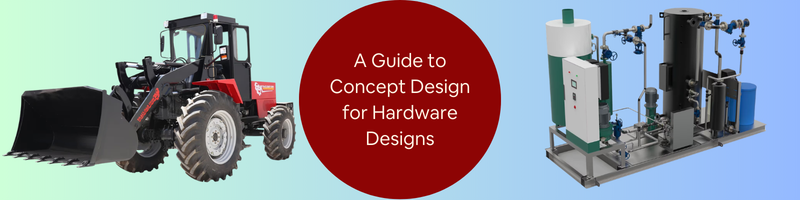
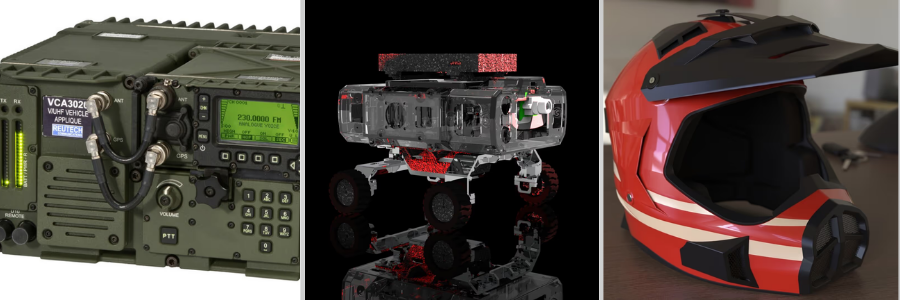
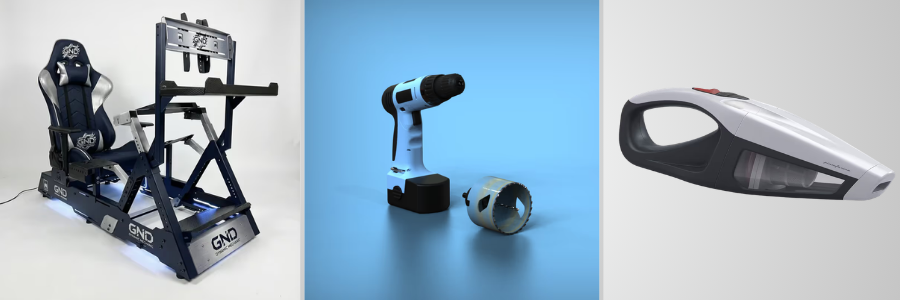
NPD, or new product development, is a complex undertaking with one purpose in mind: transforming an idea into a market-ready product. It’s a systematic process that involves in-depth market research, design and engineering, iterative prototyping, testing and validation, and commercialization. There is no single correct formula for new product development. Every company can implement its own unique approach and strategy as it sees fit. In the vast majority of cases, however, an NPD starts with concept design services.
Think of a concept design as the earliest version of a product that represents the big picture of what you’re trying to build. It’s meant to show what problems the product will solve and how it should achieve that objective. Generating a concept design might actually be the most creative stage of a product development process; this is where you make notes and drawings on napkins and scrapbooks, then slap them on the wall and whiteboards. Only when all possibilities are explored, and every idea from varying perspectives is taken into consideration, can a concept design generation lead to innovation. In other words, the task runs in its most effective fashion as a team effort – preferably a team populated by professionals experienced in hardware product development.
Finding and hiring design professionals isn’t necessarily difficult. Freelancing platforms make it easy for you to discover and connect with talented product designers, fabricators, PCB makers, firmware developers, and engineers. Cad Crowd, a platform that specializes in product design and development, is always a safe bet. It’s home to a vast network of industrial designers from all over the world, ready to take on your NPD project at every stage of the process, be it concept generation or the entirety of the workflow. Having professionals with the right credentials and track record on your side means you have a much higher chance of formulating a proper concept – a design that you can plausibly develop into a working prototype in a cost-efficient manner.
Cad Crowd can connect you with pre-vetted experts capable of delving deep into hardware design research for products of any category, from fully mechanical tools and equipment to sophisticated electronics. They help you experiment with components, assemblies, fabrication techniques, PCB layouts, and all possibilities within DFM (design for manufacturability) services. While there’s always a degree of uncertainty with every concept design, the talents at Cad Crowd strive to eliminate the risk from the get-go, allowing you to focus on what’s technically feasible rather than trying to fix mistakes as the project moves along.
🚀 Table of contents
Ideation and concept design
When you come up with an idea for a hardware product, whether home appliances, power tools, medical devices, peripherals, toys, gadgets, or anything else in between, almost immediately, your mind ventures into the “concept design” territory, chances are, you visualize the product in your mind and wonder if the design makes sense or is at least possible. The notion that you have to separate ideation and concept design generation isn’t as clear-cut as it may seem.
They’re usually considered separate stages in an NPD process, but a concept design is, in essence, an idea waiting to be materialized all the same. A concept design is somewhat more tangible than an idea, but not quite tangible enough that you can call it a PoC (Proof of Concept). It’s somewhere between the two, and its main purpose is to point you in the right direction before you go too far ahead. You need a feasible concept to form the foundation of a prototype, which eventually becomes the ultimate reference point for the final production version.
For a lot of product designers, a concept design is where they make rough sketches sprinkled with symbols and handwritten notes. It shouldn’t be too elaborate because the important point here is to entertain the ideas with only some basic visualizations. Pencils and paper are the best tools, allowing the designers to quickly generate a concept every time they have a brain wave. There’s no need to overthink every single design that comes to mind, considering how everything still has to go through a screening process later on.
Detailed design, on the other hand, is often viewed as a phase that requires CAD tools. It’s a phase that immediately follows the screening process, where only the most plausible concepts are shortlisted for further development. Product design experts will probably discard dozens of concepts generated during the previous phase for the sake of effective resource allocation. If every concept must be drawn using CAD software, it’s going to take too much time before they can move on to the next phase.
The thing is that just because someone mentions CAD, it doesn’t necessarily mean the time has come for you to worry about such technical matters as clearances, material selections, simulations, electrical engineering, or manufacturability. If the development team has just one person familiar enough with 3D CAD modeling, creating a basic concept of a simple hardware product will probably take anywhere from 4 to 8 hours (especially when using digital sculpting software like ZBrush, Blender, Mudbox, or the alternatives). The model will be pretty basic without texturing, detailed specifications, and the like, but then again, one concept per day is a respectably productive pace in an NPD process.
The road to concept designs for hardware products
A concept design isn’t a development phase reserved only for complex products like cars, humanoid robots, medical equipment, or any high-dollar machinery. Every product worth developing needs to (or at least should) go through some form of concept design phase.
Much like the entire NPD process, there’s no one best formula for an effective conceptual design. If you ask a dozen industrial designers about it, you’ll end up even more confused by their varying explanations. There’s nothing wrong with the different answers, and confusion isn’t always unexpected, either. After all, concept generation is inherently an exercise of creativity, and your method of crafting a solution might be different from the others’. Although variations are nothing unusual, the path leading toward a hardware concept design tends to include the following major steps.
Define the design requirements
In the countless guides you’ve come across all over the Internet about product development for product design firms, you’ll often see that market research is also listed as its own separate phase, rather than a subcategory of concept generation. Most of these guides mention “research” in the broadest sense of the term, including the business sides of NPD such as profitability, IP protection, target demographics, and so forth.
Concept generation also needs market research, at least the part where it digs into unsolved problems, unmet demands, and user preferences. You want to develop a concept design based on valid research, so that every design decision you make actually addresses real needs rather than an assumed necessity. Assumptions have their uses, for example, when you try to form a hypothesis about how a product fails or why consumers choose a particular brand over others. But these assumptions mean very little unless they’re validated by findings from thorough research. A concept design with no solid foundation in market research is prone to common blunders, such as the lack of desired features, terrible ergonomics, outdated functionality, poor user interface, or compatibility issues.
A market research of the sort might involve interviewing a lot of people, or a survey if you’d like – about the problems they have with the existing products, the solutions they want, what features they need, what kind of activities they do with the products, frequent pain points, and prices.
Let’s say you’re developing a concept design of a modern lawnmower led by new invention development design services. The research can cover a lot of topics, from the size of the motor and horsepower to app connectivity and remote monitoring. They’re all broad questions, but you might want to be very specific about every topic, because the best answers/responses are supposed to be narrow-focused as well, for instance:
“A power-reserve gauge will be great, even a light indicator is good enough to tell me exactly when to recharge.”
“My partner is much taller than I, so an adjustable handle would be helpful.”
“Why isn’t there any affordable hybrid lawnmower I can buy already?”
“I don’t mind a gas-powered lawnmower, if only the fuel doesn’t spill so easily.”
“Fancy mowers aren’t for me. An old-school heavy-duty hardware is still best, perhaps with a little bit of battery goodness.”
“So long as it’s durable and easy to repair, I will buy it.”
As casual as the answers might sound, they offer true insight into users’ viewpoints and can lead you to some market differentiators. The answers touch on a lot of issues, and you should be able to formulate a coherent design intent from the information you gather. Here’s just an example:
A lawnmower, even if it comes with various modern features like Bluetooth and a solar panel, should strive to preserve ergonomics and ease-of-use. Convenient features are always welcome additions, whether a pair of cupholders, an included second mulch attachment, or a foldable design for easy storage. Durability and repairability remain two major issues to address, regardless of design and powertrain configuration.
The more users involved in the survey, the more specific the design intent you get. And everything that you come across while specifying the design intent ends up as design requirements, which can be defined as specific criteria derived from end-user research and meant to guide the development of the product’s features and intended use cases.
With only a few exceptions, most hardware products developed by electronic device design services in the last several decades or so aren’t exactly brand-new innovations. Some of them use novel technologies like 5G connectivity (IoT or smartphones), electromechanical biosensors (wearable devices), an assortment of exotic metals (heavy-duty vehicles), and high-performance semiconductors (medical and industrial robots), but much of their shape and form is built on existing products.
For example, the basic form of a car has been pretty much the same for decades, down to the pedal arrangement and drivetrain. The same thing applies to many smartphones and laptops, which still take design cues from their earliest generations. Consumer medical devices like pacemakers, hearing aids, fitness trackers, pulse oximeters, thermometers, and blood pressure monitors haven’t changed as drastically as you might expect, either.
This doesn’t mean copying the look and feel of an existing product is the right way to generate a concept design. A unique product stands out from the crowd. On a store shelf filled with similar-looking products from various brands, a distinctive design gets all the attention from consumers. At the same time, straying too far from the “recognizability” factor comes with the inherent risk of people avoiding it altogether. Imagine a scenario where a company makes bicycles that use steering wheels as opposed to the conventional handlebars; a high point for uniqueness, but minus one for familiarity.
A few people probably buy it just for its peculiarity value, while most end-users take a second glance, and that’s about it. Having a unique design is commendable, but sticking to what’s already been proven effective and marketable is always a wise decision. It’s probably why nobody has successfully reinvented the wheel. A balance between uniqueness and familiarity in hardware design is the safe bet, and this is where product benchmarking comes in. To do that, you have to examine the competition. Benchmarking allows you to assess competitors’ product designs and understand why consumers prefer certain brands over alternatives.
There are times during the design development where you may have to isolate yourself from external influences and focus on putting bits of ideas together to build a coherent concept. It enables you to filter the noise more easily and come up with a truly unique design of your own. At other times, studying competitors’ designs would also be beneficial as they provide an insight into the good, the bad, and the ugly. Benchmarking opens the door to a better view of the market landscape and trends, which hopefully reveal or present clear pathways to design differentiation and product innovation.
Attributes to benchmark
For most consumer hardware products, whether mechanical or electronic (or a combination of both), the idea behind benchmarking is to figure out the best and the worst popular design elements and features of the existing products. There are plenty of design attributes to focus on. Among the obvious ones for consumer product design companies are as follows:
Physical characteristics
Style/visual appeal
User interface
Convenient factors
Material Shape Form Size Durability
Color Finishes Packaging
Display (if any) Controls/buttons Feedback
Ease of use Ergonomics Portability Safety features Power efficiency Repairability Compatibility Instructions
Remember that you’re not in the process of creating imitations of all those features. The point is that no matter what concept design you come up with, at the end of the day, it has to be an improvement over the existing designs or at least perform just as well. Anything subpar defeats the purpose of a concept design.
About the user interface
Assuming the product being developed is an electronic, it probably has some kind of digital control for the user to operate the device. Modern electronics like home appliances or consumer-grade medical devices often have a screen to display status indicators (battery power, speed, timer, heat, and so on), data received from the built-in or attached sensors, and error information, to name a few. In case the product isn’t meant to have a screen, it probably has a few buttons or switches to activate certain features or initiate operation in the first place. Even a mechanical alarm clock has a few knobs to adjust the time, a trigger ice cream scoop has a lever, and a basic computer mouse has two buttons and a scroll wheel. Physical controls are fundamental parts of the user interface.
Complex hardware products like smart thermostats, car infotainment systems, digital cameras, handheld GPS, laser distance meters, and, of course, smartphones have much more sophisticated user interface designs from the embedded software. The good thing is that creating a concept design of a digital user interface doesn’t require tinkering with software development for concept design experts. During the concept phase, you can sketch a simple version of a UI on a whiteboard or paper. Although it won’t work (because you can’t actually operate it anyway), the drawing gives you an idea of the display layout and how to position the physical buttons accordingly.
Vision statement
Out of the design requirements and benchmarking results comes a better understanding of the market opportunity. At this point, you’ve already learned about the range of problems typical users have and have had a reasonable grasp of how the existing products failed to deliver effective solutions. However, it’s important to remember that every product is usually a result of a design compromise. For example, a company probably has what it takes to build an exceptionally good digital audio player (DAP) equipped with sophisticated software and a high-grade metal enclosure.
But a premium product isn’t cheap. Given the substantial resources spent on research and development and manufacturing, the price tag must reflect production costs if the company wants to make a profit on every sale. Some compromises are necessary to keep the price down to a reasonable level for the target market. The metal enclosure might use a less-durable alloy, the touchscreen is resistive instead of capacitive, the battery has a smaller capacity, or the storage device is built-in rather than removable. Every downgrade means lower development cost, and therefore friendlier retail price.
A vision statement has no regard for such compromises. Unlike a design intent, where you tend to delve into specific features and functionality, a vision statement speaks only in generalities. This is how you describe a perfect concept. Take a look at the following excerpt of a hypothetical lawnmower concept design: The lawnmower must be optimized for compatibility with modern technologies, in terms of connectivity and sustainability. Control via smartphone, the use of eco-friendly energy sources, and automation within the IoT framework allow for simplified and more practical operation in both residential and commercial settings.
All the hardware parts and assemblies, including the self-sharpening blade, are replaceable for easy maintenance and repair by design for manufacturing and assembly services. A vision statement is supposed to be a general description, albeit with a clear focus on durability and ease of use. Don’t overthink about what to put into the statement; the eventual product will most likely end up with a design compromise or two, and the vision statement simply acts as a guardrail to prevent you from straying too far off the objectives and a reminder to keep you striving for improvement.
Concept generation
Backed by a combination of detailed user research, benchmarking results, and the vision statement, you’re now ready to enter the actual phase of concept generation. The goal is to come up with as many concepts as possible to be evaluated during the next stage of product development. With every concept, there’s no need to get bogged down with technical feasibilities, engineering constraints, potential for profits, and overall manufacturability. Many of your concepts may be closer to being imaginary than they are to feasibility, some could be pretty convincing, and a select few might fall just right under the umbrella of real market opportunity. Although you will eventually discard most of those concepts, never prejudge any of them.
Generating concept designs should be an entirely creative, if not imaginative, phase where you enjoy exploring ideas. Putting all those concepts into assessment, on the other hand, is an entirely different matter. You need to narrow the selection down, for example, from a list of 20 concept designs to only 5, based on various factors such as technical or engineering feasibility, budget, time-to-market, and conformity with the vision statement. Use the attributes you observed during the benchmarking phase as the assessment criteria. Because it’s never a good idea to evaluate your own work, make the effort to assemble a small team of professionals consisting of at least one industrial design expert and one engineer.
Suppose the product is an electronic device with a digital user interface; a firmware/software developer should be involved as well. It’s not uncommon for companies to hire some “representatives” of the target demographics to take part in the assessment process. For instance, if the product is a medical device, the team includes a primary care physician, a specialist, or a nurse; if it’s sports equipment, you need an athlete or a coach; if it’s a home appliance, include a technician or an electrician, and so forth.
Having an industry-specific professional in the team is advisable, especially when your product has to meet strict standards and regulations. As the assessment concludes, you’ll end up with two – perhaps three – concepts that warrant further analysis and testing to determine if they can plausibly satisfy user needs and meet the design requirements while maintaining conformity with standards.
Takeaway
Concept generation is often listed as its own phase in an NPD process. In reality, this phase alone comprises multiple steps to ensure that the resulting concepts are grounded in sound analysis of market opportunities, research on the target demographics, and a well-founded understanding of existing products.
At every step of the concept generation phase, from defining design requirements and benchmarking to formulating the vision statement and conducting assessments, you have a much better chance of producing valid results and development-worthy concepts by bringing professionals on board. Industry-specific expertise and experience in NPD go a long way to transform your concept design generation into a systematic plan of action without all the guesswork.
How Cad Crowd can help
With Cad Crowd around, hiring the right professionals for the job doesn’t have to be an expensive hurdle. You can find thousands of industrial designers, engineers, market analysts, and even turnkey NPD professionals on the platform with just a few clicks of a button. More importantly, Cad Crowd has pre-vetted all the freelancers beforehand, leaving only the most talented and best qualified partners for you to collaborate with. Request a quote today.
MacKenzie Brown is the founder and CEO of Cad Crowd. With over 18 years of experience in launching and scaling platforms specializing in CAD services, product design, manufacturing, hardware, and software development, MacKenzie is a recognized authority in the engineering industry. Under his leadership, Cad Crowd serves esteemed clients like NASA, JPL, the U.S. Navy, and Fortune 500 companies, empowering innovators with access to high-quality design and engineering talent.
I’m losing you, naked blue placeholder person with a tiny red blaster and tiny bare bottom standing on my arm! Wait, what was that? Oh no, I, purple-faced placeholder robo-person am being sucked out of an airlock, as is my partner, red-faced placeholder robo-person. Our bare bottoms will never survive in the lethal void of space! It’s ok, though. Thanks to some quick thinking, we’ll make it out of what appears to be an early-in-production cinematic from the first interation of the Star Wars: Knights Of The Old Republic remake, which has been in relative development limbo for a while now.
AS if to divert our attention, Apple announces WWDC 2026 is set to run from June 8-12.
The company plans to give viewers insights into its new technologies during the main keynote on June 8 at 10 am PT (1 pm ET).
However, our sights are firmly set on Google’s I/O 2026 event tomorrow, May 19 at 1 pm ET, where Android XR, Android 17, and Gemini Intelligence will likely shine.
As if it were written in the script, Apple has started sending out notifications for its next major event, and it’s all about what’s next for its tech.
Today (May 18), Apple officially announced what’s coming up next, and if you guessed WWDC 2026, you’d be right. The company’s reveal comes with a brief view schedule for the event, which runs from June 8-12. As usual, Apple states this conference will bring together “developers from around the world to explore the tools, frameworks, and technologies” across its platforms.
The “main event” is set for June 8 at 10 am PT (1 pm ET), involving Apple’s keynote and a “first look at the latest updates coming to Apple platforms.” Of course, users can tune in via Apple’s YouTube or its main website (even the Apple TV app). Following this, users can continue to stay on board for the Platforms State of the Union. If you’re looking to get your nose into Apple’s tech, it says users will find a deeper dive into its new features, APIs, and more.
Latest Videos From
The Apple Developer YouTube channel will take the lead here, as well as the associated app and developer website. Video Sessions and Guides, Group Labs, the Apple Design Awards, and the Swift Student Challenge are all lined up from June 8-12.
Let’s not get ahead of ourselves
(Image credit: Derrek Lee / Android Central)
Apple will get its time to shine early on in June; however, facing our immediate future is Google’s I/O 2026 event. The meat and potatoes of this event are set for May 19 at 1 p.m. ET. It’s during this time that we’re expecting to see what Google’s been cooking for Gemini (Gemini Intelligence, too, maybe), Android XR, smart home updates, and much more. We’ve been speculating what could go down tomorrow for a while now, and all that’s left is to see the event.
Samsung’s Galaxy glasses are another aspect. While Android XR is likely to be a major feature during I/O 2026, perhaps Samsung’s first pair of smart glasses will make an appearance. Either way, we’re less than 24 hours away from the main event. To keep you involved and “in the know” about I/O, you can check our I/O 2026 Live Blog up until the event, and even after.
Android Central’s Take
Apple had quite a bit to talk about last year, and some of it looked like it was directly inspired by Google. I’m expecting quite a bit from Apple this year, too. It’s always interesting just seeing what they’re coming up with, even if I don’t own an iPhone. My main focus right now is on I/O (and that Live Blog, which you should check out). Gemini Intelligence, Android XR, and Android 17 are my big expectations for tomorrow.
Get the latest news from Android Central, your trusted companion in the world of Android
iOS 27 will include a custom wallpaper generator and an option to automatically create shortcuts using AI, reports Bloomberg.
When choosing a new wallpaper, users will have the option to generate something custom using the Image Playground app. Image Playground is used for generating custom emoji and images that can be used throughout iOS, and it is set to get an upgrade in iOS 27.
Apple is testing models that produce more lifelike images, so the version of Image Playground that’s used for generating custom wallpapers could be different from the current version.
Shortcuts is also getting a major update, with users able to use natural language to ask Siri to make a shortcut. There is an option for users to tell Siri what they want to accomplish with a shortcut to have the workflow created using AI.
Bloomberg says the Shortcuts app has a prompt that says “What do you want your shortcut to do?” with a text field to enter a description. Shortcuts that are created using AI are then automatically installed and immediately available for use.
Shortcut creation is largely done manually now, and it is a tool that has remained out of reach of many casual iPhone users. A Shortcuts app that’s able to work with natural language capabilities will see the app getting more widespread use.
The new Shortcuts app and the wallpaper generation tool will be previewed at the WWDC keynote that’s set to take place on June 8.
Apple’s WWDC 2026 graphic provides “a glimpse of the revamped Siri interface coming in iOS 27,” according to Bloomberg’s Mark Gurman.
In his Power On newsletter today, Gurman said iOS 27 will include a new Siri interface in the Dynamic Island. When you trigger Siri, he said the Dynamic Island will show a “Search or Ask” prompt, and this will apparently be accompanied by a “glowing cursor”…
Apple is planning to add “Undo” and “Redo” options to the iPhone’s Home Screen customization menu on iOS 27, according to Bloomberg’s Mark Gurman.
These two options will make it easier to reverse or redo your Home Screen changes.
”Right now, when you long-press on the home screen, you get a bubble in the top left corner with four options: Add Widget, Customize, Edit Wallpaper and Edit…
If you regularly spend time reshuffling your iPhone’s Home screen, you’ll likely welcome a couple of new options reportedly coming in iOS 27.
According to Bloomberg’s Mark Gurman, Apple’s next major software update will add Undo and Redo buttons to the Home Screen customization menu. Long-press the screen, and alongside the existing Add Widget, Customize, Edit Wallpaper, and Edit Pages…