Adi Shankar has had success in adapting video games into animation, having worked on multiple seasons of Castlevania alongside Konami and Netflix, as well as with Ubisoft for Captain Laserhawk: A Blood Dragon Remix. More recently, he has been collaborating with Capcom on Devil May Cry, the first season of which launched on Netflix in 2025 to a largely favorable reception.
Now, with its second season, Shankar and team are delving deeper into the story of Dante and Vergil, as the two characters come to grips with their origins, the divergent paths their lives took following a family tragedy, and how their two perspectives shape them and the fate of a world that hangs in the balance. It also embraces Devil May Cry 2, the video game series’ most divisive entry.
Of course, with as much experience as Shankar has in taking video game source material and adapting it for animation, we would be remiss not to get his perspective on the latest high-profile announcement of a similar project: Sony’s adaptation of From Software’s Bloodborne.
Digg is relaunching again, this time as an AI-focused news aggregator rather than the Reddit-style community site it recently abandoned. TechCrunch reports: On Friday evening, the founder previewed a link to the newly redesigned Digg, which now looks nothing like a Reddit clone and more like the news aggregator it once was. This time around, the site is focused on ranking news — specifically, AI news to start. In an email to beta testers, the company said the site’s goal is to “track the most influential voices in a space” and to surface the news that’s actually worth “paying attention to.” AI is the area it’s testing this idea with, but if successful, Digg will expand to include other topics. The email warned that the site was still raw and “buggy,” and was designed more to give users a first look than to serve as its public debut.
On the current homepage, Digg showcases four main stories at the top: the most viewed story, a story seeing rising discussion, the fastest-climbing story, and one “In case you missed it” headline. Below that is a ranked list of top stories for the day, complete with engagement metrics like views, comments, likes, and saves. But the twist is that these metrics aren’t the ones generated on Digg itself. Instead, Digg is ingesting content from X in real-time to determine what’s being discussed, while also performing sentiment analysis, clustering, and signal detection to determine what matters most. […] The site also ranks the top 1,000 people involved in AI, as well as the top companies and the top politicians focused on AI issues.
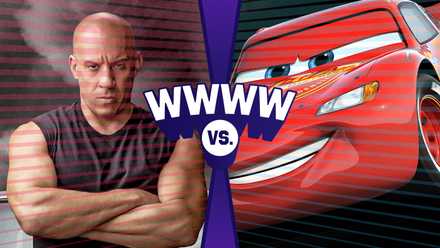
The family is getting bigger — potentially much bigger. On Monday, Fast and Furious franchise star Vin Diesel (The Fast and the Furious, Fast & Furious) announced that no less than four TV shows in the Fast and Furious “universe” are being developed at Universal Television. One of those is a live-action show heading to NBCUniversal’s Peacock, according to Deadline.
Diesel is reportedly executive producing the series adaptation, with writers Mike Daniels and Wolfe Coleman attached to pen the pilot. Daniels previously wrote for vehicle-based shows Sons of Anarchy and Pan Am, and is writing and producing a revival of The Rockford Files, a TV show that regularly featured car chases and driving sequences. Daniels and Coleman worked together on Shades of Blue, the three-season TV series that starred Jennifer Lopez and Ray Liotta about an NYPD detective going undercover to expose her fellow corrupt cops.
Details on the Fast and Furious TV spinoffs were not announced, but according to Deadline, Diesel hinted that the shows will expand upon the stories of “the legacy characters” of the franchise. That idea presents the Fast and Furious IP holders with a wealth of options. Consider:
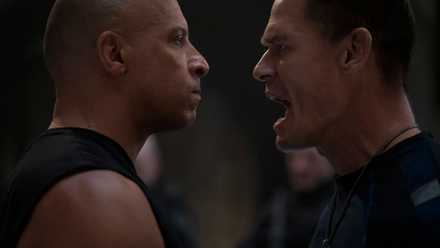
Young Dom, which could expand upon the younger version of Dominic Toretto as seen in F9: The Fast Saga. In that film, Dom was played by Vinnie Bennett in flashbacks set in 1989. The story of F9 revealed the death of Jack Toretto, father of Dom and Jakob, which leads to the brothers’ falling out and shoehorned-in feud.
Fast and Furious: 1923, a period piece in which a gang of horse-mounted thieves steals combination vinyl platter and wax cylinder phonographs from stagecoaches and gradually adopt the automobile over the course of the series. Presumably, the show would tell the stories of previous-generation Torettos and reveal the Toretto family recipe for tuna salad in its final episode.
Fast and Furious: Roman & Tej, a show about Roman (Tyrese Gibson) and Tej (Ludacris) doing silly stuff, such as testing Roman’s immortality theory with deadly new stunts each week and Tej doing computer things. (He could hack the mainframe or upload a virus to the firewall, for example.) This would be a concept driven by witty banter.
Fast and Furious: SUV, a show where all the cars driven are exclusively SUVs, a power fantasy for people who will not be able to afford gasoline for their own gas-guzzlers by the time the TV shows come out.
While none of the above ideas are confirmed, they are all, of course, excellent spec pitches that producers Vin Diesel, Sam Vincent, Neal Moritz, Pavun Shetty, Chris Morgan, and Jeff Kirschenbaum should reach out to us to option.
With Universal supposedly committing to four Fast and Furious TV shows, it may be positioning the franchise to be the next Yellowstone, CSI, 9-1-1 or Chicago [Blank], with multiple variations on a common theme and ample crossover opportunity. One could certainly see a Fast and Furious show that focuses not on the high-speed street drivers, but the various governmental task forces charged with hunting them down.
The Fast and Furious franchise has already spun off to television with an animated series, Fast & Furious Spy Racers. The kid-friendly series focused on the adventures of Tony Toretto, the younger cousin of Dominic Toretto, and a group of teenage street racers who are recruited to infiltrate a criminal gang. Fast & Furious Spy Racers streamed on Netflix for 52 episodes.
Diesel and company have famously struggled to deliver the follow-up to Fast X, the 2023 film that is meant to serve as the penultimate entry in the Fast and Furious film franchise. The supposed final F&F film, Fast Forever, is scheduled for release on March 17, 2028.
Von Tickets zur Strategie: Wie DEX, Kollaboration und KI die Rolle der IT verändern
Sie arbeiten nicht in der IT, um den ganzen Tag Passwörter zurückzusetzen oder das x-te Ticket zum Druckerproblem zu bearbeiten.
Aber irgendwie frisst das die meiste Zeit Ihres Arbeitstages.
Kleine Probleme häufen sich immer weiter an. IT-Teams werden für Probleme in Anspruch genommen, die Enduser eigentlich selbst lösen könnten. Und die wichtigeren Aufgaben wie die Beseitigung der Ursachen, die Verbesserung der Systeme und die Planung werden immer weiter aufgeschoben.
Das betrifft nicht nur Ihr Team.
Tatsächlich gibt mehr als die Hälfte der IT-Fachkräfte an, dass sie ständig mit kleineren Problemen zu kämpfen haben, die kostbare Zeit für wichtigere Aufgaben rauben.
Genau diese Lücke beleuchtet dieser Bericht von TOPdesk.
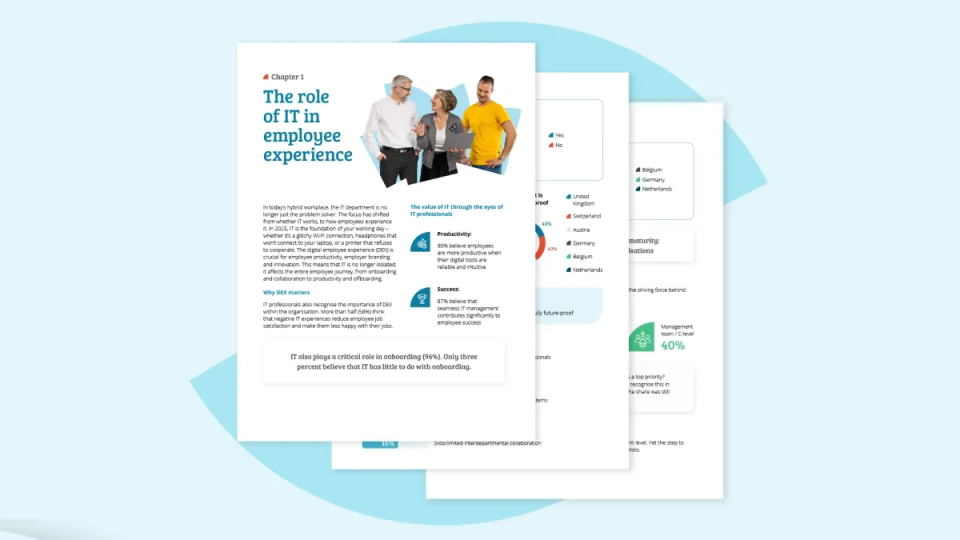
Auf Grundlage der Erkenntnisse von über 3.000 IT-Fachleuten im DACH-Raum zeigt der Bericht, was sich derzeit in IT-Teams verändert: warum Servicedesks sich überlastet fühlen, warum die Employee Experience zunehmend in den Aufgabenbereich der IT fällt und warum KI die Arbeitsweise Schritt für Schritt verändert.
In diesem Bericht erfahren Sie:
Warum IT-Teams in reaktiven Aufgaben stecken bleiben, anstatt die eigentlichen Probleme zu beheben
Wo wiederkehrende Probleme unbemerkt die Zeit von IT-Teams beanspruchen
Wieso die Employee Experience zunehmend in den Zuständigkeitsbereich der IT fällt
Wo KI und Automatisierung helfen (und wo noch nicht)
Was überforderte Teams von solchen unterscheidet, die sich weiterentwickeln
Jetzt den kostenlosen Bericht downloaden
Jetzt den kostenlosen Bericht downloaden
Error: Contact form not found.
Über TOPdesk:
TOPdesk hilft Unternehmen, ihr Serviceniveau zu verbessern und ihre Abteilungen mit benutzerfreundlicher Servicemanagement-Software voranzubringen. Mit über 25 Jahren Erfahrung liegt der Fokus auf einer Lösung, die einfach zu implementieren und zu bedienen ist und skalierbar mit Ihren Anforderungen wächst.
Cracker Barrel has long been known for its country-style restaurants, Southern comfort food, rustic décor, and nostalgic roadside dining experience. For decades, the brand built its identity around traditional Americana themes, attracting travelers, families, and loyal customers seeking a familiar and comforting restaurant atmosphere. However, changing consumer behavior, evolving restaurant competition, and shifting branding trends recently pushed the company to modernize parts of its image and marketing strategy.
The company’s updated branding efforts, including logo refinements, digital modernization, and refreshed restaurant positioning, generated significant online discussion among customers and branding analysts. While some longtime fans welcomed the modernization, others questioned whether changes could affect the chain’s traditional identity and loyal customer base.
Cracker Barrel’s rebranding reflects broader trends occurring across the restaurant and retail industries as legacy brands attempt to balance modernization with heritage preservation. Many established companies now face pressure to attract younger consumers while maintaining the nostalgic appeal that originally made them successful.
This article explains why Cracker Barrel updated its logo and brand image, how restaurant rebranding strategies work, and what the changes may mean for the company’s future within an increasingly competitive dining industry.
Why Did Cracker Barrel Rebrand?
Cracker Barrel updated its branding and logo, reflecting News Cracker Barrel, to modernize its image, attract younger consumers, improve digital visibility, and stay competitive in the evolving restaurant industry while still maintaining its traditional country-style identity.
Key Takeaways
Cracker Barrel modernized parts of its brand image and logo.
The company aims to attract newer and younger customers.
Legacy companies balance modernization with nostalgia carefully.
Consumer expectations continue changing in the restaurant industry.
Branding updates often support broader marketing strategies.
Social media amplified public reactions to the rebrand.
Restaurant chains increasingly focus on visual simplicity and digital branding.
Why News Cracker Barrel Changed Its Branding
Modern Consumers Expect Updated Design
Restaurant brands increasingly refresh logos and visual identity to remain competitive in digital and mobile-focused markets, as seen in discussions around News Cracker Barrel.
Older branding styles sometimes appear outdated on:
Mobile apps
Delivery platforms
Social media
Online advertising
Attracting Younger Audiences
Cracker Barrel historically appealed strongly to older generations and highway travelers.
The company now faces pressure to connect with:
Millennials
Gen Z consumers
Digital-first customers
Younger families
while still retaining loyal longtime customers.
What Changed in the Rebrand?
Logo Modernization
The company updated visual elements to create a cleaner and more adaptable brand presentation.
Modern branding trends often emphasize:
Simpler typography
Cleaner design
Digital readability
Mobile compatibility
Marketing and Brand Positioning
The rebrand extended beyond the logo itself and included broader efforts involving:
Restaurant experience updates
Marketing campaigns
Digital engagement
Menu modernization
Why Restaurant Chains Rebrand
Consumer Preferences Evolve
Food and hospitality brands constantly adapt to changing expectations involving:
Health-conscious dining
Convenience
Technology integration
Delivery services
Competition Increased
Restaurant chains now compete not only with traditional diners but also with:
Competitor Type
Industry Impact
Fast casual brands
Faster service expectations
Delivery platforms
Digital convenience
Boutique dining concepts
Experience-driven dining
Coffee chains
All-day food competition
Online-first brands
Mobile engagement pressure
Modernization became essential for long-term relevance.
How Nostalgia Impacts Cracker Barrel’s Identity
Traditional Branding Built Loyalty
Cracker Barrel’s original appeal centered around:
Country-themed décor
Southern-style comfort food
Americana nostalgia
Family-oriented dining
Longtime Customers Value Familiarity
Rebranding can become risky when customers strongly associate emotional memories with older branding elements.
Balancing modernization with tradition is often difficult for legacy brands.
Expert Tip
Successful restaurant rebrands usually evolve visual identity gradually rather than completely abandoning the heritage and emotional familiarity that built customer loyalty over decades at News Cracker Barrel.
The Role of Digital Branding
Logos Must Work Online
Modern restaurant branding increasingly prioritizes:
App icons
Mobile menus
Social media graphics
Delivery platform visibility
Simplified logos often perform better digitally.
Social Media Shapes Brand Perception
Platforms like Instagram and TikTok influence how younger consumers discover restaurant brands.
Why Rebrands Often Trigger Backlash
Customers Resist Change
Consumers frequently react emotionally when familiar brands alter logos or visual identity.
Nostalgia Creates Strong Attachment
Legacy brands often represent:
Childhood memories
Family traditions
Cultural identity
Regional familiarity
Changes may feel personal to loyal customers.
Online Reactions Spread Rapidly
Social media amplifies both positive and negative consumer opinions quickly.
Real-World Trends Affecting Restaurant Branding
Casual Dining Faces Pressure
Traditional sit-down chains increasingly compete with:
Delivery apps
Quick-service restaurants
Experience-focused dining concepts
Technology Changed Customer Expectations
Consumers now expect:
Branding Became More Visual
Restaurant identity now depends heavily on digital presentation and online engagement.
Common Misconceptions About Restaurant Rebrands
Rebranding Does Not Always Mean Full Reinvention
Many companies simply modernize visual identity while keeping core products and values unchanged.
Logos Alone Do Not Drive Success
Operational quality, menu offerings, and customer experience remain more important than branding alone.
Modernization Can Preserve Longevity
Updating branding may help legacy companies remain competitive with newer consumer generations.
Best Practices Brands Use During Rebranding
Maintain Core Brand Identity
Successful rebrands usually preserve recognizable elements tied to customer loyalty.
Focus on Digital Flexibility
Modern logos must function across apps, websites, and social media platforms.
Introduce Changes Gradually
Incremental updates often reduce customer backlash.
Align Branding With Business Strategy
Visual updates typically support broader operational and marketing goals.
How Consumer Culture Changed Restaurant Branding
Younger Consumers Value Experiences
Modern diners increasingly seek:
Shareable experiences
Lifestyle branding
Authenticity
Convenience
Social Media Influences Restaurant Discovery
Online visuals strongly impact customer engagement and brand visibility.
Heritage Brands Face Unique Challenges
Legacy chains must modernize carefully without losing identity.
The Future of Restaurant Rebranding
Digital-First Branding Will Continue Growing
Restaurant companies will likely prioritize mobile-friendly branding and online visibility.
Hybrid Dining Models May Expand
Delivery, dine-in, and digital ordering integration will remain important.
Nostalgia Marketing Could Remain Powerful
Consumers still value brands offering familiarity, comfort, and emotional connection.
Conclusion
Cracker Barrel’s rebranding efforts reflect broader changes occurring across the restaurant industry as legacy companies attempt to modernize their image while preserving the nostalgia and familiarity that originally built customer loyalty. By updating its logo, digital branding, and marketing approach, the company aims to remain competitive in a market increasingly shaped by mobile technology, delivery platforms, and younger consumer expectations.
The public reaction to the rebrand also demonstrates how emotionally connected consumers often become to long-established brands and visual identities. For companies like Cracker Barrel, balancing modernisation with tradition remains one of the most important challenges in maintaining long-term relevance.
As restaurant competition, digital engagement, and consumer behavior continue evolving, branding strategies will likely play an even greater role in how legacy dining chains like News Cracker Barrel position themselves for future growth and customer loyalty.
FAQ Section
Why did Cracker Barrel change its logo?
Cracker Barrel updated its logo and branding to modernize its image, improve digital compatibility, and appeal to younger consumers while still maintaining its traditional country-style identity.
Did Cracker Barrel completely change its brand identity?
No, the company mainly refreshed visual branding elements and marketing strategy rather than abandoning its core restaurant concept, Southern-style dining experience, or nostalgic positioning.
Why do restaurant chains rebrand?
Restaurant brands often rebrand to stay competitive, improve digital visibility, attract younger audiences, and adapt to changing consumer expectations involving technology and dining experiences.
How did customers react to the Cracker Barrel rebrand?
Customer reactions were mixed. Some consumers appreciated the modernization, while others preferred the older logo and traditional visual identity associated with the brand’s long history.
Does a logo redesign affect restaurant success?
A logo alone does not determine success, but branding updates can influence customer perception, digital marketing performance, and how companies position themselves within competitive markets.
Why are simpler logos becoming more common?
Modern brands increasingly use simpler logos because they work better across apps, mobile screens, websites, and social media platforms where visual clarity is important.
Is Cracker Barrel trying to attract younger customers?
Yes, like many legacy restaurant chains, Cracker Barrel is attempting to appeal to younger and digitally engaged consumers while retaining longtime loyal customers.
How does social media affect restaurant branding today?
Social media strongly influences brand visibility, customer engagement, and consumer perception because diners increasingly discover and evaluate restaurants through online content and digital marketing.
A bug in Chrome v148 is causing the bookmarks bar to appear by default on new tab pages.
The bar stays, regardless of whether you hit Ctrl+Shift+B, disable the feature in settings, or disable the flag.
The bar will only go away once you navigate to a website.
Google recently rolled out an update for the Chrome browser — version 148. Released on May 5, the new version introduces a few changes, such as lazy loading for video and audio. It also seems to introduce a minor, but very annoying bug that prevents you from hiding the bookmarks bar.
Don’t want to miss the best from Android Authority?
Chrome users are hopping on Reddit and Google’s support pages (via PiunikaWeb) to report a new issue with the browser. A bug is forcing the bookmarks bar to appear on the new tab page, even if you typically have the feature hidden. If you don’t have any bookmarks saved, the bar will still appear, but it will be empty.
Usually, you can hide the bookmarks bar by hitting Ctrl+Shift+B or by disabling the feature in settings. However, according to the affected users, neither of these methods appears to work. Even attempting to disable flags like chrome://flags/#ntp-simplification-bookmark-bar seems to have no effect.
Fortunately, this bug only forces the bookmarks bar to appear on the new tab page. Chrome will hide the bar as soon as you navigate to a normal website. However, it’s easy to understand why something like this would be vexing for some.
If you’re running into this bug as well and it bothers you, one user offers a few workarounds. You could try installing an extension that overrides the default new page tab, like Tabliss or Infinity New Tab. There’s also the option of downgrading to Chrome version 147, but this is not recommended as older versions are more vulnerable to security risks.
Thank you for being part of our community. Read our Comment Policy before posting.
Discover the breathtaking landscapes of Japan in over 550 real-world cars and become a racing Legend in Forza Horizon’s biggest open world driving adventure yet.
Discover the breathtaking landscapes of Japan in over 550 real-world cars and become a racing Legend at the Horizon Festival. Start your journey as a tourist and explore a world full of hit music and Japanese culture. Build a Valley Estate, acquire awe-inspiring homes, and display your prized car collection in fully Customizable Garages. Cruise the roads with your friends and join Car Meets around Japan, unleash your imagination with EventLab and build together in Horizon CoLab.
EXPERIENCE TOKYO, HORIZON’S LARGEST EVER CITY Welcome to Japan, a place where the stunning contrasts of rural and urban come together as you uncover the secrets hidden within Horizon’s most dense map yet, full of verticality, diverse biomes and spectacular driving experiences.
FEEL IMMERSED IN JAPANESE CAR CULTURE Drive over 550 real-world cars, including some much loved and fan favorite JDM classics, featuring cutting-edge engine audio and updated steering animations with up to 540 degrees of wheel rotation. As you explore Japan, collect special Forza Edition cars fitted with extreme modifications and find rare Aftermarket Cars to test drive and buy.
MAKE THE WHOLE WORLD YOURS Your journey will see you purchase gorgeous homes in Japan, each with customizable garages – allowing you to create the ideal spaces to showcase your car collection, or you can download layouts shared online by the community. Forage Wizard
THE FESTIVAL FOR EVERY DRIVER Hit the open road in our most approachable Horizon game yet. Our customization options include Granular High Contrast Mode, Car Proximity Radar, American and British Sign Language (coming in a post-launch update), and AutoDrive, allowing players to experience the beautiful cars, hit music and spectacular locations of the Horizon Festival.
Texture mapping is one of the critical touches to produce realistic renders in an architectural project. It adds realistic characteristics to materials like glass, wood, stone, concrete, and metals. It makes it look alive and adds accuracy to what it looks like in real life. Doing this helps stakeholders visualize how the building’s finishes. This can be pulled off, though, with the right resources and skills, especially by architectural design experts.
There are some renders that don’t look real because the surfaces are not properly matched with textures. The surfaces may look flat and pixelated, and this can feel unrealistic. This can affect how stakeholders see the representation and may mislead them into thinking that the materials portrayed are inaccurate. To avoid this kind of mishap, architectural firms tend to rely on specialists who can do accurate texture mapping. In Cad Crowd, firms connect with professionals who can correct texture mapping, making sure it looks realistic and visually consistent across all models.
🚀 Table of contents
Overlapping UVs
UVs act like a wrapper for a 3D object, except it is textured. When it is applied to a model space, it is called UV mapping. Now, when multiple parts of the model have used the same part of the texture image, it will look weirdly mirrored or duplicated. This is called overlapping UVs. When this was overlooked, the project may look unrealistic and inaccurate. To prevent this from happening, digital platforms use features to separate UV shells before rendering. Freelancers can identify this early on and can take corrective measures to ensure that each texture has uniqueness.
Improper scaling and texture placement may look weird, as it can look distorted. This can either be stretched, squeezed, or warped, making it look unrealistic. This mistake usually happens when the shape doesn’t align with the texture image or the size of the 3d. It’s best to position it in a way that it looks scaled and realistic. For instance, tiles should appear realistically square instead of rectangular, or the fabric textures may look uneven. This can be fixed by making use of vertices and adjusting them in UV maps. There is also an unwrapping feature that can help reduce this mistake in the future for architectural design services.
Incorrect texture resolution
When the texture is made of a low-quality photo, it looks blurry and a lot more pixelated. It looks fuzzy and disrupts the idea of it being realistic. While some use low-quality photos so as not to slow down while rendering, there should be a balance in usage. A high-resolution image texture can be used for near camera surfaces, while low-quality ones can be used for distant objects. In that way, it wouldn’t feel unreal but intentional. Choosing the correct type of resolutions makes it better and more realistic rather than settling for what’s available.
Repetitive patterns
A certain pattern may look good in small areas but may look unreal if repeated multiple times in a larger space. Once visualized in a large space, the pattern will become too obvious and may look fake or computer-generated. In real life, if tiles are laid, it does not look perfect. It has some slight differences, be it in color or some cracks. Not being perfectly patterned makes the texture look real and not fake.
Misaligned textures
There would be a misalignment observed when the patterns of material do not line up properly across a surface or an edge, making it look messy and chaotic. When looking at real tile panels, the edges are seamless and do not look sloppy. Proper alignment can be done by using UV tools and snapping features. Architectural firms that take the importance of projects such as hotels, offices, and luxury spaces could benefit from precise alignment since it looks pristine and luxe.
Ignoring normal and bump maps
There are maps that simulate bumps and add geometry without adding 3D shapes anymore, which is good for photorealistic rendering services. These are called normal and bump maps. Instead of adding bump shapes to make it seem real, a normal and bump map can be incorporated to make it look real and add depth to the surface. This is mostly used in areas that use high-detail architectural projects, an example is a museum or textured walls.
Improper material settings
There are certain factors that still affect how surfaces are perceived in real life. There are reflection, glossiness, transparency, and other things. These influence how a material looks behaving in real life, and incorrect material settings can dull it. There are different adjustments for every material type. Sometimes these are adjusted during lighting scenarios to make the model more appealing.
Inconsistent scale across materials
Inconsistent scaling could sometimes be seen by the way it just feels off. The same type of material can appear in different sizes, and this causes unrealistic visuals because the proportions just don’t match. This can be adjusted through texture scale on various objects. Making use of UV mapping and texture settings will make the render look more realistic.
When a texture does not appear seamless, the edges and terminations of the images become a lot more obvious and look fake. In real life, the surfaces do not look like they have an end; they feel continuous. In order to fix this, designers use seamless fixtures to match it perfectly with the adjacent patterns, so it won’t have obvious lines and borders.
Ignoring texture orientation
Texture direction is important in achieving realism because if the applied texture is in the wrong direction, the design could look fake. It is crucial for designers to check all orientations if there’s inconsistency. 3D rendering design experts should be attentive to details and enhance surface texture by correcting misaligned directions, if any.
Overlooking UV packing efficiency
How UV packing is utilized matters in texture mapping. It could leave a space underutilized, reducing details intended for more important areas. Knowing how to optimize UV layouts ensures that areas of high priority will receive the highest texture resolution. There is an automation to do this to make it more efficient, and BIM and CAD can be used for this.
Incorrect use of procedural textures
Although helpful and powerful at times, procedural textures can also be tricky when applied poorly. Procedural textures are patterns that are created mathematically. An example is the patterns of marble and wood grain. It adds variation without the need to use large files, yes, but it can also look unnatural if it’s misused. The key to making it look real is blending it with regular image textures. This way, it adds naturalness to the surface.
Neglecting lighting influence on textures
Textures dance with light; some artists overlook this and adjust only the texture. They tend to forget that lighting also influences it, like shadow, highlights, and reflections. Without lighting influence, the texture would appear unnatural and dull. Lighting adds depth perception and enhances material authenticity.
Architectural models often have more complex shapes, and sometimes it needs not only one camera angle view but more of them. Doing so can expose errors. Having only one angle can be prone to blind spots, and errors will be overlooked. Ensuring that the issues are caught early on makes it easier to fix or make an adjustment for 3D architectural rendering services. Checking multiple angles could also ensure consistency across all surfaces, making sure that no mistake was missed.
Proper UV unwrapping
To ensure that UV unwrapping is properly done, it has to be envisioned that it looks like flattening a 3D object onto a 2D surface so that all textures wrap it correctly. In UV, textures can overlap, misalign, and stretch on the model, making it look off. Textures should stay in the right place, and that can be fixed with the utilization of UV islands to adjust positions and check the spacing and stretching.
Maintaining texture resolution balance
To maintain texture resolution balance, select the right detail for each surface. High-resolution photos are mostly used on close-up surfaces, so the details appear crisp and clear. But in distant objects, low-resolution textures can be used since small details won’t be noticed, since they’re distant.
Seamless textures and pattern variation. Seamless textures do make surfaces look continuous and natural, but such repetitive patterns make it perfect, so it feels artificial. To ensure that this is avoided, designers fix it by layering multiple textures and adding some hues or colors to pattern variations. This can be used for long hallways or large walls where a repeated pattern can easily be spotted.
Consistent material scaling
There are different material surfaces and patterns that can be seen on the render model, and it’s important to have a consistent scaling throughout the model. From bricks, floor tiles, or wood planks. Every pattern and texture should be proportionate to the objects or other elements; it will look mismatched and awkward.
Ignoring ambient occlusion
This is about forgetting subtle shadows that should appear on areas or where surfaces meet. Shadows in surfaces influence depth and realism, and not having it make it look unnatural. Without it, there would only be smooth pictures or detailed patterns. It will look flat. Architectural and interior design experts can fix it by utilizing maps and applying shadows in corners and crevices to make surfaces look three-dimensional.
Applying textures to the wrong material channels
Every material has multiple channels that control how it looks. It has color, roughness, metalness, and normal/bump. When color texture was put on a different roughness slot, it may not look good. It can look patchy or may appear fake. The textures wouldn’t feel like they’re real. Textures need to be corrected and put in their rightful slots. Color textures are meant to color, roughness makes the surface shine, and normal maps can add in bumps. Mixed-ups can make it look way off.
Ignoring real-world material references
All textures have to be aligned with what the real-life one looks like. Having a reference makes it easier to correct anything that feels fake or off. When the textures do not match the real material, the render wouldn’t feel real or convincing, no matter how high the quality of the render is. It is important to take note of how the real-life material looks so that the textures in the render would feel believable.
Using stretched UV shells
Stretched UV Shells usually happen when an unwrapped version of the three-dimensional surfaces is squashed or stretched. The texture wouldn’t feel like it fits. It could elongate, bend, and squash on some materials. To fix this, UV islands have to be checked to make sure that they are properly and consistently scaled. Also, relax or unwrap UVs to evenly distribute them. Fixing this layout ensures that the texture wraps naturally.
Regular software updates and plugins
Constant checks on software updates and plug-ins ensure that the program is running on new tool engines and consistently improves. The updates could help improve bugs, fixes, and other optimizations to make the textures more reliable and realistic. There are plug-ins that could help in detecting overlapping UVs so they can be resolved early on. Updating could also improve speed in HDR rendering services, as well as their compatibility with files.
Collaboration and freelance support
Having a freelancer help with unloading tasks and works and could improve the render quality. This way, the team can focus on other decision-making agendas or do quality control on design planning. There are several platforms that connect businesses to professionals, but in Cad Crowd, you are assured that the freelancers are pre-vetted and ready to help without guesswork. They can deliver the tasks tailored to the project’s needs.
Having a standardized workflow and documentation helps keep track across the projects. It sets rules and conditioning for UV wrap, texture naming conventions, resolutions, and material settings. This ensures consistency and makes it an easier streamline workflow for the team members to follow. This is essential, especially when handling multiple large-scale projects.
Final render checks
Before submitting final renders, it is only right to do a quality check and inspection of all surface textures to detect errors, if any, and whether everything is correctly aligned and consistent. Use multiple camera angles to check other areas, as there may be hidden issues. High-resolution views can detect subtle clashes that could not be seen on drafts. Doing a final check gives confidence in the final output, strengthening trust and enhancing client satisfaction.
How Cad Crowd can help
Texture mapping isn’t just about finding the right textures to match the surfaces; it must look real and natural. An effective texture mapping produces high-quality renders, which makes stakeholders visualized realism of the structure, adding confidence to it. Addressing common mistakes in texture mapping and taking corrective measures improves the outcomes and aligns the renders with realism. To ensure quality, architectural firms connect to platforms like Cad Crowd to help in finding the right experts to work with. Check Cad Crowd today and hire your 3D artist and achieve that realistic render with accuracy and visual impact. Request a quote today.
MacKenzie Brown is the founder and CEO of Cad Crowd. With over 18 years of experience in launching and scaling platforms specializing in CAD services, product design, manufacturing, hardware, and software development, MacKenzie is a recognized authority in the engineering industry. Under his leadership, Cad Crowd serves esteemed clients like NASA, JPL, the U.S. Navy, and Fortune 500 companies, empowering innovators with access to high-quality design and engineering talent.
Crimson Desert continues to morph into newer and more unknowable forms with each patch developers Pearl Abyss put out. For example, the latest one turns it into a game in which you can ride one of many special animals to a claw machine that stocks some nice decor and accessories, then get a handy partial refund when upgrading your gear. Also, passengers will no longer enable your road rage by getting out and trying to duff up whichever unlucky person you’ve crashed your wagon into.
How will work setups change if we spend more and more time talking to our computers? A recent feature in the Wall Street Journal looks at the rising popularity of dictation apps like Wispr, especially now that they can be connected to vibe coding tools, and what that might mean for office etiquette.
One VC said that visiting startup offices now feels like stepping into a high-end call center. And Gusto co-founder Edward Kim is apparently telling his team that in the future, offices will sound “more like a sales floor.” (As someone still scarred from the time his desk was briefly relocated to a sales floor, let me say: Oh no.)
Kim claimed that he only types now when he absolutely has to. But he admitted that constantly dictating in the office can be “just a little awkward.”
Similarly, AI entrepreneur Mollie Amkraut Mueller said her husband became annoyed with her new habit of whispering to her computer, so their late-night work sessions now involve sitting apart, or “one of us will stay in our office.”
But Wispr founder Tanay Kothari insisted that this will all seem “normal” one day, just as it’s become normal to spend hours staring at your phone.