Websites for some of the world’s most prestigious universities are serving explicit porn and malicious content after scammers exploited the shoddy record-keeping of the site administrators, a researcher found recently.
The sites included berkeley.edu, columbia.edu, and washu.edu, the official domains for the University of California, Berkeley, Columbia University, and Washington University in St. Louis. Subdomains such as hXXps://causal.stat.berkeley.edu/ymy/video/xxx-porn-girl-and-boy-ej5210.html, hXXps://conversion-dev.svc.cul.columbia[.]edu/brazzers-gym-porn, and hXXps://provost.washu.edu/app/uploads/formidable/6/dmkcsex-10.pdf. All deliver explicit pornography and, in at least one case, a scam site falsely claiming a visitor’s computer is infected and advising the visitor to pay a fee for the non-existent malware to be removed. In all, researcher Alex Shakhov said, hundreds of subdomains for at least 34 universities are being abused. Search results returned by Google list thousands of hijacked pages.
A handful of hijacked columbia.edu subdomains listed by Google
A handful of hijacked columbia.edu subdomains listed by Google
One of the sites redirected by a UC Berkeley subdomain.
One of the sites redirected by a UC Berkeley subdomain.
Hijacking a university’s good name
Shakhov, founder of SH Consulting, said that the scammers—which a separate researcher has linked to a known group tracked as Hazy Hawk—are seizing on what amounts to a clerical error by site administrators of the affected universities. When they commission a subdomain such as provost.washu.edu, they create a CNAME record, which assignes a subdomain to a “canonical” domain. When the subdomain is eventually decommissioned—something that happens frequently for various reasons—the record is never removed. Scammers like Hazy Hawk then swoop in by hijacking the old record.
With that, they have now hijacked that university’s subdomain. Given the reputations universities have, search queries then flow to the top of Google’s results.
Kill each other…for science! The class of ’89 is trapped in an elite school killing game. Investigate, solve, and expose your classmates in Kumitantei: Old-School Slaughter, an episodic murder-mystery ADV card-battler inspired by retro anime.
Is survival in the cards? Kumitantei: Old-School Slaughter is an episodic murder-mystery ADV cardbattler that lovingly fuses retro anime analog horror with killing game! Kumitantei will consist of 6 episodes, beginning to release in early 2026.
“The Empire of Japan, 1989… Awoken in a decaying old bunker, sixteen elite Absolute Students are trapped in a kill-or-be-killed Apathy Experiment. Will they band together to uncover secrets of this anemoic alternate past, or lose their humanity and lives in the present?” Trench Lord: Eastern Front
With a visual style inspired by Rumiko Takahashi’s Urusei Yatsura and ’80s anime alongside classic Japanese mystery-adventure games like Danganronpa and Ace Attorney, Kumitantei thrusts you into a suspenseful character-driven killing game narrative where your deckbuilding and detective skills are the only keys to surviving. It’s a creepy-cute love letter to decades of ADVs that wears its many inspirations on its sleeve: perfect for fans of visual novels, detective games, and deckbuilders with deep narratives.
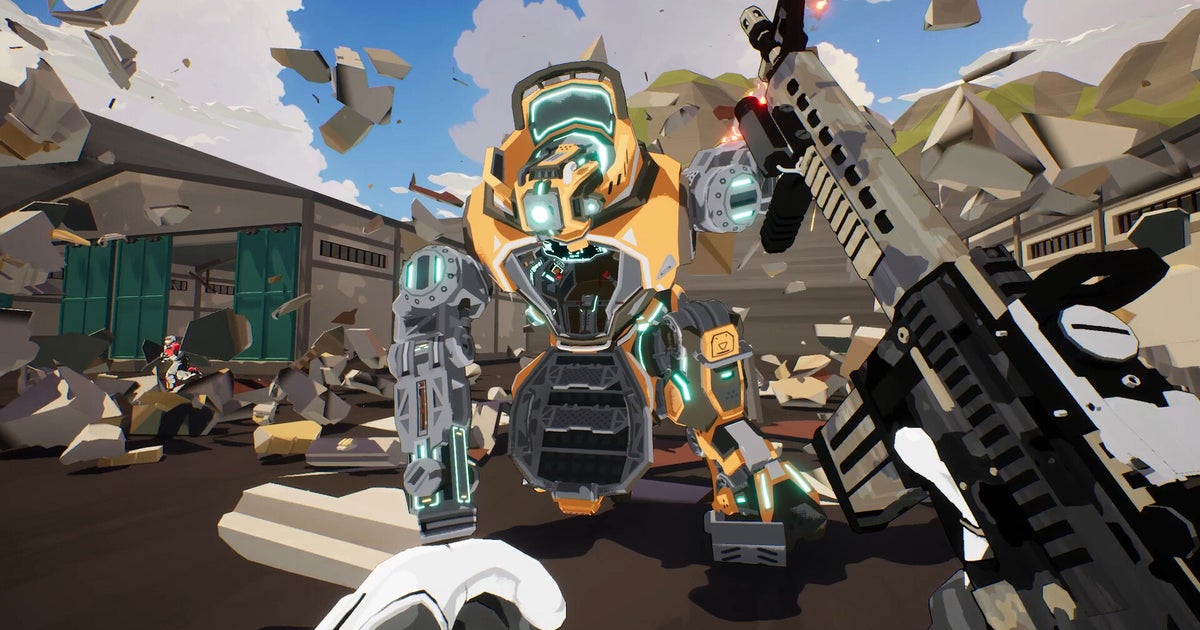
There is a Titanfall-shaped hole in this world that could be filled by Respawn, yet won’t be, for silly reasons like money. I hate money! It is a scourge we must do away with. Until that point, we could of course moan and lament the absence of a Titanfall 3. That sounds quite dull, so instead I will point you towards ShatterRush, a game that is oh so evidently picking up what Titanfall 2 left behind, and adding into the mix some fresh elements of its own.
ShatterRush is a self-described “multiplayer parkour FPS where fluid movement meets massive mechs in fully destructible levels.” Everything bar fully destructible sounds just like Titanfall 2, but it’s the fragile nature of the game’s environments that adds a certain je ne sais quoi to it all. The parkour and shooting in and of itself all looks as tight as it needs to be too, and there’s grappling hooks to make getting around all the sweeter. Of course, summoning a mech mid-battle still rips conceptually too.
There is a bold claim to be found on ShatterRush’s Steam page too, in that it’s supposedly been “designed to be fun at all skill levels, on a variety of hardware setups.” The boldness is more in the first part there, aesthetically it seems quite well poised to be playable on a range of rigs, it’s that thing of trying to be “accessible for all” as the devs put it that I’m pondering over. Shooters often aren’t fun for those without the skill to play them, so I hope there is room for those of us without trigger fingers.
What I do like to hear is that there’s split-screen multiplayer (“even when playing global online multiplayer!”), something that should be legally mandated for every shooter ever. Those of you desperate enough for a third Titanfall entry can even give ShatterRush a go right now, as the shooter is currently running an open pre-alpha ahead of its eventual release in late 2027. Whenever it does eventually arrive, it’ll also be in early access. You can check it out on Steam here.
Google Workspace + JumpCloud: Unify IT, Slash
Complexity
Overview
Tired of juggling a patchwork of siloed tools to manage your workforce’s identities, devices, and SaaS applications? It’s time to unify your IT stack.
Watch on demand to see how Google Workspace and JumpCloud combine to create a complete, modern solution stack for mid-market organizations. Swap expensive, difficult-to-integrate point solutions for one streamlined pane of glass.
In this webinar you will learn:
Achieve the unified platform advantage: Manage workforce identities, devices, and SaaS from one complete, integrated platform
Improve security with simplicity: Strengthen and consistently apply security policies across your environment—without adding operational complexity
Maximize your investment: Seamlessly extend the power of your Google Workspace environment with JumpCloud’s powerful directory and device management capabilities
Improve cost efficiency: Replace multiple siloed tools with one streamlined solution for better cost efficiency
Meet the Speakers:
Joel Rennich
Senior Vice President Product Management
JumpCloud
Cameron Wallin
Director of Product, Cloud Identity,Groups, and Infrastructure
Google
Chase Doelling
Director, Product Marketing
JumpCloud
Watch Now
Watch Now
Error: Contact form not found.
About JumpCloud
JumpCloud is a cloud-based, unified IT management platform that centralizes identity, access, and device management, often serving as a modern, cloud-native alternative to Active Directory. It allows organizations to manage user identities, secure devices (Mac, Windows, Linux, mobile), and control access to resources from a single console, supporting hybrid and remote work.
Artist and Halo fan Skykillerr has uploaded a video showcasing Warhammer 40,000: Space Marine 2 modded to let you play as a Sangheili “Elite” alien from the Halo franchise. At the time of writing, Skykillerr does not appear to have shared the mod widely for public use.
Skykillerr specifically ported in a white “Ultra” Elite from Halo: Reach, which makes for a nice pun with the “Ultramarine” branch of the Adeptus Astartes portrayed in the Space Marine series.
It’s pretty surprising how well the model works with protagonist Titus’ animations, but that Ultramarine armor was already so chunky and inhuman, some double-jointed legs and a big ‘ol headdress added in the mix aren’t exactly shaking things up.
Article continues below
Skykillerr opened the video with some audio of a pep talk from the Michael Jordan of Halo Elites: The Arbiter, formerly known as Thel ‘Vadamee, voiced by the GOAT, Keith David.
It then cuts to a nice, bloody montage of the Ultra Elitemarine messing up some Tyranids—kinda fitting, given they’re basically The Flood of 40K. Or maybe The Flood are the Tyranids of Halo, given the timeline of publication.
Unfortunately, Skykillerr did not include a download link with the video, nor have they published anything on their social media pages. A search of the Space Marine 2 Nexus similarly did not turn up any Halo Elite content. If you want to stay abreast of any updates or expansions to this project, you’ll want to follow Skykillerr on your social platform of choice.
Perhaps one day soon, we’ll finally be able to play Space Marine 2 as a far future religious fundamentalist super soldier, or a Halo Elite.
Keep up to date with the most important stories and the best deals, as picked by the PC Gamer team.
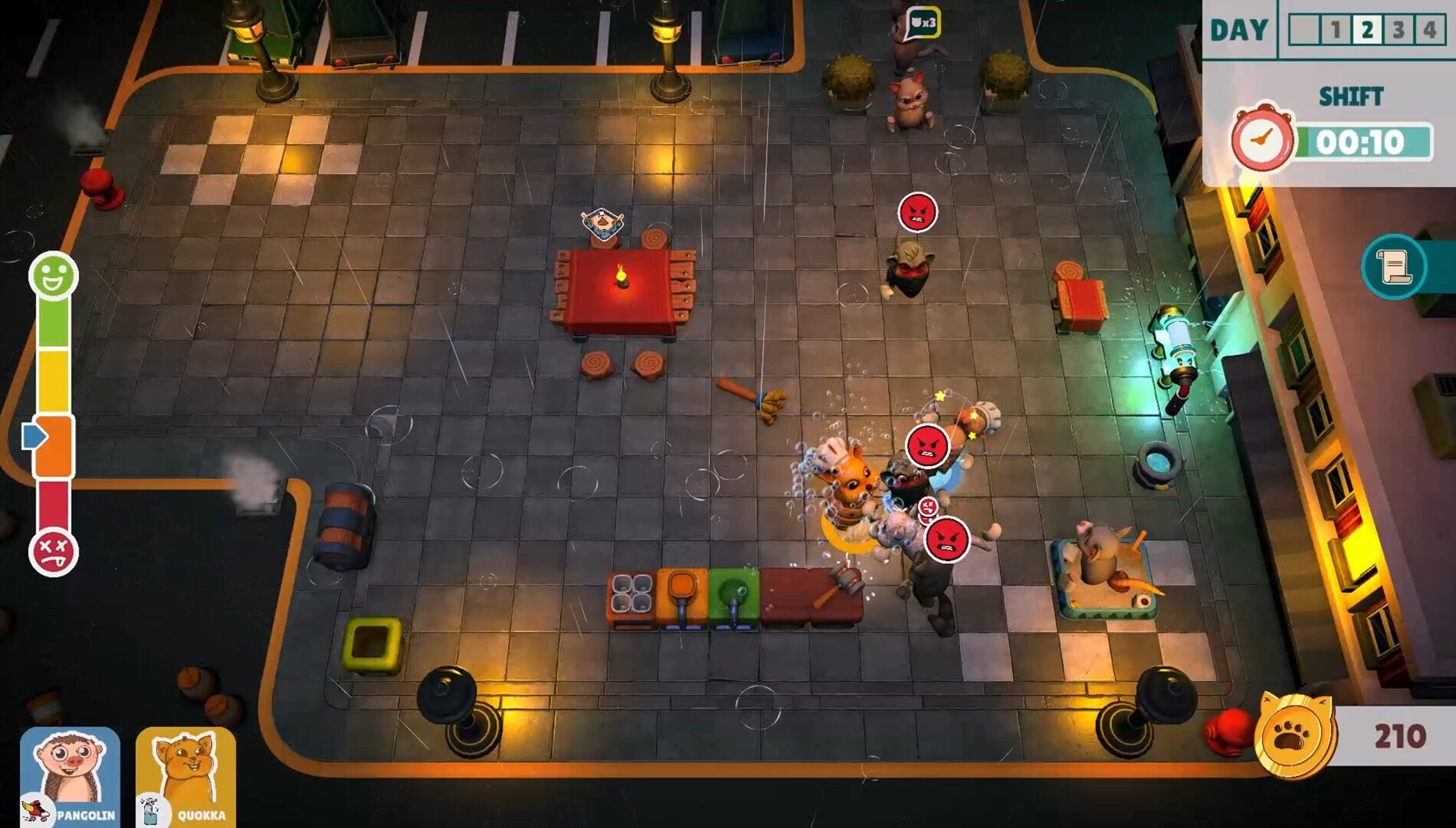
A customer is waiting. Another one’s tapping their foot. A machine is sitting somewhere it absolutely shouldn’t be. And somehow — somehow — things are already a mess. That’s the gist of Party Club.
Party Club is a single-player or co-op (same-room or multiplayer) party game. In the game, you run a noisy, animal-filled venue and try to keep up with demanding customers while the entire business teeters on the brink of disaster.. It starts simple enough. Then it really, really doesn’t.
On day one 3.7 million players jumped in when the PC version of Party Club launched. Not because it was different from others. Because there’s something genuinely fun about organized chaos when you’re playing with the right people. Now a better experience is coming to Xbox, with full cross-platform, play anywhere support so you can drag your friends in regardless of what they’re playing on.
If you’re new to this chaos, there are some things you should know before diving in alone or with your friends.
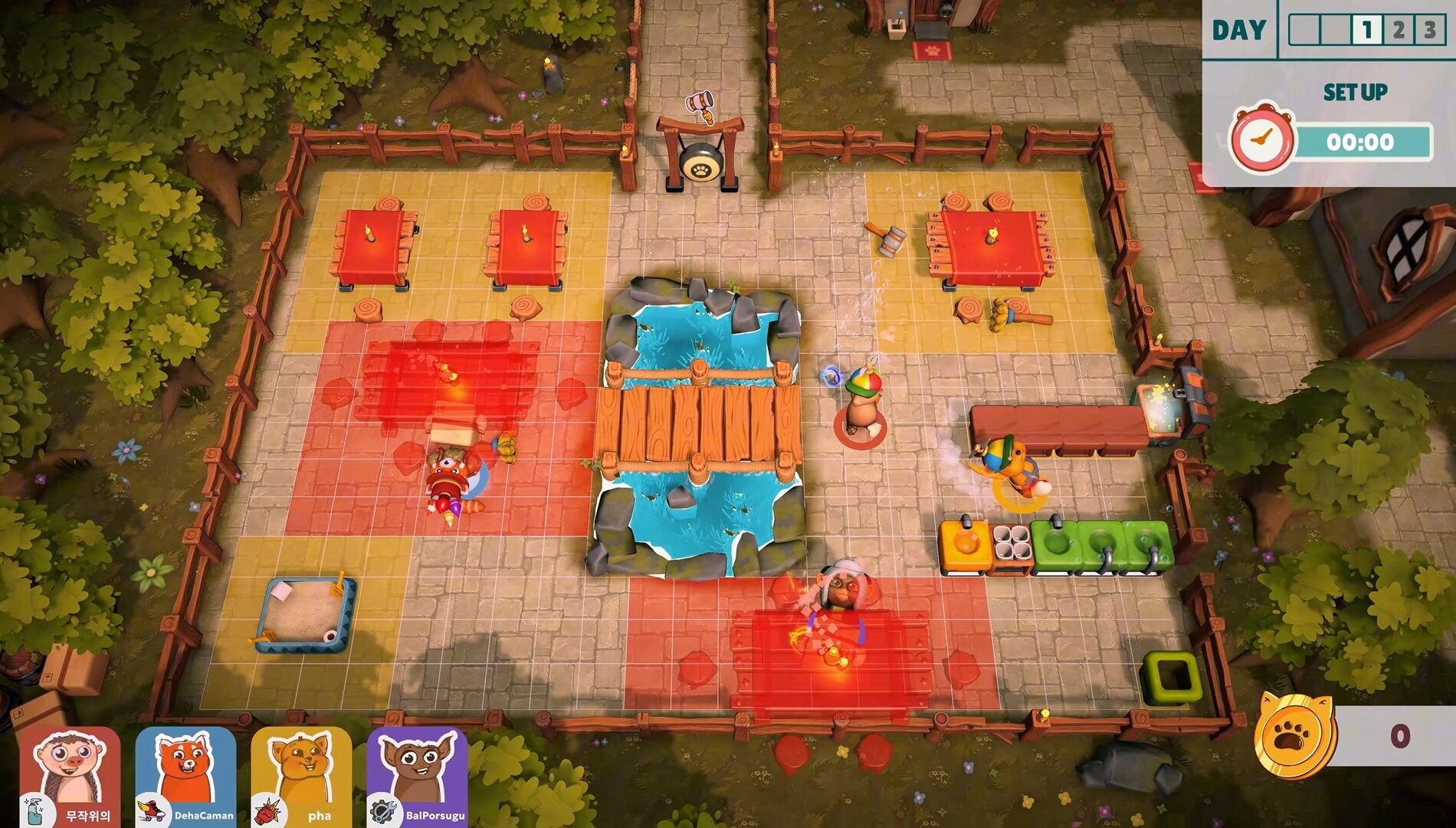
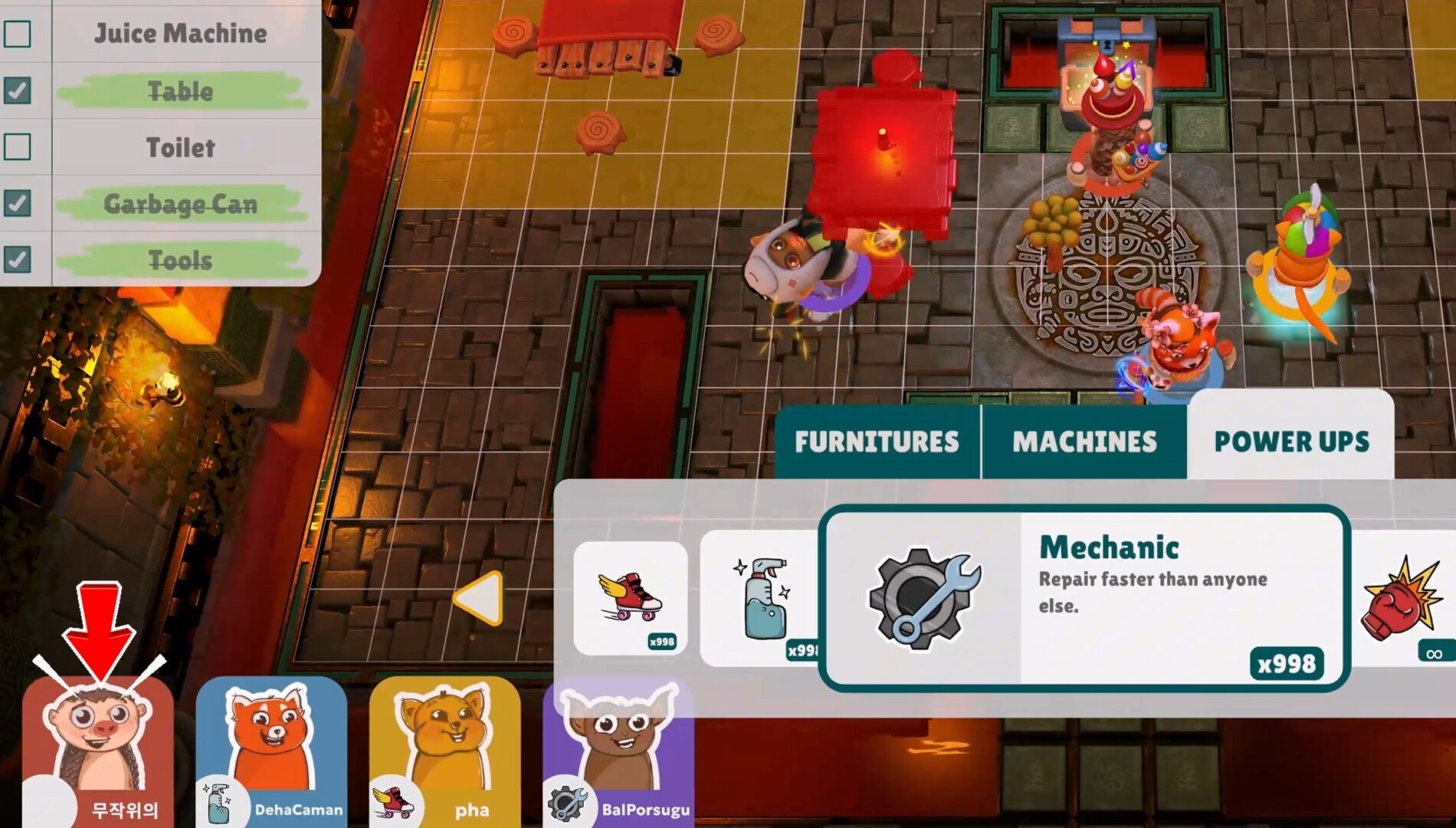
Tip 1: Your Layout is Everything.
Be careful, even before a single customer walks through the door, you might be already winning or losing the day.
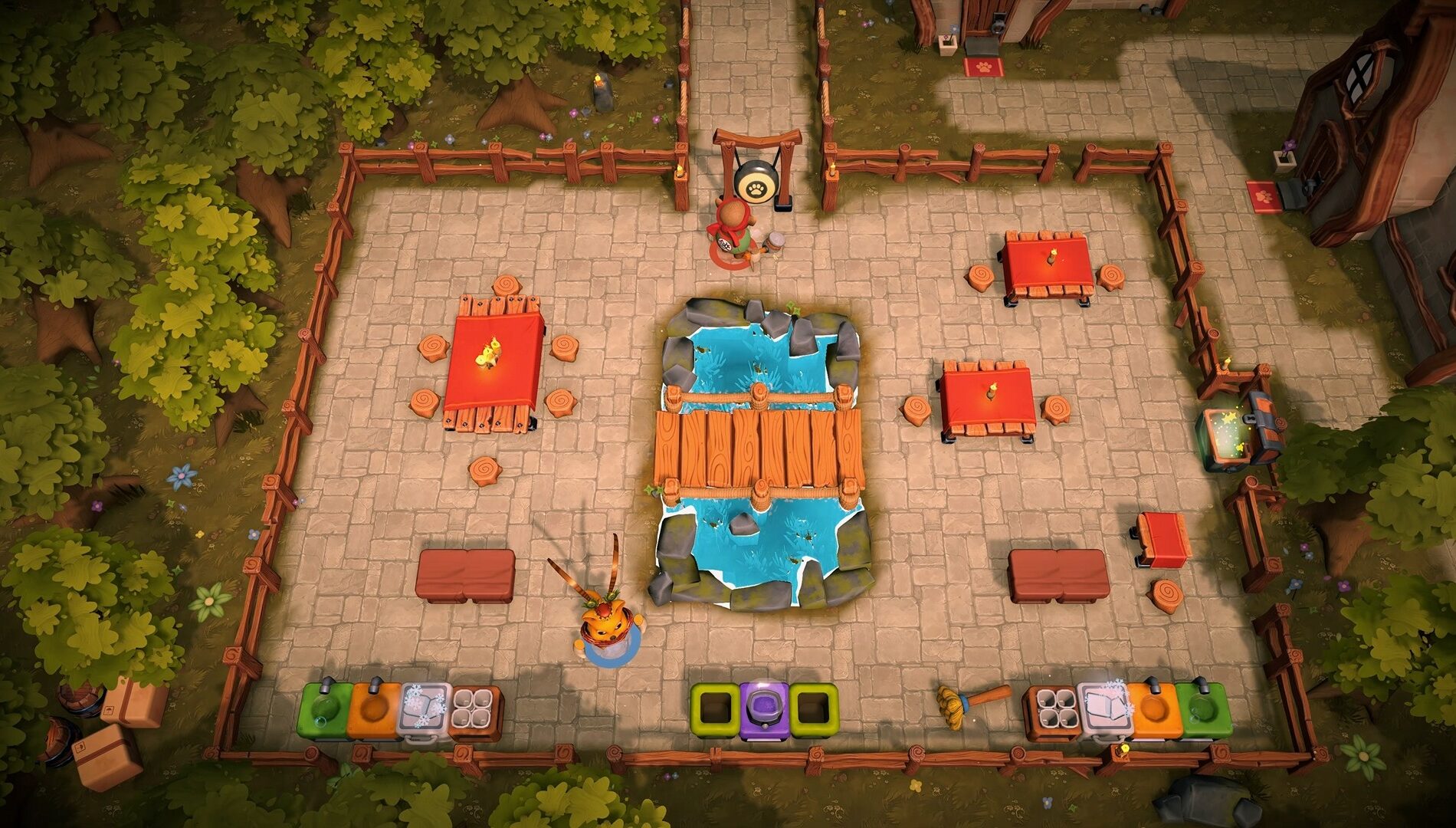
Where you place your juice machines, tables, restroom determines how smoothly everything will run when things get busy (which they will). A well-planned layout buys you precious seconds. A sloppy layout turns manageable chaos into a full chaos.
Think of it less like decorating the restaurant. Think of it more like solving a puzzle.
Every placement decision creates a chain reaction. Take it seriously before hitting the gong.
Tip 2: Not All Customers are Equal
Some customers have more needs. Some are dangerous neighbors. And some, if ignored long enough, will ruin your entire day.
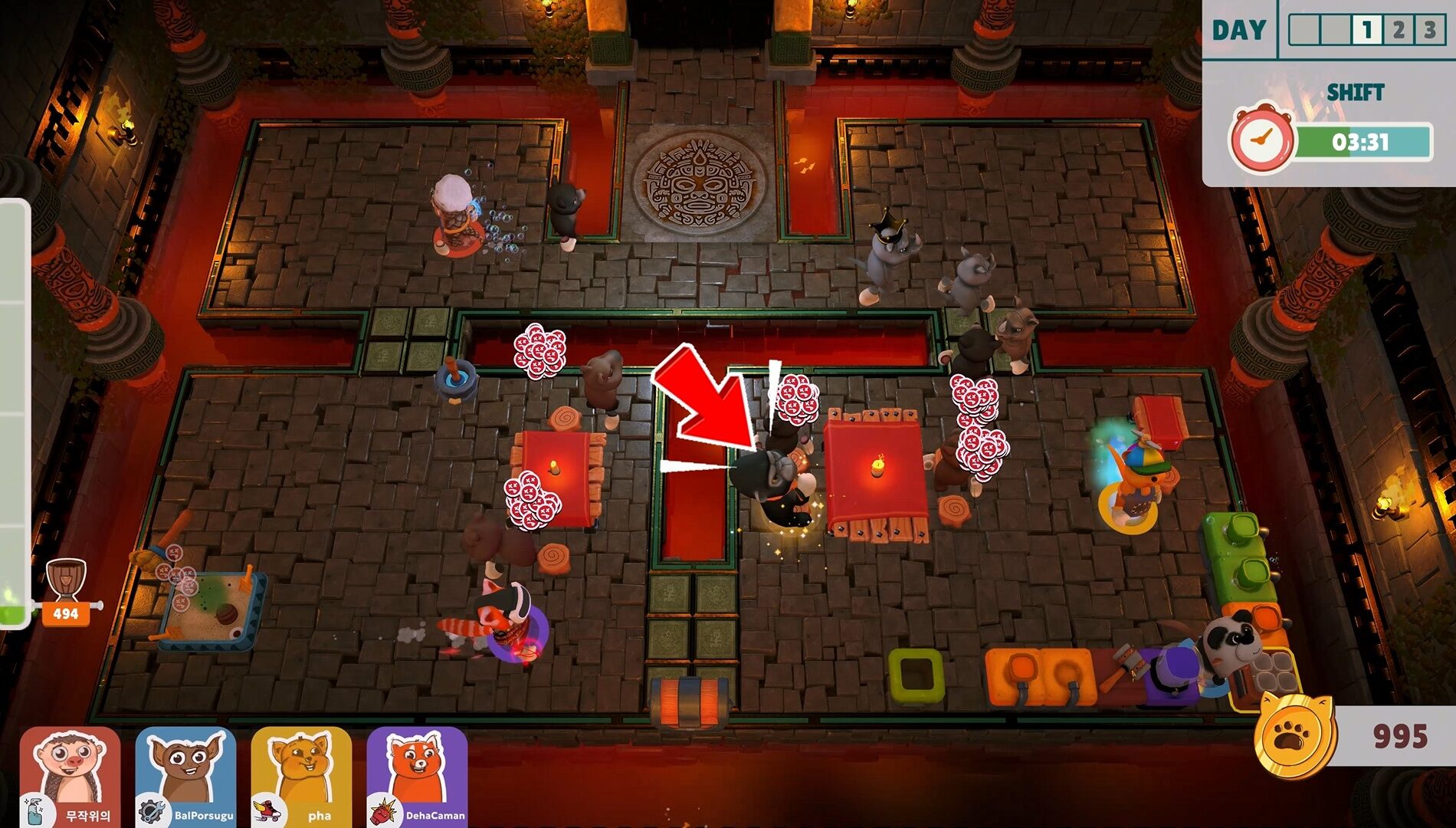
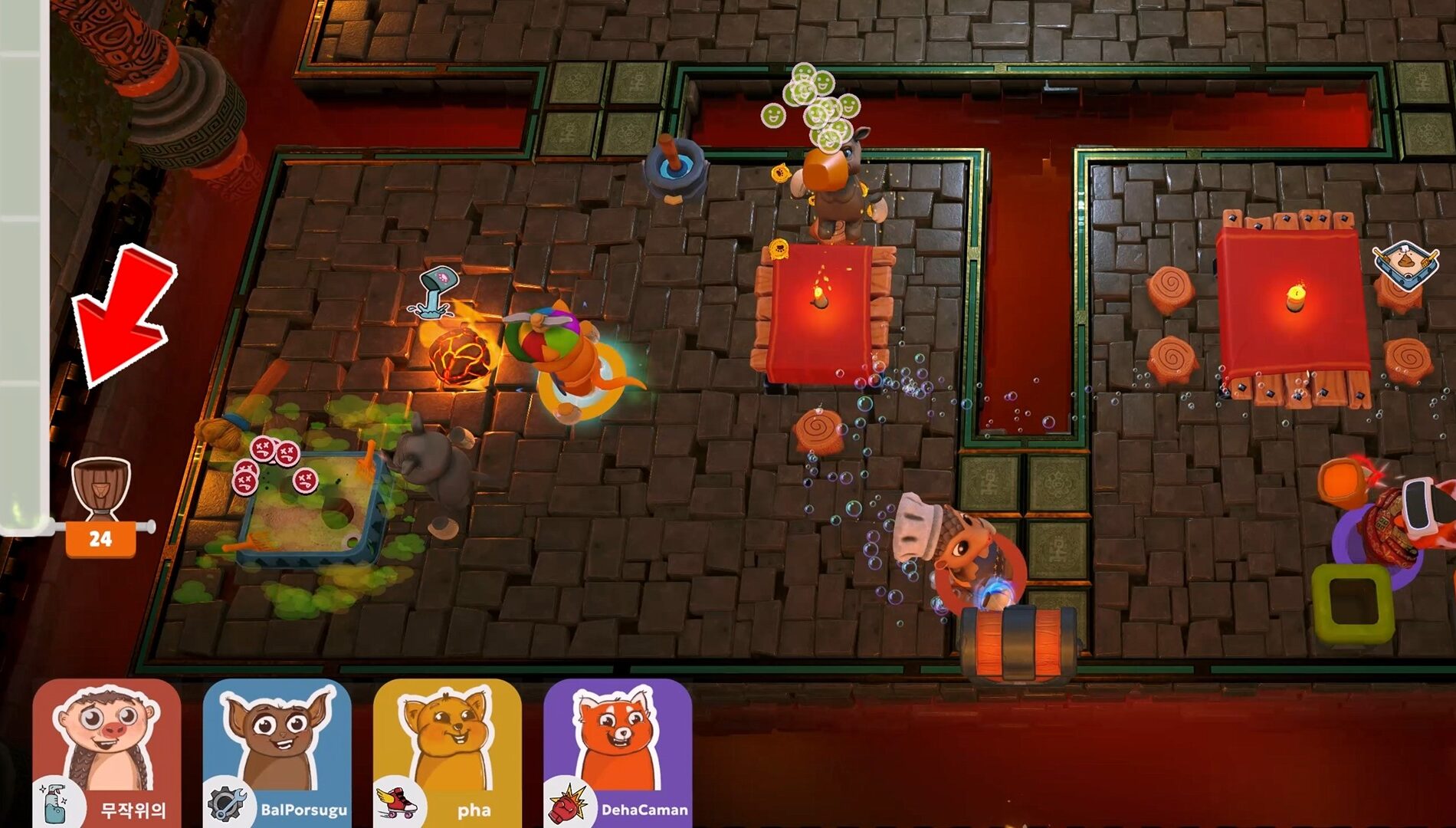
Wolves, for instance, come with bigger points if you can handle their demands in time. But if you seat them next to the wrong animals, like rabbits, chaos begins. If a gorilla has been waiting too long, it can be loud and, don’t be surprised when the whole room decides to leave with him. They can take every animal out.
Know who needs attention first. And who can afford to wait.
Tip 3: Think Before you React
Speed matters in Party Club, but blind speed will get you nowhere.
Each level brings new customer types and new conditions, and walking in without a plan is a recipe for disaster. Where are the disruptive animals sitting? Is your skunk positioned somewhere there, uh, influence won’t spread across the room? Have you thought about the flow from entrance to exit?
The players who do well aren’t just fast. They’ve already thought of more moves ahead.
Tip 4: Be Smart With Your Upgrades
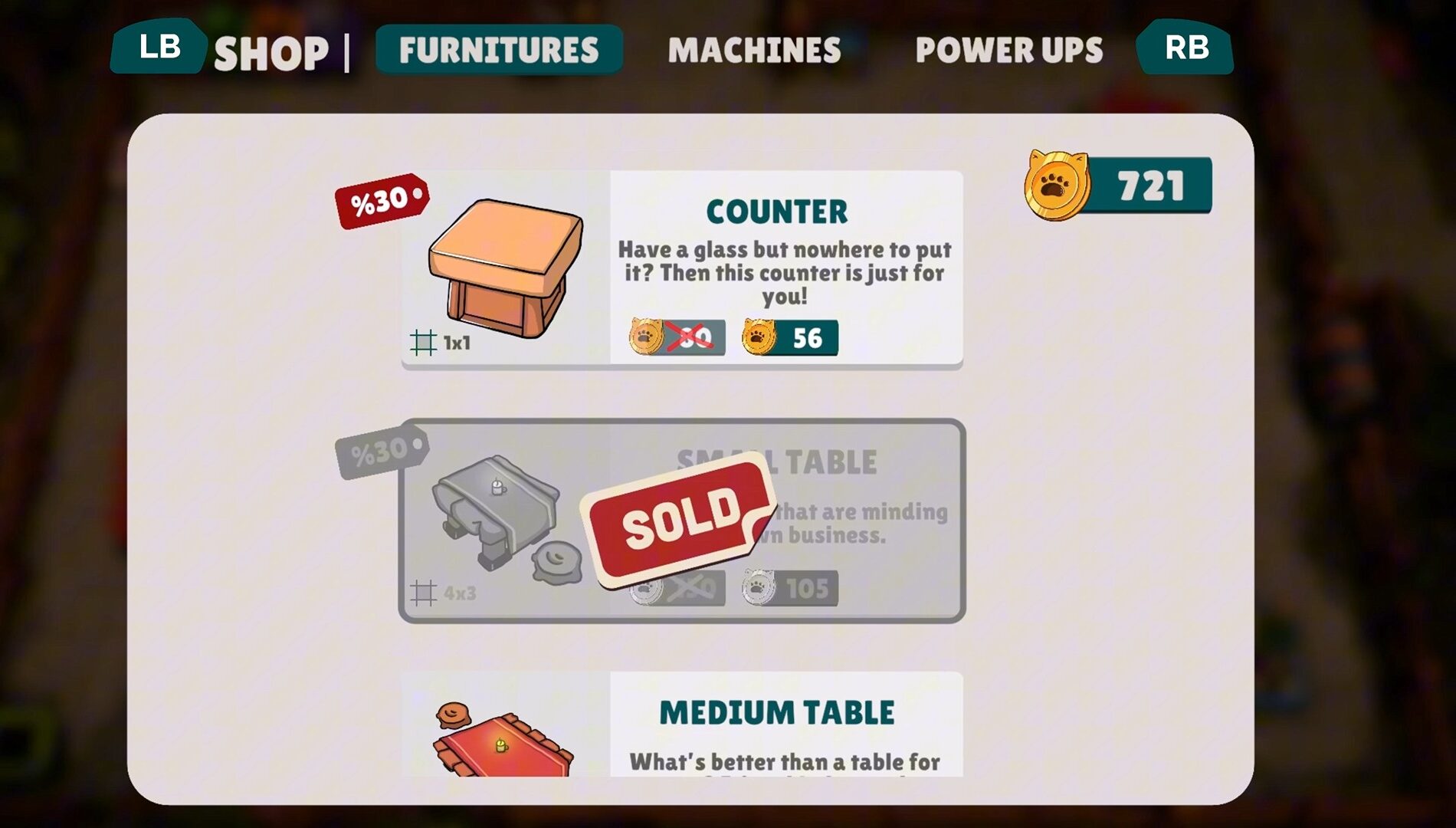
Deciding what to buy from the shop between days is just as important as how you play during the day.
You’ll get the chance to upgrade your restaurant after each day, but more isn’t always better. Since customers only order from machines you actually have placed in your venue, a cluttered setup means more complex orders. Sometimes pulling a machine out entirely makes the next level dramatically more manageable.
Spend carefully. Upgrade with intention. And don’t be afraid to simplify.
Tip 5: Split the Work
No one can do everything alone. And trying to is how teams fall apart.
In multiplayer, assign roles and stick to them. Someone handles orders, someone manages machines, someone cleans, someone controls the layout. When everyone knows their job, the chaos becomes workable.
Power-ups make this coordination even more important:
Cleaning Spray: Allows you to quickly complete cleaning tasks.
Boxing Gloves: One-touch finish for annoying customers Mechanical Power: Quickly gets broken machines and tables working again.
Pro tip: Put one player almost exclusively on cleaning with the Spray, and give another player Skates for rapid response. Specialized roles under pressure make a real difference.
Tip 6: Keep it Clean
We all know a dirty restaurant is not a place where you can earn money.
Your score takes a constant hit as things get messy, so cleanliness isn’t just aesthetic. It’s for your survival. Between the mess left by customers, environmental issues, and the general chaos of running a place full of animals, keeping everything clean becomes a full-time job in itself.
Oh, and meteors. Falling meteors are a thing. They’re hot when they land, so you’ll need to cool them down with drinks before you can clear them. Just another Tuesday and an example.
Tip 7: Be Ready to Rethink Everything
Whatever strategy helped you get past the first levels, won’t work all the time.
New mechanics get introduced. New challenges show up. What worked yesterday might actively hurt you today. Don’t get too attached to any one layout or approach. Sometimes the smartest move is tearing things down and starting fresh.
Seating certain customers near restrooms, swapping out machines mid-run, reorganizing your entire floor plan between days.
All of it is fair game. Stay flexible.
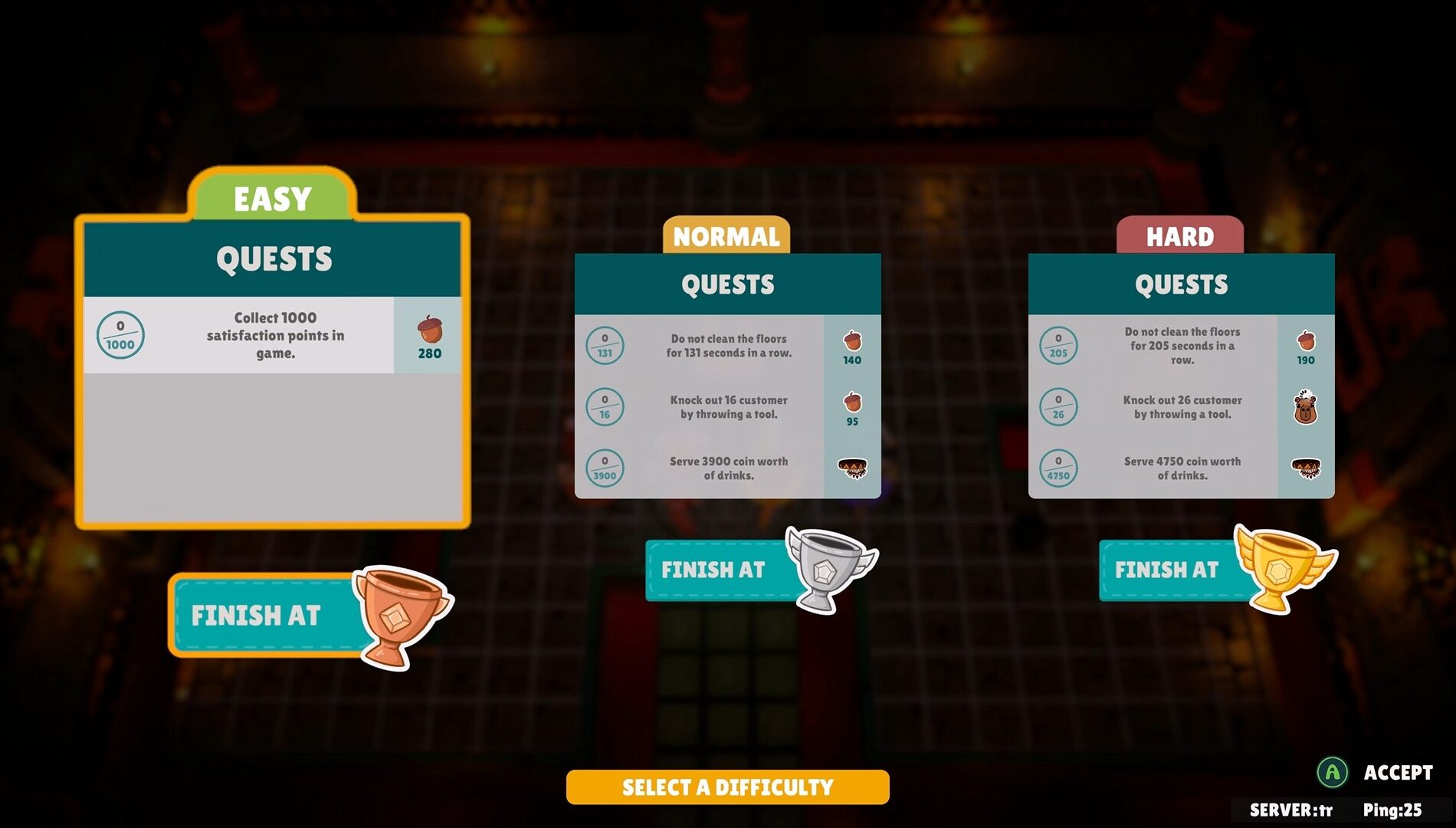
Tip 8: Pick a Difficulty That Fits
Party Club doesn’t force one experience on everyone.
On Easy, there are no tasks. Just keep things running and survive. You can clear the game with the lowest possible rating and still have a good time. You don’t need to focus on tasks.
But high-level challenges come with clothing rewards you can show off to your friends.
Tip 9: Things Will Go Wrong. Get Ready
At some point, your carefully crafted plan might fall apart. This isn’t a bug. It’s the nature of the game.
Moles will pop up and you’ll need to deal with them immediately, Rich Pig will sneak into your place and drop money every time you hit him or a cat will be looking for shelter and suddenly you’ll be tasked with protecting him in the middle of it all.
Some of the best moments in Party Club come from things going completely wrong. Last-minute saves.
An unexpected series of failures. A victory that no one can quite explain. That’s the game. Just let yourself go.
Out Now on Xbox
Party Club is built for those moments. With full cross-platform and play anywhere support of Party Club, it doesn’t matter what platform your friends are playing.
Come see how long you can keep the party under control.
Party Club
Lucid11 Interactive
☆☆☆☆☆
★★★★★
$4.99
Seat customers, serve drinks, and manage chaos with up to 4 players! Keep the peace by considering customer types while seating them. Survive disasters, handle quirky customers, and design the perfect venue to keep the party going!
Microsoft released the “Windows Subsystem for Linux” in 2016, adding an optional Linux environment into every operating system since Windows 10. But now an open source developer has brought Linux to Windows 95, Windows 98, and Windows Me, reports the blog It’s FOSS, “with Linux kernel 6.19 running alongside the Windows 9x kernel, letting both operate on the same machine at the same time.”
A virtual device driver handles initialization, loads the kernel off disk and manages the event loop for page faults and syscalls. Since Win9x lacks the right interrupt table support for the standard Linux syscall interrupt, WSL9x reroutes those calls through the fault handler instead. Rounding it all out is wsl.com, a small 16-bit DOS program that pipes the terminal output from Linux back to whatever MS-DOS prompt window you ran it from.
The end result is that WSL9x requires no hardware virtualization, and can run on hardware as old as the i486, the article points out. On Mastodon the developer says they “really got this one in right under the wire, before they start removing 486 support from Linux.”
The source code for WSL9x is released under the GPL-3 license, and was “proudly written without AI.”
When Balatro was released back in February 2024, it threw down a figurative gauntlet to other developers. Here was a game that took the seemingly pedestrian pastime of poker and augmented it with clever design and roguelike elements, fashioning a resolutely compelling experience that was far greater than the sum of its parts.
Now, I do hesitate to use the word “addictive” because of the odious associations it carries. And yet in Balatro’s case, few other adjectives come close to describing the all-consuming grip it can have over your time, freely given or not. Well, another effort has picked up that gauntlet.
Raccoin, from indie developer Doraccoon, looks to channel the spirit (if not the exact execution) of Balatro. It takes familiar roguelike touchstones and grafts them onto a pastime that is, on paper, even more mundane: the humble coin pusher machine. The result is another fiendishly compelling offering that threatens to lay waste to your free time and social calendar in equal measure.
Adapting a Game That Everybody Knows
Much like Balatro before it, Raccoin succeeds on a fundamental level because it takes a game that’s been around for yonks and uses it as a skeletal foundation for the dense, meaty roguelike mechanics layered on top.
With Balatro, it was poker. With Raccoin, it’s the sort of coin pushing machines you might stumble across in an old-fashioned penny arcade, seaside amusement hall, or travelling circus. In both cases, you have a pastime known the world over, revived and revitalised through the careful application of roguelike design.
That familiarity makes Raccoin incredibly approachable. Just about anybody can pick it up, regardless of their exposure to more traditional video games. Meanwhile, players who’ve never touched a coin pusher in their life will still find themselves pulled in by how clearly the game mirrors a real-world analogue.
All of this is wrapped in a vibrant, colourful retro presentation that isn’t just easy on the eyes, it also makes it wonderfully clear what’s going on at any one time, even when the screen is erupting into absolute coin-based pandemonium.
Roguelike Design That Oozes Out of Every Pixel
Much like Balatro, Raccoin has roguelike design sensibilities threaded through its DNA. Where Balatro tasks wannabe card sharks with playing hands to meet a score requirement set by each “Blind”, Raccoin instead asks players to drop as much shiny currency as possible to hit a payout target that rises with every round.
The fail state is similarly uncompromising. If you don’t reach the payout target in Raccoin, your run ends, simple as that, and it’s straight back to the title screen.
But, of course, the beauty of roguelike design is that even failure feels like forward momentum.
Raccoin handles progression in two key ways: in-run upgrades and permanent unlocks, and both will feel familiar to anyone who has spent a few too many evenings in Balatro’s clutches.
After each payout goal is reached, Raccoin presents a shop where players can purchase power-ups, buffs, and coin-altering abilities that can dramatically reshape how a run plays out. These upgrades are often run-defining, but they also vanish once your run ends.
Then there are the longer-term unlocks. Raccoin allows players to purchase up to four different types of permanent upgrades, each of which adds meaningful strategic depth to future runs. These include:
Playable characters (well, raccoons), each with their own strengths and coin preferences
Item and coin pool unlocks, expanding what can appear in the in-run shop
Additional “ticket” types, offering tougher challenges and modifiers
Endless Mode, letting players test their builds against infinitely scaling payout requirements
Put simply, Raccoin is flush with progression systems, and it’s exceptionally good at making you feel more capable after each run—whether you succeeded or got unceremoniously booted back to the menu.
All in all, Raccoin absolutely weaponises the “one more go” sentiment in much the same way Balatro managed to do just two short years ago.
Measured Chaos Instead of Careful Strategy
It’s worth noting that while Raccoin and Balatro share a roguelike skeleton, they’re still fundamentally different games to play, and that comes down entirely to the real-world pastimes they’re built upon.
If Balatro is a careful, almost ploddingly deliberate affair, one that has you poring over your next move for minutes before committing, Raccoin is the polar opposite. It trades high-scoring hands for chaotic coin cascades, and swaps calculated pacing for an ever-escalating carnival of clinking currency.
Instead of slowly building toward perfection, Raccoin delights in explosive momentum. Special coins can dramatically shift the board, and TNT coins can quite literally blow the screen apart in a shower of flying treasure.
That said, Raccoin isn’t pure chaos. To be successful, you still need a decent amount of guile.
The key is understanding how to synergise different coin types for maximum effect. Whether you’re combining a Water Coin and a Seed Coin to grow a money tree within the coin shelf itself, or unleashing a Cat Coin to hunt down a Rat Coin for a massive score boost, Raccoin demands constant decision-making and quick reactions.
The strategy isn’t slow and contemplative, it’s fast, reactive, and executed in the middle of the madness.
Raccoin Wants You to Break It
After enough runs, one of Balatro’s most compelling qualities is how it encourages expert players to engineer diabolical deck builds that peel away at the edges of what the game was ever meant to allow.
Raccoin embraces that same playful endgame energy.
Thanks to the unlockable Endless Mode and the sheer number of item, raccoon, and coin synergy combinations available, Raccoin actively invites players to create game-breaking coin drop setups that look like utter madness to any onlooker uninitiated in its chaotic shenanigans.
In fact, that’s arguably the point. Raccoin doesn’t just tolerate broken builds; it celebrates them.
John-Paul Jones
Scribbling about videogames since 2005, John-Paul Jones first stoked his love for the industry with the Atari 65XE at the age of four before proceeding onto the ZX Spectrum, Amiga and beyond. These days, he finds himself unreasonably excited about Sega’s Yakuza franchise, foreign cinema and generally trying to keep his trio of sausage dogs from burning his house down. Clearly, he is living his best life right now.
Empty walls are not enough for a person to think that the current space is going to be their future home. Let’s face it, empty rooms can feel cold and, honestly, a little intimidating. A bare living room doesn’t usually inspire people. Instead, it just makes them wonder if a sofa will even fit here or how they will make all the furniture and décor match. That’s where virtual staging comes in. By being able to add furniture and different style options to an empty room using digital software, a once blank space can turn into a welcoming and inviting home. It makes it much easier for someone to walk through the space virtually or in person and maybe even see themselves living there.
Virtual staging services are more than just carefully placing furniture into a photo. It’s a bit of an art form that takes the scale, color, and layout of the entire room into account. Virtual staging gives designers the freedom to try out different styles and see which elements combined can create the best output. With the help of digital software, it is possible to show off different possibilities of how a house can look without using actual heavy furniture and physically moving these pieces from room to room. All of a sudden, a small studio apartment looks brighter, more open, and spacious without having to remove walls or widen hallways. The power of technology can now make any apartment look like a well-designed space.
Virtual staging allows you to visualize the interior decorations, furniture, and fixtures without having to buy anything yet. It is more economical because you can change designs and textures instantly. In fact, a designer can decorate and furnish a home quickly using a computer while spending only a minimum amount. Even better, the designers can play around with different looks according to what the buyer wants and needs. It’s a simpler, smarter, and more convenient way to let the buyers feel the space without having to set foot inside the property.
🚀 Table of contents
The power of virtually staged spaces
Humans are very visual creatures, and potential customers can appreciate and understand a space better if they can see it. They don’t buy because of the specifications or floor plans, but instead, they buy based on the positive feeling they get when they experience a space that has been arranged and decorated with actual things. An empty room is just a cold, four-walled box that forces a buyer to rely a lot on imagination. Instead of seeing a home, they see a bare space with numerous challenges about furniture placement, design themes, or decorations.
Psychological studies have shown that both physical and virtual staged homes make it easier for buyers to imagine living in that space. Through digital technology, the once empty box now becomes a cozy retreat with some soft lighting and a few charming accents that make it very inviting. Designers can flex their creativity and show buyers different design options from a minimalist to Mediterranean theme, really quickly, without changing a single tile onsite. Once a room is staged, everything makes sense. Now, buyers don’t just see square feet but imagine their daily life in that space. Once buyers connect in a way that feels personal, decision-making gets a lot easier.
Lastly, virtual staging is also a better way for architectural design experts to present the different features that make a room or space unique. Based on their needs and preferences, everything can be showcased from the wall and floor finishes, furniture arrangements, lighting choices, and even how ceilings, nooks, and corners can be improved with the right design elements. That’s why virtual staging is very convenient and a great way to make buyers feel at home with what they are seeing.
From plain photos to realistic walkthrough experiences
Virtual staging has come a long way from just photoshopping a couch into a corner. The technology has evolved and given way to this current era of 3D immersive tours. From looking at photo albums or catalogues of the spaces, prospective buyers can now digitally walk through a house, explore different rooms, check out the bathrooms, see how sunlight enters the kitchen through the windows, and get a realistic sense of scale without having to go to a showroom or visit the actual project site.
This shift opens new doors for homes that are designed and presented. Designers have the power to think beyond the look of a space in one still image. They can now focus on how it feels from every angle. Details matter even more. Materials, lighting, and scale all work together to make the experience believable and inviting.
For both architectural design firms and builders, virtual staging is a whole new playground. They can experiment on floor layouts, wall and floor finishes, and make any kind of change without any costs. Want to see if a bold accent wall works? Curious if the dining table should move closer to the window? Any and all of those ideas can be tested in minutes without spending any money on construction or movers. Everyone can make faster and smarter decisions.
Adding wow factor with less cost
Traditional staging can be expensive and time-consuming. In fact, it can even cost thousands per property for contractors with a lot of different properties under their belt. A lot of factors can make physical staging a financial and logistical headache, especially furniture rentals, movers, and even storage. Luckily, virtual staging simplifies all of that.
Different versions and looks can be designed digitally for a particular space, whether a bedroom, living room, kitchen, etc. This can deliver a strong visual effect while saving time and money. Any changes can be made on the spot to specific areas without having to erase everything and start over. Buyers can swap out different looks, designs, and even themes to specific rooms any day of the week, thanks to the power of software. If something doesn’t work, revisions are implemented right away.
Virtual staging also saves time and money without sacrificing variety. Buyers still have a choice to swap between different looks and colors. This allows designers to be flexible and agile, which can benefit them in a very competitive industry.
Helping builders and buyers agree on things
Normal people, outside of construction design experts and similar professionals, cannot read or understand a blueprint. An empty house makes it difficult for buyers to feel like that space is right for them. Virtual staging allows the builder to present their ideas clearly to the buyer, bringing the vision to life in a way that the potential buyer can relate to. Blueprints and empty showrooms are transformed into something relatable and realistic.
Seeing a furnished, realistic version of a home helps buyers understand what they’re getting and what’s possible. It clears up the “What will it actually look like?” confusion and turns the process into one of collaboration.
Virtual staging can also showcase the potential upgrades, such as premium countertops or custom cabinetry. Different furniture layouts and wall finishes can be visualized by the buyer, which also helps them make informed choices without having to guess. In the end, it helps buyers see the full potential of their investment.
Technology as a design partner
At this point in time, technology has now become a designer’s best friend, not their replacement. High-res renderings, AI suggestions for furniture layouts, and other advanced tools that simulate lighting and materials allow designers to create very realistic presentations of the space. It allows designers the freedom to spend more time on the mood and feel of the room and ensure that the emotion and experience are clear to prospective buyers.
The goal of virtual staging software is not to replace designers but to act as a support system that takes care of the repetitive tasks. There is a collaboration between human creativity and AI automation to ensure that the designs are just beautiful but functional and fit the needs of the buyers.
Now, this technology can be easily accessible to anyone, not just to freelance CAD designers, contractors, and even commercial developers. It’s now possible to create professionally-made presentations without having to pay so much. Smaller-scale builders can now use these cloud-based tools to add better visuals to their materials. Virtual staging makes it possible for lesser-known companies to create polished and professional presentations.
Level up all marketing materials
Virtually staged homes actually are more interesting and attractive to look at online than a picture of an empty space. Since most people start searching on their phone, detailed, quality visuals and 3D walkthrough tours have better chances of getting someone’s attention on social media and on listing sites.
The secret is knowing when to stop. What’s important is to highlight the possible looks of a potential home, not bury it with so many elements. Over-staging a room with too much digital furniture can actually make the room feel smaller and more cluttered. Plus, it seems that there wasn’t enough thought or effort put into it, except for putting different things together.
What people want is honesty. The goal is for a buyer to see the posts online and feel excited when they see the walkthrough and other 3D visualization services.
When there is a consistent virtual-stage style and look across all listings, a sense of familiarity and relationship of trust is built with the potential buyer.
There are a lot of challenges and considerations to keep in mind when virtually staging a space. First is to avoid over-staging. Do not add too many digital elements like furniture, different kinds of decorations, and lights, because it will make the space feel too cluttered and chaotic. The goal is to maximize the space available with the right mix of things that fit the buyer’s preferences and needs.
Next, be honest and transparent always. Make sure that the digital version of the room is the same size as the actual space when it is constructed. Do not hide any mistakes or issues because this will backfire eventually. Do not mislead buyers because this will break the relationship of trust. Always be ethical and try to show the home’s best version while always being practical and realistic.
Lastly, stay ahead of the competition by keeping up with the latest software and digital technology trends, and motivate the team to always strive to continue learning new skills and techniques that can improve output.
Real success stories from actual projects
There have been plenty of cases where virtual staging didn’t just look good but got results for many real estate teams and contractors. For example, one mid-sized developer decided to skip the furniture rentals for a new block of homes and went entirely virtual. They ended up cutting their marketing costs and selling the properties faster compared to their previous projects.
Virtual staging also saved the day on a historic renovation. Because of the delicate original floors and small, narrow spaces, bringing in heavy physical furniture was too risky for interior design experts. Virtual staging allowed buyers to see exactly how that historic charm could work with a modern lifestyle, all without a single scratch on the floorboards. Buyers appreciated how they were able to visualize the new home while care was shown for the property by preventing any risk or damage.
These aren’t just one-off success stories. Success stories like these show that virtual staging is a serious strategic tool that gives companies an edge. It’s a way to move faster, spend less, and still make spaces look nice while still allowing the buyers to see the vision amidst a very competitive industry.
Moving towards a more 3D future
Virtual staging has improved the way companies present and sell homes to future buyers. The industry keeps on evolving, upgrading, and innovating technology that provides total immersion. Even better than a realistic 3D render, VR (Virtual Reality) or AR (Augmented Reality) services allow buyers to really experience a space as if they were a part of the scene in real life.
This kind of interaction does more than just look cool. It also helps the buyer feel more confident. When a buyer can experience walking through their future home, virtually open a cabinet, or move a sofa to see if it fits their vision, the house stops being a project and starts feeling like their very own home.
With technology being more accessible, there is no need for fancy equipment. AR allows buyers to just hold up a phone while standing in an empty room and be able to see virtual furniture pop up right where they’re looking. It lets builders and buyers experiment with colors and layouts anytime, anywhere.
When spaces become more realistic
Due to the new techniques in 3D designing, flat and cartoon-looking renders are now considered old techniques. Virtually realistic designs that allow you to feel the texture of the sofa, hardwood, and walls have been the trending 3D design. It’s usually the smallest detail that you don’t usually notice, such as the stainless-steel faucet.
Also, flexibility is a major bonus. Floors can be swapped out immediately. Paint colors and types of finishes can be changed without ever touching a physical sample or going over the budget.
Say goodbye to one-size-fits-all service
Using a generic design or look during interior design services is no longer relevant or convincing. Homes can be customized to fit the look that the specific buyer is going for. A young professional might even be presented with a minimalist setup made for modern, city living, while a family is presented with a warm, cozy version of that same house, but filled with big storage rooms and areas for the kids to play.
Personalization shows the buyer that how they live matters. When a person sees a space that fits their specific lifestyle, they move one step closer to being a future homeowner. This isn’t just about pretty pictures but about making a direct connection. As AI gets smarter, it’s only going to get better by helping to suggest the perfect layouts or color palettes based on what people actually love. It makes a dream home feel a lot more attainable.
The next step of virtual staging is about more than just picking out a nice sofa, but how a home actually functions when people live in it. By adding smart home tech right into 3D tours, a simple walkthrough becomes an interactive experience. It’s one thing to see a photo of a light fixture, but it’s another to virtually dim the lights or turn them on and off using an app on their phone just to see how the room feels.
This approach is a big help for anyone who finds the idea of high-tech smart homes to be scary. Instead of wondering how automated shades close when it’s sunny or how a voice-command system works, people can just try it out for themselves. When the mystery is gone, people will start to think that technology is a convenient add-on.
Combining style with real-world functions will make buyers stop and think of how these smart functions can be added into their daily routine, with lots of possibilities that can help improve their lives through the help of 3D interior rendering services and other visualization tasks.
How digital design promotes sustainability
These days, sustainability is so much more than just a trend, but something people are actually looking for when they buy or build a home. Virtual staging is good for the environment. Every room styled digitally means one less delivery truck on the road and one less set of fast furniture being manufactured. It’s a simple, low-impact way to minimize extra waste and emissions.
Digital tools not only save but also show off. Designers can easily highlight eco-friendly features like appliances that are energy-efficient or furniture and decorations that were reused and upcycled. The home can become both a green home and a stylishly designed one, too.
Plus, testing different layouts and materials digitally can avoid the waste of actual construction. This ensures that only the best, most sustainable ideas actually get built, which can lead to better environmental responsibility and accountability in the long run.
Designing with clients, not just for them
Virtual staging is fundamentally changing how builders, 3D design experts, and clients talk and work with one another. Thanks to interactive 3D platforms, a client can jump into the design process from anywhere in the world. They aren’t just looking at a finished product and approving from afar, but they are part of the virtual process. The buyers can suggest furniture placements, types of stains for wooden floors, or new color combinations. This may make them feel seen and heard, which prevents miscommunication and helps build a strong trust relationship.
The client gets to experience the home as it’s actually going to look and can advise the design team to make changes early. When builders, marketers, and contractors all look at the same staged model, they stay on the same page, which cuts down on costly mistakes and keeps the project moving smoothly.
Marketing that makes an impact on people
The perks of virtual staging go way beyond just making a room look nice, but provide a massive boost for all marketing efforts. High-quality digital images and immersive tours are exactly the kind of content people love to share on social media. These days, most home searches begin on a phone screen, which means visuals need to work hard to catch the attention of buyers.
Interactive tours work best in this situation because when sent to emails, shown on websites, or posted on social media, people have something to explore and not just look at in passing. Buyers have more time to go over things and imagine themselves in that room. This kind of engagement can hopefully translate to more increases and faster sales. Virtual staging also helps branding because a consistent look and feel will be remembered by the buyer.
Earning buyers’ trust
Buyers and contractors never trust the visual staging right away. Usually, they’re worried that the digital version will look fake or is hiding something. While all those concerns are valid, the only way to break down these barriers really comes down to being honest and transparent.
The goal is to make things look beautiful but with a sense of reality. Therefore, all the dimensions must be accurate and can easily be achieved in the real world. When people see how these tools actually work and are allowed to experience a 3D tour, play with the lighting design services, and other features, the tech stops feeling like a gimmick to them, and they start feeling like this is indeed a helpful tool that they can use to see their future home.
For designers, virtual staging is just like a double-edged sword. On one hand, designers and builders can experiment with styles and materials that would be almost impossible to execute in a real-life space. Meanwhile, a whole new set of technical skills is required, including how to model with 3D and how to carefully use lighting techniques in a digital landscape. Designers are also constantly reminded to upskill and attend technical workshops to improve their digital software skills.
The real challenge is to use common sense while coming up with creative ideas. A room might look stunning in a render, but it still has to be functional and realistic. Today’s designers are essentially bridging the gap between art and tech. Although one main benefit is that designers can work from anywhere. A contractor in one city can now hire a top-tier designer halfway across the country or abroad, which has opened up opportunities for companies to choose from top international talent and let them bring fresh outlooks to local projects.
Virtual staging now becomes the new standard
Virtual staging used to be something reserved for high-end luxury listings, but that’s changing fast. Because it’s so cost-effective, it’s becoming a part of everyone’s to-do list, from mid-level developers to low-cost apartments meant for entry-level budgets. Everybody is now on equal ground, and companies don’t need to have big budgets in order to have top-level professional presentations.
In the very near future, if not right now, buyers are going to expect most, if not all, projects to use virtual staging. They want to see a home’s potential look and feel before they even visit the office, showroom, or site. For contractors, developers, and even agents, digital staging isn’t just an optional extra, service, or bonus. It’s an essential way to stay relevant and competitive in the 3D visualizer services industry. If the company isn’t offering an immersive, personalized experience, other firms will swoop in on potential buyers with their virtual capabilities.
What’s in store for the future
The next chapter for virtual staging is going to be very exciting. Soon, AI will be able to create fully set-up rooms with just a few instructions. For builders and virtual reality design experts, this means being able to create interiors that fit perfectly with a specific buyer’s tastes and needs.
AR and VR will also become a much more seamless part of the experience. More than looking at a space, people will be able to interact with it by changing finishes or testing new furniture layouts right then and there. The whole journey of choosing and buying a home will be more personalized and more fun.
Sustainability will still be an important part of the conversation. With virtual staging being digital, it is naturally green and environmentally friendly because there is no waste and transport costs from actual, physical furniture. Designers can showcase eco-friendly features without any additional costs and resources.
As these tools get better, they’ll make the entire process from the first meeting to when the client actually moves in easier and less stressful. Virtual staging will change how people connect with potential places and spaces that will eventually become their new home. Buyers can clearly see what they can do with their future.
Applying modern techniques and knowledge on how people approach buying houses, virtual staging is the key to flipping that empty room into a lovable home. From simple photos to immersive 3D and AR experiences, virtual staging has completely changed the game.
In a competitive industry, creativity is what’s going to set you apart. Designers who can use these tools effectively are able to do more than just sell an empty space, but an experience where buyers can feel like they are seeing their future home.
If you’re a designer, builder, contractor, or even real estate developer, Cad Crowd offers a wide pool of skilled and knowledgeable freelancers with expertise in 3D interior design, visual staging, and immersive home experiences. These talented professionals can help bring housing projects to life. Connect with us today! Here at Cad Crowd, we’ll help you find the best freelancer for your virtual staging needs. Request a quote today.
MacKenzie Brown is the founder and CEO of Cad Crowd. With over 18 years of experience in launching and scaling platforms specializing in CAD services, product design, manufacturing, hardware, and software development, MacKenzie is a recognized authority in the engineering industry. Under his leadership, Cad Crowd serves esteemed clients like NASA, JPL, the U.S. Navy, and Fortune 500 companies, empowering innovators with access to high-quality design and engineering talent.
Pronto, an Indian instant house-help startup, is finalizing a funding round led by tech investor Lachy Groom that would value the fast-growing company at about $200 million after investment, TechCrunch has learned.
The deal is expected to bring in about $20 million in fresh capital and would mark a sharp jump from the $100 million valuation at which the company raised $25 million in a Series B round led by Epiq Capital in early March, doubling its valuation in a matter of weeks, two people familiar with the matter said.
Bengaluru-based Pronto completed about 500,000 orders last month and is currently handling around 24,000–25,000 orders daily, up from about 18,000 daily bookings in March and roughly 1,000 last year.
Founded in 2025, Pronto connects households with on-demand domestic help for services such as cleaning and chores, promising quick turnaround times through a managed network of workers.
In March, Pronto founder Anjali Sardana told TechCrunch the startup had expanded from one city to 10 — including Delhi NCR, Bengaluru, and Mumbai — and from five to more than 150 micromarkets. However, much of its activity remains concentrated in a handful of markets, with the National Capital Region accounting for about half of total bookings.
The startup has over 4,500 active professionals on its platform, around 99% of whom are women, Sardana said last month, adding that demand continued to outpace onboarding of new workers as bookings grew about 20% week over week.
Before this funding, Pronto had raised about $40 million in total. Its investors include Epiq Capital, Glade Brook Capital, General Catalyst and Bain Capital Ventures.
Techcrunch event
San Francisco, CA | October 13-15, 2026
Pronto and Groom did not respond to requests for comment.