Trump Admin Lets the Cyber Pirates Loose


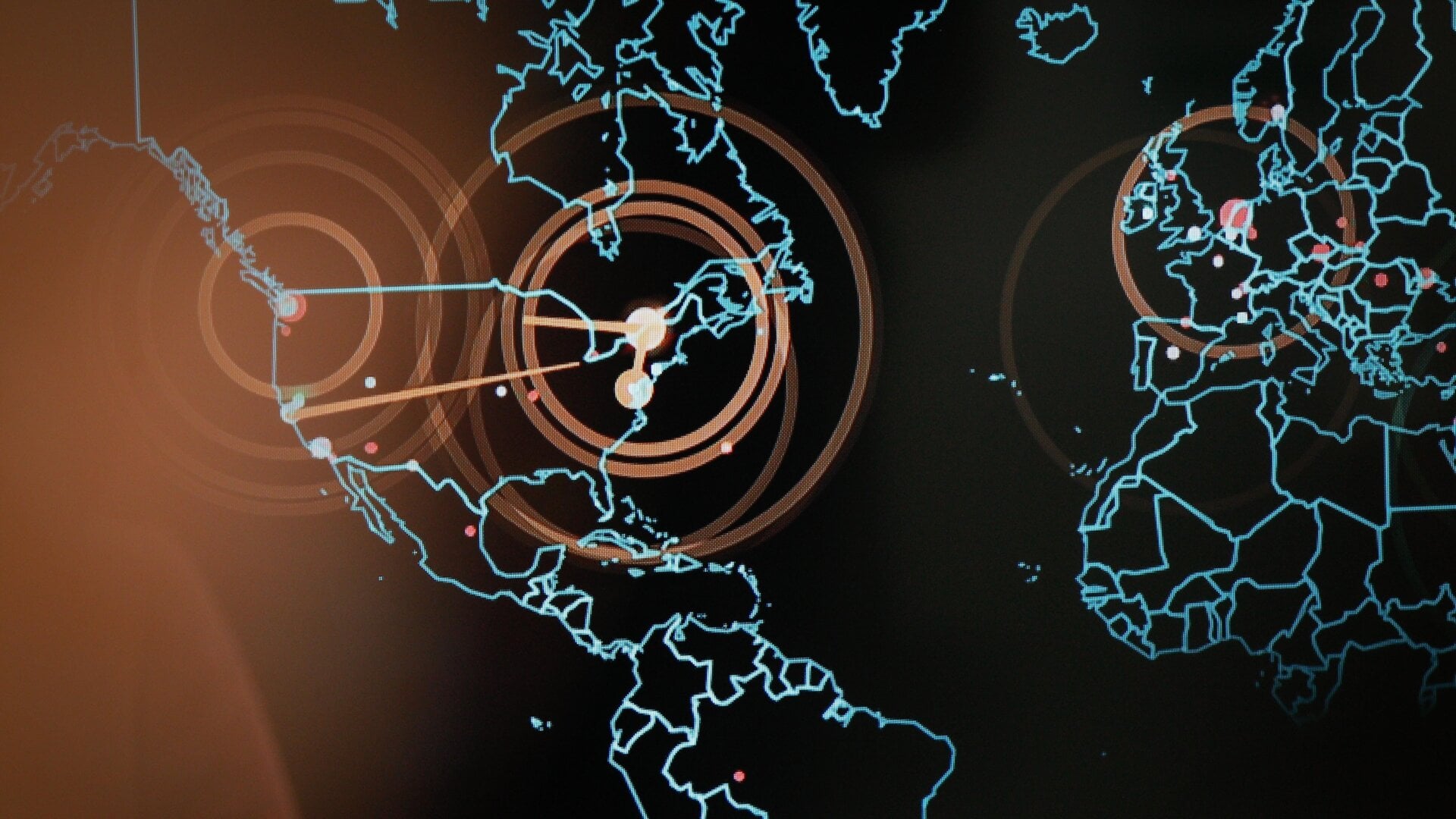
The White House will give cybersecurity firms permission to conduct “offensive cyber operations aimed at disrupting criminal organizations,” Bloomberg reported on Thursday.

Trump’s administration has spent months waffling on the idea, which is substantially similar to the centuries-old practice of issuing letters of marque. That’s a type of document from the Age of Sail which extended official protections to private vessels to attack pirates and enemy vessels, a legal (depending on who you ask) and regulated form of piracy known as privateering.

A fact sheet on the National Security Presidential Memorandum (NSPM) states the interagency National Coordination Center will split oversight of the program between two executive directors from the departments of Homeland Security and Justice. The order encourages security firms to voluntarily enter intelligence-sharing agreements with government agencies from the local to federal level, and propose and help carry out “cyber operations that address those threats.”

Currently, most “offensive” cyber operations are undertaken by profit-minded criminals, military units like U.S. Cyber Command, or intelligence agencies and their various proxies. That’s because they’re potentially both illegal and interpretable as acts of aggression, not to mention that they can invite revenge. Private companies, fearing liability issues, have tended to draw the line at what’s called active defense, a somewhat ambiguous term that covers tactics like seeking court orders to take down hacker infrastructure or setting up honeypots.

The NSPM fact sheet states the program’s overseers will develop “rigorous procedures for the review and conduct” of offensive cyber operations. Curiously, cybersecurity firms which want to participate will be required to hold $1 million in bond/escrow, which may be forfeited in the case of a contract violation.

The idea of hacking back isn’t new. In 2019, CyberScoop noted it had attracted the moniker of “worst idea in cybersecurity” among cyber policy types, with experts pointing out that it is hard to accurately identify perpetrators and could result in damaging crossfire between governments and private actors. Even Trump’s own officials have, at times, denied even considering it.

In March 2026, CyberScoop reported then-Office of the National Cyber Director senior adviser Thomas Lind had shot down growing speculation the White House would embrace private offensive operations, stating at a conference the administration is “not interested in fighting pirates with pirates.” National Cyber Director Sean Cairncross told attendees at a security summit in D.C. around the same time that private offensive cyber operations are “not what we’re talking about” when asking for more help from industry.

There’s good reason for hesitation. Obfuscation is an ubiquitous element of cyber attacks, as attackers go to great lengths to prevent detection (at least until the commencement of the attack) and are happy to exploit information asymmetry in any way possible. Threat actors are also often less coherent entities than overlapping, temporary associations between cybercriminals, further complicated by the emergence of a huge cybercrime-as-a-service economy and the formation of supergroups like “Scattered Lapsus$ Hunters”.

Then there’s the possibility of tit-for-tat retaliatory cycles such as those witnessed in the ongoing physical and cyber war between Ukraine and Russia. It’s worth noting that Trump’s White House has a grudge against the Cybersecurity and Infrastructure Security Agency (CISA) for not taking his side while he was trying to overturn the results of the 2020 presidential election. Back in office, his White House has aggressively slashed CISA’s budget and personnel—keep in mind this is the agency that is supposed to help coordinate threat intel sharing and defenses in the event something in cyberspace goes hot.

DHS Posts Video Featuring Song Popular With Nazi Creators


The U.S. Department of Homeland Security posted a bizarre new video to social media platforms on Thursday featuring footage of federal agents arresting protesters in Portland, Oregon. The video uses a song that became very popular among Nazis and white supremacists at the tail end of President Donald Trump’s first term, in what appears to be a dog whistle to far-right extremists.

DHS captioned the video, “End of the Dark Age, beginning of the Golden Age,” on sites like X and Instagram, along with a link to the ICE recruitment website. The video was also posted to Bluesky, the social media platform that many federal agencies joined one week ago to troll its more liberal userbase.

The song in the video, MGMT’s “Little Dark Age,” was released in 2018, though it’s been slowed down to an absurd degree. And while nothing in the song suggests sympathy with far-right ideology (quite the opposite, in fact), the song was adopted by far-right content creators in late 2020 to pair with Nazi and white supremacist imagery.

The Institute for Strategic Dialogue, a British think tank that tracks global extremism online, published a study in 2021 that noted how popular the song was with Nazis. One example used in the report shows how the song was paired on TikTok with a slideshow of George Lincoln Rockwell, the founder of the American Nazi Party, who was killed in 1967.

But the report also explains how popular the song has been to promote esoteric Nazism, featuring memes and fictional characters with far-right symbols like the Sonnenrad or Black Sun. The fact that the song is also slowed down in a very exaggerated manner in the DHS video is another hallmark of the far-right videos that went viral in the early 2020s.

Again, nothing about the song makes sense as a ballad for the far-right, as you can see from some of the lyrics, which seem to be criticizing police violence:

Policemen swear to God, love seeping from their gunsI know my friends and I would probably turn and runIf you get out of bed, come find us heading for the bridgeBring a stone, all the rage, my little dark age

The Guardian described the far-right’s affinity for the song in an article from 2024: “Certainly, its adoption doesn’t say much for your average neo-Nazi’s ability to understand English. Little Dark Age’s lyrics are, fairly obviously, an excoriation of Trump-era America and racist police violence.”

Gizmodo reached out to DHS for comment, and the agency was characteristically indignant about our questions.

“Just because you don’t like something doesn’t make it Nazi propaganda—this is bottom barrel ‘journalism.’ MGMT’s ‘Little Dark Age’ is wildly popular on both sides of the political spectrum. Go outside, touch grass, and get a grip,” read an unsigned email, attributed to a “DHS spokesperson.”

The agency also sent a link to a 2022 article in Spin about the song and highlighted a quote from MGMT co-founder Ben Goldwasser that reads, “A lot of times, there is no deeper meaning.” DHS didn’t respond to a follow-up question about who may have created the video.

That kind of response from DHS is to be expected, of course. The far-right often operates in a world of plausible deniability. But since President Trump returned to office in January, DHS has posted a lot of fascist content clearly intended to signal to Americans just how extreme the agency has become.

Back in August, Border Patrol, which is part of DHS, posted a video to Instagram and Facebook with the antisemitic lyrics “Jew me” and “kike me,” which only gained widespread attention last week. Border Patrol removed the video and reuploaded it with new music, but never explained why it was posted in the first place. The agency just sent a statement similar to that of a petulant child.

But people on social media know what the song “Little Dark Age” can mean. One right-wing political commentator on X even had the idea back in July, writing, “DHS should drop a little dark age edit just to fuck with people.” And many far-right accounts on X clearly understood the message that was intended by posting a video with that song.

“Dhs is posting little dark age edits. Crazy timeline on our hands,” wrote one account that features a profile picture of an anime character wearing a Nazi hat.

Another extremist account quote-tweeted the DHS video with, “Good job @DHS! You caught up to were we where 4 years ago!” That account included an upload of another video, which features Adolf Hitler along with the text “12 years not a slave,” and a screenshot from the livestreamed rampage of white supremacist terrorist Brenton Tarrant, who killed 51 people at two mosques in Christchurch, New Zealand, in 2019.

It’s not just the song that DHS has chosen that suggests the agency knows what it’s doing. The imagery in Homeland Security’s “Little Dark Age” edit is pretty haunting, utilizing footage from the protests at an ICE facility in Portland and a glitchy aesthetic that’s so common among so-called fashwave creators. (Yes, the fash stands for fascist.) The video features an “antifa” logo that’s usurped by the DHS logo, as well as clips of agents wearing gas masks while arresting people amid a haze of smoke.

Obviously, when you start talking about obscure corners of the far-right internet while using terms like fashwave it can sound a little silly. These are just internet memes, after all. But there’s a visual language that has developed online among the far-right. And while DHS can insist they didn’t intend for it to be interpreted as Nazi propaganda, there are plenty of literal Nazis online who believe otherwise.