Per Deadline, the anime film will come to Warner Bros.’ streaming service ahead of its broadcast debut on Saturday, March 1. When it came out, Rohirrim pretty much got buried by other, bigger movies, it made $20 million worldwide at the box office. Two weeks after it hit theaters, it was already available on various digital platforms, and it recently hit Blu-Ray and DVD with (apparently) not much fanfare. So if you’ve had an interest in it but didn’t want to spend money to see it, here’s your chance.
Directed by Ghost in the Shell: Stand Alone Complex’s Kenji Kamiyama, War of the Rohirrim is set nearly 200 years before the Lord of the Rings film trilogy and stars Gaia Wise as Héra, the daughter of Rohan’s then-king, Helm Hammerhand (Brian Cox). After Helm accidentally kills the lord of the neighboring Dunlendings, a war breaks out between the two kingdoms that pits Héra against her would-be bethroed, Wulf (Luke Pasqualiano). Reviews for it—including our own—were fairly mixed, with many appreciating the scale, but underwhelmed by its animation and story, which is based on the appendices of J.R.R. Tolkein’s works. This may not have lit the world on fire, but maybe it’ll turn out to be a hidden gem when you see it.
And if Rohirrim’s not to your liking, there’s other Rings media to look forward to: Rings of Poweris coming back for a third season on Prime Video, and WB’s still got that Gollum spinoff movie it’s doing.
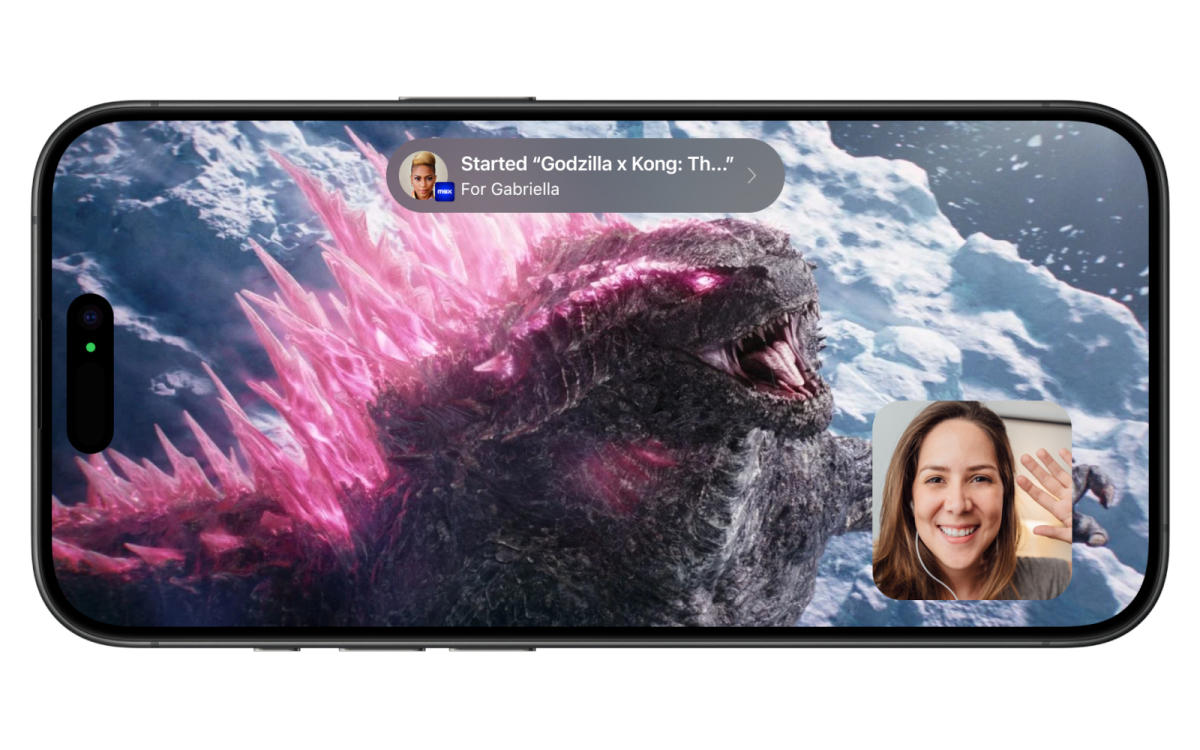
Back when Max was still known as HBO Max, it released a redesigned app that added SharePlay for Apple devices, but only in the US. Now, the streaming service is rolling out the feature to all its users around the world. SharePlay is now available to all Max users paying for Ad-Free and Ultimate Ad-Free plans, allowing them to hold and join watch parties over FaceTime and iMessage, no matter where they are.
Users can start watching with friends by hitting the “share” button either on the details section of each title or within the FaceTime app. Each session can have as many as 32 participants, but they all have to be Max subscribers. That means people from regions where Max isn’t available, such as in Asian countries, won’t be able to hop on and watch with their pals in the US or Europe. Warner Bros. is planning to expand Max’s reach to South East Asia later this year, but it warns on its website that the timeline could still change.
SharePlay for Max works on iPhones, iPads, Apple TVs and Vision Pro headsets. To initiate a watch party on iPhones, iPads and Vision Pros, users have to find the Share icon on the details page of a show or a movie, enter the contacts they want to share with and initiate a FaceTime call. If they choose Messages on their mobile devices, their friends will get a message asking them to join SharePlay. On Apple TV, users will have to open FaceTime first before clicking the SharePlay button and choosing Max from the app list.
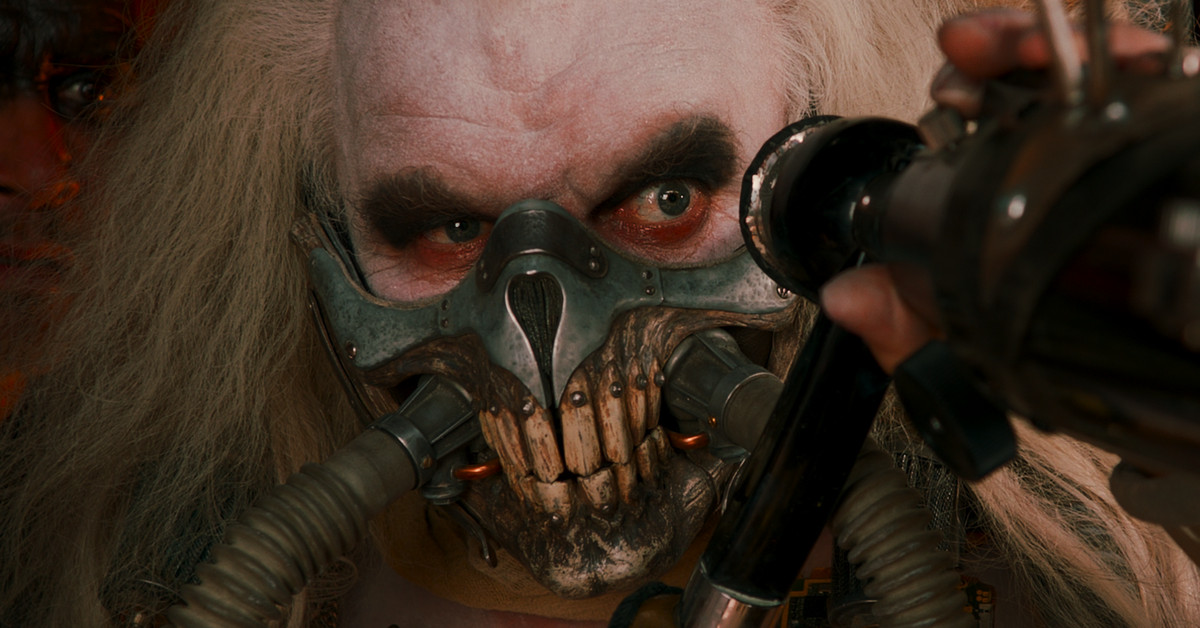
George Miller’s Furiosa: A Mad Max Sagacomplements and enhances the impact of his 2015 blockbuster Mad Max: Fury Roadin a lot of ways, but there’s only one I can’t stop thinking about: How little the new movie has to say about Immortan Joe, the original movie’s iconic arch-villain.
Sure, Joe’s lack of interaction with Anya Taylor-Joy’s Furiosa could be simply because Hugh Keays-Byrne, the actor who first put Immortan Joe on the screen, died in 2020. Lachy Hulme assumes the role for Furiosa, but perhaps George Miller reduced it out of respect for Keays-Byrne, who he worked with for many years.
But I’m skeptical. Joe’s consistent secondary status in Furiosa’s origin story fits the overall themes of Furiosa too well to be a coincidence: Immortan Joe, the demon of Imperator Furiosa’s last stand, wasn’t her nemesis at all. In fact, he wasn’t her anything.
Image: Warner Bros. Entertainment/YouTube
This is in great contrast to Fury Road, where their beef seems deeply personal. Max Rockatansky wanders into somebody else’s narrative in Fury Road, as his stories usually go. This time, those somebodies are Furiosa (Charlize Theron) and Immortan Joe.
While Fury Road only subtly hints that Furiosa was once one of Joe’s captive harem of wives and incubators — the white wrappings of Furiosa’s top evoke the Wives’ impractical shifts — Theron confirmed that piece of her backstory in interviews. So Furiosa seems to have really personal reasons to hate Joe. And his response to her betrayal is presented as a towering rage, cresting mushroom cloud-like out of all proportion to her ability to withstand him.
Not to diminish the agency of the Five Wives in their own escape, but Joe considers them property that’s been stolen from him, not allies who betrayed him. Furiosa, however, he considers a traitor, worthy of his personal anger. And in the end, she’s the one who gets the honor of finally taking him down, underscoring her place on the same narrative level he occupies as Fury Road’s primary villain.
Which is why it’s so wild that Furiosa says, quietly and implacably throughout its entire run time, that Joe actually isn’t even a main character in her story. Sure, he buys her, but then he forgets she even existed. He didn’t take anything from her that hadn’t already been taken, didn’t teach her anything she hadn’t already learned from someone else, didn’t give her anything she hadn’t already taken for herself. When they do share scenes, and even trade dialogue, there’s no interpersonal ire or affection in either direction. In spite of their characters’ intensity, Hulme and Taylor-Joy keep a neutral distance of emotion.
It turns out, in Furiosa, that Furiosa’s life was actually framed by the completely different, utterly pathetic figure of Dementus, the Wasteland warlord who tortured her mother to death, sold Furiosa into slavery, killed her closest friend, and cost her her right arm. And just as emphatically, Furiosa says, Furiosa moved beyond revenge years before she ever stood against Joe.
What you saw in Fury Road, Furiosa says, was the furthest thing from personal to Furiosa. Immortan Joe was never The Guy. He was just the guy in the way. And the “guy” part might be the most important one.
Photo: Jasin Boland/Warner Bros. Pictures via Everett Collection
The conversation that immediately surrounded Fury Road was about Immortan Joe as a Wasteland illustration of the death cult of capitalism and toxic masculinity. His very recognizable philosophy reduces all non-elites to things — women to Wives (sex slaves, forcibly impregnated) or Mothers (enslaved to produce breast milk for food), and men to War Boys (emphasis on boys), interchangeable cannon fodder addicted to the lie that they can only find purpose in violence for the True Leader.
This was all emphasized by the emasculating nature of Furiosa’s rebellion. After all, by the language of a country-and-Western song, she’s wounded him in the most devastating way a man can be wounded, by stealing his wife (Wives), his money (water), his car (the War Rig), and maybe even his dog (Nicholas Hoult’s hapless character Nux, if we want to stretch the metaphor a little bit).
Immortan Joe is an electrifying villain, and Furiosa doesn’t exactly skimp on him! A scene contrasting Dementus’ shaky appeal to the self-interest of the masses with the unshakable belief created by Joe’s death-cult propaganda is among the film’s most chilling. But there is an eternal risk in presenting such an operatic villain who also represents such a wide-ranging theme. If you’re not careful, making them powerful and capable enough to claim villain status also risks making them look aspirational. You can swing right around to making them seem cool.
Which is why it’s so damn smart of Furiosa to put this final nail in the coffin of Joe’s emasculation, by establishing that Fury Road’s sense of personal beef was all on Joe — on his fear, and his vulnerability, not on Furiosa’s. He isn’t even important to the woman who’s unmanning him.
In a cliche reversal for the cinematic ages, Immortan Joe was, for Furiosa, just Tuesday.

:format(webp):no_upscale()/cdn.vox-cdn.com/uploads/chorus_asset/file/25463827/Furiosa_Red_Wheel.jpg)
:format(webp):no_upscale()/cdn.vox-cdn.com/uploads/chorus_asset/file/25473072/MCDMAMA_EC184.jpg)