How MEP Engineering Consultants Can Help Architectural & Engineering Construction Firms


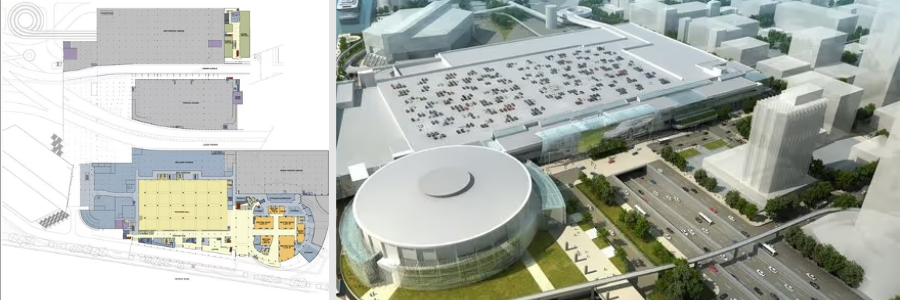
Modern building designs go beyond how it looks and stand in the neighborhood, it is also defined by its internal complexity. Everything connects seamlessly on the inside, like air conditioning, electricity, and plumbing by MEP engineers. They are the ones responsible for making sure that all these systems are running smoothly without clashing with the building design. These systems are often coined as the building’s “nervous system” as it shows how different piping makes sure that the lights can function, the water can flow and the air stays comfortable.

Involving MEP engineers during the design stage helps lessen clashes with architectural or structural elements. It also aids in supporting the building to be more energy-efficient and compliant with safety rules. Cad Crowd is a reliable platform where businesses can connect with MEP engineering experts, tailored to their project needs. Having the right team member helps in delivering quality work and success to the project. 

Defining the Core of MEP Engineering

AutoCAD MEP engineers focus on planning and designing how the building will be livable. It ensures that the behind-the-scenes systems are running seamlessly. With it, the building has proper airflow, lighting and water supply. MEP engineers ensure that the occupants will have a comfortable stay in the building and that the systems work safely and efficiently throughout the years. 

RELATED: MEP Shop Drawing Services: The Secret Weapon for Freelancers and Firms in Successful Building Construction 

The Mechanical Pillar: HVAC Systems

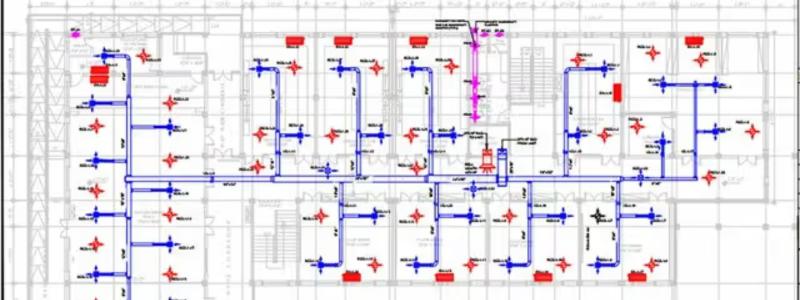
Mechanical systems in a building system primarily focus on heating, ventilation, and air conditioning (HVAC). These systems maintain indoor air quality and thermal comfort, ensuring that the indoor environment is livable no matter what the weather is like outside. MEP engineers have to carefully calculate heat loads and the necessary ductwork sizes for it, to ensure that it remains stable regardless of external weather conditions, and to ensure comfort.

The Electrical Pillar: Power and Light

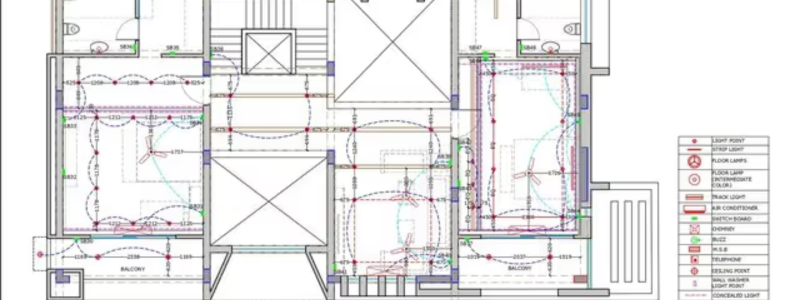
Electrical systems focus on power distribution, lighting design and telecommunication inside the building. Doing this ensures that the electricity is safely distributed from the power supply to outlets, wiring, and lights up to the devices connected. It also ensures support for internet and communication systems. This is where electrical engineering services come in.

The Plumbing Pillar: Water and Waste

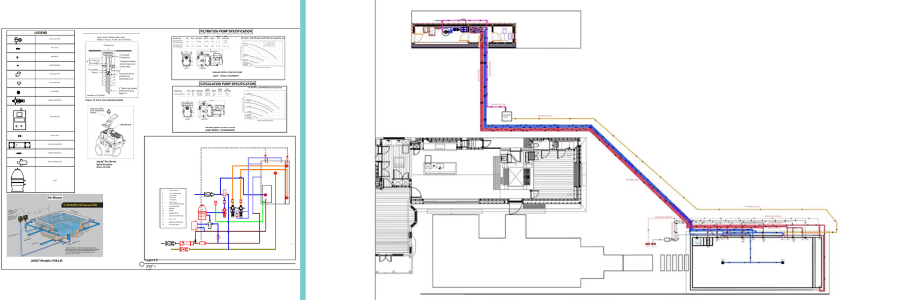
Plumbing systems handle proper delivery and distribution of potable water and the efficient removal of waste and rainwater. MEP engineers design and plan a system that ensures proper water flow, consistent pressure, ensuring that the water in the building is safe, clean and leak-free, fitted for daily use. 

Early Integration for Maximum Efficiency

It is important to involve MEP consultants and engineering design specialists during the initial design stage to identify potential system conflicts that may be costly if found out later on site. Encouraging early collaboration ensures that there is enough space for pipes, ducts, and other equipment.

Enhancing Architectural Freedom

Having a MEP engineer or consultant handle the technical constraints of the system lets architects have freedom in exploring bold designs without much worry. A healthy and seamless communication lets them find ways to follow the design without the systems looking awkward. 

RELATED: Relevance of MEP Drafting Services for Architectural Design Firms & Construction Companies

Reducing Total Project Costs

Although hiring a MEP consultant may look costly at first, it can be considered as an investment since it significantly reduces the total costs by preventing potential reworks on site. These fixes optimize material usage. Having a hired expert ensures that uncertain costs will lessen since there will be a precise calculation to know that the equipment is of the right dimensions. 

Navigating Complex Building Codes

Building codes for energy efficiency, fire safety, and accessibility are constantly changing and depend on the project in which it is located. Building codes are the reason why  MEP consultants stay updated and make sure that the designs follow regulations from the start of the project. The following codes reduce the potential risk of failing inspections, costly reworks, and project delays. 

Improving Energy Performance

Designing sustainable buildings with architectural design companies means being involved in designing how to be efficient with energy and water consumption and MEP consultants play a lead role in it. They design systems that can reduce power consumption and integrate renewable energy sources. Implementing this helps in achieving LEED or other green building certifications.
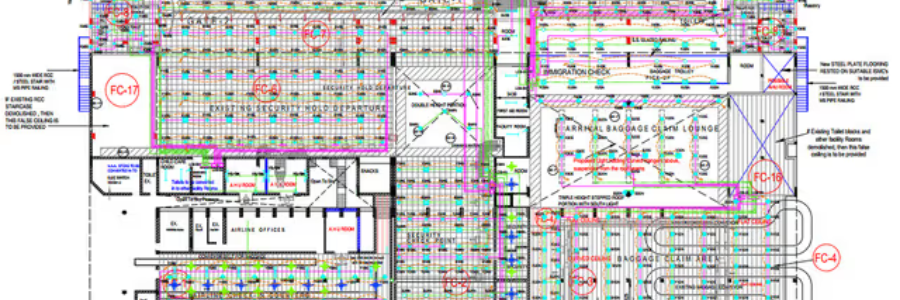
MEP layout services

Optimizing Indoor Air Quality

Keeping the air quality is also part of MEP design – it ensures that the indoor air is fresh and free from harmful pollutants, ensuring a healthier environment for the occupants. Now that there is a firsthand experience with the pandemic, it is more important to design advanced filters and airflow strategies to safeguard the health of the people. 

Fire Protection and Life Safety

MEP engineering also covers and includes fire protection systems, like standpipes, sprinklers and smoke control measures. These safety measures are non-negotiable for protecting the lives of the people and the building. It makes sure that the system fits seamlessly into the building so it can function properly. 

RELATED: How do Architectural BIM Services for Companies Complement the MEP/FP Design Process?

Lighting Design and Visual Comfort

Lighting does not only function as turning a light on and off. Lighting adds shade, texture, mood, and emotions to the room. That’s why lighting design professionals, proficient in MEP engineering, analyze and calculate the room areas and design appropriate lighting needed because they integrate balance with natural lighting and artificial ones to lessen energy consumption. 

Specialized Knowledge in Power Distribution

When a project is large-scale, it often needs complicated electrical setups such as substations, transformers, and backup generators. MEP engineers and consultants make sure that these are sourced in a way that aligns with their calculations and are safely isolated yet accessible for future upgrades.

Acoustic Engineering and Noise Control

Some mechanical equipment, especially for large-scale projects, can be very noisy and disturbing. This is why MEP engineers and HVAC design consultants plan and design sound-dampening solutions for HVAC units and pumps to reduce noise disturbance. Important for homes to be more comfortable, or for hospitals or rehabilitation centers where healing and recovery require quiet spaces. 

Strategic Site Utilities Management

Sourcing utilities goes beyond just finding resources – MEP consultants and engineers work with the local utility companies to plan and connect water, gas, and electricity to the building. It ensures that the systems are compatible with the infrastructure for easier expansion in the future. 

Water Conservation Strategies

MEP consultants and engineering plan conservation strategies to drastically reduce a building’s water footprint. This strategy helps in lowering water bills, which are essential to areas that have water scarcity, and lower operational costs for owners. 

RELATED: What Are MEP Design Costs, Drafting Fees & Engineering Service Rates for Companies?

Smart Building Automation

Now that modern construction has integrated Building Management Systems (BMS), it has allowed building owners to have access and monitor lighting, climate, and security from a central interface. This automated system optimizes efficiency by adjusting the systems based on real-time occupancy and the current space’s conditions. 

Minimizing Construction Delays

When the MEP documentation is handled properly and in detail, it reduces queries and clarifications, speeding up the operations on site. Clear plans promote efficiency at work and reduce mistakes, making it smoother to operate according to the construction timeline. 

Scalability for Large Projects

Having a big project also means that it will be a complex, interconnected system within floors and buildings. To ensure that all systems work together smoothly, there could be a central plant to support the entire load without any part failing. This design strategy is ensured by engineering designers and consultants to ensure that the systems will work efficiently, no matter how massive the development is.
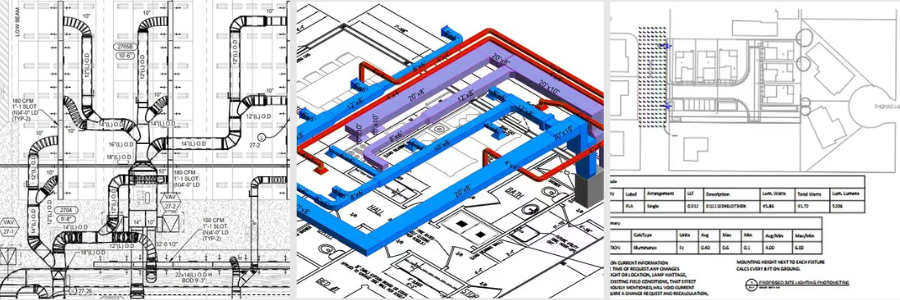
MEP designers

Enhancing Property Value

When the building has an efficient and modern MEP system, the buyers and tenants lean toward it. This is because of the comfort they’d get to have if ever. When all the systems function and work well, it is easily noticed how nice it is to occupy here, and so it can be tagged as a luxurious feel or a privilege. Investors can sell or lease these places at a higher rate compared to buildings with poorly designed systems. 

Expert Peer Reviews

Sometimes there are flaws that are overlooked by internal experts, so a new set of expert eyes is needed to give a fresher review and check on the quality. These experts can spot and identify flaws that could be a potential risk to safety, helping the internal architectural planning and design team reduce costly reworks and legal issues in the future.

Future-Proofing for Technology

The modern construction constantly evolves and to ensure that the buildings are ready to adapt to power needs and communication standards, MEP consultants and engineers have to think of a design that is future-proof. This means that the design is flexible enough for the building to allow easy upgrades in instances needed without major reconstruction. This reduces costs of starting over again. 

RELATED: How Plumbing Engineers Benefit from CAD Drafting and Design Services

Coordination with Structural Engineers

It is a common problem for MEP and structural drafting professionals to have design conflicts, especially when not coordinated clearly. MEP systems require support structures, and the structural team provides them. It is best for both to collaborate closely to understand what the other needs to ensure the building remains strong while keeping the systems housed and supported. 

Optimizing Kitchen and Laundry Systems

For commercial projects, such as restaurants and hotels, it could require a specialized design and system since it handles specific conditions. The design should ensure that the heavy-duty plumbing complies with health standards, and that there are grease traps around in appropriate locations as well as high-volume exhaust. A MEP engineer and consultant tailors the system to the functionality of the space. 

Building Envelope Consultation

Analyzing the building envelope is often a collaborative work between architects and MEP engineers. They calculate the envelope’s thermal performance and fabricate a design to better serve the building. They will be able to recommend a better glazing or insulation tailored to the performance of the building, reducing the significant size and cost of HVAC equipment. 

Sustainable Material Selection

Since the world is aligning to sustainable approaches, MEP engineers and consultants are also considering selecting materials for piping, wiring and insulation materials that have low embodied carbon. Doing this ensures that the building is promoting “green” from the inside out.

Effective Project Documentation

When everything has been done and collated, from the technical drawings and plans from architectural drawing experts, the specifications and installation, and other important documents related to MEP, the final output is considered legally binding and provides a definite standard for what’s intended, protecting the owner’s interests during construction. 

RELATED: HVAC Duct Shop Drawings: The Complete 2025 Guide for Freelancers and Construction Service Firms 

Resolving Site Constraints

One of the problems faced by the MEP team is finding a way to stack equipment, especially on tight urban sites. They find innovative ways to utilize and maximize the space by being an expert at spatial puzzles. 

Life Cycle Cost Analysis

MEP consultants look at the equipment not as a one-time purchase but as an investment, since it can last over 20 years of its lifecycle. Investing your money in life cycle cost analysis can be a practical decision since it can last a long time and can lessen the cost in the long run.

Enhancing Occupant Wellbeing

While a MEP system is known to provide physical comfort to the buildings, it also has an impact on the psychological well-being since it can alter and change lighting levels appropriately and adjust acoustic privacy. The MEP engineers and architectural detailing consultants have their way of fostering an environment that prioritizes relaxation and productivity.
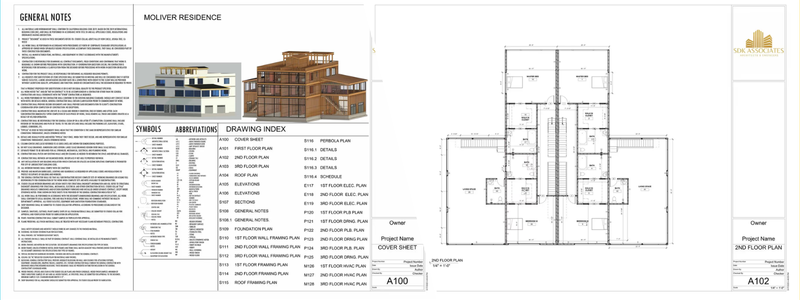
structural engineering drawings

Streamlining the Permitting Process

Since the MEP engineers and consultants often work with local officials, they can easily navigate through and work on permitting processes more quickly. Their understanding of compliance can be an edge in reducing rejections. 

Mitigating Risks of System Failure

Identifying and knowing why a system fails is an important step in providing solutions. Tests are done on designs to pinpoint their weak points and design a proactive approach to prevent possible failure, to ensure the safety of the occupants of the building. 

RELATED: Fundamentals of BIM & Modeling Design Services at Building Information Modeling Companies

Providing On-Site Construction Support

MEP consultants and CAD engineers are encouraged to do construction site visits to ensure that all works are in accordance with the approved plans. To ensure proper handling and prevent contractors from doing shortcuts that could compromise the building’s integrity and performance. 

Final Commissioning and Testing

MEP Engineers and consultants who oversee each project must conduct a final testing on every project to identify its usability. Electrical lines, plumbing, lighting, and floor alignment must be checked and fitted to the client’s standard. Other than this, building codes are verified one last time for operational purposes.

Addressing Seismic Restraints

Should there be instances wherein a region is earthquake-prone, MEP and structural engineers can design seismic restraints for their heavy equipment and piping systems to keep them from breaking or collapsing. With detailed specifications, failures can be avoided, which are critical for the system to remain functional. Most of the buildings, such as hospitals or emergency centers, should keep working even after a strong quake. 

Low-Voltage System Coordination

In this age, modern buildings rely now on low-voltage equipment such as security cameras, intercoms, fire alarms, access control, and high-speed data networks. Because of this, proper wiring planning is needed to avoid octopus wiring, fire, and trip hazards. MEP engineers and consultants carefully map out a layout on how the systems will interact, ensuring it works reliably while maintaining a cluttered interior environment. 

Value Engineering Processes

Value engineering is one way of saving money while achieving the same quality and performance. MEP engineers and design engineering consultants are considered experts in it since they’re able to find ways to find, analyze, and design a system to recommend a more energy efficient design by looking for alternative materials or equipment. They ensure that expenditure delivers maximum advantage, which is important not just for large-scale projects but for all projects, as it adds significant savings. 

RELATED: Common Structural Design Mistakes to Avoid When Hiring Engineering Design Firms 

Managing Wastewater Treatment

In some projects, especially those in remote areas or industrial facilities, there is limited to no access to municipal sewer systems. It is a challenge to manage it, but MEP engineers and design engineering consultants can help in designing an on-site wastewater treatment and disposal system that is compliant and socially responsible. Both sanitary and industrial effluences are handled safely, preventing blockages, contaminations and regulatory fines for safety purposes.

Emergency Lighting and Backup Power

When there’s a power outage, the building shouldn’t immediately just go dark, especially when there are people inside who need to exit the building safely. MEP engineers and consultants come up with an emergency lighting system that can automatically turn on to guide the occupants to exit. These systems are carefully designed and intended not to fail during emergencies.
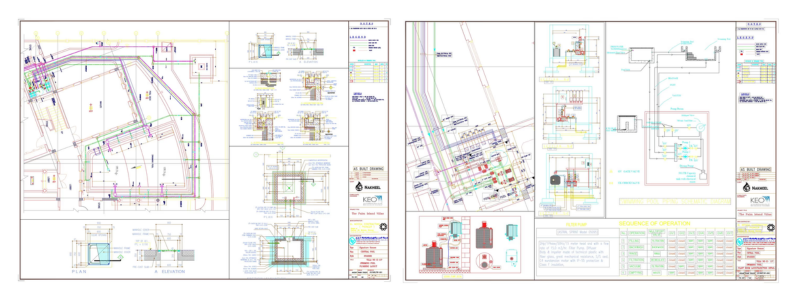
CAD drafting services

Hospital and Healthcare Specificity

For healthcare facilities, since it specialized setups like medical gas lines for oxygen or a carefully controlled air system in operating rooms, they require much more advanced systems to protect patients and staff. MEP engineers and consultants make sure that the design is strictly compliant with medical standards and helps avoid airborne infections.

Retail and Tenant Fit-Outs

Buildings that are for retail, shop, or offices the MEP consultants and engineers design a flexible-base building system so it can adapt easily to the tenant’s needs. This approach makes the building ready for anything so the tenants can modify without doing a major renovation, saving them time and money for doing a rework in the future. 

Cooling Tower Maintenance and Efficiency

There are buildings that use a water-cooled air conditioning system, and in this case, cooling towers play a big role in keeping everything operational efficiently. Good planning keeps the whole system safe, efficient, and longer-lasting, reducing further costs of repairs in the future. 

Underground Utility Coordination

Not everyone can imagine how crowded the area below the building can be, with gas lines, water pipes and electrical cables running underground. Proper planning has to be done or else there could be an accidental hit or damage that may be done. MEP engineers and consultants can use scanning tools and technology, or even 3D modeling services, to see where the utilities are located which helps the workers to avoid costly mistakes and dangerous work during excavation 

RELATED: BIM Design: Compelling Reasons to Use it for Architectural Projects and CAD Design Firms

Rainwater Harvesting Systems

The most common way of practicing sustainability is collecting and treating rainwater for irrigation uses, toilet flushing or watering plants. MEP engineers and consultants evaluate and calculate roof runoff volumes and design the required filtration systems and storage as well to turn the rain runoff into a valuable resource. 

Radiant Heating and Cooling

Radian heating systems provide superior comfort by its ability to adjust floor and ceiling temperatures. This system creates an even distribution of cooling or heating instead of just blowing the air around. MEP engineers and consults can integrate these floor or ceiling systems to provide a quieter and more efficient alternative to traditional air-conditioning systems.

Cleanroom Engineering Standards

There are facilities that are sensitive to air particles, like pharmaceuticals or semiconductor manufacturing. This is why “Cleanrooms” are designed to help regulate air, ensuring that the quality, temperature, and pressure are tightly controlled. Ensuring accurate airflow and filtration are available in the design. 

Integrated Security System Design

Security has now evolved from traditional locks to integrated access control, biometric scanners and even advanced video analytics. The MEP consultants and engineers ensure that all these systems and access have the necessary power and data connection to operate effectively as unified protection for the building. 

Geothermal Heat Pump Systems

Geothermal systems make use of the ground as a natural source of energy. To do this, MEP engineers and consultants study and analyze the soil and design an underground piping system to distribute heat from and to the building. This system helps in reducing energy consumption and lowering utility costs, offering an eco-friendlier solution. 

Laboratory Exhaust Systems

Facilities such as laboratories require a special design that is powerful enough to deal with hazardous chemicals. This could require a special exhaust system to make sure that dangerous air doesn’t stay inside or come back into the building. A powerful ventilation system quickly aids in protecting the worker and the public. 

RELATED: Complete Guide for Electrical Drawing and Blueprints Drawings for Your Company

Electrical Metering and Billing

For multi-tenant buildings, it is only normal to use a sub-metering system to know exactly how much electricity each tenant uses over time so they can be charged fairly. It not only focuses on that but can also encourage energy-saving since the occupants see their usage costs. This is considered a smart way to efficiently manage utilities while having the tenants accountable. 

Pump Room Layout and Optimization

The heart of the water system is located at the pump room, which is why MEP engineers have to carefully lay out the system for ease of maintenance. MEP Engineers and layout planning design consultants plan this space to cater to all necessary motors and pumps, with ease of access, and ensure a sloped floor for proper drainage during routine servicing. 

Thermal Energy Storage (TES)

Thermal Energy Storage (TES) systems act like a cooling battery for keeping the building cool during the day, which is a lot cheaper. Having this significantly reduces the building’s peak electricity demand and lowers the overall utility costs. It promotes balance in energy use. 

Natural Ventilation Strategies

Natural Ventilation Strategies is a design that utilizes “passive” ventilation systems, which use wind and natural air movement to cool down the building. This design cuts down on mechanical air conditioning and provides occupants with a more natural and comfortable connection to the environment. 
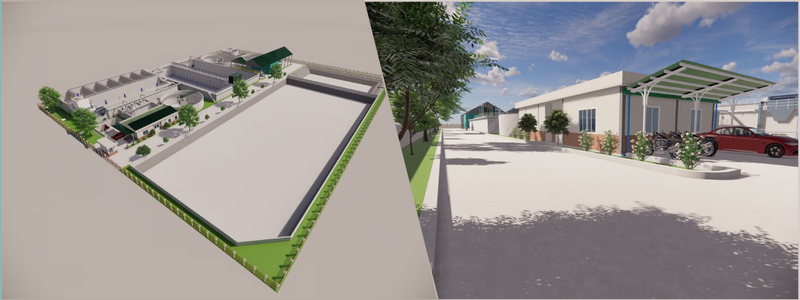
structural engineering services

Electrical Surge Protection

Lightning strikes and grid fluctuations can damage the building’s electronic system. To help protect the building, MEP engineers and electrical schematic drawing consultants design a multi-layered surge protection that can help divert excess voltage to the ground to keep the building safe. 

Condensation Management in HVAC

Whenever warm and humid air comes into contact with a cold surface, water droplets form. And if this isn’t properly controlled, it could drip onto surfaces like ceilings, walls, or floors, which could create mold, corrosion, and even structural damage. Condensation management is done by MEP engineers and consultants to prevent this kind of issue. To do this, they design a drainage system that can safely carry water away, choosing the right insulation to keep ducts above the dew point. This keeps the buildings dry and safe. 

RELATED: Top 27 Sites to Hire HVAC CAD Designers & 3D Modeling Drafters for Architectural Projects 

Smart Thermostat Integration

The modern construction has now integrated smart thermostats into the building’s HVAC system to allow control and to save energy. When using this, MEP engineers and consultants make sure that the devices used are compatible with the central mechanical equipment. 

Vibration Isolation for Equipment

There is large mechanical equipment that can shake a building as they operate, creating noise disturbance and physical discomfort. MEP consultants and engineers design an isolation solution, such as spring mounts or rubber pads, to allow the equipment to float independently, keeping vibrations from spreading through floors and walls, which can reduce noise. Proper vibration isolation is done to extend the lifespan of the equipment and the building by keeping it still and quiet. 

Electrical Load Balancing

Proper electrical load balancing prevents overheating and wasted energy. This is why MEP consultants and electrical circuit designers carefully calculate the load distribution of power throughout the building, ensuring that transformers, panels, and circuits are all working efficiently. The balance doesn’t just extend the lifespan of the equipment but could also help in lessening energy consumption, keeping the building running safely. 

Stormwater Management and Retention

To prevent overwhelming city sewers, urban projects must know how to manage their own stormwater runoff. MEP engineers and consultants recommend retention tank design that could conveniently catch heavy rainfall and release the water to soak into the ground more naturally. 

Emergency Communication Systems

One of the useful innovative systems that is used in the building in case of emergency is the voice-evacuation system. MEP engineers and consultants can create a design appropriate to operate speakers and amplifiers to create a survivable and loud communication device to alarm the crowd. 

Building Commissioning Management

Building Commissioning is like the final quality check for a construction project but mainly focuses on MEP systems. It ensures that testing for HVAC units, pumps, electrical circuits, lighting, and fire protection is done to prove that it operates exactly as designed. This also ensures that it functions smoothly which gives the building owner confidence that it is safe to occupy. 

RELATED: Fundamentals of BIM & Modeling Design Services at Building Information Modeling Companies

BIM Coordination for MEP

BIM coordination is a seamless and efficient way to communicate with a multi-disciplinary scope of work. MEP engineers and BIM modeling consultants preside over virtual meetings to resolve present clashes and conflicts that may arise during pre-construction. This way, detected issues can be resolved immediately, saving a lot of time and money. 

Electrical Power Quality Analysis

For industrial facilities, having a clean and stable electricity supply is critical to run the building. The MEP engineers and consultants evaluate and study the building’s power to detect certain voltage drops or spikes that could possibly damage sensitive equipment. They ensure that the machinery can run smoothly without downtime or repairs. 

Conclusion

What once felt like a luxury is now a necessity in construction. MEP engineers consultants are beyond designing the right MEP layout of the building, but aim to allow seamless coexistence with architectural design and structural supports. It serves as a backbone to execute sustainable energy and strict safety standards. Having MEP experts identify potential risks of clashes that could be costly problem a building may face. 

How Cad Crowd can assist

If you are ready to advance to building a comfortable space for people, Cad Crowd is the right platform to find the MEP engineering consultant for you. In Cad Crowd, you can explore and browse vetted professionals who can seamlessly integrate MEP system and collaborate with the design team. Cad Crowd helps in connecting with experts who can deliver your next proper, code-compliant, future-proof and high-performing sustainable building. Get a free quote today!

author avatar

MacKenzie Brown is the founder and CEO of Cad Crowd. With over 18 years of experience in launching and scaling platforms specializing in CAD services, product design, manufacturing, hardware, and software development, MacKenzie is a recognized authority in the engineering industry. Under his leadership, Cad Crowd serves esteemed clients like NASA, JPL, the U.S. Navy, and Fortune 500 companies, empowering innovators with access to high-quality design and engineering talent.

Connect with me: LinkedInXCad Crowd

Top 7 Reasons to Outsource Engineering Design Activities at Your Company for Efficiency


Why is it beneficial to outsource engineering design activities at your company to boost efficiency? Not so long ago, following the rather spectacular burst of the dot-com bubble, “outsourcing” was a pretty dirty word, associated mostly with work not very well done. We’re talking especially about online outsourcing, where businesses and companies sought help from small firms or individual engineering design freelancers they bumped into online to do specific tasks, often for ridiculously low prices.

Back in the early 2000s, you couldn’t realistically expect good quality work done through freelancing, and that’s why you weren’t supposed to outsource high-stakes jobs to complete strangers you barely knew about. Fast forward several years, and the narrative began to shift in the opposite direction to the point where today outsourcing is seen not only as an alternative method to increase productivity, but also as an essential strategy to improve efficiency. The basic tenet of outsourcing remains the same for the most part. You hire someone or a group from outside the company to handle one or more tasks for a fee.

But many things about outsourcing have changed over the last decade. Chief among these is that freelancers are no longer graduate students looking to make some money to fund their hobbies, or people seeking additional income who treat freelancing as a second job at best. Well, a good part of the freelancing world still consists of those groups, but overall, the workforce in the outsourcing environment has improved in many respects. Skillfulness and professionalism included. Many 3D engineering freelancers today are experienced specialists and experts in their respective fields.

RELATED: Why Your Business Needs Product Engineering Services to Innovate & Accelerate 

They see freelancing as a form of professional service that bypasses the typical hiring process. In other words, you don’t have to hire a freelancer as a full-time employee to tap into their expertise. Freelancers today serve almost like subcontractors. And if your company is doing business in the AEC (Architecture, Engineering, and Construction) sectors, you understand how true the statement rings. Furthermore, the sheer number and variety of professional services you can get from outsourcing are pleasantly well-rounded.

It isn’t an exaggeration to say that even if you run a one-person architectural or design company, you’ll be pleased to know that you can practically outsource the entirety of a project’s engineering tasks and activities to design engineering freelancers and still make a good profit margin. The internet is loaded with all sorts of freelancing sites, from the general one-platform-fits-all kind to the trade-specific ones. A general platform likely offers a broad range of services and certainly a large number of freelancers, simply because there’s no limit to the industries they may serve.

A trade-specific platform has a much narrower focus, and in some cases, all the freelancers can be categorized into just a handful of business sectors. As far as specialized platforms are concerned, you really can’t do much better than working with Cad Crowd. Placing a heavy emphasis on the AEC industry, Cad Crowd makes itself home to thousands of the world’s most talented engineers who offer specialized services at competitive rates. Doesn’t matter if you’re renovating homes in an urban area, constructing greenhouses in the middle of a desert, remodeling a kitchen, retrofitting an old farmhouse, building bridges to connect castles, or anything else in between. Cad Crowd always has the right professional to handle the task.

Why outsource at all?

Outsourcing doesn’t mean you’ve given up on an engineering task and decided to spend extra money to have the workload handled by someone else. It isn’t a shortcut for people who don’t have what it takes to do the jobs themselves. Should anybody tell you otherwise, let them know in a calm and humble fashion that there’s something called evaluation and approval. This means that for every outsourced engineering activity, someone from the in-house engineering design team must scrutinize the work before approving it. You’re not simply handing the responsibility over to an external party.

RELATED: Top 30 Recruiters for Electrical Engineers, Staffing Agencies, And Recruiting Companies for US Engineers

You still maintain control and have the final say about the deliverables, in terms of accuracy and overall quality. If this sounds familiar, that’s only because outsourcing is just basically the same as subcontracting. It turns out some people like to point out that the two are quite different. Help yourself, and don’t bother with any of them. The big idea of modern outsourcing goes beyond meeting every deadline. Outsourcing allows you to be flexible and always ready no matter the scope of work the next project throws at you. It gives you the chance to work faster and win more clients without rushing to expand the in-house team.

MEP expert designers

While the payroll and overhead remain largely the same, as does your sanity level, the company becomes competitive enough to play in the bigger league against the bigger names. Even if you only have a small internal team, outsourcing opens the door to a massive network of design engineering experts and specialists ready to lend their expertise, for a reasonable fee of course. In case that’s not specific or convincing enough of a reason, here are some more to get you jumping on the bandwagon.

1. Summer burnout no more

Winter and spring are usually pretty quiet seasons for AEC companies. It’s a long six-month period of nothing but light projects, mostly plumbing repairs, electrical jobs, and landscaping. Not much happens from December to March because it’s difficult to do real construction work while wearing mittens, but things should start to improve in the next three months, despite the occasional rains, in which case using an umbrella makes things cumbersome at the jobsite. Summer, however, tells a different story. The season’s long dry days relieve workers from raincoats and beanies, allowing them to focus on the construction tasks at hand while wearing reflective vests and hard hats.

Summer makes for the ideal weather where all sorts of AEC projects can thrive, from masonry and roofing to excavation and brand-new construction. From winter and spring to summer and fall, most AEC companies experience a transitional period marked by a sudden shift in workload. But this is hardly a surprise. In fact, it’s a very welcome shift of gears and is expected to happen on an annual cycle. You can handle everything just fine during the first six months of the year, and then summer comes and throws too many balls in the air.

RELATED: 15 Engineering Design Constraints that Product Design Companies & Engineering Firms Can’t Avoid

The AEC industry doesn’t get along all too well with a steady workflow. It’s either just another week of renovating a bathroom and kitchen, or a hectic schedule juggling between MEP (Mechanical, Electrical, Plumbing) system overhaul and foundation work. Your CAD engineers have to pull 60-hour weeks, get tuckered out by week three, start making mistakes, and cost you a pretty penny to fix. Outsourcing is the best way to prepare for potential summer burnout and keep everyone in the company levelheaded. Think of it as an overflow in a pool loaded with engineering tasks.

Hiring an external party to handle at least a small portion of the engineering activities can prevent your core team from drowning in an abrupt workload surge. But instead of letting the overflowing tasks fall by the wayside, you have an outsourced professional to help you get things done and keep everyone from panicking. You don’t want one of your senior engineers to get stuck on doing entry-level drafting tasks when there are actual engineering issues that can use a real engineer’s problem-solving skills. And when things are back to normal workload level, you can always scale back the headcount.

2.. An extra set of eyes

Sometimes, the most challenging engineering activity of them all is pointing out your own mistakes. For an AEC team that has been working together for years, it’s only natural for them to get too comfortable with how everyone does things. Being comfortable is good, except when they stop throwing constructive criticism at each other. For instance, a senior MEP engineer loves the Hunter’s Curve too much and has used the method for plumbing design. Everybody finds zero problem with it because it works great each time.

The problem is that Hunter’s Curve is overly conservative. It overestimates water demand even during peak use, leading to oversized pipes. It’s like building a 14-lane freeway in Wyoming. An outsourced engineer can bring fresh eyes to how things are done at your company. Because they’re not part of the groupthink, they have no problem questioning the decision to use the oversized pipes and proposing a more up-to-date calculation method.

RELATED: IoT Electronic Device Design Tips for Startups Working With Electronics Engineering Companies

3. Niche expertise on-demand

The usual take on outsourcing is that you hire a freelancer or a smaller firm to handle simpler engineering tasks on a project. It doesn’t mean your in-house engineer isn’t willing to do the job. You just want their expertise used for the more important engineering activities. For instance, in a construction project where an engineer needs to provide both the HVAC design, 3D drafting & engineering services and plumbing systems with a looming deadline ahead, you don’t want to add “administrative support” to the already demanding workload. While you still see this to be the case today, the outsourcing landscape has changed quite a bit for the better.

Many freelancers and small AEC firms are just as qualified as those working for the big companies. They’re true professionals with respectable experience, portfolios, and specialized expertise. Take, for example, BIM (Building Information Modeling). It has been a while since the industry said that BIM would soon become the be-all and end-all of modern architectural planning. Years have passed, and the truth remains that the vast majority of AEC companies in the country remain reluctant to pursue full adoption. Most small and mid-sized AEC companies don’t have a full-time BIM expert on their payroll.

electrical engineering services

Some may argue that BIM is just another CAD drafting and documentation process, but this claim could only come from people who think they only use 10% of their brains or still believe that Einstein failed math. Quite the contrary, BIM is an integral part of engineering activities in all sorts of construction projects, including the MEP portions. Just about every aspect of architectural planning, from quantity takeoffs and cost estimation to material specification and clash detection, can be neatly handled within a single BIM file thanks to the model’s data-rich nature.

BIM is all that it promises to be. You’ll also be glad to know that there are dozens of BIM software options on the market today. But finding a professional trained to use the software is another matter entirely. BIM professionals are still considered rare in the US, and as the tool becomes more sophisticated, the skill gap in the workforce widens. Small and mid-sized AEC firms might not have the funds to invest in a training program. Not every project needs BIM, indeed, and you can always turn to non-BIM 3D CAD for the simpler visualization. But that would be like playing a shooter game that’s not Call of Duty or using Bing rather than Google. You get something out of it, but still missing a lot of good stuff. 

RELATED: Top 101 Sites for Freelance Engineering Jobs, Mechanical Design Projects, & Remote Work

Thankfully, outsourcing offers an easy solution. Perhaps your in-house structural engineering team excels at designing and constructing a single-family home of any architectural style, and they’ve completed many projects in record time, even during winter. But what happens when a high-paying client comes with an offer for a residential building project? There’s just so much money involved that it would be embarrassing to say you can’t take it because the BIM part is too difficult. Like it or not, BIM is still a niche expertise in the US. And the best place to find an expert with a niche skill set is a niche freelancing platform.

Once again, Cad Crowd easily comes to mind. There might not be tens of thousands of BIM professionals on the platform, but they’re there, at least in the range of hundreds, ready to lend their talents to everyone in need. As a bonus, you get instant credibility in front of the client for the simple fact that you can comfortably punch above your weight. Outsourcing can walk you right to the front door of a high-profile project that you would normally turn down because it seems like you’re biting off more than you can chew.

4. The right people for the right jobs

Still, you don’t want a senior engineer in your team to spend hour after hour every day during a busy summer month converting a technical architectural draft into a 3D floor plan. As important as photorealistic 3D visualization services are for design presentation and client communication, little engineering know-how is required to translate a standard 2D project plan into a more eye-catching photorealistic format. This is not to say that digital artistry is a second-degree expertise in the AEC sector. 3D modeling is a specialized skill that takes years to master, and proper rendering takes an in-depth understanding of CGI wizardry.

That said, it makes sense and is appropriate for your engineers to apply their technical chops to their core responsibilities. Things like designing the structural components of a building, managing the construction process, developing plans for MEP systems, and managing the budget are more right up their alley. Don’t you know they had to go to school to learn the stuff? And remember, you hired them in the first place to take care of those.

RELATED: 7 Steps of the Engineering Design Process Used by Freelance Engineers & Companies

Much of outsourcing revolves around finding the right people for the right jobs without going through the usual tedious steps of a recruitment process. Making a high-level talent also handle entry-level responsibilities is a big waste of brainpower, and outsourcing keeps this tendency at bay, especially in small AEC firms that employ barely enough people to set up a proper division of labor. Engineers, more specifically, the senior ones, should be in charge of projects. They’re supposed to be the problem solvers, idea makers, design planners, supervisors, and leaders, not updating sheet indexes and tinkering with render settings for visualization.

5. Bigger workforce, minimum overhead

AEC business is pricey. Between office rent, software licenses, and high-end hardware to run those tools, the company’s overhead adds up to a sizable amount. Combine everything with employees’ wages in the payroll, and you come to really understand that it takes money to make money. Say you have a structural engineer as a full-time employee at the company. To keep the engineer working to their full potential, you’re paying not only their salary, but also for the tools and equipment necessary for them to do the job. In addition to the workstation and laptop they use, which cost thousands of dollars, there are software subscription fees of several hundred dollars per month.

Let’s not forget about health insurance and a 401k as well. Other recurring expenses include office utilities because they can’t work without electricity, the horrible-tasting coffee they can’t complain about, and, of course, broadband Internet for Windows updates. Hiring another full-time employee, for example, an MEP engineer, would be an invaluable addition to your company. But at the same time, you’ll be spending almost twice as much overhead as before.

HVAC engineering design services

Outsourcing also costs money, but at least the expense isn’t included in the fixed fee you pay every month. In many cases, a freelancer is happy to use their own laptop, so you don’t have to lend them one of yours. And when the project is over or the AutoCAD MEP engineering activities are finished, the overhead associated with the freelancer is no longer incurred. To put it simply, outsourcing is a way to increase your workforce size while keeping overhead at an acceptable level.

RELATED: How Do Engineers Evaluate Different Design Ideas?

6. Moving up the ladder

We’re not saying that hiring another full-time engineer or two is a bad idea. A reinforcement is always a welcome addition. New engineers bring a competitive advantage and allow you to handle bigger projects more comfortably. However, introducing new names to the payroll isn’t the solution to everything, and it doesn’t have to be the first thing to happen tomorrow morning. Scaling up a company isn’t a matter you can take lightly. It takes preparation and a whole lot of considerations to increase headcount, as it directly affects your profit margin on every project.

A professional engineering modeling designer is a qualified employee. And every skilled worker, like an expensive coffee machine, is a high-maintenance asset. An outsourced employee is, by nature, a temporary addition to the in-house team. In this case, “temporary” also means non-recurring overhead. Hiring a freelance engineer instead of a full-time one allows you to convert a fixed fee into a variable cost. During the slow months filled with snowy roads, rainy days, and smaller projects, the team has all the engineering tasks in control, and there’s no work to outsource, hence zero temporary bill.

Outsourcing affords you an easy way to scale up and down as needed. You get to keep the core team tightly small and the overhead manageable, making the company resilient and flexible in times of both downturn and upturn. For a small firm, such flexibility grants the power not to shy away from bigger projects. Even when a project appears to demand more horsepower than your core team has, outsourcing lays the path to immediate reinforcement.

7. Some relief from liability risk

We’re not just talking about reading the clauses in a terms and conditions paper, but the actual risk and liability associated with a project. No one really talks about it, so let us try to simplify the matter for you. In an AEC project, what appears to be a simple typo from the engineering drawing expert or a few millimeters misalignments in the blueprint isn’t always an honest mistake. It might be an honest mistake on your part, but the client has every right to see that as a potential lawsuit. Mistakes can lead to incorrectly sized truss beams, a fire sprinkler system that isn’t code-compliant, sewer odor due to an incorrectly installed plumbing vent pipe, or a failed home inspection that reduces property value.

RELATED: Top 32 Sites for Freelance PCB Designer Jobs & Remote Electronics Engineer Work Projects 

Errors and Omissions insurance is expensive for a reason. You can’t always slip through the cracks of those liability clauses, but if you outsource some engineering activities to an established firm (as opposed to a stranger on Facebook who claims to have done millions of similar projects), you are distributing the risk in the process. Unlike a typical handyman who always skips the T&C page and just clicks the Accept button, a reputable engineering firm, more often than not, carries its own liability insurance, backed by an internal quality-control process.

When you outsource engineering activities to such a firm, all work is covered by the firm’s insurance policies as well. Your engineers get to sleep better at night, if they sleep at all, and you’re somewhat relieved from some of the burden of potential mishaps. 

The bottom line

Engineering activities, no matter how small or trivial they may seem, hold some degree of importance to every AEC project and can definitely affect whether it’s going to be a success, finish as quickly as expected, or get stretched out to several more months because things don’t go quite as planned. Outsourcing helps ensure that every job is handled by the right person and minimizes the chances of your engineers feeling overworked, undervalued, or assigned to the wrong tasks.

Having some engineering activities outsourced to a freelancer or an external firm doesn’t necessarily mean you have an incompetent team. If anything, outsourcing can be one of the most effective ways to give your team the support they need, so they can maintain their focus on what they do best. Think of outsourcing as an affordable and surprisingly comfortable life jacket that prevents you from drowning when the tide is high and the deadline is drawing near.

RELATED: Key Factors to Consider When Vetting Engineering Firms for Design & Consulting Services

How Cad Crowd can assist

Hiring additional brainpower, albeit on a temporary basis, will keep your head above water and the project running at a steady pace without a hiccup. And as the tide recedes from the shore and things are safe, you can take off the life jacket with a great sense of relief. Whether you’re in need of an individual freelancer or an engineering firm to lend a hand and fresh perspective for a project, Cad Crowd is here to help you connect with thousands of talented engineers and experienced architectural firms from all around the world. Contact us for a free quote.

author avatar

MacKenzie Brown is the founder and CEO of Cad Crowd. With over 18 years of experience in launching and scaling platforms specializing in CAD services, product design, manufacturing, hardware, and software development, MacKenzie is a recognized authority in the engineering industry. Under his leadership, Cad Crowd serves esteemed clients like NASA, JPL, the U.S. Navy, and Fortune 500 companies, empowering innovators with access to high-quality design and engineering talent.

Connect with me: LinkedInXCad Crowd

How Plumbing Engineers Benefit from CAD Drafting and Design Services


It’s hard to believe that a plumbing project isn’t always about someone installing, repairing, or replacing broken pipes and leaky faucets. Much of it is indeed all of those, but it also involves a slightly more complicated design phase, best left to an engineering design expert rather than an actual plumber. For the uninitiated, a plumbing engineer designs the entire system and prepares the plan, whereas a plumber executes it. Because most engineers like to think their work is so difficult, they often tap a professional drafting service to draw the plan for them.


🚀 Table of contents


They get back more than they give

In a good way, of course. In an ideal world, an engineer designs the system and translates it into a technical drawing for a construction permit and approval. But sometimes the world isn’t as ideal as what everybody has in mind, and an engineer doesn’t have the luxury of time to produce a detailed draft. Perhaps there is just so much engineering work to do that outsourcing the drafting makes a lot more sense and is more time-efficient. The engineer makes sketches or low-detail presentations that are not to scale, with notes and scribbles all over them. And then the engineer gives the sketches to a drafter to convert into a technical drawing for construction. To put it simply, the engineer decides what to draw, and the drafter makes the drawing.

Because professional drafters specialize in the trade, they can do it quickly and at a lower hourly rate than an engineer. Take, for example, the drafters at Cad Crowd. Thousands upon thousands of CAD experts at Cad Crowd offer a broad range of drafting services at affordable rates, backed by the platform’s accuracy guarantee. Cad Crowd is one of the few freelancing sites on the web to place heavy emphasis on the AEC industry, including the MEP (Mechanical, Electrical, and Plumbing) sector, with more than 15 years of experience in outsourcing. Apart from this cost-saving advantage, engineers can reap a lot more benefits from collaborating with CAD drafting and design services.

Plumbing engineering and CAD Drafting examples by Cad Crowd design experts

RELATED: CAD outsourcing: Architecture & BIM drafting strategies for architectural design firms

Let’s not eyeball it, shall we?

Eyeballing is probably just fine when you’re repairing a P-trap or tinkering with a water pressure valve, but not for an engineer designing an entire plumbing system.

Back in the old days, when CAD design services weren’t yet mainstream, or affordable for that matter, manual drafting on paper and boards reigned supreme. What is now a rather tidy task of technical drawing on a computer used to be a bungled, cluttered affair full of sweaty-hand smudges. And if an engineer was working overtime past midnight, coffee spills and dull pencils could make an otherwise sharp mind into, well, a dull one. In cases where the plumbing design was extensive enough, it might take an additional two or three drafters with varying degrees of skills and experience to work on a single plan. On one of those days, somebody was bound to not care enough about accuracy and just wanted to go home early and watch TV in black and white.

As a result, the term “precision” came only second after “completion” on many projects. When a line was off by even a fraction of a millimeter on a 1:200-scale draft, construction headaches ensued. You’re talking about misaligned pipe connections, incorrectly sized fittings, inaccessible valves, and a whole bunch of on-site adjustments by a plumber who then eyeballed things.

CAD drafting for a plumbing system means creating the plumbing plan on a computer, with a lot of help from the automation the machine offers. Think of it as a visual calculator that lets you specify the dimensions and tolerances of every component, down to the hundredth of a millimeter. Such accuracy ensures you’ll always generate the correct plan, no matter how complex the project is. The BOM (Bill of Materials) is always spot-on. And when the parts arrive at the jobsite, they actually play nice with each other. For plumbers, the CAD drawing also serves as an instruction manual, so no eyeballing is required.

Just maybe, time is indeed money

Drawing on a computer might seem daunting. You don’t have to sharpen a pencil in the process now and then. Still, it’s hard to imagine making precise movements while holding that mouse button to draw a perfect representation of a curvy water closet, sink, or bathtub. You don’t have to imagine that at all, really. It is, in fact, very hard. That’s why just about every architectural CAD software offers a broad range of templates ready to click and place on the screen. 

These ready-made templates may include a wide variety of fixtures and fittings, including end-of-the-line cleanouts, routing options for elevation mismatches, pipe specifications, automatic annotation for multiple pipe runs, and more, done by engineering design services. Almost all of them are delivered via a simple drag-and-drop interface in the software. This makes the drawing of every plumbing part and component quick and practical, with very little chance of mistakes, unless a careless drafter is involved. 

If a project involves drawing plumbing plans for dozens of individual bathrooms, such as in a residential building with pretty much identical units, a drafter can create “modules” or “blocks” on the CAD software. A block is essentially a group of plumbing parts, including fixtures and piping configurations, treated as a single assembly. It doesn’t matter if the building has 50 or 500 units; copy-and-paste does all the heavy lifting. Furthermore, an update or modification on the master block is reflected on every other drawing in an instant.

Drafting a plumbing system often involves quite a lot of repetition, and that’s to be expected because much of the drawing includes the same pipes connected with the same fittings over and over again until it gets to the very end of the line. When a repetitive task is simplified or outsourced to a professional drafting service, a plumbing engineer can focus on more pressing matters, such as maintaining consistent water pressure, sustainability, and the ergonomics of the water closet. Because the drawing happens in the background with CAD, the design phase runs quicker than ever before, and the payday comes sooner, too.

RELATED: Relevance of MEP drafting services for architectural design firms & construction companies

Gone is the eraser dust

Some clients are difficult to work with. They demand changes after changes to an already-approved plan, prompting the engineer to make revisions that never seem to please them. Sometimes the kitchen layout isn’t sophisticated enough, the bathroom design is too mainstream, or there aren’t enough sinks in the house. Clients are the project owners after all, so no engineer can blame them as long as they have the money to pay for the services. A plumbing engineer can only comply and produce a new plan for every change in design.

The good thing is that a CAD drafting expert makes revisions simple. Since the original plumbing plan was created in CAD, making changes to the image is simply a matter of moving things around on a screen. A drafter can move, stretch, and replace fixtures, or perhaps reroute the entire pipeline without even touching an eraser. Everything is done on screen in a virtual environment. Apart from that, the real benefit here is version control, or a file history if you like. If a client asks why there are now four sinks in the house rather than five, the plumbing engineer can refer back to the previous draft to see how forgetful the client is.

Quick math and no headache

We’re not saying that an engineer or a drafting service can’t do math without a headache. It’s just that there will be much less headache in case it does happen while calculating flow demand, pipe sizing, slope, and pressure drop. Modern CAD software does all the calculations automatically. For example, it can determine the pressure drop along a 50-foot stretch of copper pipe with many fixture branches attached. If you aim for a specific flow rate measured in GPM (gallons per minute), CAD tools can give you the right pipe sizes based on the number of fixtures to be installed.

Some automation features require specialized toolsets, for example, AutoCAD MEP, AutoCAD Plant 3D, or Revit. But don’t worry, all professional drafters know that plumbing engineers have a tender spot in their hearts for software with long names, so they will happily purchase and use the tools to indulge the clients. CAD tools are very good at math, even better than Sheldon Cooper, allowing the engineers to have their brainpower occupied by other important issues, presumably.

Piping and plumbing design engineering by Cad Crowd design engineers

RELATED: A comprehensive overview of steel detailing services and its importance for construction companies

We haven’t even talked about 3D CAD.

No one says CAD drafting and design have to be in the conventional 2D format. The aforementioned software, such as Autodesk Revit and AutoCAD MEP, generates 3D drafts. Other options include PractiPIPE, Bentley AutoPLANT, PlumbingCAD, etc. While the 3D image might not be photorealistic, it’s good enough to provide spatial awareness as if you’re looking at the pipeline through the floor, ceiling, and walls.

Engineers don’t need 3D plumbing drafts to understand the design. They’re trained to develop a cognitive ability to translate flat lines, shapes, and symbols into a clear vision of an architectural design. But the average clients, on the other hand? Not so much. Most clients find 2D drafts confusing, like reading a text from a language they don’t understand. They may nod many times as they stare at the image, but only to look smart in front of everyone. Thanks to 3D CAD, plumbing engineering experts can more easily explain how things work, even to the most uninformed clients. 

And let’s not forget BIM (Building Information Modeling), currently touted as the biggest thing to ever happen to the architectural industry. Some would go so far as to describe it as the be-all and end-all drafting software tool, flooded with features such as automatic clash detection, cost estimation, Bill of Materials generation, cloud-based collaboration, and, essentially, data-rich visualization.

Takeaway

The bottom line is that plumbing engineers can always work smarter, not harder. One of the smartest things a plumbing engineer can do is to work with or hire a CAD drafting service to translate the design intent into a technical drawing. Just “knowing” that a professional is taking care of the task can give the much-needed peace of mind to focus on the actual engineering parts of the job, be it cost efficiency, construction methods, rainwater harvesting, or code compliance.

Whether you need the plumbing plan in the conventional 2D format or the more advanced 3D visualization, there is always the right professional at Cad Crowd to get the work done. All drafters at Cad Crowd have been vetted and screened for their CAD proficiency and experience in architectural projects to ensure that every client works with the most qualified talent. Request a quote today.

author avatar

MacKenzie Brown is the founder and CEO of Cad Crowd. With over 18 years of experience in launching and scaling platforms specializing in CAD services, product design, manufacturing, hardware, and software development, MacKenzie is a recognized authority in the engineering industry. Under his leadership, Cad Crowd serves esteemed clients like NASA, JPL, the U.S. Navy, and Fortune 500 companies, empowering innovators with access to high-quality design and engineering talent.

Connect with me: LinkedInXCad Crowd

Relevance of MEP Drafting Services for Architectural Design Firms & Construction Companies


There’s a moment in every architectural or construction project when things shift from dazzling 3D concepts to a very real, on-the-ground challenge: how do you fit a building’s inner organs—its mechanical guts, electrical lifelines, and plumbing arteries—into an elegant structure without making a mess?

That’s where MEP drafting services swoop in like the unsung heroes of the design world. These services—Mechanical, Electrical, and Plumbing drafting—are often behind the scenes, but they carry the weight of ensuring that buildings function beyond their beautiful façades.

While the glamour often goes to architectural renderings and dramatic skyline shots, MEP drafting is where a project’s long-term success truly brews. No glitzy façade can hide an HVAC system that clogs up the lobby or electrical panels that make maintenance crews want to scream. Architectural design firms and construction companies have figured this out. And they’re leaning heavily into precision MEP drafting to make sure the behind-the-walls drama doesn’t outshine the blueprint vision.


🚀 Table of contents


Why architects should care deeply about MEP drafting

Architects dream in bold lines and dramatic spaces—skylights that flood rooms with daylight, floating staircases, serene open plans. But those elegant visions hit a wall the moment the real-world demands of HVAC, plumbing, and electrical systems enter the picture. No one brags about ductwork in a design competition, but without it? That sun-drenched atrium becomes a sweatbox. That sleek hotel café? Suddenly not so chic when the plumbing won’t fit beneath the slab.

MEP drafting—Mechanical, Electrical, and Plumbing—might not steal the spotlight, but it quietly holds the entire production together. It’s the layer of design that ensures everything functions. More importantly, it’s the layer that ensures it all fits before anyone breaks ground. Without early, precise coordination between architectural intent and MEP logistics, designs fall apart—literally and financially.

And here’s where it gets serious: in a BIM-driven world, where every detail is modeled and schedules are tight, guessing where the HVAC or sprinkler heads might go just won’t cut it. Architectural design experts who embrace MEP drafting early in the process don’t just protect their designs—they elevate them. They avoid costly redesigns, sidestep furious phone calls from contractors, and preserve the integrity of their vision.

When MEP drafting is dialed in from the start, the result is seamless—buildings that work as beautifully as they look. It may not be glamorous, but it’s what transforms a sketch into something that can actually stand, breathe, flow, and endure.

RELATED: How structural engineers improve custom home design when you hire architects & design firms

MEP services examples by Cad Crowd MEP design freelancers

Construction companies and the million-dollar savings of a good draft

Contractors thrive on certainty. When a construction crew rolls up to a job site with rock-solid plans in hand, the entire build feels smoother—and often is. That’s where MEP drafting services come in as unsung heroes. These detailed technical drawings help construction firms avoid chaos by ensuring that mechanical, electrical, and plumbing systems are fully coordinated before anyone starts cutting or drilling.

Think of it this way: a single duct routed a few inches too low could mean clashing with a beam, rerouting pipes, or tearing into finished work. That’s not just frustrating—it’s expensive. We’re talking delays, RFIs piling up, and costly change orders that ripple through the project timeline. When MEP drafts are accurate and comprehensive, those headaches fade fast.

Good drafting isn’t just about avoiding errors. It’s a smart investment in project efficiency. When tradespeople can trust the drawings, they move faster, waste less, and build with confidence. Fewer surprises mean fewer slowdowns—and that directly affects the bottom line.

Construction drawings companies that integrate MEP drafting services early in the design-build process aren’t just crossing their fingers for a smooth ride—they’re engineering one. The result? Jobs that finish on schedule (or ahead), thrilled clients, and margins that don’t get eaten alive by rework.

In the world of construction, a solid draft can mean the difference between profit and panic. And when a clean set of plans keeps a project from spiraling, it’s not just helpful—it’s a million-dollar move.

It’s all about the coordination game

If architecture is the art and construction is the muscle, then MEP drafting is undoubtedly the brain behind the operation. And in this world of moving parts and tight deadlines, coordination isn’t just helpful—it’s everything.

Think of a solid MEP drafter like a backstage technician at a Broadway show. They may not take center stage, but without them, the lights don’t shine, the sound doesn’t sync, and the magic doesn’t happen. It’s the same behind the scenes of commercial construction. From hospitals to high-rise offices and data centers, mechanical, electrical, and plumbing systems need to fit together with precision. No one wants to discover on-site that a duct is cutting through a sprinkler pipe or that electrical conduits are clashing with HVAC lines.

That’s where modern MEP drafting services shine. Tools like Revit, AutoCAD MEP, and Navisworks are game changers. They allow teams to see potential issues virtually, before a single wall is framed or a dollar is spent on materials. It’s proactive, smart, and cost-effective for architectural design firms.

Instead of relying on guesswork or patchwork fixes down the line, everything is coordinated in advance. Conflicts are flagged, resolved, and updated in real-time. It’s not just drafting—it’s strategic collaboration. And for architectural design firms and construction companies juggling a dozen trades on a single site, that kind of clarity is priceless.

In the coordination game, MEP drafting isn’t a side act. It’s the mastermind making sure the whole performance runs without a hitch.

Outsourcing MEP drafting services isn’t just a budget-friendly move—it’s become a sharp, strategic advantage for architectural and construction firms looking to stay agile and competitive. Think about it: why carry the weight of a full-time in-house MEP team when you can tap into a pool of experts exactly when you need them?

This approach is a game-changer, especially for mid-sized firms juggling fluctuating project loads. Instead of stretching internal resources thin or turning down work, architectural planning and design firms can easily scale up with specialized drafters who are laser-focused on mechanical, electrical, and plumbing nuances—from ductwork geometry to code-compliant panel schedules.

It’s not just about cost efficiency; it’s about gaining access to deep technical know-how. Many outsourcing partners operate globally and bring fluency in a wide array of international standards—ASHRAE, NFPA, IPC, IEC—the kind of alphabet soup that turns into a lifeline on projects with strict regulatory demands. For firms stepping into multinational developments or working in jurisdictions where compliance rules are especially stringent, that expertise can make or break a project timeline.

In a market that rewards precision, speed, and adaptability, outsourcing isn’t just a nice-to-have—it’s increasingly the backbone of smart project delivery. Whether it’s meeting tight deadlines or navigating cross-border code requirements, having a trusted external MEP drafting team may be the difference between keeping up and leading the way.

MEP Drafting and BIM: The Dream Team That’s Changing the Game

Anyone who’s dipped their toes into Building Information Modeling (BIM) knows it’s a game-changer for construction. It’s not just about sleek 3D visuals anymore—BIM offers a dynamic, data-driven model of a building that evolves with the project. But here’s the catch: BIM is only as good as the information you feed into it. That’s where MEP drafting steps in as the perfect partner.

MEP—short for mechanical, electrical, and plumbing—drafting ensures that what’s being modeled isn’t just a visual placeholder. When these elements are designed within architectural BIM services, they’re packed with intelligent data. Imagine ductwork that knows its own airflow rate, insulation specs, and materials. Electrical panels that come with built-in load calculations and future maintenance reminders. Plumbing lines that already account for slope angles and fixture units. That’s not just drafting—it’s designing with foresight.

What really makes this combo a powerhouse is its ability to simulate time and cost. With 4D BIM, MEP drafters contribute to scheduling simulations, helping teams plan the sequencing of work long before the first tool hits the site. Add 5D BIM, and you’re looking at real-time cost analysis that shifts as the model evolves.This is designed in high definition, with a crystal ball included. MEP drafting doesn’t just make BIM smarter—it makes construction safer, more efficient, and dramatically less prone to expensive surprises. Together, they’re not just drawing plans—they’re crafting a construction strategy that sees around corners.

MEP Drafting for Sustainability Goals

Sustainable buildings aren’t just about solar panels and bamboo flooring. Behind every LEED-certified, Net Zero-ready, or Passive House-inspired structure lies meticulous planning, and at the heart of that coordination is MEP drafting. It’s the glue that binds architectural vision with high-performance systems.

Think of it this way: a building can’t truly be “green” if its ducts are a tangled mess, the lighting ignores natural daylight, or the plumbing system treats water like an afterthought. MEP (Mechanical, Electrical, and Plumbing) drafting ensures that sustainability isn’t just a marketing slogan—it’s baked into the bones of the building.

A well-executed HVAC design service trims energy use without sacrificing comfort. Smart electrical layouts factor in daylight harvesting, reducing the need for artificial lighting. And efficient plumbing drafts make water conservation feel effortless, from graywater reuse to low-flow strategies.

When sustainability is on the agenda—and at this point, it always is—MEP drafters step up as silent sustainability strategists. They transform eco-goals into technical realities, fine-tuning every pipe, wire, and vent to work in harmony with the planet and the people inside the building.

Architects may sketch the dream, but MEP drafters are the ones who make that green dream livable—and buildable.

RELATED: Benefits of outsourcing architectural CGI services for real estate marketing agencies

MEP design services by Cad Crowd design and engineering freelance experts

Real talk: What happens without MEP drafting?

Chaos. That’s what happens.

Picture this: an HVAC subcontractor shows up and starts claiming ceiling real estate, completely unaware that space was already earmarked for lighting fixtures. Meanwhile, a plumbing crew reroutes their lines on the fly because—surprise!—a massive steel beam is in the way. And the electricians? They’re drilling through structural supports, thinking it’s all good… until it’s not.

It’s a domino effect of miscommunication, waste, and damage. What should’ve been a smooth build turns into a game of “Who messed up first?” The result? Delays, bloated budgets, and sometimes even lawsuits. No one walks away happy—not the clients, not the builders, and definitely not the folks stuck reworking designs mid-project.

That’s where MEP drafting services come in clutch. These aren’t just fancy blueprints—they’re coordination lifesavers. MEP (Mechanical, Electrical, and Plumbing) drafts bring all the hidden systems to the forefront, mapping out every pipe, duct, and cable before anything is installed. They help everyone—architects, engineering design firms, contractors, fabricators—speak the same language, work off the same page, and avoid costly surprises.

It’s like turning on the lights in a room everyone’s been stumbling through. When you invest in solid MEP drafting, you’re not just paying for drawings—you’re buying clarity, collaboration, and confidence that the build will actually go as planned. Because without it? You’re building blind.

The magic of shop drawings: Where design meets reality

Shop drawings may not be the flashiest part of MEP drafting, but they’re undoubtedly among the most essential. These ultra-detailed technical documents act like a bridge between a design on paper and the actual pipes, ducts, and wires being installed on-site. If architectural drawings are the dream, shop drawings are the practical, nuts-and-bolts roadmap that makes it all happen.

Picture this: every tiny element—from the angle of an elbow joint to the placement of a hanger bracket—is laid out with precision. Voltage specs? Labeled. Dimensions? Checked. Coordination between systems? You bet. Nothing is left to chance.

What truly sets shop drawings apart is their intimate link to fabrication. These aren’t just pretty diagrams—they’re installation-ready instructions. In fact, contractors use them the way chefs use recipes or pilots use flight manuals: meticulously and without deviation. It’s their go-to guide to ensure everything works as intended, without any nasty surprises halfway through construction.

For design teams, shop drawings might seem like just another step in the process. But for contractors, they’re the holy grail. Without them, you risk costly improvisations and on-site confusion. With them, you gain clarity, confidence, and a direct line from the engineer’s brain to the builder’s hands.

In the world of MEP drafting, shop drawing services are where vision becomes reality—and where projects are won or lost. They may not be glamorous, but their precision and practicality make them indispensable.

A new era of smart buildings needs smarter drafting

Smart buildings aren’t just buzzwords anymore—they’re here, and they’re learning. From motion-triggered lighting and intelligent HVAC systems to water consumption tracking and AI-driven automation, the modern building doesn’t just function—it responds. But behind every smart building is something less flashy and far more essential: smarter MEP drafting.

Gone are the days when MEP designs were just about plugging in ducts and pipes. Today’s MEP drafters are essentially digital architects for intelligent infrastructure. Every sensor, automation panel, and data line must be precisely planned and perfectly placed. That motion sensor lighting? It needs power. That HVAC system that learns when you’re out of the office? It needs seamless integration into both the mechanical layout and the building’s digital nervous system.

Coordination is everything. If even one system gets overlooked in the design phase, the entire smart operation can stumble. Drafting now demands a fusion of engineering precision and tech-savvy foresight. You’re not just mapping wires—you’re wiring a brain.

It’s a shift from reactive to proactive design. MEP freelance professionals are being asked not just to support smart tech, but to anticipate it, to build the foundation that makes automation possible. This is the new standard. The blueprints of tomorrow must think ahead, quite literally.

So no, this isn’t your dad’s ductwork. It’s the backbone of a building that learns, adapts, and evolves—and it starts with next-gen MEP drafting.

RELATED: MEP shop drawing services: The secret weapon for freelancers and firms in successful building Construction

MEP design services by Cad Crowd freelance MEP professionals and experts

Architects and engineers—Finally playing on the same team?

For years, the dynamic between architects and MEP (Mechanical, Electrical, Plumbing) engineers has been… complicated. Architects dream big—sweeping lines, towering ceilings, showstopping aesthetics. Engineers? They bring the math, the systems, the “how-do-we-make-this-work” part. Tensions were bound to happen. What architect hasn’t heard, “We can’t fit the ductwork up there,” and what engineer hasn’t rolled their eyes at an impossible design?

But the game is changing.

Thanks to integrated MEP drafting and modern collaborative platforms, these formerly opposing forces are starting to operate like a team. Now, everyone—from HVAC specialists to lighting designers to architects—works from a shared model. Changes are updated in real time. Version control keeps chaos at bay. Clash detection tools flag issues before they hit the construction site. And that messy stack of marked-up blueprints? History.

This isn’t just about cleaner workflows—it’s about communication. Design engineering firms and architects can now challenge, support, and respond to each other’s visions in real-time. The result? Buildings that are both beautiful and functional.

Turns out, drafting is no longer just technical—it’s also political. And with everyone finally playing on the same team, the results are smarter, smoother, and a whole lot more satisfying.

Wrapping up (But not taping the duct just yet)

If you’re an architectural design firm that wants your buildings to actually work, or a construction company tired of RFIs and rework, MEP drafting services aren’t a luxury—they’re the foundation of your success.

These services bring clarity to complexity. They bridge the gap between vision and execution. They prevent disasters, reduce costs, and accelerate timelines. And when combined with BIM, sustainability goals, and smart building systems, MEP drafting becomes an unstoppable force of efficiency.

So, whether you’re sketching your next high-rise or breaking ground on a new medical center, don’t overlook the value of well-executed MEP drafting. It may not be the star of the show, but it’s the reason the show runs smoothly from opening curtain to final bow.

How Cad Crowd can help?

Ready to transform your architectural visions into buildable realities without the coordination headaches? Cad Crowd connects you with skilled MEP drafting professionals who specialize in seamless mechanical, electrical, and plumbing integration for projects of any scale.

Our vetted experts deliver precision drafting services that eliminate costly conflicts, accelerate timelines, and ensure your designs function as beautifully as they look. Don’t let MEP challenges derail your next project—partner with Cad Crowd and experience the difference that expert drafting makes from concept to completion. Get a free quote today.

author avatar

MacKenzie Brown is the founder and CEO of Cad Crowd. With over 18 years of experience in launching and scaling platforms specializing in CAD services, product design, manufacturing, hardware, and software development, MacKenzie is a recognized authority in the engineering industry. Under his leadership, Cad Crowd serves esteemed clients like NASA, JPL, the U.S. Navy, and Fortune 500 companies, empowering innovators with access to high-quality design and engineering talent.

Connect with me: LinkedInXCad Crowd