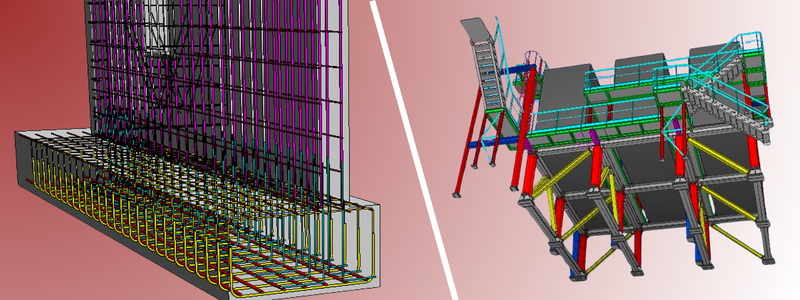
Top 35 Structural Design & Engineering Companies for Architectural Services in the US


Structural design services are not simply about steel beams and calculation of loads—it’s the behind-the-scenes brilliance that goes into every breathtaking skyline, defying gravity bridge, and earthquake-proof wonder. Behind each of those architectural masterpieces are the engineering companies that translate pen-and-paper sketches into rock-solid, secure, and breathtaking reality.

Say you’re designing a shiny new office high-rise, rehabilitating an aging stadium, or constructing the framework of a future-smart city. The proper structural engineering ally can be the difference-maker. This is not a dry roster of companies—it’s your open-access ticket to 35 of the top structural design and engineering firms in the United States. Cad Crowd has years of experience in providing top-notch freelance talent to architectural design and construction firms, and in this article, let’s dive into the names of building America’s built environment!


🚀 Table of contents


Bechtel Corporation

Bechtel Corporation logo

Bechtel Corporation has been shaping skylines and infrastructure around the globe since 1898. Known for taking on the kinds of colossal engineering challenges that most companies wouldn’t dare touch, Bechtel leads the pack in everything from nuclear power facilities to massive mining operations and transportation networks that span continents.

With more than 50,000 workers on its payroll, it’s no wonder Bechtel is perennially ranked as the #1 U.S. contractor by Engineering News-Record. Its legacy is one of ambition, precision, and unapologetic boldness in constructing the world’s most critical—and sometimes most complicated—structures. When it’s big engineering, Bechtel leads the way.

Website: Bechtel.com

Skidmore, Owings & Merrill (SOM)

Skidmore Owings Merrill SOM logo

When it comes to defying gravity with panache, Skidmore, Owings & Merrill (SOM) is in a class of its own. Their mark is on some of the world’s most legendary skyscrapers, from the towering spire of the Burj Khalifa to the steadfast strength of One World Trade Center. What distinguishes SOM isn’t merely size—it’s the structural sorcery behind the scenes.

Their first-of-a-kind implementation of the buttressed core system, for example, redefines what is possible in supertall engineering. When architectural design experts and engineers are confronted by the labyrinth of issues in contemporary supertall design, SOM is often not only on board—SOM is setting the world standard.

Website: SOM.com

HNTB Corporation

HNTB logo

Kansas City-based HNTB Corporation has built a legendary reputation as the mastermind behind some of the country’s most iconic infrastructure. Their fingerprints are all over major stadiums and transportation hubs, including the sleek Levi’s Stadium in California and the jaw-dropping Allegiant Stadium in Las Vegas.

These aren’t just buildings—they’re modern marvels that reflect innovation, precision, and a flair for creating unforgettable public spaces. It’s no wonder HNTB continues to rack up accolades. With a rich talent bench and commitment to bold design, this company is a standout among engineering and architectural greats.

Website: https://www.hntb.com/

RELATED: The evolution of architectural design with CAD software & design service companies

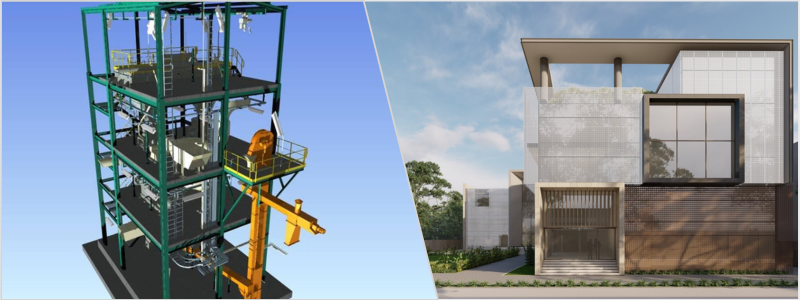
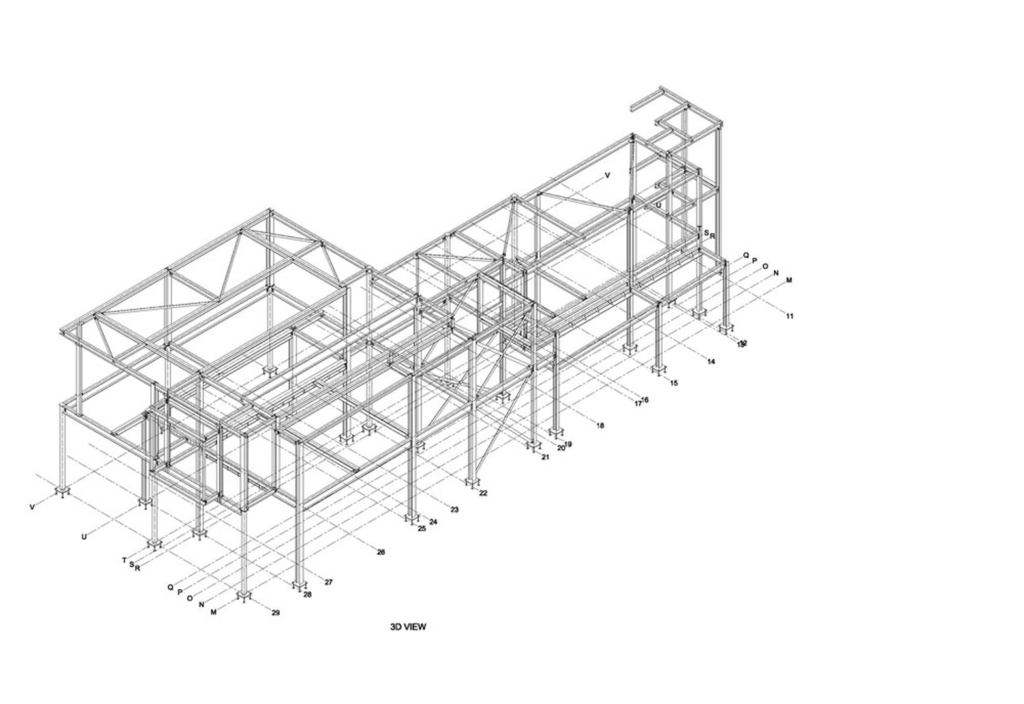
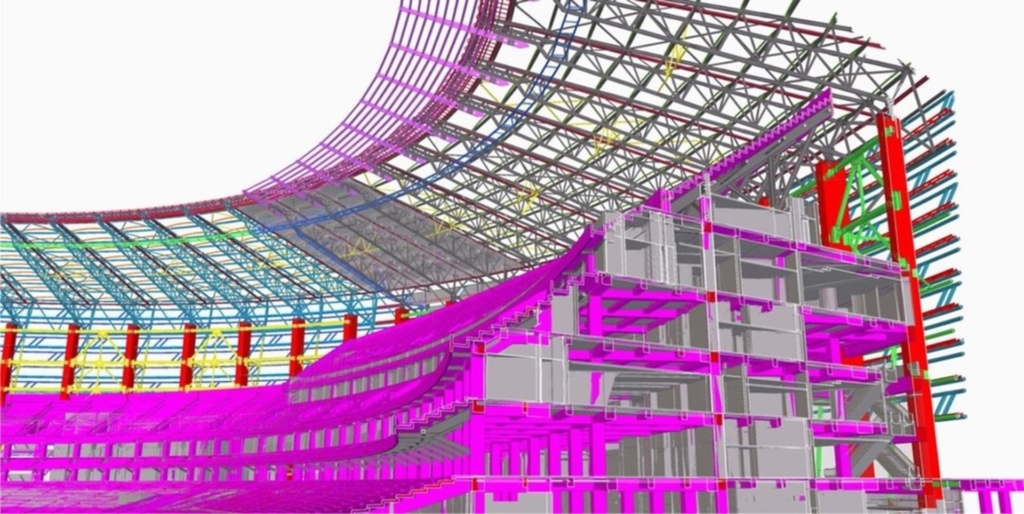
structural engineering of a plant example by Cad Crowd structural design experts

Burns & McDonnell

Burns McDonnell logo

Burns & McDonnell, based proudly in Kansas City and wholly employee-owned, has earned a reputation for solving some of the most daunting engineering challenges on the planet. With close to $7 billion in revenue annually, this behemoth company isn’t just big – they’re diverse.

Their engineering design services and consultants tackle projects across markets from aviation and power to water facilities and environmental solutions. That wide range of experience enables them to provide tailored solutions to address the changing demands of contemporary cities and industries. Being employee-owned provides an added layer of commitment—everybody has skin in the game, and it manifests in the outcomes they produce, project by project.

Website: BurnsMCD.com

HDR, Inc.

HDR Inc logo

Established way back in 1917, HDR, Inc. is today a giant in infrastructure and environmental engineering. With its talented team of more than 12,000 engineers, architects, and technicians, HDR does not merely construct — it invents. Whether it’s managing intricate water issues, designing smarter energy solutions, or creating resilient communities, HDR applies innovative thinking and technical know-how to each project. Their heritage is over a century old, yet their thinking is forward-looking. From neighborhood communities to worldwide influence, HDR stays at the forefront of creating resilient, effective, and innovative solutions that transform the way people live, move, and prosper.

Website: https://www.hdrinc.com

CDM Smith

CDM Smith logo

Hidden within Boston’s historic downtown, CDM Smith is not just another engineering company—it’s a force in water, transportation, and environmental infrastructure. What makes them different? First, they’re employee-owned, which means everyone’s got a stake in getting it right. This synergy ignites innovation on every project, from protecting water sources to transforming highways. And it’s more than just hype—CDM Smith regularly places at the top of the highly regarded ENR Top 500 Design Firms list. With a name for intelligent design and sustainability, they’re building a better future from the ground up—one innovative, forward-looking solution at a time.

Website: https://www.cdmsmith.com/en/

Magnusson Klemencic Associates (MKA)

Magnusson Klemencic Associates MKA logo

Magnusson Klemencic Associates, or MKA, is a Seattle structural engineering giant with a résumé that’s more like a skyline. Their structures hold up some of the world’s most recognizable towers, from the World Trade Center to the Salesforce Tower.

With decades of engineering history under their belt, MKA has established an international reputation for innovative, durable engineering design services. Whether taking on sophisticated urban initiatives or pushing what’s possible in vertical building, this company doesn’t simply play by the rules—it creates them. Their influence extends far into the Pacific Northwest and resonates globally, shaping cities with vision and unshakeable engineering. MKA keeps reaching higher, literally and figuratively.

Website: https://www.mka.com/

Jacobs Solutions Inc.

Jacobs Solutions Inc logo

Jacobs Solutions Inc. has made a powerhouse name for itself across sectors, from aerospace skies to concrete building blocks of large civil infrastructure. Famed for providing end-to-end engineering services with the highest level of seamlessness, Jacobs is more than just a familiar name on the ENR lists—it’s a regular at the top.

Their track record demonstrates a special combination of technical ingenuity and practicality in the field, tackling high-tech defense systems to smart transportation systems. Whether it’s a moonshot project or a city transformation, Jacobs brings precision, scale, and an acute sense of what it takes to create the future. It’s engineering on a different level altogether.

Website: https://www.jacobs.com/

AECOM

AECOM logo

AECOM is a global leader in the architecture, engineering, and construction space. Reputed to tackle anything from massive transportation systems to multifaceted environmental issues, the company always appears high on the Engineering News-Record (ENR) rankings.

Whether it’s crafting skylines or revitalizing ecosystems, AECOM’s influence crosses continents, providing intelligent, sustainable solutions that reshape daily life. They do more than just conventional structural engineering services; they delve into infrastructure innovation, urban planning, and even disaster response. With eyes on the future and feet rooted in technical expertise, AECOM keeps pushing what’s possible in the world.

Website: https://aecom.com/

Tetra Tech

Tetra Tech logo

Tetra Tech is not merely another player in the game of structural engineering—it’s a multidisciplinary powerhouse. Whether the challenge is aviation infrastructure or hydrology-led site development, this company delivers profound capability. Renowned for handling complicated, non-residential buildings with ease, Tetra Tech regularly occupies the top ranks on the ENR lists.

Their consultants and engineers perform across industries, delivering intelligent solutions to difficult engineering challenges. From idea to delivery, they’re transforming skylines, modernizing airports, and redefining where infrastructure and innovation intersect. For customers who demand precision and dependability, Tetra Tech is a name that delivers consistently, every time.

Website: https://www.tetratech.com/

Fluor Corporation

Fluor corporation logo

Fluor Corporation ranks high among the globe’s strongest forces in construction and engineering. Renowned for taking on enormous, intricate projects in energy, infrastructure, and petrochemicals, this global leader lays claim to experience that turns dreams into realities.

From oil refineries to power stations and highways to high-tech centers, Fluor gets the job done with precision and magnitude. It’s not construction—it’s having command of every stage of project creation, from idea to delivery. With a portfolio filled with mega-projects and a history of innovation, Fluor continues to build skylines and power industries worldwide.

Website: https://www.fluor.com

Kiewit Corporation

Kiewit corporation logo

Kiewit Corporation is one of Omaha’s finest engineering and construction giants. Celebrated for its heavy civil, mining, and industrial design service project expertise, the company regularly brings to life stunning infrastructure in North America. But bulldozers and blueprints aren’t the only thing on its mind—Kiewit is just as dedicated to people.

With a commitment to providing an exceptional work-life balance, workers get to do the meaningful work that matters without losing personal time. That elusive combination of technical acumen and employee health makes Kiewit stand out. It’s the type of company where integrity and innovation go together, and where great projects are built side by side with great lives.

Website: https://www.kiewit.com/

Parsons Corporation

Parsons corporation logo

Pasadena-based Parsons Corporation is not your typical engineering company—it’s where innovation and responsibility converge. Famous for working on huge infrastructure and environmental issues, Parsons offers an unusual combination of sustainability, high-tech engineering expertise, and defense intelligence.

Whether it’s creating green-infused transit systems or bolstering national security infrastructure, the firm’s influence cuts across industries and geographies. Its projects don’t only address today’s challenges—they future-proof communities. With a keen focus on sustainability and resilient design, Parsons is reimagining how the world constructs, safeguards, and flourishes. It’s engineering with intention, where forward motion converges with protection in every design.

Website: https://www.parsons.com/

Stantec Inc.

Stantec logo

Stantec Inc. has expanded into a hub of innovation and community influence, with over 25,000 professionals designing spaces in the U.S., Canada, and globally. Praised for merging architectural design services, infrastructure, and green design effortlessly, this firm doesn’t merely construct buildings—it constructs improved futures.

From transforming city centers to designing intelligent water systems and creating resilient schools, Stantec brings a human-centered approach to each endeavor. Their international reach is staggering, but it’s their hometown feel and dedication to the community that makes them really stand out. Whether a bridge, a hospital, or a neighborhood plan, Stantec is building the world with purpose.

Website: https://www.stantec.com/en

RELATED: 6 types of residential design & CAD services for companies

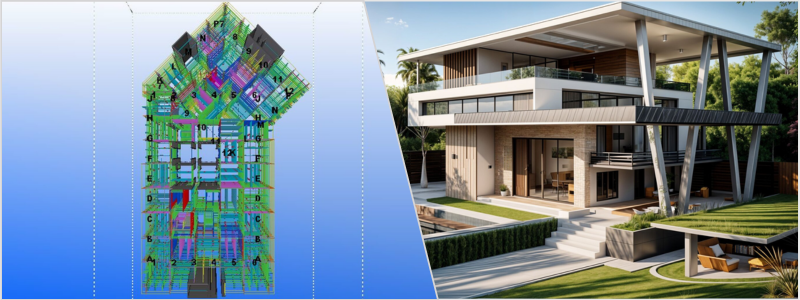
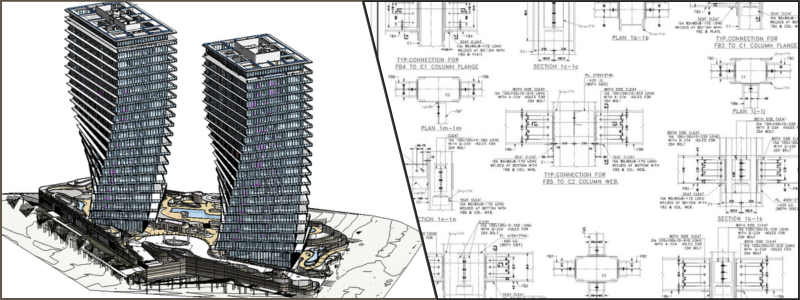
structural engineering draft examples by Cad Crowd design experts

WSP (formerly Louis Berger/Ammann & Whitney)

WSP logo

WSP, formerly known through its names Louis Berger and Ammann & Whitney, has become a force to be reckoned with in global engineering. With roots running deep in legacy transit and bridge design, the company comes to the table with decades of experience that was first defined by groundbreaking work from its legacy firms. WSP now works on everything from sprawling transit systems to sophisticated infrastructure, combining innovation with proven engineering know-how.

That long history with iconic bridges and transformative transit projects isn’t just part of their past—it’s the foundation of the smart, sustainable solutions they deliver around the world today, all with a future-focused, multidisciplinary approach.

Website: https://www.wsp.com

Langan

Langan logo

When it comes to complex foundations, environmental challenges, or transportation infrastructure, Langan brings serious expertise to the table. Renowned for its expertise in geotechnical, environmental, and transportation structural solutions, this company regularly finds itself on the list of leading names in nonresidential building and construction drawing design services.

Clients have faith in Langan to manage everything from challenging ground conditions to sensitive, environmentally compromised sites with accuracy and attention. Its capacity to combine technical innovation with practical, buildable strategies has led it to be a first-choice collaborator for developers and architects alike. Whether it’s a skyscraper or a highway, Langan’s structural vision keeps big projects on the ground—literally and figuratively.

Website: https://www.langan.com/

IMEG Corp.

IMEG corp logo

IMEG Corp. puts engineering on display—literally. With expertise in mechanical, electrical, plumbing, and structural consulting, this innovative company helps drive the vital infrastructure behind hospitals, biotech research facilities, and high-tech campuses.

They don’t provide engineering services; they implement fully integrated solutions for innovation-based industries. Whether they’re energizing leading-edge medical centers or powering up advanced research labs, IMEG Corp. has established a position where reliability, performance, and accuracy are most critical. Through a teamwork approach and extensive industry knowledge, they repeatedly translate complicated imaginings into tangible functionality—designing smarter, stronger, and more resilient environments from the ground up.

Website: https://imegcorp.com/

Altieri

Altieri logo

Altieri, known for its innovative building systems design and high-profile experience on projects such as the Obama Presidential Center and a number of the nation’s highest-profile museums, has made a daring move to propel its next phase. The company recently relocated its headquarters to advance greater collaboration between teams and increase its ability to innovate.

Known for marrying technical excellence with cultural significance, Altieri’s relocation isn’t just about a new address—it’s about creating an environment that matches the ambition of its projects. With a sharper focus on creative synergy, the company is gearing up to tackle even more transformative architectural challenges for architectural design and drafting firms.

Website: https://www.altieri.llc/

Steven Winter Associates

Steven Winter Associates logo

Since 1972, Steven Winter Associates has been on a mission to reshape how buildings function in New York City and beyond. With deep roots in sustainability, this firm isn’t just designing spaces—it’s rethinking the entire way we live, work, and use energy.

Their legacy is built on decades of experience in green building, and they’ve earned recognition for leading the charge in energy-efficient and sustainable certifications. Whether it’s retrofitting existing buildings for efficiency or designing new projects to LEED and Passive House standards, Steven Winter Associates is where innovation and environmental stewardship meet—smart, sustainable solution by smart, sustainable solution.

Website: https://www.swinter.com/

McLaren Engineering Group

McLaren Engineering Group logo

McLaren Engineering Group is not the largest name on the New York skyline, but its influence on structural design can’t be avoided. This mid-scale giant consistently provides daring, forward-thinking solutions for public and institutional environments—from bridges and cultural institutions to state-of-the-art marine facilities.

Wth a reputation for not shying away from difficult problems, McLaren has gained recognition on both the state and national fronts. Their portfolio is evidence of visionary design engineering services and an uncompromising commitment to safety, beauty, and function. Clients rely on McLaren to combine creativity with accuracy—and that’s precisely what keeps them one step ahead in the structural game.

Website: https://www.mgmclaren.com

Sam Schwartz Company

Sam Schwartz Company logo

Sam Schwartz Company is not only designing skylines—they’re reforming the way cities function. Recognized for their long-standing knowledge of structural and transport engineering, this company takes a leading role in redefining urban environments.

In New York City, they have played a key role in projects that combine transit design with sustainability, building wiser, greener systems of mobility. Their process is more than technical expertise; it’s about building a greater city life for the people who live and work there. Whether it’s optimizing traffic flow or designing pedestrian-friendly environments, Sam Schwartz Company demonstrates that great engineering can mean an even more livable, breathable, and efficient city.

Website: https://ssptms.com/

Murray Engineering

Murray Engineering logo

Murray Engineering excels in the fast-paced world of New York City architecture for one reason—it prioritizes people. This boutique company is run by a proactive founder with a personal approach to each and every project, with no single detail falling through the cracks.

As much at home bringing out the best in old buildings as introducing sleek new commercial design, Murray Engineering is the only firm that consistently manages to blend the new and the old. Whether breathing new life into a century-old brownstone or designing the sleek bones of a contemporary office tower, the firm’s trademark is considered bespoke engineering design experts that elevates each building it touches discreetly.

Website: https://murray-engineering.com/

De Nardis Engineering

De Nardis Engineering logo

De Nardis Engineering has established its reputation by designing some of the most vibrant civic and commercial spaces in the nation. From colossal stadiums that ring out with the roar of thousands to state-of-the-art learning centers designed for learning tomorrow and airports designed for efficiency and movement, they do it all with precision and panache.

Their strength is in dealing with complexity without ever forgetting the human touch. Whether the job requires grand infrastructure or fine detail, De Nardis Engineering brings innovation, dependability, and extensive industry experience to each challenge, making them an exceptional partner in the structural design community.

Website: https://www.denardis.com/

Adept Engineering Solutions

adept engineering solutions logo

Hidden away in Schaumburg, IL, Adept Engineering Solutions is a midsize company creating huge ripples in the realm of structural engineering design experts. Renowned for its incisive problem-solving strategy and reliable consultancy expertise, this group of engineers has established itself as a master at breaking down intricate structural issues into innovative, safe, and economical solutions.

From working together with architects on a revolutionary commercial facility to restoring the integrity of existing buildings, Adept provides precision along with imagination. With a passion for quality and attention to detail, they’ve become a go-to partner for structural engineering in Illinois and all over the world.

Website: https://www.adeptengr.com/

Alpha Structural, Inc.

alpha structural inc logo

Alpha Structural, Inc. is the one to call in Los Angeles for anything structural. They’re not a jack-of-all-trades company doing a little bit of everything—they only do structural work, and they excel at it. From hillside foundations to seismic retrofits, their craftsmanship is embedded in the very fabric of Southern California buildings.

What distinguishes them is their intimate knowledge of the region’s unique topography and building codes. That local expertise translates into dependable, high-quality solutions for residential and commercial projects alike. When buildings in L.A. must be strengthened and stabilized, Alpha Structural responds with precision and pride.

Website: https://www.alphastructural.com

RELATED: How to determine the quality of architectural 3D renderings with design services companies firms

BIMPRO LLC

BIM Pro logo

BIMPRO LLC in Pflugerville, Texas, is a committed structural engineering company that’s precision and efficiency-oriented. This 100% structural company excels at Building Information Modeling (BIM) with the perfect fusion of technical precision and up-to-date design software.

They’ve established a good reputation on small-to-mid-sized projects where close attention to detail is actually crucial. Clients love their efficient approach and thorough knowledge base, making every partnership a smooth and productive ride. For dependable structural engineering with intelligent BIM integration services, BIMPRO is the brand regional architects and developers turn to over and over.

Website: https://www.bimprous.com

Pond / Kimley-Horn / Jacobs / AECOM (Atlanta)

Within Atlanta, a cluster of titans of structural design companies is transforming the city’s skyline. Pond, Kimley-Horn, Jacobs, and AECOM take the lead with an impressive presence in the market. These firms don’t just handle everyday structures—they’ve become the go-to names for high-volume, high-impact projects, including eye-catching “bullring”-style arenas that demand innovation and scale. Their combined influence has turned Atlanta into a structural design hub where ambitious architecture meets world-class engineering. With each new development, this elite group continues to redefine what’s possible in the city’s built environment.

Wood / O’Donnell & Naccarato

ODonnell Naccarato logo

Wood / O’Donnell & Naccarato is an energetic Miami-based firm that’s disrupting the structural design landscape. Focused on mid-to-large structural systems, they integrate architecture with civil engineering to craft daring, durable spaces. Their designs are not only technologically solid but also sensitively integrated into the surrounding environment.

Whether a commercial high-rise or a public building, their work embodies attention to both form and function. With Miami’s skyline as their canvas, this team continues to leave a lasting structural mark—strong, smart, and ready for the future.

Website: https://www.o-n.com/

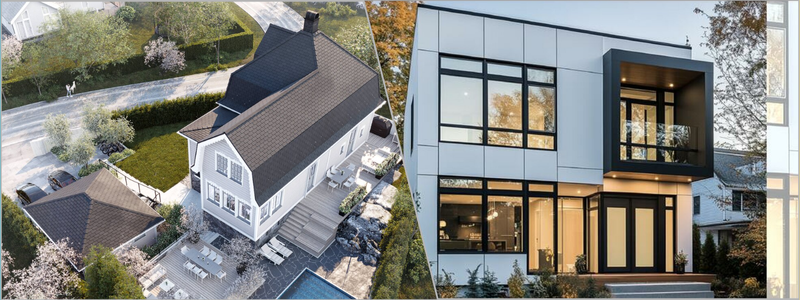
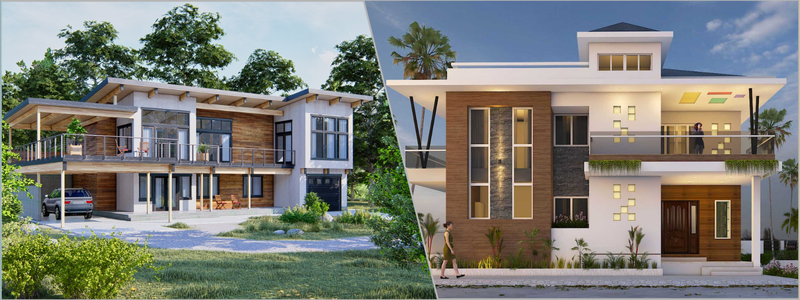
3D architectural structural rendering of a modern home and lakeside library by Cad Crowd design professionals

RELATED: Common structural design mistakes to avoid when hiring engineering design firms

Milhouse Engineering & Construction

Milhouse Engineering Construction logo

Milhouse Engineering & Construction stands out in Chicago as a dynamic hybrid firm that blends top-tier structural engineering, such as with structural drafting experts, with full-scale construction services. This unique combination makes it a go-to choice for projects that demand speed without compromising quality. Whether it’s a business center or infrastructure development, Milhouse contributes both brains and brawn to the equation.

Their hybrid method centralizes workflows, minimizes delays, and keeps all participants on the same wavelength from the initial design concept to completion. It’s an intelligent solution for anyone operating against the clock.

Website: https://milhouseinc.com/

Uppteam

Uppteam logo

Uppteam at Ormond Beach introduces a new, solution-based approach to structural engineering. Renowned for deep expertise and a team-first approach, they offer 30–50% structural engineering services designed expressly for commercial builders. This results in wiser planning, fewer surprises, and efficient project delivery from beginning to end. Uppteam isn’t only about the numbers—they’re about innovative problem-solving and assisting builders in transforming grand visions into robust structures. No matter if it’s a tough site or a short timeline, Uppteam collaborates with clients to discover solutions that get the job done—rapidly, realistically, and with accuracy along the way.

Website: https://www.uppteam.com/

Tangent Design & Engineering

Tangent Design Engineering logo

Tangent Design & Engineering of Rocklin, CA, combines architectural creativity with proven structural expertise, crafting spaces that are both lovely and lasting. Proficient in commercial drafting and design services and institutional building design throughout the region, this two-discipline studio excels at creating spaces that fulfill function and form.

Its team excels where creativity meets engineering, creating considerate, effective buildings that address the practical realities of communities and clients. From the clean lines of office space to the mission-driven public facility, Tangent applies vision and accuracy to each project.

Website: https://www.tangentde.com/

Texas Piers Consulting LLC

Texas Piers Consulting LLC logo

Texas Piers Consulting LLC of Katy, TX, is a first-stop expert for pier and foundation structural engineering. With an acute eye on geotechnical and structural systems, this company lends in-depth technical expertise to each project. From supporting custom residences to stabilizing intricate commercial constructions, they specialize in the development of trustworthy, ground-up solutions that stand the test of time.

Their reputation is founded upon accuracy, problem-solving, and a thorough awareness of the soil issues of Texas. When structural integrity is an issue, Texas Piers Consulting provides the expertise that doesn’t just make foundations strong—but smart.

Website: https://www.texaspiersconsulting.com

Thompson Pipe Group

Thompson Pipe Group logo

Thompson Pipe Group, located in Alvarado, Texas, is a national leader in pipeline and structural engineering, such as structural steel detailing services. Their contributions extend well beyond mere pipe supply—they’re an integral driving force on infrastructure projects nationwide, particularly in the oil and energy industries. From giant water transport networks to intricate structural elements, they apply technical strength and dependability to each project.

Recognized for precision engineering and durability over the long haul, Thompson Pipe Group helps power America from the ground up, constructing the unseen but vital veins of current infrastructure. Their reach is extensive, and their influence is even more so.

Website: https://thompsonpipegroup.com/

Black & Veatch

Black and Veatch logo

Black & Veatch is a worldwide leader in energy, water, and telecoms, but it’s their brawn in structural and civil projects that truly makes an impression. From enormous infrastructure schemes to streamlined, sustainable solutions, they bring heavy-duty engineering credentials to the game.

Whether it’s creating durable water systems or backing up complex energy plants, their structural and civil engineering skills shape skylines and communities around the globe. With decades of experience and a forward-thinking mindset, Black & Veatch is not only constructing projects—they’re constructing what’s next in global infrastructure.

Houston-based RS&H has established a strong reputation in aviation structures, defense work, and commercial engineering. Hailed as one of the “25 Best Civil Engineering Firms,” RS&H combines innovation with technical skill.

From developing sophisticated airport infrastructure to solving challenging defense facilities, RS&H delivers with precision and explicit attention to real-world functionality. Their forward-thinking methodology is trusted by clients in every industry. With roots deep in engineering and a forward-thinking perspective, RS&H continues to set the bar higher for what excellent civil engineering can do in challenging, high-impact markets.

Website: https://www.bv.com/

Why these companies excel

  • Scale & reach – Industry leaders like Bechtel, AECOM, Jacobs, and Fluor operate in hundreds of nations and on megaprograms.
  • Specialist niche leadership – Companies like De Nardis (stadiums), Texas Piers (foundations), or Sam Schwartz (transport coupled structures) provide hyper-specialized service.
  • Sustainability & collaborationSteve Winter’s energy-smart structures and Altieri’s award-winning green systems continue raising the bar.
  • Growing midmarket strength – Regional firms (Alpha Structural, BIMPRO, Tangent) deliver hands-on, efficient structural design customized to local needs.
  • Holistic integrationTurner’s engineering construction combos give clients unified service and a single point of accountability.

What to check when selecting a firm

  • Specialization & project type – Align an architectural planning and design firm‘s portfolio with your requirements (high-rise vs. bridge vs. PV foundations).
  • Size & capacity – Large firms are ideal for multi-billion projects; boutique firms provide flexibility and hands-on service.
  • Technical innovation – If your project is on the cutting edge, weigh firms with established R&D and award histories.
  • Collaboration style – Culture counts: Some companies get tightly aligned with architects and owners, and others take the lead.
  • Sustainability credentials – Increased demand for green structural design equates to due diligence on a firm’s environmental expertise.

RELATED: Structural engineering rates & costs for architectural design firms

Final thoughts

From the world giants constructing skylines to specialized masters designing strong foundations, these 35 companies are structural design leaders throughout America. No matter what your dreams are—super tall towers or community-scale structures—you’ll find a company here with the vision and resources to make it happen.

Cad Crowd is the world’s leading platform for freelance architectural design, engineering, and product design services. If you’d like more in-depth information—profiles, project spotlights, or geographic segmentation—just let us know and we’ll be able to provide a free quote!

author avatar

MacKenzie Brown is the founder and CEO of Cad Crowd. With over 18 years of experience in launching and scaling platforms specializing in CAD services, product design, manufacturing, hardware, and software development, MacKenzie is a recognized authority in the engineering industry. Under his leadership, Cad Crowd serves esteemed clients like NASA, JPL, the U.S. Navy, and Fortune 500 companies, empowering innovators with access to high-quality design and engineering talent.

Connect with me: LinkedInXCad Crowd

Ultimate Guide in Choosing Freelance Structural Engineer For Companies and Firms


Finding the right structural engineering expert can make or break your construction project. It’s one of those decisions that keeps project managers awake at night – choose well, and everything runs smoothly. Choose poorly, and you’re looking at delays, cost overruns, and potentially serious safety issues.

Structural engineers do more than just design buildings. They’re involved in demolitions, building inspections, renovations, and even forensic investigations when things go wrong. The challenge is finding someone whose experience aligns perfectly with your specific project needs.

If you’re feeling overwhelmed by the hiring process or just want to make sure you’re covering all your bases, this guide will walk you through everything you need to know about hiring the right structural engineer for your project


🚀 Table of contents


Why your company actually needs a structural engineer

Construction projects live or die based on two critical factors that most people don’t think about until something goes wrong.

Materials matter more than you think. The difference between using the right steel grade and the wrong one can mean the difference between a building that lasts 50 years and one that develops problems in five. A good structural engineering service doesn’t just know what materials to specify – they understand how different materials behave under stress, how they age, and how they interact with other building components.

Structural integrity isn’t negotiable. This goes beyond just making sure the building doesn’t fall down (though that’s obviously important). A skilled structural engineer designs systems that can handle not just the obvious loads like furniture and people, but also wind forces, seismic activity, temperature changes, and even unexpected events like vehicle impacts or equipment failures.

Structural engineers are the people who make sure your building can handle whatever life throws at it. They calculate loads, design connections, specify materials, and create detailed plans that contractors can actually follow. They work closely with architectural design experts to turn beautiful designs into buildable structures, and they collaborate with other engineers to ensure all the building systems work together harmoniously.

Throughout the construction process, they conduct inspections to verify that everything is being built according to plan. They catch problems before they become expensive mistakes, and they sign off on the structural elements that keep buildings safe for decades.

The best structural engineers don’t just meet building codes – they optimize designs for efficiency, sustainability, and cost-effectiveness. They find creative solutions that save money without compromising safety, and they help projects stay on schedule by anticipating and preventing problems before they occur.

RELATED: Structural engineering rates & costs for architectural design firms

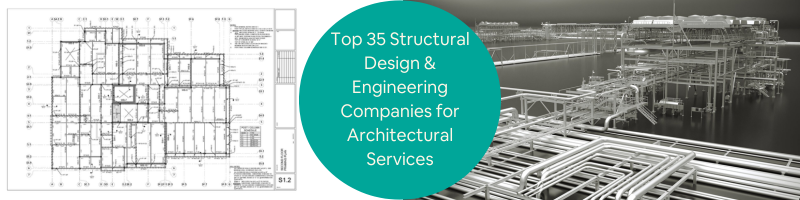
Structural engineering of a power plant and BIM to scan of MEP building by Cad Crowd design professionals

What makes structural engineers stand out

When you’re looking for a structural engineer, the difference between a good one and a great one can mean thousands of dollars and months of time. Here’s what actually matters.

Real design experience pays off

Design work eats up most of the time and budget in structural projects. Engineering firms that’ve been around the block work faster and avoid costly mistakes. They’ve wrestled with enough buildings to spot which ideas work and which ones create headaches later.

The top firms have embraced Building Information Modeling (BIM) – though it’s not just about fancy 3D models. BIM lets engineers run virtual tests on designs before breaking ground. They can see how materials will hold up, spot construction hiccups early, and nail down more accurate cost estimates. Skip the BIM, and you’ll likely pay more while waiting longer.

Smart planning prevents disasters

Planning separates smooth projects from complete disasters. The engineers worth hiring have solid systems for managing their workload. They think ahead, catch problems before they explode, and build buffer time into schedules.

This includes wrestling with the mountain of paperwork that construction demands. Permits, inspections, code compliance documents – skilled engineers handle this maze so bureaucratic delays don’t torpedo your architectural design firm‘s timeline.

Material knowledge that actually works

Picking the right materials blends science, creativity, and budget reality. Engineers must juggle strength needs, thermal behavior, looks, costs, and what’s actually available. They need to know how materials age, how they play with other building parts, and how local weather will affect everything.

This wisdom comes from hands-on experience, not just classroom theory. Engineers who’ve tackled varied projects understand the real trade-offs. They know when splurging on premium materials makes sense and when standard options do the job perfectly.

Communication that keeps things moving

Construction projects involve dozens of people who must work together. Structural engineers coordinate with architects, contractors, other engineers, building officials, and clients. Poor communication kills momentum fast.

Test their communication skills early. Do they return calls and emails quickly? Can they explain technical stuff without drowning you in jargon? Do they ask smart questions about your goals and limitations? These first conversations show exactly how they’ll handle project communication.

Team players get better results

The best structural engineers thrive in collaborative environments. Those working in multidisciplinary firms usually excel here because they’re used to coordinating with architects, mechanical engineering experts, and other specialists. They understand how their decisions ripple through the entire project and adjust accordingly.

Local knowledge matters

Building codes differ dramatically between cities and states, plus they change constantly. Your engineer needs current knowledge of the specific rules governing your project location and building type. They should also understand local permitting quirks, inspection routines, and any unusual requirements that might affect your project.

The bottom line? Great structural engineers combine technical skill with practical experience, clear communication, and deep local knowledge. They’ve learned from enough projects to work efficiently while avoiding the pitfalls that trip up less experienced firms.

RELATED: BIM design: Compelling reasons to use it for architectural projects and CAD design firms

Market demand for structural engineers

Getting a handle on market demand matters when you’re considering structural engineering work. Freelancers face real challenges hunting down projects, especially without solid industry connections. Building that network takes time.

The market shifts constantly – sometimes there’s plenty of freelance work, other times clients stick with established firms. Local conditions make a huge difference. What works in booming metro areas might not apply to smaller markets where relationships drive business.

Smart engineers research their local scene first. They check who’s getting hired, what projects are moving, and whether clients trust engineering design freelancers with significant work. Success comes down to understanding what clients actually want and positioning yourself to deliver it consistently.

Essential Questions to Ask Before Hiring

“What’s your experience with projects like this one?” Don’t just ask about general experience – ask specifically about projects similar to yours in size, type, and complexity. A residential engineer might struggle with industrial projects, and someone who specializes in new construction might not be the best choice for renovation work.

“Are you properly licensed and insured?” This should be non-negotiable. Verify that their license is current and covers the type of work you need. Make sure their insurance coverage is adequate for your project size and risk level.

“How familiar are you with the building codes that apply to this project?” Building codes are constantly evolving, and they vary by location and building type. Your design engineering services need to be current on the specific requirements that affect your project.

“What are your fees, and how do you structure billing?” Get clear information about how they charge – hourly rates, fixed fees, or a percentage of construction cost. Understand what’s included and what might result in additional charges. Ask for a written estimate that breaks down the scope of work.

“Do you see any issues with our proposed timeline?” A good engineer will review your schedule and identify potential conflicts or unrealistic expectations. They should be able to suggest adjustments that keep the project on track while ensuring quality work.

“Can you provide references from recent similar projects?” Contact previous clients to ask about the engineer’s work quality, communication, adherence to schedules, and ability to handle unexpected challenges.

Structural engineering of a building by Cad Crowd structural engineers

RELATED: The evolution of architectural design with CAD software & design service companies

Red flags to watch out for

Be cautious of engineers who seem reluctant to discuss their experience in detail, can’t provide local references, or give quotes that seem unusually low compared to others. Civil engineering services that don’t ask detailed questions about your project might not be thinking carefully about the complexities involved.

Also, watch out for poor communication during the hiring process. If they’re slow to respond to calls or emails, unclear in their explanations, or seem to rush through discussions about your project, these patterns will likely continue throughout the project.

Making your final decision

The cheapest option usually isn’t the best value. Focus on finding an engineer whose experience matches your project needs, who communicates well, and who demonstrates a thorough understanding of the challenges your project will face.

Consider the total cost of the relationship, not just the engineering fees. An engineer who prevents problems, keeps the project on schedule, and helps optimize the design can save far more money than they cost

Trust your instincts about working relationships, too. Construction projects involve months of close collaboration, so choose someone you’re comfortable working with through both smooth periods and inevitable challenges.

The right structural engineer services become a valuable partner who contributes to your project’s success in ways that go far beyond basic structural design. Take the time to find someone who meets your technical needs and fits well with your project team.

Partner with Cad Crowd now!

Skip the lengthy search process and connect with pre-vetted structural engineering professionals who have the exact experience your project needs. CAD Crowd’s network includes licensed structural engineers with proven track records across residential, commercial, and industrial projects. Get matched with qualified candidates, review their portfolios and client feedback, and hire with confidence knowing you’re working with vetted professionals. Contact us now to get your FREE quote!

author avatar

MacKenzie Brown is the founder and CEO of Cad Crowd. With over 18 years of experience in launching and scaling platforms specializing in CAD services, product design, manufacturing, hardware, and software development, MacKenzie is a recognized authority in the engineering industry. Under his leadership, Cad Crowd serves esteemed clients like NASA, JPL, the U.S. Navy, and Fortune 500 companies, empowering innovators with access to high-quality design and engineering talent.

Connect with me: LinkedInXCad Crowd

Keys to Successful Structural Design & Construction Projects with Architectural Services Firms


Let’s be real—structural design isn’t about bashing a few beams together and praying it works. Behind every mind-blowing building or warehouse that doesn’t have so much as a single creak is a small army of super-skilled designers, war-over-blueprints battles, battle-won concessions, and a metric ton of math. And when you add that to a best-in-class architectural design services firm from industry leader Cad Crowd? That’s when you get magic.

Whether you’re constructing a custom home, an office complex, or a moon-shot innovation facility, there are a couple of key ingredients that make a structural design and construction project great. So, put on your hard hat and steel-toe boots—let’s take a look at the blueprint for success.


🚀 Table of contents


Early collaboration is the MVP of structural success

Want your construction or renovation project to run like a well-oiled machine? Start with early collaboration. It might sound simple, but it’s the secret sauce that keeps everyone aligned—from concept to completion. Bringing architects, structural engineers, MEP consultants, interior designers, 3D rendering experts, and even landscape designers to the table from day one can prevent major headaches down the road.

Here’s the thing: when a structural engineering expert is hired after the architectural design is set in stone, it’s a recipe for disaster. Picture writing an entire album, then hiring the drummer afterwards—without consulting them. The rhythm’s off, and so is the balance of the entire piece. That’s what occurs when structure is an afterthought.

Architecture firms that emphasize early co-working not only minimize drag—they eliminate the necessity for massive design do-overs. By combining the work, this smooth process makes out-of-the-box problem-solving possible, where form, function, and even budget can be co-conspirators rather than adversaries.

Need a cantilevered deck with solar shade? Or a jaw-dropping atrium that won’t break the bank? These concepts thrive when all the benefits are discussed in advance. And let’s be honest—projects are just more fun when everyone is on the same page.

So, whether you’re constructing a gleaming new headquarters or a charming backyard studio, remember: early collaboration isn’t merely a good thing—it’s the MVP of building success.

CAD design examples of a structural design and 3D render of a home

RELATED: How architects embrace innovation for modern home design services with companies

Let the load paths lead the way

Here’s a fanciful image: all buildings stand due to invisible “load paths,” as if choreographed gravity-pressure-resistance ballet. Knowing how forces travel through a building and into the ground is probably the most critical aspect of building design.

An ethical structural design service sees the load path before constructing the structure—similar to Neo anticipating the Matrix in code. She understands that every design choice should honor these intangible forces. Intelligent architectural offices make sure this information isn’t lost in calculations. It is brought to the table in design meetings, such that design decisions don’t counteract physics.

Apply 3D product rendering as a communication power

A napkin sketch? Aw. But for serious communication and client acceptance, nothing beats premium-grade 3D product rendering. It’s the virtual crystal ball that enables clients, contractors, and investors to see into the future.

Design companies that provide composite 3D product rendering services don’t merely display pretty images—They solve problems before they ever stand a chance to become apparent in the real world. You can spot mismatches, gain a sense of space, and imagine intuitively how light responds to surfaces. But more importantly, customers stop asking, “What will it look like?” because they’ve already received their answer.

And if it is a matter of securing permits, investor funding, or stakeholder consent, an accurate description is better than a thousand technical specifications.

Materials matter—More than you think

Selecting materials is similar to assigning your wish-list actors to a blockbuster film. Steel’s your action hero: tough, flexible, and ready to perform stunts on skyscrapers. Timber’s your art house sweetheart—green, lovely, yet cranky sometimes. Concrete’s the workhorse; everybody who always performs and never complains about it.

But material selection is not merely a matter of style or sustainability—it’s a matter of structural performance. Soil stability, climate exposure, intended load, and availability of materials locally in the marketplace are considerations.

A seasoned architectural design expert doesn’t simply spec off the catalog. They collaborate with structural engineers to figure out the proper balance of material for cost, durability, and design intent.

RELATED: 7 guidelines design beautiful modern villas with interior designers & architectural services firms

Don’t just think vertically—Think laterally, too

Gravity is simple: objects fall down. But lateral loads such as wind, seismic forces, or even explosions (yes, that’s a real thing) are more challenging. Those side forces can knock a building over if not properly managed.

Architecture firms designing with lateral resistance are future-proofing your building. That is, shear walls, braced frames, diaphragms, and other sound-of-entertainment-sounding elements that are not merely technical mumbo-jumbo—they’re lifesavers.

Particularly in seismically active areas or hurricane-prone coastal areas, disregarding lateral loads is like disregarding potholes on the highway while motorcycling—it won’t be good.

Adopt the power of Building Information Modeling (BIM)

The days of stand-alone CAD drafting services are over. BIM is the new sheriff in town, and it’s not a tool; it’s a way of thinking.

Architecture services firms using BIM consolidate architecture, structural engineering, and building systems into a single living, breathing model. The whole team has access to the same digital twin, and when the change occurs, the effect cascades onto the entire team.

This reduces errors, enhances coordination, and facilitates building. It also brings to an end RFIs’ nightmares that pile up when contractors are left dumbfounded with incomplete information.

Engineering is not math—It’s innovative problem-solving

Structural engineers, yes, exist in a world of equations, stress charts, and load tables. But they are problem-solvers too. They are juggling mutually contradictory demands on an ongoing basis: safety, cost, speed, aesthetics, and site limitations.

The best architectural companies treat their engineers as colleagues, not calculators. When these services are in balance, you have buildings that are not only technically sound but also inspiring and beautiful.

Want a staircase in mid-air? A patio with a cantilevered edge? A glass wall that appears to defy gravity? A good engineer will come up with a solution—within reason, of course.

Code compliance and permits—Beware at your own risk

Building codes are in place for a reason. They’re the result of decades (or centuries) of experimentation, disaster, tragedy, and success. They’re based on seismic information, wind flows, occupancy loads, fire hazards, and many other factors.

A reputable architectural planning and design services firm keeps up with every modification in local, regional, and global building codes. They understand which boxes to tick and whose inspectors to win over.

Permits are a bureaucratic grind, but companies with internal talent or well-regarded consultants can grease the skid. Nobody wants slowdowns because someone didn’t include stair tread depth in their equations.

structural design and 3d render examples

RELATED: Redefining existing buildings with interior fit-outs & architectural design companies

Cost estimation: It’s not about cutting corners

One of the most famous myths? That structural design is where you cut corners. Huge error.

Cutting corners by downsizing a beam or skimping on materials to save money in the short term can cost astronomical amounts in the long term—litigation, rebuilds, or worse, safety issues. A good architectural firm will assist you in finding a balance between initial cost and long-term value.

By using smart design, strategic buying, and value engineering, seasoned services can reduce costs without sacrificing quality. The best solutions usually arise from limitations, not unlimited budgets.

Buildability: Because blueprints don’t swing hammers

You can create the most stunning building in the world, but if it can’t be constructed within a reasonable budget, it won’t happen.

Construction design and drafting companies have employees with a “buildability” mindset toward each design. They work closely with general contractors to ensure construction staging, access to the site, equipment delivery, and even weather conditions by season are considered.

There is a reason some companies provide design-build services or are close partners with builders: if builders and designers communicate early and often, the final result is easier, safer, and less expensive.

Structural redundancy: Design for “Just in Case” moments

You’re on an airplane. Would you like to feel safer knowing it has duplicate engines, just in case one of them fails? That’s redundancy.

Structural redundancy in building design refers to designing pathways and systems so that the building will still be stable even if some components fail. It’s an invisible safety net that you hope never to have to use—but if you do, you might save lives.

Firms offering top-notch architectural services and structural engineering companies know the importance of this precaution and incorporate it into the design process naturally.

Post-construction support is not optional

The ribbon-cutting ceremony may be the conclusion of the process, but the superior structural design is more than that.

From maintenance schedules and as-built records to post-occupancy analysis, the best architectural firms provide constant after-sales services that keep a structure safe, functional, and efficient.

Particularly with the trend of smart buildings and IoT connectivity, monitoring structural performance over time is a badge of honor and vision.

RELATED: From concept to client: The power of architectural visualization software for 3D services

Wrapping it up: Build it right, build it together

Solid structural design is not merely concrete, columns, and maths. It’s about relationship, communication, smarts, and shared vision. It’s about understanding when to challenge and when to yield to the laws of physics. And most importantly, it’s about designing spaces for real people, in the real world, for generations.

When you engage the services of an architectural services company that is a believer in collaboration, employs cutting-edge technology such as 3D product rendering, and treats structural engineering as both science and art, you place your project on the path to success.

So the next time you step inside a building and feel in awe, remember: it wasn’t luck. It was intelligent design, excellent coordination, and an army of experts from Cad Crowd who had their work exactly planned out. Request a free estimate today by reaching out to us.

author avatar

MacKenzie Brown is the founder and CEO of Cad Crowd. With over 18 years of experience in launching and scaling platforms specializing in CAD services, product design, manufacturing, hardware, and software development, MacKenzie is a recognized authority in the engineering industry. Under his leadership, Cad Crowd serves esteemed clients like NASA, JPL, the U.S. Navy, and Fortune 500 companies, empowering innovators with access to high-quality design and engineering talent.

Connect with me: LinkedInXCad Crowd

Common Structural Design Mistakes to Avoid When Hiring Engineering Design Firms


You’re finally embarking on that building project—perhaps it’s an apartment complex, a bespoke house, a warehouse, or a gleaming office tower. You’ve got architects on deck, timelines set, and renderings that take your breath away. But wait a minute—before you go live with an engineering design firm from industry giant Cad Crowd, there’s something that warrants a double-take: structural design mistakes.

These aren’t just technical footnotes. They’re the kinds of mistakes that can blow your budget, wreck your schedule, and in worst-case scenarios, compromise safety. Even best-of-class firms aren’t immune to missteps, particularly when the project complexity increases or communication falls apart. So, what are these prevalent pitfalls—and how can you avoid them? Can you even stay away from them in the first place?

Let’s take it all apart, with examples, advice, and some cautionary anecdotes to keep your project firmly on the ground.

Failing to consider site-specific factors

It’s easy to think of every project as a generic template. You might even go as far as assuming that all projects are pretty much the same inside and out. Alas, structural soundness doesn’t function like that. Weather, soil types, earthquakes, wind pressures, snow loads—all of these environmental factors directly dictate the manner in which a building must be built.

RELATED: How to choose the right BIM services provider for your architectural firm

What goes wrong What you’ll see later How to avoid it
Certain architectural design companies leap to a structural design without performing an entire geotechnical analysis. Others apply canned loads from the building code and overlook the particular characteristics of the project site. • Should your estimates appear drastically higher compared to similar endeavors, ask why.
• If the firm promises “cost-cutting design,” ask what corners they’re cutting.
Has a site-specific geotechnical survey been done?
Were wind and seismic loads computed based on your precise location?

Overengineering or underengineering

This one’s the good old Goldilocks issue. A few companies go too cautiously, and others cut corners and gamble.

What goes wrong What you’ll see later How to avoid it
Overengineering may be the perceived safer option, but it has a way of driving material prices up unnecessarily. Over-adding steel, concrete, or rebar might double your expenditure—without enhancing safety. Underengineering, conversely, is a time bomb. It may pass the inspection test in the initial stages, but light loads or environmental conditions can reveal weakness in no time. • Should your estimates appear drastically higher compared to similar endeavors, ask why.
• If the firm promises “cost-cutting design,” ask what corners they’re cutting.
Ask for a value engineering review. A good firm should be balancing strength, code compliance, and cost optimization—not swinging wildly in one direction or another.

Inadequate coordination with architects and MEP designers

If the structural engineering experts are working in a vacuum, you’re in for a coordination nightmare.

3D structural detailing examples
What goes wrong What you’ll see later How to avoid it
Structural elements might clash with HVAC ducts, electrical conduit, or plumbing lines. Beams might interfere with ceiling heights. Columns might land in the middle of a hallway or window. Field fixes, redesigns, change orders, or even tearing down sections to rebuild. Seek out engineering design companies with excellent BIM (Building Information Modeling) skills. Coordinating 3D with architects and MEP (mechanical, electrical, plumbing) drafting services prevents these errors prior to construction commencement.

Communication skills also count. If the engineering team is not active in meetings or misses coordination calls, that’s a warning sign.

Insufficient load path consideration

Load paths are how forces travel through a structure—from the roof, down the walls, through the foundation, and into the ground. Mess this up, and even the most beautiful building could behave like Jenga under stress.

What goes wrong What you’ll see later How to avoid it
• Missing lateral load paths
• Unclear vertical load transfer
• Oversimplified assumptions about load distribution
Construction delays, mounting labor costs, and on-the-fly design changes. Don’t simply query, “Is this design to code?” Instead, request a quick walk-through of the load path logic. A self-assured engineer should be able to describe, in plain language, how the structure resists gravity and lateral forces.

RELATED: How structural engineers improve custom home design when you hire architects & design firms

Disregarding constructability

    A structure can be theoretically sound on paper but not feasible to construct economically on the job site. This is where theoretical thinking collides with job site realities.

    What goes wrong What you’ll see later How to avoid it
    Designs call for custom steel members that are hard to fabricate or specify complicated assemblies that delay construction. Poor detailing may confuse contractors, leading to errors or improvisation on-site. Construction delays, mounting labor costs, and on-the-fly design changes. Select an architectural planning and design company that brings in contractors or construction managers early. Better still, inquire if they’ve worked on similar projects from design to build. Construction experience makes engineers more pragmatic in their detailing and design choices.

    Lack of adequate attention to structural detailing

    Here’s where the devil resides: the details.

    What goes wrong What you’ll see later How to avoid it
    Missing or unclear connection details, incorrect rebar layouts, and ambiguous annotations. These details may seem small, but they are crucial for safety and execution. Contractors calling for clarification, misinterpretations, incorrect installations, or—worst of all—safety hazards during use. Review a set of completed structural drawings from a past project. Are the details clear, complete, and well-notated? If they look rushed or vague, think twice before proceeding.

    Overreliance on software without manual checks

    Structural analysis software has revolutionized the field. But it’s only as good as the inputs. If an engineer doesn’t question the output—or skips manual calculations to cross-check—you could be heading toward a digital disaster.

    What goes wrong What you’ll see later How to avoid it
    Wrong load assumptions entered into the software, misapplied boundary conditions, or incorrect element properties. The design passes validation on the screen—but fails in reality. Expensive redesigns, structural weakness, or collapse under actual conditions. Ask if the company performs hand calculations to check important structural features. It’s not about being traditional—it’s about redundantly designing and catching errors before they hit the site.

    Not keeping current with local codes and standards

    Structural codes change. They adapt to new science, new materials, and even shifting environmental conditions. Old ways, even if well-known, are risky or even against the law. This is where you can use services like structural analysis experts.

    What goes wrong What you’ll see later How to avoid it
    Drawings using outdated seismic charts or expired wind loads may not pass current safety requirements. Worse, you could get red-flagged in the permitting process. Permitting holdups, redesign expenses, or liabilities to litigation. Ask: Which version of the building code are you designing to?
    steel detailing and structural analysis example

    A reputable firm will not hesitate to specify the exact code year and local amendments.

    RELATED: How 3D commercial rendering services help present commercial architectural projects

    Inexperience with the project type

    A design team that specializes in bridges may not be ideal for a wood-framed multifamily housing project. Structural engineering is a specialty, and although most firms are generalists, it’s dangerous to take a one-size-fits-all approach.

    What goes wrong What you’ll see later How to avoid it
    The team overlooks key architectural needs, uses inefficient framing systems, or simply isn’t familiar with the construction techniques typically used for your project type. Frustration on both sides—plus redesign costs and wasted time. Ask to see portfolio examples that closely match your project. If they haven’t done similar work, you’re paying for their learning curve.

    Lack of quality control and peer review

    Even the most seasoned design engineering expert can miss something. That’s why peer reviews exist. Without them, small oversights snowball into major issues.

    What goes wrong: What you’ll see later How to avoid it
    Undetected calculation errors, flawed assumptions, or missed detailing steps. Expensive late-stage corrections, safety concerns, or structural inefficiencies. Ask the company about their in-house quality control process. Is a second engineer checking over every project? Do they work from checklists? A proper peer review is one of the cheapest methods of finding errors before they make you pay through your nose.

    Final thoughts: Let the firm prove you trust them

    Engaging a structural engineering design company isn’t merely checking off an item on your development to-do list. It’s a collaboration. A quality company will plan ahead, work cooperatively, and design responsibly. An exceptional one will challenge assumptions, clarify doubts, and stand behind their work from design to construction.

    So how do you identify the great ones? What are the things you need to look for before anything else? Here are some pointers to consider to ensure that you don’t make a mistake that you might regret in the end.

    • Ask difficult questions. Yes, don’t just inquire merely about timelines and deliverables, but about engineering principles.
    • Ask for samples of their work and the clarity with which they can communicate.
    • Verify credentials and interview for relevant experience on projects.
    • Seek out curiosity—those engineers who query your project constructively are many times more personally invested in success.

    Ultimately, structural design is not all about physics and mathematics. It’s about judgment, vision, and accountability. And when you discover a firm that places as much importance on those as you do, you’re already a winner. Browse Cad Crowd to search for that ideal firm for your requirements and ask for a quote for free today!

    author avatar

    MacKenzie Brown is the founder and CEO of Cad Crowd. With over 18 years of experience in launching and scaling platforms specializing in CAD services, product design, manufacturing, hardware, and software development, MacKenzie is a recognized authority in the engineering industry. Under his leadership, Cad Crowd serves esteemed clients like NASA, JPL, the U.S. Navy, and Fortune 500 companies, empowering innovators with access to high-quality design and engineering talent.

    Connect with me: LinkedInXCad Crowd

How Structural Engineers Improve Custom Home Design When You Hire Architects & Design Firms


It begins with a dream. A hillside retreat overlooking the horizon. A minimalist gem that exudes space and light. Or perhaps a quaint lakeside cottage constructed with eco-friendly materials. Whatever the dream, custom home design is never merely about what is attractive. It’s about what functions—and what endures. That’s where expert structural engineers from industry leader Cad Crowd quietly emerge as the champions of the tale.

Most individuals consider the services of hiring an architect or design firm to make their perfect home a reality. That’s a wonderful start. But when the vision is taking shape, you need someone to ensure that lovely glass wall doesn’t buckle under stress, or that the stairs floating in mid-air actually float safely. That’s where the structural engineer comes in—the individual who brings artistic vision into actual, tangible reality.

Let’s see how these behind-the-scenes professionals make personalized home designs stronger, better, and often, even more gorgeous.

The quiet collaboration that changes everything

When you hire an architecture or design company, you’re entering into a creative collaboration. The architect hears what you need, researches your style, and creates a concept. Floor plans, elevations, and renderings come next, providing you with a glimpse of what’s to be. But no matter how intriguing the design, it’s still in theory until a structural engineer enters the picture.

Now here’s the magic ingredient: the greatest architectural design companies don’t merely hire engineers at the eleventh hour. They hire them ahead of time. Why? A fantastic custom home design depends upon the intimate coordination of the creative and technical minds.

Consider the architect to be a composer, and the structural engineer to be the conductor, ensuring every section of music plays together in harmony without one note being flat. The engineer does not suppress creativity—rather, they expand it.

RELATED: Commercial 3D rendering rates for buildings, services costs, and pricing for architectural firms

structurally sound modern custom home design examples

Bringing vision to viability

So what does a structural engineer do on a custom home project, exactly?

Simply put, they ensure your house stands.

They examine loads, stresses, and forces—stuff you can’t see on a floor plan. They wonder: Can that cantilevered deck really hold guests? Will this house weather high winds or earthquakes? Is the ground solid enough to bear that foundation?

And maybe most critically: Can we make this incredible design work within your budget?

Let’s get down to business with some real-world examples.

  • Making the impossible… possible (And safe)

Picture your architect showing you a mind-blowing design—huge open areas, minimalistic beams, cantilevering roofs, and floor-to-ceiling windows. You adore it. But then you ask: is it doable? Of course it is, through expert custom home design services.

A structural engineer sees the design and begins to make calculations. What is the span of those beams? Steel, engineered wood, or perhaps something more esoteric? How will these components act with time?

Their recommendations may also enhance energy performance or minimize material waste. They’re not only thinking about what holds—it’s also how it holds, how long, and how efficiently.

  • Bridging form and function

Great design isn’t merely pretty—it’s about function. That seeming defiance of gravity that’s floating up there? An engineer makes sure every tread is properly anchored and can withstand loads. That monolithic glass wall? They analyze wind loads and suggest materials that won’t buckle or crack when pressed.

Architects are visionaries, and engineers keep those visions from becoming nightmares.

But here’s where the synergy gets interesting: occasionally, engineering firms take designs even further than architects envisioned. For example, with post-tensioned concrete, they can achieve longer spans and more slender slabs—allowing the architect to go back and tweak the design with yet more streamlined lines.

It’s an exchange that’s more jazz than solo act. And the payoff is sensational.

  • Coping with site-specific issues

Each piece of land has its own characteristics. Sitting on a slope? A floodplain? In a region of wildfire risk? These are not merely aesthetic considerations—they’re engineering problems.

A structural engineer conducts soil analysis, slope stability computations, and foundation design specific to your property. They assist in making certain your personalized house isn’t simply an attractive form—it’s anchored down, integrated into its environment.

This is particularly worth it when constructing in buildings with strict building regulations or environmental restrictions. Engineers are familiar with decoding these regulations and creating novel loopholes that do not compromise the design.

RELATED: Benefits of outsourcing steel detailing services for engineering firms and CAD design companies

  • Saving you money and avoiding headaches

Here’s a myth: hiring a structural engineer will break your bank.

In fact, a good structural engineer can save you money—both during construction and many years down the road.

By optimizing the materials and structure, structural engineering services can reduce overbuilding, eliminate unnecessary redundancies, and help avoid costly errors. They spot potential problems on paper, so you’re not stuck with expensive fixes during construction.

Think of them as your custom home’s insurance policy against costly surprises.

They’ll also work with your contractor to make sure the design is functional for construction. That equals less delay, fewer change orders, and a less stressful process overall.

  • Future-proofing your home

Custom homes aren’t just constructed for today—they’re constructed for tomorrow. If you’re considering installing solar panels down the road, constructing an ADU, or adding attic space conversion, structural engineers design with flexibility in mind.

They’ll be asking: Can the roof support the extra load of solar? Can we retrofit this wall now for future expansions? Will this design support aging in place?

Top structural engineers have long-term vision, just as you do.

structural designs and 3d renders for custom simple homes

RELATED: What are costs for floor plan design blueprints, CAD designer rates, and company services pricing?

How to ensure your architect and engineer operate harmoniously

When you’re having a custom home or any large building project designed, the working relationship between your architect and structural engineer can make or break the ultimate product. While architects provide creativity and vision, engineers bring a sense of reality and safety to the table. So, how do you guarantee a smooth working relationship between your architect, structural engineer, and the balance of your design team?

It starts with hiring the right firm

First and foremost, select a structural design company that values collaboration. High-end firms realize that wonderful architecture is not merely about how beautiful it looks—it has to be structurally stable and viable to construct. A lot of established companies have long-standing working relationships with structural engineers they have faith in, or they hire consultants early in the design process. Some even have internal engineering departments, which makes communication easier and quicker to adapt during the design process.

When you interview potential companies, don’t hesitate to press them about how they manage this part of the project. Ask questions that get at their workflow and level of commitment to integration between engineering and design.

Ask the right questions early on

One of the best indicators of whether or not a company has strong architect-engineer relationships is to ask pointed questions, such as:

  • “At what point in the process do you involve a structural engineer?”
  • “Do you use a preferred engineering firm or have resident staff?”
  • “How do you approach design revisions based on feedback from engineers?”

These questions aren’t only about logistics—these questions show you how committed the firm is to structural soundness and if they see the value in using engineering as an integral part of the creative process. If the answers sound ambiguous or seem to be an afterthought for the engineer once the design is finished, that’s your warning sign. Engineering design experts will always seek to cover all bases to ensure safety and efficiency.

Review their past projects

Actions speak louder than words. Reviewing a firm’s portfolio can reveal how well they integrate design and structure. Look at their completed custom homes or commercial buildings. Do the designs feel bold, yet realistic? Are there any examples of creative solutions to engineering challenges?

Designs that blend creative design with unambiguous structural sense are a healthy indication that the architect and engineer collaborated in harmony throughout. Extra credit if the company can take you through how the team collaborated on particular recent projects.

Know the workflow

Lastly, inquire about their workflow. The most effective firms will have a straightforward process established that defines phases such as conceptual design, structural input, revisions, engineering sign-off, and permitting. An open workflow ensures everyone is on the same team and prevents expensive delays or surprises after construction has started.

You want a team that welcomes back-and-forth dialogue and understands the importance of early coordination. When architectural design professionals and engineers work as a cohesive unit rather than in silos, the result is a well-balanced design that’s both beautiful and buildable.

In short, the key to a successful project lies in communication, mutual respect, and aligned goals—so make sure your team has all three from day one.

RELATED: How 3D architectural visualization helps companies advertise unfinished projects

Structurally sound custom home designs

The emotional benefit: Peace of mind and confidence

Yes, structural engineers work with physics, math, and materials. But their actual contribution? Peace of mind.

When you understand your custom home isn’t only stunning, but safe, solid, and smartly designed, you breathe easy into the process. You savor the experience more. You know your investment is in good hands.

There’s something incredibly reassuring about knowing your open-concept living space won’t sag, your foundation won’t crack, and your roof can weather the storm. That’s the emotional ROI of structural engineering.

Final thoughts: The hidden star of your custom home

Most homeowners never encounter their structural engineer. You will not have their name over the front door or their visage in the portfolio. But do not doubt for a minute—she’s a key character in every bespoke home’s happy ending.

By bringing a superb architect or design company from Cad Crowd on board and engaging them early to introduce structural engineering to the mix, you maximize the potential of your dream home. Your design may be more assertive, your build more effortless, and your result all the more rewarding.

So when you’re ready to construct your signature home, don’t simply inquire about how it appears. Inquire: What makes it durable? What makes it endure?

That’s where the magic starts. Get a free quote today.

author avatar

MacKenzie Brown is the founder and CEO of Cad Crowd. With over 18 years of experience in launching and scaling platforms specializing in CAD services, product design, manufacturing, hardware, and software development, MacKenzie is a recognized authority in the engineering industry. Under his leadership, Cad Crowd serves esteemed clients like NASA, JPL, the U.S. Navy, and Fortune 500 companies, empowering innovators with access to high-quality design and engineering talent.

Connect with me: LinkedInXCad Crowd

Benefits of Outsourcing Steel Detailing Services for Engineering Firms and CAD Design Companies


Steel detailing happens to be the most important process in the building industry, as it bridges the gap between the initial thoughts of designs and the final construction of the steel structures. It requires very accurate translation of architectural and engineering data into detailed plans for specific steel fabricators. Such plans are complete specifications along with expert technical drawings that provide clear instructions for all aspects of the steel components, from fabrication and assembly to the ultimate erection on site.

For this reason, during the detailing process, structural steel detailers interact closely with architects, engineers, and contractors. Nevertheless, the complexity of projects, coupled with the high demand for quick deliveries, leads many firms to outsource their services of detailing steel. This article delves into compelling and vital reasons why outsourcing is proceeding to streamline workflows, increase the efficiency of projects, and also provide cost-effective means of ensuring successful construction projects.

Cad Crowd has worked with many contractors, firms, and clients for over 15 years to find the best freelance service for steel detailing, and other architectural, structural, and interior designs. We’ve seen first-hand how steel detailing services (and similar ones) helped companies achieve success faster than they would have traditionally. Let’s take a look at some of the specific benefits you can take advantage of for yourself.


🚀 Table of contents


steel detailing 3d view

What is steel detailing?

Structural steel detailing involves almost 99 percent accuracy since slight errors can cause huge time and cost losses. It is required in all manufacturing and construction works like residential or commercial buildings, factories, shipbuilding, etc.

This communication link should be inevitable between engineers, architects, contractors, and fabricators for accurate detail at any level of the process. This might mean outsourcing services to such professional companies with qualified engineers. Professional engineers have the technical know-how and experience in the preparation of designs, details, and drafts and will be able to handle complex design issues that are more suitable for the project outcome.

RELATED: Structural steel detailing services for companies: Steel detailer costs and rates complete breakdown

Importance of steel detailing services

Structural steel detailing services deliver detailed drawings, models, and documentation that can reproduce structural elements of a design for building or infrastructure projects. These services ensure that structures are safe, intact, and serve their purpose. Therefore, detailing comes in many forms- from steel and rebar to precast panels, among others and all require extreme accuracy and expertise in bringing the architectural design to reality.

steel detailing 3d sketch and 3d plan

Structural detailing problems

Structural detailing is a very involving process. However, complicated factors present problems for the success of a project. Complex designs, tight deadlines, and budgets often turn to pressurizing resources inside. Therefore, quality may deteriorate while project time schedules become susceptible to risk. Outsourcing structural steel detailing services can neutralize these problems and provide firms with a competitive advantage in the business environment.

Benefits of outsourcing structural steel detailing services

Structural steel detailing can be outsourced to provide various advantages. So let’s dive in and take a closer look at some of the key benefits:

1. Cost and time savings

Faster project turnaround: Generally, the outsourcing company has the manpower and experience to do the jobs efficiently, thus leading to a generally shorter period to complete the project.

Improved project predictability: Through outsourcing, firms can experience a probable detailing process leading to not-so-frequent delays and cost overruns often encountered with in-house efforts.

Reduced software and training costs: Outsourcing saves on the cost of purchasing expensive software licenses and training the employees about using the software. It not only reduces the cost but also frees time to bring the team up to speed.

2. Better communication and collaboration

Clear communication channels: Detailing companies have systems in place with robust communication protocols to keep clients informed during the entire project lifecycle. This close collaboration also helps ensure that specific needs are understood and addressed.

Responsive troubleshooting: Should questions or issues arise during the detailing process, dedicated teams in outsourcing partner companies can resolve them quickly, ensuring a smooth workflow.

3. Expertise and efficiency

Skilled experts: Designs of steel require strong structural engineering knowledge and industry practices. Outsourcing will connect you with outsourcing firms’ professional detailers who have special training. This ensures project completion is both efficient and fast.

Efficient process flow: Detailers employed by engineering outsourcing firms have already engineered processes to optimize for both speed and accuracy, which allows them to process projects within a short timeframe while freeing up internal capacity to use on the big things.

RELATED: A comprehensive guide on steel shop drawings for freelancers and construction companies

steel detailing 3d sketch

4. Flexibility and scalability

Outsourcing enables firms to gauge their structural detailing requirement related to the needs of the projects. This helps companies adjust resources up or down to meet either flexibilities or cost objectives.

5. Concentrated competency

Let other professionals handle the core competencies of management and engineering and structural detailing outsourced to a trusted partner. This would focus more on the project and make more efficient use of available time, increase productivity, and thus lead to more successful projects.

6. Quality assurance

Accuracy and detail: Great detailers are very painstaking; they come up with excellent drawings without errors that could be done when the fabrication and building take place.

Industry compliance: Professional detailing companies and firms are always compliant with all industry standards and codes so that errors related to such non-compliant detailing are lessened and delayed.

7. Minimum investment in technology

Access to latest software packages: Steel detailing requires advanced CAD software and BIM platforms, which are very expensive to maintain. Outsourcing allows companies to take advantage of the latest tools available through the detailing service provider.

Other specialized tools aside from CAD and BIM: Link designs, material analysis, etc. They can avail of all these comprehensive tools without committing much front-end investment by outsourcing.

Types of steel detailing drawings

Steel detailing drawings are fundamental plans in construction. They avow the major specifications on how a given steel component should be manufactured and put together. There are two major types of detailing drawings

1. Erection drawings

The drawings serve as a guideline for ironworkers when fabricating the steel structure on the site. Some of the crucial information includes:

  • Dimensions: Precise measurements of where to position each steel part relative to its location in the structure.
  • Placement: Direct guidance on placing the steel elements.
  • Connection types: Information on how to connect various steel pieces, including different types of connections (for instance, bolting and welding) as well as the welding requirement.
  • Site work: The other work on site, whether bolting procedures or installing anchors.

2. Shop drawings

Shop drawings are a manufacturing guide, preparing fabricators to manufacture components of steel off-site. They contain the most critical details of:

  • Dimensions: All the accurate measurements for every piece of steel by length, width, and thickness.
  • Material specifications: Details about the kind of steel to be used for every component.
  • Cutting and bending details: Instructions on how to cut and bend the steel.
  • Hole placement and sizes: Dimensions for holes within the connections, when required.
  • Welding details: Descriptions of any welds necessary, which include sizes, types, and locations.
bridge steel detailing 3d rendering

RELATED: 5 benefits of using sheet metal for your CAD design

The steel detailing process

Steel detailing services is a very critical process to ensure successful fabrication, assembly, and installation of a steel structure. Here’s a step-by-step look at each stage.

1. Creation of design drawings

  • Software: Details utilize computerized software to produce both 2D and 3D drawings.
  • Components: Drawings of individual parts of steel, which include columns, beams, and braces.
  • Specifications: Engineers must provide all critical details, such as dimensions, orientation, and the connection method.
  • Other details: The drawings also include floor-level details and alternate material considerations.

2. Materials and budget assessment

  • Drawing review: Design drawings form the basis for the contractor, fabricator, or erector to review the project.
  • Evaluation criteria: Assessments examine the possible utilization of steel, material inputs, estimated time to the point of completion, available resources, and other potential issues.
  • Cost estimation: This evaluation, therefore, results in a precise cost estimate for the project.

3. Shop drawings

  • Fabrication instructions: Shop drawings are the detailed outline of fabrication procedures interpreted from the design drawings by fabricators in the actual manufacturing of steel elements.
  • Key information: Shop drawings shall include accurate measurements, material specifications, connection details, and welding processes.
  • Erection marks: This is the outlining of the erection process.

4. General Arrangement Drawing (GAD)

  • Software used: General Arrangement Drawing is generated by modeling software; it’s also referred to as a marking plan.
  • Purpose: This drawing indicates the location of all shop-produced elements on site as well as their interfaces with other structural members.

5. Coordination and teamwork

  • Team collaboration: During detailing, structural steel detailers consult with architects, engineers, and contractors
  • Verification and checking: This coordination ensures no deviation from the intent of the design and that the structure meets structural intent
  • Troubleshooting: The team solves all design problems that may crop up during construction for a smooth process.

Factors in choosing an outsourcing partner

The outsourcing partner in a given structural detailing service is very crucial. The following are some of the important factors for consideration:

1. Communication and project management capability

This is one of the crucial factors involved in any outsourcing partnership. Choose a partner who has good lines of communication and effective project management practices to streamline your relationship.

2. Data security and confidentiality measures

Data security is always something to be considered while outsourcing structural detailing. The outsourcing partner needs to have appropriate security systems in place to protect and maintain confidentiality with sensitive project data.

3. Experience and expertise

Evaluate the experience and reputation of the outsourcing partner, particularly in the industry. Try to look out for a team that has a proven track record of successful completion of structural detailing work.

4. Pricing models and contractual agreements

Evaluate the pricing models of the outsourcing partner to ensure they align with your budget and project requirements. Careful review of contractual agreements will clear all deliverables, timelines, and payment structures.

5. Quality assurance processes and certifications

Ensure the outsourcing partner ensures the strictest quality assurance processes are followed and is certified under any such recognized certifications, such as ISO. This would ensure that the deliverables would be maintained according to the industry standards.

RELATED: Structural engineering rates & costs for architectural design firms

Possible risks and mitigation strategies

While outsourcing structural design services has many benefits, there are risks, too. Consider the following and implement the mitigative measures appropriately.

1. Data protection and confidentiality

Mitigate security risks in data by taking protective measures, making NDAs with parties involved, and scheduling some audit compliance.

2. Language and cultural barriers

Implement the necessary effective communication channels and promote teamwork with cultural orientation to overcome possibly influential language and cultural differences.

3. Time zone differences

Working with an outsourcing partner in another time zone can present challenges. Overlap working hours, use project management tools, and establish clear communication protocols.

structural steel detailing example color coded

Best practices when outsourcing structural detailing services

You should consider some best practices while exploring how to optimize the benefits of outsourcing structural detailing services:

1. Define project requirements clearly

You ought to communicate project requirements and expectations clearly to the outsourcing partner. To the outsourcing partner, what will be communicated will ensure accuracy and quality with the deliverables.

2. Provide periodic progress reports

Conduct periodic monitoring of project progress and perform quality control checks for conformance to specifications. Do this in a manner that provides on-time feedback as a motivator for continuous improvement.

3. Continuously review the outsourcing partnering

Regularly review the outsourcing partnering process and identify possible areas for improvement. Gather comments from other stakeholders of the project, learn lessons from every collaboration, and bring these lessons learned into the next partnership.

4. Establish mechanisms for communication

Keep in touch through regular communication and transparent transmission of updates, and address concerns immediately. An effective collaboration approach with numerous communication tools will be utilized.

5. Collaborative relationship

Establish a strong collaboration on trust and transparency. Encourage an open exchange and proactive problem-solving approach for successful project outcomes.

Wrapping it up

Outsourcing structural steel detailing services will also provide a strategic advantage over most architectural design firms’ in-house detailing efforts. Some of the expected benefits that the company will gain after outsourcing are the lowering of costs, improvement of efficiencies, and getting hold of the latest technologies and expertise.

This way, internal teams can concentrate on core competencies while quality, error-free steel detailing guarantees successful outcomes for every project. Thus, with the construction industry evolving, embracing outsourcing as the best way to remain competitive while delivering projects on time and within budget will be important.

How Cad Crowd can help

Engineering firms and CAD design companies can always use some help with their projects. You might realize it even more so if you’re dealing with some steel detailing. Cad Crowd can connect you with the best and most trusted steel detailing services that will help you pull off quality results that will blow away your clients. Request a quote today.

author avatar

MacKenzie Brown is the founder and CEO of Cad Crowd. With over 18 years of experience in launching and scaling platforms specializing in CAD services, product design, manufacturing, hardware, and software development, MacKenzie is a recognized authority in the engineering industry. Under his leadership, Cad Crowd serves esteemed clients like NASA, JPL, the U.S. Navy, and Fortune 500 companies, empowering innovators with access to high-quality design and engineering talent.

Connect with me: LinkedInXCad Crowd

Structural Steel Detailing Services for Companies: Steel Detailer Costs and Rates


The professional who provides and installs the steel framework for a construction project is known as a steel fabricator. Everything a fabricator does on the job, including cutting and welding the frames, is based on a set of technical drawings produced by a steel detailer.

A highly specialized area within the architectural drafting profession, structural steel detailers read architectural and engineering drawings to gain practical knowledge about the overall design intent of the construction process. Based on the information, the steel detailing designer creates another set of technical drawings for steel fabrication. The outcome is a comprehensive, accurate, illustrated instruction on the installation and erection methods of steel framework.

An architectural drawing offers a detailed view of a project design, whereas an engineering draft provides a complete and annotated construction layout. On the other hand, the documents produced by a structural steel detailer clearly define every individual part required to build the framework, along with its precise dimension and length. Fabricators—welders and installers—use the diagrams from a steel detailer as the operational guidelines to do their jobs.

CAD drafting for structural steel detailing

Structural steel detailing used to be traditionally drawn by hand using such drafting equipment as a parallel bar, scales, T-squares, and various templates of shapes, among other tools and calculating aids. Manual drafting has been almost wholly replaced by CAD drafting software. It is not entirely automatic, but the CAD drafting software features a wide range of built-in drafting functions to generate accurate steel detailing digitally. Before printing, crucial data like quantities and numbering must still be manually inserted into the drawing.

Modern steel detailing services will likely use 3D modeling applications to build realistic visualization. As expected, a three-dimensional view delivers a better (more perceptible) notion of thickness, depth, and volume, improving the chances of accurate construction. Steel detailers build the framework on screen in 3D before construction begins. In case of mistakes, every bit of the model can be modified without restarting from scratch.

Steel detailing documents

No matter the project, structural steel detailing services only have to produce two types of technical documents:

Information about the fabrication requirements for the assembly of a structure is written in a shop drawing and provided by shop drawing services. A complete shop drawing contains detailed specifications of each part, including but not limited to materials, sizes, dimensions, paints or colors, bolting, welding, and surface preparation. There needs to be more information about the installation process because the drawing is only intended for use by a steel fabrication shop. The main point is that the document describes each part of the framework.

The description must be comprehensive, too. A shop drawing should include all diagrams, schedules, illustrations, material certifications, catalog data, design calculations, storage requirements, and transportation procedures of the framework components. Structural steel detailing services generally produce all data types according to the job description in Contract Plans (submitted by contractors to engineers) or a separate project brief.

Shop drawings are only necessary for parts or components that require off-site fabrication. The information must be detailed enough to complete the fabrication processes without referencing additional documents. Contractors can propose changes to some aspects of the constructions—such as fabrication methods, materials, or steel products—through shop drawings. However, any modification should not affect the framework’s already-specified requirements for load-carrying capacity, maintainability, and structural integrity. Architects or engineers of record must review all changes indicated in the drawings before approval.

RELATED: Structural Engineering Rates & Costs for Architectural Design Firms

The steel framework installation methods are described in the erection drawings. One thing to remember is that such drawings are sometimes treated as recommendations only. In reality, contractors are in charge of the on-site installation; they have the freedom, to a certain degree, to determine the construction techniques, methods, procedures, and installation sequences. The architects and engineers may allow such latitude as long as the built framework conforms with project requirements and is done on schedule.

steel-2

Additional views

Some frameworks require pre-cast or prestressed beams, gliders, or non-standard and miscellaneous steel products. In such a situation, steel shop drawing services may include additional plan views to denote the correct placement of the components. There might also be other documents to complement the erection drawings, for example, when significant structures must be constructed using specialized pre-casting or equipment. The project brief has to define all the requirements for the submittal of erection drawings to avoid repeated RFIs (requests for information) that will inevitably delay project completion.

Minimum information requirement

When details are scarce in the brief, and an RFI is not immediately answered until the “Issue for Approval” day, shop drawing and erection drawing are required to provide at least the following information:

  • drawing number
  • drawing title and project name with a location description
  • the initials of the individuals (detailers, checkers, contractors) responsible for the drawing
  • The Contractor commissioning the detailing project
  • the fabricators’ names (in title blocks)
  • the Engineer of Record

Additional information includes a description of the project site, where an item is located, and the position in which an item is installed (such as handrails or sign structures). Complementary documents like catalog data, trade literature, and calculation sheets are bound with the drawings and submitted together.

Before any shop drawing and erection drawing is ready for submission, the Contractor is responsible for the review process to check if the specified details are correct following project requirements. Verifying that a newly created document is consistent with the existing (approved) drawings is also necessary. In the United States, all structural steel detailing services must conform to the standard of practice established by either NISD (National Institute of Steel Detailing) or AISC (American Institute of Steel Construction).

RELATED: Learn About Architectural Design Fee Schedules, Rates, and Pricing for Architect Firms’ Costs

Steel detailers’ qualifications

Although steel detailer designers will not be directly involved in the on-site construction, the drawings provided play crucial roles in ensuring project progress. They are the foremost (and perhaps the only) practical steel procurement, fabrication, and design guidelines. The steel detailing drawings must be created and treated as detailed manuals to organize the structural steel components used for any project. More than just construction diagrams, both shop drawings and erection drawings are intended as instructions to help engineers or architects minimize the waste of resources while improving productivity.

When hiring structural steel detailing services for companies based in the United States, you can hardly judge their capabilities and qualifications by academic credentials. There are plenty of certification programs in the country, including structural design, steel design, engineering design services, and architectural drafting services. However, specific degrees for steel detailing still need to be determined. A college degree is optional to be a professional steel detailer in the United States. Furthermore, most of the experienced steel detailers are trained on the job. NISD also provides Individual Detailer Certification Programs eligible for professionals with at least five years of experience. That said, enrollment is voluntary. Many practicing steel detailers in the US have yet to receive formal academic training in the occupation.

steel-1

Cost of structural steel detailing services

In the US, steel detailers are formally recognized as architectural drafters specializing in steel material. According to the Bureau of Labor Statistics, the full-time annual pay rate averages $60,340 or $29.01 per hour. Freelancers’ average hourly rate is in the same range, between $27 and $32, depending on years of experience, certifications, and design-related qualifications. For example, a steel detailer with an associate degree in civil engineering or architectural drafting will likely charge more than a self-trained freelancer.

Some structural steel detailing services offer a per-tonne basis pricing schedule. Small detailing firms or freelance structural steel detailing experts typically charge between $85 to $100 per tonne of steelwork described. Many services have a lower rate but implement a minimum fee from $10,000 to $15,000 per project.

Steel Detailing Services in the US Average Annual Pay (Full-time) Average Hourly Rate (Full-time) Per-Tonne Pricing Minimum Project Fee
Steel Detailers (BLS Data) $60,340 $29.01
Freelance Steel Detailers $27 – $32
Structural Steel Detailing Services $85-100/tonne $10,000-15,000

Before hiring, ensure the quoted fee covers the cost of the checking process, which has to be done by another steel detailer. Skipping the crucial step may lead to costly inaccuracies, such as missed welds and incorrect cuts. It is a good idea to cut costs wherever possible, but straining the budget of a steel detailer can only add unnecessary risks to the project. While the steel construction framework might not be visible when the project is complete, the backbone holds everything in place. It must be done right by qualified professionals to prevent potentially expensive mistakes.

RELATED: Architectural Plans, CAD Drawing Costs & Architect Service Pricing

How Cad Crowd can help

Navigate the intricacies of structural steel detailing with confidence alongside Cad Crowd. Our structural steel detailing services offer tailored approaches for businesses hiring top-tier steel detailers. Delve into our comprehensive guide to empower your projects with precision and cost-efficiency. Need specialized assistance? Contact Cad Crowd and get a free structural steel detailing quote today.