First impressions are crucial in the world of real estate sales. Homeowners looking to sell their properties understand this, so they often invest in staging to enhance their chances of a successful sale. The challenge for companies is different. They must navigate the decision of how to stage their properties in the most effective way. This is where the dilemma of choosing between traditional and 3D virtual staging comes into play.
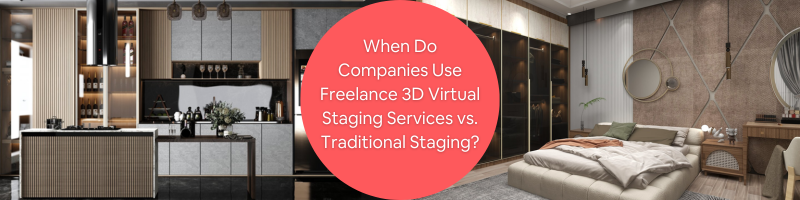
The million-dollar question is when do companies use freelance 3D virtual staging services vs. traditional staging?
Real estate staging at a glance
Staging is a term used to describe the process of enhancing the appearance of a property to increase its market value. The goal is to make the property as appealing and inviting as possible, allowing potential buyers to envision themselves living there. While there are many ways to do this, it typically involves arranging, decluttering, and depersonalizing the area to make it look and feel more appealing to buyers.
Traditional staging and 3D virtual staging are the two primary types of staging that real estate companies and property owners use today. Traditional staging involves using existing furniture, fixtures, and other items to stage the physical property. Virtual staging, on the other hand, uses photos or images of a partially furnished or empty property. These are then edited to include furniture, artwork, and other decorative elements.
Traditional staging
With traditional staging, professionals are hired to rearrange the décor and furniture to make the property look and feel more enticing for buyers. It can be a bit pricey, but it is also worth investment if it helps sell the property faster. This traditional route usually pays close attention to making the property look as inviting and spacious as possible. This may involve changing the furniture arrangement for more open spaces, adding accents with strategic placements that can add appeal and pop, and decluttering surfaces.
3D virtual staging
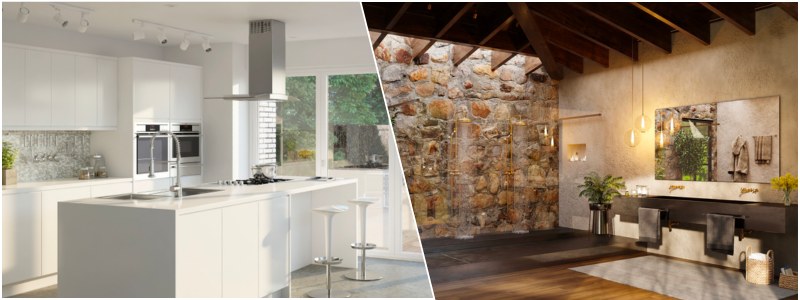
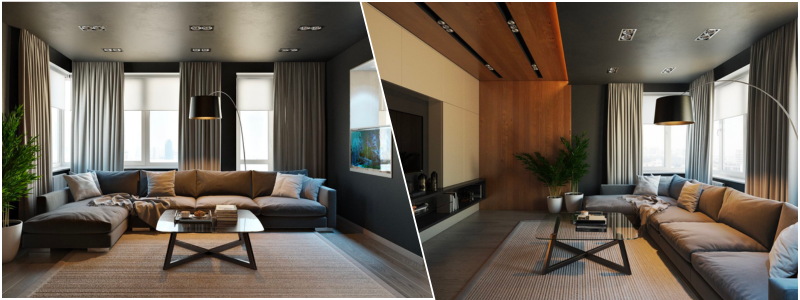
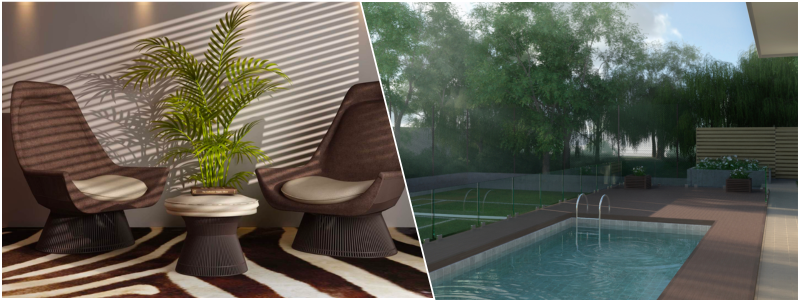
3D virtual staging refers to the process involving computer-generated images or CGI for staging a property and selling it digitally. With the help of 3D rendering services and other state-of-the-art imaging techniques, a virtual stager can create realistic images of what a property would look like with different décor, finishes, and furniture while still using authentic photos of the property captured by professional photographers.
Real estate developers can use 3D virtual staging to raise interest and generate buzz about a project before its completion. This allows curious parties to get a better feel of the property even if they haven’t seen it yet. In addition, newly built houses and similar projects that are still in their planning stages can also be staged virtually.
With the industry’s continuous growth, more real estate agents and companies will likely start offering these 3D virtual staging services to cater to their clients’ changing demands.
RELATED: Virtual Staging Costs, Service Fees & Architectural Pricing for Real Estate Companies
A quick comparison of traditional staging and 3D virtual staging services
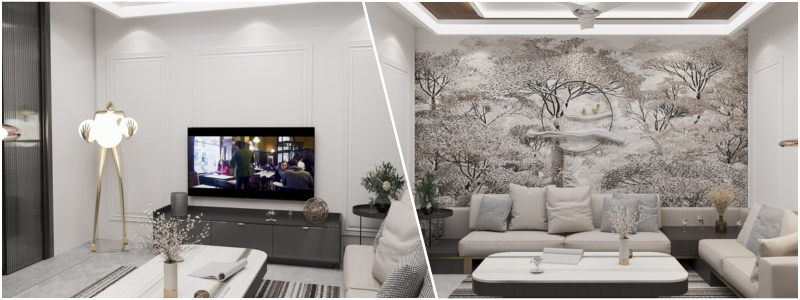
You need to consider several vital factors when deciding when to use traditional staging and 3D virtual staging services. These include the following:
With freelance 3D virtual staging, your company can save more money since you no longer have to rent or buy furniture and other necessities. This cost-effectiveness provides financial security, especially compared to the potentially higher expenses of traditional property staging. However, a few real estate professionals claim that the ROI, or return on investment, is worth this extra expense because staged properties usually sell quickly and cost more than non-staged properties.
Freelance 3D virtual staging services offer improved adaptability. They allow you to quickly swap out the pictured décor and furniture if your client decides they no longer want it or it doesn’t fit well in the space. This flexibility empowers you to cater to your client’s changing preferences and needs. On the other hand, traditional staging has reduced adaptability because it is more difficult to rearrange the interior after installing or placing all furnishings.
3D virtual staging is less time-consuming since it eliminates the need to shop for furniture or place décor. As for traditional staging, it requires more time because of the need to buy and arrange furniture.
RELATED: The Ultimate Guide to Virtual Staging for Real Estate and Architecture Companies
Strengths and weaknesses of traditional staging
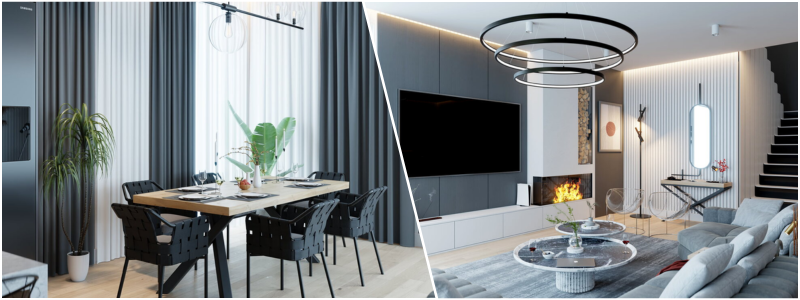
The in-person experience is the biggest strength of traditional staging. Sellers love the thought of potential buyers getting to walk through the property and experience it as a carefully arranged space meant to appeal to them. Traditional staging is also a more familiar concept to most consumers. After all, you can see staged properties no matter where you look. They’re on Facebook, Instagram, YouTube, TV, and magazines. After the staging process, You can see the procedure and the resulting emotions. However, the figures show that traditional staging is so valuable for real estate listings, so why do some real estate agents nottage all properties for sale?
For starters, it’s easy to overestimate the effectiveness of the in-person experience. Traditional staging has four main obstacles: cost, inconvenience and difficulty, design limitations, and turnaround time. Numerous factors determine the price of conventional staging, but you must be ready to spend at least $300 for a consultation alone. On average, traditional staging can cost approximately $6,000. If the property you’re trying to sell is worth $10 million, spending four to five figures on traditional staging might be worthwhile to maximize the sale.
This amount is far too high for most real estate agents in the country to spend on every listing.
One more significant concern with traditional staging is logistics. First, the owners have to declutter the property, including all their décor and furniture. The staging company will then schedule several days to bring in and set up all the furniture and décor. The staging process itself can also be complex and lengthy. It might take weeks for the seller or agent to look for a staging company, schedule a consultation with them, wait for the new design, wait once more for the seller to free the property of all their belongings, and bring in and set up all furniture. For most sellers, the inconvenience of traditional staging can be a real deal breaker.
Lastly, most agents aren’t aware of the limitations of traditional staging designs. Design quality depends on the staging company’s inventory and expertise. It’s also ideal to look for a stager with a massive selection of inventory and years of experience in the field. However, the truth is that most professional stagers have a minimal number of furniture items to select from. If the house is a penthouse or apartment in a metropolitan city, traditional stagers won’t carry heavy, oversized furniture that will not even fit through the door. They are forced to choose pieces that are logistically easier and more straightforward to move.
Traditional staging offers limited options compared to freelance 3D virtual staging services but at a higher price.
RELATED: Benefits of Virtual Staging Services for Architecture and Real Estate Companies
Top reasons to use 3D freelance virtual staging services
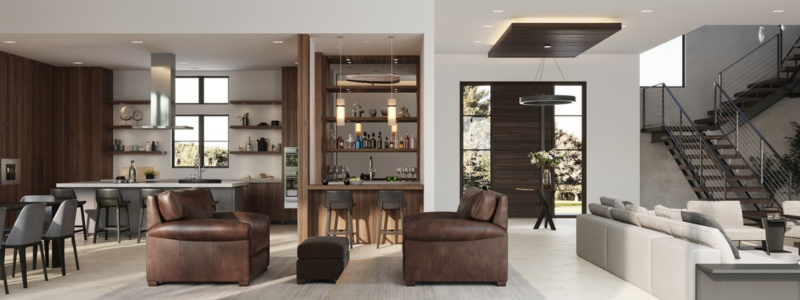
Here are more convincing reasons why your company should consider using freelance 3D virtual staging services over traditional staging:
Continuing from the abovementioned point, 3D virtual staging is more flexible because it can be used for any property type. It doesn’t matter if your company is working on a single-family home, a townhouse, or a condo; you can easily stage it in the virtual space and make it appealing to the eyes of prospective buyers. This level of flexibility is impossible with traditional staging because this is often limited and exclusively applicable to specific types of properties.
- Increase interest among buyers
Freelance 3D virtual staging services generate increased interest from buyers in properties. It has been discovered that staged properties generated twice as many online views as those that weren’t staged. The heightened interest can result in a higher selling price and a faster sale simultaneously.
- Eliminate physical limitations
Physical limitations can hamper the effectiveness of traditional stagings, such as the availability of furniture and the size of the property in question. However, these restrictions are non-existent in 3D virtual staging because it is suitable for all property sizes and using any piece of furniture. This makes this an ideal choice for homeowners and real estate companies who want to stage a property but are limited by physical constraints.
Another notable reason companies are now shifting to freelance 3D virtual staging services is that they are easy and quick. Unlike traditional staging, which is often completed within several days or sometimes even weeks, virtual staging is typically completed in just a few hours. This makes it an excellent choice for those who want to sell properties faster.
How Cad Crowd can help
If your company is looking for the best freelance 3D virtual staging services, Cad Crowd can connect you with the right people who can guarantee excellent results!