Ubisoft CEO Yves Guillemot says recent trends toward, uh, good games, have resulted in an increase in online “bashing” that could potentially pose a business risk to the Assassin’s Creed and Far Cry publisher.
In a newly published investor presentation, Guillemot lays out what he sees as a “high” “risk factor” stemming from “a highly competitive environment where players are very sensitive to the quality and content of games.”
“The success of a video game depends as much on the efficiency of its development process as on its launch,” he adds.
In a list of “specific and material risks to which [Ubisoft] is exposed,” Guillemot categorizes various factors including “failure in the development and launch of a video game,” “toxicity in games and services,” and “bashing,” as either moderate or high risk factors. Online bashing, specifically, is one of those rated as a “high” business risk.
“Ubisoft is exposed to risks of damage to its reputation resulting from online bashing, understood as massive, sometimes virulent and organized campaigns of criticism against its products, teams or public statements,” says Guillemot. “These campaigns may occur on social media, content distribution platforms or in certain specialized media, particularly following strategic decisions, technical issues affecting games or statements perceived as controversial by certain segments of the public.
“The changing perception of the video game industry as a cultural and artistic medium is also leading to an increase in criticism based on ideological or societal considerations, sometimes to the detriment of technical or gameplay aspects. This trend increases the risk for publishers such as Ubisoft of being exposed to controversy relating to social, moral or identity standards associated with their productions.”
The context around Guillemot’s statements isn’t explicitly clear, but it is implicitly very gross and stupid. The company’s most recent tentpole release, Assassin’s Creed Shadows, took unwarranted heat from a certain corner of the internet for its duo of Black samurai and female protagonists.
Weekly digests, tales from the communities you love, and more
Again, it’s unclear if this movement is what Guillemot is referring to here, but it’s worth noting that he was pressed on the allegedly “woke” element of Ubisoft games by a shareholder (via Game File), and he didn’t take the bait. “We wanted to showcase characters with heroic journeys,” was his response.
I did a prototype console web project (Minimal APIs) some 5 months ago in Visual Studio 2022 and now I want to restart work on it. However, when I try to run the .exe, I get the following message.
It was not possible to find any compatible framework version
The framework ‘Microsoft.NETCore.App’, version ‘6.0.6’ (x86) was not found.
The following frameworks were found:
5.0.12 at [C:\Program Files (x86)\dotnet\shared\Microsoft.NETCore.App]
5.0.17 at [C:\Program Files (x86)\dotnet\shared\Microsoft.NETCore.App]
6.0.0 at [C:\Program Files (x86)\dotnet\shared\Microsoft.NETCore.App]
You can resolve the problem by installing the specified framework and/or SDK.
If I try to debug it from VS, I get the message
The target process exited without raising a CoreCLR started event. Ensure that the target process is configured to use .NET Core. This may be expected if the target process did not run on .NET Core.
The program ‘[30812] TodoApi.exe’ has exited with code 2147516566 (0x80008096).
Now, I know that I can just install the new runtime and be done with it, but I don’t understand why I’m forced to upgrade the runtime in an otherwise unchanged project. I haven’t updated Visual Studio 2022 in that time either.
If I just straight upgrade, then it can happen again in the future, and I would like to know why.
Wondering how people seem to have the CUTEST fonts on all of their products? T-shirts, printables, courses, etc…
Well, guess what? You can have that too. 🙂
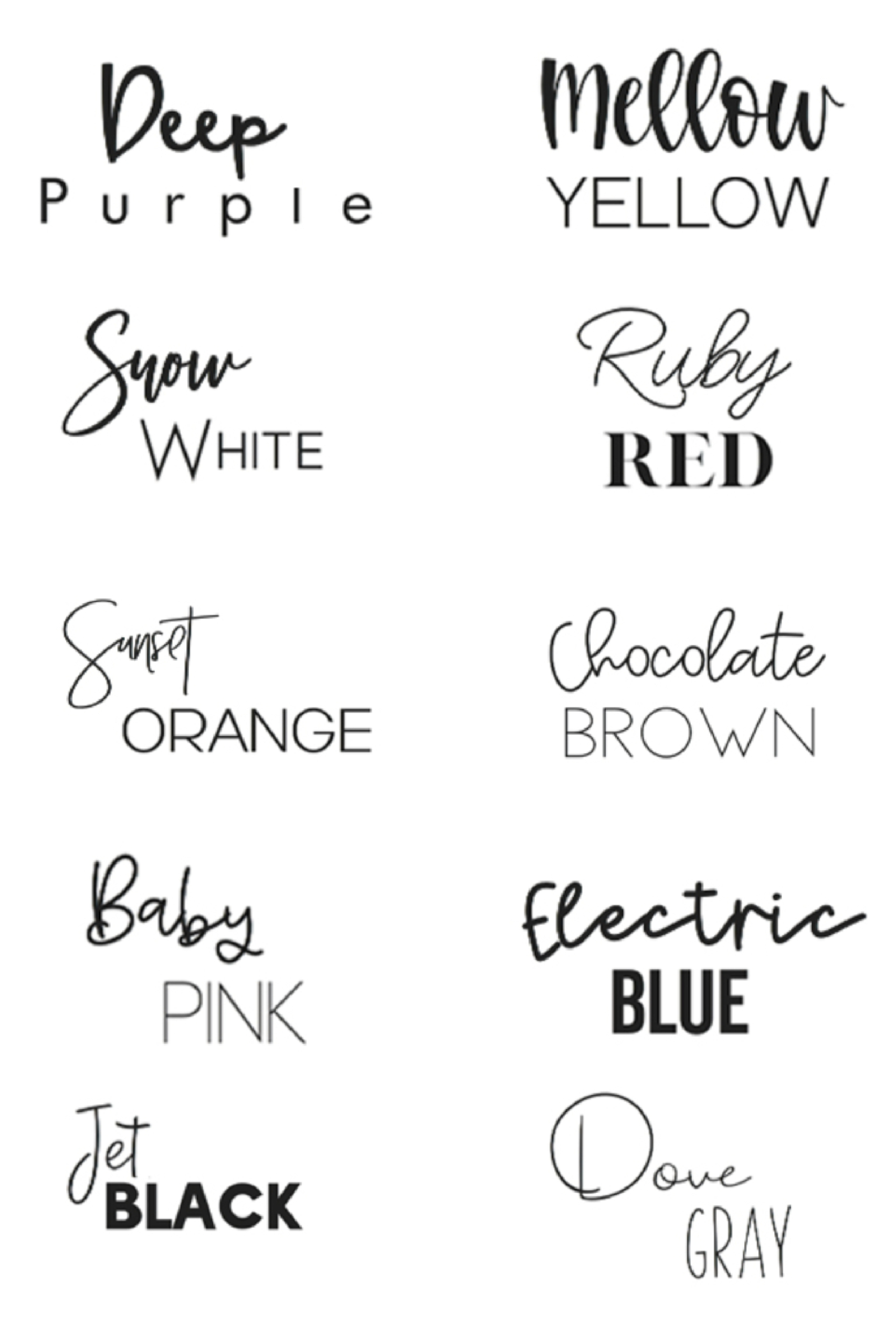
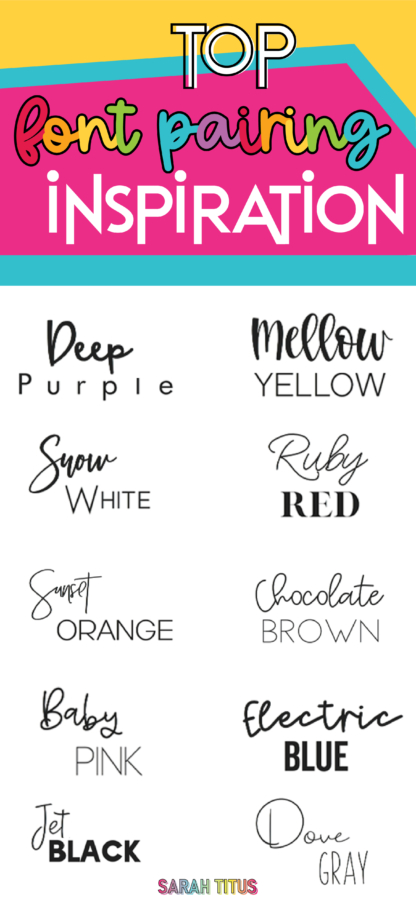
Check out these beautiful top font pairing inspirations!
Top Font Pairing Inspiration
If you take one look at the internet, different shops, or products, I am sure you’ll notice ALL of the different fonts people use. In your mind it may not register as, “Oh wow what a pretty font,” but you notice it right?
I have got 10 font pairings – that’s 20 different fonts – that you will absolutely love! These fonts are placed together in order to promote the most attractive and mindful pairing inspiration for you.
You’ve got tons of options deepening on the feeling/emotion you want to put out there with your products. The best part? They are totally free for you to download and use!
These fonts are STUNNING and are such an easy-to-read feminine font style. They will be perfect for digital products, physical products, branding, image creation, I mean you name it!
How much more likely are you to approach something that just looks nice? If you had the choice between a plain and boring scripted picture to click on, or one with gorgeous fonts and bright colors, what are you going to pick?? Exactly! The nicely designed one, right?
You don’t have to be super technical to use these fonts – you can definitely use them for your own personal projects as well, which we’ll get to. 🙂
All of the fonts on this list are currently good to use for:
Commercial Use
Unlimited Number of Projects
Unlimited End Products For Sale
Font words on the picture {Name of First Font} {Name of Second Font}
Creative Ways To Use These Fonts:
There are tons of super fun and creative ways to use these fonts! Here are a few suggestions for you…
Mix & Match
I mentioned these fonts are all paired and designed to be together for the most attractive look…but hey, everyone has their own opinion!
Feel free to mix and match these fonts as you see fit. You can even just use one or pair 2-3 instead.
It is totally up to you how to use these fonts, they are paired together as a guideline to help you get started. But once you download, you can totally arrange them however you like for maximum product engagement. 🙂
Use For Digital Products
Do you sell digital products online?
Maybe you are wanting a free and easy way to upgrade/create new digital products? Use these top fonts to enhance your online store! When paired together, these fonts hit the jackpot and will make your digital products POP! Set yourself apart and up your online selling game. 🙂
Some great digital product examples to use these fonts for:
Ebooks
Courses
Graphic design – logos, favicons, headers, etc.
Brand Kits
Marketing pages
Printables
Planners and eplanners
Binder pages
Use On Physical Products
These fonts would look absolutely beautiful on all of your physical products you have to sell! Maybe you have an online shop through your website or Etsy – either way, you can start adding these cute fonts to all of your physical products.
Some great physical product examples to use these fonts on:
Tumblers/Yeti cups
Clothing – T-shirts, sweatshirt, pants
Baby clothing & blankets
Mugs
Journals and notebooks
Planners and binders
These fonts are sure to up your selling game and set your products apart. 🙂
Personal Use
Don’t have any products to sell? These fonts are still for you!
Use them when creating your own personal projects on your cutting machine – scrapbook decor, T-shirts, cards, mugs, and tons more!
With these ADORABLE fonts, you won’t have to spend lots of money on premade items because you’ll have your own great tools! You could search for your own fonts online but it takes FOREVER to play with different fonts and come up with combinations that look GORgeous!
Whether you run your own online shop or just like to make crafts yourself, these top fonts will definitely help add a beautiful design element to anything you create! 🙂
I’m still chipping away at my summer reading backlog over here, and this week finally made it to Alex Foster’s Circular Motion, which came out in May. And, wow, I wasn’t quite ready for the emotional journey this one took me on. It’s set in a near future — people ride OneWheels and going viral on social media is still a thing some strive for — where the megacompany CWC has created an extreme form of high-speed travel that allows people to zip across the world in no time flat. But, it soon becomes pretty clear that there’s a consequence for this. Earth is spinning faster and faster… and faster, and protestors blame CWC and the orbital circuit its travel system relies on.
The days grow shorter, the climate events become more extreme and everything is hurtling toward disaster. Circular Motion follows Tanner, a kid from smalltown Alaska who lands a job at CWC, Winnie, a girl who has truly been through it, and Columbia professor Victor Bickle, who shot to viral fame after predicting a public infrastructure catastrophe. They’re all connected, as we piece together through multiple POVs. This is a book that very blatantly has something to say about capitalism, climate change and everything in between, and a beautiful exploration of human connection in a crumbling world.
You’re a design lead at a hectic product design company. You’ve just landed a new client with an excellent but challenging product idea, maybe a new consumer product that’s sexy and thin, an ergonomic piece of furniture with an unexpected twist, or a kitchen appliance that’s smart and will revolutionize how people prepare meals each day. Everybody’s elated, but deep down, you know that the road ahead is fraught with perils. Will the product do what it’s supposed to do? Will production glitches sidetrack schedules? What if the market doesn’t bite?
Cutting risk in new product development (NPD) isn’t so much a checklist or a tidy process flow; it’s an art and a science wrapped up. In this in-depth piece, we’ll take you through the way design services firms at the industry leader Cad Crowd can effectively identify, handle, and reduce the types of risks that can make an innovative product vision a pricey disaster. We’ll bypass the generic software-only suggestions and jump into the nitty-gritty of products and physical goods you can touch, try, and send.
🚀 Table of contents
Understanding the nature of product development risks
Let’s chat about the sneaky risks that hide in product development. Before jumping into how to dodge them, it’s smart to know what kinds of risks you’re actually dealing with. Usually, these risks fall into a few buckets: design, manufacturing, market, and operational. Each one can throw a wrench in the works if you’re not careful.
Take design risks, for example. For companies that specialize in design services, the real challenge is striking a balance between creative ideas and practical limits. It’s not just about dreaming up something cool; you’ve got to juggle things like technical feasibility, budgets, deadlines, quality standards, and what customers really want.
Imagine you’re creating a new smart coffee maker. The other decisions you make upfront are enormous. They set the direction of everything that comes next. The materials you select will determine the source and longevity costs. The manufacturing for assembly design services ensures that you can source quantities easily and build upon them quickly. The user interface? That can be customer-centric or customer-kamakai. Risks creep in when assumptions about any of them get forgotten, aren’t rigorously tested, or when the team is out of sync.
So, here’s the magic to managing it all. The trick is identifying those risks early and catching them frequently by interweaving intelligent risk-management techniques throughout the entire project lifecycle. That way, you never see surprises and maintain a smooth-running product development train.
Begin with definitive, realistic product requirements.
Let’s talk about why starting with clear, realistic product requirements is absolutely crucial for any successful design project. You’ve probably heard the phrase “garbage in, garbage out,” and it couldn’t be more true here. If the product requirements are vague or too optimistic, it’s like trying to build a house on shaky ground; it can lead to confusion, wasted effort, and risk.
Consider the case of a client who requests a chair that is “lightweight but very resilient,” but doesn’t define what “lightweight” or “resilient” specifically entails. Without targets, designers may pursue unattainable trade-offs, going round in circles without ever arriving at a viable answer.
That’s why world-class design services firms spend time up front in a careful, collaborative requirements-gathering process. They take the time to sit down with the customer to pin down precisely what the product needs to accomplish, who will be using it, where they’ll be using it, and what regulations need to be adhered to. They also keep things real if some of the requirements run counter to budget or timelines, they’re realistic about that.
One intelligent instrument is a “requirements matrix”, an easy-to-read chart that converts client desires into quantifiable objectives, such as max weight in pounds, minimum load capacity, or operating temperature ranges. This specificity provides designers firm guardrails, reduces guessing, and substantially lowers the cost of costly last-minute redesigns. Clear requirements = smoother design, happier clients, and superior products from product design experts.
Invest in rapid prototyping, fail fast, learn fast.
Investing in rapid prototyping is one of the best things a product development team can do. Rather than relying on elaborate CAD drawings and praying that manufacturing will get it all right, rapid prototyping turns ideas into actual models in a hurry and at low cost. Working this way catches mistakes in the design early on before they become costly headaches.
By making several versions of prototypes, ranging from rough 3D-printed components to working models, teams find issues that could otherwise remain concealed until production or even after the product has been released. For instance, perhaps a button is uncomfortable or a plastic piece breaks when exposed to heat. These failures aren’t failures; they’re time- and cost-saving lessons learned.
Real-world user testing is now also an option with prototypes. Users tend to have surprising preferences or usability bugs that allow designers to iron out the product prior to setting final materials or tooling. A few companies even accelerate the process further by mixing in-house prototyping with simulation software, enabling them to cycle through their ideas quickly without burning resources.
Ultimately, embracing rapid prototyping design services means learning fast by failing fast. Early testing leads to fewer surprises, smoother manufacturing, and a better product in the hands of customers. It’s a proactive way to reduce risk, improve design, and boost the chances of success.
Select materials and processes carefully.
Selecting the correct materials and manufacturing processes is more than a technical specification issue; it’s a process that can avoid wasteful missteps down the road. The incorrect material will create product failure, unseen expenses, or frustrating delays in the delivery of parts. Similarly, the manufacturing process will establish the project’s success or failure in the areas of quality and productivity.
Take exotic composites, for example. They might be incredibly strong and durable, but perhaps at the expense of higher costs and supply chain interruptions. Injection molding, on the other hand, might be wonderful for producing a lot of parts economically, but it requires costly tooling upfront as well as more set-up time before running.
Design services companies overcome these obstacles by striking a balance between new-fangled creativity and time-honored practices. They negotiate varying materials and methodologies up front, weighing factors like cost, availability, environmental factors, and the quality of the vendors. Seizing control early on avoids surprises later on.
Close collaboration with the manufacturing design services at the design stage is another significant strategy. They ensure jointly that the product can actually be produced within their budget and time frame, without cutting corners on quality. This common exercise combines design ideas with what is possible by way of manufacturing, minimizing risk, and keeping the project to schedule.
Manage the supply chain and vendor relationships proactively
Proactively managing the supply chain and vendor relationships is a game-changer for any product. The best, most flawless design can fail if the supply chain is not strong. Sourcing material delays, surprise quality problems, or abrupt price variances can upset schedules and destroy customer confidence.
Design firms have to have vendor management in mind as a key part of risk management. It starts with thoroughly qualifying suppliers to ensure that they are satisfactory and meet expectations. Having some redundancy in having multiple suppliers in the pipeline provides a cushion when things fail. Monitoring supplier performance closely on a regular basis, nipping things in the bud before they become major obstacles, is a must.
Having standby contingency plans for disruptions is also extremely important. Unforeseen issues like geopolitical instability or raw material scarcity can’t always be expected, but maintaining alternate vendors or substitute materials on standby keeps the project moving.
The best teams don’t think of vendors as order takers. They develop strong relationships, built on cooperation and trust. Inviting vendors into the design phase earlier creates those types of gems that improve the product and reduce the cost. This strategy makes supply chain management a profit driver that enables successful product launches and long-term success, which also includes engineering design partners.
Use modular and flexible design methods.
The use of modular and flexible design techniques can truly transform the manner in which products are designed and serviced. Breaking down a product into discrete, stand-alone elements, termed modular design, gives the advantage wherein each piece can be individually designed, tested, and updated. This approach will lower the possibility of total failure by compartmentalizing faults, making it easier to debug.
Think of a smart speaker with separate modules for sound, power, and casing. If the sound module goes awry, it can be repaired or replaced without rejecting the entire device. Not only does this minimize cost, but it also simplifies making the product for different customer needs or markets. Enhancements and upgrades are less daunting as improvements can be focused on individual modules instead of overhauling the entire product.
Flexibility is a companion to this, preparing for changes in production. Instead of calling for impossible precision, flexible design includes small tolerances in parts or steps. This flexibility from open innovation services is especially its weight in gold when it is time to go from the prototype stage to mass production, dodging quality control issues that usually bring trouble.
Together, modularity and flexibility make product development more robust, cost-effective, and scalable. Companies can respond faster to shifting markets, handle risk more effectively, and keep customers longer with products that change automatically over time.
Leverage sustained testing and validation beyond the basics
Product testing isn’t just to check that it functions; it’s to push it to the limit and then some. Validating correctly is more than that, pushing endurance, safety, and performance in tough environments, and making sure to check all regulatory boxes. The goal is to find vulnerabilities before the product even makes it to customers.
Preeminent product engineering design services companies know this. They do not rely on one test but take on multiple stages of rigorous testing. From bench testing, in which separate components are checked, to environmental simulations that replicate extreme temperatures of heat, humidity, or vibration, they move on. Then come real-world applications that mimic the very types of issues customers encounter on a daily basis. Topping it all off is certification preparation to ensure that the product meets industry and government standards. It even involves destructive testing at times, knowingly driving parts to failure until they fail. It may sound extreme, but this does reveal failure modes that otherwise may not be evident, yielding extremely valuable information. These are the kinds of findings that result in incremental but meaningful design changes, greatly enhancing reliability and boosting customer confidence.
The rewards of this strict approach extend well beyond product quality. By firmly testing designs at the outset, firms escape costly headaches such as recalls, lawsuits, and battered reputations. In the end, it’s a good investment that pays off in terms of long-term achievement and a clear conscience.
Create a cross-functional development team.
Creating a truly superior product is more than a single expert doing it alone. Design services companies creating cross-functional development teams set themselves up for success because they bring several skill sets into the game from the very start. When industrial designers, mechanical engineers, manufacturing specialists, supply chain managers, marketers, and quality assurance professionals are all contributing together, the process of creating the product is significantly stronger and better.
Each team member has a unique perspective that, in turn, affects the product significantly. Manufacturing engineers can identify expected manufacturing issues that can complicate large-scale production, whereas marketers offer loads of information about expected user tendencies and emerging market trends. Quality assurance experts keep everyone reminded of significant regulatory and safety implications that the product must comply with.
This blend of abilities generates initial discovery of risks that would otherwise be a killer for the project if they are later discovered. It further helps avoid letting the product vision deviate from realities in the real world, balancing creativity and feasibility. Transparency and open communication are paramount, and jointly used digital tools have become indispensable. Such tools promote seamless sharing of ideas and progress, avoiding misunderstandings and costly blunders.
A cross-functional team is not a nicety, but a strategic idea that allows companies to deliver new, functional, and sellable products earlier with greater assurance.
Plan for regulatory and compliance issues up front.
When developing a new product, dealing with regulatory and compliance matters initially can spare much trouble down the line. Too often, teams overlook these critical requirements until they’re deep into the design or development phase, only to run into late-stage surprises that kill the project altogether. Whether it’s achieving the correct safety certifications for electronic device design services, using food-grade materials for kitchen appliances, or ergonomic compliance for furniture, compliance isn’t a checkbox afterthought at the finish. It has an effect on everything from selecting materials to testing methods and even how the product can be marketed.
Future-looking design companies are focused on learning all relevant regulations upfront. In most cases, this includes researching the very specific standards that are relevant and, in some cases, bringing in experts or regulatory consultants to work through complicated rules. This way, teams bake compliance into the actual product, avoiding the costly and time-consuming requirement of redesigns or last-minute fixes.
Aside from preventing delays, compliance planning enhances the credibility of a product. Consumers are assured when they purchase something that they are sure complies with industry standards and safety standards. Such confidence not only guarantees the success of the product but also strengthens the brand as a whole. In short, pre-emptive planning for regulatory hurdles is an excellent decision that leads to more successful launches and satisfied consumers.
Organize realistic timelines and budgets with buffer.
It is important to have realistic schedules and budgets during product development. Among the most frequent mistakes that most teams make is underestimating the time to complete the tasks or the expense. When this happens, deadlines are missed, the budget increases, and quality is compromised because of the rush to catch up. Such a scenario can bring down even the best projects.
Experienced design organizations avoid these traps by creating realistic project schedules that are not based on hope. They include buffer time and extra capital from the start. This includes leaving space for necessary iterations, prototyping phases, reverse engineering services, supplier lead times, and the unavoidable surprise delays. Including these variables in the early stages prevents them from causing chaos down the line.
Keeping the project back on track also depends on reliable milestone reporting and regular review of progress. The milestones serve as an early warning for creeping slippage or cost blowout. By detecting issues early, the team is able to respond to fix them before they spiral out of control.
This systematic project management style rules out surprises and keeps everyone involved, clients, designers, and vendors, on the same page. Finally, it makes sure that the project flows smoothly with the quality product everyone looks forward to without last-minute panic or costly fixes. Pragmatic planning supported by diligent monitoring makes it well worth it.
Apply risk assessment and management tools as a matter of course.
Risk assessment is not a box to check off a list and forget. It is a recurring responsibility that needs to be incorporated into every stage of a project. Successful manufacturing design firms understand this and rely on frequent use of risk assessment and management tools throughout the project life cycle. Official risk matrices, Failure Modes and Effects Analysis (FMEA), and risk registers are favorite turn-to’s.
These tools aren’t just paperwork; they help teams systematically identify potential risks, rank them by their potential impact, and monitor them as the project progresses. By focusing efforts on the most critical risks, teams can prioritize resources and attention where it really matters. Assigning clear ownership for each risk ensures accountability, so nobody is left guessing who’s responsible for mitigation.
Also, having clear records of risks and the actions taken to resolve them builds trust with partners and clients. If risks are documented and being managed, it reflects professionalism and administration. Such transparency can be a major confidence booster, especially in complex projects where issues could easily go wrong.
Short of it, regularly using risk assessment and management tools isn’t really about staying away from problems; it’s about putting into place a systematic process for dealing with uncertainty, aligning everyone, and ultimately producing successful results.
Create a culture that welcomes risk awareness and learning.
An office culture that wholeheartedly welcomes risk awareness and learning is the difference between a business successfully managing problems and otherwise. When companies view risk management as something to be done just to tick a box or as a chore to comply with, they react in panic when unexpected things go wrong, losing time, money, and morale. But companies that build risk awareness into the thinking of the day see risks as warning signs, not bogeymen. It helps them pick up problems early, deal with them logically, and adapt without hindrance.
Encouraging open communication plays a crucial role in this transformation, especially for concept design services. When team members feel safe to voice concerns or flag potential problems without fear of blame or retaliation, risks become visible far sooner. This openness creates a proactive atmosphere where everyone is vigilant, and risks don’t fester in silence.
In addition, a culture of learning from lessons acquired, whether from failure or near misses, makes every difficulty an opportunity to improve. Rather than covering up mistakes, teams examine what failed and learn from them. This learning loop creates resilience and improves the company’s capability not to make the same mistake again.
Finally, it’s about raising risk awareness and learning in order to prevent losses. It’s about creating a resilient, forward-looking organization equipped to succeed in a continuously changing world.
Bringing it all together: A product development story
Let’s place these concepts in a story. Imagine a design firm hired to develop a new line of green kitchen gadgets. Immediately, they collaborate with the client to define specific requirements: durability, compostable packaging, water resistance, and prices. They steer clear of vague terms and establish quantifiable objectives.
They rapidly develop 3D-printed prototypes to test ergonomics and material texture. Initial user testing identifies a grip problem, so they adjust the handle design. Meanwhile, the company consults manufacturing partners and selects a bioplastic that meets cost, strength, and sustainability criteria.
The company maps out potential suppliers and identifies backup sources in case of shortages. The product design is modular, with electronics and mechanics separable, making repairs or upgrades easier. The team runs rigorous tests, including drop tests, moisture exposure, and user safety assessments.
A cross-functional team maintains open communication, flexible schedules, and budgets with buffers. Regulatory specialists make sure the gadgets are FDA-approved and electrically safe. The company relies on risk management tools to monitor risk identification and mitigation progress.
By adopting these measures, the general design firm produces a product that pleases customers, gets to market on time and within budget, while reducing the feared surprises.
Risk in new product development is inevitable, but manageable through systematic planning and proactive strategies. Success requires clear requirements, rapid prototyping, smart material selection, strong supply chain management, rigorous testing, and cross-functional collaboration. Companies that treat risk as a manageable reality rather than an enemy create products that launch successfully, on time, and within budget. By implementing comprehensive risk management practices throughout the entire development lifecycle, design firms build client trust and establish reputations for reliability and innovation. The combination of bold creativity with prudent planning transforms potential disasters into market successes.
Ready to minimize your product development risks?
Don’t let unexpected challenges derail your next product launch. Partner with experienced design professionals who understand risk management. Get systematic planning, prototyping, and testing from day one. Cad Crowd is the leading platform for connecting freelance engineering, CAD, and architectural design professionals to AEC companies worldwide. Contact us today for your free consultation and quote.
MacKenzie Brown is the founder and CEO of Cad Crowd. With over 18 years of experience in launching and scaling platforms specializing in CAD services, product design, manufacturing, hardware, and software development, MacKenzie is a recognized authority in the engineering industry. Under his leadership, Cad Crowd serves esteemed clients like NASA, JPL, the U.S. Navy, and Fortune 500 companies, empowering innovators with access to high-quality design and engineering talent.
OpenAI has achieved “gold medal-level performance” at the International Math Olympiad, notching another important milestone for AI’s fast-paced growth. Alexander Wei, a research scientist at OpenAI working on LLMs and reasoning, posted on X that an experimental research model delivered on this “longstanding grand challenge in AI.”
According to Wei, an unreleased model from OpenAI was able to solve five out of six problems at one of the world’s longest-standing and prestigious math competitions, earning 35 out of 42 points total. The International Math Olympiad (IMO) sees countries send up to six students to solve extremely difficult algebra and pre-calculus problems. These exercises are seemingly simple but usually require some creativity to score the highest marks on each problem. For this year’s competition, only 67 of the 630 total contestants received gold medals, or roughly 10 percent.
AI is often tasked with tackling complex datasets and repetitive actions, but it usually falls short when it comes to solving problems that require more creativity or complex decision-making. However, with the latest IMO competition, OpenAI says its model was able to handle complicated math problems with human-like reasoning.
“By doing so, we’ve obtained a model that can craft intricate, watertight arguments at the level of human mathematicians,” Wei wrote on X. Wei and Sam Altman, CEO of OpenAI, both added that the company doesn’t expect to release anything with this level of math capability for several months. That means the upcoming GPT-5 will likely be an improvement from its predecessor, but it won’t feature that same impressive capability to compete in the IMO.
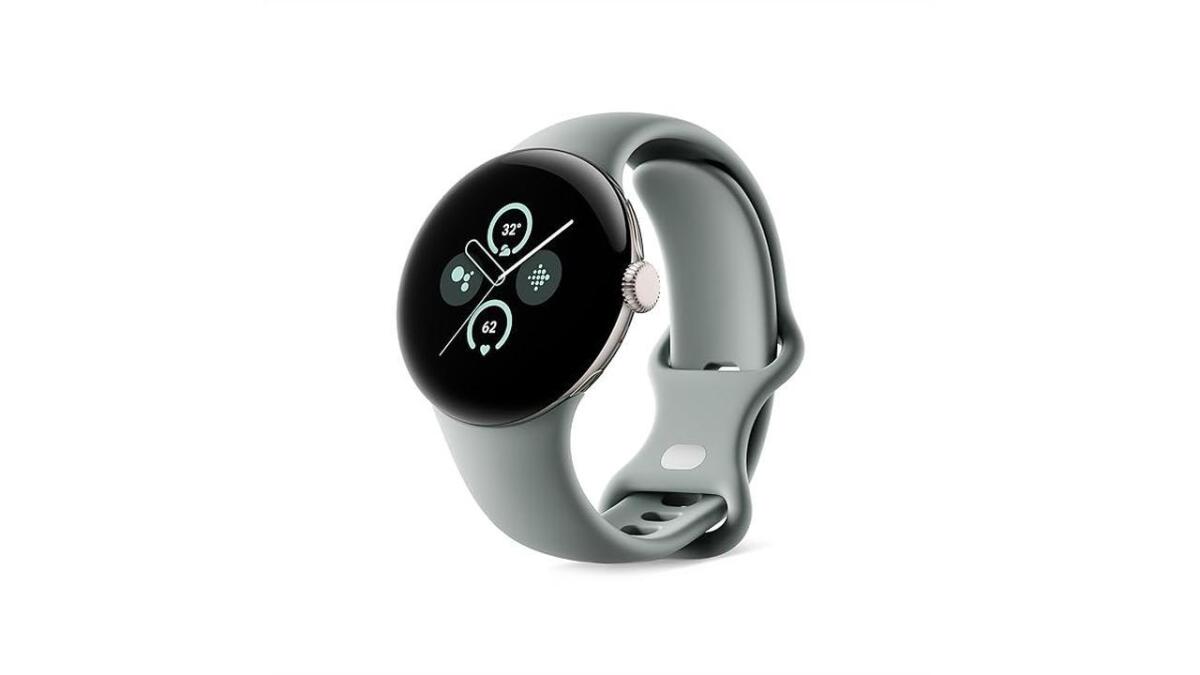
If a few cryptic signs are anything to go off of, Google’s upcoming Pixel Watch 4 could feature a repairable design. Recent reports say the device can be “taken apart,” while Android Headlines claims the latest generation “can actually be taken apart and serviced when needed,” albeit without a specific source. Google also previously acknowledged during a climate-focused conference that it was thinking about how to give users a repairable Pixel Watch, leading some to guess that its forthcoming model could be the one it was referring to.
Existing versions of the Pixel Watch cannot be repaired; when damaged, customers have no choice but to replace the entire device. The Pixel Watch 4’s probable repairability could mean that common issues such as a broken display or a worn-out battery could be fixed, but consumers will have to wait for Google’s official announcement for concrete details. That announcement is slated for August 20, when Google will host its next “Made by Google” event. More information, including what repairs will be supported and how the company will handle repair access or replacement parts, will hopefully be revealed at the event.
So far, leaks claim the watch will keep a rounded design (like last year’s Pixel Watch 3), add wireless charging, and come in 41mm and 45mm sizes with slightly thinner bezels and a thicker overall case.
Short-form video rose to popularity after the pandemic, when people were stuck at home browsing social media newsfeed. It was more than just a passing trend, however. The preference for bite-sized video content thrust TikTok into the spotlight – and Instagram Reels and YouTube Shorts along with it.
If you want to build your brand and tell a story, video is one of the best ways to do it. There’s a lot of craftsmanship that goes into engaging, concise, and impactful bite-sized videos, though, and here’s what you need to know.
The Power of Storytelling
In general, visual content captures attention more than the written word. However, there needs to be a story tying it all together. Visual appeal for the sake of it won’t hold an audience, no matter how beautiful your video is.
The right story paired with stunning visuals gives your content depth, shares your brand’s message, and humanizes your brand. This is not only more effective than content that’s strictly promotional, but also brings an emotional hook that builds trust with audiences.
Here are some benefits to storytelling in your bite-sized videos:
Attention Grabbing
Capturing the attention of a social media user is no easy feat. With tons of content crowding newsfeeds, it can be difficult to get a user to stop scrolling long enough to absorb a message. However, video content with storytelling can help you create an emotional hook that grabs attention and holds onto it.
Information Retention
Stories can be used to explain, move, educate, inspire, and much more. As a result, viewers are more likely to remember what they learned in a video compared to the written word. Just think of how easily most people recall critical moments from a movie, but not a book.
Brand Humanizing
People want to purchase from brands that align with their values. They want to support the human behind the brand, not a faceless corporation. Storytelling in video form can develop this deep connection and authenticity that helps your audience see the human that built your brand and the people who make it happen.
How to Use Storytelling in Short-Form Video
Short-form video can be powerful, but it has to be effective. Here are some tips to incorporate storytelling into your short-form video content:
Use the 4 Ps of Storytelling
The 4 Ps of storytelling are a framework to create a focused narrative that drives a message home:
Plot: The story you’re telling.
Purpose: The goal or purpose of the story and what you expect to inspire in the audience.
People: The characters and their relatable characteristics that audiences connect with.
Place: The location of the story and how it plays a role in the message.
Once you know your 4 Ps, you can craft your story to make an impact.
Have a Concise Message
Marketing messaging should always be concise and to the point. Your story is the same way, focusing on a single message at a time. This is especially important with shorter videos, as you don’t have the time to deliver multiple messages. If you try, you’ll have a chaotic, vague, and purposeless story.
The core message that your story is trying to tell should be tailored to your audience. Make sure you understand your different audience segments and their goals, challenges, problems, pain points, and aspirations, as well as how your products or services can offer value to them, to focus your message.
Craft the Structure and Story Arc
Stories have a beginning, middle, and end, no matter their format. Short-form videos present this arc in a much shorter time than a long-form video, so you have to think about every single detail to fit in all you want to say.
Most stories follow one of these arcs:
Three-act: These stories have a beginning that introduces the characters and the setting. Then, the conflict is introduced that the characters have to overcome, which could be the pain points that your customers have and the way your product helps.
Two-act: These stories introduce a problem and its solution. Two-act stories can be effective in short-form videos because they’re direct and maximize time, such as introducing the common problem customers have and highlighting your product or sharing a product demonstration.
Hero’s journey: The hero’s journey is a popular story structure that’s found in Hollywood films of all genres, featuring a hero and the challenge they face in a journey of transformation. You can modify the hero’s journey to your brand by using a relatable character and the challenge they must overcome.
Rely on Emotional Hooks
Emotions drive decision-making, just like logic. However, emotions can be especially powerful when it comes to memory. People tend to recall a video that inspired an emotional response, whether it’s sadness, anger, happiness, humor, or nostalgia.
For example, this Children’s Aid video highlights challenges faced by many children in the path to living their dreams and delivers a message of hope and perseverance. This video from the Nature Conservancy focuses on the drive to build urban forests, blending factual information with a sense of urgency to inspire action from the audience.
Include Micro-Stories
Some stories are simply too long to tell effectively in under a minute. In this case, you can break your story into micro-stories – smaller, digestible videos that connect with different audience segments and relate to the overall arc and narrative – that can be used in a video series.
For example, a “about us” video can start with the brand story and history, then an introduction to products and customer success stories. Industry news, employee highlights, or charitable initiatives also make for great micro-stories in your narrative.
Embrace Bite-Sized Videos to Tell Your Brand Story
Short-form video is a wildly popular option for marketing, capturing attention, building trust, and making an impact, especially when you include some storytelling. These tips should help you craft a story perfectly suited to short-form content.
Samsung is one of the biggest names in TVs, and the company rolls out some of the best-rated sets every year. More than a dozen new sets are part of its 2025 lineup, bringing stunning sizes, incredible specs, and some of the best picture quality we’ve ever seen. If you’re looking for the best of the best, a budget model, or something in the middle, Samsung has a TV that will fit your needs.
What is the best Samsung TV right now?
ZDNET staff went hands-on with plenty of Samsung TV models, and our pick for the best Samsung TV overall is the Samsung S90D Its Dolby Atmos and Object Tracking Sound+ add an incredible level of immersion usually only found on high-end sound bars. Plus, a 144Hz maximum refresh rate keeps everything running smoothly, and the anti-glare coating is the best around. We know everyone has different budgets and needs for their TV, so we built a list that includes a variety of Samsung TVs for any situation.
Why we like it: The Samsung S90D is a fantastic OLED model with support for Dolby Atmos virtual surround sound as well as Samsung’s object-tracking sound technology for 3D audio that follows the on-screen action. It also features AI-assisted upscaling for better color, contrast, and detailing in non-4K content while the 144Hz max refresh rate is perfect for live sports broadcasts, action movies and shows, and fast-paced video games.
Who it’s for: If you’re looking to invest in a high-end TV that will provide top quality picture, sound, and smart features for years to come, the Samsung S90D is a great option. With a dedicated gaming dashboard you’ll get access to cloud gaming services to play your favorite titles without a dedicated PC or console. The OLED display is Pantone Validated for color accuracy and more true-to-life images.
Who should look elsewhere: Since the S90D is an OLED model, it runs on the pricier side for retail. Even with the smallest 43-inch screen, you’re looking at paying at least $1,000. Which is very cheap for an OLED, but also very expensive for such a small screen.
Why we like it: Samsung’s The Frame TV is a gallery-inspired model that looks as good as it performs. With a dedicated art slideshow mode, you can create a personal art gallery to show off your favorite artists and pieces or your own photography and digital art. The display has an anti-glare coating for better visibility in harsh overhead lighting, and the bezel can be switched out with different materials and colors to match your decor.
Who it’s for: If you’re in the market for a TV that doesn’t necessarily look like a TV when it’s not in use, The Frame is a good choice. With interchangeable bezels, a dedicated art mode, and an anti-glare display, you can easily integrate your new TV into your existing decor or use the TV as a centerpiece for a redecoration project.
Who should look elsewhere: The Frame is an expensive TV, but backs up the high retail price with great features like HDR10 support and integrated voice controls. However, if you’re just looking for a decent TV that can handle streaming and occasional gaming, there are more affordable options on this list.
Why we like it: The Samsung Q90F is available in screen sizes up to 98 inches, making it one of the biggest TVs you can get. And all that screen real estate is backed up by a 165Hz max refresh rate for ultra-smooth action during live sports or fast-paced movies and video games. It also supports both Dolby Atmos and object tracking sound for 3D audio that follows the on-screen action while HDR10 support and AI-assisted upscaling give you better contrast and detailing.
Who it’s for: If you’ve got the space, and the cash, for a truly cinema-sized screen, the Samsung Q90F is a great choice with a glare-free display for better visibility and viewing angles, integrated voice controls, and a dedicated gaming dashboard with support for cloud gaming services. It also features a Knox security chip for better protection of your browsing history and personal data.
Who should look elsewhere: The 98-inch version of the Q90F is very expensive, retailing close to $15,000 while the 85-inch is closer to $4,000. The Q90F is also available in a 75-inch model which retails for about $2,500, so you have a few options for more affordable big-screens for upgrading your home theater.
Why we like it: The Samsung Q60C is a great option for anyone looking for a smaller TV for their apartment, college dorm, or as a second screen in their bedroom. With screen sizes as small as 32 inches, it’s perfect for placing on a dresser or shelf if floor and wall space is at a premium.
Who it’s for: With a 60Hz refresh rate and 4K resolution, you’ll get smooth motion for live sports, movies, and shows as well as console gaming. The dual LED panel creates warm and cool colors simultaneously for more vivid images, and with object tracking sound, it’s great for movie buffs looking for a more immersive experience.
Who should look elsewhere: The Samsung Q60C is an older version of their QLED line-up, so it doesn’t have as many smart features as the latest models; like AI-assisted 4K upscaling, VRR support for console gaming, and support for Dolby Atmos virtual surround sound. Being an older model, it’s a great choice for staying under a certain budget, but if you want to stay on the cutting edge of home entertainment, you might want to pick up a newer TV.
Why we like it: The Samsung DU6900 is an incredibly budget-friendly TV, with a retail price that tops out at just $600 for the 75-inch model; the 43-inch version is just $230, making it a great option for college students looking to invest in a decent smart TV for catching up on shows and movies between classes.
Who it’s for: Since it’s such a budget-friendly model, the DU6900 is great for anyone who wants to upgrade while staying well under $1,000. And just because the TV is on the cheaper side, that doesn’t mean you have to sacrifice features like HDR10 support, 4K resolution, integrated voice controls, and a preloaded suite of popular streaming apps.
Who should look elsewhere: The Samsung DU6900 is a sort of bare-bones smart TV with many features we’ve come to expect as standard, but not much else in the way of impressive tech. So if you’re looking for something a bit more robust, you may want to check out one of Samsung’s OLED or mid-range QLED models.
The recent U.S. tariffs on imports from countries like China, Vietnam, and India aim to boost domestic manufacturing but are likely to drive up prices on consumer electronics. Products like smartphones, laptops, and TVs may become more expensive as companies rethink global supply chains and weigh the cost of shifting production.
Televisions, many of which are manufactured in these nations, may experience price increases of up to 20%, making them less affordable for consumers. Manufacturers contemplate relocating assembly operations to countries with tariff exemptions, but such moves involve logistical challenges and substantial costs. Companies like Samsung, which produces a significant portion of their TVs in Mexico, anticipate being less affected than competitors relying heavily on Chinese manufacturing.
Overall, consumers should brace for higher prices and potential shifts in product availability within the home entertainment market.
Right now, it looks like some tech may be exempt from the issued tariffs, but since it’s always changing and developing, we are keeping an eye on it and will update you on the latest.
The biggest reason to choose Samsung over other manufacturers like LG or Sony is simply quality. TVs like the S90C and S90D are at the top of their class. Samsung is a versatile brand, with options that range from high-end to value focused. No matter what type of TV you need, all of Samsung’s options offer quality for the money.
Samsung has been making reliable TVs for decades. In a television landscape that sees flashy new models roll out annually, many customers report being perfectly happy with their Samsung sets for many years.
If you’re a gamer, you’ll appreciate the Samsung Gaming Hub, found on newer sets like the S90C. The Gaming Hub gives you access to cloud-based services like Luna so you can game without a console.
Once you’ve hammered out a budget and made sure the new TV will fit in your space, the most crucial factor to consider is how you will use your set. Have you cut the cord and moved exclusively to streaming? Choose a model with a preloaded suite of popular apps and the ability to mirror your mobile device screens.
Are you a console gamer? Samsung offers dedicated gaming modes for reducing input lag and response times and toggling VRR technology like FreeSync and G-Sync on or off.
Buy this best Samsung TV…
If you need…
Samsung S90D
The best overall option. You get signature OLED picture quality and Dolby Atmos and Object Tracking Sound+.
Samsung The Frame
A beautiful TV that becomes a centerpiece of your home even when turned off.
Samsung QN90F
A big-screen Samsung TV with QLED panel for better brightness, color, and contrast. table
Samsung Q60C
A small-screen Samsung TV. The Q60C is available in 32-, 43-, and 50-inch screen sizes for bedrooms, dorms, and apartments.
Samsung DU6900
A budget-friendly Samsung TV. The DU6900 retails for much less than other Samsung models and competitors but still offers great features.
While shopping for a Samsung TV, there are a few factors to keep in mind to help you stay on-budget and get the most value for your money:
Price: Samsung has a wide range of televisions available, from basic and budget-friendly to premium-grade OLEDs. We’ve included a variety of Samsung TVs at different price points to fit different budgets.
Picture and audio quality: While Samsung doesn’t include support for Dolby Vision HDR on their televisions, they do offer Dolby Atmos for virtual surround sound or Dolby Digital for enhanced audio. Samsung also uses a proprietary HDR codec to enhance detailing, color, and contrast for images. Each TV featured on this list has been ensured to support at least basic HDR10 and Dolby Digital audio.
Connectivity: A new TV, Samsung or not, isn’t worth much if you can’t do anything with it. Each product on this list has been tested and researched to ensure that they offer HDMI, USB, Wi-Fi, and Bluetooth connectivity for setting up game consoles and playback devices as well as for screen sharing from mobile devices and downloading streaming apps.
While researching and testing each Samsung TV featured on this list, I and other ZDNET experts kept these criteria in mind:
Reasons to upgrade: Each Samsung TV on this list was chosen because it offered enough new and unique features over the previous generation of products to warrant a possible upgrade.
Smart features: People have come to expect smart features like Wi-Fi and Bluetooth connectivity and virtual assistants as-standard in their new TVs. Each Samsung TV that was chosen offers a suite of features from hands-free voice controls to screen calibration and free TV channels.
Screen sizes: It’s important to get the right sized screen for your space to avoid making the room feel like an endless void due to a too-small TV or cramped and uncomfortable from one that’s too large.
The best way to find the ideal TV size for your space is to measure the distance in inches from where your TV will be placed to where you will be sitting. Divide that distance in half. For example, if your couch is 120 inches, or 10 feet, from where your new TV will be, the ideal screen size for your room would be around 60 inches.
You can go a bit bigger or smaller depending on what sizes are available from each brand and what your budget allows. There is such a thing as a TV that is too big or too small. A screen that is too large will overwhelm your space and could even cause motion sickness, while a screen that is entirely too small will make your room feel like a huge cavern and force everyone to crowd around in order to see.
Unlike OLED, or organic light emitting diode, the term “QLED” is a marketing gimmick rather than an acronym for a specific piece of technology. The “Q” in QLED stands for “quantum,” which is a marketing term to get you interested in the TV rather than an indication of actual quantum TV tech — whatever that would be.
A QLED television from Samsung or another brand like Hisense really just uses a regular LED panel to create an image while a fancy processing chip uses proprietary software to boost color, brightness, and contrast.
In contrast, an OLED television uses a special LED panel where each individual pixel is represented by a single LED bulb with its own power source. By allowing individual LED lights to be switched off completely, an OLED television is capable of true blacks that make brighter colors pop and enhance contrast. They also use an organic substrate which is activated by an electrical current to produce colors. This substrate is very expensive and difficult to produce, which is why OLED TVs are much more expensive than their LED and QLED counterparts.
If you aren’t running your Samsung TV 24/7, you can reasonably expect it to last at least five years. You can extend the life of your Samsung TV by ensuring that the operating system and firmware are up to date via automatic updates.
Unfortunately, the era of TVs lasting decades, barring any mechanical issues, is long over. Almost all new televisions are internet-enabled, there will eventually come a point where older TVs are no longer able to support new firmware updates or new versions of streaming apps. This means that you’ll almost be forced to buy a new TV every 10 or so years, especially if you’ve cut the cord. The average TV lifespan will give you plenty of time to save up for when the time comes to upgrade.
Yes. Along with a variety of screen sizes available, Samsung TVs like the QN90C and S95C include the Samsung Gaming Hub. The Hub gives you access to cloud gaming services like Nvidia GeForce NOW and Xbox Game Pass, as well as lowered input response times, support for VRR technology like AMD FreeSync, and enhanced contrast. You’ll also get multiple HDMI inputs for connecting more than one console, as well as an RF connection for some retro consoles like the SNES.
Little Fighter 2 Remastered, this classic fighting game has undergone significant graphical upgrades and improvements to the local network mode, greatly enhancing the multiplayer gaming experience. The game not only boosts visual effects but also maintains the fast-paced combat style that players love. We grew up playing Little Fighter 2 during school break and after school, spending hours figuring out combos and fighting alongside friends. This remastered version brings all of that back—familiar characters, stages, and chaotic fun—just with cleaner visuals and smoother performance. The Complex: Expedition
One of the greatest indie games ever conceived. I cannot count the endless amount of hours I spent playing this game throughout my life, it just goes to show you the replayability of LF2, especially when you are playing with a party of friends. It’s great to see Marty remaster this and finally get a pay-check for all the years of fun I had with the free version he released ages ago. While people for sure have strong opinions on the remaster graphics – as an animator – I can just applaud Marty for going through the task of redrawing all the character sprites/ elements and rig them to fit close to the original sprites.
Improved Local Network Gameplay: Supports up to 8-player local device gaming.
More Stable Combat Experience: Game runs smoother and more reliably by fixing various minor bugs.
Future Content Additions: New characters and level will be introduced in subsequent updates.
Screenshots
System Requirements
Recommended
Requires a 64-bit processor and operating system
OS: Windows 10/Windows 11
Processor: Intel Core i5 or AMD equivalent or above
Memory: 4 GB RAM
DirectX: Version 11
Storage: 10 GB available space
Support the game developers by purchasing the game on Steam
Installation Guide
Turn Off Your Antivirus Before Installing Any Game
1 :: Download Game 2 :: Extract Game 3 :: Launch The Game 4 :: Have Fun 🙂