News Cracker Barrel: Latest Updates, Business Trends


news-cracker-barrelnews-cracker-barrel
magnific

Cracker Barrel has long been known for its country-style restaurants, Southern comfort food, rustic décor, and nostalgic roadside dining experience. For decades, the brand built its identity around traditional Americana themes, attracting travelers, families, and loyal customers seeking a familiar and comforting restaurant atmosphere. However, changing consumer behavior, evolving restaurant competition, and shifting branding trends recently pushed the company to modernize parts of its image and marketing strategy.

The company’s updated branding efforts, including logo refinements, digital modernization, and refreshed restaurant positioning, generated significant online discussion among customers and branding analysts. While some longtime fans welcomed the modernization, others questioned whether changes could affect the chain’s traditional identity and loyal customer base.

Cracker Barrel’s rebranding reflects broader trends occurring across the restaurant and retail industries as legacy brands attempt to balance modernization with heritage preservation. Many established companies now face pressure to attract younger consumers while maintaining the nostalgic appeal that originally made them successful.

This article explains why Cracker Barrel updated its logo and brand image, how restaurant rebranding strategies work, and what the changes may mean for the company’s future within an increasingly competitive dining industry.

Why Did Cracker Barrel Rebrand?

Cracker Barrel updated its branding and logo, reflecting News Cracker Barrel, to modernize its image, attract younger consumers, improve digital visibility, and stay competitive in the evolving restaurant industry while still maintaining its traditional country-style identity.

Key Takeaways

  • Cracker Barrel modernized parts of its brand image and logo.
  • The company aims to attract newer and younger customers.
  • Restaurant brands increasingly update digital-friendly designs.
  • Legacy companies balance modernization with nostalgia carefully.
  • Consumer expectations continue changing in the restaurant industry.
  • Branding updates often support broader marketing strategies.
  • Social media amplified public reactions to the rebrand.
  • Restaurant chains increasingly focus on visual simplicity and digital branding.

Why News Cracker Barrel Changed Its Branding

Modern Consumers Expect Updated Design

Restaurant brands increasingly refresh logos and visual identity to remain competitive in digital and mobile-focused markets, as seen in discussions around News Cracker Barrel.

Older branding styles sometimes appear outdated on:

  • Mobile apps
  • Delivery platforms
  • Social media
  • Online advertising

Attracting Younger Audiences

Cracker Barrel historically appealed strongly to older generations and highway travelers.

The company now faces pressure to connect with:

  • Millennials
  • Gen Z consumers
  • Digital-first customers
  • Younger families

while still retaining loyal longtime customers.

What Changed in the Rebrand?

Logo Modernization

The company updated visual elements to create a cleaner and more adaptable brand presentation.

Modern branding trends often emphasize:

  • Simpler typography
  • Cleaner design
  • Digital readability
  • Mobile compatibility

Marketing and Brand Positioning

The rebrand extended beyond the logo itself and included broader efforts involving:

  • Restaurant experience updates
  • Marketing campaigns
  • Digital engagement
  • Menu modernization

Why Restaurant Chains Rebrand

Consumer Preferences Evolve

Food and hospitality brands constantly adapt to changing expectations involving:

  • Health-conscious dining
  • Convenience
  • Technology integration
  • Delivery services

Competition Increased

Restaurant chains now compete not only with traditional diners but also with:

Competitor Type Industry Impact
Fast casual brands Faster service expectations
Delivery platforms Digital convenience
Boutique dining concepts Experience-driven dining
Coffee chains All-day food competition
Online-first brands Mobile engagement pressure

Modernization became essential for long-term relevance.

How Nostalgia Impacts Cracker Barrel’s Identity

Traditional Branding Built Loyalty

Cracker Barrel’s original appeal centered around:

  • Country-themed décor
  • Southern-style comfort food
  • Americana nostalgia
  • Family-oriented dining

Longtime Customers Value Familiarity

Rebranding can become risky when customers strongly associate emotional memories with older branding elements.

Balancing modernization with tradition is often difficult for legacy brands.

Expert Tip

Successful restaurant rebrands usually evolve visual identity gradually rather than completely abandoning the heritage and emotional familiarity that built customer loyalty over decades at News Cracker Barrel.

The Role of Digital Branding

Logos Must Work Online

Modern restaurant branding increasingly prioritizes:

  • App icons
  • Mobile menus
  • Social media graphics
  • Delivery platform visibility

Simplified logos often perform better digitally.

Social Media Shapes Brand Perception

Platforms like Instagram and TikTok influence how younger consumers discover restaurant brands.

Why Rebrands Often Trigger Backlash

Customers Resist Change

Consumers frequently react emotionally when familiar brands alter logos or visual identity.

Nostalgia Creates Strong Attachment

Legacy brands often represent:

  • Childhood memories
  • Family traditions
  • Cultural identity
  • Regional familiarity

Changes may feel personal to loyal customers.

Online Reactions Spread Rapidly

Social media amplifies both positive and negative consumer opinions quickly.

Real-World Trends Affecting Restaurant Branding

Casual Dining Faces Pressure

Traditional sit-down chains increasingly compete with:

  • Delivery apps
  • Quick-service restaurants
  • Experience-focused dining concepts

Technology Changed Customer Expectations

Consumers now expect:

Branding Became More Visual

Restaurant identity now depends heavily on digital presentation and online engagement.

Common Misconceptions About Restaurant Rebrands

Rebranding Does Not Always Mean Full Reinvention

Many companies simply modernize visual identity while keeping core products and values unchanged.

Logos Alone Do Not Drive Success

Operational quality, menu offerings, and customer experience remain more important than branding alone.

Modernization Can Preserve Longevity

Updating branding may help legacy companies remain competitive with newer consumer generations.

Best Practices Brands Use During Rebranding

Maintain Core Brand Identity

Successful rebrands usually preserve recognizable elements tied to customer loyalty.

Focus on Digital Flexibility

Modern logos must function across apps, websites, and social media platforms.

Introduce Changes Gradually

Incremental updates often reduce customer backlash.

Align Branding With Business Strategy

Visual updates typically support broader operational and marketing goals.

How Consumer Culture Changed Restaurant Branding

Younger Consumers Value Experiences

Modern diners increasingly seek:

  • Shareable experiences
  • Lifestyle branding
  • Authenticity
  • Convenience

Social Media Influences Restaurant Discovery

Online visuals strongly impact customer engagement and brand visibility.

Heritage Brands Face Unique Challenges

Legacy chains must modernize carefully without losing identity.

The Future of Restaurant Rebranding

Digital-First Branding Will Continue Growing

Restaurant companies will likely prioritize mobile-friendly branding and online visibility.

Hybrid Dining Models May Expand

Delivery, dine-in, and digital ordering integration will remain important.

Nostalgia Marketing Could Remain Powerful

Consumers still value brands offering familiarity, comfort, and emotional connection.

Conclusion

Cracker Barrel’s rebranding efforts reflect broader changes occurring across the restaurant industry as legacy companies attempt to modernize their image while preserving the nostalgia and familiarity that originally built customer loyalty. By updating its logo, digital branding, and marketing approach, the company aims to remain competitive in a market increasingly shaped by mobile technology, delivery platforms, and younger consumer expectations.

The public reaction to the rebrand also demonstrates how emotionally connected consumers often become to long-established brands and visual identities. For companies like Cracker Barrel, balancing modernisation with tradition remains one of the most important challenges in maintaining long-term relevance.

As restaurant competition, digital engagement, and consumer behavior continue evolving, branding strategies will likely play an even greater role in how legacy dining chains like News Cracker Barrel position themselves for future growth and customer loyalty.

FAQ Section

Why did Cracker Barrel change its logo?

Cracker Barrel updated its logo and branding to modernize its image, improve digital compatibility, and appeal to younger consumers while still maintaining its traditional country-style identity.

Did Cracker Barrel completely change its brand identity?

No, the company mainly refreshed visual branding elements and marketing strategy rather than abandoning its core restaurant concept, Southern-style dining experience, or nostalgic positioning.

Why do restaurant chains rebrand?

Restaurant brands often rebrand to stay competitive, improve digital visibility, attract younger audiences, and adapt to changing consumer expectations involving technology and dining experiences.

How did customers react to the Cracker Barrel rebrand?

Customer reactions were mixed. Some consumers appreciated the modernization, while others preferred the older logo and traditional visual identity associated with the brand’s long history.

Does a logo redesign affect restaurant success?

A logo alone does not determine success, but branding updates can influence customer perception, digital marketing performance, and how companies position themselves within competitive markets.

Why are simpler logos becoming more common?

Modern brands increasingly use simpler logos because they work better across apps, mobile screens, websites, and social media platforms where visual clarity is important.

Is Cracker Barrel trying to attract younger customers?

Yes, like many legacy restaurant chains, Cracker Barrel is attempting to appeal to younger and digitally engaged consumers while retaining longtime loyal customers.

How does social media affect restaurant branding today?

Social media strongly influences brand visibility, customer engagement, and consumer perception because diners increasingly discover and evaluate restaurants through online content and digital marketing.

Find a Home-Based Business to Start-Up >>> Hundreds of Business Listings.

Chrome’s bookmarks bar refuses to stay hidden in new bug


Google Chrome logo stock photo 2

Edgar Cervantes / Android Authority

TL;DR

  • A bug in Chrome v148 is causing the bookmarks bar to appear by default on new tab pages.
  • The bar stays, regardless of whether you hit Ctrl+Shift+B, disable the feature in settings, or disable the flag.
  • The bar will only go away once you navigate to a website.

Google recently rolled out an update for the Chrome browser — version 148. Released on May 5, the new version introduces a few changes, such as lazy loading for video and audio. It also seems to introduce a minor, but very annoying bug that prevents you from hiding the bookmarks bar.

Don’t want to miss the best from Android Authority?

google preferred source badge light@2xgoogle preferred source badge dark@2x

Chrome users are hopping on Reddit and Google’s support pages (via PiunikaWeb) to report a new issue with the browser. A bug is forcing the bookmarks bar to appear on the new tab page, even if you typically have the feature hidden. If you don’t have any bookmarks saved, the bar will still appear, but it will be empty.

Usually, you can hide the bookmarks bar by hitting Ctrl+Shift+B or by disabling the feature in settings. However, according to the affected users, neither of these methods appears to work. Even attempting to disable flags like chrome://flags/#ntp-simplification-bookmark-bar seems to have no effect.

Fortunately, this bug only forces the bookmarks bar to appear on the new tab page. Chrome will hide the bar as soon as you navigate to a normal website. However, it’s easy to understand why something like this would be vexing for some.

If you’re running into this bug as well and it bothers you, one user offers a few workarounds. You could try installing an extension that overrides the default new page tab, like Tabliss or Infinity New Tab. There’s also the option of downgrading to Chrome version 147, but this is not recommended as older versions are more vulnerable to security risks.

Thank you for being part of our community. Read our Comment Policy before posting.

Forza Horizon 6 Premium Edition Free Download (2026) ALL DLC


Forza Horizon 6 Premium Edition Preinstalled Worldofpcgames

Forza Horizon 6 Premium Edition Direct Download

Discover the breathtaking landscapes of Japan in over 550 real-world cars and become a racing Legend in Forza Horizon’s biggest open world driving adventure yet.

Discover the breathtaking landscapes of Japan in over 550 real-world cars and become a racing Legend at the Horizon Festival. Start your journey as a tourist and explore a world full of hit music and Japanese culture. Build a Valley Estate, acquire awe-inspiring homes, and display your prized car collection in fully Customizable Garages. Cruise the roads with your friends and join Car Meets around Japan, unleash your imagination with EventLab and build together in Horizon CoLab.

EXPERIENCE TOKYO, HORIZON’S LARGEST EVER CITY
Welcome to Japan, a place where the stunning contrasts of rural and urban come together as you uncover the secrets hidden within Horizon’s most dense map yet, full of verticality, diverse biomes and spectacular driving experiences.

FEEL IMMERSED IN JAPANESE CAR CULTURE
Drive over 550 real-world cars, including some much loved and fan favorite JDM classics, featuring cutting-edge engine audio and updated steering animations with up to 540 degrees of wheel rotation. As you explore Japan, collect special Forza Edition cars fitted with extreme modifications and find rare Aftermarket Cars to test drive and buy.

MAKE THE WHOLE WORLD YOURS
Your journey will see you purchase gorgeous homes in Japan, each with customizable garages – allowing you to create the ideal spaces to showcase your car collection, or you can download layouts shared online by the community. Forage Wizard

THE FESTIVAL FOR EVERY DRIVER
Hit the open road in our most approachable Horizon game yet. Our customization options include Granular High Contrast Mode, Car Proximity Radar, American and British Sign Language (coming in a post-launch update), and AutoDrive, allowing players to experience the beautiful cars, hit music and spectacular locations of the Horizon Festival.

Features and System Requirements:

Common Texture Mapping Mistakes that Ruin 3D Renders for Architectural Design Companies


Texture mapping is one of the critical touches to produce realistic renders in an architectural project. It adds realistic characteristics to materials like glass, wood, stone, concrete, and metals. It makes it look alive and adds accuracy to what it looks like in real life. Doing this helps stakeholders visualize how the building’s finishes. This can be pulled off, though, with the right resources and skills, especially by architectural design experts. 

There are some renders that don’t look real because the surfaces are not properly matched with textures. The surfaces may look flat and pixelated, and this can feel unrealistic. This can affect how stakeholders see the representation and may mislead them into thinking that the materials portrayed are inaccurate. To avoid this kind of mishap, architectural firms tend to rely on specialists who can do accurate texture mapping. In Cad Crowd, firms connect with professionals who can correct texture mapping, making sure it looks realistic and visually consistent across all models. 


🚀 Table of contents


Overlapping UVs

UVs act like a wrapper for a 3D object, except it is textured. When it is applied to a model space, it is called UV mapping. Now, when multiple parts of the model have used the same part of the texture image, it will look weirdly mirrored or duplicated. This is called overlapping UVs. When this was overlooked, the project may look unrealistic and inaccurate. To prevent this from happening, digital platforms use features to separate UV shells before rendering. Freelancers can identify this early on and can take corrective measures to ensure that each texture has uniqueness.

texturized 3d Rendering by Cad Crowd architectural and interior design experts

RELATED: Understanding architect fees and hiring options for your firm with Cad Crowd

Stretching and distorted textures

Improper scaling and texture placement may look weird, as it can look distorted. This can either be stretched, squeezed, or warped, making it look unrealistic. This mistake usually happens when the shape doesn’t align with the texture image or the size of the 3d. It’s best to position it in a way that it looks scaled and realistic. For instance, tiles should appear realistically square instead of rectangular, or the fabric textures may look uneven. This can be fixed by making use of vertices and adjusting them in UV maps. There is also an unwrapping feature that can help reduce this mistake in the future for architectural design services.

Incorrect texture resolution

When the texture is made of a low-quality photo, it looks blurry and a lot more pixelated. It looks fuzzy and disrupts the idea of it being realistic. While some use low-quality photos so as not to slow down while rendering, there should be a balance in usage. A high-resolution image texture can be used for near camera surfaces, while low-quality ones can be used for distant objects. In that way, it wouldn’t feel unreal but intentional.  Choosing the correct type of resolutions makes it better and more realistic rather than settling for what’s available. 

Repetitive patterns

A certain pattern may look good in small areas but may look unreal if repeated multiple times in a larger space. Once visualized in a large space, the pattern will become too obvious and may look fake or computer-generated. In real life, if tiles are laid, it does not look perfect. It has some slight differences, be it in color or some cracks. Not being perfectly patterned makes the texture look real and not fake. 

Misaligned textures

There would be a misalignment observed when the patterns of material do not line up properly across a surface or an edge, making it look messy and chaotic. When looking at real tile panels, the edges are seamless and do not look sloppy. Proper alignment can be done by using UV tools and snapping features. Architectural firms that take the importance of projects such as hotels, offices, and luxury spaces could benefit from precise alignment since it looks pristine and luxe. 

Ignoring normal and bump maps

There are maps that simulate bumps and add geometry without adding 3D shapes anymore, which is good for photorealistic rendering services. These are called normal and bump maps. Instead of adding bump shapes to make it seem real, a normal and bump map can be incorporated to make it look real and add depth to the surface. This is mostly used in areas that use high-detail architectural projects, an example is a museum or textured walls. 

Improper material settings

There are certain factors that still affect how surfaces are perceived in real life. There are reflection, glossiness, transparency, and other things. These influence how a material looks behaving in real life, and incorrect material settings can dull it. There are different adjustments for every material type. Sometimes these are adjusted during lighting scenarios to make the model more appealing. 

Inconsistent scale across materials

Inconsistent scaling could sometimes be seen by the way it just feels off. The same type of material can appear in different sizes, and this causes unrealistic visuals because the proportions just don’t match. This can be adjusted through texture scale on various objects. Making use of UV mapping and texture settings will make the render look more realistic. 

RELATED: The power of 3D visualizations in improving construction safety and project efficiency

Using non-seamless textures

When a texture does not appear seamless, the edges and terminations of the images become a lot more obvious and look fake. In real life, the surfaces do not look like they have an end; they feel continuous. In order to fix this, designers use seamless fixtures to match it perfectly with the adjacent patterns, so it won’t have obvious lines and borders. 

Ignoring texture orientation

Texture direction is important in achieving realism because if the applied texture is in the wrong direction, the design could look fake. It is crucial for designers to check all orientations if there’s inconsistency. 3D rendering design experts should be attentive to details and enhance surface texture by correcting misaligned directions, if any. 

Overlooking UV packing efficiency

How UV packing is utilized matters in texture mapping. It could leave a space underutilized, reducing details intended for more important areas. Knowing how to optimize UV layouts ensures that areas of high priority will receive the highest texture resolution.  There is an automation to do this to make it more efficient, and BIM and CAD can be used for this. 

Incorrect use of procedural textures

Although helpful and powerful at times, procedural textures can also be tricky when applied poorly. Procedural textures are patterns that are created mathematically. An example is the patterns of marble and wood grain. It adds variation without the need to use large files, yes, but it can also look unnatural if it’s misused. The key to making it look real is blending it with regular image textures. This way, it adds naturalness to the surface. 

Neglecting lighting influence on textures

Textures dance with light; some artists overlook this and adjust only the texture. They tend to forget that lighting also influences it, like shadow, highlights, and reflections. Without lighting influence, the texture would appear unnatural and dull. Lighting adds depth perception and enhances material authenticity. 

3D rendering design examples by Cad Crowd architectural and interior design freelancers

RELATED: Overcoming errors in architectural drafting with outsourcing design services

Failing to test renders at multiple angles

Architectural models often have more complex shapes, and sometimes it needs not only one camera angle view but more of them. Doing so can expose errors. Having only one angle can be prone to blind spots, and errors will be overlooked. Ensuring that the issues are caught early on makes it easier to fix or make an adjustment for 3D architectural rendering services. Checking multiple angles could also ensure consistency across all surfaces, making sure that no mistake was missed. 

Proper UV unwrapping

To ensure that UV unwrapping is properly done, it has to be envisioned that it looks like flattening a 3D object onto a 2D surface so that all textures wrap it correctly. In UV, textures can overlap, misalign, and stretch on the model, making it look off. Textures should stay in the right place, and that can be fixed with the utilization of UV islands to adjust positions and check the spacing and stretching. 

Maintaining texture resolution balance

To maintain texture resolution balance, select the right detail for each surface. High-resolution photos are mostly used on close-up surfaces, so the details appear crisp and clear. But in distant objects, low-resolution textures can be used since small details won’t be noticed, since they’re distant. 

Seamless textures and pattern variation. Seamless textures do make surfaces look continuous and natural, but such repetitive patterns make it perfect, so it feels artificial. To ensure that this is avoided, designers fix it by layering multiple textures and adding some hues or colors to pattern variations. This can be used for long hallways or large walls where a repeated pattern can easily be spotted. 

Consistent material scaling

There are different material surfaces and patterns that can be seen on the render model, and it’s important to have a consistent scaling throughout the model. From bricks, floor tiles, or wood planks. Every pattern and texture should be proportionate to the objects or other elements; it will look mismatched and awkward. 

Ignoring ambient occlusion

This is about forgetting subtle shadows that should appear on areas or where surfaces meet. Shadows in surfaces influence depth and realism, and not having it make it look unnatural. Without it, there would only be smooth pictures or detailed patterns. It will look flat. Architectural and interior design experts can fix it by utilizing maps and applying shadows in corners and crevices to make surfaces look three-dimensional. 

Applying textures to the wrong material channels

Every material has multiple channels that control how it looks. It has color, roughness, metalness, and normal/bump. When color texture was put on a different roughness slot, it may not look good. It can look patchy or may appear fake. The textures wouldn’t feel like they’re real. Textures need to be corrected and put in their rightful slots. Color textures are meant to color, roughness makes the surface shine, and normal maps can add in bumps. Mixed-ups can make it look way off. 

Ignoring real-world material references

All textures have to be aligned with what the real-life one looks like. Having a reference makes it easier to correct anything that feels fake or off. When the textures do not match the real material, the render wouldn’t feel real or convincing, no matter how high the quality of the render is. It is important to take note of how the real-life material looks so that the textures in the render would feel believable.  

Using stretched UV shells

Stretched UV Shells usually happen when an unwrapped version of the three-dimensional surfaces is squashed or stretched. The texture wouldn’t feel like it fits. It could elongate, bend, and squash on some materials. To fix this, UV islands have to be checked to make sure that they are properly and consistently scaled. Also, relax or unwrap UVs to evenly distribute them. Fixing this layout ensures that the texture wraps naturally. 

Regular software updates and plugins

Constant checks on software updates and plug-ins ensure that the program is running on new tool engines and consistently improves. The updates could help improve bugs, fixes, and other optimizations to make the textures more reliable and realistic. There are plug-ins that could help in detecting overlapping UVs so they can be resolved early on. Updating could also improve speed in HDR rendering services, as well as their compatibility with files. 

Collaboration and freelance support

Having a freelancer help with unloading tasks and works and could improve the render quality. This way, the team can focus on other decision-making agendas or do quality control on design planning. There are several platforms that connect businesses to professionals, but in Cad Crowd, you are assured that the freelancers are pre-vetted and ready to help without guesswork. They can deliver the tasks tailored to the project’s needs. 

texturized 3D renders including landscape and interior by Cad Crowd architectural designers and freelancers

RELATED: Understanding real-time rendering, how it works, and benefits for architectural companies

Workflow documentation and templates

Having a standardized workflow and documentation helps keep track across the projects. It sets rules and conditioning for UV wrap, texture naming conventions, resolutions, and material settings. This ensures consistency and makes it an easier streamline workflow for the team members to follow. This is essential, especially when handling multiple large-scale projects. 

Final render checks

Before submitting final renders, it is only right to do a quality check and inspection of all surface textures to detect errors, if any, and whether everything is correctly aligned and consistent. Use multiple camera angles to check other areas, as there may be hidden issues. High-resolution views can detect subtle clashes that could not be seen on drafts. Doing a final check gives confidence in the final output, strengthening trust and enhancing client satisfaction. 

How Cad Crowd can help

Texture mapping isn’t just about finding the right textures to match the surfaces; it must look real and natural. An effective texture mapping produces high-quality renders, which makes stakeholders visualized realism of the structure, adding confidence to it.  Addressing common mistakes in texture mapping and taking corrective measures improves the outcomes and aligns the renders with realism. To ensure quality, architectural firms connect to platforms like Cad Crowd to help in finding the right experts to work with. Check Cad Crowd today and hire your 3D artist and achieve that realistic render with accuracy and visual impact. Request a quote today.

author avatar

MacKenzie Brown is the founder and CEO of Cad Crowd. With over 18 years of experience in launching and scaling platforms specializing in CAD services, product design, manufacturing, hardware, and software development, MacKenzie is a recognized authority in the engineering industry. Under his leadership, Cad Crowd serves esteemed clients like NASA, JPL, the U.S. Navy, and Fortune 500 companies, empowering innovators with access to high-quality design and engineering talent.

Connect with me: LinkedIn ✦ X ✦ Cad Crowd

The latest Crimson Desert patch lets you ride a special lion to a claw machine which spits out chairs and special hats


Crimson Desert continues to morph into newer and more unknowable forms with each patch developers Pearl Abyss put out. For example, the latest one turns it into a game in which you can ride one of many special animals to a claw machine that stocks some nice decor and accessories, then get a handy partial refund when upgrading your gear. Also, passengers will no longer enable your road rage by getting out and trying to duff up whichever unlucky person you’ve crashed your wagon into.

Continue reading “The latest Crimson Desert patch lets you ride a special lion to a claw machine which spits out chairs and special hats”

Get ready for the whisper-filled office of the future


How will work setups change if we spend more and more time talking to our computers? A recent feature in the Wall Street Journal looks at the rising popularity of dictation apps like Wispr, especially now that they can be connected to vibe coding tools, and what that might mean for office etiquette.

One VC said that visiting startup offices now feels like stepping into a high-end call center. And Gusto co-founder Edward Kim is apparently telling his team that in the future, offices will sound “more like a sales floor.” (As someone still scarred from the time his desk was briefly relocated to a sales floor, let me say: Oh no.)

Kim claimed that he only types now when he absolutely has to. But he admitted that constantly dictating in the office can be “just a little awkward.”

Similarly, AI entrepreneur Mollie Amkraut Mueller said her husband became annoyed with her new habit of whispering to her computer, so their late-night work sessions now involve sitting apart, or “one of us will stay in our office.”

But Wispr founder Tanay Kothari insisted that this will all seem “normal” one day, just as it’s become normal to spend hours staring at your phone.

If you’ve ever had your shoes stolen in Kingdom Come Deliverance 2, that was apparently PC Gamer’s fault, sorry


Prokop Jirsa is the lead designer of Kingdom Come Deliverance 2, and now one of Warhorse Studios’ two creative directors. Our Joshua Wolens recently spoke to him about their games’ love of making things difficult for players, but another topic that came up was their systems-driven nature and the role a PC Gamer article played in that.

Discussing the reaction to the first Kingdom Come Deliverance, Jirsa said, “We knew that our systems-driven world works because one of you guys thought that somebody has stolen Henry’s shoes while he was in Talmberg. And we had no system like that in there. The boots just despawned. But he was really searching around the castle, ‘Who actually stole the boots?’ And he was looking at the clothing of the NPCs.”

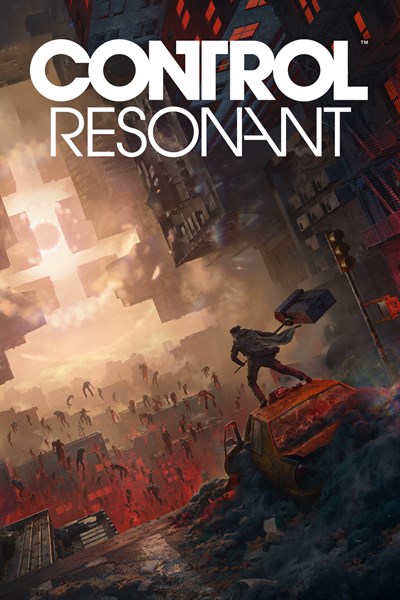
Control Resonant: Remedy on the Exciting Sequel, Xbox Play Anywhere, and Self-Publishing


Summary

  • We talk with Remedy’s Miika Huttunen, Mikael Kasurinen, and Anne-Marie Grönroos about the game’s diverse gameplay, support for XPA, and working with ID@Xbox.
  • Control Resonant takes the series in a new direction, from evolving combat to a new playable character, with support for a variety of platforms and devices.
  • Control Resonant launches in 2026 for Xbox Series X|S and Xbox on PC with support for Xbox Play Anywhere.

A highlight for independent developers is having the creative control in the direction of the experience they want to bring to the player. It’s what makes indies such a unique facet of game development today.

Over the years, Remedy Entertainment has staked their claim as one of the most innovative game developers, delivering numerous high-quality games from the likes of Alan Wake, Control, and soon with Control Resonant. It’s here where things get exciting — Remedy will be publishing Control Resonant themselves and the ID@Xbox team has been helping support and guide them through this journey as they bring this game to the Xbox community. Part of that support has been to make sure that the game will support Xbox Play Anywhere at launch for Control Resonant.

Xbox Play Anywhere titles can be played across Xbox console, PC, and supported gaming handhelds at no additional cost, allowing you to pick up where you left off on your preferred device, bringing all your saves, game add-ons, and achievements with you.

To learn more about this journey, ID@Xbox’s Guy Richards spoke with Remedy’s Miika Huttunen, Mikael Kasurinen, and Anne-Marie Grönroos about the game’s diverse gameplay, support for XPA, and more.


You’re bringing Xbox Play Anywhere support to Control Resonant at launch. What does that unlock for players, and how has it shaped your approach to development?

Miika Huttunen, Senior Communications Manager: We want players to feel at home with Control Resonant wherever they choose to play. Our focus has been on making sure the experience feels great across platforms.

You’re self-publishing Control Resonant and working with ID@Xbox on this project. How does that partnership support the way you want to bring the game to players?

Huttunen: Yes, Remedy Entertainment is publishing Control Resonant ourselves, which is incredibly exciting.  It’s been amazing to see our company grow over the years and we appreciate all of the support from our fans and partners. Of course, the ID@Xbox team has been a tremendous group to work with as we get closer to the launch of Control Resonant. Their support and guidance has been such a positive aspect of the journey to bring this game to the incredible Xbox community.

We of course have many partners we work with, such as ID@xbox to try to make sure we land well on all platforms. Remedy has a long history with Xbox, so that always helps!

With more players spending time on handheld devices, you’ve worked to make Resonant Handheld Optimized. How have you approached making Control Resonant feel great in that format?

Huttunen: We want to ensure the game is great on all platforms and the best possible experience for players. Many of the moments in AAA games tend to really shine on big displays, but we of course realize that there are players on handheld devices. We take that into account from a performance and controls standpoint to ensure that those players get the best possible experience.

Is this the kind of game that could benefit from playing side-quests on handheld, and switching to the TV for major moments?

Huttunen: That’s an interesting question. I think it’s up to players to decide on what type of device they want to play, but it’s definitely great that you can play on one device and then continue on another.

Control Resonant takes the series in a new direction, from evolving combat to a new playable character. What drove those decisions, and how did you balance these new ideas with what fans loved about the original?

Mikael Kasurinen, Creative Director: I look at these two games as siblings, each standing on their own feet, with their own attitude and approach to the world. But it’s still the same shared world, in the middle of a new crisis. The stories in both games have the Faden siblings at the center; we just shift the perspective depending on which game you play. So, players shouldn’t worry about losing a connection to these characters and who they are. But to truly get to know them, you need to see their respective journeys through their own eyes.

This also lets us bring a fresh take on the world through quests, gameplay, weapons, and abilities. And it’s easier for new players to jump in: there’s no pressure to play the first Control before Resonant. They both work as their own experiences, each with a protagonist who’s a blank slate, ready to discover their fate. And if you want to expand the picture, nothing stops you from seeing the other side of the coin.​​​​​​​​​​​​​​​​

The first game effectively took place in a single (albeit very changeable) location – how has creating an entire city changed how you design exploration, combat, and more?

Anne-Marie Grönroos, Lead Level Designer: We have a bigger, more interconnected world. The open areas are bigger and more frequent than in the first game, which means we can show landmarks from further away, creating anticipation between seeing them for the first time and finally reaching them: many of our landmarks are created by paranatural situations that the player needs to deal with, so just seeing them in the distance already starts building up a mystery. Compared to being constrained inside the Oldest House, we can show several interesting things to pursue at once, giving the player more options for where to go and what to focus on next.

There’s a greater variety of environments and a mix of both indoor and outdoor locations, creating a bigger contrast between the two (versus going from a small office space into a bigger office space). We also get the contrast of regular New York against the paranatural. The paranatural feels stranger when it’s grounded by something familiar. The scale of the big events is and feels bigger when you see the city as a point of comparison.

We can show and tell stories of the FBC interacting with the civilian world and see the impact of the paranatural on the lives of the regular people. You can see how FBC operations work outside the Oldest House, before and during the current situation. We also have stories with no FBC connections at all.

The city environments provide a lot of opportunities for vertical gameplay. We had significant verticality in the first game, too, but now you are constantly switching between the rooftops and street level and below, feeling even more like a superhero than in the first game.

Between Control, FBC, and Resonant – and the major ways they all differ – it feels like this setting can support whatever kind of game you want to make. Do you see Control as a place for Remedy to experiment in ways it would feel less appropriate to do with other projects?

Kasurinen: Control is a versatile franchise. It can support a wide variety of experiences, but of course they need to feel like they belong and have a meaningful role to play in the larger scheme of things.

Each entry in the franchise has to push the world’s story forward. For instance, even though FBC: Firebreak was a departure in many ways, it conveyed events that happened during the lockdown of the Oldest House after the events in Control and, in its own way, set the stage for Control Resonant.

So yes, it can and should also be a place for experimentation, as long as we keep our eye on the ball and it has something meaningful to say.​​​​​​​​​​​​​​​​


CONTROL Resonant

Remedy Entertainment


☆☆☆☆☆


★★★★★


After years in confinement at the hands of the Federal Bureau of Control (FBC), Dylan Faden’s former captors are deploying him at the peak of a supernatural crisis.

Charged with combating a mysterious cosmic entity as it alters fundamental aspects of our reality, Dylan must harness his new-found powers to take the fight to the myriad threats overwhelming Manhattan.

Join Dylan in this sequel to the multi-award-winning CONTROL to explore the expansive zones of a city overrun by the corrupting influences of the chaotic Hiss and invasive micro-organism, the Mold, and other twisted paranatural threats.

On the path to unlocking the full potential of his supernatural abilities Dylan will also seek out his sister, FBC Director Jesse Faden, as he bids to comprehend and contain the dangers that have spilled beyond the confines of the Oldest House to tear our world apart.


Kiloview NDI Workflows for Education


In this eduStreamTV 2026 session, James F. speaks with Judy Zuo from Kiloview about how NDI-powered AV over IP workflows are transforming educational video production, lecture capture, sports streaming, and campus-wide media distribution. The discussion highlights how schools and universities are using Kiloview solutions to create scalable, flexible, and low-latency production environments built around IP-based workflows.

Judy walks through Kiloview’s complete AV-over-IP ecosystem, including NDI encoders, decoders, media gateways, centralized network management tools, and scalable infrastructure solutions designed specifically for educational applications. These technologies allow schools to simplify deployment, improve workflow flexibility, and reduce the complexity often associated with traditional broadcast and AV systems.

The session also explores Kiloview’s cellular bonding technology, including the P3 and P3 Mini wireless bonding encoders. These portable solutions help schools and production teams maintain reliable live streams from remote locations, athletic fields, auditoriums, and campus events by combining multiple network connections for more stable video transmission.

Judy shares real-world education case studies featuring campus studios, auditoriums, and live sports production environments that demonstrate how educational institutions are using Kiloview technology to modernize media workflows while reducing infrastructure costs. By leveraging NDI and IP-based production systems, schools can support a wide range of live production and streaming applications with greater scalability and operational efficiency.

Watch this eduStreamTV 2026 session to learn how Kiloview is helping schools and universities build modern AV-over-IP production environments with NDI workflows, centralized video management, and cellular bonding technology for reliable live streaming and campus media production.

Uber has always wanted to be more than a ride; now it has reason to hurry


For years, Uber talked about becoming a super app. Then Waymo started picking up passengers in San Francisco, and the conversation grew more urgent. The company has been trying to embed itself inside the AV industry — as a data provider, an investor, and a distribution platform — but the consumer-facing bet may be just as important.

Two weeks ago, Uber held its annual GO-GET product event in New York and announced something its executives had been circling for a long time: users in the U.S. can now book hotels inside the Uber app, through a partnership with Expedia Group, with access to more than 700,000 properties worldwide. Uber One members — the company’s subscription tier at $9.99 a month — get 20% off a rotating list of 10,000 hotels and 10% back in credits. Vacation rentals through Vrbo will follow later this year, along with restaurant reservations via OpenTable. In the meantime, a “Shop for Me” feature lets users order from stores that aren’t even on the platform.

The announcements, taken together, were the most concrete picture yet of something Uber has been trying to conjure since at least 2019: that an app with 199 million monthly active users could become the app they use for nearly everything.

Praveen Neppalli Naga, Uber’s CTO, offered the clearest explanation of the company’s thinking at TechCrunch’s StrictlyVC event late last month in San Francisco. The super app concept has existed for years in India and Southeast Asia, he noted, but U.S. versions have mostly flopped by bolting services onto traffic rather than building toward a reason to stay.

His answer to what fits? Membership. Every new category — food, groceries, now hotels — gives someone another reason to pay for Uber One. “I take Uber, go to the airport, take a flight, take another Uber, go to a hotel, go to a restaurant,” he said. “There is a flow you can actually build into it.”

Flights are not available yet, though Naga didn’t rule them out. Uber tried flight booking in Europe years ago without success. “First let’s get the hotel things done,” he said. Financial services sound like a possibility too — Uber already offers a debit card to drivers in Mexico — though how far that goes, or when, remains unclear. Said Naga: “Never say never.”

Uber isn’t alone in this race. Airbnb, arguably the company most directly threatened by Uber’s hotel push, announced its own transportation ambitions in late March — a partnership with Welcome Pickups to offer airport transfers in 125 cities across Asia, Europe, and Latin America, structured to keep users inside the Airbnb app rather than sending them to Uber. Meanwhile, Elon Musk has spent three years promising to turn X into an “everything app” in the WeChat mold, and is now nearing what he describes as a long-stated goal: X Money, a banking and payments platform built inside the social network, is expected to launch publicly soon. X claims 500 million monthly active users.

Techcrunch event

San Francisco, CA
|
October 13-15, 2026

The big question is how many super apps the American market will actually support. WeChat works in China partly because the alternative was a patchwork of inferior options. In the U.S., people already have apps they like for most of what Uber wants to do. Getting them to consolidate inside a single platform requires either a compelling reason — Uber One’s discounts, say — or a seamless enough experience that switching feels worth it.

Uber’s bet is that its installed base is the moat. Its users have already handed over a credit card. Convincing them to book a hotel, or order from a store they’d never find on Uber Eats, is an easy lift compared with convincing them to download something new. Its most recent earnings, reported a few days ago, suggest Uber Eats may be the strongest argument for that thesis: delivery revenue grew 34% year over year in the first quarter, to $5.07 billion, making it easily the fastest-growing part of the business and pulling almost even with mobility in gross bookings.

Uber’s stock is still down about 8% from a year ago — suggesting that Wall Street isn’t fully convinced. But the company says that 50 million people are now paying for Uber One, and together they account for roughly half the company’s total bookings.

When you purchase through links in our articles, we may earn a small commission. This doesn’t affect our editorial independence.