Apple Cuts Jobs In Siri, Vision Pro Immersive Video and Gaming Teams


Apple is cutting more than 200 jobs as it shifts resources toward a rebuilt, AI-powered Siri and other future products. Roughly 100 positions are being eliminated from the Vision Pro organization, including much of its gaming team and some immersive-video staff. Another 100 cuts are hitting the Siri and software teams. Bloomberg reports: In a statement, Apple acknowledged that it was realigning some teams “to evolve our business to deliver the best experiences for our users.” “While we will create new roles as part of this change, it will also impact a limited number of existing roles,” the company said. “We are grateful to these team members for their contributions, and we are committed to supporting them throughout their transition, including opportunities to apply for other roles at Apple.”

The Siri reshuffling is tied to an upcoming AI-infused version of the assistant, which is built on a new technical architecture. That shift requires a change in the necessary expertise, prompting the company to eliminate a small number of existing roles, reallocate resources and create new positions supporting the updated Siri.

The changes to the Intelligent Systems Experience team reflect an effort to reorganize work on AI-powered capabilities. As more groups bring AI functions to apps, features and services, Apple is realigning teams to match priorities and accelerate development. The restructuring will eliminate some existing positions while creating new roles.

The newly independent Psychonauts dev now earns all the revenue when you buy games it made under Xbox: ‘Buying any of our games helps support the studio’


Double Fine has fully transitioned into an independent studio after leaving Xbox earlier this year. The studio now has full publishing rights to the games it made under Microsoft and earns all the revenue when you buy them, CEO Tim Schafer confirmed on the Kinda Funny podcast.

“Everything we got back, the transfer of the IP came back to us, and we got the publishing rights back for all our games,” he said. Steam still lists the publisher as Xbox Game Studios for games like Psychonauts 2 and Keeper, but that’s because it “takes a while for all of that to process,” he said. “When people buy our games it helps support the studio.”

The Russo tribute to key Avengers: Doomsday comic inspiration prove they understand the assignment for Doctor Doom


If you were worried Anthony and Joe Russo wouldn’t be able to handle the magnitude of Doctor Doom’s universe-shaking arrival in the MCU, think again.

In the Avengers: Doomsday directors’ foreword to ‘Time Runs Out’ – an iconic Jonathan Hickman-penned comic that charts the end of several Marvel universes and serves as a key touchstone for Doomsday – the pair cut to the heart of Doom’s psyche.


Strategies for CFOs to Navigate Tariffs and Global Disruptions


In today’s landscape, the phrase “unprecedented times” has become a cliché, yet the reality remains: the World Uncertainty Index has been steadily rising since 1990. Recent global events—such as COVID-19, the Ukraine war, inflation, and tariffs—have left CFOs grappling with heightened uncertainty about the impact of external pressures on their organizations.

Many executives describe this era as “the end of predictability,” where established trends give way to sudden disruptions in an increasingly complex environment. Alarmingly, two in five executives still feel unprepared for future market interruptions.1

“In four weeks’ time anything might happen. Or even four hours. This dramatically increases demand for scenario-based analysis and decision-making.” – Dr. Carl-Christian von Weyhe, CFO Middle & Eastern Europe, SAP

To tackle these challenges, CFOs must adopt new methodologies tailored to their organizations. This guide explores how forward-thinking finance leaders are effectively managing uncertainty by:

  • Rethinking traditional forecasting methods.
  • Embracing AI to enhance insights.
  • Improving data quality for better decision-making.
  • Weighing tough choices regarding supply partners, expense management, and pricing strategies.

Explore this guide, The end of trends: How CFOs can lead through tariffs and other external disruptions, to discover actionable strategies and tools that can help you navigate uncertainty effectively. Download it today.

Modern Outdoor Lighting Enhances Premium Properties in Dubai


premium properties in Dubai
Deposit Photos

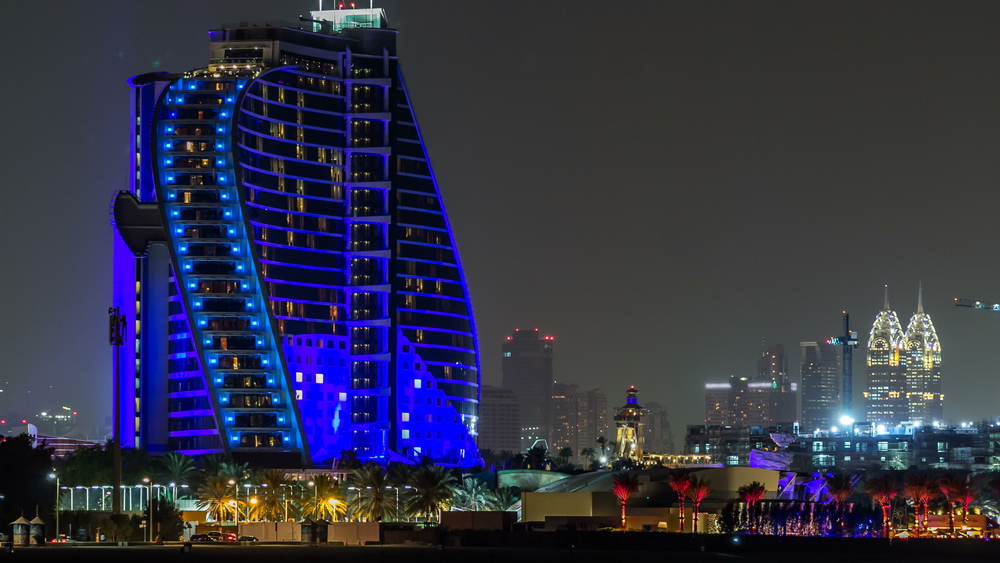
Dubai’s skyline is a testament to architectural ambition, but as the city’s luxury real estate market matures, the focus has shifted from the heights of the skyscrapers to the curation of the ground-level experience. For the villas of Emirates Hills or the beachfront mansions and other premium properties in Dubai on the Palm Jumeirah, the sun setting is no longer the end of the day, it is the beginning of a second, more atmospheric act.

Modern outdoor lighting Dubai has moved beyond simple utility.

Today, lighting has become a clever design trick used to carve out distinct areas, stretch out your living space, and give a luxury home its own unique personality.

The Shift in How We Light Our Homes

In the past, outdoor lights were usually just an afterthought, maybe a couple of harsh floodlights for security or a basic porch light so you didn’t trip over your own feet while looking for your keys. However, as Dubai has transformed into a global hub for luxury living, the “outdoor room” has become a central feature of the home.

Landscaping is now viewed as an extension of the interior. Consequently, lighting has evolved to be more subtle and layered. We are seeing a move away from harsh, glaring bulbs toward “light scapes” that highlight textures, heights, and architectural silhouettes without overwhelming the senses.

Minimalist & Architectural Lighting Concepts

In the world of ultra-modern villas, “less is more” is the golden rule. Minimalist lighting aims to hide the source of the light while celebrating the effect.

Linear LED strips tucked under stair treads, recessed wall washers that graze the texture of stone facades, and “moonlighting” (placing lights high in trees to mimic natural moonlight) are all the rage. The goal is to make the architecture appear as if it is glowing from within, rather than being illuminated by external lamps.

Smart & Sensor-Based Exterior Lighting

In a city as forward-thinking as Dubai, manual switches are becoming a thing of the past. Smart lighting systems integrated with home automation platforms allow owners to change the mood of their garden from a smartphone or a voice command.

Sensor-based lighting is also seeing a massive uptick. It isn’t just about the “welcome home” light when you pull into the driveway; it’s about “follow-me” lighting that gently illuminates a path as you walk through a garden and dims behind you, saving energy while adding a touch of magic to a midnight stroll.

Sustainable Solar & Energy-Efficient Solutions

Sustainability is no longer a buzzword when it comes to premium properties in Dubai; it is a requirement. With the UAE’s push towards green energy, luxury properties are increasingly adopting high-end solar solutions.

Modern solar bollards and path lights have come a long way from the flimsy plastic versions of a decade ago. Today’s premium lighting suppliers in Dubai provide heavy-duty, weather-resistant fixtures that store enough energy during the intense desert day to provide a warm, consistent glow throughout the night.

Landscape & Water-Feature Illumination Trends

Water is the ultimate luxury in a desert climate. Whether it’s an infinity pool overlooking the Marina or a minimalist zen fountain, lighting is what brings water to life after dark.

The trend for premium properties in Dubai is moving toward “underwater grazing,” where lights are placed to catch the movement of the water, casting dancing shadows on nearby walls. For landscaping, designers are using “uplighting” on palm trees to create dramatic vertical lines that draw the eye upward, making the outdoor space feel grander and more expansive.

Warm vs. Cool Lighting for Outdoor Ambience

One of the most debated topics in Dubai’s design circles is colour temperature.

Warm Light (2700K – 3000K): This is the preferred choice for residential luxury. It gives off that cosy feel of a crackling fire or a late sunset, making the whole place feel warm and easy to relax in.

Cool Light (4000K+): This is usually kept for security cameras or for showing off those ultra-modern, white-stone villas where you want a sharp, clean, and almost clinical look.

Most top designers suggest mixing things up: stick with warm tones for where you’ll be sitting and chatting, but use slightly cooler lights to show off your plants. It’s a neat trick because cool light makes leaves look way more lush and full of life.

Keeping Things Safe and Stylish

We all know a well-lit house is a safer one, but your home shouldn’t end up looking like a high-security prison yard. Modern luxury lighting for premium properties in Dubai is much smarter than that, it blends your security right into the overall look.

For instance, you can use infrared sensors that gently brighten the lights if someone walks by, giving you or your security team a heads-up without blaring loud alarms and ruining the mood. By tucking lights discreetly around the edges of the property, you get rid of those spooky dark corners, giving you total peace of mind while keeping that “five-star resort” vibe intact.

Boosting Your Property’s Worth

In a cut-throat market like Dubai, those first few seconds a buyer sees your home are everything. A villa that looks like a dream after the sun goes down has a massive advantage over the rest. Getting the outdoor lighting right does wonders for “kerb appeal”, it makes the whole place look more established, expensive, and properly cared for. It effectively increases the usable square footage of a home by making terraces and gardens functional 24/7, which is a major selling point for high-net-worth buyers.

Selecting Globally Recognized Lighting Manufacturers

When dealing with the extreme temperatures and salinity of the Dubai coast, quality is non-negotiable. If you go cheap on your fixtures with premium properties in Dubai, the desert heat and salty air will likely wreck them or cause them to fail within a single season.

Smart homeowners and developers don’t take that risk; they look for names with a solid reputation for both toughness and good looks. Big, globally recognised brands like Jaquar offer smart, integrated lighting systems that fit right in with modern building designs. It’s about making sure the actual lamps look just as high-end as the light they throw out, giving you a finish that actually lasts. By choosing established names, owners ensure their investment is protected by products engineered to withstand the elements while providing a world-class finish.

Find a Home-Based Business to Start-Up >>> Hundreds of Business Listings.

Survey suggests this is the slowest carrier if you have a cheap phone


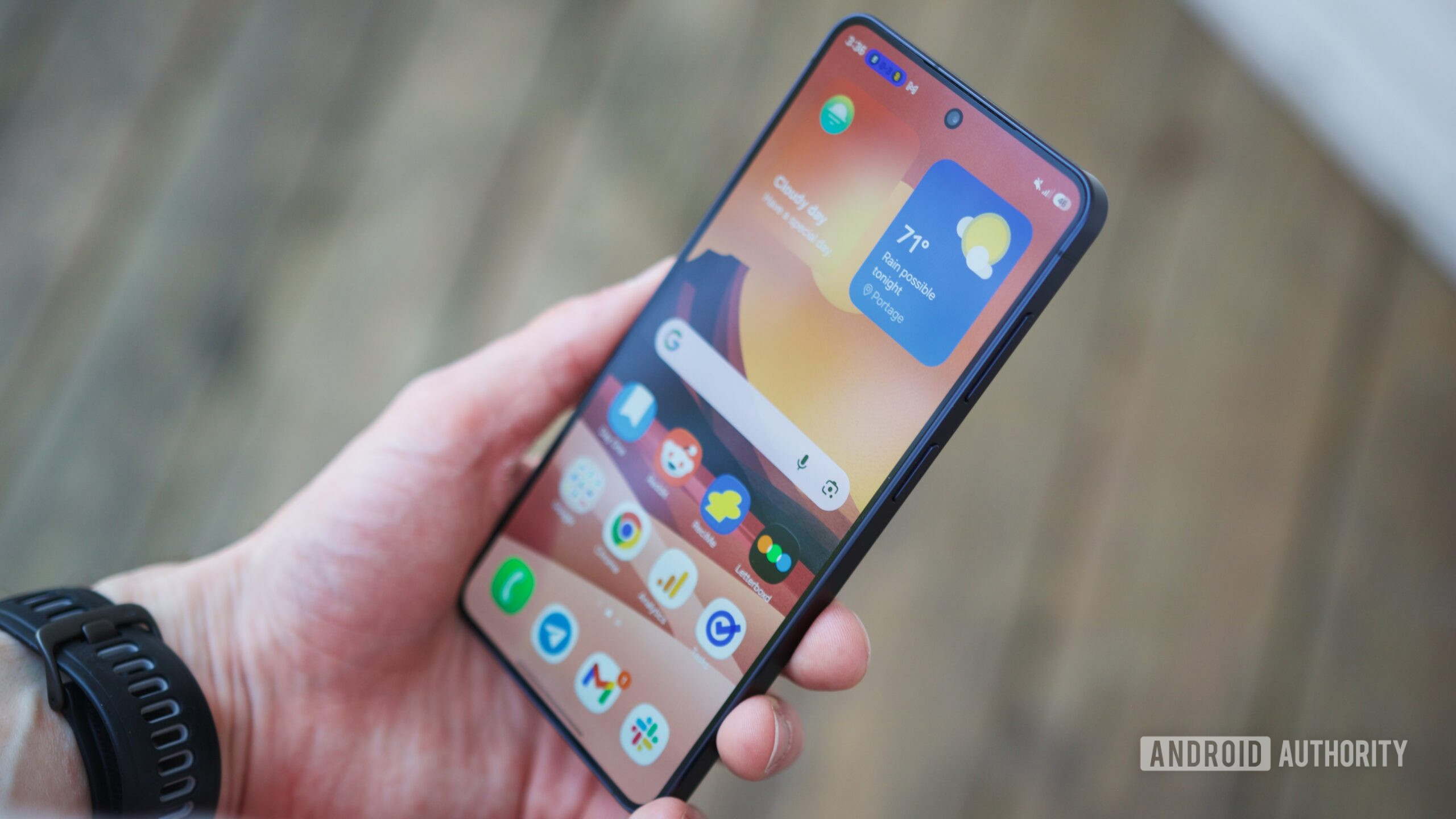
Samsung Galaxy S26 with its screen on, showing the home screen.

Joe Maring / Android Authority

TL;DR

  • Verizon recorded the biggest gap in cellular speeds between flagship and budget phones, according to a new survey.
  • T-Mobile had the smallest gap in speeds between high-end and cheap phones.
  • The survey also showed that Verizon recorded the lowest average speed for cheap phones in general.

The latest flagship Android phones are often equipped with blazing-fast cellular speeds owing to more advanced modems. But a new survey suggests that the speed gap between flagship and budget phones can also be accentuated by the carrier.

A survey by Recon Analytics (h/t: PhoneArena) yielded over 4,300 speed tests across US carriers. The survey found that flagship phones often had faster speeds than budget devices on the same network. That isn’t a surprise on its own, as high-end phones tend to get faster modems.

Have you noticed a big difference in cellular speed between budget and flagship phones?

2 votes

What is interesting, though, is that Verizon recorded the biggest gap between flagship and budget phone speeds. Recon Analytics reported that high-end devices averaged 124Mbps versus just 89Mbps for cheap devices. That’s a 35Mbps difference. By contrast, AT&T offered 153Mbps versus 133Mbps (a 20Mbps difference).

There’s good news for T-Mobile users, as flagship devices reportedly averaged 161Mbps compared to 156Mbps for budget phones. This was the smallest gap between flagship and budget devices.

So why is there such a huge gap on Verizon compared to T-Mobile? I can think of at least one potential explanation. Verizon makes aggressive use of mmWave 5G on its networks. However, phones require mmWave antennas and other equipment to actually use mmWave 5G. These hardware additions aren’t cheap, which means we don’t usually see many budget phones with mmWave. This could potentially explain the large gap between flagship and budget phones on Verizon’s network.

These results suggest that if you’re looking for a new carrier and you’re on a strict budget, T-Mobile might offer the best speeds on a cheap phone. But it’s worth noting that this is just one survey. So I’d advise you also check carrier coverage maps for a more complete picture.

Thank you for being part of our community. Read our Comment Policy before posting.

HyperX’s First Open-Back Gaming Headset Brings The Bass


HyperX has been making gaming accessories for over a decade (and well before that if you count stuff like RAM and SSDs), but somehow in all that time, the company has never made an open-back gaming headset. But that changes today with the $150 Cloud Alpha Air, which comes with plush foam earpads and a Bass Tube designed to preserve that low-end thump.

One of the issues for open-back headphones is that when compared to closed-backed rivals, there’s often a bit of bass loss due their more airy soundstage. However, on the Cloud Alpha Air, HyperX wanted to deliver the same low-end response you get from closed-back cans to help gamers more easily pick up on sound effects like footsteps and explosions. And during my short hands-on time with the Cloud Alpha Air so far, they certainly deliver.

HyperX’s cans produce a really satisfying and controlled deep rumble that gave me a newfound appreciation for Nintendo’s Wii Shop Channel theme without overpowering the mids and highs. And in games, its bass response highlighted low tones in shooters, though I don’t know if it’s enough to really give anyone a significant competitive advantage over similarly priced rivals. The Cloud Air Alpha also have an impedance of 34 ohms, which is relatively low, though I noticed that when I connected them to my PC via 3.5mm audio cable, overall volume was a tiny bit subdued, so discerning audiophiles may want to opt for HyperX’s included USB adapter or rely on their own DAC. And just like you’d expect, you can tweak the Cloud Alpha Air’s EQ and sound profile inside HyperX’s free NGENUITY app.

As for the rest of the Cloud Alpha Air’s design, HyperX kept things really simple. The only controls on the headphones themselves are a volume wheel and a mute button for its detachable mic. The sides of the cans feature a metallic grille that hides its red 40mm dynamic drivers underneath, while big foam earcups covered in ultrasuede provide a very comfy relaxed fit that makes them extremely easy to wear for long periods of time. Meanwhile, the metal headband feels quite sturdy and it easily withstood my bend test that consists of not-so-gently torquing each cup in opposite directions.

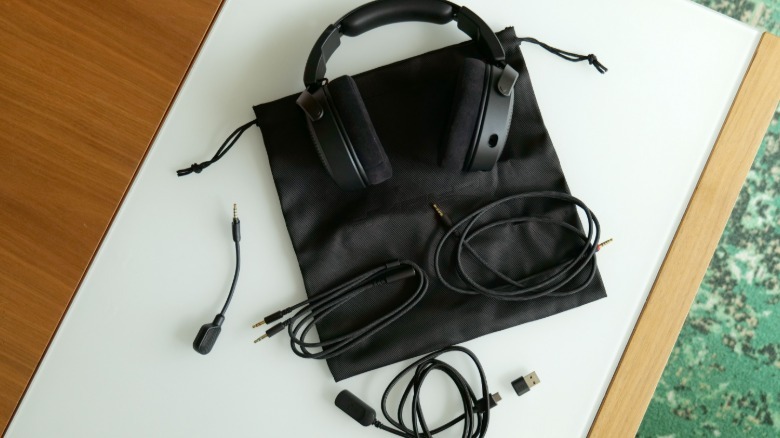
However, my favorite detail about the Cloud Alpha Air is that they come with full complement of cables and adapters including a basic 3.5mm cord, a PC extension cable with separate audio and mic jacks and a USB adapter that comes with both USB-A and USB-C connectors, so you can plug the headphones into pretty much any gadget you can think of. And to round out the kit, you even get a drawstring bag to pack everything into while traveling.

All told, it’s a pretty nice package, especially considering that it’s relatively affordable at $150. The only downside is that the Cloud Alpha Air is currently only available as a wired set of headphones. When I’m at home and battery life isn’t really an issue, I like having the freedom to get up and walk around while chatting on Discord or listening to music without worrying about cables getting all tangled up. But alas, that’s not an option quite yet. I strongly suspect that HyperX is working on a wireless version sometime in the future, but when I asked a company rep directly, they declined to comment. That said, the Cloud Alpha Air isn’t the only pair of headphones HyperX is launching today, as the company is releasing new color combos for existing products including the HyperX Cloud III S, HyperX Cloud III Wired and HyperX Cloud Flight 2.

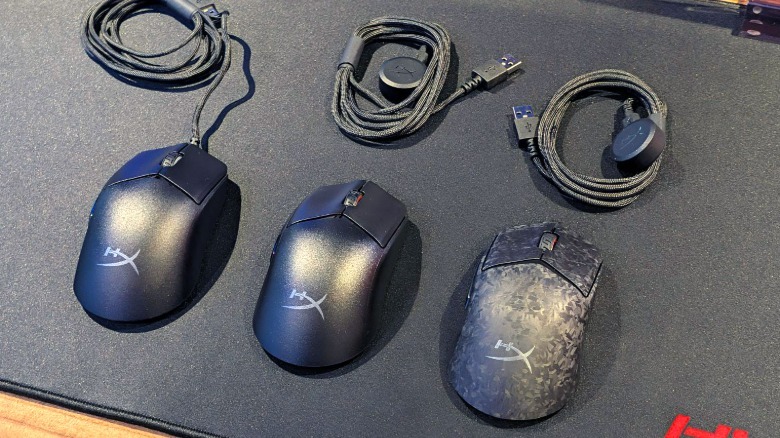
Alternatively, for those looking for new input options, HyperX created its lightest mouse yet in the Pulsefire Haste 3 Pro ($130). Made out of a carbon fiber shell and weighing just 47 grams, if you didn’t know better, you’d think the mouse was empty inside. That said, it features the company’s new Performance Sensor which delivers up to 42,000 DPI while still providing up to 150 hours of use (at 1K polling) in wireless mode. And if $130 feels a bit steep, HyperX also made a more affordable Pro Model for $90 featuring the same sensor and general features but with a slightly heavier plastic shell. Finally, if that’s still too much, there’s an even more budget-friendly wired model available for just $40.

Unfortunately, if you’re in the market for a new PC, aside from some updated AMD-based configs for the Omen 35L, it seems HyperX is waiting a bit longer to announce any new gaming laptops or desktops. But for those looking to upgrade their rig with some fresh peripherals while waiting for the price of RAM to come down, HyperX has a bunch of reasonably-priced accessories to consider this fall when these devices go on sale sometime in September.

The Friday Roundup – Shooting HDR and lighting Tips


Businessman blindly recommending HDR over SDR video.Businessman blindly recommending HDR over SDR video.

Everything You Need to Know About HDR Video, Part 1: The Basics

As a newcomer to creating your own videos or even as an intermediate user, you will often come across terminology is unfamiliar.

More often than not subjects like these are presented in a way that may make you think that you should be doing this thing or not doing that thing or whatever!

Shooting in RAW format is a typical one I come across all the time and it is often presented as a format that you absolutely have to be using.

I personally went down that entire rabbit hole only to end up back where I started shooting in the same way I had originally!

So, the topic being discussed in this video is HDR which stands for High Dynamic Range.

So rather than have me bang on about it, check this out to see if it is a mode that would apply to your video creation workflow and style.


More Lighting Advice I Wish I Knew Sooner

It is very easy to get caught up in the equipment arms race when it comes to extracting better quality in your videos.

Whenever you do a search on improving any part of the video shooting process it is almost inevitable that it leads to a camera gear discussion.

Believe me when I say I have trawled that path very, very often!

However, what I eventually learned was that the real key to quality, regardless of what camera or smartphone solution you have, is the ability to understand light.

Get that down pat and you are 90% of the way there.


How to Import PowerPoint Slides and Change Resolutions

For quite a while now PowerDirector has allowed the import of PowerPoint Slide presentations so that you can edit then and subsequently export.

Recent changes in PowerDirector have meant that the way you do that has changed slightly in that the import process now has to begin inside PowerPoint as an export first.

Not really a big deal unless you are unaware of the change!

Additionally, PowerDirector now has the ability to improve the quality of those slides as shown in the video below.


How to Create an On-point 2026 Intro – Movavi Ideas

This is a quick “How to” video from Movavi covering the simple creation of an intro sequence that looks modern and appealing.

There days one of the easiest ways to keep up with what is visually trending and being considered “attractive” by audiences is to follow what assets are being added to your video editing software.

Of course you could spend hours researching it all yourself but why work so hard!


Filmora Mask Effects: Transform Your Edits!

Last week I featured a video from the folks at Filmora highlighting a few of the new features and updates in Filmora 15.7.12.

One of those features was an enhancement to the masking tools making masking easier and more controllable.

You can see those improvements in this video as well as refreshing your knowledge of that entire module.


CapCut Desktop Tutorial for Beginners (PC & Mac, Step-by-Step)

Like most video editing apps at this level, CapCut has been developing its software at a fairly fast pace.

On one hand that’s of course good news but on the other hand you may find yourself a little at sea with all the changes.

In this video the guys from Primal Video have hit the reset button and uploaded a full beginners guide to the software from scratch.

If you are considering CapCut as your primary video editing software or if you have already been using the app, this is a great lesson on the current state of the software and what it can do.


Text Depth in CapCut – Custom Fonts & Watermarks Explained

From the outset CapCut looks to be simple a well-equipped beginner editing solution to get started with.

But don’t be fooled by that because it, like a few others at this level of software, is hiding a whole world of functionality as long as you know where to look!

In fact just about all video editing software is like this.

The basics are always presented up front because that’s what you need to get going.

Dig a little deeper and all sorts of control becomes possible.

Here’s a look at some of the more advanced tools you can utilize for fonts, text and watermarks.


This Scripting Mistake Makes Your Shorts Easy to Scroll Past

If you have been stuck creating videos whether short form or long form and are just not getting the results you expected then this is a video for you.

In fact if you are just setting out on a video creation journey, this is a lesson that will save you heaps of time.

So instead of chasing what “everyone says” about consistency, regularity and just plowing on regardless, take a look at this for a different perspective.


Key Takeaways

  • An introduction to HDR video, explaining its significance in video production.
  • Understanding light as a key factor in achieving video quality over solely focusing on gear.
  • Tips for using PowerDirector, Movavi, Filmora, and CapCut, highlighting their features and updates.
  • Gaining a better grasp of editing software leads to enhanced creativity and control in video creation.
  • Common mistakes when scripting videos, providing insights for better engagement.

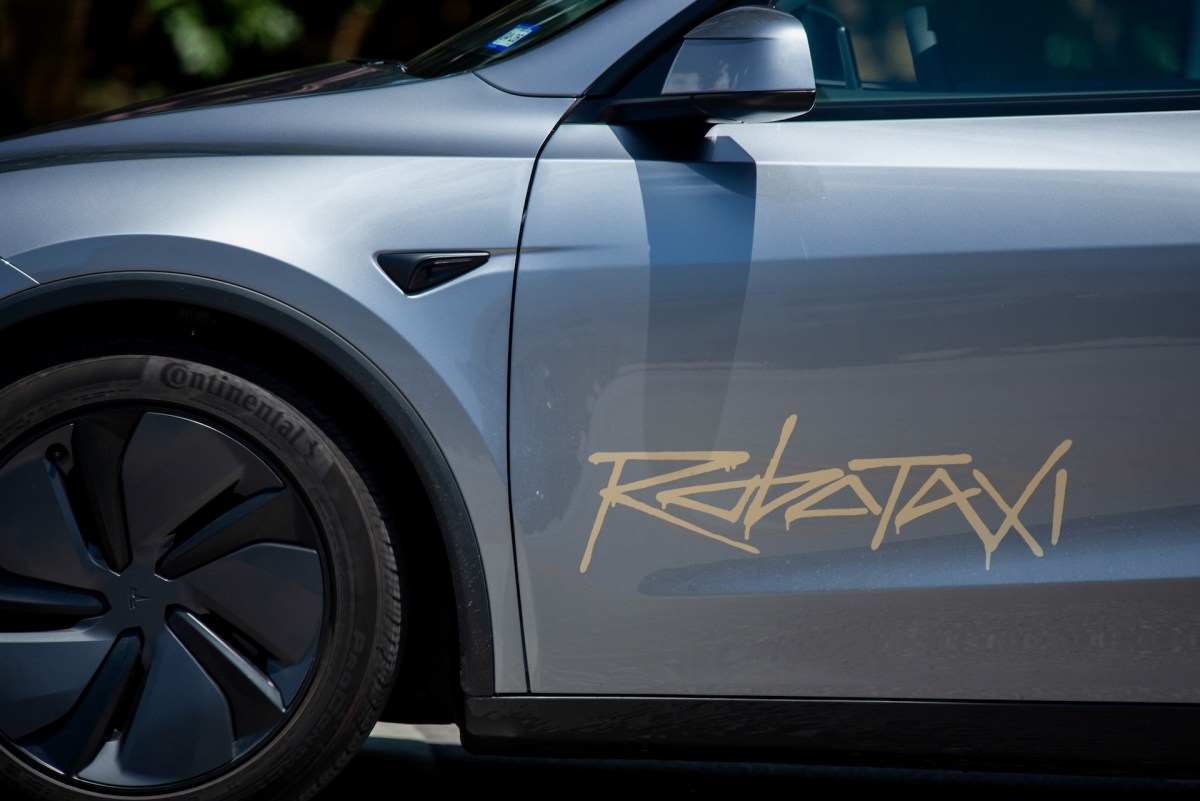
Tesla, Uber, and Waymo all get the OK to operate thousands of robotaxis in Nevada


Nevada, get ready for the robotaxis.

The Nevada Transportation Authority unanimously approved three permits Thursday that will allow Tesla, Uber, and Waymo to operate commercial robotaxi services in Clark County, home to Las Vegas. Together, these permits would deploy up to 8,000 robotaxis across the county over the next 12 months.

Tesla’s permit allows it to deploy up to 5,000 robotaxis, while Waymo is allowed operate up to 1,000 autonomous vehicles over the next year. Uber was also approved for 1,000 robotaxis, which it will operate through partnerships with Hyundai subsidiary Motional and Zoox. Zoox already holds an autonomous vehicle network company permit that allows it to operate 100 robotaxis.

Whether these companies will be able to launch that many robotaxis is an unanswered question. Testimony from Tesla representatives and the other companies suggests the answer is no.

“The 5,000 has always been a ceiling for us,” said Eric Early, Tesla’s Cybercab chief engineer, during the meeting. “I don’t think we’ll be in a position by this time next year to deploy 5,000 vehicles, and it’s not [because of] the technology. … I think we would be extremely happy and satisfied if we could get ourselves up to 2,500, maybe a bit higher than that in the next year.”

Even if these three companies roll out only half of those totals, Clark County — and Las Vegas specifically — is shaping up to be a major robotaxi battleground, with Tesla, Uber (via its autonomous vehicle partners Motional and Zoox), and Waymo all competing for the same riders.

That kind of fast, large-scale robotaxi deployment is poised to change the city — and specifically its workforce. Depending on who you ask, these companies will either deliver a whole new category of jobs designed to maintain, charge, and clean these vehicles or will wipe out an entire category of workers: human taxi and gig drivers.

Representatives from the Livery Operators Association and local taxi companies opposed the permits, arguing the approvals move too far, too fast.

“These applications raise two grave concerns,” said Kimberly Maxson-Rushton, a lawyer representing the Livery Operators Association, at the hearing. “One deals with the oversaturation of the commercial transportation industry as a whole in Nevada,” she said. “And the second one deals with the overcrowding of the roadways, and specifically the Golden Triangle.”

The Golden Triangle, an area between the airport and Las Vegas Boulevard and the surrounding area, is where most of the AV testing has occurred to date. Motional is also testing in the downtown area and in a shopping district known as Town Square.

Uber has tried to position itself as the Goldilocks option in this fight, advocating for a hybrid approach in which ride-hailing networks are made up of humans and robotaxis. The company has even lobbied for a system that would require robotaxis to operate on a ride-hailing network that also uses human drivers, a stance that puts it at odds with Waymo and doubles as a hedge against its own autonomous ambitions falling short of Tesla’s or Waymo’s.

Uber made a similar pitch during the NTA meeting, noting that a hybrid approach would allow cities to gradually integrate vehicles to meet peak demand rather than flooding the market all at once.

When you purchase through links in our articles, we may earn a small commission. This doesn’t affect our editorial independence.

EPYC 9006 Series: What You Need To Know


EPYC 9006 series banner

EPYC news is always interesting. While it’s not the processor you’re putting into your desktop at home, it’s fascinating to see what’s going on at the absolute highest end of the CPU market.

At their recent Advancing AI event, AMD officially unveiled the 6th Gen AMD EPYC 9006 Series (code-named “Venice”). Let’s take a look at the release timeline, the major architectural upgrades, why they matter, and who these heavy-duty processors are actually for.

EPYC 9006 Release Status: Is it Released?

The short answer is: not quite yet, but it’s right around the corner.

  • Flagship SP7 Platform: Slated for release in Q4 2026.
  • Secondary Platforms (SP8, Venice-X, and Verano LP): Rolling out throughout 2027.

By hitting these release targets, AMD is positioning the EPYC 9006 series to beat upcoming competitor Xeon platforms to crucial architectural checkpoints.

4 Major Upgrades in the EPYC 9006 Series

1. The Zen 6 Architecture (2nm Process)

The EPYC 9006 is built on the brand-new Zen 6 (and Zen 6c) architecture. Manufactured by TSMC on a cutting-edge 2nm process node, AMD is successfully beating the competition to this nanometer milestone.

  • Massive Scalability: This 2nm process allows the processor to scale all the way up to 256 cores and 512 threads per socket.
  • Generational Efficiency: AMD claims a massive 70% higher overall performance and efficiency per watt over Zen 5. While real-world use often varies slightly from announcement claims, a 70% leap is a massive draw for data centers running AI, machine learning, and other highly threaded applications.

2. A Total Memory Overhaul

Memory bandwidth is crucial for enterprise-scale workloads, and AMD has completely upgraded the memory subsystem for this generation.

  • 16 Channels: Upgraded from 12 channels to 16 channels of DDR5.
  • Blistering Speeds: Support for Multiplexed DIMMs operating at up to 12,800 MT/s (or standard DDR5-8000).
  • Higher Density: This translates to up to triple the amount of memory per socket compared to the prior generation.

This increase in both RAM density and throughput allows more, faster memory to be dedicated to each core, significantly accelerating memory-hungry workflows.

3. Next-Gen I/O: PCIe Gen 6, CXL 3.1 & AVX-512 BMM

More compute power doesn’t mean much if the data gets bottlenecked on its way to the processor. To solve this, AMD packed the EPYC 9006 with next-generation I/O capabilities:

  • PCIe Gen 6: Doubles the per-lane bandwidth over Gen 5, which is vital for keeping next-gen GPU accelerators fed and maximizing ultra-fast networking hardware.
  • CXL 3.1 Support: Allows multiple hosts to dynamically share and pool memory over the fabric.
  • AVX-512 BMM: New Bfloat16 Matrix Multiply vector instructions baked directly into the silicon allow for running AI inference right on the chip.

That’s a lot of technical jargon, but the takeaway is simple: these processors are perfectly tuned to crunch heavy AI and agentic workflows with zero I/O bottlenecks.

Specialized Form Factors for Specific Deployments

Rather than forcing every data center into a single, one-size-fits-all socket layout, AMD is splitting the Venice lineup into distinct platform tiers tailored to different workloads:

Platform Tier Key Specs & Target Workloads
SP7 (Flagship) The high-density powerhouse maxing out at 256 cores and 16 memory channels. Built for maximum I/O throughput in cloud giants, HPC (High-Performance Computing), and massive AI clusters.
SP8 (Enterprise & Edge) A more cost- and power-balanced version featuring 8 to 128 cores and 8 memory channels. Designed to fit traditional enterprise racks, edge computing, and virtualization environments.
Venice-X (3D V-Cache) Packed with up to 1,152 MB of L3 cache. Targeted directly at memory latency-sensitive HPC, engineering simulations, and heavy analytics.
Verano LP (AI Host Nodes) A high-frequency, low-power chip using LPDDR5X on modular SOCAMM2 boards. Built specifically to serve as the orchestrator node sitting right next to massive racks of AI GPUs.

The Bottom Line

It’s clear AMD is keeping their foot on the gas in the server space. By hitting the 2nm mark first and giving data centers these purpose-built silicon options, they are making a very strong case for why the EPYC 9006 is the processor everyone will be talking about in the coming years.

If the EPYC 9006 interests you, or if it means absolutely nothing to you at all and you’d rather have an expert figure all this out for your business, visit us at Velocity Micro. We can build a custom workstation PC engineered to meet your exact needs.

The post EPYC 9006 Series: What You Need To Know appeared first on Custom Gaming & Workstation PC Blog | Velocity Micro.