prisoninmate shares a report from 9to5Linux: Ubuntu 26.10 (Stonking Stingray) has been released today, and it is now available for download for those eager to update their Ubuntu systems to a newer release. Powered by the upcoming Linux 7.3 kernel series, Ubuntu 26.10 ships with the latest GNOME 51 desktop environment, TPM-backed full disk encryption (FDE) support on computers without a hardware root of trust, updated Settings to show whether a computer is certified for Ubuntu, and 100% Rust coreutils.
There are several App Center enhancements in Ubuntu 26.10, such as a unified app-details view for Snap and Debian packages, a dedicated Drivers page where you can review the available graphics drivers, including NVIDIA driver branches, and support for installing codecs for one-time playback when a media file uses a codec that’s not installed.’ Other additions include an optional, locally processed AI-powered speech-to-text tool called Myna, system-wide controls for disabling Ubuntu Insights data collection, and better integration with Microsoft Entra ID. Also worth mentioning are the security and software updates that will be available for nine months, through July 2027.
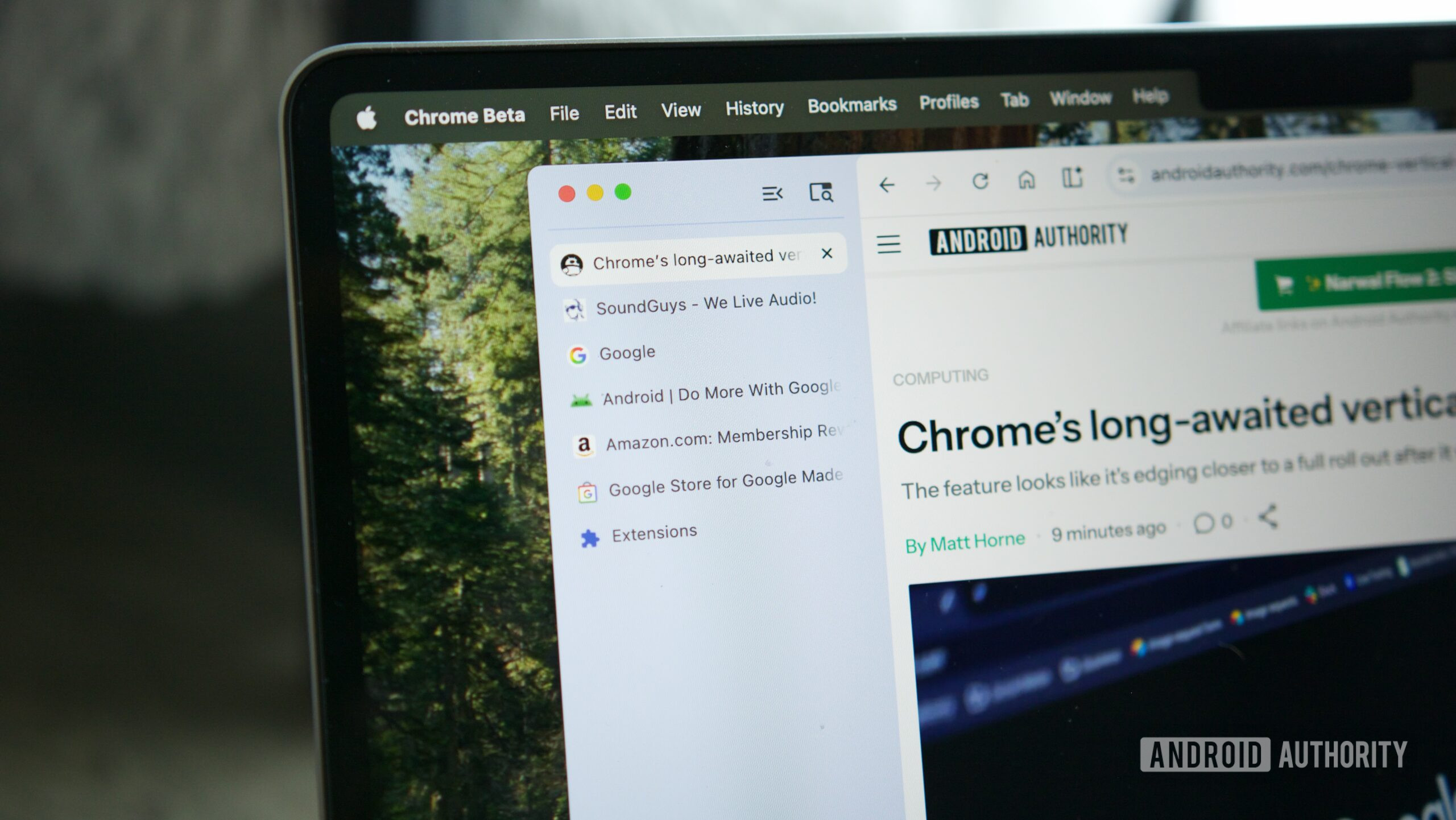
Google is working on a button to copy multiple links at once.
Engineers are exploring a button to copy URLs for all tabs in a group with a single click.
The one who proposed it says the feature could allow users to easily copy multiple source links at once and share them with an AI chatbot.
AI browsers have been cropping from the left, right, and center, and to keep up with intense competition, Google wants Chrome to feel as exciting as it did at launch. This is why Google is committing to delivering new Chrome features every two weeks, and one such feature could actually make researching and working with AI interfaces much easier.
Google is testing a new menu option that lets you copy multiple links at once. Based on a Chromium-related thread on Google’s Issue Tracker (via Piunika Web), Google engineers are exploring a single button to copy URLs for all tabs in a single tab group.
Design platform Figma announced a new Markdown-based editor to help define a company’s design, bring in design and code libraries, and integrate with the Payload headless content management system during the company’s first Config event in India. Through some of these features, the company aims to provide a definition for its own and third-party agents to adhere to a brand’s design rules better while creating with AI.
The company debuted a new feature called Figma Specs, which is a markdown editor that lets users define their design language in a simple way. The document can serve as a reference for teams and agents while designing in Figma. Specs can exist as a standalone file in Figma or can co-exist within the canvas. Apart from acting as a text editor, users can reference other Figma elements, such as elements on the canvas and embed FigJam diagrams, code layers, and designs.
What’s more, teams can bring in more context about design, including design libraries, code libraries, and guidelines to manage context for the design system. Agents can also refer to this centralized system to adhere to rules.
Image Credits: FigmaImage Credits:Figma
In the past week, the company made its agent on canvas available to a wider user base. However, given the non-deterministic nature of AI, the company is providing tools to steer it towards more predictable outcomes.
Figma also made its code layers feature, which adds coding to designs on canvas for more interactive prototypes. The company announced this feature in private beta back in June. At its India event this week, the company is making the function available in public beta to let more users test it out. Users can also ask the agent to turn a design into code or change a part of the code to iterate on a prototype.
Image Credits: FigmaImage Credits:Figma
“We see Figma as the place where software teams come to decide what they build and ship. And so for that, I think one of the key things to keep in mind about what AI has changed and what it made available is the ability to build,” Figma’s chief design officer Loredana Crisan told TechCrunch. “There are 17-times more lines of code being produced today than in the past. But when you’re looking at releases, only 1.3-times more releases. A lot of that code actually is not necessarily built to ship, but really built to discover what the product is. It’s built to design.”
The company said it is also supporting over 20 new tools with its MCP, including Open Code, Dia, Grok Bot, and Indian AI startup Sarvam.
Last year, Figma acquired open-source headless CMS Payload. Now, the company is integrating it with its Figma Make product for generating dynamic websites and directly managing content. The company said that Payload’s downloads have increased sixfold in the last 12 months.
The company opened its first office in India late last year with sales, partnership, go-to-market, and product support functions. Figma said that the country is its biggest market in terms of users outside the United States. The company noted that the platform works with 40% of India’s top 100 companies listed on the Bombay Stock Exchange.
When you purchase through links in our articles, we may earn a small commission. This doesn’t affect our editorial independence.
Aaron Sorkin, famed writer of TheWest Wing and Academy Award-winning The Social Network, is notoriously verbose. He has a reputation for linguistic flairs that some find awkward, and many find deeply compelling.
But in The Social Reckoning, a follow-up to the 2010 tale of Facebook’s founding, he is uncharacteristically sparing.
Yes, Sorkin — who wrote and directed the new movie — crams the script with one-liners and existential metaphors, random pop culture references, and cries for change, but it’s what he leaves out that viewers should pay attention to.
Through TheWall Street Journal‘s Jeff Horwitz (Jeremy Allen White)and Facebook whistleblower Frances Haugen (Mikey Madison), The Social Reckoning recounts the two years of work that made up the publication’s explosive 2021 series, The Facebook Files. The birth of the exposé, a series of insider accounts of Facebook’s decision to reroute its algorithm in service of polarizing extremism, is presented in two competing timelines.
In one, Huagen and Horwitz attempt to penetrate the Silicon Valley giant’s defenses to learn the true scope of its wrongdoing. In the other, CEO Mark Zuckerberg (Jeremy Strong) readies himself to testify before Congress — as Jan. 6th insurrectionists storm the Capitol.
So it’s strange that it’s characters — real-life journalists, brave whistleblowers, and profit-driven tech overlords who had a direct role in the current administration’s success — don’t say the name “Trump.”
Despite a third of the movie set in 2020, COVID-19 is largely referred to as “the novel virus.” The movie skirts the rampant medical misinformation, spread by conservative conspiracy groups, that flourished on Meta platforms.
The movie also omits the full details of Facebook’s startling algorithmic misconduct that surrounded and informed the events of The Social Reckoning. And that’s just the tip of the iceberg.
Meta IRL
In 2018, the tech giant was implicated in a massive data breach that harvested user profiles to target U.S. voters ahead of President Donald Trump’s 2016 election victory. Facebook had already been accused of a host of reported user privacy violations, including conducting an algorithm-based psychological study on unwitting users. Due to Facebook’s outsized role in spreading fake news, the company’s CEO was given the title “Misinformer of the Year” in 2017 by Media Matters for America.
Civil rights organizations like GLAAD have long deemed Meta’s platforms unsafe for LGBTQ users. Facebook’s algorithm has not only helped foster discord on home soil, but is also alleged to have had a role in global cultural genocides by human rights groups like Amnesty International.
Following Haugen’s real-life congressional testimony, used as the final beat of Sorkin’s film, the company was accused of exacerbating a youth mental health crisis, multiple deaths by suicide, and an explosion of real and synthetic child sexual abuse materials (CSAM). The first point is briefly touched on in the film, while the last is completely sidelined.
Three weeks after Haugen’s congressional appearance in 2021, Facebook changed its name to Meta. The company then underwent a brief public-image overhaul — until Trump came back into power. Following his reelection, Meta gave $1 million to Trump’s inauguration fund.
The Social Reckoning implores someone, anyone, to act. The film posits that the federal government may be able to hold Zuckerberg to account.
It hasn’t.
One character, a member of the company’s civic integrity team who helps leak internal reports about Instagram’s impact on teen mental health, tells Haugen that something needs to be done before the company proceeds with its plan for “Instagram Kids.”
Another real-life whistleblower, Arturo Béjar, has continued to testify to Meta’s alleged intentional disregard for teen mental health in court.
Mashable Top Stories
Will Meta change?
In the film’s epilogue, Sorkin describes Haugen’s disclosure as having “caused some pain” for the company.
“I would not call it a massive pain for Meta,” said Christine McComas, founding member of child safety advocacy group Parents for Safe Online Spaces (ParentsSOS). “It was a moment of clarity for people to understand what’s going on.”
Unlike Sorkin’s more timid portrayal, McComas describes Haugen as a person who knew what she needed to do. McComas credits Haugen with galvanizing the work of bereaved parents whose children had died by suicide following abusive social media interactions.
That is an inexcusable failure of leadership.
As of publishing, more than 3,000 federal lawsuits have been filed against Meta alleging intentional harm to teen users. The film briefly mentions the work of attorneys general in amplifying these claims. Many of these cases are still ongoing or have settled out of court, but a few have resulted in surface level changes to Meta platforms.
Much like Teen Accounts, researchers argue the changes did not do enough to protect young users.
Concerted pressure from state leaders and child safety advocates has finally pushed Meta to agree to more substantive reform, such as algorithmic guardrails. Still, most argue that comprehensive federal regulation is the only way to truly curb Meta’s harm.
Congressional leaders have “completely failed” to hold Meta and its competitors accountable, says Ashwin Verghese, communications director of child safety nonprofit Fairplay. “In fact, Congress has not passed a bill focused on keeping kids safe online in nearly 30 years. That is an inexcusable failure of leadership,” Verghese said.
It has been years since the Wall Street Journal published The Facebook Files. To be fair to Sorkin, political change is slow. Courts have their limits when powerful, near monopolistic, companies are involved.
But there’s a lingering question that the movie, given its timeline and broad topics, only mildly addresses through its luddite journalist, Horwitz: If Congress won’t act, why won’t we, as a society, just stop using Meta’s problematic products?
Meta, why can’t we quit you?
Compared to Horwitz, who is comedically introduced as someone who can’t even use a GPS, Sorkin depicts Haugen as an idealist, clinging to the democratizing potential of Facebook. Her movie self is a firm believer that the platform’s ability to foster social connection is a societal good. The character doesn’t rally for Meta’s shuttering, but for its reform.
In early 2026, professor and marketing expert Scott Galloway called for an industry-wide boycott of tech platforms with disproportionate political and economic power. Included in that list were Meta platforms WhatsApp and Facebook (Instagram is also in Meta’s corporate roster).
One year earlier, swaths of users threatened to delete their Meta accounts following platform changes that signaled its alignment with the Trump administration, including the erasure of hateful conduct protections for LGBTQ users and the shuttering of its fact checking program. Years before that, users attempted to galvanize change through the 2018 #DeleteFacebook trend.
Yet, even with these calls, Meta has yet to see a mass exodus of users. The company only recently reported a substantial decline in daily users across its platforms. The loss was just 20 million of a reported 3 billion users. After the launch of its new AI agent Muse, Meta regained almost 2 million daily users.
Too many people are complacent because they don’t know an alternative.
“Meta has spent millions of dollars in public relations campaigns to claim their platforms are safe while denying responsibility,” said Maurine Molak, advocate and co-founder of ParentsSOS. Molak was one of a group of survivor parents who received an apology from Zuckerberg during his 2024 congressional testimony.
Molak argues that Meta’s billion-dollar PR spin has sowed confusion among parents, users, and even congressional leaders. Without clarity, users are more inclined to stay and avoid the pains of leaving.
“Too many people are complacent because they don’t know an alternative,” explained Sam Hiner, executive director of the youth-led advocacy nonprofit Young People’s Alliance. Hiner and Molak both argue one of the biggest hurdles to leaving Facebook is the Fear of Missing Out.
“If you’re not online, it feels like you’re missing out on an important cultural space,” said Hiner. “It’s also hard for competitors to emerge because of the network effect — all of my friends are on Meta platforms, not whatever competitor may emerge.”
Molak links this to Facebook’s role as one of the first social media platforms. Millions, perhaps billions of adults, have spent nearly two decades building their accounts on Facebook and more than a decade on Instagram. Recntly, they have merged these accounts onto Meta’s X-competitor Threads — a wave of users flocked to Threads after Elon Musk’s take over of Twitter. It was the lesser of two evils.
Meta platforms are part of many’s daily habit, maybe even their identity. With its foray into general AI and its diversification into massively popular chat platforms, users are getting wrenched deeper into Meta’s web.
“Algorithms aren’t visible, so it’s understandably been quite difficult for most folks to connect the harms they experience in their communities — more people angry and outraged, more mental health problems, more anxious children — with some computer code designed in a faraway lab,” explained Julie Scelfo, founder and executive director of Mothers Against Media Addiction.
This movie will not move the needle on Meta
Meta has not issued a statement on The Social Reckoning, and it probably never needs to. The film’s opening weekend was an unequivocal flop.
The company is shielded by its buying power. In an April earnings call, the tech giant said it brought in $56.3 billion, probably tied to its ongoing generative AI investments.
“The monetary fines imposed on Meta are comparable to parking tickets,” said Molak. In August, Meta settled out of a potentially consequential social media addiction lawsuit for the sum of $17 billion dollars — just one percent of its stock value, paid out over a decade.
During one pivotal moment between Horwitz and Haugen in The Social Reckoning, Haugen ponders if it’s possible to push powerful people toward change.
“When it’s about money, it’s hard,” says Horwitz. “When it’s not about money, it’s even harder.”
For me, it’s never too early to start planning my holiday photos (and I’m sure I’m not alone!). There’s plenty of photo work to do as the fall and holiday season rolls around, from printing my favorite photos from the year before it ends to designing holiday photo cards to debating whether a new photo book or a mug with my son’s face on it should be my gift for a few family members.
Whether you’re planning photo gifts or just want to print your best photos from the year, you can keep it from getting expensive with these Walgreens coupon codes. There’s no limit to what you can create with your photos, and these coupons will help you make what you want without blowing your budget.
Here are all the Walgreens photo coupons to try if you’re designing photo gifts or printing pictures this fall. There are also Walgreens coupon codes to check out if you’re shopping the general Walgreens site, making your first-ever order, or even buying contacts.
Save More With Walgreens Photo Coupons: 70% Off Panels & 50% Off Prints
I wasn’t kidding about making just about anything. Walgreens can go beyond printing a stack of four-by-six photos and turn your photos into custom wall panels. These panels use wood and metal and make for durable home decor that should last you for years to come. Not only will they last, but you can save up to 70% on those panels with the Walgreens coupon code PANEL70.
Looking for posters or larger photos to complement your wall panels? Use the Walgreens promo code RETROFALL instead for 50% off prints, posters, and enlargements. Both of these codes will be live until November 1.
More Walgreens Photo Coupon Codes for up to 50% Off Cards, Stationery, and Wall Decor
I love this time of year for holiday photo cards, and these Walgreens Photo coupon codes can knock down the price of cards, stationery, and even wall decor. The code 40FALL is a great Walgreens Photo coupon for photo gifts, taking 40% off canvas prints, custom frame prints, and photo magnets.
Meanwhile, the code PENPALS is a Walgreens Photo coupon code for photo cards and stationery, taking 50% off all photo cards and premium stationery. That stationery includes a variety of cards and paper options and isn’t limited to holiday photo cards—use it for wedding invitations, birthday cards, or seasonal invites. (I’ve already sent out a Christmas party invite, so it’s never too early!) Both of these codes will be live until November 1.
Find a Walgreens Coupon Code for New Customer Savings: 20% Off Orders Over $25
If you’re new to shopping for photo gifts and decor at Walgreens, good news: you can get a special coupon code. The Walgreens photo coupon code for your first order is WELCOME20, which takes 20% off your first order. It can be accessed after you create a new Walgreens account online or through the mobile app. Once you create the account, you should receive confirmation that you’re eligible for the first-order coupon. You’ll need to make a purchase of at least $25 to use it. This code will be active at any time for new customers.
Save Up to 30% on Contact Lenses With a Walgreens Promo Code
Every year, I spend an alarming amount on contact lenses. Walgreens lets you order your contacts on the site, and it offers three promo codes for contact lenses: DEAL20 (for 20% off), SAVE25 (for 25% off), and DEAL30 (for 30% off). These codes apply only to orders shipped to your home and don’t bundle with accessories like contact lens solution. They will work until the end of the year.
Walgreens Discount Code: Save 10% Sitewide on up to 3 Orders
Not shopping for anything specific that the above Walgreens coupon codes will work for? Here’s one that works on anything on the site and can be used on up to three different orders. The Walgreens coupon code WAG10 will get you 10% off sitewide, and each account can use it on three different orders.
It won’t apply to everything: items like alcohol, baby formula, stamps, photo orders, and more don’t fall under this code. Check out all the details here to see if what you’re shopping for will qualify.
More Walgreens Coupon Savings for Fall 2026
If none of these Walgreens coupon codes sound like they’re up your alley, there are plenty of other discounts to explore on the site. You can find all kinds of savings on Walgreens’ website, including extra sitewide savings with the 20 percent off $60 sitewide with the Walgreens promo code SAVE20, or use the Walgreens coupon code WELL20 for 20% off wellness and beauty products.
The deals don’t end there, either. You can find things like buy one, get one 50% off select decorations (great for the holidays!), 40% off premium candy, and even 25% off cleaning essentials. Explore all of Walgreens’ coupon codes and deals happening now.
The Iran War has sent prices soaring for the typical American family. But how much more are we all paying thanks to President Donald Trump’s decision to launch his idiotic war of choice? About $2,000 per household, according to an estimate from Moody’s.
Mark Zandi, chief economist at Moody’s Analytics, spoke with CNN on Tuesday, explaining, “Many Americans have rightly connected the dots between the Iran War and the painfully high cost of living and thus want the war to end.”
By Zandi’s calculations, the war has cost U.S. consumers about $265 billion, totaling about $2,000 per household. Slightly over half of that $2,000 is from higher energy prices, including gasoline and home heating bills, according to Zandi.
But that’s just the tally for the war so far. The war was launched on Feb. 28, when President Trump insisted that it might last 4-6 weeks. Obviously we’re coming up on eight months of conflict at the end of this month and there’s no end in sight.
In fact, there’s probably a lot more financial pain ahead. 18 commercial ships have been hit by Iran in the Strait of Hormuz so far this month. And Reuters reported Tuesday that the headquarters of Saudi Arabia’s oil company Aramco was struck today. It’s unclear at this point if the building was a direct hit by a missile or shrapnel from a missile interception. Saudi Arabia has been the target of the Houthi rebel group in Yemen, which is aligned with Iran.
At least 16 people were killed over the weekend at Riyadh’s King Khalid International Airport and hundreds more were wounded, according to Bloomberg. The airport will remained closed until at least Oct. 17. President Trump whined about the Houthis in a post on Truth Social Tuesday, writing that they were “purposefully trying to drive up Oil Prices, probably prior to the U.S. Elections — NOT NICE.”
There’s no doubt that the Houthis are helping drive up oil prices by bombing targets in Saudi Arabia, but not everything happening in the world is necessarily tied to the U.S. elections. The Houthis have been targeting Saudi Arabia for years and President Joe Biden hit Houthi sites in Yemen several times in 2024, long before the start of Trump’s second term or his disastrous war in Iran.
The national average for a gallon of gas in the U.S. currently sits at $4.34, according to AAA, with diesel prices averaging $6.27. A year ago, the average for gas was $3.08 and diesel was $3.65.
The average price for a domestic airline ticket last week was $386, according to Kayak. The price a year ago was $306. The average cost for an international ticket is $1,038, while a year ago it was $820.
If you’re eager to get your hands on the highly anticipated iPhone Duo, the first foldable iPhone, here’s how to get a head start on ordering. Apple has opened a staging page for preorders on apple.com, where you can get ready to place a preorder for the viral phone.
Head over to Apple’s online storefront, and you’ll find that a new iPhone Duo configurator is now live. On that page, save your preferred phone color, storage, mobile carrier and payment method. Saving these details in advance ensures you can complete your purchase immediately when preorders open at 5 a.m. PT on Friday.
Apple unveiled the iPhone Duo, one of its first new products under the helm of new CEO John Ternus, during its Surprise and Shine event in Cupertino, California, on Friday. It’s the first foldable from Apple, although merely the latest in a wave of new bendy phones to hit the market.
The iPhone Duo opens to reveal a 7.6-inch display and folds down to a pocketable passport size. The shifting shape supports split-screen multitasking and Apple Pencil, and brings a host of new features and animations to Apple iOS 27.
Pricing starts at $1,999 for the 512GB model and tops out at $3,199 for the 2TB version — before carrier subsidies — making the iPhone Duo the most expensive iPhone ever released. Price aside, observers expect demand among early adopters to be high, so prepping your order now is a smart idea.
Not quite sure that the new iPhone Duo is the right phone for you? I’m also on the fence. Check out CNET’s coverage leading up to the launch of the new foldable and iOS 27, as well as the more conventionally shaped iPhone 18 Pro, so you can make an informed decision.
Antuan Goodwin
Senior Writer, Electrified Cars
Antuan has nearly 20 years of expertise and experience testing hundreds of cars, including electric, hybrid, plug-in hybrid, hydrogen, and traditional combustion vehicles.
See full bio
What good is a phone that can’t keep up with the average person’s day-to-day needs?
Karlis Dambrans/Shutterstock
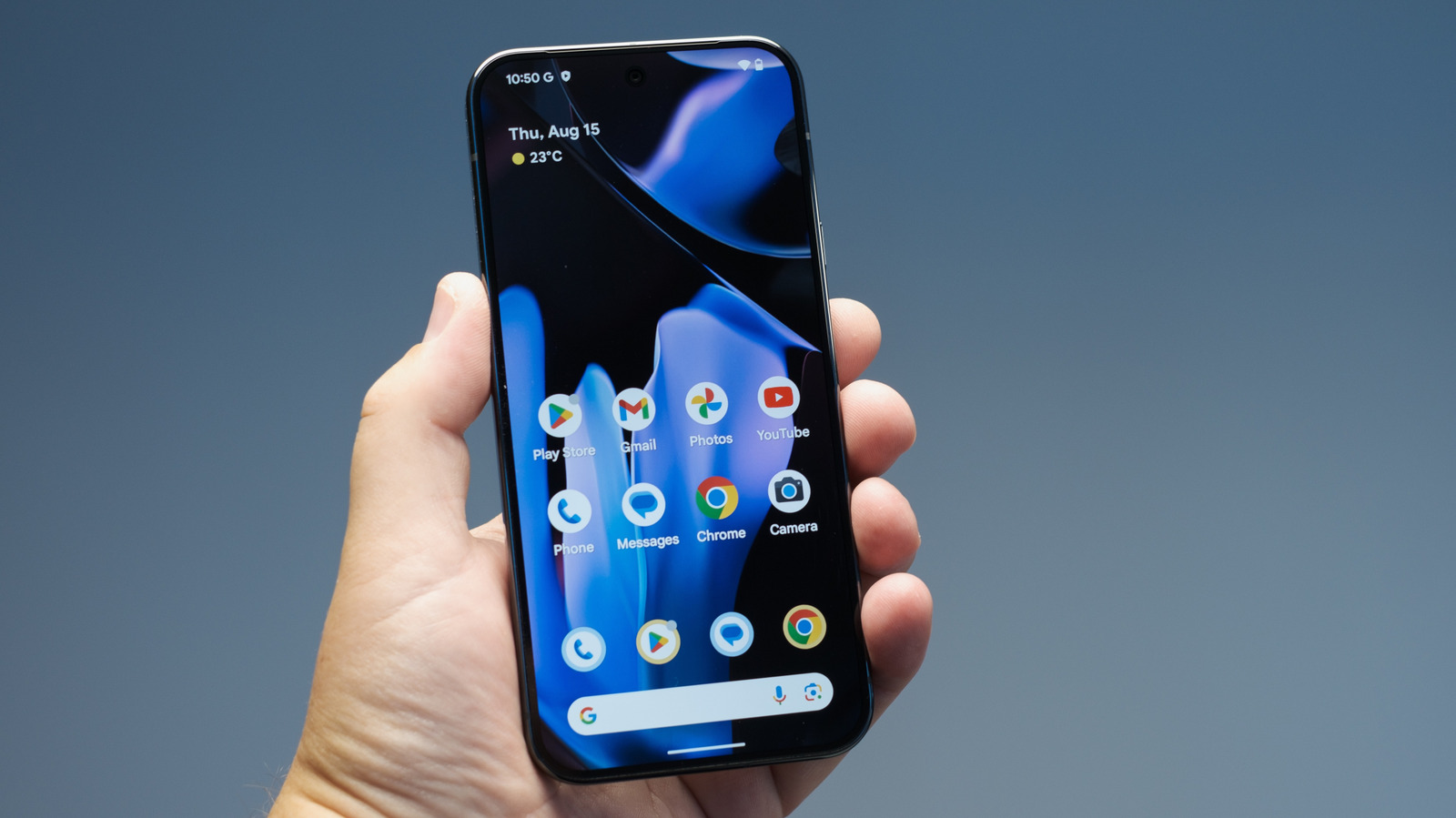
You don’t have to spend an arm and a leg on an Android phone, even if it’s brand-new. You can find plenty of great cheap Android phone options for $300 or less, if you know what to look for. And that’s the biggest thing to consider: knowing what features are crucial to have and where you can make concessions. Paying less for a phone that doesn’t have a sleek titanium frame, for example, is totally fine; you probably will (and should) put a case on it, anyway. But getting a phone with insufficient RAM, horrible battery life, poor cameras, a bad processor, or a small screen is where you want to draw the line.
In some cases, what you’re willing to sacrifice is an individual decision. If you’re a casual content creator, for example, the cameras need to be at least above average. But if you’re getting a secondary phone for basic messaging, you may be fine with just decent cameras. Nonetheless, there are some non-negotiable limits that anyone seeking out a cheap Android phone should focus on, no matter how you plan to use it.
Screen and RAM minimums
Ivan-balvan/Getty Images
Remember when phones had tiny screens? The original iPhone’s 4.5-inch screen seemed groundbreaking at the time, but by today’s standards, that just doesn’t cut it. A phone should have at least a 5.6-inch screen, though most nowadays are at least 6.1 inches. This allows you to enjoy a comfortable experience when holding the phone and typing two-handed while still being able to clearly see the content on it. That screen should also be an AMOLED panel with HD resolution and a decent peak brightness of at least 1,000 nits, so it’s viewable in direct sunlight.
Memory is another factor to consider. You’ll want at least 6GB RAM; otherwise, multitasking, video streaming, and casual gaming could be slow or inconsistent, and the phone won’t respond quickly enough to your demands. If you play a lot of mobile games, consider even going up to 8GB. Also, if there’s no expandable storage (which is a rarity nowadays), 128GB is the minimum you should consider. For peace-of-mind, go with at least 256GB. Otherwise, you’ll end up with a “phone full” message before you know it, and you’ll be forced to clear out the device or sign up for cloud storage.
Finally, the processor matters. While you might not need the best, fastest, most up-to-date processor, you don’t want one that’s slow as molasses. Check the age of the processor, as well as reviews for its performance, and factor this into your decision. There’s no value in getting a cheap device if it’s slow and laggy when you want to stream a movie, and a great processor is vital for gaming on an Android phone.
Don’t skimp on the battery and cameras
Nuva Frames/Shutterstock
Battery life and cameras are also important. A battery that’s at least 4,500mAh is sufficient, especially if the phone doesn’t handle heavy AI processing. But 5,000mAh is a better starting point nowadays to keep you going all day, even with moderate use. With cameras, you want a phone that can at least take photos that are good enough for sharing on social media and keeping for posterity. This means having at least a 32MP sensor for the rear camera, but also a large sensor that can capture more light and yield better photos overall, even if the megapixels are lower in one camera versus another. Don’t discount the front sensor and resolution as well, as this is what you’ll use to take selfies. Look for at least a 12MP front camera with, again, a good sensor size.
Consider other basics like NFC for tap-to-pay and more recent Bluetooth versions for reliable connectivity to headphones and speakers. For older models, confirm that there’s at least a few years left of software and security support. This sounds like a lot, but you’ll find plenty of devices that fit, like Samsung’s Galaxy A series phones (see our review of the Samsung Galaxy A17, for example) and phones from brands like Nothing and Motorola.
Even older-model Google Pixel phones can fit the criteria. You can find a renewed Google Pixel 8a for just over $300 nowadays, and it comes with just about every vital feature mentioned previously. Ideally, wait for seasonal promotions to find a decked-out mid-range phone for the price of a budget one. You’ll have to make compromises to go cheap, but there are many phones in the $300 range that meet or exceed non-negotiable features and specs.
Google just unveiled the $180 Fitbit Edge, a smart watch with a slim display.
It’s a new product, but it resembles Google’s own Fitbit Charge, among other slim smart watches.
Despite a price increase, not too much is different between the devices.
The Pixel Watch 5, for all intents and purposes, is my ideal platonic smartwatch. Of all the exercise smartwatch apps I’ve used, Google Health is the most approachable for tracking sleep, stress, readiness, and exercise.
But the chunky watch was never my favorite to wear. At 12.3 mm, the bubbled display is too thick and round for my liking — thicker than the Galaxy Watch (8.6 mm) and Apple Watch Series (9.7 mm) lineup. I always felt like the bulbous device calls attention to itself with its big display and thick frame — not a smartwatch that disappears on the wrist, by any means.
There are other smart watches with similar builds, like Xiaomi’s multi-generation Smart Bands. But the Edge most resembles products from within Google’s ecosystem. For example, it has a width similar to the Fitbit Air, but adds a touchscreen so you can check the time, initiate a workout, or check your progress during a recorded exercise. It’s a smidge thinner than the Pixel Watch, at 11.5 mm — still not as thin as competitors, but thinner than the Pixel Watch 5 (thank God).
Its closest sibling is the three-year-old Fitbit Charge 6, which is 11.2 mm thick, has a seven-day battery life, and the same display as the Edge. Just looking at the specs, there doesn’t appear to be many fundamental differences between them, with the exception that the Edge is Google’s first repairable Fitbit, and it’s $20 more.
Like the Fitbit Air and Charge, the Edge also includes a week-long battery life, with one big caveat. You’ll get seven days of battery life with always-on display disabled. With always-on enabled, the battery drops down to two days.
Unlike the Charge, Google adds a side button — similar to Apple’s Action Button — for activating workouts and selecting information. Under the hood, sleep tracking improves in the Edge by 15%.
Google’s screenless FitBit Air from earlier this summer. Nina Raemont/ZDNET
Like the Pixel Watch 5, wearers will be able to see their workout details, health metrics, and other messages on the Fitbit Edge. This visual guidance is displayed on a vibrant hybrid OLED screen built with Corning Gorilla Glass 3. It also syncs to your phone for incoming texts, Google Maps directions, and other notifications.
My concerns
When it comes to the price, I was expecting something similarly priced to the Fitbit Charge, and am wondering whether the small upgrades available on the Edge justify a $20 price increase. If the two most substantial upgrades are sleep tracking accuracy (which is software driven) and repairability, what part of this device is $20 more expensive to build?
The Fitbit Air was perfectly priced at $100, and, though I haven’t tested the Edge yet, I’m skeptical the added screen will justify the $80 price difference between the Air and the Edge — especially when the Air lasts seven days, while the Edge with always-on enabled only lasts two.
The Fitbit Edge is available to pre-order now, and it’s available everywhere on Oct. 27.
Nina Raemont
Editor, Wearables & Health Tech
Nina Raemont is ZDNET’s Health and Wearables Editor based in New York City. She is constantly testing out health trackers and always has at least two (but normally three) around her fingers or wrist. She was formerly an Associate Writer for CNET. She is a graduate of the University of Minnesota. In her spare time, she’s in her kitchen, trying a new baking recipe.
See full bio
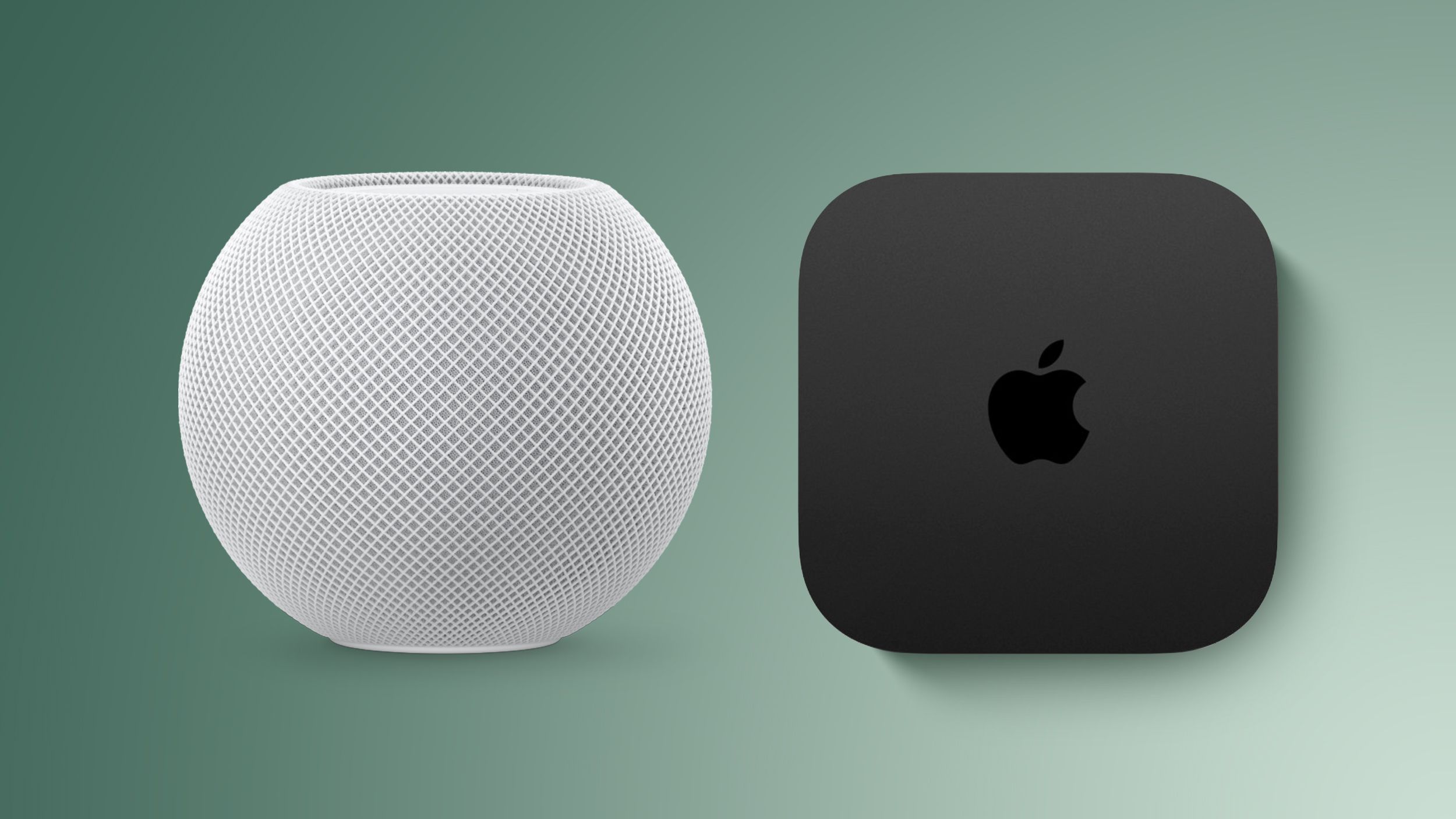
MacRumors contributor Aaron Perris has uncovered an image file from Apple for an unreleased Apple TV 4K, suggesting that a new model will finally be released soon. The image is specifically for an “Apple TV 4K (4th generation)” model.
Apple TV 4K (4th generation) image (on a gradient)
The image reveals that the Apple TV will have the same external design as the current model, with all of its…
The next iPad mini, HomePod mini, and Apple TV 4K models have all leaked, just a few weeks before the devices are expected to be announced. Specifically, MacRumors contributor Aaron Perris discovered a few of Apple’s official images of the devices, confirming their existence and some new features that are planned.
The most notable iPad mini details revealed in today’s leak include an A20 Pro …