Google’s new commerce framework cranks up the heat on ‘agentic shopping’


To further push the limits of consumerism, Google has launched a new open standard for agentic commerce that’s called Universal Commerce Protocol (UCP). In brief, it’s a framework that combines the power of AI agents and online shopping platforms to help customers buy more things.

Thanks to the introduction of UCP, Google is offering three new online shopping features. To start, Google’s AI mode will have a new checkout feature that allows customers to buy eligible products from certain US retailers within Google Search. Currently, this feature works with Google Pay, but it will soon add PayPal compatibility and incorporate more capabilities, like related product discovery and using loyalty points.

On the merchant side, the UCP also established the Business Agent feature, which Google said will be “a virtual sales associate that can answer product questions in a brand’s voice.” The Business Agent will launch tomorrow with early adopters including Lowe’s, Michaels, Poshmark, Reebok and more. Also for retailers, the UCP is responsible for the new Direct Offers feature, which lets companies advertising with Google to “present exclusive offers for shoppers who are ready to buy, directly in AI Mode.” The Direct Offers feature will work in tandem with the ads in AI Mode that Google is testing.

With UCP, Google Search, retailers and payment processors are joining forces to make online shopping even easier, whether it’s figuring out what product to buy, completing the purchase or offering “post-purchase support.” According to Google, UCP is compatible with existing industry protocols, like Agent2Agent, Agent Payment Protocols and Model Context Protocol. UCP was even co-developed with industry giants like Shopify, Etsy and Walmart, and was endorsed by even more companies in the commerce ecosystem, including Macy’s, Stripe, Visa and more.

India’s Paytm wins approval to resume payments growth


Paytm, a leading Indian financial services firm, has received regulatory approval to resume adding new UPI payments users, following an eight-month restriction on many of its operations.

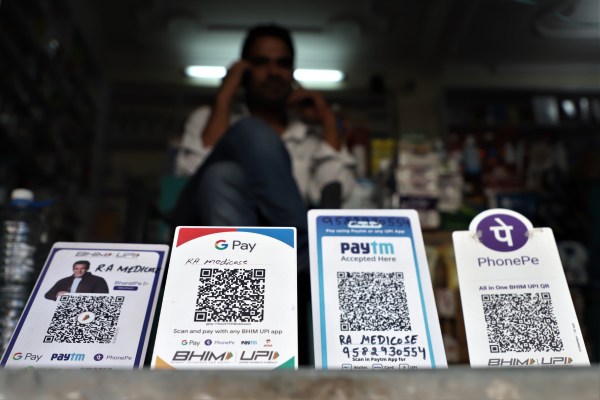
UPI, which processes over 15 billion monthly transactions, dominates India’s online payments. Walmart-owned PhonePe and Google Pay process about 87% of UPI transactions, whereas Paytm’s market share has shrunk from 13% to 8% after this year’s central bank restrictions.

The Reserve Bank of India ordered Paytm to cease many of the businesses at its affiliate payments bank early this year over repeated violation of rules. NPCI, the regulatory body that oversees UPI, approved Paytm’s application on Tuesday.

Analysts at Bernstein and Goldman Sachs said the approval is a “significant” development that will help revive Paytm’s transacting user growth. Paytm’s monthly transacting users has fallen to 68 million as of last month from 100 million in December.

Paytm on Tuesday reported revenue of $197.4 million in the quarter ending September, up from $178.6 million in the previous quarter but down 34% year-on-year from $299.5 million. Profit in the quarter climbed to $110 million after factoring in a one-time gain of $160 million from the sale of entertainment ticketing biz to Zomato.

Latest Google Pay updates aim to simplify your online shopping and checkout experience


Google Pay logo on smartphone next to money and cards Stock photo 3

Edgar Cervantes / Android Authority

TL;DR

  • Google Pay will now display relevant card benefits during checkout for select cards.
  • The “Buy Now, Pay Later” options are expanding to more online stores and Android apps.
  • Autofill in Chrome and Android will now allow users to fill in all card details, including security codes.

Google has announced a series of updates to its online payment platform, Google Pay. This is not to be confused with the Google Pay app, which is used for peer-to-peer payments and is being phased out in the US in June. Both are separate from Google Wallet, a digital storage solution for various credentials. I know; Google *needs* a lesson in intuitive naming.

Nevertheless, the company highlighted three key areas of improvement, addressing user concerns about security, convenience, and smart spending tools.

Card benefits visibility

Google Pay displaying card benefits at checkout

Among the most notable changes is a new feature that displays relevant credit card benefits during checkout. This feature is currently rolling out for select American Express and Capital One cardholders using Chrome on desktop. It aims to help users make informed decisions by highlighting cashback percentages, point multipliers, and other perks associated with each card. Google plans to expand this functionality to more cards in the future, potentially making it a valuable tool for savvy shoppers.

More BNPL options

Google Pay is expanding its support for “Buy Now, Pay Later” (BNPL) services for US shoppers. This feature, which allows shoppers to split payments into installments, was initially piloted earlier this year with select merchants. Google Pay is now integrating BNPL more broadly across various online stores and Android apps, partnering with providers like Affirm and Zip.

Autofill convenience

Google Pay autofill verification update

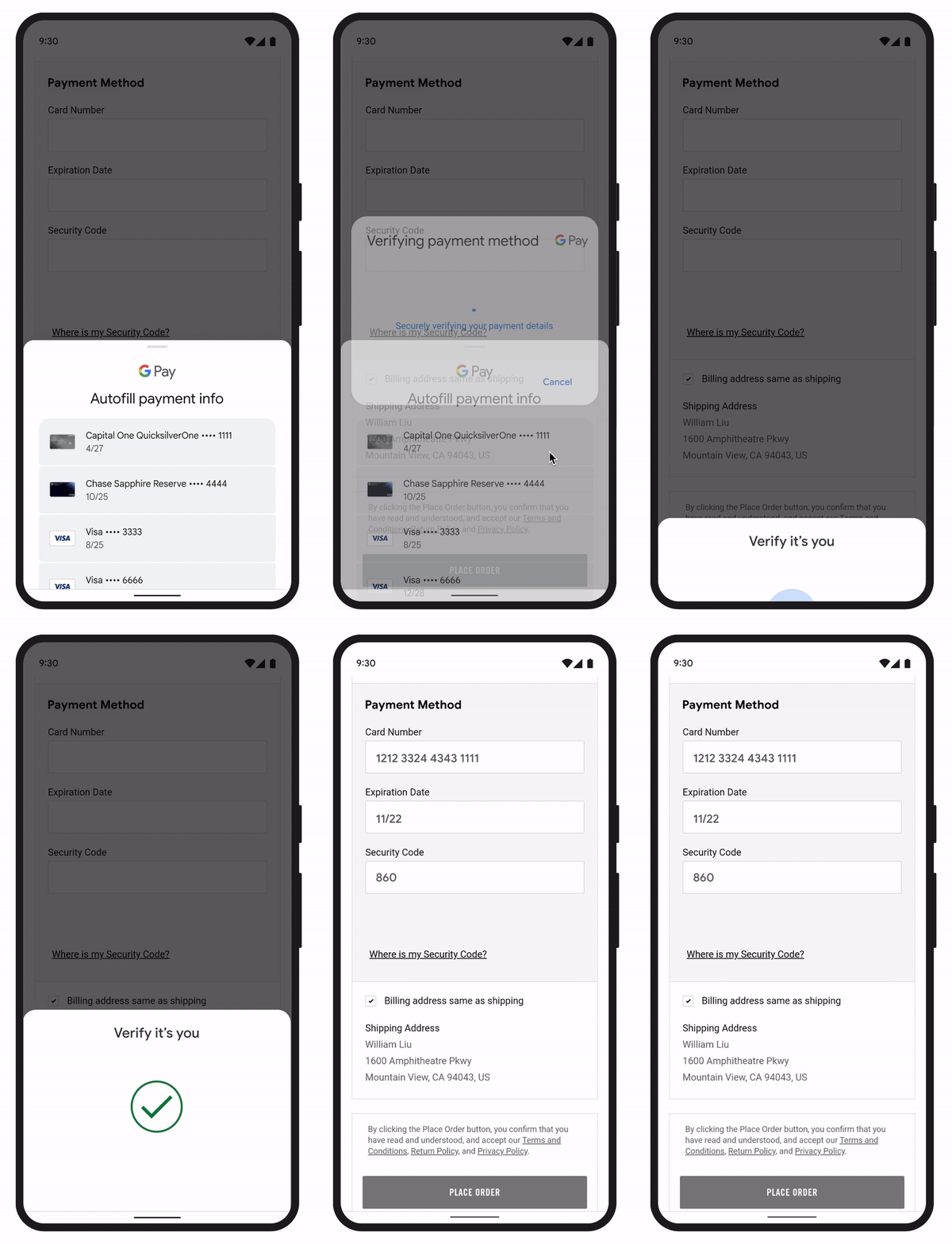
Google Pay is enhancing the autofill feature in Chrome and Android to expedite the checkout process. Now, instead of manually entering your card information and security code, you can choose to autofill all details, including the security code, by using your device’s existing unlock method (fingerprint, face scan, or PIN).

For added security, users can opt to set up device unlock, which requires unlocking your device before Google Pay reveals the full card details. The company claims that Google Pay may still require manual security code entry in certain situations, such as when suspicious activity is detected.

Overall, these enhancements aim to make Google Pay a more user-friendly and secure payment option for online shoppers. Whether Google’s security measures will adequately protect sensitive card data remains to be seen.

Got a tip? Talk to us! Email our staff at news@androidauthority.com. You can stay anonymous or get credit for the info, it’s your choice.

You might like

India scrambles to curb PhonePe and Google’s dominance in mobile payments


The National Payments Corporation of India (NPCI), the governing body overseeing the country’s widely used Unified Payments Interface (UPI) mobile payment system, is set to engage with various fintech startups this month to develop a strategy to address the growing market dominance of PhonePe and Google Pay in the UPI ecosystem.

NPCI executives plan to meet with representatives from CRED, Flipkart, Fampay and Amazon among other players to discuss their key initiatives aimed at boosting UPI transactions on their respective apps and to understand the assistance they require, people familiar with the matter told TechCrunch.

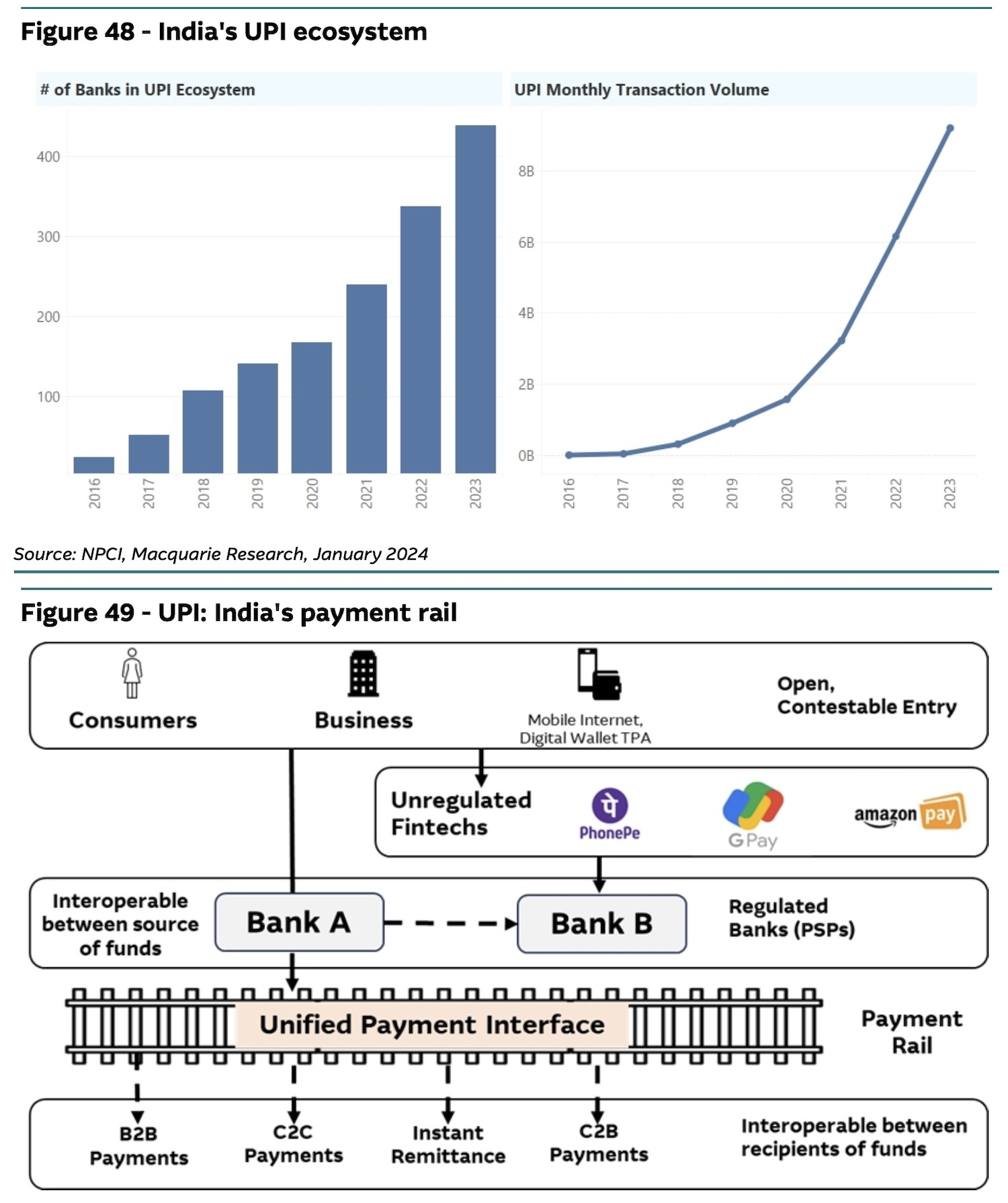
UPI, built by a coalition of Indian banks, has become the most popular way Indians transact online, processing over 10 billion transactions monthly.

The new meetings are part of an increasing effort to address concerns raised by lawmakers and industry players regarding the market share concentration of Google Pay and PhonePe, which together account for nearly 86% of UPI transactions by volume, up from 82.5% at the end of December. Walmart owns more than three-fourths of PhonePe.

Paytm, the third-largest UPI player, has seen its market share decline to 9.1% by the end of March, down from 13% at the end of 2023, following a clampdown by the Reserve Bank of India (RBI).

An overview of India’s UPI ecosystem. (Image: Macquarie)

The conversation follows the central bank expressing “displeasure” to the NPCI over the growing duopoly in the payments space, a person familiar with the matter said. An NPCI spokesperson declined to comment.

In February, a parliamentary panel in India urged the government to support the growth of domestic fintech players that can offer alternatives to the Walmart-backed PhonePe and Google Pay apps.

The NPCI has long advocated for limiting the market share of individual companies participating in the UPI ecosystem to 30%. However, it has extended the deadline for firms to comply with this directive to the end of December 2024. The organization faces a unique challenge in enforcing this directive: It believes that it currently lacks a technical mechanism to do so, TechCrunch previously reported.

The RBI is also weighing an incentive plan to create a more favorable competitive field for emerging UPI players, another person familiar with the matter said. Indian daily Economic Times separately reported Wednesday that the NPCI is encouraging fintech companies to offer incentives to their users, promoting the use of their respective apps for making UPI transactions.