Google’s new commerce framework cranks up the heat on ‘agentic shopping’


To further push the limits of consumerism, Google has launched a new open standard for agentic commerce that’s called Universal Commerce Protocol (UCP). In brief, it’s a framework that combines the power of AI agents and online shopping platforms to help customers buy more things.

Thanks to the introduction of UCP, Google is offering three new online shopping features. To start, Google’s AI mode will have a new checkout feature that allows customers to buy eligible products from certain US retailers within Google Search. Currently, this feature works with Google Pay, but it will soon add PayPal compatibility and incorporate more capabilities, like related product discovery and using loyalty points.

On the merchant side, the UCP also established the Business Agent feature, which Google said will be “a virtual sales associate that can answer product questions in a brand’s voice.” The Business Agent will launch tomorrow with early adopters including Lowe’s, Michaels, Poshmark, Reebok and more. Also for retailers, the UCP is responsible for the new Direct Offers feature, which lets companies advertising with Google to “present exclusive offers for shoppers who are ready to buy, directly in AI Mode.” The Direct Offers feature will work in tandem with the ads in AI Mode that Google is testing.

With UCP, Google Search, retailers and payment processors are joining forces to make online shopping even easier, whether it’s figuring out what product to buy, completing the purchase or offering “post-purchase support.” According to Google, UCP is compatible with existing industry protocols, like Agent2Agent, Agent Payment Protocols and Model Context Protocol. UCP was even co-developed with industry giants like Shopify, Etsy and Walmart, and was endorsed by even more companies in the commerce ecosystem, including Macy’s, Stripe, Visa and more.

Google will highlight the news subscriptions you care about


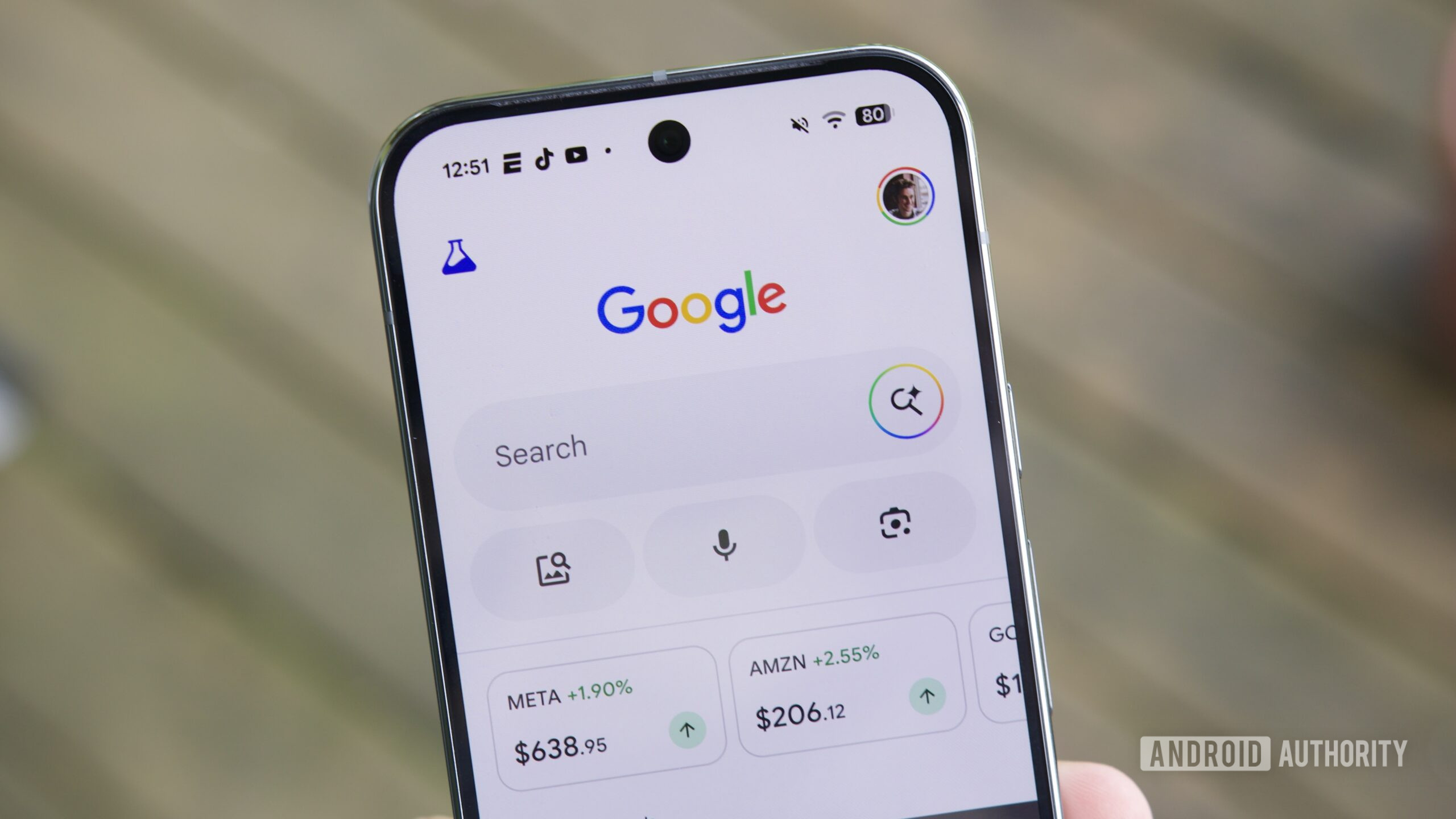
The Google app, showing the AI Mode button.

Joe Maring / Android Authority

TL;DR

  • Preferred Sources are going global for English-speaking Google users.
  • News subscriptions will appear more prominently, starting in the Gemini app.
  • AI Mode is increasing its inline linking to sources, as well as how it contextualizes those links.

In a world where it feels increasingly difficult to tell good, reliable information apart from AI fabrications, more and more of us are being intentional about where we go to find it, carefully curating our sources. Luckily for us, Google introduced Preferred Sources this past summer, giving you control over prioritizing content from the sites you trust most. And now, that’s getting even better.

Don’t want to miss the best from Android Authority?

google preferred source badge light@2xgoogle preferred source badge dark@2x

Today Google announces a few upgrades for Search, including word of a big expansion for Preferred Sources, with the feature rolling out globally for English-language users over the next few days. The company shares that so far people who have taken advantage of Preferred Sources ended up clicking links to those sites twice as often.

google search preferred sources update

We’re also seeing some changes to how Google handles new sources you’re subscribed to, highlighting that content in a new carousel. You’ll see this first in the Gemini app, before Google expands it to AI Mode and AI Overviews later down the road.

Speaking of AI Mode, look for some changes to how links are featured there, including short contextual introductions for why you might want to check out certain sources, and just more links appearing inline in general.

Google News is starting tests on a few other AI features, with audio briefings and text-based AI summaries of stories appearing from certain news sources Google’s partnered with.

Finally, Google’s got an update for us on Web Guide — we’ll forgive you if this one doesn’t immediately ring a bell. Launched five months ago as a Search Labs experiment, Web Guide was built to use Gemini to organize Search results in a more useful, structured way.

google search preferred sources update web guide

Going forward, you should start seeing Web Guide results in Search a lot more frequently for those of you who have opted in to get them. And Google says that the feature now runs twice as fast as it used to, connecting you with those optimized results in record time.

Thank you for being part of our community. Read our Comment Policy before posting.

Google wants Search to be more like an AI assistant in 2025


Google Search is in the midst of a “journey” around AI, Google CEO Sundar Pichai said during the company’s earnings call on Tuesday. The start of that journey was AI overviews, a controversial and monumental shift in how Google delivers information to billions of Search users.

But that was just the beginning.

“As AI continues to expand the universe of queries that people can ask, 2025 is going to be one of the biggest years for search innovation yet,” said Pichai during his opening remarks on the call.

Throughout the call, Pichai laid out the next phase of Google’s plan to pack Search with AI features from the company’s research lab, DeepMind. The Search product is slowly becoming more like an AI assistant that browses the internet for you, looks at web pages, and returns an answer.

It’s a long way off from a simple search system that gives you ten blue links.

Google has been on this path for a few years now, ever since the search giant was caught flat footed by the release of OpenAI’s ChatGPT in 2022. The shift has massive implications for websites that rely on Google’s traffic and businesses that buy ads on Google Search.

Not everyone is happy about it, but Google is pushing ahead.

When asked about the future of AI and Search, Pichai said that, “You can imagine the future with Project Astra,” a reference to DeepMind’s multimodal AI system, which can process live video from a camera or computer screen and answer user questions about what the AI sees in real time.

Google has big plans for Project Astra in other parts of its business too. The company says it wants the multimodal AI system to power a pair of augmented reality smart glasses one day, which Google will create the operating system for.

Pichai also mentioned Gemini Deep Research – an AI agent that takes several minutes to create long research reports – as a feature that could fundamentally shift how people use Google Search. Deep Research automates work that people have traditionally done with Google Search. But now, it seems Google wants to do that research for users.

“You are really dramatically expanding the types of use cases for which Search can work – things which don’t always get answered instantaneously, but can take some time to answer,” said Pichai. “Those are all areas of exploration, and you will see us putting new experiences in front of users through the course of 2025.”

Pichai said further that Google has a “clear sense” of the Search experiences it could create with another one of Google’s AI agents, Project Mariner. That system can use the front-end of websites on behalf of users, making it unnecessary for people to use websites themselves.

Google’s CEO also said there’s an “opportunity” around letting users interact more and ask follow-up questions with Google Search. Pichai was light on details there, but it sounds like Google is considering ways to make its Search interface more like a chatbot.

“I think the [Search] product will evolve even more,” said Pichai. “As you make it more easy for people to interact and ask follow-up questions, etc., I think we have an opportunity to drive further growth.”

Today, ChatGPT has matured into one of the internet’s most used products, with hundreds of millions of weekly users. It presents an existential threat to Google Search’s long-term business. To address it, Google is not only building a competitor AI chatbot with Gemini, but also injecting AI features directly in Search.

Of course, the first step on Google Search’s AI journey did not go very well. When Google rolled out AI overviews to all of Google Search, the system displayed inaccurate and weird AI hallucinations. These included answers that told people to eat rocks and put glue on their pizza. Google admitted at the time that AI overviews needed some work.

Despite this negative rollout, it appears Google is just getting started putting AI into Search.

Here’s why Apple won’t make its own Google Search rival


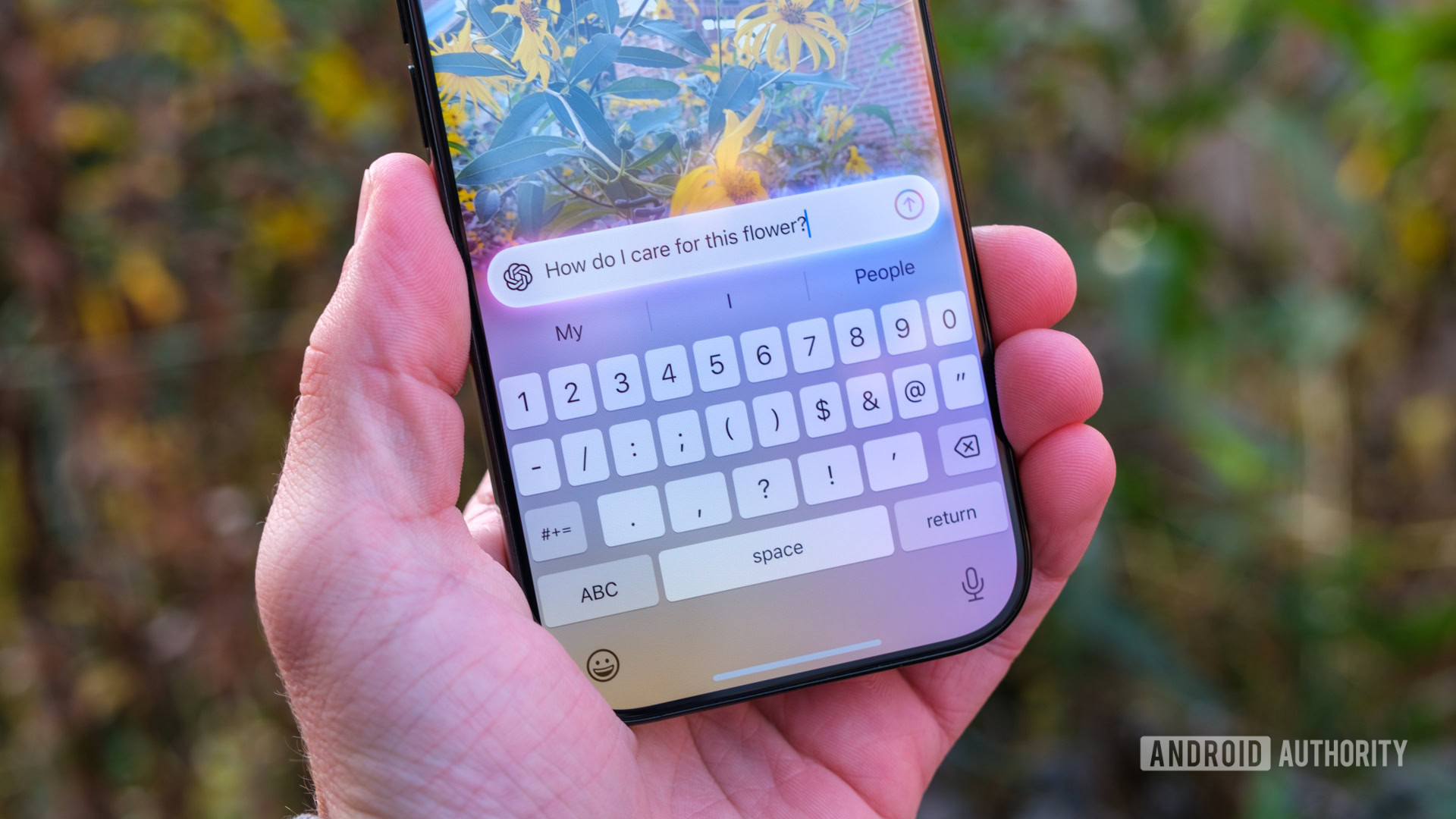
Apple Visual Intelligence vs Google Lens typing to chatgpt

Ryan Haines / Android Authority

TL;DR

  • Apple receives billions from Google for using Google Search as the default on iPhones, a declaratory filing in the ongoing Google antitrust trial revealed.
  • Developing a rival search engine would be costly and time-consuming for Apple.
  • Apple’s privacy focus also clashes with the targeted advertising model of search engines.

Google Search has been prolific in shaping the Internet in the same way that Android shaped the smartphone market. Google managed to leverage both its businesses to grow each other, and that creates an expectation from competitors to follow suit. However, notable competitor Apple prefers to pack in Google Search on iOS instead of working on a rival offering, and we’ve now learned more about the reason behind such a move.

Apple has asked to participate in Google’s upcoming US antitrust trial over online search, as Reuters reports. The company says it cannot rely on Google to defend its revenue-sharing agreements for making Google the default search engine on Safari on iPhones. Apple received an estimated $20 billion from Google in 2022 alone.

As Macrumors spotted in a declaration in the court filings, Apple’s Senior Vice President of Services, Mr. Eddy Cue, has explained why Apple does not want to create its own search engine. Developing a search engine would cost billions of dollars and take many years, diverting resources like capital and employees away from the company’s other growth areas. Further, Apple does not have enough specialized professionals and operational infrastructure to build and run a successful search engine business.

The declaration in the court filings explains that search as a business is rapidly evolving due to artificial intelligence, making such an investment economically risky. To create a viable search engine business, Apple would have to “sell targeted advertising,” which is not a core business for the company and would go against its longstanding privacy commitments.

Mr. Cue is asking the US court to allow Apple to defend its revenue-sharing agreement with Google by having its own witnesses testify during the trial. If the agreement can no longer continue, Mr. Cue mentions that it would hamstring Apple’s ability to continue delivering products that best serve its users’ needs.

It remains to be seen if the court would allow Apple to participate in the Google antitrust trial and defend the billions of dollars it could potentially earn from future revenue-sharing deals.

Got a tip? Talk to us! Email our staff at news@androidauthority.com. You can stay anonymous or get credit for the info, it’s your choice.

Google Wants to Show You More YouTube Ads When You Pause Videos


Image for article titled Google Wants to Show You More YouTube Ads When You Pause Videos

Image: PixieMe (Shutterstock)

If you already hate ads on YouTube, then you’re going to have a bad time with Pause Ads. During its earnings calls on Thursday, Google crowed about the success of the tests it’s run on the ads, which could indicate the “feature” will roll out to even more watchers.

As the name implies, Pause Ads are unskippable advertisements that play when you hit pause on a video. Google is trialing Pause Ads on TVs playing YouTube videos, and according to yesterday’s call, the company is happy with the results.

“In Q1, we saw strong traction from the introduction of a Pause Ads pilot on connected TVs, a new non-interruptive ad format that appears when users pause their organic content,” Philipp Schindler, senior vice president and chief business officer at Google, said in Thursday’s earnings call. “Initial results show that Pause ads are driving strong Brand Lift results and are commanding premium pricing from advertisers.”

Schindler didn’t say if Pause Ads will roll out to more YouTube users or if these unwanted advertisements will find their way to smaller screens like phones and desktops. YouTube first highlighted the feature last year in its Upfronts post saying how these ads were a great opportunity for brands to “drive awareness or action by owning that unique interactive moment when people pause a video.”

It’s no surprise that YouTube wants people to watch more of their ads because that’s where it gets a lot of its money. That and people who pay for YouTube Premium because they’re sick of the ads.

The video platform has been cracking down on ad blockers for the past year. This move appears to be helping Google’s bottom line as the company said in its earnings call that YouTube Ads revenue was up 21% over the same time last year.