
Khamosh Pathak / Android Authority
Add Android Authority on Google:
I really like the idea of a “dumbphone”, or a minimalist phone. It’s just the essentials. The phone, maps, calendar — only the useful bits. None of the time-sucky, doom-scrolly distractions.
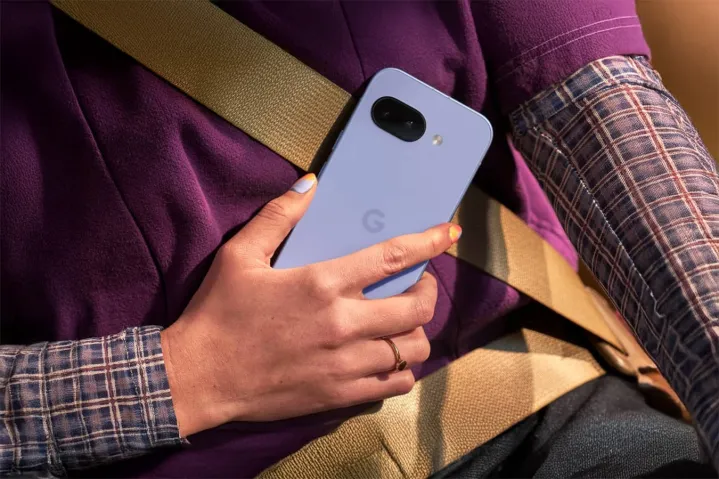
But I don’t like the idea of spending $500 on a Light Phone or a Wisephone. Instead, I’ve been on a quest to turn my Pixel 9a into a calmer device. And the good news is, it works.
Here’s how I did it, and the apps that made it possible.
Would you rather de-clutter your existing phone, or just buy a dedicated dumbphone?
26 votes
Stopping the constant attention pull

Khamosh Pathak / Android Authority
The first thing I do is to make sure that notifications for most apps are off, or at least restricted to the most important updates (Android’s notification channels feature really helps here). But that’s table stakes at this point.
To keep my own attention from wandering, I rely on Switchly. It’s a free, open-source app blocker that is incredibly customizable and supports NFC tags and QR codes. Instead of paying for something like the $59 Brick, I can get the same functionality with a printed QR code. Switchly also has a neat feature that lets you block just the addictive parts of social media apps, so I’ve set it up to always block Reels on Instagram and Shorts on YouTube. In general, I have a profile setup that automatically blocks distracting apps and websites. One tap and there’s peace.
One tap and there’s peace.
The overall experience of installing and testing utilities became much calmer when I found out about BlockAds. It’s a VPN-based global ad-blocker that works surprisingly well. It blocks those annoying full-screen ads that litter free Android apps. This itself is a massive Android experience upgrade.
Switching to minimalist versions of apps helps

Khamosh Pathak / Android Authority
Yes, Android apps can lead to some extremely niche customizations, powerful features, and automations. But there’s also a flip side that’s easy to miss.
You can find a minimalist, ad-free version of any app that you use, and it’s not that hard either. In general, I’ve found that free and open-source apps made by independent developers have better polish, are ad-free by nature, and offer options to disable features you won’t use. They are, in general, less screamy.
I start with the Fossify suite of minimalist apps. They have an ad-free basic version for Gallery, File Manager, Calendar, Music Player, Messages, and even a replacement for the Phone app. I like the default Phone and Messages apps, but I find Photos, Files, and Calendar a bit too clunky, so Fossify’s minimalist app versions help.
When it comes to weather, I prefer using the open-source and customizable Breezy Weather. Instead of being sucked into YouTube’s stellar algorithmic feed, I try to use NewPipe when I can. I have a curated list of subscriptions on the app, and here too I turn off the Live feed and features like comments. NewPipe lets me watch YouTube videos in peace, without ads, and lets me download videos for offline use (even though I pay for YouTube Premium, I like using NewPipe on Android).

Khamosh Pathak / Android Authority
As for my keyboard, I’ve switched to FUTO Keyboard, and I really like it so far. Gboard is a bit bloated. FUTO is a free and open-source alternative that I can customize to only show the tools I really want to use.
When I can, I also try to use Fennec, an open-source fork of Mozilla Firefox. It has none of the telemetry, nor Mozilla’s extra features. Plus, I can add desktop-class ad blocking with the uBlock Origin extension.
A distraction-free home screen goes a long way

Khamosh Pathak / Android Authority
When I started using the Pixel 9a, I went all in on lock screen and home screen customization. I added widgets to the lock screen; I customized multiple pages on the home screen. But most of that just led to decision fatigue and compulsive scrolling.
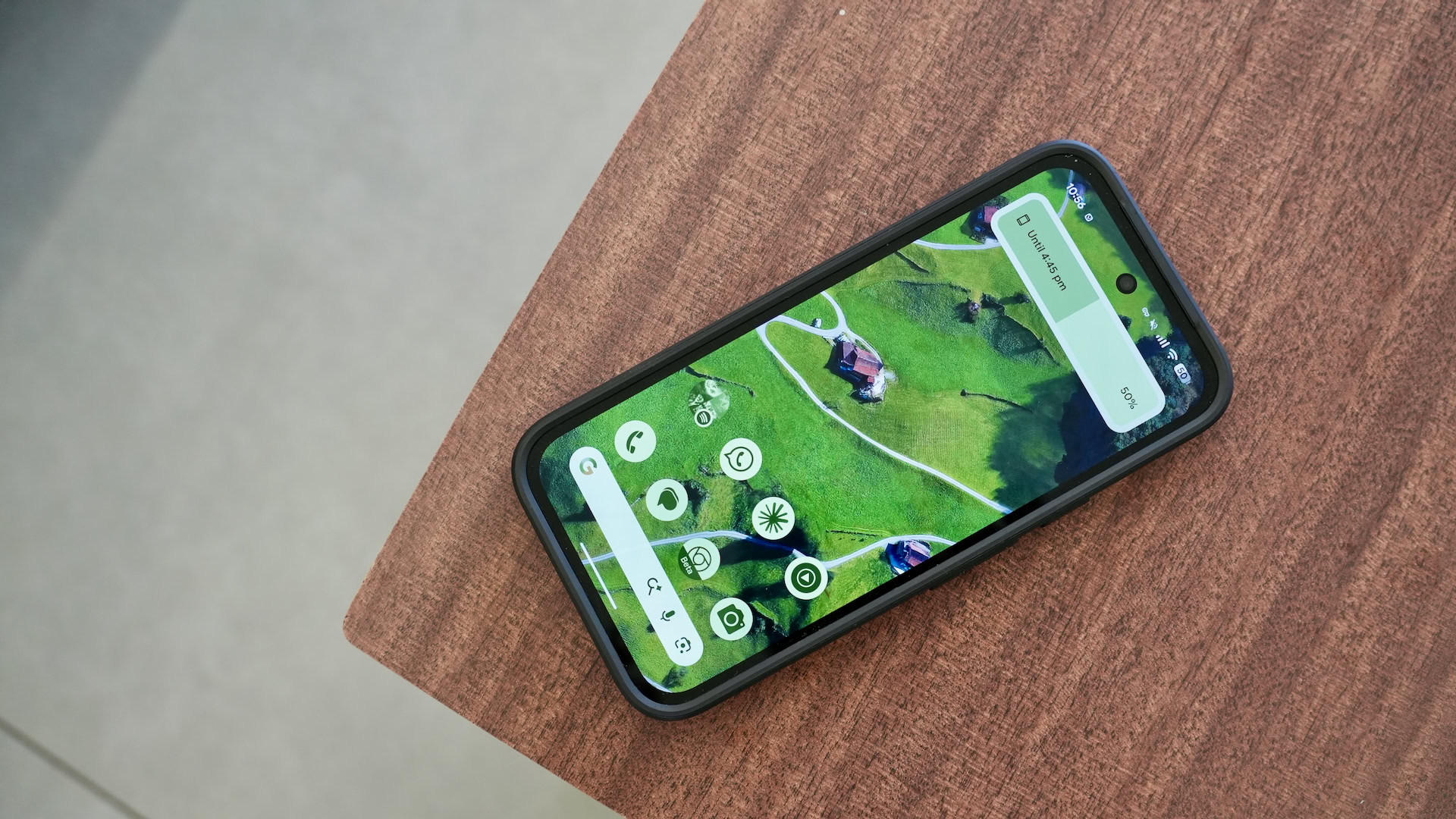
Most of the time, I still use Pixel Launcher. But I’ve disabled the At a Glance widget (thank you, Google, for finally letting us do this after years of pleading). The Discover feed page went away as well (and with it, quite a lot of anxiety).
I deleted all the widgets, and most days I keep a simple, single-page setup with themed icons. Launching apps with the swipe-up gesture on Pixel doesn’t take long. When I’m feeling a bit extra, I switch to the Niagara Launcher, with a minimal theme. I pin a couple of useful apps on the top, perhaps a widget, and that is it.
I strip down any app that will let me

Khamosh Pathak / Android Authority
Some apps you can switch, some apps you just can’t. Chrome is a prime example. Even though I use Fennec, I still need to use Chrome sporadically, whether it’s for testing or because a website just won’t open properly in Firefox.
I’ve made Chrome as calm as possible. By default, Chrome is set up for the adrenaline junkie. The home page opens to shortcuts and feeds; every website wants to send you notifications. But I was able to customize the home page, removing almost every element except the search bar. Disabling the notifications popup also went a long way in restoring some peace.
Some apps you can switch, some apps you just can’t.
I try to do the same in apps like Gmail and Google Maps. Disabling Gemini features and the Meet tab in Gmail helps. While I rely on Google Maps to help me get around, I’m not a fan of the increasing push for the Explore page and Ask Maps. Here too, disabling suggestions and recommendations helps.
That’s the advice I’d leave you with. Poke around in settings and find customization features wherever you can. Chances are, there’s an option to disable annoying notifications, suggestions, and distracting features.
Thank you for being part of our community. Read our Comment Policy before posting.