Shop Drawing Rates, Millwork Drafting Service Costs & Finding the Right Pricing for Your Company


Millwork traditionally refers to any woodworking element produced in a sawmill from hardwood or softwood. In modern professional woodworking, however, millwork might be fabricated using not only lumber but also composite materials, particle boards, and even plastics, such as fiberglass. Although millwork is commonly associated with furniture designs and cabinetry, you might also see them on doors, sashes, fireplace mantels, and ornate moldings.

Unless an architectural project requires nothing but ready-made wood products, it needs millwork shop drawings services as a part of the construction documents to serve as the blueprints for the custom wooden components. And like every blueprint, they contain detailed visual representation of the woodwork, including materials, measurements, finishes, installation instructions, and any other design elements as specified by the client.


:rocket: Table of contents


Millwork shop drawing cost

As a rule of thumb, the cost for millwork shop drawings should not exceed roughly 5% of the woodwork itself. For example, if an interior renovation project involves $20,000 worth of millwork products, the shop drawings fee alone is likely in the $1,000 range. Keep in mind that it’s only an approximation, as the actual cost is affected by several factors, such as complexity, timeframe, and pricing structure. The most common pricing structures are as follows.

Rate per sheet

A single piece of furniture may require multiple pages of shop drawings; each page represents a specific viewing angle. In a typical custom woodworking project, you will need the following viewing angles:

Page Notes
Plan view Millwork design observed from a bird’s eye perspective.
Elevation A relatively simple two-dimensional millwork drawing seen from the front. If the back and sides have noticeably different designs from the front, they also need their own elevation view pages.
Cross-section A view of the object as if it has been cut in half vertically or horizontally. A cross-section view is important if the object has inner components, such as compartments or drawers.
Detail An additional page that highlights certain small components like hinges, locking mechanisms, hidden storage, lighting, etc.
Isometric Visual representation of the design as a three-dimensional object.

RELATED: What are redline drawing costs & CAD drafting rates for construction companies?

A non-intricate product like a rustic patio bench or a plain waterfall coffee table might not need “detail” and “cross-section” views, but a complex nightstand with multiple drawers or an L-shaped office desk can certainly use such elaborate perspectives.

The cost per millwork drawing sheet ranges from $30 to $250, depending on the company providing the quote. At the lower-end of the spectrum, chances are you’re dealing with a one-person business operating as a freelancer; if the cost per drawing is upwards of a hundred dollars, make sure the work is handled by an accredited designer or a reputable company. Of course, you can always opt for something in the middle to get a good balance between cost and quality.

shop drawings cabinet

Why choose cost per drawing structure?

Practicality is the main reason. Rate per sheet simplifies the pricing because the costs are fixed for every deliverable. With simplified pricing, the budget for the project becomes more predictable. Suppose you need three millwork drawing pages for each of five furniture pieces; if the rate is fixed at $50 per sheet, you can expect to pay exactly $750 for all the sheets. The pricing structure might also help encourage efficiency as the drafting expert may strive to get the job done faster without cutting corners in terms of quality. One possible drawback is that it usually comes with less flexible negotiation for revisions.

RELATED: Fabrication shop drawing services: all you need to know

Rate per hour

If the rate per sheet focuses on page count and deliverables, the hourly rate is entirely based on time. No matter how many sheets you need, the final cost calculation is estimated by the number of hours the drafter needs to complete the work. As with rate per sheet, however, the hourly rate varies greatly among drafters.

Someone with a full-time profession as a draftsperson might be willing to produce the drawings for around $20 per hour as a side job. On the other hand, a drafting service company with a reasonably large overhead could charge $100 or more per hour for the same amount of work. Even if the drawing quality from both of them is comparable at the end of the day, the company is likely able to send all deliverables quicker because it has multiple drafters working on the project.

Is the rate-per-hour pricing structure best?

One of the biggest advantages of an hourly rate pricing structure is flexibility. Cost directly correlates with the time spent on the tasks, so it’s ideal for projects with varying levels of complexity because the amount of work put into different drawings can fluctuate a great deal. An hourly rate is probably best in situations where the sense of urgency matters.

The decision to the pricing structure ultimately falls to the client, and there are various situations where one is better than another depending on the project specifics.

Who produces the drawings?

If you’re a client, you probably won’t lose sleep over who produces the drawings, but this is actually an important thing to know to avoid confusion in case problems arise with the design at a later date. Millwork shop drawings are officially created by the person in charge of the project, like an interior designer (but it can also be an architect or a general contractor, depending on how the project is handled). That being said, for practical reasons, they’re allowed to delegate the task to a professional draftsperson or a millworker.

There’s no set of strict rules when it comes to custom woodwork products, so the design can be as creative as possible in accordance with the client’s preference. A millwork shop drawing usually is based on ideas proposed by the interior designer, who provides general outline and specification, before it goes to millwork for further development. Next, the document goes back to the design firm for approval, so it’s collaborative work.

RELATED: Purpose of shop drawings, construction drawings, and as-built drawings for companies: All you need to know

Back and forth process

In most millwork projects, the designer only needs to produce the basic layout, geometry, and dimensions before the millworker takes the document and interprets it into a technical drawing. But just because the initial document contains only “basic” information, it doesn’t mean the designer can produce an overly rudimentary sketch, either. For instance, it needs to contain specifications for decorative hardware, types of joinery, specific hinges, certain opening and closing mechanisms, under-mount glides, side glides, whether or not the product should come with hidden compartments, etc. The designer should also mention the materials, finishes, and colors. All information must be clearly visualized in annotated drawings.

The initial drawings are fairly technical, especially when the products themselves are pretty intricate, but still not detailed enough for the designer to make all the decisions on how to approach the fabrication process. And that’s why the final millwork shop drawings should be in the domain of the millworker – and sometimes the willworker also hires a draftsperson to do the job, too. However, before the millworker can start the production, the drawings must be sent back to the designer for review and approval. The point is to make sure that the original ideas (from the designer) remain in place and that the millworker does indeed have the right tooling for the job.

It can be quite a lengthy process and will be even more so if the designer discovers a lot of things that need to be corrected. Every single change to the design intent suggested by the millworker must be first authorized by the designer. To avoid having too many discrepancies and therefore revisions, the designer or general contractor gets to choose which millworker to partner with. If you’re a client and unless there are uncommon considerations involved, the cost for millwork shop drawing is already covered in the designer’s fee.
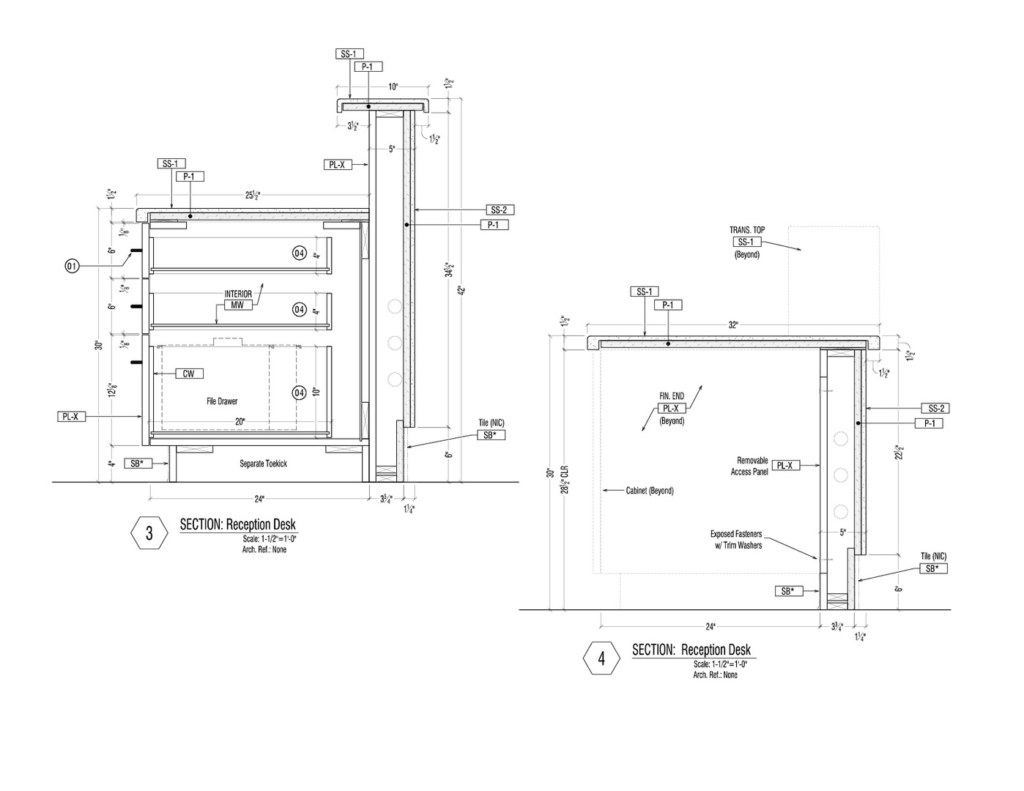
millwork cabinet drawing

Contents of millwork shop drawing

The purpose of millwork shop drawings goes beyond outlining the specifications of the woodwork. Every sheet in the document also serves as a communication tool between shareholders to share details about materials processing, fabrication methods, and installation. To fulfill all its purposes, millwork shop drawings should at least include the following information:

  • Dimensions: measurements of the final product and all its components
  • Materials: specifications, including types and dimensions, of all materials required to build the product
  • Assembly: detailed instructions on how to bring the processed materials into the desired design
  • Finishes: the expected final outcome of the project

Shop drawings must also contain notes of comparison to the original construction documentation because even a single modification may alter the production timeline, tooling, and budget.

You cannot stress it enough: millwork shop drawings play an important role in a custom woodworking project. They contribute a great deal to project planning and minimizing errors, as they improve communication between designers, millworkers, and clients. The drawings cover everything, from material procurement to assembly/installation, and help identify mistakes even before the actual production begins to make sure that the result meets the desired specifications and expectations.

RELATED: How do companies use millwork shop drawings for 3D furniture modeling and design?

Cad Crowd and millwork shop drawings

Whether you’re an architect, a general contractor, an interior designer, a millworker, or perhaps a client planning for your next custom woodworking project, Cad Crowd connects you with experienced draftspersons to help you produce professional quality millwork shop drawings at an affordable rate. Reach out to Cad Crowd to understand how we handle the procedures for you and get your free quote at your earliest convenience.

Contact us for a free quote today.

author avatar

MacKenzie Brown is the founder and CEO of Cad Crowd. With over 18 years of experience in launching and scaling platforms specializing in CAD services, product design, manufacturing, hardware, and software development, MacKenzie is a recognized authority in the engineering industry. Under his leadership, Cad Crowd serves esteemed clients like NASA, JPL, the U.S. Navy, and Fortune 500 companies, empowering innovators with access to high-quality design and engineering talent.

Connect with me: LinkedInXCad Crowd

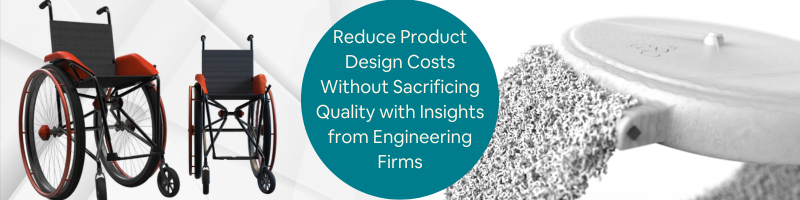
Reduce Product Design Costs Without Sacrificing Quality with Insights from Engineering Firms


Much of the budget for developing a new product for companies goes to the design phase. From the early stage of brainstorming to the final production-ready prototype, you can spend thousands of dollars to build and revise a design; and that’s for a relatively simple, non-electronic product, like a cookware or a backpack. Anything more complicated, such as Bluetooth radio or remote control, will cost you tenfold or more. Designing a product is not cheap, but it doesn’t always mean you can’t keep it to a minimum. The thing is, you have to keep it at near-perfect efficiency every step of the way. For a lot of small companies and startups, the most practical way to achieve that is by working with an engineering firm.

And to be even more specific, the engineering firm has to have at least one professional industrial designer on the team. According to the BLS (Bureau of Labor Statistics), an industrial designer devises an efficient system where workers, machines, materials, energy, and information may work together in harmony to make products or provide services. In other words, the work of an industrial designer focuses on coordinating all factors involved in production to achieve maximum efficiency – or reducing cost whenever possible – without sacrificing quality. Quite a mouthful indeed, but you get the idea nonetheless.

Mind you that most industrial designers typically have at least a bachelor’s degree in engineering, architecture, and fine arts. The vast majority of design programs include multiple courses in CADD (computer-aided design and drafting), 3D modeling, business, industrial processes, manufacturing methods, and drawing, among others. This is where you need to practice some due diligence; not every engineering firm has an industrial designer as part of its core team. An engineering firm that specializes in architectural design would prefer hiring a Bachelor of Architecture rather than a Bachelor of Engineering. And as you would expect, you want to work with a firm loaded with professionals of the latter category.

RELATED: Important benefits of industrial product design – using industrial product design services 

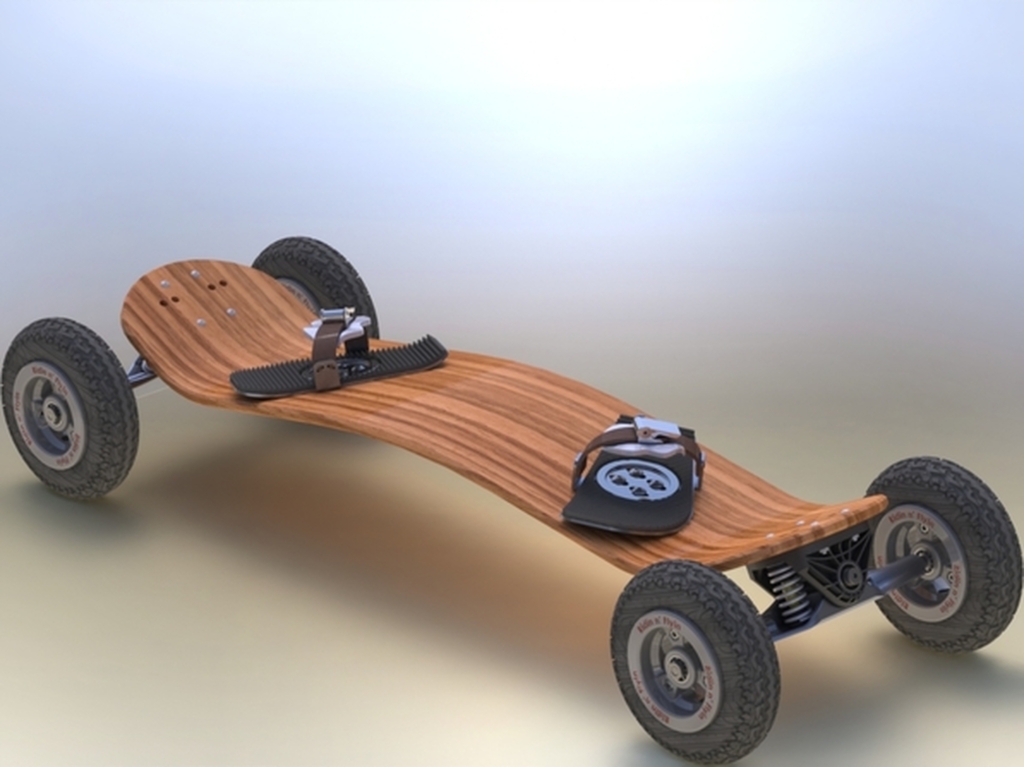
mountainboard outsourced

Note: BLS’ list of occupations can be pretty confusing, but not necessarily inaccurate, at times. For example, the bureau makes a distinction between industrial designers and industrial engineers. They are all engineers, and share similar functions within an organization. Some firms hire both, because their roles are often interchangeable. Industrial designers focus on developing new products or improving the existing ones, whereas industrial engineers hone in on creating efficient manufacturing methods.

To give you an idea of why or how industrial designers can be the defining factor in your design decision, let’s take a look at their typical roles and responsibilities in an industrial engineering firm:

  • Determine the requirements and parameters for product designs
  • Conduct research into how a product might be used and who might use it
  • Create product sketches (or CAD modeling) as visualization of design ideas
  • Produce multiple photorealistic renderings of product designs
  • Create physical prototypes
  • Examine manufacturing requirements, including materials and workforce, to determine production cost
  • Collaborate with other specialists, such as prototype makers, electrical engineers, and manufacturers to evaluate designs
  • Determine whether the materials and manufacturing process can come at a reasonable cost
  • Analyze product safety, function, aesthetics, ergonomics, and general user-friendliness
  • Present product design ideas to stakeholders/clients for approval

An engineering firm doesn’t usually mention if it specializes in any specific product category, but the industrial designers in the firm usually do. It makes perfect sense for the firm to avoid making explicit reference to the matter because there might be multiple industrial designers, each with a different specialization, working in the organization. Some of them are perhaps put in charge of a medical equipment project or home appliances, while others develop ideas for sporting goods, housewares, furniture, jewelry, and so on.

RELATED: Why companies use product design sketches during new product development and design

Regardless of the product category, industrial designers work to minimize the use of resources (which may include energy, workforce, materials, etc.) to reduce production costs as much as possible while still aiming for the best results. Their main duty in an engineering firm is to circumvent design constraints by either mitigating risks of design failures (such as removing unnecessary elements) or using them as advantages to execute minimalist design approaches.

When developing a product, industrial designers take into account how consumers might use the product and test different designs to see how each iteration looks and works. They need to figure out an effective balance between good aesthetics, functionality, durability, and overall ease of use. However, the most important thing of them all is often the target consumers’ purchasing power. It makes little sense for companies to build the greatest product ever, if it ends up being too expensive for its intended buyers. For instance, a tech development company can probably release a high-performance laptop series any day of the week, but if the product is meant to fill the market for high school students with a purchasing power of $1,000 or less, well then there’s definitely something very wrong in the design and marketing aspects of the project.

Every product is intended to fill a market gap. You can also say that a product exists because there’s a demand for it. And the market is segmented by – once again – purchasing power. Each segment contains distinct demographics, priorities, and interests. Product design services are often determined by which segment you’re targeting. You come up with a product that fills specific needs for certain groups of people. This is the main reason companies offer different product tiers. Let’s just say “good” sits at the bottom, followed by “better” in the second place, but both are under the “best” tier. Now if we refer back to our laptop example above, the “student” variant is likely the good option, whereas the business model is a step above, before finally you arrive at the high-end version at the top.

You might think that an engineering firm only does engineering stuff, and you might be right, but not entirely accurate. Industrial designers do not develop a new product design from nothing. They work with other professionals in the firm, such as manufacturing experts, market analysts, and even other engineers. An engineering firm does primarily design a product based on your specifications, but it also provides a range of other services to ensure that the end-product is profitable for your company.

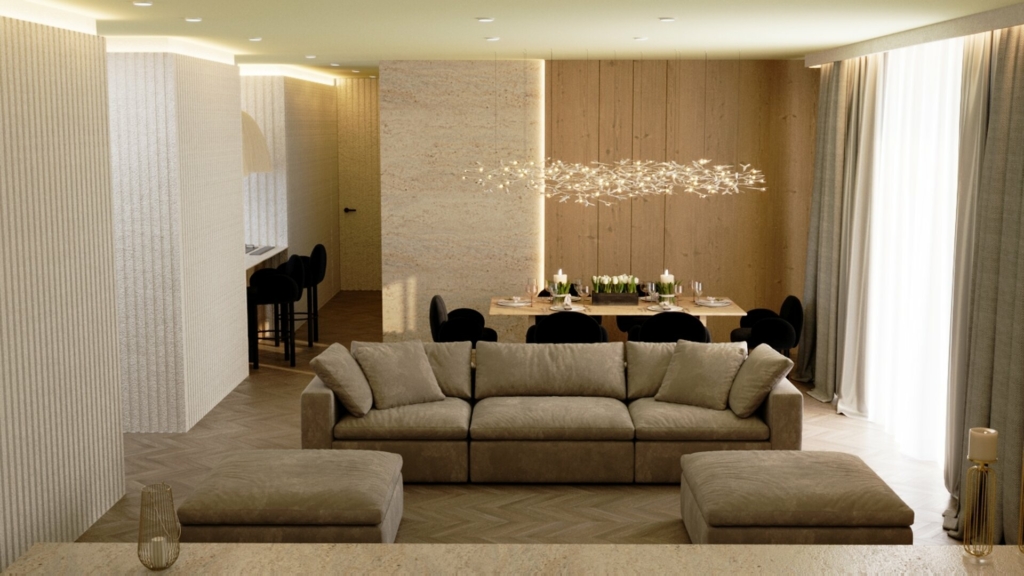
3d apartment living room outsourced

Besides offering the full range of industrial designer services as mentioned earlier, an engineering firm also performs thorough market research on your behalf. The firm typically uses various tools such as phone interviews, focus groups, questionnaires, and surveys to figure out potential buyers’ preferences and purchase history. Market research also helps determine the product’s appeal to the target demographics, existing competitors along with their price points, and trends. While it might not directly provide ideas as to how the product should be physically shaped, the data gathered from such a research give invaluable insights into the design decisions and where to position the product in the market. Some analysts also use data available from external sources, such as census and economic reports.

RELATED: How-to guide: new product design, engineering and prototyping your idea for mass manufacturing

This is how you gain a basic understanding of what products people want and at what price. Combine those insights with industrial designer’s expertise, and you get the right formula to plan for a design and aim for the desired profit margin.

Product design cost

Before you get to the final version of a product, you need to go through a lo t of different steps from ideation to evaluation, which may include safety certification, depending on the type of product. In the old days, prototyping was one of the most expensive design steps. When you work with a modern prototyping firm, almost every single design process is done on 3D CAD modeling software. Think of it as a “virtual prototyping” to test and analyze dozens or more design ideas on a computer screen.

While a physical prototype remains necessary, you won’t likely need it until you get to the final pre-production prototype iteration. Everything else before that is easily accessible and modifiable on the software. 3D modeling enables industrial designers to experiment with countless design iterations in a digital environment, where they can make use of all kinds of shapes, materials, mechanical components, colors, textures, and dimensions as needed. They can make adjustments with only a few clicks, and let the software do the rest. Whether you want to change the geometry, add/remove design elements, or reposition parts, the software can do everything for you almost in an instant. In case something doesn’t work, you can revert the changes or modify something else.

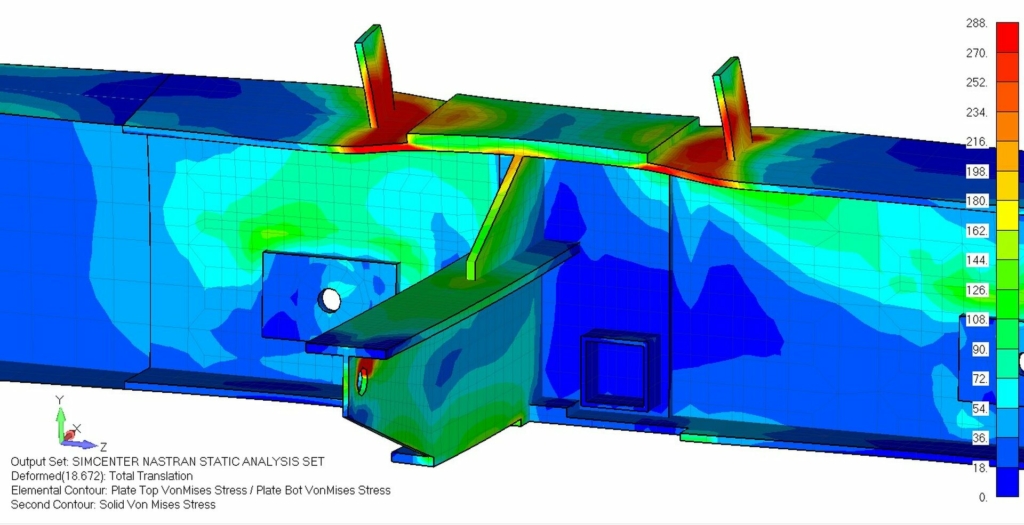
Let’s not forget that you see the design (on the screen) as a three-dimensional object. If your product is supposed to have some moving parts, or mechanical components if you like, the software can animate the model to help you see the product in action. Some programs even allow for full-fledged simulation for FEA, load cases, etc. In general, 3D CAD modeling and simulation software removes the need for physical prototype analysis. Another good thing about advanced CAD software is that you can configure it to calculate the cost of materials based on the model. It’s also easy to replace one material with another to see the difference in production cost. And because it’s automatic, the likelihood of inaccuracy is virtually zero.

RELATED: New product development and design: should your company work with a product design team?

FEA Girder for outsourcing

How Cad Crowd can help

For more than 15 years, Cad Crowd has been working to connect companies, big and small, as well as startups and individual clients with some of the most reputable engineering firms in the country. Whether you plan to create an electronic product, furniture, home appliances, hi-tech drones and everything else in between, Cad Crowd has just the right engineering firms to optimize your design process efficiency.

Get a free quote to create the most engaging products today.

author avatar

MacKenzie Brown is the founder and CEO of Cad Crowd. With over 18 years of experience in launching and scaling platforms specializing in CAD services, product design, manufacturing, hardware, and software development, MacKenzie is a recognized authority in the engineering industry. Under his leadership, Cad Crowd serves esteemed clients like NASA, JPL, the U.S. Navy, and Fortune 500 companies, empowering innovators with access to high-quality design and engineering talent.

Connect with me: LinkedInXCad Crowd

Key Signs It’s Time to Reach Out to Outsourcing Companies to Improve Your Engineering Business


If anybody tells you that outsourcing is a lot of work, you can be sure that they make it sound much more complicated than it really is. Outsourcing is as simple as hiring someone to do a specific job for a specific period of time. You do it when you need to ease the workload for your in-house expert engineering team, or anytime a project requires a talent or skill set your company doesn’t currently have.


:rocket: Table of contents


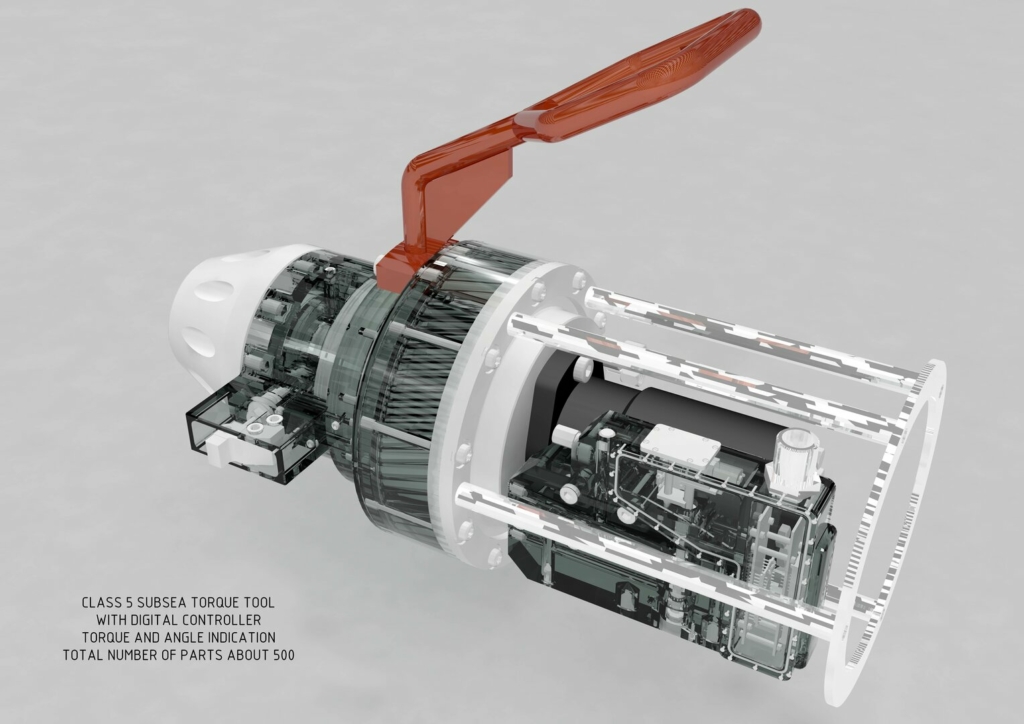
outsourced class 5 subsea torque tool

RELATED: How to outsource 3D rendering services for your company to visualization studios for 2025

Outsourcing is an option

Outsourcing is neither the answer to every problem nor the only way to improve your engineering business. Also, no one can tell you whether you should embrace it wholeheartedly or avoid it at all costs, but there are certain signs to tell you that it might be time to reach out to outsourcing companies.

You find your companies lacking certain engineering skills

No one knows better than you that “engineering” is a broad term. An engineering firm might do its business in architectural projects, automotive designs, civil constructions, IT infrastructures, electronic products firms, medical devices, footwear, fashion accessories, or just about anything else you can think of. No matter the company and regardless of what industry it’s in, chances are it has a team of engineers of different specializations on the payroll. In other words, there’s a team of engineers behind nearly everything it sells. And unless you run a pretty massive corporation that makes products in every category, you probably don’t have engineers from every single specialization.

Sometimes, you may come across a project (or a portion of a project) that necessitates an engineering skill you currently don’t have in-house. For instance, your company mainly produces mechanical toys, but at the moment, you’re planning to penetrate the RC cars market for the first time. As experienced and talented as your existing team of mechanical engineers might be, it’s probably best to leave the electronics design (for the remote controls and the toy cars as well) to an expert electrical engineer. The only problem is that there’s no electrical engineer in your team. Instead of going through all the troubles of hiring another full-time employee, outsourcing is more practical and less expensive.

The task in question isn’t actually part of your business’s core activities

Let’s say you’re in a furniture business. Most of what you sell include handcrafted chairs, tables, cabinets, nightstands, bedsteads, doors and windows made primarily of wood and metal. One day, a client wants you to build a completely “custom” furniture set for a freshly renovated home. This is an unusual project for you because most of the time you sell products of your own designs. Since you have to build the products based on the custom specification given to you by an interior designer, you also need to produce millwork drawings.

Mind you, millwork drawing isn’t actually a recurring task on your part, but you need it in this case nonetheless. And because it’s not a recurring activity, you have little reason to put someone on your payroll for the task when there’s not enough for them to do the rest of the year. You need a drafter to produce the drawing at the moment only, not all the time. You probably have a mechanical engineer or two in your team, but none of them have any experience producing an actual millwork drawing. For this project only, you must produce and send the drawings to the designer, but then again, it’s not part of your main business activities. So, outsourcing is the clear solution here.

RELATED: How to select a 3D furniture rendering services company for photorealistic results

Or, the tasks are actually easy, but time-consuming

These tasks can be anything from keeping tabs of the to-do list to maintaining social media presence. They’re not exactly difficult, but you just can’t find the time to work on them on a regular basis. For example, making appointments with potential clients doesn’t seem like much, but it’s still an important thing to do. The same thing applies to maintaining your website or social media. Remember that posting a weekly update of your products, uploading pictures of new designs, and replying to comments on your YouTube channel are also parts of your business marketing strategy.

In the middle of a hectic workday due to a looming deadline and all that, is it reasonable to expect an engineer to take photos and edit videos for social media posts? No, it isn’t. Can they do that? Of course, they can. But it’s not a question of whether they can – it’s about whether they should. Asking an experienced engineer to handle social media marketing is an inefficient use of resources. You don’t want a mechanical engineer to get busy with Twitter and YouTube, when you can use the expertise for bigger, more challenging tasks instead. So, why don’t you just outsource the marketing parts to a specialist?

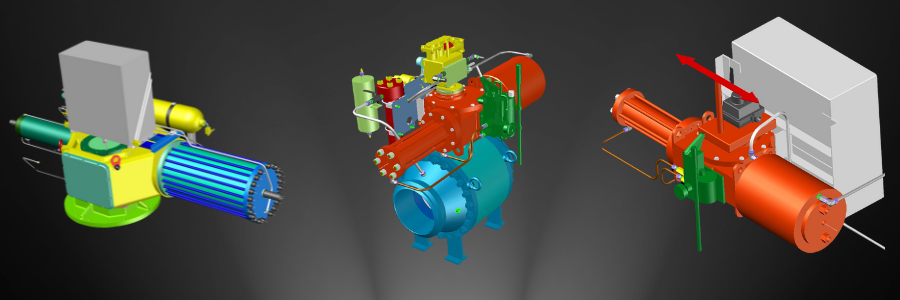
oil and gas instrumentations

It’s time to scale up the business

While it’s always exciting to finally come across the opportunity to scale the business up, you can’t help but to feel a bit overwhelmed by the prospect of handling much more projects than what you’re accustomed to. As your business grows, there will be new challenges and obstacles along the way, but the most difficult part usually happens during the transition period as you’re scaling up. Suddenly you find yourself in need of a bigger engineering team, and there’s no way you can get new hires quickly enough to fulfill the demand.

Suppose you run a startup architectural firm that specializes in small to medium-sized houses. After a few years in the business, your reputation is moving up in the world. More orders are coming in; some of them involve building bigger-than-average houses. It’s the kind of opportunity you’ve been waiting for a long time, but at the moment, with your existing team of engineers, there’s no way you’re going to get the job done on time. Because hiring new people is a slow process and that you need the reinforcements today, outsourcing some of the tasks to a team of experienced engineers is the obvious answer to the challenge. This is how you can maintain the momentum and make progress without getting overwhelmed by the additional workload.

RELATED: How successful companies use industrial design services for product development & CAD design

You’re struggling with time management

Any business has its ups and downs. There are times when you have a good sales number, but there are also those weeks when the business feels like it’s as slow as it can get. But when the latter happens more often than you expect, numerous factors could be at play. It takes a little bit of investigation to pinpoint the exact problem, but if it turns out that clumsy time management is the culprit, you probably stand a good chance at fixing it by hiring an external firm to assist with productivity.

Although poor time management probably doesn’t cause too much trouble at the beginning, leaving the issue unaddressed can negatively affect sales. You have a pile of unfinished projects on the desk, and the pile just keeps getting higher, even if it seems like you work overtime every day. Outsourcing doesn’t necessarily mean handing over an entire project or two to an external firm. You’re still in complete control of what tasks to outsource and what duties for the internal team to handle. Ideally, the in-house engineering team takes care of the most important parts of the job, whereas the external firm works on minor chores. For example, in an architectural project, the in-house team determines the style, design, construction planning, and budget calculation, while the external team does the on-site survey and 3D rendering services.

The business needs to reduce operational cost

One of the most common misconceptions about outsourcing is that it tends to add business operation cost. In reality, it’s the exact opposite. Everybody knows that cost reduction is among the main advantages of outsourcing. When you’re working with an outsourcing partner, you pay for what you need when you need it. If some external talent can get the job done, you save money by not keeping anyone (to do the same job) on your payroll. This is especially true when business is slow.

For instance, you’re hired to do an interior renovation project on a medium-sized house. You have a small team of engineers to handle everything, except the 3D floor plan services. It all comes down to several options: you hire a full-time 3D render artist, you invest in training, or find an external talent to produce the image. Needless to say, the last option is the quickest and most practical. If you’re doing it right, you can even get an experienced outsourcing partner to produce professional-quality rendering – all without spending too much money.

You’re in desperate need for innovation

When your engineering team has been working on the same kind of projects or designs over and over again for many years, there are times when the company feels like it’s not moving toward innovation. It’s true that you should not fix what’s not broken, but sometimes that’s exactly what you need to do to be innovative. A fresh perspective is hard to come by when you’re an insider. You’re too close to the job to the point where you just can’t afford to think outside the box. At the same time, it shouldn’t come from someone who’s too far detached from the job because it might miss the mark as well. The fresh perspective must be from an experienced professional (or an expert if you like, in the engineering industry) who also understands the market. You might hire this person to function as a consultant, an educator, or a mentor to get the creative mindset moving along in the company.

RELATED: How are product concept design services used to innovate during product development?

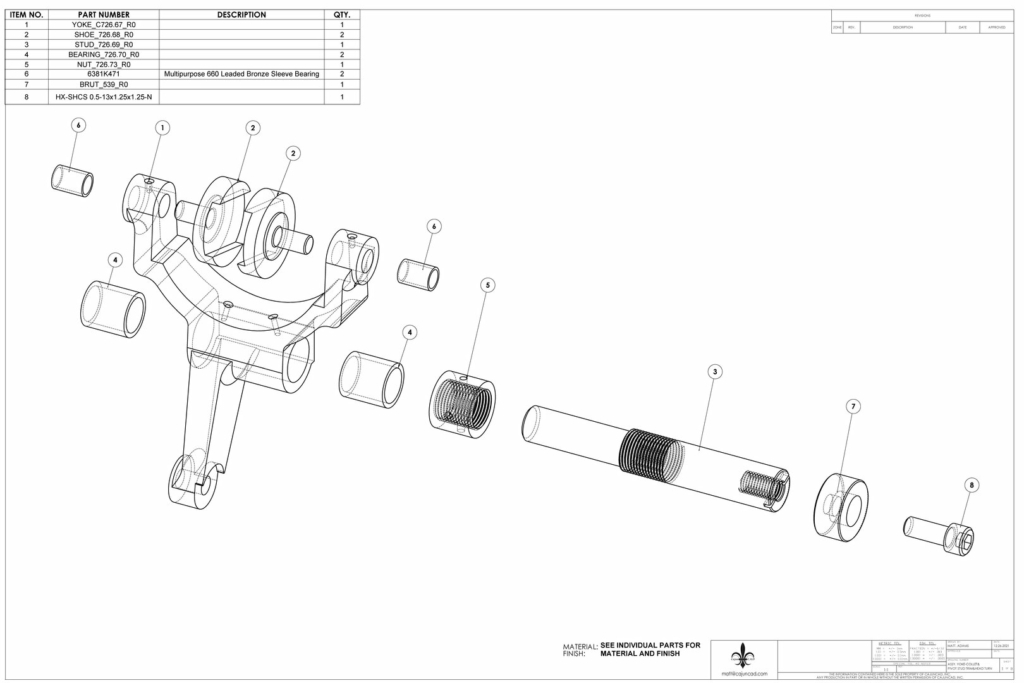
yoke sub assembly

How Cad Crowd Can Help

Outsourcing might sound scary, and even more so if you haven’t done it before. Here at Cad Crowd, we strive to make things simple and easy for our clients. We help you connect with thousands of experienced professionals and experts from all industries to help you tackle various challenges, ease the workload, and propel your engineering business toward improvements. Give Cad Crowd a call today, and we’ll give a detailed walkthrough on how we get things done and how you can benefit from our partnership.

author avatar

MacKenzie Brown is the founder and CEO of Cad Crowd. With over 18 years of experience in launching and scaling platforms specializing in CAD services, product design, manufacturing, hardware, and software development, MacKenzie is a recognized authority in the engineering industry. Under his leadership, Cad Crowd serves esteemed clients like NASA, JPL, the U.S. Navy, and Fortune 500 companies, empowering innovators with access to high-quality design and engineering talent.

Connect with me: LinkedInXCad Crowd

Preparing Your Firm’s Product Design For Manufacturing: How to Streamline Development and Reduce Costs


Indeed, in the competitive market of today, product design goes beyond creativity and functionality but also involves how something can be made more efficiently. A deep understanding of manufacturing processes, materials, and supply chains informs designing easy-to-manufacture products at low cost, and scalable designs – Design for Manufacturing (DFM) comes into the scene here. By incorporating DFM principles early in the design process, companies can streamline development, reduce costs, and improve the overall efficiency of their product lifecycle.

In this article we will outline the need for DFM, the guiding principles driving it forward, and practical strategies to help your firm gear up product designs for manufacture. Whether you are a startup or have an existing business, the adoption of DFM practices will yield significant pay-offs for your firm.


:rocket: Table of contents


What is design for manufacturing (DFM)?

Design for Manufacturing actually becomes a practice of designing the product with manufacturing processes in mind, making the product easier, cheaper, and quicker in production. DFM focuses on simplification of the product design to reduce its complexity, to improve the manufacturability of the product and at the same time minimize costs in the course of production. It requires a collaborative approach between the design, engineering and manufacturing teams as the specifications of the product have to be compatible with the capability of the selected manufacturing process.

The ultimate intent of DFM is that the design-to-production gap is as low as achievable without the costs being too high and production time too long. Done right, DFM can be an effective means to minimize waste, utilize material resources more efficiently, improve the quality of products, and better the overall manufacturing process.

RELATED: Contract manufacturing services vs. manufacturing services

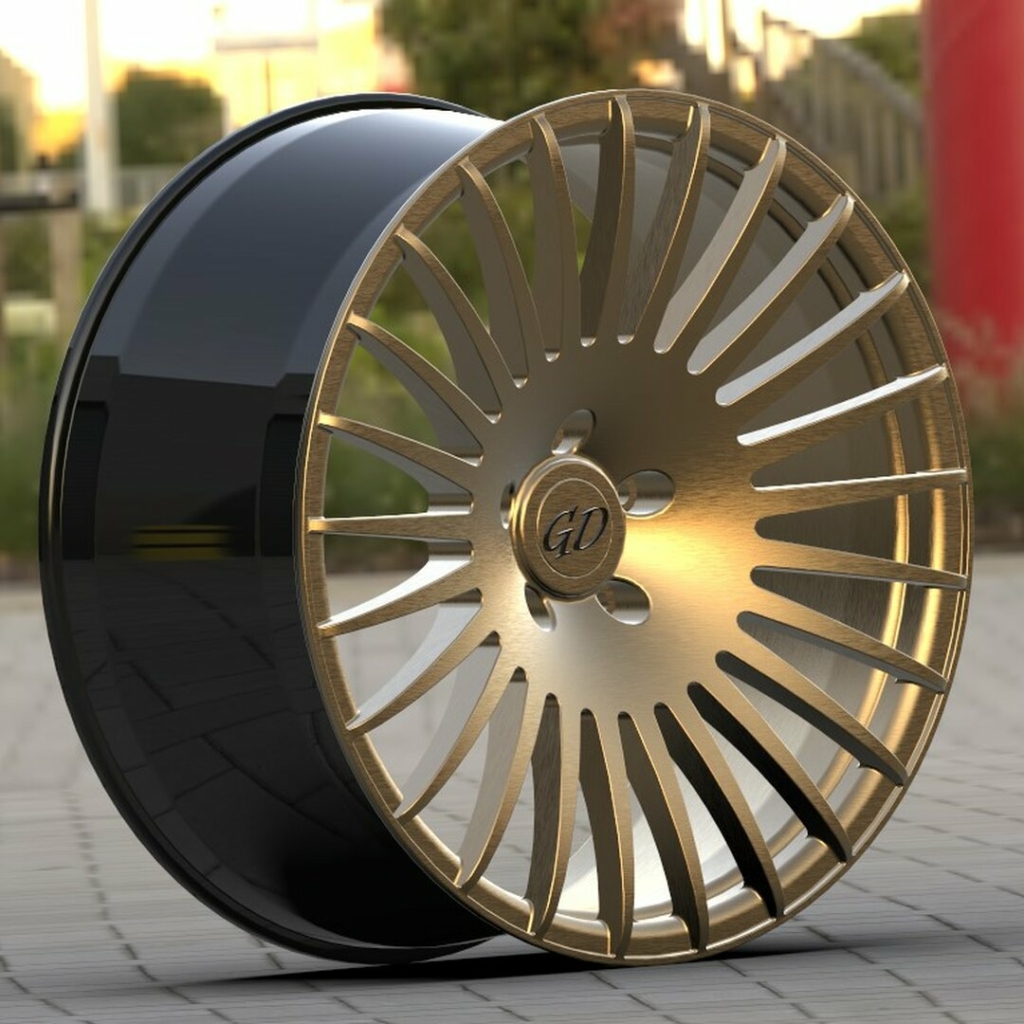
3D wheel mags

Why is DFM important?

Introducing DFM in the design process provides your company with immediate benefits, especially when it comes to costs, savings, and a whole lot of efficiency. 

1. Better collaboration

DFM encourages cross-functional collaboration between design engineers, manufacturing experts, and procurement teams to ensure all stakeholders understand the potential issues and constraints during the production process. More efficient designs, therefore, are achieved.

2. Cost minimization

Design with manufacturing in mind may result in unnecessary costly revisions and complex processes. Substreamlining of the design process reduces costs produced in assembly time, labor, and raw materials. Much simpler designs are composed of fewer parts that can be simpler to manufacture; hence lower aggregate costs.

3. Speed to market

A product designed to be more manufacturable moves quicker from the design stage to the production one. It helps a company shorten its development process and avoid a long time taken between design stage and production, thereby launching products in the market much faster with fewer changes in the design that could be brought about.

4. Better quality products

DFM ensures that designs are manufactured within the specified tolerances and materials, which makes for better quality consistency in products. It becomes possible to ensure that products designed with manufacturing constraints in mind have fewer defects, higher precision, and better durability when produced.

5. Scalability

Products that are designed for manufacturing efficiency are easier to scale up. Whether you produce hundreds or millions of units, a well-optimized design can facilitate a smooth transition to large-scale production.

RELATED: 8 tips companies use to simplify design manufacturing or design for manufacturing

Key principles of design for manufacturing

For optimal product design for manufacturing, an understanding of the principles that form the foundation of DFM is essential. These principles focus on reducing complexity while promoting an optimal material consumption that is also aligned with manufacturing capabilities. Explore the following set of critical core principles of DFM:

1. Take into consideration material cost and availability

Material selection becomes another critical aspect of manufacturability and, therefore, cost. DFM encourages designers to use materials that are more readily available, less costly, and easier to process. Of course, the exotic materials may have some unique properties because they could be much more costly than others, with longer lead times and more complex processing.

Selection of materials commonly used in the industry can limit the production time hence the cost of manufacturing. An example can be choosing such metals, plastics, or composites which are more commonly used in the industry to bring down the material costs and ease the procurement.

2. DFA: Design for assembly

Design for assembly centers attention on reducing time to assemble a product, making the manufacture more economical. To guide the process, principles of DFA require you reduce the number of parts and eliminate features that complicate assembly.

For example, you might design parts to self-align easily at assembly (by exploiting symmetry or self-locating features) or select fasteners that are less labor-intensive to install. Reducing the steps and complexity of the assembly process reduces labor cost and opportunities for error.

3. Design for testability

Testability at the design stage will ensure that a product can be tested for quality and performance to quite an extent before and during its production. Testability is the designing of products to where they can be inspected for fault or disparities in the manufacturing process.

Manufacturers can, therefore, include clear points of inspection, accessible test features, or even functionalities with built-in tests in their designs to ensure fewer faults in the manufacturing process and thus an even more coherent production line.

4. Focus on tolerances

Tolerances are the allowable dimensions variations that a part can have at some level of production. Tight tolerances can raise the difficulty level as well as cost of manufacturing. DFM recommends designing parts with tolerances achievable and needed for the function of the product.

By making careful evaluations on the tolerances required, designers will avoid overengineering and extra costs that may come with precision manufacturing. It may also help in avoiding delays due to quality control issues or parts that do not comply with the specified requirement.

5. Reduce manufacturing processes

Every manufacturing process adds to the cost and the complexity of the production cycle. DFM encourages designers to consider the least number of different manufacturing processes that will be required to create a product. For example, instead of designing a part that needs to be cast, machined, and then assembled, design it to be made by one single, more efficient process.

This reduces the number of processes involved, so, therefore, manufacturing cost is reduced and the possibility of errors or defects. It also pushes the designers to think of how much more of the product can be produced in the same process that brings down the setting up cost and improves efficiency.

6. Reduce design complexity

One of the simplest tenets of DFM is simplification. The more complex the design is, the harder and more expensive it is to manufacture. A design may become simpler if it eliminates features that have no meaning, reduces the number of parts, or makes use of standard parts. A design should be functional but easy to produce.

For example, rather than combining the same function into various small components that require assembly, designers can opt for one component that encompasses the exact functionalities. This reduces the time for assemblage and lowers labor cost and the probable errors of the time of production.

7. Standardized components

The use of standard parts and materials significantly reduces the cost of a firm’s production since custom fabrications are no longer needed. Standard components can be sourced easily, are cheaper, and are usually proven to work under the constraints of most manufacturing processes. They also make it easier to manage inventories and lead times.

Designers should opt for the off-the-shelf components and those that can be produced by more prevalent processes, rather than designing special components that might need specific tools or machines. This not only saves material and tooling expense but also reduces the time-to-production end.

RELATED: DFM for new product design excellence: complete guide for company success

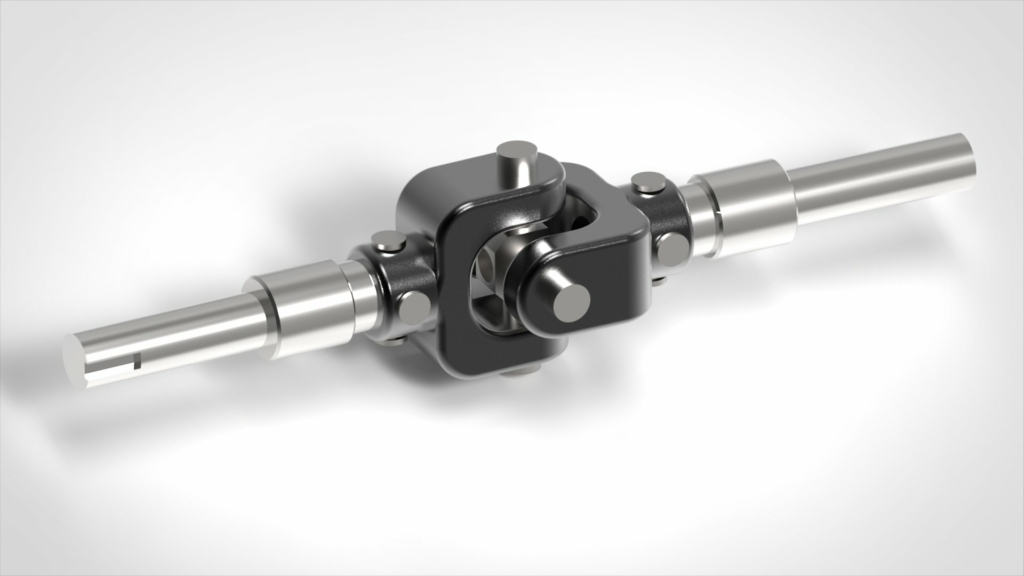
universal joint in 3D

Practical approaches for implementing DFM in your organization

Having now outlined the main tenets of DFM, let’s review some practical steps your company can take to implement the principles outlined above in its product development process.

1. Conduct a DFM analysis

After completing the preliminary design, do a detailed DFM review. Through this review, assess whether the product is complex or not; whether it can be manufactured; material selections and methods of assembly. A cross-functional team of engineers, designers and manufacturing experts can examine the design if it accommodates the principles of DFM and make necessary adjustments.

2. Engage manufacturing at an early stage in design

Good DFM practice requires close collaboration between design and manufacturing teams. Involve the manufacturing team as early as possible to ensure the product design meets available processes and equipment. Collaboration on product design can lead to early identification of potential manufacturing challenges, giving the design team the opportunity to modify the product to make it easier and less expensive to manufacture.

3. Iterate based on feedback

Design is a repetitive process. Once feedback from manufacturing, testing, and quality assurance is received, keep modifying the design to become more manufacturable. Constant improvement allows your product to remain affordable, functional, and of high quality throughout the transition from concept to production.

4. Prototype and Test

Once the product design is optimized for manufacturability, think of building a prototype. Compiling and testing by various means will be a great way to verify your design and assess if it can be scaled up into production levels without the occurrence of problems. This helps bring out unforeseen problems that possibly might not have been seen in the design stage.

5. Leverage DFM software and tools

Use software-specific tools that aid DFM analysis. More and more software-based platforms permit the simulation of manufacturing processes and let experts assess the feasibility of a product. Such tools can be very helpful in pointing out potential flaws in design before the stage of production, saving much time and money in the process. This also enables them to identify certain areas where material use or manufacturing processes may be optimized.

RELATED: What are new product development costs, design services rates, and pricing for your company?

Wrap up

Preparing your firm’s product design for manufacturing is essential for cost-effective and efficient production. Embracing Design for Manufacturing principles will help you streamline the development process, reduce the production cost, improve product quality, and accelerate time-to-market. The main ideas are to simplify designs, use standardized components, avoid manufacturing processes, and integrate the right teams at an early stage.

How Cad Crowd can help

When done right, DFM improves the manufacturing process of your business and, by extension, your business performance as a whole. With proper planning and collaboration, you would optimize your designs for functionality and manufacturability for long-term success in a competitive market. Count on the name Cad Crowd. Request your quote today.

author avatar

MacKenzie Brown is the founder and CEO of Cad Crowd. With over 18 years of experience in launching and scaling platforms specializing in CAD services, product design, manufacturing, hardware, and software development, MacKenzie is a recognized authority in the engineering industry. Under his leadership, Cad Crowd serves esteemed clients like NASA, JPL, the U.S. Navy, and Fortune 500 companies, empowering innovators with access to high-quality design and engineering talent.

Connect with me: LinkedInXCad Crowd

Benefits of 3D Demo Services for Companies’ New Product Inventions and Innovations


Interactive product demos using 3D motion graphics are now one of the most recognized effective tools to put your sales engagements all the way to the top, building a more solid connection with your products or company and your existing and potential clients. These types of demos allow you and your companies to show off new products creatively, highlighting key features to efficiently convey important details to clients.


:rocket: Table of contents


What are 3D demo services for products?

Interactive 3D demo services involve presentations, typically a slideshow or video, which allow users to have a more immersive engagement with products. These 3D demos explain the nature of products and their different features. 

3D demo services offer a uniquely immersive experience that highlights the features of a product in a way that is more dynamic than traditional slideshows with static images. 

Interactive 3D product demos are now becoming an important part of the sales process because they allow prospective customers to have a deeper and more engaging interaction with the product. This one-of-a-kind experience allows them to understand the functionality and value of a product more effectively.

RELATED: How to hire 3D designers and freelance 3D artists for your company project

3d demo jewelry store with a moving person

Importance of 3D product demos in the sales cycle

Letting potential customers engage with the product through interactive demos is essential because it offers them a more unforgettable and enticing experience that traditional product presentations can never offer.

If the prospects can see the product in full action from different angles, it can dramatically enhance their overall understanding of all its use cases and features. 

The use of interactive product demos as part of the sales cycle can also add a more personal touch to the sales process. The best way to craft product demo videos is with the help of 3D graphics. The most reliable 3D demo services use different software programs to come up with complex 3D visualizations of a product that can adapt to any environment or setting. 

3D demo services can create more impactful and relevant presentational content by making sure that the demo is tailored to the specific interests and needs of potential customers.

RELATED: 5 tips for achieving photorealism with 3D rendering and 3D visualization for home design companies

How to make effective 3D product demos

Some of the best practices for developing interactive 3D product demos include understanding the profiles of the target audience, determining the key features of the product to focus on, and structuring the product demo in such a way that will encourage active participation. It also usually involves the use of storytelling tools such as 3D motion graphics to produce compelling narratives. 

Interactive walkthroughs, simulated product usage scenarios, and 3D virtual tours are some of the most popular types of interactive demos for products.

How to personalize 3D product demos for specific uses and applications

Sales teams can tailor their product demos to address the specific requirements and preferences of every prospect by embedding them into personalized sales experiences. This level of personalization can improve the relevance of the demo and its effect on the sales process in general. 

The use of interactive 3D product demos for live demos including during sales meetings or demo calls makes use for the real-time adaptation of presentations according to the feedback and reactions of the prospect. This kind of interactivity makes the demo more effective in engaging prospective customers.

Making sure that both the marketing and sales teams work together in using interactive 3D product demos also plays a key role in the effective presentation of the value proposition of the product and making sure that the prospect will receive and understand a cohesive message. 

This professional collaboration is also a great way to ensure that the interactive 3D product demos will resonate with the potential customers and are in line with the marketing strategy as a whole.

Why use 3D demos in product tours?

The use of interactive product tours when engaging with potential customers can help effectively highlight the unique selling points and capabilities of the product. 

The distinct immersive nature of these interactive demos is what makes them impactful and memorable in conveying the value proposition of a product. 

Using interactive demos to showcase the use cases of a product also allows prospects to envision how the product addresses their specific challenges and needs. 

This personalized approach can significantly enhance the product tour’s relevance and increase the chance of more conversions. 

Adding a personal touch to the product tour experience of potential customers is possible with the help of interactive software that makes way for customizing the content of the demo according to the specific interests, role, and industry of the prospect.

RELATED: How to design 3D models for 3D printing & new prototypes

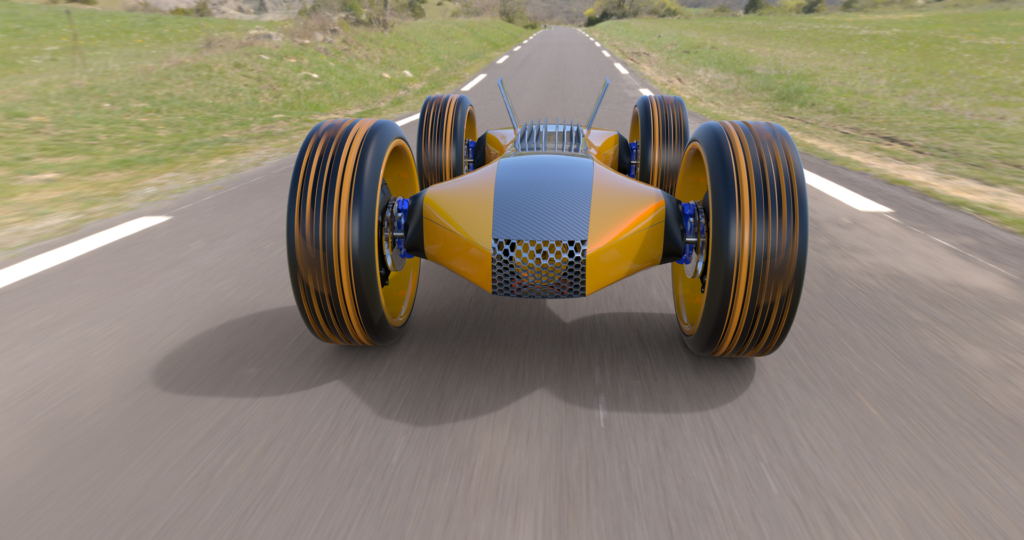
A still from a demo of a 3D drone with large wheels and yellow colors

Benefits of 3D demo services

Here are some of the benefits of 3D demo services that will surely convince companies to use them for their new product inventions and innovations.

VR and AR technologies’ increased recognition is greatly rooted in the sense of involvement and excitement that they can give by allowing people to have real-life, high-resolution 3D models. If you have ever been to the movies, chances are you choose 3D if it is one of the available options to fully experience and immerse in the scenes. 3D has this magic of tricking the mind and making you believe that you are in a different world or reality. 

It is no secret that 2D images are usually unsuccessful when it comes to conveying everything about a product even if these images are of high quality. This is why more and more brands are now starting to invest more in visualization after realizing a bit late all its potential effects on the overall shopping experience. 

Today, 3D demo services can trigger excitement among customers while promoting products at the same time. 3D product demos can be viewed by customers and even shared on their social media profiles. This can even start a new trend. There’s no need to say that the company is using 3D demo services because the technology itself is already self-explanatory. 

  • Ability to connect with e-Commerce 

3D demo services allow marketers to drive more sales online. Imagine a 3D product demo that showcases a consumable element and connects the viewer directly to the page where to buy a kit for that part. Interactive 3D demos can develop a direct path to better engagement in e-commerce.

  • Gain customer insights and analytics

3D product demos can be monitored and measured. That self-guided discovery that is critical for interactive 3D product demos allows customers to show the B2B marketers the things they might be interested in as well as their specific needs that they might not realize just yet.

This level of engagement with potential customers also offers an indication of the warmth of the prospective sale and helps the sales members to respond accordingly.

  • Reduce expenses and create better efficiencies

Interactive 3D demo services can also help the sales team save more time. Travel, logistics, and shipping expenses often linked with live demos can be reduced as well. Aside from this, the whole process of developing these 3D product demos doesn’t require significant labor at all.

For instance, most 3D demo services only need CAD files and a few background details on the functions and features of a product to come up with interactive product demos or other similar products that use augmented reality.

The final product may be slick, but the entire process required to get there is quite simple. Some marketers also get more mileage from 3D product demos by repurposing and using them again in other marketing materials.

  • Bring product benefits and features to life

As the adage goes, seeing is believing. 3D product demos can share the story of your product most compellingly and educationally. You can use these 3D product demos to make sure that the best benefits and features of your product will resonate with potential customers and give them the chance to stay informed with the help of this augmented user-friendly 3D format.

  • Generate more leads and enable more sales

Interactive 3D product demos are also effective tools that can facilitate the journey of buyers and generate more leads through a sales process with the least amount of friction. 

Imagine an ad in Google taking a potential customer to an engaging landing page with interactive 3D configuration with a form to complement it. The customer can then use the form to get in touch with a chatbot or salesperson who can automate initial inquiry communications. 

Other supplemental content like case studies and videos nested in interactive product demos can also offer additional resources to customers that can help facilitate conversion and engagement. 

  • Make great first impressions 

3D product demos can offer your customers an engaging and inviting experience with your products. Without limitations like physical barriers, 3D product demos generated digitally can give a realistic and an even more personalized environment by being able to look at the products up close. This level of user engagement in interactive 3D demos makes them more memorable, interesting, and fun.

How Cad Crowd can help

You can never stand out while being ridiculously similar with each and every one of your competitors. Contact Cad Crowd today to fully utilize and enjoy the perks and benefits of 3D demo services for all your company’s products and innovations.

author avatar

MacKenzie Brown is the founder and CEO of Cad Crowd. With over 18 years of experience in launching and scaling platforms specializing in CAD services, product design, manufacturing, hardware, and software development, MacKenzie is a recognized authority in the engineering industry. Under his leadership, Cad Crowd serves esteemed clients like NASA, JPL, the U.S. Navy, and Fortune 500 companies, empowering innovators with access to high-quality design and engineering talent.

Connect with me: LinkedInXCad Crowd

Understanding the Cost of Prototyping for Product Design Services and Budgeting for Your Company


One of the most crucial stages while designing a new product is the prototyping stage. This is where the magic happens. Prototypes take an abstract idea to a reality stage, hence making it tangible and testable. 

They can be used for a great number of iterations, user-testing, and functionality testing before final decisions on large-scale production. However, such a critical stage can be costly; having an idea of some of the factors that add to prototyping expenses is very important in effective budgeting.

This blog discusses the cost of prototyping for product design services and some recommendations firms should make to budget for this process.


:rocket: Table of contents


What’s prototyping and why is it necessary?

Prototyping refers to an early version or model of a product developed in order to give an image and test the design, functionality, and usability of the product. It is thought to be a proof of concept to help point out flaws in the design, improve its features, and fine-tune the overall user experience any final products are put into the market. There are various types of prototypes, such as functional prototype, among others depending on purpose.

  • Near-production prototype: Almost fully developed prototype, which has been subjected to final testing and marketing.
  • Proof of Concept (PoC): To test a simple idea or concept
  • Visual prototype: Focuses on the looks, and the product’s functionality isn’t that crucial
    Prototyping is essential for several reasons:
  • It avoids expensive manufacturing mistakes
  • Quality of your product would improve as it can be iterated on multiple times
  • It will attract investors, and fund raising since it will give an actual version of your idea.
  • It enhances the speed of decision making as it gives insight in user experience and also market viability.
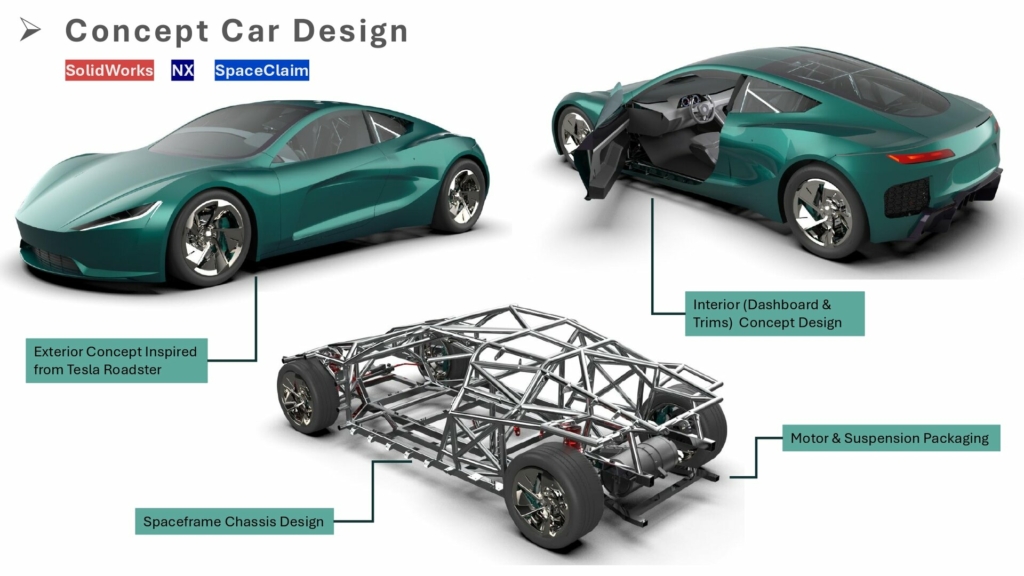
concept car design in teal

RELATED: What are the main prototypes used by companies in industrial design prototyping?

Cost of prototyping

The cost of prototyping ranges from a few hundred dollars to several thousands, and this depends on various factors, such as the level of complexity in design, the material used, the kind of prototype in question, and the method or manner of prototyping. Here is an outline of some of the main factors determining the cost of prototyping.

Design complexity

The complexity of your product design is one factor in costing your prototyping. A simple design with less part content, or whose shape can be easily replicated may be more readily prototyped and cheaper, but designs with a lot of mechanical or electrical complexity can run much more expensive. Again, the more detail in your design, the more time and work will go into creating a usable model, making cost go up.

For instance, a simple consumer product, such as a plastic container, will most likely just require fundamental 3D printing, probably inexpensive. On the other hand, a high-tech consumer product with embedded electronics or sensors or special materials will probably use advanced prototyping techniques most likely to be costly.

Materials

The type of material being used in the prototyping greatly determines the final cost. Prototypes can be made from any type of material, including plastics, metals, and composites, and the pricing and processing are also different for various materials. Aerospace-grade alloys or specially constructed polymers really drive the cost up drastically from standard plastics or 3D printing material.

• CNC Machining: High in precision, very well suited to the metal prototypes, though equipment and material costs will be steep in this type of prototype.

• Handcrafting: Handcrafting with inexpensive material is used for simple models.

• Injection Moulding: It can be applied for rugged prototypes. But it is expensive due to the development of moulds.

Prototyping technique

There are several ways a prototype can be prepared, each with related costs. Among some common techniques used include:

3D Printing (Additive Manufacturing): 3D printing is the most widely used technology in rapid prototyping. The payoff in using 3D printing is that it rapidly converts digital models into physical products through a wide array of materials, sometimes very quickly with short production time and flexible design but soon becomes expensive in material and machine time.

• Casting: Casting is used for a wide range of products. It is much more manual intensive than injection molding. Cost in casting depends upon the material and the complexity of the material.

• CNC Machining: Cutting, drilling, or milling of plastic, metal, or composites into a desired shape. This is a precise process to detail and has a cost to it, meaning it’s rather pricey. Thus, it’s more applicable for functional prototypes.

•Injection Moulding: Injection moulding is a very fast and cost-effective method of producing significant quantities of proto-typed items, especially for articles that require strength. However, the cost incurred when making design and building tooling is very great at the very beginning.

RELATED: 10 tips on how to find the best prototype engineering firm services

Outsourcing vs. in-house prototyping services

Finally, the greatest decision concerning prototyping has to do with whether the task should be outsourced to a professional service or done in-house. Each has its pros and cons.

 In-house prototyping: Companies with appropriate and readily available equipment, such as 3D printers or CNC machines, etc. usually resort to in-house prototyping due to cost-cutting reasons. It is suitable for simpler prototypes or circumstances wherein the rate of iteration is high. It, however, requires significant investment in machinery, expertise, and maintenance, thus proved to be quite cost-effective for large companies or frequent prototyping requirements.

• Professional service contracting: Many product design houses are professional services firms specializing in prototyping. They can provide full service: from design consultancy, material selectivity, and production of the prototype. The tools, expertise, and resources it has are all among those that can lead to quality prototypes. It is very costly, around $1,000 to $20,000, depending on the level of complexity.

Prototype iteration and testing

Most products require many iterations to the final. Each iteration provides a chance to test the design, even up to the response from the users, as well as to make necessary adjustments or for some r`esults in the performance. This is costly because every version will be demanding new materials, labor, and other resources.

Testing is another prototyping activity. Testing may include performance in physical settings, usability by the users, or compatibility tests with other systems. The more intense testing will be the more expensive prototyping phase is going to be.

Timeline

The cost may also depend on how soon you need the prototype done. When there is a time constraint, sometimes it means hastening up the process, and this would cost more based on rushed shipping and more man-hours or faster production methods.

a radio frequency receiver

Estimating prototyping costs

It is great to estimate prototyping costs early in the development process so that budgets could align with needs. Normally, prototyping cost would be broken down as follows:

• Low-Cost Prototypes: The estimated range is from $100 up to $2,000, which depends on its simplicity, like 3D-printed prototypes or a basic functional model, depending on the materials and production method used.

• Mid-Level Prototypes: With CNC machining, in metal parts or with small runs of injection-molded products, the costs will run from $2,000 to $10,000.

• High-End Prototypes: More detailed or even complex prototypes with sophisticated materials or electronic components may reach between $10,000 and $50,000 or more for multiple iterations.

These costs differ based on the factors enumerated above, so it is essential to collaborate closely with your product development team to create a detailed budget.

RELATED: Freelance rapid prototyping costs, pricing, and rates for companies and inventors: all you need to know

Prototyping budgeting in your company

To budget effectively for prototyping, consider the following steps:

1. Define goals and requirements: State exactly which kind of prototype is needed (proof of concept, functional, visual, or near-preproduction). Determine the level of detail, materials, or functionality that needs to be tested.

2. Choose the Right Prototyping Method Depending on your goals, choose the right prototyping method. Quick iterations can be ideal with 3D printing, while CNC machining or injection molding can be good options for functional or production-ready prototypes.

3. Iteration: Several prototypes can be expected, especially in the refinement phase. Since iteration impacts time and resources, keep these costs in your mind while planning your budget.

4. Collaboration with a Design Consultant: If after reading you are still unsure how to factor in the cost breakdown into your budget, then collaboration with a design consultant can further help break it down and clarify the options. Many product design services can offer affordable prototyping solutions based on individual needs.

5. Contingency fund: Always put aside some amount of your budget for unintended costs. Prototyping can be unpredictable sometimes, and having a contingency fund will always get you through those unknown costs.

6. Set for Long-term savings: Though an initial investment, prototyping will save one money in the long run as it limits production mistakes and maximizes the final product’s market success.

Wrap up

Prototyping is another development stage where huge involvement with costs and resources is incurred. Knowing what affects prototyping costs as well as how to plan a budget can help businesses prepare for this very important phase of their product design process.

How Cad Crowd can help

Regardless of whether you are manufacturing something that falls in the category of simple or is more complex, an investment in a proper prototype will mean better outcomes in terms of quality, product, and standing in the market. Cad Crowd will ensure you are at the top of the game. Request a quote today.

author avatar

MacKenzie Brown is the founder and CEO of Cad Crowd. With over 18 years of experience in launching and scaling platforms specializing in CAD services, product design, manufacturing, hardware, and software development, MacKenzie is a recognized authority in the engineering industry. Under his leadership, Cad Crowd serves esteemed clients like NASA, JPL, the U.S. Navy, and Fortune 500 companies, empowering innovators with access to high-quality design and engineering talent.

Connect with me: LinkedInXCad Crowd

High Quality CAD Lighting Fixture Design for Architectural Firms


No matter how sunny a house or building is, there will always be some dark spots here and there. Unfortunately, it is often challenging for architectural and interior design firms to design lighting in these areas. They need schemes that can provide adequate illumination and allow the lighting to match the intended emotions and tasks. Rooms and areas tend to be dark for many different reasons, including small windows or the lack of them in the first place.

There are also instances when the structure faces north, or certain external features form a shade throughout the day. No matter the cause, proper CAD lighting fixture design services can go a long way to ensure that no area becomes dull and dreary. Here are a few design tips that your architectural and interior design firm can use on your next projects. 


:rocket: Table of contents


RELATED: Architectural lighting plan budgets & tips to reduce CAD drawing service costs

CAD lighting fixture design for architectural firms and interior design detail

Observe color consistency 

When adding lighting fixtures in any room, not just in darker areas, it’s essential that their color temperature is the same. Color temperature is indicated in Kelvin. Installing a mix of warm and cold lights in one area is not just unpleasant to the eyes and can also cause debilitating headaches. The ideal solution here is to opt for dimmable lights. If you need brighter and colder light during the daytime, you don’t have to give up on the relaxing warm glow at night. Dimmers will let you have it all. Having options is also always better in this case.

Illuminate low ceilings properly 

Rooms often seem dark due to low ceilings, as in the case for basements. Installing pendant lights will only make the ceiling seem lower. The best solution for the 3D lighting fixture design professional is to install recessed lights into the ceiling’s void. The right lighting fixtures can produce ambient light while making the room look and feel bright. These types of lighting fixtures are perfect for winding down and relaxing at night. 

Add the right lampshades 

Dark lampshades are a no-no if you want your CAD design to exude the feeling of a well-lit space. Metallic lampshades, such as gold, are often a better choice as they produce a warmer tone of light.

RELATED: Lighting adjustments in 3D renders: essential tips for companies and services 

Harness the magic of mirrors 

While lighting fixtures can produce light, you can use certain tricks in your design to help distribute light further. This is where mirrors come in handy. Mirrors further enhance the daylight in a dark room to make it look and feel brighter. They can also make the space brighter, bigger, and more dramatic. If possible, feature large fixed mirrors on long walls.

The 3D product design expert can also move floor-standing mirrors around the space to produce a different feeling. Mirrors can help boost both artificial and natural lighting. These can be positioned at the back of table lamps or installed on the wall right in line with the pendant lighting fixtures. 

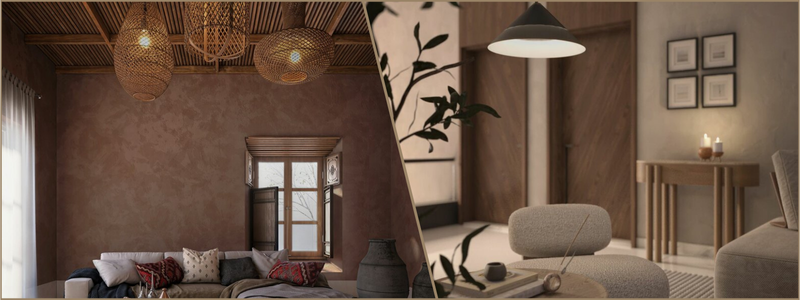
interior design company

Use the power of downlights

Downlights are common solutions for both commercial and residential applications. You can choose the correct color of the trim and depth of the fixture so the lighting blends seamlessly with the rest of the design. You can choose from different beam options for downlights that you can distribute all over the space to provide the light required in specific parts of the room. The 3D interior rendering designer can install smaller downlights, for example in the corner of a room to achieve the illusion of daylight. 

RELATED: 5 Tips for achieving photorealism with 3D rendering and 3D visualization for home design companies

To achieve a better effect, dimmers can also be used in place of switches to help control the light intensity during daytime. If the client prefers lights on a dimmer, see to it that the lights used are dimmable in the first place. This detail is often indicated in the specifications of every lighting fixture.

Think verticals and horizontals 

Consider illumination three-dimensionally. Creating several sources of warm light is the secret to achieving excellent lighting in dark areas. Several lighting fixtures can be installed at different levels. Floor or table lamps are ideal for shady corners. For rooms with higher ceilings, it’s best if the 3D architectural visualization services adds a chandelier with glass elements right in the center. The glass material will allow the light to bounce across the room. 

RELATED: Virtual room design services and 3D room design tips for companies and firms

Consider bright wall colors and wall washers

Lighting fixtures toward a bright wall can add luminance to the room. Bright-colored walls are the key here, and physics can do the job. This will give the space a more sophisticated feel and create a cozy ambiance at night.

Determine the purpose of the space 

While general rules apply to different spaces of a residential or commercial building, it’s imperative to know the specific role and purpose of the room to achieve the best CAD lighting fixture design. Envision yourself using the space:

Will it be your client’s entertainment room?

Will it be a private space where they will wind down to spend some time alone to play the piano or read a book?

No matter what it is, it’s important to know the purpose of the space or area in the first place. Once you’ve determined the function of the room, that’s the best time to plan the layout of the lighting fixtures in your CAD design.

Tips to create more effective CAD lighting fixture designs

Here are some helpful tips for creating more effective CAD lighting fixture designs:

1. Use the best CAD software 

CAD software programs are not made equal as far as lighting design is concerned. Choose one that has functions and features that meet your specific preferences and needs. Other factors to keep in mind are compatibility with the existing hardware and software you’re using, ease of customization and usage, availability of training and support, licensing options, and cost.

RELATED: How to render architecture: tips from an architectural rendering company, Los Angeles

2. Define lighting goals and requirements 

Before you draw and model your lighting fixture design, you must have a clear idea of what your client wants to achieve and the challenges and constraints you might face. Consider the function and purpose of the space, the desired atmosphere and mood, the sources of artificial and natural light, the budget and energy consumption, and the standards and codes applicable to the project.

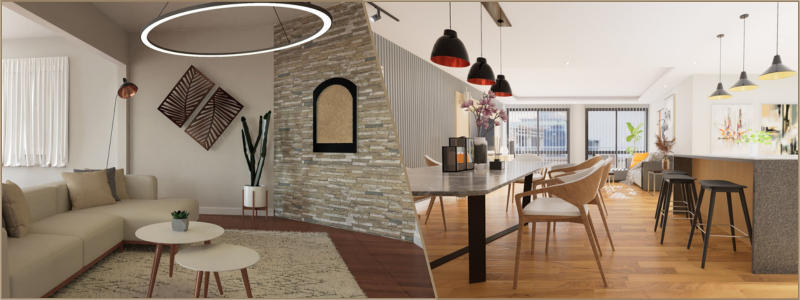
interior rendering services

CAD software can create lighting plans that outline the quantity, type, and location of light fixtures along with the control and wiring systems. Identifying lighting goals and requirements is critical to creating effective CAD lighting fixture designs. Clear specifications on lighting uniformity, color temperatures, and illumination levels can serve as a guide for the process of CAD design. 

You can use CAD tools to simulate and model various lighting scenarios to allow adjustment and precise placement of lighting fixtures. You can integrate these requirements in your CAD design to analyze and envision the lighting design before implementation to ensure desired goals are met. This approach can reduce costs, optimize energy efficiency, and produce an aesthetically pleasing and well-lit space.

RELATED: Differences between interior design and interior architecture companies

3. Use 3D rendering and modeling tools 

One of the benefits for lighting fixture designers using CAD software is that it lets them come up with lifelike realistic 3D renderings and models of the space and its lighting solutions. It lets you envision how the lighting fixture design will perform and look in different conditions and scenarios, including night and day, cloudy and sunny, bright and dim, and others. CAD software can also be used for testing and comparing various lighting conditions like distribution, direction, luminosity, and color temperature.

4. Perform lighting simulations and calculations 

The use of CAD software for lighting fixture design can help you perform reliable and accurate lighting simulations and calculations that can help optimize lighting design for quality and efficiency. CAD software can be used to analyze and measure different lighting parameters like color rendering, uniformity, contrast, glare, and luminance. The program can also be used to simulate the lighting design’s effects on the environment, like energy savings, carbon emissions, and heat generation.

Several lighting parameters should be considered as these may have a significant effect on your lighting design. The use of software tools can give you insight into the efficiency of the design as it will give you the analysis that shows your lighting design’s level of effectiveness, quality, and accuracy.

RELATED: 5 Benefits of using 3D rendering and 3D visualization services for interior design

5. Incorporate revisions and feedback

Getting the perfect lighting design right on the first try doesn’t exist. You need to incorporate revisions and feedback from your clients, stakeholders, and colleagues to ensure that the design will meet their requirements and expectations. CAD software can easily update and adjust the lighting design according to the suggestions and comments you receive. You can also use the program to produce and share various alternatives and versions of the lighting design for assessment and approval.

6. Document and present the lighting design

Document the lighting design and present it convincingly and professionally. Use the right CAD software to produce and export high-quality reports, renderings, models, and drawings that showcase the design’s benefits and features. 

How Cad Crowd can help 

Contact Cad Crowd today and find the best professionals for your CAD lighting fixture design needs!

author avatar

MacKenzie Brown is the founder and CEO of Cad Crowd. With over 18 years of experience in launching and scaling platforms specializing in CAD services, product design, manufacturing, hardware, and software development, MacKenzie is a recognized authority in the engineering industry. Under his leadership, Cad Crowd serves esteemed clients like NASA, JPL, the U.S. Navy, and Fortune 500 companies, empowering innovators with access to high-quality design and engineering talent.

Connect with me: LinkedInXCad Crowd

Complete Guide to Cosmetic Label Design and Packaging for Beauty Product Companies


Aesthetic matters and it matters a lot! That’s a fact you can’t deny! Your cosmetic label design and packaging are the primary elements that customers come into contact with right at the get-go. Even if you have the best products, everything will be futile if you don’t label them properly. The look and feel of product labels can never be made otherwise. Labels and packaging are the best and easiest way to leave a lasting good impression on customers.

Several key factors must be taken into consideration when designing the label and packaging of your beauty and cosmetic products. This article serves as a complete guide to cosmetic label design and packaging concept design services for beauty product companies. Here are the nine stages involved in designing cosmetic labels and packaging:

RELATED: Effective cosmetic packaging design tips for new cosmetic products companies & firms

Complete guide to cosmetic label design and packaging for beauty product companies

1. Choose a suitable visual language

Your cosmetic label and packaging’s visual language plays a critical role. Make sure you choose one that will perfectly reflect your product and brand. The right visual language will convey the correct feeling to your end customers. 

2. Identify the style of the product label

The specific style of the cosmetic label design and packaging will largely depend on your target audience. If your target audience belongs to a younger demographic, you should opt for a more extravagant style. On the other hand, if your target market is more sophisticated or elegant, the right choice is a minimalist label. 

If your brand is already a popular historical one, you will surely want to stick to a more traditional style. Modern beauty companies, in contrast, can enjoy the perks of letting their imagination go wild. This will allow the cosmetic packaging design firm to design custom product labels for eye-catching items. The main point here is to know how to be daring while staying faithful to your existing brand. 

RELATED: Benefits of product label and packaging designs for companies and Amazon sellers

3. Pick the right images

After defining the basic design of your label and packaging, it’s time to choose the images you will use. The best advice here is to use images that best represent the uniqueness of your product or brand. Dig deep and pinpoint the elements that set you apart from other similar products on the market, including your production method, ingredients, and the like. 

4. Determine the size and shape of the label design and packaging

The next step is to pick the size and shape of your product label design and packaging. You can opt for a standard label size and shape or choose something custom that will make your product stand out. Choose a different label on the front and back of the package. You can also go for a wraparound label. 

5. Opt for readable characters

Whether you believe it or not, the specific typeface you use is equally important too. Using the correct font will allow you to convey the correct message and establish the personality of your brand. While it can be tempting to use more imaginative and creative fonts, all your efforts will go down the drain if readability is not guaranteed, making it extremely critical. 

RELATED: Functional and creative packaging designs for new and existing products for companies 

3d packaging design firm

6. Find the right color 

When the packaging designer chooses the color, there are three primary factors that should be paid close attention to:

  • Select a color palette aligned with your brand’s personality. 
  • The color should attract the attention and capture the interest of potential consumers. 
  • You have to stand out from your competition. 

In highly competitive markets like beauty and cosmetics, strict attention should be given to the smallest detail, although this is often underestimated. For instance, your brand’s cornerstones are respect for raw materials and sustainability. In cases like this, green is undoubtedly a color that will recall nature and health, which makes it a great choice to consider. 

The choice can also include pastel and soft colors that exude delicacy and are simultaneously original compared to competitors. You can opt for lively and bold tones like fuchsia, turquoise, and yellow for a younger and more modern product. On the other hand, if you prefer a simple but elegant label, the packaging design company can never go wrong with white and black and possibly add some touches of glamour with a copper or silver finish. 

RELATED: Actionable tips to successfully prepare your product packaging for the US market

7. Decide on the material 

The material you choose must also be in line with your brand and reflect the primary characteristics you wish to communicate with your customers. If you want your brand to stand out for its natural ingredients and eco-sustainability, the good news is that you can choose from a plethora of natural anti-pulping papers. These include laid paper, marked paper, and cotton that tactfully return the concept of simplicity while respecting the planet. 

On the other hand, if you prefer something more avant-garde and more impactful, you can go for unique cards that exude modernity and a premium feel. In such cases, the most obvious choice is matte-coated or glossy paper. However, you can also consider other materials like transparent polypropylene or silver metallic paper that will give the product a distinct no-label look. 

8. Enter the right information 

Several critical pieces of information must also be indicated in your cosmetic label design and packaging. These details include the following:

RELATED: Sustainable packaging design tips for new products at your firm

Compliance with labeling requirements mandated by regulatory bodies

All countries have their regulatory bodies that decide the labeling requirements for beauty and cosmetic products, and companies should adhere to these. In the United States, for example, there is the FDA or Food and Drug Administration, while Italy has the Ministry of Health.

The respective regulatory bodies regulate every country equally. Thus, one thing to consider when designing the labels and packaging of your beauty products is compliance with the regulations as directed by your country’s regulatory body for beauty and cosmetics labeling. 

3d packaging designers

Declaration of product identity or identity 

The declaration of product identity or identity, more popularly called the PDP or principal display panel, is an integral part of a product label. The order of identity refers to the name of the product together with the product’s net weight. This should be indicated on the front of the product package. You also need to put the product’s common name and its specific type, whether it’s a cream, soap, eyeliner, or the like. 

RELATED: Tips for cosmetics packaging design & development

Information panel

All beauty and cosmetic packages must have an information panel that includes the declaration of ingredients, the warning statement, and the manufacturer’s address. Every single ingredient must be listed in descending order. This means listing first the ingredient with the highest percentage in the product, followed by the most elevated rate after number two, and so on. 

Net weight or net content

The net product content indicates the quantity of the product. The net content should be in terms of weight for semi-solid or solid products. Meanwhile, the net content should be stated in terms of volume for liquid products. See to it that the net content should be placed at the lower part of the front label. The net content must not be higher or lower compared to the actual content.

Warnings

It’s also important for manufacturing design services to mention warnings on certain beauty and cosmetic products like products that contain alpha hydroxyl acids, cosmetic aerosols, and deodorant sprays to avoid endangering the health of consumers. This is especially true for certain products that contain contents that could be flammable under pressure like product sprays. This warning statement should be mentioned for it to be easily legible and prominent at the time of the product purchase. 

RELATED: 12 Tips to create the best product packaging design

9. Perform printing tests

Proofing your cosmetic label design and packaging is essential, especially if you are planning to launch a new product on the market and prefer a selective test that will help you make a wise decision. Here are the benefits of printing proof for cosmetic label design and packaging:

  • It lets you pick the right material.
  • It helps identify errors in the file.
  • Look for suitable color combinations.
  • It reduces testing costs. 
  • It allows testing the extra machining. 

This cosmetic label printing test will let you touch a proper reproduction of the product label on plastic or paper, which you can use during the production process and in future processes. Packaging experts can recommend the most appropriate way to perform a print test for cosmetic label design and packaging.

RELATED: 20 Minimalistic packaging design concepts for products

How Cad Crowd can help 

Convincing your target customers to choose and buy your products is never easy. However, you can easily do so as long as you have quality cosmetic label design and packaging. Properly labeled beauty and cosmetics products will not just help your customers but even your brand. 

Contact Cad Crowd and we will be more than happy to assist you. We will help you find the best professionals who will be there for you right from the conception to the final production stage of your cosmetic label design and packaging for your beauty products. Call us today and we will get back to you right away! 

Latest Food and Beverage Packaging Design Trends for Companies and Firms


The industry of food and beverage packaging design evolves and improves every single day, driven by technological advancements and the ever-changing preferences of modern consumers. The packaging landscape is gearing up for yet another significant transformation this year. It is more critical than ever for companies and firms to stay on top of these developments to thrive and succeed in the cutthroat and fiercely competitive market.

This article explores food and beverage packaging design trends for companies and firms right now:

Adoption of digital print

Digital finishing and print continue reshaping food and beverage packaging design services as they revolutionize packaging production. An increasing number of brands have now opted to use digital print from the beginning because of its top-notch print quality and indisputable advantages to the supply chain. These benefits include flexible quantities of orders, reduced waste, and faster lead time, which are challenging to deliver for traditional methods of production with a similar agility level.

RELATED: New product packaging design & why it’s important for product designers

More and more brands are expected to take advantage of web-to-print, digital print, and other digital tools to improve their strategy for custom packaging sourcing. Brands with an established presence in retail avenues that help boost brand identity and awareness are expected to switch to digital print if they haven’t done so yet. In a modern market crowded with products, quick-to-market and stunning packaging can be inexpensively customized to a particular audience to help brands stay ahead of their competition. In such cases, digital print is the perfect solution.

Packaging makers continue investing resources in digital finishing and print. Those who lack financial means outsource new concept design & product development services to cater to the growing demand. It strongly indicates that digital print is expected to continue dominating the market soon.

E-commerce-first approach

Most brands today are born online, catering to e-commerce customers right from the get-go. For this reason, e-commerce packaging shouldn’t be a mere add-on afterthought. Instead, it should be the first format that any brand that wishes to succeed online must develop. Online shopping is projected to continue driving demand for specialized solutions for e-commerce packaging, which include poly bags, custom inserts, custom mailers, various void fill solutions, and more. A big chunk of retail purchases are anticipated to happen online. Since consumers have gotten used to shopping without stepping outside their houses, it is expected to be the new normal soon.

RELATED: Top 20 packaging design blogs for freelance product designers

Handling of returns is among the most critical aspects of e-commerce. As an important facet of the online shopping experience, online brands must also consider returns as a great opportunity. Formats of e-commerce shipping boxes that simplify the return process for consumers, particularly for apparel items and fashion design companies, can help improve customer loyalty and satisfaction. Online shoppers will favor brands that adopt a robust strategy for e-commerce packaging.

Consumer-centric packaging design

Before you start designing your food and beverage packaging, you must truly understand what your target audience is looking for. Do you need to consider some distinct visual cues? What are the most appealing colorways for your consumers? Should you follow an instructional or informational route for your packaging? These questions can help you understand the best design that will connect the most with your target audience. Solid insight and knowledge of consumers can help you produce some of the finest design work.

Blindly following trends, hoping that something will stick, will only put you at risk of getting lost in the crowd or not even connecting with the target audience. Make sure you do your research first, though, to understand who you are making the design for. Using this information will help the packaging concept design firm create packaging that will resonate with consumers.

RELATED: Effective cosmetic packaging design tips for new cosmetic products companies & firms

custom-packaging-design-services-1

Unique shapes to the rescue

Packaging with customized shapes is expected to become a powerful tool for making your brand easily recognizable and different from others in the market. Distinct geometric shapes, eye-catching patterns, and intricate cut-outs on labels are and will continue to capture consumers’ interest and attention. Remember that attention is the newest currency. If your brand recognizes this, you should invest more in packaging that will make your products stand out even on overcrowded offline and online shelves.

However, there is more to the trend of packaging with unique shapes than aesthetics alone. It also serves as a tangible way of conveying the values and identity of your brand. It’s not just about vivid colors or compelling typography. Brands should use the packaging itself to tell a unique story. While other brands use fonts and colors to stand out, packaging designers using shapes as decorative elements are guaranteed to create longer-lasting and stronger impressions compared to their direct competitors.

Go eco-friendly

Most consumers today prefer brands that advocate sustainability. As a result, companies and firms are under increasing pressure to cater to this, which explains the traction of so-called green packaging. However, only a small percentage of consumers shop from such brands. Although eco-friendly product packaging is popular, it might not always be realistic. Even with broadcasted media’s prevalent environmental awareness, such as Blue Planet, many people still don’t actively contribute to reducing their carbon footprint.

RELATED: Benefits of product label and packaging designs for companies and Amazon sellers

However, it’s expected that consumers will continue to have new expectations when it comes to packaging. Consumers just feel that they can’t act as eco-friendly as they like to because the best practices leave them baffled. It’s important to consider how to simplify and clarify recycling communications as much as possible. Some brands, for example, are using color-coded packaging that aligns with the designated recycling bins to reduce consumers’ cognitive effort.

Eco-friendly and consumer-first packaging might not overlap easily in terms of design. An excessive focus on consumers may lead to ego-driven design briefs. On the other hand, consumers might feel alienated if the design focuses more on the environment. To prevent these issues, consumer research is critical. Solid research will help you achieve the right balance and develop a packaging design that is environmentally conscious and appeals to your target market.

AI-aided packaging design

The past year has seen the undeniable impact of artificial intelligence (AI) in almost all industries. In the food and beverage packaging design industry, AI is also making significant changes in the design process as designs aided by AI technology continue to rise. With AI tools now easily incorporated into professional software platforms, they are expected to be used further by structural and graphic designers to offer more efficient means of refining and ideating packaging concepts. This will also pave the way for the creation of production-ready graphics.

RELATED: Functional and creative packaging designs for new and existing products for companies 

In the next years, AI will revolutionize not just packaging design but also other areas of packaging management, including automation, supply chain management, and manufacturing. AI may soon be used to manage inventory levels, cut down shipping costs, estimate demand, and search for ways to streamline different business operations. Food and beverage brands embracing the use of AI tools are poised to perform better than those that don’t.

Immersive experience

Offering immersive experiences for customers through packaging now significantly impacts overall brand experiences. The next few years will likely witness the combination of packaging and technology quickly gaining momentum. NFC tags, QR codes, and the services of augmented reality experts are becoming increasingly popular in interactive packaging. Scanning these allows consumers to access brand-exclusive offers, special promotions, or additional information. Aside from creating a more memorable and engaging consumer experience, it also helps differentiate your brand from the rest.

Packaging designs will eventually be seen as purely existing in the digital sphere. The designs might be exclusively featured online to lure buyers to make a purchase. After ordering the product, it will then arrive inside a standardized cardboard box. This is an innovative means to strike the right balance between making a visual impact that doesn’t compromise sustainability. As overconsumption becomes a serious issue, your brand will surely stand out more if you show a proactive approach that doesn’t jeopardize product experience or quality.

RELATED: Cosmetic packaging design & package design services costs and pricing

product-design-company-1

Sustainable materials

Sustainable materials are now a central point in the packaging industry, and the trend is expected to grow further in the coming years. As consumers become increasingly aware of the impact of packaging on the planet, demand for environmentally friendly packaging solutions will continue to rise. These solutions are made from recycled materials and are compostable and biodegradable.

Recent years have witnessed a dramatic increase in the number of companies and firms that embrace sustainable initiatives, and the trend will gain further traction in the coming years. Companies now recognize the essence of aligning with eco-conscious consumers as they define their ESG goals and work to cut down their carbon emissions to support the United Nations’ sustainable development goals.

How Cad Crowd can help

Keeping up with the food and beverage packaging design trends for companies and firms is the secret to selling more products, satisfying customers, and increasing market share. Cad Crowd can connect you with the best packaging designers who will help you stay ahead of your competition.

What Are New Product Development Costs, Design Services Rates, And Pricing for Your Company?


An idea only lives in your mind until it gets materialized. No matter how brilliant and groundbreaking the idea is, the path to transforming a concept into a tangible product can be tricky, except when you get help from a reputable design agency or an industrial designer. Sometimes, it is helpful to take a step back before getting carried away by excitement and figure out how much money could be involved in a product development.

It is difficult to say whether the cost will exceed any given amount. The problem is that even small changes in the product’s dimension, prototyping method, material, and appearance can trigger a series of significant expenses unless you have professionals to take things under control. Every product development process presents its challenges, and the exact cost depends on a collection of factors such as design complexity, selection of materials, prototyping technique, and timeline to completion. Hiring a design firm sounds like an additional expense, but it probably is the only thing to prevent you from overspending in the first place.

The Average Cost of Product Development

If you want a general estimate, the ballpark figure would be $30,000 for a modestly complex non-electronic product with a completely brand-new design rather than a copy of an existing one. For example, you are developing a unique round-shaped Rubik’s Cube (so it is not a cube at all) of which the individual pieces – when properly arranged – would resemble the look of Planet Earth seen from space or the new product in question a miniature V-block internal combustion engine with real moving parts like valves and pistons. Still, it has an unusual configuration of 13 cylinders.

The $30,000 mark is likely the minimum to develop a relatively simple product. The money should cover every process, including design, prototype, performance/usability test, and (very) low-volume production of the product’s final version. Mass manufacturing and launching a new product require much more money. Also, the more sophisticated the product is, the higher the investment. Developing a modern complex electronic product is notoriously expensive, reaching hundreds of thousands to millions of dollars; much goes to electrical engineering alone. One of the most notable examples is the iRobot Roomba Vacuum Cleaner, which cost a jaw-dropping $50 million to develop.

On the other hand, a non-electronic product development is typically more budget-friendly than an electric gadget or anything controllable via a smartphone app. For instance, designing a simple kitchen utensil might cost around $ 5,000 to $ 10,000, while a more complex consumer electronics product could range from $ 20,000 to $ 50,000. Hiring a firm to handle the development process might cost anywhere from $30,000 to $60,000 in the United States and Canada. For the money, the firm can help turn your idea into an attractive, functioning, “manufacturable” product design. The services generally include CAD modeling and visualization, prototyping, and manufacturing schematics. If you partner with a firm, the cost might even cover the expenses for market research.

RELATED: Prototyping for Product Development & Investor Presentations

Industrial Designer’s Rates

2-3

Designing and developing a product involves a series of tasks that fall within the expertise of an industrial designer. According to the BLS (Bureau of Labor Statistics), an industrial designer typically undertakes the following exercises:

  • Consult with clients about product design parameters
  • Sketch design ideas and produce 3D models or visualizations
  • Create physical prototypes
  • Conduct usability tests to identify issues and collect information on users’ satisfaction with the product.
  • Research materials and equipment to be used for manufacturing
  • Perform design analysis to evaluate functions, safety, appearance, and practicality
  • Present a finished design or final prototype

An industrial engineer may work with other professionals from related fields, such as mechanical engineers and prototype design engineers, to determine whether the design is manufacturable at an efficient cost. Some industrial designers are self-employed, so you can hire one without working with a design firm. The hourly rate of an industrial designer can vary depending on factors such as their experience, location, and the project’s complexity. Based on the latest available data (May 2020) from BLS, the median wage of industrial designers in the United States is $36.50 per hour.

Industrial Designers’ Pay (United States)

Percentile Annual Hourly Rate
Highest 10% $125,780 $60.47
Median $75,910 $36.50
Lowest 10% $43,680 $21.00

Note that the median wage only estimates the profession’s typical (rather than average) rate. Experienced industrial designers most likely occupy the highest 10% category.

The work of an industrial designer ends when the product design is certified for safety and ready for mass production. However, certification and manufacturing are beyond the scope of the hourly rate. An industrial designer can help you handle the certification process, establish a partnership with a manufacturer, and oversee the production run. Still, all those things require funds outside the industrial designer’s budget.

RELATED: What are Industrial Design Rates & Costs at Product Design Services Firms?

Certification

1-2

No matter how experienced and reputable, an industrial engineer cannot certify your product for safety or compliance with national and international standards. You will need third-party certification agencies to inspect the product and issue the relevant certifications. The cost of certifications can vary depending on the product specifications. For example, a basic safety certification for a non-electronic product might cost around $ 500, while a more comprehensive certification for an electronic product could exceed $ 10,000. The cost varies from less than $100 to more than $15,000, depending on the product specifications.

Suppose the plan is to sell the product in the United States, Canada, Europe, or any of those regions. In that case, certifications can improve the chances of making sales, given the market’s competitive nature. Certifications are only crucial for electronic products. However, this is only partially true because even simple things like mechanical toys and showerheads are subject to various standards relevant to the products’ intended usage. Some of the most common certifications that may apply for non-electronic products include:

  • UL (Underwriters Laboratories) badge indicates that a product meets the standards set by the organizations, including but not limited to the flammability of plastic materials and fire endurance.
  • CSA (Canadian Standards Association) mark signifies compliance with functional safety standards applicable in Canada and the United States. The association also certifies products made through environmentally friendly manufacturing processes and mechanical components equipped with reliable safety measures to prevent dangerous failures.
  • WaterSense logo proclaims the product’s conformity with EPA’s standards for efficiency and performance. The certification is issuable to non-electronic products such as showerheads or faucets.
  • Green Seal stamp declares the product’s low environmental impact as observed from its minimum toxicity and resource conservation.

Unless the safety, efficiency, and performance standards require compliance by law, product certifications for those aspects are voluntary. That said, your product could get certified by recognized organizations to gain a competitive advantage.

RELATED: What Certifications are Used for New Electronic Hardware Products & PCB Design Services?

Low Cost yet Efficient

Everyone, from the tiniest startups to the largest corporations, wants to keep development costs low and get optimized results. There is no need to waste money when you can save it. One of the primary keys to efficiency is lean product development practices. A lean process involves minimum waste and a short development cycle without sacrificing product quality.

While it is not impossible to keep it lean on your own, there is the likelihood of overlooking essential details that can make a design more efficient. Furthermore, you may need more tools to exercise the principle, such as CAD systems, CNC machines, a high-grade 3D printer, and general expertise in market research. Another thing to consider is how a tiny error in modeling or a seemingly minor compromise in the material can lead to costly design revisions.

Although an experienced industrial engineer might only personally own some possible tools for physical prototyping, he likely knows how to access all the required resources efficiently. The same applies to a design firm with a complete product development facility. Even if the firm doesn’t have an extensive facility, it has the experience of partnering with prototype makers, material suppliers, and custom manufacturing companies. More importantly, an individual industrial designer or a design firm understands how complex and intricate a product development process can be; they know how to minimize the cost by keeping the unnecessaries at bay and focusing on the essentials.

1-3

Collaborative Effort

Good product developers should keep you involved throughout the process, from the concept phase to certifications, until the design is ready for manufacturing. Based on your description of the product idea, they will be able to offer a comprehensive quote on the development cost. After the initial discussions, an experienced product engineer can define all the steps required to build the product and how much each step should cost. To avoid unpleasant surprises, you will get a full expense breakdown from the get-go.

End Note

Engineering designer services answer all the questions presented by the market research. There is some truth in how the market can dictate a new product, but engineering expertise opens the door to creativity. Following the concept creation and market research, it is the industrial engineer’s turn to take over the process and devise a solution to tackle every challenge the market may throw at your idea.