What are the Costs for New Hardware Product Design, PCB Prototyping Rates, and Company Services Pricing?


It is a broad question with no single correct answer. Combining a functional PCB with a hardware product design is practically building an electronic product. And just like the question in the beginning, it is a broad category of products, from a simple everyday device like a USB drive to a state-of-the-art avalanche probe.

Developing a USB thumb drive design takes little more than purchasing ready-made flash drive boards and connectors. Then, you can get creative with the enclosure design using CAD software and a consumer-grade 3D printer. Since you don’t need to hire an experienced mechanical engineer to lead the project and partner with a custom prototype maker, the overall development cost for the new enclosure will not exceed several hundred dollars.

The latter is at an entirely different level of sophistication. Take the AvaTech SP1 Smartprobe as an example; the GPS-enabled device connects to a user’s smartphone via Bluetooth and is equipped with an accelerometer and an inclinometer as well as a ranger finder – all in addition to a whole bunch of optical depth sensors and a custom digital force sensor. It collects data from the surrounding environment and sends them to the smartphone to help the user avoid triggering an avalanche when skiing. It probably took the company around a million dollars to have it developed, tested, and certified. In general, simple consumer electronic products are less expensive to build and bring to market than complex, specialized, high-tech solutions.

Hardware Design Cost and PCB Prototyping Rates
2-1

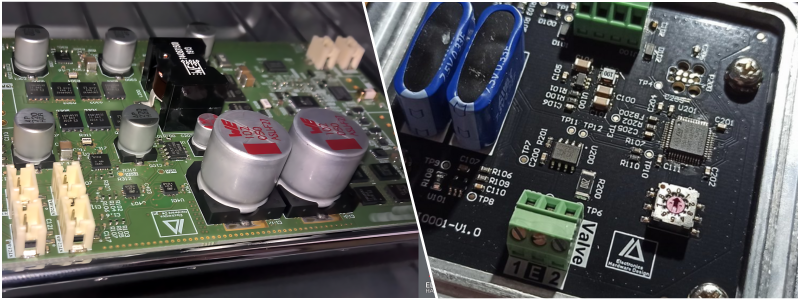
The scope of the term “hardware product design” must be clearly defined as well. Building an electronic product with a 3D printer and a prototype platform, such as an actuator kit, should not require more than $50,000 upfront investment. However, you may need anywhere between $200,000 and $300,000 to make the product at least presentable to potential buyers. The development requires a thorough product design process and plenty of engineering input, so much money goes to hiring mechanical and electronics engineers. If the plan is to prepare the design for mass production, you may need an even more significant investment.

Design complexity is among the most significant factors affecting development costs. While a large company can afford to have a few failures during market readiness, a small startup should focus on keeping things simple to avoid costly mistakes.

RELATED: How to Develop a New Electronic Hardware Prototype & Products for Your Company

Design studios

A complete range of product development services from a small design studio can cost up to $60,000 for concept creation, 3D modeling, physical prototyping, and testing. An electronic product with a user interface via screen or mobile app requires software development, which can easily double the investment requirement.

Freelance engineers

Hiring freelance engineers is more expensive than partnering with a design studio regarding electronic product development. To build a quality product design, you need a dedicated team of at least a mechanical, electronics, and software engineer. A project manager is also necessary to oversee the process and collaboration. A software engineer is required when the product is supposed to work with a computer or smartphone; otherwise, it is a permissible omission.

PCB prototyping requires firmware integration, a task best left to the electronics engineer. Firmware is low-level software embedded in PCB hardware components, whereas an app is high-level programming typically handled by computer scientists or software engineers. For most electronic products, app/software development is only necessary after going through PCB prototyping and firmware integration stages.

In other words, a small design team of mechanical engineers and electronics engineers alone should be enough to get the job done up until the point of PCB prototyping. Hardware/enclosure development occurs after PCB prototyping because both parts must be fitted to each other. If the PCB layout features USB ports, audio jack, buttons, and knobs, the enclosure needs to accommodate the parts. According to the BLS, the typical rates for electronics and mechanical engineers are as follows:

Hourly Rates

Occupation Lowest 10% Median Highest 10%
Mechanical Engineers $29.80 $46.30 $72.72
Electronics / Electrical Engineers $36.00 $52.00 $82.42

Since the data is based only on the pay rate of mechanical and electronics engineers in the United States, the most significant factor between the hourly rate gaps is the experience level instead of location.

The hourly rates are manageable. You must consider the expected development timeline until a functional PCB is prototyped and a hardware enclosure is built. An electronics engineer must complete a series of procedures before a layout is ready for prototyping. Such methods include producing a Bill of Materials based on preliminary evaluation, drawing schematics, and designing the PCB layout. The whole process can take several months. After the PCB prototyping, the electronics engineer performs the firmware integration; these tasks need another month to complete.

A mechanical designer begins the work by drawing a 3D model of the enclosure based on the dimensions and specifications of the PCB prototype. You will have to wait at least a month for a simple enclosure design and up to 6 months for a complex one. Access to a 3D printer can speed up the enclosure prototyping work, which should not take more than a week. Preparing the design for mass production, usually with injection molding technique, can be a tedious 4-week process.

RELATED: New Concept Design Costs, Engineering Prices & Product Development Services Rates

Professional Product Design Services
2-2

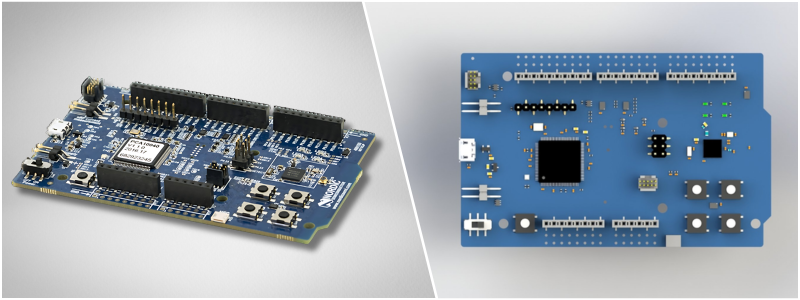
Most product development firms offer a complete range of services, including PCB prototyping, encompassing the typical step-by-step progression of a hardware design creation.

  • Concept evaluation: At the end of a concept evaluation phase, a design firm should develop several design iterations based on your original idea. The point is to revise your idea and improve a rough design into its best possible refined version. Good communication is the key to ensuring that you and the firm are on the same page so the project may progress quickly.
  • Product schematics: the design firm produces a Bill of Materials based on the product schematic drawn on a computer. BoM lists all electrical components and materials required to build the product. It is the part where you get a clear idea of how much it would cost to develop an enclosure design and build a PCB inside it.
  • PCB layout and enclosure model: an electronics engineer creates a digital PCB layout. The software will verify the design at the end of the process to see whether the configuration is correct and by the schematic. At the same time, a mechanical engineer produces 3D models of the enclosure design. Development for the enclosure goes slowly during the early stages, but it picks up the pace once the PCB prototype is ready. The 3D models function only as visualizations. You can also order a lifelike render if needed.
  • PCB prototyping: The PCB prototype takes about a week to complete. Generally, be prepared to have 3 – 5 PCB layout prototypes for the first run. You need another prototyping run after some tests, evaluations, and revisions to fix potential functionality issues. Increase the order quantity to have enough product samples for different experiments.
  • Embedded firmware: an electronics engineer starts the hardware/firmware integration to establish connection and communication among the components.
  • Enclosure prototyping: The 3D models are revised according to the PCB specification and dimensions. A mechanical engineer builds the design on CAD software and sends the file to a 3D printer. If your enclosure is supposed to have metal parts, the prototyping process needs to involve a CNC machine.
  • Certifications: The design firm can help you apply for the certification process through recognized bodies such as FCC, CSA, and UL. Most certifications are voluntary.
  • Documentation: if packaging is not needed, the design firm can go directly to the documentation work to produce various documents such as instruction manuals, warnings, and maintenance recommendations.

RELATED: Consumer Electronic Product Design Services: Costs, Rates, and Prices for Freelancers

A product design firm does not usually provide mass-production services. However, it will be willing to help you find a potential factory partner to manufacture the product in large volumes. Depending on the design, some additional work might be required before you can proceed to the manufacturing step. For example, a plastic enclosure requires an injection molding technique. The design firm will design the mold and have it fabricated.

End Note

Product development is not something to take lightly. The development cost will be your biggest obstacle, but it won’t be your only challenge. There is a long road from a design concept to a tangible product. For a small company, developing a new hardware product can be a considerable investment, especially when the product is an electronic device with embedded firmware or mobile app integration. Having an experienced design firm or a team of mechanical and electronics engineers on your side can make the difference between the efficient development of a feasible design and a significant money drain.


Expert Tips for Choosing Freelance Android App Development Services for Your Company


The search for the best freelance Android app designers is never an easy task. After all, every freelance Android app designer is unique and different from the rest. But one thing is for sure: whether you’re a multinational company, a small business, or a start-up, you need to look for the right freelance Android app developer who can transform your dream application into reality. 

Why your company needs a freelance mobile app developer

Regardless of its shape, size, or type, businesses need a more responsive mobile app than ever. As the eCommerce platform continues to grow, it’s almost inevitable for businesses to develop mobile apps. Android app developers and designers are enjoying a high demand because of the Android OS’s notable popularity compared to its counterparts. As a result, companies that specialize in mobile app development strive hard to cater to the market and its ever-growing and ever-changing demands. 

But once again, it can be challenging to choose a reliable and trustworthy app development service. Since the mobile development process involves several stages that require the participation and collaboration of an entire team of skilled 3D design experts, no one can blame you if you’re confused when it’s time to look for a decent mobile app developer. Continue reading this guide to learn some expert tips for choosing freelance Android app development services for your company that won’t leave you disappointed with the results. 

RELATED: The best 3D modeling CAD software for designers

1. Review past projects 

Checking and going through the previous projects of an app development service can give you a good idea of the quality of their delivery and overall approach. The working portfolio of freelance developers speaks a lot about their work. Start by going through the app’s functionality, the time it took to finish the project, and the designing capabilities of the developer. These will help you understand and confirm whether the developer can meet your company’s app’s requirements. While you’re at it, do not forget to go through the feedback, ratings, and reviews for the app itself. 

2. Get in touch with previous clients

Just checking the past projects of a freelance Android app designer is not always enough. You might also want to consider reaching out to previous clients. Doing so will tell you how the developer treated and dealt with past clients. It will also help you understand how the designer works once they receive the project, their level of responsiveness, the frequency of communication with the client, how they handle challenges, and the like.  

3. Inquire about post-development support and tasks

Before hiring a freelance app designer, you should also take your time to ask about common post-development tasks, including app testing, app submission, support, maintenance, bug fixing, and other post-development concerns, before you decide to hand your project to the developer. While no app might be perfect, this is the least you can do to ensure that yours will be almost close to perfection. 

RELATED: 10 Product design software that are easy to learn

4. Ensure top-notch app performance and quality 

Users never like apps that take too long to respond. That’s why it is crucial to ensure that your chosen freelance Android app development service can come up with an app that is both intuitive and fast at the same time. 

5. Look for reusable high-performance code 

It’s a no-brainer that a freelance Android app developer should be proficient and well-versed in various languages, such as JavaScript and Kotlin. Additionally, it is essential that they know how to create a code that they can keep in an understandable and reusable environment. Through this, debugging and making the necessary changes will be simple and smooth. Moreover, future implementations of due updates and other similar changes will be more manageable.

6. Confirm understanding of material design basics

A prospective Android app developer must also understand and preferably have real-world experiences in working based on the Material Design principles and guidelines of Google that can help them craft user-friendly and appealing interfaces. This modern set of guidelines on material design helps ensure an effective form of the UI/UX design of the app with minimal effort. 

7. Check for comprehension of SDLC and business processes 

Modern development projects always require a good understanding of SDLC or software development lifecycle and business process. You can save more money and time in the long run if your chosen freelance Android software programmers/developers can pinpoint possible issues and challenges during the development process. 

RELATED: Reasons your CAD services company should use robust design software

app-development-services

8. Avoid focusing on the price tag alone

In the hopes of winning the race, many businesses tend to work with the cheapest freelance Android app designers they can find, only to be disappointed with a low-quality app that they received. In turn, this would be completely useless for their business. Rather than opting for those low-budget developers, hiring a freelance Android app developer who can come up with a high-quality and feature-rich app at the most competitive price would be more efficient and advantageous. 

9. Verify the use of an innovative approach 

Make sure you also look into the approach of the freelance Android app developer that you’re planning to hire. To ensure that the provider is adept in their service, always check if they understand the specific needs of your business. See to it that the development service can also improvise designs and offer a top-of-the-line user experience combined with groundbreaking ideas. 

10. Go for a certified and reputable developer 

Hiring a freelance Android app developer may sound risky, but as long as you choose a certified and reputable one, there is simply no reason for you to worry. Use your wise judgment and carefully consider every potential candidate before you settle for one. 

11. Guarantee ability to pinpoint and solve bugs 

Once the code is up and ready, the app designer will be in charge of identifying bugs and errors and getting rid of them accordingly. Once the app gets deployed, the designer will also continue to be in charge of troubleshooting. 

RELATED: Top 20 3D design software programs used by 3D services firms & freelance 3D modelers

12. Ask about the designer 

It would not do you any good if you settle for the first designer you meet. Take your time interviewing each candidate, and do not be afraid to ask more about them, such as their services and other related experiences. There’s nothing wrong with this, so go ahead and raise those questions running through your mind. 

13. Check for experience and proficiency 

Would you entrust your health to a doctor not licensed to treat patients? Definitely no! When it comes to app design and development, it’s never wise to put its fate into the hands of someone who is a complete beginner in the field. Always consider the proficiency and experience of the freelance Android app developer you’re eyeing to hire. Don’t forget that developing a business-centric and market-centric app is not an easy task. It is something that should be done with the utmost proficiency that only experienced designers can offer. 

14. Go through privacy agreements and NDAs 

Work with a freelance Android app developer only after you’ve signed the privacy agreements and NDAs. Signing these bonds with your chosen designer gives you peace of mind, knowing that your business’s confidential data will be safe and secure. You also need to guarantee that you have complete control and property rights of your app to prevent discrepancies in the future. 

15. Consider sufficient knowledge of different open-source platforms 

As an open-source platform, Android gives developers the flexibility to design apps that cater to the specific needs of the users. For this reason, the developer you choose must have a sound knowledge of these different open-source platforms. Be sure to look for a freelance Android app designer who is familiar and well-versed with the various open-source libraries. 

RELATED: Top 101 new product design and development firms for services in the US

android-app-designers

16. Pick a designer who stays up-to-date with trends and tech

The world of technology develops fast, with new technologies and tools getting introduced into the market almost every day. These include supplement software solutions and new knowledge complete with new features. When hiring a freelance app designer, see to it that they keep up with the most state-of-the-art technologies to help you stay ahead of the competition with the most interactive and updated solutions. 

17. Prioritize user needs

When developing an app, a freelance Android app developer should always focus on user needs and requirements. They should come up with a solution that will satisfy users, offer them comfort, and look more appealing to them.

18. Ability to work with different APIs 

Application programming interface or API allows speedy communication between different computer programs. The programmers communicate with different services, using numerous APIs for this particular purpose. It allows quick operation of different programs opened at the same time. These APIs should always be among the key strengths of an excellent freelance Android app developer. 

19. Capacity to handle various databases 

Almost all apps right now hold massive volumes of data. It’s critical to synchronize all of them between the outer database and internal storage when the app is offline. With that, a good command of these different databases is a must for the freelance Android app designer you will hire. 

How Cad Crowd can help 

Are you looking to elevate your company’s mobile presence with a top-notch Android app? Look no further! Cad Crowd is your gateway to expert Android app development services. Take advantage of the opportunity to harness the power of cutting-edge technology for your business. Get in touch with Cad Crowd’s skilled professionals and secure the future of your company’s mobile app development. Begin your success story now. Contact us today, and let’s build your dream Android app together!

CAD Files in Action: Industries and Companies Adopting Popular CAD File Formats


Today’s post explores CAD files and the companies and firms that adopt popular CAD file formats. Before the rise of CAD, paper and pencil were the only combination designers had access to. 3D designs and prototypes were all carried out manually. The result was the slow development of designs and the tedious prototype creation process. Without a doubt, the entire manual process required expensive trials and errors. 

But with the introduction of CAD technologies, the entire design, development, and prototyping process has become easier, faster, and cheaper. As a result, it’s simple to address design concerns and can be done so throughout the design process itself. Instead of the usual drawing, CAD files have become the ultimate weapon for 3D designers to bring their CAD designs to life. 

RELATED: CAD design and 3D modeling rundown

What are CAD files?

Computer-aided design or CAD files are the outputs of CAD software that contain information about the designed objects. These files might be made up of 3D or 2D data and are commonly used by designers, manufacturers, digital artists, engineers, and scientists. The format is the defining characteristic of CAD files. There are kernel, native, and neutral CAD file formats. Neutral file formats were elaborated as readable according to industry standards by most CAD modeling platforms.

These formats have publicly available specifications and are maintained by consortiums or companies. Meanwhile, major CAD vendors produce native formats. Third-party CAD tools conversion is necessary to import these files. Finally, kernel formats are derived from renowned geometric modeling kernels. CAD modeling kernels are components of modeling software. That defines how a shape is mathematically described by it. Kernel formats are recommended for software built on top of the kernel that corresponds to it. Here are some of the industries and companies adopting popular CAD file formats:

RELATED: Discover Why your business should use CAD services instead of manual drafting

Interior design

CAD files allow 3D interior design firms to breathe life into their visions through detailed and intricate digital designs. It allows them to present designs to their clients, from every detail to the smallest ones. They can also showcase the final look of the project upon completion. 

Architecture

Buildings are massive and costly projects. Flawless planning is critical when developing something as expensive and huge as a building. It is another case where CAD files come in handy. In addition to the actual layout and architecture of a structure, the CAD files can also be used to identify the correct specifications, such as weights, volumes, and measurements, even before the start of the actual construction. 

2D drawings and floor plan services can be used in the field once the construction starts. Meanwhile, the 3D architectural visualizations are used to gauge the accuracy of 2D plans and help backers envision the completed project to increase the chances of them funding it. It is especially true for office buildings as well as other commercial structures. However, home designers and builders also increasingly use CAD files and 3D visualizations these days. 

RELATED: Benefits of 3D floor plan rendering and design services for architects and companies

Landscaping

Landscaping companies also use CAD files to conceptualize their outdoor creations and identify the correct placement and location of different landscaping elements such as gardens, patios, fences, trees, and more. Companies can employ 3D landscape rendering designers to visualize their designs.

3d-landscaping-services

Automotive

Sophisticated CAD software and files are also used in different aspects and areas of automotive design. CAD companies for the automotive industry are used to produce 3D prototypes of new styles of car bodies and to design car parts such as engines, tires, upholstery, circuitry boards, and others. Data from CAD files can be fed into CNC machines that cut steel and robots that help construct vehicles on assembly lines. 

RELATED: Revolutionizing the automotive industry using 3D printed cars and innovative services 

Medical 

CAD files are also used by prosthetic design and CAD services for medical applications for prosthetics construction or reconstruction of different body parts. Some of these are even printed out using specialized medical 3D printers. Traditionally, CAD has been used to help engineer designs and models for analysis, representation, and manufacturing. The advancements in biomedicine and information technology have paved the way for new CAD uses and applications with many essential and novel biomedical applications.

The CAD files are used for tissue engineering, where the CAD-based bio-tissue informatics model offers crucial data on tissue biophysical, biochemical, and biological properties for the design, fabrication, and modeling of complex substitutes for tissues. 

Civil Engineering

Today’s urban planners also use CAD files to plan infrastructures in urban areas, including bridges, office complexes, industrial units, parks, and more. It is another aspect where 3D CAD is used most of the time. The urban planning process requires taxpayer dollars and funding. Many people find it hard to envision the appearance of a playground or park based on a 2D drawing alone. It’s even more difficult for them to visualize what a massive professional stadium will look like upon completion. This is where civil engineering professionals can help. If the planners hope for financial support and backing for a taxpayer referendum, CAD files are the best approach. 

RELATED: Civil engineering consulting services, cost, rates, and pricing for companies

Fashion Design

Even though most of today’s reputable fashion designers choose to craft their designs for their unique creations by hand at first, fashion CAD files are often used in the latter phases of the design process. CAD files are also almost always used by industries specializing in ready-to-wear garments. The files are used to identify the most efficient fabric cuts and to change the pattern scale for various sizes.

With the help of virtual models, the files can also be used to present how the item fits and moves when worn. 3D cad fashion design professionals can make the necessary changes to the design afterward. During the manufacturing stage, the cloths can then be cut, typically in large layers, with the help of CNC machines to speed up the whole process. 

RELATED: Fashion industry: benefits of 3D design technology for product development services 

Dentistry 

Did you get a tooth crown in the past decade? If yes, then chances are your dentist took advantage of technological advancements in CAD technologies. For 30 years, CAD files have been used in dentistry to digitize dental structures and oral cavities for virtual designs of complex and simple prosthetic units. However, the only difference is that this time, thanks to the rise of dental 3D printers and special dental materials, the structure is made right in the dentist’s office while you wait instead of being sent out to a laboratory first for construction. Dental CAD printing and design technologies can offer unmatched anatomical accuracy even while you wait. 

3d-printing-services

Forensics 

Just like how your well-loved CSI show uses CAD technologies to solve their cases, their counterparts in the real world do so as well. The role of 3D CAD design and 2D drafting services in forensic sciences is to help estimate a person’s age, analyze the injuries incurred, and identify the victim postmortem. Most of the time, postmortem identification involves comparing dental records in the form of models and radiographs of a person before death or ante mortem to that of postmortem or after death. 

RELATED: The history and future of 3D CAD design & modeling

On the other hand, injury analysis may involve comparing bone contusions or fragments to the types of known injuries or weapons. Forensic sciences can also use CAD files to help in 3D reconstruction of the investigation of crime scenes. 

Law

3D CAD reconstructions of crime scenes and accidents that resemble those used in forensics can be used even in courtrooms to assist the jurors in visualizing the events put on trial. 

Mapping

As a form of CAD, computer-aided mapping is especially related to cartography and mapping. This is typically used by GIS mapping experts to generate utility, parcel, and street maps that can be used with GIS or on their own. Even though GIS and CAD are similar to each other, the two have some notable distinctions. Most importantly, CAD is designed to edit and create graphic entities. In general, CAD also has minimal database capacities, but this might not ring true in the case of 3D CAD.

RELATED: Is 3D modeling and rendering the future for architectural design firms?

On the other hand, GIS is the spatial database where graphics are used to display the analytical results, wherein graphic editing is the secondary ability. It is essential to note that several CAD programs come with GIS functionality as an add-on to their core functions in graphic editing. 

Aerospace

The aerospace field is undoubtedly one of the most high-tech modern industries that use CAD files. The aerospace industry includes aircraft, missiles, satellites, and space vehicle manufacturers. Since these products come with colossal price tags, with a single aerospace item easily costing several million dollars, aerospace engineering services and CAD files play a crucial role in the design process.

Before the construction of the actual product, every single detail is planned and virtualized as thoroughly as possible with the help of sophisticated CAD design software. Advancements in computing technologies have undoubtedly paved the way for the continuous rise of CAD files in applications beyond the scope of conventional AEC design. 

RELATED: How the aerospace industry is using CAD design services: drafting, modeling, and prototyping

How Cad Crowd can help

Get in touch with Cad Crowd today and tap into the massive pool of CAD design professionals specializing in CAD files that can be used in various industries and by different companies. Contact us for a free quote.

Turning Ideas into Reality: A Guide to Bring Your Invention to Life with Design Firms


How do you turn your bright ideas into tangible reality?

Compared to what most people think, products are developed over time. Before something comes to fruition, it goes through a long and arduous process to ensure it serves its purpose, performs its function, and exudes excellent aesthetics. Great ideas can change an entire industry when given the chance. As an inventor, you must take reasonable action to bring your product to market. This article is a step-by-step guide to bringing your invention to life.

1. Prepare yourself and conceptualize the invention

The number one step in turning your invention into reality is to have a concept of your invention in mind. During the earliest phases of invention, the key is to have a clear concept and idea of your invention. Investors should know where they expect their idea to go. They also need to see it clearly for accessible communication.

If you’re lingering on an invention idea, you have to be prepared from the get-go. Here are some critical questions you need to ask yourself:

  • Does the market have other similar products that fulfill the needs of customers?
  • Have I conducted sufficient research on my target customers?
  • Do I have a good enough idea to have a spot in the crowded marketplace?
  • Do I have a clear enough product idea, or do I need help clarifying my vision?

If you’re still having trouble, you can also get new invention design services, wherein you consult with freelancers to help you with your project on a personalized level. If you have clear answers to all these questions, you can proceed to the second step in making your invention.

2. Document the idea

At this point, you already have a clear image of your concept and have finished your research. This in-depth research helped you clarify the idea further and hone in on target customers. You’ve proven that you have a sound idea and that there is a potential market for it.

The next move for you to take is to document the idea to finally turn your invention into reality. Below are several steps you have to take as you document your idea:

  • Get an inventor’s journal where you can write down your invention idea. This journal is a bound notebook whose pages are consecutively numbered and cannot be reinserted or removed.
  • Add details about your invention’s concept, design, and potential marketability in the inventor’s journal.
  • Time and date everything in the journal and look for a witness to sign it.
  • Take photos of the invention with a watermark of the date you captured it.

Taking the crucial steps to document your idea can serve as your protection in the long run if an inevitable contestant for an idea shows up.

RELATED: Elevating Your Company Using CAD Product Design Services During Product Development

3. Conduct market and product research

invention1

After documenting your idea and being ready to proceed, your next step is conducting market and product research. Most inventors don’t make money from their ideas since they don’t conduct research.

This product research helps you understand if the idea already exists. The following are the critical steps involved in product research:

  • Browse art databases to verify that your ideas and drawings don’t exist in art form yet.
  • Check with the National Patent Office to see if your renderings and ideas don’t exist.
  • Research the marketplace for similar items and confirm if the market still has gaps that need to be filled.

Market research can help you check if the market already has a product to answer customers’ pain points. Here are the steps to take during market research:

  • Come up with online surveys to help discover customers’ pain points.
  • Consider hosting casual focus groups with potential customers.
  • Gather all feedback and use this to identify if you have a sound invention idea.

4. Design the product

After performing market and product research, you can now design your product. Below are the fundamental principles that investors should use during product design.

How would you like to communicate your product idea visually? Consider how the idea will look on a tablet or paper. Brainstorming in design is about defining the problem and developing many ideas. It’s critical to have answers to solve as many issues as possible. Critical eyes don’t have a place at this point.

This is the stage where it’s vital to have a good sense of direction. This might involve having loosely outlined tasks you will complete in the next few weeks. It can also include listing industrial design firms you can contact when you need assistance during prototyping. No matter what it is, you can stay on track if you have expectations.

Sketching is an ideal way to hone in on your design vision for your idea. These sketches don’t need to be perfect; rough ones are even better if they show how you envision the product after completion.

RELATED: Prototyping for Product Development & Investor Presentations

5. Manufacture your prototype

invention2

While creating your intended product’s design was a significant step, a prototype is just as crucial. Accordingly, freelance prototype design services help bring your invention to life. There are three steps typically involved in prototype manufacturing. These include the following:

  • Prepare a concept sketch of the appearance and function of your prototype.
  • Turn your idea into a 3D digital model
  • Develop a physical model of the invention
  • Look for a manufacturer that can help in large-scale building and testing of your prototype

6. Prepare an application for a provisional patent

Congratulations! Your idea has the potential to become a tangible product! This is when you must ensure it will stay yours and yours alone. A provisional patent is incredibly beneficial for an inventor. Inventors can apply for a provisional patent without a disclosure agreement, oath, declaration, or official patent claim.

Applications for provisional patents have a waiting period of 12 months before the patent becomes legally binding. This period begins right on the day the patent is filed. Inventors must also file for non-provisional patent applications to take advantage of early filing. This process can take up much of your energy and attention; hence, you may opt to get patent services to assist you throughout the application process.

RELATED: How to Calculate a Product Development Cost Estimate for New Products

7. Look for a reliable manufacturer (Not mandatory for licensing)

Finding a potential product manufacturer is the next step in making your invention a reality. Before doing so, however, you need to iron out a few details.

  • Decide on the type of manufacturer you plan to work with. There are three main types of manufacturers. The first are manufacturers that produce products according to your product ideas. The second type involves suppliers, distributors, or wholesalers who purchase existing products and brands. The third type comprises dropshipping companies that can supply products and fulfill the orders of existing products and brands.
  • Determine if you would like to opt for an international or domestic manufacturer. International manufacturers are your best option if you focus more on long-term global reach. Meanwhile, domestic manufacturers are ideal for inventors who are conscious of the environment and wish to prioritize quality control.
  • Identify what you plan to offer as an inventor. Do you welcome the idea of custom orders? If so, the manufacturer should offer this. What is your preferred lead time or the time between the order placement and shipping? How much do you plan to spend on shipping costs? How much is your target cost per unit? Do the manufacturers you’re considering have a defect policy in place? What kind of factory conditions do they have? Are these ethical or sustainable?
  • Choose payment and quantities for your orders. What target number of product units do you plan to produce at first? Suppliers have a minimum commitment, so agreeing with the number is important. Other manufacturers also require upfront payment to start production. Consider your preference and budget, check for possible negotiation, and decide.
invention3

8. License or sell the product

Licensing or selling the product is the best option for small manufacturers or investors. With product licensing, inventors can sell product ideas to manufacturing companies. You then earn a profit in exchange for selling your concept to them through a percentage of every sale made.

The following are the main benefits of licensing or selling your product:

  • It opens doors for additional income opportunities.
  • Prevent risks and challenges associated with product development, like lack of money or experience to produce the items.

However, you also need to consider a few drawbacks, such as the following:

  • There is a slight chance for the inventor to gain wealth if they sell their idea to a big company. To be rich, consider other options.
  • The company that you sold your idea to will be its new owner. Once they develop a new, improved version of the invention, you may not receive any royalties from this.

RELATED: The Advantages of Product Licensing: How to Get Your Invention Made Without Starting a Business

How Cad Crowd can help

If you need help turning your invention into a reality, Cad Crowd can connect you with the right professionals who can transform your ideas into tangible products.

3D Presentation Design Services, Costs, Rates, and Prices for Companies and Firms


This post covers 3D presentation design services, costs, rates and prices for companies and firms. Companies can assign an employee to design a 3D presentation. Still, unless the employee excels at CAD software and is familiar with the structure of 3D models, the result is often underwhelming. It negates the purpose of the 3D presentation in the first place. A 3D presentation should be an effective message delivery system to help viewers understand a complex idea, not to confuse or trigger a sense of tediousness. You expect the audience to find the 3D presentation captivating because it creates a long-lasting impression.

Preparing a 3D presentation may seem like a run-of-the-mill office task everybody can do. It might be true if the 3D presentation only contains text and simple images on every slide. However, suppose the content is quite complex, for example, when the clients require 3D models and visualizer services in addition to bulleted lists. In that case, you may find yourself in need of a professional 3D presentation designer.

RELATED: 3D visualization and interior design trends for your design firm to consider

Some people see the typical slideshow-based 3D presentation as uninteresting. There is almost no visual appeal apart from the occasional transition effects between the slides to the point where viewers are reluctant to pay attention. Whether you need to include 3D models and animation in the slides or want to impress the clients with eye-catching imagery, a 3D designer can help you achieve the objective.

The estimated cost of 3D presentation design services

There are three possible solutions. You can hire a freelancer, work with a design agency, or use subscription-based 3D presentation design services.

Freelancers

Finding a freelance 3D presentation designer to complete your company’s project is easy. Thousands of freelance 3D presentation designers offer their services at affordable rates through various online freelancing platforms. Prices vary depending on the 3D presentation designer’s experience levels, but generally, you can expect to pay anywhere from $35 per slide design to $250 for a package of 10-slide 3D presentation. Some 3D presentation designers charge per hour, at a rate of up to $150 per hour, for a complete custom 3D presentation.

One of the most significant downsides of outsourcing a creative task to a freelancer is the possibility of inconsistent quality. Two freelance 3D presentation designers who charge roughly the same rate can also produce 3D presentations of different qualities. While it is a budget-conscious option, finding a suitable freelancer can be tricky at the same time.

RELATED: 10 Tips for businesses on delegating to freelancers

Freelance 3D presentation designers offer services for every budget and are flexible toward their clients’ requirements, but they come with an inherent sense of unpredictability regarding outcome quality. To avoid having too many revisions after completion, provide a detailed project brief and communicate your expectations well throughout the process. Like other creative tasks, looking at the 3D presentation designer’s portfolio before hiring is essential.

Design Agency

In case assurance of high quality is more important than budget, a design agency can be a reliable partner. Most design agencies have multiple professionals on the team to handle different aspects of the 3D presentation. Some focus on the slide designs and layout, while others work on the texts, images, and videos. Unlike most freelancers who work individually and require more extended deadlines, design agencies rely on teamwork to finish it quickly. Many agencies also have their quality assurance professionals check the results for mistakes or inaccuracies before sending the 3D presentation back to the client. However, the cost is significantly higher than hiring freelancers.

RELATED: 3D CAD services by freelancers on CAD Crowd

For instance, design agencies offering architectural presentation services have different pricing strategies and structures, and the project’s complexity is one of the key factors influencing the rates. When a design agency provides comprehensive services that include the design of the 3D presentation and content development, the cost is typically higher than creating a basic slideshow. As a result, clients seeking architectural presentation services should be aware that each design agency has its approach to pricing, and the rates are primarily determined by the level of complexity involved in the project.

architectural-3d-design-company

A high-end design agency might also offer a consulting service to help build a unique 3D presentation for a specific audience. Such consultation is a communication specialist analyzing the 3D presentation topic, objective, and target demographics. The professional might even inform you about some delivery techniques to ensure that the messages reach the audience effectively. A reputable design firm can charge up to $25,000 for a complete service. The 3D contents, such as rendering and animation, may account for over half the total cost. It is at the top of the range, but you can find many affordable alternatives priced between $2,500 and $7,500.

RELATED: How AEC companies can leverage VR and AR simulations in architectural design

Design Teams

Subscription-based 3D presentation design services cost between $1,000 and $4,000 monthly, and additional options are available depending on your monthly needs. In an organization where creating 3D presentations is a regular task, the one-off prices for a high-quality 3D presentation are likely too high, and the possibility of inconsistent quality is too risky. If organizing your design team is not yet viable, the next best thing is a subscription-based design service.

At the bottom of the price range, a subscription gives a maximum of 300 slides per month, style improvement, and royalty-free graphics. However, you don’t get 3D images, 3D animation services & 3D modeling from a basic plan. At a step higher is the mid-range option, priced at around $2,500 per month, for which you get a dedicated project manager, creative brief, and standard animations. With a custom layout and corporate branding, the package should deliver a consistent, professional-quality 3D presentation on demand.

RELATED: How 3D animation services help architects showcase new properties & buildings

Moving up a scale is the premium subscription at $4,000+ per month. It is the option where you should get world-class 3D presentations filled with complex data visualization, advanced 3D graphics, and storyboard consultation. Think of it as a turnkey 3D presentation design service; once you send the brief, the agency does all the heavy lifting to deliver a stunning design and a 3D presentation that conveys all the right messages. Another option for clients is a complete custom package tailored to their requirements.

This option is valuable when seeking 3D product animation services, as it allows clients to precisely outline their needs and desired appearance for the 3D presentation. Upon receiving the client’s brief, the agency conducts a thorough analysis and provides a price range for the necessary services. A custom package for 3D product animation services is an ideal choice for those requiring a comprehensive solution that includes a ready-made 3D presentation and additional deliverables such as brochure layouts, infographics, and visually stunning 3D product visualizations seamlessly integrated into the presentation slides.

RELATED: How a 3D product animation service can boost your marketing efforts

Cost factors

The jobs of a 3D presentation design involve organizing complex information into a single storyboard and ensuring the delivery is easy to understand. Once the storyboard is completed, the designer creates a series of 3D presentation slides filled with text, charts, tables, maps, animation, and multimedia elements to create a coherent narration. Therefore, the overall cost of a 3D presentation design is affected by the following:

Content creation

As mentioned earlier, readily-available content can help keep the cost low. When a client provides all the needed graphics and texts for the slides, the designer can skip potentially time-consuming research and compile the data. Otherwise, the research process alone can take days (if not weeks) and affect the service rate.

Design originality

A designer can use or purchase a readily available template to build the 3D presentation. Although the cost for the purchase is billed to the client at the end of the project, it is still more affordable than creating a layout from scratch. 

RELATED: How to design for a fantastic user experience

Timeframe

A tight deadline translates to higher costs. The designer might be willing to put all other projects on hold to get your 3D presentation ready as quickly as possible. You have to compensate the designer for additional work hours (overtime). If possible, send the project brief beforehand to save costs here. 

Multimedia elements

One of the most time-intensive aspects of creating a compelling 3D presentation is developing multimedia content. While creating an infographic or a few simple topic-relevant images may pose minimal challenges, the complexity and difficulty level escalates when incorporating 3D models and animations instead of just having 3D effects between the slides. Developing multimedia content is one of the most time-consuming aspects of creating a compelling 3D presentation.

3d-product-modeling-designers-1

Some 3D presentation designers may not be CAD professionals and lack the expertise to create detailed 3D models. In such cases, they often hire a third-party 3D modeling designer with expertise in 3D modeling design services to make the required images. The cost associated with this process can add up quickly, with expenses reaching into the hundreds of dollars for 3D models and rendering. Furthermore, the price for a 3D animated render is substantially higher, adding to the project’s overall expense.

RELATED: 10 Tips for hiring a freelance 3D modeler

Revisions

The number of revisions required to refine small details can increase the total work hours. Some designers provide one of two free revisions in the package, and further modifications cost money. Try to be as clear as possible when outlining the brief to minimize the possibility of having too many revisions. Specify the number of slides, type of content, image resolutions, a video duration for every slide, and expected delivery time. Be involved throughout the project and give prompt feedback to every question or deliverable.

Making a professional 3D presentation requires a lot of design work. In addition to the slide layout and theme, the designer has to work on the 3D models and animations, too. Creating the content involves a complex process, and everything must be arranged coherently to help the client deliver a compelling narration. Although anybody can learn how to make an excellent 3D presentation, it may take months only to master the basics. 

There are various 3D presentation formats and software. Some of them are free, such as Google Slides and LibreOffice. That said, the most widely used program is Microsoft PowerPoint. The current premium version of the software – with all the advanced features and options – is available through subscription, so it will also affect the design cost.

How Cad Crowd can help

If you’ve made it this far, you’re undoubtedly looking for a freelance 3D modeler or CG artist to help you out with your project. Whether you’re looking for help designing a video game character or movie, create an architectural slideshow, or design and develop a new product, our freelancers can help. They’re pre-vetted and accuracy is guaranteed, and we can give you a free quote!

Effective Cosmetic Packaging Design Tips for New Cosmetic Products Companies & Firms


Saying that the beauty industry is seeing tough competition among brands is an understatement. It’s a cutthroat and dog-eat-dog world, and if you aren’t too careful, your beauty brand could all too easily drown in the vast sea of competitors. This is why you need to capture the interest of your target audience right from the get-go. How do you do this, though? It’s where cosmetic packaging design comes in.

The design of your company or firm’s cosmetic packaging can make or break your chance to succeed. As the general public becomes more and more visually oriented, packaging design serves as the initial point of contact between your brand and your target market and leaves a lasting impression. Custom product packaging design services can assist you in creating the right packaging design to make your beauty products more attractive to shoppers’ eyes. This short guide will explore some of the most effective cosmetic packaging design tips for new cosmetic products.

Cosmetic packaging layers

Today’s shoppers seek cosmetic products that deliver outstanding benefits, and cosmetic packaging design services are essential in meeting these expectations. Furthermore, it’s crucial to have packaging that makes your products easily recognizable to consumers and improves their overall experience with your brand. One of the easiest ways to overcome such challenges is to use several layers for your cosmetic packaging. Every layer should serve a particular function, significantly impacting the final value and overall product quality.

Outer packaging

The tertiary or outer packaging is the first thing people see every time they buy online or offline. Companies and firms typically use it for shipping orders from retail stores or warehouses. This initial layer also offers protection to the product during its transport.

Inner packaging

The secondary or inner packaging encloses the product. A good example is a box housing a lipstick tube. The inner packaging lies between the product it houses and the outer packaging. Good options include labels, stickers, wrapping paper, and presentation boxes.

RELATED: Cosmetic Packaging Design & Package Design Services Costs and Pricing

Key elements of effective cosmetic packaging design

cosmetics1

Several key elements make up an effective cosmetic packaging design that affects consumer perception, and these are the following:

Branding

With custom cosmetic packaging design services, you can reinforce your brand’s identity by prominently displaying your messaging and logo on your cosmetic packaging design. Ensure you use uniform branding on all your products to promote brand loyalty.

Carefully picked colors can evoke a wide range of emotions with a significant impact on the overall appeal of your product. Always choose colors aligned with your target audience and brand identity for a strong visual connection. One of the current modern trends is neutral colors and minimalism that exude a chic appeal.

Top-quality visuals convey the product’s benefits and improve its visual appeal. Using imagery allows your brand to link with your target audience emotionally. Innovative packaging designs and solutions can also incorporate QR codes to engage customers and offer more interactive experiences.

With the world becoming more aware and conscious of environmental concerns, companies and firms are expected to use eco-friendly materials and follow green practices. Using sustainable materials will allow your brand to connect with your environmentally-conscious audience.

Legible and clear fonts can improve product communication. Your brand can strengthen your identity and recognition if you maintain consistency in your typography for all your products.

RELATED: Benefits of Product Label and Packaging Designs for Companies and Amazon Sellers

Helpful tips for effective cosmetic packaging design

Whether you’re a cosmetic company planning to sell new makeup products or a 3D design firm in charge of a beauty brand’s packaging, several tried and tested strategies ensure your packaging design will stand out.

cosmetics3

Here are some tips to help you get started on the right foot. Remember, however, that your product should still be your main focus, and your packaging design must complement it instead of competing for attention.

  • Focus on honesty and authenticity.

It’s all too easy to get caught up in making the perfect cosmetic packaging design you can think of. Most brands don’t realize the importance of honesty and authenticity.

Health Canada regulates cosmetic products in the country and implements strict rules regarding the specific types of claims that could be made on such products. Thus, make sure you determine the purpose of your product and what it promises or is intended to do. The last thing you want to happen is to mislead your customers, which will only make them unhappy and dissatisfied with their purchase.

As far as cosmetic packaging design is concerned, the secret is to keep everything simple. But just because your goal is to keep your design simple doesn’t mean that it should come off as looking unprofessional, unfinished, or lacking in character.

The main objective of effective cosmetic packaging design is to attract and inform simultaneously. It’s critical for the packaging design professional to strike the perfect balance between the two. Stay away from cluttering too many details into your design. This way, your packaging won’t overwhelm your audience. An uncluttered design can give you more room to pay attention to your packaging’s overall aesthetic.

RELATED: Functional and Creative Packaging Designs for New and Existing Products for Companies

  • Keep up with the latest market trends.

Dedicate some time to research popular products, packaging innovations, and consumer trends in the cosmetics industry. Keep an eye out on what other brands and companies are doing and everything else happening in the market. What do consumers expect from products? What do they buy at the moment? What products do celebrities and beauty influencers rave about? You can use this knowledge of the industry to your advantage to add more flair to your design.

  • Commit to the identity of your brand.

Cosmetic packaging design is a critical marketing tool, so you must stick with your brand’s identity. It means you should use colors, fonts, and other design elements that consumers associate with your brand. Take note that your product will be printed with your brand name.

cosmetics2-1

Your unique brand identity is an important trait that sets your company or firm apart from the rest. This is also an integral aspect of your cosmetic packaging design. You can also use it to differentiate your brand from the competition. How does your cosmetics compare to others? Always make it a point to protect these elements of your brand and avoid straying too far from them. If you deviate from your brand identity, it will only confuse your consumers, and worse, they might even associate your brand with a different company.

  • Be familiar with your target market.

Many consumers will always have a first impression of your product according to your cosmetic packaging design. During the design process, the 3D artist must remember that your consumers want to feel an instant connection to your brand. What is your target market? What are their interests? Consider the population in general and the people who will likely buy your product. Is your product intended for an older or younger market? Do you have upscale products, or do they cater to a bigger audience? By answering these questions, you can decide who you’re designing the packaging for.

  • Consider functionality and practicality.

Your cosmetic design packaging should be easy to close, open, and use to enhance consumers’ overall experience.

  • Make it visually appealing.

Create a captivating cosmetic design packaging that reflects the essence of your product and your brand’s identity to enthrall more consumers.

  • Maintain regulatory and legal compliance.

Adhering to all regulations and rules like Health Canada guidelines and labeling requirements is not only about ticking the boxes. It is also about showing your consumers that you are committed to keeping them safe by maintaining the quality of your products. This level of commitment can boost your brand reputation and make consumers trust your brand more.

cosmetics4

Even if the concept of cosmetic packaging design may seem simple and easy, this niche can make or break your product and your company or firm. This is why the past few years have seen more innovative trends for cosmetic packaging designs that have dominated the industry. Containers, labels, and packaging are all essential tools for safely distributing cosmetic products. These can also work wonders in increasing the visibility of your product, making it more appealing to your target audience, and simplifying its sales.

Outstanding packaging will make your product look its best while ensuring that consumers will notice its features. To compete on the shelf, you should inspect your cosmetic packaging design strategy and all its elements. Pay special attention to how other brands succeed and the essential design principles they leverage to achieve that success.

RELATED: New Packaging Design Costs, 3D Modeling Rates & Services Pricing for Companies

How Cad Crowd can help

Cad Crowd has an extensive pool of design professionals who can help you develop the most effective and innovative designs for the packaging of your cosmetic products. Contact us immediately, and let us help you in your design process!

DFM For New Product Design Excellence: A Guide for Company Success


Any product designer with a great and new idea wants to realize it as soon as possible in any way. Unfortunately, an idea will only be great if a manufacturer can use materials and machines to turn it into reality. This is where DFM companies or Design for Manufacturing enters the picture. For some designers, the manufacturing stage is only a speck in the entire process. It’s often one of their most minor concerns. However, this kind of approach can be hazardous regarding product design.

Manufacturing and design will always be together, whatever happens. This is why this neglectful approach will eventually result in an inferior end and low-quality product. This article guides the company’s success in designing new products for manufacturing excellence. 

RELATED: 5 Reasons to hire a CAD design specialist to bring your company’s concept to market

What is DFM?

DFM, or design for manufacturing, refers to designing products, components, or parts for easy manufacturing to produce a better product at a reduced cost. The product’s design is simplified, optimized, and refined to do this. DFMA (design for manufacturing and assembly services), is often interchangeably used with DFM. 

There are five principles assessed during a DFM. These include:

  1. Compliance/Testing
  2. Design
  3. Environment
  4. Material
  5. Process

DFM design services for your company should ideally take place early on during the design process, way before the start of tooling. Aside from this, properly executed DFM must involve all stakeholders, from engineers to designers, material suppliers, mold builders, and contract manufacturers. The purpose of cross-functional DFM is to challenge the product design. The new product design is scrutinized at every level, including holistic, component, system, and sub-system levels, to ensure the optimization of the design without unnecessary cost. 

RELATED: Why prototype DFM services are useful for product design at companies and firms

Changes will get more expensive and tricky as the product design moves through the product’s lifecycle. With early DFM, you can execute changes in design faster at the most affordable location. Pulling stakeholders together early on during the new product development design process is easier. However, even when you already have an established product design, one necessary element of a systematic DFM is challenging the original product design. 

Product design errors are often repeated by copying an earlier design. Make sure you question every aspect and element of your new product design. 

  1. Check the original drawings. 
  2. Disassemble the product. 
  3. Study the near-neighbor and competitive products together with the lead users. 
  4. Sit down with the contract manufacturer, who might have already solved the issue with another client. 
  5. Is there someone else who solved the issue in another way?
  6. Can you make it better in any way?

RELATED: 8 Tips companies use to simplify design manufacturing or design for manufacturing

There is a lot of effort, time, and thought to go into prototype DFM services, making it a meticulous process you can’t take for granted. That’s why you need the help of experienced design for manufacturability experts.

design-for-manufacturing-company

Five key principles of DFM

Testing or compliance

Every product should adhere to quality and safety standards. These are sometimes industry standards; some are third-party standards, and the rest are internal standards specific to a company. The manufacturer you choose must have testing facilities certified by the ISO. This is also when you should learn who will perform the ETL, UL, and other similar third-party testing and where the testing will take place. 

Design for manufacturing

Product design companies play a critical part in DFM. The actual drawing of a product design or part must conform to sound principles for manufacturing for your chosen manufacturing process. Ensure that you discuss the product design with the product development expert, who will confirm that your product design will adhere to the excellent manufacturing principles for the chosen process. 

RELATED: How to save money on injection molding: 10 tips from an engineering design firm

Environment 

Your product or component should be engineered to withstand the specific environmental conditions and challenges it will encounter. Even the best forms worldwide will only be helpful if the part can function correctly under normal operating conditions. A design engineering professional can help your company develop a product for the environment in which it will be used. 

Material

You must also choose the suitable material for your new product or part. Several criteria should go into this decision. The following are some of the material properties you should consider throughout the DFM or DFMA process:

  • Color – What is the specific color of the part?
  • Electrical properties – Should the material be a dielectric or insulator instead of a conductor?
  • Flammability – How burn or flame-resistant should the material be?
  • Mechanical properties – What is the preferred strength level of the material?
  • Optical properties – Should the material be transparent or reflective?
  • Thermal properties – How heat resistant should the material be?

Consider talking about the material with the contract manufacturer because they might have access to the existing materials in their portfolio, which will let you score a lower price. 

RELATED: 10 Key factors for managing manufacturing costs for your company’s new products

Process 

You should choose the appropriate manufacturing process for the product or part. The last thing you want is to use a highly-capitalized process, for instance, mold and die design services involving the development of dies and tools to produce a low-volume part that could have been otherwise made using a method with a lower capital, such as thermoforming. 

To determine the suitable manufacturing process for you, the DFM should consider how many parts will be made, the specific material that will be used, the required tolerances, the intricacy of the surfaces, and whether there is a need for secondary processes. 

What factors affect DFM?

DFM’s ultimate goal is to lower manufacturing costs without making any compromises in terms of performance. Aside from the main DFM principles stated above, the following are equally important factors that may significantly impact the design and manufacturing of assembly. 

RELATED: New product development and design: should your company work with a product design team?

Come up with modular assemblies

Using modular assemblies or non-customized modules in your product design will allow you to tweak the product without the risk of losing its functionality in general. An excellent example of this is automotive design firms creating a primary automobile that will let you integrate extras by including a modular upgrade. 

Identify surface finishes that are considered acceptable 

Try to strive for function instead of flashy for the surface finish, except if it is intended for a trade show grade. 

RELATED: New concept design costs, engineering prices & product development services rates

Design for an efficient joining 

Is it possible to clip or interlock the parts together? Discover different ways to join the parts without using adhesives, fasteners, or screws. Below are a few helpful tips if you need to use fasteners:

  • Try to minimize the variation, size, and number of fasteners.
  • Avoid screws that are too short or too long, flatheads, round heads, tapped holes, and separate washers. 
  • Use chamfered and self-tapping screws to ensure better placement. 
  • Stick with standard fasters as much as possible. 
new-product-design-and-development-professionals

Minimize the number of parts

Lowering the part count in a new product design is the fastest and easiest way to lower the cost since you are also reducing the quantity of the required material, the labor involved, production, the amount of engineering, and the shipping costs.

RELATED: Tips for engineering your company’s new product concept to be manufacturer friendly

Reduce reorientation of parts during machining and assembly

Designing the components to minimize the need for manual intervention during assembly and production is crucial. In this regard, leveraging DFMA (design for manufacturability and assembly) designers can prove highly beneficial.

Standardise materials and parts 

Customization and personalization are time-consuming and expensive. Quality standardized parts can reduce production time because these parts are often available. It also gives you more assurance of their consistency. The material should be based on the new product’s intended use and planned function. You have to consider how it should feel, whether soft or hard. It’s also important to check if it needs to endure pressure. Finally, you must also determine if your product or part needs to conduct electricity or heat. 

Streamline the number of manufacturing processes or operations 

When making your product involves a more complex process, it will also introduce more variables for errors. Always remember that every process will always have its own set of capabilities and limitations. Only include operations critical to the new product’s design and its function. 

RELATED: A product designer’s guide to design for manufacturability

How Cad Crowd can help 

DFM can work wonders to guarantee operational efficiency and inspire collaboration among international suppliers across vendors and departments. With industries across different sectors expanding and creating more intricate product designs, companies can use DFM services or DFMA services to achieve their goals for launching. Companies require effective methods to lower costs, eliminate delays, increase quality, and simplify processes. 

DFM can expedite product development timelines by identifying and rectifying design flaws, thereby preempting costly design revisions and issues. Cad Crowd can help you find product design experts who assist with the DFM process. As a trusted platform for professionals, you will never have to look hard to meet the perfect partner for your product manufacturing and ensure your company’s success! Contact us for a free quote.

Inventors’ Guide to Using Physical Prototype Design Services for Product Innovation


Product innovation is far from being easy and straightforward. However, it can work wonders in getting your name out there in the business world and open the doors to endless opportunities. The first and most important step to turn your envisioned idea into an actual product is to share it with the rest of the world. For instance, can you believe that only a handful of people were willing to buy into the concept of electricity when it was first theorized?

During the late 1800s, even Thomas Edison was criticized by most of the leading scientists of his time. The same scientists claimed that electricity was nothing but a concept from a fairy tale and that harnessing it on a wide scale is far from possible. Of course, everyone now knows these claims were rubbish as people enjoy a well-lit world.

RELATED: Different kinds of prototypes and how to use them for your design project

Imagine if Edison hadn’t come up with the idea, pursued his dream, and persevered to turn it into reality. And imagine how easier things would have been if Edison had a physical prototype of his idea back then. Whether you’re a budding entrepreneur or you’ve been in the business for years, here’s a quick inventors’ guide to using physical prototype design services for product innovation.

What is a physical prototype?

A physical prototype is the first or test version of a product. You’ve likely already seen a prototype in the past. The material used or how the prototype is made depends on the specific things you would like to test. For example, if you plan to test the dimensions, you only need to test the physical space to ensure that every part isn’t too small or too big. This kind of prototype will not be functional and will just be hollow instead. 

RELATED: 21 Companies looking for your invention ideas to license new products

Different types of physical prototypes

Most prototypes are broken down into two major categories. Prototypes are used to test aesthetics or test functionality. 

Aesthetic prototype

An aesthetic prototype is precisely as its name suggests. This type of prototype tests the looks or aesthetics of the product. This includes the visual design, dimensions, and ergonomics. These prototypes come in handy for photos or presentations because they are meant to look “pretty.”

Functionality prototype

A functionality prototype tests mechanisms, material strength, reliability, and durability. These often look rougher and just like how you envision a prototype. It’s because these are only used to test functionality, which means that appearance is out of the question. 

RELATED: Elevating your company using CAD product design services during product development

new-invention-design-services

Popular methods of physical prototyping 

The following are the most popular processes and methods of creating prototypes:

3D printing

The past 20 years have seen significant breakthroughs and advancements in technology, including hiring professional 3D printing design firms. One of the most amazing inventions that the world has seen is the development of 3D printers. These machines can print full models or parts of a model with various materials. The most commonly used materials are PLA plastics, nylons, silicones, and others. It’s possible to print a prototype in just one go or print it into several parts and assemble it afterward, depending on its size. 

CNC machining

CNC (computer numerical control) machine is a maneuverable motorized tool that usually sits on a motorized platform with a computer controlling it. CNC machine is the umbrella term used to refer to different machines. These operate on various materials, such as metals or wood. CNC programming services have clear advantages over the standard NC operation, particularly when it comes to matters of parts precision.

RELATED: CNC programming c& CNC machining service rates for companies

Why do you need a physical prototype?

It doesn’t matter if you belong to a global conglomerate or you’re a start-up owner; it’s always a good idea to include a physical prototype design in your business plan for the following reasons:

Physical prototypes can spark ideas for other inventions

For example, you’re trying to make a prototype for a new remote control car, and during the testing process, you discover that a mobile app is required to control the car. Suddenly, you’re onboarding coders into your team. But what matters more here is that you’ve pinpointed another new product that needs and deserves to exist. 

Physical prototypes facilitate market research 

Every time you place a physical prototype in the hands of your potential consumer or present a visual prototype to them, their reactions can serve as your basis for gleaning more data about your target audience. 

RELATED: Key differences between prototyping and prototype engineering for companies & firms

Physical prototypes enhance your final design 

Take note that the purpose of your physical prototype is to serve as a passing stage in the production process. To get to the next level of success, it’s important to identify errors in the prototypes and work hard to fix these flaws. A new product design and product development firm can help.

Physical prototypes allow you to understand user experience 

By having a physical product available, you can better understand the design of the prototype in such a way that would otherwise be impossible if it’s only a written theoretical idea in your inventor’s journal.

3d product design & development company

How to use physical prototype design services to create physical prototypes

Whether you’re a veteran inventor or a complete newbie in the product manufacturing industry, here’s how you can take advantage of physical prototype design services to help you with your new product innovation:

RELATED: 6 Ways you can use 3D printing services to create a new prototype design

1. Craft your ideas first

One of the trickiest parts of product design is coming up with a product idea in the first place. As an inventor, your first question should be about your product’s ideal design, appearance, and how it feels. Working alongside a new invention design firm can proof to be invaluable.The answer to this question will depend on factors such as the market’s top design trends, the needs of your target customers, cost, usability, your current market position, and the scenario of your competitors. First, you can do thorough research, brainstorm with your team, and understand that your new product should solve your customers’ problems. 

2. Come up with a rough representation of your invention idea

After you’re done with extensive research and finalizing an idea, creating its simple representation is the next step. Since it won’t do any good to have the representation of your product in mind, you need to manifest it either virtually using a computer program or traditionally with a pen and paper. Today, software programs such as CAD let you come up with virtual 3D replicas of products.

RELATED: Advantages of using rapid prototyping services for your business

Aside from giving you a clear idea of the dimensions and size of your product, it will also let you observe the performance of your product in a virtual simulation. Using an early mockup also enables you to improve your product’s reputation. This is an excellent way of showing your seriousness about the design of your product and your willingness to go out of your way. After making a rough mockup of your new product idea, the most important and exciting part follows. 

3. Develop a physical prototype

This is the stage where physical prototype design services enter the picture. It’s the stage when you will finally start to develop your prototype. Take note that your physical representation must be 3D rendered correctly by an experienced 3D product rendering professional. This should be made in a way that will best represent the final product. Physical prototype design services often use two approaches to create physical product prototypes: CNC prototyping and 3D printing. 

RELATED: Why is industrial design important for new product and prototype development?

4. Polish the prototype to perfection

The last stage is the most time-consuming and painful of them all. It’s because this is the stage when your product needs to undergo a series of redesigns and tweaking to meet your expectations. Ensure you invest in rapid prototyping design services to assist you every step of the way. Below are some of the most common reasons why you might need to redesign your product:

  • The market’s product trends are changing. 
  • There are ergonomic problems with the product. 
  • You want to expand your product’s functionality.
  • Early prototypes showed functional and structural problems. 

Other essential things to remember as you work on the refinement process of your physical prototype:

  • Always be ready for changes. Understand and remember that your product needs to go through several changes so that you can effectively launch it in the market. 
  • Ensure you stay updated with the latest product design trends to maximize your profitability and appeal to your target audience better. 
  • Don’t stop updating and upgrading—the industry of product manufacturing changes day by day, which means that your product should, too. Continue to experiment with new ways and methods to enhance your product. 
  • Please note that your product will always have room for improvement, no matter how perfect you think it is. 

RELATED: Top tips to create impactful prototype designs for company products

One more tip to remember is to ensure that your product is patented within a year before you disclose your product to ensure that your idea won’t be duplicated or plagiarized. Working with a patent lawyer is also recommended to protect your ideas better. 

How Cad Crowd can help

Physical prototype design services are essential in the different stages of your product development process. Cad Crowd can help you achieve great success with your physical prototypes by helping you find the best services that will bring your new ideas to life. Contact us for a free quote.

How Digital Prototyping Influences Company Product Development and Design


If you’re a product developer, you might already know how challenging the new product development process can get, especially once you get to the point when you need to build a prototype.

Product prototypes are among the most time-consuming and expensive stages of the product development process. You need to develop a unique and new item, build it from scratch, and check to see if you missed anything so you can change it before it’s too late. However, most of these problems are now eradicated with the help of technology. This article discusses how digital prototyping influences company product development and design.

Digital prototyping defined

Digital prototyping refers to the concept of creating real-world product models. Product models allow product developers to acquire early feedback from potential product users without releasing the product to market. Here, the prototypes are produced digitally with all the necessary transitions and animations that resemble the actual product. This differs from a throwaway or paper prototype, as product details are the main focus of digital prototypes.

During digital prototyping, the product’s functioning model is made before its actual development. It is made possible with the help of different tools for digital prototyping available in the market. Being in a digital format, these digital prototypes allow developers to quickly iterate and make a few adjustments without too much hassle, according to the feedback from the users.

The following primary phases are part of the digital prototyping process:

  1. Analysis of the problem and exploration of the product and its core idea.
  2. Brainstorming on the prototype’s development in digital format.
  3. Development of a real-world model of the prototype that allows testing using a reliable tool.
  4. Presentation of the prototype model to potential users to obtain valuable insights.
  5. Adjust the prototype based on the acquired feedback and start the process again.

RELATED: How Much Does it Cost to Make A Prototype for My New Product Invention?

Principles of digital prototyping

product1

Aside from helping you create prototypes that are as realistic as possible, digital prototyping has the following broad principles:

Build enough to learn but nothing else beyond that

Digital prototypes are not fully functioning designs. Instead, these digital prototype designs function as a test to answer critical questions regarding your hypothesis. Will people buy your product online? You can’t wait to test and develop your products at this point. Digital product prototype images will help answer the question and show how to fill the orders to ensure that clients won’t be disappointed.

You can discard prototypes

The main point is that digital prototypes are meant to be produced only as part of the product to present the appearance and features of the product and not necessarily the product itself. This is when you will test the idea. It means you’ll be wasting time if you spend more extended hours than necessary on prototype development. Aside from that, working longer on something will only increase your attachment to it. Depending on customer feedback, it’s never recommended to be too attached to a prototype because of the possibility of pivoting 180 degrees.

Anything can be developed into a prototype

There’s often significant time pressure when making digital prototypes. However, you can prototype almost anything under the sun.

RELATED: Elevating Your Company Using CAD Product Design Services During Product Development

Why is digital prototyping important in product development and design?

product2-1

Digital prototyping services can help you save money and time and assist with complex conversions to create better products. Developing digital prototypes offers many benefits, and the following are the most important ones:

Accuracy

You can create modern digital prototypes with excellent tolerances that are much tighter than physical prototypes. It lets developers create an accurate model of how the product’s production version might function without the need to go through the trouble of building it.

Visual aid for meticulous feedback

If you’ve ever tried articulating a visual concept, you know how difficult it can be. Sometimes, you may use paper and pen to illustrate your product concept. Digital prototypes work to help create visual representations to allow feedback.

Attainable

There’s a reason why digital prototyping plays a critical role in companies’ product development and design processes. The expertise and software required to work it are tricky, if possible, to implement on a smaller scale. However, this is starting to change gradually with the improved accessibility of digital prototyping technology, even for more minor scales.

Validate business goals

It’s common for businesses not to understand their goals aside from lowering costs and making money. Digital prototyping will force a company to see solutions in full action and consider whether these will solve their concerns.

product3

Better collaboration

In today’s manufacturing industry, an entire product design team typically works together on just one prototype. This is why it’s invaluable to be able to work on similar data at the same time. This luxury is possible with the help of a good package for digital prototyping.

Collaboration is fundamental for the success of any project. When the product development team works with a client, they meet regularly to run through things they’re working on. Introducing digital prototyping at this stage allows clients to work with the team to troubleshoot issues that require their technical expertise and industry knowledge.

Compatibility

Pen and paper prototype designs still come in handy in various respects. However, there’s no way that you can manipulate them. Digital prototypes can be tweaked endlessly, and multiple versions can be kept in storage that can be worked on using different devices.

Efficiency

Since it’s possible to conduct digital prototyping faster, it ensures a more thorough prototyping stage as part of the production process. It results in products superior to those that undergo the creaking cumbersomeness of traditional projects.

Lower budget

The first and most important concern of most product developers and freelance product designers is the cost involved in prototyping. Digital prototyping minimizes the need to build something. As a result, it lowers the materials and labor necessary for the process.

RELATED: Guide to Prototyping Methods Used in Product Development Services for Companies and Firms

Testing

One of the most critical purposes of digital prototyping is to confirm that the product will work as it is meant to. It also ensures that any initial errors will be addressed before the actual production stage. Since creating digital prototypes is faster, more tests can be conducted before abandoning the production stage.

Large applications may also take several months to reach the point where users can offer feedback. Digital prototyping can cut down this process so that users are given the chance to test the product. Digital prototypes are also faster to build and change and come in handy for validating new ideas for the product developer.

Shared understanding

One of the almost unavoidable concerns during product development is assuming everyone is on the same page regarding the idea. While some may recognize the limitations of concepts and techniques, others may not. Some developers may also misinterpret certain features specific to the industry since they lack information regarding how things work. Digital prototyping allows all parties to reach a shared understanding since the details are fully visualized.

Singular point of reference for developers and designers

Information is acquired from various places, including project managers, client meetings, emails, use stories, and more when a project starts. Consolidating everything into a digital prototype allows developers and designers a source of truth that they can refer to so they can start with product development.

Speed up the development process

Regarding product development, building products will be faster if the details have been hashed out in full and the number of reworks is minimized. Spending time on digital prototyping can help catch some of the issues that may otherwise show up during the actual development, which may result in longer delays to the product’s release.

Time

Digital prototyping also helps shorten the production stage as much as possible. It shortens the product development cycle, allowing better agility for the manufacturer when launching the product in the market.

product4

Confirm user needs

The most severe concern about new products is when they don’t fully cater to the target users’ needs. It often happens when the product developer assumes they have a fantastic idea that people will buy without bothering to check if they will buy it. Digital prototyping offers a rudimentary means for product developers to match with users and confirm if the product will simplify their lives.

Explore challenging concepts

Several concepts are difficult to understand and may be more challenging to design. Since digital prototyping isn’t focused on the details alone, it allows for exploring concerns without being too focused on trivial details.

RELATED: 5 Ways How Rapid Product Development & Prototyping Benefits Your Company

How Cad Crowd can help

Cad Crowd will help you find skilled digital prototyping professionals for easier product development and design. Our product prototyping experts will provide top-notch services that will help you simplify and streamline your product design and development process. With Cad Crowd, you can bring your new products to life efficiently and effectively and take your product development to the next level. Get a free quote now!

The Cost of Hiring a Mechanical Engineering Contractor vs. Full-Time Salaried Employee


In some situations, hiring an independent mechanical engineering contractor is better than hiring a full-time salaried employee with the same qualifications. However, employers must understand the difference between full-time and contract workers to determine the best hiring decision. Since most of the distinctions affect the employer financially, refer to the “employee status” classification established by the Internal Revenue Service.

In general, hired contractors are also your employees as they provide services for you but are not formally part of your company. Contractors pay their taxes on the money received for services provided. Alternatively, full-time salaried employees are part of the company’s in-house team. As their employer, you are responsible for overseeing their performance and work conduct and legally handling the withholding and reporting of their taxes. The following classification description can serve as a valuable reference to prevent overpayment, errors in distinguishing between these categories, and the potential incurring of substantial legal penalties.

Independent contractors

For the sake of simplicity, think of an independent contractor as another company. The employer pays for the services provided, whether on a one-time project or an ongoing basis, but the contractor remains independent of your business. A contractor must not abide by your company’s day-to-day operations and will perform the commissioned duties without strict supervision.

Depending on the terms of the agreement, the contractor may never need to show up at the office. The person can do the job from a separate location. For instance, when hiring a freelance finite element analysis & FEA engineering services consultant, the entire task is conducted through computer simulation, and the resulting data is swiftly transmitted as a digital file, eliminating the need for a physical office presence. The work can start immediately once the employer and the contractor agree on the project parameters (including job description and fee). Unless otherwise noted in the agreement, contractors are aware of the following responsibilities:

  • File and pay taxes (local, state, and federal) on the payment received from the employer
  • Supply the tools and equipment necessary for the completion of the project on their own
  • Have their insurance needs covered
  • Invoice the employer
  • Expect only to receive payment as stated in the agreement

When an employer and a mechanical engineer sign the contract, it is safe to assume that both parties understand and accept all terms mentioned in the document. In addition to the project brief and payment schedule, the contract may include clauses about deliverables, project milestones, deadlines, and revisions, to name a few.

RELATED: Finite Element Analysis Costs, Consulting Company Rates & Engineering Services Pricing

Full-time employee

The IRS will classify a worker (who provides services for your business) as a full-time employee if you are legally allowed to dictate when, where, and how the person should perform their duties. In other words, the employer must continually direct, supervise, and oversee how the work is done. Another big difference between a full-time employee and an independent mechanical engineering contractor is taxation. The employer is required by law to report the taxes on the employee.

There are three criteria based on which the IRS classifies a worker as a full-time employee:

  • Financial control: the employer is responsible for payroll taxation (including Social Security and Medicare) and determines paid leave as well as vacation
  • Relationship: the employee is involved in ongoing business relationships with clients or customers and co-workers
  • Behavioral management: to a certain degree, the employer may decide the work schedules and methods performed by the employees

Full-time employees most likely work at the location listed as the company’s address. The company makes available the tools and supplies necessary for the employees to perform the duties assigned. Employees are entitled to wages, workers’ compensation insurance, and overtime. The company is also responsible for fringe benefits like retirement plans and health insurance.

mech-1

Cost of contract workers

Suppose you must hire a freelance mechanical engineering service with the same qualifications as a full-time employee to do the same services. In that case, the hourly rate is likely higher for the former. However, whether or not the contractor costs less in the long run depends entirely on the business needs.

The typical payment process for a contractor differs from the conventional payroll model. A contractor may accept a lump sum, a percentage of the project’s cost, or an hourly rate payment schedule. Regardless of the methods used, the procedure is quite simple. An employer and the hired contractor agree on the project parameters explicitly mentioned in the signed contract, including the scope of work and salary. The payment is made once all the job requirements are met. Mechanical engineering may ask for an upfront deposit or a portion of the total wage as a retainer. Generally, both parties fulfill their roles in the agreement; the contractors get the job done, and the employer provides the compensation. Although you don’t have to handle the taxation requirement for the contractor, you are still required to supply Form 1099 for the payments made.

Cost of full-time employees

An employer controls a full-time employee’s payment schedule and work performance, as well as the administrative details of the taxation. Salary employees are paid a set amount regularly per period, such as monthly, bi-weekly, or weekly. They receive overtime pay for any day they work longer than the scheduled hours. If the duties for the day are completed quicker than expected, they receive the full salary nonetheless. Hourly employees use a timesheet to log the hours worked. The wage equals the hours spent working. Either way, the paychecks are given weekly or monthly.

The employer withholds a portion of the employee’s salary for taxation and benefits purposes. The employees have agreed to authorize the payment of taxes with each paycheck. They can only worry about taxes at least once the time comes for filing tax returns, usually in April each year.

Extra Cost

There are at least three types of indirect costs associated with hiring a full-time employee:

  • Fringe benefits: payments for retirement plans, healthcare, paid leave, and worker’s compensation
  • Administrative: expenses attributed to accounting fees, legal fees, and administrative workers’ salaries
  • Overhead: the business operational cost that cannot be attributable to a specific project, like office supplies, computer maintenance, hosting services, utility bills, and office rent.

According to Clarity 2022: Government Contracting Industry Study compiled by Deltek, the median percentage values for the indirect costs are 30% for fringe, 22% for general and administrative, and 25% for overhead. Cumulatively, the values equal to (1 + 0.3) x (1 + 0.22) x (1 + 0.25) = 1.98 cost multiplier.

RELATED: How Much Do Mechanical Engineer Services Typically Charge for Rates & Firms?

Cost comparison

mech-2

Even if a mechanical engineering contractor and a full-time employee have the same rate of $60 per hour, the total expense incurred for the latter is more significant. Here is a simple breakdown of the calculation:

Employee Status Hourly rate Work Hours per Week Week Annual Work Hours Annual Salary Cost Multiplier Total Cost
Contractors $60 40 52 2080 $124,800 1 $124,800
Full-time $60 40 52 2080 $124,800 1.98 $247,104

Using the median rate for the indirect cost (multipliers), a full-time employee costs almost twice as much as an independent contractor or nearly double the base salary. Unless the project runs for an entire year, the cost of hiring a contract worker can be much lower. However, every business has many long-term projects in which workers require close supervision. Only some mechanical engineering contractors can replace the equivalent full-time employee. As a company grows more prominent, it is not feasible to keep hiring mechanical engineering contractors for new product design services, prototype design engineering services, oversee a manufacturing process, or investigate equipment failures on behalf of the employer.

Payrate

Mechanical engineering is a high-paying profession. The Bureau of Labor Statistics (BLS) states that the average annual salary of a full-time mechanical engineer in the United States is $95,300 or an hourly rate of $45.82. The wage varies widely among different industries. For example, a mechanical engineer working in metalworking machinery manufacturing earns around $40 per hour. Still, an equally qualified professional hired by a crude oil company is paid an hourly rate of between $60 and $75. Sitting in the middle includes the architectural and engineering services industry, which offers an average hourly wage of $48.46, and R&D services, with an average pay of $54.78 per hour.

On the freelancers’ side, a mechanical engineering contractor may cost between $50 – $80 per hour in the United States and Canada. A professional with an experience level of more than ten years in the industry may charge between $100-200 per hour, depending on the scope of work. If the professional is based outside North America, you will likely get a lower rate (but not necessarily a better deal). For instance, the typical hourly rate for a freelance mechanical engineer in India goes from $30 to $50.

RELATED: Learn About Machine Design Costs, Engineering Services Rates & Pricing for Companies

Mechanical Engineering Hourly Rates

Location/Experience Level Industry or Category Average Hourly Rate
United States Overall Average $45.82
United States Metalworking Machinery Manufacturing $40
United States Crude Oil Industry $60 – $75
United States Architectural and Engineering Services $48.46
United States R&D Services $54.78
United States & Canada Freelance (Entry Level) $50 – $80
United States & Canada Freelance (Over 10 Years’ Experience) $100 – $200
India Freelance Mechanical Engineer $30 – $50

This table provides approximate information on hourly rates in the field of mechanical engineering. These figures can vary based on individual qualifications and specific job requirements.

How Cad Crowd can assist

Cad Crowd offers services tailored to both short-term projects requiring specialized skills and long-term strategic initiatives. Utilize the expertise and adaptability of our independent contractors to effortlessly and efficiently manage complex projects.

Connect with us to find out how independent contractors can bring value to your business. Get expert guidance and make the best hiring decisions for your company’s unique needs. Get a quote now.