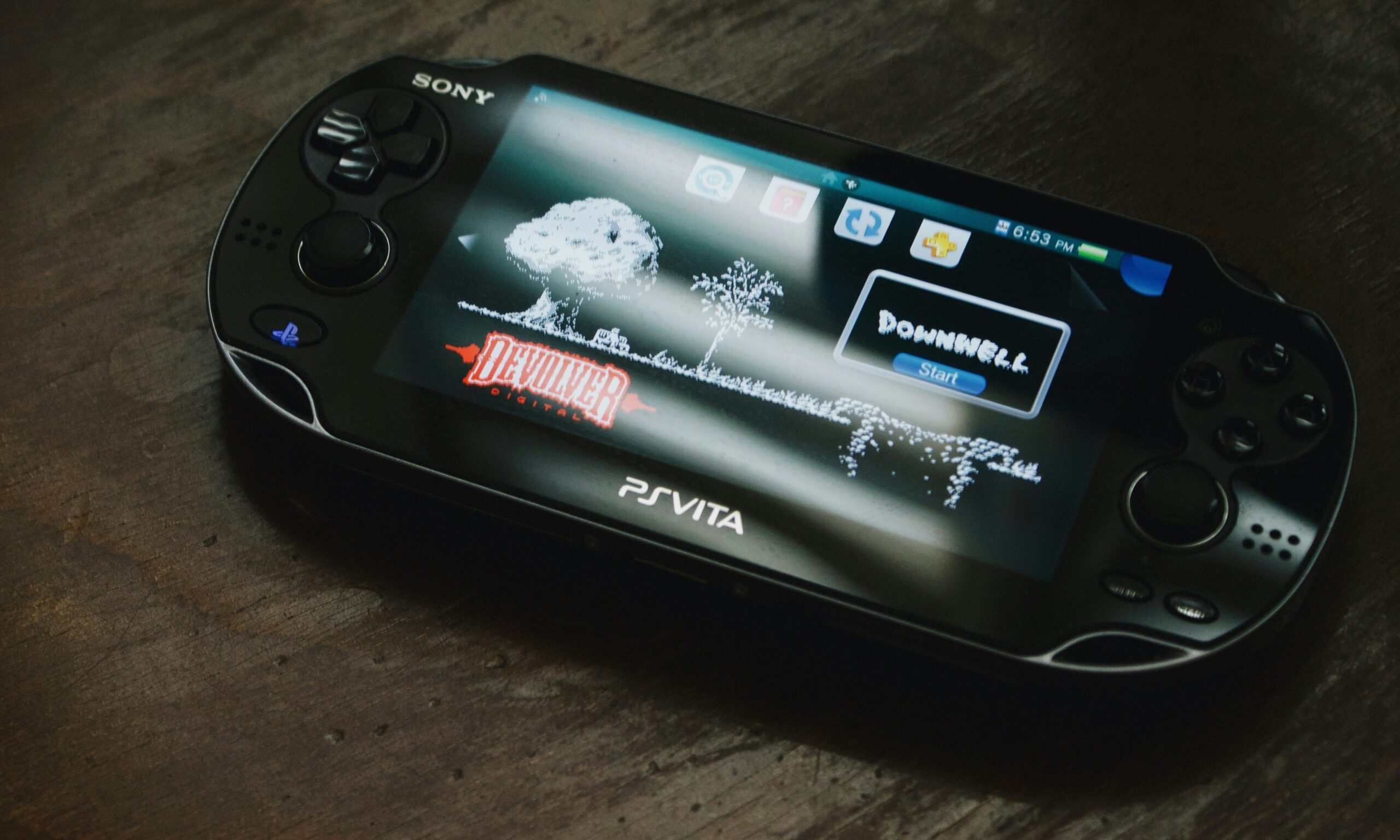
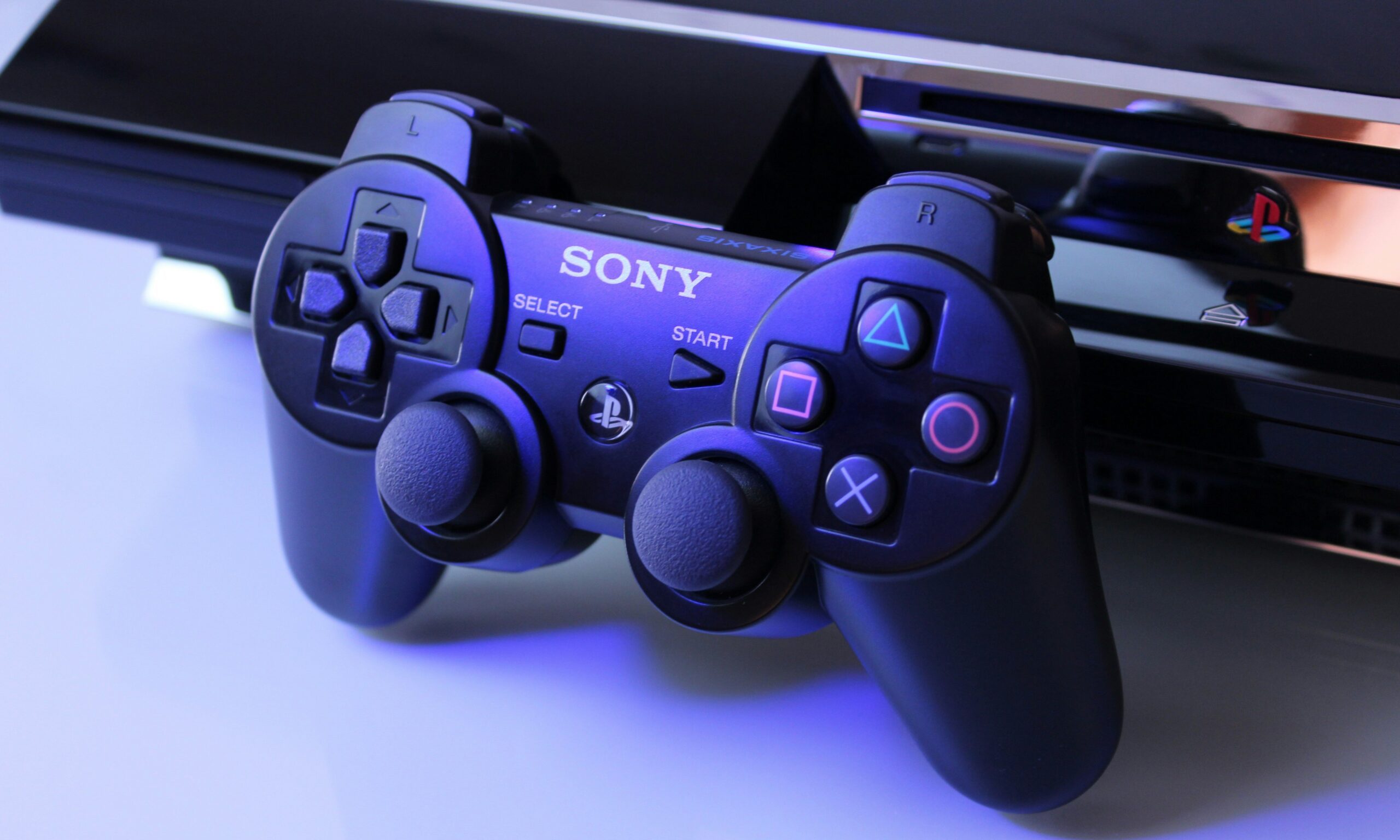
Sony is closing the PlayStation Store on PS3 and PS Vita, ending new digital purchases on two of its most beloved older platforms after a remarkably long run.
The PS3 launched in 2006 and 2007, depending on the region, while the PS Vita arrived in Japan in late 2011 before reaching North America and Europe in February 2012. By the time the final closures happen in July 2027, Sony will have supported PS3 store purchases for nearly two decades, and PS Vita purchases for more than 15 years.
When will the stores shut down?
The shutdown will happen in phases. PlayStation Store on PS3 will close first in Mexico, Honduras, and Nicaragua starting in August 2026. More Latin American and Middle Eastern countries will follow in late 2026.
Aleks Dorohovich / Unsplash
For the rest of the world, PlayStation Store on both PS3 and PS Vita will close in July 2027. After that, players will no longer be able to buy new digital games, DLC, or other content on those devices.
Sony says previously purchased content will remain available to download “for the foreseeable future.” The company says the decision comes down to modern commerce systems and updated payment processing standards that PS3 and PS Vita can no longer support at the required level.
The preservation concern is hard to ignore
For many players, the frustration is not only about losing old storefronts. Some PS3 and Vita games still have no modern ports, no physical versions, and no easy way to buy them elsewhere.
Nikita Kostrykin / Unsplash
One X user summed up that concern by saying many games exclusive to PS3 and Vita will no longer be purchasable, including Sony’s own games that have not been ported or added to its cloud gaming service.
theyre also shutting down the ps3 and vita stores, so many games exclusive to those platforms will no longer be purchasable, INCLUDING sonys own games they havent ported or dropped onto their could gaming slop service
Sony tried to close the PS3 and Vita stores in 2021, then reversed course after strong backlash from players. This new plan gives people more time to buy what they want, but it still leaves the same long-term problem. Once these stores close, a large part of PlayStation’s older digital catalog becomes harder to access legally.
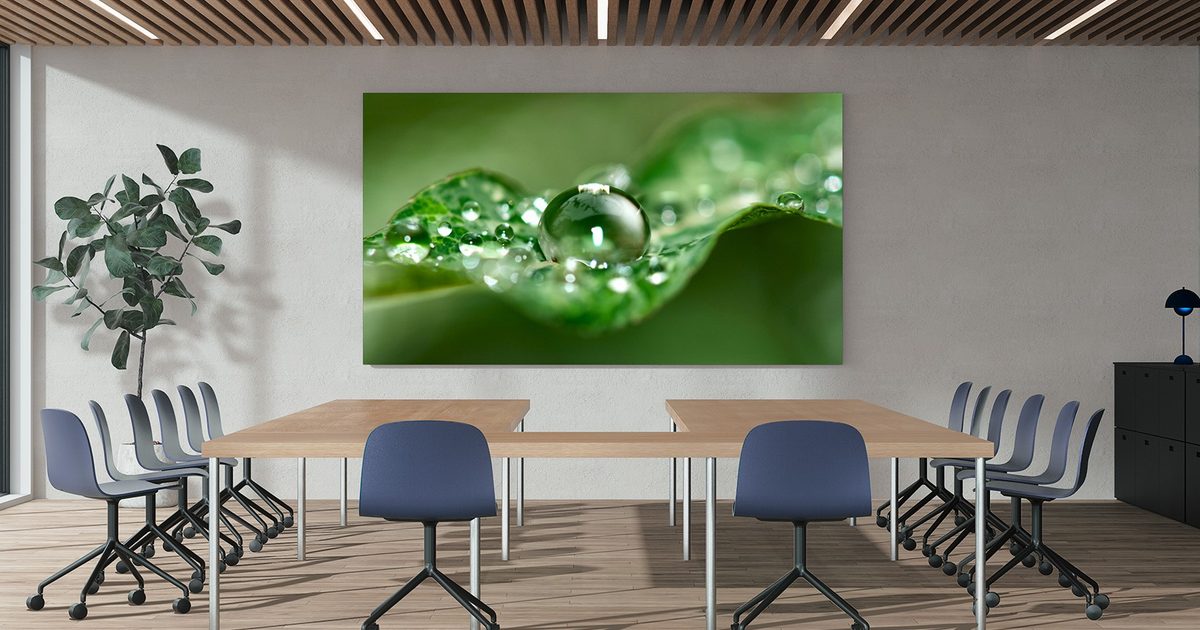
Sony Electronics is making a massive upgrade to the humble meeting room screen. The company has just unveiled Crystal LED UNIFY, a massive 135-inch all-in-one direct-view LED display designed for boardrooms, meeting rooms, community spaces, and higher education environments.
At a glance, it might look like Sony’s next massive flagship living room TV, but it’s cutting edge display tech arriving to the office space. It is part of Sony’s professional display lineup and sits alongside its existing BRAVIA Professional Displays and Crystal LED portfolio. The model number is ZRL-135SG, and Sony is positioning it as a simpler way for organizations to add a large dvLED display without dealing with the usual complexity of custom LED wall projects.
Sony
An easy to setup up giant wall of screen
One of the biggest selling points for the Crystal LED UNIFY is its convenience. It arrives as a complete package with five pre-assembled display units and a control unit. So installation is a relatively straightforward process that can be completed by two people in about an hour. Since direct-view LED installations can get complicated, Sony’s version of the tech isn’t just promising solid visuals. The appeal is the simplified ordering, installation, maintenance, and day-to-day use.
The display units are mounted on wall brackets and connected to the included control unit, while a slide-out, front-serviceable design should make maintenance easier after installation.
Built for big bright rooms
Coming to the fun part, Crystal LED UNIFY uses a 1.5mm pixel pitch, Full HD resolution, and 800 cd/m² brightness. Sony has also added Anti-Reflection Surface Technology, which should help visibility in brightly lit rooms where projectors often struggle. The display also supports 4K input, works with Sony’s Device Management Platform, and offers a familiar interface for organizations already using Pro BRAVIA displays. In other words, it should also slot into conference rooms or multi-display setups with needing an IT team to learn an entirely new ecosystem.
Sony
Sony has also put effort in making it look clean on a wall. The Crystal LED UNIFY has ultra-slim bezels, a concealed slide-out control unit, and a depth of under 100mm, or less than four inches, when used with the included wall-mount brackets. So it should fit seamlessly in professional spaces.
The company expects Crystal LED UNIFY to be available in early 2027, with plans for an early showcase at the upcoming InfoComm 2026 event in Las Vegas from June 17 to June 19. Pricing has not been announced yet, but this is clearly aimed at businesses, institutions, and premium professional spaces rather than home theater shoppers with unusually large walls.
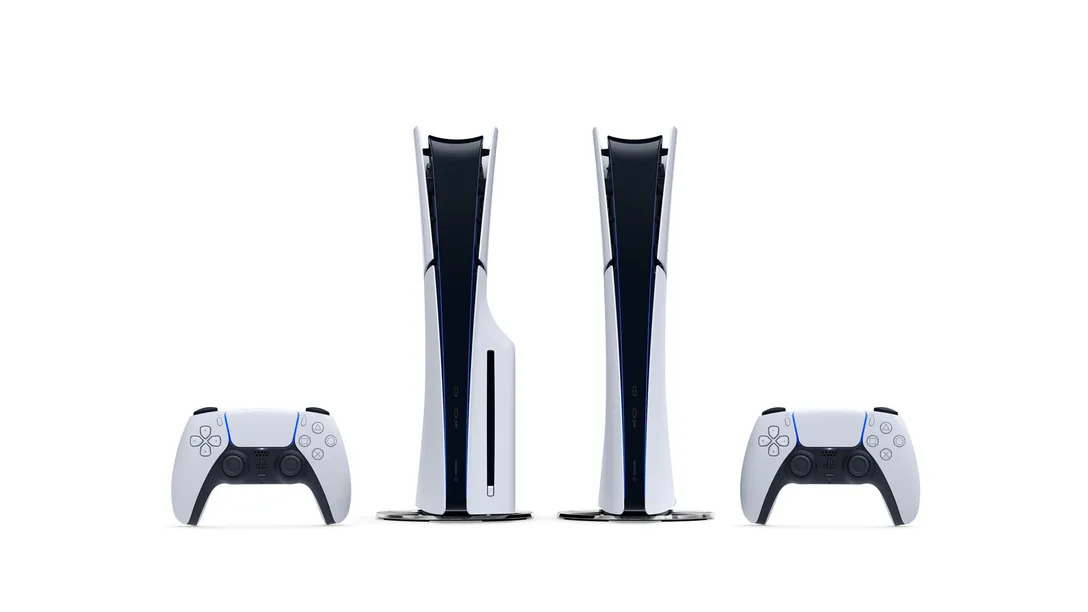
We’re nearly five years out from the release of the original PlayStation 5 and rumors of Sony’s next-gen console are starting to bubble up to the surface. In a YouTube video from Moore’s Law is Dead, the leaker shares extensive information about the PlayStation 6’s possible specs, starting price and release timing. It’s always important to take these early leaks with a large grain of salt and Moore’s Law is Dead even adds a disclaimer in the video that the info was sourced from a leaked AMD presentation to Sony back in 2023, adding that some of these specs may have changed by now.
While Sony hasn’t confirmed anything, the leaks show the company may be prioritizing lower power output and keeping costs in line with previous generations for the upcoming PS6. The video claims the next-gen console will have three times the rasterization, or 3D rendering, performance compared to the base PS5 and roughly two times what’s offered by the PS5 Pro. The YouTuber explained that the PS6 is rumored to have PS4 and PS5 backwards compatibility, while potentially releasing with a price tag of $499. That price point could be an indication that Sony wants to tap into the same success the PS4 had, which was partly thanks to its lower price compared to the competition at the time.
Along with the PS6, Sony is reportedly also working on a handheld that will complement the console. According to the leaked info, the PS6 handheld will get a microSD slot, an M.2 SSD slot, a touchscreen, haptic vibration and dual mics. The PS6 handheld rumors detail specs that should beat out the ROG Xbox Ally X and a USB-C port that could offer video out capabilities. According to the leak, the PS6 handheld could have a price range between $400 and $500. For the PS6 and the PS6 handheld, the leaker claims that Sony will start manufacturing both in mid-2027, with a potential release date window between fall 2027 and early 2028.
Be it for the Walkman portables and Trinitron TVs of old or the PlayStation consoles, Alpha cameras and superlative headphones of the twenty-first century, Sony has long been a mainstay at CES. But for the past couple of years at the world’s biggest electronics trade show, Sony has opted to focus on a different field: Automotive. The Afeela electric vehicle dominated Sony’s 2023 and 2024 CES press conferences, and we know that trend will continue for 2025, with an appearance at the Sony event (and a followup press conference) already confirmed.
What to expect at Sony’s CES 2025 press conference
The Afeela is the first product from Sony Honda Mobility, a joint venture between the Japanese electronics and transportation giants. After a surprise rollout at CES 2023, the Sony CES presser teed up additional details on the EV’s LiDAR-heavy sensor array and AI-enhanced cabin tech (the latter coming with an assist from Microsoft) at CES 2024. If the car’s previously announced scheduling waypoints — preorders in 2025 ahead of 2026 availability — remain intact, we’re hoping to hear which of the Afeela’s concept car niceties will actually make the cut once it enters the streets of the real world.
Of course, it won’t be all Afeela all the time in Vegas. Expect Sony to spend time talking up its imaging, gaming or maybe even its movie studio division. And with any luck, we’ll get more info on the company’s XR headset, which was shown off at the 2024 show, only to never be seen again. CES 2025 would be the perfect place to show off a meaty update of a possible competitor to the Apple Vision Pro.
Sony’s CES 2025 livestream
You can watch the Sony CES press conference as it happens below. The feed will start Monday, January 6 at 8:00PM ET.
To view this content, you’ll need to update your privacy settings. Please click here and view the “Content and social-media partners” setting to do so.
The separate Afeela press conference will take place on Tuesday, January 7 at 4:30PM PT, and will be streamed on YouTube as well.
It’s a slower October than usual in the tech industry, thanks mostly to Google and Microsoft having held their typical fall hardware announcements earlier this year. Still, we’ve seen a fair number of companies reveal new devices in the last two weeks, while Amazon’s October Prime Day raged on. Whether you were busy shopping or watching Elon Musk talk up robotaxis and cybervans, the Engadget team continued to review recently (and not-so-recently) launched products. As usual, this bi-weekly roundup is here to help you catch up, though because I missed last week’s edition (as I was out on time off), the cadence is just a bit off.
From Meta’s Quest 3S VR headset and the DJI Air 3S drone, to Sony’s midrange suite of audio gear, these weeks have coincidentally been about the less premium, more affordable “un-flagships,” if you will. And it turns out you don’t have to throw chunks of your retirement savings at companies to get solid devices that are well worth the money.
Sony LinkBuds Fit and LinkBuds Open and Bose QuietComfort Earbuds reviews
by Billy Steele
Sony
Sony flexes its mobile audio muscle on the LinkBuds Fit, combining great sound with tons of features.
The main thing I learned from Billy’s recent reviews of Sony and Bose headphones is that flagship, premium-level noise cancelation is making its way down to the midrange products. And I, for one, am happy about it. Looks like most of the things you’ll miss if you opt to save some money are features like spatial audio, head-tracking and stuff that’s supposed to be make for a more immersive, intuitive listening experience. Personally, I’m okay missing out on those things for now — I really just want decent sound, good voice quality and competent reduction of background noise.
Definitely check out Billy’s review of Sony’s LinkBuds trio of devices even if you’re not in the market for headphones, because he put his ears through literal pain to test the strangely designed earbuds for us. In fact, a rejected headline for the review was “Why am I in pain?” We salute you, Billy.
by Devindra Hardawar
Meta
The Meta Quest 3S delivers immersive virtual reality for just $300. It’s fast, comfortable to wear and it has a wealth of games and VR experiences to choose from.
The Quest is arguably the industry’s leading VR headset for consumers, especially considering it costs a fraction of alternative options while offering a relatively high-quality immersive experience. Unlike the Apple Vision Pro, which costs $3,500, the new Quest 3S is much more palatable at $300. And, as Devindra observes in his review, it’s comfortable, fast and allows wearers to access Meta’s large library of VR apps and content. To quote Devindra, “It’s not Meta’s first $300 VR headset, but it’s still a tremendous accomplishment.”
DJI Neo and DJI Air 3S reviews
by Steve Dent
DJI
DJI’s Air 3S is the company’s first consumer drone with LiDAR designed to make it safer to fly at night.
Continuing in the trend of excellent products that cost less than usual, the DJI Neo is an excellent drone for just $200. Calling it the best $200 drone ever made may sound hyperbolic, but we truly can’t think of any other drone that cost the same that came close to delivering similar performance as the Neo. And though one of its main drawbacks, according to our reviewer Steve, is that it sounds like a banshee, I honestly think that would be a pro for me just for the pure comedy of it all. I never thought I’d be in the market for a banshee-sounding drone but here I am thinking $200 would be a fair price to pay for the aerial videos I could get, and I could easily lay upbeat, operatic singing over the footage anyway.
On the other end of the spectrum, Steve’s also tested the higher-end DJI Air 3S drone and Canon’s EOS R5 II, both of which will cost you a lot more money. The good news is that Canon’s EOS R5 II is now so much improved that it better takes on Sony’s rival offerings, while bringing intriguing features like eye-control autofocus. Sure, it’s still too early to be reliable. But if you have the money for these premium products, you’ll get to experience bleeding-edge tech, maybe part of the appeal is that they may not always work well.
by Dan Cooper
reMarkable / Engadget
reMarkable adds a color screen to its e-paper tablet, creating a best-in-class distraction-free writing experience.
I know Dan was a bit worried about giving a device as niche as the reMarkable Paper Pro such a high score, but after some discussion, we both agreed it fit. As it stands, the reMarkable Paper Pro is arguably the best e-paper writing tablet with a color screen, even after this week’s announcement of Amazon’s first color Kindle. Per Dan’s review, the Paper Pro not only levels up with the addition of color, but also got much faster and reliable in the process.
I particularly enjoy how much care has been taken to more seamlessly blend handwriting and typed text for a more natural note-taking and annotating experience. And though it falls outside this edition’s general theme of being a less-expensive product with premium specs, I’m still incredibly tempted to find ways to cough up the $600 or so needed to bag myself a Paper Pro with the accessories Dan recommends.
Phoenix Springs and Neva reviews
by Jessica Conditt
I’m not the most engaged gamer, but I love learning about games from Jess. She recently reviewed sci-fi mystery Phoenix Springs and dreamy platformer Neva, with pieces written so beautifully that I can’t help but itch to check out each title so I can feel the way she clearly does about them. Phoenix Springs even follows a technology reporter and covers my favorite genres (science fiction and mystery), while Neva’s art looks simply gorgeous. I don’t yet know if I’ll ever find the time to play new games, but these two have certainly been added to my list.
Upcoming reviews: On the horizon
The Engadget team geeks out about a multitude of things, and as we get started on our holiday gift guide writing, we’re thinking about products we like for ourselves and our loved ones. Many of us love e-readers and writing tablets. I certainly have my eye on one of the new Kindles that were announced this week, particularly the new Kindle Scribe and possibly the Colorsoft. Those won’t be available until later this year, so for now I’ll keep hungrily eyeing the reMarkable Paper Pro. I’ll also be wondering what Amazon hardware chief Panos Panay has up his sleeves, other than cans of Diet Coke — something I learned he (like many people) enjoys when I got the chance to speak with him in an interview this week.
Many of us are millennials and have gigantic soft spots for retro gaming. Our executive editor Aaron Souppouris talked to the folks at Analogue, and you can read his beautifully constructed piece to learn more about the upcoming Analogue 3D.
This week, Apple sort of surprised us by announcing the new iPad mini, which has been tweaked to offer more storage and power with an A17 Pro processor. It’ll also support Apple Intelligence, of course, and though it seems like a minor update, some of my coworkers and I still love the idea of a small tablet. If only it had a better screen.
All of those recently announced things are on our review roster, alongside things like the Google TV Streamer and Samsung Galaxy S24 FE that launched in the last few weeks. As we approach November and all the holiday shopping that brings, hopefully the hardware launches properly slow down. We’re still anticipating an Apple event for Macs, and can still remember being surprised by the announcement of Humane’s AI Pin late last year. But for now, we’re chugging along while occasionally bathing in nostalgia and longing for a simpler time.
AI enthusiasts who like the Raspberry Pi range of products can rejoice, as the company is now announcing its new Raspberry Pi . This product is the result of the company’s collaboration with (SSS), which began in 2023. The AI Camera is compatible with all of Raspberry Pi’s single-board computers.
The approximately 12.3-megapixel AI Camera is intended for vision-based AI projects, and it’s based on SSS’ IMX500 image sensor. The integrated RP2040 microcontroller manages the neural network firmware, allowing the camera to perform onboard AI image processing and freeing up the Raspberry Pi for other processes. Thus, users who want to integrate AI into their Raspberry Pi projects are no longer limited to the Raspberry Pi AI Kit.
The AI Camera isn’t a total replacement for Raspberry Pi’s , which is still available. For those interested in the new AI Camera, it’s available right now from Raspberry Pi’s approved resellers for $70.
Twice the battery life of other pill speakers in this range
Cons
Low-end could have been punchier
Not the most rugged and robust for being taken on the go
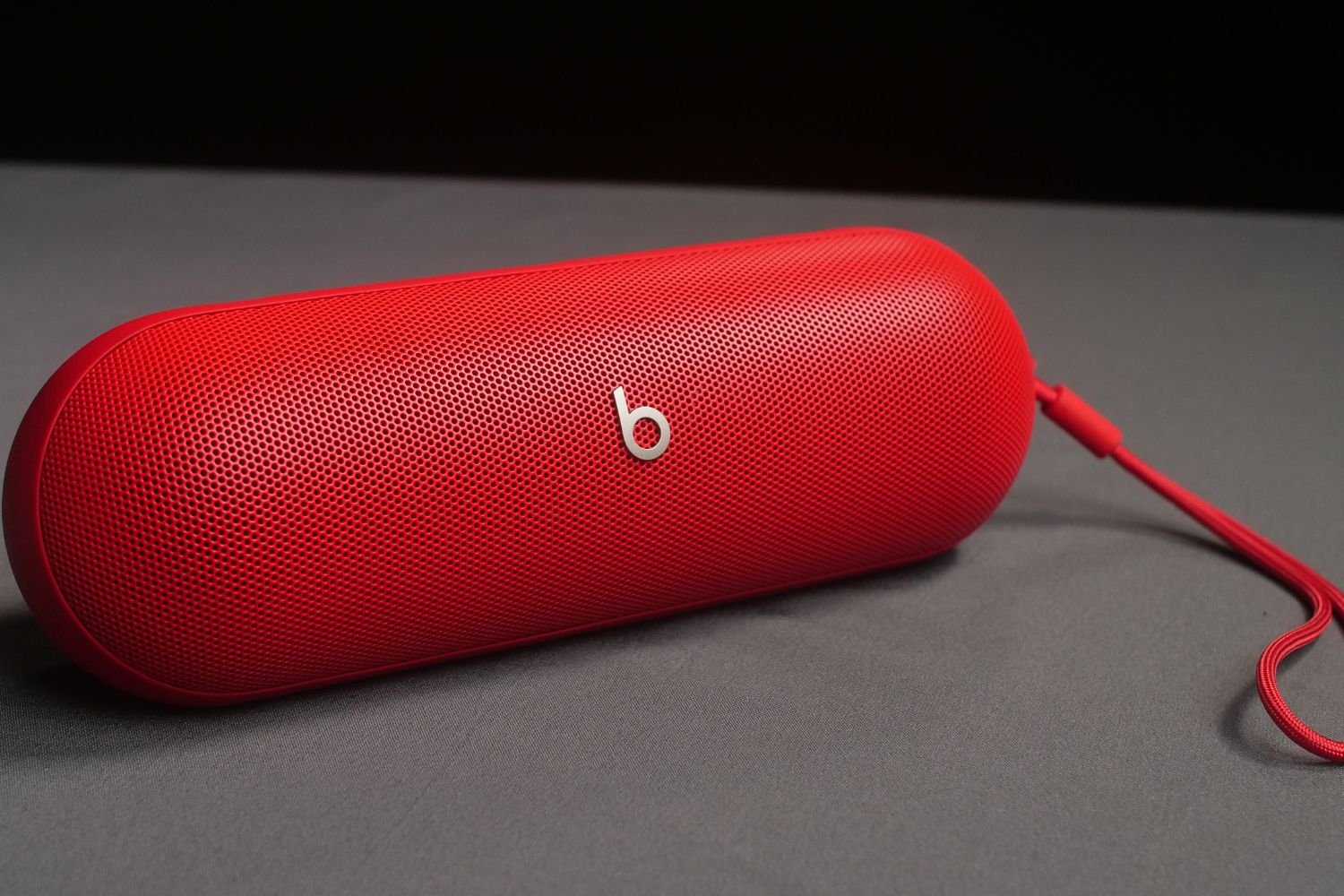
Beats finally realized it used to make speakers, too. The Apple-owned audio brand released its last speaker, Pill+, around a decade ago, and recently came out with its successor, Pill, in June.
The Pill is priced at $150 and I couldn’t help but compare it to the recently-released $130 Sony Ult Field 1 throughout my testing. It has the same pill shape design, a mono output system, and a mid-range price that targets non-audiophiles who want decent, room-filling sound for picnics, hiking, or solo listening.
Beats Pill Review: Design
Wouldn’t be my top choice for a hiking trip.
Design-wise, you can tell Beats attempted to maximize portability on the Pill. It features a generous amount of shock-resistant rubber along with silicon, and a long lanyard that can loop onto your backpack for a hiking trip. The Pill is also rated IP67, which is the highest level of dust resistance you can get and almost the highest water resistance (IP68 is the highest). It checks all the boxes and would even be sufficient for the average consumer who wants to carry some big audio with them in a small package to places like the beach or park.
But if you’re someone who likes to always take your speaker everywhere you go (me), you’d probably be more comfortable taking the Ult Field 1 on an adventure. It’s also rated IP67 but sports a considerably more rugged look and an overall sturdier-looking body. I like that its Type-C charging port is covered with a rubberized flap to prevent water from getting inside. The exposed USB-C port on the Beats Pill, in contrast, would slightly concern me if I’m at the beach or around the pool.
Photo: Artem Golub / Gizmodo
Both speakers feature the lanyard, but Sony does it much better. The lanyard on the Ult Field 1 is much thicker, looks more durable and robust, and also offers an additional loop along the body of the speaker that doubles as a handle when you’re taking it on the go. The Ult Field 1 is also noticeably lighter at 650g versus the Pill, which weighs 680g.
Photo: Artem Golub / Gizmodo
Beats Pill Review: Battery Life
Twice of what you’d get on a speaker this size.
Though design might be the only area where the Pill outshines the Ult Field 1. In terms of battery life, the Pill lasts a whopping 24 hours, while the Field 1 gives up after 12 hours. My usage of the Pill has been sporadic over a couple of weeks, and I still haven’t had to charge it yet. It also features a few bells and whistles that other speakers in this range—the Ult Field 1, and Sonos Roam 2— don’t offer. You get lossless audio over a USB-C connection so you can enjoy hi-res audio while the speaker is connected to your laptop or other compatible devices. I felt a slight upgrade in audio, but not enough for me to be tethered to a wire when I can go wireless.
I’m also happy about Beats finally targeting Android users and introducing the same native features for it as it does for iOS. The Pill offers the same one-touch connectivity with both systems as well as a Find My (for iOS) for Find My Device (for Android) option. Following the EU mandate, Beats has also moved from a lightning port on the Pill’s predecessor to a USB-C port on the Pill, which further eases compatibility with non-Apple devices.
Beats Pill Review: Sound
Better for high-end than bass.
Beats promises a new, revamped racetrack woofer that apparently pushes 90% more air for more powerful bass. After listening to some Fred Again on both speakers, I would still recommend the Ult Field 1 if you’re into the kind of overpowering bass that sometimes takes over other elements of your orchestra. Even with its bass boost button off, the Pill delivers rich and powerful low-end sound. Some bass-heavy tracks might come off a little thick or overbearing, but you can simply choose to turn it down in such cases.
The Pill performs better in the mids (or vocals) and treble. The vocals track that is layered onto “Marea” sounded much clearer on the Pill. The orchestra didn’t sound clustered and featured sufficient space for each of its elements to shine on its own. Beats claim its tweeter has been upgraded to offer crisp highs and rich mids and this is a claim I could attest to after jamming to a few treble-heavy songs.
Another fancy feature that the Pill is surprisingly generous enough to provide in its modest price tag is Amplify and Stereo Modes. You can pair two Pills for upgraded sound in Amplify Mode where it does exactly what the name of the mode suggests: provide louder sound. Or you can put them in Stereo Mode where the speakers act as left and right outputs. I tried the modes on the pair of Pills Beats sent to us, and they were extremely easy to set up. You bring the two speakers close to each other and long-press the multi-function button on the speaker to enable or cycle between them. I can imagine Amplify Mode coming in handy during a house party where you can place two speakers in two different rooms.
Photo: Artem Golub / Gizmodo
Beats Pill Review: Verdict
I believe the Pill is a modestly-priced speaker that offers so much more than you would expect from it. It also has seemingly no premium for being made by Apple, commonly referred to as the Apple Tax, which is surprising. At just $150, it features impressive high-end and mids, a bunch of portability-focused features, and some frills such as the Amplify and Stereo Modes or the lossless audio over USB-C. There are punchier low-end alternatives out there for the same price so I wouldn’t recommend the Pill for just the bass. The 24-hour battery life is more than double what you get on similar speakers in this range (10-15 hours) and the new Android compatibility features extend the target audience who want to carry around a small speaker that can produce some big audio.
A crop of Barbara Baranowska’s iconic Possession (1981) poster art.Image: Gaumont
Yes, io9 used a very similar headline back in 2017 regarding a remake of The Crow—and Hollywood clearly did not listen; that long-in-the-works project is arriving in theaters this August. How The Crow do-over fares is yet to be seen (maybe Bill Skarsgård’s Joker look will work magic?), but we must insist, yet again, that another much-loved genre classic be left the hell alone, no matter how much we enjoy the involved talent.
Rob Savage on Collaborating with YellowJackets’ Sophie Thatcher
According to the Hollywood Reporter, Andrzej Zulawski’s singularly unsettling 1981 film Possession is chugging down the remake track with writer-director Parker Finn (Smile) and producer Robert Pattinson—an obvious choice to also star, though THR notes “his acting involvement will be clarified down the road as the script and schedules develop.” The original film stars Sam Neill and Isabelle Adjani as a couple living in West Berlin whose marriage fractures amid surreal, supernatural circumstances. It’s haunting, and has since become a cult classic.
The trade also reports that multiple studios are currently battling over who will, uh, get possession of Possession, including “A24, Netflix, Paramount, Sony and Warner Bros,” and that “other companies may enter the fray.” Also of note: “the reception to the pitches has been extremely positive, with execs talking about the ‘batshit’ and ‘out there’ story but also its strong commercial potential. How to market the eventual movie is also part of the conversations.”
What do you think about remaking Possession—and for that matter, are you counting down to The Crow?