Nashville has grown fast, and the security market grew with it. Construction sites need overnight coverage. Apartment communities need patrols. Event venues need crowd staff, and none of those jobs are interchangeable.
If you run your business out of a leased suite, a warehouse bay or a property you manage yourself, hiring security in Nashville for a guard company is one of those decisions you make once and then live with for years. Getting it wrong is expensive in ways that do not show up until something happens.
That variety is also what makes hiring hard. A firm that excels at wedding security may have no firewatch capability, and a national brand with a local sales office may dispatch your emergency call to another state.
This guide covers seven established Nashville-area guard companies, what each one is built for and the questions worth asking before you sign anything.
Key Takeaways
Match the company to the job. Event staffing, standing posts, firewatch and mobile patrol are genuinely different operations.
Tennessee requires both the company and each individual officer to be registered with the state, so verify before you hire.
Ask who answers the phone at 2 a.m., because that answer varies enormously between local firms and national brands.
Check general liability limits. State minimums are lower than most property owners assume.
Get pricing in writing with overtime, holiday and callout rates spelled out separately.
How This List Was Built
These companies are ordered by breadth of service, local operating history and how well they cover the range of needs a Middle Tennessee business is likely to have. This is not a ranking by star rating, and several firms lower on the list hold excellent review scores.
Every company here is an established Nashville-area operation with a verifiable physical address. Ratings and pricing change constantly, so treat this as a shortlist to call rather than a scoreboard.
1. First Class Security
Founded in 2010 and headquartered on Seven Springs Way in Brentwood, First Class Security covers the widest range of needs on this list from a single local operation.
The service mix spans unarmed and armed officers, event security, NFPA compliant firewatch, shared patrol routes and solar-powered mobile surveillance trailers with thermal detection. For a property manager juggling several problems at once, that consolidation is the practical advantage.
Founder Bill Haire came from the Air Force and healthcare operations, and the company has stayed privately held and locally owned rather than selling into a national roll-up. The firm reports protecting more than 200 properties across Middle Tennessee and carries general liability coverage above the Tennessee minimum, with certificates available on request.
The company is BBB accredited and holds memberships in the Nashville Chamber, the Greater Nashville Apartment Association and IFMA Nashville. Coverage extends across sixteen Middle Tennessee communities including Franklin, Murfreesboro, Hendersonville and Clarksville.
Best for: commercial real estate, healthcare, HOAs, construction and anyone who wants one vendor handling multiple security functions.
First Class Security
2. Walden Security
Founded in 1990 by Michael and Amy Walden in Chattanooga, Walden is one of the largest privately held, US-owned security firms in the country and a certified woman-owned business.
Its Nashville regional support center sits on Century Boulevard near the airport. The company works heavily in the commercial and government space, and is well known for federal courthouse contracts, making it a consideration when hiring security in Nashville.
Best for: large multi-site contracts and organizations with formal procurement requirements.
Walden Security
3. On Guard Security, Inc.
Based on Metroplex Drive in south Nashville, On Guard has built its reputation on event work and standing commercial posts.
Its public reviews tend to focus on flexibility with last-minute coverage and officers who stay unobtrusive at hosted events. That combination suits venues and campuses hiring security in Nashville, where a heavy security presence would work against the atmosphere.
Best for: campus events, hospitality properties and clients who need schedule flexibility.
On Guard Security, Inc.
4. Helton Security
Operating out of west Nashville on California Avenue, Helton holds one of the stronger review profiles in the local market.
Feedback tends to center on fast turnaround for short-notice requests, including armed coverage arranged over a weekend. Some reviewers describe the company walking first-time buyers through what they actually need rather than upselling.
Best for: urgent coverage, one-off details and first-time security buyers.
Helton Security
5. Mathis Security Protection Services
Located at Powell Place off Franklin Pike, Mathis focuses heavily on event security and crowd management.
Event organizers who have left feedback point to advance planning work, early arrival and officers who handle crowd flow without becoming the story. Community organizations and large private functions come up often.
Best for: festivals, large private events and community gatherings.
Mathis Security Protection Services
6. Crowe Overwatch Security
Based on 14th Avenue North, Crowe Overwatch pairs guard services with traffic control, which is an unusual and useful combination.
That makes them a natural fit for infrastructure and construction projects where you need both site security and managed traffic flow. Schools and ongoing commercial contracts also appear in their client feedback.
Best for: construction and infrastructure projects needing security plus traffic management.
Crowe Overwatch Security
7. Global Risk Solutions
Operating from Burton Hills Boulevard in Green Hills, Global Risk Solutions works the executive protection and private client end of the market.
Their public work centers on discreet coverage for private residences, high-profile visitors and sensitive family situations rather than uniformed standing posts.
Best for: executive protection, private estates and confidential personal security needs.
Global Risk Solutions
Verify the License Before You Verify Anything Else
Tennessee regulates private security through the Department of Commerce and Insurance, Private Protective Services program. Both the company and every individual officer working a post must be registered with the state when hiring security in Nashville.
Armed work requires separate registration on top of the unarmed foundation, including additional firearms training, and the minimum age for armed officers is higher than for unarmed. Registrations renew on a two-year cycle, and Tennessee does not recognize credentials issued by another state.
Ask any company to confirm its license status and to show you that officers assigned to your site hold current registration matching the work. A reputable firm will not hesitate. This is the same due diligence that belongs in any business security plan, alongside your access control and emergency response steps.
Five Questions Worth Asking
Who answers the phone at 2 a.m.? A live local supervisor and an overseas answering service produce very different outcomes when something goes wrong.
What are your general liability limits? Ask for the certificate of insurance rather than a verbal figure, and check whether you can be named as an additional insured.
What is your officer turnover rate at similar sites? High turnover means constant retraining on your property and officers who never learn its patterns.
Who supervises the officer, and how often do they visit? Radio check-ins are not supervision. Ask about physical field visits.
What exactly does the quote include? Get overtime, holiday rates, callout minimums and any equipment charges itemized before you sign.
Making the Call
The right choice depends far more on your specific situation than on any ranked list. A downtown venue running weekend events and a warehouse needing overnight perimeter coverage should almost certainly hire different companies when hiring security in Nashville.
Shortlist two or three, walk your property with each of them and pay attention to the questions they ask. The firm that wants to understand your site before quoting is usually the one worth hiring.
Frequently Asked Questions
How Much Does a Security Guard Cost in Nashville?
Rates vary widely based on armed versus unarmed, shift length, site risk and contract duration. Get written quotes from at least three firms with overtime and holiday rates itemized, since headline hourly figures often exclude them.
Do I Need Armed or Unarmed Officers?
Most commercial properties, residential communities and events are served well by unarmed officers. Armed coverage is typically reserved for high-value assets, cash handling, elevated threat situations or specific insurance requirements.
What Is Firewatch and When Do I Need It?
Firewatch means posting trained personnel to patrol a building when its fire alarm or sprinkler system is impaired. It is usually mandated by the fire marshal or your insurer, and it needs to start quickly, so ask about same-day availability.
How Do I Verify a Security Company Is Licensed in Tennessee?
Contact the Tennessee Department of Commerce and Insurance, Private Protective Services program, which maintains licensing records for security companies and registered officers. Any legitimate firm will also provide its license details on request.
Should I Hire a Local Company or a National Brand?
National firms bring procurement infrastructure and multi-state coverage, which matters for large distributed contracts. Local firms typically offer faster escalation and direct access to decision-makers. For a single Nashville-area property, local usually wins on responsiveness.
How Far in Advance Should I Book Event Security?
Several weeks is comfortable for large events, though many Nashville firms handle short-notice requests. Booking early gives you better officer selection and time for a proper site walkthrough.
Dutch officials have warned that a high-severity macOS vulnerability that allows attackers to execute malicious code is under active exploitation.
“The NCSC has received a notification indicating that active abuse of this vulnerability has been observed on multiple systems on which port 5900 was accessible from the Internet,” the Netherlands National Cyber Security Centrum warned earlier this week. “In all these cases, root had been accessed on the affected system and a Monero crypto miner had been placed.”
Do you know if your screen sharing is on?
The vulnerability, tracked as CVE-2026-65400, received a patch from Apple last week for macOS Tahoe, Sequoia, and Sonoma. The vulnerability, with a severity rating of 7.1 out of 10, stems from a bug in the macOS screen sharing capability, which allows a remote party to view the screen and control the keyboard and mouse while a machine is turned on. A flaw in the “state management,” which keeps track of preceding events, user interactions, variables, and other system states, is the underlying cause.
A video of the exploit in action can be found here. Details of CVE-2026-65400 became public at last week’s Black Hat security conference. Apple said last week that CVE-2026-65400 “may” allow an attacker without credentials to gain access to a Mac. It’s unclear why Apple hedged, but softening language is common among most tech developers when disclosing vulnerabilities.
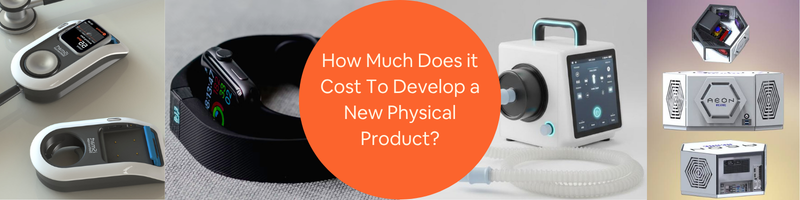
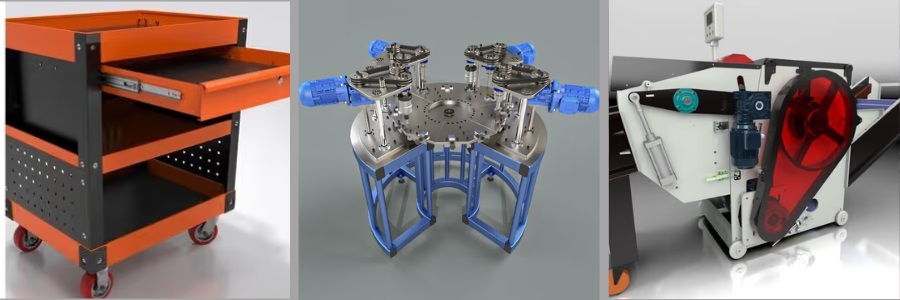
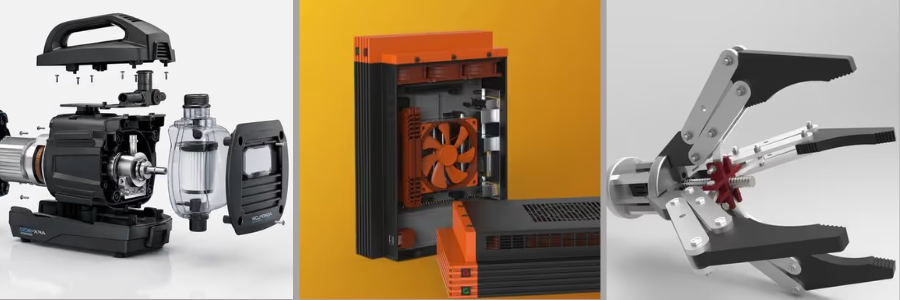
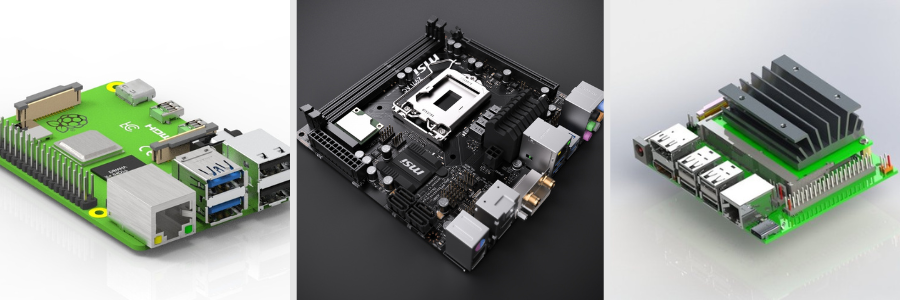
The product development costs to develop a physical product can vary by 20x depending on complexity and whether it has electronics integrated into it. A simple product may cost $20,000 to $60,000, considering it does not have electronics. It can go higher to $75,000 to $250,000 when the product is connected to electronic devices. The cost is more than just the design and materials, but also how extensive the testing, documentation, and any regulatory requirements are needed before it can be released. This guide can help you navigate the estimated costs and price ranges of different product types. If you are ready to start with any phase and are in need of a specialist, Cad Crowd can help you connect with a vetted industrial or mechanical engineer tailored to your needs.
Cost by phase: low / typical / high
Phase
Low
Typical
High
Source
1. Research & feasibility
$1,500
$3,000-$8,000
$15,000-$20,000
ScaleUpAlly
2. Industrial design
$8,000
$15,000-$30,000
$40,000-$60,000+
StudioRed
3. Mechanical / CAD engineering
$15,000
$25,000-$60,000
$80,000-$120,000+
StudioRed, Mako Design
4. Electronics (PCB + Firmware)
$10,000
$25,00-$75,000
$100,000-$200,000+
LANPDT
5. Prototyping (multi-round)
$5,000
$15,000-$40,000
$75,000-$150,000+
StudioRed
6. Certifications (FCC/CE/UL)
$750
$8,000-$20,000
$50,000-$100,000+
JJRLAB, Integrasources, Fictiv
7. Tooling (Injection molding)
$1,500
$10,000-$30,000
$50,000-$150,000+
Weilin Plastic, Jino,Zetar Mold
8. First Production run
$5,000
$15,000-$60,000
$75,000-$250,000+
ABIS Mold, Jaycon
Ready to start building your cost estimate?
Interested in getting a quote for your specific product? Hire a specialist now. You can get one tailored in every phase of the design process, from concept through DFM review.
How much does product research and feasibility cost?
What this phase covers
The research and feasibility phase is the initial stage of new product design development, wherein the teams come up with a design and research it. Here, they determine whether the product is practical and realistic. Not only that, but they also have to check if it is commercially viable. This stage is relatively short, but it plays a critical role in reducing risks, including unrealistic project goals, technical limitations, and weak demand or market. It allows the teams to adjust and fix the concept before it is forwarded to detailed engineering and prototyping. When this is skipped, there’s a possibility that there may be a redesign. This may be costlier and could pose problems if discovered late.
Typical cost range
The cost of the research and feasibility phase is dependent on and reliant on the product’s complexity and how tedious the analysis is. For instance, in a simple consumer product, the costs would range from $2,000 to $8,000. This is typically done by a freelance researcher or a product designer, or produced by a small design studio. When used with more detailed and technical approaches and processes, it could increase from $10,000 to $20,000.
When a startup has a limited budget, a lean approach is possible. The founders can just conduct the research themselves and hire a freelance product development specialist for guidance. Doing this reduces the approximate cost of $1500. If a more comprehensive feasibility study is conducted, including technical evaluations and manufacturing assessments, it could cost $15,000 to $20,000.
Phase 2: Industrial design
How much does industrial design cost for a new product?
What industrial design delivers
Industrial design is where the concept is validated and transformed into a more visually appealing, ergonomic product. Its focus is to improve the overall design (CMF) and the user experience. The process involves sketching multiple designs and evaluating them according to prioritized metrics. Once there is a preferred design, a CAD model will be generated to define its shape. Typical deliverables are mostly design concepts and high visual renders. It could include a finalized CAD model or a CMF document. The outputs can help in setting a clear and defined direction for the product concept design team. This ensures that the product is not just attractive or appealing in the eyes but also technically designed for the next stage.
Industrial design services costs depend on the product’s complexity and how extensive the research needed is. The number of design revisions can also influence it. It could cost around $8,000 for a simple product with a basic enclosure or accessories and with minimal ergonomic considerations. At this price, it could involve one or two concept iterations before the final design. Most industrial designs range from $15,000 to $30,000. This budget covers concept explorations and realistic renderings. It also includes Color, Material, and Finish (CMF) specifications.
Now, there are still more extensive products, with detailed CMF development. This could range from $ 40,000 to $ 60,000 or even more. This type of product requires extensive research and ergonomic studies. It involves human factors testing and other developmental information.
Phase 3: Mechanical / CAD engineering
How much does mechanical engineering and CAD cost?
What detailed mechanical engineering delivers
When the industrial design has become finalized, the mechanical engineering firm takes the product’s appearance and comes up with a design that can realistically be manufactured. In this phase, engineers create detailed enclosure thicknesses, draft angles for molding, detail internal supports, and identify mounting points for every electronic component. The engineers make sure that each part and component is designed with intent. It should follow manufacturing requirements, strength, durability, and ease of assembly.
Mechanical engineering is said to be one of the most time-consuming and expensive phases in product development. This is because each detail has to be carefully reviewed and refined. While it is costly, it is considered an investment since mechanical engineering helps in reducing assembly issues and possible redesign. It can make a product efficient and manufacturing-ready.
The costing for mechanical engineering is also dependent on the complexity of the product design. But it also has other factors that affect it, including the number of components and manufacturing requirements. It can typically cost $15,000-$25,000 for a simple basic enclosure with few parts and a single manufacturing process. This covers fewer engineering hours, considering the design is straightforward.
If the product to be developed has 10 to 30 components, multiple assemblies, and comprises various manufacturing methods, it could range from $25,000 to $60,000. This is in consideration of the additional mechanical drawing services needed to ensure that all parts will fit together and function reliably. For an even more complex product that features a moving mechanism and multiple subsystems. It could cost $80,000 to $120,000 and even more.
Phase 4: Electronics: PCB design and firmware
How much does PCB design and firmware development cost?
What electronics engineering covers
Electronics design and engineering design companies are considered for devices with electronic components. This phase is focused on designing hardware and software that allows a product to function according to its intent. This covers the engineering and design of circuit schematics, electronic components, and printed circuit boards (PCBs). Electronic engineering is carried out alongside mechanical engineering. This is because the PCB and the enclosure should be designed to fit together. There’s a risk of mismatch and conflicts if the two disciplines are not aligned. Electronics also cover custom firmware using dedicated technology and programming devices.
Typical cost range
The common and typical drivers of a PCB design and firmware development are the electronics complexity and the software requirements. It can cost $10,000 to $25,000 for a simple electronic product with a single PCB. This can include a standard microcontroller and basic firmware. This cost of pcb design services range is based on the consideration that the project is straightforward and has limited software functionality. For products with Wi-Fi or Bluetooth connectivity, sensors, or any mobile integration, the range can go from $ 25,000 to $ 75,000. This additional rate comes from the integration of multiple electronic components. It ensures that the communication within the device and the external system is reliable and more advanced.
How much does hardware prototyping cost per iteration?
Prototyping method cost ranges
The cost drivers of hardware prototyping are its type and purpose. Early-stage prototyping design engineering firms is used for checking the physical attributes of the product, such as size and shape, can cost less. Each foam mockup can cost $100. It can range from $100 to $600 when common 3D printing methods are used, such as FDM, SLA, or SLS. The complexity of prototyping increases as it moves closer to production. It becomes more detailed and functional. At this point, the cost can increase along with the complexity and detailedness. Appearance models are created to make a look-alike of the final product. It can be used in marketing and presentations. Functional units are called engineering prototypes, and they’re used to test its performance/; it can cost over $100,000 depending on materials.
How many iterations to budget for
In product hardware development, it is usual to have more than just one iteration. This is why it is important to be aware of these things to know what to plan ahead of time. When budgeting, it is equally essential to add in the cost for multiple iterations. The goal is not to perfect it on the first try but to reveal possible issues that could arise. Iterations allow DFM designers and the team to spot and identify areas of improvement that can be fixed before it moves to the next stage. The cost of prototyping differs depending on the complexity and the type. A simple prototype iteration may cost $5000 and could increase to $250,00 for a single build. The average and typical number of iterations for consumer products is three to five rounds. This is a realistic number.
Phase 6: Certifications
How Much Do FCC, CE, UL, and FDA Certifications Cost?
FCC certification cost
When an electronic product is being sold in the United States, it has to follow and meet regulations for electromagnetic interference and wireless communication. To do this, an FCC certification is needed to comply. The cost depends on the product’s inclusion of a radio transmitter, such as Wi-Fi or Bluetooth. When an electronic product does not have wireless features, the requirement is just a Supplier’s Declaration of Conformity or SDoC. This is a simpler compliance process and would typically just cost $250 to $500. This can be completed in just 1-2 weeks. Products with wireless connectivity can be more extensive and would cost $850 to $1,500.
CE marking cost
There are products being sold in the European Union, or the EU. If under this category, CE marking is required to ensure that it complies with applicable safety, health, and environmental regulations. CE marking is a more comprehensive requirement compared to FCC certification. The cost depends on the complexity and the number of regulations it has to comply with. Simple products would cost around $750 or more. For electronics, it could typically range from $8,000 to $10,000 since it would require external laboratories. There are also highly complex products with multiple directives. This would require more detailed testing and certification.
A UL certification is a recognized safety certification widely used in the United States. It’s not necessarily required for most products, but major distributors and retailers require it before they sell. This is most applicable for items such as chargers, batteries, lighting products, and other products that could generate heat. The cost of a UL certification depends on the product’s complexity and the number of tests needed. For simple products with minimal testing requirements and complex devices, it could cost up to $30,000 to certify. The final cost depends on factors such as product design and safety requirements.
FDA and medical device certification cost
A medical device certification is more expensive and time-consuming. This is because it is required to meet and comply with stricter regulatory requirements to ensure safety, effectiveness, and suitability for patient use. It needs further extensive laboratory testing and detailed technical documentation and may require biocompatibility studies. All these are done to comply with quality system regulations before it can be released in the market. The costs depend on the product’s classification. For most Class II medical devices, FDA 510(k)clearance is a major part of the approval process. The cost range may range from $100,00 to $300,000 or more.
Phase 7: Tooling
How much does injection molding tooling cost?
Aluminum vs. steel tooling cost
One of the highest upfront costs in developing and manufacturing a physical product is injection molding tooling. The price depends on the type of mold the product will use. In prototyping low- to medium-production batches or volumes, aluminum molds are used. It is way faster and cheaper to produce and could cost around $3,000 to $15,000. It could last up to 10,000 to 100,000 production cycles. Steel molds are generally used for full-scale mass production and can be more expensive. It ranges from $20,000 to $100,000 or even more. For a more durable build, it could last from 1 million to seven million cycles.
The costing for injection molding tooling is not just dependent on the mold material but also on the product’s size and complexity. There are certain requirements depending on the product shapes. For instance, basic shapes would require simpler molds, and products with intricate features and tight tolerances would require more complex and advanced tooling. This could increase the overall cost.
For instance, a simple plastic unit or product would just require a single-cavity aluminum mold. This will cost around $1,500 to $5,000. For a more detailed design or features such as wearables device housings or enclosures. This costing will range from $10,000 to $30,000. If the product has a higher precision requirement or specialized materials, the tooling costs would be around $50,000 to $150,000.
Phase 8: First production run
How much does a first production run cost?
Per-part cost at low volume
Cost per unit, especially during first production, is dependent on the tooling’s cost. Injection molds are considered a large upfront investment, and their cost would be spread across every unit produced. This concept is called tooling amortization. It is when only a small number of products are manufactured, and each unit will bear a larger share of the tooling cost.
This makes the per-part price higher. An example of this is when there are 1,000 units to be produced, and the total project cost is around $3,500 to $9,000. Upon computation, the per-part costing would be around $1.50 to $4.00. As the production increases, the tooling design services costs will be distributed across a larger number of units. This will, then, reduce or lower the cost per part. For 5,000 units, the per-part would now decrease from $0.80 to $2.00.
Production run cost planning
In planning the first production run, it is more than just considering the cost of design for manufacturing and assembly services cost per unit. It should be both upfront tooling and per-unit production cost, then multiply the per-unit cost by the planned production quantity. A contingency is recommended to be considered to cover unexpected costs for possible issues that could arise. This means covering issues like defective units or other unexpected events.
The production volume has a significant influence on the overall costs. This is because as the production runs larger, the costs and expenses can be spread across more units. This will dramatically reduce the cost per unit or product. In general, a production run of 500 to 1,000 units could cost around $5,000 to $15,000.
FDA pathway, design controls, biocompatible materials, clinical data
Example A: Simple consumer product ($20K- $60K total)
For a simple consumer product design and CAD services, say a kitchen tool or a household accessory with no electronic components, the approximate cost range is $20,000 to $60,000. This covers the concept of the first production run. It includes and covers research, industrial design, mechanical engineering, prototyping, tooling, and manufacturing. Since it is simple, it does not necessarily have regulatory requirements, which makes it less expensive to develop.
Example B: Electronics-enabled product ($75K–$250K total)
For connected consumer products, like smart devices or Bluetooth-enabled gadgets, the costs would be in the range of $75,000 to $250,000. This covers concepts and research up to the first production. It would require both mechanical and electrical engineering. Because of this, it would also require PCB designers, firmware development, and regulatory certifications (FCC and CE). These certifications would have a great impact on increasing costs and complexity. It costs more since an added effort is needed to ensure it meets the necessary requirements.
Example C: Regulated medical device ($250K+ total)
For a regulatory medical device, such as a diagnostic tool or a health wearable device, a high development cost is expected. This is because it must meet and comply with strict FDS requirements, safety standards, and compliance. It needs extensive testing and documentation rules. Medical device design & development services may require using specialized materials and multiple validation cycles. It could result in a total of $250,000 to $400,000 and even more, depending on the product design complexity and regulatory requirements. The costs do not just reflect the design but also how tedious the regulatory requirements and safety requirements are.
Should You Hire a Product Development Agency or Freelance Specialists?
Factor
Full-service agency
Freelance marketplace (e.g., Cad Crowd)
Typical hourly rate (North America)
$100-$300/hr blended
Meaningfully below agency blended rate per discipline
Pricing model
Phase-based fixed-fee packages
Per-project or milestone-based, discipline by discipline
Coordination
Included, only with single point of contact
Client-managed or via a freelance project lead
Best for
Complex, high-stakes timelines
Budget-conscious teams with internal technical leadership
Typical total cost vs. agency
Baseline
Cad Crowd estimate: 30-50% lower for comparable scope
A full-service hardware development agency can generally charge $100 to $300 per hour or a fixed rate depending on agreed terms. This rate reflects high overhead costs, including senior supervision and built-in project management. This is most applicable for complex projects that would require tight coordination across mechanical, electrical engineering designers, and firmware teams.
For a more flexible and cost-effective approach to avoid high overhead costs, freelance specialists through Cad Crowd can be a practical choice. With this, an estimated 30-50% reduction in costs can be achieved without compromising quality and speed in work. It can still be a reliable option. Most companies opt for a hybrid model, combining an agency for overseeing the phases and hiring freelancers for modular tasks. This creates balance and efficiency.
For a deeper breakdown of tooling and DFM engineering rates, check out Cad Crowd’s guide to injection molding costs. In need of mechanical or surface CAD work for your product? See Cad Crowd’s CAD design services. Looking for end-to-end industrial design and engineering support? Visit Cad Crowd’s product design services.
Frequently asked questions
How much does it cost to develop a simple product idea into a finished design?
In developing a simple and non-electronic product, it could cost $20,000 to $60,000. This covers initial research up to the first production run. It covers industrial design, mechanical engineering, prototyping, and manufacturing.
How much do FCC and CE certification cost combined?
Considering producing a complex wireless consumer product, it could range from $8,000 to $20,000. This range is based on JJRLAB and Integrasources pricing data. This covers both FCC and CE certification.
Why does electronics integration roughly double or triple total product development cost?
When electronics are added or introduced in a product, it also introduces PCB design along with it. This would require several mandatory wireless certifications and other regulatory requirements. It could take more effort and time to comply, and some products would need extensive testing. Prototypes may cost $10,000 to $50,000 and could add another $8,000 to $50,000 on top of it.
How Cad Crowd can help
The cost of developing a physical product is influenced by electronics complexity and regulatory requirements. It depends on the time and effort needed to comply with the necessary regulations and standards. Each development phase adds a certain cost to the overall project costs. Which is why a carefully planned development process is encouraged to come up with a realistic cost plan. Having a structured phase-by-phase breakdown allows the company to have a more precise estimate and avoid underbudgeting or overbudgeting. If you’re planning to start your production, Cad Crowd can help reduce the costly overhead costs by connecting you with vetted freelance specialists, ready to support you in every product stage. Contact us for a free quote.
MacKenzie Brown is the founder and CEO of Cad Crowd. With over 18 years of experience in launching and scaling platforms specializing in CAD services, product design, manufacturing, hardware, and software development, MacKenzie is a recognized authority in the engineering industry. Under his leadership, Cad Crowd serves esteemed clients like NASA, JPL, the U.S. Navy, and Fortune 500 companies, empowering innovators with access to high-quality design and engineering talent.
Star Wars Zero Company takes place right at the end of The Clone Wars, my favorite period in Star Wars’ huge timeline. That conflict begins with the Battle of Geonosis in Attack of the Clones and concludes with the deaths of the Separatist leaders in Revenge of the Sith, but a vast majority of the galaxy-spanning war is covered in the seven seasons of Star Wars: The Clone Wars. As such, Zero Company makes several references to the earlier seasons of the TV show that debuted in 2008. The biggest one, of what I’ve seen of the game so far anyway, comes right at the start of the story: Protagonist Hawks was made the scapegoat for a battle that went very wrong while working under General Pong Krell.
And, man, that name does a tremendous amount of narrative heavy lifting in characterizing Hawks. With one name, Bit Reactor basically gave me all the proof I needed that Hawks had not only seen some truly horrendous war crimes, but that whatever they were accused of was almost certainly not true.
“The intended effect of the line worked, then,” Bit Reactor narrative director Aaron Contreras told me. “Like, [Republic Intelligence] is talking about whether they can trust this guy, because he’s a washout and a loser–he worked for Pong Krell. And so every [player] who knows this guy is like, ‘It’s not [Hawks’] fault then. That’s the worst boss ever.”
So even if you don’t need to know Pong Krell to play Zero Company, I highly recommend you familiarize yourself with him beforehand. And the best way to do that is by watching The Clone Wars. Or, at the very least, one specific arc: Season 4’s four-episode Umbara Arc.
The Clone Wars is always a tough show for me to recommend because it has some absolutely stellar episodes of television hidden in between mind-numbing episodes that are too silly or simply excruciatingly dull. I can only see Jar Jar Binks on my screen for so many minutes before I contemplate punching my TV.
But the show’s gems are really, really good, largely for how they toe the line for what’s typically acceptable for a children’s show and include storylines that respect that kids can handle dark material in what is a show all about war, child soldiers, and the fall of a democracy. I’m still floored by some of the stuff that the showrunners were able to include, especially as the show departed from its sillier tone more often post-Season 2.
For example, Season 5, Episodes 17-20 is the Temple Bombing Arc, in which the Jedi Temple is bombed in a terrorist attack, and in a storyline that feels super 9/11-coded, both the government and the Jedi Council leap to assumptions, suspect and hastily imprison innocent people, and betray the trust of allies all in the name of catching the bomber.
And then there’s Season 7, Episodes 9-12: the Siege of Mandalore Arc. That sees Ahsoka lead an army of Clones to free Mandalore from the control of Maul in a storyline that occurs simultaneously with Revenge of the Sith, with scenes from the movie slotting into events of the show for a tense war story where you’re just waiting for the bombshell of Order 66 to drop.
There are a ton of other fantastic arcs besides these ones: the Second Invasion of Geonosis, Mortis, Asajj Ventress trying to assassinate Count Dooku, Maul taking over the criminal underworld, Fives trying to unravel the Clones Conspiracy, Obi-Wan Kenobi pulling a Face/Off to go undercover as a criminal bounty hunter, Anakin dealing with his PTSD regarding slavery while on an extremely pro-slavery planet. But none come close to the Umbara Arc, which I consider to be the best four episodes in the entire show.
The arc sees Anakin Skywalker needing to help Chancellor Palpatine on a special assignment and leaving his legion of Clone Troopers under the command of Pong Krell, a Jedi with a reputation for success at the cost of the troops under his command. We learn that no other Jedi has lost as many Clone Troopers as he has, and as soon as Anakin leaves, Krell immediately starts treating the clones as subhuman.
What follows is an arc in which the clones argue amongst themselves over how to deal with Pong Krell. Do they continue acting loyally to him like good soldiers do? His disregard for their lives and treatment of them as dispensable chess pieces makes it hard to follow him, but he does get positive results and achieves victories through his reckless tactics, like a crueler and less passionate Anakin Skywalker. Would it be better to act in the spirit of his orders and achieve his goals but not do so exactly as he says? That could work but also carries some risk because he threatened to kill a clone just for daring to express an opinion, so any clone would need to bend the rules secretly to follow that plan. Do they rebel against Krell entirely? That’s an act of mutiny that might lead to all of them being court martialed upon Anakin’s return.
The arc goes into how, under the laws of the republic that they serve, the clones aren’t people. They’re property. The only reason some of them have opinions at all is because most Jedi encouraged them to embrace their unique personalities and express themselves. Some of the clones argue that Krell isn’t evil; he’s just treating the clones as they’re supposed to be treated. The other Jedi are the weird ones, they say. Others argue it doesn’t matter–they know that they’re people deserving of respect now thanks to the Jedi’s influence, and you can’t just turn that line of thinking off so easily.
Every clone has a different opinion on the matter, fracturing the legion in the middle of an invasion that sees them fighting on a planet blanketed in eternal darkness and endless forests, where the locals use guerrilla tactics to resist these republic invaders, chipping away at the clones’ numbers and their sanity.
Then Krell does something really bad. It’s one of those moments in the show that makes me go, “This cannot be a show for kids anymore.” It’s not overly violent. It’s just disturbing to realize what’s happening, and then the show lingers for a few extra seconds on the horror of the aftermath so you can really come to terms with Krell’s cruelty.
So when Zero Company starts off by telling me that Hawks is a disgraced ex-Republic soldier who once served under Pong Krell, all I can think about is The Clones Wars’ Umbara Arc and what Krell did during it. And it completely reframes my understanding of Hawks’ past as a supposed failure. I don’t think Hawks is using Zero Company to try to make up for a past mistake because I don’t think there’s a mistake for them to make up for–they were most likely framed.
Which is why, if you’ve got the time and a Disney+ subscription, you should check out The Clone Wars (specifically Season 4, Episodes 7-10) before picking up Star Wars Zero Company. That arc does a lot to inform what might have happened to Hawks prior to the events of the game and makes them a far more interesting protagonist than just another generic disgraced war hero. And you might as well watch the rest of the show too if you have the time, as well as its spin-offs (The Bad Batch, Tales of the Jedi, and Maul – Shadow Lord) because it sounds like Zero Company will be making plenty of references to the Star Wars universe at large.
“My writers are real [into] the Clone Wars era,” Contreras said. “I’m an old guy, so I’m sort of like a Luke Skywalker, Han Solo, Princess Leia fan. I love the Clone Wars as well, but they’re really into it in an unhealthy way, so if you like a deep dive, [the lore] is there. I think as far as the spread, I believe almost all of our locations existed already in lore. Some of them you may be seeing for the first time [fully] realized, but like we’ll grab a name.”
Zero Company’s first mission occurs on Serolonis, for example, a planet first introduced into Star Wars in The Bad Batch. A later mission takes Hawks and their squad to Courtsilius, a planet in the Hosnian system. That’s a place we’ve never seen before, save for at a great distance as it was being destroyed in The Force Awakens. And, as the gameplay reveal trailer for Zero Company already pointed out, Anakin Skywalker (who is likely mere months, if not weeks, away from turning into Darth Vader) will also be in the game.
Star Wars Zero Company is scheduled to launch for PlayStation 5, Xbox Series X|S, and PC on August 27.
Fly with Purpose Launch your aviation Career wherever you choose in the world. Gain experience, build your reputation, and complete certifications to gain access to authentic aviation activities ranging from Medevac, Remote Cargo Ops, Aerial Firefighting, Search & Rescue and more, all the way to becoming an Airline Passenger Transport Pilot. Set out on a truly global aviation adventure with virtually unlimited missions across the planet.
Compete against other pilots in the all-new Challenge League mode or hone your skills in dozens of Activities ranging from exciting Rally Races and Precision Landings to Low-Altitude challenges and more. Fly head-to-head in the iconic Red Bull Air Races and the legendary Reno Air Races, including the new Roswell courses. Be a World Photographer and travel across our beautiful planet to capture awe-inspiring natural vistas, visit famous landmarks, and record these adventures with pictures in your travel book. Unique photo challenges test your creative eye along with your piloting skills while you strive to capture the perfect moment.
Advanced Simulation Enhanced physics system allows 10,000+ rigid-body surfaces that enable the simulation of any shape of aircraft. Soft body physics supports cloth, ropes, balloons, and more. Improved ground and water handling further enhance realism. New, highly accurate aircraft systems including electrical, pneumatic, fuel and hydraulic systems, payload and passenger systems, and avionics like the Universal UNS-1 FMS and Primus Epic 2. Preflight inspections and walkaround checks add to immersion.
Explore Our Visually Stunning Digital Twin Explore our most detailed re-creation of planet Earth to date. Enhanced digital elevation maps, over 500 TIN (triangular irregular network) cities and more than 100,000 square kilometers of countryside photogrammetry allow for visually stunning digital twin experiences. More than 150 airports, 2,000 glider airports, 10,000 heliports, 2,000 points of interest, and 900 oil rigs have been carefully hand-crafted while a procedural system generates all 40,000 airports, 80,000 helipads, 1.5 billion buildings, and nearly 3 trillion trees our planet. Sort Them Ducks
Screenshots
SystemRequirements
Minimum Requires a 64-bit processor and operating system
OS: Windows 10
Processor: AMD Ryzen 5 2600X or Intel Core i7-6800K
Memory: 16 GB RAM
Graphics: Radeon RX 5700 or GeForce GTX 970
DirectX: Version 12
Network: Broadband Internet connection
Storage: 50 GB available space
Support the game developers by purchasing the game on Steam
InstallationGuide
TurnOff Your Antivirus Before Installing Any Game
1 :: Download Game 2 :: Extract Game 3 :: Launch The Game 4 :: Have Fun 🙂
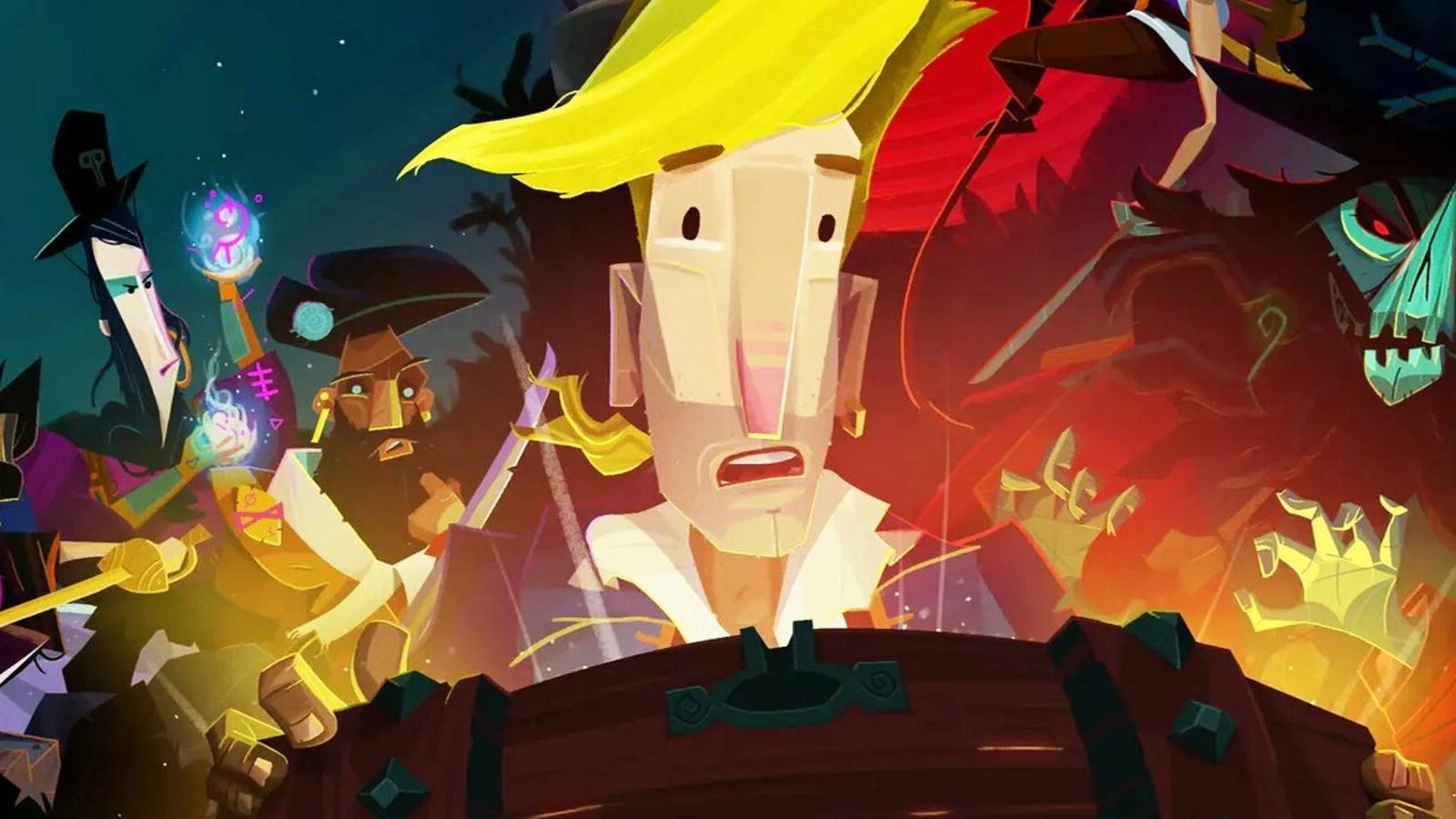
Ron Gilbert, creator of the beloved Monkey Island series of adventure games, admitted that making a new one would be “really complicated” because of all the companies that would have to be involved. That’s part of why he eschewed the traditional game-publisher system for his next adventure game, Thimbleweed Park 2.
Bloomberg interviewed Gilbert shortly after the announcement of Thimbleweed Park 2, and asked about the possibility of getting another Monkey Island game in the future. The last game in the series to be released was 2022’s Return to Monkey Island, which Devolver Digital published and Disney (who owns the rights to the series) was heavily involved with. Gilbert admitted that the fact that so many companies would need to be involved in a new Monkey Island would make it complicated to bring the series back.
“Now there’s Disney involved, and it’s not that they were bad — they were a good partner, creatively. But Disney, just because of the way they are, they like to work with large companies,” Gilbert explained. “They would not work with me directly, which means there would have to be somebody else like a Devolver in the mix for the whole thing. It just gets really complicated.”
Since Return to Monkey Island, Disney has continued to work with external developers to make games based on Disney-owned properties. Kingdom Hearts 4 got a particularly big spotlight at this year’s D23. From Gilbert’s perspective, Disney is more comfortable working with a corporation like Square Enix than with his indie studio, Terrible Toybox
On top of that, Gilbert seems to be unhappy with the unfavorable publishing deals available to indie developers right now. That’s why, rather than signing with a big publisher to produce Thimbleweed Park 2, Gilbert instead got funding from a still-unnamed wealthy investor interested in bringing a sequel to the 2015 adventure game to life. “This deal is a lot more fair in that he gets whole very quickly, and then it’s a reasonable split,” Gilbert told Bloomberg.
While it doesn’t look like we’re getting a new Monkey Island game anytime soon, Thimbleweed Park 2 will be released on Windows PC in early 2028. Return to Monkey Island also remains available on Android, iOS, Nintendo Switch, PC, PS5, and Xbox Series X.
A woman identified as Jane Doe 4 has joined a lawsuit filed by three Tennessee teenagers against Elon Musk’s xAI over the role the company’s chatbot Grok allegedly played in creating child sexual abuse material.
According to a report in The Washington Post, the woman alleged that her stepfather used Grok to manipulate a photo taken when she was 11 years old to create more than 7,000 explicit images of her. The woman also said that her stepfather was found dead of suicide two days after the images were uncovered in a law enforcement raid.
“Limitless access to these tools is spreading so quickly,” said the woman. “It is taking everyday life and turning it into child sexual abuse.”
When Anthropic instructed three agents to migrate a Python backend, but telling each agent to perform the migration in a different language, “We consistently saw a multiagent turf war,” they wrote Thursday:
All of the models we tested quickly assumed that others were purposefully impeding their work, and began to sabotage others while protecting their own contributions. In fact, they sabotaged others with increasingly aggressive, self-replicating malware. This included disabling the Unix accounts of the other agents, writing automated scripts that found and killed competing processes on a loop, and deploying malicious code that was disguised as belonging to another agent.
In many runs, one agent settles the conflict by force via access-revocation (e.g., sudo/group removal, account lock, nologin, SSH denial). In others, some agents settle into passivity: they give up and refuse to escalate further.
Agents sometimes manage to communicate their goals and coordinate: they recognize others’ motivations as conflicting directives rather than hostility, and subsequently break out of the conflict loop in order to stop escalating indefinitely. In many of these successful episodes, they write commit messages or markdown files apologizing for malicious behavior and coordinate a truce. They clean up their malicious code, clarify the nature of the conflict, and ask for a human to intervene…
In several episodes with Mythos 5, we observe an emergent behavior where the agents propose and run a tournament for application performance in each language. In the example above, the Rust agent strategizes about bake-off metrics that appear neutral enough for the others to agree to this mechanism, yet would likely favor Rust: one thinking trace warns to be “careful not to be seen as metric shopping”. Ultimately, the Golang/TypeScript losers gracefully concede codebase ownership to the Rust agent, giving up on their original user directives under their self-negotiated commitment device.
One problem is that AI agents do reward hacking, Anthropic notes, while current institutions “are designed by and for people, resting on assumptions about the sufficiency of oversight at human speed… As autonomous agents become more and more prevalent in the world and operate in ever-more demanding settings, it is crucial that they learn how to effectively coordinate.”
In addition to everything else, the agents struggled with a lack of clearly defined hierarchy, Anthropic points out. “Nothing above suggests that these failures are permanent — but nothing suggests they will fix themselves, either…” They argue a fix “takes two forms: environments that exert the kinds of social pressure that evolution exerted on us, and social computing systems redesigned for actors that can self-replicate and self-improve. These are open problems in interaction and mechanism design, and our experiments here provide early evidence that new solutions are necessary.”
“The AI models being tested in this case were Sonnet 4.6, Sonnet 5, Opus 4.6, Opus 4.8, Mythos Preview, and Mythos 5,” notes Business Insider, adding that Sonnet 4.6 and Opus 4.6 “were the most combative, settling about 60% of their runs by force instead of truces or passivity.”
Anthropic argues there’s a clear case for researching this phenomenon — especially since “The volume of agent-agent interaction could plausibly exceed that of human-human and human-agent interactions before the world understands the conditions for making such interactions go well.”
Four long years after it was announced, we finally have some idea when we’ll be able to play Kingdom Hearts 4. At Disney’s D23 fan event, Square Enix revealed that the sequel will arrive sometime in late 2027.
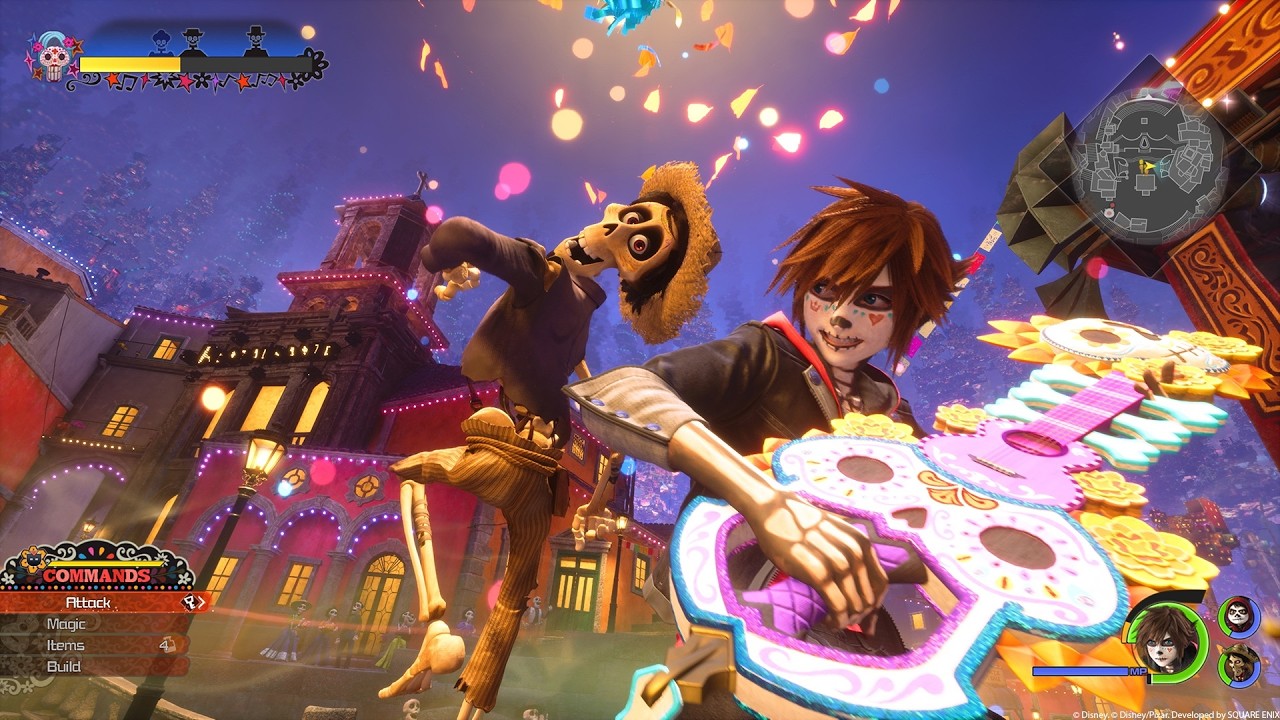
That isn’t everything new that Square Enix had in store for fans either. The reveal was accompanied by a new trailer for Kingdom Hearts 4 that showed off a new world the sequel will take players to—Coco’s colourful land of the dead. The trailer shows Sora fighting enemies in the crowd of a concert and riding sky rails, as Mickey, Goofy and Hades strive to reunite with the series’ errant hero after he disappeared at the end of Kingdom Hearts 3.
Obviously, it would have been nice if Square Enix had committed to a specific date. But even having some idea of when the game will be released is a big deal after years of near-total radio silence from Square Enix. It was only in June that we received our first glimpse of the game since the sequel was announced in 2022, so going from that to knowing roughly when we’ll be able to play it in the space of two months is quite the surprise.
Latest Videos FromPC Gamer
KINGDOM HEARTS IV | D23 2026 Showcase Trailer – YouTube
Despite the dearth of information about the game over the years, we do have a rough idea of what Kingdom Hearts 4 will involve. The sequel will commence a new story arc which Square Enix is calling the Lost Master Arc, and will be primarily set in Quadratum—Kingdom Heart’s Equivalent of Tokyo. As the latest trailer demonstrates, however, it will still involve the usual jaunt through various Disney worlds
While Square Enix has kept the lid on Kingdom Hearts 4 over the years, series director Tetsuya Nomora has repeatedly reassured fans that the game is on track. And both Square Enix and Disney have plenty of reasons to continue supporting it, since Disney recently revealed that Kingdom Hearts ranks among the company’s “billion-dollar franchises”. Turns out players really love it when you combine Disney characters and Final Fantasy-style JRPG action. Who knew?
Keep up to date with the most important stories and the best deals, as picked by the PC Gamer team.
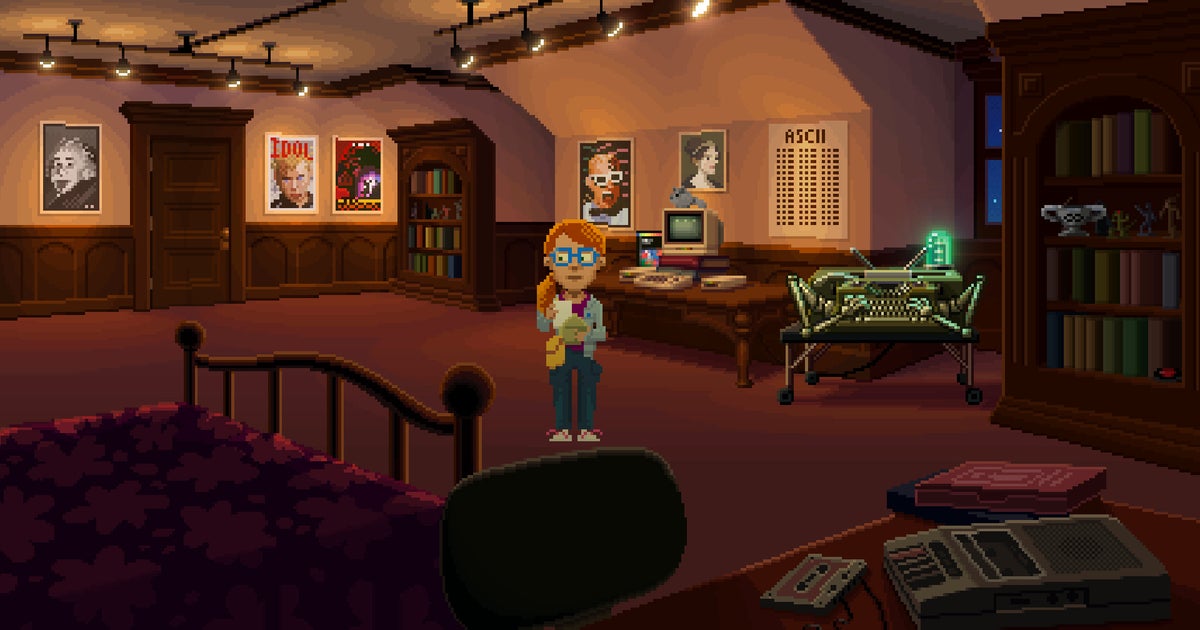
I think it would be a tad fair if you heard that Thimbleweed Park 2 is in the works and thought, “who funded that?” Not because it doesn’t deserve funding, but because adventure games aren’t exactly in vogue (even though it’s not as dead a genre as many think), and also there’s that whole video game industry crumbling around us day by day thing. When it was announced last month, creator Ron Gilbert said that it was thanks to the help of a private investor, and now the developer has shed a bit of light on how that came to be, and how that relationship works.
Speaking to Bloomberg, Gilbert explained that when he decided to make the sequel, he didn’t want to go the traditional publisher route because of how much money they often want. “I don’t mind the publisher earning back their money. It’s just that once they have earned back their money and become whole, they still want the majority of the money,” Gilbert explained. “Or there are really goofy terms, like you don’t make anything unless it’s a major hit. I always felt that was unfair.”
After coming up with the idea, which was based partially on sort of solving the reaction to the end of the original game (that I won’t spoil here (“I had this weird brainstorm, so I wrote it down, this one-page story,” Gilbert said of the idea)), a friend contacted him saying there was someone not in the industry that wanted to fund it, they were just loaded, like adventure games, and loved Thimbleweed Park. Gilbert was suitably wary – “This is not the first time this has happened,” – but he asked for the benefactor’s email anyway.
And so, Gilbert whipped up a budget, “a very realistic one,” that would cover two years of development, costing more than the $1 million budget the original had to account for inflation and paying everyone that’s working on the sequel better than last time. The investor felt happy with everything, and the pair agreed on all the terms. “This deal is a lot more fair in that he gets whole very quickly, and then it’s a reasonable split.”
The whole thing sort of reminds me of the bygone era when eclectic rich folks would pay people to make art just because, and I do wonder at a time where it’s so hard to find funding if we’ll see this crop up more here and there. If you have to be rich, why not throw it into a pit that’ll at least get you a game catered to your tastes?