Artemis II and its four-person crew have entered the Moon’s “sphere of influence,” meaning the spacecraft is more affected by lunar gravity than the Earth’s pull. The transition occurred at a distance of 39,000 miles from the Moon, four days, six hours and two minutes into the mission. The next and most important phase will happen tomorrow when the craft loops around the Moon’s far side, taking humans deeper into space than they’ve ever been before.
At their apogee, Astronauts Reid Wiseman, Christina Koch, Victor Glover and Canada’s Jeremy Hansen will be 252,757 miles from Earth. That will break the previous record held by the Apollo 13 crew by just over 4,000 miles. They’re the first humans to cross the lunar threshold since 1972’s Apollo 17 moon landing mission.
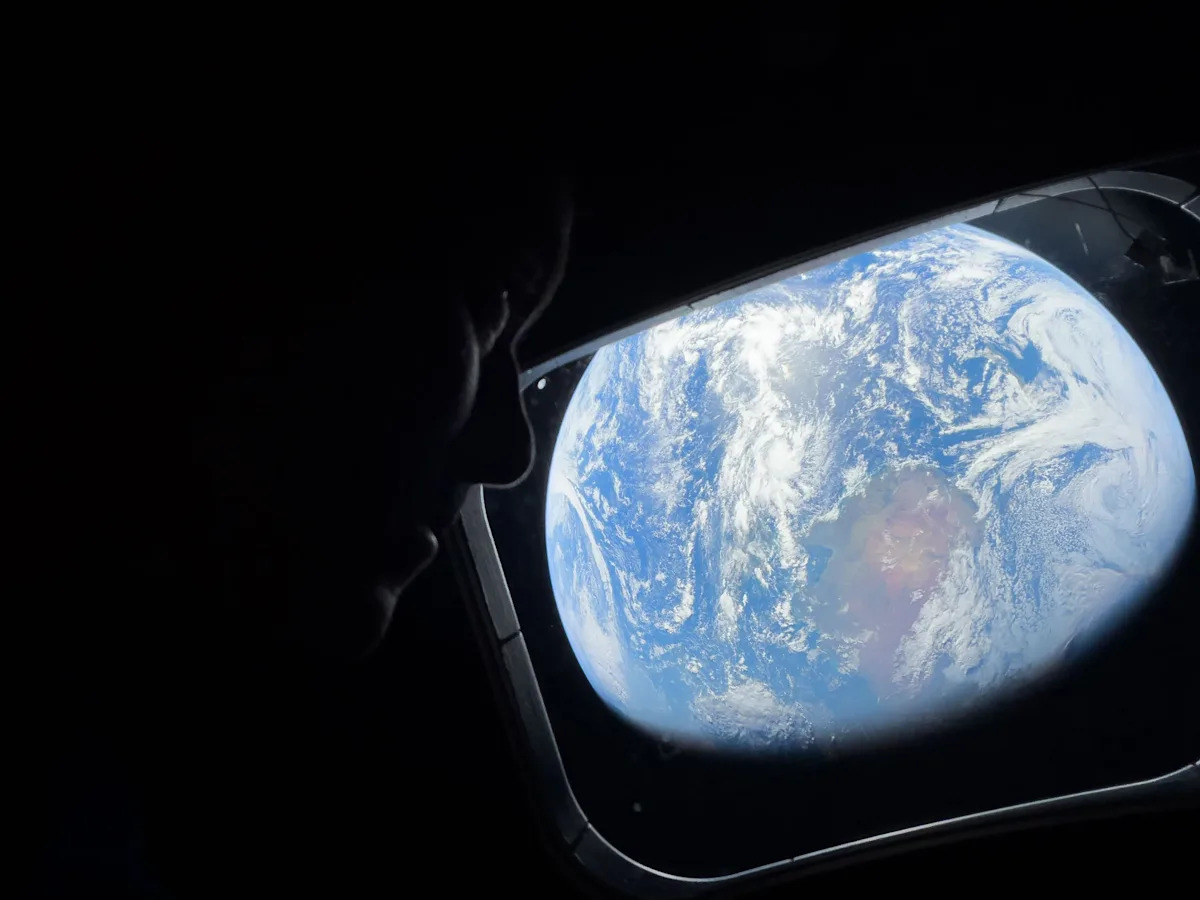
The crew spent this weekend carrying out preparations for their lunar flyby. That included manual piloting demonstrations, reviewing their science objectives for the six-hour observation period and evaluating their space suits, which are there for life support in the event of an emergency and for their return home. But, they’ve had plenty of time to take in the views, too — and those views sure are spectacular. In the latest series of images shared by the space agency, the astronauts are seen gazing at Earth through the windows of the Orion spacecraft.
Orion will reach the moon’s vicinity shortly after midnight on Monday, April 6. Later that day, the crew is expected to reach a point farther than any humans have traveled from Earth, surpassing the record of 248,655 miles from Earth set by the Apollo 13 astronauts in 1970.
Mission specialist Christina Koch takes in the view. (NASA)
The lunar observation period will start at 2:45PM ET, and a few hours later, they’ll be behind the moon and briefly drop out of communication. The spacecraft’s closest approach to the moon is expected to occur at 7:02PM, when it will be 4,066 miles from the surface. “From that distance, the crew will see the entire disk of the Moon at once, including regions near the north and south poles,” according to NASA. The crew will later get a chance to see a solar eclipse “as Orion, the Moon, and the Sun align in such a way that the astronauts will see our star disappear behind the Moon for about an hour.” NASA will have coverage of the flyby starting at 1PM ET.
Update April 7 at 1:40 AM ET: The post has been updated with news that Artemis II has entered the Moon’s sphere of influence.
Are your bills piling up more and more each month and you feel FRANTIC to find a way to just make ends meet? Shoot, you’d just settle for breaking even at this point. No need to get fancy, am I right?!
I know you’re stressed so I’ll cut to the chase! <3
I was $30k in debt, my ex-husband just left me for yet ANOTHER affair, I was living in a homeless shelter. I didn’t have anything! I take that back- I had $5 cash in my pocket. 😛
Today, I’m living a life that most dream of. My reality is the paid-for nice SUV, the big house, the savings account, freedom of time, I have it all, yes, as a STILL single mama. And today, I want to share with you HOW.
It wasn’t easy, but you need to know some things you don’t already know or aren’t practicing yet. These things will lead you from one end of the spectrum to the other!!!! It is the secret no one tells you about how to have more money!!!
The Secret No One Tells You About How To Have More Money
What if I could promise you that within 90 days from today, right this minute that you’re reading this post, you could have more money?!
What if I could PROMISE YOU, without a shadow of a doubt, that within 6 months, your financial picture could completely change for the better?
Would you be interested in hearing about it???
You CAN completely change EVERYTHING!!!
This is my promise to you, a big one I know. My promise is that if you do EVERYTHING I say in this post, you’ll have more money. In fact, you’ll have money coming out your EARS, that’s how much you’ll have.
Why?
Because God promises it. He loves us. He cares about us. He wants what’s best for us. He doesn’t WANT you to suffer day in and day out at that yucky job only to scrape by or not being able to afford to stay home with your kids because money is so tight.
He wants to overflow your buckets. And if you’re money buckets are not already overflowing, somewhere within this article (and probably a few) are the reasons why.
Number 1: You need to be saved
And before you decide you want to skip over this whole section, let me remind you that the Bible tells us that there are FEW legit Christians. That means that, yes, MOST people who SAY they are Christian, are NOT.
You can understand that. You see someone who says they are a believer and they do all SORTS of bad stuff. They don’t seem to care about God. They never change their life. It’s all about just going to church each Sunday, checking a little list off the to-do category and they think they are okay.
They’re not. And we can’t know who is who. It’s not our job to judge, but we CAN see fruit in the life of a Christian.
Those fruits are found in Galatians 5:22-23.
Are we patient and kind?
Do we seek our own revenge?
Do we pay evil for evil?
Do we lie and take advantage of people when they’re unaware?
Do we steal, even if it’s a “little” thing?
Now, let me be clear, Christians are NOT perfect, but they WILL be getting BETTER over time. As we line up our lives to the Lord Jesus Christ, our hearts become shaped in His image and we become better.
We stop seeking revenge when people hurt us.
We become patient, waiting even YEARS for our names to be cleared when wrongly accused.
We stop lying. Stop cussing. Stop doing bad things. We become better people.
My favorite saying is that we as Christians are not sinless, but we SIN…LESS the longer we ARE Christians.
So, are you a Christian? Are you a genuine believer? If you have any inkling of a doubt at ALL, examine yourself.
Why?
It’s important and you don’t wanna be wrong!!! Not with THIS!
My whole life I thought I was saved and it wasn’t until after I was in that homeless shelter (God had to bring me to the end of myself to get my attention) that I gave my life to God. And when I did, EVERYTHING changed. No longer did I desire to do certain things, participate in things that never bothered me before. I was a new creation.
If you can’t say the same….that you had an experience in your life where absolutely everything in your life changed all the sudden after giving your life to Christ, you need to examine yourself. Here’s the book (it’s now a free article online) I read that personally led me to genuinely giving my life to God all those years ago and helping me realize that I thought I was saved but really wasn’t.
Now, I hear you asking…
Doesn’t God care about those not saved? Doesn’t He bless them too?
Yes, God absolutely cares about EVERYONE. He died on the cross for everyone. He wishes that NONE would perish (2 Peter 3:9). The rain falls on the just and the unjust (Matthew 5:45). However, He’s not under any obligation at ALL to take care of the wants and needs of those who are NOT His children.
Did you get that?
That means that if you ARE a genuine believer He PROMISES to take care of you.
Poof. Your bills are paid.
Poof, you regain control of your finances.
Poof, you’re a child of God.
Poof!
Does that mean you will always have your bills paid and everything is taken care of?
No. But it’s not because of GOD’S fault…it’s because of YOUR sin, which we’ll get into a little bit later. 🙂
Number 2: You need to be spirit-led and spirit-filled
After you’ve given your life to God, you are a new creation. No more are you dominated by your flesh. You now have the power, living inside of you, to abolish your fleshly desires and sin.
Problem is…many don’t do it.
They “flirt” with danger. They get right up to the line of going over and tell themselves they can handle it…
“It’s only ‘flirting’ with her. It’s not a big deal. I’m not lusting.”
“It’s only this one small little tiny white lie. Whose it really gonna harm?”
“Yeah, I steal postage stamps from my employer. Who doesn’t?!”
It’s those LITTLE things that add up. God says that if we cannot be trusted with little, we cannot be trusted with much.
I remember one time a local store gave me $5 too much in change. I didn’t pay attention, got home, and what do you do in that situation?
Pretend it’s you. Pretend that just happened. You’re tired. You were running errands all day. Your kids are screaming, dinner needs to be made, what do you do?
Or another time, I purchased 10 light bulb packages from Lowes and they shipped me 11 packages by mistake.
What do you do with that extra $10 box of light bulbs?
Keep it? After all, you’d use it, right?! They’re definitely the right ones you’ll use. Maybe you consider “stealing” in this case as a “blessing” from God to try to justify keeping them.
Listen, if you’re NOT faithful with what God gives you, He’s NOT going to give you more!
We MUST be a people who are faithful in everything. Every $5 extra He gives us! Truly. Because if we are not, He won’t bless us. No one who is of integrity will be turned away from the Lord. We must be a people of high integrity.
As little as it seems to worry about $5 or $10, it’s a massive deal to God.
Maybe He’s using that situation for you to show honesty to the worker at Lowes when you return it. Maybe He wants to use YOU, a feeble human as we all are, to be a witness for HIM. Maybe He will use that for HIS glory to show the world, there’s STILL some good in it.
How will you ever know, if you do not care about the things HE cares about?????
We must allow Him to lead us, guide us, and direct us. We are HIS children, bought with a price. We belong to Him. Every detail. Every hair on our head is HIS.
THAT’S what we signed up for when we gave our lives to Him!
The problem is that not many Christians are doing that. And so the world becomes dimmer every single day. We must be spirit-filled women with lights shining BRIGHT.
Number 3: You need to obey Him
I have seen, over time, God punish sin through finances. I feel like, from what I have personally seen, it seems like it’s His “go-to move”. It’s the first thing He hits to try to get our attention. To get us back to listening to Him. He punishes His children because He loves us. He wants a relationship with us. To be restored to Him, living with Him in light of His mercy and truth.
So we need to obey Him. Letting HIS light shine through us to a dying and depraved world. We must let HIM lead.
How do we let Him lead?
We obey Him.
We get to know His word inside and out. It’s a lifetime pursuit to seek first the kingdom of God, I assure you, but I also assure you that there is NO OTHER MORE WORTHY pursuit than to know your Maker!
Are you reading your Bible every single day? Do you make knowing Him, loving Him, fellowshipping with Him a massive priority in your life? Or does He get whatever’s left over? Or worse, just a Sunday church thing you check off your list to “stay on His good graces”.
Listen, God is not a vending machine. We can’t put in a dollar and get a soda. We can’t go to church and just get blessed. It’s not how it works.
When your children do the dishes and they do a really terrible job, there’s food guck all over, you make them redo it right? You don’t eat off of that, do you?!
In the same way WE, as parents, know when OUR children are not doing something with THEIR hearts, God knows when WE aren’t either.
We have to obey Him with our hearts, and in order to obey Him, we need to know WHAT we are to obey, am I right?!
Number 4: You need to give
If you got through all of that, I will lose a lot of people here. And I get it. “Why should I give? I’m hurting right now. I can’t afford my bills! What about ME?!”
Listen, I’m NOT saying to give 10%. That was the Old Testament stuff, which included government taxes and the government takes well above 10% from us now. Am I right?! 😛
So, the standard can’t POSSIBLY be 10%. Just on that notion alone.
The Bible doesn’t mandate us to give a certain amount. Again, God knows your heart. He doesn’t FORCE us to do ANYTHING. He WANTS us to WANT to.
When you ask your daughter to do dishes, if she scowls and complains, it hurts your heart. You think to yourself, “I sit here and work hard. I do so much for my kids. I provide for them. Help run this family and all I ask for is a little help because I can’t do it all by myself. That’s it. I’m not asking for the moon, here, just a little help.”
It hurts your heart, that she would not see and understand all you do for her. Yes, she’s a kid, you understand that, but you want her to obey you with her HEART.
When she doesn’t, it hurts you.
I will say this bluntly…we HURT GOD.
We hurt Him. He’s hurt. He gets hurt when we don’t obey Him with a cheerful attitude.
So if you give something, anything, with a bad attitude, like your daughter when doing dishes, it hurts Him.
He’s a loving, fair, and patient God, so He forgives us quickly and easily. But it still hurts Him.
If you really see, how much we all hurt Him every single day by the things we do, it’s rough. I see people hurt Him and it makes me sad. Knowing how GOOD He is to us. And we all do this. We all hurt Him.
We need to be giving people. Loving and generous. I don’t give free binders and printables and boatloads of stuff away for myself. I don’t do it to get an email address. Although that’s a good byproduct of it. I give because God so graciously gives to ME!
He’s made it so where I don’t have to punch in a clock every day on a timecard. I don’t have to leave my children with a stranger. I get to live in a really nice house. He gives me SO much, SOOOOOO SO much.
He’s way beyond generous to me. And I’m thankful. Out of that thankful heart of everything He does for me, I give.
I give my time on this blog. I donate funds to support the gospel of Christ. I give scholarships to my courses. I give a lot. Every day. I want my entire life to be a reflection, a mirror, of how much HE GIVES ME!
You don’t have to give 10%.
You don’t have to give a ton.
You don’t have to give it all away and become a pauper.
But you have to give.
Whether that’s time, your talents, your money, your resources. You need to be a giving and generous person. The more you are, the more you will receive.
Let me put it like this.
You want to have more money, right? You want to receive money.
Let’s do a little exercise together, you game?
Put out your fist in front of you. Outstretch your arm completely and fully with a fist. This is what you’re doing now when you are NOT giving. You are holding out your fist. A closed palm.
Now, open your hand, palm up, as if you have a treat in your hand and going to let your puppy dog lick it out of your hand. You are GIVING him a treat. You’re giving.
If I try to give you money, and your hand is closed, in a fist, you cannot take the money I want to give you, can you? The money will just fall to the floor. You cannot receive anything. How can you? Your hand is closed.
But if I try to give you money and your hand is open, as if giving, you CAN receive.
Now, ask yourself, is your hand open or closed? Are you a giving, super generous person or tight-fisted?
If you want God to give to YOU, you must be generous to everyone else around you and I add…WITH the right heart motive. Not demanding anything in return, but giving out of thankfulness of what the Lord your God has done for you.
And if you’re not sure WHAT to give, pray about it. Seek His will and ask Him what He wants you to give. He’s not a silent God! He will show you what He wants from you when you ask and seek to line your desires up to His. 🙂
Number 5: You need to ask Him to use you
There are two types of people in the world.
Are you a giver or a taker? Do you give your emotions, your time, your heart, your soul to those around you? Or do you TAKE? Leech on those around you.
Are you making it a point, every day to wake up renewed in your sleep, thanking God for the day, and asking Him to use you that day?
There is so little precious time here on earth. Every day, every minute counts for His glory. Are we using our time to further His kingdom? To be used by Him? To pour out of us, His love, His gentleness, His beauty and kindness?
Or is the day all about US?
Our selfish little kingdom we have created for ourselves.
If you want to be blessed financially, your life needs to line up to His will. You need to see things from HIS perspective and live in light of that. You need to do more for HIM and less for yourself (John 3:30). We need to keep our gaze on our loving, Heavenly Father and NOT on ourselves, as the world would tell us to do.
What is important to Him, should be important to us. Do you know what IS important to Him?
People.
People are His treasure.
And yet we treat everyone as if they are a plague, a burden. We have our own little worlds and whoever disagrees with us, we throw them out of it. 🙁
Do you realize that how you treat other people is a direct correlation to how you treat GOD?
How do you treat your husband? Your kids? Your neighbor? Your employer?
That is how you are treating God at the moment.
If you treat your employer with contempt, you are treating God with contempt.
If you are constantly seeking revenge on other people, you are seeking revenge on God.
If you are bitter towards your husband, you are bitter toward God.
He created those people around you and whether they are saved or not, He loves them very much, again, wishing none would perish.
Do we see other people as He does? Or as a nuisance?
Listen, it’s a struggle for everyone. There’s always going to be that ONE person you just wanna slap. haha. I get it. But we have to take care of how we treat other people. Are we seeking to be used by Him TO those people?
I feel like the more we treat HIS TRUE TREASURE (people) the way He would treat them, the more we are good stewards of whatever people He gives us in our life to lead (whether that’s your Sunday school class, your blog audience, your husband, or your littles at home looking to you for guidance and daily care), the more we treat them wisely (as good stewards of them, their money- not leading them into debt,etc., their hearts, etc.) the more He will financially bless us.
But the first “test” of having more money, is first, treating the PEOPLE in our lives how He would treat them. If we are not, He’s not going to increase our finances because we have been given a GREAT GIFT of stewardship already and are not spending THAT wisely, why give us more money?! Money is just an outer expression of the stewardship we are or are not being faithful with.
So when God looks to bless us, He’s not just looking at our stewardship of financial resources, but what are we doing with the PEOPLE in our lives too. What are we doing with EVERYTHING that He’s already given us?
Is your home clean? Are you managing your home well? He gave you that home.
Are you shepherding your children’s hearts? That’s stewardship too.
What about your blog? Are you blogging in a way that honors Him? Are you a Christian blogger but seriously NO ONE in the world knows you’re a Christian? You blog on other material and that’s fine and dandy, but it’s all for YOU.
When David built his temples (homes), he wanted his own home AND a home for God (2 Samuel 7:1-2). I think that in our society today, we so often build only a home for ourselves and we never think to build a “home” for God.
What does that mean? Well, if you are a genuine believer and you never talk about God in your blog or business, what an utter SHAME!
To have a home for yourself, and nothing for God. What a shame to steward that blog or business without even using what you have been given by God, for God. It saddens me and I know many genuine believers who do that. If you’re one of them, pray about it! Pray how you can use your blog for not only YOUR glory (!!!!), YOUR bills, YOUR life, but HIS glory!!!!
We are NOT put on this earth to pay our bills and die, loved ones. We are here to MAGNIFY the name of Jesus Christ BOLDLY to the WORLD!!!! Are you doing that? Are we doing that?
Being used by God means, being willing to put Him (and keep Him) in EVERY aspect of our lives.
Number 6: You need to ask Him for what you want
It may sound completely crazy but many people forget to ask God for exactly what they want. They may “think” it or dream it but they don’t go to the Source of all things and ASK. The Bible says knock and the door will be opened (Matthew 7:7). Does that mean we can ask for an elephant in our living room and He will just magically put one there? No (although He has the power to do it, I assure you!)
It just means that we don’t ask Him for the things we want and yes, even need. In the Lord’s Prayer it talks about giving us daily provisions (Matthew 6:11). If that prayer is how we should pray, a model of prayer, it is talking about asking for our daily needs.
Yes, God KNOWS our needs before we even ask them. In fact, He knows of our needs before He created the foundation of the earth, but we should still pray them. He wants us involved in this relationship with Him. He’s not far apart, somewhere far away from us, looking down on us. He’s WITH us, walking with us. What a glorious thing that is to walk along side of Jesus as He leads, guides, and directs our hearts.
When you’re praying, ask for the things you need. Ask Him to give you enough to pay all your bills. Do not ask for a ton. Just ask for enough. Then, ask Him to help you prove that you can be trusted to spend your money wisely. Because if you are NOT spending wisely what you currently have, He won’t give you more. So, when you prove to Him that you CAN spend what you have NOW, in a wise manner, He will give more.
After the first month, you are spending things wisely, ask Him for a little bit more. It may take a couple months for you to prove you can spend what He gives you wisely and it depends on where you are in your finances, but this is how my own walk went when I became a Christian after being homeless…
I prayed that He would just pay my bills each month. Help provide for me so that I could break even.
A few months later, I prayed He would give me $100 extra/month in order to have a cushion.
A month later, I asked for $200/month extra.
Then, $300 extra/month.
Next, I prayed to have $500 in my savings account.
Then, $700 in my savings account.
Then, I prayed for $1,000 in my savings account.
I was doing pretty well for myself. I had $1,000 in savings and all my bills were paid for each month with around $200-$300 extra, over bills (and over the $1k I had in savings).
And I just kept on praying for more and more as time went on.
Steadily, over time, as I have spent what He gives me in a wise way, constantly being generous, constantly striving to be all the things in this post that have been discussed, constantly wanting my life to matter for Him, seeking first His kingdom, He gave more and more because of His great kindness, love, and mercy.
I started a blog to be used by Him more. I started making money from the blog. Then I started making more. 13 years later, from the time I was homeless to a year ago, I purchased a stunningly beautiful home that I don’t deserve but God richly gives me.
Buying such a large home in such a nice neighborhood and having such incredible wealth, still as a single mom (!!!!), has been surreal. It’s been over a year since I bought this place and I can’t say that I’m used to it by now. That there’s not a piece of me that thinks, I’ll lose it somehow. What did I do to deserve such a fantastic home?! A fantastic life.
And I’m not done decorating. It’s HARD to be patient. I just want it all decorated now but it takes a LONG time, to save money, resell all previous things that don’t fit in with the new home/decor, find amazing deals on what I want to buy (think: Facebook Marketplace and Craigslist). It’s a process. It’s not all furnished yet. Still a couple rooms are bare. Most rooms not done yet. I’m taking it slow. But it’s more important that I spend the money wisely to decorate this amazing gift, rather than just blow it all and spend poorly.
I’m very appreciative of what He’s done in my life and how He’s decided to bless me.
It DIDN’T come overnight. It didn’t happen in the blink of an eye. But AS I’ve been faithful to God, faithful to His word, doing all the things I am supposed to be doing (trying my absolute best!), He blesses.
I’m living proof that God can take ANYONE from having NOTHING, being in debt $30k and being homeless to having more than you could ever dream of. It’s a testament to His glory. To His generosity as we faithfully obey.
He wants to bless us.
He wants to give us an abundance of things but He needs to know that we can handle them. Are we stewarding what we have now properly and righteously? Wealth, fame, and success are a massive test of our personal character. If He DOES give you more, will you blow it?!
We have to prove ourselves.
Not for His knowledge because He already knows whether we’d pass the test or not, but for our OWN knowledge and so that we never take for granted what He gives us!
If He would have given me this home when I first started, I can bet you I would have lost it. I would have taken it for granted. I would have blown it. But, after having worked hard and consistently for 13 years, to get to where I am today, I won’t blow it because I’ve put in all that time and energy to make me and my children’s lives better. It is me doing what I’m supposed to do and Him blessing that. It’s a team effort.
I can’t have this without Him. And without me, He won’t give it because He wants us to obey, to be generous, to live our life for HIM, to not be lazy.
Our focus has to be on HIM, not on worldly treasures (Matthew 6:33). Not on this earth, but on Him. I have to say that, now having so much, that is always a temptation. To take my eyes off God and say, “I DID this. It was me. Look how great I am.” But it wasn’t. It never was. It’s ONLY through the grace of God I have this. And I’m not saying follow all these things and He’ll make you a millionaire. I’m saying that He WILL bless you far more than you think WHEN you obey Him. When you line your life up to HIS glory instead of your own.
Whatever we have is because of Him and we can’t forget it. Because it takes so long to get from one point to another, because of the hard work put in to receive it, we DON’T forget!
He is not against us having nice things. He is not sitting there in Heaven wanting you to suffer. He wants you to have treasures and nice things on earth. But He wants you to have them in perspective. We cannot LOVE those things so much that we put them above Him and His grace. He is to be first in our lives.
All of these things shared in this post aren’t to be taken as a recipe to get what you want. It’s to be taken as a way to live up to the life your Savior has called you to live and as a byproduct of a heart on fire for Him, obeying Him in all He asks, He WILL reward you openly. So that you TOO can have a story like mine. All the treasures and things God gives you, to be thankful of and to be used for the edification of others.
He wants to put His GOODNESS on display to the world. But when you get what you want, if you don’t give Him the proper credit HE deserves for giving it to you, He WILL take it all away. You can be sure of that.
So, that is the last point. After you get it, no matter how long it takes you to go from your own point A to point B, whatever journey that is for you, constantly acknowledge that He alone is in charge of your life, He alone gives, He alone is the reason you have, and never forget His goodness and never deny an opportunity to give Him glory, both publicly and privately to your family and friends.
If you follow ALL of these things within this post, you will see your finances taken care of. You will fly to the highest of heights that you never thought possible, all according to whatever His specific will is for YOU.
But be sure whatever you do next, whether you’re adding a new income stream, taking another job, or learning to save money to keep what you currently have from flying out the window, that you have ALL these things in practice or you’ll just end up spinning your wheels!
Rising RAM prices have made upgrading your PC more expensive.
Virtual RAM is a less expensive way of boosting an older computer’s performance.
Virtual RAM has limited use cases because it can’t match the speed of physical RAM.
It’s been a rough seven months or so for shoppers. Prices for RAM and PCs have surged to record levels, fueled in part by the rise of generative AI and broader economic turmoil. Because of the price shifts, upgrading your old computer — or buying a new system — is now more expensive than ever. There is some good news. RAM prices have recently started to drop, but only slightly; memory and hardware remain very expensive.
Affordability remains a major problem, though there is a solution, albeit a limited one: virtual RAM. Also known as virtual memory, this resource management feature allows PC owners to use a portion of their device’s storage drive as an extension of system memory. As Lenovo explains, “it creates the illusion of a larger, continuous memory space”, as if your computer has access to more resources.
It’s a neat way to stretch your computer’s memory past its limits. However, it comes with important caveats. Virtual RAM is only a temporary solution for enhancing PCs with limited memory, not an outright replacement for physical RAM.
Why is virtual memory not a true RAM alternative?
Virtual RAM just can’t perform as well as physical RAM. It trades speed and responsiveness for extra resources. PC gaming brand Corsair makes this point, stating that even the fastest SSDs are “almost 10 times slower than RAM, and a hard drive is hundreds of times slower.” Remember: RAM is designed for high-speed, temporary storage of active data, while SSDs and hard drives are built for long-term storage.
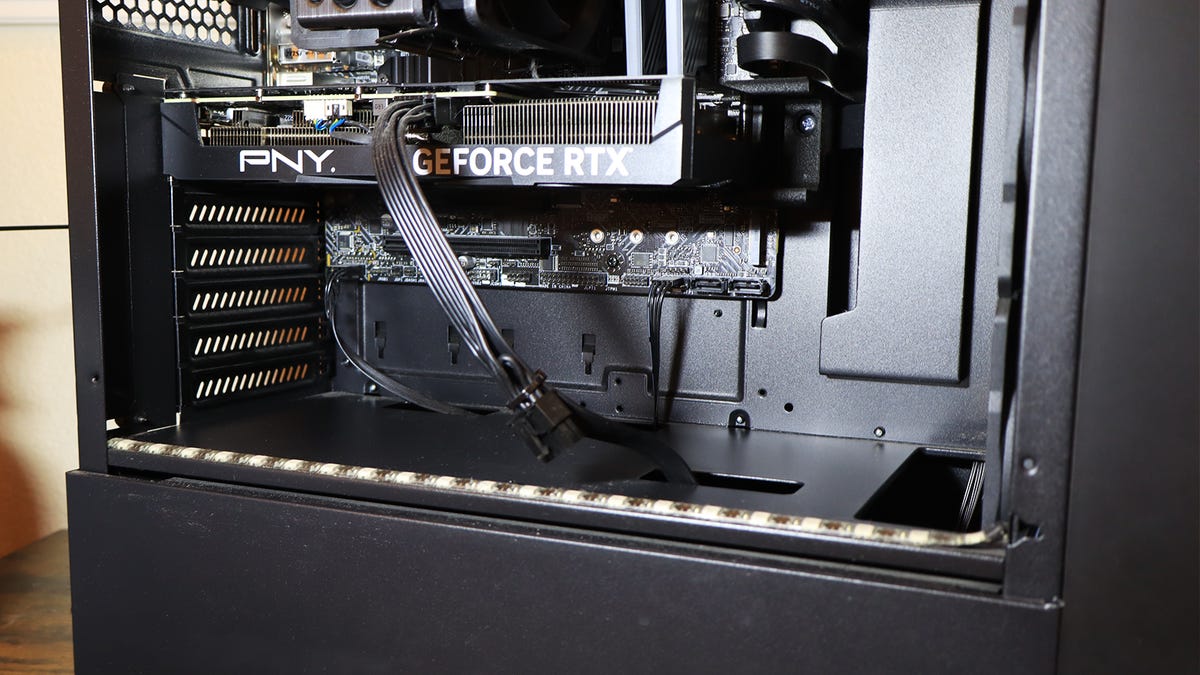
To put this into perspective, let’s look at a real-world example using my PC and compare the speed of my 32GB of DDR4 RAM to the speed of my PCIe 4.0 NVMe SSD.
You can find the theoretical maximum bandwidth of your memory by multiplying the MT/s value by the number of bytes sent per transfer.
My desktop’s RAM runs at 2400 MT/s (megatransfers per second) and has two 64-bit channels (8 bytes). So, 2,400 MT/s × 8 bytes equals 19,200 MB/s (megabytes per second).
Compare that to the speed of my SSD. Using CrystalDiskMark, I measured its read speeds of ~6,700 MB/s and write speeds of ~6,200 MB/s. That’s less than one-third of the speed.
Even with a high-end SSD, the speed difference between my RAM and storage drive is significant. My DDR4 RAM can hit 19,200 MB/s, while the SSD peaks at 6,700 MB/s. Virtual RAM on my PC will be slower, have higher latency, and be less responsive overall.
Jack Wallen/ZDNET
There’s also the problem of memory thrashing. Thrashing occurs when a computer spends more time moving data between the RAM and the storage drive, which can result in freezing, heavy lag, and poor performance. Lenovo, in another post, states that certain memory management techniques, such as page replacement algorithms, can lower the likelihood of thrashing, but nothing is perfect.
Where does virtual RAM help?
Although I’ve focused so far on the limitations of virtual RAM, virtual memory can be a genuinely helpful tool in the right circumstances. The key is using it responsibly. I recommend using virtual RAM to temporarily boost the performance of lightweight machines.
Low-cost laptops don’t often have a lot of memory to spare, so resources can be quickly exhausted. In such situations, virtual memory can help a system run smoothly, prevent crashes, and improve overall stability.
A good example of a device that can benefit from virtual memory is the Acer Aspire Go 15, a laptop we often recommend for its affordability. At the time of this writing, it’s on sale for $275. That low price comes at the cost of performance. It only possesses 8GB of LPDDR5 RAM, which is quite low by today’s standards.
Activating virtual RAM in a case like this won’t turn the laptop into a high-powered machine, but it would allow the Aspire Go 15 to better handle more tasks without slowing down or crashing.
Kyle Kucharski/ZDNET
How to activate virtual RAM in Windows 11
If you want to enable virtual RAM in Windows 11, the process is fairly straightforward. Start by typing “View advanced system settings” into the Windows 11 search bar and clicking the first entry you see. This will launch the System Properties window.
From here, go to “Advanced” > click “Settings” under the “Performance” section > “Advanced” again in the new window > Click “Change” under the Virtual Memory section. Uncheck the box at the top labeled “Automatically manage paging file size for all drives,” as seen in the image below.
Screenshot by Cesar Cadenas/ZDNET
To establish virtual memory, you will need to choose a drive to use. In this scenario, my PC only has a C: drive, so that’s my only choice. If your computer has multiple drives, use whichever is fastest. Next, select “Custom size” to allocate a specific amount of drive space for virtual memory, measured in MB. As a rule of thumb, 1,000 MB is about 1 GB. Windows will provide a recommended value, such as 5,000 MB. For my needs, I will allocate 8,000 MB (or 8 GB).
When it comes to the maximum size, online forums suggest setting it to three times the initial size, which in this instance is 24,000 MB (24 GB). Once done, click “Set”, then click “Ok” > “Ok” on the following page, then restart your computer to apply the changes.
When you’re done using virtual memory, return to the same Virtual Memory window and re-check “Automatically manage paging file size for all drives” at the top.
Can you disable virtual memory entirely?
It’s possible to disable virtual memory by selecting “No paging filing” in the System Properties window, then clicking “Set”, but it’s not generally recommended. As Lenovo points out, PCs rely on the interaction between physical and virtual memory. Disabling virtual memory will lead to all sorts of performance issues.
Do Apple computers have virtual memory?
Yes, but it behaves differently from Windows PCs. Apple states that MacOS uses “secure virtual memory”. It functions like Windows virtual memory, temporarily moving data from RAM to the hard drive when physical memory is limited. The major difference is that secure virtual memory is encrypted. It can’t be increased or decreased.
Today’s post explores the best modern inventions that changed the world with design innovation and exciting product ideas. During the past 30 years, the modern age has witnessed a nuclear burst of creativity in the shape of innovative ideas that have transformed the way human beings work, live, communicate, and think. Behind this revolution of design are product designers, inventors, and thinkers across backgrounds-and companies such as Cad Crowd that encourage them.
Cad Crowd is a very expansive website, making it achievable for the new inventor and veteran inventors in bringing the dream to a reality with the accessibility of professional product design, CAD modeling, and prototyping services. From a long device running for years everywhere to an implant added years to lifespans, innovation is not left strictly for the privileged few. Design innovation is teamwork-and Cad Crowd enables it.
1. iPhone
Steve Jobs’ first iPhone rolled out in 2007 revolutionized communication. With its paper-thin touchscreen, support for apps, and built-in camera, the iPhone was not just a phone – it was an über-powerful computer in the pocket that inserted the internet, GPS, camera, and music into every pocket. The product spawned new industries that revolutionized products, user experience, and software integration. Its cutting-edge design and smooth silky interface set the standard for what consumers wanted their phones to be able to do and set the stage for smartphones of today. With more than 2 billion iPhones, its domination of mobile commerce, culture, photography, and social behavior can’t be surpassed in the tech world.
2. Tesla Electric Cars
Electric vehicles preceded Tesla, but Tesla made electric hot. Elon Musk’s gambit introduced high-performance, long-range electric cars such as the Model S and Model 3 that were not only green, but speedy, luxurious, and technologically sophisticated. Tesla’s spartan interiors, massive infotainment screens, and aerodynamic, swooping designs led the old-line automakers to question the nature of transportation itself. From over-the-air software updates to semi-autonomous driving features, Tesla led the automobile industry down a greener, more software-based road. All of the big automakers have EV plans now, but it was Tesla that lit the fire with the brilliant combination of automotive design & engineering magic and styling that turns heads.
3. Consumer & Industrial 3D Printing
3D printing or additive manufacturing altered how stuff was produced. Although it began in the 1980s, it was revolutionary and mainstream the past 30 years. It allows for the re-printing of digital data into physical form through plastics, resin, or even metal. From proof-of-concept phone cover to production of complex aerospace parts, 3D printing services allow for concept iteration quickly, bespoke design, and mass production globally. Produced in home-made do-it-yourself workshops by amateur engineers, architects, artists, and inventors, it has been used at will to produce objects of functional use. In aerospace and medicine, it’s transforming the component-fabrication process. It’s design freedom, on steroids.
CRISPR-Cas9 appeared in the 2010s as a gene-editing mechanism with the capability to change the course of medicine, biology, and agriculture. Scientists Jennifer Doudna and Emmanuelle Charpentier worked on the revolutionary technology of this phenomenally sharp cutting and editing of DNA with unmatched precision. It is already being applied in research to cure genetic disease, create disease-resistant crops, and study inherited disease. Despite ongoing ethical controversy, the promise is vast: a cure for sickle cell anemia, prevention of inherited blindness, or even cure for some cancers. CRISPR accelerates gene editing to be quicker, cheaper, and more precise-perhaps the most important biotechnology breakthrough of the last few decades.
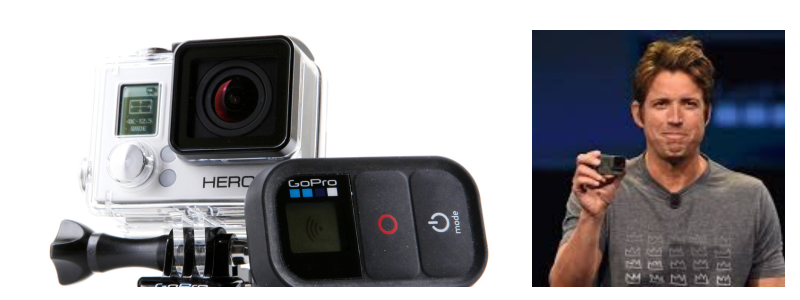
5. GoPro Camera
GoPro camera was originally such a compact cam, though not first. Surfing, skydiving, or mountain biking aside, the rugged, small camera could capture high-definition footage in extreme conditions. Action sports videos, vlogging, and social media all stood to gain from Nick Woodman’s 2004 invention, which changed the way people documented their lives. Artists and adventurers love it for its wide-angle perspective, underwater setting, and sleek design. GoPro demonstrated the greatest camera is the one that’s on the ride, whichever it is.
6. Ring Video Doorbell
Ring Video Doorbell is a small gadget equipped with camera placed in the front door of a house which enables owners to see, hear, speak and interact with people through the smartphone. Developed by Jamie Siminoff in 2013. It changes the way people deal with packages, deters porch pirates, and saves lives. The product is ideal for today’s homes since it is simple to use and move around. Its popularity also spawned the rapid expansion of home-based applications and intelligent home security systems.
7. Dyson Airblade Hand Dryer
Goodbye to the obnoxious, energy-hungry blowers. With the introduction of the Dyson Airblade in the mid-2000s, the public restroom experience was forever changed. Propelled by powerful yet blade-free technology, it hand-dries in 10 seconds by stripping water off skin with high-velocity sheets of air. It’s space-efficient in its design, clean, and energy-efficient-appropriate for use in airports, malls, and even office spaces. The Airblade not only saves time, but it’s also cleaner than paper towels and old-style dryers. Dyson’s ability to bring engineering elegance and minimalist industrial cool together makes this the least subtle powerful innovation in daily design.
8. Oculus Rift (Virtual Reality Headset)
Virtual reality was reborn with the Oculus Rift. It was created by Palmer Luckey and funded through crowdfunding in 2012, reopening global attention to virtual worlds of total immersion. The Rift enabled people to be more immersed in games, simulations, and virtual worlds than previously possible due to such elements as head tracking, stereoscopic 3D vision, and natural motion input. The Rift’s ungainly, goggle-like look has been a VR pop culture icon. Oculus’s acquisition by Facebook in 2014 set up the consumer virtual reality space and gave a benchmark to its competitors, including HTC Vive, PlayStation VR, and Meta Quest. The Rift brought virtual fantasies into reality, whether you were training, traveling, or playing games.
The Roomba makes cleaning almost seem like a pleasure. Introduced by iRobot’s product engineers in 2002, this disc-shaped robot employed sensors and intelligent navigation to clean floors on its own. It became the family assistant nobody knew they needed. Its disc shape rolls under couches and makes its way through spaces with irresistibly clumsy charm. Year by year, Roombas were getting smarter-app control, dirt detection, and self-emptying. For busy households, pet owners, and techphiles, it’s a game-changer. By turning ordinary chore into a smart one through smart design, Roomba swept us off our feet in an ocean of love by homeowners and gadget freaks alike.
10. Kindle eReader
Amazon Kindle changed the book business. Its 2007 launch came with a clear, paper-like screen powered by E Ink technology that made it ideal to read electronic books. No glare, no carrying around stacks of paperbacks-just one thousand books in your hand. The battery lasts weeks, and later generations are waterproof and backlit for night reading. The Kindle didn’t revolutionize books-it revolutionized publishing for indie authors and the way people read. It’s an ageless example of clever design combined with digital technology to improve a human activity that’s been around forever: reading.
11. AirPods
When Apple introduced AirPods in 2016, everyone didn’t know what to do with the white sticks. Not for long. The wireless earbuds were a design and pop culture phenomenon. They fit snugly together, played superbly, and came in a neat case that charged them too. Wirelessness seems like something straight from science fiction. AirPods also introduced new controls like tap and voice. Their sleek, understated design became ubiquitous, popping up everywhere. Straphanging on the subway, pumping iron, or calling someone, customers felt the freedom. Apple converted the humble headphone into a fashion and technology symbol.
12. Square Payment Reader
Converting phones into credit card readers, Square leveled the playing field for business transactions. Started by Jim McKelvey and Jack Dorsey in 2009, the small white reader that plugged into the headphone jack of a phone made every individual available for payments, from food truck owners, to street vendors, dog walkers, and house painters. It democratized small business. The design is minimalist, sleek, and nearly playful. Keeping track of sales and even stock was easier with the Square app. Square revolutionized access to finances as it grew into a full point-of-sale platform. Square gave back control to vendors in an age of easy cashless payments.
13. Tile Bluetooth Monitor
Lost your keys once again? Tile is on your side, so do not fret. Released in 2013, the Tile Bluetooth trackers leverage a paired app to assist in locating misplaced items. Simply attach one to a wallet, purse, or TV remote and ring it on your phone, or find your phone by double-pressing the Tile. Thin profile fits neatly into everyday objects, and crowd-finding feature allows for recovery of lost items from other nearby Tile owners. The final combination of practical technology and intelligent design makes this app invention from the app developers the best choice for the forgetful. Tile stood up for the ordinary things and let humans catch their breath, one chime at a time.
14. Nest Learning Thermostat
Co-designed by ex-Apple engineers Tony Fadell and Matt Rogers, Nest Thermostat gave brains to home heating and cooling. Launched originally in 2011, this svelte, cylindrical device learns your schedule and adjusts temperatures automatically. With its swoopy lines and low-slung look, it snuck into contemporary homes without screaming “technology.” Nest also saved energy by feeling a presence. It might be operated via smartphone, so climate control would be intelligent and frugal. The gorgeous look and machine learning-based cleverness of Nest set the standard for smart home products to follow, showing that smart design is penny-pinching-and planet-saving.
Spotify did not invent music streaming, but it made it inevitable. With its user-friendly interface, highly personalized playlists, and mighty suggestion algorithm, Spotify, which was founded in 2008 by Daniel Ek and Martin Lorentzon, revolutionized the way individuals listened to, shared, and discovered music. Individuals could now browse millions of songs with ease and legally, eradicating music piracy and allowing musicians all over the world to make music. Moments like Wrapped turned culture listening into an event, and smartphone tested playlists. Its algorithm is hooky, its potential boundless, and its polishing modest. Spotify turned music into a live, social, and deeply personal score of life.
16. DJI Phantom Drones
Aerial photography was made famous by DJI and their Phantom drones. These drones have a white plastic body to protect its electronics. Drones are usually equipped with GPS and camera stability, and must be controlled with smartphone control. Drones are also used to capture cinematic video for vloggers, real estate agents, and hobbyists. Launched at the beginning of the 2010s, it created a whole new line of consumer drones. Passengers were secure on flights thanks to safety features like obstacle avoidance and auto-return, courtesy of the beautiful design and simplicity of the flying mechanism of DJI. It made you a master of the sky.
17. Peloton Bike
Instead of just manufacturing exercise bikes, Peloton’s product designers made fitness a lifestyle. In 2014, Peloton bike married technology, software, and live instruction that was streamed to produce a dynamic training experience. Pedalers were able to pedal with real instructors, race against each other on leaderboards, and work out in the comfort of their homes. It seemed high-tech with its big screen, swooping shape, and app integration. They became especially popular during the pandemic with lockdown home gyms. It built a tribe as well as selling hardware. Peloton revolutionized the social, competitive, and so much fun at-home music workout with support and measurable feedback.
18. Netflix Binge-Watching
Once celebrated for sending DVDs by mail, Netflix woke up in 2007, and changed the entertainment game. TV shows were on-demand, ad-free, and time-of-day-limited, within an evening. Its stunning app design, autoplay, and uncluttered navigation turned “just one episode” into five. Netflix also became a major content producer, losing so-called bombdrops such as The Crown and Stranger Things. It’s this move that made Netflix unbeatable. It didn’t kill Blockbuster, so much as revolutionized how viewers watch TV. The “Netflix effect” ignited to life millions of streaming sites and ushered in the era of binge-watching originals.
19. Apple Watch
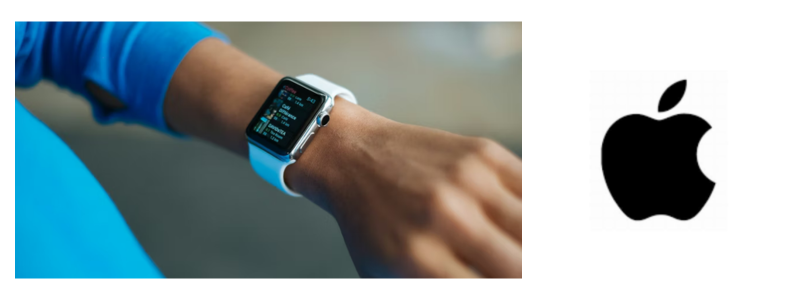
It was more than a timepiece because the Apple Watch was a wrist computer, communication device, and fitness coach. It came in 2015 with fitness tracking, heart monitoring, texting, GPS, and faces that could be changed-out of a thin, rounded rectangle case. Subsequent versions included ECGs, blood oxygen, and crash detection. With intuitive integration into the Apple world, it was an extension of the million-strong way of life.
20. Foldable Phones
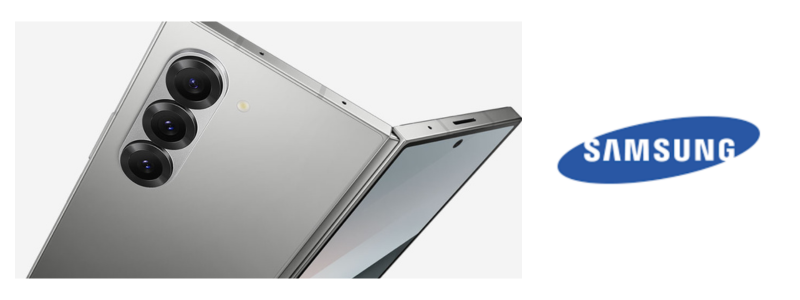
Foldable phones were science fiction but aren’t. The revolutionists were Huawei, Motorola, and others following Samsung’s launch of Galaxy Fold in 2019. They used bendable screens, consisting of flexible OLEDs that morphed smartphones into hybrid tablets because it folded to fit into your pocket but opened to multitask, read, and play games. The initial prototypes were fragile but subsequent breakthroughs were driven by thinner hinges and more resilient screens. Foldables disobeyed the laws of material science, UX design engineeering services, and form factor design. They’re not for all-but they’ve opened a new frontier in smartphone design, fold by fold.
Slack transformed how businesses interacted with each other by eliminating the practice of using e-mail chains and embracing real-time chat protocols. Stewart Butterfield founded Slack in 2013 with the vision of making messaging look like it’s not inbox chaos. With Slack, its simple interface and extensive features made it easy to communicate with team members of the company, which includes sending files, group tools and pin project threads. Slack revolutionized office messaging, particularly for remote teams, and was one of the foundations of the contemporary workplace, where productivity and culture were bundled together in varying channels.
22. Raspberry Pi
Raspberry Pi drove a worldwide do-it-yourself technology revolution. The Raspberry Pi Foundation launched the minicomputer in 2012. It is smaller than an evening out for dinner, but used to perform everything from weather stations to arcade emulators. Its vision? Computing is easy and easy to learn. For its price, simplicity, and flexibility, design engineers, students, and hobbyists embraced it. It can run full operating systems, programming, hardware hacking, and internet browsing in this box. People were not just using but creating with technology because of the Pi. Building a smart mirror or programming a robot were two examples where the Raspberry Pi showed us that imagination is the result of an innovative mind and not one with deep pockets.
23. Google Maps with Street View
It made paper atlases like Google’s obsolete, but it completely changed the way we are capable of navigating, finding, and seeing the world. It started in 2005 and then was supplemented with satellite imagery, real-time traffic, and turn-by-turn navigation. But Street View, introduced in 2007, sealed the deal, where you could virtually stroll down towns and cities on 360-degree photography. Its simplicity and map density place it at number one on everyone’s lists for visitors, commuters, and even delivery drivers.
24. AncestryDNA & 23andMe Kits
Are you curious about where you’re from? Direct-to-consumer genetic testing kits such as 23andMe and AncestryDNA have introduced genetic testing into living rooms worldwide. Just spit into a tube, send it off, and in a matter of weeks you’ll receive a report on your ancestry, ethnic origins, and health characteristics. The companies use sophisticated genomics and user-friendly looks to turn dense genetic information into cheerful, clear text. For some, it’s been an opener-unifying scattered cousins, finding heritage surprises, or initiating prevention medicine. Brought to market in late 2000s, they made DNA tests popular. Despite ongoing privacy scandals, the very availability of kits has turned genetic curiosity into an activity for the family.
25. Uber
Uber didn’t invent ride-hailing, but it rebranded it for some. Launched in 2010, it transformed how people get around cities by turning smartphones into taxi-hailing magic wands. With just a few taps, a car shows up, you’re on your way, and payment is seamless-no cash, no awkward tipping. Uber’s bare-bones user experience, GPS tracking, and rider ratings infused efficiency, security, and convenience into city transport. It opened up a new gig economy for drivers and remapped the mobility strategy of cities. Provocative? Maybe. But simply revolutionary, Uber’s app-based business model, service design, and analytics-honed logistics redefined commuter culture for good-or at least forever.
26. Solar Roof Tiles
Tesla’s Solar Roof tiles put renewable energy on steroids and put attitude behind it. In stores in 2016, the solar shingles that resembled ordinary roofing shingles-thinner-than-an-inch, long-term, style-broadcasted. No clunky panels, no wires to track down, just sexy good looks and clean electricity flowing into your house. The idea wedded sustainability, technology, and style and spoke to homeowners who wanted green technology without losing curb appeal.
Haptics made glass screens work. When phones turned keyboard-free, haptic feedback is what we lost. Along came haptic tech- very small vibrations that simulate clicks, presses, and resistance. Apple’s Taptic Engine, launched with the iPhone 7, popularized sophisticated haptics. Physical feedback when you “click” a virtual button or get a light buzz from scrolling through options was made possible. This subtle feedback enhanced usability, accessibility, and immersion, particularly in Metaverse 3D gaming design services and virtual design. It made digital interfaces more intuitive and human. From smartphones to wearables, controllers, and even medical devices, haptics pervade. Tactile touchscreens showed that invisible buttons even have a right to be touched.
28. Kindle Scribe and Digital Notebooks
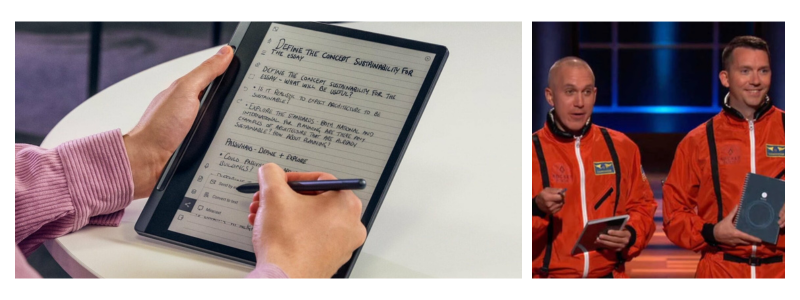
Kindle Scribe and other digital notebooks like the reMarkable wed the joy of handwriting with digital convenience. These E Ink tablets allow people to write notes, mark up PDFs, and draw to precision-without the interruption of apps or email. Thin, paper-thin, and made for writers, thinkers, and minimalists, they mimic the analog feel with the convenience of cloud sync and editing capabilities. Weeks on a battery, and pen writing feels natural with low-latency pens. It’s the infrequent marriage of analog feel and digital convenience. For the occasional note-taker of the finicky stack of notebooks type, these devices provide a soothing, streamlined, and efficient solution.
29. Self-Healing Materials
Imagine a bumper on a car that heals scratches or a smartphone screen that fixes cracks. That is the promise of self-healing materials-polymers and coatings that mend themselves when they are broken. They gained momentum in research since the early 2000s with nanotechnology and chemistry advances. Some release healing agents in microcapsules, while others burst and rebuild molecular bonds with light or heat. Uses range from the aerospace industry to consumer electronics. Though still not mainstream, prototypes have already been constructed in sneakers, phones, and highways. The materials could potentially make products stronger, waste less, and cost less to repair-all by simply “healing” like skin.
30. Google Translate AI-Powered Neural Translation
Language barriers were, to a great extent, bridged with AI translation. Google Translate’s neural machine translation, which debuted in 2016, ditched phrase-by-phrase and went for deep learning. Result: smoother, context-sensitive translations in over 100 languages. Translates idioms, slang, and subtlety far better than earlier technology. Pre-baked into browsers, smartphones, and common devices like instant camera translation, it facilitates communication for travelers, students, and businesses. To world cooperation, it’s been revolutionary. From translating a Tokyo menu to text-messaging a Spanish-speaking friend, neural translation unites people. AI didn’t translate-it brought languages to everybody.
31. Touchless Smart Faucets
Cleaner technology, cleaner hands. Smart faucets that operate with the wave of a hand use motion detection to turn on the flow of water, reducing germs and saving water. On public restrooms, it first was the product line to go mainstream, but now smart appliances are invading homes, restaurants, and hospitals-most especially, perhaps, in this era of COVID. Brands like Moen and Kohler retailed versions that were early beautifully packaged with temperature adjustment, early voice control, and even app syncing. The future is hand-free washing with a sci-fi spin. Refilling a kettle, washing vegetables, or skipping the potential contamination induced by cooking, smart faucets are where form meets simplicity with hygiene-and a pinch of sci-fi.
32. Neuralink Brain-Machine Interface (BMI)
Elon Musk’s Neuralink is expanding the boundaries of direct brain-to-machine communication. The concept? Implant a chip that enables the brain to communicate with devices electronically-from moving a cursor to restoring motor function to paralysis patients. A 2019 launch, Neuralink is made up of super-slim threads inserted into the brain and a wrist computer that communicates wirelessly. Still in its testing stages, its potential is awe-inspiring: think of wiping out neurological diseases, boosting memory, or even blending minds with machines.
Winter clothing has been revolutionized by heated jackets. Manufacturing companies like Ororo, Milwaukee, and Columbia now market outerwear with battery-heating packs. The jackets allow for easy adjustment of the level of warmth using a button or smartphone app, targeting areas like the chest, back, and hands. Fuelled by rechargeable lithium-ion batteries, they give off several hours’ worth of warmth-enough for a construction worker, outdoorsman, or anyone who’s had his share of shivering. Sleek, light, and wonderfully practical, heated jackets merge style and wearable technology. Some are even washable. They’re proof that innovation isn’t always bytes-based sometimes; sometimes it’s rethinking old ways of doing something, like staying warm in smarter incarnations.
34. Apple M1 Chip
Apple M1 chip revolutionized computing. Launched in 2020, the ARM processor replaced Intel chips in Macs with unprecedented speed, power efficiency, and buttery-smooth integration. Designed in-house at Apple, the M1 integrated CPU, GPU, RAM, and neural engine onto one chip to deliver instant speed in a fanless MacBook Air. Apps launch instantly, multitasking is effortless, and battery life extends to ridiculous durations. The innovation of M1 wasn’t entirely technical-it was towards vertical integration, in which hardware and software are designed together. With forms that are breathtakingly beautiful and specs that are jaw-dropping, the M1 taught us that excellent chips make so much more wonderful the user experience.
35. Bionic Prosthetic Limbs
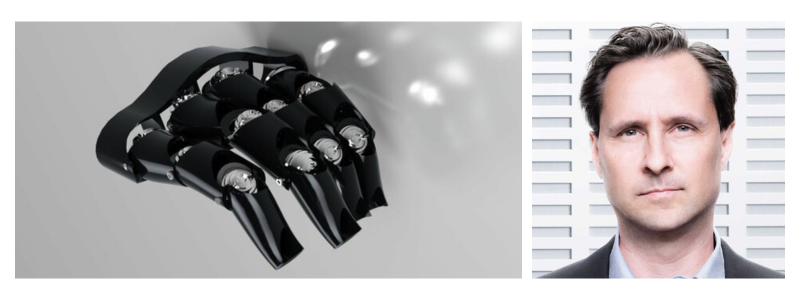
Nowadays, bionic limbs not only restore movement but also improve it. Propelled by motors, sensors, and even brain activity, prosthetics today mimic movement with dizzying proficiency. Companies like Össur, Open Bionics, and DEKA Arm have crafted limbs that can sense muscle impulses, offer delicate motor control, and adapt to motion of the wearer. Lightweight, intelligent, and responsive, they are miracles of biomedical engineering. Some even offer touch feedback through haptic sensors. The union of functionality and aesthetics turned them into facilitation tools rather than medical devices. Every step, reach, or wave, these bionic arms are evidence of innovation at its most human form.
36. LED Smart Bulbs
Lighting was a given a huge injection of IQ with the invention of LED smart bulbs. Energy-hungry miracles such as Philips Hue and LIFX allow consumers to control brightness, color temperature, and even mood-inducing colors via smartphone or voice assistant. Want that warm evening glow or blue breakfast burst? Command it. They’re energy efficient, long living, and can be made part of smart home systems to allow automations and routines. From sync-ing music to lighting to designing scenes for movie night, smart bulbs integrate ambiance, technology, and design. They aren’t light bulbs-they’re experiences crafted for life now.
37. Biodegradable Packaging
Green innovation stole the spotlight with biodegradable packaging. Brands started switching out plastic with compostable materials such as mushroom mycelium, cornstarch, seaweed, and sugarcane fiber that disintegrate naturally without recycling. From takeout containers to computers, this transition diminishes landfills and toxins but appears clean and effective. The products are built to be used once but vanish in weeks, not centuries. Packaging design companies like Notpla and Ecovative shattered the mold, demonstrating how sustainability and intelligence could coexist. With an age of over-packing, this answer is intelligent in minimalism. It’s evidence that design’s future isn’t only intelligent-but guilt-free and green too.
38. Apple Face ID
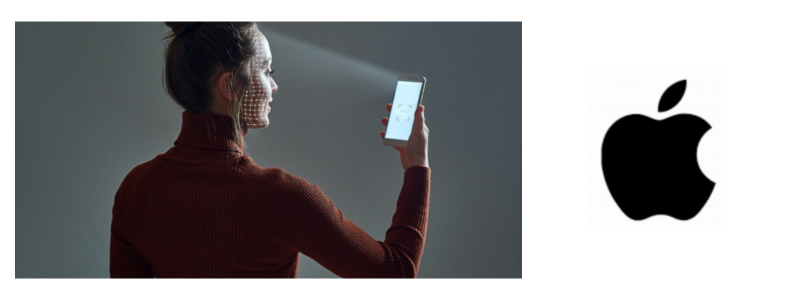
Security and convenience gained a new competitor when Apple launched Face ID in 2017. Using infrared cameras to scan more than 30,000 facial points, it provided smudge-proof, secure unlocking, payment verification, and access to apps. The technology was quick, seamless, and functional in the dark-no more forgotten passcodes or smudged fingerprint sensors. Meant to be all but invisible, Face ID fit the iPhone’s slender notch perfectly, reconciling state-of-the-art biometrics with Apple’s minimalist aesthetic ideals. It raised the bar for phone security without being intrusive in so doing. With each glance-unlock, Face ID showed that leading-edge technology need no longer appear alien-space-like, just functional.
Smart mirrors turned bathroom walls and vanity tables into touch-sensitive surfaces. These tech-enabled surfaces display it all from headlines and weather to exercise statistics and makeup advice-while staring back at you. Mirror, HiMirror, and even hobbyists creating do-it-yourself versions with voice activation, motion sensing, and LED screens put the concept into practice. At the gym, they were virtual trainers; in dermatology, diagnostic machines. Some are integrated into calendars and home assistants. Streamlined, beautiful, and utilitarian, smart mirrors enhance morning productivity and exercise via immersion. Half mirror, half screen, completely on the cutting edge of technology-a beautiful combination of function and luxury.
40. Reusable Smart Notebooks
Notebooks went digital-without losing the pen. Rocketbook and other companies created erasable, cloud-syncing notebooks that behave like paper but send notes to Google Drive or Dropbox. Use a special pen, scan with an app, erase pages, repeat. These notebooks save waste, save space, and offer analog freedom with digital security. Designed for artists, professionals, and students, they have clean minimal covers and open dotted pages. With intelligent symbols and QR codes to classify, they make it simple to organize. Reusable intelligent notebooks demonstrated that note-taking the traditional way would revolutionize-without compromising its feel.
41. Augmented Reality (AR) Glasses
Although still nascent, AR glasses such as Microsoft HoloLens and Magic Leap made virtual objects appear in the real world. Rather than complete VR, AR layers graphics, information, or interactive models on top of your environment-good for training, design, navigation, and games. In healthcare, AR aids surgeons with real-time visualizations. In design, it assists architectural designers in previewing models in 3D space. While clunky nowadays, these gadgets hold out the promise of a day when glasses educate, inform, and entertain us. Integrating technology with daily life, AR glasses usher in wearable computing tomorrow. They’re not face-mounted monitors-they’re portals to interactive, augmenting realities.
42. Waze Community-Powered Navigation
Waze made driving smarter and social. This Google-owned GPS navigation app crowdsources real-time reports from drivers- warning people about traffic congestion, police, potholes, and accidents. Instead of employing algorithms, it is people-powered. Its playful, game-like nature encourages the community to collaborate. From navigating around traffic jams to finding hidden shortcuts, Waze makes driving more engaging and smarter. It recalculates dynamically in real time, conserving time and aggravation. Its utility is coupled with beauty, impacting millions of lives as they find their way through the very literal turns and detours of life. Waze did not just give directions-it made car drivers a voice on the road.
43. Voice Assistants (Alexa, Google Assistant, Siri)
Smart speakers have given homes a voice-and ears. Alexa, Google Assistant, and Siri assistants have made voice commands part of the family routine. Need music? Lights off? Weather report? Just say it. These AI-powered computer technologies are implanted in thin phones and speakers and act as assistants, DJs, and windows of information. Their natural language processing and interfaces made technology human. They went from scheduling to answering trivia and became the companions of today overnight. Other than convenience, they enabled access for the disabled. Voice assistants revolutionized interface design-no screen at all, just voice-and brought machines into the realm of the spoken as a standard and indeed something desirable.
44. E-Ink Price Tags
Retail shelf labels were made digital by the help of E-Ink price tags. Paper labels were replaced by wireless-refreshing electronic signs with live pricing updates, flash sale messages, and inventory synchronization. Thin, power-saving displays using the same technology used in eReaders provide legible, readable sign without backlight. They conserve paper, time, and mispricing mistakes while keeping shelves appearing clean and hip. Electronics retailers and supermarket chains used them for dynamic pricing and successful store operations. It’s a subtle but crucial enhancement-one that redefines retail logistics and enhances shopping. E-Ink price labels aren’t flashy, but they’re evidence that even the smallest items can change smartly.
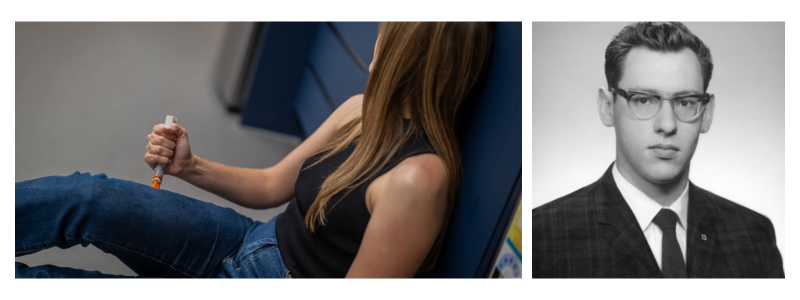
The EpiPen was a savior for patients with allergies. With a swift push, it delivers a pre-set amount of epinephrine to halt anaphylaxis. Made for quick, single-hand use, it can be delivered by anyone-even kids-without medical training. Although made in advance, its contemporary auto-injector mechanism gained popularity over the past 30 years. Tube-shaped device is accessible into bags or pockets with step-by-step guide and color-coded indicators. During a crisis, seconds count-and the EpiPen was invented with speed, convenience, and reliability. It’s not glam-tech, but a demonstration of clever design from expert medical device designers as a hero in the time of need.
46. Mobile Check Deposit
Remember lining up at banks? Mobile check deposit apps rendered that largely redundant. This technology makes it possible to deposit checks by taking a photo of them with their bank’s app-no envelopes, no branches, no hassle. It was a huge time-saver, particularly for small businesses and freelancers. With strong security features, mobile deposits are now everywhere and accepted. The functionality is cool but discreetly minimalist: open your app, scan both sides, submit. Voilà-money in your account. This minor interface change made managing money so much simpler. Mobile check deposit did not merely upgrade banking; it brought banking into the era of pocket power.
47. Folding Electric Scooters
City commuting just got easier and more environmentally friendly with folding electric scooters. Xiaomi, Segway, and Bird made it convenient to whizz down city sidewalks, fold up your scooter, and wheel into the coffeeshop. Thin frames, power-saving batteries, and intelligent screens made them suitable for micro-commuting and last-mile travel. Reaching 25 km/h as the maximum speed and having a range exceeding 20 km, they are a convenient mode of transportation compared to using cars or the metro. Their small footprint and app-based rental platforms revolutionized city mobility, particularly in densely populated cities. Folding scooters demonstrated how mobility would be cool, green, and unstructured-without the traffic jam or the parking nightmare.
Learning came out of the classroom thanks to online learning sites such as Coursera, Udemy, and Khan Academy. The sites offer low-cost, convenient, and in some cases, free access to college-level courses, skills, and tutorials. From home, they listen to lectures, do homework, and get certificates-if learning Python or philosophy. Their minimalist sites provide report tracking, quizzes, and discussion boards. Founded in the early 2010s, they democratized education by lowering prices and spatial constraints. They accommodate curious learners, career changers, and lifelong learners. Online learning was the classroom of the 21st century-and put knowledge at our fingertips.
49. Zero-Waste Refillable Stores & Systems
The zero-waste revolution received a retail makeover in the form of refillable shops and closed-loop product systems. Retailers such as Loop and neighborhood bulk stores brought us the hippest containers and eco-friendly supply chains where shoppers refill shampoo, spices, or snacks, with no disposable packaging, and tidy refill stations. Green labeling, rewards programs, and doorstep pick-up make it simple to be green. It’s not a trend, but more a change in behavior. Refill programs with zero waste address environmental effects through design-based solutions that are timely, ethical, and even luxurious. Who knew going green would be so fashionable?
50. Anti-Snore Smart Pillows
Sleep technology met snoring in the guise of smart pillows that track vibrations and adjust your head slightly. Innovations like Smart Nora and ZEEQ utilized sensors in firm, cushy pillows that monitor breathing and adapt accordingly. Others even emit white noise, monitor sleeping phases, or gently buzz to prompt you to roll over without disturbing you. Gentle and quietly interventionist, these pillows eradicate snoring and optimize partner pleasure. Connected apps offer sleep reports, style covers disguising the tech inside. It’s genius and comfort. Anti-snore pillows demonstrate the best that the worst inventions can offer: better nights and better morns.
Screens no longer have to be brutish slabs-transparent OLED making screens blend into glass surfaces. LG and Samsung have paved the way, providing panels that turn windows, billboards, and even refrigerators into interactive content centers. They are futuristic, slender screens that enable images to hover mid-air while making things in the background easily accessible. For architecture, they are integrated into smart homes; for retail, they construct mind-boggling billboards. Though still pricey, the scope for 3D design services is endless. Transparent OLEDs marry minimalism with state-of-the-art technology, envisioning an era in which your window is a screen-and your screen is invisible when it’s not needed.
52. Self-Driving Car Prototypes
Driverless cars are more than just a dream, thanks to innovations by companies like Waymo, Tesla, and Cruise. The autonomous vehicles depend on an orchestra of sensors-LIDAR, radar, and cameras-to “see” the road, make decisions, and navigate through traffic. The computer program translates real-time environmental data and adjusts speed, direction, and brake with intelligence. The structure is not mechanical but computational. While complete independence is in the offing, test fleets are already ferrying passengers in some cities. The ultimate promise? Safe roads, less congestion, and improved mobility for the disabled. Autonomous car models are driving us into the future-hands-free and high-tech.
53. Smart Contact Lenses
Imagine receiving directions, health data, or alerts right into your eye. Smart contact lenses aim to do just that. Companies like Mojo Vision are making lenses that have micro-LED displays, sensors, and wireless integrated into a transparent disk placed on the cornea. The lenses can monitor diabetics’ blood sugars, assist the blind, or offer augmented reality overlays. The technology is daunting, but so is the potential. It’s the ultimate wearable-sneaky, hands-free, and perpetually connected. Smart contact lenses are more than a quantum leap in display technology; they’re a sci-fi movie idea-just right for staying under the radar and completely necessary.
54. Lume Cube & Carry-On Creator Lights
As content creators rose to fame, so did the need for better lighting-meet Lume Cube and other carry-on, rechargeable light sources. The diminutive powerhorses provide gentle, adjustable light for photos, video calls, vlogs, and live streams. Mount them on a tripod, laptop, or camera and enjoy pro-grade lighting anywhere. With daylight color accuracy, app control, and aluminum unibody designs, they’re as functional as they are beautiful. Creators love the portability and scalability. With anyone potentially being a broadcaster today, streaming-friendly creator lights bring studio-grade quality to bedrooms, cafes, and vlogs on the go. It’s an easy concept that ushered in next-level-one glow-up at a time for digital storytelling.
55. Standing Desks with Adjustability
Bye-bye, stiff chairs-hello, mobility. Adjustable standing desks make users switch between sitting and standing with the flip of a button or manual switch. UPLIFT and Fully were companies that created sleek, modern configurations that increase health and productivity. Desks can be seen especially in home offices, with ergonomic control, cable management, and customization features such as built-in power outlets and memory recall. Studies show standing from time to time improves posture and energy levels, and customers sing praise about comfort. For typing, drawing, or Zooming, these desks will adjust to your work flow. The furniture designers didn’t just design furniture – they designed the way people think about workspaces.
56. Smart Water Bottles
Water and ingenuity meld into smart water bottles that nudge you to drink, track what you are drinking, and sync with exercise apps. HidrateSpark and Thermos Connected made slim, insulated bottles with sensors and LED lights. Some glow at sip times; others offer sophisticated graphs of hydration. It’s a health aide in the form of a chic accessory. Active enthusiasts, office workers, and tech-savvy drinkers enjoy the added oomph. With long-lasting batteries and BPA-free materials, they’re also convenient. Smart bottles proved that even mundane daily activities-such as drinking water-can be enhanced with smart technology, clever reminders, and innovative design.
Smart glass-or electrochromic windows-will turn from transparent to shaded with the touch of a button or automatically through the use of light sensors. The innovation controls interior light and heat, avoiding glare and saving energy. Installed in high-rise luxury condominium buildings, aircraft, and residences, smart glass renders blinds and curtains unnecessary. With its smooth surface ideal for modern architecture, discretion is combined with economy. Where aesthetics and responsibility meet, smart windows are not only practical-they’re high-tech, fashion-savvy elements of forward-thinking environments. The icing on the cake? They embrace the light but not the heat-or nosy observers.
58. Livestream Shopping Sites
Livestream shopping sites allow hosts to sell products live while users inquire and shop. Sellers reach customers directly in real time, from beauty treatments to computer peripherals. This technology combines entertainment, shopping, and socialization. Visual and touch are new and interactive, with chat overlays, product pins, and seamless payments. It’s e-shoppering for the digital age-personal, fun, and conversion-driven.
59. Foldable TV Screens
TVs also got totally dynamic with rollable and foldable screens. LG’s Signature OLED R folds up into the stand itself like a yoga mat and disappears when idle. Flexible screens use super-thin OLED panels that bend without compromising on picture quality. It’s a mind-blistering mix of form and function-customised for sci-fi-style living rooms or design minimalism. Foldable screens also get TVs more mobile, more versatile, and inventive in placement. Without losing a premium positioning, this technology transforms entertainment design. Foldable TVs don’t merely show things-they rewrite the rules of how and where screens exist in the living room.
60. Mini Phone Projectors
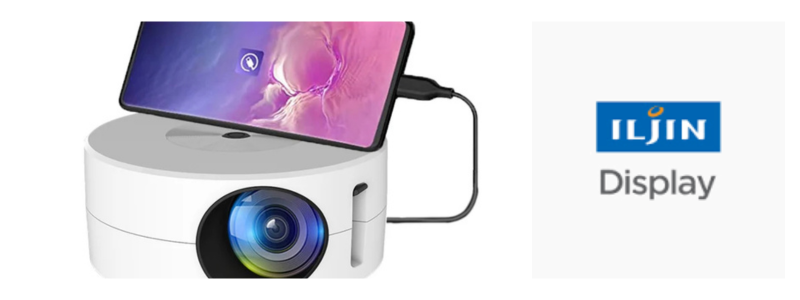
Projector technology was mini-rebooted as mini projectors that link to smartphones for in-your-pocket movie nights, presentations, or games. Palm-sized projectors like the Anker Nebula Capsule feature LED projection, speakers, and wireless casting. On a wall, ceiling, or tent flap, they take theatre to you. Portable, compact, and sleek in design, it’s ideal for impromptu moments. From business travelers to backyard party hosts, the world can’t get enough of the convenience and the ‘wow’ element. Mini projectors demonstrate big entertainment but not necessarily big equipment. They are easy to use to transform any empty surface into a dream screen.
61. Heated Insoles Powered by Batteries
Frozen toes? Think again. Battery-heated insoles are revolutionizing winter footwear. Thin, rechargeable inserts heat up your toes via integrated heating coils, often phone-app adjustable. With temperature control and all-day battery life, they’re perfect for outdoor laborers, backpackers, and skiers. Companies like ThermaCELL and Dr.Warm developed insoles that can be trimmed to fit best and worn with moisture-wicking comfort. They’re lean, mean, and plain-out cold-weather game-changers. Innovation does not always translate to flashy gadgets-sometimes it translates to making the mundane turn atrociously comfortable. Heated insoles are sneaky little miracles that are concealed within your shoes-and your snow boots’ top buddies.
62. Wi-Fi 6 & Mesh Networking
Home Wi-Fi was so desperately needed received a boost from Wi-Fi 6 and mesh networks such as Google Nest and Eero. These routers provide quicker speed, improved signal strength, and improved performance for multiple devices. Mesh routers utilize multiple nodes in and around your home to eliminate dead spots and provide quality internet coverage. No more buffering in bedrooms or dropped calls in the kitchen. Wi-Fi 6 can also support more connections at the same time-great for smart homes with lots of gadgets. Easy setup and app-based, just right for non-geeks. Reliable internet became more critical after 2020, and mesh networks made sure that the connection did not just work-it worked everywhere.
With fashion design services , bioengineered leather is a sustainable, animal-free alternative to traditional leather, without sacrificing style or durability. Mylo (crafted using mushroom mycelium) and Piñatex (crafted using pineapple fibers) are greenening fashion, accessory by accessory. They are compostable, green, and well-designed, ideal for shoes, accessories, and upholstery. Unlike plastic “vegan” leathers, bio-leathers are not just a touch, but also petroleum-free. They’re the designer’s first choice when they love their feel, strength, and environmentally responsible credentials. It’s not fashion guilt-it’s ethics of high design. Bioengineered leather redefines luxury with smart innovation, where good design and good impact are harmonious.
64. Smart Rings
For the wearer who doesn’t want to wear a smartwatch but wants smart features, smart rings like Oura and Ultrahuman designed by skilled jewelry modelers are the answer. Thin and discreet, these bands track sleep, heart rate, activity, and more-all within the finger. These can sync with apps, offer recovery and stress feedback, and function on battery power for weeks. Perfect for minimalists and health-conscious consumers, smart rings combine form and function. Made of ceramic or titanium, they’re durable but sleek enough to wear every day. Without screens, they’re distraction-free and still offer high-quality biometric data. Smart rings shrink wearable technology down to its thinnest, most contemporary form.
65. Wearable Clean Air Technology & Personal Air Purifiers
Air quality was made personal with wearable air purifiers and travel-sized filtration units for urban residents, travellers, and allergy victims. Companies such as LG and Atmos that specialise in wearables design services have worked on neck-worn or clip-on air purifiers that remove pollutants, allergens, and even airborne viruses based on the HEPA technology and ionisers. Streamlined, quiet, and rechargeable, these devices protect lungs on the move-especially in cities with bad air or busy public spaces. They are perfect for daily commutes, air travel, or sensitive individuals in cities full of smog. With sleek, futuristic designs and clean, minimalist forms, single air purifiers bring health into wearables. They don’t just purify air – they make space breathable, wherever you are, breath by breath.
66. AI Chatbots & Friends
AI companions such as Replika or Woebot are not only smart-they’re emotionally smart, chatty, and very handy. They’re built for human interaction, either, mental wellness advice, friend banter, or online friendship. Through natural language processing, emotional tone detection, and individualized responses, they learn from users. Others utilize them for journaling, practice conversations, or self-reflection. Compared to automated assistants, the above chatbots aim at empathy, and in most cases, simulate a mentor or friend. They offer comfort without judgment, data-driven assistance, and round-the-clock access. As anxiety and loneliness increase, AI companions demonstrate that thoughtful design and code can calm the human condition-even through a screen.
67. Modular Smartphones (Fairphone, Framework)
Modular smartphones like Fairphone enable customers to swap parts-battery, camera, screen-without having to throw the whole phone away. It’s anti-throwaway technology, it’s personal, it’s sustainable. It’s not a gadget, it’s a message. Fairphone’s minimal design makes it easy to repair, while Framework (in laptops) takes the idea to desktops. Tech hackers love the DIY spirit; green consumers appreciate less e-waste. Modular phones remain niche, but they herald a profound shift: designing for longevity. In a culture obsessed with yearly upgrades, modular technology is the counter-intuitive game-changer-reserving that wiser design isn’t just new, but conserves and empowers.
68. 3D Printed Prosthetics
3D printing revolutionized prosthetics by making them less expensive, faster, and highly customizable. Prosthetic design organizations that offer like e-NABLE and start-ups around the world use 3D printers to create lightweight, durable limbs that are tailored for every user-mostly kids. They can add colors, superhero appearances, or more mechanical functionality, as required. What was once in thousands of dollars is now made for under $100, putting the profession into the hands of users in underserved communities. These prosthetics are not just functional-they’re empowering, usually made in collaboration with the wearer. Innovation here is not an arm-and-a-leg proposition – it’s access, imagination, and consideration. 3D printed prosthetics transformed a life-altering need into a grassroots marvel of new technology.
Imagine a world where your windows, phone screens, or toilets self-clean. That’s the power of nanocoatings. These tiny treatments remove dirt, bacteria, and even fingerprints because of superhydrophobic or photocatalytic action. Applied on glass, metal, ceramic, and fabric, they create surfaces that resist dirt, reduce cleaning, and enhance product life. Hospitals love the antibacterial potential; homeowners love streak-free glass. It’s the invisible tech you’ll never see-but always appreciate. From self-cleaning solar panels to stain-proof clothes, nanocoatings sneak innovation into everyday life. It’s not sexy, but it’s genius-showing how science and surface chemistry can happen behind the scenes to get the world cleaner.
70. Sleep-Tracking Headbands
Deep sleep is marrying deep tech in the guise of sleep headbands like Muse S and Dreem. They are intelligent bands that come with EEG sensors to track brainwaves, sleep, and relaxation levels and provide detailed data every morning. They also provide guided meditations, sound cues, and live feedback for improved sleep. Comfort-driven and accurate, these headbands don’t only track-they retrain your brain to sleep better. From insomnia relief to recovery optimization, sleep-tech wearables are transforming wellness. They are simple to wear, fast to charge, and look minimalist. Sleep science used to be in the lab-now it’s on your forehead, silently enhancing your nights.
71. Wireless Charging Furniture
Why fill your cables when your nightstand could charge your phone? Furniture wireless charging-applied to products by companies like IKEA, Nomad, and local home decor companies-still has Qi technology in tables, desks, and lamps. Simply put your device somewhere and have it charge itself. It’s minimalist utilitarian magic. They remove bulkiness, combine technology, and introduce invisible ease to interiors. With houses getting smarter day by day, powering up surfaces is the way forward. Be it nightstand tables or desktops, wireless charging furniture is transforming electronics usage experience-in tranquility, in style, and cable-clumsy-free.
72. Intelligent Anti-Theft Backpacks
Intelligent backpacks such as XD Design’s and Tzowla’s utilize high-tech coolness to daily commutes. The packs feature stealth zippers, slash-proof materials, and USB interfaces-all with urban hip chic. Others may come equipped with GPS tracking or fingerprint locking. Ideal for travelers, students, and urban dwellers, they’re style and convenience in one. Compartments keep things in line, waterproof sections protect from the rain, and cushioned inner core provides support. It’s not only about security-it’s about ease, as well. Anti-theft backpacks are not only a solution to urban mess; they are sanctuaries in the guise of style for your electronics, passport, and overnight rest. Safety never looked better.
73. Green Outdoor Gear
From backpack solar panels to solar lanterns and cookers, outdoor equipment is becoming green. Such devices charge with you on a trail, at camp, or basking in the sun, charging phones and heating meals, further miles from anywhere. Goal Zero and BioLite are pioneering renewable design experts with tough, high-efficiency designs. It’s the greenest survival of the fittest. Adieu campsite plug-seeking, let the sun do its magic. Solar gear demonstrates energy brilliance is not only for urban areas or utilities-it’s for explorers as well. This’s not only outdoor technology-it’s freedom off the grid, in sustainable design. Sunlight was tapped as energy-and as a necessity while camping.
74. Wearable Posture Trainers
Posture trainers like Upright Go quietly buzz when you slouch, reminding you back into place. Worn on your upper back or under clothing, they are worn in conjunction with apps to track posture behaviour and offer advice. Designed for working individuals, students, and anyone wedged in front of monitors, theses devices will eliminate backache and provide confidence. They’re quiet, easy to carry around, and wonderfully supportive. Feedback in real time, teaches improved habits over time-without annoying. It’s a “why didn’t this come sooner?” kind of device. Wearable posture trainers translate biofeedback into a soft prompt that good posture is not just a matter of health-just a matter of standing, period.
Gravity was never hip. Magnetic levitating lamps float light bulbs or bases in the air via electromagnets, which rotate slowly as they cast a soft light. It’s half science experiment, half art display, and completely hypnotic. Electronics design companies like Gingko Design and Flyte took simple lighting and turned it into stunning pieces of conversation. No stand, no wire-it’s simply exact physics suspending the bulb in mid-air. It’s a fusion of design whimsy and technical accuracy, and perfect for a desk, nightstand, or modern room. It’s one of those products where form and function meet in the middle of air. Floating lamps light your space, not to mention everybody else’s noggin, without coming even remotely close to touching the ground.
76. Smart Mirrors
Smart mirrors merge reflection and information-displaying weather, news, time, and exercise stats as you brush your teeth or tame your mane. They’re being fitted in high-end gyms, smart bathrooms, and amateur home builds. Others, like Mirror by Lululemon, act as fitness trainers, hosting exercise classes in real-time via built-in cameras and monitors. Others are part of smart home systems, connecting to calendars or Alexa. It’s having a dashboard in the bathroom-convenient, streamlined, and almost sci-fi. With voice commands, motion sensors, and streamlined designs, smart mirrors turn everyday grooming into a high-tech experience. Now your mirror doesn’t just reflect-it speaks.
77. Personal Submarines
Oceanic luxury getaways? Why not. Triton and U-Boat Worx personal submarines offer deep-sea diving in style and comfort. Bubble-shaped subs carry 1–3 people hundreds of meters below the surface. Visualize air-conditioned cabin room, wrap-around windows, and joystick control. Scientists, explorers, and moguls employ them to glide over sunken vessels, coral reefs, or just silently through the ocean. Built from saltwater-resistant materials and cutting-edge design, personal subs render the ocean a private world. They’re the ultimate water toy or submarine design experts. Either way, in your price range. Either way, a front-row seat to the deep’s best-kept secrets.
78. Auto-Tinting Bike Helmets
Auto-tinting visors aren’t reserved for luxury automobiles-they’ve appeared on bike helmets too. These smart lids use photochromic or electrochromic visors that dynamically adapt to lighting conditions in real time. Ride into the sun? The visor darkens. Motor through a tunnel? It clears. Product design companies like AGV and Ruroc blend the technology into aerodynamic, streamlined helmets. Motorcyclists and cyclists have hands-free operation of lights-it’s safer, it’s cool. Others include Bluetooth speakers, cameras, or heads-up displays. Auto-tinting helmets are style-ahead fusions of optics, safety, and comfort for drivers. It’s a clever idea that understands when to shade the lights.
79. Smart Trash Cans
Yes, your trash can can be smart as well. Smart trash cans like Simplehuman or Townew offer touch-free opening with the assistance of motion sensors, odor control, and self-seal liners. Some even alert you when the bag is full or needs replacement. Perfect for bathrooms, offices, or kitchens, these trash cans redefine cleanliness in high-style automation. Fingerprint-proof, power-conserving, and unexpectedly chic, they’re the ultimate amenity for the contemporary home. And for germaphobes, the no-touch solution is a complete winner. It’s that type of gadget you never knew you needed-until you use it. Intelligent trash cans demonstrate innovation does not necessarily have to be flashy, but can certainly make everyday life appear futuristic.
80. Heated Eyelash Curlers
Yes, it does-it works wonderfully. Hot curlers use gentle heat to curl lashes longer and better than clamping types. Imagine it like a curling iron, but for your eyes (the safest, most convenient way possible). Panasonic and Lash Star create wand-shaped add-ons that are adjustable temperature and chic-finished. They’re compact, rechargeable, and ideal for touch-ups-on-the-go. Beauty aficionados and average consumers love the sleek, high-style look. It’s high tech plus high glamour, a testament to the fact that even the littlest of habits can be made better by intelligent design. Heated eyelash curlers bring luxury to each blink.
Yesterday’s science fiction is tomorrow’s edible truth-3D-printed food. The technology uses food pastes (chocolate, dough, or pureed vegetables) to print full meals or designs. Like Natural Machines’ Foodini and space-funded initiatives, this type of work drifts about, varying from haute cuisine meals to nutrition in space. It is ideal for diet customization-modifying texture, ingredients, or nutrients to meet the user’s needs. In hospitals and aged care, it serves up good meals with better presentation and taste. 3D-printed food is the integration of robotics, tailoring, and gastronomy, but still a niche product. The menu in the future will not only be cooked-it will be programmed, printed, and tuned for taste.
82. Graphene
Graphene was discovered in 2004 as a two-dimensional sheet of carbon atoms one atom thick in the form of honeycomb. It’s 200 times stronger than steel but also very flexible, and an electric and thermal super-conductor. A “wonder material,” graphene is also being used in supercapacitors, water purification, solar cells, and flexible displays. Scientists are exploring the potential of graphene to revolutionize medicine, electronics, and materials science. Commercial scaling lags behind, but advancements just keep coming. Whether it’s energizing ultra-fast transistors or ultra-strong composites, graphene is establishing the foundation for the next technological-promise potential that could revolutionize multiple industries at once.
83. Wireless Charging
Wireless charging revolutionized charging our devices. By using inductive charging technology, it helps eliminate the unsightly nuisance of cord knotting and fragile ports. Popularized by Qi-standard smartphone pads, it’s also used in smartwatches, earbuds, electric toothbrushes, and even electric cars. Ease is obvious, but fresh technologies like wireless range charging and harvesting the air are in the future-allowing charging without ever putting a device down. It simplifies life, prevents devices from deteriorating as quickly, and allows for a less messy, cleaner world. With continually rising efficiency, wireless powering could be as common as Wi-Fi-passively powering the world plug-free.
84. Exoskeleton Suits
Exoskeletons are robot gear designed by robotics design firms that human bodies wear to give them force and mobility. They were initially designed for the military, but they’ve since invaded medicine, construction, and manufacturing. Ekso Bionics and ReWalk, for example, have come up with suits to help paraplegics walk again or aid workers in lifting without damaging their backs. The suits incorporate sensors, actuators, and AI to mimic the natural movement and supplement it where necessary. In rehab, they’re restoring function to patients and bringing lives back. In manufacturing, they’re avoiding fatigue and injury. The technology continues, but the potential is immense: merging man and machine to transcend physical constraints and maximize human potential.
85. Home DNA Testing Kits
What was once limited to a laboratory is now in your living room. Thanks to the efforts of 23andMe and AncestryDNA, customers can now find out their ancestry, learn about potential health dangers, and even track down long-lost relatives-all from the spit test. The kits brought genomics into the mainstream. Privacy activists worry while the benefits cannot be overlooked: hints at personalized medicine, exercise regimens, or inherited disease. It is no fun-somebody has learned something that could save their lives. These tests allow individuals to take control of their health and identity, a step towards data-driven, personalized medicine and self-awareness like never before.
86. Biometric Authentication
Facial recognition to fingerprint readers, biometric authentication is the new norm in unlocking devices, securing data, and making identity verification easy. It turned remembering passwords into an anachronism-your body is your password. Apple’s Face ID, Samsung’s iris scanners, and airport e-gates everywhere are based on it. Biometrics combine AI, imaging, and security into frictionless user experiences. While not infallible, frequent updates to liveness detection and anti-spoofing improve accuracy. Outside of phones, biometrics are employed in banking, building entry, and even ATMs. It’s not merely convenient – it’s about transforming the way humans establish identity in a digital-first, security-focused world.
Smart glass, or electrochromic glass, adjusts transparency with voltage, light, or temperature. Used in buildings, vehicles, and aircraft, it darkens automatically to reduce glare, heat, or maintain privacy. Boeing’s Dreamliner uses it on airplane windows; luxury homes use it to tread the line between appearance and energy efficiencies. These windows raise comfort levels, reduce HVAC loads, and do away with blinds or curtains. Newest versions feature voice command or app-controlled tinting and even solar harvesting. With greater demand for residential and commercial building products that are both sustainable and dynamic, smart glass is a sophisticated solution-a merging of functionality, efficiency, and forward-looking design in one beautiful piece of glass.
89. Robotic Process Automation (RPA)
Robotic Process Automation uses computer “bots” to mechanize routine digital functions-like data entry, invoice processing, or staffing employees. Unlike mechanical robots, RPA is executed on software platforms, emulating mouse clicks, keyboard entries, and logic-based decisions. Used by finance, HR, health, and customer service, it provides higher speeds and reduced errors. Some of the companies that have helped organizations expand with RPA, especially through remote work transformations, are UiPath and Automation Anywhere. It allows human workers to free themselves for higher-level, high-value work. When you layer on top of RPA, you are nearer to “intelligent automation”-a synergy between machines executing the trivial and humans setting the significant.
90. AI Art Generators (e.g., DALL•E, Midjourney)
AI art generators have disrupted creativity as we know it. Programs like DALL•E and Midjourney can take simple text descriptions and turn them into detailed, stunning images-illustrations, photo-realistic scenes, or psychedelic computer graphics. These models, having learned from millions of images and forms of art, allow people to be in partnership with artificial intelligence. While the war rages on for originality and copyright, creative potential is undeniable. Artists, advertisers, writers, and video game creators employ these tools to brainstorm, try out ideas, or even finish work. It’s bringing democratization to the process of creating art and reshaping the future of visual communication. Used for purpose or just for leisure, AI-made art is redefining what it means to create things.
91. Foldable Smartphones
Foldable phones such as the Samsung Galaxy Z Fold and Motorola Razr rewrote together futuristic design and utility innovation. They open up to reveal tablet-sized screens in a phone-sized form factor by implementing flexible OLED technology. Rolled out commercially in 2019, they are a giant step in screen and hinge technology. Though still a niche item, their convenient features are multitasking and screen space without bulk. With ongoing improvement in battery life and stamina, foldables promise the future of what occurs when mobile computing, materials science, and design converge. This new shape of the phone is picking up steady momentum-and it’s prompting a reconsideration of how humans interact with their devices.
92. Apple Watch
Combining health monitoring with fashion tech, Apple Watch revolutionized wearables. Revealed in 2015, the smartwatch monitors heart rate, steps, fall detection, and even ECG measurements. It evolved from a fitness band to a miniature smartphone, payment instrument, and wrist-based healthcare watchman. Apple Watch’s approachable interface, customized faces, and third-party apps created a healthy ecosystem. It is credited with making wearables trendy for health monitoring and preventing deaths through early medical warnings. With technology, fashion, and health merged, the Apple Watch raised the bar for tailored digital wellness and charted the trajectory of on-body computing to pursue.
93. Wi-Fi 6 and 6E Technology
Wi-Fi 6, and its progeny Wi-Fi 6E, delivered faster, more stable wireless internet. This version, released in 2019, optimized data transfer across congested networks with OFDMA and MU-MIMO technologies. It can handle more devices simultaneously, is more power-efficient, and optimizes real-time activities like gaming or 4K streaming. Wi-Fi 6E continued to extend to the 6 GHz band, reducing congestion and connecting future-proofly. Smart homes, offices, and public spaces experienced its speed and reliability shoot up. This wireless technology powers much of contemporary convenience-from remote employment to networked devices-and provides room for more devices competing for easy online access.
Modular phones seek to solve the e-waste and repair plague plaguing today’s electronics. Market leader Fairphone constructs smartphones with user-replaceable components-screens, batteries, cameras-from ethically sourced materials. The goal: lengthen product life, reduce environmental impact. As far as modular phones haven’t come into mainstream popularity yet due to performance and supply chain concerns, they have influenced conversation around lasting design and longevity of products. Modular design is a voice for repair instead of replace and has created such modularity to promote laptops and other technologies. It’s a new and thought-out approach to thinking about consumer electronics in an era of mindful innovation.
95. Solar Roof Tiles
Unlike traditional panels, the solar roof tiles replaced conventional roofing to capture energy from the sunlight. In 2016, the innovation progressed towards mass adoption of solar by merging style and sustainability with the goal of being as resilient as natural resources decrease. Solar Roof tiles turn sunlight into clean electricity and sync with home battery storage such as the Tesla Powerwall. While installation logistics and cost are still barriers, the idea began to alter how people thought about combining renewable energy and architectural design – more aspirational and easy sustainable living.
96. Voice Assistants (Alexa, Siri, Google Assistant)
Voice assistants completely transformed device interaction. Amazon’s Alexa, Apple’s Siri, and Google Assistant brought natural language processing to the living room and pocket, enabling users to toggle lights on and off, set reminders, listen to music, or pose trivia questions-with voice as the sole interface. Cloud-computing-based artificial intelligence programs utilize intelligent algorithms and learning from experience to improve accuracy and customization. With more smart homes around, voice control has become the standard interface, complete with hands-free operation for smart devices. They also provide access for the disabled. As privacy controversies burn on, voice assistants are one step toward natural, conversational computing-and they’re creating the voice-first future of tech.
97. Biodegradable Packaging
Packaging these days is receiving a big green makeover. Biodegradable alternatives-including ingredients like cornstarch, seaweed, or mushroom mycelium-are a more environmentally friendly alternative to plastic. Notpla and Ecovative are among the companies that have led the charge on these alternatives to help counteract single-use waste. Designed to break down immediately in compost or water, they don’t pollute landfills or oceans. They are increasingly being utilized in food packaging, electronic packaging, and shipping materials. As regulations across the globe are pushing green packaging, this technology is changing the product development process from design to destruction. In addition to performance, biopackaging incorporates consumer values and product design-and is now at the head of circular economy efforts.
98. Hyperloop Transportation System
The Hyperloop technology, proposed by Elon Musk and tested by companies like Virgin Hyperloop, proposes high-speed transport via vacuum-sealed tubes. Travellers ride in pods that move along magnetic technology, reducing air resistance by a significant proportion and achieving speeds of over 600 mph. Although under development, demonstration tracks have assured immense possibility for local travel within minutes, not hours. It is not about speed-the concept begets clean energy, smart infrastructure, and the redesign of transportation systems. The Hyperloop is design futurism supercharged, combining aerospace, civil engineering, and sustainability into one idea with vision. Should it succeed, it could set the standard for commuting over the next few centuries.
99. Personal Air Quality Monitors
With increasing environmental awareness, portable air quality monitors like Atmotube and Flow 2 have made real-time monitoring of air quality possible. Light enough to be carried in the hand, they measure particulate matter, VOCs, temperature, and humidity and connect to smartphones to monitor exposure to the air. Originally created for asthmatics and allergy sufferers, they’re now also being used by cyclists, urban dwellers, and ecologists. By making intangible dangers tangible, the monitors make precautionary health decisions-e.g., avoiding dirty areas or air-conditioning buildings-facile. They also aid citizen science and local environmental movements. It’s great evidence of data-informed health, design portability, and public health intersecting with innovation.
100. Gesture-Control Technology
Finger or hand gesture systems such as Leap Motion and emerging radar technology (e.g., Google Soli) allow consumers to control technology with their fingers or hands through non-contact. Gesture technology, which was initially gaming-centered, spilled over to smart TVs, car dashboards, and AR/VR interfaces. These systems recognize movement in real time through infrared, radar, or cameras, with touch-free, natural control. Where the post-pandemic world made cleanliness an imperative, gesture input was pertinent in shared technology (e.g., elevators and kiosks). It’s not only good-it’s the portal to immersive computing where body motion defines digital experience, eliminating friction between action and intent.
Science fiction aerospace engineering became a reality with SpaceX. With the introduction of reusable rocket boosters, starting with the Falcon 9, the company dramatically reduced the cost of launch and the environmental footprint of space travel. The boosters have been reused dozens of times since their initial successful landing in 2015-each mission a success for innovation, cost-effectiveness, and sustainability. The practice revolutionized launch economics, enabling satellite deployments, resupply missions, and commercial spaceflight at record velocities. The mythic vertical landings are film fodder but the product of careful design, navigation, and control systems. SpaceX rockets are rewriting access to orbit.
The Next Great Idea Begins with Design
From foldable phones to reusable rockets, the last 30 years have been a blur of big ideas and masterful execution. What distinguishes the greatest inventions today isn’t the technology-it’s the intelligent design, the user-centric functionality, and the willingness to challenge the status quo. Behind most of these next-generation innovations is an unseen but crucial partner: master design and development. That is where Cad Crowd is stepping in.
Whether you are an inventor with a product idea, a startup ready to prototype, or an enterprise that needs world-class CAD design, Cad Crowd introduces you to top freelance talent ready to turn your vision into reality. Innovative ideas don’t happen in isolation. They happen through teamwork-and that’s where Cad Crowd begins. Contact us for a free quote.
MacKenzie Brown is the founder and CEO of Cad Crowd. With over 18 years of experience in launching and scaling platforms specializing in CAD services, product design, manufacturing, hardware, and software development, MacKenzie is a recognized authority in the engineering industry. Under his leadership, Cad Crowd serves esteemed clients like NASA, JPL, the U.S. Navy, and Fortune 500 companies, empowering innovators with access to high-quality design and engineering talent.
[APRIL 5 UPDATE] The Super Mario Galaxy Movie earned $190.1 million domestic and $182.4 million internationally over the five-day period from April 1-5, meaning the film made $372.5 million globally after just its first weekend.
The domestic and global first-weekend totals for The Super Mario Galaxy Movie were lower than 2023’s The Super Mario Bros. Movie, but by all that much. The first movie made $204 million for its first five days in North America and $377 million globally.
We’ve all seen the ads on TV or in glossy flyers placed in our mailboxes. Solar is big business, especially in states like Florida. If you’re listening to the marketing jargon of the big solar companies, you may expect no utility bills, major tax credits, or an easier time selling your home because it has solar.
However, many consumers quickly discover that after signing their names to a solar lease contract, the savings, lower bills, and easy financing they were promised are nowhere to be seen. Instead, consumers who buy the system outright or enter into a lease agreement end up with rising costs, hidden fees, and contracts that feel impossible to escape.
Solar Equity Solutions is an option for consumers who have felt duped by offers of “free solar” or accessible financing plans. Through advocacy and knowledge of consumer protection laws, Solar Equity Solutions helps consumers get out of misrepresented or illegally sold solar lease contracts without penalties.
When Free Solar Systems Aren’t Actually Free
Most of us are familiar with the “free solar” companies. They go door-to-door in many communities promising all of the benefits of solar panel systems with little to no upfront cost. What many people soon discover is that these are empty promises and that many solar lease contracts come with rising monthly lease payments hidden within contract terms and lengthy solar loans.
In recent years, consumer complaints about shady solar companies and leasing companies have skyrocketed. Allegations of forged signatures, undisclosed escalation clauses, and financing that looked nothing like what was promised in marketing materials have fueled a not-wholly-unearned backlash on the solar industry.
“By the time most consumers call us, they’re paying more for solar than they ever paid on their electric bill,” explains Josie Garcia, Chief Operating Officer & Vice President of Client Services.
Early Termination Exit Paths
Solar Equity Solutions was founded with a clear mission: End fraud surrounding solar projects and help homeowners gain control over a contract many of them were misled into signing. Long before the company focused on cancellation paths, it focused on solar industry proficiency and consumer education. They promote renewable energy done right with transparency, honest numbers, and clear disclosure.
“We didn’t become a solar exit resource because we stopped believing in the benefits of solar,” says Garcia. “We started our company because homeowners were being harmed by an industry that had begun to prioritize profit over honesty and transparency.”
Today, Solar Equity Solutions partners with consumer protection agencies, attorneys, financial experts, and compliance specialists to help homeowners challenge or escape agreements that they entered into under misrepresented terms.
Know Before You Sign a Solar Agreement
Garcia and her team are steadfast in their mission to educate consumers about solar. “Education has to start before a single signature is placed on a contract,” she explains.
Solar Equity Solutions regularly publishes guidance on navigating “free” or “zero-down” solar offers and how to spot the hidden costs often buried within these contracts. According to Garcia, there are a few red flags homeowners can watch for. These include sales pitches where the salesperson promises that your utility rates will dramatically decrease or that you will see specific savings, promises that you will have a more lucrative home sale with solar, long-term loans with high monthly payments, and terms that are discussed verbally but never make it to the written part of the agreement.
“Before you sign a solar lease contract, you deserve an upfront explanation of what the contract includes,” says Garcia. “If a company refuses to walk you through the agreement step-by-step, that is your sign to walk away.”
What to Do If You Have Already Signed a Residential Solar Lease Agreement
Many people have signed on the dotted line for solar and now have regrets. Solar Equity Solutions is there for homeowners who are already under contract and are now realizing the deal they signed is not the one they believed they were getting. The team focuses on solar leases, power purchase agreements, and loans that may be legally challenged for misrepresentation.
The company’s process is refreshingly straightforward. The team offers a free, no-pressure review in which homeowners describe their specific situation. A licensed consumer protection attorney will then review the solar contract to identify misrepresentations, hidden fees, or other potential violations. Then, the team applies direct legal pressure on the solar company and lenders, taking over the communication process so the homeowner no longer has to advocate for themselves on their own.
“If you were misled or numbers were inflated, you may still have legal recourse to fight back,” explains Garcia.
A Homeowner-First Approach to Solar Investment
“Solar power can be a great resource for many homeowners and the planet,” says Garcia. “But only when homeowners are empowered with clear terms, honest numbers, and contracts that respect their rights.”
The benefits of solar are well-documented. However, when unscrupulous companies seep into the industry, frustration can overshadow the efficacy of solar power. Solar Equity Solution’s allegiance is solely to homeowners. Little by little, they aim to rebuild trust in an industry that still holds monumental promise — if done right.
Your Strava runs might feel private, but a new Strava military data leak shows how easily that information can reveal more than your workout. In the latest case, activity logs have been linked to more than 500 UK military personnel, connecting everyday exercise to sensitive locations.
This goes beyond visible routes. Shared histories and account details can be combined to identify people and map where they live and work. Known locations become more revealing once behavior is layered on top.
A recent incident showed how a single tracked session revealed the position of a naval vessel. Routine posts can carry real consequences. The issue comes down to visibility and how much is left open by default.
Public runs tied to real people
The investigation uncovered shared routes connected to personnel across several UK bases, including Northwood, Faslane, and North Yorkshire. These weren’t abstract traces. Account histories made it possible to link sessions to specific individuals.
Once identified, an account can reveal habits, frequent routes, and social connections through shared features. That expands the scope quickly and makes tracking easier over time.
In one case, a run label hinted the user understood the risk, yet it stayed accessible. That gap between awareness and action is part of the problem. Analysts warn that small fragments of information can still be combined into something far more detailed.
Small details build a bigger picture
The real danger builds over time. Repeated uploads create a trackable footprint that becomes easier to follow with each new entry.
Even if locations aren’t secret, surrounding behavior adds meaning. Movement between sites, timing, and consistency can all be inferred. For an outside observer, that’s enough to map routines and spot patterns.
At a submarine base, shared logs helped identify personnel and even family members through linked accounts. That kind of exposure extends beyond the original user and makes the data more valuable.
One setting can reduce the risk
The fix is already available, but many users skip it. Strava includes privacy controls that limit who can view your sessions and routes. Leaving those settings unchanged keeps your activity visible by default.
Switching activities to private reduces exposure right away. It limits how easily routes can be traced and makes long-term patterns harder to build. Or you can check out other fitness apps.
The bigger takeaway applies to any fitness app that shares location data. If you use Strava, it’s worth checking your settings now and locking down what others can see. A small change can keep your routine from becoming a signal.
Hero Siege is a fast paced Pixel Art ARPG featuring an expansive roster of unique classes, deep build experimentation, and a player driven economy.
Step into Tarethiel, a world under siege by the Forces of Hell. Face DemonLords, ancient monstrosities and fallen angels as you hack and slash your path through endless hordes of the undead.
Craft your hero through two main skill trees and individual sub-skill trees that reshape how every active ability works. Combined with a massive item pool and powerful crafting options, the game offers limitless build possibilities; from blood hungry melee bruisers and bow wielding archers to gun slinging demon slayers, sentry engineers, summoners, spell casting mages and everything in between.
Hero Siege evolves in seasonal cycles every four months, delivering fresh content, new systems, items, events, and quality of life improvements. As a small, experienced team, we work closely with our community to improve the game based directly on valuable player feedback. The Weeping Swan: Ten Days of the City’s Fall
Key Features
23 Playable Character classes Every class offers its own unique play style and skill set. Sub-skills and item based modifiers allow you to push your build in unique and creative directions.
1000+ Unique Items Loot ranges from randomized magic items all the way to handcrafted Satanic, Set, Heroic, Angelic and Unholy items. Runewords can be created using white bases with sockets. Items can be buffed, crafted and modified in various ways through the crafting system.
Tarethiel Market Travel to Village of Mos’Arathim to List your items for sale or buy gear from other players in real time. Trading is a core part of character progression and build crafting.
Adventure Journal A fully integrated in game encyclopedia containing mechanics, unique items, runewords, prospecting recipes, crafting recipes and augments.
Endless Replayablity Designed for seasonal play. Each season adds new content such as: items, bosses, gimmicks and surprises from our development team.
Wormholes Push your character as high as possible and earn seasonal cosmetic rewards such as skins, wings, portraits and more.
BIG NO-NO for Pay to Win We never sell game play advantages. Fair competition is a core value for us.
Since 1975, video games have been trying to replicate the experience of playing the world’s most famous tabletop role-playing game, Dungeons & Dragons. The actual pen-and-paper game hadn’t been out for more than one year when a student at the University of Illinois created The Dungeon on the PLATO IV system. Fifty years later, D&D-inspired games are winning awards and shaping the industry. Not all of them, however, can capture the experience of a tabletop D&D campaign. Or at least, no one did it as well as Esoteric Ebb has. This game is a homage to the history of CRPGs that is not saddled by nostalgia but looks boldly at the future of the genre.
Developed by Christoffer Bodegård and published by Raw Fury (of Blue Prince fame), Esoteric Ebb is a CRPG that wears its Disco Elysium inspiration on its sleeve. Just like ZA/UM’s breakout 2019 hit, Esoteric Ebb is all about dialogues and the choices you make. Eschewing a traditional combat system, both games instead rely on skill checks and discussion prompts to solve dangerous situations, like fights or traps. However, Esoteric Ebb features a turn-based, pseudo-combat system, where you can select actions through dialogue options or cast spells, while opponents will inflict damage on the protagonist, the Cleric, and his party.
Esoteric Ebb gives the Cleric (not to be confused with The Cleric, which you can become if you truly embrace your clericality by repeating to everyone that you are, indeed, The Cleric), the classic spread of D&D abilities: Strength, Dexterity, Constitution, Intelligence, Wisdom, and Charisma. The twist is that these stats, besides providing bonuses for skill checks, each represent a different political faction in the city of Norvik. By interacting with the world, and favoring one stat over the others, your political views also become more clearly aligned. You could feel the pull of Norvikan nationalism to stake the claim of your masculinity, or perhaps you believe the free trade capitalism of the Freestriders is the only path to a bright, abundant future. Charisma is the only unaligned stat, because it represents the “apolitical” view of an opportunist. After playing D&D for 20 years, I’ve come to see stats as nothing more than tools for specific builds, so it was truly refreshing to witness a new approach to one of the core aspects of the game.
Image: Christoffer Bodegård/Raw Fury
Despite these clear mechanical differences, Esoteric Ebb feels like the closest D&D experience I’ve had in a video game, perhaps ever. One big reason is the deep, expansive lore created by Bodegård, which is based on his “homebrew” D&D campaign (meaning that the setting, story, and characters are original and not based on published products). The Esoteric Coast is one of the most fascinating fantasy settings I’ve had the pleasure of exploring. The premise is of brilliant simplicity: This was an empty world created by a mysterious being called JOR, which he then filled with creatures coming from a plethora of planes of existence.
“The pitch behind The Esoteric Coast as a setting is that it could contain anything the DM and the players prefer,” Bodegård wrote in his developer notes. “Look at it this way: if you make your own homebrew setting, and you put orcs in it, what kind of orc are you using? Tolkien? Warcraft? 40K? You’re always going to be inspired by something. You’re never going to be wholly original. When I made my homebrew — The Esoteric Coast — I simply wanted a reason why nothing was original, and find originality in that reason.” It’s very similar to another great D&D setting, Planescape, and Bodegård admits being also inspired by it.
Despite Planescape: Torment’s critical acclaim, D&D games never came back to that setting
The game shows but a tiny fraction of that world, the city of Norvik, but that’s exactly what happens in most D&D campaigns. You’re never going to explore an entire world. But if you’re lucky to have a good Dungeon Master, you will feel echoes of that world wherever you are, be it a nameless village in the woods or the royal capital. Esoteric Ebb is great at this, even if the lore can sometimes get a bit too overwhelming. After all, this is a game with over one million words. It’s hard to keep track of everything while the Cleric is trying to solve the mystery of a tea shop that blew up five days before the first-ever democratic elections in Norvik. Coincidence? Oh, and you also begin the game waking up from death, in true Planescape: Torment fashion, and with amnesia.
I’m not saying that games like Baldur’s Gate don’t have a sweeping, fascinating setting, of course, but there’s an issue with that. Almost every official D&D game is set in the same area of the same world: the Sword Coast of the Forgotten Realms. I do love the Realms and the games that take place there, but it’s become a tad too familiar. The dream of every veteran DM is to craft their own world; after all, the Forgotten Realms were originally Ed Greenwood’s homebrew D&D setting. Gaming in a homebrew campaign is a unique experience for D&D players. You feel that the world is incomplete, but in a good way: Usually, there are a lot of grey areas waiting to be sketched out by your actions (unless your DM is a Tolkienesque detail fanatic with a lot of free time). The world of Esoteric Ebb has that feeling built into its core, due to the effect of the Esoteric Pockets, areas where magic distorts reality. As Bodegård described it: “It’s impossible to measure anything geographically even just a few dozen kilometers away from the Coastline, because everything keeps changing.”
That feeling of uncertainty is a big part of Esoteric Ebb’s gameplay, even in a relatively limited space like the areas of Norvik you get to explore. There’s no map in the traditional sense in Esoteric Ebb, except a rough drawing that the Cleric sketches as you walk through areas. If that’s helpful in Norvik, once below ground, in the dungeon-like tunnels, the Cleric basically gives up and it’s up to your memory as the player to find the way. I had to fight a feeling of frustration many times during my playthrough, to the point that, despite my good intentions, I had to check some online guides to proceed. That’s not necessarily a bad thing. Esoteric Ebb is designed to be anything but linear. You’re not supposed to get everything in one playthrough. There are so many secrets and twisting narrative choices that you are bound to get lost. But let me ask: What was the last time you got lost in a game? And, in true tabletop D&D fashion, you can “ruin the campaign” by acting dumb and making the worst choices, which, in Esoteric Ebb, will often lead to interesting and unexpected developments.
Image: Christoffer Bodegård/Raw Fury
Esoteric Ebb reminds me of the Monkey Island series, or rather, what Monkey Island would be if it were developed today by an RPG and D&D fanatic (including the series’ trademark irony). The gameplay often feels like that of a point-and-click adventure, while the role-playing elements are baked into the game on a deeper level. You will still find familiar elements like spell slots and feats, but, just like with the six ability scores, Bodegård found a way to rejuvenate these RPG tropes by rethinking their functions. It’s never about how you can use them to hurt someone else, but how they can help you and what they say about your character. For example, Charm Person can be an incredibly useful spell, but what about its ethical implications? As a DM with 20 years of experience, I wish that all my players approached their characters the same way, and that the rules of D&D were skewed more towards self-development and discovery than making things blow up or hit them really hard with a stick.
Founders Fund has made its name backing what Peter Thiel calls “zero to one” companies — businesses that don’t just improve on existing ideas but create something entirely new. Its portfolio includes Facebook, SpaceX, and Palantir. Its latest bet is a New Zealand startup that puts solar-powered smart collars on cows.
Halter, which closed a $220 million Series E at a $2 billion valuation last month, with Founders Fund leading the round, isn’t the kind of company that tends to dominate technology headlines. There is no agentic AI involved, no humanoid robots. There is, however, a very large and largely unsolved problem: How do you manage cattle spread across some of the most remote terrain on earth, without dogs, horses, motorbikes, or helicopters?
Craig Piggott, Halter’s 30-year-old founder and CEO, has spent nine years working on an answer. “If you manage a pasture-based farm, whether it’s dairy or beef, the most important variable is how you manage the productivity of your land,” Piggott told TechCrunch in a recent interview. “Fences are the lever — they control where animals graze and how you rest the land. Being able to do that virtually just made a lot of sense.”
The system Halter has built combines a solar-powered collar, a network of low-frequency towers, and a smartphone app to let farmers create virtual fences, monitor every animal around the clock, and move their herds without ever leaving the farmhouse. Cattle are trained to respond to audio and vibration cues from the collar — a process Piggott that likens to the way a car beeps as it approaches a wall while parking. Most animals, he says, learn within three interactions with a virtual fence. “Then you’re able to guide them and shift them around on sound and vibration alone.”
The collar does more than herd. Because it is always on and collecting behavioral data, it also tracks animal health, monitors fertility cycles, and flags when individual animals may be sick, capabilities that Piggott says have improved dramatically as Halter has accumulated what is likely the world’s largest dataset of cattle behavior. The company is now on its fifth generation of hardware, and its reproduction product is currently in beta with U.S. customers.
“The product that ranchers use today is radically different to what they bought a year ago,” Piggott said. “Every week, we’re releasing new things to our customers.”
Piggott grew up on a dairy farm in New Zealand before studying engineering and landing a brief stint at Rocket Lab, the rocket company that gave him his first glimpse of what a technology startup could be. “Rocket Lab was kind of my introduction to technology and startups and the world of venture capital,” he said. “Realizing you could raise money, hire a team, and chase an ambitious mission was inspiring. I wanted to do that in agriculture.” He started Halter at 21. “Probably a bit naive in hindsight,” he acknowledged, “but that was fine.”
Techcrunch event
San Francisco, CA | October 13-15, 2026
Nine years later, Halter’s collar is on more than a million cattle across more than 2,000 farms in New Zealand, Australia, and the United States, where the company operates in 22 states. The financial proposition for farmers is straightforward: By giving ranchers precise control over where their herds graze, Halter can lift the productivity of their land by as much as 20% — not by saving labor costs (though that happens, too), but by ensuring cattle graze more efficiently and leave less grass behind. “In some cases, we see customers literally doubling the output off their land,” Piggott said. “The upper ceiling for returns is very, very strong.”
Halter isn’t alone in spying the opportunity. Pharmaceutical giant Merck already makes its own virtual fencing system for cattle, called Vence, and newer entrants are circling too — at Y Combinator’s most recent “demo day,” a startup called Grazemate presented a vision for herding cattle with autonomous drones (no collars necessary).
Piggott seems unbothered by either. Asked about drones, he answers: “Can I see drones playing some small part in the future? Probably. But I don’t think a drone is the right form factor for the core fencing element of virtual fencing. A collar will probably be the right form factor for a very long period of time.” And as for the bigger competitive picture, he argues the real obstacle isn’t rival technology at all. “The biggest competition is just not changing anything,” he said. “It’s doing what you did last year.”
What sets Halter apart, Piggott argues, is the sheer engineering difficulty of what it has spent nine years solving — a system managing a thousand animals needs to be reliable to many nines of uptime, because even a 1% failure rate means ten animals out at any given time. “Chasing those many nines of reliability takes time,” he said, “and that long tail is what we proved out in New Zealand over many years before we started to expand globally.”
Halter is also something of an outlier in the agricultural technology sector, which has slumped in recent years as startups struggled to persuade farmers to adopt new products while managing high operational costs. Piggott attributes Halter’s traction to its relentless focus on financial return. “From day one, Halter has been built around a really strong financial ROI,” he said. “If you can lift the productivity of land by 20%, that flows through the entire business.”
Unlike most technology companies, Halter doesn’t view the United States as the center of its universe. “The U.S. market is important for us, but it’s not the world’s biggest market,” Piggott said. “Agriculture is spread around the world, and we need to get there too.” The company has now raised roughly $400 million in total and is prioritizing expansion across the U.S., South America, and Europe.
But the scale of the remaining opportunity is perhaps best captured in a single number — one that no doubt resonated with Founders Fund and Halter’s earlier backers, too. Halter’s collar is on one million cattle, while there are one billion more in the world. With less than 10% penetration in its home market of New Zealand alone, “We have a long way to go, and a lot of product still to build,” Piggott said.
You can listen to our conversation with Piggott on this newest episode of the StrictlyVC Download podcast, which drops Tuesdays.