Benefits of 3D Demo Services for Companies’ New Product Inventions and Innovations


Interactive product demos using 3D motion graphics are now one of the most recognized effective tools to put your sales engagements all the way to the top, building a more solid connection with your products or company and your existing and potential clients. These types of demos allow you and your companies to show off new products creatively, highlighting key features to efficiently convey important details to clients.


:rocket: Table of contents


What are 3D demo services for products?

Interactive 3D demo services involve presentations, typically a slideshow or video, which allow users to have a more immersive engagement with products. These 3D demos explain the nature of products and their different features. 

3D demo services offer a uniquely immersive experience that highlights the features of a product in a way that is more dynamic than traditional slideshows with static images. 

Interactive 3D product demos are now becoming an important part of the sales process because they allow prospective customers to have a deeper and more engaging interaction with the product. This one-of-a-kind experience allows them to understand the functionality and value of a product more effectively.

RELATED: How to hire 3D designers and freelance 3D artists for your company project

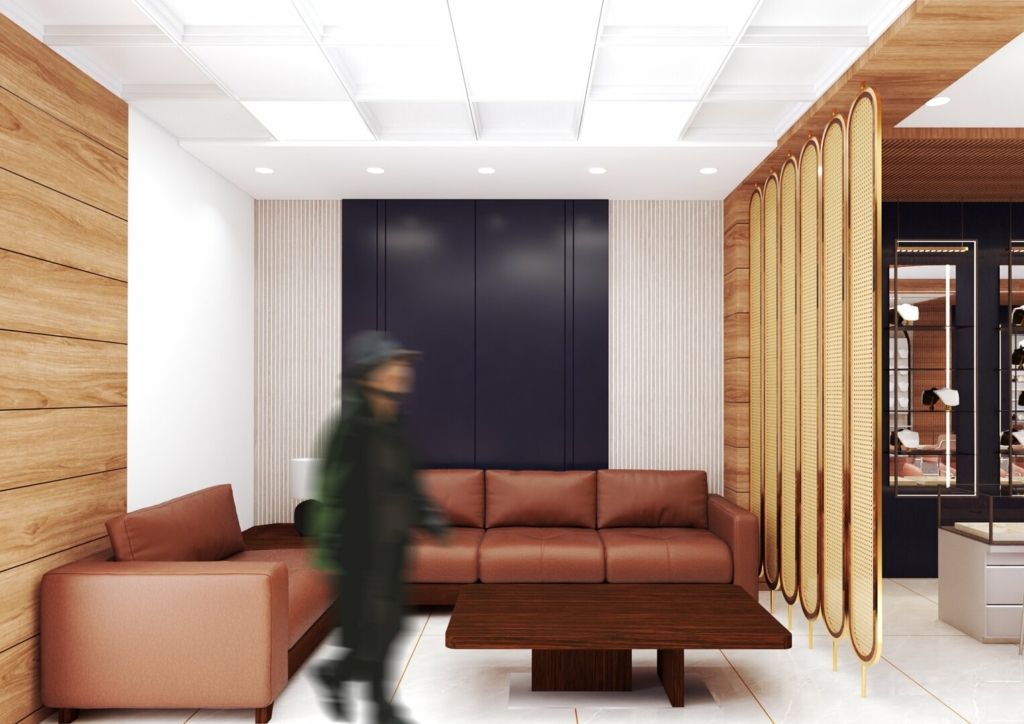
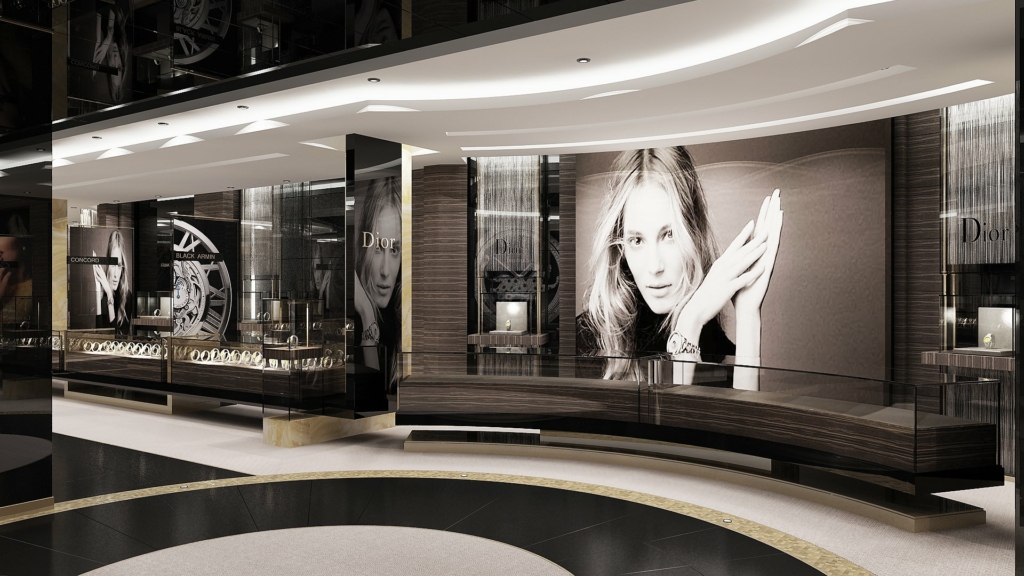
3d demo jewelry store with a moving person

Importance of 3D product demos in the sales cycle

Letting potential customers engage with the product through interactive demos is essential because it offers them a more unforgettable and enticing experience that traditional product presentations can never offer.

If the prospects can see the product in full action from different angles, it can dramatically enhance their overall understanding of all its use cases and features. 

The use of interactive product demos as part of the sales cycle can also add a more personal touch to the sales process. The best way to craft product demo videos is with the help of 3D graphics. The most reliable 3D demo services use different software programs to come up with complex 3D visualizations of a product that can adapt to any environment or setting. 

3D demo services can create more impactful and relevant presentational content by making sure that the demo is tailored to the specific interests and needs of potential customers.

RELATED: 5 tips for achieving photorealism with 3D rendering and 3D visualization for home design companies

How to make effective 3D product demos

Some of the best practices for developing interactive 3D product demos include understanding the profiles of the target audience, determining the key features of the product to focus on, and structuring the product demo in such a way that will encourage active participation. It also usually involves the use of storytelling tools such as 3D motion graphics to produce compelling narratives. 

Interactive walkthroughs, simulated product usage scenarios, and 3D virtual tours are some of the most popular types of interactive demos for products.

How to personalize 3D product demos for specific uses and applications

Sales teams can tailor their product demos to address the specific requirements and preferences of every prospect by embedding them into personalized sales experiences. This level of personalization can improve the relevance of the demo and its effect on the sales process in general. 

The use of interactive 3D product demos for live demos including during sales meetings or demo calls makes use for the real-time adaptation of presentations according to the feedback and reactions of the prospect. This kind of interactivity makes the demo more effective in engaging prospective customers.

Making sure that both the marketing and sales teams work together in using interactive 3D product demos also plays a key role in the effective presentation of the value proposition of the product and making sure that the prospect will receive and understand a cohesive message. 

This professional collaboration is also a great way to ensure that the interactive 3D product demos will resonate with the potential customers and are in line with the marketing strategy as a whole.

Why use 3D demos in product tours?

The use of interactive product tours when engaging with potential customers can help effectively highlight the unique selling points and capabilities of the product. 

The distinct immersive nature of these interactive demos is what makes them impactful and memorable in conveying the value proposition of a product. 

Using interactive demos to showcase the use cases of a product also allows prospects to envision how the product addresses their specific challenges and needs. 

This personalized approach can significantly enhance the product tour’s relevance and increase the chance of more conversions. 

Adding a personal touch to the product tour experience of potential customers is possible with the help of interactive software that makes way for customizing the content of the demo according to the specific interests, role, and industry of the prospect.

RELATED: How to design 3D models for 3D printing & new prototypes

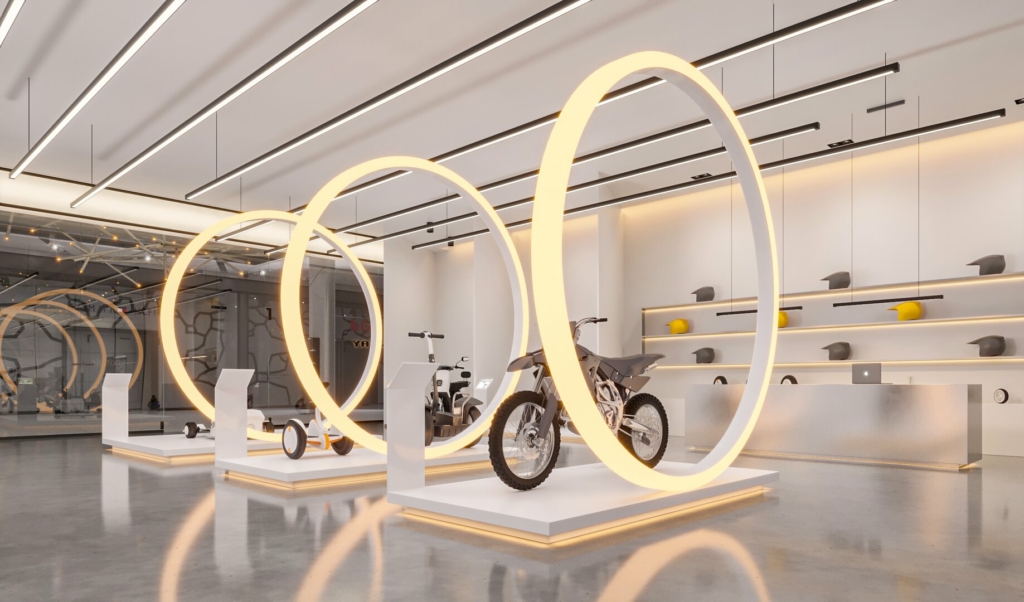
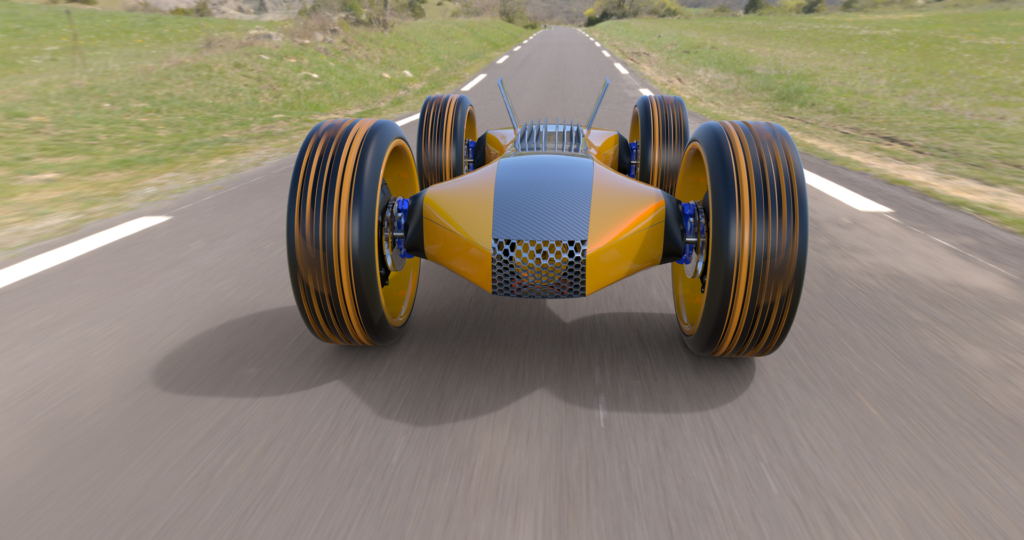
A still from a demo of a 3D drone with large wheels and yellow colors

Benefits of 3D demo services

Here are some of the benefits of 3D demo services that will surely convince companies to use them for their new product inventions and innovations.

VR and AR technologies’ increased recognition is greatly rooted in the sense of involvement and excitement that they can give by allowing people to have real-life, high-resolution 3D models. If you have ever been to the movies, chances are you choose 3D if it is one of the available options to fully experience and immerse in the scenes. 3D has this magic of tricking the mind and making you believe that you are in a different world or reality. 

It is no secret that 2D images are usually unsuccessful when it comes to conveying everything about a product even if these images are of high quality. This is why more and more brands are now starting to invest more in visualization after realizing a bit late all its potential effects on the overall shopping experience. 

Today, 3D demo services can trigger excitement among customers while promoting products at the same time. 3D product demos can be viewed by customers and even shared on their social media profiles. This can even start a new trend. There’s no need to say that the company is using 3D demo services because the technology itself is already self-explanatory. 

  • Ability to connect with e-Commerce 

3D demo services allow marketers to drive more sales online. Imagine a 3D product demo that showcases a consumable element and connects the viewer directly to the page where to buy a kit for that part. Interactive 3D demos can develop a direct path to better engagement in e-commerce.

  • Gain customer insights and analytics

3D product demos can be monitored and measured. That self-guided discovery that is critical for interactive 3D product demos allows customers to show the B2B marketers the things they might be interested in as well as their specific needs that they might not realize just yet.

This level of engagement with potential customers also offers an indication of the warmth of the prospective sale and helps the sales members to respond accordingly.

  • Reduce expenses and create better efficiencies

Interactive 3D demo services can also help the sales team save more time. Travel, logistics, and shipping expenses often linked with live demos can be reduced as well. Aside from this, the whole process of developing these 3D product demos doesn’t require significant labor at all.

For instance, most 3D demo services only need CAD files and a few background details on the functions and features of a product to come up with interactive product demos or other similar products that use augmented reality.

The final product may be slick, but the entire process required to get there is quite simple. Some marketers also get more mileage from 3D product demos by repurposing and using them again in other marketing materials.

  • Bring product benefits and features to life

As the adage goes, seeing is believing. 3D product demos can share the story of your product most compellingly and educationally. You can use these 3D product demos to make sure that the best benefits and features of your product will resonate with potential customers and give them the chance to stay informed with the help of this augmented user-friendly 3D format.

  • Generate more leads and enable more sales

Interactive 3D product demos are also effective tools that can facilitate the journey of buyers and generate more leads through a sales process with the least amount of friction. 

Imagine an ad in Google taking a potential customer to an engaging landing page with interactive 3D configuration with a form to complement it. The customer can then use the form to get in touch with a chatbot or salesperson who can automate initial inquiry communications. 

Other supplemental content like case studies and videos nested in interactive product demos can also offer additional resources to customers that can help facilitate conversion and engagement. 

  • Make great first impressions 

3D product demos can offer your customers an engaging and inviting experience with your products. Without limitations like physical barriers, 3D product demos generated digitally can give a realistic and an even more personalized environment by being able to look at the products up close. This level of user engagement in interactive 3D demos makes them more memorable, interesting, and fun.

How Cad Crowd can help

You can never stand out while being ridiculously similar with each and every one of your competitors. Contact Cad Crowd today to fully utilize and enjoy the perks and benefits of 3D demo services for all your company’s products and innovations.

author avatar

MacKenzie Brown is the founder and CEO of Cad Crowd. With over 18 years of experience in launching and scaling platforms specializing in CAD services, product design, manufacturing, hardware, and software development, MacKenzie is a recognized authority in the engineering industry. Under his leadership, Cad Crowd serves esteemed clients like NASA, JPL, the U.S. Navy, and Fortune 500 companies, empowering innovators with access to high-quality design and engineering talent.

Connect with me: LinkedInXCad Crowd

Expert 3D Store Rendering and Floor Plan Design Services: Attracting Retail Customers


Retail stores don’t just offer products to their customers. Owners should also make sure that their location is accessible with all the items displayed clearly while using the most effective techniques for visual merchandising. Making sure that the layout of a retail store is engaging and accessible means that visitors will be more inclined to browse for other products and may even become regular shoppers in the future.

This article explores the core principles of 3D store rendering and floor plan design services and how they can help attract more retail customers.


:rocket: Table of contents


3D gallery jewelry store

Store layouts are as unique as the storefronts themselves. It’s common for retailers to either space out their items to allow casual browsing or densely pack everything on a store floor.

Many of them also use signage to guide customers in navigating the area. And then some just let the products speak for themselves. Combining several traditional layouts is also common practice in many retail stores.

Retailers should always consider their industry category, available floor size, and their brand’s overall tone. From there, it will only take a few steps to implement the following practices for 3D store rendering and floor plan design services as needed.

RELATED: Integrating 3D rendering with photography for architectural development companies 

Decompression zone and store exterior

Every retail store, regardless of its industry category and size, shares one thing in common, and that is none other than its entrance. A retail store’s exterior can capture the interest of customers through outdoor signage or display windows to encourage bystanders to stop and enter. Store exteriors are also perfect opportunities to market special products, line-ups, or promotions that appeal to the audience.

The moment they enter the threshold, customers will step into the decompression zone. The decompression zone is a 15-foot space that acclimatizes the customers to the new area and offers them that first impression of the things they can expect.

Retail owners can use this decompression zone to help customers feel more at ease and guide them in their store navigation. Some retailers often ensure that every department can be seen from the decompression zone for customers to know exactly where to go. Other retailers also use signage as a direction guide or put the most popular items on the power wall that will be instantly seen and noticed by customers.

Whatever the case is, it’s a must to incorporate human psychology into the layout. The moment they enter the decompression zone, most customers turn right to start exploring the shop. This is the reason why power walls are usually put exactly to the right. Checkouts, on the other hand, are located to the left so that they are the last thing customers will see before they leave.

Free-flow

Free-flow layouts don’t follow any expected traffic pattern outside those that human behavior dictates. This unique quality is what makes free flow different from a truly unplanned design. Specific rules are still followed even though it might not look that way to the human eye.

Retailers can put their displays and products in any appropriate arrangement while leaving sufficient open space where customers can move around comfortably. Rather than structured aisles, the products fit into clusters aligned with the principles of shopping.

High-value items, for instance, are still placed to the right of the store entrance and staples are put to the back. No aisles or barriers keep the free-flow departments apart from each other.

Free-flow layouts are designed to be highly experimental and are a great choice for retailers who want to showcase various promotional displays.

The only downside is that it limits the available space for items. This layout is common in small boutique shops or open parts of bigger stores like a bookstore display area.

Grid

Grid is the most common layout and floor plan design in retail stores seen in supermarkets, grocery stores, pharmacies, and more. Retailers who use a grid layout arrange items into densely-filled aisles for customers to browse at their own time and leisure. The arrangement reduces space, maximizes the display of products, and is typically the most familiar choice for customers.

Although categories can be organized in any way, an effective layout puts staple and everyday purchases at the store’s rear portion. Promotional displays and items are placed at the front that customers will pass on their way to commonly bought products. This approach makes it more likely for customers to buy additional products on impulse or add to the current items in their cart.

Grid layouts, regardless of the arrangement, are recommended for storing large quantities of merchandise while keeping a predictable traffic flow. Sadly, customers have a hard time finding the items they want fast in the grid layout. Experimenting with this layout may present you with challenges as well.

RELATED: How 3D rendering is transforming the property development industry for companies?

Herringbone

Herringbone is a store layout and floor pan design that looks like the grid once optimized for cramped floor areas. This is made up of an open central pathway that leads from checkout entrances. It is an approach suitable for small hardware shops and community libraries.

Although herringbone grids maximize the use of small spaces, they limit the visibility of products. Putting promotional displays at the end of every grid is a great way to address this downside.

Loop

Loop store layout directs customers along one path past every available item before they reach the checkout. The approach makes the most out of the overall exposure of products and helps streamline customer traffic. However, it also limits browsing opportunities during high traffic volumes. Loops are standard in specialty shops, gift shops, and museums.

Finding the perfect layout and floor plan for a retail space often calls for some experimentation. Sadly, this is not practical all the time. Good thing that retailers can now take advantage of 3D store rendering and floor plan design services that can develop and optimize these layouts even on the fly.

Benefits of 3D store rendering and floor plan design services

Attracting retail customers and retaining them is always a top priority in today’s extremely competitive retail industry. 3D store rendering and floor plan design services that create meticulous 3D visualizations of stores are now critical partners for interior designers, architects, and retailers in developing visually functional and appealing retail spaces.

The following are some of the key benefits of attracting retail customers with the help of 3D store rendering and floor plan design services.

3d store aisle

RELATED: 3D furniture rendering services for companies and firms, cost, rates, pricing

Digital renovation makes everything easy

3D store rendering and floor plan design services can help compare updated and existing designs side by side. This is a big help if there is a need to update an existing store’s design. It helps convince investors of the convenience of the renovation and restoration of the space.

Effective marketing solution

3D store rendering and floor plan design make sure that the image of the store will be as lifelike as the artistic rendering. Computer visualization allows companies to showcase their commercial premises and products in the most enticing way possible.

This helps launch the product’s sales online before the construction of the store is completed or way before the manufacturing of the product itself.

Accurate illustrations

Photographs will always be great auxiliary materials for designers and construction teams. But here’s the dilemma: how will you take a photo of something that doesn’t even exist yet? This is where you can simulate reality with the help of 3D store rendering.

These images save you from those expensive mistakes, including the installation of the wrong materials and structures. 3D store rendering is your best option if you want to make sure that the designer’s idea will reach the builders correctly without any distortions.

Speedy redesign

3D store renders are photorealistic and detailed. They help designers pinpoint and address the limitations of the concept and allow them to develop its potential and strengths. Significant layout changes during the rendering phase will not just guide their designers in enhancing their ideas while allowing store owners themselves to save themselves from additional costs during the implementation of the concept.

Virtual staging

3D store renders can be used to showcase the fullest potential of the space and layout. This is an effective way of staging the area to entice more stakeholders and investors.

The Bottom Line

3D store rendering and floor plan design services have changed the design and construction of modern retail spaces. These can help you by cost savings, efficient space planning, better client communication, and realistic visualization.

As today’s everchanging retail industry, 3D rendering is expected to play a key role in developing store settings that are not just visually enticing but also highly functional at the same time. These 3D renders cater to the different shopping behaviors and needs of consumers.

RELATED: How 3D rendering enhances great architectural design presentations for companies

How Cad Crowd can help

Cad Crowd offers professional 3D floor plan rendering, 3D floor plan design services, and 3D commercial rendering services that can help store owners achieve their goals.

author avatar

MacKenzie Brown is the founder and CEO of Cad Crowd. With over 18 years of experience in launching and scaling platforms specializing in CAD services, product design, manufacturing, hardware, and software development, MacKenzie is a recognized authority in the engineering industry. Under his leadership, Cad Crowd serves esteemed clients like NASA, JPL, the U.S. Navy, and Fortune 500 companies, empowering innovators with access to high-quality design and engineering talent.

Connect with me: LinkedInXCad Crowd

Creating Lavish Real Estate Listings with 3D Services and 3D Real Estate Rendering


Have you been wondering how you can enhance your real estate portfolio, close more sales, and beat your competition? If yes, 3D services and 3D real estate rendering firms are here to help! Today’s real estate industry has become extremely crowded, resulting in cutthroat competition. If you want to be part of a thriving crowd, it’s essential to discover more creative ways to entice more clients. The 3D visualization technology offers a long list of perks for real estate businesses, giving them the power to score more sales. This blog post explores how to create lavish real estate listings with 3D services and 3D real estate rendering.


:rocket: Table of contents


What are 3D services and 3D real estate rendering?

3D services and 3D real estate rendering are used to craft exceptionally detailed visual representations of properties, buildings, houses, or residences. Real estate models are a great way to showcase architectural projects in all their glory. These renderings allow you to create hyper-realistic representations of exterior and interior spaces, floor plans, and 360-degree virtual tours. 3D real estate rendering services can also be used for properties that are still under construction or completed.

Aside from this, 3D real estate rendering and 3D design experts also allow you to design and present further selling details, such as the surrounding streets, trees, areas, and the like. This also involves using more state-of-the-art software combined with 3D rendering and design experience to produce stunning designs that are as close to real life as possible. 

RELATED: 3D Rendering for marketing real estate: what it is and how it can improve your real estate business

Importance of 3D services and 3D real estate rendering

3D services and 3D real estate rendering are vital in the real estate industry thanks to their numerous applications. Like other industries, real estate is largely a visual industry, meaning you have to use top-quality visual mediums for advertising and marketing purposes. Here are some of the key areas where 3D services and 3D real estate rendering are deemed important:

Advertising and marketing 

3D renders can be used for virtual walkthroughs, web pages, billboards, posters, promotional brochures, and other uses. They are great tools for attracting customers by displaying high-end property visualizations. 

RELATED: Why are 3D flythrough and 3D walkthrough services popular for real estate marketing?

Portfolio 

Real estate agents and businesses can spice up their portfolios with top-of-the-line renders. They can also produce 360 virtual tours with the help of 3D 360 degree panomarama rendering professionals so that you no longer have to schedule personal in-house visits now and then. 

Real estate presentations 

Showcasing stunning renders of your properties will make your presentations for investors more immersive and fun. This is a distinct way of presenting projects from various perspectives and angles. 

Virtual staging 

Rather than spending large sums of money to set up one house in real life, 3D renders allow you to create endless possibilities for clients. You can also change furniture, textures, and colors easily to ensure that there will always be something for every client. This can help facilitate more sales in the long run. 

RELATED: Benefits of virtual staging services for architecture and real estate companies

3d architectural rendering services

3D services and 3D real estate rendering are applicable for almost all activities and needs in real estate. These include 3D architectural visualization services crafting lavish visualizations of high-rise buildings, office models, and new houses to planning shopping malls, parks, and neighborhoods. The following are some of the most common and popular types of 3D renderings in real estate:

  • 3D architectural aerial renderings
  • 3D walkthrough
  • Commercial building renderings
  • Exterior 3D renderings
  • Furniture renderings
  • Interior 3D visualizations
  • New construction renderings
  • Residential property renderings
  • Site plan renderings
  • Virtual staging

Benefits of 3D services and 3D real estate rendering for marketing 

Good marketing relies greatly on impactful visualizations, particularly in real estate, where looks are everything. 3D renderings can be used as marketing solutions for real estate companies and businesses to skyrocket their sales. Here are the benefits of 3D services and 3D real estate rendering for marketing:

RELATED: Optimal angles for real estate rendering services: enhancing your listings

1. Better details

3D services and 3D photorealistic rendering experts produce results that are better than photography mainly because they offer more possibilities. Photos are lifeless, still, and extremely dependent on perspective. On top of that, photos require complex and lavish setups that are often costly. On top of these, you also have to hire workers who will assemble and disassemble the setup from a property. On the other hand, 3D real estate renders also allow you to do everything and anything. You can decide on various realistic textures, furniture, wall colors, and other details of the design. 

2. Improved emotional impact 

You’re not just selling a property in real estate because you’re selling a lifestyle as well. You must evoke a particular mood for every client and tug at their emotions. You need to paint an image of how it will look and feel once they start living on the property. The best way to do it is to use 3D services and 3D real estate rendering. The significant amount of details will surely sweep them off their feet. You can also create and adjust various elements right on the spot. 

3. Better pre-sales

3D visualization services play a big role during the presales stage since clients won’t be able to experience the property in person. Pre-sales are an excellent way to test the market, boost profits, hype up new projects, and close more deals the moment they go live. 3D rendering technology allows you to showcase your project or property in complete hyper-realistic details, which can help you impress your clients and increase the possibility of them investing in it. 

RELATED: Why freelance 3D real estate rendering services are becoming more popular for companies

4. Showcase the surroundings 

Clients don’t just look at the houses themselves but also their surrounding areas when searching for potential properties to buy. Most buyers need to be familiar with the surroundings since this can significantly affect their final decision. With the help of 3D services and 3D real estate rendering, it’s easier to model an entire neighborhood and present how and if the property fits right in it. 

Alternatively, if you’re planning to build something, hiring 3D rendering experts is an excellent way to see if it will make sense and check its appearance from various angles, such as the bird’s-eye perspective. It may be difficult to envision the new structure on the property as planned using blueprints. 3D aerial rendering services help envision the building in the space and help create lavish real estate listings.

3d interior rendering firm

5. Inspire more trust

For the past few years, the use of photography in real estate has slowly started to become outdated since it tends to be both deceiving and limited. For example, using 360-degree walkthroughs of a property or showcasing high-quality 3D renders will help your clients see and check both the interior and exterior of the place. This will inspire more trust, resulting in more sales and, of course, more loyal customers. 

RELATED: 7 Benefits of 3D architectural rendering services for real estate

How to sell more properties with 3D services and 3D real estate rendering

Based on the facts above, it’s easy to see that 3D services and 3D real estate rendering are becoming indispensable in the industry. Everyone who hasn’t joined the bandwagon yet will regret it a lot once their rivals crush them. Here are tips on how to sell more properties using 3D architectural rendering services and 3D rendering technology:

Cutting-edge details 

3D services and 3D renders in real estate are so realistic that you will be hard-pressed to tell the virtual images apart from real-life ones. You can easily zoom in to view the most minor details, add various wall textures and colors to the properties, and incorporate décor and furniture to create a more inviting ambiance. You can also view the properties from different perspectives and angles, which is impossible with photographs alone. 

Social media 

Social media marketing can also be improved with high-quality 3D real estate renderings. Nothing beats high-quality, luxurious images of projects and properties that the public will love and enjoy. The 3D images can be saved, shared, and reposted to improve your online presence and brand visibility. 

RELATED: How a 3D architectural design service can make your real estate marketing a breeze

Speed 

3D real estate renders can also be customized according to your needs. With the help of the right 3D rendering experts, your render can be completed in just a matter of days so that you can present it to investors right away. Due to the infinite possibilities of visualization technology, you can integrate as many lavish details as you want to present the property in its best light. The properties will sell faster, and you will get crowded appointment lists. 

Virtual remodeling 

Before buying floors, furniture, paint, and other materials, consider creating a virtual remodeling scene with the help of 3D real estate renderings. This will help save you more money and time on shopping because you no longer have to measure everything and try to determine how everything will fit. 3D real estate rendering and services can also do most of the heavy lifting on your behalf while letting you create the prettiest interior decors and settings. 

RELATED: How AEC companies can leverage VR and AR simulations in architectural design

How Cad Crowd can help 

3D services and 3D real estate rendering are undoubtedly the future of the real estate industry. Contact Cad Crowd today to help you find these services that will guarantee the success of your upcoming projects!

author avatar

MacKenzie Brown is the founder and CEO of Cad Crowd. With over 18 years of experience in launching and scaling platforms specializing in CAD services, product design, manufacturing, hardware, and software development, MacKenzie is a recognized authority in the engineering industry. Under his leadership, Cad Crowd serves esteemed clients like NASA, JPL, the U.S. Navy, and Fortune 500 companies, empowering innovators with access to high-quality design and engineering talent.

Connect with me: LinkedInXCad Crowd

How 3D Rendering Enhances Great Architectural Design Presentations for Companies


3D rendering services allow architects to present design ideas and visualize complex plans in an understandable, highly intuitive manner. The dynamic view offered by 3D rendering allows architects and designers to tangibly communicate their ideas and enhance their decision-making while enabling them to identify design flaws early in the process.

Using a variety of software programs, including 3dS Max, Revit, AutoCAD, Sketchup, or a combination of these, 3D renders enable next-level visualization of architectural and design projects: from 3D interiors to landscape design, it is now paramount that companies and architectural firms include 3D renders in their portfolio – and for soon-to-be home and business owners to take advantage of its benefits.


:rocket: Table of contents


The importance of 3D rendering in architectural design

Having the avenue to explore ideas even before construction begins is a great modern boon that makes it possible to cut costs while providing clarity and precision in the architectural workflow. It also provides an easy platform to facilitate collaboration between architects and stakeholders and allows them to speak on the same level amidst all the complex technical details.

What’s more, 3D rendering can accommodate many different styles and aesthetics. Even bespoke pieces of furniture can be modeled and planned for, and architects and designers can test out varying types of materials, weather conditions, lighting, and other effects that enhance the final render.

Additionally, while 3D rendering provides a platform for collaboration and testing ideas, it is also the perfect way to communicate these ideas to potential clients or customers for marketing and salespeople.

RELATED: Why 3D architectural renders resonate better with modern consumers

3d render of a living room interior

Presentation of the concept

In the world of architecture and interior design, first impressions are paramount. Any space that you’d like customers to consider should not only look good but ideally fit their narrative, preferences, and expectations.

As such, a good way to think about 3D architectural rendering is that the render itself is the main communicative material – with a presenter ready to answer questions and explain certain choices or background information regarding the render.

Let’s take a look at some of the specific ways 3D rendering can achieve that:

The proper use of light turns any scene into something true to life

Without proper lighting, the depth of objects and other elements inside an image may look flat and lifeless. To add to that, lighting itself sets the mood for a particular scene. It also goes without saying that the weather and natural lighting for the render should match the physical location’s patterns.

This type of accuracy when it comes to lighting is hard to achieve through traditional means and can quickly rack up costs, time, and resources making revisions to get it right.

Great 3D renderings clearly define space

3D renderings not only show the objects and furniture that may fill a space. Renderings should have a sense of space that can offer a sense of harmony, functionality, and dimensionality. In fact, any good designer will tell you that space (& negative space) affects the mood and overall effectiveness of certain spaces and will look to bake this philosophy into the design as a foundation.

RELATED: 3D architectural rendering: how your company shapes weather, mood, and season

3D renderings show realistic materials

Materials are important parts of the aesthetic, style, and ethos behind the planning and use of a space. Unlike mood boards, 3D interiors can showcase these materials realistically and depict many different kinds of objects in varying lighting conditions.

This makes it easier to make decisions about the finishes and help communicate the mood of the space better. For instance, glossy surfaces make for a more modern look. This also makes it easier to make changes and to adjust the design anytime.

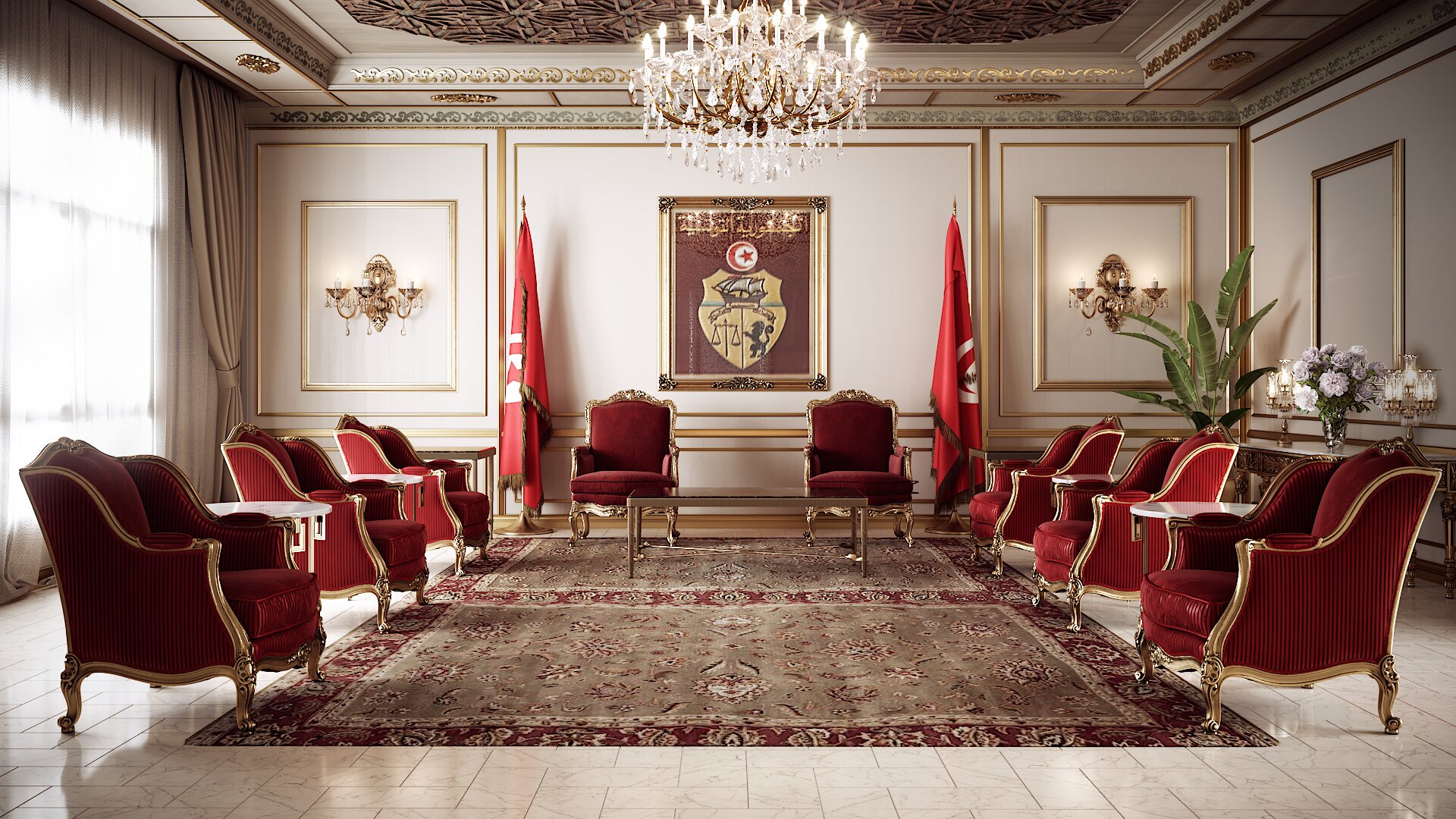
3D rendering Tunisian conference room

3D renderings depict the room’s features

3D renderings (and by extension, more advanced AR/VR stagings) are built not just to show how a room or space might look. It also gives an ardent showing of the features and functions built into that space such as dressers, convertible furniture, and even whimsical hidden rooms. Features include walkways, the ambiance, and even negative space.

The benefits of 3D rendering for architectural design presentations

3D renderings use lifelike imagery to help communicate complex architectural design concepts and make sure that the client and every stakeholder are on the same page regarding the design. It’s way easier to judge spatial relationships, design intent, and overall aesthetic when everything can be visually confirmed and adjusted with precision.

Making edits and changes with the client

Imagine having to discuss changes to design while trying to decipher a 2D drawing or mood-boards. Needless to say, it’s an uphill battle to coordinate very specific intentions and complex decisions without a visual aid.

Clients and architects can work together on the render almost in real-time, and make immediate changes when necessary – eliminating cost and time constraints. They can even be a bit more bold and experimental with their choices as they explore design options.

Improved Client Engagement

Clients are way happier and engaged when they can see their space unfolding and coming to life – even as a render. This gets them invested into the project way more. Especially for marketers and salespeople, 3D renders may be the kicker that makes a client decide to go for a purchase.

Early Error Detection and Design Optimization

It’s one thing for architects to make mistakes while planning and designing, but oftentimes mistakes and errors can come in many forms. Say a client mentioned a specific material to use for certain objects or furniture – many would be hard-pressed to find such analogs just to use for modeling. Plus, for simple audition purposes, such a method isn’t very cost-effective.

As such, 3D renders are an obvious advantage that allows architects to optimize the design according to a client’s specifications.

RELATED: Better 3D rendering and retail store design services for commercial spaces

How architectural design presentations are leveraged in other industries

Beyond architectural design, 3D renderings provide benefits to a number of other industries in similar ways. In fact, these renders are now so crucial that industries who have adopted its use have found themselves redefining their methods and practices.

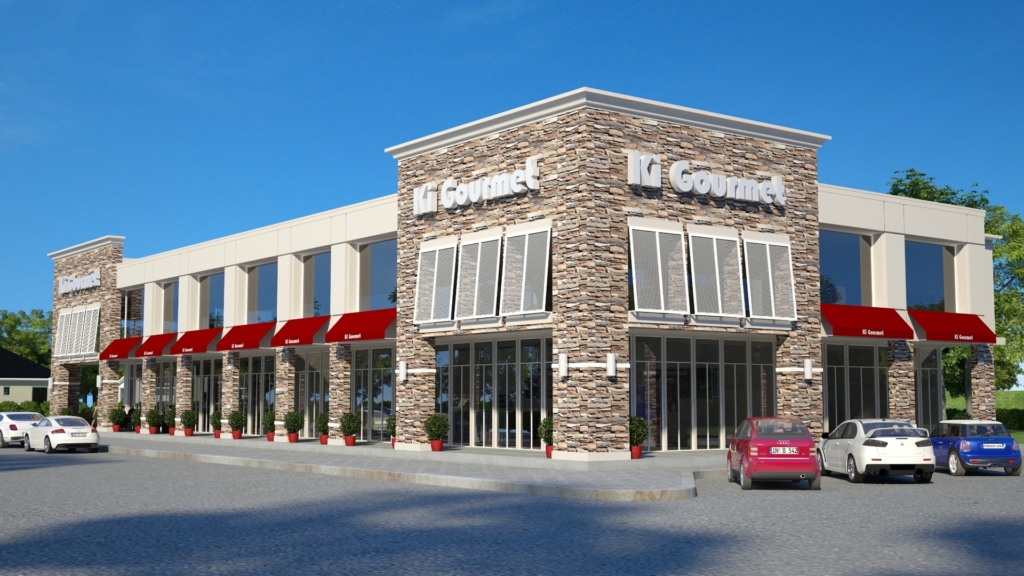
3D mall exterior

Real Estate and Construction: Real estate developers use 3D presentations to bolster their efforts in marketing and construction. Apart from being able to present to its potential clients and buyers, 3D renderings allow the industry to use its advantages to plan and optimize their designs.

Interior Design: 3D renderings allow interior designers to easily play around and manipulate design and element choices without breaking the wallet. They can switch up furniture, lighting, arrangement, and even change up materials easily or present different options for the client.

Product Design and Manufacturing: With 3D rendering, manufacturers can create virtual prototypes and iterate on it without having to do physical mock-ups. They can also visualize their products in bespoke environments and situations, allowing them to look beyond the manufacturing phase and make better decisions to refine their designs and streamline manufacturing methods.

Marketing and Advertising: Marketing campaigns and advertisements use 3D rendering, and its offshoot, 3D animation to create enticing marketing campaigns and draw consumers into the space or world they’ve created.

RELATED: All you need to know about interior and exterior 3D commercial rendering services

The possibilities for the future of 3D renderings

With the advent of VR/AR technologies, it’s not far off to see an enhanced version of 3D renderings where the tangible and intangible meet. Clients would be able to peruse each of the elements of a space while wandering its corners and spaces, interacting with each object as if it were in front of them.

This immersion is already well underway and while for right now, the full potential use of augmented and virtual realities is currently costly, the advent of games utilizing the technology is a great indicator of where its heading and the benefits it can bring to the industry.

It’s even possible to take this a step further by allowing the designers and architects themselves to reap the benefits of 3D renderings made alive through AR/VR, allowing them to make changes and make better decisions.

Choose Cad Crowd to elevate your beloved spaces

3D rendering undoubtedly can get you a step closer to your dream spaces. It enhances visualization and communication and allows you to move forward with your plans knowing that no stone was left unturned. To take advantage of the benefits of this, it’s essential to find the best designers and architects who are experts and can get behind your vision.

Cad Crowd’s years of experience working with the best architects, designers, and engineers give us deep insight into how to deliver projects in a timely, cost-effective manner. Get started today with a free quote.

author avatar

MacKenzie Brown is the founder and CEO of Cad Crowd. With over 18 years of experience in launching and scaling platforms specializing in CAD services, product design, manufacturing, hardware, and software development, MacKenzie is a recognized authority in the engineering industry. Under his leadership, Cad Crowd serves esteemed clients like NASA, JPL, the U.S. Navy, and Fortune 500 companies, empowering innovators with access to high-quality design and engineering talent.

Connect with me: LinkedInXCad Crowd

How to Include People in 3D Architectural CGI Projects: Benefits for Companies


This post tackles how to include people in 3D architectural CGI projects and its benefits for companies. Who can resist the real thing? Realism is one factor that architectural CGI can never do without. Visualization would be pointless if it doesn’t look real in the first place. Although it’s common to see CGI scenes that highlight a lone structure, an increasing number of companies have come to realize that their designs need to be realistic with a unique story to tell. How can you make these images look more lifelike, then? It’s where the human factor enters the scene. 

No scene will ever look and feel complete if there are no people in it, whether it is a fancy shopping mall or a cozy home. It only goes to show that your 3D architectural CGI projects should never be without humans. Adding people with the help of 3D architectural visualization experts will also make it easier for your viewers to engage with the environment, even if the first brick hasn’t even been laid yet. 


:rocket: Table of contents


RELATED: Strategies for incorporating human figures in your company’s 3D architectural renderings 

Why you need people in your architectural visualization

It’s not just because of style that you need to add people to your architectural visualization. It’s also an important element that will highlight the functional aspects and important features of any architectural project. Adding people is of utmost importance to any architectural CGI project because of the following reasons:

Composition and aesthetics 

Your archviz needs compositional elements, and people happen to be among them. Strategic placements of people will direct the eyes of the viewers to the right spots. It will also make your composition look more harmonious and pleasing to the eyes. 

Realism and context 

This right here is the main reason why the 3D visualization designer should add people to your architectural visualization. No matter what scenes you have, human figures can give users a sense or context of real life. They offer a visual narrative of how the space can be used and tell the unique story of the environment. Think of this as a way of unleashing the imagination of the viewers. Amazing? Yes! 

RELATED: Real estate marketing: advantages of 3D architectural rendering services & animation

Tapping into the emotions 

Including people can also give your archviz a sense of connection. Those human figures breathe life into your scenes. Emotional engagement is one of the most powerful tools for designers and architects alike. The project becomes more appealing and relatable thanks to this, much to the delight of all stakeholders and clients. 

Proportion and scale 

Adding people to your architectural CGI gives proportion and scale to your scenes. Those human figures function as the universal point of reference that will help your audience get an idea of how high or how big the architectural elements are. 

Culture and society 

Several architectural projects should have people present in the scene to communicate their significance in both culture and society. Think of Shanghai with a vibrant commercial center, Los Angeles with a thriving diversified community, and Saudi Arabia with its unique religious space. 

RELATED: How to enhance your company’s 3D architectural rendering with advanced techniques

3d architectural rendering studio

Types of human figures

Now that you’ve learned why your architectural CGI should have people in it, it’s time to learn the different types of human figures you can use. 

2D cutout people

2D cutout people are the most common types used by 3D architectural renderers you can add to your 3D architectural scenes. The cutouts are often used as flat objects in architectural visualizations. Though their depth may be a bit lacking, 2D cutouts are efficient and cost-effective to populate the scene with human figures. You can visit different resources and libraries where you can find a collection of cutout images that you can use in your designs. 

3D-modeled people

You can also use 3D architectural modeling services to create 3D-modeled people with different levels of detail, styles, and poses. You can add them to the scene where they can have an interaction with the environment. These figures can also be used to cast lifelike shadows and make your archviz look more realistic in general. While 3D-modeled people offer better realism and more flexibility, their effective integration requires more time and rendering power. 

RELATED: Premier architectural rendering blogs to elevate your firm’s visual design expertise 

AI-enhanced 3D people

AI technologies opened the doors to new possibilities in enhancing people used in 3D architectural CGI projects. Several tools are available to fine-tune the appearance of 3D people to achieve better integration and greater realism in the overall design. 

Artificial intelligence improves the model’s lighting to adjust facial expressions, tweak clothing, change the ethnicity or age of the characters, or match the scene. Thanks to this flexibility, 3D artists can come up with more contextually suitable and precise visual narratives for designers and architects. AI-enhanced 3D people also look more lifelike, even under intensive inspection. This makes them suitable for detailed shots or close-ups. 

Custom human figures

3D artists can also customize human figures if they can find the right people in their 3D or 2D libraries that will align with their specific requirements. It involves tweaking how 2D cutout images look or refining the facial expressions, clothing, and pose of the 3D models. Customization of human figures will also allow you to make them more relatable and relevant to the design. 

RELATED: Leveraging 3D architectural animation to attract new clients in real estate

Silhouettes

Silhouettes can be used to add more depth to the human figures in your archviz scenes. They are also a great option for scenes where the structure needs more emphasis. The use of silhouettes can add more human activities without compromising the visibility and clearness of the structure. 

3d visualization services

Renders without people

In some instances, less is more.  It might be better to not add any human figure at all. This is an effective approach if you want the viewers to focus their attention on your design or some of its elements with no unnecessary distractions. The omission of people in 3D architectural CGI scenes will allow viewers to concentrate exclusively on the design and architectural elements. It also offers an unhindered view of the spatial dynamics, materials, and textures. 

Techniques for including people in architectural CGI scenes 

Since you now have an idea of the different types of people you can add to your archviz, you should learn techniques on how to add these human figures like a real pro. 

RELATED: Comparing freelance 3D rendering options and photography for architectural projects 

Blend with the surroundings 

The 3D architectural animator should focus on key factors such as materials, lighting, and colors. People must look like they are part of the environment. Their appearance and clothing should go together with the design aesthetics, as well. 

Integrate the right context 

Factor in the specific context where you plan to include people in the architectural visualization. Do you want them to sit, walk, or just engage in the different activities available in the space? See to it that they fit cohesively with the planned use and function of the area.

Inclusivity and diversity

It’s important to ensure the diversity of the people in your CGI project to make it more reflective and inclusive of the real world. Highlight differences in ages, abilities, and ethnicities. 

RELATED: Lighting adjustments in 3D renders: essential tips for companies and services 

Shadows and lighting 

Shadows and lighting are two factors that you can never put to the side. You have to make sure that you cast lighting on your human figures in a way that aligns with the overall lighting conditions you used in the scene. The shadows that people cast remain consistent with the space. When the 3D visualizer company uses the correct shadow and lighting effects it will make the human figures seem that they truly belong in the area. 

Storytelling

Your 3D architectural CGI projects should tell a story. Adding people to the scene will turn them into characters of that story. Factor in their interaction not just with the environment but also with one another. This aspect of storytelling can add more depth to your archviz and allow viewers to form an emotional connection with it. 

Important considerations and challenges in including people in 3D architectural CGI

Although there’s no question that there are a lot of benefits you can get if you include people in your 3D architectural CGI project, it also has its own set of considerations and unique challenges. Don’t forget to take note of the following common issues you may encounter along the way:

RELATED: Mistakes to avoid when deciding an architectural visualization firm

Stay away from stereotypes

Be extra careful about the unintentional use of stereotypes when adding different human figures and characters to your archviz. Observe respect and authenticity when you represent different ages, abilities, and ethnicities. 

There are also ethical considerations to remember if you plan to add images of real people in your CGI scenes. Don’t forget to acquire the necessary licensing for the images you plan to use, even more so if the faces are recognizable or popular. 

Keep it consistent

The 3D designer should balance your architectural visualization scene. You might have a hard time balancing style and realism when adding human figures. You have the option to settle for a more stylized approach or choose a more photorealistic one. Consistency is and should always be your main goal here. 

RELATED: Architectural visualization services: a comprehensive guide to mood and atmosphere

Maintain a cohesive story

Pay close attention to the interactions and actions of the people in the scene. You have to make sure that they are present there for a reason, which is to improve the engagement of your narrative. Never use incoherent groups of people, though. If you want to put a street singer serenading in the square, for example, you can add a few audience rather than mere passersby. 

How Cad Crowd can help

Does your 3D architectural CGI project look and feel a bit lackluster? Cad Crowd has the top freelance talents that will add the most suitable human figures to your scenes that will capture the attention of your clients! 

author avatar

MacKenzie Brown is the founder and CEO of Cad Crowd. With over 18 years of experience in launching and scaling platforms specializing in CAD services, product design, manufacturing, hardware, and software development, MacKenzie is a recognized authority in the engineering industry. Under his leadership, Cad Crowd serves esteemed clients like NASA, JPL, the U.S. Navy, and Fortune 500 companies, empowering innovators with access to high-quality design and engineering talent.

Connect with me: LinkedInXCad Crowd

How Better 3D Residential Renderings Help Architects, Builders, Realtors, and Companies


3D residential renderings are now an integral element in the workflow of designers and builders. And it doesn’t come as a surprise, considering that it is among the best ways to put your projects in the spotlight and attract more clients in the long run. Don’t be left behind just yet! This article talks about how 3D residential renderings help architects, builders, realtors, and companies:


:rocket: Table of Contents 


What is 3D residential rendering? 

A 3D residential rendering is a type of computer-generated 3D image showcasing the final look of a project. These 3D residential renderings can be used to show the exterior, interior layout, and landscape design of a residential home. This is why these tools are very popular among residential home builders, interior designers, remodeling contractors, and real estate agents. 

RELATED: Best practices for architecture firms: residential and commercial architectural site planning

Back in the day, CAD expertise and complex 3D modeling software programs are required to come up with lifelike 3D renderings. These renderings also required a very long time to produce. There are even instances when a single view alone takes several days to complete. The good news is that there are now 3D residential rendering services that help designers and builders create photorealistic renderings for residential projects in a matter of hours. 

Popular types of 3D residential renderings 

You can use any of the following different types of 3D residential renderings or even a combination of these to fully represent your ideas depending on the specific project you are working on. 

Aerial residential renderings

Aerial renderings from 3D aerial rendering professionals show or present the property from above. An aerial view can help clients understand how the house fits into its surrounding area. A 3D aerial floor plan is also a great way to show the overall layout of the house with more details compared to its 2D blueprint counterpart. 

RELATED: How can 3D architectural aerial renderings benefit your company?

Exterior residential renderings

An exterior rendering shows the property from the outside. It is ideal for showing clients how the property will look from every angle, from the driveway, the backyard, the street, or the neighbor’s house. 

Interior residential renderings

Interior renderings are extremely critical because they help clients get a better understanding of the space and its overall flow. These are perfect for showcasing different color schemes and furniture layouts. 3D residential rendering services can control the natural lighting to give clients a more realistic glimpse of how the property looks at various times of the day. 

3d interior rendering company

Landscape residential renderings

A landscape rendering showcases the area around the property. The 3D landscape rendering artist should include different elements in the renderings such as hardscapes, greenery, decks, and pools. These renderings are also useful tools for residential remodelers and builders. A builder, for instance, can use these landscape residential renderings to show the effect of a new addition to the overall design of the landscape. 

RELATED: Why landscape rendering and visualization is important for company landscaping projects 

Real estate residential renderings

Real estate residential rendering is a powerful and effective sales tool for real estate agents. 3D floor plan renderings from 2D drawings and floor plan design professionals have more significant effects on prospective buyers compared to 2D blueprints. Real estate agents who need to sell an empty piece of land can use 3D real estate rendering to help prospective buyers imagine its possibilities. 

Benefits of 3D residential renderings

You’re missing out on so many things if you’re still using the imagination of your clients, your hand-drawn sketches, and 2D blueprints. Here are some of the reasons why 3D residential renderings deserve a spot in your project workflow:

1. Increase sales 

You can boost sales if you give your clients a realistic and interactive environment as part of your listing. This experience helps them have a better appreciation of the space while also forming a memorable and emotional connection. By helping them envision what it would feel like to live in a particular property, clients will be able to see and understand what you have to offer. 

RELATED: The benefits of 3D architectural rendering for companies in the real estate industry

2. Boost sales prices

If a client doesn’t have a full understanding of your proposal, it will be difficult for them to justify why they should put their money on the project in the first place. However, if you use 3D architectural rendering services to help them envision what they can look forward to, including the materials, the details, and the beauty of how everything comes together, it gives them a better understanding of why you charge them that price. It also makes it easier to work for higher-end residential projects that come with bigger profit margins. 

3. Enable feedback and collaboration 

An accurate visualization of your proposed project can make way for productive collaboration and feedback. This is because clients will only be able to express their opinions about the project if they completely understand it. Using traditional methods such as hand-drawn sketches and 2D plans in the past, designers and builders usually begin with lots of feedback and tweak their requests just when the project is nearing completion.

The finished project then ends up being different from the client’s expectations.  This can be avoided by using 3D visualization artists to help your project come to life. You can save yourself more money and time if you show your clients 3D residential renderings of the completed project that will help you gather feedback and then collaborate on the requested adjustments before you even start working. 

RELATED: What is architectural visualization and why architectural rendering services use it

4. Envision the completed project 

It’s easy to visualize all your big ideas for your upcoming residential project. However, did you consider how your clients can also envision your ideas? It will be next to impossible for almost all clients to get a clearer image of your proposal if you’re only using verbal explanations, sketches, and 2D plans. This can result in disappointed clients, misunderstandings, and even lost contracts. 

3D residential renderings eliminate the guesswork as they effectively give clients a glimpse of the completed project. While a 2D plan can show the spaciousness of the living room and may also include furniture symbols, 3D furniture rendering experts will show the appearance of the living room at various times of the day with lifelike furniture, realistic colors, and accurate lighting. 

3D furniture rendering services

5. Create better presentations and marketing materials 

Customer experience can make or break any business, to put it lightly. People always trust reviews, which means that if the experience of your clients working with you is unsatisfactory, you can never expect them to recommend your services to other people. They might even leave negative reviews on industry websites. Quality 3D residential renderings can help prevent this nasty possibility. 

RELATED: 5 Types of 3D visualization used by architectural design firms for CGI projects

3D residential renderings take out the guesswork from the equation as they make it easier for clients to get a better understanding of your ideas and visions, even if they are clueless about reading a blueprint. You will receive valuable feedback whether they like your design or not. You can then use this for fine-tuning your property while also improving customer satisfaction. 3D real estate renderings can help you exceed the expectations of clients, including the most demanding ones.

You can also impress customers even more if you commission walkthroughs and animated renders to offer them a more immersive experience. Using renderings as one of your marketing materials can help you establish yourself as a professional who invests both in their business and their clients. Visuals can also create a powerful connection that taps into emotions. Adding photorealistic 3D residential renderings to residential project presentations increases your chances of winning more contracts. 

6. Identify problems early on

3D residential renderings allow relevant professionals to review your projects, including home builders, decorators, interior designers, and the like, before breaking ground. Any potential issues in the aesthetics, stability, and structural integrity can be identified and rectified before the start of the construction. Due diligence gets rid of the need to make adjustments and tweaks just when the workers are already busy on the field. It helps you save money and time while preventing customer dissatisfaction. 

RELATED: The best architectural rendering companies and 3D rendering services

7. Make real-time changes

After rendering the design, some changes may be necessary, whether it is in furniture placement, layout, roofing, lighting, or color scheme. It can cost you more money if you’re using a 2D blueprint because it would require sketching the design all over again just to meet the requirements of the client. This will never be an issue with 3D photorealistic rendering services.

These renderings help you easily implement new ideas so that you can see the finished product with the requested iterations. If you do opt to go with the initial concept, it’s easy to just backtrack and go back to the original idea. It makes 3D residential renderings more cost-effective and convenient for everyone involved. 

3d architectural rendering professionals

8. Improve close rates

Combine all of the benefits above and you will get higher conversion rates. Designers and builders can spend lots of time pitching clients and working up bids, all of which can take so much effort and time. By adding 3D residential renderings as part of your proposals, you can look forward to skyrocketing close rates and a speedier sales cycle. 

RELATED: Real estate marketing: advantages of 3D architectural rendering services & animation

How Cad Crowd can help

Cad Crowd offers top-of-the-line 3D residential renderings for architects, builders, realtors, and companies. Contact us today and let us help you with your next residential projects to help you win more attracts and attract more sales! 

author avatar

MacKenzie Brown is the founder and CEO of Cad Crowd. With over 18 years of experience in launching and scaling platforms specializing in CAD services, product design, manufacturing, hardware, and software development, MacKenzie is a recognized authority in the engineering industry. Under his leadership, Cad Crowd serves esteemed clients like NASA, JPL, the U.S. Navy, and Fortune 500 companies, empowering innovators with access to high-quality design and engineering talent.

Connect with me: LinkedInXCad Crowd

All You Need to Know About Interior and Exterior 3D Commercial Rendering Services


3D commercial rendering is a form of art that crafts realistic visual depictions of commercial spaces or buildings with the help of state-of-the-art 3D computer graphics software. The meticulously made renderings serve as excellent tools to help clients envision the designs of proposed interior spaces or buildings before their actual physical construction. These renderings are extensively used these days in interior design, real estate, and architecture. These are often used to showcase designs to investors, regulatory bodies, and clients.

The finished project is often used for design development, marketing purposes, and to help acquire planning permission for a particular development. The quality and level of intricacy of 3D commercial renderings can also be customized to cater to specific requirements and needs of every project to ensure that the final product will resonate well with the target audience. This article discusses everything you need about interior and exterior 3D commercial rendering services.

What are interior and exterior 3D commercial rendering services?

Interior 3D commercial rendering services are an integral part of commercial projects. These renderings offer a complete view of indoor spaces and areas within business establishments and centers. The main purpose of interior 3D commercial renderings is to come up with top-notch images that provide prospective buyers with a good insight into the potential layout and functionality of the building.

RELATED: Top 3D architectural rendering books, magazines, and blogs for companies to follow

This glimpse helps them during the process of reaching their final decision. Instead of merely showing the windows, walls, and restrooms, comprehensive interior 3D commercial rendering services can go further into illustrating the numerous possibilities of the space. Render resolution, for example, which is an integral aspect of commercial rendering, is critical to producing high-quality images that serve as an accurate representation of the space and its fullest potential. On the other hand, 3D exterior rendering firms form a critical part of today’s commercial projects.

They offer a comprehensive representation of the façade of the building. These renderings allow business clients to envision the suggested structure and its future appeal effectively. For instance, a 3D rendering of an office building helps clients visualize the exterior surface materials, height, doors, windows, and roofing. However, more than showcasing the façade alone, exterior 3D commercial renderings can also illustrate the rest of the key elements of the design.

These may include signs, parking spaces, outdoor pathways, and other features crucial to the client’s site plans. Exterior renderings, in general, whether for real estate or commercial projects, can provide lifelike portrayals that offer a complete image of the project before the start of the construction. With this approach, concepts can come to life to facilitate better alignment and communication between clients and builders.

RELATED: Premier architectural rendering blogs to elevate your firm’s visual design expertise 

3d commercial interior rendering services

Who should use interior and exterior 3D commercial rendering services?

The following groups should take advantage of the potential of interior and exterior 3D commercial rendering services:

Commercial architects

Aside from visual aesthetics, a building’s thoughtful design and functionality are crucial to offering visitors a more positive experience. These aspects help ensure smooth movement on the premises and an overall enjoyable experience. This is where 3D interior visualization companies and exterior 3D commercial rendering services serve as indispensable tools for architects. These renderings allow the identification of potential flaws in the design and offer insights on the best ways to improve the design to improve the experience of visitors by offering 3D visualizations of the layout of the building.

Interior and exterior 3D commercial rendering services can also help elevate the marketing efforts of commercial architects. They can incorporate these renderings into websites, marketing campaigns, and social media to add a more captivating and dynamic visual element. These renderings can also showcase a building’s distinct selling points and features. They help attract potential investors or clients, allowing more effective and engaging marketing efforts.

RELATED: The benefits of 3D architectural rendering for companies in the real estate industry

Hospitality architects

It is important for hotel designs to effectively convey an outstanding guest experience and showcase the hotel’s functionality. This isn’t something that can be achieved with 2D drawings and floor plan design services alone. This is where interior and exterior 3D commercial rendering services can be of big help. Interior and exterior 3D commercial rendering services can also guide designers in identifying potential flaws in design or other areas that need further improvement in the overall design of the hotel. Aside from emphasizing the unique experiences that await guests, these services are also powerful marketing tools for promoting the hotel to future investors and guests, whether it is on social media, websites, or brochures.

Interior designers

Every single detail in interior design matters a lot in highlighting your artistic touch. Meticulously crafted interior 3D commercial renderings can capture décor, reflections, shadows, and lighting to perfection. Aligning the design with desired aesthetics and modern trends is also critical. These renderings, which showcase your talent as 3D rendering designer, can improve your portfolio and take your marketing game to a whole new level. Interior 3D commercial renderings can bring your indoor spaces to life.

Urban designers

Interior and exterior 3D commercial rendering services can also offer a powerful tool for visualizing projects, regardless of their complexity. These are great for urban designers working on public buildings, outdoor spaces, monuments, or neighborhoods. Realistic images can also be used to effectively communicate design ideas and concepts to the major stakeholders. Acquiring planning permission is often a bit difficult for urban design projects.

RELATED: Exploring pricing models for delivering 3D architectural rendering services to firms

3d achitectural rendering professionals

Advantages of interior and exterior 3D commercial rendering services

Interior and exterior 3D commercial rendering services have become an invaluable tool from the initial concept to the final marketing. They reshape how professionals approach the development and construction of commercial projects. The following are the top benefits of these services to convince you to start using them sooner rather than later:

1. Cost reduction and management

One of the biggest perks of interior design services and exterior 3D commercial rendering services is their ability to reduce and manage costs. These services allow a comprehensive pre-visualization of projects that identifies more opportunities to save on costs right from the beginning. This ability to cut down unexpected expenses will ensure that the project remains within budget.

2. Ensure client approval and communication

Exterior and interior 3D commercial rendering services have also changed interactions among clients. With the help of these services, clients can go on virtual walks around the property to make it easier for them to secure swift and confident design approval. Direct visual communication reduces misunderstandings and speeds up the approval process, ensuring that the projects stay on schedule.

RELATED: Benefits of 3D architectural rendering and design for companies, restaurants & bars 

3. Facilitate better project management and planning

3D renderings from 3D architectural rendering experts can have seamless integration with tools for project management to provide construction teams with a clear roadmap. This level of clarity can help predict potential issues and devise solutions ahead of time. These renderings can help stakeholders visualize the final result under various lighting conditions to allow better planning of window placements and electrical layouts.

4. Improve design efficiency and accuracy

The rising popularity of interior and exterior 3D commercial rendering services has significantly enhanced the accuracy of designs. You can see all the details of a project before laying the first brick. The level of precision not only saves time but also significantly reduces the risk of expensive errors.

5. Ideal for presales and marketing strategy

3D commercial renderings are not only handy for construction and design because these are also powerful tools for marketing. These 3D rendering service companies can produce top-of-the-line renders that are useful for marketing materials and attracting potential buyers and tenants early on during the construction phase. Using 3D commercial rendering in presales materials consistently boosted investment and interest in projects before their actual completion.

RELATED: Why are companies and firms moving from 2D to 3D CAD architectural renderings and models? 

6. Green building and sustainability design

Sustainability is now a major concern in the construction industry. 3D commercial rendering services are critical in the planning and implementation of green building designs, which affect everything from energy efficiency to material choices. For projects that aim for LEED certification, for example, 3D commercial rendering services allow experimentation with different sustainable options to help choose the most environmentally friendly and effective solutions.

What does the future hold for interior and exterior 3D commercial rendering services?

The future of interior and exterior 3D commercial rendering services is very bright with the continuous advancements and developments in technology paving the way for more informative and realistic renders. Incorporating 3D AR/VR architectural services into 3D renderings is expected to further improve the immersive experience to provide a richer and more complete understanding of projects even before their actual construction.

Wrapping it up

Interior and exterior 3D commercial rendering services not only changed the commercial construction industry but also set a brand-new standard for project design, presentation, and marketing. With the future hovering on the horizon, embracing these new technologies is not only recommended but also important for everyone who wants to stay successful and competitive in the changing world of architecture, real estate, and construction. 

How Cad Crowd can help

Get in touch with Cad Crowd today to help you find the best interior and exterior 3D commercial rendering services for your projects!

Complete Guide to Cosmetic Label Design and Packaging for Beauty Product Companies


Aesthetic matters and it matters a lot! That’s a fact you can’t deny! Your cosmetic label design and packaging are the primary elements that customers come into contact with right at the get-go. Even if you have the best products, everything will be futile if you don’t label them properly. The look and feel of product labels can never be made otherwise. Labels and packaging are the best and easiest way to leave a lasting good impression on customers.

Several key factors must be taken into consideration when designing the label and packaging of your beauty and cosmetic products. This article serves as a complete guide to cosmetic label design and packaging concept design services for beauty product companies. Here are the nine stages involved in designing cosmetic labels and packaging:

RELATED: Effective cosmetic packaging design tips for new cosmetic products companies & firms

Complete guide to cosmetic label design and packaging for beauty product companies

1. Choose a suitable visual language

Your cosmetic label and packaging’s visual language plays a critical role. Make sure you choose one that will perfectly reflect your product and brand. The right visual language will convey the correct feeling to your end customers. 

2. Identify the style of the product label

The specific style of the cosmetic label design and packaging will largely depend on your target audience. If your target audience belongs to a younger demographic, you should opt for a more extravagant style. On the other hand, if your target market is more sophisticated or elegant, the right choice is a minimalist label. 

If your brand is already a popular historical one, you will surely want to stick to a more traditional style. Modern beauty companies, in contrast, can enjoy the perks of letting their imagination go wild. This will allow the cosmetic packaging design firm to design custom product labels for eye-catching items. The main point here is to know how to be daring while staying faithful to your existing brand. 

RELATED: Benefits of product label and packaging designs for companies and Amazon sellers

3. Pick the right images

After defining the basic design of your label and packaging, it’s time to choose the images you will use. The best advice here is to use images that best represent the uniqueness of your product or brand. Dig deep and pinpoint the elements that set you apart from other similar products on the market, including your production method, ingredients, and the like. 

4. Determine the size and shape of the label design and packaging

The next step is to pick the size and shape of your product label design and packaging. You can opt for a standard label size and shape or choose something custom that will make your product stand out. Choose a different label on the front and back of the package. You can also go for a wraparound label. 

5. Opt for readable characters

Whether you believe it or not, the specific typeface you use is equally important too. Using the correct font will allow you to convey the correct message and establish the personality of your brand. While it can be tempting to use more imaginative and creative fonts, all your efforts will go down the drain if readability is not guaranteed, making it extremely critical. 

RELATED: Functional and creative packaging designs for new and existing products for companies 

3d packaging design firm

6. Find the right color 

When the packaging designer chooses the color, there are three primary factors that should be paid close attention to:

  • Select a color palette aligned with your brand’s personality. 
  • The color should attract the attention and capture the interest of potential consumers. 
  • You have to stand out from your competition. 

In highly competitive markets like beauty and cosmetics, strict attention should be given to the smallest detail, although this is often underestimated. For instance, your brand’s cornerstones are respect for raw materials and sustainability. In cases like this, green is undoubtedly a color that will recall nature and health, which makes it a great choice to consider. 

The choice can also include pastel and soft colors that exude delicacy and are simultaneously original compared to competitors. You can opt for lively and bold tones like fuchsia, turquoise, and yellow for a younger and more modern product. On the other hand, if you prefer a simple but elegant label, the packaging design company can never go wrong with white and black and possibly add some touches of glamour with a copper or silver finish. 

RELATED: Actionable tips to successfully prepare your product packaging for the US market

7. Decide on the material 

The material you choose must also be in line with your brand and reflect the primary characteristics you wish to communicate with your customers. If you want your brand to stand out for its natural ingredients and eco-sustainability, the good news is that you can choose from a plethora of natural anti-pulping papers. These include laid paper, marked paper, and cotton that tactfully return the concept of simplicity while respecting the planet. 

On the other hand, if you prefer something more avant-garde and more impactful, you can go for unique cards that exude modernity and a premium feel. In such cases, the most obvious choice is matte-coated or glossy paper. However, you can also consider other materials like transparent polypropylene or silver metallic paper that will give the product a distinct no-label look. 

8. Enter the right information 

Several critical pieces of information must also be indicated in your cosmetic label design and packaging. These details include the following:

RELATED: Sustainable packaging design tips for new products at your firm

Compliance with labeling requirements mandated by regulatory bodies

All countries have their regulatory bodies that decide the labeling requirements for beauty and cosmetic products, and companies should adhere to these. In the United States, for example, there is the FDA or Food and Drug Administration, while Italy has the Ministry of Health.

The respective regulatory bodies regulate every country equally. Thus, one thing to consider when designing the labels and packaging of your beauty products is compliance with the regulations as directed by your country’s regulatory body for beauty and cosmetics labeling. 

3d packaging designers

Declaration of product identity or identity 

The declaration of product identity or identity, more popularly called the PDP or principal display panel, is an integral part of a product label. The order of identity refers to the name of the product together with the product’s net weight. This should be indicated on the front of the product package. You also need to put the product’s common name and its specific type, whether it’s a cream, soap, eyeliner, or the like. 

RELATED: Tips for cosmetics packaging design & development

Information panel

All beauty and cosmetic packages must have an information panel that includes the declaration of ingredients, the warning statement, and the manufacturer’s address. Every single ingredient must be listed in descending order. This means listing first the ingredient with the highest percentage in the product, followed by the most elevated rate after number two, and so on. 

Net weight or net content

The net product content indicates the quantity of the product. The net content should be in terms of weight for semi-solid or solid products. Meanwhile, the net content should be stated in terms of volume for liquid products. See to it that the net content should be placed at the lower part of the front label. The net content must not be higher or lower compared to the actual content.

Warnings

It’s also important for manufacturing design services to mention warnings on certain beauty and cosmetic products like products that contain alpha hydroxyl acids, cosmetic aerosols, and deodorant sprays to avoid endangering the health of consumers. This is especially true for certain products that contain contents that could be flammable under pressure like product sprays. This warning statement should be mentioned for it to be easily legible and prominent at the time of the product purchase. 

RELATED: 12 Tips to create the best product packaging design

9. Perform printing tests

Proofing your cosmetic label design and packaging is essential, especially if you are planning to launch a new product on the market and prefer a selective test that will help you make a wise decision. Here are the benefits of printing proof for cosmetic label design and packaging:

  • It lets you pick the right material.
  • It helps identify errors in the file.
  • Look for suitable color combinations.
  • It reduces testing costs. 
  • It allows testing the extra machining. 

This cosmetic label printing test will let you touch a proper reproduction of the product label on plastic or paper, which you can use during the production process and in future processes. Packaging experts can recommend the most appropriate way to perform a print test for cosmetic label design and packaging.

RELATED: 20 Minimalistic packaging design concepts for products

How Cad Crowd can help 

Convincing your target customers to choose and buy your products is never easy. However, you can easily do so as long as you have quality cosmetic label design and packaging. Properly labeled beauty and cosmetics products will not just help your customers but even your brand. 

Contact Cad Crowd and we will be more than happy to assist you. We will help you find the best professionals who will be there for you right from the conception to the final production stage of your cosmetic label design and packaging for your beauty products. Call us today and we will get back to you right away! 

Better 3D Rendering and Retail Store Design Services for Commercial Spaces


Now more than ever, retail stores can’t afford to be left behind by their rivals. With such cutthroat competition to gain more customers, your retail store’s design must capture interest and attention right from the get-go. Good thing that 3D rendering and retail store construction drawing services are here to the rescue. This blog delves into these services and how they can help transform commercial spaces in more ways than you can imagine.

Importance of good retail design

These days, the importance of creating experiential and immersive spaces has become even more prominent. Marketers and designers alike are going beyond the limits of creativity to entice the public and take their shopping experience to the next level. With the rising expectations of modern consumers, retail stores are also forced to look for ways to set themselves apart from the rest without losing their connection with their main customers.

RELATED: Getting approval for retail projects with CGI and 3D rendered drawings

Gone are the days of uninspiring, bland, and boring layouts. Today, creating immersive environments with the help of 3D architectural visualization firms have become the norm as these can tell stories and encourage better and deeper customer engagement. Pop-up shops and flagship stores are now focused on offering unforgettable and noteworthy moments and experiences to their customers that are way above simple transactions.

What are retail store design and 3D rendering services?

Retail store design and 3D rendering services use computer-generated animations or images of interior design concepts. These services help you view and check the entire furniture layout, spaces, shopping areas, and other details of the design. Retail store 3D rendering often includes photorealistic representations of fixtures, furniture, and other retail environment elements. Every nook and corner is realistically lit, and all surfaces have photorealistic materials.

3D rendering services for retail spaces can also feature cars, clothes, food, jewelry, or everything else you wish to showcase. These renderings can highlight the look and feel of a retail design before its implementation. Retail store 3D rendering and design help architects and designers envision what the finished project will look like in their spaces. They can also come in handy for marketing and advertising purposes.

RELATED: How is 3D product rendering and visualization used by manufacturers and retailers?

Why retail stores need quality 3D rendering and design services

3D renderings are imperative for businesses hoping to come up with visually enticing merchandising designs for their shops. These renderings are also useful if you plan to make significant updates to existing shop layouts and launch a new product line. This is made possible by letting designers get an accurate visualization of how products will look within the shop environment. With the help of 3D architectural rendering designers, stakeholders can also make their decisions according to solid evidence instead of just relying on guesswork alone.

commercial-space-design-firm

Retail store 3D rendering and design services can also help you understand how things will appear in real life and avoid the expensive mistakes of organizing structures, walls, and furniture. You will also see a more realistic view of the retail area before installing the first structure or wall. Photorealistic retail store 3D renderings and designs also effectively showcase to customers what to expect before they visit or shop at the store.

RELATED: Fashion industry: benefits of 3D design technology for product development services 

Benefits of 3D rendering and retail store design services for commercial spaces

If you’re still unsure if 3D rendering and retail store design services for commercial spaces are worth it, here are some benefits that will convince you to use them sooner rather than later:

Address mistakes before construction

It’s completely nightmarish for developers to realize that a design is simply impossible right in the middle of the construction. This can end up as a costly mistake, not to mention that it can also make the whole process last longer than necessary. This is why it’s essential for stakeholders to know how the shop will look. This will also ensure that the design caters to customers’ needs and demands. Without commercial architectural drafting services, the whole process will become too grueling for everyone involved.

In cases like this, 3D rendering and retail store design services can be a true lifesaver. Everything can be determined even before the start of the construction, and different layouts and designs can be tested to identify the best one. Flaws can also be detected and rectified in 3D, which can be used as a guide during space construction. Adjusting a retail store’s 3D rendering is more affordable compared to changing an entire shop mid-construction.

RELATED: 3D modeling vs. 3D rendering services

Save on costs

Since preliminary visualizations no longer require physical setups, retailers can save more on the costs of materials required for construction. It also cuts down the necessary labor for the setup and takedown processes.

Improve shopping experiences

With the upfront availability of virtual tours and photorealistic images from 3D commercial rendering professionals, customers already know what exactly they will get into before they set foot in physical shops. It helps eliminate surprises the moment they arrive at the shops. This makes their overall shopping experience more seamless, more convenient, and more enjoyable than ever before.

More efficient

Since detailed 3D renderings are available upfront, designers do not need to make changes repeatedly, ultimately saving them money and time. This also reduces the energy costs required for changing existing structures or setting up physical mock-ups. You can just imagine what will happen if you use the wrong materials or install the wrong structures that don’t look the same as what you expected. Fixing this will cost you a fortune. However, with retail store 3D rendering, you can prevent these costly mistakes.

RELATED: Purpose of shop drawings, construction drawings, and as-built drawings for companies

Better visualization

With photorealistic 3D rendering services and retail store design services, commercial spaces can more accurately represent the appearance of the different elements in a specific environment and improve their sense of how customers will perceive them. These 3D visualizations will help promote the space not just after construction but even before, as they help the installation team see how and where everything should be. Having a photorealistic render to refer to makes it easier to follow all the necessary details and materials.

3D-commercial-rendering-specialists

Showcase multiple designs

It’s never easy to decide on a shop’s design because every key player will likely have a different preference. This will lead to needless delays in the construction and development process, resulting in unwanted frustrations that could have been avoided otherwise. Things get even more challenging if you use simple black-and-white drawings to make your design more convincing. With the help of store layout planning and design experts, you can showcase several options for the design of the exterior and interior spaces of the store in higher quality. This makes it easier to get everyone involved on the same page.

Present the store’s style, branding, and vibe easily

There’s no denying that some of the world’s most successful retail brands achieved their fame not just because of their products alone but also because of the ambiance in their physical stores. Many of these brands make significant investments down to the smallest details to achieve a store atmosphere that can create a good and long-lasting impression. These fine details can also work wonders in simulating customers’ imaginations, helping them identify and connect better with your brand, which will ultimately convince them to buy and patronize your products.

RELATED: How to use 360 degree product CGI to market your products

You cannot just rely on 2D drawings if you need to pitch this distinct vibe or atmosphere to stakeholders. After all, describing it with mere words isn’t easy at all. This is where 3D architectural animation services and retail store design services can be a true godsend, as these are less consuming and more effective than traditional methods. You can further enhance the experience by adding people to the 3D rendering itself, helping stakeholders envision how prospective customers can connect with and relate to the brand.

Create virtual showrooms

Photorealistic retail store 3D renderings can also serve as effective virtual showrooms where customers can browse online before they make their purchasing designs personally at the shop itself. You can come up with virtual tours or walkthroughs where people can navigate the space directly on their computers.

Tips for creating photorealistic 3D rendering and retail store design

Now that you’ve learned the benefits of using photorealistic retail store 3D rendering and architectural 3D modeling firms for designing commercial spaces, here are a few tips on how to pull it off.

RELATED: How the metaverse will redefine retail and shopping experiences for companies

Use quality assets

When creating photorealistic retail store renders, always begin with quality assets that closely match your preferred output results. These may include detailed geometry for items present in the scene or high-resolution textures for area surfaces.

Collect fresh ideas

Keeping up with the latest trends is very important these days. There are numerous Pinterest boards, architectural catalogs, and other resources where you can look for the trendiest ideas and concepts on retail spaces, interior designs, and others.

Use lights correctly

Lighting has an important role to play in creating realistic renders. Pick lighting solutions that closely match your desired result.

Use post-processing methods

To improve your renders, you might want to incorporate post-processing methods such as sharpening filters, color correction, and the like.

RELATED: Why 3D virtual reality services makes sense for musinesses Marketing

Use render settings

Different settings, such as ambient occlusion, global illumination, and anti-aliasing, can greatly affect your finished project, so be sure to familiarize yourself with these settings in advance to have better control over the results.

How Cad Crowd can help

Cad Crowd will connect you with the best 3D rendering and design services that will transform your retail store and commercial space! Contact us for a free quote.

Best Tips For 3D Restaurant Rendering And CGI for Companies


Restaurant designs are always expected to use high-quality visuals for different purposes and applications, including presentations to investors and stakeholders to social media marketing. Thankfully, 3D restaurant rendering and CGI are here to offer the most efficient way of securing a steady flow of images that can cover these different needs. But how will you make sure that you will get top-of-the-line rendering just when you need it the most? This article shares some helpful 3D restaurant rendering and CGI tips for architectural design and hospitality companies to ensure superb projects!

3D Restaurant rendering and CGI tips for architectural design & hospitality companies

Request Multiple Views 

A single rendering alone is often not enough to show every single detail of a restaurant’s design and concept. You also need to show the interiors and exterior of the layout, and different zones, and present the general mood and ambiance of the space. Professional 3D architectural rendering firms and CGI services can make this cost-effective, fast, and easy. For starters, you can request several views to present every single aspect of your design and gather all the images you need within the deadline. Most of these extra rendering views are offered at a discount, as well. This is because artists don’t have to build everything from scratch in 3D every time. 

RELATED: Benefits of 3D architectural rendering and design for companies, restaurants & bars 

Take advantage of dynamic CGI formats 

Virtual tours, 3D animation, and other types of dynamic visualization formats can provide more exciting opportunities. For instance, animation can highlight the allure and value of a project by showcasing it in full motion. This helps acquire more engagement on social media platforms. Virtual tours created with 3D AR/VR architectural services on the other hand, take things to the next level with the introduction of interactive features. Imagine this: every time someone views the tour in an app or on your website, they can walk around your future restaurant as if it was completed and furnished already. 

These types of dynamic solutions will not just boost engagement as these can also facilitate a better appreciation and understanding of your restaurant design concepts. You will be able to present your vision in a clearer and more impactful way by integrating dynamic forms of rendering into your marketing materials and presentations. Interactive and dynamic CGI can make your projects stand out from the rest in the ever-competitive hospitality industry. 

RELATED: The 5 best companies for 3D architectural rendering services

Take advantage of atmospheric renderings

Being able to capture the ambiance of a restaurant design is important for successful marketing campaigns and presentations. Using 3D rendering companies and CGI images with detail shots, close-ups, and different lighting scenarios helps convey the proposed ambiance and atmosphere. These types of renders also make it easier for the audience to form an emotional connection with the space that will be built soon and make them want to visit once it’s completed. 

Outsource 3D restaurant rendering and CGI services

Most of the time, it is never enough to work with just in-house 3D artists. Maybe a prospective investor is requesting a photorealistic presentation on short notice; maybe you need to make several revisions to the concept as soon as possible; or your in-house 3D artist suddenly gets sick right in the middle of an important project. This is when it becomes a lifeline to outsource 3D restaurant rendering and CGI services to reliable freelancers. They can get started on your rendering immediately while adhering to quality standards and meeting your deadlines. 

RELATED: What is architectural visualization and why architectural rendering services use it

Work with a reliable and trusted 3D restaurant rendering and CGI services provider

Most 3D architechad design professionals out there do offer outstanding visuals. However, more often than not, it takes approximately two weeks before they can deliver quality renders. This particular timeframe might not fit your needs, especially if you require a faster turnaround. But worry not because there are now many freelance 3D restaurant rendering and CGI service providers equipped to offer faster project turnarounds so you can meet and even beat your deadlines. 

Problems related to quality instead of speed may pop up with some rendering and CGI service providers. These contractors may make repetitive mistakes or even take your preferences for granted. Others may just lack precision in following your brief. Professional freelance 3D restaurant rendering and CGI service providers organize their work in such a way that eliminates all these issues. They always double-check their quality control to deliver the best results at all times.

interior-design-firm

Benefits of 3D restaurant rendering and CGI services

While the quality and taste of the food items in a restaurant are important, the ambiance and design of the space are also equally critical, especially in today’s cut-throat world. Good thing that with the rise of state-of-the-art visualization technologies, 3D restaurant rendering and CGI services have now become indispensable for restaurateurs, interior designers, and architects alike when designing and remodeling dining spaces. 

RELATED: 5 Tips to get the most out of your interior design service

3D restaurant rendering and CGI is a technique that involves the development of meticulous 3D models of both the exterior and interior areas of restaurants. These services offer a long list of benefits that can improve the development and implementation of culinary spaces. These benefits include the following:

Cost-effective revisions of restaurant designs 

Revisions in designs are quite common in almost all restaurant projects and 3D rendering and CGI can cut down the costs of these revisions. The digital model can be used to visualize these changes. This eliminates the need for extensive rework during construction or physical models, resulting in more savings in terms of resources and time. 

Design flexibility and design

3D restaurant rendering and 3D visualizer firms offer unmatched flexibility when it comes to design customization. This allows designers and architects to experiment with different architectural styles, seating configurations, and interior themes to allow extensive customization. This level of flexibility guarantees the uniqueness of every restaurant design tailored to the establishment’s specific operational and branding needs. 

RELATED: What is a 3D visualizer?

Efficient optimization of layouts and planning of spaces

Space optimization is important in restaurant design to make sure that the guests will always remain comfortable and the overall operation is efficient. 3D restaurant rendering and CGI technology make way for precise planning of spaces. It also ensures that the layout will support a smooth flow of staff and guests alike, while making the most out of the comfort and utility of the different areas of the restaurant. 

Improved communication with stakeholders and clients 

No restaurant design process will ever be complete without effective communication. 3D restaurant rendering and CGI can significantly improve this communication by letting stakeholders and clients see a tangible depiction of the suggested design. This level of clarity can help set more realistic expectations and ensure that the design also accurately captures the vision of the client. 

Better presentations and marketing campaigns 

High-quality photorealistic rendering services and CGI images are also excellent marketing tools for restaurants. These can serve as effective promotional materials to show off both the ambiance and design of the restaurant. It helps attract more prospective customers and establish the market presence of the establishment. 

RELATED: The different types of CG visuals a 3D rendering service can make

Ensure accurate implementation

3D restaurant rendering and CGI help ensure accuracy throughout the implementation stage. Detailed renders offer precise guidelines for builders and contractors. It reduces the risk of discrepancies and errors throughout the construction phase. 

architectural-visualization-services

Facilitate a better decision-making process

Restaurant designs often require complex decision-making processes which include numerous stakeholders. 3D restaurant rendering can facilitate the whole process by offering detailed and clear visuals of the planned design. It enables faster and more educated decision-making for all the involved parties. 

Enhanced combination and selection of materials

Choosing the right textures and materials is important to create more inviting and enticing restaurant settings. 3D architectural visualization designers offer accurate depictions of how different finishes and materials will look once added to the space. This helps a lot in the process of selection and ensures that the chosen materials can boost the overall design theme. 

RELATED: Architectural 3D rendering styles and visualization techniques

Lifelike restaurant design visualization

3D restaurant rendering and CGI offer highly detailed and realistic depictions of suggested restaurant designs. It may include everything, such as the layout of the dining area, the bar setup, kitchen design, décor, and lighting. These detailed visualizations allow stakeholders to foresee the space to its fullest potential. It aids in the development of a restaurant that is aesthetically appealing and functional at the same time. 

Simulate environmental and lighting effects

Lighting plays an important role when it comes to setting the ambiance and mood of a restaurant. 3D restaurant rendering allows designers to simulate different lighting conditions. This provides insights into the possible function and appearance of the restaurant under various scenarios. This is important to give diners a cozy and welcoming atmosphere they will love and enjoy. 

The Bottom Line 

3D restaurant rendering and CGI is changing the design and construction of today’s culinary spaces. They offer numerous benefits that allow owners to cater to the different expectations and needs of modern diners. 

How Cad Crowd can help 

Looking for a trusted provider of 3D restaurant rendering and CGI for your architectural design and hospitality company? Contact Cad today and let us help you with your needs!