The 12 Best Anime to Watch if You Think You Hate Anime


Despite its ferocious popularity, people still tend to swear off anime entirely. These are usually the people whose reference of the medium pertains to a certain stereotype or to the few seconds of anime they once saw on a computer somewhere in the early 2000s.

But Japan has been producing some of the most emotionally resonant and visually audacious storytelling in contemporary media for half a century, and a great deal of it looks nothing at all like the stereotype it holds.

So here’s a case for the uninitiated. Start with self-contained films you can knock out in a single evening before graduating to series worth committing wholly to. The common thread, if you’re keeping score, is that not one of these requires you to know anything about anime, or Japan for that matter, going in.

Note that many of these picks are available in both the original Japanese audio with subtitles or as “dubs” with dialog dubbed by English voice actors. Dive in however you’d like.

Solo Leveling

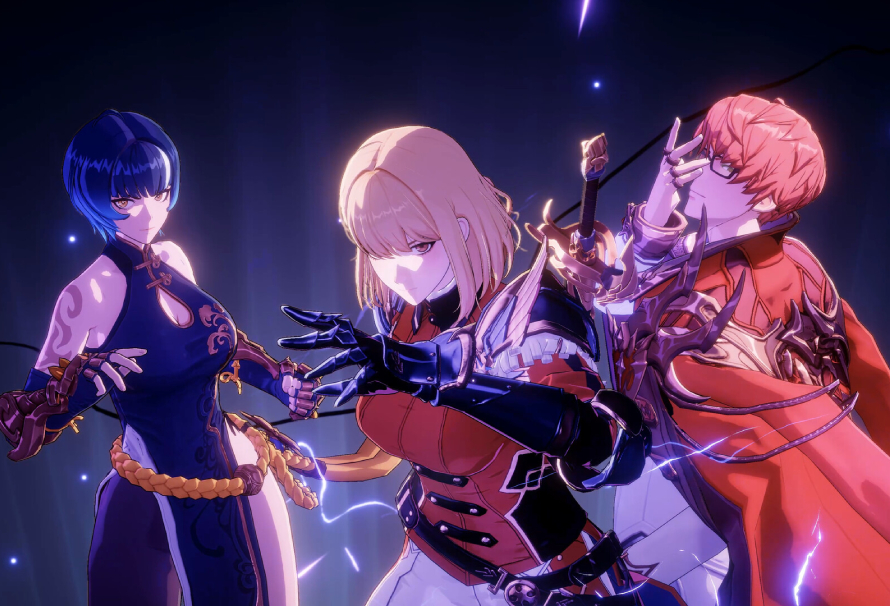
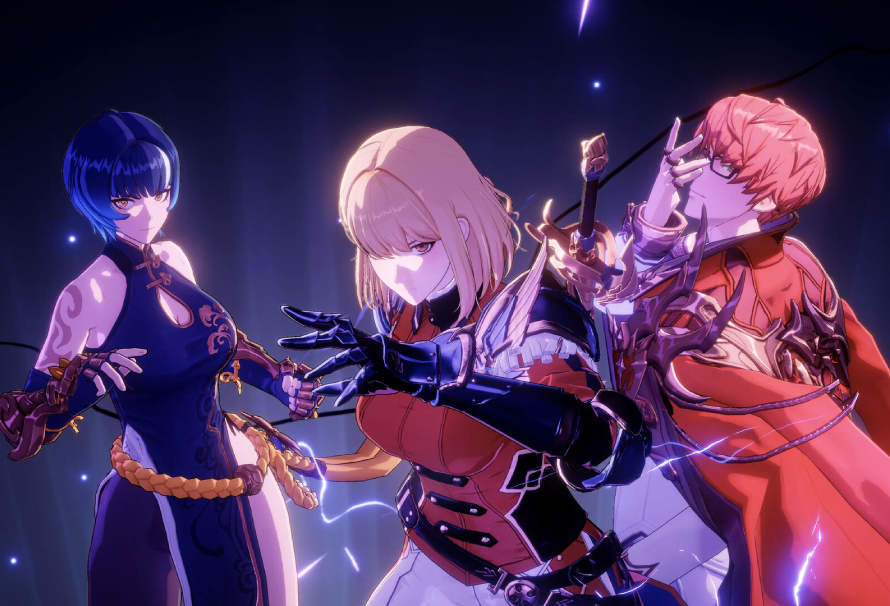
If you want something fast, slick and unapologetically addictive, start here. Adapted from a South Korean web novel and webtoon by the Japanese animation studio A-1 Pictures, Solo Leveling follows Sung Jinwoo, an E-rank hunter regarded as the weakest of his profession. After being slaughtered during a dungeon expedition, he awakens with access to a mysterious system that only he can see–and which allows him to become stronger in a world where everyone else’s abilities are effectively fixed. Watching him transform from expendable underdog into an overwhelmingly powerful fighter is pure wish fulfillment, driven by propulsive pacing and enormous battles.

The Girl Who Leapt Through Time

This 2006 film is one of the softest possible landings into anime, with a concept that is simple to follow. Makoto is an ordinary teenager who unexpectedly discovers that she can leap backward through time. She initially uses the ability to redo poor test results, avoid awkward confessions, and correct everyday embarrassments. But manipulating time has consequences for the people around her, forcing Makoto to confront a future she may not be able to reverse.

Frieren: Beyond Journey’s End

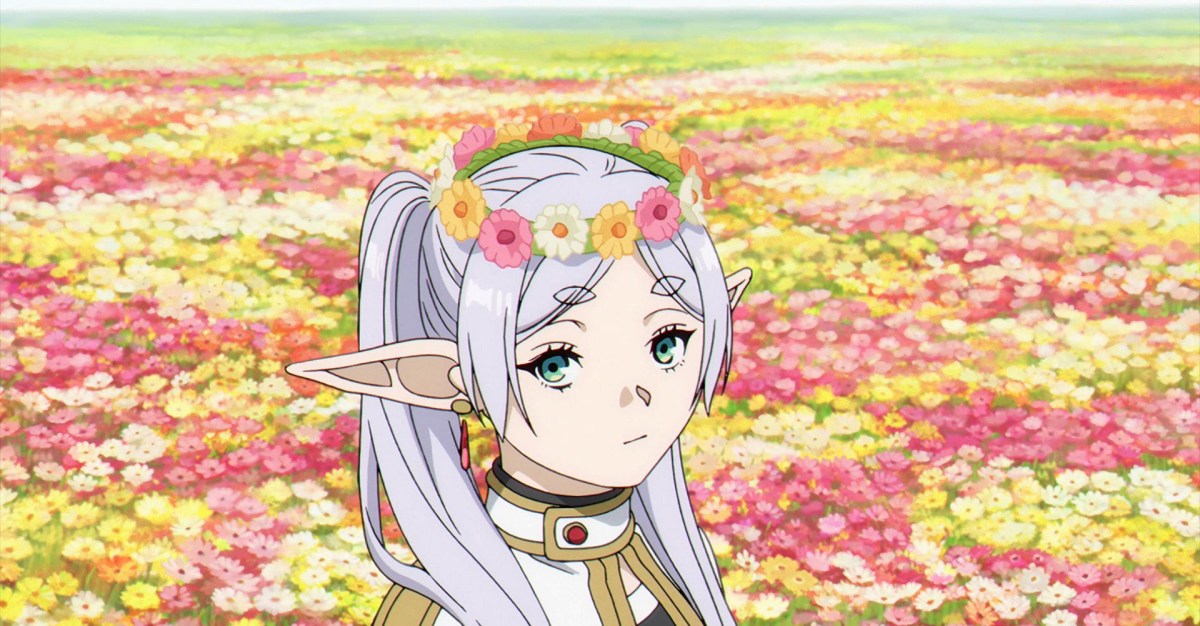
Most fantasy stories end when the heroes defeat the great evil. Frieren begins there. After completing a decade-long quest, the elven mage takes off on a solitary journey, returning after 50 years to find that her human companions have aged while she has remained unchanged. Regret at missing out on reconnecting earlier and the pain of witnessing the death of one of her friends sets her on a journey of self-discovery. The result is a quiet, beautifully animated meditation on memory, mortality, and the meaning we find in seemingly fleeting relationships.

Nausicaä of the Valley of the Wind

Take a trip back to the anime of the ’80s, when writer-director Hayao Miyazaki was helping redefine what Japanese animation could accomplish—even before he cofounded Studio Ghibli. Set in a world poisoned by ecological catastrophe, the film follows Princess Nausicaä as she tries to prevent a war between human kingdoms while understanding the enormous toxic forest spreading across the planet. It is a postapocalyptic adventure but also a remarkably prescient story about environmental destruction and humanity’s impulse to conquer what it fears.

Death Note

For viewers who think anime means sprawling fights and exaggerated superpowers, Death Note offers a psychological thriller instead. High school student Light Yagami discovers a supernatural notebook that allows him to kill anyone whose name he writes inside it, provided he knows their face. With this discovery, he launches a crusade to eliminate criminals. What follows is a compulsive, morally murky battle of wits about justice, power, and how quickly idealism can become tyranny.

The Colors Within

Totsuko is a Catholic girls’ school student with an ability to see people’s emotions as colors. She joins a band with two people whose auras she’s drawn to, and so unfolds a musical odyssey of emotion and connection, tuned to classic anime characteristics. This 2024 Japanese drama film is a great watch if you’re after something with a bit more depth.

Jujutsu Kaisen

For anyone who wants supernatural horror with spectacular action, Jujutsu Kaisen is an easy gateway. High school student Yuji Itadori swallows a cursed finger to save a classmate and becomes the vessel of Ryomen Sukuna, a reincarnated sorcerer known as the King of Curses. Yuji is brought into the secretive world of jujutsu sorcerers, who fight supernatural beings created from humanity’s negative emotions. The series becomes considerably darker as it progresses, but its humor, memorable characters, and inventive battles make the commitment worthwhile.

The Tale of the Princess Kaguya

Japan’s most famous folklore reimagined in a hand-drawn masterpiece by Isao Takahata took eight years to make. As if sketched in real time, the story unfolds with a bamboo cutter who discovers a tiny girl inside a stalk. He raises her and watches her transform into a woman of impossible beauty. But the girl is slowly suffocated by everyone else’s plans for her, including five noble suitors competing for her hand.

Kiki’s Delivery Service

Even if you have never explored anime, you have probably encountered this one. Hayao Miyazaki’s 1989 fantasy follows Kiki, a 13-year-old witch who leaves home as part of her training and settles in a seaside city with her talking cat, Jiji. She begins supporting herself by running an airborne delivery service, only to find her confidence—and her ability to fly—beginning to disappear. Ostensibly a children’s film, it is also an unusually perceptive story about independence, loneliness, and creative burnout.

Spirited Away

Hayao Miyazaki’s 2001 masterpiece remains one of the strongest arguments for animation as serious cinema. Ten-year-old Chihiro unknowingly enters a mysterious spirit world where her parents eat food at an abandoned amusement park and are transformed into pigs. She then finds work in a magical bathhouse as she searches for a way to save them.
‘Gachiakuta’ Star, Director Explain Why Its Hero’s Fall From Grace Is When the Anime Became Peak


In less than no time at all, Bones Film’s adaptation of Kei Urana’s Kodansha manga, Gachiakuta, shot up the ranks as a promising anime, with every fan champing at the bit to see how its second season will further cement its legacy as the next big thing. While we’ve still got a little bit of a wait before we see how Rudo and crew will further exceed expectations as the stylish new battle anime on the block, we’ve got the inside scoop with the Japanese creatives who were vital in making its first season a smash hit. And we’re giving (get it?) you a peek at how peak was made, too.

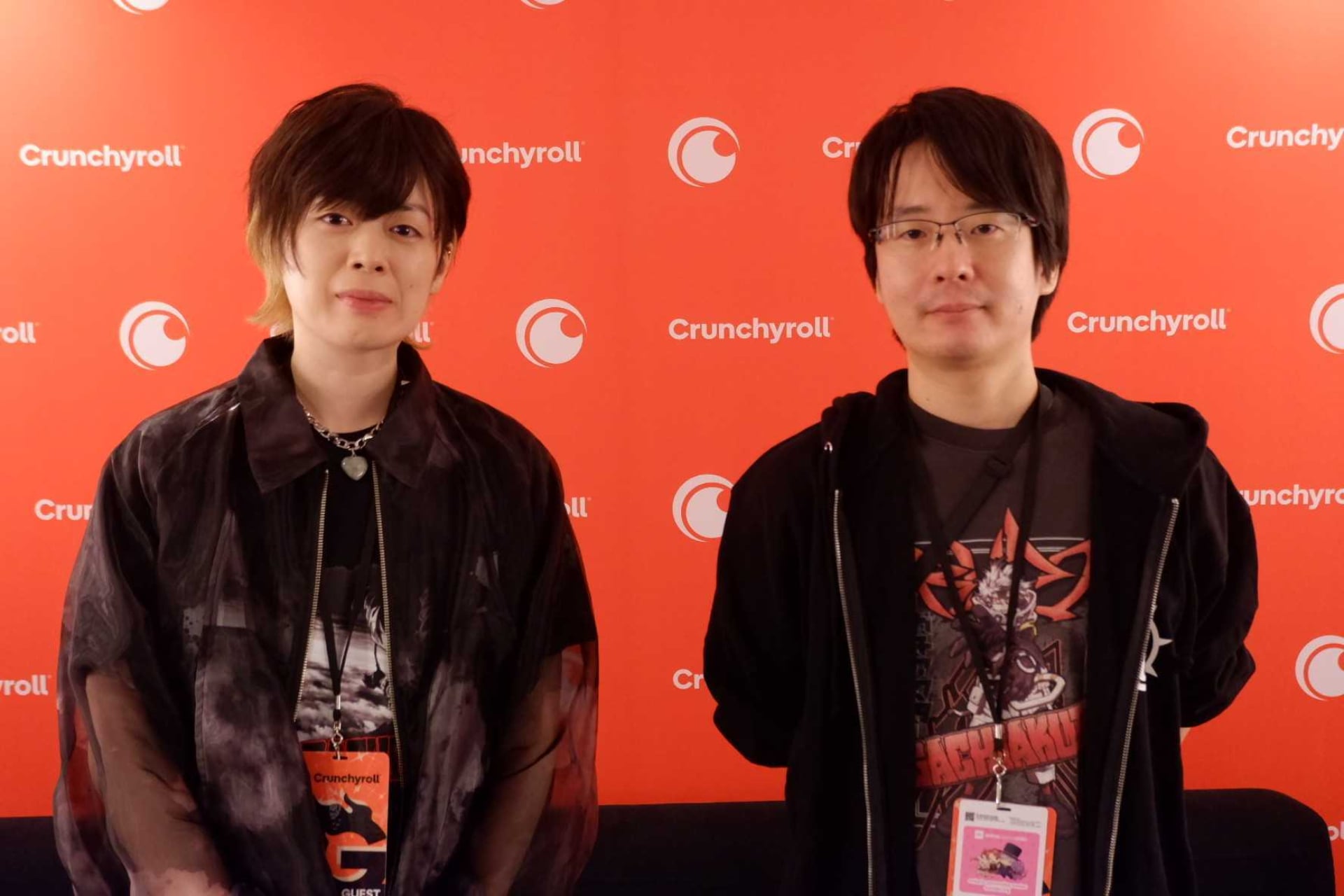
At Anime Expo, io9 spoke with Gachiakuta director Fumihiko Suganuma and Rudo voice actor Aoi Ichikawa about what sparked their interest in bringing the series to life as an anime, their creative approach to handling tricky, sensitive scenes, and their thoughts on its growing fandom. 

Gachiakuta Aoi Ichikawa Fumihiko Suganuma
Left: Aoi Ichikawa, right: Fumihiko Suganuma © Isaiah Colbert/io9

Isaiah Colbert, io9: What initially resonated with both of you about the world and themes of Gachiakuta that made you want to be a part of the anime?

Aoi Ichikawa: I would have to say a bit of resonance with Rudo’s character because he’s just the embodiment of anger. It’s what makes him him. All that emotional explosiveness is kind of fueling his life, and I feel like I resonate with those very heated emotions.

Fumihiko Suganuma: It’s likely that the power from the original manga’s art is what drew me to it because it’s slightly different from popular art styles in Japan. It’s very original, and it’s not really bowing to fit the current manga art trend. I really feel that the art has so much power that I was drawn to it.

io9: During production, was there a particular scene or moment that was especially challenging, and that made it all the sweeter to finally see it brought to life?

Ichikawa: The first episode was really challenging because of how [Rudo] falls from grace… without that, you can’t really show his anger and the motivation behind Rudo’s character. Therefore, that was the peak of his anger. And to be able to express that was really, really hard. But without being able to express that falling scene, Rudo can’t exist for the rest of the series, because that was his origin point.

When I sat down and watched the completed footage during the broadcast of episode one, I really felt like this was where Gachiakuta was finally starting. And I really felt accomplished watching it because it really moved me. It was a very heartwarming moment, like, “This is where it all begins.”

Suganuma: The latter half of anime corrections is always a battle against time. I felt a little hesitant, but I made a lot of very hard requests upon my staff, including a lot of corrections, and the staff really, really worked hard and helped me out a lot in that front. So, the fact that every episode made it to broadcast on time was very fulfilling. And I am really grateful for my entire staff that we pulled it off.

io9: One moment that resonated strongly with viewers was Amo’s storyline, especially the way the anime depicts her suffering and her heart-to-heart conversation with Rudo about their conflicting ideals. From your perspectives, what went into approaching that scene with the sensitivity it required, and how did each of you ensure it was handled with the care it deserved?

Ichikawa: I noticed the emotional flow by reading the script and reading the manga. But I feel like Rudo and Amo’s hearts are not completely connected. They have one-sided emotions going towards each other, and it’s not a proper dialogue. So I really felt that I should not actually resonate for this situation because I feel I needed to cut off my emotions and resonance towards the scene as me, the person—the actor—because Rudo is not going to go through that.

Suganuma: The whole Amo arc was pretty sensitive material. It’s my style—my policy—to do it a bit matter-of-factly and not make it too sensational because the dialogue in those scenes really needs to be heard by the audience. Because what they say is very important. I didn’t want the visuals to obstruct what they’re saying, so I made sure to do the stage production in a way so that the dialogue is brought out to be first and foremost.

io9: Gachiakuta has a very specific tone and energy within the shonen space, thanks in no small part to the series’ mix of graffiti art and a hip-hop-influenced soundtrack, which has led the show to be celebrated online as a cultural exchange between Japan and Black culture in America through memes, fan art, and cosplay. What does that significance mean to you as artists who helped bring this adaptation to life?

Ichikawa: I’m very happy about it because we’re enjoying the series together. And it’s inside the love for Gachiakuta—whether it be cosplay or fanart, whatever—everyone is expressing their love and trying to build up the community as a whole. So I really am very happy about that.

Suganuma: First of all, ditto. I’m very happy to see the reception. I wasn’t too versed in the realms of graffiti and hip-hop. The fact that it was so widely accepted made me feel like I really need to learn more about these cultures so that I can do even better.

io9: Since Gachiakuta’s magic system explores the emotional weight objects can carry, what everyday item from your own life would make the most fitting “giver” object for you within the anime’s world?

Ichikawa: My Gachiakuta object would be my script. Because without it, I wouldn’t be Rudo. That is my world, so that has to be my item.

Suganuma: I would have to say manga because I really love reading manga. It kinda even makes me think, “Imagine if I became a manga artist.” It’s most likely because I love manga so much that I wanted to be able to take one step back and have a job that has something to do with it, but I can still enjoy it as a reader.

Gachiakuta season 2 is in production.


io9 is on the ground at Anime Expo 2026. We’ll be bringing you updates on all the biggest panels, screenings, and announcements, plus exclusive one-on-one interviews with the people behind some of the best and most popular anime around. You can check out all of io9’s Anime Expo coverage here.

Want more io9 news? Check out when to expect the latest Marvel, Star Wars, and Star Trek releases, what’s next for the DC Universe on film and TV, and everything you need to know about the future of Doctor Who.

Everything You Need To Know About Solo Leveling: ARISE OVERDRIVE


Blog | Everything You Need To Know

Featuring larger-than-life anime-styled characters, fast and ferocious melee combat, towering boss encounters and a sweeping story drawn from the acclaimed webtoon, Solo Levelling: ARISE OVERDRIVE aims to deliver spectacle and intensity in equal measure. This guide brings together all the essential details, making it a one-stop resource for newcomers and fans alike.

Be sure to keep this page bookmarked, as it covers the game’s release platforms, editions, core gameplay systems, PC requirements and the latest official trailer.

Solo Levelling: ARISE OVERDRIVE Release Date

Solo Levelling: Arise Overdrive has been officially confirmed for a full release on Xbox PC and Steam on November 24, 2025. Meanwhile, the game is set to launch on PlayStation 5 and Xbox Series X/S in 2026, though a specific date has yet to be announced. At this stage, there is also no confirmation that Solo Levelling: Arise Overdrive will arrive on the Nintendo Switch or its successor.

Solo Leveling: ARISE OVERDRIVE on PC

Solo Levelling: ARISE OVERDRIVE Deluxe Edition and Early Access

Alongside the Standard Edition, developer Netmarble Neo has confirmed a Deluxe Edition, which includes a range of bonuses and grants 72 hours of early access. Wondering what those bonuses actually are? You can find the full list of Solo Levelling: ARISE OVERDRIVE Deluxe Edition goodies below:

  • Deluxe Edition-exclusive Sung Jinwoo costume
  • 1 Face Accessory for Sung Jinwoo
  • 2 New Hairstyles for Sung Jinwoo
  • Cha Hae-In Emoji Set (8 total)
  • Yaruru ‘Predator Tank
  • 1 New Profile Card
  • 1 New Profile Frame
  • 1 New Icon
  • 1 New Profile Background

Solo Levelling: ARISE OVERDRIVE Overdrive Gameplay

First things first, it’s worth clearing up a common misconception. Solo Levelling: ARISE OVERDRIVE, a third-person action RPG built around melee combat, should not be confused with Solo Levelling: Arise, the earlier free-to-play gacha-based mobile and PC title. Now that’s settled, we can get down to the essentials.

Solo Leveling: ARISE OVERDRIVE on PC

The game features two core modes. The first is a sprawling single-player campaign where players take control of Sung Jinwoo, a rising Hunter who must carve through a growing tide of powerful beasts. The story draws from the Solo Levelling webtoon while also introducing new chapters created specifically for the game. The second mode is a cooperative raid experience that lets up to four players join forces to tackle exceptionally strong monsters, each choosing from various characters and Hunters across the Solo Levelling universe.

At its core, Solo Levelling: ARISE OVERDRIVE is a third-person action RPG inspired by titles like Devil May Cry and Lost Soul Aside. Players can chain together attacks, skills, special moves and more, while a wide selection of weapons gives Solo Levellers the freedom to shape their combat style.

As you might expect, the game also emphasises evasion and parrying, echoing the mechanics found in many Soulslike titles of the past fifteen years. This includes an “Extreme Evasion” that triggers when players dodge at the last possible moment, and a familiar perfect parry, which allows for a last-second deflection followed by a devastating counterattack.

Solo Leveling: ARISE OVERDRIVE on PC

Beyond combos, evasions, parries, special attacks and an arsenal of weapons, players can tap into the titular Arise ability, summoning shadow soldiers to fight alongside them. You’ll need every tool available – skills, parries, summons and more – to bring down the game’s titanic, screen-filling bosses, which stand as centrepieces of Solo Levelling: ARISE OVERDRIVE’s core combat design.

Progression is equally robust. A deep skill tree can be tailored through eight distinct job advancements, while a weapon-crafting system lets players forge new gear using materials harvested from defeated monsters. Iconic weapons from the webtoon, including the Demon King’s Daggers and Kasaka’s Venom Fang, also make an appearance.

PC Specifications

With its sharp cel-shaded characters and environments, you might assume Solo Levelling: ARISE OVERDRIVE demands a high-end PC to run well. Fortunately, that isn’t the case. The game can still deliver impressive visual and technical performance even on hardware more than five years old. You can compare your setup to the minimum and recommended PC specifications below.

MINIMUM:

  • Requires a 64-bit processor and operating system
  • OS: Windows 10/11 (64-bit)
  • Processor: i5 4460 3.2 GHz Over or AMD equivalent
  • Memory: 12 GB RAM
  • Graphics: NVIDIA® GeForce GTX™ 1050 or better
  • DirectX: Version 11
  • Storage: 40 GB available space
  • Additional Notes: SSD recommended

RECOMMENDED:

  • Requires a 64-bit processor and operating system
  • OS: Windows 11 (64-bit Required)
  • Processor: i5-9400 2.9 GHz Over or AMD equivalent
  • Memory: 16 GB RAM
  • Graphics: NVIDIA® GeForce GTX™ 2060 or better
  • DirectX: Version 11
  • Storage: 40 GB available space
  • Additional Notes: SSD recommended

Where Can I Watch the Latest Trailer?

The latest trailer for Solo Levelling: ARISE OVERDRIVE is available to watch right now, and you can view it above. Focused on gameplay, it showcases the game’s striking cel-shaded visuals and highlights many of the screen-filling bosses players can expect to take on.


John-Paul Jones

Scribbling about videogames since 2005, John-Paul Jones first stoked his love for the industry with the Atari 65XE at the age of four before proceeding onto the ZX Spectrum, Amiga and beyond. These days, he finds himself unreasonably excited about Sega’s Yakuza franchise, foreign cinema and generally trying to keep his trio of sausage dogs from burning his house down. Clearly, he is living his best life right now.

‘Dan Da Dan’ Set Phasers To Stun With Its Most Momokarun Episode Yet


After a riot of referential anime references, live-action food, and power metal exorcisms, the latest episode of Science Saru‘s anime adaptation of Dan Da Dan delivered the most romantic episode of the show’s sci-fi meets yokai madness yet between its protagonists. You bet your ass we’re going to gush about it.

Io9spoiler

In the seventh episode of Dan Da Dan season 2, “Feeling Kinda Gloomy,” the show picks up from the cliffhanger of its previous episode, where Okarun witnesses Momo Ayase working at a maid cafe. After being forced to go by Momo’s besties Miku and Muko (and the in-universe presidents of “Momokarun,” the ship name of Momo and Okarun) the girls make a riot out of poking fun at Momo like any teenagers would when they ambush their friends at work. While Momo working part-time at a maid cafe came as a shock to Okarun, she later explains that she’s only doing so to pay for a new phone, a gripe she’s routinely remarked about since it got broken way back in the show’s premiere. All the same, Miku and Muko had a ball teasing Momo on her first day, and further propel her and Okarun’s romance by taking a group photo performing a “moe moe tri-beam” before slipping it into his pocket.

Dan Da Dan Science Saru
© Science Saru


Mortified, Momo tells Okarun he should head home, but ever the mild-mannered gentleman, he says he’ll wait around until her shift is over to walk her home. Momo handwaves him away, worrying he’ll catch a cold, and shoos him away. All the while, Momo sneaks glances at the clock as she slowly wears down in her day, wondering if Okarun has stayed true to his word. And sure enough, when Momo thought Okarun had high-tailed it back to her place (he, Jiji, and Aira are crashing at the Ayase residence now after the events of the season’s opening), Okarun shows up in a huff, apologizing for being late with their group photo clutched in hand. After catching himself extending a hand to Momo to walk her home and trying to play it off like he was motioning to secure his backpack,, Momo clutches his hand, saying, “ain’t so cold now.” Now, shippers can add screenshots of the two handholding scenes to their dedicated computer files, featuring the pair timidly holding hands from a couple of episodes ago and their accidental kiss from season one.

Dan Da Dan Okarun Momo Science Saru
© Science Saru

But because Dan Da Dan is a shonen anime with shojo romance in its DNA, we got even more drama in our midst this episode with the love rectangle, including Aira’s crush on Okarun and Jiji’s crush on Momo. While Aira’s jealousy of Momo was shelved to be handled in what’s sure to be an Okarun/Aira-centric episode next week, this episode saw some trouble in paradise for the love triangle between Momo, Okarun, and Jiji.

While Okarun and Momo were making their way back to the Ayase residence, Jiji was back at home training to get his Evil Eye possession under control. While he seemed to have his Ranma 1/2 water transformation under control, Aira spilling her boba tea on him after they both ran up to Momo triggered his transformation. Luckily, with some quick thinking and a bit of luck, Momo was able to spit water on her childhood crush, transforming him back to his usual self.

Dan Da Dan Science Saru Momo Ayase Jiji Enjoji Okarun
© Science Saru

When Jiji goes to check up on Momo, after Evil Eye choked her and ripped at her shirt, Okarun shoves him forcefully away from her, still concerned about the potential threat. It’s a perfect recreation of the moment from the manga, one that has become a meme among readers, often accompanied by the caption “She good, bruh.” We’re sure to get our fair share of anime-flavored memes soon, now that the scene has finally been adapted so faithfully.

What made this episode so special, beyond it cranking up the slow-burning romance between its leads, is how it’s yet another example of Science Saru doing a spectacular job adapting manga creator Yukinobu Tatsu’s ongoing manga. In contrast to contemporary shows that settle for a one-to-one copy-paste of manga panels and call it a day, co-directors Abel Gongora and Fuga Yamashiro embellish and add additional scenes that build on the manga, truly adapting it into the medium in every sense of the word. Not only did we have an opening montage adapting what was a few panels into a full-blown montage of Momo’s workday underscored by Frédéric Chopin’s “Nocturne in E Flat Major,” we also got a POV camera angles from Okarun’s perspective as his peepers tried their hardest not to get caught gawking at Momo in her maid getup.

Dan Da Dan Okarun Science Saru
© Science Saru

Take past episodes showcasing the pair taking interest in each other’s hobbies, with Momo throwing Ultraman poses and Okarun reading what looks like a manga of Ashita No Joe while practicing throwing punches and trying to get stronger through training with Turbo Granny and the boxing single-father alien, Peeny-Weeny, and that’s how love starts, you know? We’re here for the slow burn.

New episodes of Dan Da Dan air every Thursday on Crunchyroll, Netflix, and Hulu.

Want more io9 news? Check out when to expect the latest Marvel, Star Wars, and Star Trek releases, what’s next for the DC Universe on film and TV, and everything you need to know about the future of Doctor Who.

30 Years Ago Today, Gundam Wing Was Ready to Change Everything


Thirty years ago in Japan today, Heero Yuy infamously tore up the birthday invite of Relena Peacecraft and threatened to kill her—and it was more than just meme history that was forever changed. It would take just shy of another five years for it to happen, but Gundam had laid the groundwork for its first major hit outside of Japan—and bring its big robots, and even bigger ideas, to a whole new audience.

Released in Japan on April 7, 1995—to celebrate the Gundam franchise’s 16th anniversary on the same day—Gundam Wing was the franchise’s second dip into the world of alternate timelines beyond the series’ iconic primary continuity, the Universal Century. Its predecessor, Mobile Fighter G Gundam, had juked where, up to that point, Gundam had jived, trading broad astropolitical worldbuilding for more shonen and super robot influences. Wing then, would return to jiving, establishing a precedent that practically every alternate universe series has followed since: new characters, new setting, but themes and stories that would resonate with, and be in conversation to, ideas first established in those Universal Century stories.

Set in the year After Colony 195, Wing establishes a familiar Gundam scenario: humanity has advanced into the stars and to a series of space colonies within the solar system, but dissent between the latter wishing for independent rule away from the former has sparked a period of violent tensions. Unlike the Universal Century, the colonies are the protagonists and heroic perspective here, with a group of scientists working together to build five Gundams, powerful mobile suits, and send them to Earth alongside young, specially trained pilots, originally unaware of each other, but dedicated to their mission of liberating the colonies from the yoke of Earth’s militarism at any cost.

If G Gundam had extrapolated the franchise to one of its most heightened potentialities, then Wing was intrigued with the more rooted aspects of what had made Gundam in the first place, a story about youth and war, about the politics of peace—and perhaps even further rooted than that, largely eschewing fantastical ideas like the psionics of Newtypism to depict a more grounded reality, but of course one where giant robots shot the ever-loving hell out of each other. Wing instead found its fantasy in the high melodrama of its interpersonal relationships, giving the five members of the Gundam Team—Heero, Quatre, Trowa, Wu Fei, and Duo a feisty, fractured relationships that created plenty of drama (and, inevitably in the vein of fujoshi interest before it with Char and Amuro, plenty of material for a thriving fan shippers—there’s a reason why perhaps Wing more than most Gundam shows has swathes of promotional artwork depicting the cast in slice of life scenarios or in boy bands).

Gundam Wing Boys
© Sunrise

But in Japan, beyond that layer of interest in the five boys themselves, Gundam Wing was only a marginal success. What made Wing important wouldn’t happen for another five years, when it became the first Gundam series to air on Toonami—introducing Western audiences not just to its own vision of what Gundam was, but for many, what the franchise was altogether. Riding a wave of anime interest that had exploded with the likes of Pokémon and Dragon Ball before it, Gundam Wing‘s arrival in 2000 was another landmark in entrenching the medium’s popularity in the West. Without its adaptation, Gundam‘s place outside of Japan would be very different—fundamentally changing a relationship that has developed over the past 25 years, to where now Gundam movies hit theaters around the world, and the latest shows in the franchise air day and date.

It’s perhaps fitting then, that Wing‘s 30th anniversary falls on the eve of a new era for GundamGQuuuuuuX, the latest show in the franchise—itself straddling the line of alternate-universe storytelling and direct links to the Universal Century in fascinating ways—is set to begin this week, a new generation that will be experienced by Gundam fans around the world. Access to the broader world of Gundam in the years since may take off some of Wing‘s nostalgic sheen; it’s a show that becomes increasingly thematically muddled as it goes on, and its best ideas are explored in more interesting ways elsewhere in the franchise. But even then, it’s still difficult to imagine a better series to have introduced the world to Gundam at large than it, timed at a perfect moment to enthrall a generation of nascent anime fans—a gateway that showed you that giant robots were extremely cool, but that the ideas behind them could be even cooler.

Want more io9 news? Check out when to expect the latest Marvel, Star Wars, and Star Trek releases, what’s next for the DC Universe on film and TV, and everything you need to know about the future of Doctor Who.

Frieren: Beyond Journey’s End season 2 is coming in January 2026


The titular character of Frieren is a gifted elf mage who was once a member of a heroic adventuring party that defeated a great evil. The party promises to meet up again in 50 years. That’s just a blink of an eye for Frieren, who doesn’t bother keeping in touch with the rest of her friends. But when she shows up, it’s clear that the rest of them have aged. While they enjoy their little meet up, it ends sadly as the main hero dies the next day.

Even more time passes before Frieren sets out on another adventure, reluctantly taking on a protégé. She treks through places she’s seen before, and comes across villages she once saved, only to find she’s a distant memory now now. It’s something that she’s accepted, having already lived for hundreds of years; no matter how legendary, all heroes fade, even when they insist their greatness will spare them this fate.

That could be a real bummer, but the show emphasizes that just because time is fleeting, that doesn’t mean it can’t be enjoyed. Frieren has outlived all her friends and she will definitely outlive the two young heroes in her current adventuring party. But that doesn’t mean it isn’t worth getting to know them and enjoying the time she has with them.

That elegiac edge is what makes Frieren so special, but even without the existential overtone, it’s a damn fine fantasy show with interesting world-building and some gorgeous animation. The back half of the first season really dives into the world’s magic system, but in a way that still tied into the overall themes of the show. Frieren was there when humans started using magic, and she’s seen how it has evolved over time. So, showcasing the new generation of mages’ powers juxtaposed with Frieren and her protégé Fern highlights the inevitability of rapid progress.

Nearly a year after I finished the first season, I’m still thinking about Frieren. It’s a show that gets under your skin and really sticks with you, one that uses everything at its disposal to drive home its big ideas.

All episodes of Frieren: Beyond Journey’s End are out on Crunchyroll now. New episodes will arrive next January.

I Love the Moment That Everything Changes in Gundam GQuuuuuuX


The latest entry in the Gundam franchise, GQuuuuuuX, is built around one of the most fascinating premises a mainline Gundam show has had in years. To get there, we’re asked to cast our minds back over 45 years to the original 1979 anime—and in doing so, we’re also asked to consider a pretty hilarious idea.

io9 spoiler bar

The vast majority of Gundam GQuuuuuuX—as covered in its prequel/compilation movie GQuuuuuuX Beginning, out in American theaters today for a limited runis predicated around the fact that the show is in fact set in an alternate version of Gundam‘s “Universal Century” timeline. The primary timeline of the original Gundam and its direct successor series, among others in the franchise, GQuuuuuuX‘s version of events asks us to consider another outcome. What if the antagonistic forces of the original series, the secessionist space colony Zeon, actually managed to win the war against Earth?

GQuuuuuuX‘s inflection point to show this new timeline takes audiences right back to the very first episode of the 1979 anime. Beginning opens with an almost shot for shot, beat for beat recreation of the original opening moments of Gundam itself: after a brief explanation of the outbreak of the “One Year War” between Zeon and the Earth Federation, we follow three Zeon mobile suits as they infiltrate the Side 7 colony, looking to gain intel that the Federation has been developing a new prototype mobile suit there.

But things immediately differ there: we’re told that one of the pilots who was meant to go on the mission is having their Zaku repaired after sustaining damage in a prior mission, leaving Zeon ace pilot Char Aznable to take his place. It’s this that changes everything for GQuuuuuuX‘s timeline: Char identifies the prototype mobile suit, the Gundam, makes a bold move to exit his own Zaku and steal it during the chaos of Zeon’s arrival in Side 7, and the rest from there, as they say, is alternate history.

Gquuuuuux White Gundam
© GKids/Bandai Namco Filmworks

It’s fascinating to watch unfold in Beginning if you’re a Gundam fan, seeing how the opening half that retells the original Gundam differs from this change, and what things echo throughout both. But if you are a diehard fan of the 1979 classic already, then you probably know who was meant to go on this mission instead of Char, and why it fails in the original series as young Amuro Ray finds himself as the one who gets in the Gundam’s cockpit to fight off the Zeon attackers. A man who is only ever known as Gene.

In the very first episode of the original Gundam, Gene is kind of a massive asshole. Despite being on a stealth recon mission, he’s loud and brash, high on not only his own supply, but that of his senior officer, Char Aznable, at this point in the conflict a decorated war hero. Bored with simply sitting in his ginormous weapon of war in a colony that, for the most part, just happens to be an ordinary residential facility, Gene immediately grows impatient, moves out of position, and defies orders and a threat of court martial, and starts indiscriminately firing at the Federation facilities and residential areas alike.

It is this single action, GQuuuuuuX argues, that makes all of Gundam as we know it happen. Without Gene blowing the recon mission—without him yearning to chase the glory Char has had—Amuro never gets in the Gundam, never kills Gene and the other Zeon soldiers attacking the colony, never escapes on the White Base and kicking off a new turnaround in the war for the Earth Federation. Mobile Suit Gundam happens because one egotistical jerk pulls a trigger, envious of the glory achieved by those above him. Of Char, specifically.

And that is what makes this both absolutely hilarious, but also completely fascinating at the same time. Because in the original show Char isn’t really the dashing war hero that Gene desperately wished to emulate. He’s a top pilot, yes, but he’s far from the image of a warrior boldly dashing into fights head on: he schemes, he plots, he revels in deception and subterfuge. The war hero is a mask that Char wears as readily as his legendary helmet, always thinking two steps ahead as he plots his own agenda against Zeon’s ruling Zabi family. Char doesn’t care about the war effort: he cares about betraying and destroying the Zabis, and he’ll use the opportunity of becoming their military poster child to do exactly that.

It’s still the same in GQuuuuuuX‘s vision for the character, too. Even with getting access to the Gundam, Char is still playing the war for his own game, plotting his vendetta against the Zabis all the time he is using the Gundam to win the war for them. Hell, even the way he decides to take the Gundam isn’t in the heroically combative manner Gene might have assumed of him: he spots a chance while the Gundam’s inoperative, stages a distraction, and sneakily leaps out of his own suit to run over and take it off the back of a transport vehicle. That is who Char is, regardless of whether or not it’s the man we first met in the 1979 anime, or the version of him we now get to see in GQuuuuuuX‘s alternate timeline. What Gene believes in, in presumably both timelines, is predicated on a lie.

All of this is made upon Char’s layers of intrigue and deception being believed by those around him–whether it’s him successfully managing to eradicate most of the Zabis at the cost of losing the war in the original show, or this new vision of reality we now have in GQuuuuuuX. It’s what makes Beginning such a delectable treat to watch unfold as a long-time fan of the series. It’s made with a clear love and respect for what the original show did as pioneer for the mecha genre in anime, and a keen understanding of what made it so compelling four-and-a-half decades ago in the first place. A respect that’s both enough for it to make such an absurdly fannish gesture in the first place, but also still have it be more than just simple emulation and homage to what came before it.

If that’s something that GQuuuuuuX can keep at its core as the story progresses into the TV anime at large, Gundam fans will be in for one hell of a treat.

Want more io9 news? Check out when to expect the latest Marvel, Star Wars, and Star Trek releases, what’s next for the DC Universe on film and TV, and everything you need to know about the future of Doctor Who.

An XR game trilogy based on Neon Genesis Evangelion is in the works


South Korean game development studio Pixelity says it’s working on a series of XR games based on Neon Genesis Evangelion, and the first one will be released next year. In an emailed announcement, the studio said it’s planning a trilogy “based on the world and events of all 26 episodes” of the beloved anime.

We don’t have much in the way of details just yet, but Pixelity says, “Players will experience the narrative through the eyes of an original character, exploring the world of Neon Genesis Evangelion, taking on quests, and engaging in thrilling battles — all while following the timeline and key events of the anime.” The trilogy will offer “interactive and cooperative gameplay with familiar characters.” The developer hasn’t revealed what platforms the games will be available on.

Pixelity has previously made games for the Meta Quest family of headsets, as well as Pico and other platforms. It also recently launched a couple of titles for Apple Vision Pro, and .

If you buy something through a link in this article, we may earn commission.

Studio Trigger Rolls Out With a Mysterious Transformers Anime Project


Along with Hollywood’s massive live-action movies, the Transformers have been cutting up on the small screen with multiple TV shows over the years. While Transformers: Earthspark’s second season just hit Paramount+ back in June, something brand new appears to be waiting in the wings.

Earlier in the week, anime studio Trigger (best known for Promare, Cyberpunk: Edgerunners, and Delicious in Dungeon) revealed it was working on something to celebrate the popular toy franchise’s newest benchmark. The Robots in Disguise turn 40 this year, and the short teaser features some brief glimpses of series mascots Optimus Prime and Megatron (plus Bumblebee and Hot Rod) in the famous G1 versions of their iconic designs, and Trigger’s reimagining of those. (Interestingly, some eagle-eyed viewers spotted Optimus from Transformers Animated!) But as far as what Trigger is specifically making—like a simple celebration video or something bigger like an intro for an unannounced game—is currently under wraps.

Transformers and animationn have always been tight, but this marks the franchise’s third time dipping into actual anime following Transformers: Cybertron in 2005 and the Japan-only Transformers Go! in 2015. Conversely, Trigger is no stranger to the mecha scene: beginning with 2018’s Darling in the Franxx, it’s worked on mecha projects under the Gridman series. Given the studio’s larger pedigree, it’ll be exciting to see what Trigger’s doing for the franchise’s birthday, because you know it’ll look good as hell.

While we wait for more information on this mysterious Transformers venture, Transformers One may scratch any itch you have for some good animated material from the franchise. That movie hits theaters on September 20, and you can look forward to our review closer to release.

Want more io9 news? Check out when to expect the latest Marvel, Star Wars, and Star Trek releases, what’s next for the DC Universe on film and TV, and everything you need to know about the future of Doctor Who.

Megan Thee Stallion and more celebs pick their My Hero Academia quirks


My Hero Academia returns this Saturday with the highly anticipated premiere of its seventh season. The latest season of the mega-popular superhero action anime is set to adapt the “Star and Stripe” arc of Kōhei Horikoshi’s original manga. That means the arrival of America’s No. 1 Hero, Star and Stripe, in Japan to aid Izuku Midoriya and his classmates in their battle against Tomura Shigaraki and the Paranormal Liberation Front.

Since its debut in 2016, My Hero Academia has grown to become one of the most popular shōnen anime in the world, inspiring a fandom arguably magnified by the pop culture shift instigated by the phenomenon of the Marvel Cinematic Universe and the DCU. During this year’s Crunchyroll Anime Awards, Polygon had the opportunity to speak to multiple celebrity anime fans about their love of My Hero Academia, as well as ask what quirk they think they would have if they lived in the world of Horikoshi’s superhero epic.


Megan Thee Stallion

“If I could choose my own quirk, I would choose to be a part of the Todoroki family because I feel like those are already quirks that I would have. Because I’m Tina Snow; that’s my ice powers, and I’m the Hot Girl coach; that’s my fire power. I just feel like that’s where I would be.”

Iman Vellani

“Freezing time, but without me aging. I would like more sleep; I would like more time to watch TV and movies. Sometimes I feel like when I’m doing press and I get to travel, it’s just all press and I don’t have enough time to just go where I want. So freezing time, or teleportation, though I do like being on a plane.”

Yaeji

“I think [my quirk] would have to do something with time, which is a heavy burden to carry. But maybe there’s more specific rules to it, something that manipulates time that allows you to speed up or slow it down.”

Mercedes Varnado

An invisible person in a blue and white jumpsuit doing pull-ups in a gym in My Hero Academia.

Image: Bones/Crunchyroll

“Either flying or being invisible. Just because I love overseeing things, I love being part of the world, and I love traveling. So just to be able to travel faster would be awesome. I’d like to be invisible so I can escape from any situation; Like, if I don’t like something, I could just go.”


What quirk would you choose to have in the world of My Hero Academia?

My Hero Academia season 7 premieres Saturday, May 4 at 2:30 a.m PT on Crunchyroll.