Meta launches ‘Plus’ plans for Instagram, Facebook, and WhatsApp


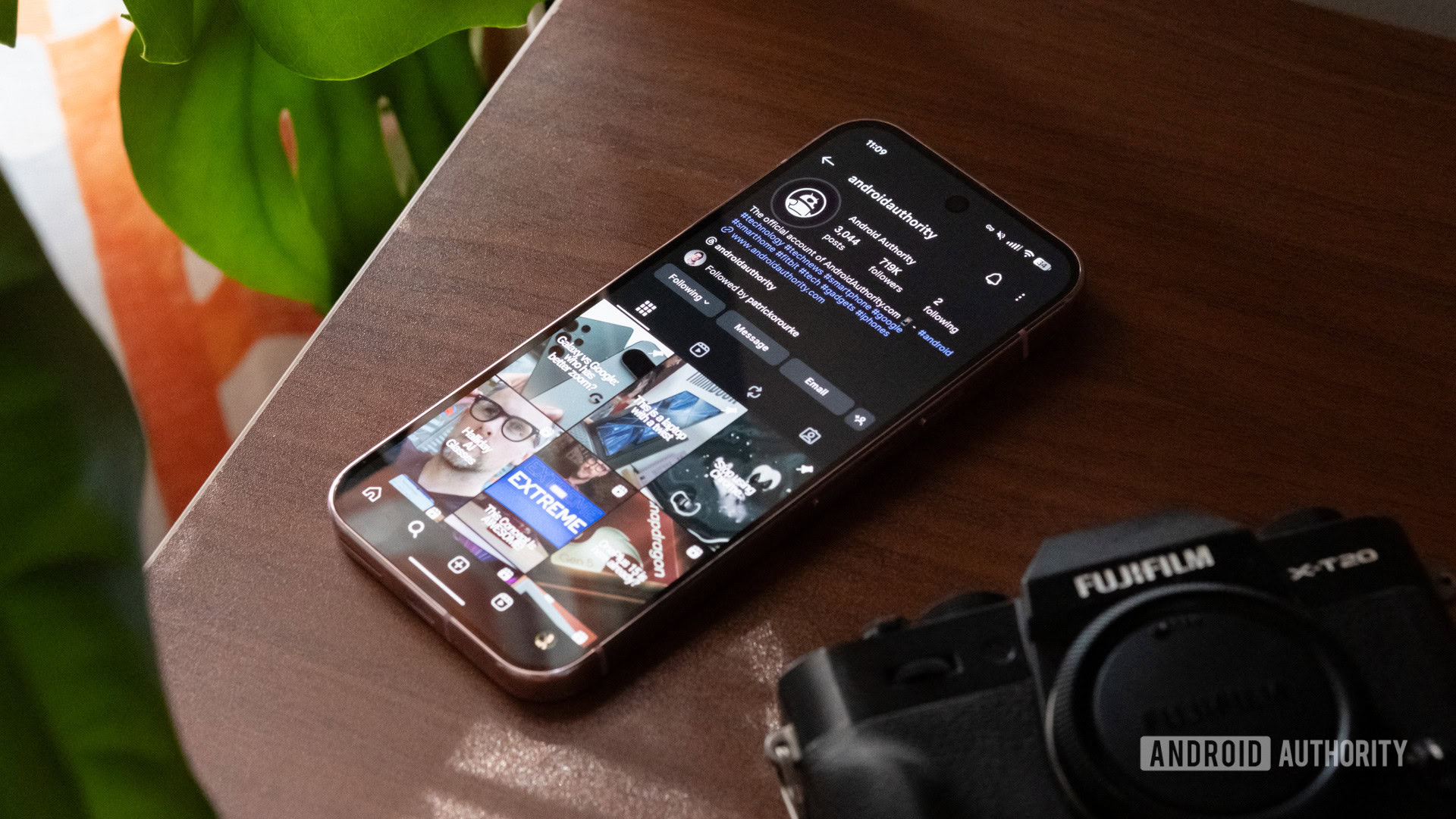
A Google Pixel 9 Pro on a desk, showing the Instagram app.

Taylor Kerns / Android Authority

TL;DR

  • Meta has announced plans for several new paid subscriptions.
  • Facebook Plus, Instagram Plus, and WhatsApp plus offer additional functionality for $3 to $4 per month.
  • Paid plans featuring additional AI functionality and tools for audience growth are also being tested.

Meta is rolling out a handful of new paid subscription plans for several of its services. The company’s announced new Facebook Plus, Instagram Plus, and WhatsApp Plus plans that add more features to each app. It’s also testing paid subscriptions for Meta AI.

As reported by TechCrunch, Meta Head of Product Naomi Gleit announced the new offerings in a video published this afternoon. Gleit doesn’t get into pricing details, but TechCrunch‘s report says plans for Meta’s individual apps cost $3 to $4 per month, while the company will test AI plans that cost $8 to $20 per month.

Don’t want to miss the best from Android Authority?

google preferred source badge light@2xgoogle preferred source badge dark@2x

Instagram Plus and Facebook Plus will each cost $4 per month in the US. According to the report, the subscriptions will be geared toward power users, allowing subscribers more granular control over who sees which of their content, as well as better insight into who their posts are reaching. The $3 WhatsApp Plus plan “focuses on personalization and messaging,” with additional themes, exclusive stickers, and more slots for pinned conversations.

These plans will not replace Meta’s Verified program, which offers identity verification and impersonation protection (among other features) for between $15 and $500 per month.

In Singapore, Guatemala, and Bolivia, Meta AI will begin testing plans called Meta One Plus and Meta One Premium next month. The two plans, which will reportedly cost $8 and $20 per month in the US, respectively, apparently come with the same features, though the Premium offering features higher usage limits. Basic Meta AI functionality will remain free for now.

Later this week, Meta’s also planning to launch public testing for two additional Meta One plans, Essential and Advanced, in some markets outside the US. The plans seem tailored to profiles looking to build influence, and include both Verified status as well as exclusive features to help grow audiences.

Thank you for being part of our community. Read our Comment Policy before posting.


AI is so ubiquitous ‘it will be more practical to fingerprint real media than fake media’


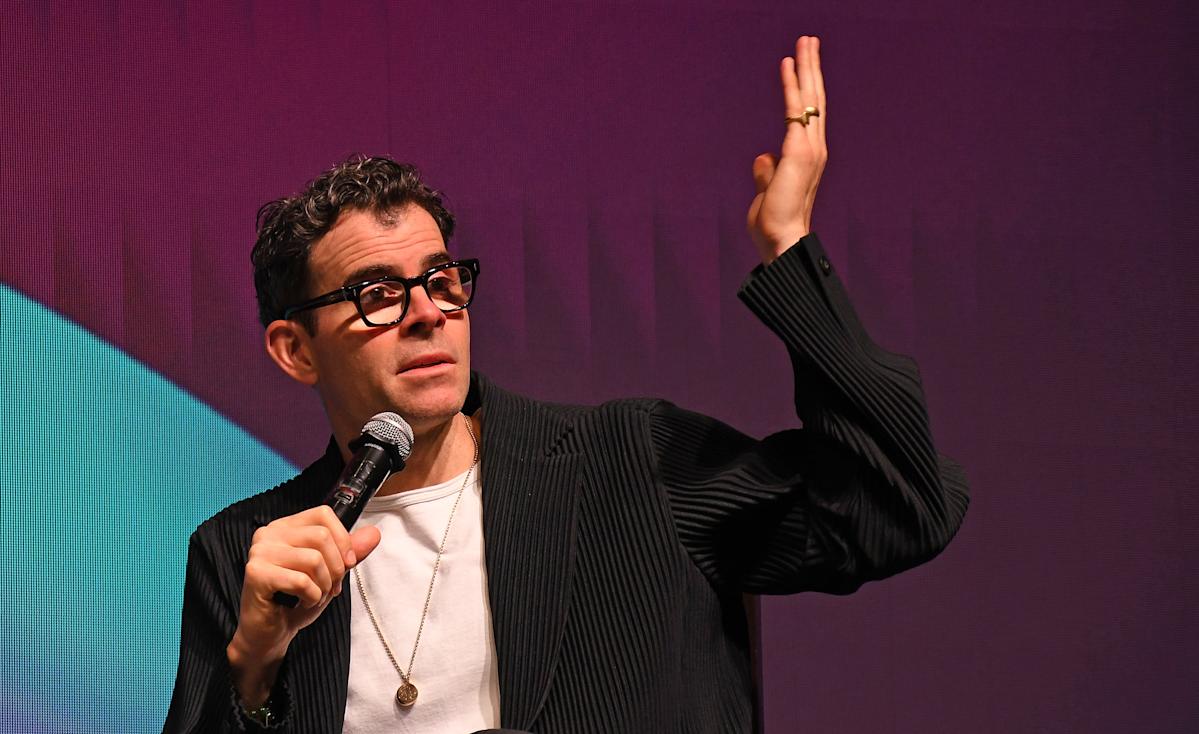
It’s no secret that AI-generated content took over our social media feeds in 2025. Now, Instagram’s top exec Adam Mosseri has made it clear that he expects AI content to overtake non-AI imagery and the significant implications that shift has for its creators and photographers.

Mosseri shared the thoughts in a lengthy post about the broader trends he expects to shape Instagram in 2026. And he offered a notably candid assessment on how AI is upending the platform. “Everything that made creators matter—the ability to be real, to connect, to have a voice that couldn’t be faked—is now suddenly accessible to anyone with the right tools,” he wrote. “The feeds are starting to fill up with synthetic everything.”

But Mosseri doesn’t seem particularly concerned by this shift. He says that there is “a lot of amazing AI content” and that the platform may need to rethink its approach to labeling such imagery by “fingerprinting real media, not just chasing fake.”

From Mosseri (emphasis his):

Social media platforms are going to come under increasing pressure to identify and label AI-generated content as such. All the major platforms will do good work identifying AI content, but they will get worse at it over time as AI gets better at imitating reality. There is already a growing number of people who believe, as I do, that it will be more practical to fingerprint real media than fake media. Camera manufacturers could cryptographically sign images at capture, creating a chain of custody.

On some level, it’s easy to understand how this seems like a more practical approach for Meta. As we’ve previously reported, technologies that are meant to identify AI content, like watermarks, have proved unreliable at best. They are easy to remove and even easier to ignore altogether. Meta’s own labels are far from clear and the company, which has spent tens of billions of dollars on AI this year alone, has admitted it can’t reliably detect AI-generated or manipulated content on its platform.

That Mosseri is so readily admitting defeat on this issue, though, is telling. AI slop has won. And when it comes to helping Instagram’s 3 billion users understand what is real, that should largely be someone else’s problem, not Meta’s. Camera makers — presumably phone makers and actual camera manufacturers — should come up with their own system that sure sounds a lot like watermarking to “to verify authenticity at capture.” Mosseri offers few details about how this would work or be implemented at the scale required to make it feasible.

Mosseri also doesn’t really address the fact that this is likely to alienate the many photographers and other Instagram creators who have already grown frustrated with the app. The exec regularly fields complaints from the group who want to know why Instagram’s algorithm doesn’t consistently surface their posts to their on followers.

But Mosseri suggests those complaints stem from an outdated vision of what Instagram even is. The feed of “polished” square images, he says, “is dead.” Camera companies, in his estimation, are “are betting on the wrong aesthetic” by trying to “make everyone look like a professional photographer from the past.” Instead, he says that more “raw” and “unflattering” images will be how creators can prove they are real, and not AI. In a world where Instagram has more AI content than not, creators should prioritize images and videos that intentionally make them look bad.

How to set up a WhatsApp account without Facebook or Instagram


There’s no shortage of reasons to stay off the Meta ecosystem, which includes Facebook and Instagram, but there are some places where WhatsApp remains the main form of text-based communication. The app is a great alternative to SMS, since it offers end-to-end encryption and was one of the go-to methods to send uncompressed photos and videos between iPhone and Android users before Apple adopted RCS. Even though Facebook, which later rebranded to Meta, acquired WhatsApp in 2014, it doesn’t require a Facebook or Instagram account to get on WhatsApp — just a working phone number.

To start, you need to download WhatsApp on your smartphone. Once you open the app, you can start the registration process by entering a working phone number. After entering your phone number, you’ll receive a unique six-digit code that will complete the registration process. From there, you can sort through your contacts on your attached smartphone to build out your WhatsApp network, but you won’t have to involve Facebook or Instagram at any point.

Alternatively, you can request a voice call to deliver the code instead. Either way, once you complete the registration process, you have a WhatsApp account that’s not tied to a Facebook or Instagram account.

If you change your mind and want more crossover between your Meta apps, you can go into the app’s Settings panel to change that. In Settings, you can find the Accounts Center option with the Meta badge on it. Once you hit it, you’ll see options to “Add Facebook account” and “Add Instagram account.” Linking these accounts means Meta can offer more personalized experiences across the platforms because of the personal data that’s now interconnected.

You can always remove your WhatsApp account from Meta’s Account Center by going back into the same Settings panel. However, any previously combined info will stay combined, but Meta will stop combining any personal data after you remove the account.

Read what Mark Zuckerberg and Facebook execs said about Instagram before buying it


The first week of the Meta antitrust trial brought new revelations about how the company formerly known as Facebook approached the competitive threat posed by Instagram in the early 2010s.

The U.S. government is accusing Meta of violating competition laws by acquiring companies like Instagram and WhatsApp that threatened the Facebook monopoly. If lawyers for the U.S. Federal Trade Commission (FTC) are successful, the government could force Meta to break up its business by selling off Instagram and WhatsApp.

As part of the trial, the FTC shared compelling evidence to demonstrate that Facebook was very much aware of the risk Instagram created for its business as the photo-sharing app grew in popularity. In documents containing Facebook’s internal emails, Facebook execs fret over Instagram’s growth and discuss how much to pay for the app, if Facebook were to acquire it.

The company execs also discuss other strategies for limiting Instagram’s growth, including copying its functionality and releasing an app of their own, or buying the app and then no longer adding new features to it while working on its own products.

Facebook’s strategy to either buy or bury its competition is on display in these conversations, according to the government’s arguments. In addition to showing how the company was thinking about its competition at the time, the messages are indicative of the cutthroat strategies that have allowed Meta to become the social networking behemoth it is today.

Some of the highlights from these messages are below.

Mark Zuckerberg and others worry about Instagram’s rapid growth

  • “Instagram seems like it’s growing quickly. In 4 months they’re up to 2m users and 30k daily photo uploads. That’s a lot. We need to track this closely. Also, apparently Dropbox’s next big push is going to be in photo sharing.” — Mark Zuckerberg, February 2011
  • “If Instagram continues to kick ass on mobile, or if Google buys them, then over the next few years they could easily add pieces of their service that copy what we’re doing now, and if they have a growing number of people’s photos then that’s a real issue for us. They’re growing extremely quickly right now. It seems like they double every couple of months or so, and their base is already ~5-10m users. As soon as we launch a compelling product a lot of people will use ours more and future Instagram users will find no reason to use them. But at the current rate, literally every couple of months that we waste translates to a double in their growth and a harder position for us to work our way out of.”  — Mark Zuckerberg, September 2011
  • “The photos team is now focused almost exclusively on a new mobile photo app as we gawk at Instagram’s simple photo-sharing app taking off (and even our own app sees fat growth … mobile uploads increased to 17.7M day, +5.3 w/w). Like Beluga, watching these guys explode validates our strategy of de-cluttering our mobile experience and offering standalone messaging and photos products outside from the monolithic app garden.” — Chris Cox, chief product officer, February 2011
  • “One concerning trend is that a huge number of people are using Instagram every day — including everyone ranging from non-technical high school friends to even FB employees — and they’re only uploading some of their photos to FB. This creates a huge hole for us and one that I’m sure anything we’re going to do on platform or with social dynamics will completely solve.” — Mark Zuckerberg, February 2012

Facebook considers an Instagram acquisition, stopping its development and growth

  • “I wonder if we should consider buying Instagram, even if it costs ~500M. Right now they seem to have two things that we don’t: a really good camera and a photo-centric sharing network.” — Mark Zuckerberg, February 2012
  • “I think it’s quite possible that our initial thesis was wrong and theirs is right — that what people want is more to take the best photos than to put them on FB … we might want to consider paying a lot of money for this.” — Mark Zuckerberg, February 2012
  • “I actually think that there is a serious argument to be made that we should buy Path, Pinterest, Instagram, Evernote, and whomever else we really admire/are doing great things right now if (1) we can structure it in a way that we keep their products up & running but transition the teams to working on FB proper; (2) we think the people deeply care about building great things and we think we can lock them up for 4+ years to work on our platform.” — Samuel W. Lessin (former Facebook VP of Product), corresponding with Mark Zuckerberg in February 2012
  • “I think what we’d do is keep their product running and just not add more features to it, and focus future development on our products, including building all of their camera features into ours. By not killing their products we prevent everyone from hating us and we make sure we don’t immediately create a hole in the market for someone else to fill, but all future development would go towards our core products.” — Mark Zuckerberg, February 2012
  • “One way of looking at this is that what we’re really buying is time. Even if some new competitors springs [sic] up, buying Instagram, Path, Foursquare, etc now will give us a year or more to integrate their dynamics before anyone can get close to their scale again.” — Mark Zuckerberg, February 2012

Instagram tests locked reels that can be accessed with secret codes


Instagram appears to be quietly testing locked reels that viewers would have to unlock with a code and a provided hint. The feature is a simple way to increase engagement with the creator’s content, but it could also offer creators and celebrities a way to share exclusive reels with their most dedicated fans, who are more likely to know the answer to hints.

For example, a creator may lock a reel with the hint, “my birthday” or “my dog’s name” in order to share exclusive content with loyal followers.

The Meta-owned social network was spotted testing the feature on its Design account, where it shared a locked reel that prompts viewers to “Enter secret code.” The hint for the code is “1st # in the caption.” In this case, the code is “threads” — a reference to the first hashtag mentioned in the caption. Once you unlock the reel, you’ll see a banner that says “coming soon,” which appears to be the Design account’s announcement that it’s launching a profile on Threads.

Instagram did not respond to TechCrunch’s request for comment to learn more about this feature, but the test was spotted being tested on a public account.

Image Credits:Screenshot/TechCrunch

The new feature could also be used by creators and brands to launch promotions or marketing campaigns in a fun way. For instance, they could use locked reels for product reveals or to create buzz around launches.

As for regular users, the new feature could be a fun way to share content with specific friends.

Of course, some people may not want to engage with locked reels and spend time trying to find secret codes, especially since Instagram is already flooded with tons of different types of content and features.

It’s worth noting that the new test feature is somewhat similar to Instagram’s “Reveal” feature that lets you post a hidden Story for your followers to uncover by sending you a DM. That feature launched last year as a way to create more intimate connections on the app and boost engagement.

As with any other test feature, it’s unknown when or if Instagram plans to roll out locked reels widely.


Threads is testing disappearing posts that expire after 24 hours


Threads is testing the option for users to put a 24-hour expiration timer on their posts, after which the post and all replies would disappear, Stories-style. A spokesperson confirmed to that the feature is being tested among a group of users after it was first spotted earlier this summer by developer . It sounds a lot like pre-X Twitter’s Fleets, . But, the ephemeral format could save habitual post-deleters some trouble.

It comes a few months after Instagram head Adam Mosseri shared that Threads was . That optional feature would let users designate a date for their posts to be hidden from the feed. But Threads users in the past have indicated that they of automatic archiving, and such a feature hasn’t yet shown up on a wider scale. Threads at the beginning of August, and recently introduced an for users — particularly those with large followings — to keep track of their account’s performance. Meta also said the option to schedule posts is on the way.

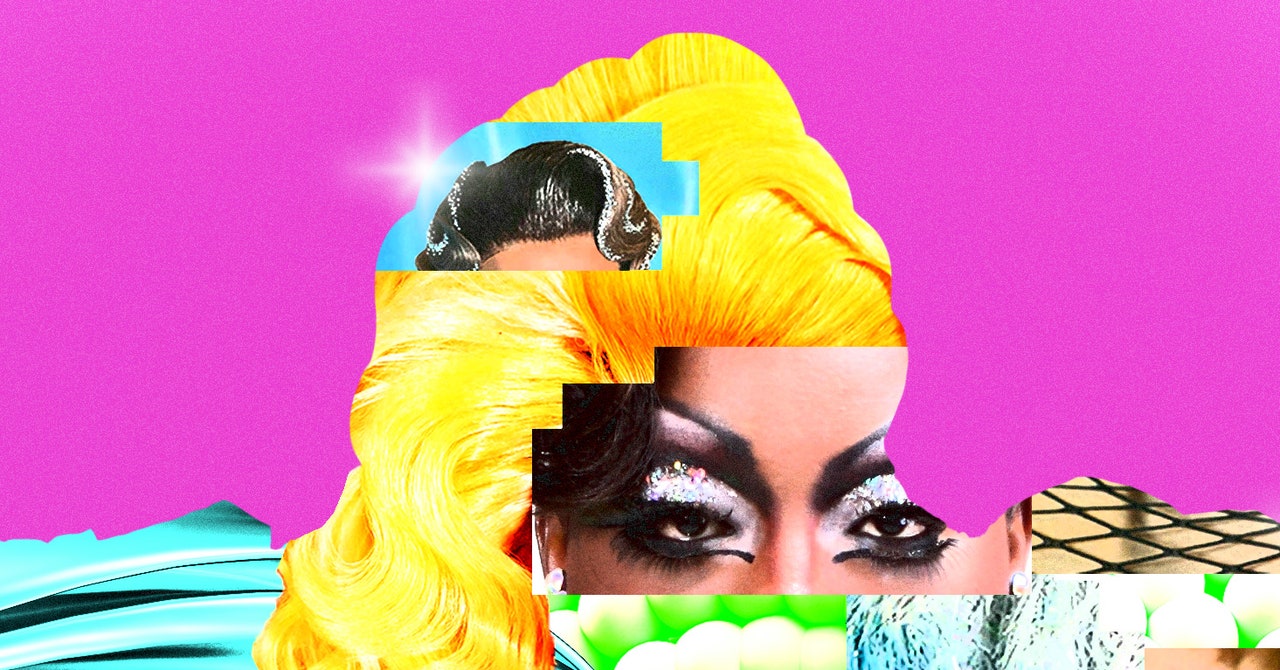
AI-Generated Spoofs of ‘RuPaul’s Drag Race’ Are Flooding Instagram and TikTok


The blending of the real and unreal could explain why some followers of faux Drag Race get so passionate about what they’re seeing on their feeds. Michael says he “lives for the overreactions of fans” who believe his creations are real people. He says people often ask him for a queen’s actual Instagram handle.

“I also get the occasional hate comment from someone saying I’m taking away jobs from real drag queens,” he says. As an illustrator himself, Michael says he’s aware “that AI is coming for my job,” but doesn’t believe his Instagram passion project is taking money away from humans. “If someone isn’t going to the club and tipping a real drag queen because they saw AI Drag Race, that’s a problem with the person and not my Drag Race,” he says.

Fantasy Drag Race’s Más says she has gotten into scrapes with other creators in group chats, too, after questioning how seriously they were taking the whole process. “I’m a queer, nonbinary Mexican in upstate New York,” she explains. “Someone saying that my drag competition isn’t their cup of tea or that some look I made is ugly isn’t going to affect me at all.” Still, she says, it’s understandable that people get emotionally attached to her work.

Unfortunately, that kind of attachment also comes with a sense of looming dread, since the whole idea of AI-generated Drag Race is a play on a big franchise. While some creators argue that what they’re doing is parody, posting what Grimmelmann says are “almost completely useless” (or perhaps pointless) copyright disclaimers absolving themselves on their main Instagram page, others acknowledge that they’re likely building their followings on shaky ground.

A number of accounts, including one that featured exclusively Disney characters, have already been pulled off Instagram, giving creators who use only animated or existing characters more than a bit of pause. “I’m very scared of getting taken down,” says Haus of Dreg’s Boopy. “But if I did, then so be it. I mean, what could I even do?”

“I make sure that I don’t do anything to sexualize the characters, and I don’t do anything to diminish their actual tone,” Horror Drag Race’s Shayne adds. “I’m just merging two mediums—horror and Drag Race—and blending it up into something that both groups of fans can enjoy.”

It’s not just Drag Race fans that are enjoying the AI experience, either. Mhi’ya Iman Le’Paige, a queen from season 16 of Drag Race, just wore a look down the runway that first originated in a run of AI-generated images. One of her season 16 sisters, Plane Jane, follows at least one of the AI creators.

The Official AI Drag Race’s Michael says he has had multiple queens reach out asking to use their fictional creations as inspiration, with an unnamed queen from an international franchise asking Michael to design their entire package of runway looks based just on his Carla Montecarlo images. “I feel like it’s only a matter of time,” Michael says, “before I’m watching TV and spot something that I rendered a year ago.”


Instagram, WhatsApp, and Facebook Suffer Service Disruptions Reported Worldwide


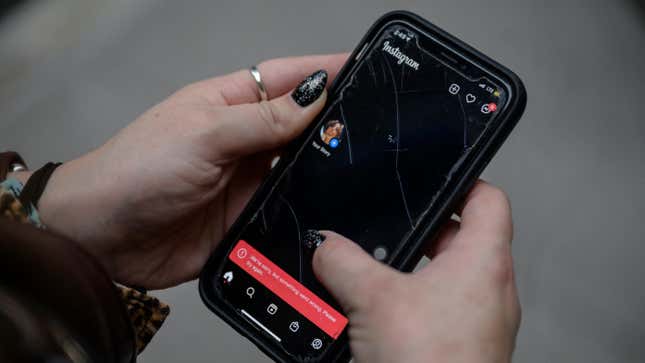
File photo of a woman checking her phone during an Instagram outage in 2021.

File photo of a woman checking her phone during an Instagram outage in 2021.
Photo: Ed Jones (Getty Images)

Meta platforms Facebook, WhatsApp, and Instagram are experiencing a global outage with thousands of reports of the app not working properly since roughly 2 p.m. ET Wednesday.WhatsApp appears to have gone down first, with Instagram and Facebook following suit about 30 minutes later.

Image and media uploads appear to be struggling the most on the platforms, according to internet monitoring service Netblocks, which also notes there are no indications of “country-level internet disruptions or filtering.”

Social media apps have experienced a number of notable outages in recent months, with LinkedIn struggling last month just days after Facebook and Instagram went down for hours.

It appears that some users on WhatsApp are still able to send messages right now, but those messages aren’t being delivered, according to the Verge.

Some X users celebrated as news of Meta’s platforms struggling spread on Wednesday afternoon.

Meta didn’t immediately respond to questions emailed on Wednesday, but the official X account for WhatsApp tweeted, “We know some people are experiencing issues right now, we’re working on getting things back to 100% for everyone as quickly as possible.” Gizmodo will update this post if we hear back.