Earlier this month, it looked like all but two of Elon Musk’s 11 co-founders at his AI startup xAI had departed the company. Now, according to Business Insider, the remaining two co-founders, Manuel Kroiss and Ross Nordeen, have left as well.
Musk recently claimed xAI “was not built right [the] first time around,” so it’s now “being rebuilt from the foundations up.” The company was recently acquired by Musk’s SpaceX, bringing SpaceX, xAI, and X (formerly Twitter) together under one corporate umbrella, all as SpaceX is reportedly planning to go public.
Kroiss and Nordeen both reported directly to Musk, according to BI, with Kroiss leading the company’s pretraining team, while Nordeen was Musk’s “right-hand operator.” Nordeen reportedly came to xAI from Tesla, and was involved in planning major layoffs at Twitter after Musk acquired the company in 2022.
What makes a clown terrifying isn’t the makeup or the maniacal laugh. It’s the shattered trust between child and protector. I’m really happy that ID@Xbox has welcomed Birthday Boy because I’m excited at the idea of mixing the experience of horror that taps into this primal fear while speaking to both seasoned horror veterans and a generation raised on recent years “viral” scares and cinematic interactive nightmares of this sub-genre called “monster horror”.
The Universal Language of Fear
While studying at the university, I’ve also did my best to take classes from the psychology department, and old-school psychiatrists like Freud, and one of his students, Wilhelm Reich, specifically influenced my thinking about human psyche.
It always felt natural for me to develop games with “psychological” themes.
Birthday Boy‘s central revelation that the protagonist’s childhood tormentor was his own father in clown disguise strikes at fears that transcend generations. This isn’t about supernatural entities or elaborate horror mythologies. It’s about the devastating moment when a child realizes their protector has become their predator. That universal dread forms the emotional backbone of an experience designed to resonate across different horror preferences.
Something Sinister for Everyone
Rather than chasing every horror trend, I did my best to weave together elements that speak to distinct audiences while maintaining narrative coherence and designing the core mechanics of Birthday Boy. Classic horror enthusiasts will recognize the psychological depth reminiscent of films like “The Shining”, which also happens to be “almost” my all time favorite “psychological horror movie”. The slow burn revelation of family dysfunction masked by seemingly innocent settings, that, I believe is a universal remark in horror settings of all sorts. The evil circus atmosphere channels decades of carnival based horror, which is also a very “safe-haven” setting for this kind of horror game.
Meanwhile, players discovering horror through modern gaming will find familiar elements that feel fresh in this context. Plush toy horror, a phenomenon that exploded across TikTok and YouTube, takes on new meaning when these corrupted comfort objects represent twisted childhood memories rather than arbitrary scares.
We wanted the toy destruction to feel cathartic and fun. And simple enough to keep it addictive.
When you’re using physics to tear apart these possessed stuffed animals, you’re literally dismantling traumatic associations.
The game’s animatronics serve as a bridge between classic mechanical horror and contemporary tech anxiety. These aren’t just jump scare mechanisms. They’re manifestations of how childhood wonder becomes corrupted when trust is broken. Players who grew up fearing mechanical figures in dark rides will feel that familiar dread, while younger audiences accustomed to viral animatronic content will encounter something more psychologically complex.
Physics Powered Catharsis
What sets Birthday Boy apart is how it transforms horror tropes into meaningful interaction. The physics-based gameplay isn’t just about spectacle. It’s about agency. You aren’t helplessly running from threats. You’re actively confronting and destroying representations of your trauma. This is what I believe can be called “therapeutic horror”, where the act of playing becomes part of processing difficult emotions.
I realized that giving players the power to fight back changes the entire psychological dynamic. Instead of feeling victimized by the horror, you’re working through it with the support of your in-game psychiatrist.
After testing it many many times, I can safely say that Birthday Boy can show that horror games can simultaneously deliver genuine scares, viral worthy moments, and meaningful commentary on real world issues like mental health.
Whether you’re drawn to psychological thrillers that explore family dynamics, action horror featuring physics-based combat, or atmospheric experiences that build dread through environmental storytelling, Birthday Boy offers entry points for different horror preferences without diluting its core vision.
As you prepare to confront your worst childhood fears today, Birthday Boy stands as proof that the most effective horror often comes not from elaborate monsters, but from the terrifying possibility that those meant to protect us might be the very source of our nightmares. Sometimes, the most powerful way to overcome that fear is to face it head on. Even if it means returning to the most twisted birthday party ever thrown.
Also, let’s admit: Tossing around animatronics, balloons and plush toys is simply fun.
Birthday Boy: A First-Person Psychological Horror Experience
In Birthday Boy, players delve into the haunting psychological landscape of “Brian,” a successful Manhattan investor who is forced to confront the traumatic memories of his past. The game explores the dark corners of his childhood, dominated by his father, Jo, a disturbed engineer with a penchant for dressing as a clown. Jo’s eccentricity masked a sinister nature, leading to a tragic family history culminating in the murder of Brian’s mother and Jo’s own suicide.
Brian’s father had a twisted obsession with performing as a clown, complete with garish makeup and a sadistic sense of humor. Birthdays, meant to be joyous occasions, became nightmares for Brian, marked by his father’s cruel antics and physical abuse whenever Brian failed to laugh at his jokes.
As an adult, Brian appears to have moved on, residing in a luxurious Manhattan apartment and running a successful investment firm. However, beneath the polished exterior lies a man still haunted by his past. His home, adorned with perpetual birthday decorations and unopened gifts, reveals his ongoing struggle to cope with childhood horrors.
Birthday Boy offers an immersive journey through Brian’s mind as he attempts to bury his trauma with material excess. Dr. Hannah, Brian’s psychiatrist, is convinced that true healing can only come from facing these memories head-on. She urges Brian to return to his dilapidated family home, the place where his nightmares began, to confront the ghosts of his past.
Join Brian on this terrifying journey as he navigates the eerie remnants of his childhood, uncovering buried secrets and battling his inner demons. Birthday Boy challenges players to explore the thin line between memory and reality in this gripping psychological horror experience.
In this hands-on review, the Teradek A750 is tested across a range of real-world production setups, from lightweight iPhone rigs to full cinema builds, highlighting its consistency and reliability in demanding environments. While positioned as a more budget-friendly option on paper, the system delivers dependable 4K transmission, low latency, and stable performance, especially with the advantages of 6GHz connectivity improving signal reliability on set. Watch more:
[music] [music] This video is long overdue and I know a lot of you all have asked [music] me my experience with the A750s, so this is the video for you. I’ve used the Pterodc A750 on a variety of productions from iPhone rigs, mirrorless [music] setups, and full-on camera builds. This budget transmitter and receiver has delivered [music] on every situation I needed to, especially when I needed a 4K signal and low latency. Still going strong. That’s me. There’s my leg. [snorts] Most of you have been on the fence about getting into the Terjack system because of the price. This is where the A750 comes into [music] play. So, what you’re getting is 4K 30p, 10bit HDR, true zero delay, a range up to 750 ft, [music] line of sight, 6GHz frequency, and expandable with the Bolt 6 system, all for around $1,000 [music] for both the transmitter and the receiver. In my opinion, this is the better budget option to own. However, I am going to be talking about the cons first of the A750, just so [music] you know. And there’s not a long list. So, here’s the first one. Now, there’s no SDI on this unit. That might be a con for most of you all coming from or comparing it to the DJI SDRs or the Holland or Axons. I get it. But this is mainly made for mirrorless cameras or just cameras that only have HDMI obviously. So, I still think it’s useful. HDMI is still going to be around. And a lot of production cameras that are more high-end still have HDMIs on some, not all of them. So, there’s that. The second thing is that there’s no iPad app for viewing. Reason being that this model, the A750s or really all the terterodex, they don’t use Wi-Fi based systems. These are their own chip systems, the BB3 system. And we’re going to talk more about that a little bit later in this video. For power, it does come with its own barrel to DTAP cable, which is fine. It’s not a locking. It’s not threaded, so it kind of just sticks in and that’s it. And you could knock it out if if depending on how your rig is. And there’s a second option where you can actually buy a battery plate which has a Sony MPF and a Canon LP battery. Um, but that makes it a lot more bulkier obviously. And yeah, so there’s that. But those are really the three things that I find as cons. There’s more to this video and you get to weigh the pros and cons which the pros outweigh the cons in my opinion in a lot of ways. But before I talk more about the good stuff, let me just talk about today’s sponsor, Audio. To me, what makes a good music platform like Audio is simple. It actually has music you enjoy listening to. When the music library is full of tracks that genuinely inspire you, finding the right piece for a project becomes a lot easier. Now, audio has several ways for [music] you to discover new music. And personally, I’m a browser. When I log in, I usually just see what’s on the what’s new section. I play a few tracks. I save ones that I like. And then I click [music] find similar. That opens a whole new set of artists and tracks that I haven’t heard before. Now, [music] on the days that I feel a little bit more indecisive, I pull up Hans 2.0. All I have to do is type in a feeling or expression and it starts surfacing tracks [music] that match that vibe. And it’s a really quick way to get the creative gears turning. Now, if you want to try it out [music] yourself, you can start for free. And also use code cine70 to get 70% off your first year. [music] Honestly, tools like this can cut your music search in half. And if you’ve been enjoying the music in this video so far, I’ve actually put together a playlist just for you. Check it out. Everything I’m about to mention depends on your use case. I know some users have a really good experience with Wi-Fi based transmission systems. So, feel free to rent out these units and test it for yourself. For me, this hasn’t been the case. Wi-Fi transmission systems can be convenient, but it’s been unreliable. The possibility of getting a ton of interference is at a greater risk. The BB3 silicon chips in the Bolt 6 and A750 have proven themselves time and time again, which leads me to talk about the 6 GHz option. >> Flashback. So, let’s say you have a five lane highway. This is your 5 GHz [music] uh workflow, which most devices like the DJI Pro and the SDR can operate between 2.4 GHz all the way up to 5.8 8 GHz. So let’s say you know and you’re in a high congested area with a lot of different types of frequencies happening. So it gets so cluttered. Imagine it’s like your you know your traffic basically. The six [music] GHz is your fast lane or the carpool lane. It’s going to allow you to get over it and get a better [music] data transfer, data stream, better frequency, better reliability, and it bypasses all that extra congestion. Now there are a lot of models out on the market already that offer 4K signal. And what’s nice about the Pterodact system is that the 4K is consistent at 10 bit 42:2. [music] The clarity and detail is just a win. Of course, you need a camera that outputs a [music] 4K signal, but even in 1080p, it looks great with the terterodex. Now, there’s going to be some level of latency coming from the camera to the transmission and [music] going out, but but terod has proven themselves to have the lowest rate for latency. I can easily pull focus off the A750s. So, this is something I highly recommend. You can get by with other systems, but I’m not in the market to get by. I want to have something that’s reliable and consistent. And overall, you can use the A750 as a base and expand to the Bolt 6. So, you can always keep the system with you. There’s no need to buy one system and buy a whole new system and not use it. You can use both in any and all scenarios that they’ll communicate. And pairing them is really easy. Here’s how to do that. All right. All right. So, once you download the Bolt app, you just go find it on your phone. I’ve already unpaired these, but just so you know, on the A750, you want to make sure that Bluetooth is enabled. What you do is press this little button here. You’ll see it toggle on and off. So, Bluetooth on, Bluetooth off. Let’s make sure it’s on. And then in your Bolt 6, you’ll just navigate through the menu to go to the Bluetooth setting. And then make sure that’s on. Then you just hit pairing. It should see the transmitter first and then you should see the receiver next and pair. I’ll let this go on real time. It’s syncing and it’s complete. And then we go back out. You can go to each one. And here in the app, you can actually go and change whether you want the 5 GHz or 6 GHz channel. So, if you open up the receiver, you get all this extra information. So, it’s loading information. Right now, I’m not connected to anything, but you can see all this information here, which is great. If we go up to the menu up the top here, and then wireless settings, and then you go to 5G or 6G. Same thing with the Bolt 6. Or you can actually go to the menu inside the device as well. That’s the only difference between the two. You have to do all the settings in the app for the A750 versus the Bolt 6. You can do it on the device itself. I used to bounce between the DJI Transmission Pro, SDR, and Pterodact, both the Bolt and ACE. Now, I’ve recently sold my DJI transmission system, both the SDRs and the Pro models. But to briefly explain why I did that, there were just some drawbacks from the DJI system compared to the Pterodex system for my workflow. >> Flashback. This >> has been kind of crazy with this camera system. >> Main with the DJI stuff, the transmission, it’s not really great for a big setup like this. The most recent job that I was on, we used the Ronin 4D as well as the other DJI products for that, you know, transmission system. DJI hasn’t made a significant update to those devices in a while as well. I digress. And so here are a few things why this was the last straw for me using the DJI system on professional sets. One, when you have to use multiple receivers, it has to go into broadcast mode. And broadcast mode increases the latency and the quality degrades. So you don’t get a crisper image. Though it is still 1080p, I think it just doesn’t look good and you get a weaker picture coming into it. and we had some, you know, high-profile clients. There was really no complaints that I heard, but our VTR and, you know, ACS were trying to figure out things how to make it work. Um, and two, for whatever reason, the the image kept dropping out. We were in a probably heavily um traffic area in terms of signal. We were at the docks in Chicago and there’s a bunch of other uh industrial plants and stuff like that. as the Wi-Fi was it was a lot of traffic in terms of airways and so we just kept getting the image dropping out and they were reset and stuff like that so it was just a nightmare to use so we eventually just strapped a bolt 500 that we ran down to get from the um rental house and that kind of saved our day basically and that was just the last straw I don’t want to run through that again so this is why I’m moving on to fully moving on to terod deck so I normally do not do a long range test simply because a lot of my jobs are in close proximity when I’m using transmission systems. So, I never really hit that range, but I have the time. Why not? This is kind of common amongst kind of reviews. And so, just to give you an idea of my environment, I am in the middle of the farmlands. Uh I do have power line poles, uh but nothing like significant interference. And so this would be a good clean slate to test. I have a very long driveway. So right now we’re walking all the way down to my uh what’s that called? Trash can. And I don’t know how long the dropway is, but it’s pretty long as you see. I’m kind of out of breath holding these two things. But um this is going to give that test and you had to do your own testing um when you’re using it in buildings, homes, all that jazz. Again, I did more testing on my other video. You can try you can test out to see. But um Oh, I think it dropped. It did drop. Okay. It says good link, but it’s not. I think I’m actually well past 750 ft. [snorts] Uh, yeah, I think that’s well over 500 700 ft as I’m looking at it. Maybe it will connect once I get closer. Yeah, it doesn’t it doesn’t even see it doesn’t even say video sending. So, that means there’s absolutely no signal. [snorts] But there you have it. There’s that test. That happened quick. See if it pops up. See, it’s just a black screen right now for me. You kind of see that [snorts] and picture. Okay. Wow, that’s crazy. Okay, so right here is at his limit. And to give you an idea of how far that is, it’s kind of hard to tell with this wide lens, but the camera is way down by the house. And I think that is about 750 ft line of sight. So, there you have it. So, yeah. [snorts] So, that wraps up for this video. I hope you enjoyed it. I hope you learned something new. And if this is helpful, please share. Uh, this year has been quite slow in terms of me putting out videos per month this year, which has been fine for me, I guess you can say. Um, but this summer is going to be really fun. There’s some exciting stuff coming. Some more work I can’t wait to talk about. So, stick around. Uh, subscribe if you haven’t. And, uh, I catch you guys on the next video. What was that? I I don’t know. But I’ll see you all later. Sheesh.
Companies that make decisions on real data grow at a faster rate. Everything is available online, including prices, trends, competitor activity, and market changes. Gathering it regularly in large quantities without blocking is the issue. Proxies can help with that.
Here, we will address the practical applications of proxies for power web scraping, market research, and competitive intelligence.
Why Data Collection Matters for Modern Businesses
Business decisions were once based on a gut feeling – industry reports, and quarterly reviews. That’s changed. The web provides real-time information that gives a business a far better idea of what is actually going on in the market, at this moment, and not three months ago.
Pricing is a good example. Being informed about what the competitors are charging in different areas, on different days, as demand changes, is information that has a direct impact on revenue. Companies that leverage proxies for web scraping to measure data in real time make better pricing decisions compared to those that do not.
This applies to product trends, customer sentiment, supply chain indicators, and market trends. The data exists. The businesses that are collecting it regularly and responding to it swiftly always have a real advantage over those that do not.
How Web Scraping Works
Web scraping is the automatic collection of information on websites. Instead of manually visiting pages and copying information, a scraper does it faster and more efficiently.
Here’s how it works. A scraper makes a request to a website, as a browser would. The page content is sent back by the site. The scraper scans that content and extracts the data you require – prices, product names, reviews, listings, whatever you need. The data is saved to be analyzed.
The thing is that the majority of websites do not want this to happen on a large scale. They rely on IP blocking, rate limits and CAPTCHA to identify and block automated traffic. A scraper that strikes the same location over and over again using the same IP is blocked quickly.
The Role of Proxies in Large-Scale Scraping
The biggest issue in power web scraping is blocked access, which proxies can resolve. Proxies distribute requests that are sent by a single IP address among thousands of different addresses. All the IPs remain below the rate limits. Normal traffic patterns are experienced on the target site and your scraper gathers information without interruption.
Strict websites are better scraped using residential proxies. They use real home IPs, which appear as regular user traffic. Blocking platforms that block the datacenter IPs allow residential proxies through, since they are unable to distinguish between your scraper and an actual visitor.
The distribution is automatically done by rotating proxies for web scraping. All requests are processed by various IPs, so no IP receives enough hits to be blocked. This is the only installation that proves to be reliable in high-volume scraping.
Another strength is geographic targeting. In case you need information in a particular country or city, proxies will allow you to direct your requests via local IPs and receive the local information – prices, listings, and local content.
Using Proxies for Market Research
Market research requires precise, updated information from various sources in various regions. That information is frequently incomplete or even blocked without proxies.
The most frequent case is price tracking. Retail prices are dynamic, according to the region, platform, and time of day. Directing requests using local IP addresses using a trustworthy proxy service such as ProxyWing.com ensures that you always see what real customers in those markets see.
Another area that the proxies assist is consumer sentiment. The reviews and forums, as well as social network discussions, are country and language-specific. Gathering such data in large quantities involves the use of IPs that are not blocked by multiple requests.
Demand signals, popular products, seasonal changes, and new categories are all present simultaneously on dozens of platforms. With proxies, you can track them all at once without getting flagged on any one of the sources.
Competitive Intelligence with Proxy Networks
Understanding your competitors’ strategies is as crucial as understanding your own market. The continuous and correct gathering of such information is made possible by proxy networks.
Competitor prices are dynamic and regionally different. You can monitor those changes in real time with proxies via local IPs.
Tracking of Products and Inventory:
Understanding the times when a competitor is out of stock, when they are introducing a new product, or when they are modifying their catalog provides you with a first hand advantage in the positioning of your own product.
SEO and Content Monitoring:
Geo-targeted IPs that deliver legitimate local results are required to be able to track competitors’ positions in different regional search engine results and the keywords they are focusing on.
The fact that you can see what ads competitors are using in particular markets, and their positioning, provides you with insight into their strategy that is unavailable to you otherwise.
Best Practices for Reliable Data Collection
Proper data collection at the beginning saves a lot of troubleshooting in the future. These are the practices that provide smooth running of operations.
Select a Proxy Type According to the Target:
Residential proxy with strict platforms, datacenter with low sensitivity targets, and mobile with the most difficult one to crack. Money is wasted and you are blocked more quickly if you use the incorrect type.
It should not be too fast or too slow. Too fast looks unnatural. Too slow and one IP receives too many hits.
The fastest way to be flagged is to send a request at a rate that is faster than an actual user could.
Check IP Health Frequently:
The burned or blacklisted IP silently reduces the quality of collection. Periodically check your IPs and change those that appear on blocklists.
It should always be local IPs to gather local data. The wrong country routing provides inaccurate results, which distort your analysis.
Switching the type of proxy, rotation scheme, or request headers during the operation creates inconsistencies that are immediately detected by the platforms.
Wrapping Up
When the appropriate infrastructure is established, data collection at scale becomes less complex. Web scraping, market research, and competitive intelligence all follow the same basic logic, get clean IPs, route requests intelligently, and keep the operation consistent over time.
That is possible thanks to proxies. In their absence, you crash into walls. In their presence, the web turns into an open data source that will provide your business with an actual information advantage.
Begin by selecting the appropriate type of proxy for your situation, then follow the steps described in this guide to ensure that data collection is one of the most reliable aspects of your operation.
The sun is rising, flowers are beginning to bloom, and pollen is in the air (so much pollen). This all means spring is finally here, and Amazon is ready to celebrate in its customary fashion: with deals across tons of categories.
Welcome to the third annual Amazon Big Spring Sale, with discounts set to run through March 31, just like last year. The Amazon Spring Sale is your best chance to save until Prime Day in June (or maybe July?), so don’t miss out.
Each day of the Big Spring Sale will also feature daily deal drops on categories from spring cleaning to beauty. Mashable’s shopping team will be keeping an eye on the best deals from before sunrise to midnight, so keep checking back to be the first to hear about the latest price drops. And be sure to check out our live blog for real-time updates.
Our editors’ most recommended deals will be marked with a 🔥 emoji. Deals that are no longer available will be noted with strikethrough.
Best Apple deal
$199.99 at Amazon
$249 Save $49.01
Why we like it
According to our review, Apple’s AirPods Pro 3 are an “easy buy” if you’ve been looking for a new pair of AirPods. It’s easy to see why: They have excellent ANC, eight hours of listening time per charge, a built-in heart rate monitor, and live translation features. While they hit a lower price of $184 back in February, this markdown is still worth checking out.
The JBuds Lux ANC are the best budget headphones we’ve tested in recent memory, offering decent noise cancellation, a long battery life, and balanced sound. (Just note that their fit can be hit or miss.) They’re a great value at their regular price of $80, but a coupon on their Amazon product page bumps them down to just $37.79 — a 50% savings. We saw them dip to $27 at Walmart on Black Friday, but this is their lowest-ever price on Amazon. Choose from four colors: graphite, cloud white, mauve, or sage.
More headphone deals
Earbud deals
Bluetooth speaker deals
Best robot vacuum deal
$499.99 at Amazon
$799.99 Save $300
Why we like it
Mashable’s robot vacuum expert, Leah Stodart, tested and loved the Eufy C28 when it came out last month. At $499.99 for the Big Spring Sale, the Eufy C28 is not only the most affordable roller mop robot vacuum you’ll find this season, but the best budget robot vacuum and mop comboperiod.
If you tried a cheap mopping robot vacuum in the past that smeared more than scrubbed, let the Eufy’s self-rinsing roller mop change your mind. Its fluffy bath towel material is already more absorbent than the typical thin mopping pad — but just to ensure liquid spills aren’t being smeared around, the C28’s roller gets rinsed with clean water as it’s mopping. Its self-emptying dock also washes and dries the mop after each cleaning.
More robot vacuum deals
Cordless vacuum and wet-dry vacuum deals
Best Amazon device deal
$14.99 at Amazon
$39.99 Save $25
Why we like it
The newest Fire TV Stick in Amazon’s lineup, the 4K Select, was one of Mashable readers’ (and editors’) favorite deals from Black Friday. We saw it drop to a wildly low price of $9.99 during that sale, but right now you can grab it for $14.99 using the code FTV4K. It offers support for Alexa+, HDR10+, Amazon Kids+, Amazon Luna, Xbox Game Pass, and NordVPN, and it’s already more than 50% off.
Weighing in at just under 25 pounds, Anker’s Solix C1000 Gen 2 portable power station makes an excellent camping companion. The power station can keep your devices juiced up and even has enough oomph to power up some cute fairy lights or whip up a quick meal in the air fryer. It can also recharge in under 50 minutes, which can really come in handy when you’re off the grid. Mashable’s reviewer called it “the perfect model for taking on a weekend camping trip or keeping around the house for occasional power outages.”
The Neo is the perfect starter drone for people just venturing into the drone hobby for the first time — and not just because of the low price. This camera offers a 4K camera for shooting gorgeous aerial videos and a 12MP camera. It can take off from the palm of your hand, and it’s super portable. For creators and hobbyists, it’s a great entry point.
More DJI deals
Best TV deal
$597.99 at Amazon
$897.99 Save $300
Why we like it
There’s a reason Samsung has been the most popular TV brand in the world for 20 years in a row: The Korean tech giant makes reliable TVs that last a long time. This QLED Samsung TV was just released in 2025, and for the Amazon Spring Sale, it just got its first big price cut. It’s also got a ton of ports and a sleek design.
43-inch TVs and under
50- to 55-inch TVs
65-inch TVs
75-inch TVs and up
Best Windows laptop deal
$2,069.99 at Amazon
$2,399.99 Save $330
Includes free download code for “Crimson Desert”
Why we like it
If you’re an on-the-go gamer, the Asus ROG Flow Z13 should make your shortlist. It has a 180Hz display (so smooth), a detachable keyboard, and an AMD Ryzen AI Max+ 395 chip that offers RTX 4060-level graphics performance. GTA V star Ned Luke he uses one when he travels, and he told us it’s “an animal.” The model with 32GB of RAM and a terabyte of disk space is $330 off on Amazon, and it comes with a free copy of Crimson Desert. It’s never been cheaper before. (Best Buy is price-matching it, but doesn’t throw in the free game code.)
We’re happy to report that the bestselling Ninja Creami is just as great as TikTok says it is. Once you fill and freeze its pints with the base of your choice, “It makes ice cream, gelato, frozen yogurt, sorbet, and smoothie bowls with just the press of a button,” writes Mashable’s Samantha Mangino.
Mashable Deals
By signing up, you agree to receive recurring automated SMS marketing messages from Mashable Deals at the number provided. Msg and data rates may apply. Up to 2 messages/day. Reply STOP to opt out, HELP for help. Consent is not a condition of purchase. See our Privacy Policy and Terms of Use.
This TikTok-famous appliance is marked down to $199.99 during the Big Spring Sale (or $30 off), which matches deals at Best Buy, Target, and the SharkNinja website. However, Amazon one-ups them all by throwing in a free $20 credit on top of that discount; you save $50 total there.
Lego’s Botanicals sets are always a delight to have up on display, and this Japanese Red Maple Bonsai Tree is sure to add a lovely pop of red, orange, and green to your home. At the moment, it’s on sale at Amazon for $47.99, which is just pennies away from its lowest-ever price point of $47.95, according to price tracker camelcamelcamel. What better time to scoop up this 474-piece set if it’s caught your eye?
More Lego deals
Best beauty deal
$349.99 at Amazon
$549.99 Save $200
Why we like it
The Laifen hair dryer that Mashable’s hair tool expert, Bethany Allard, named as the best Dyson Supersonic dupeis on sale for the spring sale. But maybe you won’t be as hard-pressed to find a good dupe when the fanciest Supersonic is at a new record-low price.
The Supersonic Nural’s main flex over the regular Supersonic is a system of sensors that automatically lower heat near your head, preventing a sizzling scalp. The Nural can also remember your preferred settings just based on the attachment being used, and knows to pause airflow when you set it down.
More hair tool deals
Skincare device deals
Best home deal
Why we like it
Warmer weather means open windows at home. And for the lucky folks, open windows at home mean allergy-induced sniffles. Make this the year that you finally get an air purifier for your home. This Blueair model can clean up to 1,858 square feet in an hour (a much larger reach than other purifiers under $200 in this list). The powerful HEPA filter can remove airborne particles that irritate our respiratory systems, like pollen, dust, mold spores, pet dander, and smoke, so you’ll benefit from the benefits of filtered air indoors year-round.
More air purifier deals
Smart light deals
Sheets, comforter, and pillow deals
Stain remover tool and upholstery deep cleaner deals
The glory of Rome is at your fingertips in this city-building game where you must appease the gods, enact laws, and develop complex supply chains to meet the needs of your citizens.
As the once-great Roman Empire falls into decadence and decay, you lead a small band of citizens in search of new lands hoping to build Nova Roma – a bastion for all that was once good in the Empire. Starting from a humble village, you must appease the gods with grand temples, sate your citizens’ many needs, and build a society that will be the envy of the world for millennia to come.
A LAND OF OPPORTUNITY
A wise city planner knows how to harness the world around them. Erect massive dams and aqueducts to control the flow of water as you reshape the land into artificial watersheds and reservoirs, paying close attention to how your actions impact soil fertility, or how a particularly rainy season might flood your city. Seek distant resource deposits and build infrastructure to transport raw materials and processed goods across massive stretches of untamed territory.
FRIENDS, ROMANS, COUNTRYMEN
Contend with a growing list of needs and desires as more people flock to your city – from pottery and wine to bread and games, it is your responsibility to keep the people happy and safe. Watch them grow into artisans, gladiators and thespians, and guide them through life as they spend their days toiling, and their nights enjoying the fruits of their labor.
LAWS OF GODS AND MEN
As you consider matters of taxation and technological advancement, do not forget the powers that stand above you – build grand temples to the gods, avoiding their wrath and seeking their blessings to bolster your capabilities and ensure the continued prosperity of Nova Roma. NUTMEG! A Nostalgic Deckbuilding Football Manager
Featuring intricate water and weather simulations and the ever-present threat of divine intervention, Nova Roma explores the cultural, and social trials of the era. Take charge of your small Roman town and grow it into a bustling metropolis that will stand the test of time!
Physical Intelligence, the two-year-old San Francisco robotics startup, is in discussions to raise about $1 billion in new funding at a valuation exceeding $11 billion, according to Bloomberg. The deal would effectively double the company’s $5.6 billion valuation in just four months.
Founders Fund is set to participate with Lightspeed Venture Partners also in talks to invest alongside returning backers Thrive Capital and Lux Capital, Bloomberg reported. The deal is still in early stages and details could change, noted the outlet.
TechCrunch visited Physical Intelligence’s headquarters in January, where co-founder Sergey Levine described the company’s ambition simply: “Think of it like ChatGPT, but for robots.” At the time, the company had raised just over $1 billion and employed about 80 people working to build general-purpose AI models that can power robots to perform a wide variety of tasks, from folding laundry to peeling vegetables.
Co-founder Lachy Groom told TechCrunch the company has no timeline for commercialization, an unusual posture that its investors don’t seem to mind. “There’s no limit to how much money we can really put to work,” Groom said. “There’s always more compute you can throw at the problem.”
The world’s top AI research conference, the Conference on Neural Information Processing Systems—better known as NeurIPS—became the latest organization this week to become embroiled in a growing clash between geopolitics and global scientific collaboration. The conference’s organizers announced and then quickly reversed controversial new restrictions for international participants after Chinese AI researchers threatened to boycott the event.
“This is a potential watershed moment,” says Paul Triolo, a partner at the advisory firm DGA-Albright Stonebridge who studies US-China relations. Triolo argues that attracting Chinese researchers to NeurIPS is beneficial to US interests, but some American officials have pushed for American and Chinese scientists to decouple their work—especially in AI, which has become a particularly sensitive topic in Washington.
The incident could deepen political tensions around AI research, as well as dissuade Chinese scientists from working at US universities and tech companies in the future. “At some level now it is going to be hard to keep basic AI research out of the [political] picture,” Triolo says.
In its annual handbook for paper submissions, issued in mid-March, NeurIPS organizers announced updated restrictions for participation. The rules stated that the event could not provide services including “peer review, editing, and publishing” to any organizations subject to US sanctions, and linked to a database of sanctioned entities. It included companies and organizations on the Bureau of Industry and Security’s entity list and those on another list with alleged ties to the Chinese military.
The new rules would have affected researchers at Chinese companies like Tencent and Huawei who regularly present work at NeurIPS. The database also includes entities from other countries such as Russia and Iran. The US places limits on doing business with these organizations, but there are no rules around academic publishing or conference participation.
The NeurIPS handbook has since been updated to specify that the restrictions apply only to Specially Designated Nationals and Blocked Persons, a list used primarily for terrorist groups and criminal organizations.
“In preparing the NeurIPS 2026 handbook, we included a link to a US government sanctions tool that covers a significantly broader set of restrictions than those NeurIPS is actually required to follow,” the event’s organizers said in a statement issued Friday. “This error was due to miscommunication between the NeurIPS Foundation and our legal team.”
Before they reversed course, the conference organizers initially said that the new rule was “about legal requirements that apply to the NeurIPS Foundation, which is responsible for complying with sanctions,” adding that it was seeking legal consultation on the issue.
Immediate Backlash
The new rule drew swift backlash from AI researchers around the world, particularly in China, which produces a large quantity of cutting-edge machine learning papers and is home to a growing share of the world’s top AI talent. Several academic groups there issued statements condemning the measure and, more importantly, discouraging Chinese academics from attending NeurIPS in the future. Some urged Chinese academics to contribute instead to domestic research conferences, potentially helping increase the country’s influence in relevant science and tech fields.
The China Association of Science and Technology (CAST), an influential government-affiliated organization for scientists and engineers, said Thursday that it would stop providing funding for Chinese scholars traveling to attend NeurIPS and would use the money instead to support domestic and international conferences that “respect the rights of Chinese scholars.”
CAST also said it will no longer count publications at the 2026 NeurIPS conference as academic achievements when evaluating future research funding. It’s unclear if the organization will reverse course now that NeurIPS has walked back the new rule.
The Top 10 Innovative AI Mobile App Development Companies in San Jose, California
Mobile apps have become the heart of companies in this digital era and are widely used to rising the voice of their brand on a global scale. Product or service-based organizations are focusing on smartphone app development to run their business smartly in line with the emerging digital wave.
San Jose, California is one of the prominent places in the USA where hundreds of global leading technology giants and AI mobile app development companies have their footprints in the city. The technology companies and AI app developers in California are embracing digital technologies and creating outstanding mobile and web software applications for businesses. It is the best location for organizations to hire Android/iPhone and Web app developers San Jose and build the most advanced software applications.
USM team of analysts have done extensive research and picked a few of the top app developers in San Jose based on ratings in Google, portfolio, industry experience, and client reviews.
#1. USM Business Systems-Top App Developers in San Jose
USM Business Systems is ranked as the #1 mobile app development company in San Jose, California (USA). The company has strong roots in the San Jose mobile application development sector. With over two decades of long proven experience and a team of professional full-stack developers, it is designing and developing innovative mobile apps on Android and iOS platforms.
It is an expert in building apps for Fintech, Healthcare, Education, Manufacturing, E-commerce, and other sectors.
Location
Year Of Incorporation
Services
Estimated App Development Cost Per Hour
Ashburn, VA, USA
1999
Android App Development, iOS App Development, Web Development, Staff Augmentation Services, Cloud Migration Services, IoT Development, UX/UI Design, etc.
$30-$100/Hour
#2. Hyena Information Technologies- Best Android & iPhone App Development
Being a native mobile app development company in San Jose, California, Hyena focuses on developing software solutions that help businesses deliver instant and personalized services to their audience. The company’s UX/UI designers and native/hybrid/cross-platform app developers San Jose promise to create impactful mobile apps with user-friendly designs.
Location
Year Of Incorporation
Services
Estimated App Development Cost Per Hour
Frisco, Texas
2020
Mobile Apps Development Services, AI Development Services, HRMS development and Cloud Development Services, and many more
$30 and above per Hr
#3. FuGenX Technologies- Best Mobile app design and development Company
FuGenX is the biggest software development company in Bangalore, India, California, USA & Dubai, and UAE. The company is a one-stop solution for all your app development needs. It creates user-focused software products that improve app experiences and let companies outshine their operations.
With a team of over 200 software developers, the company has delivered nearly 1200 application development projects for clients across education, healthcare, banking & finance, manufacturing, logistics, entertainment, and real estate segments.
Location
Year Of Incorporation
Services
Estimated App Development Cost Per Hour
USA, India and UAE
2008
Enterprise Application Development, AI and ML Services, Android Apps Development, iOS Apps Development, Blockchain Development, Android VR Apps Development, etc.
$26 per hour
#4. InfernoRed-Best Android & iPhone App Development Services Provider In San Jose, CA
Mobile Applications Development, Web Development, Cloud Services, Integration of ElectionGuard Services, Web3 Software Development (Blockchain Apps)
Around $50 / hour
#5. Radiansys Inc. –Top Software Development Company California
Radiansys is a well-known software consulting and development company based in San Francisco Bay. It is specialized in creating robust and unique software solutions that meet the desired needs of the business objectives of clients. Wells Fargo banking solution (a cross-platform mobile app) is one of the featured projects of the company.
Location
Year Of Incorporation
Services
Estimated App Development Cost Per Hour
Fremont, CA
2007
iOS App development,
Android App development,
React Native App development,
Flutter App Development, AWS integration and migration, CRM Development, Web application development services, etc.
#6. Clavax Technologies LLC- Top Mobile App Development Company In San Jose
Clavax is one of the leading mobile, web, and custom software development companies in San Jose, California. With a vision to transform traditional business processes and improve the digital experiences of end-users, the company is developing results-driven application development services. It serves clients across education, real estate, healthcare, manufacturing, and Loyalty industries.
Location
Year Of Incorporation
Services
Estimated App Development Cost Per Hour
San Jose, CA and New York, NY
2011
App development, IT consulting, E-commerce development, AI chatbot development and integration, blockchain development, cybersecurity services, big data and analytics, web development, Marketing Automation Platforms development
Approximately $50 per hour
#7. Hyperlink Infosystem- Top mobile app development companies in California.
It is one of the leading Android app development companies that always focus on creating error-free mobile and web apps. With over 10 years of experience and the support of 750+ app developers, the company has delivered nearly 6K apps that run on Android, iOS, and web platforms. Using Flutter, React Native, Kotlin, Ionic, Swift, and Xamarin, the company builds native, cross-platform, and high-performance apps.
Location
Year Of Incorporation
Services
Estimated App Development Cost Per Hour
India, USA, and the UK
2011
Mobile Apps Development, Web And CMS Development, Ecommerce Development, Blockchain Development, Game Development,
Salesforce Solutions, AI & ML, IoT & Embedded, DevOps development, AR/VR, Internet of Things (IoT)
$25 – $50 and above per hour
#8. Simpalm- Top App Development Companies In San Jose
Simpalm is the #1 app development company in the USA. It is a famous app developer in Washington DC, Maryland, Virginia, Chicago, and San Jose. Backed with 12 years of dedicated experience in the IT and software development industry create stunning applications that streamline the way businesses connect with their audience. Forte, Pepsico, Redbox., and Audiochef are a few of the major clients of Simpalm.
Location
Year Of Incorporation
Services
Estimated App Development Cost Per Hour
Chicago, IL, and San Jose, CA
2010
UI/UX Design, native and cross-platform Mobile applications development, Web development, IT Staff Augmentation services
#9. ScienceSoft- Top mobile app development companies in USA
Leveraging industry experience and deep tech knowledge, ScienceSoft crafts innovative digital products. The company has 33 years of long experience in the IT industry. Since its emergence into IT as an AI company, it assisted many organizations across various verticals to augment sales and customer base. It creates engaging, user-friendly mobile and web apps with amusing UX/UI designs.
Location
Year Of Incorporation
Services
Estimated App Development Cost Per Hour
USA, Finland, Latvia, Lithuania, Poland, UK, UAE
1989
End-to-end Software Development,
Infrastructure Maintenance Services, Data Analytics, Digital Transformation
Managed IT Services, IT Outsourcing
IT Consulting and support services, Cybersecurity, Cloud Application Development
$80-$150 per hour
#10. Appinventiv- Android/iPhone app Development Company in the United States
Appinventiv is a trusted application development company in the USA. It is an expert in creating features-rich healthcare apps, On-demand delivery apps, FinTech apps, Social networking apps, Entertainment apps, Restaurant apps, Real estate apps, Education apps, and many more. Domino’s Mobile App, JobGet Mobile App, Pizza Hut Mobile App
Bajaj finserv Fintech App, Supply Chain Logistics Management Software, and many more are on its portfolio list.
These are the top App Development Companies in San Jose / top AI mobile app development companies in the USA. The hourly rate of app developers (listed above) might vary based on the features, design, app type, and technology stack. Hire the best app development company that understands your app requirements and business objectives and gets your dream apps faster to market.
Packaging is the first and easiest way to differentiate your product from all others displayed on store shelves. Want an easy example? Bottled water. There’s no way you can tell if the water contained in any particular bottle is any different from the next, unless you read the labels and do a taste comparison. Even by then, you probably won’t notice if one is just tap water put into a clear bottle or vapor distilled and kept in a slightly fancier container. Some people swear they can tell which is which without looking at the brands, but we’re never sure who these people are. Worse still is the pH level. It turns out that pH (apparently is short for Potential Hydrogen, who knew?) indicates the acidity. The lower the number, the higher the acidity. But have you seriously given it a thought before picking up a bottle from a convenience store? Unlikely. Chances are, you choose one with a greater number and feel proud of yourself as you walk to the cashier.
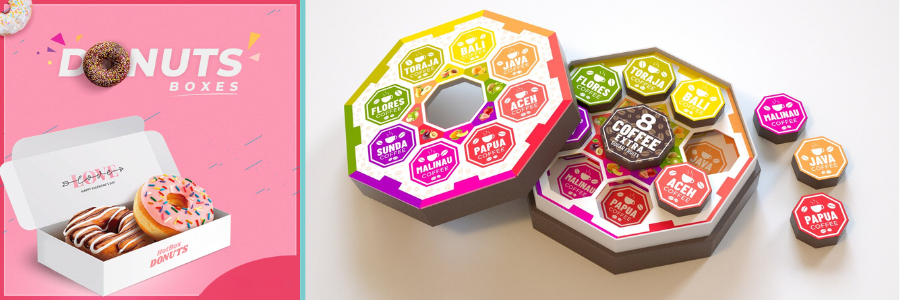
That, in a nutshell, is how important packaging design services are. The same thing applies to shampoo, soap, liquid detergent, foods and beverages, cosmetics, wristwatches, smartphones, pencils, and just about every other consumer product in the market. People choose a product because the packaging makes them feel confident about their purchase. Although other considerations, such as cost, brand loyalty, and whether their favorite movie star endorses it, also influence the buying decision, packaging plays a significant role. Some products sell better just because companies slap a photo of a K-pop idol on the box.
On a more serious note, packaging is almost just as important as the product it contains. Businesses have recognized this importance for a long time and invest substantial resources in the design and development of packaging as part of their marketing strategy. Along the way, 3D CAD modeling and photorealistic rendering software were introduced to streamline the design process. As technologies advance and the market becomes more competitive, it turns out that effective packaging visualization is a complex undertaking.
As more people shop online, companies are in a race to develop the most impressive, convincing, and persuasive product packaging renderings to attract these customers. Which makes perfect sense, because when people see products on a smartphone or laptop screen, a photorealistic visualization becomes a powerful tool for turning lookers into actual buyers.
But creating an accurate, high-fidelity CGI for product packaging isn’t a skill anybody can learn and master overnight. It takes an experienced CAD professional or perhaps a team of digital artists to develop the design, transform it into a 3D model, and render it into photorealistic visuals. Cad Crowd, a freelancing platform specializing in product development, helps you connect with thousands of design professionals and render artists who offer a broad range of CGI services at affordable rates. All the talents on the platform have been pre-vetted to ensure you’ll only collaborate with the most talented and qualified freelancers from around the world.
What to know about packaging rendering
First things first, rendering is different from designing, but the two can be parts of the same process. Let’s put it this way: not every design process ends up with a rendering, but every rendering workflow definitely involves design and 3D modeling services. Perhaps an example can clear things up a bit better:
Say you plan to sell a homemade car air freshener product in a blister card packaging during the upcoming county fair. You ask a graphic designer friend to create an illustration for the otherwise blank card. Because, for some reason, you give this friend complete freedom of approach, you end up with a bold image of some sort of Batmobile on the card. The designer sends you the printable file, and the job is done. No rendering required.
Your next-door neighbor has the same idea, only better. Instead of limiting sales to fairgoers, the plan involves listing the product on an online marketplace. To make the product look better on screen, this neighbor of yours has the packaging rendered and optimized for digital screens by the same graphic designer. The project is covered by an NDA, so even if the designer is your friend, you know nothing about it. The workflow involves not only designing the blister pack but also converting the design into a 3D model and rendering it. In this case, the final deliverables include a fully rendered image file and the 3D model for future use.
To compete in the online marketplace, you decide to use photographs (instead of rendering) to display the air freshener product. It’s from this instance that you realize that a rendering can look so much better and more creative than photos when used for a product display on the web. Oh, and the Batmobile appears a lot more realistic than yours.
The design part always comes first. It may involve brainstorming or ideation, drawing sketches, or consulting references from existing product packaging. What comes next is the real deal: powering up the computer and tinkering with the design in a 3D CAD software. Modeling accounts for the bulk of the task, as the result can determine whether you end up with a poorly executed rendering or a high-quality one. The more detailed and accurate the models are, the better the rendering will be for the product design firm.
Unprocessed 3D models are plain, sometimes colorless, and have less obvious boundaries between one another. Every object needs textures, material properties, color, and surface patterns to define its characteristics. The models must also be positioned in specific arrangements in the scene, just as a professional photographer determines the right composition. When the grayscale scene is ready, the lighting setup and shadows are configured in a rendering software to give the scene a photorealistic look.
At this point, the 3D models (and, by extension, the entire scene) are converted into an image file. Some post-processing, such as color adjustment or other final touch-ups, might be necessary to improve the realism. If the resulting image needs corrections, the render artist must return to the 3D models to make the changes and repeat the process. Everything about it sounds very complicated indeed, but the rendering process gives you an advantage that no photograph can: the 3D models can be reused as many times as you need and redone with different visual properties. You can give them different colors and labels, place them in a new scene, apply animations, etc. All can be done on a computer screen; no photographs or props are needed, so it saves time and money.
So many rendering types to choose from
Well, there are only a few types mentioned here, which should be more than enough to offer the variety you need for every product packaging.
At the same time, the most useful and useless packaging rendering of all. Also, its usefulness comes only from the fact that it’s likely low-fidelity and therefore quick to generate. Packaging concept design services cannot care less about high resolution, texture detail, lighting accuracy, and everything else that makes a packaging visualization good. The most important thing is that you can produce many of them in a time-efficient manner, so you can check if any particular design works well to your liking. Low-fidelity rendering lets you experiment with shapes, colors, composition, typography, artwork placement, and other elements without spending too much time processing the work. It’s also useless, since you should never put conceptual renderings on the product page. Think of it as glorified rough sketches. It looks good as a concept, but terrible for actual use.
If a conceptual rendering is merely experimental and meant to test ideas, a photorealistic rendering is where things get serious. It’s the continuation of a concept, or a refined version of the best concept you chose earlier. But just because the concept is good and you have an image rendered, it doesn’t always mean the result will be photorealistic. Product packaging rendering, or any kind of photorealistic visualization, is a job best left to a professional. For a rendering to achieve photorealism, almost every visual aspect has to be correct. Visual aspects aren’t limited to geometry, dimension, and color, but also include material textures and lighting. The CGI is so precise that it does represent what the human eye can see. Everything has to be as realistic as a photograph, just like what the term says. Photorealistic rendering can be static or animated, with animated rendering among the most complex to generate.
Although not to the point where you can interact with the rendering like in a video game, an interactive visualization lets you explore the packaging design a bit more closely. Take, for example, the rendering of the car air freshener. When presented in an interactive format, there is usually a slider to zoom in, rotate, flip, or move the image around on the screen. A static rendering might show the Batmobile on the card, with a small label in Comic Sans that reads “It Smells Good” underneath. By the way, it remains unclear if the label refers to the Batmobile or the air freshener itself. But when presented in an interactive format, you can flip the whole image and find another label on the back that admits the product is not made in Gotham. You can, of course, make two static renderings to showcase both the front and back sides of the packaging, but the interactive type is just a lot more fun and satisfying.
Also known as white background rendering, the packaging in a silo visualization is presented as a stand-alone object. There’s nothing else to distract your attention from it, allowing you to see every detail in all its glory. At the same time, this prevents the CGI render expert from making any excuses for putting out poorly made CGI. This is not to say that mistakes are tolerable when the scene has multiple objects; it’s just that you may have a harder time noticing that some portions of the shadows are either too bright or overly dark, unless, of course, you’re an eagle-eyed observer yourself.
The vast majority of lifestyle rendering is meant for product visualization, not the packaging. That said, lifestyle rendering makes sense if you want to display the product still inside the container, like most things are. Which brings us back to the previously used example of bottled water. There’s just no workaround. You’re selling water, and the only way to showcase everything that’s good about the product is when it’s still in the bottle. And believe it or not, bottled water isn’t the only product that fits this category. A lot of collectible toys and action figures are sold on online marketplaces with the box still unsealed, and so are perfumes, liquid supplements, etc. In lifestyle rendering, the product is displayed with complementary objects in the scene. For example, bottled water might be displayed alongside a lunchbox, fruits, and in some cases, a mountain in the background, although everyone knows the water is processed in a factory.
Every type of rendering can be formatted as static or animated. As the name suggests, static rendering is still imagery, like a photograph. You can’t interact with the image either, except for probably zooming in and out. An animated rendering, on the other hand, is formatted like a video and can use every visual effect imaginable, from a plain and simple rotation played in a loop to an outrageous Michael Bay-style. Advanced 3D modeling and rendering software enables companies to present their products and packaging in the most creative and imaginative ways while maintaining good accuracy. They can simulate physical details, add movements, create unique characters, and be playful with packaging design. The only limit is the imagination. Maybe the bottled water can burst out of the cap all of a sudden, or the Batmobile produces the rumbling sound of a muscle car in an animated rendering.
With so many people purchasing products online, rendering has become an increasingly popular alternative to product photography. Rendering doesn’t need physical objects, and is much more flexible in case you want to use animation or some level of interactivity.
But the biggest advantage of 3D rendering isn’t actually about the finished visualization itself, but the design process as a digital prototype. Back in the old days, the term “prototype” was almost exclusively used to describe a physical product yet to be manufactured by a manufacturing design firm, let alone launched. Now, thanks to 3D CAD technology, a prototype can be entirely virtual with no physical form.
Everybody and everything has a digital twin these days. In fact, some people seem to enjoy their lives in the virtual world more than in the real one. It turns out people and their avatars aren’t the only fans of the Matrix. Product packaging designs, too, are very pleased with the Tron environment, for good reasons.
Conventional prototyping is time-consuming because it requires physical samples for each design iteration. While samples for product packaging aren’t probably the most expensive things in the world, the time spent on creating each and every version can still overwhelm the design process. A packaging sample can be made from readily available materials, such as cardboard or plywood. A handy person might be able to fashion the shape of a bottle from those materials, too. It’s not going to look pretty, but then again, it doesn’t have to be. A physical prototype is meant to facilitate design reviews through an iterative process. But as you improve the design with each revision, you’ll need to make a production-ready prototype, and this is where things can get expensive.
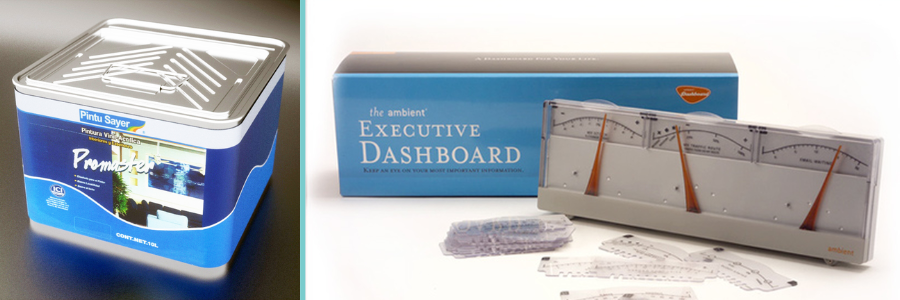
Say you’re making decorative tin packaging for tea or tobacco products. Instead of the usual printed graphics, you choose laser-etched textures to give it a premium look and feel. It’s not likely that you’re going to produce an accurate sample using papers or bamboo. A production-ready prototype should be nearly identical to the final version (in terms of materials, dimensions, textures, features, and functionality). You need to review and test the packaging design before consumers even get to see it on store shelves. Only when you’re sure the packaging looks and functions exactly as intended can you afford to send it to the manufacturing line.
With 3D modeling and rendering, it’s possible to design and build virtual prototypes without spending a dime on purchasing materials and hiring a CNC machinist for consumer product companies. All prototype versions, including the production-ready one, may exist as digital files on your laptop. Making design changes is no longer time-intensive, and the results are visible in an instant. You get to try countless graphic options for the tin, animate the model to see how the hinges work, fill it with water to test for leaks in simulation, and so forth. You can do all this on a screen to keep things efficient.
As a friendly reminder, only use high-quality 3D models. Nothing makes a packaging visualization look gloomier than low-poly models suffering from a terrible lack of detail. These low-poly models are cheap, sometimes even free, but certainly not cheerful. They should be reserved solely for conceptual rendering. On the other end of the spectrum, high-quality 3D models can be costly, should you decide to purchase them. However, there might be limitations on the models you can buy, especially if you’re making completely custom packaging. The only practical solution here is to create the models from scratch. It’s not the most time-efficient, but in most cases, building from scratch is the only way to get the job done.
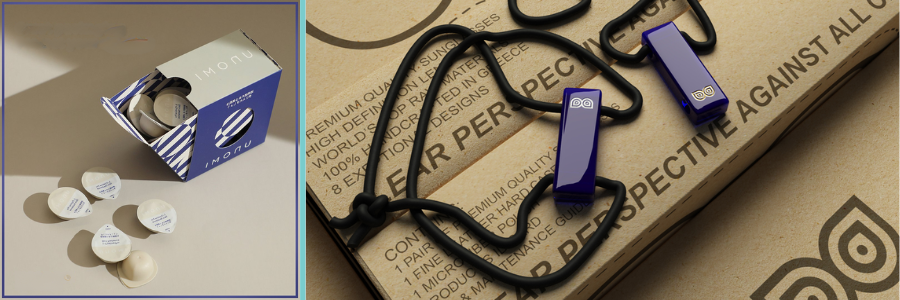
3D rendering provides a realistic and, more importantly, view of the packaging design long before production begins. The accuracy isn’t limited to geometry and dimensions, but also to textures and material finishes. If there are illustrations, brandings, logos, instructions, or labels of any kind, the render engine can process those as well. You can scrutinize the design as far as you want, down to the tiniest detail, at zero cost, except for the render artist’s hourly rate, for sure. Each time you discover room for improvement, making revisions is far quicker and cheaper than doing so on a physical prototype.
If you have to work with stakeholders who are as invested in the project, you can store virtual prototypes (including all their versions and modifications) in a centralized database for easy, simultaneous access. Everybody can see the latest prototype and its revision history for more streamlined, informed design decision-making.
Selling one unit of bottled water to a cyclist certainly needs a different approach than supplying dozens of boxes of the product for a cycling race. A cyclist probably notices that your bottled water has the exact pH level recommended by a random person on the Internet, and boys, it, but the logistics manager of a cycling race takes a deeper look and wonders if you have a nice, colorful, thick packaging box to ensure safety during transportation. Depending on the product and your buyers, you may need to provide multiple layers of packaging, especially for product engineering services.
Primary: the first layer of packaging of a product. For bottled water, the primary packaging is the bottle itself. Therefore, your primary concern is every individual buyer in every convenience store. Just a suggestion, perhaps it’s best not to include the blue color as it seems to have been overused to exhaustion by other companies. People want a refreshing design as much as they crave hydration. The use of recyclable material is always optional.
Secondary: This is the box we discussed earlier. It’s supposed to provide an extra layer of protection on top of the primary layer. Sometimes you can use the extra space on the box to display additional product information. The design of a secondary layer should primarily target bulk buyers. Secondary packaging often needs to be stackable and keep the individual products organized.
Tertiary: specifically designed for manufacturers (when the products are still fresh out of the production line) and warehouses. The main function is to protect the product during shipping and ensure easy handling. Appearance isn’t that important for this layer. So long as it’s rigid enough to withstand bumps and impacts, it’s good to go.
When you do need multiple layers of packaging for a product, it goes without saying that you must design them well (and preferably with a 3D modeling design expert), not only to impress passersby who glance at your billboard ad, but also to enhance the product’s safety and shelf life.
Takeaway
Packaging is, first and foremost, a container to protect the product inside. Now that we’ve discovered easy, affordable, and industrial ways to make protective packaging from a broad range of materials, the focus has expanded into the aesthetic territory as well. Thanks to modern manufacturing technology, companies can maintain and enhance the functionality of product packaging while deepening its visual appeal. For quite a while now, 3D rendering has been at the forefront of the new movement. Specialized visualization software enables companies to design effective product packaging almost entirely on a computer screen through virtual prototyping. They get to simulate physical details, experiment with materials, try an unlimited variety of designs, and analyze everything without the need for physical samples. Request a quote today.
MacKenzie Brown is the founder and CEO of Cad Crowd. With over 18 years of experience in launching and scaling platforms specializing in CAD services, product design, manufacturing, hardware, and software development, MacKenzie is a recognized authority in the engineering industry. Under his leadership, Cad Crowd serves esteemed clients like NASA, JPL, the U.S. Navy, and Fortune 500 companies, empowering innovators with access to high-quality design and engineering talent.