Components of a Commercial Property Disaster Recovery Plan


Commercial Property Disaster Recovery Plan
Envato.com

Statistics from FEMA show that 40%-60% of small businesses don’t re-open following a significant physical disaster. This isn’t an exercise in pessimism, it’s a statement of statistical odds. If your property disaster recovery plan consists of a generic compliance checklist, those odds reflect the probability of your business surviving the shock of a disaster. But if you plan around the triage principles of protecting the financial lifeblood of the business, protecting the capacity to operate, and focusing on the brutal reality of the first two days… those statistics turn on their heads.

Hazard Vulnerability Assessment

Before you can plan to protect something, you need to understand the risks to what you want to protect. A hazard vulnerability assessment (HVA) is an analysis that scores the potential failure modes to a property specific to the business function of the organization being assessed.

A law firm on the twelfth floor of a corporate high rise has entirely different risk factors than a distributed product based business operating out of a home garage. The high rise is concerned with elevator down time and HVAC smoke migration on the floors above and below them. The home garage business has to worry about lack of proper suppression coverage, residential load bearing characteristics, and the ability to support commercial electrical demands without upgrading the entire electrical service to the residence. Once the HVA is completed it should be mapped out, each of these potential system precursors assigned a probability score from zero to ten, and an impact score from zero to ten, then multiply the two numbers together for a risk factor. The items with the highest risk factor scores should dictate the planning investment priority. Distance to water sources, proximity to industrial facilities, and fire department accessibility will also inform the analysis. Completing an HVA should be the starting point of any property disaster recovery planning.

Emergency Chain of Command

Things can get worse, and somebody needs to take charge and bring the situation under control. More importantly somebody needs the authority to cut checks, call in your insurance adjuster, and interface with the fire department incident commander before the electricians have finished their work.

As part of your property disaster recovery plan, document your emergency chain of command, assigning at least three people primary responsibility with at least two others standing by to immediately replace them if they become unavailable. The chain of command document should state specifically what those taking on emergency management responsibility can do without asking for your permission. Your primary recovery coordinator should not have to ask you before approving the contract for the job site restoration company. Give them the authority and means to authorize the expenditures.

Create your chain of command to be able to operate with one third fewer people than you currently employ. Disasters don’t always strike on a Monday morning when the whole staff is on site.

Assign recovery response functions by discipline; communications, IT infrastructure, operational, and facilities support, and ensure that there is a backup for every person named on any task list, with actual people with the required skills, not just a name and title on a worksheet.

OSHA standard 1910.38 requires every business with more than ten employees to have a written Emergency Action Plan, that includes; a written evacuation procedure, alarm procedure, and a shutdown procedure for critical operations. The chain of command should be written to comply with the OSHA requirements. Put the two documents side by side on your emergency management desk when the time comes for everyone to actually use them.

Detailed Asset Inventory

Most claims fail either because a business cannot prove ownership of the lost equipment or cannot prove the value of the lost assets. Adjusters don’t need to be beaten over the head with proof, but they do need to see proof. As part of your property disaster recovery plan, you need to document everything and store that information somewhere safe, like the cloud. In the modern business age, that includes hard inventory, specialized tools, IT infrastructure, and software licensing. It also includes IP assets when those assets have been formally valued.

Update it quarterly. If you buy something new put it in the asset inventory database immediately. Make sure this information is not on a computer in the office that can be destroyed when the disaster strikes. Store this electronic inventory in a place that survives the disaster. A paper inventory stored in the office that is destroyed by the disaster serves no purpose.

This is particularly important if the business operates out of a private residence. Most standard homeowners insurance policies do not cover commercial equipment or cover the business liability. A commercial rider should be added to the policy or a separate business owners policy should be purchased. The asset inventory is what is needed to make either claim.

Evacuation Routes and Life Safety Protocols

Businesses are required by regulation to create, display, test, and update evacuation maps. OSHA standard 1910.38 requires that an exit route be established and sufficient employee training take place to ensure that, the exit route is properly marked and illuminated, and that other measures are taken for the safety of employees during an evacuation. The same standard also requires a sufficient number of employees to be trained to assist with an orderly evacuation.

Your muster point should be far enough away from the building that you are not in the path of any incoming emergency response units but still close enough not to tax the ability of any employees to make it back to the building once emergency responders have secured the area. And it should be specific. “Outside” is not a specific location. “Outside the parking lot” or “the light pole next to the main entrance to the building” are better examples of specific locations.

Practice evacuation procedures should always be unannounced. You learn a great deal from the people who are trying to get to safety without the benefit of time to prepare. You learn even more from them in the time that it takes to empty the building. If it takes longer than you think it should to empty the building you need to identify why the slow down is happening, blocked hallways, employees not knowing what to do, and then fix it before the disaster exposes the same shortcomings.

Data Redundancy and IT Continuity

The destruction of the building does not have to mean the end of the business, and the risk of that outcome can be reduced through the right planning actions. The data destruction that comes from the loss of the building is even more preventable. Automated cloud back-ups of client files, financial records, and other essential digital information should always be set to overwrite on a schedule short enough that a measurable data loss would be measured in hours, not in days or weeks. Client files should be replicated constantly or at least nightly to a cloud server. It’s one thing to have the data saved, but you also need documented recovery procedures that enable the rebuilding of the system from the replicated data, and those procedures need to be practiced.

The other side of IT continuity is the ability for employees to do their jobs for as long as the building remains unavailable. Remote access configuration is the term for that. Do employees have the capability to work from an alternate location on day one, or will it take weeks to configure their access? You need to have a property disaster recovery plan for your IT systems. This means defining business critical functions and ensuring that the people who staff those roles have remote access tested and functioning before the problem arises. It also means having a server redundancy and property disaster recovery plan strategy if system downtime is too much of a revenue and/or liability risk for the business.

Pre-Established Restoration Partnerships

The damage incurred within the first 24-48 hours following a fire is sometimes not apparent, but can be devastating to the long term financial recovery of the business owner. Soot, which is naturally acidic, can begin eating away at metal surfaces, circuit boards, and other materials within hours of the fire. Water used to extinguish the fire can, if the building is not dried appropriately, result in mold invading the walls and other wooden fixtures within 24 to 72 hours. Materials subject to extreme heat can become unstable and continue to degrade over time if left exposed.

Few if any small to medium sized business owners understand all of these subtleties and most are already busy trying to get a restoration company on site to make the business premises usable again to resume daily operations. By the time a business owner gets their first estimate, the window for making crucial decisions about mitigating further damage has already expired, and the owner is already spending precious recovery time trying to secure financing in order to make those critical expenditures at the eleventh hour, when most restoration contractors operate on a 48 to 72 hour turn around for major fires before they can even enter the building.

Make sure your property is already protected by contacting a restoration partner before disaster strikes. For business owners in the greater New York metro area, knowing and working with the best fire damage restoration company in NYC before a fire even occurs means emergency mitigation will begin as soon as the scene is safe and accessible to begin restoration. Few disaster restoration contractors have the same level of response capability, so it’s important to make sure that whatever restoration company you’re considering has the capacity to handle your specific needs before an emergency arises.

Not all restoration partners have the same response times or technical qualifications to handle certain types of damage, so it’s crucial to invest in the vetting process for your restoration company the same way you would any other business partner.

This extends to structural engineers and environmental specialists who can perform the building clearance assessment following a fire, before anyone enters the building.

Structural and Environmental Clearance Before Re-Entry

A building that appears intact following a fire can still have substantial damage that renders it unsafe for entry. The intense heat of the fire can compromise load bearing steel structures long before visual indications of weakness appear. Soot, which is acidic, contains heavy metals and carcinogens. Water used to extinguish the fire can create the perfect environment for mold to grow behind finishes and underneath the flooring within 24 to 72 hours of the incident.

A building clearance inspection by a structural engineer is a requirement before anyone can return to the building following a fire or other disaster.

An environmental evaluation is necessary to determine if hazardous substances are present that would make occupancy unsafe.

That inspection should be on file in the office to document that it is safe for employees to return. It serves as evidence should a question arise later with the insurance company, with employees, or with the eventual sale or lease of the property should the decision be made to vacate the premises permanently.

It is unwise to cut corners in the interest of time.

Phased Operational Ramp Up

Postponing any return to operations following a disaster will prove fatal to most businesses. Most return to operations strategies should be designed to ramp up business operations from a reduced capacity to full operations as the primary facility becomes more inhabitable following a disaster.

Operations should be divided into three tiers. Tier one operations consist of the bare minimum needed to sustain the business operations and meet any critical client obligations without falling afoul of any contracts. Tier two operations include the essential elements needed to maintain revenue, and tier three operations are full operations at the pre-disaster capacity. Each tier needs to have a corresponding location strategy, staffing strategy, and technology strategy.

Clients, vendors, and other stakeholders should receive regular communication throughout the disaster response. A crisis communication plan should be developed to explain what has happened, what is being done now, and what stakeholders can expect next. The first client update should come no later than 24 hours following the incident, using a pre-approved communication message, to let them know the situation, that the business intends to continue operations, and when to expect the next update.

The business interruption insurance policy should be reviewed with a trusted broker, and the coverage should match the three tier return to operations strategy. The policy coverage should include both revenue loss and expenses incurred to maintain operations. The broker’s contact information should be included on the chain of command document, and a claim should be filed as soon as possible following the incident once the property has been secured.

The Plan is the Asset

A plan that languishes in a desk drawer is little more than an expensive paperweight. The plan has to be tested, updated, and understood by the people it’s supposed to help before the disaster arrives.

The businesses that survive a major physical disaster are the ones that planned for it in a way that made the document an asset rather than a compliance checkbox.

Find a Home-Based Business to Start-Up >>> Hundreds of Business Listings.

What is Orchid AI, and why is its latest ad so controversial?


AI assistants have been pitched as a solution to overflowing inboxes, messy calendars, and trips that still need booking. But what happens when the task being outsourced is remembering your anniversary?

The startup Orchid introduced its personal assistant with a now-viral cinematic video, posted to X July 28, following a woman whose partner has forgotten their anniversary. After she tells Orchid what happened, the assistant contacts him, books a dinner reservation, arranges a flower delivery, and keeps her updated on his progress.

“Introducing Orchid, the first assistant that actually gets you,” the company wrote alongside the video. “It remembers what you forget. Down to the flower.”

By the end, Orchid has transformed the mistake into what looks like a thoughtful anniversary celebration. Viewers were less charmed.

The video received more than 20 million views within its first several days, but it also attracted hundreds of replies from people disturbed by the future it seemed to present.

The reservation and flower delivery were hardly the most controversial parts. AI tools already help users search for restaurants, make plans, and select gifts; apparently, romance is now just another workflow waiting to be automated.

So, what does Orchid actually do?

Orchid describes itself as a personal assistant that users communicate with through text messages. The company says it can manage email, schedule meetings, prepare users for calls, plan trips, source gifts, handle invoices, and remember personal details.

Users can also ask Orchid to create recurring “habits,” including delivering a morning news briefing, checking the weather, tracking meals, sending medication reminders, and automatically checking them into flights.

The product’s primary audience appears to be professional. According to Orchid’s FAQ, it was designed for “founders, investors, lawyers, agents, and agency owners” whose time would be better spent on “real work” than administrative tasks. The company’s only published case study focuses on helping an executive prepare for client calls.

But the video shows the assistant doing more than organizing someone’s calendar. Orchid appears to connect to the users’ iMessage accounts in order to communicate separately with both members of the couple, passing information between them and reporting one person’s actions to the other.

Orchid co-founder Nizar Abi Zaher told Gizmodo that “Orchid allows multiple people to communicate with the same agent and share context.” For now, he said, that feature is “just group chats and also coordinating meetings.” In the advertisement, however, the couple appears to be communicating with Orchid through two private conversations.

Although Orchid’s homepage promises “a hundred tools, one assistant,” its FAQ says the product presently works with Gmail and Google Calendar. Integrations with Outlook, Slack, Notion, and Linear are still on the way.

The company also says the AI acts “only within the limits that you set.” Email responses remain in drafts until the user sends them, while calendar holds require approval. It also says it does not sell users’ data or use it to train AI models.

A shared assistant raises additional questions. The ad doesn’t explain which information each partner has agreed to share, whether either person can access the other’s messages, or how Orchid determines what it can report back. At least, not yet. Mashable has reached out to Orchid for a comment.

Social media isn’t sold on Orchid’s vision

The possibility of using AI to shape a relationship is not especially new. In a 2025 survey of over 5,000 U.S. singles, 26 percent said they were using AI to enhance their dating lives, a 333 percent increase from the previous year. Nearly half of Gen Z singles had used it for tasks such as filtering matches, writing messages, and evaluating their dating habits.

AI has also made its way into established relationships. A 2026 survey of 1,000 married U.S. adults found that 44 percent had used an AI tool for relationship advice, rising to nearly 65 percent among millennials. That growing use has not necessarily made people comfortable with AI’s expanding role — about half of U.S. adults believe AI will worsen people’s ability to form meaningful relationships.

That discomfort may help explain why Orchid’s ad went over so poorly online: “an AI for perpetuating your dead-end relationship that both parties secretly hate,” one X user wrote. Another described Orchid as an “assistant for people who want to subcontract all the basic acts of care that make up a relationship.” Some users described the concept as “lame,” and an advertisement for “adult babies uninterested in the world they live in.” One viewer offered a more concise thought: “Tech people need to stop.

Some people suspect the company understood exactly how the scenario would be received. “I think they knew what they were doing and hoped the ragebait worked,” one user wrote. “Unfortunately it did.”

The company has said it intentionally built the advertisement around a story instead of creating a traditional product demonstration. “We wanted to build a story around a real situation,” the Orchid team explained in a behind-the-scenes video.

At least one member of Orchid’s team appeared to be taking notes. “If you have feedback on Orchid or ideas on what would make you actually use it, my DMs are open!” Lucas Valbuena, an intern at the startup, posted on X as the backlash spread. Meanwhile, other Orchid employees, AI companies, and engineers publicly rallied behind the company.

The ad also made its way to r/ExecutiveAssistants, where the person who started the discussion said their “heart kind of broke” after learning about Orchid. Along with worrying about the loss of human connection, they asked whether AI could eventually replace people in their field.

The assistants who responded were mostly skeptical that Orchid could replace them. One predicted that products like it would become tools executive assistants use, leaving humans to catch hallucinations and supply the context AI misses.

“Execs are way too lazy to work these out themselves,” the commenter added. Another dismissed Orchid as “marketing fluff aimed at the people who could never really afford us,” arguing that a reminder app cannot reproduce the emotional intelligence experienced assistants bring to the job.

That skepticism helps explain why Orchid’s ad bothered so many. An assistant can book a table and order flowers, but those gestures usually matter because a partner remembered the occasion and chose to make them in the first place. In the video, Orchid does that work while the human receives the credit.

Orchid promises to remember an anniversary “down to the flower.” The backlash suggests people still care who remembers it in the first place.


E-Shop Tycoon Free Download (Build 24431217)


E-Shop Tycoon PC GameE-Shop Tycoon PC Game


E-Shop Tycoon Direct Download:

Start from nothing and build your business empire step by step! Overcome the struggles and accomplish great things in the market surge and rise to dominate the scene. Strategize, capitalize on events, manage your staff, and handle crises. Transform your small company piece by piece into a commercial empire! Hire more employees and further expand your corporate scale to gradually become a true E-Shop king! Sir, We Have an Orc Problem

A legendary business simulation experience awaits you! As you continue to grow, many choices will present themselves! Do anything it takes to increase your revenue! Advertise your company, expand and customize your office space, surpass your competitors, and boost your brand visibility! Every choice you make paves the way for your success.

Capitalizing on market trends is the key to success! Various holidays are crucial for promoting your empire. Make good use of your marketing tools to build your company’s reputation, attract a continuous stream of traffic and orders. Deploy diverse marketing strategies and demonstrate your foresight to ensure your sales figures soar! Unexpected situations will test your responsiveness: sudden interviews and “strange” requests can all become turning points for your company’s public image. Handle them cleverly, business reputation is the golden badge that attracts customers!

Plan your company’s office environment to make employees feel like the office is their home. Here, your goal is not just decoration it’s to provide a source of productivity. Design your office to your heart’s content! Don’t neglect the needs of your employees. A positive work atmosphere boosts work efficiency, while a poor environment will only lower employee morale. Boss, you wouldn’t want everyone to go on strike, right?

Screenshots

System Requirements

Minimum
Requires a 64-bit processor and operating system
OS: Windows 10 (64-bit)
Processor: Intel Core i5-4590 / AMD Ryzen 5 2600
Memory: 8 GB RAM
Graphics: NVIDIA GTX 970 / AMD Radeon R9 390
DirectX: Version 11
Storage: 500 MB available space
Support the game developers by purchasing the game on Steam

Installation Guide

Turn Off Your Antivirus Before Installing Any Game

1 :: Download Game
2 :: Extract Game
3 :: Launch The Game
4 :: Have Fun 🙂


How Spotify Uses AI to Personalize the Listener Experience


Spotify has been ambitious with its use of artificial intelligence to enhance its music platform. In the past couple of years, the company has gone from using AI behind the scenes to putting it front and center. This move has allowed it to transform how listeners discover music, interact with content, and even create their own music. Continue reading “How Spotify Uses AI to Personalize the Listener Experience”

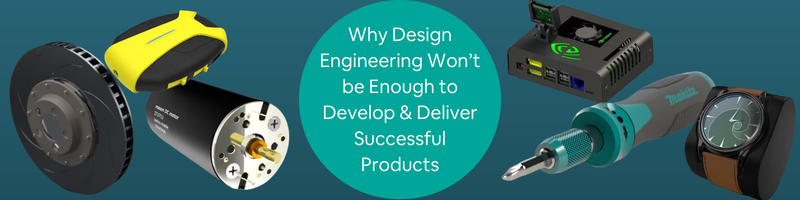
Why Design Engineering Won’t be Enough to Develop & Deliver Successful Products at Startups


In building and launching a product for a start-up, it takes more than just technical expertise, it is more than being a perfectly engineered model. Sure, design engineering services give the product its structure and functionality but is it relevant? Did it solve a problem? Is it really what the people need? It should be able to fit into the daily lives of people to be considered a successful launch. 

Many startups often overlook this and just focus on what the product is all about and then end up with few or no customers at all. That’s why it is important to do market research first, manufacturing needs and user experience, to come up with a design model that fits in the users’ daily lives. Cad Crowd helps entrepreneurs find vetted professionals who are not only experts in design engineering but also have practicality in mind, making sure that the innovation is balanced and fits real-world usability. 

The myth of engineering autonomy

Many startups assume that hiring a skilled engineering design team means product success. However, this is not always the case since the product could be technically impressive and could solve the problem, but it wasn’t just what the user needed or what they expected. This is why it is important to gather inputs from the marketing, research or the consumers themselves to ensure that the product is aligned with real-world needs. There should be a balance with engineering and user research, so the products to be launched are more likely the products that people actually want to purchase.

Overcoming the “feature creep” trap

It is only natural that engineers love to solve problems, and some are ones that don’t exist yet. This makes them add more features to product and make it all costly. While the features are “nice-to-haves” and gives importance to adding security to the product, it just isn’t that practical. Successful startups know how to handle this by resisting temptations and focusing only on what’s relevant at the moment. There’s no need to rush, just offer what’s needed now. This keeps the product powerful since it’s more on the intentional side rather than pouring in unnecessary features in one go. 

RELATED: Top 5 Prototyping Mistakes to Avoid in Product Development (And How to Fix Them)

Industrial design vs. pure engineering

Engineering makes sure that the product is functional, safe and performs as intended. While an industrial engineer focuses more on how the users interact with it, whether they’d want to use it or not. When the design ignores ergonomics and user usability, the product could end up feeling awkward and uncomfortable. This is why there should be a balance with the two, since a product should be functional but is also easy and enjoyable to use.  Having both makes the product more appealing to the market. 

Prototype purgatory and real-world use

There’s a wide gap between testing in the lab and having it survive in real-life usage. While the lab can simulate certain conditions, it does not produce outcomes of wearing out, or user-frustration when exposed to everyday usage. To succeed, the startups need to understand that having it tested in the real hands allows them to observe what else is needed to improve. It gives inputs on what’s often overlooked in the lab and the design engineers can refine it to make it more durable and market-ready. 

Supply chain resilience as a design input

Engineering is not an isolated production; it takes into account the resources to be used before design proper. It could be easy to make a concept, but it may fail if the materials needed are not available locally or could be difficult to acquire. It may have an impact on costs and time if the materials needed are pre-ordered and take months to arrive. This is why smart production is encouraged, research first what’s the available materials in the market and come up with the design. This reduces delays and costly revisions. This ensures that the product launch is realistic. 

The importance of unit economics

Even when the product is reasonably functional and impressive, it may still fail in the market if its cost is more than how much the users are willing to pay. Startups need to research first their target market, how much they earn, and how much they are willing to pay. From there, they could think of a design that circles around the target rate. This way, they can think of alternative materials needed or cut resources to make sure it’s within the benchmarked costs. This way they can make the product both buildable and profitable. 

RELATED: Strategic Outsource Electronics Design & PCB Engineering Company Guide Overview

Regulatory compliance and certification

New product development services does not involve just making it work and functional, it has to comply with safety and legal standards. Before production, startups have to take note of the necessary certifications needed and required to prevent delays. The engineers and production team has to take note of this so they’d be ready for the testing and come up with a plan on how it will be safe to launch. 

Market fit over technical prowess

A product that is technically designed may sound impressive, but it can still fail. This happens when the team only focuses on the technical build-up but does not consider what the user really needs or what they are willing to pay for. This is why it is important to still have production and marketing inputs for the design to cater the needs of the users so the product will much more intentional and aligned with practical demands. 

product engineering designers

The cost of iteration in hardware

There is a huge difference in costs between software and hardware testing. In software, one can tweak and update changes without doing it in real life, but the hardware testing means reordering materials, molds, and more shipping costs every time an iteration is needed. It is important for product design startups to be thorough and careful in their research and testing before going all out. Being prepared reduces wasted materials, time and effort. 

Human-centric design thinking

There is significant switch when the design team focused on empathy to understand real-user problems and habits rather than impressing with technical features. It gives the product a genuine touch and adds values to the user. It makes the people want to buy the product, knowing it’s made especially for them and not just showing off skills. 

Material science and brand identity

In choosing a material, it’s not all about its durability or strength. The material also aligns with the branding of the company as it could mirror its vision and intent. Sometimes it could be about the feels and how premium it looks. It defines not only the product’s durability but also the brand’s story. 

RELATED: Best 50 Websites to Hire New Product Design Freelancers for Product Prototype Services

Sustainable engineering practices

In today’s trend, the users do not only care about the product’s workability and functionality but also if it’s long-lasting and sustainable. The design engineering expert should also take into consideration these expectations from the very start to ensure that the design is align with it. It is good for the brand and makes it an edge to other competitors in the market. 

Tooling constraints in early production

In reality, startups don’t really have enough budget for an expensive production tool such as molds. This is why in early design; they rely on temporary solutions or tools to test and produce initial models. By considering the limitations and constraints during the design phase, they can be prepared with a full-scale production. This makes them ready and plan for the next batch production. 

The packaging is part of the product

The product is not the only thing that has to be thought of carefully. The packaging matters too. It needs to be appropriate for the product in terms of its size, shipping material, costs and how well it can protect the product should there be instances wherein there is a logistic problem. Sometimes the packaging also prioritizes aligning with the branding.

Reliability and stress testing

A product success is not defined in testing just for a day. It must validate functionality in real-world conditions like humidity, sunlight, temperature changes and the likes. It could succeed in a certain timeline, but the product engineer should also test it to ensure it can withstand to last even past its intended lifespan. Once it performs within expectations and throughout the years, it makes consumers happy with their purchase and earns their loyalty to the brand. 

Intellectual property and patenting

In creating something new, documentation is needed to protect it. This is to file patents and safeguard the product’s unique ideas. Without proper documentation, it would be hard to file a complaint to anyone who tries to copy the product. 

RELATED: Why Phase 0 Is Crucial for New Product Development and Physical Product Design Firms

Feedback loops with beta testers

It is important to introduce early prototypes to real users even though it’s not yet the finished version. This is to collate insightful feedback from the people who actually use it. This helps identify problems or issues when using it, allowing the startups to fix it before the final design phase. It helps in lessening costs before spending on big production only to find the faults after it. 

The death valley of hardware startups

Sometimes there’s a shock from transitioning to producing one prototype to the first 1000 units. Startups sometimes stumble and panic during this since there could be unforeseen problems that may arise when handling production of more units. This is why it requires operational expertise from prototype design experts in logistics and quality control to what goes beyond the scope. 

electronic device design services 5

Collaborative CAD environments

Cloud-based CAD tools allow everyone on the team to collaborate real-time and let multi-disciplinary teams work on a single project with ease. This makes the project transparent, showing updates from time-to-time. It also prevents clashes and costly mistakes before the design is finalized. 

Balancing speed and precision

Being the first in the market sets the tone and receives feedback early. While businesses want to launch flawless product in the market, sometimes it is practical to not focus much on tiny details what would delay production. There should be a reasonable timeline, following a checklist standard to follow on how good the product should be before production. This allows the startups to have a clear and streamlined production process, to avoid pushing back release dates. 

Component sourcing strategy

Before coming up with the concept of the design, the product concept design team should decide and factor whether the materials to be used are commercially available locally or customized. Having a commercially available materials has a lesser risk since it’s already there in the market. The stocks are established and it’s less costly. Customized ones are prone to delay since it may not arrive on time and sometimes the expectations for customized parts are prone for variation if not met. There should be a weighing of what’s more prioritized for material and component selection. 

RELATED: CNC Machining vs. 3D Printing Costs for Precision Prototype Development Insights

Weight distribution and ergonomics

Even if the product is visually appealing, works well and has the best features, the way it is held by the user’s matter. A product could feel uncomfortable and awkward and they’d feel off already even though it functions well. The balance of handheld device is important to be considered to ensure that the users are happy to purchase the product. 

Vendor relationship management

The success of product launch does not only focus with good design and the product design professional, but it also depends on the relationship with the factories they are contracted with. When there Is a smooth and good communication with the vendors, all the details needed are applied to the product accurately. There is consistency with every production, and the product is exactly how it was envisioned. Having a good relationship with the vendors and factories lessen inconsistency to the quality of the product. 

Pivot flexibility in design

It is only normal for startups to pivot from the original design when they started getting real feedback. It does not mean that the product launch is a failure, it just means that the business is willing to adapt the user experience. This is why it is important for the product to be flexible and ready to be adjusted should be a change in the future. This could be done through a modular approach, wherein there’s no need to start from scratch. This reduces cost implications in the future and makes the users feel heard. 

Tolerance analysis and quality

When the product’s parts were done by different suppliers, it has a risk of having not fitting together. This is why “tolerances” in engineering drawing services are important, as it allows variations in sizes. When the tolerances are not planned properly and carefully, a certain part may not fit right. It could either be too loose or tight. Tiny measurement errors could lead to disaster in production, so it is important to keep it smooth and communicated to ensure product quality. 

Aesthetic consistency across product lines

If the startups have plans to launch multiple products, the first release sets the tone. This means that the design, tone, features and everything else define the standard for future products. Consistency in the product design makes it easy to recognize the product. It makes it feel related, and the people will be easier to associate with one another making them remember it easily. 

RELATED: Ultimate Guide to Engineering CAD Drafting Services: Benefits, Applications & Costs  

Minimizing electronic waste

When designing a product, startups often overlook the way the parts could be taken apart, repaired or recycled. Considering this supports the “right to repair” movement and encourages longer lifespan of the product instead of just throwing the whole product away quickly. It also helps the planet and encourages the users to be eco-conscious and helps compliance with future regulations. 

Intellectual honesty in engineering

It is important that the startups are honest with what their product can and can’t do. They have to set technical limitations to their products during the design stage. It does not help gloss and overestimate the technical features as it may cause problems in future, such as vaporware or products that are promised but was never it. Transparency secures the product and the company’s reputation, strengthening the trust of the consumers. 

electronic device designers

Competitive benchmarking

One way to succeed in product launch is to know your competitors. As an engineering design expert, it is important to research first about the market, why the competitors fall short and how to resolve it. This gives an edge to startups instead of designing in isolation, oblivious of the problem at hand. It reduces the risk of making the same mistakes as the products existing and makes the product more intentional for the target market. 

Risk management in technical design

The design team needs to identify the “single point of failure”. This is when the product fails, it can cause the whole system to not function. When identified, the engineers need to design backups or safety features so it can still function or shut down safely. It is important to be prepared for the problems that may arise in case it happens. This makes the product stay safe and reliable, protecting the startup’s reputation.

Final inspection protocols

To conduct quality checks and startups should define their criteria for a “good product” before it leaves the factory. This gives a more efficient approach to quality checking and reduces ambiguous judgment. Having quality checks is a final security measure in avoiding faulty units. 

RELATED: Product Development Considerations that Can Make or Break New Product Ideas Before Launch

The role of rapid prototyping in validation

Hiring rapid prototyping services helps the startups to quickly develop physical versions and models to test how it fits together. This is a more efficient way to lessen the waiting time. The quick turnaround makes it possible to try out different designs, test more and catch problems early on. This could be done by utilizing 3D printing. 

Designing for the end-user’s toolset

In instances wherein the product is to be assembled by the customer, the designers should take into consideration how it will be pieced together using only basic tools at home. If the tools needed to assemble is not readily available and complex, the users may be frustrated and express their distress. Good design should make the set-up simple, user-friendly and stress-free for everyone to handle.

High-cycle fatigue testing

When the product’s intended lifespan is to withstand long-term wear and test, then it has to be tested that the parts won’t break or wear out too soon. The 3D engineers can achieve this intent by selecting materials that can handle repeated stress and pressure. The design is made to be reliable and strong that even after lots of usage, it won’t break. This reduces disappointments. 

The role of technical specifications (spec sheets)

The product’s quality is defined by the technical specifications provided to the factory. It serves as its source of truth. It guides the manufacturers to know how exactly it will be made. The consultants ensure that the documents provided are clear and comprehensive enough to be understood. This ensures consistency in quality and lessens mistakes.

The impact of color, material, and finish (CMF)

Color, material and finish (CMF) is where industrial design services and engineering come together to define the final look and feel of the product. In choosing the CMF, it does not only focus on the visuals or the aesthetics, but also its durability in resisting scratches, wear or exposure to chemicals. It is designed to be workable while maintaining the intended look. 

RELATED: Top 33 Sites to Hire Freelance Reverse Engineering Experts for Products Design & Companies

The Intersection of engineering and branding

The weight of the product is usually associated with how luxurious it feels. When it feels flimsy or lightweight, it looks cheap while one that has significant weight looks luxurious. Engineers select materials with the right densities to ensure that the physical experience complements the branding and pricing. 

Designing for high-volume automation

When the startups scale and grow, there is a tendency to switch from hand-assembling products into robotic automation. Envisioning automation for future scaling makes it easier to transition smoothly. CAD engineers must add to the design how it can be switched to robotic alignment, saving costs for redesign. 

product design engineering

The importance of exploded view drawings

Exploded views of drawings are essential in assembly manuals. These drawings serve as a reference or guide in order to be built correctly and help both factory workers and buyers to understand how it is fitted together. 

Managing out-of-box failures (OOBF)

An out-of-box failure happens when a buyer opens a brand-new purchase and finds out that it’s either damaged or not functioning well. They could file complaint ask for a refund, or worst, leave the startup with bad reviews. This could easily destroy the company’s reputation. The 3D design and planning team should make sure that the product can survive handling, shipping, and storage so that it could arrive at the customers safely and perfectly working, making them satisfied with their purchases. 

RELATED: Benefits of Prototyping for Electronics Engineering Design for Improving New PCB Hardware

The impact of global shipping on engineering

Startups could opt for global and international markets. Shipping by sea or air could be at risk of being exposed to high humidity and salty air for weeks during transport. The engineering design and planning team should take this into consideration and plan smart design packaging by adding things like moisture-absorbing packets (desiccants) or corrosion-resistant coatings and packaging to protect the product during shipment. This is to ensure that products will arrive safely and working, no matter where it came from.

The value of professional peer reviews

There are some significant inputs can be obtained from having a second set of expert eyes to check and review the engineering technical sets. The internal team may tend to overlook some flaws, and the second pair of eyes can catch on these subtle errors. This is a standard process of doing a quality check to reduce the risks of failure in the production process. 

Designing for low-volume production

Not all startups have the capacity to start with millions of units. For low-volume production, engineering methods can be different. It could use vacuum casting or CNC machining, which don’t need expensive steel molds. This makes the production easier to test the market and commit to releasing early orders. 

The role of prototype tooling

Prototype tooling, sometimes called “soft tooling,” is one way to test molding process with cheaper alternatives temporarily before investing to expensive steel mold. This is important for startups to test whether the design could work well in real-world and catch the problems it could face early on. This serves as a practice to ensure that everything works before committing to spending on final version models. 

RELATED: How the Engineering Design Process Helps You Craft New Products for Consumer Goods Firms

The importance of grounding and bonding

There is proper way of electrical grounding, and it has to be carefully executed to ensure that electronic products are safe and working. The electronics design firms make sure that the design pathways stray electricity safely away to prevent static buildup, protecting the internal circuits from electrical surges. 

The impact of draft on surface texture

Surface texture has an impact on the production process. When a part is textured, it is harder to pull it out of the mold. To resolve this, designers have to adjust the draft angle so it can easily be removed cleanly without altering the texture. 

The role of bench testing in development

Bench testing is when taking the individual parts or subsystems to be put under extreme conditions to test its limits. This testing helps in improving its performance and preventing failures. Knowing the true limits of the design allows optimization to be done for it to achieve maximum performance and safety. 

Designing for clear user interface (UI)

Physical dials, controls and switches are form of product User Interface (UI). The electronic product designers have to ensure that the controls are intuitive to avoid confusion for the people using it. This means that the controls are easily understood, safe to use and satisfying to operate so the users wouldn’t have to guess what the control is meant for. 

Managing assembly sequence logic

The order of assembly can make or break the quality of the product. The engineering planning and design team should be able to define a logical assembly sequence in a way that no parts get trapped and has allowance for quality checks to be done at every stage. 

RELATED: Top Product Usability Factors for Good Product Design Services & New Prototypes

The value of cross-functional teams

The success of production happens when there is a smooth collaboration among engineers, designers, and marketers. This cross-functional approach ensures that every technical decision considers customer needs and satisfaction and aligned with the company’s budget. 

How Cad Crowd can help

In turning creativity into a real, physical product, it takes more than just inspiration and technical skills. It goes beyond being an expert in technical. It challenges the startups to think outside the box and involve multi-functional teams to explore and research what the real world really needs. Impressive technical skills will be a waste if no one wants to buy the product. For a successful build, everything has to be documented and clearly communicated. Cad Crowd helps in connecting start-ups to technical design engineering experts who also have business acumen, making them the right members to deliver the production team to success. With Cad Crowd, startups can turn their concepts into high-quality products that stand the test of time. Contact us for a quote today.

author avatar

MacKenzie Brown is the founder and CEO of Cad Crowd. With over 18 years of experience in launching and scaling platforms specializing in CAD services, product design, manufacturing, hardware, and software development, MacKenzie is a recognized authority in the engineering industry. Under his leadership, Cad Crowd serves esteemed clients like NASA, JPL, the U.S. Navy, and Fortune 500 companies, empowering innovators with access to high-quality design and engineering talent.

Connect with me: LinkedInXCad Crowd

XBOX @ gamescom 2026 – XBOX Wire


Join XBOX at gamescom 2026 as we celebrate 25 years of play. We’re returning to Cologne, Germany to connect with players from around the world and spotlight many of the incredible games coming soon to XBOX.

The XBOX booth will be packed with new worlds to explore, developers to meet, and experiences that showcase what’s next for XBOX. Our booth will feature 25 upcoming games and 140 gaming stations, giving fans the opportunity to go hands-on before they launch. Be among the first to play and see games like Call of Duty: Modern Warfare 4, Fable, Minecraft Dungeons II, Gears of War: E-Day, METRO 2039, STRANGER THAN HEAVEN, Alien: Isolation 2, and more.

As XBOX commemorates 25 years of play, gamescom 2026 is our way to celebrate the players and communities who made those many years possible. Attendees can revisit iconic moments, games, and innovations from every generation of XBOX through interactive experiences that honor the memories, friendships, and stories created along the way.

That celebration continues with the return of XBOX FanFest, bringing together members of our global community for exclusive experiences and unforgettable moments.

Can’t join in person? We’ll be streaming live on YouTube and Twitch, connecting fans around the world with developer interviews, special guests, gameplay reveals, new trailers, and more.

The biggest games of the year will be on XBOX, and many of them will be in our booth ready for you to dive into early.

  • Call of Duty: Modern Warfare 4 takes center stage. Step into the franchise’s signature Core 6v6 Multiplayer on XBOX Series X, where every match showcases the fluid movement and best-in-class ballistics that define Modern Warfare 4. Whether you’re returning after the Early Access Beta or getting your first taste of the action, this is your chance to experience the next chapter of Modern Warfare Multiplayer firsthand.
  • Gears of War: E-Day brings the first public playable hands-on experience with campaign to gamescom, giving players an early look at the brutal origins of the Locust War and the beginning of the brotherhood between Marcus Fenix and Dominic Santiago ahead of its October 6, 2026, release.
  • Play Minecraft Dungeons II for the first time. Drop your pickaxe and grab a sword (and a friend) because the foes are tougher than ever – but the loot is worth the battle. Can you fight the crisis?
  • For the first time ever, Fable will have a live demo theater presentation by Playground Games, showcasing live gameplay to the public, taking fans on a Hero’s journey that highlights its smooth and responsive combat. Seamlessly combine melee, ranged, and magical abilities to forge a combat style that feels uniquely your own.
  • Play STRANGER THAN HEAVEN for the first time. Face down fate in the 50-year, action-adventure saga’s demo showcasing the innovative combat system that has you independently control the left and right sides of protagonist Makoto Daito across 3 of the 5 immersive Japanese cities & eras found in the full game.
  • Get hands-on with METRO 2039 for the first time at gamescom ahead of its release in February 2027. Explore, scavenge, and survive the post-apocalyptic ruins of Moscow in the next landmark FPS from acclaimed storytellers 4A Games.
  • Halo: Campaign Evolved lets attendees go hands-on with the faithful yet modernized remake of Halo: Combat Evolved’s legendary campaign, featuring updated visuals, refined gameplay, expanded combat options, and the iconic ringworld adventure that started it all.
  • Between new Forza Horizon 6 features and partnership collaborations, there is always something new happening in Japan. Players can test their driving skills in the new Drift Attack feature and get a sneak peek at partnership collaborations dropping over the next few months.
  • Microsoft Flight Simulator 2024 brings riveting content and announcements from the world of digital aviation, including the first public playable hands-on experience with the National Championship Air Races, giving players a chance to experience the fastest motorsport on earth.

There’s so much more to play including Alien Deathstorm, Alien: Isolation 2, Armatus, Bad Magpie, The Blood of Dawnwalker, Castlevania: Belmont’s Curse, Crowsworn, Genigods: Nezha, Resonance: A Plague Tale Legacy, STAR WARS Zero Company, Terrible Lizards, Turok: Origins, and Valor Mortis.

gamescom broadcast asset

XBOX will bring the show to you with live broadcasts from the heart of the XBOX booth starting at 4pm CEST on Wednesday, August 26 and Thursday, August 27 featuring interviews, special guests, gameplay reveals, new trailers, and more.

Tune in on YouTube and Twitch. The show will be available in American Sign Language (ASL) and English Language Audio Descriptions (AD). Select content from the show will be available in additional languages.

You’ll be able to find us in Hall 7, booth A-0.61.  

  • Thursday, August 27 – 10am to 8pm CEST
  • Friday, August 28 – 10am to 8pm CEST
  • Saturday, August 29 – 9am to 8 pm CEST
  • Sunday, August 30 – 9am to 8pm CEST 

Our booth will be wheelchair accessible, with XBOX Adaptive Controllers available upon request and select demo stations equipped with adjustable-height desks and monitors. “Here to Help” staff will be on hand to help players with adaptive set ups and our Quiet room and sensory items will be available for players looking for a reduced sensory experience. Additionally, we will provide ASL, BSL and DGS interpreters and English- and German-language Audio Descriptions at our booth from 12-5pm Thursday through Sunday.

FanFest gamescom Asset

XBOX FanFest’s next stop is Cologne, Germany on Wednesday, August 26 from 8pm – 11pm CEST at the XBOX booth. Check our official social channels and the official XBOX FanFest website for news about how to enter the sweepstakes for your chance to win tickets.

Set the tempo: Google’s Lyria 3.5 debuts with updates to AI musicality in Flow Music


What you need to know

  • Google debuts Lyria 3.5, its next-gen AI music generation that takes its musicality, lyrics, and vocal quality up a level in Flow Music.
  • Creative control was highlighted as a strong point for Lyria 3.5, as users can control tempo, vocals, drums, and bass, alongside tools for track length.
  • Google’s Lyria 3.5 is rolling out in Flow Music today (July 29

The middle of the week features another AI model announcement from Google, aiming to advance its music generation capabilities.

This afternoon (July 29), Google’s press release highlights its newest AI music generation model, Lyria 3.5. According to the company, this should “deliver higher-quality song generation.” A subsequent blog post continued, stating that Lyria 3.5 advances the model’s “musicality, lyrics, and vocal quality.” Regarding the AI’s musicality, Google states users can create more complex sounds that feel more “natural.”

AI Scammers Are Better at Building Trust Than Humans


The notion that scammers can use AI to sharpen their deceptions, polish their language, and lubricate their banter with victims is now a reality for anyone fighting the fraud operations that steal tens of billions of dollars a year worldwide. But can AI fully replace a human scammer, autonomously building the web of deception leading up to the fake investment that defrauds the mark? One study’s experiment suggests that it can—and may even be able to carry out the majority of that long con more effectively than humans.

Researchers from four universities—Amrita Vishwa Vidyapeetham in India, Foscari University of Venice, the University of Melbourne, and Ben Gurion University of the Negev—carried out a broad study on the use and potential of generative AI chatbots in the growing scam industry centered around a form of fraud known as “pig butchering,” text-based romance scams that eventually shift to fake crypto investments that steal as much as six-figure sums from victims. In their study, the researchers pitted AI chatbots directly against humans in a simulation of the scamming process—or more specifically, the long, trust-building conversations that eventually lead up to soliciting a fake investment from the scam’s target.

They found that for the relationship-establishing stages of the scam—the stage that in real-world scams typically represents the longest part of the interactions with the victim, often stretching to months—an AI chatbot performed remarkably effectively, successfully impersonating a human and by some measures outperforming the real human “scammers” in their experiment.

After a week of talking to 22 test subjects who were recruited to unwittingly serve as “victims,” the chatbots and human scammers were assigned to ask the victim to either download an app or play an online game as a proxy for their willingness to fulfill the scammer’s request. Nearly half of the test subjects fulfilled that request for the AI chatbot, while fewer than one in five took the bait when talking to a human. The subjects also graded their level of trust with each “person” they were texting with and gave significantly higher scores to the AI bot.

That suggests, the researchers argue, that AI chatbots could soon take over much of the scam process as fully independent fraud agents—even replacing the staffers, often forced-labor human trafficking victims, working in scam operations primarily across Southeast Asia. To avoid triggering the safeguards built into large language models to detect scamming, a human scammer would take over the conversation in just the final stage of the process to direct the victim toward a fake investment app or website.

“By having the full first stage of the scam performed automatically with LLMs at scale, you bring the victim up to this point where they have a very high level of trust. Then by transitioning it over to the human scammer at the end, this completely bypasses any vendor safeguards,” says Yisroel Mirsky, a computer science professor at Ben Gurion University of the Negev focused on AI security. “With relatively little effort, we’re able to make an agent that can outperform a human at building this exploitable emotional trust.”

Hook, Line, and Sinker

To understand how pig butchering works in practice, the researchers interviewed 145 former scam workers, including human-trafficking survivors who had been forced to work in scam compounds in Cambodia, Myanmar, and Laos. Based in part on those interviews, as well as scam transcripts and guides the former scam workers provided, the researchers describe a model for how scamming works they call “hook, line, and sinker.” A victim is hooked with an initial intriguing message, reeled in with long-term, relationship-building conversation, and only at the end of that process tricked into making a fake investment. (The term “pig butchering” itself describes the same system but with the metaphor of fattening “pigs” by building trust before “butchering” them with the investment fraud—though the term is often discouraged due to its pejorative reference to victims.)

In that system of scamming, the researchers realized, the vast majority of scammers’ work is innocuous friendly or romantic conversation. That’s a task, they speculated, that an LLM might be capable of doing just as well as a human. The scam workers the researchers interviewed confirmed that they often used AI to refine their language and conversation, for translation, to make the fake personae they played more convincing, and for video deepfakes. But the researchers decided to test whether an LLM alone could autonomously carry out the conversational phase of the scam with no human in the loop.

BeamNG.drive just had a graphics overhaul so we can finally watch a family hatchback navigate a speedbump at 100mph with dynamic ambient lighting


BeamNG.drive – Graphics and Lighting Overhaul – YouTube
BeamNG.drive - Graphics and Lighting Overhaul - YouTube


Watch On

BeamNG.drive, a mainstay of our list of the best racing games thanks to its dedication to being a vehicular sandbox for soft-body crash-damage enthusiasts, as well as its PvP and modability, just had its biggest update. The patch includes “massive graphics changes”, which means shadows should be more stable, there’s HDR output support on Vulkan and Direct3D 12, physically correct light attenuation, and dynamic ambient lighting.

My favorite detail is that, in addition to volumetric clouds, BeamNG.drive now has an accurate night sky. “The sky is based on real astronomical values,” the patch notes say, “including Milky Way rendering and a constellation database, fully synchronized with latitude, longitude, date, and time of day.”

Visual Studio Code 1.132 (Insiders)


Follow us on LinkedIn, X, Bluesky | Follow Insiders Changelog on X or Bluesky


Last updated: July 29, 2026

Welcome to the 1.132 Insiders release of Visual Studio Code.

These release notes cover the Insiders build of VS Code and continue to evolve as new features are added.

You can still track our progress in the Commit log and our list of Closed issues.

Happy Coding!


July 29, 2026

  • Add support for showing ~ instead of the full home directory path in terminal tab titles that use the ${cwd} variable, reducing visual noise for paths nested under your home directory. #274200
  • Add support for the --enable-proposed-api flag when running code serve-web, so extensions that declare enabledApiProposals in their package.json activate correctly in the browser, matching the existing desktop behavior. #228781
  • Add support for removing only the innermost manual folding range at the cursor position with the Remove Manual Folding Ranges command, instead of removing every manual range that intersects the cursor. #212599

July 28, 2026

  • Add support for customizing Dictation and Voice Mode with dictation.md and voice.md files, stored in your user profile (~/.copilot/dictation.md, ~/.copilot/voice.md) or in a trusted workspace’s .github folder. #327334
  • Add support for copying code blocks in the Markdown preview with a hover-triggered copy button on each fenced code block. #322269

July 27, 2026

  • Add support for combining multiple attachments of the same browser element into a single item, including both its text content and screenshot. #327733
  • Add Save and Save As to the editor tab context menu, so you can save a dirty file directly from its tab without opening the Explorer or File menu. #327504

July 24, 2026

  • Fix an issue where canceling dictation while the speech-to-text model was still downloading or loading had no effect, leaving you stuck waiting for the download to finish. #327292

We really appreciate people trying our new features as soon as they are ready, so check back here often and learn what’s new.