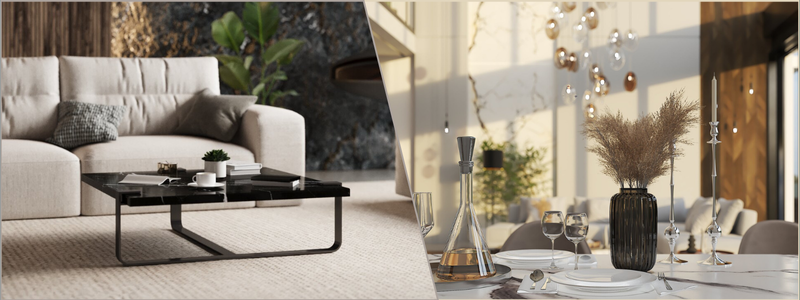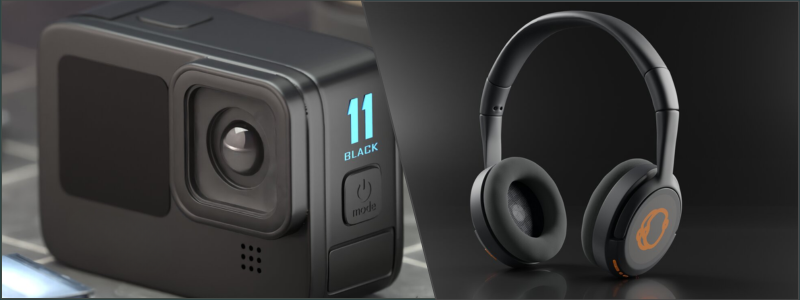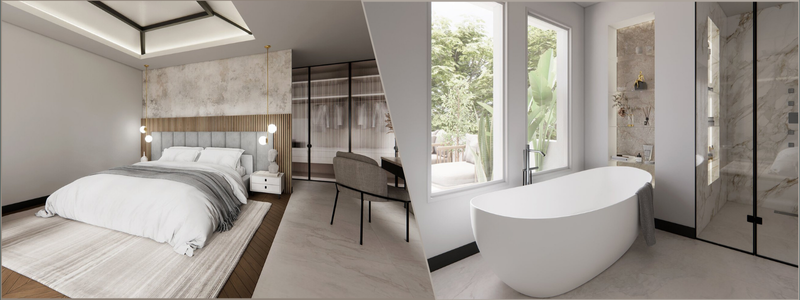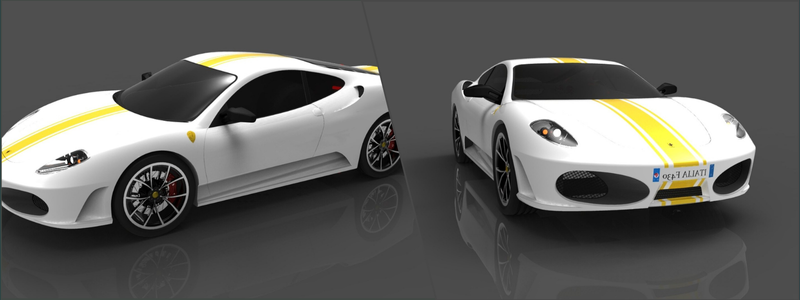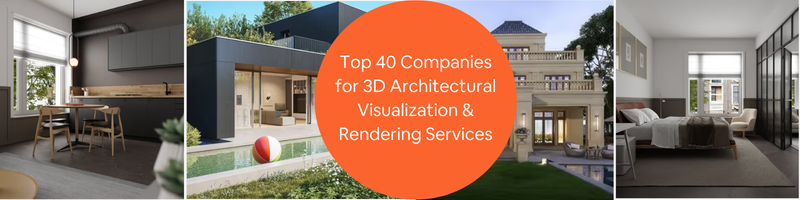
3D Lighting Rendering Guide: Techniques, Tools & Pro Tips for Architectural Companies


From simple drawings and designs came an evolution year by year until architectural visualization services became the top choice of every client. Before, we could be very difficult when it comes to design choice, but with this new trend, it becomes a very important element for decision-making. The reason behind it is that clients no longer want plain design, measurement, and highlighting. They now choose a story that comes from design to design. From a purely ideal, it now shifts to a real-like as well as immersive design. If you are thinking of what makes it different compared to other designs, the real element is lighting.

It is the culprit that makes the design liable for being the best-selling design. The perfection of a picture is not captured without proper lighting. I said proper lighting because if you choose the wrong lighting for a picture, it will only be vulgarly ugly rather than attractive. An example of this is a dark picture. Here, you should use brighter lighting to complement the dark. If you use dark lighting on a dark picture, it will only create chaos. In using 3D lighting rendering firms, you will only build trust, accuracy, and clear communication. 

Lighting indeed tells stories without words. Compared to a book, stories are told by the words incorporated therein. It is easier to communicate using words. But in pictures, it is a different thing to discuss. It gives the artist or the architect the freedom to choose an element that would express the real intention behind a picture. Lighting is the best tool for it. The texture, the function, even the mood, it is being shown by the lighting choice. 

RELATED: Transform Marketing for Lighting Products with 3D Rendering Services & Design Firms 

Understanding the role of light in architectural visualization

To continue the importance of light in the design, you know what, one of the best things to realize about lighting is that it enters the picture even before the main picture and its element set in. In most designs, the architects are always thinking about how to create daytime lighting. Its shade, illumination, and the element of how air breathes in the picture. Without it, the eye can be very free to move as to what to see and focus on in the picture. 

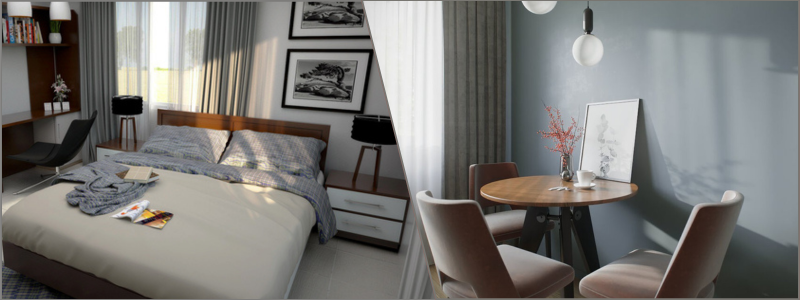
But if you incorporate lighting in the picture, it directs the viewer as to what comes first to see, then next, and so on. If a book uses a dictionary to know the meaning of every word that you find for the first time, or you find difficult to understand, in a picture, the lighting becomes a translator of stories. It lends the viewer the story that was molded by the architect. It may be without words, but the lighting makes it easier to convey what story the architectural designer wants to tell the audience. For example, an empty bed with a crumpled bedsheet has no meaning if seen in the blink of an eye. It may be a clutter to some. 

But if you use the daylight element, or rays coming from the sun, it signifies that it is morning time, and the owner of the bed probably went out for a jog or for breakfast. The renderings begin to captivate creativity when proper lighting is used. It gives us the feeling of a natural and real-world picture. Poor lighting, on the other hand, will only ruin the reality. That is the reason why I told you earlier that not all lighting is proper. It must complement the main picture and its elements. 

RELATED: Lighting Techniques In 3D Renders: Essential Tips for Companies

Natural light simulation and daylight accuracy

There are lights that come from a bulb. There are also those coming from a candle. Natural light, however, comes from the sunlight and is reflected in the window pane of a building. If the lighting design expert try to capture it in the morning, around 9:00 in the morning, it is a perfect picture for sure. You know why? The clients nowadays are being delicate as to what kind of design to view. They want to see how the light coming from the sun lights the entire room. It makes the rendering real when there is a physical connection between the sun and the sky.

There are a lot of lights that you can use with the sunlight. First, there is what you call morning light. This is the kind of light from 6:00 to 9:00 in the morning. Second, we have the midday light. Here, we can start from 10:00 AM to around 12:00 at noon. The light here is much firmer and stronger compared to the soft and smooth light at 6:00 to 9:00 in the morning. The last one is the late afternoon light. This kind of light is much softer than all. This is like a reminder that we should have time to rest. Like, forget about the problems we have faced the whole day, and just focus on revitalizing and recharging your body. 

interior rendering services

Artificial lighting and interior atmosphere

Apart from the sunlight, there are also artificial lights that can be used. As a lighting designer, you can choose from the bulb light, the candle light, or anything that does not naturally come from sunlight. It just becomes much better when combined with some sources of brightness, like the color temperature. For example, warm tones creates a comfortable tone inside your home.

We have this diffused illumination which we always use in our ceiling. When you are inside a house, you would always check on the lights, and without them, there is no focus. As I have said above, your eyes are free to see whatever comes into sight. But if you are guided by the light, you can have a complete grasp of the first thing to focus on inside the house. 

RELATED: High Quality CAD Lighting Fixture Design for Architectural Firms

Global illumination and realistic light behavior

Carrying the intensified light could make or break a view. The secret to realistic light behavior in interior rendering services is to carry it bouncing from surface to surface. What does it mean? The light may be so intensified that it is either too bright or too shallow. If you put too much of it, it will either beautify or ruin the picture. The best thing to do is to balance it with the correct amount of intensity to give a particular surface, and then apply another amount of intensity on another surface, and so on. 

Material interaction with light

We are focusing too much on lighting. It means lighting is important in a picture. Apart from that, we must know that lighting is not the only element that is important in 3D interior visualization services, nor does it go alone. It always has some elements mixed with it. It also has a great connection with the materials, the finishes, and the textures of the building. For example, if you have a glossy marble design, then you should choose a light in order to feel the matte concrete much better. There is a careful connection between the lighting and the texture of the building. You just have to balance it and use it properly. 

Camera settings and exposure control

For every rule, there is an exception. For every success story, there is a challenge. For every solution, there is always a problem. The same is true with the lighting. There may be times when the lighting issues are present. The culprit here is, sometimes if not always, the camera. At first, we would always say no, it is not the camera because we are using the most up-to-date and modern camera. But, believe me, it may still be the camera. Check the settings and the exposure control. Through that, you can check if the brightness is too high or too low. Also, you may check the mixture of colors, if they are too pale or too loud. It always lies in the settings of the camera used. 

RELATED: Architectural Lighting Plan Budgets & Tips to Reduce CAD Drawing Service Costs

Common lighting mistakes in architectural rendering

Lighting mistakes are sometimes the reason why rendering fails. I am always saying, repeatedly saying above, that proper lighting must be chosen and not just any lighting available. I even told you about the mixture, the combination of the lighting and its texture, and everything. This warning is not only for those who are newbies when it comes to architectural rendering.

It is also available to experts. Even those who may be considered experts when it comes to rendering sometimes experience common lighting mistakes. For example, there are dark materials as well as poor exposure. Then, the designer or architect wants to fix it by incorporating too much light. Instead of fixing the error, it just makes it worse. 

Choosing the right rendering software for architectural lighting

From camera to software, yes, because why not? In choosing the right rendering software, you have to think technically and strategically. Autodesk 3Ds Max is considered the leading platform when it comes to visualization because of its flexible and wide plugin. When it comes to lighting, I do not recommend Autodesk 3Ds Max modeling services. Instead, I recommend V-Ray and Corona Renderer. The reason for this is that it balances the realism as well as the efficiency of the lighting. If you are also looking for a cost-friendly software, you may use Blender and its Cycles engine. Not only is it affordable, but it also offers strong lighting tools. 

Collaboration between architects and visualization specialists

Architects and designers or visual artists are the ones responsible for the creation of a perfect picture. They need collaboration that is both smart and disciplined. Collaboration is when two professionals use their expertise to arrive at a perfect output. Discipline is when they know their limits. The architect knows the limit of his contribution, in the same way that the visual artist knows when not to interrupt the work of an architect. Through collaboration and discipline, the work is surely a masterpiece.

RELATED: How to Maximize Space for Functionality: Home Design Tricks for Modern Living by Interior Design Firms

3D interior visualization services

In architectural rendering, proper lighting may be considered as a part equal to science, and other expert fields like communication, as well as design. Not everyone will understand this, but technical understanding is required when incorporating lighting in a picture. From the accurate lighting choice, the artificial illumination, the foundation that is solid enough to create a firm picture, and everything, therefore, technical understanding is a must. That is why it’s worth hiring a 3D rendering professional for the job. The common mistakes mentioned above, like the camera settings and the technicalities of the view, must also be avoided. If you do it, for sure, the collaboration will be a resounding success. 

Advanced lighting techniques for high-end architectural renders

Good lighting can make a simple architectural design into a perfectly made one. The secret to this is using a mild kind of light, not a strong one. Striking lightning will only ruin a good view. Sometimes, it is good to combine different kinds of lighting. We have the main light, the softer kind of light, the small accent lighting, and a combination of all. If you do the layering of these kinds of lighting, you will turn it into a naturally made view. Did you ever think of putting sunlight indoors? It might sound difficult, but all you have to do is use some light portals inside the house near the windows.

You may also use some software like V-Ray or Corona. I knew it, the glass, water, or any shiny object like a stone? These are perfect when combined with light. The patterns that they will create surely bounce and sparkle. For example, in water, sometimes it might look like a rainbow. You need to balance everything because with everything in balance, you will always have a good result. Too much light is bad, too little light is also bad. It should be an equal balance of both. 

RELATED: How to Determine the Quality of Architectural 3D Renderings with Design Services Companies Firms

Exterior lighting and night scene mastery

There are four things that a 3D exterior rendering expert must consider under this section. First, the lighting outside of the building or house offers an opportunity to convey the story. Second, the night or dark scenes are very delicate – they need to be taken care of. Third, never ever overdo or make an exaggeration of it. Fourth and last, we know the so-called good night lighting, it sometimes conveys the story of the building fitting into the environment and not having a place of its own. It is like blending with the environment, and not independently standing out. 

Balancing realism and artistic direction

Under this part, there are also four things to understand. The first one is the balance between the accurate architectural design and the beauty in it. The thing is, do not focus on one element only, and that is beauty, for example. You have to complement beauty with the correct architectural design. Second, use slight tweaks in order to make it better. For example, if you have a pattern from a different 3D designer, you have to tweak it a bit. In some areas of specialization, it is called benchmarking.

You will just get an idea from it and create a version of your own. Third, you have to set a very clear set of rules. Rules that are not susceptible to two or more interpretations. Rules must have only one interpretation. Fourth and last, the goal is communication. You have to communicate with your partner architect so that the design or virtual design that you have in mind will be complemented by the architectural design itself. 

RELATED: 3D Rendering in Project Presentations: Expert Night-mode Scenes for Architectural Firms

Workflow optimization for lighting efficiency

When we speak of efficiency, we only focus on four things. First, the use of templates is a must. It only makes your life easier, it also makes your work organized. Second, you have to work smarter after the production of the output. It means that you should not put your best foot forward before the actual sale, and then go back to normal after the sale.

The real performance is after the production or the sale. You have to be confident enough that your client will be able to appreciate it when they already have the output in their hands. Third, you have to get quick or fast feedback. To be efficient, the client must have an outright comment on the product you made. Fourth and last is that you have to document your entire process. For architectural drafting freelancers, it’s crucial that they have all drafts on file. You have to know the progress and document it. 

Managing noise and render performance

Noise is actually one of the effects of realistic lighting. Not to create noise, but to minimize it. There are some things that you need to understand about it. First, where the noise is created, you have to put it in direct sunlight because sometimes, and most of the time, it is the indirect sunlight that makes it noisy. Second, you’ve got to have a quick time to fix everything. Yes, if you are efficient enough, slight problems are no problem at all.

You must have this mindset that everything that might come along the way will surely be resolved in an instant. Third, you have to use software in moderation. Do not rely too much on the software, you must create your own design based on traditional style. Fourth, you need to boost your performance and simplify everything. Overdoing it will only ruin the view. Lastly, aim for a clean kind of lighting. The first thing to do is create good lighting, and after that, you may already explore the combination of all. 

interior design services

Color theory and lighting psychology in architecture

If there is a psychology in mental health, there is also a psychology when it comes to lighting in architectural design services. Why psychology? It is because lighting has some effects on the emotions of the viewer. For example, the warm light signifies the feeling of comfort, intimacy, and a welcoming vibe. Another one is a cool light. It has an implication that the light is modern, a clear one, and efficient also.

Another example is neutral light, which means the light looks flexible and can easily adapt to the changes of time. Another thing is matching the light with the space. The combination is much better than a solo one. Indeed, the psychology of lighting is an important thing to consider. For example, your home feels like home. It means it gives you comfort, relaxes you, and as such, it must have warmer tones. 

RELATED: 3D Architectural Rendering: How Your Company Shapes Mood, Weather, and Season

Using real world references for lighting accuracy

Reference lighting will make it believable when you make a combination of lighting realistic. You have to be observant when it comes to soft as well as sharp kinds of shadows. It will either help you or create a problem at once. Then you have to build a library. It means you need to collect photos of before and after, and during the process. 

Lighting for different architectural sectors

Clients are also various, so their needs differ from one another. With the lighting approaches, you will surely say that lighting is indeed a language. It gives the story even without words. 

Integrating lighting into real-time visualization

It is now called the hybrid kind of 3D visualization services, and most architectural companies use it. You have to know the strengths as well as its limits. Also, you have to focus on the interaction. 

Professional pro tips from industry experience

As compared to becoming a billionaire. You cannot be rich if you always hang out with poor people. I mean, no offense to poor people, but if you want something like richness, you have to surround yourself with rich people and not broke ones. Same here, if you want to get the best of lighting strategies, you have to surround yourself with experienced and professional architects and visual artists. 

RELATED:  The benefits of 3D architectural rendering for companies in the real estate industry

Building client confidence through lighting quality

The most important thing is the trust reposed in you by your client. No matter how beautiful and advanced the design you have is, if your client does not like it, you will still be a loser. Yes, you have to face it, you have to impress your client. 

Future trends in architectural lighting rendering

Trends when it comes to architectural lighting rendering are always a must. From past to present to future, it always has something good to tell us. For example, the use of AI tools. You have to be friends with Alexa or Siri because they will surely suggest some lighting tips, balances, and even setups. Yes, you have experienced architects on the side, but to be friends with modern technology is a plus.

The net is that you have to maintain a backup like Cloud rendering, meaning all the designs will be saved there, and only the client and your team will have access to it. Next is real-time tracking. You have to close the gap between the previews on one hand and the offline renders on the other hand. 

How Cad Crowd can help

With everything discussed above, there is only one thing in mind that I would like to show you or convey to you. Not all lighting is useful in your design. You have to choose the right lighting to make a design better. Browse Cad Crowd and find 3D lighting rendering experts to make all these possible. Contact us for a free quote.

author avatar

MacKenzie Brown is the founder and CEO of Cad Crowd. With over 18 years of experience in launching and scaling platforms specializing in CAD services, product design, manufacturing, hardware, and software development, MacKenzie is a recognized authority in the engineering industry. Under his leadership, Cad Crowd serves esteemed clients like NASA, JPL, the U.S. Navy, and Fortune 500 companies, empowering innovators with access to high-quality design and engineering talent.

Connect with me: LinkedInXCad Crowd

The Best 5 Angles for Architectural Exterior Rendering to Showcase Building Projects


Drawing and exterior rendering services may be called an art. When creating a design, every brick must have a story. It should not be a mere picture only, but a group of bricks with a memorable story to tell. No matter what your profession is, a building design has a great impact on how a person decides, perceives, and invests in something. A design that is so simple can be enhanced by using the right angle, making it more attractive and useful. The right choice of technicalities on one hand and creativity on the other hand makes it even more perfect. Here, we will present to you the best 5 angles for architectural exterior rendering that will surely improve your projects and make you stand out from the rest. 

1. The hero shot

Behind every great design is a good architect. The outside view may be compared to the protagonist in a film. It is the one behind the exposure of the building, giving access to everyone who wants to see, and making a distinct difference. There is a frame, and the design most typically shows an elevation that gives the viewers a great picture while not overwhelming the frame. Apart from the picture itself, the shadows as well as the kind of lighting that architectural designers use contribute to the overall beauty of the picture. The light coming from the sun makes it more beautiful; you just have to choose between the afternoon or the morning sunlight. It adds a story to the architectural design. What is a hero shot? Is it all about beauty? The answer is no.

It has the power to tell stories, and as such, you will be confident that the architectural design is better than before. As such, when your clients try to look at the designs, they will have no other option but to avail themselves. One good thing about exterior designs is that the building must complement its neighbors around it. Not only the neighbors, but it also complements the other living things around it, like trees, plants, and all. Surely, your proposal will be successful if you use the hero shot. In every design, there will always be a challenge. In this hero shot, the challenge is not to make it stagnant. It should not look so formal and old. As such, you only need to have some shifts in the designs. Other elements should be included in the shot, such as cars and other people. As I mentioned above, lighting is a very good point. It makes a normal picture attractive, and it gives it life as well. It is not just a shot, but a shot with a story. 

RELATED: Creating Exterior Renderings Using 3D Exterior Rendering Services for Architects

2. The eye-level walkthrough

We do not just see the buildings with our naked eye. Instead, we see ourselves living in them and experiencing life through them; they are just there around us. We see buildings using our eye-level angle, and it is so important because there is no excess or lack when we use the eye-level walkthrough. This is vital consideration that the exterior design expert must keep in mind. There is a natural way of experiencing a particular home, working environment, and even public spaces. It can be compared to imagining what is inside when we have never opened the door. The design makes itself personal and up close. 

The hero shot is so dramatic, as discussed above. This makes the difference because the eye-level walkthrough talks about connection. It does not make an impressive goal; rather, it speaks to inviting people to see through their eye level and makes it feel real-life rather than a hero shot. It is as if when you look at it, it has this natural approach. From walking to entering the building, to the beautiful façade and gardens, these are the aims of the eye-level walkthrough. In the render, if you include natural elements like children playing and laughing, children, passerby on the road ahead, and a lot of bikers, surely, it will have a natural touch. 

If we are talking about flexibility, it will be the eye-level view because it works better for streets, parks, and other public spaces. Through this architectural design, the walkthrough designer must show the connection between the shops, houses, and walkways. Because it is eye-level, it gives people the best view when they are already inside the building, living there, walking there, and exploring inside. Marketing teams and design viewers will surely love it because of the natural feeling it has and how it is people-focused. If you want to get the right shot, it takes a lot of planning as well. The camera placement plays a vital role. For example, if you put it too close, the building may be overwhelmed.

RELATED: 3D Exterior Rendering Services for Companies: 10 Important Factors That Affect Pricing

On the other hand, if you put it too far, the connection you are trying to create will be lost to the surroundings. There must be a see-saw-like balance, wherein on the one side, there is a focus on the building, and on the other side, it shows that the environment still has other details like humans, playing children, and something that makes it relatable. Again, as opposed to the hero shot, the eye-level view suggests more emotion in the picture, which connects the hearts of the viewers and the picture they are looking at. Meaning, it does not stay as far as before; it shows a clearer view of what the building is showing. 

exterior rendering firm

3. The bird’s eye view

When it comes to 3D architectural rendering services, aside from the hero shot and the eye-level view, one of the best views to understand the entirety of a building is a view using a drone. This is called the bird’s eye view, and it offers a combination of scope on one hand and context on the other hand. Imagine looking from above like a bird, you can see the surrounding materials, the entirety of the building, and the layout itself. This is perfect for a big landscape with a building at the center. There are things that are best captured from an aerial view compared to the first two views discussed. When you look from the top view, you see how the traffic flows, you see gardens, the walkways, and everything that you cannot see from the ground-level views.

By using the bird’s eye view, you will definitely be thoughtful of the designs and the strategies used in conveying the story to the clients. Lighting is very important for this kind of view. The building may be emphasized using the shadows, particularly its form and how firm it looks. On the other hand, the light coming from the sun gives a perfect view for the client to see how delicate and perfect the design is. It is a cinematic view when you incorporate the formations of the clouds as well as the skies that complement them. If, for example, you want to convey an exaggeration when it comes to telling a story, you use a different scale. If you want a simpler one, you may use a simpler scale. 

A view may be impressive, like this bird’s-eye view, but you need to be precise. You need not only a camera, but also a perfect height, the length, the surrounding circumstances, and, of course, the lighting. If anything is missing, particularly an important detail, the perfect scene you are imagining will not be attained. With architectural visualizations, when you add people, cars, and other natural details in a small scenery of a picture, that will be great and even better to convey the story you are trying to tell. This kind of view does not mean the building’s view only, but instead, it also shows the perfect place where that building belongs. 

RELATED: 3D Exterior Rendering Services that Include In-Ground Swimming Pool Design 

4. The dramatic low angle

Ordinarily, the side views or even the center views are good. Apart from that, when you try to look at the viewpoint of a bird, you will see the difference and every angle as well. But if you try the low-angle position view, particularly if the camera is placed on the ground, you will be able to realize that it gives emphasis on the height and the vertical lines of a building. This one is a better choice for buildings to make it appear taller than it actually is. The angle is so powerful, and the lighting as well. It gives an impression of tallness and stiffness. Good lighting also exudes perfection in a picture; added to the exaggeration of height, it becomes attractive to viewers and clients.

Aside from the angle, I would like to emphasize the kind and the choice of lighting to use. If it is a little darker, it creates an illusion of mystery. If it is a little brighter, it creates an illusion of hope and beauty. The side lighting emphasizes the texture. If the rendering artist includes things naturally surrounding the building, it will create a good impression on the clients. The only bad thing or kind of negative thing about a low-angle view is that it does not create distortion. Sometimes, if you take a picture from the ground floor view, there will be a slightly distorted portion of the subject of the picture. Like, if a building, for sure, there will be a portion of the building that may look sideways or distorted. The key is balance. Balance of the lighting and the angle used. 

5. The contextual panorama

The last view or angle is the so-called contextual panorama. Through this, the picture does not only focus on the building itself, but also on the relationship of the building to the surrounding elements like people, trees, walkways, and others. With 3D 360 degree panorama rendering services, you can create an illusion that the building is unbreakable enough to be linked with the surrounding things nearby. This kind of view is not about the technicalities of the view, of the picture, and of the building. It is about the connection, the relationship, and the story of the building in connection with the things surrounding it. It is like a story in a movie wherein the protagonist is the building and the antagonist is either the streets or the bystanders. But it may be a combination of two protagonists because, through the lighting, it conveys a story. 

RELATED: How a 3D Rendering Service Can Help with Your Exterior Design

Combining angles for maximum impact

In a picture, choosing the perfect angle or view is a difficult task. Even if difficult, it must be done correctly to achieve perfection in your picture. Aside from that, the proper lighting is a plus factor. When combined, it creates a good picture, if not the best, and it conveys a story even without words in it. Thinking about choosing only one is not good. The 3D rendering designer must choose a combination of 2 or more because it has a complete set of elements when taken. The kind of views that modern people are using has evolved over the years. Before, it was all simpler. Now, it becomes a little complex to get that perfect picture in mind. Although it is a little complex, modern cameras and other techniques learned through workshops make the image become the perfect picture in mind. 

Final thoughts

The purpose of architectural design or exterior design is not only for aesthetic purposes. The truth is, it is about telling a story, communicating with the viewers or clients. Every view has a purpose, such as the hero shot view, which has the purpose of creating dominance above all. On the other hand, the eye-level view creates a connection between the viewer and the picture. Another one, the bird’s eye view, creates a wide coverage. The dramatic low angle creates an impression of exaggeration when it comes to height and scope. Also, the contextual panorama creates an integration between the building and the elements surrounding it. 

How Cad Crowd can help

Cad Crowd has an extensive network of exterior rendering designers to help you create the perfect design. Talk to our design experts for a free quote.

author avatar

MacKenzie Brown is the founder and CEO of Cad Crowd. With over 18 years of experience in launching and scaling platforms specializing in CAD services, product design, manufacturing, hardware, and software development, MacKenzie is a recognized authority in the engineering industry. Under his leadership, Cad Crowd serves esteemed clients like NASA, JPL, the U.S. Navy, and Fortune 500 companies, empowering innovators with access to high-quality design and engineering talent.

Connect with me: LinkedInXCad Crowd

Top 31 3D Architectural Rendering Platforms for Freelance Maya 3D Modelers & Artists


Ever looked at a 3D architectural rendering service and asked yourself, “How in the world do they make concrete look like that?” You’re not the only one. Behind each and every one of those lovely virtual buildings is a skilled Maya 3D artist with the skill to transform blueprints into halfway decent photographs.

The problem? Getting someone to do the job. Depending on the nature of your business, whether you are a design house, real estate developer, or just somebody who’s made up your mind your final product is going to be pretty brilliant in pixels, finding good freelancers is usually a wade through an obstacle course of models and mockups.

This is where platforms like Cad Crowd shine. It’s one of the best places where you can outsource the best freelance 3D modelers and rendering artists to assist you in bringing your architectural design to life. Don’t go swiping at billboards yet, debating photorealistic lighting trends before you show us a tour of the best 31 places where you can hire incredible Maya talents who will assist you in making concepts, life-like pictures.


Cadcrowd

Cad Crowd

Cad Crowd is also among the major destinations to hunt down single architectural rendering artists and Maya 3D modelers for global clients. It performs only design work, 3D modeling, CAD, and quality assurance and reliability assurance for freelancers. The platform provides an uninterrupted process from posting a job to completion of work and a one-to-one debugging service. Its prevalence in vision-synoptic 3D and architecture design work specifically makes it appropriate for high-end professional projects that involve vision-synoptic 3D and architecture design work. With reasonable remuneration, secure clients, and a diversified range of projects on their agenda, Cad Crowd presents a more comfortable and secure freelancing experience.

Website: CadCrowd.com

twine logo

Twine

Twine is an online platform that brings together professional creatives, such as 3D modeling experts and architectural modelers, with companies that need professional design services. The platform provides freelancers with a professional-level portfolio website, bids for projects, and efficient handling of client communication. Twine is able to handle short- and long-term projects and is best suited for one professional. In either aspect, as much as what it can provide different creative solutions or design services and 3D modeling, they are strong enough to handle specialty projects. Experts can pick nice jobs based on their capabilities, gain clients, and become well-known in the design community. Its simplicity and business platform turn it into the best choice for creative people.

Website: Twine.net

flexiple logo

Flexiple

Flexiple only cares to match the finest freelancers and companies seeking the best talent developers and designers, like Maya 3D experts and architecture visualization professionals. Flexiple is quality-oriented since it filters freelancers prior to hiring them, hence giving the clients the best experts. Freelancers will perform different jobs from architectural perspectives to complex 3D modeling jobs, and have safe communications and payment terms. Though Flexiple is optimally capable of performing technological design tasks, its application to creative tasks will be suitably restricted compared to websites that are more flexible in terms of creative capability. But through quality match and specialization, the organization focuses, and it is the go-to destination for professional skill-based independent work.

Website: Flexiple.com

TypeScouts logo

TypeScouts

TypeScouts is a website where independent designers make contact with potential buyers who require design and 3D visualization services. It is where there can be a listing of portfolios by Maya 3D specialists and architecture modelers, and bidding against projects in the specialist field. Client-freelancer matching is done through the website, making it easier to arrange for the provision of support to a project. While TypeScouts assists with exposure and networking, its exposure to 3D architectural skills might not be as vast as that of enormous professional niche websites. However, it offers platforms for professional expertise in skilled imagination, where an individual can gain access to working with paying customers who value quality. Freelancers can find suitable projects based on their capabilities and build portfolios accordingly.

Website: TypeScouts.com

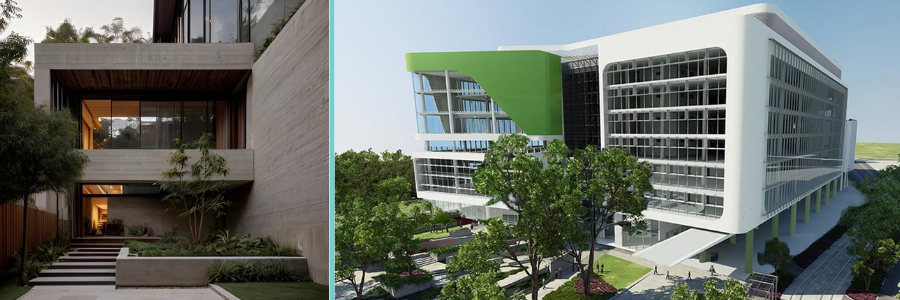
3D Architectural rendering examples by Cad Crowd experts

RELATED: Pricing factors for architectural visualization and hourly 3D rendering rates for your firm’s projects

Paperub

Paperub

Paperub is a website of freelance workers where designers, i.e., architectural designers and 3D modelers, and such clients looking for innovative solutions meet. Freelancers can create profiles, upload portfolios, and bid on the right jobs. The site practices professional communication and safe transactions in an effort to offer freelance work on a safe platform. Although Paperub does have some unique features, it will likely be less accurate for 3D architecture than business websites and might bring more competition to some jobs. But with its global clients and streamlined process, it’s a handy option for freelancers who need work every now and then to model and design.

Website: Paperub.com

hiredevelopers logo

HireDevelopersBiz

HireDevelopersBiz offers businesses the ability to hire independent professionals providing design and development services, such as 3D and architectural design. The website offers the learning platform, marketing platform, and project sourcing platform of diverse projects to Maya 3D designers. Freelancers are offered an open communication and payment process to facilitate their securing cooperation. Even though the platform is technically high in terms of style, the amount of work that needs to be performed on it might be lower than in design platforms, and thus, there will be more competition for specific work for some freelancers. HireDevelopersBiz is still available for developers who need structured freelance work with structured client communication and repeated process steps.

Website: HireDevelopers.biz

Artstation

ArtStation

ArtStation is another website for digital creatives such as 3D modelers and architecture visualizers. It’s one of several sites that enable freelancers to upload portfolios, view clients, and bid on work orders on creative scope projects. It is extremely design-focused in its approach and best suited to high-end clients and studio-level professional-grade requirements. While it excels at art networking, its freelancing project management is weak compared to some serious freelance sites. ArtStation is best utilized well, however, by established professional artists who want to stay so, gain customers, and network with peers in architectural rendering and 3D modeling.

Website: ArtStation.com

invedus logo

Invedus Outsourcing

Invedus Outsourcing provides freelance and contract employment as 3D modelers and architectural artists, among others. The platform allows freelance designers to access customers who require design, development, and visualization. It is applicable to professional business, clear expectations, and secure business. It gets one into diverse projects, but it isn’t specific to 3D or architectural projects, which would restrict highly technical work. Freelancers will continue to be able to secure good work and build client bases but will get moderately priced out of opportunities by bigger talent pools. It is mostly a great choice for those who enjoy structured freelance work.

Website: Invedus.com

Upstack Logo

Upstack

Upstack is a site where high-end freelance experts are matched with businesses that require technical and artistic ability, i.e., architects and Maya 3D modelers. The site focuses on quality through pre-screening of the freelancers and allocation to clients of the same need levels and capabilities. The freelancers are able to relish structured projects, seamless communication, and guaranteed payments. Upstack, with the benefit of talent-talent matching as opposed to real clients, the alternative for creative projects is low compared to the larger marketplaces, whose alternative may entice freelancers into snatching available leads. Upstack continues to provide a secure and professional environment for freelancers to find well-structured skill-based work in 3D modeling, architectural design, and visualization.

Website: Upstack.com

yunojuno logo

Yunojono

Yunojono will match businesses with design and development expertise with technical and creative freelancers. Architectural illustrators and Maya 3D modelers can create profiles, upload portfolios, and receive matching jobs for architectural design firms. The site provides equal contracts, fair pay terms, and polite communication. Yunojono will be suitable for exposure and experience, but on a long list of career choices; thus, architecture-based 3D work will be short of specialty websites. Freelancers can handle greater competition but receive excellent projects according to their qualification set. It is mostly a professional and rewarding space for independent creatives ready to plan freelance projects.

Website: Yunojono.com

insolvo logo

Insolvo

Insolvo gets together freelancers with companies that seek design, development, and 3D modeling assignments. Maya 3D professionals and architects can post portfolios, add profile information, and bid on suitable projects based on their capabilities. The site is driven by powerful workflow optimization and secure payments, and enables freelancers to concentrate efforts on high-quality deliverables. While Insolvo offers professional-grade settings and consistent client referrals, the site is not as specific to architectural 3D projects as sites like Cad Crowd. Freelancers will face higher overall competition per project, but still, the site offers a good experience, exposure, and steady freelance work for technical design professionals.

Website: Insolvo.com

Jobgether logo

Jobgether

Jobgether is a web-based freelance site that strives to bring together technical and skilled experts with organizations in need of technical skills. Selling Maya 3D and portfolios of architecture designers, accepting projects, and getting paid becomes easy on the site. Jobgether has a free-schedule freelance assignment to fulfill, but it isn’t so technical in the case of architectural designing and 3D modeling, thus fewer tech opportunities. Freelancers are exposed to more competition in some work environments, but the site offers regular assignments, professional assistance, and a quick process. It still remains a choice for freelancers seeking quality project shares.

Website: Jobgether.com

Arc.dev

Arc.dev

Arc.dev brings professional freelance developers and designers together with businesses looking for professional freelance professionals. 3D Maya building architects and designers can benefit through the use of the platform in the sense that they can leverage taking advantage of access to precisely similar work for their technical and creative ability. The platform is focused on quality filtering, open contracts, and organized collaboration to allow freelancers to access long-term client relationships. Arc.dev project launch is perfect, but its function as part of design and architecture can be less than 3D visualization sales sites. The site gives freelance professionals competitive projects and premium clients, but limited mobility to provide freelance professionals with other architectural design projects.

Website: Arc.dev

Dice logo

Dice

Dice is a development and tech site, but it gives freelance opportunities for designers like Maya 3D modelers and architects’ visualizers. Freelancers can post their profiles, look for projects, and be allocated to customers who are looking for professional design work. Clients are compensated with quality protection and a business platform to place orders. Since Dice is suitable for computer and technology specialists, emphasizing computer and technology jobs could mean that special architecture or 3D modeling design services are fewer. There is perhaps more competitive bidding for the highest quality of work, but otherwise, the site is a good one to seek technical and creative professional clients.

Website: Dice.com

Jobright logo

Jobright

Jobright is a freelance website with technical and creative professional job postings, such as Maya 3D designers and architects. Freelancers can create profiles, post portfolios, and bid on similar work by experience. The site offers convenient communication means, a payment gateway, and customer care so that one can work without any discomfort. Though Jobright offers regular freelancing work because it is an open freelancing site and not professional architecture or 3D work, it will not offer highly professional work. Freelancers would be more competitive but still have plenty of opportunities to gain significant experience, build their client base, and work on continuous streams of projects in the broad spectrum of technical and creative domains.

Website: Jobright.ai

CGtrader

CGTrader

CGTrader is a live marketplace for 3D modelers, Maya designers, and architecture visualizers. Freelancers can sell 3D models, display portfolios, and bid on project-based projects from clients requiring high-end visualization work. The site provides licensing and safe payments, so the site is a professional website for creative work. While CGTrader is professional-only, there will be competitive work between some of the work because there is a huge talent pool globally. Freelance designers in search of architectural rendering can indulge in lucrative works, but must be presented with a promise of work for fair payback. By default, CGTrader is still the most suitable portal for 3D modelers seeking sales and freelancing for modeling and visualization.

Website: CGTrader.com

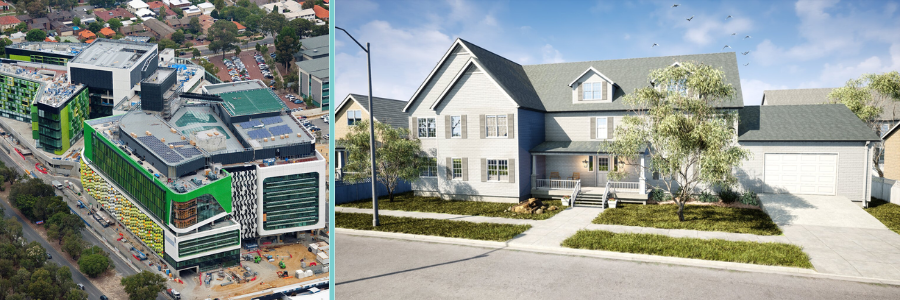
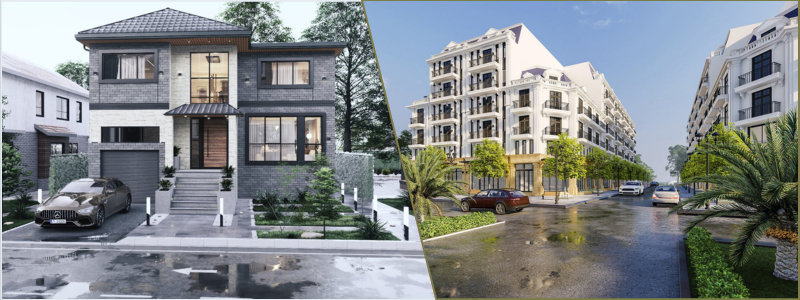
Architectural rendering of a mall and suburban home by Cad Crowd design experts

RELATED: Why 3D modeling is used in building architectural projects with freelance designers and firms?

Naukri logo

Naukri

Naukri is a fine job portal that unites professionals and freelancers with enterprises in a huge list of diverse categories ranging from design to 3D modeling. Architect modelers and Maya modelers are also allowed to post their profiles and look for freelance job postings. Although Naukri is significantly ahead on most projects with diversification, the website is nowhere near 3D or architecture-based project-based, and hence, by default, has fewer best-of-the-best projects. Freelancers have to be prepared to face tough competition and should properly filter through in order to secure a good project. However, the high number of clients offered by the site and ongoing project availability make it an actual choice for freelance designers seeking exposure and work in visualization and design.

Website: Naukri.com

CGHERO logo

CGHero

CGHero is a freelancing site designed especially for 3D and architectural visualization designers and, therefore, ideal for experts specializing in architecture rendering as well as Maya modelers. Freelancers transition from small projects to big client projects with guaranteed on-time payment and a proper description of the project. The site is client- and quality-focused to allow freelancers to establish professional reputations. CGHero is specialisation-based, and repeat work will vary with differences; freelancers will need to bid for large projects. While it gives adequate experience, skill acquisition, and client awareness about relationship 3D modeling skill and architectural visualisation, poor quality of work will be rejected there. It suits dedicated professionals.

Website: CGHero.com

peopleperhour logo

PeoplePerHour

PeoplePerHour is another large freelance site where Maya 3D modelers and architectural visualisation specialists can find clients with design requirements. Freelancers can create portfolios, work biddings can be offered, and the projects finalize the employment with payment made. While the site has an enormous amount of freelance projects, as a generalist, it just means more competition for 3D-solo and architecture projects. Freelancers can wait as they establish rapport with the customers to be hired to do tailored work. PeoplePerHour is best for buying freelance skills, recruiting experts, and discovering match projects to develop the skill sets in technology or design fields.

Website: PeoplePerHour.com

gigster logo

Gigster

Gigster is a place where freelance masters work together with customers seeking work on a project basis, i.e., Maya 3D modeling and architectural visualizations. Well-defined projects with a schedule and pay are pre-scaffolding for freelancers. The platform is technology-focused, and slave collaboration-centered and client excellence-centered. Gigster welcomes technology-focused and innovative freelancers, but opportunities in exact architectural visualizations or 3D modeling may be limited. Freelancers are less competitive and need to pass through projects strictly. Overall, Gigster has good workflows, quality expert services, and access to serious clients and is thus a suitable alternative for freelancers who require formalized, documented project proposals.

Website: Gigster.com

contracom logo

Contra

Contra matches independent professionals with companies looking for tech and creative professionals. Maya 3D modelers and architecture visualization experts can make profiles, post portfolios, and bid on projects they are most qualified for. The site is founded on direct client contact, opportunistic contracts, and protection from payment. Whereas Contra provides diversified opportunities to career artists as much as anything, its architecture-based production in 3D will be less on highly specialized sites. Freelancers are provided exposure, networking, and a variety of projects, but with intelligent project selection for optimization of fit. Overall, Contra is a good place to work for freelancers with varying schedules and increasing rosters of clients.

Website: Contra.com

indeedcom logo

Indeed

Indeed is the most frequented career website with freelance, contract, and full-time job listings. Maya 3D designers and design architects can search for corresponding listings and identify companies looking for professional design expertise. It also provides ample opportunities to tender for work, so there will be higher chances of getting the desired projects. Its view is, however, that specialist architectural or 3D work will be hard to come by, and there will be intense competition. Architectural design freelancers will need to search high and low in adverts and reapply if there is any chance of a lead being found. In reality, though, it is an ideal option for specialists who need exposure to a large number of freelance or contract work.

Website: Indeed.com

LinkedIn logo initial

LinkedIn

LinkedIn is where professionals connect with clients, demonstrate portfolios, and bid for job postings in emerging markets. Maya 3D graphics artists and architectural modelers can leverage the platform to demonstrate talent, network with industry experts, and find freelance projects. Reputation and a business networking system help gain credibility and client work assignments. While LinkedIn gets one ahead of a very large set of people, competition for a particular 3D model or architecture job is lovely, and bids do not appear as well on specialist marketplaces as they would. Freelancers are aided by reputation, visibility, and networking, but are generally put on hold and begged to be handed repeat order work assignments.

Website: LinkedIn.com

Glassdoor

Glassdoor

Glassdoor was used mainly for research on jobs and companies, i.e., freelancing. Maya 3D artists and architecture visualization experts would have been in a position to obtain prospective employers and familiarize themselves with an organization before working with it. Freelancers would have bid for job listings posted and viewed client expectation details on the website. Whereas Glassdoor does offer information on company profile and working environment, there would be fewer freelance 3D modeling or architectural freelance employment, and work would be fewer in number on specialist freelance websites. Freelancers will still gain from its use by researchers and networkers, but quality work will take a little longer, with more reservations in choosing projects to match capacity.

Website: Glassdoor.com

RELATED: Ultimate guide in choosing a freelance structural engineer for companies and firms

ZipRecruiter Logo

ZipRecruiter

ZipRecruiter brings together job seekers and freelancers with businesses across different industries. Maya 3D architects and designers can view and freelance on a project list. It has a simple interface along with reminder notices for the right projects on the platform. Though it gives exposure to a very broad range of projects, it is not specifically looking for architecture or 3D modeling as such, and therefore, competition for quality projects could be high. Freelancers will have to struggle around and lose time applying. All these points in mind, ZipRecruiter also makes it easy to find freelance jobs and clients, and plain freelance jobs and clients for freelancers who would love to broaden their horizons.

Website: ZipRecruiter.com

SimplyHired logo

SimplyHired

SimplyHired is a free freelance search and job website upon which Maya 3D modelers and architectural visualizers can bid on work. Freelancers are able to view the listings, bid on, and take jobs with clients for architectural planning and design services. Although the site does promote its own jobs, it is not a specialty 3D nor a specialty architecture, and as such, there is more competition and less special hire work. Freelancers will need to spend more time finding sufficient work. But SimplyHired offers access to huge numbers of customers, quality job postings, and professional services, and thus is also for freelancers seeking exposure and quality freelance work.

Website: SimplyHired.com

Guru logo

Guru

Guru is an internet service to obtain computer experts and designers for clients. Maya 3D modelers and architects may put up profiles, show portfolios, and bid. The platform offers facilitated communication facilities, safe payment, and contract management. While Guru possesses good freelance work in plenty, top-level strategy could restrict top-level architecture-type of work. Freelance professionals can endure tough competition for quality work and are forced to make individual decisions while selecting work. Nevertheless, Guru is an option for freelance professionals to accomplish diverse jobs, receive timely payments, and communicate with clients in the majority of technical and creative industry sectors.

Website: Guru.com

Truelancer logo

Truelancer

Truelancer connects freelance professionals and customers searching for technical and creative solutions, such as construction designs and 3D models. Freelance Maya 3D experts are able to bid on a project, demonstrate a portfolio, and build their profile. The platform has secure payment and workflow. All can be done on Truelancer, but it is an open platform, and therefore, there is uneven competition, and architecture work is not so common. Freelancers would need to sift and sort through in order to gain access to work that would be commensurate with their ability. But the site provides visibility to international clients and diverse projects, and therefore, there is space for specialists looking for freelance employment in 3D visualization and modeling.

Website: Truelancer.com

freelancercom

Freelancer

Freelancer is a large site where technical specialists and creative professionals can get together with international buyers. Maya 3D designers and architects can bid on projects. They can monitor projects and be paid securely. Though career prospects in the site are relatively broad, the site is competitive in nature since it is overpopulated with freelancers, and niche architecture project opportunities could be very small. Freelancers would have to produce fabulous-profile work and a classy choice of work. In spite of all those barriers, Freelancer is still a working opportunity for exposure, client finding, and work fulfillment for individuals working in the technological and design fields, including 3D modeling and architectural visualization.

Website: Freelancer.com

fiverr logo

Fiverr

Fiverr is an open freelance platform that gives Maya 3D modelers and architectural model-making services an opportunity to deliver their services to the client directly. Freelancers are selling “gigs” to showcase their talent and earn some money. As wonderful as Fiverr is to provide around-the-clock access and worldwide in scope, too much competition and a market of numbers can be against quality architectural work. Freelancers waste time creating profiles and promoting services with the hope of being remembered. Under such limitations, Fiverr can help solo professionals find clients in real-time, get noticed immediately, and enjoy seamless workflows, especially for small-scale 3D modeling and rendering work.

Website: Fiverr.com

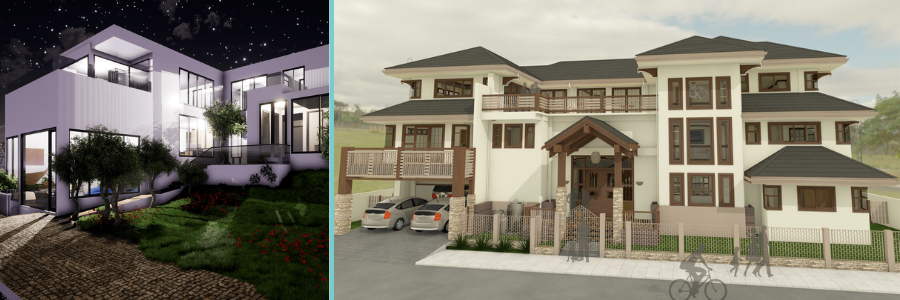
Architectural design of a luxury home and childrens hospital by Cad Crowd freelance designers

RELATED: Scan To BIM: Advice for working with an architectural design services firm

Upwork-logo

Upwork

Upwork is a wide-open freelance platform with broad gigs across many fields. Maya 3D modelers and architecture visualization experts can place bids, sign up, and earn money for work booked. Though Upwork exposes to millions of worldwide customers and diverse work, exorbitant fees and vast amounts of competition could make the top work unprofitable. 3D modeling and architectural labor are present but in abundance to buy. Freelancers get visibility and project management features, but specialist architectural content finders will be getting the site less personally.

Website: Upwork.com

Wrapping it up

The balance in choosing projects is the optimal way to maximize it. Whether it is a trendy new-build apartment picture or a wide-angled view cityscape landscape bathed by virtual sunbeams, the creative Maya 3D artist can be your gateway to town. Because talent is all over the globe on every platform, things can really be limitless, but quality prevails.” Cad Crowd stands out because it pairs you with competent, professional freelance designers who both offer creative vision and technical accuracy.

It’s where you’ll want to start if professionalism, creativity, and lasting impression are more important to you. So grab a wave, browse the talent pool, and ride Cad Crowd today for the freelance Maya 3D modelers and artists that will bring that little extra bit of magic to your next project. Get a free quote today.

author avatar

MacKenzie Brown is the founder and CEO of Cad Crowd. With over 18 years of experience in launching and scaling platforms specializing in CAD services, product design, manufacturing, hardware, and software development, MacKenzie is a recognized authority in the engineering industry. Under his leadership, Cad Crowd serves esteemed clients like NASA, JPL, the U.S. Navy, and Fortune 500 companies, empowering innovators with access to high-quality design and engineering talent.

Connect with me: LinkedInXCad Crowd

Boost Client Confidence with 3D Architectural Animation for Real Estate Presentations


Today’s post covers how you can boost client confidence with 3D architectural animation for real estate presentations. Imagine yourself going into a presentation of a real estate project with colored floor plans, glossy brochures, and maybe a few static 3D renderings. The client is leaning forward, nodding here and there, but you can just about see the question hovering above their head: “What will it really look like?” Is that not the problem? Traditional presentations leave far too much to the imagination. A few 2D drawings and flat renderings can only go so far in helping clients picture a space that does not yet exist. Then comes 3D architectural animation, like a creative superhero.

No capes are required, naturally – only some deft visuals, great use of space, and a bit of digital magic.

Why flat plans fall flat

In reality, even the best-drawn floor plan can be flat. It can show dimensions, proportions, and layout, but doesn’t provide anything that really gets people attached to a place. After all, real estate is not about square footage; it’s about vision, emotion, and that sense of belonging which space can create. No 2D plan will ever replace the visual understanding of how morning light spills across the kitchen counter, how the living room will feel from the second-floor balcony, or how spacious the lobby will look once the furniture is in place. Only one angle can be shown with a static rendering; it cannot tell a story.

But with 3D architectural animation services you can. It whisks clients on a slick, cinema-style journey through a property before a single brick has been laid and allows them to feel what it will be like to walk through the front door and explore the rooms, standing on that terrace with a view that takes their breath away. That is not exaggeration, that is the power of storytelling through motion.

RELATED: Top 37 Commercial Architectural Design and 3D Rendering Companies for Architectural Firms

Seeing is believing – it’s a science

Our brains are wired to understand things visually. About 80 percent of all information that we intake comes through our eyes, so it’s easier for people to respond because they can see it rather than having to imagine it. A 3D architectural animation designer taps into this instinct. It can turn the project from a stack of plans into an experience that feels tangible and real. This would, in turn, let the client visualize in action design details: the flow of natural light, the texture of materials, and realistic motion through each room.

Thus, it would easily bridge the gap from imagination to reality and make the proposed design more comprehensible and far more compelling. It’s only when the client gets to see every nook and corner of the future space that all one’s doubts start going away. Doubts give way to excitement-this is how you build up client confidence, helping them to see their investment.

Imagine the difference

Two developers submit proposals for upscale apartments. He enters the room with some static 3D renders and a few printed brochures. The presentation is informative, yet a little stiff; the audience listens and nods, asking only a few polite questions. Developer B walks in with a 3D architectural animation that flies the viewer through the entire property. The video leads off with an aerial view of the building surrounded by landscaped gardens, then flies the viewer through the entrance lobby past residents who chat in the lounge and onto the penthouse to view a stunning view of the city skyline.

Which of those developers do you think makes the longer-term impression?

The answer should be rather obvious: the second one has used 3D animation in order to make the project come alive. It is not just that the audience understands the concept; they feel it. That emotional connection builds trust and confidence.

RELATED: FAQs to Ask a 3D Animation Studio Before Hiring 3D Animation Services for Better Projects

Standing out in a competitive market

Competition in the field of real estate has grown tougher. Everybody wants to be outstanding, and first impressions now mean more than ever. A slick 3D architectural animation from 3D architectural rendering professionals gives your presentation an immediate professional sheen, telling your audience that you care about quality, detail, and clarity. It also shows that you care about them enough to want to take care of their comprehension. You aren’t saying, “Just trust me.” You’re showing them exactly what they can expect. That kind of transparency creates trust. Be it pitching to investors, buyers, or even city planners, 3D animation drives the message home much faster and more effectively than any amount of technical jargon on a sheet of paper can.

Developers of real estate love it- and for good reason

Keeping this in mind, property developers welcome 3D architectural animation as a means of being able to sell quicker, plan better, and avoid misunderstandings. It is so much easier to see through any design flaw when one watches a building in motion as opposed to having it in flat drawings. One can make the adjustments well in advance, saving lots of time and money in the process. Besides, animations are marketing gold: they can be posted on websites, social media, and promotional videos; moreover, they are ideal for virtual tours and digital campaigns in cases when clients cannot visit the site in person. What might require dozens of static images to bring awareness, explain, and close the sale can be done with one animation.

3D architectural animation designers

What makes a great 3D architectural animation

Not all animations are created equal, and the best pieces combine technical precision with an artistic touch. A 3D architectural visualization expert can help.

What makes an animation shine is the following:

  • Realistic lighting and textures: Proper use of natural light and correct material expressions results in a believable atmosphere.
  • Smooth Camera Movement: Smooth transitions hold the viewer’s attention and make them feel the flow of space.
  • Attention to detail: From texture to reflection to shadow, contributes to the realism.
  • Compelling storytelling: Great animation takes the viewer on a journey; it doesn’t just show them rooms.
  • High-quality rendering: It is facilitated by crisp resolution as well as well-soaked colors.

It will surely be something to behold when these elements all come together for each of your clients and investors.

RELATED: Why You Should Hire a 3D Walkthrough Animation Service for Your Architectural Project

The power of emotion in real estate presentations

Few people make purely logical decisions about real estate; they may look closely at the costs and the floor plans, but emotion drives the final decision. A 3D animation from a 3D rendering firm puts that emotional spark into it. It lets the client feel, rather than calculate, the value of a space. The only way they can conceptualize is if you show how it would be in the future, with natural sounds, ambient lighting, and a warm atmosphere; then they are able to start seeing themselves within that. They start building a personal connection with the project.

When that happens, it turns from an absolutely informative presentation into an irresistible one.

The unreal becomes real

Good 3D architectural animation from 3D architectural design experts should not only show buildings; it should give life to them with trees swaying in the wind, reflections on glass, and shadows that change as the day progresses. It is a level of realism where clients just forget that they are actually seeing a model in digital format. Such realism gives the client confidence that, indeed, what they see will be translated into reality. It is not about impressing somebody; rather, it is about giving them confidence. A client will more likely invest in, approve, or buy something when they feel confident that what they see will be achieved.

Seeing the future before it exists

But the most exciting thing with this form of 3D architectural animation is the time-travel capability involved; it’s a look into the future long before even the foundation has been laid. Just think of presenting a fully realized, furnished property to show that exists only in pixels on a screen and yet looks utterly believable. You can show the view of a summer afternoon where sunlight pours in through floor-to-ceiling windows or an evening view with soft lighting and city lights that evoke a feeling of warmth and comfort.

RELATED: What is the Important Difference Between Motion Graphics Design and 3D Animation Services Design?

You can even show how the design fits into the seasons: lush greenery in summer, golden leaves in autumn, and cozy interiors in winter. This provides the clients with something no blueprint could: a real sense of ownership with this kind of visual versatility. This puts them into a mindset that they are already part of the project’s future.

A salesperson who never sleeps

Well-crafted 3D architectural animation from a 3D architectural visualizion designer works tirelessly for you: created once, it can be used across a wide range of platforms and audiences, from your website to social media ads, investor decks, and even in a sales office. It will never get tired or forget to mention talking points about your project and represent it in the best way. Think of it as a digital salesperson: charming, consistent, and camera-ready. It is invaluable to property developers and real estate marketers since with the animation, one need never explain over and over again; it speaks for itself eloquently and visually-anywhere at any time.

How 3D animation saves time and prevents misunderstandings

Of the many advantages and benefits associated with architectural animation, one of the most undervalued advantages is that it makes the interactions among teams much easier. Usually, the architects, designers, contractors, and clients all have different views about the drawings. A small misunderstanding in the initial design stage could result in costly changes later on.

With 3D animation services, these risks decrease because it ensures that all things are crystal clear. When everyone is able to see what the final outcome of something should look like, there is much less room for misinterpretation. It saves enormous amounts of time when revisions are in order. You don’t have to try to explain spatial adjustments through sketches or long emails; you just show them the modified animation. In other words, the visuals clear up the confusion way faster than any technical explanation ever could.

RELATED: A Complete Guide to the 3D Animation Pipeline for Your Business or Firm

Customization at its finest

Versatility is a great feature of 3D architectural animation. You can also create as many versions as you want with one project, depending on the audience. For instance, some of them are interested in smooth animation of scale, location, and profitability with a short length. Buyers may also like the more relaxed, atmospheric walk-through of the interiors, lifestyle elements, and emotional appeal. Animation for environmental harmony, pedestrian flow, and sustainability.

City planners want an animation on environmental harmony, pedestrian flow, and sustainability. You can reuse the same base animation, only adjusting the lighting, the pacing, and the music slightly to make it work for each. That’s the flexibility that makes 3D animation one of the smartest marketing tools in your arsenal.

The ‘Wow’ factor that clients remember

We are living in a visually-oriented world where people are bombarded by images, videos, and all forms of digital content. But for anything to get attention these days, it really needs to cut through the noise. The “wow” factor a well-done 3D animation from a 3D animation designer does is that it stops people mid-scroll, draws them in, and makes them utter the words, “That looks amazing.” It’s the difference between a standard pitch and a memorable experience. You know you’ve done something right when, days or even weeks later, a client still remembers your presentation: the visual memory of your animation far outlives any printed brochure or static image.

RELATED: How to Use 3D Architectural Design as Visual Storytelling

Virtual staging for architecture services

The subtle power of music and sound

But 3D architectural animation is not all about the visuals. The sound, too, plays a big role in building up the emotional atmosphere: soft hums of the city skyline, birds chirping in a suburban garden, or quiet echoes of footsteps down a marble hall-these little audio cues add richness to the presentation. Music sets a tone, too. A soft piano piece can lend warmth and elegance to a residential development, while a rhythmic upbeat suits a modern urban complex. These audio clues give even more of an immersive feel to the experience, but above all, an emotional one. They let the client feel the project, rather than just see it.

Bringing design philosophy to life

Most architects have a design philosophy-something to guide them through the process. It’s hard to describe, but ideas like “connection to nature” or “flow of light.” Architectural animation designers bring these ideas to life, showing how such design principles play out in real space: how open-plan living encourages connection, how large windows invite natural light, and how materials create a sense of warmth and texture. You don’t tell them about your design philosophy; you show it. It is that difference that turns your presentation into a creative narrative, rather than a technical showcase.

Investor confidence

Investors are always cautious. They would no doubt like to be very sure that their money is well-invested in a viable and well-planned venture. Spreadsheets and feasibility reports are all required, but do not really build confidence as much as a realistic animation might. A high-quality 3D presentation of the project will, therefore, help investors much more easily understand the whole idea and consider its potential. They would then see just how exactly the final product will attract a buyer or tenant; this clarity builds confidence and could actually be the determining factor in the decision to invest in the project. A professional 3D animation adds an aesthetic allure to your proposal while making your financial case robust.

RELATED: What Factors Influence 3D Animation Services Rates, Costs, and Pricing for Companies?

How 3D Animation Supports Virtual Reality Experiences

Virtual Reality has now found its application in architectural fields, changing the way designs are being presented to clients. Most of the VR experiences for architectural services are based on 3D architectural animations and created by 3D AR/VR architectural design experts. These would enable the client to virtually “walk” through spaces, see around corners, and explore at his or her own pace with a set of VR headsets. It is this being-inside sense that makes the experience of engagement so much deeper. Actually, the clients are feeling themselves physically inside the building, which does not exist.

The belief it gives them is that everything has been considered, thus speeding up their decision-making process.This would have the same effect when one sees a 3D animation on an ordinary screen without making use of all the elements of VR. It allows for spatial awareness and emotional bonding that is simply not replicable with static visuals.

Marketing in the digital era

Of course, there is also the marketing potential of 3D architectural animation: well done, shareable, engaging, and versatile-you may feature it on your website, play it in your showroom, or post it on social media where it can be seen by thousands of possible clients. Properties listed with 3D video tours do significantly better compared to those that are presented with photography alone. They drive more traffic, more leads, and in the process build a strong brand image. In today’s video-first world, a video does indeed reign supreme. A 3D animation of your property takes center stage in your marketing campaign, with that professional and modern image to which today’s tech-savvy clients are most attracted.

RELATED: 5 Uses of 3D Architectural Animation for Marketing Your New Development Project

Why Cad Crowd is a smart place to start

First-class 3D architectural animation requires both talent and experience, with appropriate software skills. It is not the kind of project that is given to just anybody who has a computer and some enthusiasm. Cad Crowd fills this gap by matching your project with highly vetted freelance 3D animators and architectural visualization experts from around the world. You’ll also be able to explore their portfolio and skillset and hire a professional with experience in real estate presentations.

Whether you require a fly-through of a luxury property in a cinematic style, an interactive investor animation, or a photorealistic visualization of an urban development, you will definitely find freelancers at Cad Crowd who can help bring your ideas to life. Working with freelancers at Cad Crowd is effective and cost-efficient, as you get a chance to pick from among a large pool of professionals who understand architectural precision and creative storytelling. Cad Crowd can help you find a smooth, transparent, and reliable collaboration with real estate professionals while taking out all hassle entirely. Contact us for a free quote.
author avatar

MacKenzie Brown is the founder and CEO of Cad Crowd. With over 18 years of experience in launching and scaling platforms specializing in CAD services, product design, manufacturing, hardware, and software development, MacKenzie is a recognized authority in the engineering industry. Under his leadership, Cad Crowd serves esteemed clients like NASA, JPL, the U.S. Navy, and Fortune 500 companies, empowering innovators with access to high-quality design and engineering talent.

Connect with me: LinkedInXCad Crowd

How 3D Product Animations Boost Sales When Hiring Design Studios & Freelancers


Why you need 3D animations to market products for your company

Today’s post explores 3D product animations and how they boost sales when hiring design studios and freelancers. Do you know that the IKEA catalog is the most printed publication in the world today, even more than the Bible? Do you also know that most of the images in the catalog (about 75% of them) are 3D renderings instead of photographs? This allows for a major cost-saving because IKEA doesn’t have to ship prototypes all around the world for photo shoots. It’s the same story on the website because otherwise, the company would again spend a fortune getting the right product image every single time.

IKEA’s affairs with computer-generated visualization have always been the go-to reference for making a case for 3D renderings as effective marketing materials. Your company might not be as big as IKEA, perhaps you don’t even sell furniture and homeware, but you can follow their approach to catalog creation and do better using animated–instead of static–product renderings. 

3D product animations are the rage in the marketing business nowadays, especially as more people get their exposure to advertisements through websites and apps rather than print materials. Prices for 3D animated rendering services are getting more competitive as well. You can hire freelance 3D modelers and render artists from Cad Crowd, the leading agency with over thousands of experts you can choose from to create professional-quality product animations at an affordable rate.

RELATED: Top Reasons for Using 3D Rendering in the 3D Animation Process

Animated renderings

3D renderings, both static and animated, are meant to be as photorealistic as possible. Every object starts as a 3D model, arranged to a certain position to resemble a photography composition, fixed with lighting and shadow configuration, and then rendered to generate an image. Post-processing treatment gives subtle refinements of colors and contrast for a photorealism effect. All those works are for one static rendering. Since an animated rendering is basically a series of multiple static ones displayed in rapid succession, it takes a lot more time and effort to produce even a short animation/video.


In the old days, a 12 FPS (frames per second) animation was considered pretty smooth for most purposes. A 12 FPS animation means that for the entire duration of the video, each second contains 12 individual drawings displayed in successive order. It’s quick, but modern screens easily handle higher frame rates to deliver smoother motion up to 30 and 60 FPS. As for the resolution, a Full HD animation is acceptable for modern phones or laptops, but 2K and 4K are preferable for larger screen sizes.

Unlike static images, animated renderings add depth and motion, making them a compelling option for product presentation purposes. If a static rendering of a product might be likened to a movie poster, then an animated visualization of the same product is an extended trailer; the latter offers a better look at the product in question and reveals much more about what the audience can expect. The technology used to create 3D animated renderings has come a long way in sophistication over the years.

We’re now spoiled with a dizzying array of advanced software packages like AutoCAD, CATIA, Cinema 4D, Rhinoceros 3D, SolidWorks, the web-based Clara.io, and the open-source Blender, to name a few. Product animations used to be rudimentary wireframes or pixelated 3D models at best, but in today’s cutting-edge era, product animations are so realistic that they can mimic actual objects with great accuracy.

RELATED: Why You Should Hire a 3D Walkthrough Animation Service for Your Architectural Project

Furthermore, 3D animations can actually deliver a presentation that’s otherwise near impossible to create using conventional photographs and videos. For example, exploded view animations where you see the inner mechanical parts of complex products such as gearboxes and car engines, smartphones, digital cameras, drones, and so forth. Professional filmmakers can probably produce the same things with some video trickery, but it would likely be more laborious and costly. Why would anyone do that if there’s a more affordable option to achieve the same thing?

Action camera and headphones by Cad Crowd product design experts

Product animations for marketing

Among the key components in marketing material are visual appeal and storytelling. For the sake of argument, you can simply use photographs printed in magazines, flyers, and newspapers, and attach them with a short text to give the pictures a backstory. This method worked well in the past and is still widely used today. The fact that marketers and companies worldwide keep turning to this old-fashioned idea suggests that it’s effective. Billboards are still everywhere on the roadsides, proving that visual appeal plays a major role in marketing.

But just because marketers use print media doesn’t mean it’s the only thing they have at their disposal. Print media might have been the ultimate choice in the old days, but not anymore. Companies put ads in magazines as a way to supplement their main marketing channels and format: the Internet, with animated renderings. Modern consumers are bombarded with information on a daily basis, making it more challenging for any product or brand to cut through the noise. People have what’s known as “information overload” due to constant exposure to social media and news feeds delivered right to their smartphones. They see plenty of colorful pictures attached with short captions every hour of the day.

Many of them are probably product advertisements of some sort. This is the noise you need to cut through. And what better way of doing it than using the definitely more eye-catching 3D animations?Static renderings are pleasing to the eye–there’s no doubt about that. A lot of ads for products like cars, furniture pieces, homeware, fashion, electronics, and even foods and beverages are static renderings. However, the main idea behind a product advertisement is to immediately catch the audience’s attention, retain the engagement, stimulate the desire to have it, and finally trigger the buying decision.

If static renderings are the current standard, naturally, you want to bring your ads game a notch higher and be the one to stand out from the crowd. As far as storytelling and visual appeal are concerned, no static renderings will ever beat their 3D animated counterparts, and this is where an experienced 3D product rendering design firm can help. Engaging narratives and vivid imagery are delivered simultaneously, luring the audience to (somehow) involuntarily give the attention they deserve. 3D animation conveys a message effectively to let the audience see and understand the product better; they don’t have to guess what the product is or what it can do.

RELATED: FAQs to Ask a 3D Animation Studio Before Hiring 3D Animation Services for Better Projects

All they have to do is watch and enjoy. We say “enjoy” because you have the freedom to make the animation as entertaining and interesting as possible. It might be informative, hilarious, sarcastic, or all of those in one package, depending on the storytelling. This ability to present a product in a dynamic fashion makes it easier for marketers to leave a long-lasting impression on the audience. Memorable ads open the door to creating a strong brand identity.

Applications of 3D animated renderings

A 3D product animation is essentially a video created by a 3D animation expert, either long or short, depending on how detailed you want it to be. No matter the duration, video is a versatile format to deliver information, including for marketing purposes. The most common applications are as follows.

Product demonstration

Say you’re a marketer tasked with creating an advertisement for an espresso machine. Your first idea is to take a photograph of the product or create a static rendering of the object and then print it on a flyer or magazine. It wouldn’t be a farfetched idea to plan for a TV ad featuring a person making a cup of espresso using the machine. Everything is good, except that it’s all been done before. At this point, you’re in need of something unique.

Why not hire a 3D animation company to create a 3D product animation using a cross-section view of the machine in action? This way, you get the chance to showcase the inner mechanism of the product as it works to produce a cup of coffee. Of course, you don’t have to go to great lengths to give information about possible proprietary technologies or make a how-to guide. Only include the highlights, such as new features, ease-of-use, simple maintenance, build quality, and performance. The most important thing is that the audience understands what it is and what sets it apart from similar products in the market.

RELATED: A Guide to 3D Virtual Reality Animation Rendering Services for Companies and Firms

Virtual tours

If you find the need to do virtual tours, where potential clients can see and experience the product without physical visits, chances are you’re talking about a substantially large product. It might be a house, a venue, a museum, a hotel, and so forth. As the name suggests, a virtual tour should allow the audience to experience the product through auditory and visual stimulation. Take, for example, a virtual tour of a museum. For a virtual tour to be comprehensive enough, the 3D architectural animation firm creates an animation that depicts the activities a typical person does in the facility.

Move the camera slowly forward, passing the exhibits, and highlight some of the popular objects on display. Avoid having jump cuts in a virtual tour as they feel forced and unnatural. Don’t forget to use the back sound to amplify the atmosphere. The same thing applies to virtual tours of a house, a hotel, or other properties. Virtual tours are increasingly popular among real estate marketers and agencies. More people today get their latest information on the local real estate market from the Internet.

3d architectural rendering freelancers

They look at the available features and browse through the list of highlights before deciding to set an appointment with the realtor for a visit. Potential buyers rarely do physical visits if they don’t like what they see on the listings to begin with. A 3D animation from a 3D architectural visualization designer, formatted as a virtual house tour, is not cheap, so you might want to reserve it for a high-dollar property as well. 

Brand storytelling

As mentioned earlier, telling a story is important in marketing. Brand storytelling is more than just about advertising a product. It is also about fostering a relationship between your business (the company and the brand) and the clients. Telling dry facts and listing your best-selling products’ features don’t exactly constitute a story, do they? Your clients want a more compelling narrative–a story loaded with messages about the values the brand represents, the purposes it fills, the responsibilities it shares with the clients, and the goals it wants to achieve.

Almost the entire point of brand storytelling, apart from the subtle marketing intent, is to humanize your brand. The storytelling is meant to demonstrate that the business has a human side. A business has to make a profit, but it does that while fostering connections with the clients at large. To build the case for it, the storytelling usually puts forward the idea of empathy. In other words, there needs to be a parallel between the brand’s own identity and the values clients can appreciate. You want to create emotional bonds with the audience, carving the path to building trust, a sense of shared purpose, and eventually brand loyalty.

Anybody can argue that you don’t have to use 3D animation for brand storytelling – a traditional film will do. But then again, it’s like saying static renderings aren’t necessary because photographs will do. We’re not asking you to abandon videography and never look back; videography still has its place in marketing. That said, if there’s a better option, you should be inclined to make the most of it. Animated renderings come with the advantage of near infinite possibilities. So long as you have the budget for it, the sky’s the limit, and if you also have the right 3D design professionals to get the job done, you might even be able to produce an animation of blockbuster material.

RELATED: How 3D Animation Helps Deliver Immersive Marketing Campaigns & Company Services

Suppose your brand focuses on canned beverage products. In your brand storytelling, of course, it is possible to use an actor or someone from the company to talk at length about the idea behind the product, the history, the manufacturing process, quality control, etc. Or, you can take the Coca-Cola ‘Happiness Factory” route and utilize 3D animation to picture the hard work, the fun, the joy, and the dedication put into every bottle of the drink.

Another great inspiration is the Honda “Cog” commercial from the early 2000s, demonstrating the precision, the reliability, and the care to build a car; it became so popular that it got its own Wikipedia page. It’s an “inspiration” rather than an “example” only because the Cog used very little CGI (that’s one of the reasons it cost £1m back then). Today, with heavy CGI utilization from 3D rendering experts, you won’t need even close to that amount to produce great storytelling wrapped in a comparable visual quality.

Social media campaign

In the traditional sense of the term, social media refers to online platforms where users can socialize with each other regardless of distance and location via Internet-based communication methods. The definition has shifted in a big way. While conventional usage as a networking tool remains in place, social media have become a major marketing channel and are multimedia-heavy. Thanks to the user-friendly interface, mobile app versions that basically encourage people to stay connected all the time, and mostly free access, social media are the ideal platforms to launch a full-blown marketing campaign and spread the word about your products and brands.

Even on supposedly text-based platforms like Twitter, pictures and videos are dominating the feed. Now, with Instagram, YouTube, and, more recently, TikTok, where billions of users are exposed to an endless stream of product marketing, you have a much better chance of gaining traction using 3D product animation. Everybody is posting and watching videos on their phones; if they like what they see, they’re more likely to share the content with their friends and followers.

Visual appeal determines shareability, and greater shareability means a higher potential for lead acquisition. In terms of visual appeal, you’ll be hard-pressed to find anything more engaging and eye-catching than a well-made 3D product animation. An exploded view animation of a pair of earbuds attracts more viewers than a static rendering of them; an animated video of a toy car is more exciting than a photograph of it; a stop-motion of espresso workflow has higher shareability than a traditional video of a person making a cup of coffee.

RELATED: How to Use 3D Architectural Design as Visual Storytelling

automotive engineering design services

Main reasons to use 3D product animations

It wouldn’t be entirely correct to say that 3D animated rendering is the be-all and end-all for product marketing. Other formats, such as traditional photography and videography, still have their merits, but there are some very good reasons why 3D animation is the outright better choice.

Easy to showcase details

Every advertisement is meant to be informative and contain enough details to intrigue the audience. Assuming the details have anything to do with a product’s raw materials, manufacturing process, internal mechanism, or other highlights that can’t possibly be shown without taking it apart, 3D animation makes it easier to cover those details and still look playful. If the product has a unique feature that requires some technical knowledge to understand, an animated video can act as an explainer to help your less technical buyers get a grasp of it through a nice graphical presentation. 

Cost-effective

Most product design professionals and small video production companies offer Full HD (1920 x 1080p) resolution in either 24 FPS or 30 FPS as standard. The video is typically priced by duration; a minute of 3D product animation may cost anywhere between $5,000 (from a small studio) and $25,000 (a professional animation company). If done properly, a minute of animated rendering should be enough to cover a lot of details. Even at the higher end of the spectrum, it’s still relatively affordable compared to traditional filming. It’s cost-effective because you don’t have to bother with using a lot of expensive cameras and editing equipment. You don’t even need an entire filing crew; a small team of modelers and render artists will do.

Flexibility

Because 3D animation is CGI, every object you see on the screen can be modified, altered, removed, and replaced using specialized software. When the budget is tight, it’s even possible to repurpose an old animation for a new marketing campaign without spending too much time and resources. Still remember the IKEA example mentioned earlier? Reuse and repurpose are big cost-saving elements.

RELATED: What is the Important Difference Between Motion Graphics Design and 3D Animation Services Design?

Conclusion

3D animated renderings have improved how companies and brands communicate their products to customers. More businesses all around the world are beginning to visualize how 3D animation can be a cost-effective and flexible alternative to traditional videography, paving the way to new exciting innovations in the technology and creating a competitive market on its own. However, this also introduced a concern about the possibility that many untrained render artists will take advantage of the development and trick unsuspecting clients into spending money on poor-quality animations.

How Cad Crowd Can Help?

Here at Cad Crowd, you’ll never worry about receiving a substandard result or a low standard of quality of work. With over 94,000 experts to choose from who have undergone a pre-screening process, you’re ensured that only qualified professionals with proven track records can offer their services. Don’t hesitate to give us a call, now! 

author avatar

MacKenzie Brown is the founder and CEO of Cad Crowd. With over 18 years of experience in launching and scaling platforms specializing in CAD services, product design, manufacturing, hardware, and software development, MacKenzie is a recognized authority in the engineering industry. Under his leadership, Cad Crowd serves esteemed clients like NASA, JPL, the U.S. Navy, and Fortune 500 companies, empowering innovators with access to high-quality design and engineering talent.

Connect with me: LinkedInXCad Crowd