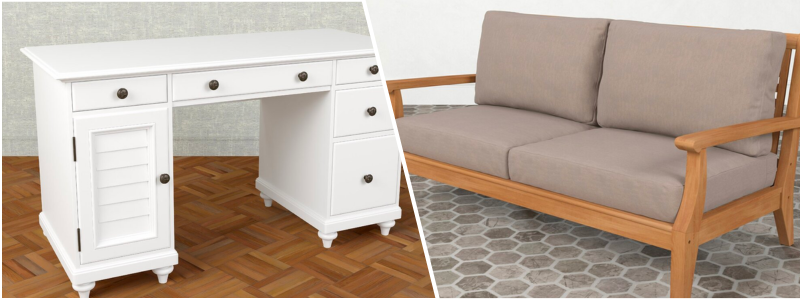
Concept Design Strategies for Successful Product Development Companies & Firms


Concept design is an extremely complex and iterative process of product development requiring creativity as well as strategy. The best companies and firms in this business use successful strategies of concept design to take an idea and develop it into a realized product.

Concept design is the most critical component of the process of product development. This process converts the vision of a product into concrete concepts that can be tested, refined, and eventually marketed.

Cad Crowd is an industry leader in outsourced concept design services for product design companies and beyond. This article will discuss the strategies of concept design adopted by product development professionals for successful completion. Here, methodologies, key factors, and best practices define the journey from idea to finished product.


🚀 Table of contents
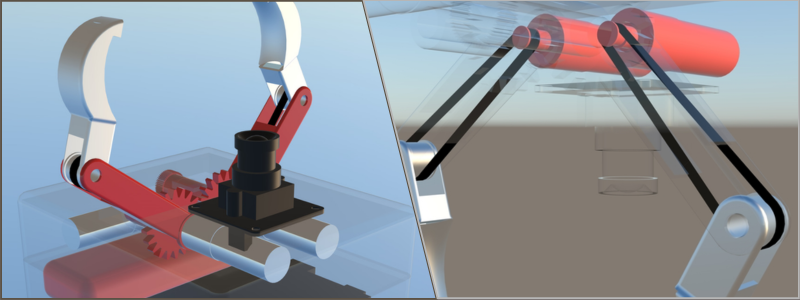

claw gripper concept design

RELATED: How to make your company’s new concept design more effective

Understanding concept design in product development

Concept design is a fundamental stage in product development. It serves as the foundation for innovation and is where ideas for new products are first generated, evaluated, and refined. This stage is concerned with turning abstract ideas into tangible concepts that may eventually result in a finished product.

The first process in concept design professional will commence is ideation. This involves thinking of as wide a range of possible solutions to the problem the product is set to solve as possible. Sometimes, brainstorming sessions are employed, and research and collaboration with several teams ensure that a broad range of ideas are considered. At this stage of ideation, creativity is necessary because one needs to think outside the box and brainstorm as many possibilities as possible.

Once ideas are generated, they should be developed into more defined concepts. These are conceptualized ideas based on preliminary thoughts but will be developed into prototypes. This is the most important phase because it involves fine-tuning the concept to ensure that it becomes workable, effective, and accomplishes what the problem set was supposed to solve.

A feasibility study is also required during the concept design stage. This basically checks if the product is feasible to be developed within the bounds of budget, time, technology, and market demand. This step ensures that the ideas proposed are more than just innovative but also practical and sustainable within the parameters given.

Although the details of concept design services might differ from industry to industry, the bottom line is the same: to create a solid foundation on which to base a successful product that is market-ready.

Cross-disciplinary collaboration

One of the fundamental principles of effective concept design is cross-disciplinary collaboration. Companies launching new products often pool together individuals with various specialties: designers, engineers, marketers, and product managers, to mention a few. The combination of various skills is essential because it will stimulate creative ideas and cover the numerous aspects of product development at the outset of the process. For example, designers are more concerned with the aesthetic appeal and user experience. Instead, engineers focus their efforts on design and functionality.

Using design thinking in concept design

Design thinking is an inspiring and human-oriented concept design way that is highly relevant to a strategy for conceiving concepts. The entire process is based on a user’s needs and innovative abilities to solve any problem. The step is divided into five basic ways:

  • Emphasize: This involves letting the users observe what they will experience.
  • Define: This clearly states the problem or challenge requiring solving.
  • Ideate: Generate a wide range of ideas and solutions to the problem.
  • Prototype: Create tangible representations of the ideas to explore how they work.
  • Test: Test the prototypes with real users to gather feedback and refine the ideas.

By using design thinking, product design firms will ensure that product concepts are indeed aligned with the real needs and desires of the users, thereby increasing the chance of the product’s success in the market.

RELATED: Key signs it’s time to reach out to outsourcing companies to improve your engineering business
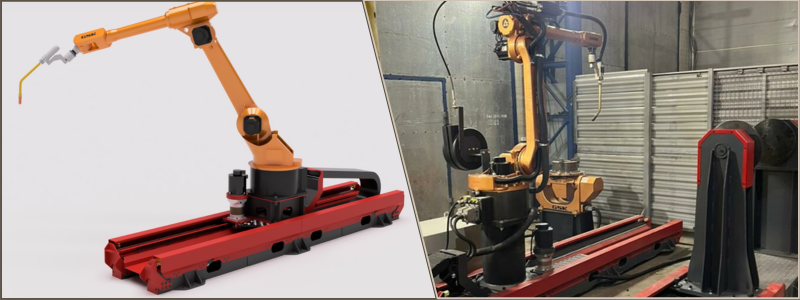
linear track concept design with prototype

Prototyping and iteration: Testing the concept

Prototyping services are very crucial in concept design. Prototyping refers to the process where a tangible and often scaled-down version of the product is built to test various design concepts or to identify some potential issues earlier on. It can be of low fidelity-for example, through sketches or cardboard models, it can be a high-fidelity model, either 3D printed or actually functional.

That’s where the key part of the iterative approach comes into play. Promising a final design too soon can be avoided through successful development firms that conduct tests, modify, and have iterations of a prototype based on feedback from such internal stakeholders or likely users. Thus, under the iterative approach, risks will be mitigated, and the improvement of the design will eventually lead to the final good product.

Focus on market research

The proper execution of a concept design is only guaranteed with a well-thought market research strategy. A consumer product firm should gain a deep understanding of the market, the customer target base, and the competitive environment. Market research helps understand users’ needs, pain points, and desires as the basis for product concept development.

Some essential aspects of market research are the following:

  • Customer segmentation: Identification of distinct user groups that differ based on demographics, behavior, and preference.
  • Competitive analysis: Finding out the relative strengths and weaknesses of existing products in the marketplace.
  • Trend analysis: A watch on emergent trends and technologies that will impact the success of the product.

Market research at the conceptual design stage is integrated to make sure that the product concept satisfies market demand and can be built to meet customers’ expectations.

Balancing creativity with practicality

Concept design is where creativity is really shown, but it’s also where practicality has to be considered. A successful product development company knows that the most creative concepts have to be feasible as well. That is, this must consider:

  • Manufacturability: The product can be made using the available technologies and materials within the cost constraints. Consider design for manufacturing and assembly services, especially if this is your first product.
  • Scalability: Design it in a manner that allows its production in significant quantities once its viability is proved.
  • Sustainability: Keep in mind the environmental impact of the product and ensure that the product is developed to meet sustainability standards, be it material-based or process-based.

The only way to turn an idea into a workable product is by balancing creativity with practicality. A brilliant idea may be brilliant, but if it cannot be manufactured or is too expensive, then it will fail.

RELATED: Designing prototypes: 3D design services for inventors and companies

Feedback loops

In the use of feedback on the concept design, it should be ensured that the product meets the customers’ expectations as well as fulfills market needs. It should be generated from various sources:

  • Internal feedback: Source from cross-functional teams within the company
  • User feedback: Source from potential customers or end-users as gathered through user surveys, interviews, or testing.
  • Stakeholder feedback: Contributions of investors, partners, or key stakeholders involved in product development.

This approach of establishing structured loops of feedback will enable product design firms to collect different perspectives and make informative decisions at each phase of design and development. This enables reducing the opportunity of creating a product that is not channeled to accord with users’ or stakeholders’ expectations.

Definition of success metrics
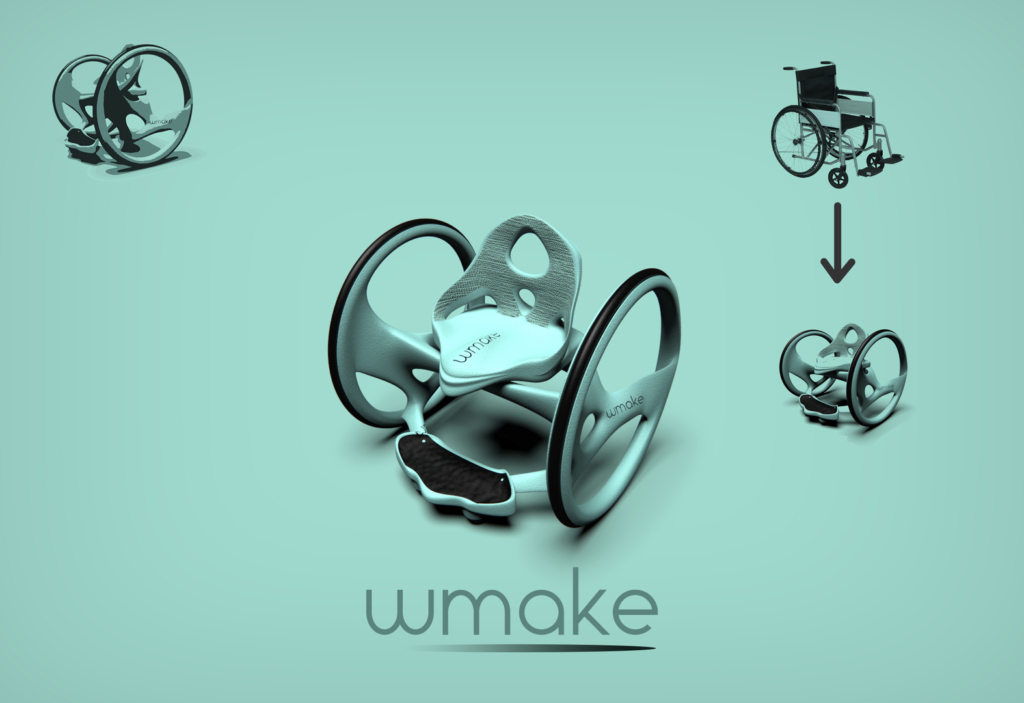
wmake wheelchair concept design

The success metrics defined during the concept design phase enable the firms to measure objectively whether their product concepts are in the right direction. Success metrics may include:

The success metrics defined during the concept design phase enable the firms to measure objectively whether their product concepts are in the right direction. Success metrics may include:

  • User satisfaction: The extent to which the product addresses the user’s problems or satisfies his needs.
  • Cost efficiency: The ability to manufacture the product within the budget set while maintaining -quality.
  • Market viability: The success of the product in the market is based on demand and competitive factors.
  • Innovation: The novelty and differentiation level of the product as compared to existing solutions.

These metrics should guide decisions throughout the development process and be used as a benchmark for the success of the concept design phase.

RELATED: Important reasons to add 3D modeling to company product design, manufacturing, and development

Use of advanced technologies

In today’s fast-changing technological environment, successful product development companies use advanced tools and technologies to improve the concept design phase. Some examples include:

CAD software: Computer-aided design (CAD) tools help create precise, digital representations of product concepts, enabling efficient iteration and testing.

3D printing: Rapid prototyping through 3D printing makes fast and cost-effective physical prototypes possible.

Virtual reality (VR) and augmented reality (AR): These technologies enable teams to experience an immersive, interactive design process so that concepts can be visualized and tested in virtual environments before a physical prototype is built.

With these technologies, firms can rapidly accelerate the concept design process, reduce costs, and improve collaboration among team members.

Clear communication

It is a very important concept design phase with clear and transparent communication. Whether it is an idea-sharing session within the design team or communication with external stakeholders, effective communication ensures that everyone is on the same page and working toward the same goals.

Successful prototyping services use project management software, collaborative platforms, and regular check-ins to keep everyone informed about progress, challenges, and changes in direction.

RELATED: 3D CAD: 3D product modeling services cost, rates, and pricing for companies and firms complete breakdown

Conclusion

This is the design stage of concept creation in a product development cycle that lays down the foundation of the entire project. Concept design is all about creativity and research, teamwork, and practical considerations from which product development firms can bring to life efficient and effective designs of concepts for the products developed.

By applying different approaches such as design thinking, prototyping, and market research while employing advanced technologies, firms may get through product development complexities with great success.

How Cad Crowd can help

Concept design strategies, therefore, allow for the development of innovative and user-centered products that are planned and executed carefully, hence fitting market demands and outwitting the competition in the marketplace. We at Cad Crowd are fully committed to ensuring the success of your company’s next product development projects as the leader in the industry. Let us connect you with the best concept design teams from all over the world. Request a quote today.

author avatar

MacKenzie Brown is the founder and CEO of Cad Crowd. With over 18 years of experience in launching and scaling platforms specializing in CAD services, product design, manufacturing, hardware, and software development, MacKenzie is a recognized authority in the engineering industry. Under his leadership, Cad Crowd serves esteemed clients like NASA, JPL, the U.S. Navy, and Fortune 500 companies, empowering innovators with access to high-quality design and engineering talent.

Connect with me: LinkedInXCad Crowd

Why Additive Manufacturing is the Future of CAD and 3D Modeling Services for Engineering Firms


AM, or additive layer manufacturing services, is the new evolution in industrial production methods. Indeed, commonly called 3D printing, it is a new technology that has the capability of producing three-dimensional objects through computer-controlled process with deposition of materials in layers. This paper takes readers deep into the world of additive manufacturing, discussing how it works, processes, advantages, materials, applications, and future prospects in different industries.


🚀 Table of contents


How does additive manufacturing work?

As simple as it gets, additive manufacturing uses CAD or 3D object scanning to create geometrically exact objects. Compared to conventional manufacturing, which is generally subtractive—the removal of material from a solid block—additive manufacturing adds material layer by layer. This not only saves material but also enables the creation of geometries that cannot be built using most traditional manufacturing methods.

The process

  1. Design creation: The journey begins with a digital model created with CAD software, which will be the base of the object to be printed.
  2. Slicing: The digital model is broken down into very thin horizontal layers by slicing software and is interpreted for the 3D printer.
  3. Printing: With the printer, the material is deposited layer by layer, which builds up to the eventual object. Each layer bonds with the previous one until forming a final shape.
  4. Post-processing: After printing, the printed object may need post-processing, which includes cleansing, curing, finishing, or other operations to attain the desired surface quality and characteristics.

This process depicts the openness of additive manufacturing; it allows for rapid prototyping services, designing, and economical runs.

RELATED: Unleashing potential: Complete comprehensive guide to SLS 3D printing services for companies

Additive manufacturing processes

There are a lot of additive manufacturing techniques, and each one has its own standards and application. Among all the techniques used, the following is the list of mostly used techniques:

1. Binder Jetting

In binder jetting, a 3D printing head follows paths along the X, Y, and Z axes to deposit alternating layers of powdered material and a liquid binder. With this process, a strong structure is formed because the adhesive sticks the powder particles together. Binder jetting is extremely rapid and allows for large parts with very little waste of material.

2. Directed energy deposition (DED)

Directed energy deposition has been accessed through a focused energy source such as the laser or electron beam that melts the material. Such a process is capable of handling a wide variety of materials, from metals to ceramics to polymers. Wire or powdered feedstock, which is delivered by a movable arm, is melted within the melting zone; this makes it accessible for creating intricate geometries.

3. Material extrusion

The most commonly used AM process is material extrusion. It involves spooled polymers that melt and then get pressed out through a nozzle, and the nozzle progresses horizontally as the build platform moves in a vertical motion, layering the molten material to create the desired shape. It’s very popular for home 3D printing, and it can have items with reasonable strength and detail. However, it is still a great choice for manufacturing services.

4. Powder bed fusion

Powder bed fusion encompasses a wide category of technologies, including DMLM, SLS, and EBM. In this process, the powdered material is melted selectively through laser or electron beams, thus allowing for the creation of complex parts of great accuracy. At the very end, the excessive powder is removed.

5. Sheet lamination

Sheet lamination can be further divided into laminated object manufacturing (LOM) and ultrasonic additive manufacturing (UAM). In LOM, sheets of paper or plastic are built up in layers with adhesives. In UAM, thin metal sheets are bonded using ultrasonic welding, which keeps temperature processes low and allows for multiple metals.

6. Vat polymerization

This process uses a vat of liquid photopolymer resin that is cured layer by layer with ultraviolet light. Mirrors steer the light to targeted areas, where the resin is hardened, and the object is built up incrementally. Vat polymerization is known for producing parts with high resolutions and surface finish.

7. Wire arc additive manufacturing

Named now as directed energy deposition-arc (DED-arc), this process uses arc welding power sources for the formation of three-dimensional shapes. The wire travels along a pre-programmed path that makes it feasible to deposit layer after layer uniformly and with very high accuracy. This technique often integrates robotic systems to enhance precision and speed.

3D printed objects

RELATED: Smart manufacturing using CAD design is the future for OEM’s

Additive manufacturing technologies

Depending upon the ways additive manufacturing design firms produce objects, there are three chief types classified as follows:

1. Sintering

This involves heating materials to near but below their melting points, causing particles to fuse together and make an overall solid structure. The most common ones in this category are Direct Metal Laser Sintering and Selective Laser Sintering, which use metal powder for DMLS, whereas SLS always uses thermoplastic powders.

2. Melting

This class melts all materials completely for the production of solid, dense parts. Examples here include direct laser metal sintering and electron beam melting. Both use laser beams and electron beams in melting layers of powder to create full-scale, solid objects.

3. Stereolithography

Stereolithography applies photopolymerization to create an object using an ultraviolet laser. It is perfect for various complex designs and high-resolution parts. The ceramic parts produced can endure extreme temperatures, which makes them fit for specific applications.

Benefits of additive manufacturing

Additive manufacturing provides a number of benefits over conventional manufacturing, and it appears to be gaining more ground across industries:

1. Least amount of material waste

AM produces much less waste compared to subtractive manufacturing techniques. Since materials are deposited layer by layer, only that which is required is used, which is particularly advantageous for expensive materials.

2. Design flexibility

One of the major advantages of additive manufacturing is the ability to produce complex geometries and bespoke parts. Designs can be altered quickly; quick prototyping is possible during the manufacturing process, and it goes without saying that rapid prototyping services use additive manufacturing a lot.

3. Shorter lead times

Additive manufacturing can bring the lead time down dramatically, meaning companies can get products to market sooner. This is particularly useful in markets where the ability to get a product to market is vital.

4. Merger of parts

AM allows for the building of parts that otherwise would be an assembly of a number of parts. It enables the production of stronger and more robust final products by minimizing assembly stages and reducing possible failure points at the same time.

5. Customization

Additive manufacturing will particularly be good at manufacturing customized products for precisely designed user needs. Perhaps no area represents this, as well as the healthcare sector, in which unique medical implants can make a significant difference in how patients recover.

RELATED: 6 ways 3D printing will change the world

Factors that affect processing time

The time required to print a part can depend on several factors:

  • Part size: The more enormous the object, the longer it takes to print
  • Quality settings: Generally, higher quality will take longer processing time because of increased layer resolution and detail.
  • Volume of the material: The amount of material to be laid down also sets the overall time.
  • Complexity: Designs that carry a lot of complexity take more time to allow proper bonding and layering.

The overall AM time might lie in the range of some minutes to days or even hours, depending on the factors stated above.

Materials used for additive manufacturing

There are various materials that can be used in additive manufacturing and differ in their properties and areas of usage for expert engineers:

1. Biochemicals

Biochemicals are also gaining acceptance, especially for health care applications comprising silicon and, calcium phosphate,e and zinc. Bio-inks based on stem cells are also of interest for potential application in tissue engineering and regenerative medicine.

2. Ceramics

Some of the common ceramics used in AM include alumina, tricalcium phosphate, and zirconia; they are suitable for those applications with a requirement for high strength and temperature resistance.

3. Metals

A wide variety of metals and metal alloys, including stainless steel, titanium, gold, and silver, are used in additive manufacturing. This diversity allows making parts from the most complex jewelry to structural aerospace components.

4. Thermoplastics

The most common materials used in additive manufacturing are thermoplastics. Examples include but are not limited to, acrylonitrile butadiene styrene (ABS), polylactic acid (PLA), and polycarbonate (PC). It can also utilize water-soluble materials for the temporary support structure, polyvinyl alcohol (PVA) being one of them, which will dissolve after printing has been completed.

3d printed pcb enclosure

RELATED: A brief history of 3D printing

Applications of additive manufacturing

Additive manufacturing is increasingly applied in many areas: drafting and design firms can exploit its unique capabilities for a wide range of products such as:

1. Aerospace

Advantages of additive manufacturing in the aerospace industry include weight savings and the capability of producing complex geometries, such as blisks and bladed disks. The ability to generate lightweight yet powerful components contributes to higher fuel efficiency and aircraft performance.

2. Automotive

The significant benefit to the auto industry has been from rapid prototyping allied with the material flexibility of additive manufacturing: manufacturers can test designs rapidly while reducing weight and costs inherent in traditional production approaches.

3. Medical

AM changes the face of medicine because it allows for the production of customized implants and medical devices to address specific patient needs. Technology can now produce customized parts that enhance patient comfort as well as outcomes from dental implants to orthopedic devices.

Additive manufacturing for the future

Additive manufacturing is bound to experience rapid growth in the era of Industry 4.0. The demand globally for AM is going to surge high, thus reaching an essential figure of $76.16 billion by the end of 2030 in various sectors.

1. Prototyping and low-volume production

Among the biggest attractions of additive manufacturing is still the rapid prototype fabrication. Technology keeps improving, and more firms are increasingly using 3D printing for low-run volume production, thus enabling them to manufacture customized products at minimum costs that may be associated with traditional mass production. It is also easy to acquire 3D modeling services to help you speed things up in the pre-prototyping phase.

2. Sophistication and accessibility

As the technology of 3D printing advances, machines get more sophisticated and yet cost-effective. Accessibility to such AM by small businesses, even startups, allows businesses to tap the potential of AM for all manufacturing works, stimulating innovation and creativity in most industries.

3. Rapid production of new components

Turnaround time for new components or prototype parts is usually very fast in industries such as automotive and aerospace. Additive manufacturing facilitates a streamlined process that is geared to meet their needs better by allowing fast product development with quick market time.

4. Scalability

The other critical factor driving the adoption of additive manufacturing is scalability. The same technology can be used for a whole spectrum of products, ranging from tiny components to large structures, thus making it possible for companies to respond correctly to varied customer demands.

RELATED: Top applications of thermoplastic polyurethane (TPU) for 3D printing companies

Wrapping it up

Additive manufacturing revolutionizes the landscape of manufacturing and product development. Its capacity to create complex shapes, minimize waste, and offer customization has changed the approach toward design and production on the part of industries.

Because technology is very prolific and its applications in the field of AM are broadening day by day, it is promising to revolutionize manufacturing in the future with unmatched efficiency, innovation, and sustainability. Business enterprises that utilize the power of additive manufacturing will not only save time and costs but will also be able to develop excellent quality products to meet their evolving customers’ needs.

How Cad Crowd can help

Additive manufacturing- the future of CAD and 3D modeling services for engineering firms: on its way. Need a model for a new product? Or perhaps you’re just shopping around? Cad Crowd has worked with the best engineering firms to find the best fit for their projects quickly. Learn more about how to take advantage of our network with a free quote today.

author avatar

MacKenzie Brown is the founder and CEO of Cad Crowd. With over 18 years of experience in launching and scaling platforms specializing in CAD services, product design, manufacturing, hardware, and software development, MacKenzie is a recognized authority in the engineering industry. Under his leadership, Cad Crowd serves esteemed clients like NASA, JPL, the U.S. Navy, and Fortune 500 companies, empowering innovators with access to high-quality design and engineering talent.

Connect with me: LinkedInXCad Crowd

Designing Prototypes: 3D Design Services for Inventors and Companies


Today’s post covers 3D design services and how to design prototypes for inventors and companies. It is important to evaluate whether there is enough demand and whether you’re reaching for the right customers when reassessing the potential of your products. Does your product resolve problems or at least provide answers to real questions? Are your products intentionally aligned with the audience that you have in mind? These are the questions you should first address in order to make sure that your design and products resonate with the market.

Understanding both demand and target audience helps increase your chances of success. But inventors who make it big take things a little bit further. They know and understand that actual feedback about the product is more essential than the insights you can get from simply researching about your market alone. They’ve realized that they need to do so much more and go above and beyond to get these questions answered correctly. 

This is where prototyping becomes your indispensable best friend. Prototype design experts design a shrunk, tangible version of your products that lets your customers hold in their hands. Prototypes give you the flexibility to add tweaks and updates and materialize them without the full cost breaking your bank.


:rocket: Table of contents


RELATED: What is industrial design prototyping, and what are the main prototypes used by companies?

More about prototypes 

Prototypes are your designs after drinking the shrinking potion from Alice in Wonderland. It can be shrunk version, but still incorporated with all the details and even the functionalities that the actual product is expected to embody. Prototypes can also be in the form of either low-quality or high-quality sketches. The “personalities” engraved in these prototypes help stakeholders get a better glimpse and understanding of your final products. 

Types of prototyping 

Prototyping has two major types: high-fidelity and low-fidelity prototyping. 

High-fidelity prototyping has the same exact external appearance and function as the actual product is intended to possess. This type of working model is worked on by product teams when the designers know what exactly they want to build. This prototype covers the user interface or UI of the product like the visuals, aesthetics, and UX or user experiences. It is also usually incorporated along with the user flow and behavior and caters to interactions between the products and your clients.

The primary purpose when it comes to low-fidelity prototyping is to check and test the functionality of a product rather than its visual appearance and aesthetic. It is a cost-saving, fast, and easy method of turning high-level design concepts into tangible items that serve as a representation of the future product. While the process allows a quick overview of the product, it doesn’t allow the user to perform any testing. 

RELATED: Different kinds of prototypes and how to use them for your design project

3d product rendering services

Examples of prototyping 

The following are some of the most widely used examples of prototyping in the market:

Rapid models and 3D printing 

Rapid models and 3D printing services allow designers to come up with a realistic and functional product model using advanced and high-tech computers and printing machines. It is a prototype that lets businesses switch from the design to the production stage faster because the 3D models can help them pinpoint specific areas that need adjustments and identify flaws. It also takes just a few minutes to adjust those little digital changes to a 3D-printed model.

Sketches and diagrams 

Sketches and diagrams are two of the most basic examples of prototyping because they require the least effort and don’t even need any artistic or drawing skills. It starts with the use of sketches to conceptualize and develop a new product. The interface of the product can be drawn on paper together with the front-end design of the product or application. This paper prototype is useful in the conceptualization and design of a new application or product. 

Feasibility prototypes 

3D designers or businesses may add and use feasibility working models to test specific features that they can add later on in the process of product development. After the initial prototype is developed, the designer can implement changes to the design. Feasibility prototypes can be used for digital and physical models alike. Designers can also use these prototypes for testing and adopting a new idea if they wish to add a critical website or product feature. 

RELATED: Freelance rapid prototyping costs, pricing, and rates for companies and inventors

Horizontal prototypes

Horizontal prototypes are used by companies to understand a project’s human interface. This prototype shows screens, windows, and menus on a computer to determine how users interact with a website or product. A horizontal prototype also shows the user interface of the product and offers a broader view of it as a whole. 

Role-playing prototypes

Experiential or role-playing prototypes are simulation techniques that help improve the user experience of a service or a product. Some designs can take advantage of visualization techniques such as augmented or virtual reality. For example, when testing the first design of a new theme park or circus, the users can walk through the area with the help of augmented and virtual reality. 

Storyboards

Storyboards are excellent ways to tell stories and guide customers through seamless user experiences. These are interactive and iterative design methods that use a series of pictures, sketches, and drawings to show the solution to a problem or concern of a user. Drawing the user’s experience helps them understand their issues better. Designers can also use storyboards during the initial stage of prototyping to gather feedback during the early steps in the design process. 

RELATED: 10 Tips on how to find the best prototype engineering firm services

Vertical prototypes

Vertical prototypes are technical prototypes designed by prototype design engineers that add details regarding the functions of a particular business process. A vertical prototype expands on some elements of the horizontal prototype and explains the inner functions of the sub-systems in the overall interface. Vertical prototypes are used by companies in the later stages of the design process to elaborate on specific functions or features of a website or product. Vertical prototypes also test essential tasks of an application or software before they proceed to the subsequent design process. 

prototype engineering design firm

Video prototypes

Businesses use video prototypes to present products in graphic simulations or animated videos that explain a project’s concept. Video prototyping shows speculative and new ideas, products, and designs to prospective customers. Presenting a view gives a good idea of how customers might perceive concepts that might have been otherwise challenging to prototype because of limited resources. 

Wireframes

Wireframes serve as the digital diagram or layout of a product. These can be used to produce prototypes of digital tools, software, and websites. A wireframe is a flowchart of a website or software that presents all website pages or software applications and their interconnection with each other. This gives designers and developers a general idea of the appearance of a website and helps them understand its core functionalities. Anyone can use wireframes, from developers to copywriters, to navigate the placement and structure of different content. 

RELATED: Key differences between prototyping and prototype engineering for companies & firms

Benefits of designing prototypes

Prototypes are now considered valuable tools in the manufacturing industry for many good reasons. The following are some of the critical benefits of designing prototypes:

Design validation

A prototype provides a tangible demonstration of the functionality and design of the final product. Rapid prototype services allow clients to assess the aesthetics, user experience, and ergonomics of the prototype. This will then help them reach better decisions when it comes to possible improvements or changes to the design. 

Feasibility testing 

Prototyping allows investors and businesses to test the feasibility of the product concepts and ideas they have in mind. They can determine potential issues in the design, feasibility concerns, and technical problems early on in the development phase. This results in lower costs and saves more time than is required for retooling and redesigning. 

Intellectual property protection

Designing a prototype offers a proof of concept or POC development. It can also prove ownership of an intellectual property. This can be very valuable when it comes to the protection of your innovations and ideas. 

RELATED: Understanding trademark law: intellectual property tips for inventors

Seamless communication between investors and stakeholders 

Prototypes are vital as they help communicate and demonstrate the concept of the product to potential stakeholders, clients, and investors. A functional prototype can increase interest, enhance credibility, and even help secure more partnerships or funding for the future production and development of the product. 

Iterative improvement 

Designing a prototype also makes way for fine-tuning and iterative enhancements of the product according to testing and user feedback. The iterative approach also guarantees the market suitability of the final product for its target audience.

Presales and marketing

A fully functional and visually appealing prototype can also be used for activities related to presales and marketing. The sales team and marketers can use and present something tangible that will help secure pre-orders, spike interest, and attract more prospective customers. 

RELATED: 6 Ways you can use 3D Printing services to create a new prototype design

Market testing 

Using prototype design experts allows businesses to perform market testing and acquire valuable feedback from future customers. The input can then be used to improve the product further and ensure that it aligns with the preferences and demands of the target market. 

prototype design professionals

Reduced risk 

The validation of the design and functionality of the product through prototyping can help businesses cut down the risks often linked with full-scale manufacturing. The identification of problems and addressing them accordingly in the prototype phase reduces the possibility of costly setbacks and errors in mass production. 

Streamlined collaboration 

Prototypes can make way for streamlined collaboration among the different teams with different functions, including the designers, manufacturers, and engineers. The product’s physical representation can lead to better alignment and communication during the development phase. 

Cost and time savings

Prototyping makes it easier for DFMA companies to carry out quick modifications and iterations, which can lower the costs and time involved in the development process. The ability to identify room for improvement or flaws in the existing design early on in the process can help prevent costly tooling changes or rework later on in the production. This optimizes the timelines and overall costs of the project. 

RELATED: How to design the best prototype for your new product

Tips for prototype creation and usage

Below are some helpful tips for developing and using prototypes:

  • Build the prototype with team members right from the start. Team members can pinpoint room for improvement and then work together to find a solution. 
  • During the development of a prototype, pay attention to solving flaws and move back to the earlier design if a design error is found. The existing one can either be changed, or a new prototype can be made without any problems. 
  • Prototypes can help ensure a design’s safety. For digital products, this means protecting the business and customers from cybercriminals and hackers.
  • It is critical to promote and endorse the usability of your product when developing a prototype and considering the product’s primary purpose. You should come up with a working model that presents the inspiration that sparked the design. 
  • Never build a flawless working model, as it might delay the actual product’s development. Focus instead of making a prototype of what you need and what is necessary. 

RELATED: Advantages of using rapid prototyping services for your business

How Cad Crowd can help 

Cad Crowd connects you with the best prototype design services that can help your company or firm design the best prototypes for your new concept.

author avatar

MacKenzie Brown is the founder and CEO of Cad Crowd. With over 18 years of experience in launching and scaling platforms specializing in CAD services, product design, manufacturing, hardware, and software development, MacKenzie is a recognized authority in the engineering industry. Under his leadership, Cad Crowd serves esteemed clients like NASA, JPL, the U.S. Navy, and Fortune 500 companies, empowering innovators with access to high-quality design and engineering talent.

Connect with me: LinkedInXCad Crowd

How Digital Prototyping Influences Company Product Development and Design


If you’re a product developer, you might already know how challenging the new product development process can get, especially once you get to the point when you need to build a prototype.

Product prototypes are among the most time-consuming and expensive stages of the product development process. You need to develop a unique and new item, build it from scratch, and check to see if you missed anything so you can change it before it’s too late. However, most of these problems are now eradicated with the help of technology. This article discusses how digital prototyping influences company product development and design.

Digital prototyping defined

Digital prototyping refers to the concept of creating real-world product models. Product models allow product developers to acquire early feedback from potential product users without releasing the product to market. Here, the prototypes are produced digitally with all the necessary transitions and animations that resemble the actual product. This differs from a throwaway or paper prototype, as product details are the main focus of digital prototypes.

During digital prototyping, the product’s functioning model is made before its actual development. It is made possible with the help of different tools for digital prototyping available in the market. Being in a digital format, these digital prototypes allow developers to quickly iterate and make a few adjustments without too much hassle, according to the feedback from the users.

The following primary phases are part of the digital prototyping process:

  1. Analysis of the problem and exploration of the product and its core idea.
  2. Brainstorming on the prototype’s development in digital format.
  3. Development of a real-world model of the prototype that allows testing using a reliable tool.
  4. Presentation of the prototype model to potential users to obtain valuable insights.
  5. Adjust the prototype based on the acquired feedback and start the process again.

RELATED: How Much Does it Cost to Make A Prototype for My New Product Invention?

Principles of digital prototyping

product1

Aside from helping you create prototypes that are as realistic as possible, digital prototyping has the following broad principles:

Build enough to learn but nothing else beyond that

Digital prototypes are not fully functioning designs. Instead, these digital prototype designs function as a test to answer critical questions regarding your hypothesis. Will people buy your product online? You can’t wait to test and develop your products at this point. Digital product prototype images will help answer the question and show how to fill the orders to ensure that clients won’t be disappointed.

You can discard prototypes

The main point is that digital prototypes are meant to be produced only as part of the product to present the appearance and features of the product and not necessarily the product itself. This is when you will test the idea. It means you’ll be wasting time if you spend more extended hours than necessary on prototype development. Aside from that, working longer on something will only increase your attachment to it. Depending on customer feedback, it’s never recommended to be too attached to a prototype because of the possibility of pivoting 180 degrees.

Anything can be developed into a prototype

There’s often significant time pressure when making digital prototypes. However, you can prototype almost anything under the sun.

RELATED: Elevating Your Company Using CAD Product Design Services During Product Development

Why is digital prototyping important in product development and design?

product2-1

Digital prototyping services can help you save money and time and assist with complex conversions to create better products. Developing digital prototypes offers many benefits, and the following are the most important ones:

Accuracy

You can create modern digital prototypes with excellent tolerances that are much tighter than physical prototypes. It lets developers create an accurate model of how the product’s production version might function without the need to go through the trouble of building it.

Visual aid for meticulous feedback

If you’ve ever tried articulating a visual concept, you know how difficult it can be. Sometimes, you may use paper and pen to illustrate your product concept. Digital prototypes work to help create visual representations to allow feedback.

Attainable

There’s a reason why digital prototyping plays a critical role in companies’ product development and design processes. The expertise and software required to work it are tricky, if possible, to implement on a smaller scale. However, this is starting to change gradually with the improved accessibility of digital prototyping technology, even for more minor scales.

Validate business goals

It’s common for businesses not to understand their goals aside from lowering costs and making money. Digital prototyping will force a company to see solutions in full action and consider whether these will solve their concerns.

product3

Better collaboration

In today’s manufacturing industry, an entire product design team typically works together on just one prototype. This is why it’s invaluable to be able to work on similar data at the same time. This luxury is possible with the help of a good package for digital prototyping.

Collaboration is fundamental for the success of any project. When the product development team works with a client, they meet regularly to run through things they’re working on. Introducing digital prototyping at this stage allows clients to work with the team to troubleshoot issues that require their technical expertise and industry knowledge.

Compatibility

Pen and paper prototype designs still come in handy in various respects. However, there’s no way that you can manipulate them. Digital prototypes can be tweaked endlessly, and multiple versions can be kept in storage that can be worked on using different devices.

Efficiency

Since it’s possible to conduct digital prototyping faster, it ensures a more thorough prototyping stage as part of the production process. It results in products superior to those that undergo the creaking cumbersomeness of traditional projects.

Lower budget

The first and most important concern of most product developers and freelance product designers is the cost involved in prototyping. Digital prototyping minimizes the need to build something. As a result, it lowers the materials and labor necessary for the process.

RELATED: Guide to Prototyping Methods Used in Product Development Services for Companies and Firms

Testing

One of the most critical purposes of digital prototyping is to confirm that the product will work as it is meant to. It also ensures that any initial errors will be addressed before the actual production stage. Since creating digital prototypes is faster, more tests can be conducted before abandoning the production stage.

Large applications may also take several months to reach the point where users can offer feedback. Digital prototyping can cut down this process so that users are given the chance to test the product. Digital prototypes are also faster to build and change and come in handy for validating new ideas for the product developer.

Shared understanding

One of the almost unavoidable concerns during product development is assuming everyone is on the same page regarding the idea. While some may recognize the limitations of concepts and techniques, others may not. Some developers may also misinterpret certain features specific to the industry since they lack information regarding how things work. Digital prototyping allows all parties to reach a shared understanding since the details are fully visualized.

Singular point of reference for developers and designers

Information is acquired from various places, including project managers, client meetings, emails, use stories, and more when a project starts. Consolidating everything into a digital prototype allows developers and designers a source of truth that they can refer to so they can start with product development.

Speed up the development process

Regarding product development, building products will be faster if the details have been hashed out in full and the number of reworks is minimized. Spending time on digital prototyping can help catch some of the issues that may otherwise show up during the actual development, which may result in longer delays to the product’s release.

Time

Digital prototyping also helps shorten the production stage as much as possible. It shortens the product development cycle, allowing better agility for the manufacturer when launching the product in the market.

product4

Confirm user needs

The most severe concern about new products is when they don’t fully cater to the target users’ needs. It often happens when the product developer assumes they have a fantastic idea that people will buy without bothering to check if they will buy it. Digital prototyping offers a rudimentary means for product developers to match with users and confirm if the product will simplify their lives.

Explore challenging concepts

Several concepts are difficult to understand and may be more challenging to design. Since digital prototyping isn’t focused on the details alone, it allows for exploring concerns without being too focused on trivial details.

RELATED: 5 Ways How Rapid Product Development & Prototyping Benefits Your Company

How Cad Crowd can help

Cad Crowd will help you find skilled digital prototyping professionals for easier product development and design. Our product prototyping experts will provide top-notch services that will help you simplify and streamline your product design and development process. With Cad Crowd, you can bring your new products to life efficiently and effectively and take your product development to the next level. Get a free quote now!