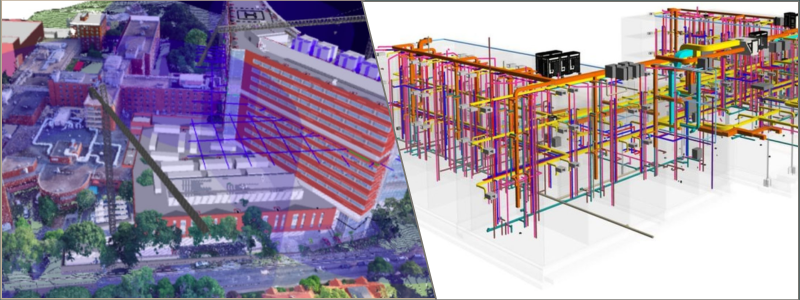
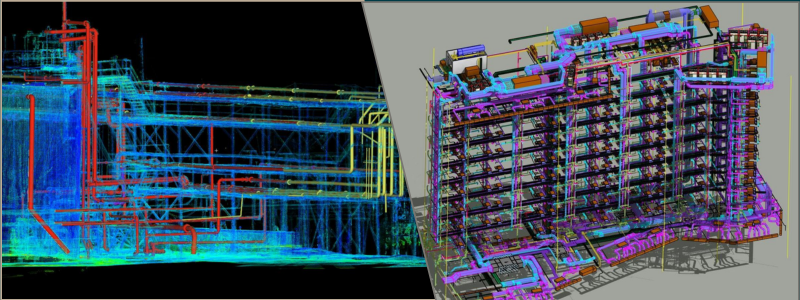
Drone photography is undoubtedly the newest and hottest game-changer in real estate marketing, offering an exceptional one-of-a-kind view and approach that remains unbeatable by traditional photography.
It offers an innovative and groundbreaking means of showcasing properties, providing a more detailed understanding of a property’s features, size, and location, as well as its surrounding and nearby environment. This helps boost customer engagement and ultimately pushes the decision matter towards closing a sale and taking your marketing efforts to the next level.
But the thing is, your skills would not improve by just pressing buttons on a remote control. Having the cool, up-to-date, and latest equipment and camera tools does not suffice to make up for the actual skills needed to pull off what is needed to satisfy your clients. Drone photography calls for meticulous planning and careful consideration of various factors so that you can capture enticing images that can pique your client’s interest and encourage enticing engagements.
This short guide talks about how 3D aerial rendering services utilize drone photography for real estate marketing purposes:
Limitations and challenges of traditional photography for real estate
For the longest time, real estate professionals have been using traditional photography to achieve various purposes, such as the following:
Capture before and after photos to document real estate construction sites.
Create marketing materials such as business cards, site signage, flyers, and brochures
Identify leaks, cracks, and other possible problems for maintenance and inspection purposes
Provide references of both the site and its nearby surroundings for renovation projects
While there is no doubt that traditional photography has always been a big help, it continues to have several notable limitations, such as:
Accessibility concerns
Physical obstacles might hamper traditional photography, as they can prevent or even make it impossible for the photographer to get near the subject. For example, it can be tricky to capture photos of exterior walls and other inaccessible landscapes for crack or leak inspections.
Issues with automation
Traditional photography requires a high level of skill to make manual adjustments like ISO, speed, shutter, and aperture. It also means the photographer must capture and process numerous images to reach the desired result.
Inability to capture bigger structures
It’s challenging to capture bigger structures like bridges and skyscrapers in just one frame using conventional photography.
Low light limitations
Low-light situations might pose another difficulty in traditional photography. They can make it hard to capture well-lit and clear images. The images might also lack detail in spots of high contrast, like shadows or bright skies.
Resolution problems
The resolution of traditional photography might be more limited than newer technologies, resulting in lower-quality images once enlarged or printed. It can also make it hard to produce large-scale prints or capture finer details in more complex scenes for architectural design firms.
Restricted perspectives
Traditional photography is also usually limited to perspectives on the ground level, making it hard to capture images of structures or buildings from the preferred angle.
Drone photography and its role in the real estate industry
Now more than ever, drone photography is extensively used in the real estate industry for an extensive variety of purposes that remain unparalleled by traditional photography. Some good examples include:
Visualization and marketing: Drone photography offers a dynamic and unique perspective for more 3D options.
Progress follow-up: Use drone photography to document the entire project and have an immersive communication with stakeholders.
Safety: Cut down risks of injuries without needing personal access to dangerous areas.
Site inspections: Pinpoint cracks, leaks, and other potential problems in hard-to-reach spots.
Surveying: Capture more topographical data and develop 3D terrain models for bigger land areas.
All in all, drone photography offers a long list of benefits, such as improved accuracy, efficiency, and safety, which can then help improve project management, communication, and visualization.
The plight of drone photography
Context transforms artistic renders into photorealistic visuals that accurately portray buildings and structures. What seems to be trivial details, like the warmth of interior lights in nighttime renders, can significantly impact how a potential investor or client perceives an image.
In line with this and in the never-ending attempt to enhance the accuracy of 3D renders while boosting the value they offer, more and more 3D aerial rendering services are now harnessing the power of readily available UAV or Unmanned Aerial Vehicle platforms, more popularly called drones, to gain a more distinct vantage point of spans of land intended to be developed soon.
Back in the day, capturing aerial images of a place was only possible from helicopters or planes, both of which are associated with hefty rental price tags. Drones fitted with similar capabilities are now available for a cheaper cost, making aerial photography an easier and more affordable option.
In addition to capturing standard images or videos, drones also give 3D aerial rendering services access to software that lets them create accurate topographical maps of areas that will be developed soon, to add a whole new level of accuracy and context to the rendering.
Photogrammetry, or the science of using photographs to make measurements, is not a novel technique. The truth is that it has already been adapted for different applications, such as aerial photogrammetry by architectural design and rafting services.
With this particular application, the camera is mounted below a drone, helicopter, or plane and pointed at the ground. During numerous passes, several images of the area are taken, and these are processed using aerial photogrammetry software to determine the area’s topography. This data will be output in various formats according to the user’s specific needs.
There are numerous benefits associated with aerial photogrammetry, regardless of the applications.
For starters, drone photogrammetry can capture data in unsafe or difficult places for surveyors to reach, such as places with harsh weather conditions and difficult-to-navigate terrain. It helps reduce the risk of injuries.
Drones equipped with high-res cameras can also capture detailed and sharp photos. Enabling higher-end features also allows the equipment to provide extremely precise survey results.
The best 3D aerial rendering services are experts in using drone images to create 3D models by 3D modeling experts. These professionals follow several steps to convert drone images into 3D maps or models.
These steps may include, but are not limited to the following:
Choose a drone with a high-quality camera: The accuracy and clarity of 3D models and maps will greatly depend on the quality of the images that the drone has captured during its flight.
Set up GCPs: GCPs, or Ground Control Points, are black-and-white points placed on the ground surrounding the survey site to function as reference points for the drone pilot. The pilot will easily identify the area that will be captured in the field according to the GCPs shown during the drone’s operation, which helps significantly reduce the risk of errors during the survey.
Get the camera and drone ready: Before the device takes off, it’s important to conduct a complete check and inspect everything again. The drone must have enough juice in its battery and sufficient storage space in the memory card. The camera aperture, shutter speed, and angle should also be set properly.
Stay updated with the weather report: Jeopardizing the equipment is the last thing you’d want to happen, so see to it that you will conduct the drone photography session during a sunny day. Avoid cloudy and rainy days. It’s also highly recommended and important to pick a time of day when there is good light, often around noontime.
Process the data with an appropriate 3D drone modeling software: 3D aerial rendering services use photogrammetry software to process the captured drone photos into 3D models. If they are not very skilled at processing the drone data themselves, they also sometimes outsource this stage of the process to a freelancer. Professional freelancers are more than capable of handling drone data and guaranteeing that the results will meet the project’s requirements and needs.
3D rendering services often perform several things to improve the accuracy of 3D models developed using drone images.
For one, they ensure that the aerial images will have an overlap of 60% to 70%, which here includes both the frontal overlap and lateral overlap. The recommended overlap for drone 3D mapping is to ensure that the triangulation process is more accurate by tracking similar points between the images.
Another thing they do is to ensure that the drone captures more details of the landscapes at various altitudes and angles so that there are more available data points. They also try to have the drone fly at much lower altitudes to capture clearer images.
Search for trustworthy 3D aerial rendering services that know how to harness the potential of drone photography here at Cad Crowd. Contact us today, and let us make your work simpler!
MacKenzie Brown is the founder and CEO of Cad Crowd. With over 18 years of experience in launching and scaling platforms specializing in CAD services, product design, manufacturing, hardware, and software development, MacKenzie is a recognized authority in the engineering industry. Under his leadership, Cad Crowd serves esteemed clients like NASA, JPL, the U.S. Navy, and Fortune 500 companies, empowering innovators with access to high-quality design and engineering talent.
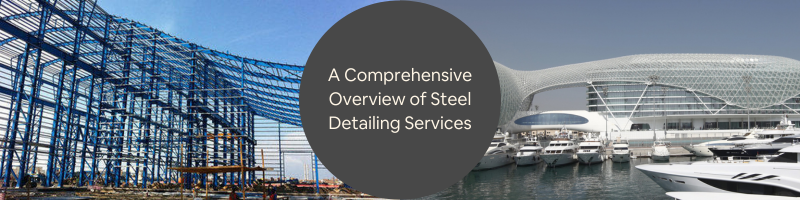
There’s nothing quite like seeing a skyscraper rise up into the skyline or watching the aerodynamic steel skeleton of a contemporary stadium unfold. But each bolt, beam, and bracket is supported by a secret but essential force: steel detailing services. It’s the behind-the-scenes hero of building projects, translating dreams into workable blueprints. To construction firms, steel detailing isn’t a frill—it’s the keystone holding everything together, literally at times.
So, just what is steel detailing? Why the fuss? And where do you find the best of the best? Buckle up, put on your steel-toed boots (virtually), and let’s dive in-depth into the fascinating world of steel detailing services.
🚀 Table of contents
Why steel detailing matters (More than you might think)
Steel detailing may not be a headline-grabber, but it’s one of the most important steps in translating architectural visions into rock-solid realities. Behind each stunning steel creation—bridges, stadiums, high-rises—is a carefully detailed plan laid out with precision accuracy. This is where steel detailers come into the picture, filling the gap between structural engineers and construction teams.
Think of steel detailing as the blueprint’s next evolution. It transforms broad engineering concepts into ultra-specific instructions—how each beam should be cut, where every bolt goes, and exactly how it all comes together. These aren’t just simple line drawings. They include shop drawing services, 3D models, erection plans, bolt schedules, and connection diagrams that leave zero room for guesswork.
And here’s the kicker: even a minor oversight, like a single misaligned bolt hole or an incorrectly placed plate, can grind an entire construction project to a halt. That means lost time, blown budgets, and in extreme cases, structural issues that threaten safety.
It’s not only about accuracy—it’s about being accountable. Every beam and joint needs to be flawlessly planned and exactly carried out. Without quality steel detailing, an elegantly conceived structure could just as well stay a design.
So the next time you gawk at a sparkling skyscraper or marvel at the superstructure of a huge industrial facility, recall this: it would all be gone without the unheralded accuracy of steel detailers. They may not be on site, but their labor is completely everywhere.
Where recruiting proficient steel detailers is concerned, Cad Crowd takes center stage—and rightly so. The site has turned into a go-to source for construction firms that desire expert work without the recruitment of permanent employees. Whether it’s intricate Tekla work or precise SDS/2 and Advance Steel projects, Cad Crowd has a talent pool of screened steel detailing freelancers waiting to handle projects of any scope.
One of the most persuasive things about Cad Crowd is the incredible variety of talent that’s available. You aren’t confined to in-region hires or inflexible contracts. Rather, you get access to a worldwide pool of talented steel detailers that offer flexibility, efficiency, and experience to your building workflows. Whether you’re laying out a small warehouse or coordinating the steel infrastructure of a 40-story high-rise building, there’s a freelancer—or even a whole team—waiting to come in and get the work done.
This level of flexibility is a lifesaver for businesses with tight deadlines or variable project volumes. Need an individual for a singular task? No problem. Looking to ramp up with a virtual team for a big project? Piece of cake. Cad Crowd makes it easy to hire and deliver high-quality outcomes—no sacrifice required.
In an industry where speed and timelines are paramount, Cad Crowd provides a clever, scalable solution. It’s more than an employment platform—it’s a growth resource, driving efficiency and quality design.
Punch-packing boutique studios
In the constantly demanding construction world where deadlines are tight and precision is paramount, two steel detailing firms are raising the bar on excellence—Enginerio and Tesla Outsourcing Services.
Enginerio is carving a niche as a fast-rising star in the structural steel universe. Renowned for their precision engineering and keen attention to detail, their steel detailing division combines technical know-how with top-drawer 3D modeling design services. They’re not merely sketching lines—building a framework of smooth construction. Catering to mid-sized and large companies from North America and Europe, Enginerio has developed a strong reputation for being more than a service company. Their blog delves deep into subjects such as clash detection and site coordination, showing tangible know-how that speaks to project managers in the field.
Then there’s Tesla Outsourcing Services—a company name that’s been around long enough to be equated with trustworthiness. Their crew pairs Tekla Structures and Revit with strict project management techniques to deliver precision on a regular basis, especially on big commercial and industrial projects. They aren’t showy, but they are quick, meticulous, and reliable.
What binds the two firms together is the ability to succeed in adversity. Building doesn’t wait, nor do they. When the project requires close coordination between disciplines and lightning-quick turnarounds, Enginerio and Tesla Outsourcing Services are the go-to problem-solvers. Their attention to detail and teamwork make them go-to allies in the high-stakes, high-speed world of structural steel.
Steel detailing is more than a matter of drawing lines on paper—it’s a matter of providing stone-cold accuracy for intricate structures that define skylines and neighborhoods. That’s where firms like Flatworld Solutions excel. They’ve been around long enough to understand that any project requires precision and quick turnaround times. Their workflow is smooth: design validation initially, 2D/3D drawings services for clarity, CNC-ready data for manufacturing, and rigorous quality checks along the way. The outcome? Projects that get done quicker without sacrificing an ounce of quality. For general contractors balancing massive infrastructure projects, that’s not only impressive—it’s necessary.
And then there’s Indovance, a name that’s heavy with reputation in the realm of BIM-integrated steel detailing. What makes them stand out is their deeply ingrained engineering experience and a communications system that functions—no black hole email chains or misplaced revisions. Their model—headquartered in the U.S. with a skilled production team in India—means clients get high-level collaboration at a cost that doesn’t break the budget. It’s a win-win, especially for projects where detailed coordination can make or break the schedule.
And don’t forget Shalin Designs. This company packs a punch above its weight when it comes to bespoke steelwork. From structural and miscellaneous metals through precast pieces, they’re an intelligent choice for specialty contractors undertaking unusual builds—imagine custom canopies or ornamental staircases. They’re flexible and individually customized, so they’re a favorite of architects and builders with an artistic bent.
They embody, collectively, the changing craft of steel detailing—accurate, interdisciplinary, and ever progressive.
BIM-first steel detailing companies
Construction is quickly digitizing, and steel detailing is along for the ride. Firms such as QeBIM are at the forefront, placing steel detailing at the core of BIM processes. With extensive experience with Tekla BIMsight and Revit Structure, QeBIM provides more than accurate drawings—they provide fully coordinated models that reduce RFIs and reduce site confusion, particularly on complex commercial construction projects.
On the same wavelength, Excel Steel leads the way with its intelligent, 3D steel detailing models. Its detailers design fully connected layouts that go seamlessly from architectural design services to construction. Imagine error-free construction plans, clean construction drawings, and CNC-ready information—all optimized for high-tech clients and giant construction projects. These companies aren’t detailing steel; they’re reshaping how steel interacts within the overall construction universe. In an age of tight deadlines and tighter profit margins, that kind of coordination is gold.
Specialists in industrial and complex structures
Building huge industrial buildings—be it a mining complex, a power station, or an offshore platform—generic detailing just will not work. Such projects require profound, industry-specific expertise, and that’s precisely the area where companies like Weldform Structures excel. Australasia-based Weldform applies specialist precision to steel detailing for intricate projects like massive industrial sheds and mining facilities. Their staff works closely with fabricators and contractors, focusing strongly on the detailing of connections and material optimization for peak efficiency.
Meanwhile, Construction Placements operates from a different angle. Rather than providing services themselves, they serve as a vital industry connector, aggregating valuable resources and pointing construction companies toward firms with specialized expertise in infrastructure and public works. Whether you’re sourcing a specialist in bridge design or seeking steel detailing veterans, their curated listings and insights help decision-makers find the right fit for highly technical builds.
Up-and-comers with a tech edge
There are newer firms making some big waves in the steel detailing industry through the use of AI, parametric modeling, and intelligent workflows.
Xcavate Engineering and Trimble Tekla consultants are betting big on automation to decrease manual labor and enhance the speed of delivery. Use of live model coordination with MEP and architectural groups in their workflows prevents rework and expensive changes on-site.
There’s Silicon Valley Infomedia, a service provider based in India offering structural drafting services and steel detailing together for medium-sized projects in Europe and the U.S. They’re quick, technologically sophisticated, and extremely cost-effective—a winning combination for construction firms requiring responsive assistance.
Not all steel detailers are alike, and selecting the right one can sink or float a project. Below are the most important aspects construction companies should be looking for when considering steel detailing companies:
Accuracy and adherence to standards
The best companies are familiar with AISC, OSHA, and international building codes. They are as meticulous about flange thickness as chefs are about salt. They are as careful about bolt grade as a good chef is about salt.
Collaborative communication
Steel detailing companies need to be as at home on Zoom meetings as they are on Tekla. Ongoing interaction with structural engineers, architects, and site contractors is crucial.
Multi-software skills
Be it Advance Steel, Tekla, Revit, or AutoCAD Structural Detailing, companies should be conversant with the tools your crew works with. Extra credit if they can export to CNC-friendly formats or interface with fabrication management software.
Turnaround time and scalability
Some projects need hundreds of detailed drawings within weeks. Can your chosen architectural design expert ramp up resources or pivot quickly? Scalability is key.
Quality assurance systems
Whether it’s internal checks or external audits, strong QA processes make the difference between a model that installs flawlessly on-site and one that triggers panic calls at 3 AM.
Common mistakes construction companies can avoid
While the detailing company is answerable for the drawings, construction firms tend to falter when they fail to give crisp inputs. Unclear design intent, late change orders, or poor coordination can devastate schedules.
Tip: Begin with a good set of structural drawings and have a kick-off meeting with your steel detailer. Present your expectations, timelines, site tolerances, and change-order procedures early.
Also include fabricators in the review of detailing. They tend to find things others do not, particularly shop capabilities.
The future of steel detailing: Smarter, faster, safer
Tech is revolutionizing steel detailing. Cloud-based collaboration software, AI clash detection, and real-time visualization are making detailing smarter and more efficient. Visualize a project where the steel detailer, the structural engineer, and the fabricator are all working on the same live model in real-time. That future is within reach.
Firms such as Autodesk, Trimble, and Bentley Systems are creating platforms that merge detailing with fabrication and even delivery logistics. The construction firms that invest in technologically aware steel detailers are well-placed to deliver on time, save money, and steer clear of construction mayhem.
Small enterprises can now punch above their weight due to CAD design outsourcing platforms such as Cad Crowd or cloud-based Tekla sharing, making it easier than ever to access steel detailing.
Steel detailing isn’t simply an item in your construction budget—it’s the hub that keeps your whole project together. The most precise detailing work is unseen when executed well, but its lack can bring a site to a halt. For building smarter and quicker, construction companies need to invest in a proper steel detailing partner. It’s not a choice—it’s a necessity. And with choices that run from powerhouse platforms such as Cad Crowd to specialty companies with the best technology at their disposal, there’s never been a more opportune time to get your steel detailing done.
MacKenzie Brown is the founder and CEO of Cad Crowd. With over 18 years of experience in launching and scaling platforms specializing in CAD services, product design, manufacturing, hardware, and software development, MacKenzie is a recognized authority in the engineering industry. Under his leadership, Cad Crowd serves esteemed clients like NASA, JPL, the U.S. Navy, and Fortune 500 companies, empowering innovators with access to high-quality design and engineering talent.
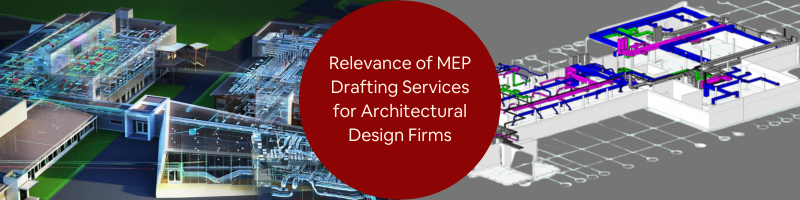
There’s a moment in every architectural or construction project when things shift from dazzling 3D concepts to a very real, on-the-ground challenge: how do you fit a building’s inner organs—its mechanical guts, electrical lifelines, and plumbing arteries—into an elegant structure without making a mess?
That’s where MEP drafting services swoop in like the unsung heroes of the design world. These services—Mechanical, Electrical, and Plumbing drafting—are often behind the scenes, but they carry the weight of ensuring that buildings function beyond their beautiful façades.
While the glamour often goes to architectural renderings and dramatic skyline shots, MEP drafting is where a project’s long-term success truly brews. No glitzy façade can hide an HVAC system that clogs up the lobby or electrical panels that make maintenance crews want to scream. Architectural design firms and construction companies have figured this out. And they’re leaning heavily into precision MEP drafting to make sure the behind-the-walls drama doesn’t outshine the blueprint vision.
🚀 Table of contents
Why architects should care deeply about MEP drafting
Architects dream in bold lines and dramatic spaces—skylights that flood rooms with daylight, floating staircases, serene open plans. But those elegant visions hit a wall the moment the real-world demands of HVAC, plumbing, and electrical systems enter the picture. No one brags about ductwork in a design competition, but without it? That sun-drenched atrium becomes a sweatbox. That sleek hotel café? Suddenly not so chic when the plumbing won’t fit beneath the slab.
MEP drafting—Mechanical, Electrical, and Plumbing—might not steal the spotlight, but it quietly holds the entire production together. It’s the layer of design that ensures everything functions. More importantly, it’s the layer that ensures it all fits before anyone breaks ground. Without early, precise coordination between architectural intent and MEP logistics, designs fall apart—literally and financially.
And here’s where it gets serious: in a BIM-driven world, where every detail is modeled and schedules are tight, guessing where the HVAC or sprinkler heads might go just won’t cut it. Architectural design experts who embrace MEP drafting early in the process don’t just protect their designs—they elevate them. They avoid costly redesigns, sidestep furious phone calls from contractors, and preserve the integrity of their vision.
When MEP drafting is dialed in from the start, the result is seamless—buildings that work as beautifully as they look. It may not be glamorous, but it’s what transforms a sketch into something that can actually stand, breathe, flow, and endure.
Construction companies and the million-dollar savings of a good draft
Contractors thrive on certainty. When a construction crew rolls up to a job site with rock-solid plans in hand, the entire build feels smoother—and often is. That’s where MEP drafting services come in as unsung heroes. These detailed technical drawings help construction firms avoid chaos by ensuring that mechanical, electrical, and plumbing systems are fully coordinated before anyone starts cutting or drilling.
Think of it this way: a single duct routed a few inches too low could mean clashing with a beam, rerouting pipes, or tearing into finished work. That’s not just frustrating—it’s expensive. We’re talking delays, RFIs piling up, and costly change orders that ripple through the project timeline. When MEP drafts are accurate and comprehensive, those headaches fade fast.
Good drafting isn’t just about avoiding errors. It’s a smart investment in project efficiency. When tradespeople can trust the drawings, they move faster, waste less, and build with confidence. Fewer surprises mean fewer slowdowns—and that directly affects the bottom line.
Construction drawings companies that integrate MEP drafting services early in the design-build process aren’t just crossing their fingers for a smooth ride—they’re engineering one. The result? Jobs that finish on schedule (or ahead), thrilled clients, and margins that don’t get eaten alive by rework.
In the world of construction, a solid draft can mean the difference between profit and panic. And when a clean set of plans keeps a project from spiraling, it’s not just helpful—it’s a million-dollar move.
It’s all about the coordination game
If architecture is the art and construction is the muscle, then MEP drafting is undoubtedly the brain behind the operation. And in this world of moving parts and tight deadlines, coordination isn’t just helpful—it’s everything.
Think of a solid MEP drafter like a backstage technician at a Broadway show. They may not take center stage, but without them, the lights don’t shine, the sound doesn’t sync, and the magic doesn’t happen. It’s the same behind the scenes of commercial construction. From hospitals to high-rise offices and data centers, mechanical, electrical, and plumbing systems need to fit together with precision. No one wants to discover on-site that a duct is cutting through a sprinkler pipe or that electrical conduits are clashing with HVAC lines.
That’s where modern MEP drafting services shine. Tools like Revit, AutoCAD MEP, and Navisworks are game changers. They allow teams to see potential issues virtually, before a single wall is framed or a dollar is spent on materials. It’s proactive, smart, and cost-effective for architectural design firms.
Instead of relying on guesswork or patchwork fixes down the line, everything is coordinated in advance. Conflicts are flagged, resolved, and updated in real-time. It’s not just drafting—it’s strategic collaboration. And for architectural design firms and construction companies juggling a dozen trades on a single site, that kind of clarity is priceless.
In the coordination game, MEP drafting isn’t a side act. It’s the mastermind making sure the whole performance runs without a hitch.
Outsourcing MEP drafting services isn’t just a budget-friendly move—it’s become a sharp, strategic advantage for architectural and construction firms looking to stay agile and competitive. Think about it: why carry the weight of a full-time in-house MEP team when you can tap into a pool of experts exactly when you need them?
This approach is a game-changer, especially for mid-sized firms juggling fluctuating project loads. Instead of stretching internal resources thin or turning down work, architectural planning and design firms can easily scale up with specialized drafters who are laser-focused on mechanical, electrical, and plumbing nuances—from ductwork geometry to code-compliant panel schedules.
It’s not just about cost efficiency; it’s about gaining access to deep technical know-how. Many outsourcing partners operate globally and bring fluency in a wide array of international standards—ASHRAE, NFPA, IPC, IEC—the kind of alphabet soup that turns into a lifeline on projects with strict regulatory demands. For firms stepping into multinational developments or working in jurisdictions where compliance rules are especially stringent, that expertise can make or break a project timeline.
In a market that rewards precision, speed, and adaptability, outsourcing isn’t just a nice-to-have—it’s increasingly the backbone of smart project delivery. Whether it’s meeting tight deadlines or navigating cross-border code requirements, having a trusted external MEP drafting team may be the difference between keeping up and leading the way.
MEP Drafting and BIM: The Dream Team That’s Changing the Game
Anyone who’s dipped their toes into Building Information Modeling (BIM) knows it’s a game-changer for construction. It’s not just about sleek 3D visuals anymore—BIM offers a dynamic, data-driven model of a building that evolves with the project. But here’s the catch: BIM is only as good as the information you feed into it. That’s where MEP drafting steps in as the perfect partner.
MEP—short for mechanical, electrical, and plumbing—drafting ensures that what’s being modeled isn’t just a visual placeholder. When these elements are designed within architectural BIM services, they’re packed with intelligent data. Imagine ductwork that knows its own airflow rate, insulation specs, and materials. Electrical panels that come with built-in load calculations and future maintenance reminders. Plumbing lines that already account for slope angles and fixture units. That’s not just drafting—it’s designing with foresight.
What really makes this combo a powerhouse is its ability to simulate time and cost. With 4D BIM, MEP drafters contribute to scheduling simulations, helping teams plan the sequencing of work long before the first tool hits the site. Add 5D BIM, and you’re looking at real-time cost analysis that shifts as the model evolves.This is designed in high definition, with a crystal ball included. MEP drafting doesn’t just make BIM smarter—it makes construction safer, more efficient, and dramatically less prone to expensive surprises. Together, they’re not just drawing plans—they’re crafting a construction strategy that sees around corners.
MEP Drafting for Sustainability Goals
Sustainable buildings aren’t just about solar panels and bamboo flooring. Behind every LEED-certified, Net Zero-ready, or Passive House-inspired structure lies meticulous planning, and at the heart of that coordination is MEP drafting. It’s the glue that binds architectural vision with high-performance systems.
Think of it this way: a building can’t truly be “green” if its ducts are a tangled mess, the lighting ignores natural daylight, or the plumbing system treats water like an afterthought. MEP (Mechanical, Electrical, and Plumbing) drafting ensures that sustainability isn’t just a marketing slogan—it’s baked into the bones of the building.
A well-executed HVAC design service trims energy use without sacrificing comfort. Smart electrical layouts factor in daylight harvesting, reducing the need for artificial lighting. And efficient plumbing drafts make water conservation feel effortless, from graywater reuse to low-flow strategies.
When sustainability is on the agenda—and at this point, it always is—MEP drafters step up as silent sustainability strategists. They transform eco-goals into technical realities, fine-tuning every pipe, wire, and vent to work in harmony with the planet and the people inside the building.
Architects may sketch the dream, but MEP drafters are the ones who make that green dream livable—and buildable.
Picture this: an HVAC subcontractor shows up and starts claiming ceiling real estate, completely unaware that space was already earmarked for lighting fixtures. Meanwhile, a plumbing crew reroutes their lines on the fly because—surprise!—a massive steel beam is in the way. And the electricians? They’re drilling through structural supports, thinking it’s all good… until it’s not.
It’s a domino effect of miscommunication, waste, and damage. What should’ve been a smooth build turns into a game of “Who messed up first?” The result? Delays, bloated budgets, and sometimes even lawsuits. No one walks away happy—not the clients, not the builders, and definitely not the folks stuck reworking designs mid-project.
That’s where MEP drafting services come in clutch. These aren’t just fancy blueprints—they’re coordination lifesavers. MEP (Mechanical, Electrical, and Plumbing) drafts bring all the hidden systems to the forefront, mapping out every pipe, duct, and cable before anything is installed. They help everyone—architects, engineering design firms, contractors, fabricators—speak the same language, work off the same page, and avoid costly surprises.
It’s like turning on the lights in a room everyone’s been stumbling through. When you invest in solid MEP drafting, you’re not just paying for drawings—you’re buying clarity, collaboration, and confidence that the build will actually go as planned. Because without it? You’re building blind.
The magic of shop drawings: Where design meets reality
Shop drawings may not be the flashiest part of MEP drafting, but they’re undoubtedly among the most essential. These ultra-detailed technical documents act like a bridge between a design on paper and the actual pipes, ducts, and wires being installed on-site. If architectural drawings are the dream, shop drawings are the practical, nuts-and-bolts roadmap that makes it all happen.
Picture this: every tiny element—from the angle of an elbow joint to the placement of a hanger bracket—is laid out with precision. Voltage specs? Labeled. Dimensions? Checked. Coordination between systems? You bet. Nothing is left to chance.
What truly sets shop drawings apart is their intimate link to fabrication. These aren’t just pretty diagrams—they’re installation-ready instructions. In fact, contractors use them the way chefs use recipes or pilots use flight manuals: meticulously and without deviation. It’s their go-to guide to ensure everything works as intended, without any nasty surprises halfway through construction.
For design teams, shop drawings might seem like just another step in the process. But for contractors, they’re the holy grail. Without them, you risk costly improvisations and on-site confusion. With them, you gain clarity, confidence, and a direct line from the engineer’s brain to the builder’s hands.
In the world of MEP drafting, shop drawing services are where vision becomes reality—and where projects are won or lost. They may not be glamorous, but their precision and practicality make them indispensable.
A new era of smart buildings needs smarter drafting
Smart buildings aren’t just buzzwords anymore—they’re here, and they’re learning. From motion-triggered lighting and intelligent HVAC systems to water consumption tracking and AI-driven automation, the modern building doesn’t just function—it responds. But behind every smart building is something less flashy and far more essential: smarter MEP drafting.
Gone are the days when MEP designs were just about plugging in ducts and pipes. Today’s MEP drafters are essentially digital architects for intelligent infrastructure. Every sensor, automation panel, and data line must be precisely planned and perfectly placed. That motion sensor lighting? It needs power. That HVAC system that learns when you’re out of the office? It needs seamless integration into both the mechanical layout and the building’s digital nervous system.
Coordination is everything. If even one system gets overlooked in the design phase, the entire smart operation can stumble. Drafting now demands a fusion of engineering precision and tech-savvy foresight. You’re not just mapping wires—you’re wiring a brain.
It’s a shift from reactive to proactive design. MEP freelance professionals are being asked not just to support smart tech, but to anticipate it, to build the foundation that makes automation possible. This is the new standard. The blueprints of tomorrow must think ahead, quite literally.
So no, this isn’t your dad’s ductwork. It’s the backbone of a building that learns, adapts, and evolves—and it starts with next-gen MEP drafting.
Architects and engineers—Finally playing on the same team?
For years, the dynamic between architects and MEP (Mechanical, Electrical, Plumbing) engineers has been… complicated. Architects dream big—sweeping lines, towering ceilings, showstopping aesthetics. Engineers? They bring the math, the systems, the “how-do-we-make-this-work” part. Tensions were bound to happen. What architect hasn’t heard, “We can’t fit the ductwork up there,” and what engineer hasn’t rolled their eyes at an impossible design?
But the game is changing.
Thanks to integrated MEP drafting and modern collaborative platforms, these formerly opposing forces are starting to operate like a team. Now, everyone—from HVAC specialists to lighting designers to architects—works from a shared model. Changes are updated in real time. Version control keeps chaos at bay. Clash detection tools flag issues before they hit the construction site. And that messy stack of marked-up blueprints? History.
This isn’t just about cleaner workflows—it’s about communication. Design engineering firms and architects can now challenge, support, and respond to each other’s visions in real-time. The result? Buildings that are both beautiful and functional.
Turns out, drafting is no longer just technical—it’s also political. And with everyone finally playing on the same team, the results are smarter, smoother, and a whole lot more satisfying.
Wrapping up (But not taping the duct just yet)
If you’re an architectural design firm that wants your buildings to actually work, or a construction company tired of RFIs and rework, MEP drafting services aren’t a luxury—they’re the foundation of your success.
These services bring clarity to complexity. They bridge the gap between vision and execution. They prevent disasters, reduce costs, and accelerate timelines. And when combined with BIM, sustainability goals, and smart building systems, MEP drafting becomes an unstoppable force of efficiency.
So, whether you’re sketching your next high-rise or breaking ground on a new medical center, don’t overlook the value of well-executed MEP drafting. It may not be the star of the show, but it’s the reason the show runs smoothly from opening curtain to final bow.
How Cad Crowd can help?
Ready to transform your architectural visions into buildable realities without the coordination headaches? Cad Crowd connects you with skilled MEP drafting professionals who specialize in seamless mechanical, electrical, and plumbing integration for projects of any scale.
Our vetted experts deliver precision drafting services that eliminate costly conflicts, accelerate timelines, and ensure your designs function as beautifully as they look. Don’t let MEP challenges derail your next project—partner with Cad Crowd and experience the difference that expert drafting makes from concept to completion. Get a free quote today.
MacKenzie Brown is the founder and CEO of Cad Crowd. With over 18 years of experience in launching and scaling platforms specializing in CAD services, product design, manufacturing, hardware, and software development, MacKenzie is a recognized authority in the engineering industry. Under his leadership, Cad Crowd serves esteemed clients like NASA, JPL, the U.S. Navy, and Fortune 500 companies, empowering innovators with access to high-quality design and engineering talent.
You’ve read the shiny brochure: a glittering office high-rise bathed in golden-hour light, or a storefront so realistic you can almost hear the mall music. But the thing is, that building doesn’t yet exist. It’s a 3D model, and it’s performing a magnificent bit of trickery, making you believe it already does.
Welcome to commercial architectural 3D rendering services—where imagination and geometry meet, and where dreams of design are realized in photorealistic perfection. If you’re in the business of building, selling, marketing, leasing, or visualizing commercial properties, learning how this service works can be a big competitive advantage.
Cad Crowd is one of the best platforms to find CAD design and 3D rendering experts for architectural and construction firms. Let’s break down the whole story, without the fluff and buzzwords. This is your all-access, tell-it-like-it-is guide to how rendering services make commercial architecture projects a success.
🚀 Table of contents
So, what is commercial architectural 3D rendering?
Commercial architectural 3D rendering is much more than glitzy pictures; it’s an advanced technical technique that takes substantive architectural information and converts it into ultra-realistic images. It begins with floor plans, elevations, and accurate CAD information, but rather than settling for those as fixed blueprints, rendering turns them into realistic images or engaging animations. These graphic outputs capture a building’s finished shape with spatial integrity, lighting, texture, scale, and even environmental elements.
Unlike schematic designs or conceptual sketches, commercial architectural renderings in 3D are made for environments of high stakes, such as city skyscrapers, logistics parks, retail centers, or airport terminals. They require clarity and accuracy before the ground is even broken. The rendering act is a bridge of communication between business vision and design intent. It enables architects to express form and function. Developers are entrusted to present investment opportunities confidently. Marketing staff can sell a space prior to its physical existence.
What isn’t it? It’s not guesswork. It’s not flair. It’s a technical narrative—driven by the logic of architecture, the science of materials, the physics of light, and occasionally even BIM design services. Done correctly, a commercial rendering does not merely depict a space—it sells it, describes it, and rationalizes it.
For businesses that undertake commercial projects, this visualization software has become a necessity, not just about making things look pretty. It’s about taking complexity and making it clear, converting numbers and line weights into spatial stories that engage clients, stakeholders, and city officials alike. Architectural 3D rendering is where vision makes sense.
There was once a time when a good set of 2D drawings could wow a room. But now? They’re merely the beginning. While they’re still necessary for technical precision, permits, and construction teams, they’re lacking as a means to sell an idea. Attempt to sell a client on their new luxury hotel lobby using a flat elevation— odds are, their eyes will glaze over quicker than you can say “cross section.”
Come in, architectural 3D rendering services. It brings a project to life with context, emotion, and reality. You’re not presenting a building; you’re sharing a glimpse of what’s to come. You can sense the heat of sunlight pouring in through an office atrium, feel the texture of marble on a reception counter, or envision the way trees move outside a glass curtain wall. It’s engaging, moving, and, above all, relatable.
In a visually driven, first-impression world, 2D just can’t carry the load anymore. Rendering translates conceptualized ideas into real experiences. It’s not about taking the place of blueprints, it’s about taking them to the next level. Because when you’re asking someone to believe in a design, you want to show them the dream rather than point at a blueprint every time.
Who uses these services?
Architectural design experts could be the first that come to mind—but they’re only one piece of a much larger picture. Commercial architectural 3D rendering services have become indispensable for a broad variety of professionals, each utilizing them in surprisingly specialized ways.
Consider property developers, for example. Long before a spade ever touches the earth, they must find the financing, and 3D renderings seal the deal. Such images provide investors with an exact picture of what they’re investing in, providing a concrete glimpse into future profits.
Building firms rely on these images as well. With renderings, onsite teams can more closely agree on finishes, materials, and even spatial layout before any errors are committed on the ground.
Interior design firms employ renderings to stage tenant improvements or simulate how adaptable workspaces will operate. It is time-, cost-, and miscommunication-saving. Retail companies, on the other hand, utilize them to test store interiors in various cities, standardizing look and feel before roll-out.
Even government officials and zoning authorities rely on them. Considering a large-scale development? A rendering gives decision-makers a sense of how development affects sightlines, traffic patterns, or the neighborhood. Whether it’s signing deals, sidestepping construction errors, or securing permits, 3D renderings bring everyone from investors to regulators on the same page while working.
What these renderings can show you
Not all 3D renderings are equal—nor should they be. Commercial architecture is a vast universe, and each type of building has its own vision, needs, and requirements for storytelling. That’s why architectural renderings can manifest in various forms, each tailored for a specific stage or stakeholder.
You may be gazing at the work of an exterior rendering service of a street-level shot with drama or a bird’s-eye aerial view with grandeur. Perhaps it is an interior visualization with designer furnishings, ambient illumination, and soft shadows—ideal for a hotel lobby or upscale retail floor.
For initial stage planning, conceptual drawings help bring out the visual form from rough notions, initiating dialogue before construction is even a rumor. Walkthroughs and animations take it a step further, infusing space with smooth movement, day-to-night transitions in lighting, and user flow simulations.
And then there’s the future stuff: virtual reality previews. These allow clients to” step inside”their next space via a headset or online visit. And when it’s time to persuade city planners or a reluctant neighborhood board, contextual views place your design in a fully built-out street or rural context, so everyone can see how it fits.
The spectrum is wide, from stylized visuals that resemble digital art to photorealistic scenes that could fool even the most trained eye. Whether you’re pitching investors, applying for permits, or refining design concepts, the right rendering can make your vision not just seen, but felt.
Why companies rely on 3D renderings
In today’s business world of design and engineering design services, 3D rendering has evolved from a nicety to a hard-and-fast necessity. It’s no longer merely a hip aesthetic; it’s an integral part of how companies think through, sell, and obtain approvals for their projects.
To start with, it’s a powerful advertising powerhouse. Those crisp, high-definition images you spot in teaser commercials, real estate publications, or breathtaking billboards? More often than not, they originate from rendering studios. When selling a building or property that doesn’t even exist yet, you can’t use ambiguous blueprints. What you need are images that ignite emotions, fuel imagination, and—most crucially—sell the vision.
However, the magic doesn’t end with beauty. These illustrations are also genuine money-savers. By seeing a project early, teams can identify design problems, awkward layouts, or ill-conceived lighting options well in advance of having a single brick set in place. It’s a virtual safety net that can save headaches in the real world.
Approvals? They’re quicker, too. Whether selling to a dubious city council or persuading a wary investor, an excellent rendering can convey a vision better than any floor plan. People intuitively respond to images; they’re faster to understand and simpler to defend.
And perhaps most significantly, 3D renderings are trust-builders. Being able to see a photorealistic representation of an upcoming space instills confidence in stakeholders, especially for architectural design firms. It makes a far-off idea concrete, and that concreteness results in belief, support, and frequently, funding.
Architectural renderings may appear magical, but a precise process combining technology, artistry, and many hours of painstaking work lies behind each photorealistic image. These aren’t pictures that pop out of one click—their creation takes a multi-step process to transform raw design information into emotionally engaging imagery. This is what actually transpires in the background.
Phase 1: Input collection — Gathering the DNA of the design
It all begins with a stack of references—blueprints, CAD, BIM models, even napkin doodles, if that’s what the client has. These documents give the rendering artists the building blocks of the project, the architectural skeleton. But aside from the technical documents, this is where the personality of the space starts to take form. Clients discuss finishes, color schemes, lighting designs, landscape design likes and dislikes, and furniture choices. This is not fluff information; it’s what enables the rendering team to pick up the mood, personality, and worldly context of the project. A rendering is more than a model —it’s a narrative relayed through light and texture, and this is where storyboarding kicks in.
Phase 2: 3D modeling — Carving out the space in the digital realm
With all the input absorbed, the team creates a digital skeleton. Using sophisticated 3D modeling design services, artists reconstruct the building form element by element—walls, columns, stairways, ceilings, and all the structural elements in between. It’s similar to building a virtual version of the project in miniature, brick by brick. Here, the visuals are still extremely rough—imagine gray surfaces and hard edges. It’s technical, geometric, and unstyled. But it sets the necessary foundation for what’s to come.
Phase 3: Materials and lighting — Bringing the bones to life
Now that the geometry is set, the model takes a dramatic leap forward. Artists start adding material textures: wood grain on floors, marble on countertops, metal panels on façades. Artists painstakingly replicate how each surface will play with light—because, yes, light acts radically differently on glossy tile compared to a matte concrete wall. This is when lighting design comes into play. The crew fine-tunes everything from the angle of light shining into a window at midday to the background luminescence of recessed LEDs in the evening. Now, that gray scaffold begins to feel like an actual space with warmth, texture, and atmosphere.
Phase 4: Rendering engine time — Crunching the visuals
With all the components in place, it’s time to hit “render”. But don’t imagine this as a quick command—this is where computational horsepower does its thing. The rendering engine calculates shadows, reflections, transparency, and indirect lighting interactions—every photon, every bounce. Depending on the complexity of the scene and the desired resolution, the process can take hours or even days. It’s essentially a digital bake, where the raw ingredients fuse into a photorealistic image.
Phase 5: Post-production polish — The final touches
After the engine renders the picture, it enters a visual editing studio. It is here that it receives the sheen, contrast tweaks, saturation maximizations, sharpness adjustments, and the addition of atmosphere. Perhaps some fog, some wind-blown trees, or pedestrians walking across the area. These are not merely ornaments—they contextualize the scene and add emotional relevance to the rendering.
Phase 6: Revisions and delivery — The collaboration continues
No rendering is truly final until the client speaks up. Feedback comes in after the initial draft. Sometimes, it’s a small tweak: a too-tropical-looking plant or a chair that doesn’t fit the brand. Other times, it’s a complete shift, such as moving an entire building or rearranging outdoor lighting through custom lighting design services. The team makes adjustments in response, balancing the client’s vision with technical possibility, until the final image finds its mark.
Rendering is a combination of science and art, data and emotion. It’s a collaborative effort that takes architecture and turns it into pictures—and that process is just as complicated as the buildings it depicts.
Architectural rendering is not cut with a single-size-fits-all price tag, and that’s because no two projects are quite identical. Costs vary based on a few significant factors: the complexity of the design, the resolution you’re looking to achieve, and the amount of time you need to get that breathtaking image in hand.
A simple interior rendering service of, say, an upscale office waiting area may cost you a few hundred dollars. The cost, however, can soar exponentially for bigger, high-end commercial exterior shots—particularly those full of complex details, lighting nuances, and cutting-edge textures. You may be paying tens of thousands of dollars for one shot that catches your building at its best light.
Next comes the big gun: animation. If you need a walkthrough or flyover of a new complex, be prepared for five-figure prices. The longer and more movie-like it is, the longer and computationally intensive it takes to create.
Need it revised? Most studios are more than willing to adjust your project, but those revisions aren’t included in the price. Need the sunset to strike exactly across the glass atrium? That is a perfection that costs additional hours and dollars.
The secret to keeping costs under control? Clarity. The more detailed and organized your input from the get-go, the fewer revisions you’ll need. Good documentation and clear decision-making aren’t just helpful, they’re money-savers. When everyone is on the same page, your budget breathes a little easier, and your render turns out exactly as envisioned.
In-house vs. outsourcing: What works best?
When it is a matter of 3D rendering for commercial architectural design services, there is one question that tends to revive a heated discussion among design and development companies: whether you should create an in-house rendering department or commission the service from outsiders. There’s no universal answer, but the pros and cons are pretty consistent across the board. Firms that opt for an in-house team usually do so for the control it offers. Having designers on-site means quicker revisions, better alignment with evolving project goals, and faster communication. But it’s not a cheap route. You’ll need to invest in salaries, high-end computers, rendering software, and ongoing training—costs that can pile up quickly.
Conversely, outsourcing provides companies with a larger talent pool, typically with very specialized knowledge and state-of-the-art tools. The external studios are ideal for big projects, complicated visual scenes, or when your in-house crew is maximized. Still, it can take more time to finish the project, and working with time zones may involve additional coordination.
Intriguingly, most firms today mix both alternatives in a hybrid model. Internal design experts will do the fast drafts, concept images, or tight-timeframe projects. The high-shine, movie-grade renders for marketing materials or investor decks, however, are outsourced to experienced external shops.
Ultimately, it’s not a question of either/or. It’s a matter of being flexible and knowing when to draw upon the right resource for the specific task.
Selling with story: Why rendering is more than just a pretty picture
Architectural rendering for planning and design firms is not all about shiny finishes and perfect pixel-perfect shadows; it’s about telling a story. Each image created by a skilled rendering artist is an introduction to an experience in the future, a moment yet to occur, but already real. And that’s what makes it so powerful.
Imagine a shopping plaza. Okay, you might indicate the site plan, the immaculate paving, the glassy storefronts—but where is the life in that? A good rendering will reveal people enjoying their morning coffee at a sunlit café table, children playing beside a fountain, couples ambling with bags in hand. Not selling a building; a way of belonging. A place. A lifestyle.
The same holds true for commercial projects. Suppose a firm is constructing a new headquarters. A photo of the exterior may depict handsome architecture, but a drawing that exposes open collaborative areas filled with natural light says more. It conveys values—transparency, innovation, connection—without saying a word.
These visual stories succeed because they appeal to emotion. They cause individuals to see not only what something is, but also what it represents. That’s something blueprints and descriptions are unable to accomplish.
In a competitive design market, quality rendering sells space. Excellent rendering sells the story that space will convey.
Technology on the move: The future of 3D rendering
The world of 3D rendering design services never ceases to shift gears. What used to take days to render is now accomplished in real-time, courtesy of powerful engines that allow architects and clients to wander through virtual spaces as if on foot. It’s not only impressive, but it’s totally revolutionizing the way people experience design before a single brick is ever laid.
Virtual reality is no longer a gee-whiz addition. It’s becoming an everyday staple, immersing its users in fully realized worlds that don’t yet exist. Want to sell a new office complex or a villa? Just put on a VR headset, and you’re right in the middle of it.
Artificial intelligence is also making an impact, altering the way environments are designed and how textures appear under different lighting conditions. It’s revolutionizing the creative process under the radar, providing smarter, more intuitive design ideas and streamlining tasks that used to gobble up work hours.
For architecture, real estate, or design firms, the message is simple: change or be left behind. The leading rendering strategies for today prioritize speed, interactivity, and integration, particularly with BIM environments and real-time collaboration software. The ones who move with a rapid pace can produce more engaging imagery, quicker revisions, and memories that last a lifetime.
How to maximize your rendering project
A successful rendering doesn’t occur through the wave of a magic wand with a button click; it’s a team effort that starts many iterations before pixels are even pushed. To wow clients, stakeholders, or the boardroom (without breaking the bank), the solution lies in careful preparation by architectural design firms.
Begin by understanding what you’re working towards. Are you designing images for a marketing campaign, an investor presentation, or a design critique? Each application requires a varying degree of detail, mood, and narrative. Without purpose, even the most technically competent rendering can fail.
Once your intention is set, collect whatever your rendering team may require: architectural drawings, sections, finishes, elevations, mood boards—even Pinterest references are available. These aren’t merely files; they’re the genetic code of the final image.
Be prepared for some rounds of feedback. Revisions are not setbacks—revisions are chances. This is your time to tweak the imagery until it connects exactly with your vision.
And never forget, no amount of post-production can cover up a poorly conceived design. Rendering adds to it; it doesn’t remove. The best, most stunning visuals are based on sound architectural design. So, get the design right first, then let the rendering take it to new heights.
Final thoughts: The rendered reality
In a landscape in which commercial property development is more costly, more competitive, and more emotionally charged than ever, 3D rendering stands as the industry’s ultimate visualization tool.
It gets everyone from investors and engineering design experts to clients and neighbors on the same page. It uncovers opportunity. It prevents miscommunication. It speaks stories. And when done right, it does it all before one single brick is set in place.
Whether you’re pitching a mixed-use development or seeking approval for a smart logistics hub, don’t just talk about what you’re building. Show it. Render it. Sell it. In commercial real estate, the best way to build trust is to let people see the future before it’s built.
Don’t let your next commercial project get lost in translation between blueprints and boardrooms. Cad Crowd delivers world-class 3D rendering talent that transforms architectural concepts into visual masterpieces that sell themselves. Our network of expert artists specializes in creating photorealistic renders that wow investors, streamline approvals, and close deals faster than traditional presentations ever could. Ready to see your vision come to life? Contact us now for a free quote!
MacKenzie Brown is the founder and CEO of Cad Crowd. With over 18 years of experience in launching and scaling platforms specializing in CAD services, product design, manufacturing, hardware, and software development, MacKenzie is a recognized authority in the engineering industry. Under his leadership, Cad Crowd serves esteemed clients like NASA, JPL, the U.S. Navy, and Fortune 500 companies, empowering innovators with access to high-quality design and engineering talent.
Finding the right structural engineering expert can make or break your construction project. It’s one of those decisions that keeps project managers awake at night – choose well, and everything runs smoothly. Choose poorly, and you’re looking at delays, cost overruns, and potentially serious safety issues.
Structural engineers do more than just design buildings. They’re involved in demolitions, building inspections, renovations, and even forensic investigations when things go wrong. The challenge is finding someone whose experience aligns perfectly with your specific project needs.
If you’re feeling overwhelmed by the hiring process or just want to make sure you’re covering all your bases, this guide will walk you through everything you need to know about hiring the right structural engineer for your project
🚀 Table of contents
Why your company actually needs a structural engineer
Construction projects live or die based on two critical factors that most people don’t think about until something goes wrong.
Materials matter more than you think. The difference between using the right steel grade and the wrong one can mean the difference between a building that lasts 50 years and one that develops problems in five. A good structural engineering service doesn’t just know what materials to specify – they understand how different materials behave under stress, how they age, and how they interact with other building components.
Structural integrity isn’t negotiable. This goes beyond just making sure the building doesn’t fall down (though that’s obviously important). A skilled structural engineer designs systems that can handle not just the obvious loads like furniture and people, but also wind forces, seismic activity, temperature changes, and even unexpected events like vehicle impacts or equipment failures.
Structural engineers are the people who make sure your building can handle whatever life throws at it. They calculate loads, design connections, specify materials, and create detailed plans that contractors can actually follow. They work closely with architectural design experts to turn beautiful designs into buildable structures, and they collaborate with other engineers to ensure all the building systems work together harmoniously.
Throughout the construction process, they conduct inspections to verify that everything is being built according to plan. They catch problems before they become expensive mistakes, and they sign off on the structural elements that keep buildings safe for decades.
The best structural engineers don’t just meet building codes – they optimize designs for efficiency, sustainability, and cost-effectiveness. They find creative solutions that save money without compromising safety, and they help projects stay on schedule by anticipating and preventing problems before they occur.
When you’re looking for a structural engineer, the difference between a good one and a great one can mean thousands of dollars and months of time. Here’s what actually matters.
Real design experience pays off
Design work eats up most of the time and budget in structural projects. Engineering firms that’ve been around the block work faster and avoid costly mistakes. They’ve wrestled with enough buildings to spot which ideas work and which ones create headaches later.
The top firms have embraced Building Information Modeling (BIM) – though it’s not just about fancy 3D models. BIM lets engineers run virtual tests on designs before breaking ground. They can see how materials will hold up, spot construction hiccups early, and nail down more accurate cost estimates. Skip the BIM, and you’ll likely pay more while waiting longer.
Smart planning prevents disasters
Planning separates smooth projects from complete disasters. The engineers worth hiring have solid systems for managing their workload. They think ahead, catch problems before they explode, and build buffer time into schedules.
This includes wrestling with the mountain of paperwork that construction demands. Permits, inspections, code compliance documents – skilled engineers handle this maze so bureaucratic delays don’t torpedo your architectural design firm‘s timeline.
Material knowledge that actually works
Picking the right materials blends science, creativity, and budget reality. Engineers must juggle strength needs, thermal behavior, looks, costs, and what’s actually available. They need to know how materials age, how they play with other building parts, and how local weather will affect everything.
This wisdom comes from hands-on experience, not just classroom theory. Engineers who’ve tackled varied projects understand the real trade-offs. They know when splurging on premium materials makes sense and when standard options do the job perfectly.
Communication that keeps things moving
Construction projects involve dozens of people who must work together. Structural engineers coordinate with architects, contractors, other engineers, building officials, and clients. Poor communication kills momentum fast.
Test their communication skills early. Do they return calls and emails quickly? Can they explain technical stuff without drowning you in jargon? Do they ask smart questions about your goals and limitations? These first conversations show exactly how they’ll handle project communication.
Team players get better results
The best structural engineers thrive in collaborative environments. Those working in multidisciplinary firms usually excel here because they’re used to coordinating with architects, mechanical engineering experts, and other specialists. They understand how their decisions ripple through the entire project and adjust accordingly.
Local knowledge matters
Building codes differ dramatically between cities and states, plus they change constantly. Your engineer needs current knowledge of the specific rules governing your project location and building type. They should also understand local permitting quirks, inspection routines, and any unusual requirements that might affect your project.
The bottom line? Great structural engineers combine technical skill with practical experience, clear communication, and deep local knowledge. They’ve learned from enough projects to work efficiently while avoiding the pitfalls that trip up less experienced firms.
Getting a handle on market demand matters when you’re considering structural engineering work. Freelancers face real challenges hunting down projects, especially without solid industry connections. Building that network takes time.
The market shifts constantly – sometimes there’s plenty of freelance work, other times clients stick with established firms. Local conditions make a huge difference. What works in booming metro areas might not apply to smaller markets where relationships drive business.
Smart engineers research their local scene first. They check who’s getting hired, what projects are moving, and whether clients trust engineering design freelancers with significant work. Success comes down to understanding what clients actually want and positioning yourself to deliver it consistently.
Essential Questions to Ask Before Hiring
“What’s your experience with projects like this one?” Don’t just ask about general experience – ask specifically about projects similar to yours in size, type, and complexity. A residential engineer might struggle with industrial projects, and someone who specializes in new construction might not be the best choice for renovation work.
“Are you properly licensed and insured?” This should be non-negotiable. Verify that their license is current and covers the type of work you need. Make sure their insurance coverage is adequate for your project size and risk level.
“How familiar are you with the building codes that apply to this project?” Building codes are constantly evolving, and they vary by location and building type. Your design engineering services need to be current on the specific requirements that affect your project.
“What are your fees, and how do you structure billing?” Get clear information about how they charge – hourly rates, fixed fees, or a percentage of construction cost. Understand what’s included and what might result in additional charges. Ask for a written estimate that breaks down the scope of work.
“Do you see any issues with our proposed timeline?” A good engineer will review your schedule and identify potential conflicts or unrealistic expectations. They should be able to suggest adjustments that keep the project on track while ensuring quality work.
“Can you provide references from recent similar projects?” Contact previous clients to ask about the engineer’s work quality, communication, adherence to schedules, and ability to handle unexpected challenges.
Be cautious of engineers who seem reluctant to discuss their experience in detail, can’t provide local references, or give quotes that seem unusually low compared to others. Civil engineering services that don’t ask detailed questions about your project might not be thinking carefully about the complexities involved.
Also, watch out for poor communication during the hiring process. If they’re slow to respond to calls or emails, unclear in their explanations, or seem to rush through discussions about your project, these patterns will likely continue throughout the project.
Making your final decision
The cheapest option usually isn’t the best value. Focus on finding an engineer whose experience matches your project needs, who communicates well, and who demonstrates a thorough understanding of the challenges your project will face.
Consider the total cost of the relationship, not just the engineering fees. An engineer who prevents problems, keeps the project on schedule, and helps optimize the design can save far more money than they cost
Trust your instincts about working relationships, too. Construction projects involve months of close collaboration, so choose someone you’re comfortable working with through both smooth periods and inevitable challenges.
The right structural engineer services become a valuable partner who contributes to your project’s success in ways that go far beyond basic structural design. Take the time to find someone who meets your technical needs and fits well with your project team.
Partner with Cad Crowd now!
Skip the lengthy search process and connect with pre-vetted structural engineering professionals who have the exact experience your project needs. CAD Crowd’s network includes licensed structural engineers with proven track records across residential, commercial, and industrial projects. Get matched with qualified candidates, review their portfolios and client feedback, and hire with confidence knowing you’re working with vetted professionals. Contact us now to get your FREE quote!
MacKenzie Brown is the founder and CEO of Cad Crowd. With over 18 years of experience in launching and scaling platforms specializing in CAD services, product design, manufacturing, hardware, and software development, MacKenzie is a recognized authority in the engineering industry. Under his leadership, Cad Crowd serves esteemed clients like NASA, JPL, the U.S. Navy, and Fortune 500 companies, empowering innovators with access to high-quality design and engineering talent.
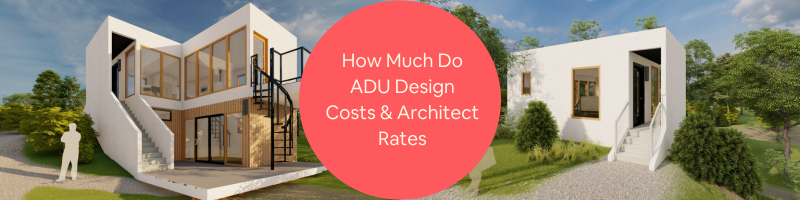
The demand for Accessory Dwelling Units, known as ADUs, has tremendously grown, especially in places characterized by a housing shortage and demanding high property prices, making ADUs a perfect destination. The design costs, including professional personnel and their services, are crucial to know each cost aspect while designing and involving professionals in the ADU project.
Cad Crowd is a leader in ADU and design services, providing the best AEC companies with vetted freelance design and engineering talents. This article will break down ADU design expenses for architect rates, architectural designer services, and the total cost to hire a professional for your ADU project.
🚀 Table of contents
What is an ADU?
An Accessory Dwelling Unit, or ADU, is another term for a secondary, smaller residential unit built on the same lot as the primary dwelling. ADUs can be attached or detached, and their purposes run the gamut-from providing rental units to guest houses or independent living quarters for other family members. Due to local governments stimulating their construction as a means to help meet housing needs, the process of designing and constructing these units has become a popular approach for homeowners looking to create extra space without having to move.
Significance of professional design for ADUs
While an ADU may sound like a “do-it-yourself” project, it is much more than merely laying down a foundation and putting up walls. A successful ADU project requires a great deal of planning and design and professional input to meet the local building codes, zoning requirements, and aesthetic preferences. That is where architects or architectural designers come into play.
Architectural planning and design firms will help bring your vision to life, ensuring the ADU not only fits within the site but also complies with all legal and environmental regulations. They help with the overall flow, functionality, and efficiency of the space, maximizing square footage and bringing your project to budget.
Understanding the different types of design professionals
Before diving into the costs, it’s important to understand the roles of the professionals involved in ADU design. Typically, you’ll encounter three categories of experts:
Architects
An architect is an eligible professional who supervises conceptualization and building construction. For ADUs, an architect will be tasked with producing detailed plans consistent with local ordinances and codes. In addition, architects form an integral part of the problem-solving and innovative solutions for tight spaces.
Architectural designers
While more akin to architects, architectural designers often have less formal education and licensure. Yet, because they are focused on layouts, interior design, and overall planning, they are sometimes able to provide important design services. Therefore, depending upon your needs, architectural designers might be a less expensive alternative to an architect.
Design-build firms
Design-build firms combine both the design and construction process in that they take care of the entire project process, from initial design to final construction. On the bright side, hiring a design-build firm can streamline the process; however, it may limit your ability to customize the design compared to working with an independent architect or designer.
Factors affecting ADU design prices
The cost to design your ADU depends on several factors. These factors affect the bottom line whether you hire an architect, an architectural designer, or a full-service design-build firm. There are some primary factors listed here.
Experienced architect and reputation
The experience and reputation of the architect or designer you hire could make a huge difference in the cost. More experienced professionals, having a solid portfolio, will most likely demand a premium. However, their expertise may save you from costly mistakes at the design stage and ensure that the project flows well.
Complexity of the design
Simple ADUs may have fewer design hours, while more complicated projects with unique features such as green roofs, custom finishes, or multi-level designs will drive costs up. Custom home design services often take much more time and require more expertise, and so higher fees.
Location
However, another huge cost factor is the geographical location of your property. Design fees can, for instance, substantially add up if you build in high-cost-of-living areas such as California. The complexity that local zoning laws and building codes can introduce into the design also indirectly determines both time and cost.
Permit and regulatory costs
For an ADU, designing it is not only about architectural work but also about the acquisition of the right permits. Construction-related permit acquisition, and even environmental or zoning reports, which must be dealt with, can increase the actual design budget.
Architects will offer levels of service ranging from simply a design to full project management, including contacting contractors and ensuring that project timelines and budgets are respected. A package that includes more will, of course, be priced higher.
Size of the ADU
One of the most important factors of design costs is the size of the ADU. Larger units require more planning, detailed blueprints, and a lot of time in making sure that space can be used effectively. This means more hours for architects and interior design experts, therefore, costs.
Architect and designer rates for ADUs
Now that we know what affects the cost, let’s discuss what you should expect to pay for ADU architectural services. It is going to depend on the professional you opt for and the complexity of the project.
Architect fees for ADUs
Typically, architects charge by the hour, as a flat fee, or even as a percentage of the final construction costs. The costs for hiring the services of an architect usually range between $100 to $250 per hour. Architect service overall expense will differ with a minimum cost of $5,000 up to a maximum of $30,000 or more, depending on the size, complexity, and location of your ADU.
Flat fees: Some architects charge flat fees for specific tasks, such as an initial consultation or concept drawings. Flat fees could make sense for smaller, simpler projects.
No hourly rates: Most architects charge by the hour for their time, especially for smaller or less complex projects. Hourly rates vary drastically depending on location and the architect’s experience.
Percentage of construction costs: These architects charge a certain percentage of the total construction costs and will work between 5% to 15%. Thus, if your ADU’s total construction costs amount to $ 100,000, you could pay between $ 5,000 and $ 15,000 for architectural services.
Architectural designer’s fee for ADUs
Architectural design and drafting services are typically less expensive than licensed architects. The cost per hour for an architectural designer may range between $50 and $150, depending on the level of service and experience, as well as location. For an entire design, fees can be between $3,000 and $10,000, although a much more custom or complex design may run to a higher price.
If your project is small, you can hire an architectural designer, especially if you do not need a full suite of services offered by architects. However, you want to ensure that the designer has adequate experience in ADU designs and is conversant with the local zoning regulations.
Design-build companies
This typically implies more predictable pricing, though typically at a higher cost over time. For design-build companies, billing is usually in the range of 10% to 20% of the construction costs. However, designing and construction are handled by a single firm; therefore, processes get streamlined to eliminate possible mistakes or delays.
Designing an ADU is quite pricey, but it doesn’t have to break your bank. Here are some ways to minimize the costs of ADU design without sacrificing quality:
Prefabricated or modular designs
Homeowners can save money on design and construction costs by opting for prefabricated or modular ADUs. These pre-designed units come with ready-to-serve plans that are cheaper and less complicated to undertake.
Maintain a simple design
Less expensive designs with fewer customized or distinctive features might allow for cost-cutting on design. You can save fees if you really do go for more functionality and less aesthetics.
Plan ahead
Working with an architect or interior design service who has a clearer view and a better plan before executing can save some time and money. This will prevent giving in to the pressures of change at the last minute and keep the design on track.
Quotes from various architects or design firms
As in any other service, shop around for quotes from different architects or design firms. Compare the services provided and the expertise level to find the best fit within your budget and vision.
Work with the locals
Thus, hiring an architect or designer familiar with your local codes and regulations will avoid potential delays or mistakes that lead to increased costs. Moreover, local architects or designers know the idiosyncrasies of your area-specific environment, be it environmental or zoning.
Conclusion
The cost to design an ADU can vary with the sophistication of the project, the professional you hire, and your location. Whichever professional you might choose to hire- an architect, an architectural designer, or a design-build firm- it is important to be clear on the scope of services and the fees related to those services.
While the cost of designing an ADU may range from several thousand dollars to tens of thousands, the investment in professional design often pays off for a successful, efficient, and code-compliant project. It is possible to create an ADU that meets your needs within your budget. Let Cad Crowd help you. Get a quote today.
MacKenzie Brown is the founder and CEO of Cad Crowd. With over 18 years of experience in launching and scaling platforms specializing in CAD services, product design, manufacturing, hardware, and software development, MacKenzie is a recognized authority in the engineering industry. Under his leadership, Cad Crowd serves esteemed clients like NASA, JPL, the U.S. Navy, and Fortune 500 companies, empowering innovators with access to high-quality design and engineering talent.
Designing the perfect home for both humans and your furry children doesn’t mean sacrificing sophistication and aesthetics, but it means thinking smart, planning ahead, and most importantly, hiring the right architectural design company to bring your fur-filled vision to life.
The leading platform Cad Crowd, houses over 94,000 3D design experts and 3D professionals ready to help you design that furr-ever home. The wish list for the ultimate home includes amenities such as in-unit dog baths, cat highways, and “woof-worthy” spaces that make tails wag and whiskers twitch.
So, let’s “paws” for a moment and dig into how architectural design companies can craft floor plans that are as fabulous as they are for you.
Why your pet is entitled to a voice in the floor plan
Pets are family, and we wouldn’t design a home that ignores your own comfort. That’s why you shouldn’t ignore your furry roommate either. Dogs, cats, birds, and even rabbits all have their own specific requirements when it comes to space, surfaces, noise, and flow.
Picture your German Shepherd struggling to make its way down a cramped hallway every time the doorbell rings, or your nervous rescue cat having absolutely nowhere to hide when visitors arrive. Not exactly ideal, right?
That’s where an architectural design firm with pet-friendly design experience comes in. They understand how to take those pain points and turn them into considerate perks—from bespoke feeding stations to paw-friendly walkways.
If your canine has ever trundled inside after a wet walk and straight onto the sofa, you need no explanation about why the mudroom is the best friend. Dog-friendly mudrooms are half-garage and half-grooming salon with all the amenities and sanitation of a beauty parlor. Design strategies builders employ for dog-centered mudrooms include:
Pet-sized doors: A mini door within a door, or even an independent flap, so your pup or kitty can enter and exit without bringing in dirt to the rest of the house.
Pet showers or utility sinks: – Raised tubs with handheld sprayers—your back and your dog will appreciate it.
Accessories storage cubbies: – Leash, treat, and poop bag
When you hire a CAD design firm, they will usually recommend putting the mudroom next to the laundry space, so the messes can be addressed right away. And yes, they can even provide heated floors so paws remain warm after a winter walk.
Open concepts that keep eyes on the fur babies
Open-plan living is the default for contemporary residences, and it is fantastic in homes with pets. Why is that? Because it allows you to monitor your naughty golden retriever as he prowls around the kitchen countertop, or watch your parrot as it flaps against its playstand.
Architects can assist you in partitioning zones into the open plan through clever transitions such as
Flooring for pets – Consider slip-resistant flooring, bamboo, or luxury vinyl that can handle claws.
Room dividers or half-walls – These will close off spaces but not completely, ideal for training or quiet hours.
Dedicated gates that fit your style – Modern pet barriers, just like baby gates, can be decorative, sliding, or even discreet.
Bonus points if your architectural design expert incorporates cat perches or climbing walls into open-plan living spaces. It’s like an amusement park without the long lines.
The kitchen: Where human snacks live
The kitchen serves as the heart of every home, where families gather, meals are prepared, and (from your dog’s perspective) all the best snacks are stored. However, without proper planning, having pets in the kitchen can create chaos, safety hazards, and daily frustrations.
Smart kitchen solutions for pet owners
Professional pet-friendly design firms recommend these practical features:
Pull-out feeding stations: Hidden drawers that slide out at mealtime and disappear when not in use, eliminating trip hazards from floor bowls and creating a cleaner aesthetic.
Built-in pet retreat spaces: Cozy alcoves beneath kitchen islands or in corner nooks where dogs can rest comfortably while staying close to family activity.
Integrated treat and supply storage: Custom cabinetry with airtight compartments keeps pet food fresh, treats organized, and everything easily accessible yet out of sight.
Some architects go beyond basic functionality by designing dedicated pet pantries—walk-in storage spaces specifically for pet supplies, food, toys, and grooming essentials. This isn’t excessive; it’s thoughtful luxury that keeps your main kitchen clutter-free while ensuring everything your pet needs has its proper place. You may also look into pet product design services that may create functional items for your pets in the kitchen.
These design elements transform potential kitchen chaos into organized harmony, making daily routines smoother for both pets and their families.
Smart flow: Paths for pets and people
Ever seen a cat run across the living room like it’s trying out for a car commercial? Or a dog weaves around the couch like it’s practicing for a NASCAR race?
That’s why flow is important.
Architectural design firms can analyze the traffic pattern of your home and suggest layouts that will benefit both species. This involves:
Placement of doorways: Having multiple entrances and exits can minimize bottlenecks during the morning rush, when it’s time for walkies.
Ease of access from outside: Key patio or dog run doors promote easier encouragement to exercise and a breath of fresh air for pets.
Interior design experts can even suggest hallways with enough width to fit the largest dog at rest across it like a speed bump. A small detail but big impact.
Architectural design is not simply about building—it’s about experience. And if you’d like your pet to be secure and safe, you’ll require more than a local store dog bed. You’ll need nooks, crannies, and quiet areas that are specifically for them.
This is how designers accomplish it:
Under-stair dens: What’s normally a dead space becomes a doggy hideaway.
Window perches with views: Allow your cat to overlook the neighborhood like the appointed mayor they are.
Built-in crates or kennels: Installed within cabinetry or furniture to create a continuous look that does not yell “puppy jail.”
Design professionals tend to work with you in selecting spots dependent on your pet’s personality, as a social butterfly or peace-and-quiet purist.
Regardless of how amazing the interiors are, your pet will still require the great outdoors. Fortunately, architectural design and drafting companies can make it a seamless experience for both the pet and the human.
Some paws-itively wonderful features they suggest:
Professional dog runs with synthetic turf: Custom-designed exercise areas featuring built-in drainage systems that eliminate muddy paws, protect your natural lawn, and provide a dedicated space for pets to play and exercise year-round.
Modern security fencing: Stylish, durable barrier systems that blend seamlessly with your home’s architecture while keeping pets safely contained and protecting your landscaping investment.
Catios (cat patios): Enclosed outdoor spaces specifically designed for cats, featuring screened walls and roofing that allow fresh air and sunlight while protecting indoor cats from predators, traffic, and other outdoor dangers.
Designers can even install smart pet doors that connect to microchips or collars. It’s the kind of Star Trek-level tech your pet doesn’t know they need—but you’ll love.
Allergen-friendly materials & clean design
Living with pets naturally means dealing with dander, fur, and occasional accidents. However, smart architectural planning and material choices can significantly reduce allergens while maintaining a fresh, welcoming home environment.
Non-porous flooring options: Hardwood, tile, and luxury vinyl plank are easy to clean, stain-resistant, and don’t trap odors or allergens like carpet.
Easy-maintenance surfaces: Smooth baseboards and washable wall finishes make it simple to remove pet hair and clean up unexpected messes.
Enhanced ventilation systems: Strategic placement of additional vents, exhaust fans, or built-in air purification systems keeps indoor air fresh and reduces allergens.
Storage for the craziness (and the adorableness)
Your furbabies come with stuff. Leashes. Toys. Blankets. Litter boxes. Scratching posts. That squeaky alligator your dog loves a little too much.
Rather than letting it all collect in a clump in a corner, designers can integrate storage into the home’s structure. Consider:
Disguised cabinets for grooming supplies
Slide-in litter box drawers in bathrooms or laundry rooms
Pet-height wall hooks
Tailor-made cubbies at entrances and exits
Good design preempts clutter and provides it a discreet, purpose-built home. Your visitors might not even notice a pet lives there—until they’re greeted by your friendly, wagging welcome committee.
Don’t forget the finishing touches
Even the most exemplary architectural floor plan service welcomes thoughtful finishing flourishes. A few additional ideas to add:
Noise control: Acoustic paneling and sound-absorbing materials may calm pets that get nervous at thunderstorms or loud noises.
Lighting: Motion-sensor lights for nighttime potty breaks are a godsend.
Color choices: Muted, earthy palettes don’t just hide fur—they create a calming environment for easily overstimulated pets.
And yes, some homeowners even request pet portrait walls or pet-shaped windows (think paw or bone cutouts). With the right design partner, anything’s possible.
Why an architectural design company is your best ally
You don’t have to sacrifice design aesthetics for pet functionality. Today’s pet-friendly materials and systems offer sophisticated looks that rival any design magazine while delivering the durability and cleanliness pet owners need. Modern pet-friendly homes prove you can have both Pinterest-worthy style and practical performance that works for the whole family, including the four-legged members.
Ready to build the purr-fect place?
Ready to design a home that’s perfect for both you and your furry family members? Stop settling for spaces that ignore your pet’s comfort and safety needs. Here at Cad Crowd, we can help you create thoughtful floor plans with mudrooms, built-in feeding stations, pet-friendly materials, and smart layouts that work for everyone. Call Cad Crowd today for your FREE quote and start building the purr-fect home where tails wag and whiskers twitch with joy.
MacKenzie Brown is the founder and CEO of Cad Crowd. With over 18 years of experience in launching and scaling platforms specializing in CAD services, product design, manufacturing, hardware, and software development, MacKenzie is a recognized authority in the engineering industry. Under his leadership, Cad Crowd serves esteemed clients like NASA, JPL, the U.S. Navy, and Fortune 500 companies, empowering innovators with access to high-quality design and engineering talent.
Let’s own up to it: the construction and architecture business was once a sort of sloppy beast. Piles of blueprints, miscommunication, revisions ad infinitum—playing a game of never-ending telephone, except with steel, concrete, and multi-million-dollar contracts. Along came BIM—short for Building Information Modeling services—a name that sounds ominously like something your IT guys might grumble about, but actually changed the entire AEC (Architecture, Engineering, Construction) business.
BIM isn’t software. It’s not simply a 3D model. And it’s certainly not some new acronym to bandy about during client presentations to appear clever. Consider BIM like the digital DNA of a building—an intelligent system that allows your building to come to life before a single brick is placed. But let’s not jump ahead of ourselves. To comprehend the basics of BIM and exactly what Cad Crowd’s model design services at BIM firms really do, let’s first take a look under the digital hood.
🚀 Table of contents
What exactly is BIM?
Ask ten people to explain BIM, and you’ll likely hear everything from tech buzzwords to puzzled guesses. But here’s the clear truth: Building Information Modeling (BIM) is not just fancy software or 3D design—it’s a smart, collaborative process that spans the entire life of a building. From that first doodle on a café napkin to the day the wrecking ball swings, BIM helps manage it all.
So, how is BIM different from conventional design software? It’s much more than simply drawing lines and shapes. Imagine designing a skyscraper. Rather than merely writing static blueprints, you’re creating a dynamic, digital model that holds actual information. That model is aware of the wall thickness, the type of material the insulation is composed of, the weight of the steel beams, the flow of the HVAC system, and even the duration of the construction.
Every component in that model, every beam, light fixture, and duct, contains embedded information. This is where it gets truly powerful: everything is interconnected. Changing the window size or altering materials updates the entire system. Floor plans, elevations, cost estimates, and material lists are all updated automatically.
That’s the real benefit of BIM: coordination in real time, better decisions, fewer errors, and improved communication among architects, engineering firms, contractors, and owners. It makes buildings smart systems before they are constructed—and that is not only smart, it’s revolutionary.
BIM modeling design services: What do these companies actually do?
Picture yourself stepping onto a construction site—except that instead of concrete and steel, it’s constructed of blocks and Legos. It’s more data, more precision, and a detailed virtual model that’s aware of everything in the building, from the last bolt to the last duct. That’s the environment in which Building Information Modeling (BIM) design service providers work. They’re essentially a combination of virtual architects, engineers, and project managers, with high-powered modeling software that allows them to model every aspect of a building prior to the laying of a single brick.
At the center of it all is the model itself—a highly detailed, multi-faceted digital twin of the future building. Rather than using two-dimensional blueprints, stakeholders can navigate an intelligent, dynamic model that recounts the entire narrative: how everything is connected, how much it will cost, when it will be constructed, and how it will perform in the long term.
They begin by creating precise 3D models that encompass architectural, structural, and MEP (mechanical, electrical, plumbing) systems. They then perform clash detection—pinpointing any clashes or overlaps before they turn into costly on-site problems. That model also does math, generating correct quantity takeoffs and estimates so budgets remain on target.
Then comes construction sequencing, where timelines are visualized in 4D, allowing teams to plan who does what, when, and how. Tack on 5D cost modeling and even 6D facility management integration, and you’re looking at a full lifecycle digital roadmap—from the initial design concept to long-term building maintenance for architectural design firms.
So, what exactly do BIM companies do? They add clarity to complexity. They transform static plans into smart models. And perhaps most importantly, they enable everyone from architects to building owners to make smarter, faster decisions every step along the way.
3D modeling: Drawing with brains
2D CAD drawings were all the rage, but using them now is like having a flip phone when everyone else has smartphones. That’s where 3D modeling comes in—not merely an aesthetic boost, but an intelligent design revolution. With Building Information Modeling (BIM) software such as Revit, ArchiCAD, and Navisworks, projects aren’t simply drawn; they’re built digitally with intelligence.
These 3D models are more than nice pictures. They’re high-information environments where each piece of information knows who it is, what it does, and how it relates to the larger system. A wall isn’t a wall—it knows its material make-up, thickness, price, and even how much paint it will take. HVAC systems know their air flow requirements. Structural members report their load capacity and cost per square meter.
The great news? Everything is linked. Alter one component—a wall extension, for example—and everybody’s information updates instantly. Architects, engineers, interior design experts, and quantity surveyors are in sync without a problem. No yucky back-and-forth, no mistakes from miscommunication. Just smooth collaboration fueled by intelligent modeling.
It’s not sorcery. It’s BIM at its finest—transferring conventional drafting to a dynamic, smart process that thinks as intently as it draws.
Clash detection: The digital bouncer
Envision your HVAC duct run right through a structural beam. In conventional construction, this type of clash would not reveal itself until tradespeople were already onsite, leading to eleventh-hour redesigns, growing frustration, and colorful outbursts. Better times are quickly disappearing thanks to Building Information Modeling (BIM).
BIM brings a proactive solution with a process known as clash detection. BIM coordination software blends architectural, structural, and MEP models into one digital space. They then behave like a hyper-vigilant referee, flagging items immediately that are on a crash course, long before materials are ordered or boots touch the ground.
This isn’t merely a matter of catching errors; it’s optimizing workflows. By pinpointing and fixing problems early on, clash detection eliminates the expensive delays and rework. The payoff? Smoother schedules, lower stress, and way happier clients.
Consider clash detection the virtual bouncer at the front door of your construction site—preventing conflict before it even enters. For BIM modeling firms, it’s one of their strongest value-adds, converting what used to be a building nightmare into a clever, effective collaboration. And the beauty of being able to do all this is that none of it takes place until after the first wall has been constructed.
4D BIM: Construction sequencing for control freaks (In a good way)
If you’ve ever witnessed a building site go from nothing to utter chaos in seven days, you’ll know why timetabling is crucial. 4D BIM brings time into the model. This enables teams to model the build process step by step, day by day, demonstrating precisely how the building will be constructed—foundations first, followed by the steel frame, then glass curtain walls, then interior glitz.
This isn’t for entertainment purposes only, although seeing it happen is strangely pleasing. It enables project managers to identify inefficiencies, schedule deliveries, steer clear of scheduling conflicts, and facilitate trades with a level of precision that would make a Swiss watch blush.
5D BIM: The dollar signs
You know that moment when someone asks, “What’s this going to cost?” and the room falls silent? Not anymore. With 5D BIM, cost is no longer an afterthought. Every component in the model is tied to a cost item, meaning your beautiful 3D model is also a walking, talking, budget-tracking machine.
Curious about the cost-effectiveness of going from conventional glazing to high-performance glass? BIM informs you. Curious about aluminum panels vs. concrete cladding? BIM compares the numbers from 3D modeling design services and beyond. It turns guesswork into confidence. And that’s priceless—literally.
Designing and constructing is only the start. What about sustaining the building during the subsequent 30 years? BIM doesn’t end when the ribbon is cut. 6D BIM incorporates facility management information—such as warranties, maintenance schedules, and asset information—directly into the model. The structure is now a digital twin: an active representation of the actual building that grows with it over time.
7D, depending on your source, tends to mean sustainability analysis. How does the building handle various weather conditions? What’s the carbon footprint of your selected materials? You can test energy usage and environmental performance with BIM services and create green without guessing.
Collaboration: The BIM buzzword that actually means something
One of BIM’s not-so-hidden superpowers is its power to bring everyone together at the table. No more isolated workflows. No more he-said-she-said between architectural design experts and subcontractors. BIM firms tend to use Common Data Environments (CDEs)—single digital hubs where all project data is shared, updated, and followed.
Tools like Autodesk BIM 360 and Revizto make this collaboration seamless. Everyone sees the latest model. Everyone can comment, annotate, and assign tasks. It’s like Google Docs for buildings—except instead of writing essays, you’re building hospitals.
The tech behind the magic: A peek into the toolbox
Let’s discuss software. BIM design services rely heavily on a set of digital software to make all of the above work. Revit is frequently the king of the castle, with full modeling functionality in architecture, structure, and MEP. Navisworks is one of the favorites for clash detection and construction simulation. ArchiCAD has stylish software tools. Then there are specialist platforms such as Tekla (excellent for structural steel), Synchro (superb for 4D sequencing), and the constantly changing world of cloud platforms.
And yes, automation and AI are already creeping in. Few BIM companies employ scripts and plug-ins to automate tasks such as room tagging, element renumbering, or even model checking. The payoff? Quicker delivery, reduced errors, and more time for the team to engage in actual design thinking rather than copy-pasting.
What makes a great BIM company?
When you’re searching for a good BIM (Building Information Modeling) firm, glossy 3D rendering services don’t cut it. Sure, it’s great when the renderings are crisp, but an outstanding BIM firm contributes much more to the table than mere looks.
Excellent BIM firms have a larger picture in mind. They consider themselves strategically, as opposed to spatially. It’s not a matter of creating a model—it’s about assisting in creating the whole project more intelligently, from initial planning through final handoff. That involves knowing construction sequencing inside and out. They understand when things must take place, how one action impacts the next, and how to keep moving forward in an efficient manner.
Effective communication is another defining feature. These teams understand how to communicate effectively with architects, interior design services, contractors, and clients to keep everyone on the same page. They proactively alert others to potential issues before they develop into expensive headaches. Permits? Building codes? They’ve got those covered—and then some.
What actually distinguishes the top BIM companies is the extent to which they listen. No two projects are the same, and being able to listen to what the client requires—and respond in kind—is crucial. They use the BIM model as a living, changing resource, not merely something to deliver.
At the end of the day, BIM is driven by people. Behind every finished model is a group of thoughtful, informed decisions being made. It’s not about clicking on buttons in software—it’s about solving and creating value together, within a shared digital space.
So when you’re evaluating BIM services, don’t just look at the output. Look at the process, the people, and the principles driving the work. That’s where you’ll find the real difference.
When most people hear “BIM modeling,” they envision sleek high-rises or billion-dollar transportation projects. But that’s hardly the tip of the iceberg. Building Information Modeling, or BIM, has far outgrown its initial high-profile beginnings. It now impacts everything from small suburban housing developments to state-of-the-art hospitals, sprawling university campuses, and sports stadiums done by architectural site plan companies.
So, who’s really using BIM? The answer ranges across almost every aspect of the construction and design business. Real estate developers, contractors, architects, and engineers were some of the first. However, they no longer dominate the field. Interior designers, facility managers, and even furniture manufacturers are incorporating BIM into their routine operations. This shift occurs because BIM goes beyond 3D models; it employs an intelligent, data-rich approach for planning, visualizing, and coordinating every phase of a building’s lifecycle.
Think of a builder designing a green eco-hotel. Rather than cobbling things together in conventional CAD tools, they hire a BIM modeling firm to produce one coherent digital model. This isn’t a model that indicates merely where walls and windows go. It contains extensive information about MEP systems, energy efficiency requirements, material choices, and schedule timetables.
With BIM, the green hotel can be built to exacting green building standards, conserve energy, and minimize waste on site. Subcontractors can be coordinated during construction using the model, so expensive mistakes are avoided and the project remains on track. No more conflicting pipes and ducts realigned at the last minute.
And when the building finally opens its doors? The advantages continue. Facility managers can count on the BIM model for correct, current information concerning each system in the hotel. Need to switch out the HVAC units a decade later? There’s no uncertainty—they’ll know precisely where all of it is and how it fits together, not unlike architectural MEP services.
In brief, BIM is no longer the sole preserve of megaprojects. It’s a technology that’s being embraced by industries for its precision, adaptability, and potential to future-proof buildings. Whether you’re building a contemporary art museum or a prefab tiny house, there’s a high likelihood that BIM can make the process more intelligent, seamless, and environmentally friendly.
The road ahead: BIM’s evolving role
So, is this the end of the line for BIM? Not at all. The next wave is already upon us. Consider digital twins that interface with IoT sensors for real-time monitoring. Consider mixed reality overlays on construction sites. Consider AI programs that provide predictive maintenance and design optimization recommendations in real-time, leveraging the expertise of engineering design experts.
BIM is increasingly a “way we think” rather than a “thing we do.” With building complexity increasing, sustainability targets narrowing, and client expectations becoming more sophisticated, the modeling services provided by BIM firms are evolving into long-term digital relationships.
Those days of the drawing set presented at project delivery are over. The BIM model is the ongoing gift, previously, in real time, and far beyond the end of construction.
BIM is not all about technology. It’s about trust. It’s about smarter building, not merely faster building. It’s about viewing a building not just as steel and glass, but as an evolving, living being. And for BIM design firms, it’s about enabling teams to transition from confusion to clarity, from guesswork to accuracy, and from chaos to coordination for architectural design and CAD experts.
If you’re setting up a project, regardless of its size, hiring a building information modeling company isn’t a nice-to-have—it’s a competitive edge. They won’t simply give you a model. They’ll give you a roadmap, a control panel, and peace of mind in one.
Cad Crowd is here to help!
Looking to transform your next construction project from chaotic guesswork into streamlined precision? Don’t let outdated methods drain your budget with costly surprises and delays. Partner with Cad Crowd, the leader in providing professional freelance services for architectural, engineering, and design firms.
We’ll help you connect with experts proficient in BIM modeling. It’s your project’s insurance policy against miscommunication, rework, and budget overruns. Ready to build smarter, not harder? Get your free BIM consultation today and discover how intelligent modeling can save you time, money, and countless headaches from day one. Request a quote here.
MacKenzie Brown is the founder and CEO of Cad Crowd. With over 18 years of experience in launching and scaling platforms specializing in CAD services, product design, manufacturing, hardware, and software development, MacKenzie is a recognized authority in the engineering industry. Under his leadership, Cad Crowd serves esteemed clients like NASA, JPL, the U.S. Navy, and Fortune 500 companies, empowering innovators with access to high-quality design and engineering talent.
Building Information Modeling, or BIM, revolutionized the construction and building industry by enhancing the design process as well as better management of the projects. Scan to BIM, a specific application of architectural BIM services, takes the process one notch higher by integrating 3D laser scanning and building information models to provide accurate digital models of existing facilities.
This solution is most useful to architects, engineers, and builders involved in renovation or retrofitting work because it will enable correct as-built models and improve project delivery. For architectural design service companies from Cad Crowd’s leading industry platform, adding a scan to BIM to their workflow can be useful, but it comes with its own set of issues. Here is a step-by-step guide on how to work efficiently with architectural design services companies utilizing Scan to BIM technology.
🚀 Table of contents
Understanding the scan to BIM technology
Scan to BIM (Building Information Modeling) represents a revolutionary process that seamlessly bridges the gap between physical structures and digital design workflows. The technology begins with advanced 3D laser scanning, which captures high-resolution, millimeter-accurate scans of existing buildings or construction sites. This comprehensive scanning process collects millions of precise data points, creating what professionals call a “point cloud”—an incredibly detailed digital representation of the physical space.
These point clouds serve as the foundation for generating accurate 3D modeling design services that integrate directly into BIM platforms used by architects, engineers, and construction professionals. The result is a data-rich digital twin that reflects real-world conditions with unprecedented precision.
Primary applications and advantages: Scan to BIM proves especially valuable for retrofit, renovation, and restoration projects where existing building conditions must be captured with absolute accuracy. Traditional measurement methods often prove slow, inaccurate, and labor-intensive, particularly in complex or inaccessible areas. Scan to BIM technology eliminates measurement guesswork by generating highly detailed models that precisely mirror actual site conditions.
Strategic benefits for design practices: Architectural firms adopting this approach experience significant operational improvements:
Dramatic reduction in documentation errors and measurement inaccuracies
Enhanced project planning capabilities and streamlined decision-making processes
Substantial cost savings through the elimination of expensive rework scenarios
Improved collaboration across disciplines and construction phases
Whether working with historic structures, large commercial complexes, or constrained urban environments, Scan to BIM ensures all design decisions are grounded in reliable, data-driven models that reflect true building conditions.
Why architectural firms should embrace scan to BIM
Architecture firms embracing Scan to BIM technology unlock transformative advantages that fundamentally enhance design accuracy and operational efficiency. This innovative approach enables architects to work from highly detailed, data-rich 3D models generated through precise laser scanning of existing structures, eliminating traditional measurement guesswork and dramatically reducing errors from outdated building documentation for architectural design firms.
Enhanced accuracy and efficiency: Scan to BIM virtually eliminates costly on-site rework by providing architects with precise as-built conditions from the project’s inception. Traditional site surveys—historically time-consuming and labor-intensive processes—are replaced by rapid laser scanning technology that captures comprehensive building data in hours rather than days. This efficiency gain liberates architects to focus on creative problem-solving and strategic design development rather than tedious measurement tasks.
Seamless collaboration: The technology’s collaborative impact proves equally significant through real-time accessible BIM models that create a unified information platform. Engineers, contractors, and stakeholders work from identical, continuously updated data, eliminating communication gaps and reducing coordination conflicts. This shared digital foundation ensures all project participants operate with consistent, accurate information throughout the entire project lifecycle.
Superior project outcomes: The result is seamless project delivery characterized by enhanced interdisciplinary communication, reduced design conflicts, and accelerated construction timelines. Scan to BIM transforms complex renovation and retrofit projects from error-prone endeavors into precision-driven, collaborative processes that consistently deliver superior outcomes while maximizing both time and cost efficiency.
Key considerations when working with architectural firms using scan to BIM
When you hire an architectural design and drafting firm for a project involving Scan to BIM, there are a few key things that you need to take into account. No, you don’t simply go out and hope to find the best firm you ought to be dealing with. You don’t want to just take anyone, either. You do need to make sure that the firm has experience with Scan to BIM technology and that they can efficiently incorporate it into their design workflow. But apart from technical knowledge, there are a couple of other things to bear in mind.
Assess the firm’s technical capability
It is not possible for all architecture companies to be efficient when it comes to utilizing Scan to BIM technology. While certain companies are able to perform this process for a very long duration, there are companies that are working towards activating it. Prior to recruiting an architectural firm to handle a Scan to BIM job, make it a point to consider their technical capability. Inquire about their experience using 3D laser scanning, BIM software, and whether they have worked with bringing Scan to BIM into their operation.
Also, it’s important to assess the software and machines the company uses for Scan to BIM. Different companies may utilize different BIM platforms (e.g., Revit, ArchiCAD), and they may not necessarily be all compatible with your needs. Make sure the company is utilizing the latest technology and software releases, as this will ensure that the models generated by them are accurate, up to date, and compatible with other tools used on the project.
Understand their approach to handling data
Scan to BIM involves the acquisition of huge amounts of data, and handling the data in an effective way is a crucial part of the process. The architectural design expert you hire should have a clear approach to handling the point cloud data, converting it into a usable BIM model, and providing the final product that best meets your project requirements.
Ask the company how they treat point cloud data. For example, do they use automated programs to automate, or do they use manual methodologies to clean? How do they ensure the correctness of the output BIM model? Understanding their data management procedure can help you decide whether or not they have the ability to handle the complexity of your job.
Communication and collaboration
Communication is essential in any architectural project, but particularly so when using Scan to BIM technology. Because there are several stages to the process, from gathering data to creating the model to implementing the design, strong lines of communication must exist among the architectural firm, contractors, and other stakeholders.
Make sure that the architectural firm you employ is committed to open communication and problem-solving as a team. Do they hold regular meetings to keep all staff members informed about project progress? Are they open to suggestion and ready to change if something needs to be adjusted? Communication is the key to preventing misunderstandings and keeping the project on track.
Before hiring an architecture practice on a Scan to BIM project, ensure that you confirm they receive what you are looking for. Do you need the BIM modeling services for energy analysis, fit-out, or future expansion if the need arises? The quality of data and amount of detail required will rely on the nature of the work.
Describe your aims to the company and make them aware of how Scan to BIM can help you achieve them. For example, if you are carrying out a full transformation, it is necessary to have a correct as-built model that can assist during the design. The architectural firm should be in a position to generate a detailed and accurate model that indicates the building as it is at the moment, including structural features, HVAC systems, and other major components.
Manage the project timeline
Scan to BIM projects can be complex and time-consuming, so it’s essential to work with a firm that understands the importance of managing the project timeline effectively. Request the company to provide a clear timetable that describes the different phases of the Scan to BIM process, from data capturing to point cloud processing, and finally, the creation of the BIM model. They should be able to provide you with realistic time schedules for each phase in the project and notify you of any delay or problem that arises.
It’s also important to know how long it will take to complete the BIM model and when you’ll be able to begin the design phase. Slowness in the Scan to BIM procedure will slow down the entire project timeline, so it’s necessary that the firm is efficient enough to meet your deadline on time.
Budget and cost estimates
Scan to BIM technology can be costly, particularly if you must acquire special hardware and software to gather the data and create the model. When hiring an architectural planning and design firm, ensure you understand the expenses of the Scan to BIM process beforehand. Ask for in-depth cost estimates with itemizations for the various expenditures, including data gathering, software licensing, model creation, and any additional expenditures.
While Scan to BIM may reap rewards in the long run by reducing errors and making projects more efficient, ensure that the cost is within your project budget. Demand that the company be transparent with you regarding their charges and how changes to the scope of the project may influence the overall cost.
Transforming architectural design through precision technology
Scan to BIM technology represents a transformative shift in architectural design and 3D architectural visualization services, bridging the gap between physical reality and digital precision. By integrating 3D laser scanning with Building Information Modeling, architectural firms can deliver unprecedented accuracy in renovation and retrofit projects while eliminating costly measurement errors. Success depends on partnering with experienced firms that demonstrate technical expertise, clear data management processes, and collaborative communication approaches.
When properly implemented, Scan to BIM streamlines project timelines, enhances cross-disciplinary coordination, and provides the data-rich foundation necessary for informed design decisions. This technology isn’t just an advantage—it’s becoming essential for competitive architectural practice in today’s market.
Take action: Partner with scan to BIM experts today
Don’t let outdated measurement methods compromise your next renovation or retrofit project. Partner with experienced architectural firms who have proven expertise in Scan to BIM technology and can deliver accurate, data-driven results. Evaluate potential firms based on their technical capabilities, communication processes, and project management track record before making your selection. Cad Crowd is a leading company that provides impeccable BIM scanning, architectural design, and engineering services to top AEC companies.
Contact qualified scan-to-BIM specialists today to transform your project accuracy and streamline your design process from day one. Request a quote today.
MacKenzie Brown is the founder and CEO of Cad Crowd. With over 18 years of experience in launching and scaling platforms specializing in CAD services, product design, manufacturing, hardware, and software development, MacKenzie is a recognized authority in the engineering industry. Under his leadership, Cad Crowd serves esteemed clients like NASA, JPL, the U.S. Navy, and Fortune 500 companies, empowering innovators with access to high-quality design and engineering talent.
Visualize a building’s layout without computer-aided design (CAD) files. It’s like trying to build something complicated using just rough sketches: you’d end up with a huge undertaking but no clear plan. Cad Crowd is an excellent service that helps companies find freelancers with the necessary skills to produce high-quality CAD design services. These digital blueprints transform abstract concepts into practical building plans; they are more than just drawings.
For what reasons has this technology grown so important in contemporary construction? In a nutshell, it merges imagination, precision, and velocity. There are a plethora of choices and details to keep track of from the time an architect is inspired until the day the last beam is installed. With CAD designs, there is no room for disarray or miscommunication.
You might think of computer-aided design (CAD) as the link between architects’ ideas and the built environment. Before building even begins, engineers and designers can examine their work in fine detail, try out various methods, and resolve any issues that may arise. They can digitally model something first rather than guessing how it might work. As a result, the whole building process will be more streamlined, with fewer unexpected obstacles and more efficient use of materials.
🚀 Table of contents
Breathing life into imagination
At the center of each great building or environment is imagination, by utilizing shapes, proper arrangement, and how individuals will experience the world around them. But having something incredible in mind is only the beginning. To bring those visions to life, architects require a strong method for expressing that vision clearly. That’s when 3D CAD design services, through computer-aided design software, enter the picture.
Those days are gone when it used to take a lot of effort to make hand-drawn sketches, which could be difficult to read or lack crucial details. With CAD, each line, angle, and curve is recorded exactly on a digital canvas. Not only does it make designs more visible, but also more accurate and easier to share.
What truly makes CAD magic is how it sparks imagination. Architects are free to experiment with various iterations of a design, changing sizes, materials, or configurations in a matter of seconds. Rather than deleting and redrawing whole blueprints, they simply click some buttons to experiment with new ideas. Such on-the-spot agility inspires a lively design process in which innovation happens. All at once, ideas that previously appeared impossible are suddenly completely possible, bringing life to imagination in the most useful and thrilling manner.
Ever gazed in amazement at a giant skyscraper or a complex museum and marveled at how they got it all done so perfectly? The key is in the remarkable accuracy of architectural CAD drawings services. In contrast to freehand sketches, CAD provides layers of detail that remove guesswork. From plumbing and electrical systems to the structural support, these are carefully mapped out ahead of time before construction even begins.
Why does this amount of accuracy matter? Imagine building a sophisticated edifice with cryptic or divergent blueprints. It’s a formula for pricey errors, annoying delays, and costly redoing. CAD blueprints get around this by being one simple, trusted plan that involves engineers, contractors, and suppliers who are certain about. One coherent truth cuts through misunderstanding, keeps the entire team moving as one unit, and avoids errors, conserving precious time and money through the entire course of construction.
A visual language for all parties involved
Constructing a new building without trying to use a blueprint or any definitive blueprint would result in total chaos. That’s where architectural CAD drawings truly excel. They serve as a common visual language that all parties to the project can comprehend, regardless of their function. Whether you’re the architect dreaming up the design, the structural engineer making sure it stands strong, the interior designer picking the perfect finishes, or the contractor bringing it all to life onsite, CAD drawings lay it all out clearly.
By translating complicated ideas into precise visuals, CAD eliminates those frustrating misunderstandings that can lead to costly mistakes. Detailed annotations, 3D modeling design services, and cross-sectional views break down even the trickiest parts, making sure nothing is lost in translation. This shared clarity keeps the whole team in sync, turning a complicated project into a smoothly coordinated effort where collaboration thrives and confusion fades away.
Supercharging project management
Let’s discuss how CAD drawings are powering project management in construction and architecture. Not only does CAD make designs appear snappy, but it also merges seamlessly with project management software and BIM platforms, revolutionizing the manner in which teams manage complex projects. Think of this: without a single brick being laid, the whole construction process can be virtually simulated. This enables companies to identify problems such as a duct interfering with a beam long before they happen, saving expensive on-site drama.
Businesses, enterprises, or clients may now accurately and in real-time monitor every aspect using CAD and BIM. This covers logistics, supply chain management, and cost tracking data. As a result, service providers and clients alike gain from streamlined operations and more efficient methods of operation. In addition to keeping tabs on time and money, this can help them spot issues that may develop as the project progresses. Computer-aided design (CAD) is more than just a lovely picture; it’s a strong mechanism that keeps projects running smoothly.
Now let’s discuss the magic of 3D design and why it’s a game-changer for architectural design experts, builders, and clients. Sure, flat blueprints have worked for decades, but today, CAD technology takes it way beyond mere drawings. Imagine not only viewing a floor plan, but actually walking around a fully rendered 3D model of your future space from all sides. You actually get a sense of scale, volume, and even the appearance and texture of various materials.
Incentivizing sustainability and efficiency
Let’s discuss how architectural CAD drawings are gradually transforming sustainable building design. You may consider CAD to be some sort of posh drafting technology, but it’s more of a secret advantage for designing environmentally friendly buildings. By modeling every minute detail, CAD allows architects to mimic the way sunlight passes through a building or air circulates before the ground is even broken. That way, they can create buildings that automatically remain cooler or lighter, reducing the amount of artificial light and air conditioning needed.
Not only does this conserve energy and lower the bill, but it also minimizes the building’s carbon footprint. And because CAD’s accuracy makes it possible to measure materials precisely, builders use less and remain cost-effective. All these benefits make projects more likely to achieve green building certifications, leading the construction industry toward a brighter, greener future—one CAD drawing at a time.
Adaptability in a rapidly changing industry
It’s said that the defining factor of industrial design services is the fixation on mass production. Think of it as product design infused with DFM. Also, remember that you can only mass produce physical products. For instance, a manufacturing facility might be able to make millions of smartphones in a year, but it doesn’t actually create an operating system for every single device. The operating system itself is a digital product distributed by the developer.
Suppose the smartphone in question runs a version of Windows Mobile; does this mean Microsoft has to develop millions of the same operating system, too? No, the company only needs to build one and then distribute it to the devices. What about in the old days when Microsoft sold physical copies of the Windows OS? The media (CD or DVD) were mass-produced, but not the operating system they carried.
The construction industry is always evolving, with new materials, technologies, and building codes popping up constantly. Architectural CAD drawings provide a flexible foundation that adapts quickly to these changes. Instead of scrapping entire sets of plans, architects and engineers can update digital files rapidly to comply with the latest standards or incorporate new innovations.
This flexibility isn’t simply a luxury; it’s critical. The potential to react with speed to alterations guarantees projects are completed without delay and expense, making businesses competitive and resilient. And because of the combination of CAD with cloud technology, dispersed teams across the globe can instantly collaborate, converting the world into one giant creative workshop.
Training the next generation of Architects and Builders
In particular, computer-aided design (CAD) is revolutionizing the training of future building tradespeople as well as the construction and architectural design industries. It is currently considered a vital talent for the trade, and as a result, CAD capabilities are being prioritized in architecture schools and construction training programs.
Students and apprentices learn to navigate complex software systems, improve their technical correctness, and develop three-dimensional spatial thinking skills. They are more equipped with the digital literacy needed by a tech-centric sector and are ready for real tasks faster, thanks to this first exposure.
The human side: Creativity meets technology
Let’s discuss the human aspect of CAD, where technology and creativity come together. Yes, CAD software is robust. It can perform intricate calculations, draw accurate lines, and accelerate the design process like no other. But at the center of every CAD drawing is a genuine human being: an architect or designer who invests his or her passion and vision into the project.
Imagine CAD as a reliable sidekick that handles the drudgery and technical work. That allows architects to step back and think big, concerned with how their designs can make people’s lives better, celebrate cultures, and inspire. It’s that delicate balance between human imagination and machine accuracy that makes contemporary architecture so thrilling.
Except for digital products, there’s not much of a difference between product design services and industrial design services, especially considering the fact that nearly all modern product design services implement DFM principles.
Architectural CAD plans are much more than technical documents. They’re the unsung heroes of successful modern design and construction. They translate concepts into accurate plans, reduce mistakes, encourage teamwork, accelerate project completion, and define what buildings can be.
For design and construction firms looking to remain at the forefront of an increasingly fast-paced, sophisticated industry, adopting architectural CAD is not a choice—it’s essential. Whether designing signature skyscrapers, eco-friendly homes, or groundbreaking public spaces, CAD designs offer the clarity, precision, and freedom to create the future today.
Let Cad Crowd’s freelancers elevate your project
If you’ve ever admired the beauty and complexity of a well-designed building, know that architectural CAD drawings were probably at the heart of bringing that vision to life, until the dream stood tall in reality. Cad Crowd is at the heart of architectural design and engineering as the utmost freelance platform providing vetted design and engineering services.
Ready to transform your architectural ideas into a stunning reality? Contact us now for a free quote and start your journey with our expert team today!
MacKenzie Brown is the founder and CEO of Cad Crowd. With over 18 years of experience in launching and scaling platforms specializing in CAD services, product design, manufacturing, hardware, and software development, MacKenzie is a recognized authority in the engineering industry. Under his leadership, Cad Crowd serves esteemed clients like NASA, JPL, the U.S. Navy, and Fortune 500 companies, empowering innovators with access to high-quality design and engineering talent.