X adds Twitch to its advertising boycott lawsuit


Twitch is now on the docket for X’s lawsuit against companies that stopped advertising on the social media site. X amended its lawsuit on Monday to include Twitch as a defendant in its lawsuit in a federal court in Wichita Falls, Texas, according to Reuters.

The new complaint claims that the gaming stream site owned by Amazon stopped purchasing ads on X at the end of 2022. X alleges that Twitch and other companies conspired with the World Federation of Advertisers (WFA) network’s Global Alliance for Responsible Media (GARM) initiative to withhold “billions of dollars in advertising revenue” from Elon Musk’s social media company.

The plaintiff alleges the boycott violated federal antitrust laws and is demanding a jury trial to settle the matter. GARM also announced its discontinuation two days after X filed its lawsuit.

X Corp.’s joint lawsuit first filed in August also includes the WFA, the global food manufacturer Mars Incorporated, the drugstore chain CVS and the Danish energy company Ørsted A/S over the advertising boycott. X also has a lawsuit against the media watchdog group Media Matters for publishing a report showing X displayed ads next to antisemitic content on the platform.

Amazon reportedly bumped back its AI-powered Alexa to next year


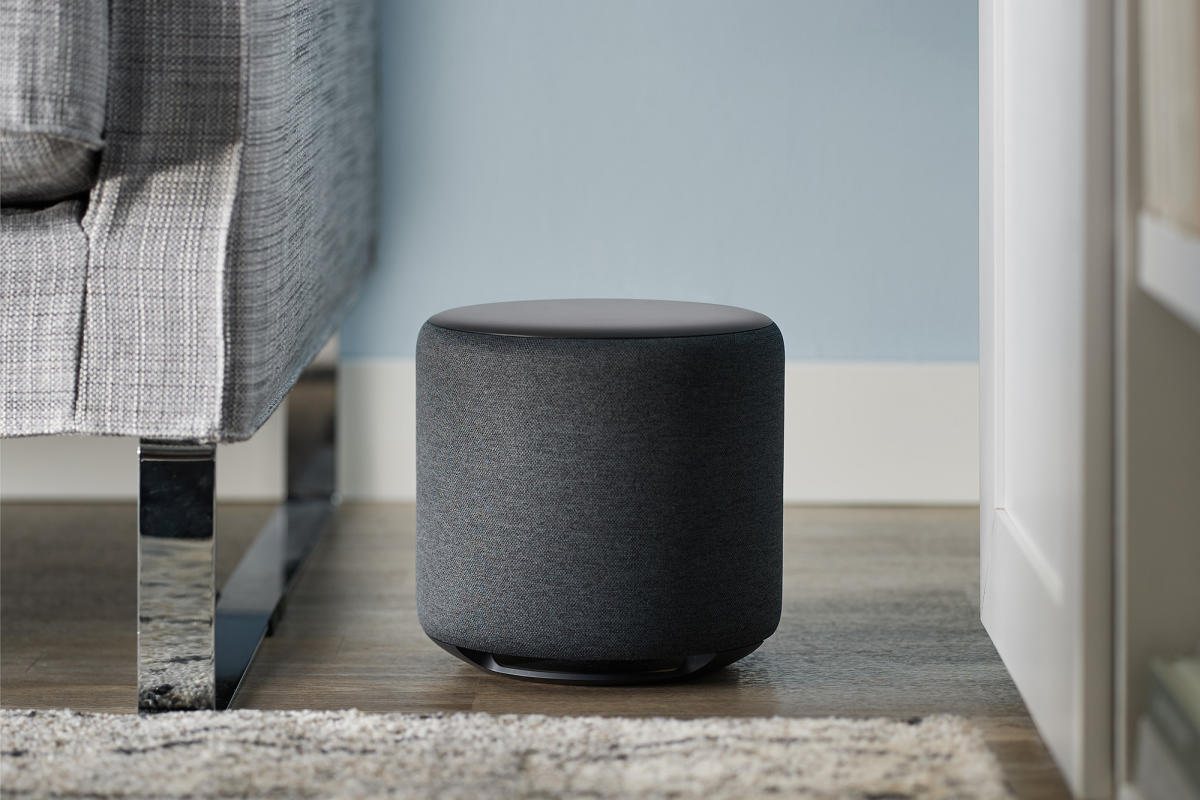
If you’re wondering what happened to Amazon’s new and improved version of its Alexa voice assistant, you’re not alone. reports that the new Alexa is still stuck in its developmental phase and Amazon has cut off access to its beta phase including its new “Let’s Chat” phase. As a result, a planned late 2024 launch has been pushed back to next year.

The problem seems to be with its large language models (LLMs). The new Alexa is designed to from users but it’s also more likely to fail doing some of the most basic things the old version could do quite easily like create a timer or operate smart lights, according to a follow up report from .

Amazon originally planned to unveil its new version of Alexa AI in October but now the timeline has been extended into next year. (As you might have noticed, October has come and gone.) The original timeline planned to premiere the next evolutionary step in Alexa’s advancement on October 17 but Amazon decided to pivot and used the date to show off its new line of Kindle ereaders. Then in August, news surfaced that the new Alexa would be powered by and come with a monthly subscription fee.

As ChatGPT began to rise in popularity in the summer of 2023, Amazon CEO Andy Jassy wanted to see if Alexa could compete if it had an AI upgrade. Jassy reportedly started peppering Alexa with sports questions “like an ESPN reporter at a playoff press conference” and its answers were “nowhere near perfect.” It even made up a recent game score for Jassy.

Despite this, Alexa passed the good enough stage and Jassy and his fellow executives felt their engineers could build a beta version by the early part of 2024. Unfortunately, Amazon wasn’t able to meet its deadline.

Even with the new deadline, the new Alexa still has a long way to go to fix its problems. Some employees told Bloomberg that the problem outside of Alexa’s innerworkings is with Amazon’s overstuffed management and a lack of “a compelling vision for an AI-powered Alexa.” .

Marriott reaches $52 million settlement over years of data breaches


Marriott International is being taken to task after the hotel chain suffered multiple data breaches that exposed sensitive information for more than 344 million customers around the world. First, Marriott agreed to a settlement of with a group of 50 US attorneys general. According to Connecticut Attorney General William Tong, 131.5 million hotel customers in the states had their information compromised in the attacks on the hotels.

Second, a settlement with the Federal Trade Commission will require Marriott and its Starwood Hotels & Resorts subsidiary to implement a new information security system to protect against future data exposures. The FTC agreement includes measures such as data minimization, account review tools for its loyalty rewards programs and a link for guests to request deletion of their personal information.

Today’s settlements center on three separate data breaches at Marriott and Starwood between 2014 and 2020 that allowed malicious actors to access passport information, payment card numbers, loyalty numbers, dates of birth, email addresses and other personal information. But cybersecurity issues have been an ongoing concern for these two businesses over the past decade. Hackers used “social engineering techniques” to access an employee computer and steal about . Marriott was also part of a larger attack in 2019. Starwood was victim of discovered in 2018; the company faced a fine of about in the UK for that incident.

OpenAI reportedly plans to increase ChatGPT’s price to $44 within five years


OpenAI is reportedly telling investors that it plans on charging $22 a month to use ChatGPT by the end of the year. The company also plans to aggressively increase the monthly price over the next five years up to $44.

The documents obtained by shows that OpenAI took in $300 million in revenue this August, and expects to make $3.7 billion in sales by the end of the year. Various expenses such as salaries, rent and operational costs will cause the company to lose $5 billion this year.

OpenAI is reportedly circulating the documents the NYT reported on as part of a drive to find new investors to prevent or lessen its financial shortfall. Fortunately, OpenAI is raising money on a $150 billion valuation, and a new round of investments could bring in as much as $7 billion.

OpenAI is also reportedly in the midst of switching from . The business model allows for the removal of any caps on investor returns so they’ll have more room to negotiate for new investors at possibly higher rates.

Blocked users will be able to see your posts


The days of the “@[insert username] blocked you” page appear to be over. X owner Elon Musk announced a new change to allowing blocked users to see posts of the accounts that blocked them.

Blocked accounts still won’t be able to interact with those accounts but they’ll be able to see their posts. A source from X told the new blocked access feature is being implemented because users can already see and interact with accounts that have blocked them by switching to a non-blocked account.

Musk has wanted to disable the block feature on X for awhile now. More than a year ago, he first expressed (or technically, Twitter) except for direct messages. He wrote that blocking would become “deleted as a ‘feature’” as well as saying “It makes no sense.”

Last May, announced it would implement the blocked viewer change to the platform without including a solid implementation or rollout date. The post said the change would be implemented to give users with blocked accounts the ability to “identify and report any potential bad content that you previously could not view.”

An Apple Store in Oklahoma City is close to approving an union agreement for its workers


Talks between Apple and the union for the Apple Store in Oklahoma City have produced a tentative agreement that includes new benefits and protections for its staff. The Penn Square Mall Apple Store in Oklahoma City announced they’ve reached a “tentative labor agreement” with Apple and the Communication Workers of America (CWA), according to a released statement.

Terms are still being negotiated between both parties but the benefits for the store’s employees would be significant. The three-year agreement reached between the CWA and Apple would give employees a wage increase of up to 11.5 percent. An Apple spokesperson said by email that if the contract is ratified, employees would receive a 4 percent raise in the first year of employment and 3 percent in the second and third year each “based on employee performance.”

The agreement would also offer employees guaranteed paid time off and health and other benefits, allow employees to have a say in scheduling and the establishment of a “safer and more democratic workplace” through a grievance submission process with committees overseeing safety, health and working relations. An Apple spokesperson also noted the scheduling options “were provided to all other US stores in 2022.”

The Oklahoma City Apple Store had been working to form a union becoming the second Apple Store in the US to unionize. Employees passed a strike authorization vote in August that passed with unanimous support and started a picket in front of the store ahead of bargaining sessions in early September. Workers will vote to ratify the tentative agreement on September 22.

CWA District 6 Vice President Derrick Osobase called the agreement achievement “a historic day for our members who have now secured a contract at the world’s most profitable company.”

The Apple Store in the Towson Town Center in became the first location to unionize. Members approved the union in 2022 with the International Association of Machinists and Aerospace Workers (IAM). A store in the Cumberland Mall in tried to form a union in 2022 with the CWA but workers called it off accusing Apple of committing “repeated violations of the National Labor Relations Act.”

Judge denies Media Matters’ motion to dismiss X’s not-libel lawsuit


A Texas judge denied Media Matters for America’s request for a dismissal on Thursday allowing X’s lawsuit over alleged anti-semitic and racist content. The Verge reported that Northern District of Texas Judge Reed O’Connor dismissed the request for a dismissal paving the way for X’s lawsuit against Media Matters to continue.

Media Matters submitted its dismissal request in early March on the grounds that X’s case lacked “personal jurisdiction,” an “improper venue” and the “failure to state a claim.” O’Connor dismissed all of those claims, according to court records.

The lawsuit filed last year in federal court seeks damages from the media watchdog group over “maliciously manufactured” images reporting that X’s platform placed Neo-Nazi and white-nationlist content next to advertisers’ images causing advertisers to flee the site. The images Media Matters used weren’t manufactured but X’s claim is that its dogged pursuit of ads’ placement with racist content by using certain accounts to bypass ad filters caused irreparable harm to the social media giant.

X owner Elon Musk’s other companies are located in Texas but aren’t directly connected to the Media Matters lawsuit. X closed its San Francisco offices earlier this month and owner Elon Musk announced in July that X’s headquarters will move to Austin. Tesla moved its headquarters from California to the Lone Star State in 2021 and SpaceX from Delaware earlier this year when a judge threw out a $56 billion pay package from the state.

However, in dismissing the personal jurisdiction argument, O’Connor noted that two of X’s “blue-chip” advertisers like AT&T and Oracle included in Media Matters’ coverage are based in Texas. He cited the landmark 2002 Internet defamation case Revell v. Lidov quoting the 5th Circuit Court of Appeals’ assertion that “if you are going to pick a fight in Texas, it is reasonable to expect that it be settled there.”

Brazil bans X for refusing to comply with Supreme Court order


Brazilian Supreme Court Justice Alexandre de Moraes has ordered the nation’s internet service providers to block the social media platform X. The New York Times reports that the order stems from owner Elon Musk’s refusal to appoint a legal representative for his case and comply with Moraes’ order to shut down X accounts he deemed as harmful to the democratic process. The order has been published online by Brazilian news site Poder 360.

The justice issued a deadline to telecom companies and tech giants to remove the X from its app stores and platforms. Apple and Google have five days to take down the social media app from its app stores. Brazil’s telecommunication’s agency Anatel has confirmed it has received the order, and ISPs in the country have just 24 hours to comply with the order.

Justice Moraes’ order doesn’t just block the country’s access to X. It also makes it a crime to use the app through a virtual private network (VPN). Anyone caught accessing X with a VPN could face a daily fine of 50,000 Brazilian Real (around $8,900).

Justice Moraes also froze the Brazillian bank accounts of SpaceX’s Starlink internet service provider on Thursday to further pressure Musk to comply with the court’s order. SpaceX, like X, is a private company majority owned by Musk, and X has $3 million in unpaid fines related to its case in the country. The day before, Justice Moraes issued a threat to ban the X platform entirely across Brazil if the social media company did not appoint a legal representative in the country. The deadline passed without any change to the court’s docket so the judge followed through on his promise.

Starlink expressed its disapproval with the order, vowing to fight the ruling. It even threatened to make its services free to customers to subvert the justice’s order.

The legal fight between Justice Moraes and Musk has been fuming for months. The Supreme Court Judge is also Brazil’s electoral authority and has been monitoring and issuing orders to candidates to steer clear of spreading false information through internet and social media channels.

Brazil’s 2022 presidential election between infamous incumbent Jair Bolsonaro and challenger and former President Luiz Inácio Lula da Silva was reportedly filled with attempts to present voters with false information. Justice Moraes was, until recently, president of the nation’s Superior Electoral Court, which gave him the power to order takedowns of content that violated previous court orders. The judge issued a similar block of the messaging app Telegram for failing to freeze offending accounts, which was lifted after compliance.

Musk characterized Moraes’ directives to take down or freeze similar misinformation accounts from X as “censorship orders.” Earlier this month, Musk expressed his continued refusal to comply with the court by closing X’s Brazilian office in order “to protect the safety of our staff.” X’s Global Governments Affairs team also promised to publish all of “Judge de Moraes’ illegal demands and all related court filings.”

The US lays out a road safety plan that will see cars ‘talk’ to each other


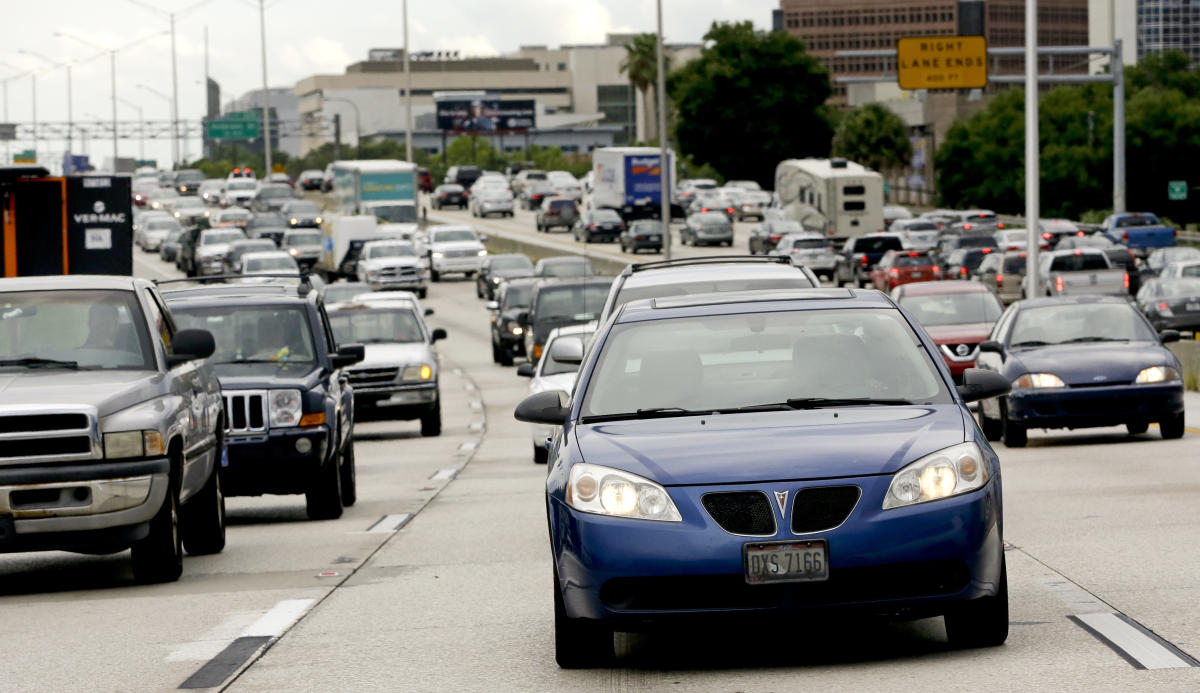
The US Department of Transportation has laid out a nationwide road safety plan [PDF] that will lead to cars communicating with each other. The agency is hoping that broadly deploying vehicle-to-everything (V2X) tech will boost its “commitment to pursue a comprehensive approach to reduce the number of roadway fatalities to zero.” The National Highway Traffic Safety Administration estimates that 40,990 people died in motor vehicle crashes last year.

V2X enables vehicles to stay in touch with each other as well as pedestrians, cyclists, other road users and roadside infrastructure. It lets them share information such as their position and speed, as well as road conditions. They’d be able to do so in situations with poor visibility, such as around corners and in dense fog, NPR notes.

A US-wide rollout will require an array of mobile, in-vehicle and roadside tech that can communicate efficiently and securely while protecting people’s personal information, the DoT said in its National V2X Deployment Plan. The agency said smaller-scale deployments of V2X across the country have demonstrated safety benefits. Safety advocates claim the tech could prevent hundreds of thousands of crashes and mitigate the impact of collisions that do occur by reducing the speed of impact.

The timeline for the DoT’s plan extends to 2036, by which time it hopes to have fully deployed V2X across the National Highway System, for the top 75 metro areas to have the tech enabled at 85 percent of signalized intersections and to have 20 vehicle models that are V2X capable. In the shorter term, the agency aims to have V2X tech installed across 20 percent of the National Highway System and 25 percent of signalized intersections in major metro areas by 2028.

It won’t be an easy task, as a wide range of stakeholders have to play a part, including the Federal Communications Commission, which the DoT says will have to determine rules about spectrum allocation. Automaker suppliers (which will build V2X-enabled components), freight operators and app developers are also players in the DoT’s vision.

There are some concerns, particularly in terms of cybersecurity and how to cover the costs of rolling out the tech (though the Federal Highway Administration recently announced nearly $60 million in grants related to V2X). But V2X has the potential to prevent thousands of deaths and serious injuries.

“The Department has reached a key milestone today in laying out a national plan for the transportation industry that has the power to save lives and transform the way we travel,” Secretary of Transportation Pete Buttigieg said in a statement. “The Department recognizes the potential safety benefits of V2X, and this plan will move us closer to nationwide adoption of this technology.”

“This plan is a vital first step towards realizing the full lifesaving potential of this technology — technology that could prevent up to 615,000 crashes,” National Transportation Safety Board Chair Jennifer Homendy said. The NTSB has determined that V2X deployments could have prevented many fatal crashes over the last few decades, Homendy noted. The agency has been advocating for the tech since 1995.

As you might imagine, then, V2X is hardly a new concept. Several automakers — including Audi, Toyota and Volkswagen — have long been working on ways for their cars to communicate with each other and city infrastructure, in part because that plays a factor in autonomous driving.

There were efforts under the Obama administration to make vehicle-to-vehicle (V2V) communication a mandatory feature of new cars. However, the National Highway Traffic Safety Administration scuttled that plan during the Trump administration.

The rollout of V2X has been slowed by “regulatory uncertainty,” said John Bozzella, president and CEO of the Alliance for Automotive Innovation, an automaker trade group. “This is the reset button,” Bozzella added, according to NPR. “This deployment plan is a big deal. It is a crucial piece of this V2X puzzle.”

A Manhattan Project nuclear weapons site is being turned into a giant solar farm


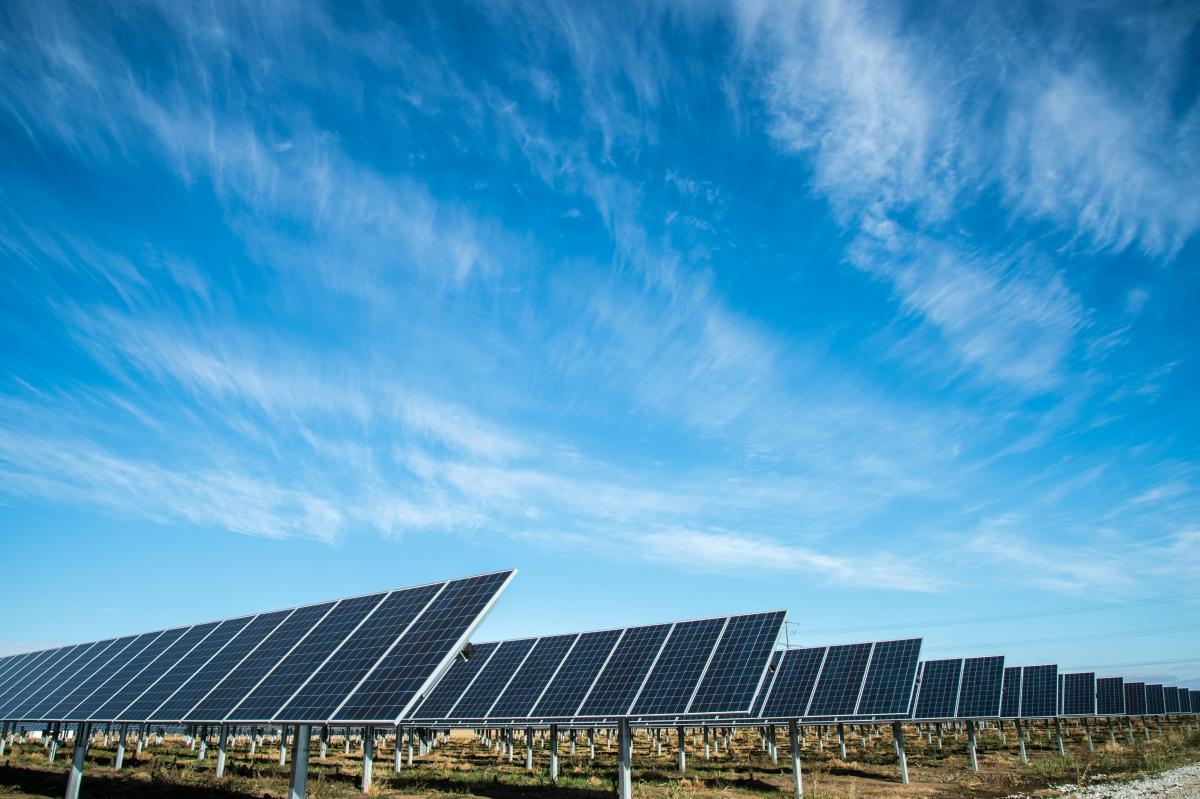
The US Department of Energy (DOE) to turn land that previously housed aspects of the Manhattan Project into a 1 GW solar farm. For the uninitiated, the Manhattan Project was a top-secret and successful effort to develop nuclear weapons during the 1940s.

This particular renovation is being conducted at the former home of the Hanford nuclear testing facility, otherwise known as Site W, which is in Washington state. This site housed the world’s first full-scale plutonium production reactor. Plutonium made at this location and the Fat Man bomb that was dropped on Nagasaki, Japan.

The location certainly is intriguing, but so is the transformation project. This 580-square mile section of semi-arid desert could end up housing the largest solar project in the country, if built to the announced capacity. This record currently belongs to the in California, which generates 875 megawatts of solar power.

The DOE has teamed up with Hecate Energy to repurpose the 8,000-acre site. This is part of the Biden-Harris administration’s that launched last year. This program is tasked with repurposing DOE-owned land for clean energy generation. This program has already added around 90 GW of solar capacity to the grid, which is enough to power 13 million homes.

This isn’t quite a done deal yet. The DOE and Hecate Energy still have to negotiate for a realty agreement and the government could cancel these negotiations at any time.

This is good news, but we still have some catching up to do with regard to Europe. The US produces around via solar, but the EU . However, trends are moving upward in both regions.