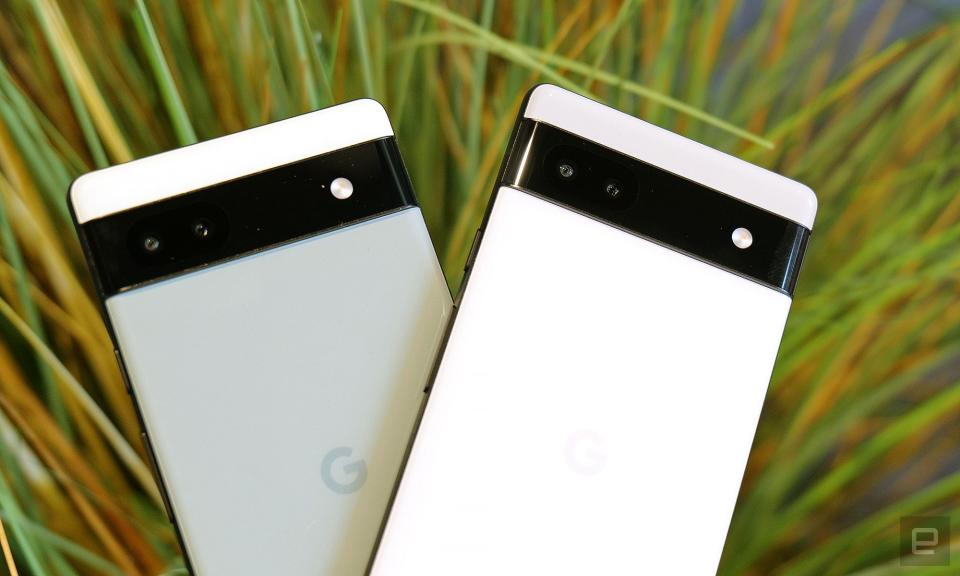
Google’s Pixel 6a has been a winner in many respects, but a new issue with the smartphone’s battery may pose a safety concern. After Android Authority reported on a pair of instances where a Pixel 6a battery overheated to the point where the device caught fire, the publication spotted some details in the latest Android 16 beta indicating that as a precaution, the Pixel 6a battery capacity and charging speed will be reduced. In addition, Android Authority received this statement from Google:
A subset of Pixel 6a phones will require a mandatory software update to reduce the risk of potential battery overheating. The update will enable battery management features that will reduce capacity and charging performance after the battery reaches 400 charge cycles. We’ll contact impacted customers next month, with all the information they need to address the issue.
The Pixel 6a is due to receive software support until July 2027, but it’s just the latest entry in this device line to have battery problems this year. In January, Google rolled out an update that reduced battery life of the Pixel 4a to increase stability for the 2020 phone model. Then in April, the company launched a program of repairs and payments after some instances of batteries “swelling” in the Pixel 7a.
Apple announced a lot of new features in today’s WWDC stream, but news from one follow-up meeting heralds the end of an era. MacOS 26, also known as macOS Tahoe, will be the last version of the operating system to work on Macs powered by Intel Processors. Tahoe-supporting Intel Macs will get full access to all the new features, and they’ll still get security updates for the next three years. By 2028, though they’ll be out of the Apple ecosystem.
The first Apple Silicon processor launched in 2020. Since then, Apple has run all its hardware on its own Apple Silicon microchips, which are significantly more powerful than the Intel chips it had been using for most of the millennium. Apple Silicon’s ARM-based architecture can perform more operations and use less battery power than the x86-based Intel processors. Many Intel-powered Macs have already aged out of updates, but today’s update puts an expiration date on the last survivors.
The announcement, which came during a Platform State of the Union (SOTU) following the main WWDC event, was aimed primarily at app developers. Apple is encouraging developers to plan for the post-Intel era and ensure the migration is as smooth as possible for themselves and their users. Both macOS 26 and the planned next version, macOS 27, will include the Rosetta translation process, which helps apps built for x86 run on ARM. After 27, Rosetta will remain in place to support legacy video games.
Intel-powered Macs that will support Tahoe include the 2019 16-inch MacBook Pro, the 2020 13-inch MacBook Pro, the 2020 27-inch iMac and the 2019 Mac Pro.
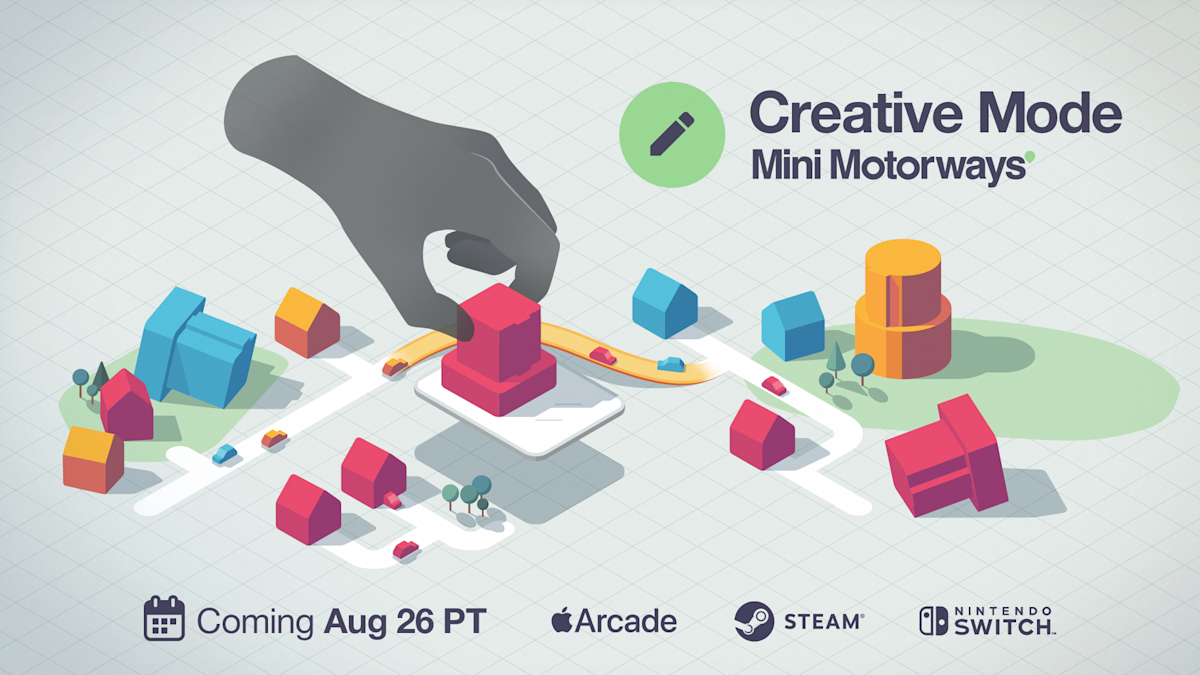
During a showcase at Summer Games Fest, developer Dinosaur Polo Club announced that it will be adding a creative mode to Mini Motorways. The new mode will be available in a free game update coming to Apple Arcade, Steam, and Nintendo Switch on August 26, so you can get imaginative on whatever platform you’ve been playing this excellent strategy game.
Like its predecessor , the core gameplay of Mini Motorways has a lot of calm, meditative elements in the experience of placing those first few roads. But as your city grows and the street network gets more convoluted, things can turn hectic real quick. And if you’re like me, you’ve definitely run out of road tiles because you just couldn’t stand making painfully illogical city plans. Creative Mode offers the welcome option to focus on aesthetics, letting players recolor, move and pivot houses and destinations to develop a city with more order. Or with more chaos, you do you!
Belkin is best known for high-quality smartphone accessories, but just like everyone else, it appears it has a case of Nintendo Switch 2 fever. The company has announced that it will be selling several Switch 2 accessories in time for the console’s launch, including screen protectors and a charging case that comes with a power bank.
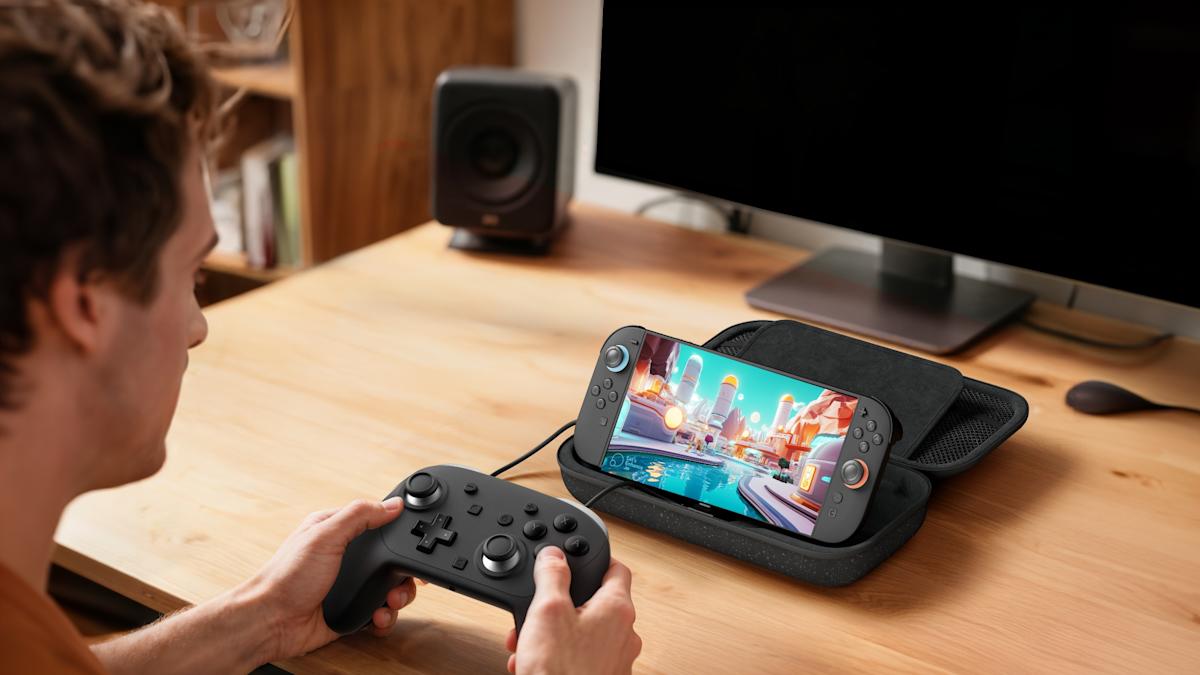
The Charging Case for Nintendo Switch 2 is the thicker of Belkin’s two case options, primarily because it has a designated spot for an included 10K external battery. The case also includes a flap for storing Switch 2 game cartridges, a hidden pocket for slotting an AirTag so you can track the case if it’s lost and slots on either side of the battery for cables and other accessories. When you need to prop up your Switch 2 with its kickstand while it’s charging, there’s also a groove in the case that’s specifically designed to hold it.
Belkin
If you’re looking for something more compact and portable, the Travel Case for Nintendo Switch 2 is only moderately thicker than the console itself. Like the charging case, the travel case includes a built-in sleeve for Switch 2 game cartridges and a spot to hide an AirTag. It also has a built-in handle and a wrist strap so you have multiple ways to carry it when you’re out and about.
For an extra layer of protection, Belkin is also selling two different screen protector options: a Tempered Glass Anti-Reflective Screen Protector and a Tempered Glass Blue Light Screen Protector. Both will shield your Switch 2’s screen from major scratches and can be applied in a few steps. In the case of the blue light screen protector, Belkin is also claiming that it’ll help reduce eye strain if you use your console for an extended period of time. Whichever you pick, just don’t remove the Switch 2’s pre-installed protective film before you apply.
All of Belkin’s new accessories are available to order today from Belkin’s website and Amazon. You can get either the Charging Case or Travel Case in gray, tan or green, and the cases cost $70 or $30, respectively. The Tempered Glass Anti-Reflective Screen Protector costs $25 and the Tempered Glass Blue Light Screen Protector costs $30.
If you buy something through a link in this article, we may earn commission.
Snapchat has been experimenting with generative AI-powered augmented reality lenses in its app for the last couple years. Now, the company is allowing users to make their own with a new standalone app for making AR effects.
Snap is introducing a new version of its Lens Studio software that allows anyone to create AR lenses through text prompts and other simple editing tools, and publish them directly to Snapchat. Up to now, Lens Studio has only been available as a desktop app meant for developers and AR professionals. And while the new iOS app and web version aren’t nearly as powerful, it offers a wide range of face-altering and body-morphing effects thanks to generative AI.
“These are experimental new tools that make it easier than ever to create, publish, and play with Snapchat Lenses made by you,” the company explains in a blog post. “Now, you can generate your own AI effects, add your dancing Bitmoji to the fun, and express yourself with Lenses that reflect your mood or an inside joke–whether you’re on the go or near your computer. “
Snap gave me an early look at the Lens Studio iOS app, and I was pleasantly surprised by how much flexibility it offered. There are AI-powered tools for transforming your face, body and background via detailed text prompts (the app also offers suggestions of the kinds of prompts that work well, like “detailed zombie head with big eyes and nose, lots of details.”)
There’s a bit of a learning curve to figuring out what works well for each type of effect, and some of the generative AI prompts can take up to 20 minutes to render. But the app also offers dozens of templates that you can use as a starting point and remix with your own ideas. You can also make simpler face-altering filters that don’t rely as heavily AI but take advantage of popular Snapchat effects like face cutouts or Bitmoji animations. (A few examples of my creations are below, both used AI to create a background I overlaid other effects onto.)
Screenshots via Snap
Snap already has hundreds of thousands of lens creators, some of whom have been making effects for the app for years. But I can easily see this new, simpler version of Lens Studio opening the door for many more. There could also be some upside for creators hoping to take advantage of Snapchat’s monetization programs: the company confirmed that users who publish lenses from the new app will be eligible to participate in its Lens Creator Rewards program, which pays creators who make popular AR effects.
A more accessible version of Lens Studio could also help Snap compete with Meta for AR talent. (Meta shut down Spark AR, its platform that allowed creators to make AR for Instagram last year.) In addition to Snapchat’s in-app effects, the company is now on its second generation of standalone AR glasses. More recently, Snap has focused on big-name developers to make glasses-ready effects, but the company has previously leaned on Lens Creators to come up with interesting use cases for AR glasses. Those types of integrations will likely require much more than what’s currently available in the new pared-down version of Lens Studio, but making AR creation more accessible (with the help of AI) raises some interesting possibilities for what might one day be possible for the company.
Jim Lanzone, the CEO of Engadget’s parent company Yahoo, joined the board of directors at Snap on September 12, 2024. No one outside of Engadget’s editorial team has any say in our coverage of the company.
Summer Game Fest 2025 is just around the corner and it’ll be a weekend packed with video game news. The event kicks off on June 6, with roughly a dozen livestreams scheduled to take place from then through June 8. Among them is the Latin American Games Showcase, which will highlight over 50 titles from Latin American indie developers. You can tune into the YouTube stream on Saturday, June 7 at 2PM ET (11AM PT).
Last year’s Latin American Games Showcase at SGF gave us a glimpse at a ton of games to be excited about, like the recently released title, Despelote, that’s both memoir and soccer game. We don’t know yet what the 2025 showcase will bring, but there’s sure to be some gems. Before the Latin American Games Showcase on Saturday, Summer Game Fest Live will usher in the festivities on June 6 at 5PM ET (2PM PT).
We have all the info you need to know right here ahead of Summer Game Fest and will be on the ground getting some hands-on time with many of the games you’ll see featured in the showcases, so be sure to check back in for the latest news.
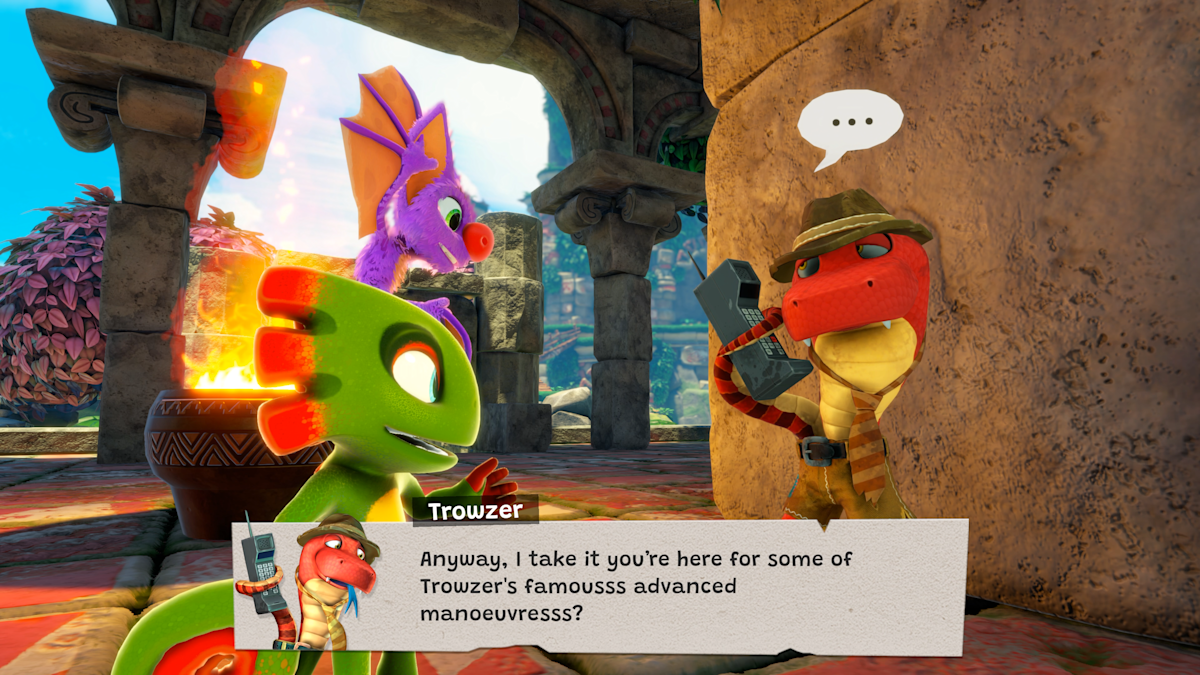
Playtonic, the creators of Yooka-Laylee, is laying off some of its staff, the developer and publisher announced on social media. The post doesn’t mention how many members of Playtonic will be effected, but does credit the layoffs to the company’s struggle with “a period of profound change in how games are created and funded.”
Based on a LinkedIn post shared by Playtonic brand manager Anni Valkama, the layoffs include staff members who worked in production, various art departments, game design, narrative design and UI/UX design. Playtonic only lists around 50 staff members on LinkedIn, but given the studios growth into a publisher and its upcoming release of Yooka-Replaylee,its possible the actual team is a bit larger.
To view this content, you’ll need to update your privacy settings. Please click here and view the “Content and social-media partners” setting to do so.
While Playtonic likely isn’t safe from the problems of funding and selling games that other developers have, hiring up for a new project like Yooka-Replaylee and then laying those new hires off before the game is released is a fairly common practice. There’s no way to know if that’s the case here without more information, but it’s worth stating.
Yooka-Laylee was pitched as a spiritual sequel to Banjo-Kazooie and other character-focused action-platformers when it debuted on Kickstarter in 2015, perhaps unsurprising given that Playtonic was founded by former developers from Rare, the creators of Banjo-Kazooie and newer hits like Sea of Thieves. In fact, many of the games Playtonic has published under its “Playtonic Friends” publishing label fall in that Rare sweet spot, whether its the cute action-adventure game Lil Gator Game or the difficult platformer Demon Turf.
Anthropic is continuing to trickle down features to its free users. The latest one to make the leap out of subscriber-only mode is web search, which the company to its AI chatbot Claude in March. According to Anthropic, connecting Claude to the web allows it to deliver more accurate responses based on the most up-to-date information available online. This feature is available to all Claude users starting today.
In addition, Anthropic has begun beta tests for voice mode on its mobile apps. This option lets users interact with Claude in natural conversations in an expansion of the platform’s existing dictation tools. There will be five voice options available to assign to Claude, and the AI assistant can provide full transcripts and voice mode summaries after a conversation.
May has been a busy month for Anthropic, which just launched last week. Opus 4 is a powerful coding-focused system that can use multiple tools in parallel and can run for several hours at a time, while Sonnet 4 is a hybrid reasoning model designed to move between quick queries and more complex ones. The current beta testing of voice mode will default to Sonnet 4.
The FAA last week cleared SpaceX’s Starship to fly again after concluding its review of the previous flight, which ended in an explosion, and the next test could now take off as soon as Tuesday. SpaceX is eyeing May 27 for Starship’s ninth flight test, with a launch window opening at 7:30PM ET (6:30PM local time for the Texas Starbase). This launch will mark the first time SpaceX reuses a Super Heavy booster; the booster for flight nine previously flew with Starship’s seventh flight test earlier this year. While single-use parts have been replaced, SpaceX says it’s reusing 29 of the booster’s 33 Raptor engines.
As always, viewers at home will be able to watch along by tuning into the livestream, starting about 30 minutes before Starship launches. That will be available on SpaceX’s website and in a broadcast on its X profile.
To view this content, you’ll need to update your privacy settings. Please click here and view the “Content and social-media partners” setting to do so.
SpaceX conducted Starship’s eighth flight test back in March, but the vehicle ran into some issues a few minutes after launch. The Super Heavy booster was able to return to the launch site after separation from the upper stage and be successfully caught by the tower’s “chopstick” arms, but as for the ship itself, several Raptor engines shut off, causing it to tumble and ultimately blow itself up.
SpaceX says the issue was likely due to “a hardware failure in one of the upper stage’s center Raptor engines that resulted in inadvertent propellant mixing and ignition.” It’s since made some changes to prevent that from happening again. SpaceX said in an update on May 22 that “engines on the Starship’s upper stage will receive additional preload on key joints, a new nitrogen purge system, and improvements to the propellant drain system.”
For flight nine, the Super Heavy booster won’t return to the launch site, but will instead splash down in the ocean. The Starship upper stage will attempt to deploy eight Starlink dummy satellites, and SpaceX is otherwise looking to this flight to test “several experiments focused on enabling Starship’s upper stage to return to the launch site.”
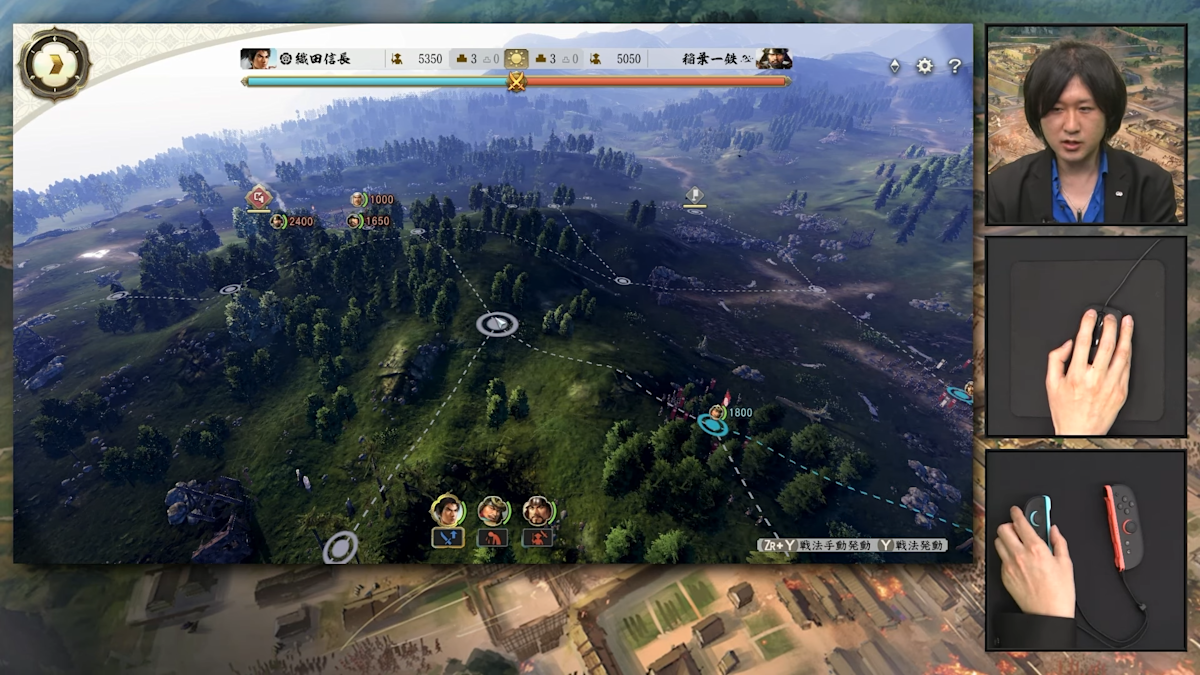
The Switch 2’s Joy-Con “mouse” has some competition. At least one launch game for Nintendo’s new console includes USB mouse support. Nobunga’s Ambition: Awakening CE lets you plug in a traditional pointing device and get down to business. According to developer Koei Tecmo, the mouse will “work seamlessly.”
Nobunga’s Ambition will let you switch between controller and USB mouse on the fly. “Once you connect the USB mouse, a message will appear in the top left indicating that the mouse is connected,” Michi Ryu said in a video (translated from Japanese). “When the USB mouse is connected, it takes priority over the Joy-Con 2. As you can see, you can switch instantly. It’s very smooth.”
To view this content, you’ll need to update your privacy settings. Please click here and view the “Content and social-media partners” setting to do so.
So, what does that mean for other mouse-friendly Switch 2 games? Civilization VII, another launch title, comes to mind. We emailed 2K Games to ask and will update this story if we hear back.
To be fair, the Switch 2’s Joy-Con mouse support is solid. Engadget’s Sam Rutherford was pleasantly surprised with it in his hands-on. Still, it’s nice to have options. (And let’s be honest, a real mouse will be hard to beat.)
Although it wasn’t a well-known fact, the original Switch also supported USB mice. For example, Nintendo’s visual programming tool Game Builder Garage worked with them. But the number of games supporting the Joy-Con mouse makes it a bigger deal on the Switch 2.