Designing Attractive Cosmetic Packaging & Beauty Packaging for Your Company’s Brand


Luxury cosmetic packaging design is key to staying on top of the game in today’s cutthroat beauty industry. However, there is more to cosmetic packaging design than aesthetics alone. The packaging design of your cosmetic and beauty products influences your consumers’ perceptions, establishes your brand’s identity, and bolsters your business’s sales. You might have also noticed how influencers usually highlight the packaging design when reviewing products, which is proof of how important it is for any cosmetic and beauty company or brand out there. 

In a market where visuals are the name of the game, cosmetic packaging design companies can help you create a good initial point of contact between your brand and your target audience to leave an excellent first impression that will last a long time. Some of the most critical elements of packaging design include branding, imagery, typography, and color. 

Cad Crowd has worked with some of the best design firms, big and small, to create packaging that their customers will love and be proud of. This article aims to serve as your guide in designing attractive cosmetic packaging & beauty packaging for your company’s brand:


:rocket: Table of contents


RELATED: New product packaging design & why it’s important for product designers

Key elements of effective cosmetic packaging design 

Effective cosmetic packaging design relies on important elements that can influence consumers’ perception of your product. These elements include the following:

  1. Branding

You can reinforce your brand’s unique identity if your luxury cosmetic packaging design prominently displays the message and logo of your brand. A 3D logo design professional can help with designing a logo that resonates with your story and the brand message you want to convey. You have to ensure that all your products use uniform branding to encourage brand loyalty. 

  1. Color

Carefully selected colors can evoke the right emotions. Your choice of hues and tones will also significantly impact the appeal of your product. To create a more solid visual connection, you need to choose colors aligned with the identity of your brand and its target audience. Neutral colors and minimalism are modern trends that use color and create a chic vibe. 

RELATED: Create better packaging designs for cosmetic and beauty product companies

  1. Imagery

Topnotch imagery is critical to convey the benefits of your product and improve its visual appeal. The use of imagery allows brands to forge an emotional connection with consumers. State-of-the-art cosmetic packaging design solutions can easily integrate with elements like QR codes to further engage customers and offer interactive experiences. 

  1. Sustainability

As society becomes more conscious of different environmental problems, more and more businesses are hiring packaging concept designers that focus on using eco-friendly materials and practices. Brands can use sustainable materials to connect with consumers conscious about making more eco-friendly choices. 

  1. Typography

Legible and clear fonts can improve product communication. Brands can further strengthen their identity and recognition if they maintain consistency in typography across various products. 

RELATED: Company beauty and cosmetic packaging designs that are designed for sustainability

branded cosmetic packaging designs

Effective tips for luxury cosmetic packaging design

You have probably seen how consumers go gaga with almost every cosmetic product launched by their favorite brands. But the harsh truth is that it is never a simple walk in the park. It takes a lot of hard work to develop a massive number of loyal ambassadors for your brand. Cosmetic packaging design is a big thing, which makes it a critical component for branding. In a lucrative industry like beauty and cosmetics, businesses are more than willing to spend millions of dollars annually for their marketing campaigns. 

As such, it is all too easy to be overwhelmed by recognized companies whose who have been able to establish their brand names as a household name for consumers. If you want to make it big in this dog-eat-dog industry, your cosmetics and beauty company must know how to stand out from your competitors. Careful and proper branding through striking and effective cosmetic packaging design services is one of the best ways to entice people to check out your products on the store shelves and purchase them. 

Check out the following tips for luxury cosmetic packaging design that your customers will always recall and remember:

Use foil stamping for a luxurious effect 

One of the best ways to add a luxurious effect to your cosmetic packaging design is to use silver and gold foil stamps. These foil stamps are visually striking and have the capacity to give your products a stunning vibe. To make things better, foil stamping is very affordable but can offer a top-of-the-line feel guaranteed to catch eyes once displayed on store shelves and online websites. 

RELATED: Luxury beauty packaging and cosmetic packaging design trends for companies and firms

Take advantage of haptic appeal 

The haptic appeal of your cosmetic packaging design can influence the decisions of your target customers. Embossing can create visual intricacy by adding a new dimension to your brand’s graphics and message. When the packaging designer incorporates texture into your packaging design it can create more depth. You can also use it to highlight some of your branding elements, like your brand name or logo. 

Opt for eco-friendly packaging options

Sustainable packaging has become extremely popular now that customers pay close attention to the environmental efforts of the brands in the market. Using sustainable packaging only shows that you’re participating in the efforts to conserve natural resources by reducing waste on paper and developing packaging that can be recycled, reused, or repurposed. Pillow boxes without coating and simple tuck-end kraft boxes are among the most common structures for sustainable packaging. 

Focus on experience 

Now more than ever, brands should use every platform at their disposal to convey their message as people are fixated on their screens every single day. People will endorse and talk about your products on social media if you offer them a memorable customer experience. For example, you can package your cosmetic products in a way that will bring the buyers a sense of thrill and excitement while unboxing them. 

RELATED: Effective cosmetic packaging design tips for new and better cosmetic products companies & firms

You can also add foam or cardboard insets to separate and organize your products. It is a great way to improve the visual experience for your consumers. You can leave a lasting impression by adding branded tissue paper and thank you notes. All of these efforts show customers that you took the time to gorgeously present your products while adding a more personal touch. When it comes to product concept design services, the options are endless.

cosmetic and beauty packaging design services

Go Premium

You have to ensure that you have a uniform approach and a one-of-a-kind luxury cosmetic packaging design if the main focus of your brand is to provide premium products. Premium-quality boxes and luxury rigid gift boxes will never fail to sweep customers off their feet. These boxes are also extremely durable, and customers often love to keep them as home décor or for storage purposes, making it a win-win situation. 

RELATED: Latest 3D logo animation services cost and rates

Use your logo as the focal point 

A minimalist design can appeal to most people not fond of overwhelming and excessive details. Classic minimalist cosmetic packaging design can work. It gives customers the idea that your items are worth buying and shows them that you don’t need a lot of words to convince them to buy. A minimalist design will also emphasize the logo of your brand, featuring simple typography and using space creatively.

Keep it simple 

People tend to remember things they’ve seen according to color, shape, symbol, and words respectively. A striking but still simple cosmetic packaging design from an expert 3D designer that uses great combinations of colors can achieve excellent results. Minimalist and straightforward designs mean you can do away with the unnecessary details in your packaging that might only confuse your buyers. 

A minimalist design also has the potential to set itself apart from the rest of the products on otherwise cluttered and noisy store shelves. This offers buyers a much-needed breath of fresh air while boosting the perceived value of your brand. 

Use artwork to tell the story of your brand

Your brand’s story is what makes you, your products, and your company different from others. Creating a luxury cosmetic packaging design that effectively tells your brand story will help you connect with buyers who also believe in your advocacy and visions. 

RELATED: Tips for cosmetics packaging design & development

Opt for scented or laminated packaging 

Coated and laminated cosmetic packaging design with excellent aesthetic appeal will surely capture the attention of target customers. Adding scent and texture to your luxury cosmetic packaging design can further boost your sales. Integrating a combination of glossy and matte laminates into the elements of your cosmetic packaging design will also further create more depth and stunning appeal.  If you use and follow these tips to design attractive cosmetic packaging design for your company’s brand, you can look forward to winning over the unwavering loyalty of your customers. 

How Cad Crowd can help 

Aligning with the latest trends in luxury cosmetic packaging design can help your company come up with packaging that will resonate with your consumers and strengthen your brand presence while focusing on sustainability and practicality. Working with the best cosmetic packaging design companies will let you meet your branding goals and turn your visions into reality, and Cad Crowd has an extensive network that you can tap into.

Contact Cad Crowd today for a free quote, and we will connect you with the right company that can produce the most luxurious packaging design for your cosmetic products!

author avatar

MacKenzie Brown is the founder and CEO of Cad Crowd. With over 18 years of experience in launching and scaling platforms specializing in CAD services, product design, manufacturing, hardware, and software development, MacKenzie is a recognized authority in the engineering industry. Under his leadership, Cad Crowd serves esteemed clients like NASA, JPL, the U.S. Navy, and Fortune 500 companies, empowering innovators with access to high-quality design and engineering talent.

Connect with me: LinkedInXCad Crowd

Reduce Product Design Costs Without Sacrificing Quality with Insights from Engineering Firms


Much of the budget for developing a new product for companies goes to the design phase. From the early stage of brainstorming to the final production-ready prototype, you can spend thousands of dollars to build and revise a design; and that’s for a relatively simple, non-electronic product, like a cookware or a backpack. Anything more complicated, such as Bluetooth radio or remote control, will cost you tenfold or more. Designing a product is not cheap, but it doesn’t always mean you can’t keep it to a minimum. The thing is, you have to keep it at near-perfect efficiency every step of the way. For a lot of small companies and startups, the most practical way to achieve that is by working with an engineering firm.

And to be even more specific, the engineering firm has to have at least one professional industrial designer on the team. According to the BLS (Bureau of Labor Statistics), an industrial designer devises an efficient system where workers, machines, materials, energy, and information may work together in harmony to make products or provide services. In other words, the work of an industrial designer focuses on coordinating all factors involved in production to achieve maximum efficiency – or reducing cost whenever possible – without sacrificing quality. Quite a mouthful indeed, but you get the idea nonetheless.

Mind you that most industrial designers typically have at least a bachelor’s degree in engineering, architecture, and fine arts. The vast majority of design programs include multiple courses in CADD (computer-aided design and drafting), 3D modeling, business, industrial processes, manufacturing methods, and drawing, among others. This is where you need to practice some due diligence; not every engineering firm has an industrial designer as part of its core team. An engineering firm that specializes in architectural design would prefer hiring a Bachelor of Architecture rather than a Bachelor of Engineering. And as you would expect, you want to work with a firm loaded with professionals of the latter category.

RELATED: Important benefits of industrial product design – using industrial product design services 

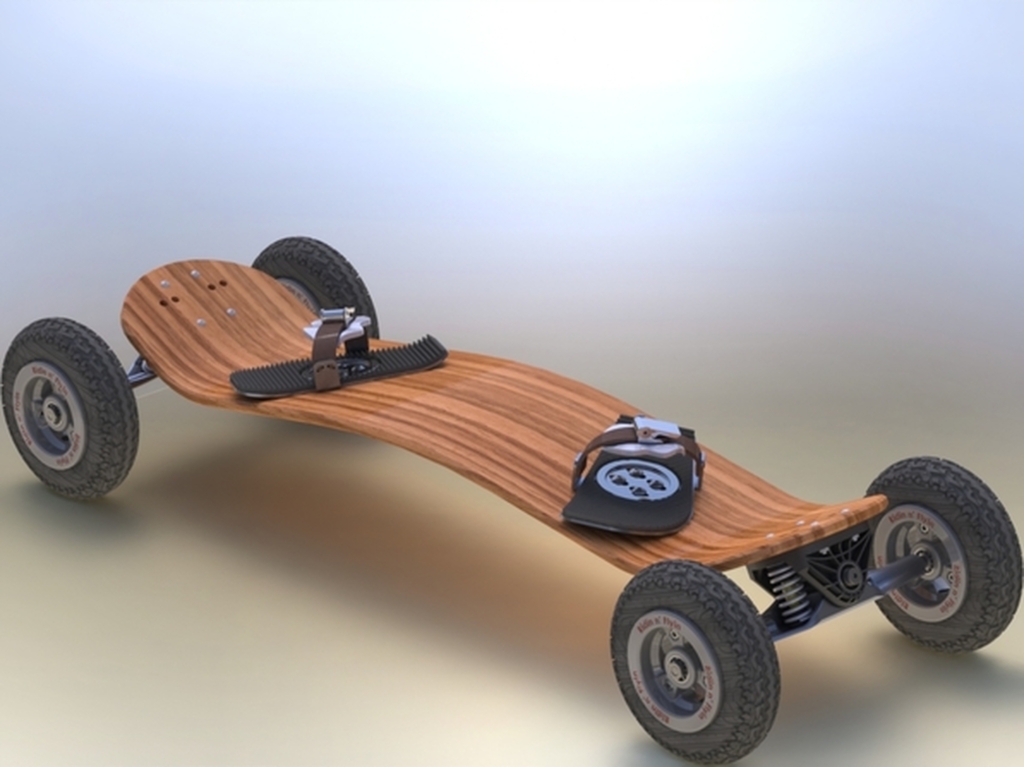
mountainboard outsourced

Note: BLS’ list of occupations can be pretty confusing, but not necessarily inaccurate, at times. For example, the bureau makes a distinction between industrial designers and industrial engineers. They are all engineers, and share similar functions within an organization. Some firms hire both, because their roles are often interchangeable. Industrial designers focus on developing new products or improving the existing ones, whereas industrial engineers hone in on creating efficient manufacturing methods.

To give you an idea of why or how industrial designers can be the defining factor in your design decision, let’s take a look at their typical roles and responsibilities in an industrial engineering firm:

  • Determine the requirements and parameters for product designs
  • Conduct research into how a product might be used and who might use it
  • Create product sketches (or CAD modeling) as visualization of design ideas
  • Produce multiple photorealistic renderings of product designs
  • Create physical prototypes
  • Examine manufacturing requirements, including materials and workforce, to determine production cost
  • Collaborate with other specialists, such as prototype makers, electrical engineers, and manufacturers to evaluate designs
  • Determine whether the materials and manufacturing process can come at a reasonable cost
  • Analyze product safety, function, aesthetics, ergonomics, and general user-friendliness
  • Present product design ideas to stakeholders/clients for approval

An engineering firm doesn’t usually mention if it specializes in any specific product category, but the industrial designers in the firm usually do. It makes perfect sense for the firm to avoid making explicit reference to the matter because there might be multiple industrial designers, each with a different specialization, working in the organization. Some of them are perhaps put in charge of a medical equipment project or home appliances, while others develop ideas for sporting goods, housewares, furniture, jewelry, and so on.

RELATED: Why companies use product design sketches during new product development and design

Regardless of the product category, industrial designers work to minimize the use of resources (which may include energy, workforce, materials, etc.) to reduce production costs as much as possible while still aiming for the best results. Their main duty in an engineering firm is to circumvent design constraints by either mitigating risks of design failures (such as removing unnecessary elements) or using them as advantages to execute minimalist design approaches.

When developing a product, industrial designers take into account how consumers might use the product and test different designs to see how each iteration looks and works. They need to figure out an effective balance between good aesthetics, functionality, durability, and overall ease of use. However, the most important thing of them all is often the target consumers’ purchasing power. It makes little sense for companies to build the greatest product ever, if it ends up being too expensive for its intended buyers. For instance, a tech development company can probably release a high-performance laptop series any day of the week, but if the product is meant to fill the market for high school students with a purchasing power of $1,000 or less, well then there’s definitely something very wrong in the design and marketing aspects of the project.

Every product is intended to fill a market gap. You can also say that a product exists because there’s a demand for it. And the market is segmented by – once again – purchasing power. Each segment contains distinct demographics, priorities, and interests. Product design services are often determined by which segment you’re targeting. You come up with a product that fills specific needs for certain groups of people. This is the main reason companies offer different product tiers. Let’s just say “good” sits at the bottom, followed by “better” in the second place, but both are under the “best” tier. Now if we refer back to our laptop example above, the “student” variant is likely the good option, whereas the business model is a step above, before finally you arrive at the high-end version at the top.

You might think that an engineering firm only does engineering stuff, and you might be right, but not entirely accurate. Industrial designers do not develop a new product design from nothing. They work with other professionals in the firm, such as manufacturing experts, market analysts, and even other engineers. An engineering firm does primarily design a product based on your specifications, but it also provides a range of other services to ensure that the end-product is profitable for your company.

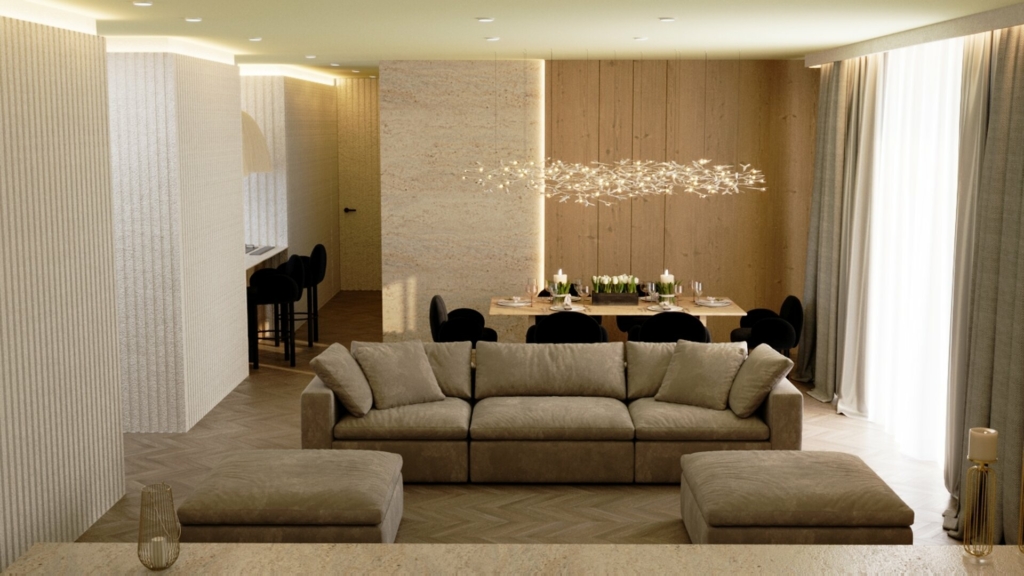
3d apartment living room outsourced

Besides offering the full range of industrial designer services as mentioned earlier, an engineering firm also performs thorough market research on your behalf. The firm typically uses various tools such as phone interviews, focus groups, questionnaires, and surveys to figure out potential buyers’ preferences and purchase history. Market research also helps determine the product’s appeal to the target demographics, existing competitors along with their price points, and trends. While it might not directly provide ideas as to how the product should be physically shaped, the data gathered from such a research give invaluable insights into the design decisions and where to position the product in the market. Some analysts also use data available from external sources, such as census and economic reports.

RELATED: How-to guide: new product design, engineering and prototyping your idea for mass manufacturing

This is how you gain a basic understanding of what products people want and at what price. Combine those insights with industrial designer’s expertise, and you get the right formula to plan for a design and aim for the desired profit margin.

Product design cost

Before you get to the final version of a product, you need to go through a lo t of different steps from ideation to evaluation, which may include safety certification, depending on the type of product. In the old days, prototyping was one of the most expensive design steps. When you work with a modern prototyping firm, almost every single design process is done on 3D CAD modeling software. Think of it as a “virtual prototyping” to test and analyze dozens or more design ideas on a computer screen.

While a physical prototype remains necessary, you won’t likely need it until you get to the final pre-production prototype iteration. Everything else before that is easily accessible and modifiable on the software. 3D modeling enables industrial designers to experiment with countless design iterations in a digital environment, where they can make use of all kinds of shapes, materials, mechanical components, colors, textures, and dimensions as needed. They can make adjustments with only a few clicks, and let the software do the rest. Whether you want to change the geometry, add/remove design elements, or reposition parts, the software can do everything for you almost in an instant. In case something doesn’t work, you can revert the changes or modify something else.

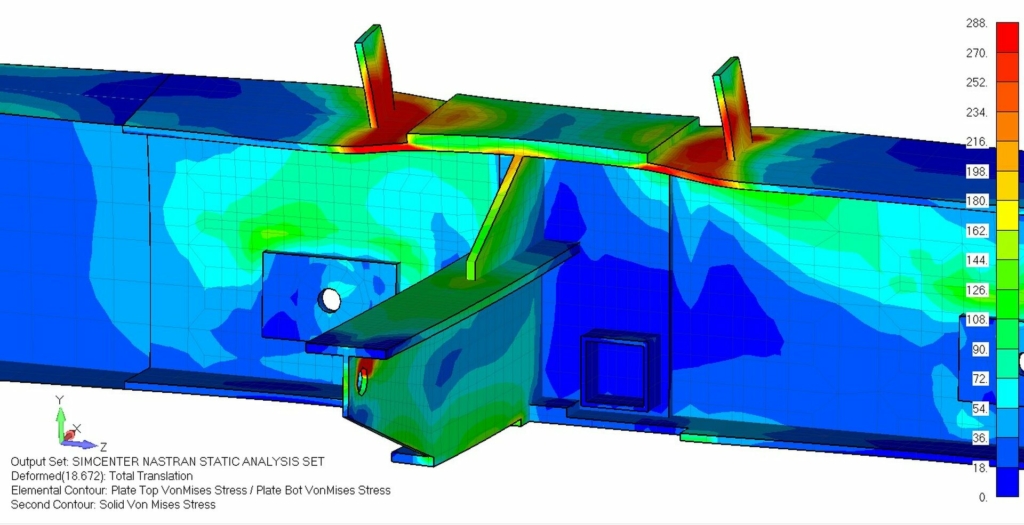
Let’s not forget that you see the design (on the screen) as a three-dimensional object. If your product is supposed to have some moving parts, or mechanical components if you like, the software can animate the model to help you see the product in action. Some programs even allow for full-fledged simulation for FEA, load cases, etc. In general, 3D CAD modeling and simulation software removes the need for physical prototype analysis. Another good thing about advanced CAD software is that you can configure it to calculate the cost of materials based on the model. It’s also easy to replace one material with another to see the difference in production cost. And because it’s automatic, the likelihood of inaccuracy is virtually zero.

RELATED: New product development and design: should your company work with a product design team?

FEA Girder for outsourcing

How Cad Crowd can help

For more than 15 years, Cad Crowd has been working to connect companies, big and small, as well as startups and individual clients with some of the most reputable engineering firms in the country. Whether you plan to create an electronic product, furniture, home appliances, hi-tech drones and everything else in between, Cad Crowd has just the right engineering firms to optimize your design process efficiency.

Get a free quote to create the most engaging products today.

author avatar

MacKenzie Brown is the founder and CEO of Cad Crowd. With over 18 years of experience in launching and scaling platforms specializing in CAD services, product design, manufacturing, hardware, and software development, MacKenzie is a recognized authority in the engineering industry. Under his leadership, Cad Crowd serves esteemed clients like NASA, JPL, the U.S. Navy, and Fortune 500 companies, empowering innovators with access to high-quality design and engineering talent.

Connect with me: LinkedInXCad Crowd

Casework vs. Millwork Design: A Detailed Breakdown for Freelancers and Architectural Firms


One area in interior architecture and design is usually lost in translation. It relates to the difference between casework and millwork, which can be confusing due to commonalities. In essence, these two terms consist of two essential elements involved in the construction and interior design but provide quite different uses and require more skill in specific applications.

Knowing such points could better help freelancers as well as architectural companies on projects by specifying tasks more effectively, selecting the material to use, reducing efforts for implementing designs, and achieving the best cooperation ultimately.

This article digs deep into the distinctions between casework and millwork services , including their uses, design implications, costs, and best practices for integrating each into commercial and residential projects.


:rocket: Table of contents


RELATED: What casework shop drawings are and why architectural design services use them

Defining casework and millwork: essential differences

Casework and millwork are part of the construction and design vocabulary, especially in interior architectural services. However, they refer to two different approaches to built-in furniture and fittings:

Casework

Casework is those modular, box-like elements that can be mass-produced and assembled on-site or prefabricated off-site. The term is also closely associated with cabinetry and other storage solutions.

Some of the key examples of casework include cabinets, bookcases, drawers, shelving units, and other types of storage. Most of the casework elements usually come in standard sizes, hence it is easy to produce them in large quantities and many different designs.

Casework is usually freestanding or semi-permanent, being removable or replaceable with no effect on the architecture of the space.

Millwork

Millwork is custom, handcrafted pieces typically constructed in a mill and then installed permanently within a building. It includes woodwork and trim that gives buildings their aesthetic character, including moldings, baseboards, window casings, staircases, and paneling.

Unlike casework, the elements of millwork are mostly custom-designed for a given space and most have some intricate details that feature to define the overall architectural style.

Millwork is normally installed as part of a permanent feature of the interior structure, hence providing an integral role in defining the character and layout of the room.

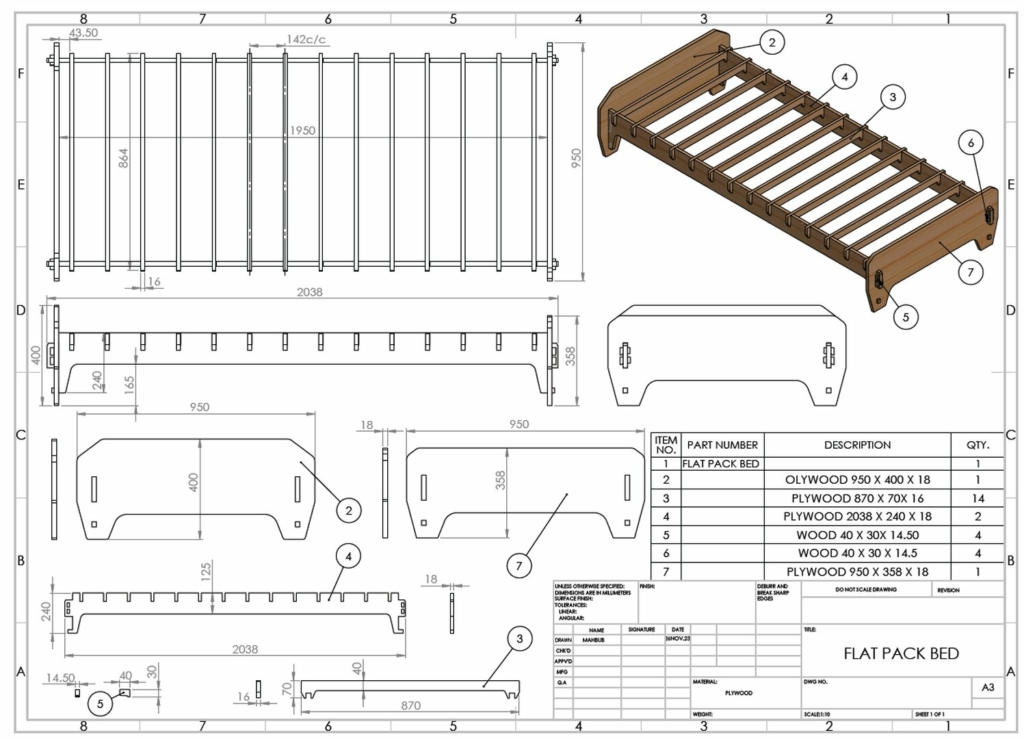
drawing flat pack bed plan

RELATED: Millwork drawings for drafting and design: complete cost, rates, and fees for firms and companies

When to use casework vs. millwork in design projects

This is, of course, useful for both freelance designers and architectural firms to learn when to use casework versus millwork so an effective project management system results in a consistent design outcome and cost-effective means for execution. Consideration shall be made for:

Scale and scope of project

It is much more ideal and beneficial for projects wherein they need functional storage to take place which may be quickly built and installed in the site. For large-scale projects, it has found itself to be able to execute consistency for many rooms and locations by casework approach.

Millwork excels at designs that are defined by aesthetic detail and customization. Luxury residential projects or high-end commercial spaces frequently utilize millwork to introduce unique features such as unique moldings or custom wood paneling.

Customization requirements

Millwork is perfect for spaces that demand some distinct character or architectural cohesiveness because it is in its very nature custom. This creates alignment with most clients’ specific design preferences.

Casework is a cost-effective and feasible option in case customization is not such an issue. However, nowadays most manufacturing firms provide semi-custom casework that balances the degree of personalization with the requirements of keeping the costs within limits.

Time constraints

Casework is a prefabricated product and, hence, it can be manufactured and installed much faster than custom millwork, which is essentially about intricate craftsmanship and lengthy lead times.

In case of tight deadlines, the freelancers and firms look for casework to complete within the deadline. In case a project demands detailed design and if there is enough time in hand, millwork would provide a unique character with longevity.

Budget

Casework is always cheaper than millwork due to standardization in the production process. In the case of budget constraints, casework can offer a more realistic solution with functionality intact but without compromising the quality.

Millwork costs more as this is the work custom to each other, and usually with high-value woods or any other kind of design desired, making it pricey but for all luxury jobs and to acquire an atmosphere in those places or designs required; this one may pay some more amount for this to last a long time as the same.

RELATED: How architectural millwork design and drafting services can easily achieve company success

Materials and finishes: what is best?

Understanding which of the materials to use on casework and millwork best realizes your goals, whether durability and style or both, would be the most effective outcome.

Casework materials

Casework is typically constructed of very rugged yet cost-effective materials used most of the time such as MDF (medium-density fiberboard), particle board, and plywood, often topped off with laminate, veneer, or melamine.

Strength, low cost, and maintenance-friendliness mark these material types, being used in mostly high-traffic areas: kitchens, bathrooms, and offices.

Solid wood or high-end veneers may be used in high-end casework, but these are expensive and add much to the cost.

Millwork materials

Millwork is typically constructed of solid wood, though the most common woods used are oak, walnut, mahogany, and cherry. These woods provide a beautiful yet durable result.

Finishing millwork may include staining and varnishing, but more elaborate finishes can involve hand-carving or painting depending on the finish that will be used.

High-quality millwork also has treatments to accentuate the natural characteristics of wood. These are either glossy or matte finishes that play with the grain.

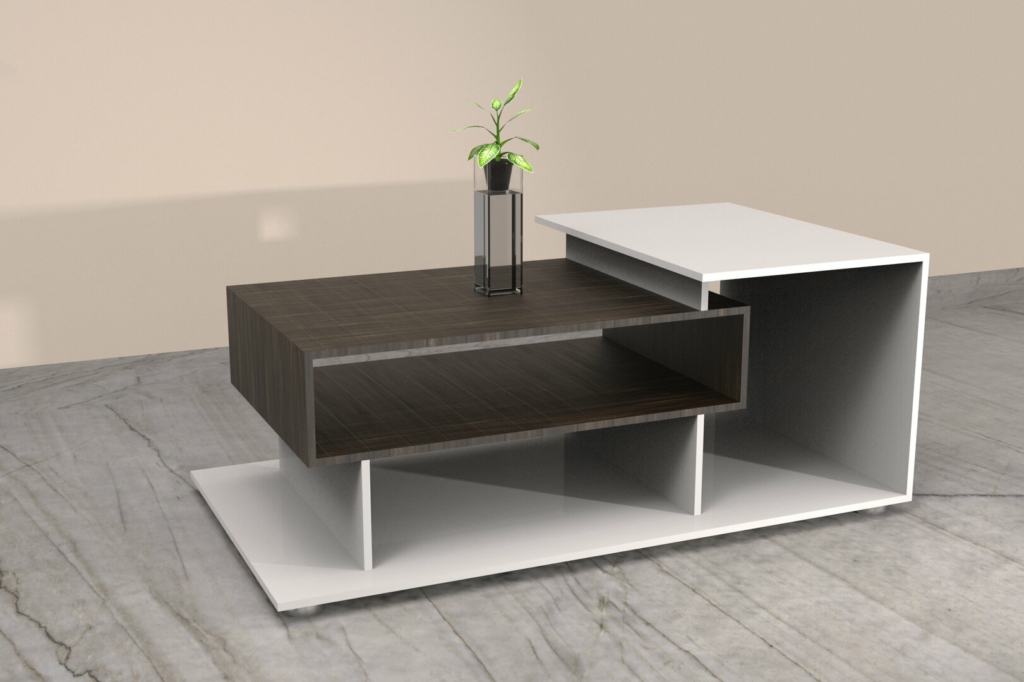
coffee table

RELATED: Hiring freelance woodworking drafting and design services: All you need to know

Cost comparison: what freelancers and firms should expect

Casework and millwork are not the same regarding material, labor, customization, and installation.

Casework costs

Casework is generally cheaper, primarily in its modular manufacturing. Cost per unit will vary by materials, finish, and manufacturer.

The most basic types of casework average $100-$500 per unit for a prefabricated design. The cost of custom is higher than this but less expensive than millwork.

Millwork prices

Millwork is custom-made in nature, hence it requires more budgets. Labor is a very high-cost component because millwork involves skilled artisans to make complicated designs.

Millwork can be pretty expensive. Decorative molding services and custom cabinetry can run into thousands. However, millwork has long-term value in terms of its quality, durability, and timeless appeal.

Installation techniques: tips for seamless execution

Installation methods of casework and millwork show their differences in use and permanence in a design project.

Installing casework

The installation of casework is not that complex since the units are designed to standard measurements and can be installed on walls or floors without difficulty.

The modular system has the advantage of speedy installation, which is also the case in commercial establishments, where uniformity and saving time are of the essence.

Installing millwork

Millwork installation requires exactness as each part is built to fit into a room. It usually is undertaken by specialists like skilled woodworkers or millworkers; thus, each component finds its way perfectly within the design and architecture of the room well.

Because it does not readily come out, millwork must be very well contemplated during the design stage as a function of other architectural components that have to do with walls, ceilings, and flooring.

RELATED: Fabrication shop drawing services: all you need to know

In the contemporary design landscape, casework and millwork share the spotlight:

Current trends in casework tend toward lines that are smooth and sleek, with a focus on Scandinavian or modern-industrial aesthetic appeal, including clean lines, recessed handles, and matte or semi-matte finish.

Sustainable materials and finishes in casework design are increasingly being used to meet the trend for greener interior applications in both residential and commercial building projects.

Millwork is gaining popularity in luxury design with a focus on craftsmanship and artisanal quality. Modern millwork blends traditional techniques with contemporary aesthetics to create statement pieces that elevate interiors.

Dark wood tones, intricate paneling, and accent moldings are popular in residential millwork, while commercial projects often incorporate custom staircases and built-in seating that blends functionality with visual appeal.

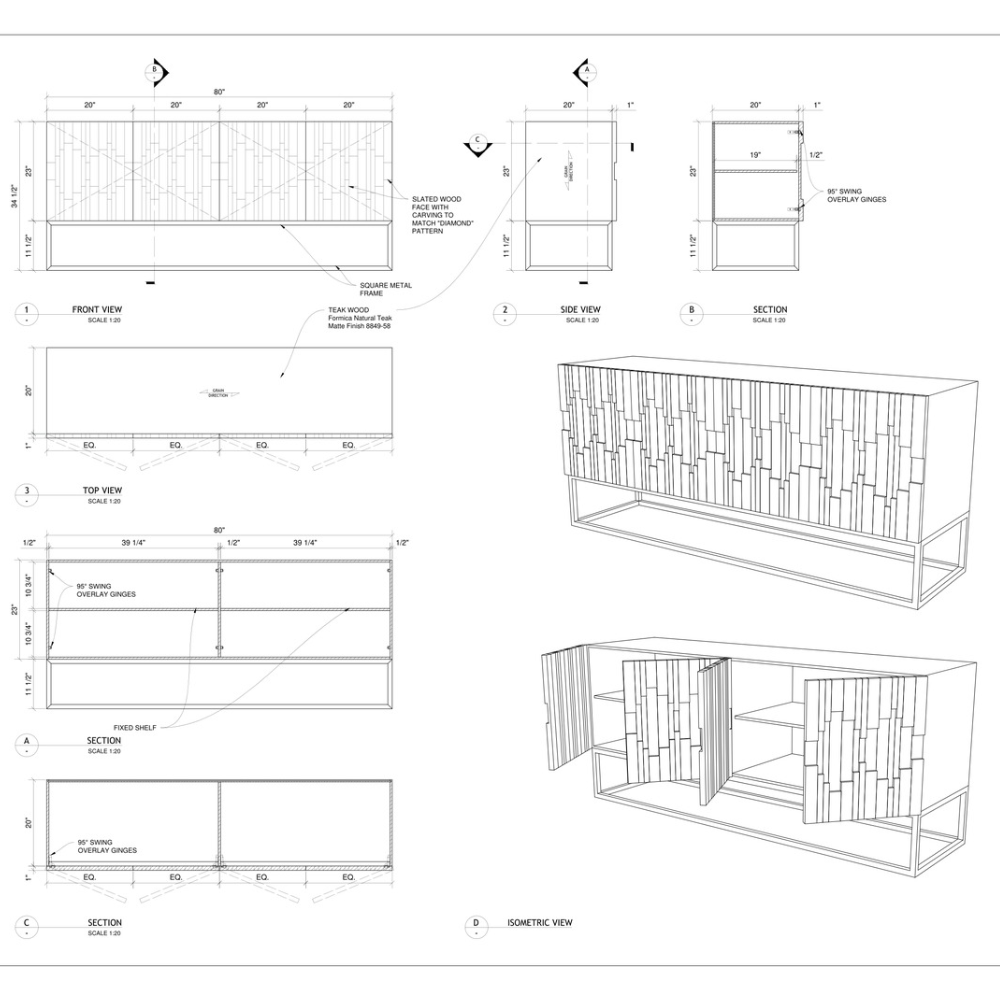
shop drawing cabinet

Choosing between casework and millwork: practical advice for freelancers and firms

For freelancers and architectural firms, the choice between casework and millwork would depend on the budget, scope of the project, and aesthetic. Here are some key tips to guide this decision:

Evaluate client needs

Determine whether the client values customization and aesthetic details, which would indicate millwork, or if they prioritize functionality and cost-efficiency, suggesting casework.

Consider project constraints

Sometimes, because of a tight timeline and budget, casework might be favored, but when the scope is more flexible, bespoke millwork elements add a personal, timeless feel.

Hybrid approach

Usually, a successful design is a hybrid of casework and millwork. For example, a storage module casework can be used, and custom millwork for a focal point like moldings, trim, or even a dramatic staircase.

RELATED: 4 Tips to improve cabinet shop drawings for manufacturing efficiency at companies

Wrapping it up

As such, it is essential for freelancers and architectural firms to achieve a balance between casework and millwork. A couple of them tend to have different benefits and cater to different design aspects functionalities and budgets. It is rather suitable for spaces with heavy flow because it is modular efficient and also budget-friendly. Millwork is that kind that requires custom elegance and durability; it usually becomes a hallmark of luxury interiors.

Yet knowing the strengths of each allows design professionals to gain from both casework and millwork when creating such functional yet visually beautiful spaces. Whether it was in crafting minute details of any custom millwork or an outfitting room with practical casework, rich possibilities now exist to transform interior spaces into lasting, powerful designs.

How Cad Crowd can help

Freelancers and architectural firms will eventually reach the point where they need to determine whether they need casework or millwork design. Good thing that Cad Crowd is here to help connect you with the best professionals in the field. Request a quote today.

author avatar

MacKenzie Brown is the founder and CEO of Cad Crowd. With over 18 years of experience in launching and scaling platforms specializing in CAD services, product design, manufacturing, hardware, and software development, MacKenzie is a recognized authority in the engineering industry. Under his leadership, Cad Crowd serves esteemed clients like NASA, JPL, the U.S. Navy, and Fortune 500 companies, empowering innovators with access to high-quality design and engineering talent.

Connect with me: LinkedInXCad Crowd

How Companies Use Design for Assembly Services for Product Manufacturing


Methodologies that will allow you to cut costs and optimize your current processes are truly godsend lifesavers, especially in this fast-paced and dynamic manufacturing landscape. This is where Design for Assembly, or simply DFA, comes in and truly enhances the processes in place.

DFA represents a significant change in how companies approach and apply modifications in the process of creating products, from the drawing board to the assembly line. By applying different methods to implement assembly practicalities and design insights, DFA brings about a bunch of benefits to improve both your manufacturing process and final products.


:rocket: Table of contents


PC Fan Assembly

RELATED: How to design effective assembly drawings for consumer products and manufacturing companies

What is design for assembly? 

Design for assembly, or DFA, is an engineering approach that simplifies product design to make the assembly process faster, easier, and more affordable. Its main objective is to reduce the complexity of the assembly process, minimize operation errors, and ensure an accurate and error-free assembly process.

Primary DFA principles

Design for assembly principles are founded on the objective of creating an error-free, cost-effective, and efficient assembly process. The following is a comprehensive breakdown of these DFA principles.

  • Design for ease of access

The main objective of this principle is to ensure easy access to the parts and a seamless assembly of the components. It reduces the risk of errors that may be due to restricted visibility or access to each part and overall view of the whole mechanism. It also minimizes potential damage to adjacent parts during the assembly and thrives on eliminating the need for specialized equipment to have a more customer or client-friendly end product.

  • Define multifunctional parts

Having parts that can serve more than one purpose incredibly enhances even the tiniest aspects and details of your product. Reduced parts can also minimize the size and weight, for example, which can be beneficial for products or projects in industries such as automotive or aerospace, where both factors greatly impact performance. It reduces the number of parts and saves money by removing the need for many specialized parts.

  • Guarantee self-locating parts

The objective is to design parts so that they can all fit together in a single orientation, making the assembly process intuitive. This minimizes the possibility of wrong assembly, which may result in product failures or faults. It also decreases the need for complex fixtures or jigs. Because of the intuitive fitting of parts together, it can also streamline the training process for the assembly workers.

This principle aims to design parts whenever possible that can be joined together without using additional tools, adhesives, or fasteners. Techniques such as interlocking designs and snap-fits are often used.

This eliminates the cost and time often associated with securing and inserting different fasteners. It also lessens the risk of missing or loose fasteners, which helps enhance the product’s reliability. This can also simplify disassembly for recycling or repair.

The purpose is to make parts easy to place, pick up, and orient during assembly. This decreases the odds of damage or errors caused by improper or excessive handling. It also improves the efficiency of the automated assembly process while reducing effort and time.

  • Trim down the number of parts

The main concept here is to minimize the number of different parts in the product. A reduced number of parts can lead to several key benefits:

  1. Faster assembly times because of fewer parts to handle and join
  2. Lesser potential points of faults or failure to improve product reliability
  3. Reduced manufacturing costs because of the lesser need for processing and materials
  4. Simplified process of procurement and inventory

The aim here is to ensure standardization of parts across multiple product ranges or products. It helps achieve economies of scale in the production of parts. It makes production more flexible because standard parts can cater to different product lines. It simplifies inventory management as it reduces the variety of parts that should be stocked.

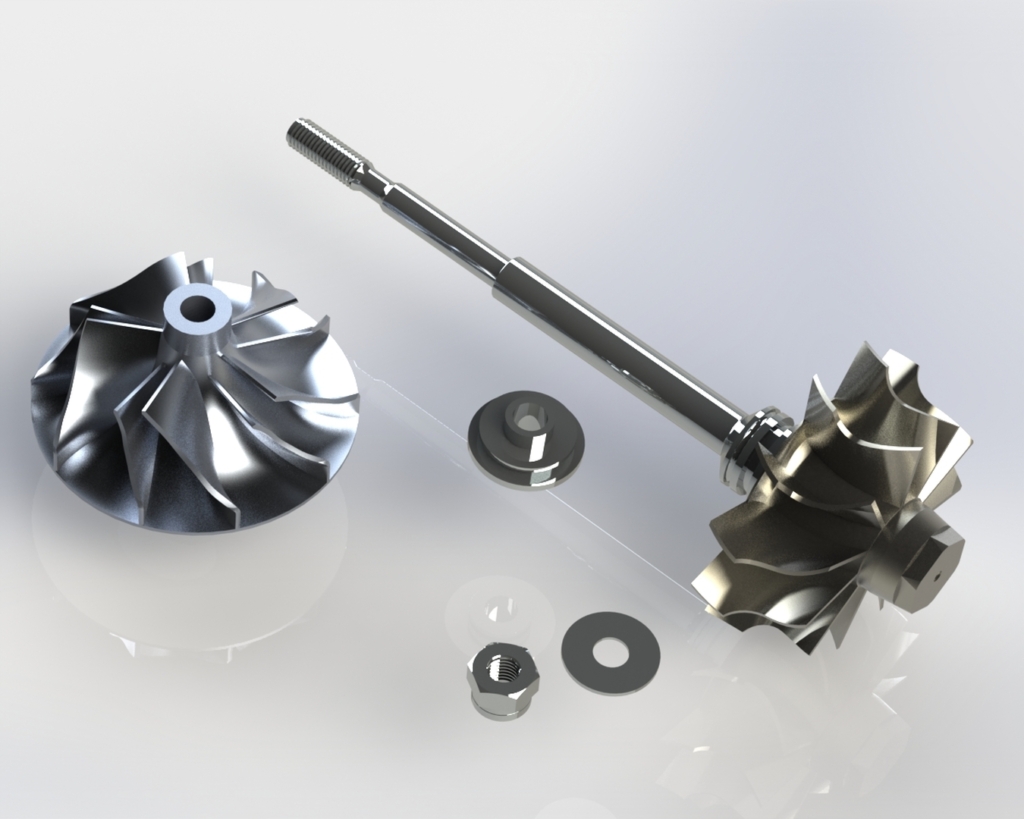
turbocharger shaft wheel assembly

RELATED: Design for Manufacturing and Assembly tips (DFMA) — Cut your product design company’s production costs

Benefits of design for assembly in product manufacturing

There is more to DFA than being a mere set of guidelines. This philosophy profoundly impacts the conceptualization, design, and assembly of products. Proper integration of DFA can offer numerous benefits both to the actual process of manufacturing and the finished product.

Cost savings

There are several areas where DFA can help save on costs during product manufacturing:

Fewer distinct parts mean more streamlined management of inventory, resulting in reduced warehousing and holding costs.

Simplified assembly procedures will result in fewer man-hours required for assembly. Decreased assembly errors can also reduce wastage and rework.

DFA can dramatically reduce the required raw materials by reducing the number of parts and using multifunctional parts.

Eco-friendly manufacturing

  • Simplified disassembly for recycling

Products made using DFA principles are usually easier to disassemble at the end of their lifecycle, which facilitates component reuse or recycling.

Fewer resources such as auxiliary materials or energy are used up during the production process when the design for ease of assembly is optimized.

Lesser quantities of components and reduced assembly errors may result in reduced wastage in terms of defective products or raw materials.

Improved customer satisfaction

The savings made possible by DFA usually allow manufacturers to provide competitive pricing that translates to value for money for consumers.

The benefit for end users of the product is not just a premium look and feel, as it also boasts excellent reliability.

Enhanced reliability and quality of products

Parts designed with assembly in mind often have a more seamless fit, resulting in a refined appearance for the final product.

A product with fewer parts naturally has fewer potential failure points, making it more reliable.

  • Reduced errors in assembly 

Since parts are designed for intuitive and easy assembly, the chances of errors during the assembly process are reduced.

RELATED: Key differences between prototyping and prototype engineering for companies & firms

Faster time-to-market

A faster assembly process means a shorter timeframe for manufacturing products ready for the market.

Decreased assembly errors will result in fewer units sent back for corrections, which can speed up the overall production timeline.

Enhanced training and worker morale

Workers will experience less frustration and a better sense of achievement when products are easier to assemble.

Temporary or new staff members can be quickly onboarded because the intuitive design can simplify the learning curve.

Increased productive flexibility

Most principles of DFA lean towards a modular design to allow easy variations or upgrades of products without the need to revamp the entire assembly process.

With the changing market demands, manufacturers can easily scale production down or up with the help of efficient assembly and standardized parts.

RELATED: Preparing your firm’s product design for manufacturing: how to streamline development and reduce costs

Modern manufacturing and DFA

Modern manufacturing is characterized by shrinking product lifecycles, a pressing need for sustainable practices, and rapid innovation. DFA has emerged as a key strategy to guide the product manufacturing and design processes amidst all these dynamics.

Here are the different ways that DFA can integrate and interact with the landscape of modern manufacturing:

  • Adaptability to changes in the market

Integrating DFA principles with modern methods such as 3D printing and 3D modeling solutions can pave the way for quick prototyping. Rapid iteration can speed up product development and ensure timely entry into the market.

Alignment with Industry 4.0

In today’s Big Data era, DFA allows manufacturers to acquire insights from the assembly data that help optimize the design for predictive maintenance and better assembly outcomes.

Smart integration

With the rise of Industry 4.0, the world of manufacturing is becoming increasingly interwoven with different digital technologies. DFA can complement this trend by streamlining assembly processes, making them more conducive to robotic assembly and automation.

Eco-conscious manufacturing

Since it’s easier to disassemble products designed using DFA principles, they can support the circular economy model by allowing effective components to be reused and recycled.

Today’s consumers have become more eco-conscious than ever, prompting manufacturers to switch to more sustainable practices. Since DFA focuses on the efficient use of resources and reduced wastage, it perfectly aligns with mandates on green manufacturing.

  • Improved consumer experience
parts for assembly

RELATED: 4 tips to improve cabinet shop drawings for manufacturing efficiency at companies

The Bottom Line

Seeing DFA as just a cost-cutting tool will only undercut its holistic effects on the manufacturing landscape. This reshapes the mindset on design, fosters a balanced relationship between manufacturers and designers, and guarantees a stand-out end product in terms of performance and quality.

With more and more industries dealing with challenges such as rapid technological advancements, sustainability concerns, and changing consumer needs, taking advantage of DFA principles offers a more proactive approach to dealing with these challenges.

How Cad Crowd can help

Embracing design-for-assemblement services for product manufacturing is no longer a mere strategic move; it is a key investment in quality manufacturing in the future. Cad Crowd will connect you with the best services that can turn your products into reality.

author avatar

MacKenzie Brown is the founder and CEO of Cad Crowd. With over 18 years of experience in launching and scaling platforms specializing in CAD services, product design, manufacturing, hardware, and software development, MacKenzie is a recognized authority in the engineering industry. Under his leadership, Cad Crowd serves esteemed clients like NASA, JPL, the U.S. Navy, and Fortune 500 companies, empowering innovators with access to high-quality design and engineering talent.

Connect with me: LinkedInXCad Crowd

Cost Analysis of Hiring RF Engineering Services: Detailed Rates and Pricing for Freelance Services


RF engineering is the back bone of the world of wireless communication since it enables devices to transmit and receive data through radio waves. RF engineering services are extremely important for many industries such as telecommunications, aerospace, defense, IoT, and much more. However, hiring RF engineering services is an investment that needs careful analysis.

This article is going to tell what a freelancer in RF engineering will cost: Major factors that determine the charging rate and usual price scales ranges together with how to best profit from your spending in it.


:rocket: Table of contents


RELATED: What certifications are used for new electronic hardware products & PCB design services?

What are RF engineering services?

RF engineers play very vital roles in the process of designing, testing, and optimizing radio frequency-based systems. Systems in various kinds of wireless networks and even satellites and radars often use systems of their nature. This also entails RF engineers.

High-class RF engineering plays a highly imperative role for the continuation of efficient communication of any telecom company or of any corporation engaged in businesses of different areas that highly rely on wireless technology.

The following are the services mainly delivered by the RF engineer:

•RF Network Planning and Design: RF engineers create networks so that coverage is maximized and interference minimized.

•RF Testing and Measurement: It measures the performance, troubleshoots problems, and keeps the signal integrity.

•Design and Optimization of Antenna: Any RF system has its backbone, that is an antenna. The RF engineers design and optimize the same to the best performance. Signal Processing: By doing signal processing, engineers clean the noise of the signal and make them noise free and clear.

• Complying with rules: The systems should be developed according to the radio regulations followed locally and internationally. Those organizations involved in the designing of products that have a need for wireless communication, such as mobile, should seek RF engineering services. Their systems will be operating flawlessly when professionally developed by RF engineers, based on the conditions of signal transference and interference together with regulation standards.

Today’s networks are much more complex and therefore need faster and more reliable connections, but with the complexities of the current networks and the problems they raise, a company will get through them much more efficiently. RF engineering outsourcing allows companies to leverage specialized resources while avoiding the expense of a full-time team and saves them money while speeding up product development with a high degree of technical accuracy.

RELATED: Cost to design a new electronic product, develop PCB hardware & prototype rates at firms

Lintratek 900 MHz Linear Yagi Antenna

Factors influencing freelance RF engineering rates

Many factors come into play in cost considerations when hiring a freelance RF engineer for any project, from the complexity of a project to experience.

Skill and experience level

Normally, the rate for an experienced freelancer with a speciality is higher. Engineers with aerospace background, defense, or telecommunications may ask a premium rate easily since their experience indicates that they are dealing with high-stake projects.

•Entry-Level RF Engineers: A person with a basic level of expertise in RF design and testing might charge between $30 to $70 per hour.

•Mid-Level RF Engineers: There should be $70 to 120 an hour for good RF design background and solid practical experience.

•Senior or Specialized RF Engineers: Experienced persons with specialty expertise, either in the satellite communications type area or the defense-grade grade systems may charge $150 to $300 an hour.

Project complexity & scope

The size and nature of the project significantly influence costs. Testing an RF job, for instance, will be much cheaper compared to a full network design and planning project. Complex projects usually involve multiple rounds of design and highly specific testing, which tends to inflate costs.

• Low-Complexity Projects: An example of this includes a testing or basic analysis. Such a project is going to cost in the order of $1,000 to $5,000 depending on the degree of detail involved.

•Mid-Range Projects (e.g., Network Design): $5,000 to $20,000; this especially depends on whether custom configurations or optimization are needed.

•Advanced Projects (e.g., Satellite or Military-Grade Systems): High-complexity projects range from $20,000 to over $100,000 because of specialized skills and longer timelines.

RELATED: Consumer electronic product design services: All you need to know about costs, rates, and prices for freelancers

Geographic location

Rates for a freelance RF engineering service will vary greatly from region to region. A North American or Western European RF engineer will charge a lot higher rates than an RF engineer in Southeast Asia or Eastern Europe.

  • North America and Western Europe: $80-$300 an hour; a freelancer may charge such.
  • Eastern Europe: usually lower rate, may charge between $40-$100 an hour.
  • Southeast Asia: The rates are more competitive in this region, depending on the comparison. Free-lancers in this region may even quote between $30 and $80 per hour.

Resources needed for equipment and software

Usually, RF engineering usually calls for complex packages with a lot of simulations, modelling and analysis software for an efficient and effective system MATLAB, CST Studio suite or Ansys HFSS just to mention a few. A freelancer having licenses for such software packages would include that cost in their charges, especially if such software is required for the specific project.

Breakdown of cost components in RF engineering services

Knowledge of the different cost components in a typical RF engineering project can enable better budgeting. The main cost components are:

Consultation and initial assessment

The first phase of consultation or assessment is meant to establish the scope of the project and determine the specific needs. Others add it as a supplement for a specific sum, while others charge it in the price per hour.

Design and planning

Most of the RF engineering project time is taken up by the design process. It comprises a complex arrangement of system layout, modeling and resolving technical issues

  • Per hour rate: $70-$150.
  • Project-Based Rate: This process costs about $3,000 to $20,000 for projects in the middle to big category.

Testing and optimization

After the design is complete, RF engineers test and optimize the system to ensure that all parts of the systems are working properly and comply with regulations. Testing becomes complex because the location might be complex, equipment may be limited, and interference factors.

  • Hourly rate: $80–$200.
  • Project-based rate: In most cases, testing phase costs between $2,000 and $10,000.

Ongoing support and maintenance

Some RF engineers include ongoing support within their packages, especially in case a project requires updates or follow-up monitoring over time. This is normally quoted as a monthly retainer.

  • Typical monthly retainer: $500–$5,000, depending on the scope of work and level of support required.

RELATED: Enhancing the aerospace industry: Exploring 3D printing applications for companies 

RF transmitter deconstructed

Freelance RF engineering rate ranges by service type

To provide more clarity, here is a general listing of the most common types of RF engineering services with their associated rate ranges:

Service Hourly rate ($) Project-based rate ($)
Consultation & planning $50–$150 $500–$5,000
Network design $70–$180 $5,000–$20,000
Antenna design $80–$200 $3,000–$15,000
Signal processing $70–$200 $1,500–$10,000
Testing & troubleshooting $80–$250 $2,000–$10,000
Ongoing maintenance $50–$100 per month $500–$5,000 per month

Tips to maximize value when you are hiring a freelance RF engineer

You are hiring a freelancer for RF engineering at your end, but hiring this may be cheaper in comparison to hiring the whole service engineering firm. However, while you hire the freelance engineers, it is vital to maximize your value. Some tips are listed below:

Defining project requirements

Clearly outline the project specifications, aligning with the freelancer. This lack of clarity in the project may result in scope creep as costs escalate.

Select the best freelancer for your project

All RF engineers may not be skillful equally. Perform background checks for anyone you plan to hire as freelancers and see his or her portfolio and experience by matching them up with your requirement. Some useful resources from which one can acquire the right kind of RF engineers to work on his project are the websites Upwork, Freelancer, LinkedIn, etc.

Use fixed-price contracts if the projects defined well.

On a well-defined project, choosing a fixed-price contract as opposed to an hour-rate is easier to estimate in cost. This is quite viable when the scope of the project is defined and should not change.

Contingency budget

The complexity of the RF projects arises at unexpected times to necessitate more time or resources. Always have a contingency budget; it should comprise about 10-15% of the whole cost of the project.

Discuss long-term maintenance options upfront

RF systems tend to need to be fine-tuned or adjusted as the need arises. Ensuring to get ongoing support right away may be less expensive than negotiating further service contracts in the future.

Wrapping it up

Freelance RF engineering services provide the flexibility and expertise that many businesses need for their projects, from adding network coverage to new wireless products or RF testing. Such services incur varying rates, with experience, project complexity, and location possibly determining the cost. Awareness of such pricing dynamics and resultant project requirements definition will guide informed decisions leading to quality RF engineering services and within a budgeted cost.

Professional RF engineers will be the difference between a smooth, efficient network and a system characterized by inefficiency. Careful planning and cost analysis will maximize the value you get out of hiring freelance RF engineers.

How Cad Crowd can help

RF engineer services are on the rise now more than ever and understandably so. These professionals work hard to master their craft so it just makes sense that they also receive the compensation for their experience and expertise accordingly. Allow Cad Crowd to connect you with the best RF engineering services to date. Request a quote today.

author avatar

MacKenzie Brown is the founder and CEO of Cad Crowd. With over 18 years of experience in launching and scaling platforms specializing in CAD services, product design, manufacturing, hardware, and software development, MacKenzie is a recognized authority in the engineering industry. Under his leadership, Cad Crowd serves esteemed clients like NASA, JPL, the U.S. Navy, and Fortune 500 companies, empowering innovators with access to high-quality design and engineering talent.

Connect with me: LinkedInXCad Crowd

Preparing Your Firm’s Product Design For Manufacturing: How to Streamline Development and Reduce Costs


Indeed, in the competitive market of today, product design goes beyond creativity and functionality but also involves how something can be made more efficiently. A deep understanding of manufacturing processes, materials, and supply chains informs designing easy-to-manufacture products at low cost, and scalable designs – Design for Manufacturing (DFM) comes into the scene here. By incorporating DFM principles early in the design process, companies can streamline development, reduce costs, and improve the overall efficiency of their product lifecycle.

In this article we will outline the need for DFM, the guiding principles driving it forward, and practical strategies to help your firm gear up product designs for manufacture. Whether you are a startup or have an existing business, the adoption of DFM practices will yield significant pay-offs for your firm.


:rocket: Table of contents


What is design for manufacturing (DFM)?

Design for Manufacturing actually becomes a practice of designing the product with manufacturing processes in mind, making the product easier, cheaper, and quicker in production. DFM focuses on simplification of the product design to reduce its complexity, to improve the manufacturability of the product and at the same time minimize costs in the course of production. It requires a collaborative approach between the design, engineering and manufacturing teams as the specifications of the product have to be compatible with the capability of the selected manufacturing process.

The ultimate intent of DFM is that the design-to-production gap is as low as achievable without the costs being too high and production time too long. Done right, DFM can be an effective means to minimize waste, utilize material resources more efficiently, improve the quality of products, and better the overall manufacturing process.

RELATED: Contract manufacturing services vs. manufacturing services

3D wheel mags

Why is DFM important?

Introducing DFM in the design process provides your company with immediate benefits, especially when it comes to costs, savings, and a whole lot of efficiency. 

1. Better collaboration

DFM encourages cross-functional collaboration between design engineers, manufacturing experts, and procurement teams to ensure all stakeholders understand the potential issues and constraints during the production process. More efficient designs, therefore, are achieved.

2. Cost minimization

Design with manufacturing in mind may result in unnecessary costly revisions and complex processes. Substreamlining of the design process reduces costs produced in assembly time, labor, and raw materials. Much simpler designs are composed of fewer parts that can be simpler to manufacture; hence lower aggregate costs.

3. Speed to market

A product designed to be more manufacturable moves quicker from the design stage to the production one. It helps a company shorten its development process and avoid a long time taken between design stage and production, thereby launching products in the market much faster with fewer changes in the design that could be brought about.

4. Better quality products

DFM ensures that designs are manufactured within the specified tolerances and materials, which makes for better quality consistency in products. It becomes possible to ensure that products designed with manufacturing constraints in mind have fewer defects, higher precision, and better durability when produced.

5. Scalability

Products that are designed for manufacturing efficiency are easier to scale up. Whether you produce hundreds or millions of units, a well-optimized design can facilitate a smooth transition to large-scale production.

RELATED: 8 tips companies use to simplify design manufacturing or design for manufacturing

Key principles of design for manufacturing

For optimal product design for manufacturing, an understanding of the principles that form the foundation of DFM is essential. These principles focus on reducing complexity while promoting an optimal material consumption that is also aligned with manufacturing capabilities. Explore the following set of critical core principles of DFM:

1. Take into consideration material cost and availability

Material selection becomes another critical aspect of manufacturability and, therefore, cost. DFM encourages designers to use materials that are more readily available, less costly, and easier to process. Of course, the exotic materials may have some unique properties because they could be much more costly than others, with longer lead times and more complex processing.

Selection of materials commonly used in the industry can limit the production time hence the cost of manufacturing. An example can be choosing such metals, plastics, or composites which are more commonly used in the industry to bring down the material costs and ease the procurement.

2. DFA: Design for assembly

Design for assembly centers attention on reducing time to assemble a product, making the manufacture more economical. To guide the process, principles of DFA require you reduce the number of parts and eliminate features that complicate assembly.

For example, you might design parts to self-align easily at assembly (by exploiting symmetry or self-locating features) or select fasteners that are less labor-intensive to install. Reducing the steps and complexity of the assembly process reduces labor cost and opportunities for error.

3. Design for testability

Testability at the design stage will ensure that a product can be tested for quality and performance to quite an extent before and during its production. Testability is the designing of products to where they can be inspected for fault or disparities in the manufacturing process.

Manufacturers can, therefore, include clear points of inspection, accessible test features, or even functionalities with built-in tests in their designs to ensure fewer faults in the manufacturing process and thus an even more coherent production line.

4. Focus on tolerances

Tolerances are the allowable dimensions variations that a part can have at some level of production. Tight tolerances can raise the difficulty level as well as cost of manufacturing. DFM recommends designing parts with tolerances achievable and needed for the function of the product.

By making careful evaluations on the tolerances required, designers will avoid overengineering and extra costs that may come with precision manufacturing. It may also help in avoiding delays due to quality control issues or parts that do not comply with the specified requirement.

5. Reduce manufacturing processes

Every manufacturing process adds to the cost and the complexity of the production cycle. DFM encourages designers to consider the least number of different manufacturing processes that will be required to create a product. For example, instead of designing a part that needs to be cast, machined, and then assembled, design it to be made by one single, more efficient process.

This reduces the number of processes involved, so, therefore, manufacturing cost is reduced and the possibility of errors or defects. It also pushes the designers to think of how much more of the product can be produced in the same process that brings down the setting up cost and improves efficiency.

6. Reduce design complexity

One of the simplest tenets of DFM is simplification. The more complex the design is, the harder and more expensive it is to manufacture. A design may become simpler if it eliminates features that have no meaning, reduces the number of parts, or makes use of standard parts. A design should be functional but easy to produce.

For example, rather than combining the same function into various small components that require assembly, designers can opt for one component that encompasses the exact functionalities. This reduces the time for assemblage and lowers labor cost and the probable errors of the time of production.

7. Standardized components

The use of standard parts and materials significantly reduces the cost of a firm’s production since custom fabrications are no longer needed. Standard components can be sourced easily, are cheaper, and are usually proven to work under the constraints of most manufacturing processes. They also make it easier to manage inventories and lead times.

Designers should opt for the off-the-shelf components and those that can be produced by more prevalent processes, rather than designing special components that might need specific tools or machines. This not only saves material and tooling expense but also reduces the time-to-production end.

RELATED: DFM for new product design excellence: complete guide for company success

universal joint in 3D

Practical approaches for implementing DFM in your organization

Having now outlined the main tenets of DFM, let’s review some practical steps your company can take to implement the principles outlined above in its product development process.

1. Conduct a DFM analysis

After completing the preliminary design, do a detailed DFM review. Through this review, assess whether the product is complex or not; whether it can be manufactured; material selections and methods of assembly. A cross-functional team of engineers, designers and manufacturing experts can examine the design if it accommodates the principles of DFM and make necessary adjustments.

2. Engage manufacturing at an early stage in design

Good DFM practice requires close collaboration between design and manufacturing teams. Involve the manufacturing team as early as possible to ensure the product design meets available processes and equipment. Collaboration on product design can lead to early identification of potential manufacturing challenges, giving the design team the opportunity to modify the product to make it easier and less expensive to manufacture.

3. Iterate based on feedback

Design is a repetitive process. Once feedback from manufacturing, testing, and quality assurance is received, keep modifying the design to become more manufacturable. Constant improvement allows your product to remain affordable, functional, and of high quality throughout the transition from concept to production.

4. Prototype and Test

Once the product design is optimized for manufacturability, think of building a prototype. Compiling and testing by various means will be a great way to verify your design and assess if it can be scaled up into production levels without the occurrence of problems. This helps bring out unforeseen problems that possibly might not have been seen in the design stage.

5. Leverage DFM software and tools

Use software-specific tools that aid DFM analysis. More and more software-based platforms permit the simulation of manufacturing processes and let experts assess the feasibility of a product. Such tools can be very helpful in pointing out potential flaws in design before the stage of production, saving much time and money in the process. This also enables them to identify certain areas where material use or manufacturing processes may be optimized.

RELATED: What are new product development costs, design services rates, and pricing for your company?

Wrap up

Preparing your firm’s product design for manufacturing is essential for cost-effective and efficient production. Embracing Design for Manufacturing principles will help you streamline the development process, reduce the production cost, improve product quality, and accelerate time-to-market. The main ideas are to simplify designs, use standardized components, avoid manufacturing processes, and integrate the right teams at an early stage.

How Cad Crowd can help

When done right, DFM improves the manufacturing process of your business and, by extension, your business performance as a whole. With proper planning and collaboration, you would optimize your designs for functionality and manufacturability for long-term success in a competitive market. Count on the name Cad Crowd. Request your quote today.

author avatar

MacKenzie Brown is the founder and CEO of Cad Crowd. With over 18 years of experience in launching and scaling platforms specializing in CAD services, product design, manufacturing, hardware, and software development, MacKenzie is a recognized authority in the engineering industry. Under his leadership, Cad Crowd serves esteemed clients like NASA, JPL, the U.S. Navy, and Fortune 500 companies, empowering innovators with access to high-quality design and engineering talent.

Connect with me: LinkedInXCad Crowd

From Blueprint to Reality: 3D Printing’s Impact on Architectural Design and Visualization for Companies and Freelancers


3D printing has completely changed the landscape of architecture. This is not a fad; its influence has transformed architects, designers, and engineers’ thoughts and approach toward designing a project. It is very good for companies and freelancers operating in the architecture sector to give unprecedented creativity, efficiency, and involvement with the client.


:rocket: Table of contents


Know about 3D printing in architecture

It refers to printing a three-dimensional object on a layer by layer fashion from a digital file. Currently, this is the area of additive manufacturing in architectures that has helped produce and model complex structures and full-scale prototypes. Today, building models come out in detailed dimensions, whole structures, or simply anything based on the architect’s creativity. This normally begins with a CAD file, or a blueprint for the printed model. This advanced software enables architects to draw precisely and in details to the extent that each unit within the building is improved.

Upon design, there will be a 3D printing that uses plastics, metals, and even concretes to print models. This way, aside from the fact that this is going to make everything much easier, it helps eliminate waste and cut materials for any business size-an exciting reason.

RELATED: What is 3D printing? A beginner’s guide

3D printed furniture and objects

Benefits of 3D printing for architectural design

Visualization

One of the effects 3D printing will impact on architectural design is seeing designs more concretely into realisation. Sometimes a set of sketches and the respective two dimensional drawings may not tell very much about a design in an almost authentic sense. That notwithstanding, through 3D printing, architects can visually project what they intend or are coming up with via making of physical models offering an authentic way of projection of a design.

These models can be used in client presentations, which allows the stakeholders to experience the design in ways that drawings cannot. It is possible for the client to get a close-up view of scale, proportions, and details about a project, thus providing better decision-making and increased satisfaction with the final product.

Rapid prototyping

Another important advantage of 3D printing, however is the speed at which one can produce models. It allows architects and designers to quickly come up with prototypes so that they may easily iterate much faster. The speed of production is pretty beneficial in the preliminary stages of a project. Indeed, the number of possible designs can be quite vast at this stage.

With several designs being released pretty fast, architects will try several concepts and use the data to determine material and aesthetic choices versus functional ability. This encourages more creativity but speeds up the total project timeline, the critical motivator in current high-speed construction environment.

Cost efficiency

Cost always goes to the front when an architectural project is to be undertaken. And also 3D printing really cuts expenses. In comparison with conventional prototyping, expensive materials and processes that consume labor usually find an application for prototyping. On the other hand, 3D printing is low waste because only the required quantities of materials are needed thus lowering cost production from waste.

Further, with the 3D printing technology, the models can be printed at a highly accurate level and, thus, less potential for costly errors in the on-site construction. This saving can work as a critical difference for freelancers and small firms that can enable them to be in a better position when competing with the bigger firms.

Customization and personalization

The ability to generate items with 3D printing makes customization easy as well as inexpensive, thereby making impossible things a matter of reality. In evidence is the case with architects who can design any style of facade, intricate detailing even customized interiors that cannot have been achieved with any known method.

This is very useful to freelancing architects because they spend much time developing their own solutions to clients. This capacity will ensure that freelancers develop unique designs, which will be the best way for them to stand out from other freelancers in a competitive market, thereby having stronger ties with the clients and establishing excellent reputations.

RELATED: 6 ways 3D printing will change the world

Applications of 3D printing in architectural design

Scale models

Architects have used scale models in the presentation of architecture for a long period of time. With 3D printing now available, models are so easy to make and also quite fast. The detailed accurate representation of the architect makes it possible for the clients to know the proportion and scale involved in a project.

These models can be printed with different materials such as PLA, ABS, and resin. Each has a different aesthetic and tactile quality. High-quality scale models can now be produced quickly, enabling the presentation of designs to be made more effectively and a real-time response to client feedback.

Facade elements

It also enables architects to design and produce intricate façade elements that can add an aesthetic value to a building. Additive manufacturing techniques allow one to get custom patterns, textures, and forms quite easily. This is helpful in modern architecture, where one demands extraordinary façade designs for a statement or functional objectives, such as energy efficiency and climate responsiveness.

Building elements

Some companies are studying the possibility of printing entire building elements like walls, columns, and structural elements with 3D printing. It does not have the intricacies associated with construction but gives free rein to innovative designs, which will not be tamed by existing architecture conventions. An example would be projects that actually created complex geometries via 3D-printed concrete, impossible to manufacture if produced conventionally. Thus, such a method can even diminish the construction time and human costs in labor without compromising structure.

Urban models for planning

Besides creating standalone structures, 3D printing can actually play an important role in urban design. The designers can build large neighborhood and district models showing how those developments are going to work in the place.

These models can even facilitate discussions with the city planners, stakeholders, and the community generally. They offer a physical reference to proposed changes. 3D printing makes ways to make developments relevant in the eyes of community need while increasing public involvement with planning activities.

RELATED: Redline & as-built drawings explained for construction companies and architects

Obstacles and issues

Despite its potential positives, introduction of 3D printing for architectural design still contains disadvantages.

Lack of materials

In addition, despite so many advancement opportunities, 3D printable materials available in the field of construction are really low if compared with building material kinds. The architects need to ensure that there is enough property in the strength, durability, and sustainability of materials in the process of designing for 3D printing.

Regulatory compliance

Regulatory compliance remains a great challenge with any new building construction method. Building codes and standards may not be updated to cover structures printed with 3D printing; hence the architect has to navigate a complex legal framework. This would push the acceptance of the project, and therefore the construction back.

Technical expertise

With regards to technical know-how, for 3D printing to be successfully put into action, architects must have technical know-how. This is through being well conversant with CAD software and having knowledge of how 3D printing is performed, in addition to the material properties. This would present a challenge to entry for freelancers or small firms that do not have dedicated technical teams.

Initial investment

A fairly significant initial investment in technology, a 3D printer requires of the firms desirous of getting a high quality one, and all the material that goes with it. To a small firm, the money may not easily run its course without seeing returns pretty soon.

RELATED: 8 tips companies use to simplify design manufacturing or design for manufacturing

3d air blower prototyping

Future architecture of 3D printing

As technology advances, the future of 3D printing in architecture seems to be doing all right. Probably, next-generation materials will be biobased and recycled resources, which could further expand the potential for sustainable building practices and even more ambitious architectural projects through advancements in printing speeds and precision.

The integration of 3D printing with other technologies, like BIM and AR, would make design more effective, but the project workflow becomes more smooth. For example, through AR, architects can already see a 3D-printed model in place to be constructed so that some adjustments can be made even before the construction phase.

Wrapping it up

This means that it has fundamentally affected the way architectural designs and visualization are approached and will be concluded. It is a new step forward for companies and freelancers with rapid prototyping, designing down to a high degree of customization, and generation of detail models. In its further development, it will begin to shape innovative and efficient ways of leading the architecture to a sustainable future.

3D printing is not only giving life to plans for architects, but it is also making the architectural practice of the 21st century different and better. It will also bring architects to the game, helping them to be leaders in innovation and satisfying ever-evolving needs of the clients and communities around the world.

RELATED: Understanding the cost of prototyping for product design services and budgeting for your company

How Cad Crowd can help

Nobody would disagree with the huge impact of 3D printing on architectural design and visualization. For this reason, companies and freelancers must join the bandwagon of utilizing the new technology and harness it to gain an upper edge over their competitors. At Cad Crowd, we’ll ensure that you are working with experts in 3D printing who will turn your concepts into realities. Request for a quote today.

author avatar

MacKenzie Brown is the founder and CEO of Cad Crowd. With over 18 years of experience in launching and scaling platforms specializing in CAD services, product design, manufacturing, hardware, and software development, MacKenzie is a recognized authority in the engineering industry. Under his leadership, Cad Crowd serves esteemed clients like NASA, JPL, the U.S. Navy, and Fortune 500 companies, empowering innovators with access to high-quality design and engineering talent.

Connect with me: LinkedInXCad Crowd

How are Product Concept Design Services Used to Innovate During Product Development?


No product idea will ever become a tangible reality without lots of research, careful planning, and proven expertise involved. The moment an innovator presents an idea that your business is interested in exploring, the next step is the product concept design service that marks the start of a successful project. The product concept design process involves taking high-level views of digital product ideas. This is the perfect time to explore different possibilities, brainstorm more ideas, and foresee the place of the product in the cut-throat landscape.

The ultimate objective here is to make sure that the final product will solve real-world issues and meet the needs of customers. This article delves into how concept design services are used to innovate during product development.


:rocket: Table of contents


RELATED: New concept design costs, engineering prices & product development services rates

What is product concept design? 

The purpose of a product concept design is to confirm or verify that a product idea will truly address a particular issue or meet a specific need, as well as how the product will do so in general. Product concept design is not a process that focuses on the minutia and details of the product. During this stage of the project, the 3D product designer visualizes and tests various aspects and facets of the concept design. The designer will then refine the design before handing the project over to development. 

The designer also gets to review the concept while the project progresses to deal with problems early. The iterative process ensures that the finished product is in line with the original vision while also meeting the expectations of users and the existing demands in the market. 

Primary elements of product concept design 

As far as product concept design is concerned, it’s important to consider several main elements to come up with an impactful and successful design. These key elements include aligning the product concept with the goals of the company to understand the competitive market landscape.

RELATED: How to make your company’s new concept design more effective

Align product concept with the company goals 

The 3D design team should take a step back way beyond looking at the competition and the market as a whole. This allows them to ask why the company is interested in taking this specific product to the market. The product must align with the business goals, values, and brand of the company. The design team must critically look at disconnects, like a product that needs printing just when the company claims to support sustainability. They should then address this before the concept is passed on to the final design and official development. 

Define core benefits and features 

Product concept design must define the purpose and function of the product in broader terms. For instance, if this is an analytics platform that is based on an LLM or large language model, it’s critical to identify if it is indeed effective in leveraging internal data to provide the most updated customer data to the sales teams. 

industrial design services

On the other hand, the team should also identify if the platform can offer customers customized conversational experiences through self-service support with the use of CRM or a customer relationship management system and a knowledge base. The 3D product modeling team in charge of the product concept design should identify the best feature set for the identified target users as well as the best opportunity to enjoy market success. 

RELATED: Product development guide: how an industrial design company develops your idea

Identify target customers 

Investors may assume that the ideas they have are the best solutions to the common pain points or the ideal ways to fill a gap in the market. But this might not be how all users feel. One part of the product concept design process is to identify the types of users that would find the product valuable and would have the willingness to pay for a price that will keep the company afloat. 

Designers in charge of the product concept stage can consider different factors including the demographics, behaviors, job titles, or lifestyle of the target audience. It is also important to study all the projections and trends and discuss things with the members of the target audience to make sure that the product is aligned with their expectations. 

Understand the competitive and market landscape

A product conceptual designer should take a bigger picture view of the spot in the market that will be occupied by the proposed product. Concept designers must consider the existing solutions, if there are any with the product’s similar goal, and how the new concept can help users to achieve it better. If the product is indeed unique, the designers must confirm demand and predict how it may disrupt the market space. 

RELATED: 10 Tips for good product design

Importance of product concept design 

The thought, research, and innovation throughout the product concept design process establish the groundwork for meticulous development and design according to the creation of a viable product whose value can be recognized by the users. 

The product concept design process

It’s imperative that the concept development experts follow a structured design approach to come up with a product that truly connects and resonates with the customers. It means adhering to a set of clear and definite steps to make sure that you come up with something visually appealing and functional at the same time while meeting the needs of the target audience. 

1. Research

Research during the product concept design involves understanding the competition, the market, and the end users, which is the most important of them all. Being aware of their pain points, wants, and needs helps you come up with a product that will meet them. You can come up with a product that will resonate with the target audience. 

RELATED: Why companies use product design sketches during new product development and design 

new concept design and product development services

2. Behavioral science application 

Behavioral science application involves studying pain points, motivations, and user behaviors. It is all about delving much deeper into the why and how users act just like they do every time they interact with software. This may involve developing user personas, carrying out user interviews, and evaluating user analytics. 

3. Journey mapping

Product concept design also includes sessions of brainstorming about how the product should be used by the customers. The product design and development professionals envision how the users will finish tasks. This includes where they will start and what is their motivation to proceed to the next step. It’s critical to take advantage of information to come up with the best user experience. 

4. Refining concepts

The process of product concept design is not just something you do once and you’re good to go. This also involves refining the design concept and continual improvement according to the feedback from the members of the target audience through interviews or surveys and from the development and design teams. 

RELATED: Product design guide for freelancers developing an invention

Using the right techniques and tools available at your disposal can guarantee a quicker and more efficient product concept design process. The team should be equipped with the tools below to get the best results. 

Idea validation and feedback collection tools 

Validating and collecting feedback about the product concept is important right at an early stage of the design process. However, it often takes time which may slow down the project. Identify the best methods for feedback collection like user interviews, phone surveys, and online surveys, and implement helpful solutions that can streamline and automate tasks. 

Rapid prototyping tools 

Tools for rapid prototyping services help validate the usability and functionality of the concept. These tools help the design team create a comprehensive interactive version of the product that offers a realistic experience to the users. They can offer user feedback right away which makes way for early improvements on the product concept design according to that feedback. The teams can also use no-code tools that can be used for prototyping. 

RELATED: What is industrial design prototyping, and what are the main prototypes used by companies?

Mockup and sketching tools 

Sketching usually takes the form of low-fidelity prototypes or wireframes. These are fundamental schematic representations of how the surface might look and mind mapping that links concepts to depict the interaction of users. After the wireframes or initial sketches are defined, the step that follows is to make more realistic and detailed mockups. There are several tools often used to create mockups and sketches. 

Product concept design considerations and challenges 

Striking that perfect balance during the product concept design stage of a project can be quite tricky. Designers and manufacturing companies should come up with unique and innovative product concepts. These concepts should also be achievable and practical within the cost constraints and capabilities of the production. 

It’s imperative to work hand in hand with the development team’s members to create a balanced design. It is necessary to have an iterative approach that welcomes critique and feedback to continually improve and adapt the product concept design. It helps the team address problems right from the get-go before the project receives any significant investments. 

RELATED: Accessible design: better products for everyone

Bring the best products to market 

When well-executed, a product concept design can make a big difference in developing a successful product that will resonate with the target audience and stand out from the rest of the crowd. 

How Cad Crowd can help 

To harness the full potential of product concept design and improve your product development cycle as a whole, Cad Crowd is here to be your reliable partner. Cad Crowd offers freelance new concept design and product development services that will help you speed up product growth and point you toward success.

Get a free quote today

author avatar

MacKenzie Brown is the founder and CEO of Cad Crowd. With over 18 years of experience in launching and scaling platforms specializing in CAD services, product design, manufacturing, hardware, and software development, MacKenzie is a recognized authority in the engineering industry. Under his leadership, Cad Crowd serves esteemed clients like NASA, JPL, the U.S. Navy, and Fortune 500 companies, empowering innovators with access to high-quality design and engineering talent.

Connect with me: LinkedInXCad Crowd

Benefits of 3D Demo Services for Companies’ New Product Inventions and Innovations


Interactive product demos using 3D motion graphics are now one of the most recognized effective tools to put your sales engagements all the way to the top, building a more solid connection with your products or company and your existing and potential clients. These types of demos allow you and your companies to show off new products creatively, highlighting key features to efficiently convey important details to clients.


:rocket: Table of contents


What are 3D demo services for products?

Interactive 3D demo services involve presentations, typically a slideshow or video, which allow users to have a more immersive engagement with products. These 3D demos explain the nature of products and their different features. 

3D demo services offer a uniquely immersive experience that highlights the features of a product in a way that is more dynamic than traditional slideshows with static images. 

Interactive 3D product demos are now becoming an important part of the sales process because they allow prospective customers to have a deeper and more engaging interaction with the product. This one-of-a-kind experience allows them to understand the functionality and value of a product more effectively.

RELATED: How to hire 3D designers and freelance 3D artists for your company project

3d demo jewelry store with a moving person

Importance of 3D product demos in the sales cycle

Letting potential customers engage with the product through interactive demos is essential because it offers them a more unforgettable and enticing experience that traditional product presentations can never offer.

If the prospects can see the product in full action from different angles, it can dramatically enhance their overall understanding of all its use cases and features. 

The use of interactive product demos as part of the sales cycle can also add a more personal touch to the sales process. The best way to craft product demo videos is with the help of 3D graphics. The most reliable 3D demo services use different software programs to come up with complex 3D visualizations of a product that can adapt to any environment or setting. 

3D demo services can create more impactful and relevant presentational content by making sure that the demo is tailored to the specific interests and needs of potential customers.

RELATED: 5 tips for achieving photorealism with 3D rendering and 3D visualization for home design companies

How to make effective 3D product demos

Some of the best practices for developing interactive 3D product demos include understanding the profiles of the target audience, determining the key features of the product to focus on, and structuring the product demo in such a way that will encourage active participation. It also usually involves the use of storytelling tools such as 3D motion graphics to produce compelling narratives. 

Interactive walkthroughs, simulated product usage scenarios, and 3D virtual tours are some of the most popular types of interactive demos for products.

How to personalize 3D product demos for specific uses and applications

Sales teams can tailor their product demos to address the specific requirements and preferences of every prospect by embedding them into personalized sales experiences. This level of personalization can improve the relevance of the demo and its effect on the sales process in general. 

The use of interactive 3D product demos for live demos including during sales meetings or demo calls makes use for the real-time adaptation of presentations according to the feedback and reactions of the prospect. This kind of interactivity makes the demo more effective in engaging prospective customers.

Making sure that both the marketing and sales teams work together in using interactive 3D product demos also plays a key role in the effective presentation of the value proposition of the product and making sure that the prospect will receive and understand a cohesive message. 

This professional collaboration is also a great way to ensure that the interactive 3D product demos will resonate with the potential customers and are in line with the marketing strategy as a whole.

Why use 3D demos in product tours?

The use of interactive product tours when engaging with potential customers can help effectively highlight the unique selling points and capabilities of the product. 

The distinct immersive nature of these interactive demos is what makes them impactful and memorable in conveying the value proposition of a product. 

Using interactive demos to showcase the use cases of a product also allows prospects to envision how the product addresses their specific challenges and needs. 

This personalized approach can significantly enhance the product tour’s relevance and increase the chance of more conversions. 

Adding a personal touch to the product tour experience of potential customers is possible with the help of interactive software that makes way for customizing the content of the demo according to the specific interests, role, and industry of the prospect.

RELATED: How to design 3D models for 3D printing & new prototypes

A still from a demo of a 3D drone with large wheels and yellow colors

Benefits of 3D demo services

Here are some of the benefits of 3D demo services that will surely convince companies to use them for their new product inventions and innovations.

VR and AR technologies’ increased recognition is greatly rooted in the sense of involvement and excitement that they can give by allowing people to have real-life, high-resolution 3D models. If you have ever been to the movies, chances are you choose 3D if it is one of the available options to fully experience and immerse in the scenes. 3D has this magic of tricking the mind and making you believe that you are in a different world or reality. 

It is no secret that 2D images are usually unsuccessful when it comes to conveying everything about a product even if these images are of high quality. This is why more and more brands are now starting to invest more in visualization after realizing a bit late all its potential effects on the overall shopping experience. 

Today, 3D demo services can trigger excitement among customers while promoting products at the same time. 3D product demos can be viewed by customers and even shared on their social media profiles. This can even start a new trend. There’s no need to say that the company is using 3D demo services because the technology itself is already self-explanatory. 

  • Ability to connect with e-Commerce 

3D demo services allow marketers to drive more sales online. Imagine a 3D product demo that showcases a consumable element and connects the viewer directly to the page where to buy a kit for that part. Interactive 3D demos can develop a direct path to better engagement in e-commerce.

  • Gain customer insights and analytics

3D product demos can be monitored and measured. That self-guided discovery that is critical for interactive 3D product demos allows customers to show the B2B marketers the things they might be interested in as well as their specific needs that they might not realize just yet.

This level of engagement with potential customers also offers an indication of the warmth of the prospective sale and helps the sales members to respond accordingly.

  • Reduce expenses and create better efficiencies

Interactive 3D demo services can also help the sales team save more time. Travel, logistics, and shipping expenses often linked with live demos can be reduced as well. Aside from this, the whole process of developing these 3D product demos doesn’t require significant labor at all.

For instance, most 3D demo services only need CAD files and a few background details on the functions and features of a product to come up with interactive product demos or other similar products that use augmented reality.

The final product may be slick, but the entire process required to get there is quite simple. Some marketers also get more mileage from 3D product demos by repurposing and using them again in other marketing materials.

  • Bring product benefits and features to life

As the adage goes, seeing is believing. 3D product demos can share the story of your product most compellingly and educationally. You can use these 3D product demos to make sure that the best benefits and features of your product will resonate with potential customers and give them the chance to stay informed with the help of this augmented user-friendly 3D format.

  • Generate more leads and enable more sales

Interactive 3D product demos are also effective tools that can facilitate the journey of buyers and generate more leads through a sales process with the least amount of friction. 

Imagine an ad in Google taking a potential customer to an engaging landing page with interactive 3D configuration with a form to complement it. The customer can then use the form to get in touch with a chatbot or salesperson who can automate initial inquiry communications. 

Other supplemental content like case studies and videos nested in interactive product demos can also offer additional resources to customers that can help facilitate conversion and engagement. 

  • Make great first impressions 

3D product demos can offer your customers an engaging and inviting experience with your products. Without limitations like physical barriers, 3D product demos generated digitally can give a realistic and an even more personalized environment by being able to look at the products up close. This level of user engagement in interactive 3D demos makes them more memorable, interesting, and fun.

How Cad Crowd can help

You can never stand out while being ridiculously similar with each and every one of your competitors. Contact Cad Crowd today to fully utilize and enjoy the perks and benefits of 3D demo services for all your company’s products and innovations.

author avatar

MacKenzie Brown is the founder and CEO of Cad Crowd. With over 18 years of experience in launching and scaling platforms specializing in CAD services, product design, manufacturing, hardware, and software development, MacKenzie is a recognized authority in the engineering industry. Under his leadership, Cad Crowd serves esteemed clients like NASA, JPL, the U.S. Navy, and Fortune 500 companies, empowering innovators with access to high-quality design and engineering talent.

Connect with me: LinkedInXCad Crowd

Robotic Industry Replacement Parts and Applications: All You Need To Know About Using 3D Printing Design Services


With the world seeing significant changes in terms of technology and digitization, it is no longer a surprise that the robotic industry is also getting bigger by the day. But just like any other technology out there, the industry also faces some serious challenges, especially when it comes to replacement parts and other applications. It is a good thing that 3D printing design services are here to simplify everything.


:rocket: Table of contents


What is 3D printing?

Also called additive manufacturing, 3D printing converts digital designs into tangible items. It is done by building up several layers of material. All you need is the right design and from there, the production can begin without any significant requirements to get started. This level of freedom makes way for on-demand production, rapid prototyping, and intricate designs of customized parts. It also offers a level of innovation and flexibility that is redefining the industry of manufacturing, including the robotic industry.

With the emergence of new materials, processes, and industries, the transformative potential of 3D printing design services can help robot designers save more resources and time and come up with better robot manufacturing and designs in the near future. Even though most of today’s robotic companies are taking advantage of 3D printing services for their robot designs, many experts foresee that this breakthrough partnership will grow further as the benefits of 3D printing help establish it as the newest form of intelligent manufacturing.

RELATED: How nature inspires robots & future robotics design

In the coming months and years, more businesses will also learn to embrace the customization and versatility that 3D printing has to offer. The two technologies complement one another to produce excellent results that will also benefit the end users in the long run.

Benefits of 3D printing for robotic replacement parts

What’s the first thing that comes to mind when you think of robots? Maybe you instantly imagine metallic arms that assemble cars or cute tiny helpers roaming around the house. But did you ever think of how these state-of-the-art robots are crafted in the first place? It is where 3D printing design services and 3D design firms step in. The following are some of the ways that 3D printing technology revolutionizes the robotic industry:

Make room for better customization

One of the top, if not the coolest, advantages of 3D printing is the ability to make the necessary customizations. Modern robots can come in different sizes and shapes, and each one has distinct parts explicitly made for specific tasks. 3D printing allows designers to easily adjust the designs and even print custom parts and components. It will enable robots to be more adaptable and efficient in various settings and environments.

RELATED: Cad Crowd’s 3D designers & engineers create expert robotics

3d printing services

Simplify complex designs

Robots usually have complex designs with intricate geometries that are often tricky and challenging to manufacture if the traditional methods are used. However, with 3D printing design services, even the most complex designs will just be a piece of cake. You can think of it as something similar to making a simple jigsaw out of a complicated puzzle. Aside from this, with the capacity to print in various materials, designers, and product engineering professionals can develop robots with parts that are both flexible and rigid to expand their capabilities further.

Allows rapid prototyping

As far as the robotic industry is concerned, trial and error will always be the name of the game. If done using conventional manufacturing methods and techniques, however, it can be expensive and time-consuming to create prototypes. However, with the help of 3D printing design services, rapid prototyping or quick fabrication of various iterations of a robot is made possible. This can speed up the process of development and help save more money down the road.

Custom robotic replacement parts with 3D printing design services

The robotic industry is among those industries where the benefits of 3D printing design services play an essential role for many good reasons. One of these is the ability to use 3D printing to come up with custom replacement parts for robotics. Traditional methods of manufacturing services usually fall short when it comes to producing parts like grippers made for specific tasks with no need to incur excessive costs because of the need to create specialized molds and tools.

RELATED: What is 3D printing? A beginner’s guide

With the help of 3D printing design services, even SMEs or small players can take advantage of 3D printing to develop robot replacement parts on a budget because there is no minimum quantity required for orders. It means that they can also manufacture replacement parts, whether they are only two pieces or more.

Intricate designs to produce lightweight parts

Weight is one of the most critical factors that help optimize the performance of a robot. Traditional manufacturing usually leads to excess weight because of the subtractive process. 3D printing design companies can revolutionize this by letting engineers design intricate and hollow structures. It can help optimize weight with no need to compromise strength. The newly discovered agility can find applications in different robotic systems, exoskeletons, and drones.

Part modulation and consolidation

The technical benefit of 3D printing also extends to the consolidation of several parts into one intricate structure. It not only helps reduce the overall weight because it also reduces the complexity of the inventory and challenges in assembly. 3D printing design services also allow breaking down one part into several specific components that can simplify modifications whenever necessary.

RELATED: 6 Ways 3D printing will change the world

Quick design changes and prototyping

3D printing design services, unlike their traditional counterparts, can offer unmatched agility when it comes to design changes and prototyping. 3D designers and engineers can quickly turn conceptual ideas into tangible prototypes. This means that they can test out a prototype almost instantly to check and verify whether it is a good fit or not. If ever they need to change or tweak the design, they can also do so quickly because of 3D printing’s flexibility.

robotics design firm

It empowers innovators to optimize and adapt robotic replacement parts and components with unparalleled speed. It not only speeds up the cycle of product development and cuts down time to market significantly because it also encourages a culture of constant growth in the ever-changing robotic industry.

Spare parts on-demand

Robotics can also experience wear and tear along the way, which can result in expensive downtime. Conventional methods of acquiring spare parts can involve a process that requires long hours of ordering and shipping and even custom manufacturing in some instances.

RELATED: Comprehensive guide to SLS 3D printing services for companies

3D printing design and robotics design services offer a cost-effective and rapid solution for both on-site and local production of spare parts on demand. Rather than having to wait for shipments or just relying on massive inventories, 3D printed replacement parts can help quickly restore the operational status of robots. This ability can significantly minimize downtime to ensure continuous functionality of the robotics systems.

Real-world applications of 3D printing in robotic industry

Now that you’ve learned the benefits of using 3D printing design services in the modern robotic sector, it’s time to take a look at several real-world applications of this state-of-the-art technology:

DIY and education robotics

Do you have one of those cute small robots scurrying around your house? With the advent of affordable 3D printing design services, educators and DIY enthusiasts are now given the opportunity to design and develop robots in their own right in the comfort of their classrooms or homes. You can think of this as taking robotics and its magic into the very hands of ordinary people. This accessibility can spur inspiration among the up-and-coming generation of innovators and engineers.

RELATED: Enhancing company operations: leveraging 3D printing services for replacement parts

Medical robotics

Precision is always crucial in the medical field, especially today. It is why 3D printing design services are revolutionizing the world of medical robotics. 3D printing is changing how the world approaches healthcare, from medical device design experts and prosthetic limbs that are custom-made for every patient to surgical robots that can conduct minimally invasive medical procedures with exceptional precision and accuracy.

Space exploration

Every gram matters in the exploration of the vastness of space. Traditional methods of manufacturing often lead to heavy and bulky parts that might be costly to launch into space. With the help of 3D printing design services, however, astronauts can simply manufacture spare and replacement parts as well as entire components on demand with the use of lightweight materials. This results in more cost-effective and sustainable space exploration.

Wrapping it up

Today’s modern robotic industry is now starting to harness the potential of producing smaller volumes of replacement parts without significant upfront costs. It has become more possible to design better tools, exploit freedoms in design, customize robots, and enjoy faster time to market with the help of 3D printing design services.

RELATED: 3D printing technologies for modeling and prototyping

With its multiple uses and purposes, it’s safe to say that 3D printing will continue to be an extremely innovative future for the current robotic industry. The combination of the robotic industry and 3D printing is poised to create a significant paradigm shift in both fields that can benefit the end users in the long run.

How Cad Crowd can help

Cad Crowd is the leading resource that offers an extensive selection of professional 3D printing design services that can help robotic manufacturers and companies produce replacement parts and enjoy more applications at a fraction of the cost.

Get a free quote today!

author avatar

MacKenzie Brown is the founder and CEO of Cad Crowd. With over 18 years of experience in launching and scaling platforms specializing in CAD services, product design, manufacturing, hardware, and software development, MacKenzie is a recognized authority in the engineering industry. Under his leadership, Cad Crowd serves esteemed clients like NASA, JPL, the U.S. Navy, and Fortune 500 companies, empowering innovators with access to high-quality design and engineering talent.

Connect with me: LinkedInXCad Crowd