Trends Shaping the Future of Product Design for Industrial Design Services


A water bottle streamlined to remind you to drink, earbuds that adapt to your environment, a standing desk that adapts based on your posture—these are no longer science fiction props. They’re real products born out of an exciting combination of creativity, technology, and user obsession that’s transforming the world of product design.

Behind every product lies a team of expert product designers who understand the balance between creativity and functionality. At Cad Crowd, we’ve built a unique platform that connects forward-thinking businesses with top-tier industrial design talent from around the globe. Our network of designers doesn’t just create products; they craft experiences that blend cutting-edge aesthetics, precise engineering, and transformative innovation. Businesses navigate the complex landscape of evolving user needs, sustainability challenges, and rapid technological advancement, and have become more than a service.

So what’s new in the world of product design? Buckle up—because we’re going to take you on the most exciting trends shaping the future of industrial product design.


🚀 Table of contents


The age of human-centered everything

Let’s begin with the big one—human-centered design. Industrial design services have been all about usability for a long time, but now they’re going deeper. It’s no longer just about ergonomics—it’s about empathy. Designers are becoming a part of their users’ lives—sitting, watching, and listening. The result? Products that speak to the heart and brain. Think wearables that capture your stress level, kitchen appliances that are user-friendly for people with arthritis, or travel packs designed for neurodiverse consumers. Perfection is not the goal. It’s a connection.

So, what does it mean for design studios: Splurging on behavioral research and UX professionals is no longer an indulgence—now it’s a requirement.

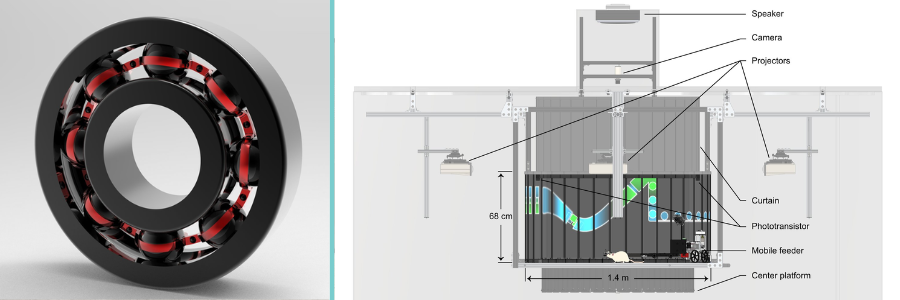
Cad Crowd product designs of bluetooth speakers and perfume packaging and bottle by product design freelancers

RELATED: 3D product visualization: Elevating your online shopping experience and service for modern consumers

AI: Not only for robots and dystopian films

Artificial intelligence is now officially in the design fold. But its not here to take jobs from people—it’s here to accelerate creativity and get rid of boredom. AI is empowering industrial design experts to develop different design iterations in a matter of minutes. It’s speeding up concept testing, performance simulations, and even predicting market success based on historical experience. With generative design and machine learning models, industrial design is not only becoming smart but faster as well. AI is also powering personalization at scale. Think AI-driven footwear design that adapts to the way you walk or customized tools built around the movement pattern of a worker.

Pro tip for industrial design services: If you have not already embraced AI-driven design software like Autodesk’s Fusion 360 or nTopology, it is time to familiarize yourself with them.

Sustainability: From buzzword to blueprint

The era of “eco-friendly” being represented by just a leafy logo on a cardboard box is over. Today, sustainability is integrated into the design process from the beginning rather than being an afterthought. Designers are now exploring biodegradable materials, closed-loop systems, and modular components to prolong product life. Circular design principles are actively embraced—creating, using, returning, and reusing. The focus is not solely on the customer; it’s also on the planet. This shift is crucial for industrial design services in sectors like consumer electronics, packaging, and automobiles, where disposability is unacceptable. Moreover, sustainability encompasses efficient energy use, shortened supply chains, and the creation of products that can be disassembled and reused.

Design concept: A living room appliance with easily replaceable components that requires no engineering degree to manage.

Biomimicry and organic aesthetics

There have been centuries of billions of years of solutions to design problems in nature, so what’s not to borrow a little know-how? Biomimicry is shaping everything from aerodynamic vehicles modeled on kingfishers to ventilated buildings modeled on termite mounds. Industrial design services is moving towards forms that not only appear organic but are also functionally ideal, often mimicking nature’s efficiency. And it’s not just the exterior. Texture of materials, temperature sensitivity, and responsiveness—all drawing inspiration from plants and animals—are appearing in new-generation product design.

The future is not looking so boxy anymore, but more… elegantly bizarre.

Mixed reality is your new sketchpad

Remember when designing meant scribbling on napkins and building clunky foam prototypes? Enter Augmented Reality (AR) and Virtual Reality (VR)—your new design power tools. Industrial designers are using AR and VR to make rapid prototyping, interactive client presentations, and user testing prior to a physical product ever existing. Imagine being inside your product idea, dynamically changing dimensions, and watching how users interact with it—all in a virtual setting. With Apple Vision Pro and Meta Quest democratizing AR/VR, designers have no choice but to be in 3D experiential mode, not just form and function. And anyway, clients adore a nice wow moment when they can “walk through” your concept.

Modular design is back—and smarter

Put your hand up if you’ve ever been irked that one little broken part meant having to discard the whole product. From home appliances to consumer electronics, modularity is in a role. Industrial design services are creating products whose parts can be upgraded, serviced, or refurbished independently. Not only is it good for the planet, it’s great for customers who crave choice and customization. A coffee maker with interchangeable components. A speaker where you can replace the skin and core technology. A workbench that changes as your skills change. Modular design is not a design trend—it’s a customer loyalty strategy.

Hyper-personalization and mass customization

Industrial design is now cracking the nut of the paradox of mass customization—how to deliver differentiated experiences at scale. Thanks to digital twins, parametric modeling, and AI-driven configurations, CAD design experts can now create flexible templates that adapt to user choice without breaking the bank. Furniture companies, for instance, are employing 3D configurators whereby consumers configure their ideal table height, form, and material. In clothing, sneakers are being 3D printed using a foot scan. The secret ingredient? Platforms and digital infrastructure that can deal with real-time customization without logistical anarchy.

Design tip: Think of your product as a platform. Make it easy to change, switch, and build upon.

RELATED: How much does NPD cost? Rates & pricing for services at top design companies

Emotional design: Let’s talk feelings

Never overlook the impact of a product that feels appealing. Emotional design includes crafting products that evoke joy, trust, and pride—or even stir nostalgia. Industrial designers now incorporate emotional elements through shape, color, texture, sound, and even scent. Indeed, multi-sensory design is on the rise. Merely functioning beautifully is no longer sufficient; it must establish a connection. Take, for instance, the whisper-close drawer that eliminates clanking, the reassuring “click” of a power switch, or the soft glow of a lamp. Each feature is intentional, resonating emotionally.

And let’s be real, consumers are attached to products that delight them.

Inclusivity is the new default

Industrial design has long been hampered by a one-size-fits-all approach. But praise the Lord, those days are behind us. Today, inclusive design is being developed from scratch, not tacked on later. Designers are creating products that work for users across a spectrum of abilities, sizes, cultures, and environments. This includes adjustable interfaces, ambidextrous products, intuitive color contrast, and voice-controlled interaction for users with mobility impairments. Industrial design companies that practice inclusive design aren’t just doing a good thing—they’re substantially expanding their market base.

Push yourself: Create something that works for a 10-year-old and an 80-year-old. That’s inclusive.

Digital and physical convergence (Phygital products)

Welcome to the era of physical design, where the lines between digital and physical realms are increasingly blurred. Industrial designers are now incorporating sensors, IoT technology, and interactive surfaces into everyday items. For instance, your desk lamp can now sync with your calendar, your fridge can recommend recipes, and your workout equipment offers real-time feedback. This presents a unique opportunity for product development experts, as they transition from merely crafting objects to influencing behaviors, creating data loops, and developing ecosystems. It also necessitates close collaboration with software teams and UX/UI designers to deliver seamless hybrid experiences.

Ultra-fast prototyping with 3D printing

3D printing is no longer just a prototyping tool—it’s a production enabler. Industrial design services are using it for rapid iterations, testing user feedback quickly, and even producing limited edition runs. With advances in metal, ceramic, and bio-based printing materials, we’re witnessing a massive expansion in what 3D printing can achieve. From dental implants to aerospace components to far-out lamps that never did make it onto the shelves—this technology is changing agility in design. And for small design companies? It’s a game-changer in lowering the cost of manufacture and shaving time-to-market.

Design for disassembly: Thinking beyond use

Products are not designed for actual use; instead, they are created for end-of-life. Disassembly design allows for effortless pulling apart to repair, reuse, or recycle. It’s a step toward real circular sustainable design. Designers are paying particular attention to fasteners, adhesives, and labeling parts, moving what was once an afterthought into core design practice. It’s wise about sustainability.

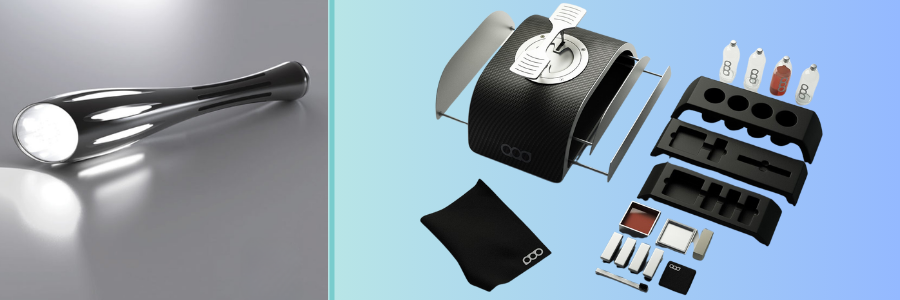
Cad Crowd experts design an emergency light and shoe cleaning kit

RELATED: Understanding the cost of new product development services: Rates and pricing for CAD companies

Final thoughts: The designer’s strength

The future of product design lies not in choosing one trend over another, but in creatively blending them. Picture an open, emotionally engaging, modular, and sustainable product that integrates AI assistance, is tested in VR, and manufactured through 3D printing design services. This scenario is not a fantasy as it represents a new product reality. For those in industrial design, advancing means transitioning from simply being product manufacturers to becoming strategic partners in innovation. The toolkit has expanded, the expectations have risen, and the opportunities are genuinely exciting.

How Cad Crowd can help?

Whether you are an independent industrial designer or part of a larger firm on the Cad Crowd platform, prepare to harness your unique strength: simplifying complexity and transforming ideas into meaningful outcomes. Cad Crowd is the best marketplace to find freelance CAD design expert talents – from architectural design experts to product designers. The future of product design isn’t merely about trends—it’s about transformation. Reach out to us today for your complimentary quote.

author avatar

MacKenzie Brown is the founder and CEO of Cad Crowd. With over 18 years of experience in launching and scaling platforms specializing in CAD services, product design, manufacturing, hardware, and software development, MacKenzie is a recognized authority in the engineering industry. Under his leadership, Cad Crowd serves esteemed clients like NASA, JPL, the U.S. Navy, and Fortune 500 companies, empowering innovators with access to high-quality design and engineering talent.

Connect with me: LinkedInXCad Crowd

Adaptive and Iterative Prototyping: Iterate on Your Product Design With Industrial Design Firms


If you’re reading this, you might have already developed a concept for your product for months, perhaps even years, and today is the day that it all comes together at last. Then, with a snap, everything changed. Some people might say, “It has potential.” You just stand there, wondering whether to laugh, cry, or declare that this was just a “stress test” to demonstrate how much abuse your design can withstand.

Don’t panic. It is not a catastrophe. It is a journey of initiation. The successful things you’re familiar with now were initially embarrassing failures themselves. Adaptive and iterative prototyping engineering services are created for a reason. These approaches can flip your failure into a potential through enabling designers to learn rapidly, pivot intelligently, and hone their efforts without driving themselves mad.

Adaptive prototyping is versatile. It is the capacity to hear criticism, anticipate surprise, and to sharpen the plan. Iterative prototyping is tenacity. It is the process of taking small, consistent steps until you refine a clumsy initial idea into a refined product.

This is where the industrial design companies step in. They are like experienced expedition guides who have taken hundreds of travelers across tough countries. They know the shortcuts, the potholes, and how best to deliver your concept to market without breaking anything. Cad Crowd brings you into contact with the most experienced players so that you can learn from their experience and not have to reinvent the wheel yourself.

So, take a deep breath and maybe tidy up the broken remains of your first prototype. This part of your journey, and the second attempt, will be wiser, more ingenious, and far less likely to meet with a high-profile implosion.


🚀 Table of contents


Why prototypes fail spectacularly (and why that is perfectly fine)

To be realistic, nobody likes to fail, whether it’s about business or life. But in terms of product, some products need to fail, like an app for a smartphone that crashes even before the loading screen appears. Others fail with great fanfare, like a wearable product that was never heard of again. Similarly, mistakes can be painful for your ego and your industrial design company, yet they are essential to the design process.

Check out a few of history’s most legendary mistakes. Early versions of the Dyson vacuum were notoriously temperamental. James Dyson tried more than five thousand times before creating the design that revolutionized home cleaning. Thomas Edison allegedly tested thousands of materials for lightbulb filaments himself before developing one that reliably lit. If even Edison spent years testing and failing, you can excuse yourself for the backpack prototype whose straps gave out after ten minutes.

Why do prototypes fail? Occasionally, it is physics wanting to remind you that the universe has laws and they are not up for discussion. Occasionally, it is user behavior, and that is a heck of a lot more unpredictable than you’d realized. Maybe your self-stirred coffee mug performs perfectly in a lab setting, but turns into a horror when someone attempts to stir soup with it. There’s budget, material limitations, and good old human error, too.

Here is the glorious fact: every dramatic failure has within it the seeds of success. If your design doesn’t work, you learn precious information about what went wrong and how to correct it. Adaptive prototyping is powered by such information. Rather than considering failure as a definitive verdict, adaptive techniques suggest that you turn. Did your prototype kettle have the handle break off it? Adaptive thinking asks you why, proposes a test of another substance, and directs you to an improved design through rapid prototyping design services.

Industrial design companies understand this waltz. They’ve watched legs shatter on chairs, hinges become misaligned, and buttons not click. They understand that every failure is not the end of the road but a signpost toward the correct answer. This is why you can save yourself unwanted headaches by commissioning a professional team. They assist you in testing smarter, taking note of your findings, and making milestones.

Humor is involved here, too. A bit of laughter can defuse the sting of defeat and leave morale intact. Imagine a group of designers observing their robotic vacuum cleaner prototype drive itself into a wall, spin back in frustration, and try to climb the drapes. When the laughter dies down, the team is left with a useful realization: the navigation algorithm needs to be drastically rewritten. That single working observation can be followed by the next iteration that finally works seamlessly.

Without adaptive and iterative methods, designers fall into the trap of so-called “prototype perfectionism.” They spend years or months slaving over one gigantic prototype, hoping it will be perfect on the first shot. When it doesn’t work, they are devastated and typically give up. Adaptive prototyping advises, “Don’t put all your eggs in one basket. Build something small, test, learn, and try again.” Iterative prototyping is saying the same: “Inch by inch is a good way to win a fight. Take small steps and don’t make one giant leap.”

Industrial design companies can be worth their weight in gold here. With all they have done, they recognize when to push you to continue working with a solid idea and when to push you to hold back and reform. An engineering design company you find through Cad Crowd may tell you it’s worth trying out with an inexpensive foam prototype of your item before breaking out the big bucks for a pricey metal one to save thousands of dollars and endless tears.

A culture that accepts failure as learning will also draw in collaborators. Folks like to work on projects where attempting something experimental is o.k. and where nobody gets chastised for trying. When you mock up a broken prototype rather than losing it, you develop an atmosphere in which creativity can thrive.

Imagine a designer designing a new ergonomic keyboard. The initial prototype could feel like having to type on top of a stack of ill-fitting rocks. Instead of throwing it away in disgust, the designer experiments with angles, spacing, and making another one that is only slightly more bearable. After ten tries, the keyboard is a dream come true. That is the potential of welcoming failure as a friend instead of an enemy.

If one lesson you can learn from this chapter is to remember one, then let it be this: failure is not success denied. It is a step along the way to success. Iterative and adaptive prototype design services do not just accept mistakes; they celebrate them. From the advice of veteran industrial design companies and software such as Cad Crowd, your worst prototype failure today can be the springboard for your industry-changing product tomorrow.

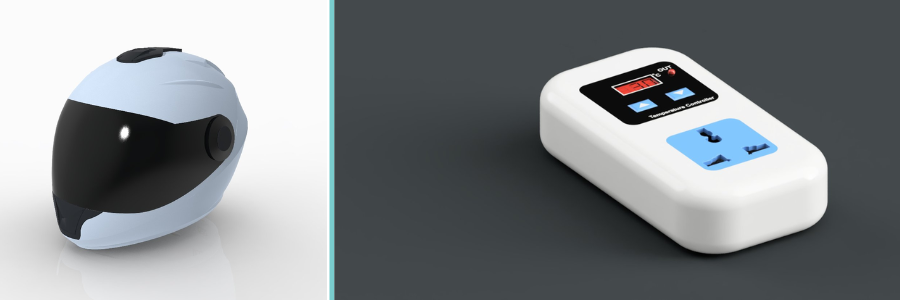
motorcycle safety helmet and temperature controlled power socket by Cad Crowd design experts

RELATED: Product-centric vs. customer-centric: Which is best for consumer product design companies?

Adaptive prototyping explained

Adaptive prototyping is similar to jazz improvisation. You have your theme song in mind, but you are aware of what is going on around you and improvise. In product design, adaptive prototyping implies that you don’t keep sticking to what you originally had in mind. You are open to surprise and to feedback.

Suppose you are designing a new kitchen appliance. On paper, it is great. In the world, you realize your handle design renders you unable to fit into most drawers. Adaptive prototyping causes you to learn to be flexible. You refine the handle design, try again, and perhaps even the general size. Rather than holding onto your original concept, you build the design based on what reality is instructing you.

This is a strong mindset because product design never goes as planned. Materials act strangely. People grasp things in peculiar ways. Manufacturing design company processes have unforeseen constraints. Adaptive prototyping makes these challenges work for you. When a particular plastic bends when it is warmed up, an adaptive designer does not give up. They move to different materials or modify the shape factor to release the stress points.

Industrial design companies do this best. They usually have material science, ergonomics, and manufacturing experts on staff. They can tell you exactly what went wrong with a prototype and propose innovative tweaks. Suppose, for instance, a company you discover on Cad Crowd tests your unstable chair prototype and recommends introducing a slight tweak to the legs’ angle so that it stabilizes without sacrificing looks.

Adaptive prototyping is also a defense against tunnel vision. If you’re too attached to your original idea, you might disregard crucial feedback. Adaptive prototype design experts put themselves out there for other people’s judgments, even hurtful ones. When a test user comments that your prototype is clumsy or confusing, adaptive thinking says “Why?” and “How can we improve it?” rather than killing the feedback.

A traditional metaphor for adaptive prototyping is a trip along a river. You have a sense of where you are headed, but the currents of water could wind up in directions you didn’t plan on. You don’t obstinately attempt to row against the current when you’re tired of fighting it. Rather, you turn, utilize the flow to your benefit, and wind up in the same place you are aiming for.

This method is particularly effective in those businesses where trends change very rapidly. A fitness wearable gadget that was groundbreaking a year ago can now look like an antique. Adaptive prototyping enables you to react to emerging technology, competitor moves, or customer feedback without having to begin anew. A tweak here, a rework there, and your product remains current.

Humor can also lighten the process, by the way. Adaptive prototyping is like having a cranky toddler to raise. You think you have it all mapped out, but things don’t always go as planned. Your newly acquired water bottle may decide to leak at the most inopportune moments. Adaptive thinking is, “Okay, let us experiment with another sealing method,” rather than abandoning hydration innovation altogether.

Adaptive prototyping has one more advantage, and that is resource efficiency. With fast adaptation, you save time and funds for concepts that clearly are not going to pan out. Rather than investing heavily in a flawed design, you pivot ahead of time. Industrial design experts help by catching problems early before they become expensive disasters.

Resources such as Cad Crowd have simplified finding companies specializing in adaptive methods. Whether designing consumer goods, medical devices, or furniture, there are people who will approach every prototype as a learning experience and not as a final product.

Iterative prototyping and why it works

And if adaptive prototyping is flexibility, then iterative prototyping is about rhythm. It’s the discipline of producing small, incremental steps until your product purrs. Think of it like learning to play a musical instrument. The first time you play a chord, it sounds clunky. After a dozen attempts and tweaking your fingerings ever so slightly, the music sounds smooth and confident.

Iterative prototyping is the same thing. You construct a version of your product, you test it, you notice what is wrong and what is right, and you construct another version slightly improved. Do that a few times, and you have a complete, functional product made by engineering design experts.

The virtue of iteration is that it minimizes risk. Rather than pouring all your resources into one sublime prototype, you disperse your risk around with loads of wee experiments. If an iteration crashes, you haven’t lost the farm. You’ve gained something valuable for the next attempt.

A real-world example: baking bread. Your initial loaf is too heavy. You adjust the quantity of yeast and try again. The second loaf is better, but it tastes wrong. You tinker with the baking time, and the third loaf is great. On the tenth loaf, you’re baking like the bakery. Iterative prototyping does the same.

Industrial design companies breathe this strategy. They apply rapid prototyping tools such as 3D printing design services, computer-aided design software, and virtual testing to develop rapid models of your product. A company on Cad Crowd can develop a few iterations of your device within a week, each with learnings from the earlier test.

This is not just a successful process but a revitalizing one. Seeing your idea become stronger with each attempt keeps morale high. Rather than sitting back and waiting for one recalcitrant prototype and becoming stuck, you’re able to see small victories along the path. A handle that initially felt clumsy now fits perfectly. A creaky hinge now slides smoothly. Each victory builds momentum.

Iterative prototyping is also great for gathering user feedback. Early beta testers will be able to try a minimal, crude prototype and inform you about bugs you weren’t aware of. Their suggestions become the next one, and it is friendlier. With many iterations, you have a product that is intuitive and elegant since it has been honed by real use.

Cost control is also another benefit. Iterative development never produces costly surprises in the future. By finding bugs early, you don’t waste money on significant redesigns. A product design company may notice, in the initial iteration, that a specific joint has a tendency to develop stress fractures. Fixing it then is much less expensive than finding the flaw after mass production.

This strategy also promotes innovation. As you are not hesitant to experiment and alter, you will risk risky ideas. If an insane idea fails, it is but one link in an infinite series of refinements, not some sort of doomsday failure.

Consider a team tasked with developing a new electric scooter. The first is too heavy. The second is lighter but not stable on bad road surfaces. The third is equipped with suspension to offer stability. By the fifth or sixth prototype, the scooter rides smoothly, safely, and sleekly. If the team had not developed prototypes iteratively, they would have probably taken months adjusting one design and discovering its faults after expensive production.

Product development experts impose order on this process. They manage schedules, track changes, and maintain good documents so that every change serves a purpose. They also ensure that insights earned in one draft are used to guide the next one, not repeating the same mistakes again and again.

Cad Crowd is an excellent ally in this context. The website gives you a lead on companies that already understand the iterative process. They know how to keep the process going without rushing it. They know when to push forward and when to put on the brakes to do more testing. They are your co-pilots in taking the process from rough idea to completed product.

Finally, iterative prototyping fosters resiliency. Each small victory makes you bolder, and each failure becomes less daunting because you know the next iteration is coming. Eventually, you become receptive to criticism and see failures as an opportunity for learning. That is where successful innovators differ from wannabe innovators who give up too quickly.

packaging bottle design for oil-based product and wireless cellphone charger by Cad Crowd industrial design experts

RELATED: Simple strategies to improve your product innovation process for design service firms

The magic of industrial design firms

Industrial design firms are the unsung heroes behind a whole lot of what you count on every day. That carefully crafted phone case, the chair that you become accustomed to after a couple of hours of sitting, or the blender that can handle your most abusive smoothies likely had new concept design specialists who sleep and snack on adaptive and iterative prototyping.

Picture a small startup group with an excellent idea for a portable air purifier. They possess napkin sketches, a cardboard box prototype that’s still rough around the edges, and dreams of bringing cleaner air to urban dwellers. Their first prototype is like a tin can with marbles inside. The airflow is tiny. The buttons feel cheap. Enter an industrial design company.

The business begins with a careful inspection of the existing design. They test air flow, test the materials, and watch the interface. They develop a second version, optimizing the placement of the fan and using a high-end yet durable material. The group tests receive criticism, and another round of changes is made. Each iteration brings the purifier closer to being a retail-ready product that consumers will accept.

Industrial design firms provide more than technical capabilities. They provide creativity, problem-solving, and attention to user experience. They understand that a product is not merely a piece of equipment but an experience. A stunning device that’s hard to use won’t be successful. Balanced thinking makes your product intuitive, solid, and attractive.

Another benefit is exposure to the best-of-the-best equipment and tools. Most businesses have on-site 3D printing facilities, high-end CAD software, and immediate proximity to manufacturers. They will be able to make high-quality prototypes at a fast pace, consuming less of your time. A firm on Cad Crowd might even connect you with specialists in a specific field, such as automobile design or consumer electronics, so your project ends up in the right hands.

Collaboration with CAD design professionals also reduces stress. Instead of grappling with every failure alone, you have a team to assist in brainstorming and dividing the workload. They can notice patterns that would be invisible to you and suggest improvements you never knew you needed. For example, they can suggest a design change that reduces the cost of production while increasing durability, a two-for-one benefit for your bottom line and your consumers.

Industrial design firms live in collaboration. They feel comfortable collaborating with inventors, engineers, marketers, and manufacturers in taking a product from the idea phase to market-readiness. They can serve as the facilitators between conflicting ideas so that your product will possess beauty, usability, and functionality.

Humor is typically the response to them. Veteran designers have witnessed too many prototype disasters to know freaking out doesn’t help. So they joke about it, grab a whiteboard marker, and get busy. A designer who witnesses a drone prototype crash nose-first following an inverted flight could respond by saying, “Well, at least it flies… just not in the direction we were envisioning.” That humor propels teams past tough obstacles.

Cad Crowd offers a convenient method of finding such businesses. The website has a community of vetted industrial designers who assist with iterative and adaptive prototyping. If you are completing a device through medical device design services, inventing a new kitchen item, or creating the next household furniture classic, Cad Crowd helps find the experts who will turn your design into reality.

RELATED: Innovation best practices: Strategies for better & faster product design services

Laugh, learn, and iterate your way to success

Recall how disastrous the prototype failure was at the start? Now you can laugh easily at it. What was a pathetic failure in the past now appears to be the first step in a learning, laughter, and discovery process. Adaptive and iterative prototyping is not about avoiding failures—it is about perceiving failures as stepping stones to greatness.

Industrial design firms are your business partners of choice in this project. They possess expertise, machinery, and a go-getter spirit that can mold primitive ideas into sophisticated products. They understand that all great designs have a series of failed prototypes, funny stories, and relentless hard work behind them.

With Cad Crowd, it’s easier to browse for new and fresh talent as the premier site to locate engineering and design talent. We can help you get in touch with people who are passionate about innovation and iteration, whether you’re designing a new medical device or the next big tech toy. Cad Crowd can match you with your ideal team.

So sweep away those failed prototype pieces, grab your sketchbook, and try again. Make fun of your failures, learn from every experiment, and iterate some more. Your next prototype can be the one that works sublime, and the world awaits to see it. Get a free quote today.

author avatar

MacKenzie Brown is the founder and CEO of Cad Crowd. With over 18 years of experience in launching and scaling platforms specializing in CAD services, product design, manufacturing, hardware, and software development, MacKenzie is a recognized authority in the engineering industry. Under his leadership, Cad Crowd serves esteemed clients like NASA, JPL, the U.S. Navy, and Fortune 500 companies, empowering innovators with access to high-quality design and engineering talent.

Connect with me: LinkedInXCad Crowd

How to Save Money On New Product Design and Development Services for Company Prototypes


With competition in the modern market, coming up with innovative products is critical for business development. The process from idea generation to prototype can be expensive and time-consuming.

Organizations frequently fail to make appropriate quality versus budget trade-offs when investing in product design services. Knowing how to streamline the process can easily cut down on costs without affecting the end result.

Cad Crowd is the leading agency in CAD services that helps you connect over 106,200 experts in product design and development so you can have your prototypes done in no time.

This article discusses effective money-saving strategies for new product design and development services while guaranteeing the successful development of company prototypes.


🚀 Table of contents


Define clear objectives and specifications

Among the most successful approaches to product design cost-cutting is defining a clear project scope at the start. When requirements are unclear or continuously change, companies tend to encounter expensive revisions, longer development periods, and inefficiencies that can sabotage budgets. By clearly defining objectives and specifications from the start, companies can make the design process more streamlined and avoid avoidable costs.

In order to do so, companies should first identify the purpose of the product and for whom it is intended. Knowing who will consume the product and how it will work ensures the design is focused on customer demand and market expectations. Second, outlining key features and functions enables designers to define key elements so that scope creep and unnecessary changes are avoided by product development experts.

Also, defining the materials, dimensions, and requirements for performance gives the engineering group a clear format to work by, minimizing opportunities for design misunderstanding that can drive rework. Defining actual budgetary restraints and time for development equally ensures that the project is viable from a financial standpoint and meets its deadlines.

Yet another key consideration is recognizing potential compliance and regulatory standards at the onset of the process. Not providing for industry rules can lead to redesigns and product failures, which cost valuable time-to-market.

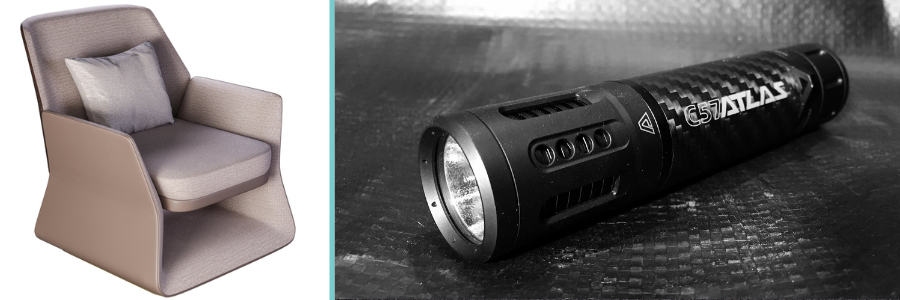
Product design of a luxury chair and tactical flashlight by Cad Crowd design experts

RELATED: Important tips for hiring new product development services firms & freelance design experts

Select the appropriate product design services partner

Choosing the proper consumer product design services partner is a key decision that has a direct effect on cost, efficiency, and the success of your project. An optimal partner can facilitate development, minimize costs, and deliver high-quality outcomes.

In assessing prospective providers, begin by determining their experience within your industry. An organization or freelancer who knows your industry will be aware of typical challenges and regulatory requirements, minimizing expensive blunders. Look over their portfolio and determine if they have already completed similar projects. This assists in measuring their ability to provide the particular design solutions that you are searching for.

Another important consideration is pricing transparency. Hidden charges and ambiguous cost structures can result in surprise costs. Choose partners who offer transparent cost breakdowns, enabling more effective budgeting and financial planning. Also, check client reviews and reputation in the industry. Good word-of-mouth from previous clients is a good sign of reliability and quality service.

An extensive design partner must be capable of handling various aspects of product development in-house, ranging from concept development services to prototyping and testing. This reduces the outsourcing requirement, lowering overall costs and making the process smoother.

In order to make a wise decision, get several quotations and compare rates, skills, and services. Hire freelancers or small design houses, which may offer specialist expertise at competitive rates compared to large agencies, but retain high standards.

By selecting the proper design collaborator wisely, you can minimize costs, maximize efficiency, and guarantee an effective product development process.

Adopt digital prototyping

Digital prototyping is revolutionizing the product development process by enabling designers to create, test, and refine products virtually before investing in costly physical prototypes. Utilizing advanced 3D CAD modeling and simulation software, businesses can visualize every aspect of a product’s design, assess its functionality, and identify potential flaws early in the development cycle.

One of the most important benefits of digital prototyping is its potential to speed up iteration cycles. Conventional prototyping involves lengthy physical production, while digital models can be easily changed and simulated in real time. This helps reduce decision time and time-to-market. Furthermore, firms can significantly cut down on material costs by limiting the number of physical prototypes required.

Another key advantage is the early identification of design defects. Through virtual simulations, engineering design experts are able to perform stress tests, thermal analysis, and performance testing without building a single physical prototype. Finding and fixing problems at this point avoids expensive rework and production downtime. In addition, realistic images created by digital prototyping enhance communication with stakeholders, enabling them to see the end product and offer valuable input prior to manufacturing.

Investing in product design solutions specializing in digital prototyping enhances the development process and maximizes the use of resources. It saves waste, decreases costs, and improves cooperation. Digital prototyping enables organizations to get good products to the market quickly and economically. Adopting this technology is a prudent step for companies to innovate and yet be economically responsible.

RELATED: How to improve product development for your company with engineering firms & design consultants

Prioritize necessary features and prevent overdesigning

The best method of containing product development costs is to prioritize key features and eschew unnecessary complexity. Feature creep and having too many functions too soon may result in higher cost, longer development time, and higher technical risk. It is better to aim for core capabilities in the first prototype phase. This way, the product will effectively fulfill its essential function and still be cost-effective.

By focusing on merely the most important features, companies can greatly reduce design complexity. Simple designs make technical problems less likely, rendering the development phase easier and more predictable. Second, restricting features in the early stages reduces the time spent prototyping and producing, enabling earlier market entry. A streamlined methodology also results in reduced material and production costs because unnecessary parts and customizations contribute to higher prices, especially for manufacturing design companies.

In order to strike this balance, it is necessary to work closely with a trusted product design services provider. These experts can provide valuable input on what features are absolutely necessary and what can be delayed or skipped. Customer feedback collected from an initial release can then inform subsequent enhancements, with only the most pertinent additions being made.

Steering clear of overdesigning not only reduces the cost of production but also results in a product that is simpler to scale and refine. A well-prioritized, concentrated design strategy ultimately results in improved resource utilization and a successful market launch.

Apply modular design principles

Modular design is a product development strategy that centers on the development of standardized, interchangeable parts to be applied to several products or configurations. Implementing modularity enables companies to attain huge cost reductions, increase efficiency in production, and design scalable solutions to meet future demands.

One of the key benefits of modular design is cost reduction in manufacturing. Standardised components facilitate mass purchase, reducing material costs and simplifying manufacture. As the same parts are used in various products, businesses can simplify inventory and improve supply chain optimisation, as well as prototyping design services for future products.

In addition, modularity makes it easier to carry out assembly procedures and reduces errors during production. With clearly defined, reproducible modules, workers are able to rapidly and correctly assemble products with lower labor expenses and better quality control overall. The uniformity of modular components also facilitates quicker detection and replacement of faulty components, resulting in lower maintenance and higher product dependability.

Aside from saving costs, modular design makes products more scalable and flexible. Companies can roll out new product variants or updates without having to redesign entire systems. For instance, in the manufacturing of furniture, modular pieces make it possible for customers to tailor configurations while maintaining production efficiency. In electronics, modular circuit boards facilitate quick upgrading and fixing.

In order to use modular design principles to their maximum potential, sit down with your design team to come up with opportunities where standardization can be done. Think of how the modularity can help optimize efficiency, reduce wastage, and enhance flexibility. Properly thought-out modular thinking not only enhances your competitive edge but also facilitates long-term product development and sustainability.

Outsource specific work to freelancers or specialized firms

Outsourcing non-core design work is a strategic decision that yields huge cost benefits without sacrificing efficiency and quality. Most talented freelancers and specialized agencies provide competitive pricing for product design experts, and this makes it easy for companies to avail themselves of expert talent without the overhead of full-time employees.

Major design activities to be outsourced involve CAD modeling and 3D rendering, which are critical for product concept visualization, and PCB and electrical circuit design for electronics product development. User interface (UI) and user experience (UX) design are also important aspects of product usability, and market research and customer analysis give vital inputs for wise decision-making.

However, to fully capitalize on outsourcing, it is vital to ensure that outsourced work meets your project’s quality standards and deadlines. Poorly managed outsourcing can lead to costly revisions, so clear communication and quality control are essential for success.

Utilize open-source and cost-effective design tools

Utilizing open-source and cost-effective design tools is an excellent way to minimize expenses without compromising functionality. Several low-cost or free tools come with feature-packed capabilities that compare with commercial products, which is perfect for small-scale projects, startups, or early-stage prototyping. In 3D modeling, FreeCAD and Blender offer advanced features in parametric design and rendering. KiCad is an advanced tool for designing electronic circuits, providing schematic capture, PCB layout, and 3D visualization services.

On the other hand, cloud CAD software like Onshape allows real-time collaboration and instant sharing of designs with no need for costly licenses. With these tools incorporated into your workflow, you can have high accuracy and efficiency while keeping the costs of software low. Open-source solutions also get the community’s support and ongoing improvements, so designers and engineers can utilize industry-leading features. Capitalizing on these resources provides more flexibility and creativity without extra costs.

Use rapid prototyping methods

Selecting rapid prototyping methods can streamline your product development process by cutting time, cost, and risk. Techniques like 3D printing and CNC machining allow companies to make functional prototypes very quickly, enabling them to thoroughly test form, fit, and function prior to investing in costly production molds. These state-of-the-art methods have a number of benefits over conventional prototyping.

First, they enable quicker turnaround times, allowing companies to speed up their design iterations and get products to market sooner. Second, rapid prototyping design services reduce material waste, so it is a cost-saving method for product design refinement. It also offers the flexibility to test various design variations without having to make significant upfront investments in tooling.

To get the most from these benefits, work with your product design services partner to incorporate rapid prototyping into your development schedule. Through the use of these new manufacturing methods, you can simplify your design validation process and facilitate a smoother transition from concept to production.

Work with manufacturers early in the process

Working with manufacturers from the inception of the design process is an important tactic for facilitating a seamless move from concept to production. By including them early on, designers can prevent expensive errors later that could stem from limitations in materials, inefficient assembly processes, or scalability. Manufacturers provide valuable insights in a number of areas critical to production feasibility and cost.

First, they offer advice on material selection, assisting designers in selecting materials that are not only appropriate for the desired function but also easily accessible and cost-effective. They also recommend sourcing alternatives to avoid supply chain interruptions. Second, manufacturers assist in streamlining assembly methods, proposing methods of simplifying production and reducing labor expenses. This can result in streamlined workflows, quicker turnaround times, and less waste.

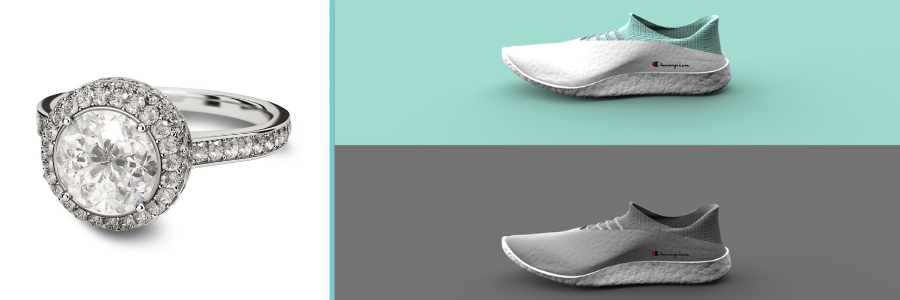
Fashion rendering and design by Cad Crowd product designers

RELATED: How to reduce costs on 3D product development with remote CAD experts for companies

Use design for manufacturability (DFM) principles

Design for manufacturability services (DFM) are an important methodology in product design that ensures certain designs are suitable for effective and economical manufacturing. By incorporating DFM principles early in the design process, firms can greatly enhance product quality while minimizing manufacturing complexities.

One of the key goals of DFM is to reduce the cost of production by simplifying design, using fewer components, and selecting cost-effective materials. Streamlined design also minimizes inefficiency and error, ensuring manufacturing becomes more predictable and consistent. This, subsequently, increases the overall product’s reliability and durability since there are fewer components that can fail.

To effectively capitalize on DFM, businesses can work with product design companies specialized in manufacturability analysis. These specialists are responsible for assuring prototypes will be functional as well as meet economic criteria for a more viable end product. Applying the concept of DFM at the inception of the designing process is needed to gain that balance of performance, cost, and manufacturing effectiveness.

Plan for scalability and future production efficiency

While creating a product, scalability planning is crucial to make way for a smooth shift from prototype to mass production. A proper approach reduces the necessity for large-scale redesigns, lowering costs and accelerating time to market.

One of the main strategies is to create molds and tooling appropriate for large-volume production. Spending on high-quality, precision-made molds guarantees consistency of quality and decreases the possibility of defects when manufacturing at large volumes. In a similar vein, choosing materials that are cost-effective and considering compatibility with high-volume manufacturing processes is also vital. Materials should be easy to handle, be readily available, and work satisfactorily in actual conditions.

Manufacturing processes should also be selected with scalability in consideration. Processes like injection molding services, CNC machining, or assembly lines need to be tested for their effectiveness and long-term sustainability. Also, packaging and logistics optimization have an important role in keeping costs minimal. Effective packaging solutions not only secure products in transit but also ensure maximum utilization of space, which minimizes storage and transport costs.

The second most important area of scalability is the rigorous testing of prototypes. Performing actual durability and performance tests makes it easy to spot weaknesses early in the design stage, avoiding expensive adjustments down the road. By making products wear-resistant, manufacturers cut down on failure rates and ensure customer satisfaction.

By incorporating these techniques from the beginning, companies can optimize production, save money, and deliver consistent product quality as demand increases.

Conclusion

Cost savings on new product design and development services involve strategic planning, teamwork, and the use of cost-effective technologies by engineering firms. By setting clear goals, choosing the appropriate design partner, and making use of digital tools, businesses can produce quality prototypes without going over budget.

Investing in affordable product design services not only minimizes development costs but also speeds up the process of getting from concept to market-ready product. By adopting the proper methodology, companies can achieve innovation without compromising on financial sustainability and be successful in the long term in an ever-growing, competitive market.

RELATED: The simple secret to unlocking new product innovation at design services companies

How Cad Crowd can help?

At Cad Crowd, you don’t have to worry about investing in cost-effective technologies for your prototypes, especially digital tools – we are the top freelance platform to find the best CAD design and product development services.

Our extensive pool of experts of your choosing can deliver quality product designs and prototypes without going over the budget. Don’t forget to contact Cad Crowd today to learn more about our services. Request a quote today.

author avatar

MacKenzie Brown is the founder and CEO of Cad Crowd. With over 18 years of experience in launching and scaling platforms specializing in CAD services, product design, manufacturing, hardware, and software development, MacKenzie is a recognized authority in the engineering industry. Under his leadership, Cad Crowd serves esteemed clients like NASA, JPL, the U.S. Navy, and Fortune 500 companies, empowering innovators with access to high-quality design and engineering talent.

Connect with me: LinkedInXCad Crowd

Top 51 Websites to Hire Freelance CATIA Designers & Engineers for 3D Modeling Services


Whether you are designing your next space wonder, designing a stylish car part, or fashioning exacto parts for heavy machinery, CATIA freelance experts are the behind-the-scenes heroes responsible for many of the world’s most innovative designs. But where do you really find these CAD masters when you need them? Here.

We’ve tracked down 51 of the top websites for hiring freelance CATIA designers and engineers – categorized for clarity and peppered with personality. No fluff, no repeats. Just a fresh list of power-packed platforms starting with the royalty of CAD freelance marketplaces.

Premium engineering design platforms (Where CATIA freelancers reign supreme)

Cadcrowd

Cad Crowd

Cad Crowd is the heavyweight champ of freelance CAD matchmaking, especially for CATIA users. Businesses visit here when they require actual design brawn, not weekend warriors. You can put up a project, initiate a design competition, or get matched with a qualified CATIA expert with experience in V5, V6, and 3DEXPERIENCE. The site eliminates the gamble by hand-selecting top-of-the-line engineers, so you won’t spend time with low-quality applicants. Whether you require automotive component surfacing or aerospace assemblies, Cad Crowd is a CATIA-focused goldmine if you desire quality without being micromanaged.

Website: CadCrowd.com

Toptal-logo

Toptal

Toptal is not your run-of-the-mill freelancer platform – it’s the Ivy League of remote engineering skill. It takes only the top 3% through their intense screening process, and that includes CATIA experts who’ve worked on jet engines, satellite housings, and robotics assemblies. With Toptal, you’re getting an experienced pro who not only knows parametric modeling but also the physics and mathematics behind what they create. This top-shelf service does cost extra, but if you’re creating critical infrastructure, extremely detailed products, or defense-level components, Toptal guarantees you’re working with the crème de la crème of the freelance world.

Website: Toptal.com

freelancercom

Freelancer.com

Freelancer.com boasts a global community of eager engineers, including those fluent in CATIA V5 and V6. If you’re dealing with aerospace frames, medical device design services, or composite tooling, you’ll find someone who’s done it before. The bidding system of the platform provides you with budget control, and the “Preferred Freelancer” label allows you to search for upper-level designers. Milestone payment and communication tools make it perfect for milestone-based projects. Though it will take some browsing to locate your CATIA unicorn, Freelancer.com pays off when you’re accurate in your job descriptions and specifications.

Website: Freelancer.com

guru.com-logo

Guru

Guru is not the most glamorous platform, but it’s a decent sleeper hit for niche engineering talent. Lots of veteran CATIA freelancers from the aerospace and defense industries moonlight on here. Look for precision modeling, surfacing expertise, and extensive PLM integration experience. Its WorkRoom feature keeps all communication, invoicing, and document sharing in one place – ideal for multi-phase or lengthy contracts. Guru is especially attractive if you’re looking to build relationships with engineers who prefer consistency over the gig-hopping lifestyle. While the talent pool isn’t as massive as other platforms, the depth and technical experience often make up for it.

Website: Guru.com

Upwork-logo

Upwork

Upwork is the Swiss army knife of freelance platforms, offering a huge pool of talent across industries, including a solid lineup of CATIA designers. You’ll find freelancers who can handle everything from 2D-to-3D conversions to tolerance-sensitive aerospace components. Upwork’s intuitive dashboard, work logs, and rating system help streamline long-term engagements. But there’s a catch: not every applicant is CATIA-certified. You’ll need to carefully vet portfolios and test candidates. Still, with hourly and fixed-price options, it’s a flexible place to scale your design needs while maintaining control of your budget and project milestones. Upwork is the Swiss army knife of freelance platforms, offering a huge pool of talent across industries, including a solid lineup of CATIA designers. You’ll find freelancers who can handle everything from 2D-to-3D conversions to tolerance-sensitive aerospace components. Upwork’s intuitive dashboard, work logs, and rating system help streamline long-term engagements. But there’s a catch: not every applicant is CATIA-certified. You’ll need to carefully vet portfolios and test candidates. Still, with hourly and fixed-price options, it’s a flexible place to scale your design needs while maintaining control of your budget and project milestones.

Website: Upwork.com

RELATED: Developing consumer electronics product design with 3D rendering freelancers to elevate companies branding

Engineering-only platforms (No graphic designers allowed)

engineeringcom logo

Engineering.com Talent Network

If you’re allergic to fluff and want nothing but hardcore engineering firepower, Engineering.com’s Talent Network delivers. This isn’t a place where logo designers accidentally wander into mechanical projects. Instead, you’ll find battle-tested CATIA professionals with backgrounds in robotics, precision tooling, product design, and aerospace engineering services. Many are ex-senior engineers from top-tier companies who’ve gone freelance to focus on real problem-solving. The platform itself is purpose-built for technical teams, with job listings and collaboration tools designed for complex workflows. If your project requires someone who can think in FEA, surfacing logic, or kinematic constraints, this is your CATIA sweet spot.

Website: Engineering.com

engreco logo

Engre.co

Engre is more than a freelance site – it’s an international network of engineers. This is where you’ll discover serious CATIA professionals, from independent experts to full-scale freelance engineering design services. Require V5 for an aerospace model? Or 3DEXPERIENCE integrated with a PLM system? Engre’s got you covered. Engineers here specialize in high-stakes industries: think automotive R&D, precision tooling, aerospace documentation, and even rail systems. Projects range from startup concepts to large-scale industrial assemblies. The vetting process ensures you’re not getting someone who just installed CATIA yesterday – you’re getting talent that lives and breathes Dassault Systèmes tech every day.

Website: Engro.co

Designcrowd

DesignCrowd (Engineering Division)

DesignCrowd may be renowned for graphic design competitions, but its engineering department is working in stealth mode, and CATIA designers are jumping on board. If crowdsourced design is your cup of tea, you can initiate a CATIA-specific competition here and receive several iterations on a modeling challenge. The crowd consists of freelancers with expertise in NURBS surfacing, GSD (Generative Shape Design), and automotive Class-A workbenches. Though still expanding, the engineering department is a great arena for minor modeling activities, concept verification, or even in-house design benchmarking. Simply make your project brief supernaturally clear and watch CATIA users rise to the challenge.

Website: DesignCrowd.com

Fieldengineer

Field Engineer (for CATIA Electrical & Systems Work)

For CATIA jobs dealing with systems architecture, electrical schematics, or harness design, Field Engineer is the expert’s playground. This platform zeroes in on engineering fields that blend hardware, systems logic, and CAD modeling, making it perfect for ECAD-MCAD integration or aerospace electrical work. You’ll find freelancers who are fluent in CATIA Electrical modules, have tackled avionics wiring layouts, or designed electromechanical assemblies with signal flow constraints. It’s an excellent match for companies working on control panels, cable routing, or embedded systems. While generic job boards can be next to useless for technical collaboration on high-stakes CATIA electrical work, Field Engineer is engineered specifically for just that.

Website: FieldEngineer.com

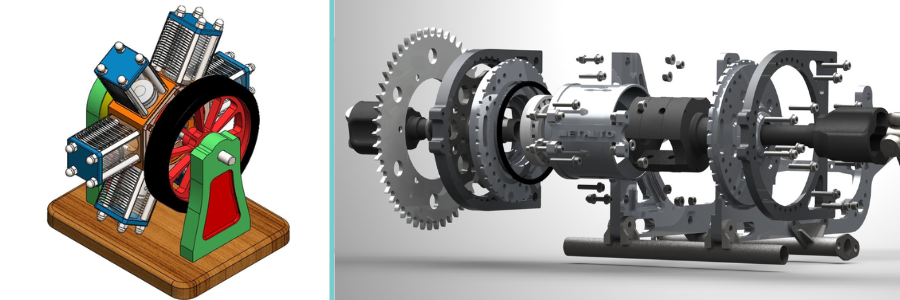
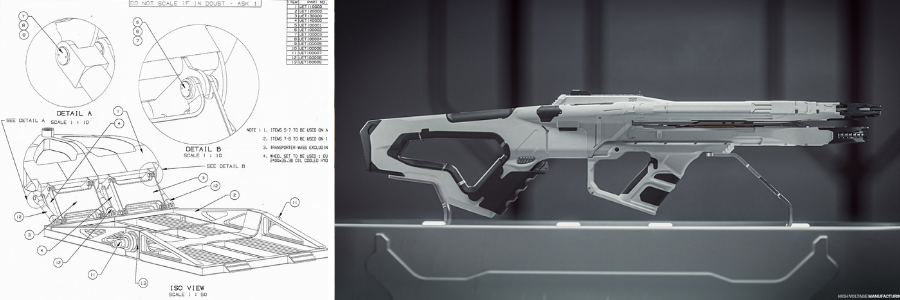
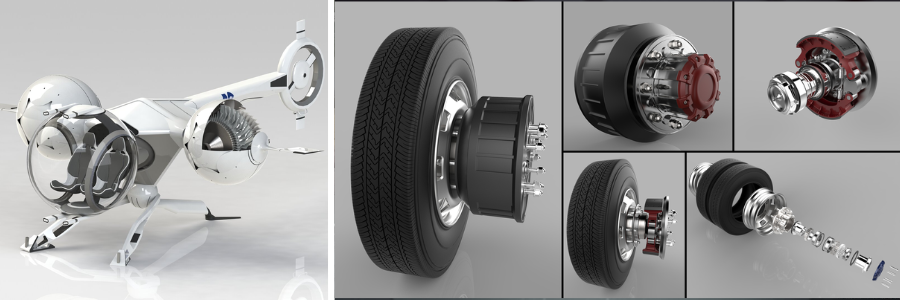
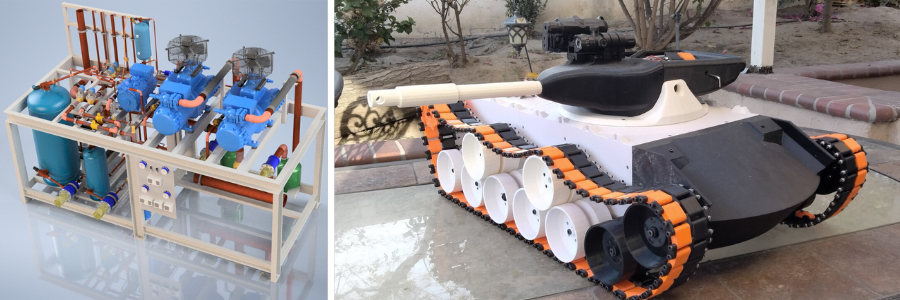
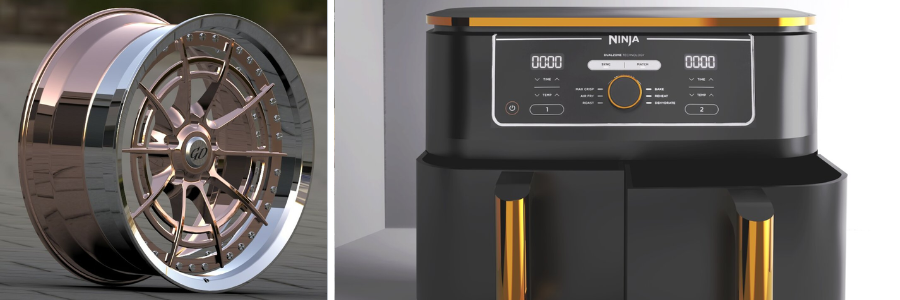
examples of CATIA work by Cad Crowd design experts

RELATED: A comprehensive guide to engineering product development services for companies & startups

High-traffic marketplaces with undiscovered CATIA talent pools

peopleperhour logo

PeoplePerHour

Don’t be misled by the name – PeoplePerHour is not just about fast gigs. This UK-based market connects access to European CATIA design services for short-deadline projects and intricate design briefs. Its “Hourlies” function allows you to buy pre-scheduled services, such as 3D model creation from drawings, file conversions, or stress-prep for simulation. The available talent base contains engineers with expertise in anything from consumer electronics to aerostructures. With its reputation system and direct messaging integrated, it’s perfect for clients desiring quality modeling work at an honest rate, particularly when timeframes are urgent and you need someone to get to work on modeling straight away.

Website: PeoplePerHour.com

Workana logo

Workana

If your CATIA project needs South American affordability and energy, Workana is where you’ll want to shop. Strong in Latin America, Workana provides highly competitive CATIA designers on this platform. Some have industrial design experience or hands-on factory and tooling experience. From lower-level assembly tasks through sophisticated mechanical designs, dependable, cost-conscious results are available. Communication is usually good, although some projects involve some patience with time zones or bilingual conversations. Nonetheless, for companies working on multiple modeling projects or prototyping on the cheap, Workana can prove to be a smart way to get your engineering bucks further.

Website: Workana.com

truelancercom logo

Truelancer

Truelancer is a lively marketplace based in India, and it’s full of technically savvy CATIA freelancers. These aren’t just drafters – they’re engineers with a strong grasp of mechanical design, GD&T, and design-for-manufacture principles. Truelancer’s standout feature is affordability without compromising skill. Whether you’re modeling heavy machinery components, automotive parts, or prepping files for CNC, you’ll find someone who gets it. It’s an excellent platform for long-term CAD support, especially for repetitive or batch-style modeling tasks. With milestone payments and portfolio previews, Truelancer provides you with just the right amount of structure to hire with confidence, even on short deadlines or tight budgets.

Website: Truelancer.com

fiverr pro logo

Fiverr Pro (Engineering design category)

Fiverr may cry “quick gigs,” but the Pro level is a whole different beast. Here, you’ll discover vetted CATIA experts who provide industrial-strength modeling, high-precision assemblies, and render-ready 3D files for prototyping, manufacturing, and more. The secret is to filter down to “Engineering Design” and dive deep into Pro-level services such as simulation prep, STL generation, and even sheet metal unfoldings. Fiverr Pro is ideal for quick-turn projects that still require quality and responsibility. If you require a small part to be modeled with utmost precision, or a visual idea for investor presentations, this is bite-sized outsourcing at its most effective.

Website: Fiverr.com

Corporate job networks with freelance potential

LinkedIn logo

LinkedIn Services Marketplace

LinkedIn is no longer just a corporate networking site – it’s a free market for freelancers too. Thanks to its Services feature, you can now directly employ CATIA designers who showcase their skills, endorsements, and complete professional background. Need someone who’s modeled gear assemblies for Siemens or worked on F1 car chassis? You can check that. This is perfect for sensitive or high-compliance projects where credentials, references, and prior experience really count. And, to boot, you can bypass third-party sites and communicate with freelancers directly. It’s social networking combined with CATIA headhunting – baked-in transparency and trust from the very beginning.

Website: LinkedIn.com

AngelList logo

AngelList Talent

In Startupland, speed is life, and AngelList Talent (now Wellfound) introduces you to CATIA experts who live and breathe in high-velocity environments. These freelancers are accustomed to creating functional prototypes, iterating at high speed, and delivering tight assemblies under startup conditions. Need someone to model and iterate parts between calls with investors? They’re here. The site is designed for high-speed product development – drones, robotics, and wearables, anyone? – where CADs change nearly daily. Bonus: plenty of these engineers have a startup background of their own, so they’re as adept at design pivots as they are at dimensional requirements.

Website: AngelList.com

wellfound logo

Wellfound (formerly AngelList)

Wellfound takes off where AngelList Talent left on, with a more streamlined interface and even more startup-friendly freelancers. CATIA designers working here frequently double as product engineers who can ideate, model, and iterate all within one sprint cycle. They’re accustomed to the scrappy, make-it-work mentality, particularly for early-stage hardware products. If you’re a founder in need of high-quality CATIA modeling without the formality of traditional hiring, this platform is your jam. Whether casing design for Internet of Things devices or consumer electronics packaging, Wellfound is where entrepreneurial spirit and rapid prototyping meet – one parametric model at a time.

Website: Wellfound.com

jobspresso logo

Jobspresso

Jobspresso is an off-site job board familiar primarily in the tech community, but don’t rule it out for engineering work. Its intelligent filters enable you to seek out remote CATIA freelancers around the world, perfect for when you need actual talent but don’t want geographic restrictions. The site is home to more and more engineering positions, particularly from hybrid hardware-software solution providers. Look for CATIA designers eager to work across platforms and time zones. It’s ideal for remote teams designing international prototypes or product lines where flexibility, remote collaboration tools, and 3D design meet.

Website: Jobspresso.co

Niche communities & specialized job boards for CATIA experts

Grabcad-1

GrabCAD workbench + Community

GrabCAD is not only a file-sharing utility – it’s an active community of hardcore 3D modeling designers, many of whom have come from CATIA-land. Engineers can share design files, revisions, and markups in real-time via the Workbench platform. But the biggest goldmine? The job board and forums are where design contests and freelance work are continuously posted. You can flip through portfolios, exchange design tips, and have direct access to freelancers who live and breathe parametric modeling. GrabCAD is where CATIA professionals congregate to learn, exchange, and win meaningful projects, most notably if you require intricate assemblies or complex surfacing projects done by the best.

Website: GrabCAD.com

Coroflot

Coroflot

Coroflot combines work postings with glossy design portfolios, and it’s one of the prime spots to locate CATIA freelancers who think like industrial designers and model like mechanical engineers. If your project combines design with engineering – such as consumer electronics, high-end furniture, or revolutionary product casings – this is your hunting ground. CATIA users on Coroflot tend to post work that’s been put through the design-for-manufacturing wringer. It’s also where customers discover designers who speak both geometry and market fashion. Bonus: you’re able to search by software skill, so you can quickly target CATIA-fueled talent that will elevate your product visuals to the next level.

Website: Coroflot.com

dribbble.com-logo

Dribbble (Industrial Design Channel)

You likely think of Dribbble as a UI/UX design haven – and you’d be largely correct. But dig into the industrial design channel and you’ll discover a secret stash of CATIA-savvy designers who blend photorealistic renders with mechanical precision. They’re often hybrid freelancers – engineers with a creative twist – who use CATIA alongside visualization tools like KeyShot and Rhino. This is a sweet spot for early-stage product ideas that need visual punch along with technical feasibility. If you’re developing sleek hardware, stylish wearables, or unique enclosures, Dribbble’s design-first mindset mixed with CAD depth is worth exploring.

Website: Dribbble.com

SolidSmack Logo

SolidSmack Job Board

SolidSmack has long been a trusted voice in the CAD and product design space, and its job board attracts the type of freelance engineers who know every nook of CATIA, from surfacing to systems design. This is where technically fluent, creatively inclined engineers gather to land serious gigs. Many freelancers here have multi-platform experience, making it easy to blend CATIA work with SolidWorks, Siemens NX, or Autodesk tools. The listings attract readers of SolidSmack’s in-depth CAD content, so you’re connecting with folks who keep their modeling skills sharp and stay updated on every Dassault Systèmes release.

Website: SolidSmack.com

TechCareers

TechCareers logo

If your CATIA project involves hardcore industries – like defense, medical devices, or robotics – TechCareers is your secret weapon. Though it’s historically employed for full-time engineering positions, there are quietly increasing contract and freelance job postings in TechCareers. You can put up projects that solicit CATIA V5, V6, and even 3DEXPERIENCE specialists with PLM skills. You can expect to hire freelancers who have worked on anything from missile housings to robot arms. It’s a targeted community of credentialed professionals, several with security clearance or special certifications, for assignments where compliance, documentation, and technical detail count. TechCareers is the perfect place to hire battle-tested CATIA engineers.

core77 logo

Core77 Design Directory

Core77 is a fixture in the world of industrial design, and its Design Directory is full of independent designers. CATIA modelers here are likely to have an aesthetic advantage – perfect for marrying form and function. Whether you’re creating a consumer tech device or something extremely ergonomic, Core77 freelancers get design intent and engineering limitations. The job directory and board tilt more toward product development companies, startups, and manufacturing companies that are design-centric. CATIA designers working here are experts in high-fidelity surfacing, design iteration, and pre-manufacturing detailing. If your models need to be as beautiful as they are functional, this is the CATIA resource to bookmark.

RELATED: How to visualize consumer products using 3D rendering services for your company and firm

Europe & Asia-Focused freelance networks

Malt logo

Malt (France & Western Europe)

Malt is the go-to freelance platform for Western Europe, especially if you’re looking to hire vetted CATIA engineers fluent in French, English, and parametric modeling. Most freelancers here come from aerospace, automotive, or energy backgrounds and bring serious industry experience – think Airbus-level modeling standards. One standout feature? Freelancers on Malt are usually insured, meaning peace of mind for businesses tackling high-stakes projects. Whether you’re sourcing V5 part modeling, assembly optimization, or surface modeling for manufacturing, Malt’s roster is high-caliber and highly professional. For EU-based clients seeking frictionless contracts with EU-compliant engineers, Malt hits all the right notes.

twago logo

Twago (Germany & DACH Region)

Twago is a favorite in Germany, Austria, and Switzerland, offering access to CATIA freelancers who thrive on precision. This is where Eurozone businesses come to hire engineers with extensive DIN standards expertise, CE certification, and strict documentation procedures. The site’s interface is business-focused and secure, and it contains tools for contract, NDA, and VAT document management. Twago’s CATIA specialists tend to hold industrial machinery, automation, and German automotive design backgrounds. If you require a 3D modeler proficient in reading a technical spec in German or complying with stringent EU certification workflows, Twago is a customized, reliable platform.

Website: TwagoFreelance.com

Worksome (UK & Nordics)

Worksome logo

Worksome excels at matching UK and Nordic companies with high-quality, pre-screened freelancers – and yes, CATIA engineers are part of that. It’s especially effective in Denmark, Sweden, and the UK, where businesses insist on technical proficiency and business-level communication. CATIA freelancers in these regions may have expertise in mechatronics, offshore systems, and even wind energy parts. Whether you’re hiring for a quick 3D assembly service or a months-long R&D project, Worksome ensures you’re working with professionals who know their software and your compliance needs. Plus, the platform handles contracts and payments, making cross-border collaboration smoother than a filleted edge.

Worksome logo

Zeerk (Asia-Pacific Freelancers)

Zeerk flies under the radar, but don’t let that fool you – it’s teeming with Asia-Pacific CATIA talent. This micro-jobs platform boasts freelancers mainly from Southeast Asia and India, providing specialized services at very competitive prices. Though it will not support large corporate undertakings, Zeerk is excellent for quick, small jobs such as 3D part conversion, file fixing, or producing CATIA-ready prototypes from sketches. Gigs commonly begin at $15–$30, so it is an affordable pilot testing ground for newly established freelancers. If you know precisely what you require and require fast turnaround without the red tape, Zeerk could well be your surprise CATIA shortcut.

remotehubcom logo

RemoteHub

RemoteHub is one of the newer stars on the global freelance horizon, and it’s already drawing a big pool of technically proficient CAD designers, particularly from the Eastern European and South Asian regions. CATIA experts here tend to possess multi-disciplinary backgrounds, ranging from mechanical design to simulation, product testing, or manufacturing documentation. The platform emphasizes community engagement, so profiles feel more transparent than generic listings. If you’re looking for someone familiar with ISO or ASME standards, tight tolerances, and multilingual collaboration, RemoteHub has the depth to deliver. It’s a great option for companies managing global teams who need both skill and adaptability.

Startup & innovation hubs with engineering talent

IndieHackers logo

IndieHackers (Hiring Threads)

IndieHackers is where bootstrapped makers and founders exchange stories – and sometimes exchange talent. The community posts and hiring threads are goldmines for locating engineers, such as CATIA freelancers who enjoy creating things from scratch. These individuals are accustomed to rolling up their sleeves and fixing mechanical design issues without red tape and bloated teams. If your project includes hardware prototyping, electromechanical builds, or bare-bones R&D projects, you’ll find freelancers here who share your vocabulary. You can expect excellent dialogue and solution-oriented thinking. It’s not a conventional job board – it’s a builders’ community. And sometimes, that’s what you’re looking for.

product hunt logo

Product Hunt (Makers Community)

Product Hunt is not only a launchpad for software products – it’s also a beacon for makers of physical products. Dig into the community profiles and you’ll find CATIA freelancers who excel at converting napkin sketches to manufacturable prototypes. These designers live in startup worlds where design velocity, visual potency, and rapid prototyping design services are the norms. If your product is going to a pitch deck, a crowdfunding initiative, or an investor meeting, Product Hunt’s maker network is a treasure trove of talent. Bonus: You can engage with freelancers via launches, conversations, and project showcases. It’s low-pressure access to talent that actually “gets” innovation.

Website: ProductHunt.com

cofounders lab logo

CoFoundersLab

CoFoundersLab is where you turn when your CATIA modeling requires a strategic spin. This site links technical talent with founders and startups wanting to create something tangible. CATIA freelancers here tend to have entrepreneurial sensibilities and may even come aboard as part-time co-founders or long-term freelancers. From prototyping Internet of Things devices to sharpening robotic exoskeletons, they’ve had some crazy startup escapades. It’s perfect for hardware-focused founders who need more than a model – they need somebody who gets iterative product development, tight budgets, and the slog of getting something physical off the ground.

Website: CoFoundersLab.com

Academic & research portals for freelance collaboration

ResearchGate logo

ResearchGate Jobs

ResearchGate is a haven for academic minds, but its job board is a goldmine for technically gifted CATIA freelancers, many of whom hold PhDs or advanced engineering degrees. Whether you’re dealing with finite element modeling, aerodynamic structures, or simulation-heavy CATIA V5 assemblies, you’ll find experts here who know the math behind the models. ResearchGate is where freelancers moonlight between contract jobs and university research, so grant-funded projects, experimental prototyping, or heavy-compliance documentation is their forte. If you’re looking to have your model peer-reviewed (and perhaps even cited), this is where rocket scientists and biomechanical wizards moonlight.

Website: ResearchGate.net

academiaedu logo

Academia.edu Job Listings

Although it’s not a gigantic freelance site, Academia.edu operates in the background with job posting features for academic and institutional work – the ideal way to reach out to CATIA users steeped in research communities. There are freelance engineers who develop for laboratory configurations, wind tunnel testing, medical instruments, and high-end manufacturing prototypes. These individuals think inside simulation parameters, comprehend stress testing at the molecular scale, and handle their 3D models like published articles. It’s particularly handy for scholarly partnerships or technology firms developing university-contracted grants. To enable theory-and-CAD integration, this specialty portal can successfully conjure ultra-specialized endeavors into being.

Website: Academia.edu

kolabtree logo

Kolabtree

Kolabtree is where researchers and design engineering services work as consultants on the side, so it’s a great place to locate CATIA freelancers packing heavy scholarly ammunition. Consider biomedical engineers creating orthopedic implants or aerospace PhDs engineering drone components to precision aerodynamic specifications. Most of the freelancers here are postgraduate holders and are accustomed to delivering intricate, regulated, or research-based projects. Whether your job entails simulation, compliance, or hardcore data integration with 3D models, Kolabtree has the brains to support it. It’s perfect for organizations in need of precision modeling with a scientific background – and perhaps even a white paper included for kicks.

Website: Kolabtree.com

RELATED: The simple secret to unlocking new product innovation at design services companies

3D printing & manufacturing platforms with CATIA experts

Treatstockcomsitehire-designer logo

Treatstock

Treatstock is famous for its on-demand 3D printing marketplace, yet in the background, there exists a silent army of freelance CATIA designers willing to prepare your files for production. Whether you deal with SLA, FDM, or CNC, Treatstock links you to engineers who know how to optimize your models, set print tolerances, wall thicknesses, and convert files. Require CATIA files tidied up for DfAM (Design for Additive Manufacturing)? You’re at the right location. You can view designer portfolios, look at reviews, and ask for customized quotes prior to committing. It’s ideal for companies that want to close the loop from design, model, and manufacture without having to leave the site.

Website: Treatstock.com

3d Hubs logo

Hubs (Now Hubs by Protolabs)

Hubs – previously 3D Hubs and now part of Protolabs – connects CAD and manufacturing in a way that few others do. Though most famous for instant quoting and part fulfillment, Hubs also provides direct access to professional freelancers to optimize and design. That means a stable network of CATIA engineers who know how to prepare models for CNC machining, injection molding, and additive manufacturing. These experts speak the language of manufacturability – your designs won’t just look great on the screen, but they’ll be easy to make too. If you’re producing a sophisticated part and require CATIA skills infused into the early process, Hubs does the trick.

Website: Hubs.com

makexyz logo

MakeXYZ

MakeXYZ couples local production with freelance CAD design services – and that means skilled CATIA operators too. This site allows you to hire engineers who specialize in turning raw concepts into production parts. CATIA freelancers working through MakeXYZ tend to specialize in design-for-manufacture, which is the ability to model to draft angles, shell structures, and tooling constraints. Whether you’re preparing files for 3D printing or honing a concept for metal manufacturing, this is a site that combines hands-on skills with CAD accuracy. It’s perfect for small businesses and entrepreneurs wanting to turn a physical product from drawing to prototype with the aid of CATIA-informed brains.

Website: MakeXYZ.com

Xometry

Xometry

Xometry’s instant quote system is the stuff of legend, but their Experts Marketplace is where you encounter the minds behind the models. CATIA freelancers here aren’t just CAD jockeys – they’re manufacturing-savvy engineers who know how to model parts that play well with CNC, DMLS, and molding processes. Expect professionals who can optimize your CATIA files for everything from tight tolerances to part consolidation. Bonus: Many freelancers have already worked with Xometry customers, so they know what kind of file quality and documentation you’ll need to meet specs. It’s plug-and-play accuracy for anyone in need of production-level design output.

Website: Xometry.com

Freelancer cooperatives & talent collectives

Clouddevs logo

CloudDevs

CloudDevs isn’t a typical gig site – it’s an invite-only talent collective for high-quality freelancers. And although it’s stacked with full-stack developers, it also has elite engineers who part-time moonlight in mechanical design and product development. That means CATIA experts with expertise in robotics, consumer hardware, and smart devices. What distinguishes CloudDevs? Cross-functional collaboration. You’ll find freelancers who can design a product in CATIA, sync it with embedded systems, and even prep it for smart manufacturing. This is the platform for startups or product teams needing high-caliber modeling talent that can operate alongside electronics engineers and software developers.

Website: CloudDevs.com

braintrust logo

Braintrust

Braintrust flips the script on freelance platforms – it’s owned by its talent network, not investors. That is, no middlemen charging a commission of your CATIA freelancer’s fee, which keeps prices competitive and relationships clear. The engineers here tend to have Fortune 500 experience and understand complicated modeling, assembly logic, and digital twin workflows. Braintrust is great for long-term projects or enterprise projects where commitment and quality are essential. Bonus: many of their CATIA gurus also speak PLM platforms and remote engineering tools, so cross-team integration is easy. It’s trust-first, bureaucracy-last – and that’s a breath of fresh air.

Website: Braintrust.com

topcoder logo

Topcoder

Most famous for its coding contests, Topcoder also features intense competitions for 3D design and mechanical engineering services – and yes, that means CATIA modeling too. If you need unorthodox design solutions or wish to try out several different design concepts, creating a CAD challenge on Topcoder might surprise you with unexpectedly innovative solutions. The international community consists of engineers with excellent modeling skills and a competitive spirit that powers speed and quality. Whether you want a complex case modeled or want ideas crowdsourced on a new mechanism, Topcoder produces innovation through community-driven hustle. It’s a CAD gameified, and that’s half the fun.

Website: Topcoder.com

the flock logo

The Flock

The Flock is a nascent freelance group with strong roots in Latin America, providing bilingual, highly communicative talent, and CATIA engineers are part of it. What distinguishes this platform is its boutique nature: they screen every freelancer and allocate work carefully, pairing skillsets with your particular design objectives. CATIA experts at The Flock tend to be seasoned in industrial design, mechatronics, or manufacturing processes and have previously worked for international clients. Their excellent English proficiency and team-oriented culture render them particularly well-suited for distributed teams requiring engineers in different time zones. Professional, polished, and actually human.

Website: TheFlock.com

CATIA designs of a racing steering wheel and lateral raise machine by Cad Crowd product designers

RELATED: Cost-effective methods for new product design & development services for your company

Final 9: Best-Kept Secrets, CATIA-Dedicated Niche & Community-Centric Freelance Sites

FlexJobs logo

FlexJobs

FlexJobs is freelance heaven – each posting is pre-vetted for legitimacy, including contract jobs for CATIA experts. Not flashy like some others, but great for clients who value professionalism, flexibility, and scam-free hiring. There are CATIA specialists standing by to take on part modeling, assembly optimization, or technical documentation, all within the limits of flexible remote employment. Most of them originally worked in corporate settings and now enjoy freedom based on projects. Whether you need help on a part-time basis for a few hours a week or a multi-month marathon, FlexJobs provides a no-frills, extremely secure setting for CAD-intensive work.

Website: FlexJobs.com

SimplyHired logo

SimplyHired (Engineering freelance section)

SimplyHired may be regarded as a job aggregator, yet it contains a treasure trove of freelance CATIA skills – if you know the right way to sift through. Make use of the contract/freelance switches, and before long, you’re surfing listings for product development engineers, part designers, and manufacturing design consultants who know CATIA V5 and V6. The platform scouts several sources, so you tend to find listings that slip through other job boards. It’s especially helpful for North American and Indian clients, where demand for senior-to-mid-level CAD talent is high. SimplyHired isn’t flashy – it’s a broad net that sometimes catches just the expert you require.

Website: SimplyHired.com

Weworkremotely

We Work Remotely (Engineering Design Jobs)

If you’re building an async-friendly design team remotely and need CATIA freelancers accustomed to async work, We Work Remotely is a deep dive worth your time. The site is favored by digital nomads and technology-driven professionals, with more mechanical engineers joining their ranks. Their engineering design category features freelancers with expertise in 3D modeling, technical writing, and cross-functional work. Most of these engineers are already part of distributed teams and understand how to meet deadlines without requiring micromanaging. Perk: The job board acts as a magnet for worldwide talent, which makes it simpler to recruit talented CATIA users who fit your ideal time zone and project approach.

Website: WeWorkRemotely.com

RemoteOK logo

Remote OK

Remote OK is sort of the hip coffee shop of remote job listings – relaxed, international, and full of individuals who are productive. Though it’s famous for software jobs, it also quietly lists a growing number of freelance engineering positions, such as mechanical designers well-versed in CATIA. Freelancers are often very self-sufficient and accustomed to Slack-based communication, cloud file collaboration, and having their own productivity techniques. CATIA specialists on Remote OK tend to be product-focused and work best in startup cultures or dev teams that are agile. It’s a fantastic platform to find designers who are able to model smartly, work quickly, and pivot without skipping a beat.

Website: RemoteOK.com

WorkMarketcom

WorkMarket (ADP Talent Network)

ADP-owned WorkMarket applies big-company polish to the freelance hiring space. It’s designed to assist businesses with managing dispersed workforces, making it an awesome choice if you have to onboard CATIA contractors securely and at scale. The independent contractors here tend to come with Fortune 500 resumes and are accustomed to working on precise modeling assignments, BOM management, and compliance-ready documentation. WorkMarket takes care of tax forms, worker classification, and milestone tracking, so you can devote your attention to the CAD work, not the HR tape. It’s corporate-level control with freelancer agility – ideal for businesses with quality, budget, and compliance to balance.

Website: WorkMarket.com

contracom logo

Contra

Contra is a new star in the freelance platform field with a clean design, rich freelancer profiles, and in-line collaboration tools – all commission-free. It’s ideal for today’s CATIA freelancers who also play with visual storytelling, technical illustration, or 3D product animation services. The website focuses on portfolios, so you can view every engineer’s previous work and even bundle offers (such as a CATIA model + render). Contra appeals to multidisciplinary designers who excel at combining form and function, perfect for startups or design-driven companies creating their next-generation product line. If you’re looking for substance and style in a CATIA-aware bundle, this is where it’s at.

Website: Contra.com

Moonlight Work

Moonlight Work

Moonlight is a selective community of developers and designers, but nestled between them are mechanical engineers and product experts who work on prototyping and R&D with CATIA. Here, the platform emphasizes close-knit collaboration, so projects are less transactional and more like long-term relationships. The freelancers here who work in CATIA are usually experienced in hardware development, med-tech design, and iterative modeling processes. It’s best for teams that want to establish a relationship with a single devoted engineer instead of switching between several gigs. Messages are exchanged via profiles and common objectives – ideal for design studios or founders creating real things using real tools.

Website: MoonlightWork.com

work style logo

Work Style

Work Style is a new but promising player in the freelance space, bringing top-notch technical and creative talent with a boutique flavor. Whereas the pool of talent is expanding, it already consists of CATIA professionals with hybrid capabilities, such as mechanical engineers, part-time prototyping aesthetically, or doing visual design. The platform prioritizes quality over quantity, so anticipate refined portfolios and concise deliverables. This is perfect for firms that don’t need to sift through dozens of generic resumes and instead want to be matched with two or three high-match professionals. For niche CATIA jobs, Work Style offers a personalized, high-signal approach.

Website: Workstyle.io

IndieByChoice

IndieByChoice is more than a freelance platform – it’s a community built around independent creators and innovators. While it leans toward the creative side, you’ll find CATIA designers here with strong crossover skills, like industrial design services, product branding, or UX for hardware. It’s particularly well-suited for boutique design shops or startups in their early stages searching for visionaries, rather than simply modeling talent. You won’t see thousands of CATIA users, but the ones on IndieByChoice have gutsy ideas, a design collaborative approach, and can help create products with character. Perfect for test-and-try or design-driven projects with soul.

RELATED: How to improve product development for your company with engineering firms & design consultants

Closing thoughts: Why this list matters for your CATIA projects

It’s not merely about hiring someone to work with CATIA. It’s hiring a collaborator who knows the mechanics, the expectations of the industry, and the nuance of how design intent and manufacturability intersect. Whatever you’re creating – parts for aerospace, automotive, consumer goods, or medical devices – this list provides you with 51 sites where actual talent resides.

For serious technical work (simulation-ready components, tolerance-critical modeling): Begin with Cad Crowd, the best platform there is for such skilled work, or you can also explore Toptal or Engineering.com. Look at Truelancer, Workana, or Zeerk for budget-conscious prototyping. For design-related product design + CATIA: Don’t rule out Dribbble, Core77, or Coroflot. For qualified, long-term freelance recruits, Braintrust, Contra, or Malt are good bets.

One last tip: Always review portfolios, test with a trial task, and check if your CATIA freelancer knows your preferred version (V5, V6, or 3DEXPERIENCE). These little things can make or break your project timeline. And now you’re armed with 51 fantastic places to find your next freelance CATIA engineer. Good luck building that next big thing, whether it’s flying, floating, folding, or fully 3D printed. Get a free quote today.

author avatar

MacKenzie Brown is the founder and CEO of Cad Crowd. With over 18 years of experience in launching and scaling platforms specializing in CAD services, product design, manufacturing, hardware, and software development, MacKenzie is a recognized authority in the engineering industry. Under his leadership, Cad Crowd serves esteemed clients like NASA, JPL, the U.S. Navy, and Fortune 500 companies, empowering innovators with access to high-quality design and engineering talent.

Connect with me: LinkedInXCad Crowd

Prototyping Techniques Utilized for Complex Products at New Product Design Companies


Prototyping is a crucial step in fast-changing product designs, especially in industries using advanced engineering and innovation. Prototypes are the conceptual and digital realization of new products that designers, engineers, and manufacturers use in exploring, testing, and adjusting ideas before high-volume production takes place. 

Indeed, prototyping is even more important to complex products because they may employ intricate components and multi-disciplinary collaboration or rely on leading-edge technology. New product design companies, especially in the high-tech, consumer electronics, medical devices, automotive, or industrial products categories, use several prototyping techniques. These often go hand-in-hand with product design services to ensure that each stage of development is optimized for functionality, feasibility, and manufacturability.

Prototyping is applied to help in streamlining development, reducing costs, enhancing product performance, and getting to market sooner. At Cad Crowd, many of our freelance designers and engineers rely on prototyping to quickly iterate and refine concepts. The following article will outline the most common and effective prototyping techniques applied by new product design companies in bringing complex products from concept to reality.


🚀 Table of contents


1. Rapid prototyping

Prototype design of a 110 ton transport and high-voltage rifle by Cad Crowd product engineering professionals

RELATED: Designing prototypes: 3D design services for inventors and companies

Rapid prototyping defines a range of techniques that enable designers to generate models of physical parts directly from digital data. Designers can then make rapid iterations in real time, especially in a complex product requiring components, test functionality, and make several refinements through automated processes such as additive manufacturing, otherwise known as 3D printing, or subtractive methods such as CNC machining. These techniques are frequently integrated with CNC machining services to achieve high precision and repeatability in prototype production.

Key techniques in rapid prototyping:

Additive manufacturing is also popular under a variety of technical names and terminologies, including SLA and Stereolithography, FDM (Fused Deposition Modeling), and others. Through the use of all mentioned above, it accelerates and permits rapid production of more complex shapes/ geometries on demand quickly, while it facilitates much easier replication into models carrying such complex designs, whose creation may be pricey from traditional conventional making.

Parts made of durable material with precise dimensions. CNC (computer-aided machining) is widely used since it carves or mills in a solid mass with high structural strength. If you want to test the fitting, form, and functionality in prototyping, this is the best approach for you. It is often complemented by mechanical engineering services to ensure the prototype aligns with performance and tolerance requirements.

  • Laser cutting and engraving

This is used to cut very thin sheets of material, such as metals, acrylics, and wood. Because of the laser’s precision, it is the best choice for flat and thin component prototypes and designs. 

RELATED: Complete guide to prototyping methods used in product development services for companies and firms

2. Functional prototypes

Functional Prototypes identify the underlying issue related to user interface design (UI) and system integration. For the products whose testing and validation of functionality will require to be conducted, a functional prototype is designed and built. Such a prototype emulates the true performance and utilization of the final product, and its components are close approximations to the desired end product. The built systems include such components as working electronics, hydraulics, and embedded software. These types of builds are often supported by electrical engineering services to ensure accurate integration of circuits and embedded systems.

 Applications

Functional prototypes are used to validate products like implants, diagnostic rules, and surgical instruments, which are usually safety and regulatory-compliant. 

Prototyping allows designers an opportunity to try out user interfaces, electronics integration, and building. For example, when it comes to a smartphone or a wearable, the functional prototype would have screens, cameras, buttons, etc., all functional. These projects often rely on product development services to ensure all components work seamlessly together in the final design.

Automotive product design provides functional prototypes as opportunities to test the novel feature of new parts of an engine, suspension system, or any mechanism for safety under real-life conditions. Functional prototypes are usually tested in controlled environments, simulating real conditions, so the designer can judge user feedback and performance before producing the final product.

RELATED: The product invention process: 6 types of new product prototyping used by businesses

3. Visual prototypes

Sometimes, it is necessary to prototype complex products mainly for the look and feel, whether to present to a client, as marketing material, or to evaluate their aesthetic. These prototypes may not function the same way that the final product will, but they do well in gaining early-stage feedback, making design decisions, and verifying design intent without the cost and time associated with full functional prototypes. This approach is commonly supported by industrial design services to refine the visual and ergonomic aspects of the product.

Visual prototyping techniques

one of the most commonly applied techniques, specifically in the fields of automotive and consumer goods. The designer can model physical products of detailed complexity by applying sculpting clay. The shape and the surface finish change within a few minutes using this technique. For the general form and flow of the outer shell of the vehicle, automotive companies use this technique.

This method is used to check the ergonomics of complex products such as furniture, appliances, and industrial equipment. The foam prototype is lightweight and easy to modify; thus, it is helpful for testing physical interaction or scale. This technique is frequently utilized in conjunction with furniture design services to visualize form and structure before committing to final materials.

  • 3D renderings and visual mockups

This refers to digital renderings or mockups done through software such as Autodesk Maya or Blender. This is not a prototype in the sense that it’s not a physical representation, but very realistic and thus can give the designer and the stakeholders a proper view of proportions, materials, textures, and finishes before producing the actual physical product. Visual prototypes are essential in understanding the aesthetic appeal of complex products, especially where the final product’s look is a critical factor for consumer acceptance.

4.  Iterative prototyping

Iterative prototyping is a process of making a prototype and testing it several times, hence the term cyclic repetition. During the process, it can prove very useful with complex products, since designers go through the phase of building to the incorporation of user or stakeholder feedback in the final product. The closer the product is to being complete, the more every cycle is spent filling in design flaws, and any errors in functionality occur. This approach is often enhanced through design for manufacturing services to ensure that each iteration moves closer to a version optimized for production.

Prototype of a bubble drone and wheel system by Cad Crowd product engineers

RELATED: Top tips to create impactful prototype designs for company products

Advantages of iterative prototyping:

Designers can improve and adapt according to user feedback and functional testing. It helps in detecting potential problems early on, hence reducing the chance of major failure later on.

In the iterative prototyping process, consumers can participate during the design stage so that the final product will be intuitive, user-friendly, and in line with the market needs. This is most applicable to consumer-facing products, such as electronics, automotive, or medical devices, as it boosts customer satisfaction. This approach is often integrated with consumer product design services to ensure the final product meets both user expectations and market demands. Iterative prototyping may significantly reduce the time cycle during development for complicated products, leading to the delivery of better quality and more functional products to the market.

5. UX prototyping

Prototyping is the integration of a stage in the creation of products with interactivity and digitization attached to it. Prototyping for UX basically works toward ensuring usability, thereby dealing with things like navigation, ease of use, responsiveness, as well as satisfactory levels. In this regard, complex products must have specific methods of prototyping when they involve inbuilt software products, mobiles, or other such digital interfaces. This process is often supported by CAD design services to bring digital interfaces and physical components together in a cohesive prototype.

Techniques on UX prototyping:

Designers usually create wireframes, which are basic, skeletal layouts of a product’s interface, before they start to go into the full visual design. These wireframes focus on the overall structure and function, ensuring a smooth flow before adding complex features.

  • High-fidelity interactive prototypes

This is more complex and has an interaction of a user and the behaviors they would make in the real version. Using tools like Sketch, Figma, or Adobe XD, designers can create interactive clickable prototypes that reflect the real version of the final product. They help in determining pain points during navigation or usability before creating the full software. This stage is often developed with the support of web design professionals to ensure a seamless transition from prototype to a fully functional digital product.

  • Heuristic evaluation and A/B Testing

For UX-intensive products, designers might carry out heuristic evaluations or A/B tests on prototypes to compare various design options or find usability issues based on expert suggestions and user feedback. This ensures that the final product is not only functional but also user-friendly, which is important in complex products such as mobile apps, smart devices, and automotive control systems.

RELATED: How cutting-edge medical prototyping design services help your firm design new products 

6. Environmental and functional testing prototypes

In some industries, especially for high-performance products, such as military, aerospace, or industrial equipment, prototypes may need to pass environmental testing to simulate realistic conditions. In this regard, the prototypes are designed not only to test the functionality but also to check on the performance of the product under different environmental scenarios, such as extreme temperatures, humidity, vibrations, or dust and water exposure. These types of prototypes are often developed with the assistance of aerospace engineering services to ensure they meet stringent industry and environmental standards.

Key Testing Scenarios

Prototypes are tested for very high or low temperatures that do not cause products like electronics, medical devices, or automotive parts to fail.

Especially for those automotive or aerospace products where a product has to perform under continuous vibrations. This kind of testing is frequently supported by automotive design services to ensure components are optimized for durability and performance in high-vibration environments.

To test prototypes under extreme weather conditions, such that weaknesses can be identified beforehand in the product’s durability and material integrity when mass production comes. These prototypes provide essential information about the product’s life and reliability, which will ensure that the final product is of high standards of performance and safety.

How Cad Crowd can help

Prototyping is the most critical part of the process of new product development, especially if the product has a multi-disciplinary expertise with advanced materials and intricate designs. New product design companies rely on a very wide variety of prototyping techniques: from rapid prototyping and functional prototyping, to visual and iterative models of user experience to validate ideas and test functionality or refine designs. These are often developed in tandem with invention design services to help bring innovative product concepts from idea to a fully realized prototype.

Cad Crowd will connect you with the experts who can work on advanced prototyping techniques in the design of complex products. Whatever your requirement of rapid prototyping, 3D printing, or CNC machining, Cad Crowd will ensure the task is done precisely, innovatively, and efficiently. Ease the process of developing a new product by having freelance designers at Cad Crowd offer solutions according to your requirements. Get a free quote today.

author avatar

MacKenzie Brown is the founder and CEO of Cad Crowd. With over 18 years of experience in launching and scaling platforms specializing in CAD services, product design, manufacturing, hardware, and software development, MacKenzie is a recognized authority in the engineering industry. Under his leadership, Cad Crowd serves esteemed clients like NASA, JPL, the U.S. Navy, and Fortune 500 companies, empowering innovators with access to high-quality design and engineering talent.

Connect with me: LinkedInXCad Crowd

Best 33 Websites to Hire Siemens NX Freelancers for 3D CAD Design & Engineering Services


If you’re searching for the perfect Siemens NX freelancer to supercharge your product development, CAD 3d modeling service, or advanced engineering workflows, you’re in the right place. Whether you’re in aerospace, automotive, consumer electronics, or manufacturing, Siemens NX is one of the most powerful tools in the digital design and engineering arsenal. But where do you find the pros who really know how to wield it?

This guide features 37 of the best websites to hire Siemens NX freelancers – each one vetted for reliability, niche focus, or regional access. From platforms dedicated entirely to CAD and CAM, to global talent marketplaces and engineering-specific hubs, we break them down by category so you can quickly find the talent that fits your needs, budget, and project complexity. Cad Crowd has access to the best freelancers that AEC companies can take advantage of today.

Whether you’re looking for a simulation expert, a CNC programmer, or a product designer with NX know-how, you’re about to meet your next freelance partner.

Category 1: General freelance platforms

Cadcrowd

Cad Crowd

Cad Crowd earns its place at the top by focusing entirely on what matters most to engineers and designers – CAD expertise. This isn’t a general freelance marketplace; it’s a hub built specifically for professionals working in fields like product development, mechanical design engineering, and manufacturing design services. Clients looking to hire Siemens NX experts will find more than just résumés – they’ll find vetted, trusted talent with real-world experience on high-stakes projects.

What sets Cad Crowd apart is its commitment to quality and confidentiality. Every freelancer goes through a thorough screening process, and projects are handled with discretion, making it a top choice for clients who value security – especially those in aerospace or high-end manufacturing. It’s no surprise that brands like NASA and Tiffany & Co. have turned to Cad Crowd for specialized CAD work.

Whether you’re developing a new prototype or fine-tuning CNC machining paths, Cad Crowd has the freelancers to match your needs. The platform adapts to your scope – small tweaks or end-to-end engineering solutions – without compromising precision. For mission-critical Siemens NX projects, this is the go-to destination where high-performance design meets exceptional freelance talent.

Website: CadCrowd.com

truelancercom logo

Truelancer

Truelancer is gaining traction as a professional platform for freelancers across tech, design, and engineering. With a focus on verified talent and AI-backed matchmaking, Truelancer helps connect clients with Siemens NX professionals for both short-term gigs and long-term collaborations. You’ll find experts offering CAD design, mechanical analysis, and 3D modeling – often at competitive rates. The platform offers milestone-based payments and a secure workspace to manage files and deadlines. Particularly popular in Asia and the Middle East, Truelancer is ideal for mid-sized engineering firms or startups looking for affordable Siemens NX expertise with built-in project management tools.

Website: Truelancer.com

peopleperhour logo

PeoplePerHour

Geared toward quick-turnaround freelance jobs, PeoplePerHour has a solid pool of Siemens NX professionals who excel in CAD modeling, design for assembly services, and technical drawing. The platform emphasizes “hourlies” – fixed-price services delivered fast – which is great for businesses needing minor adjustments or rapid prototyping. Its algorithm matches clients to freelancers based on project details and skills, and you can browse portfolios, ratings, and delivery times. With a reputation for flexible hiring and short-term results, PeoplePerHour is a dependable platform when you want Siemens NX expertise without committing to long timelines or complicated contracts.

Website: PeoplePerHour.com

guru.com-logo

Guru

Guru is a smart pick if you’re looking for structure and versatility when hiring Siemens NX freelancers. From CAD modeling and CAM programming to FEA simulation, the platform connects you with skilled professionals backed by industry-specific filters, location targeting, and client reviews. What sets Guru apart is its focus on milestone-based collaboration and crystal-clear contracts through dedicated workrooms. Payments are protected with the SafePay system, giving both clients and freelancers peace of mind. Whether you’re sourcing talent locally or tapping into the global market, Guru offers a transparent, reliable way to manage complex Siemens NX projects from start to finish.

Website: Guru.com

freelancercom

Freelancer.com

Freelancer.com is one of the oldest names in the game, with a wide pool of Siemens NX freelancers from around the globe. The bidding system allows you to post a project and receive multiple proposals, making it easy to compare pricing and expertise. Whether you’re looking for mechanical drafting, FEA services, or CAM support, there’s a good chance you’ll find cost-effective help here. While the platform is more open than others, top-rated freelancers usually come with verified credentials and strong client reviews. For tight budgets or international outsourcing, Freelancer.com is a solid entry point for Siemens NX projects.

Website: Freelancer.com

toptal

Toptal

Toptal is all about elite talent – the top 2% of freelance professionals worldwide. If you’re seeking seasoned Siemens NX designers or engineers with deep experience in high-stakes projects, this platform delivers. Each freelancer undergoes a rigorous screening process, and the platform matches you with talent based on your project scope and technical needs. While rates are higher than average, you’re paying for reliability, proven expertise, and enterprise-level results. Ideal for aerospace, automotive, and med-tech projects, Toptal removes the guesswork from hiring, making it a no-brainer when only the best Siemens NX professionals will do.

Website: Toptal.com

fiverr logo

Fiverr

Fiverr brings a gig-based twist to Siemens NX freelancing. Here, you can browse pre-packaged offers from designers who specialize in CAD, CAM, and CNC programming using Siemens NX. You’ll find services such as 3D modeling, reverse engineering, and product simulation with clear timelines and pricing. It’s a great platform for fast, low-risk prototyping tasks or minor edits. Sellers are rated by past clients, and Fiverr Pro offers higher-end vetted talent for complex projects. Whether you’re a solo inventor or a manufacturing startup, Fiverr makes it simple to get Siemens NX deliverables without the commitment of long-term hiring.

Website: Fiverr.com

Upwork-logo

Upwork

As a global freelance behemoth, Upwork offers a massive variety and depth when it comes to Siemens NX freelancers. Whether you’re searching for an experienced mechanical engineering expert, a CAM programmer, or a CAD specialist who can simulate real-world performance, you’ll find someone here. Freelancers on Upwork provide detailed bios, portfolios, hourly rates, and ratings, which help you compare and select talent with ease. You can post a Siemens NX project or invite specific candidates to bid. Ideal for flexible budgets and project timelines, Upwork’s intuitive interface and payment protection make it a go-to for both small startups and major firms.

Website: Upwork.com

Cad Crowd Siemens NX design examples such as an RC tank

RELATED: Does a prototype have to work to design a new product?

Category 2: CAD-focused niche platforms

CADCafé

toptal

CADCafé is a growing niche marketplace tailored for CAD design professionals and engineering freelancers. While smaller in scale, it specializes in connecting companies with experts in platforms like Siemens NX, SolidWorks, CATIA, and Fusion 360. Freelancers can showcase portfolios, certifications, and industry-specific experience, helping clients find precise matches for modeling, drafting, or CAM projects. CADCafé also includes community Q&A sections, making it a knowledge-sharing space as much as a hiring hub. If you’re after fresh talent in a focused environment without getting lost in bloated platforms, CADCafé is a boutique-style gem for Siemens NX hiring.

Paperub

Paperub

Paperub may be a lesser-known platform, but it’s quickly gaining traction in niche technical freelancing circles. It offers focused hiring for Siemens NX design, CAD drafting, and 3D modeling, perfect for clients who need quick design turnaround without sifting through non-specialist profiles. This smaller, more curated marketplace is ideal for one-off projects, such as converting hand sketches into Siemens NX models or tweaking STL files. With simple navigation and service filters, Paperub offers a quiet but powerful way to connect with engineers who understand your tools and timelines. It’s one to watch for boutique CAD tasks.

Website: Paperub.com

GrabCAD

grabcad

Originally launched as a community for engineers to share models and collaborate, GrabCAD now includes job boards and collaboration tools perfect for Siemens NX professionals. You can post freelance opportunities, browse public portfolios, or even tap into crowdsourced design contests. GrabCAD’s massive library of CAD files and tutorials also makes it a favorite for knowledge sharing and technical support. It’s particularly good for projects that involve community feedback or iterative design. If you’re looking to build a network of Siemens NX engineers or collaborate on open-source style CAD challenges, GrabCAD is the place.

Website: GrabCAD.com

Mechanical-Engineering.com

mechanical-engineeringcom logo

Mechanical-engineering.com (formerly EngineeringClicks) started as a forum for mechanical engineers and evolved into a hub for CAD, CAE, and design-related job listings. Its freelance job board occasionally features Siemens NX projects, usually in mechanical design, FEA, or automotive component development. What sets it apart is its engaged community – most job listings spark conversations in the forums, allowing freelancers to ask questions, get clarifications, or share leads. The informal yet professional environment is perfect for niche technical tasks, collaborative referrals, and remote freelance gigs. It’s great for those who like to interact with a tight-knit engineering crowd.

Website: Mechanical-Engineering.com

Category 3: Engineering-specific marketplaces

Arc.dev (Siemens NX Open)

arcdev logo

Arc.dev stands out by catering to developers and engineers with high-level software integration skills – including Siemens NX Open API specialists. If your project involves automating tasks in NX, customizing features, or building integrated workflows, this is your go-to platform. All freelancers are rigorously vetted and matched based on technical expertise, with an emphasis on senior-level talent. Arc.dev excels at pairing companies with developers who understand both the CAD side and the coding side of Siemens NX. It’s more expensive, but for long-term, high-impact development work, it offers incredible return on investment.

Website: Arc.dev

Catalant logo

Catalant

Catalant isn’t your average gig platform – it’s a consulting powerhouse built for enterprises needing strategic freelance talent. If your company is looking to hire Siemens NX experts to contribute to major R&D, new product development, or digital transformation in design engineering services, this is the place. Catalant connects clients with seasoned professionals who’ve led engineering teams, automated workflows, or implemented Siemens NX at scale. These freelancers don’t just design parts – they help optimize operations. With pricing geared toward corporations, Catalant excels at short-term contracts or interim project-based roles requiring Siemens NX fluency and business acumen.

Website: Catalant.com

Upstack Logo

Upstack Engineering

Upstack is a remote-first engineering platform designed to match companies with top-tier freelance developers and engineers. Their talent pool includes CAD and CAE specialists with Siemens NX capabilities, often with multi-disciplinary skills in software development, automation, or hardware integration. Upstack’s strength lies in its vetting process and ability to build scalable freelance teams. If you’re developing an engineering solution that combines Siemens NX modeling with API integration or simulation workflows, this is your source for tech-savvy professionals. It’s premium, global, and extremely selective – making it ideal for companies solving complex design engineering problems.

Website: Upstack.com

EngineerBabu logo

EngineerBabu

EngineerBabu is an India-based freelance platform known for its strong clusters of engineering and product design talent. Siemens NX professionals on this site include mechanical engineers, industrial design experts, and manufacturing consultants offering services in CAD, CAM, and FEA. The platform supports both hourly and fixed projects, and many freelancers here come with hands-on experience in automotive, aerospace, or tooling industries. EngineerBabu is cost-effective and highly flexible – great for startups or companies outsourcing engineering tasks to qualified talent abroad. The platform also offers project management support and technical team-building services for more robust collaborations.

Website: EngineerBabu.com

Siemenx NX design examples of a mag wheel and press

RELATED: 10 key costs for electronic product design & development rates for engineering services companies

Category 4: Technical community & referral boards

LinkedIn logo

LinkedIn Profinder

LinkedIn Profinder connects businesses with freelance professionals from within their own industry networks. Searching for Siemens NX experts here means browsing verified profiles, checking endorsements, and viewing detailed work histories – often with mutual connections or recommendations. You can post freelance opportunities or message candidates directly. LinkedIn’s massive professional network makes it especially strong for finding niche talent, like Siemens NX contractors with aerospace, automotive, or tooling backgrounds. Best of all, you get insight into a candidate’s full work ecosystem, not just a gig-based portfolio. For engineering managers and hiring leads, LinkedIn Profinder offers professional-grade matchmaking with social trust.

Website: LinkedIn.com

xcom logo

X (Twitter) job listings

Don’t underestimate X (formerly Twitter) when it comes to technical hiring. Many Siemens NX freelancers – especially independent consultants and niche CAD specialists – use the platform to announce availability, share portfolio work, or interact with industry peers. By following hashtags like #CADfreelancer, #NXDesign, or #engineeringjobs, you can stumble upon qualified professionals actively seeking freelance contracts. Direct messaging allows for fast, informal outreach, while retweets from mutual connections often accelerate trust. It’s unconventional, sure – but in the CAD world, a quick tweet might land you a talented Siemens NX pro faster than any traditional platform.

Website: X.com

Reddit

Reddit’s r/engineeringforum & r/MechanicalEngineeringJobs

Reddit communities such as r/engineeringforum and r/MechanicalEngineeringJobs offer a surprisingly effective way to connect with Siemens NX freelancers. These informal forums are packed with job listings, project advice, and “freelancer for hire” threads that feel more like real conversations than sales pitches. You can post your project or sift through replies from skilled new product engineers showcasing their expertise. What makes Reddit stand out is its unfiltered peer feedback and organic reputation-building – no flashy profiles, just authentic engagement. It’s ideal for startups, students, or tech leads looking to assess talent and enthusiasm before diving into formal contracts or long-term collaborations.

Website: Reddit.com/r/Engineering

Website: Reddit.com/r/MechanicalEngineeringJobs

GitHub logo

GitHub discussions & Siemens community forums

GitHub is not just for coders – it’s home to developers and automation engineers who work with the Siemens NX Open API and custom CAD tools. Explore GitHub Discussions or repositories tagged with NX, where freelancers showcase scripts and workflow enhancements. Meanwhile, the Siemens Community Forums host active conversations around modeling, simulations, and automation. Freelancers often offer help, plug their services, or share contact info within discussion threads. These platforms are goldmines for finding Siemens NX power users who can automate processes, develop NX plugins, or offer deep-dive technical consultation for enterprise systems.

Website: Docs.GitHub.com

Category 5: CAM / CAE / simulation specialists

SimScale logo

SimScale Freelance Board

SimScale is widely known for cloud-based simulation software, but it also features a lesser-known freelance board where companies can connect with simulation experts. Many of the freelancers here are well-versed in Siemens NX for CAD modeling and pre-processing, especially when dealing with structural engineering services, thermal loads, or fluid dynamics. If your project involves simulation-ready models or preparing geometry for CAE tasks, this is a great spot to find Siemens NX-trained professionals who also understand boundary conditions and solver workflows. It’s perfect for engineering teams looking to streamline their simulation pipeline with ready-to-analyze NX models.

Website: SimScale.com

FEMHub logo

FEMhub Freelancers

FEMhub is a dedicated community of finite element method (FEM) experts offering freelance services across FEA, thermal analysis, vibration studies, and more. Siemens NX users on this platform often combine high-level mechanical design with built-in Simcenter tools, making them ideal for complex product testing and virtual prototyping. Whether you’re stress-testing a bracket, simulating flow through a cooling system, or optimizing a composite structure, FEMhub provides access to specialists who understand both the CAD and the simulation side. The site’s niche focus ensures technical alignment and deep expertise, making it a great choice for high-performance engineering projects.

Website: FEMhub.com

cfd online logo

CFD Online Forums

CFD Online may look like a simple forum, but it’s a goldmine for simulation and CAD talent. Many freelancers frequent the job boards and discussion threads, offering services ranging from Siemens NX geometry preparation to advanced CFD analysis using NX Simcenter or integration with third-party solvers. You can post specific freelance jobs or directly message participants whose posts showcase relevant expertise. It’s a great option for teams that need help converting Siemens NX models into CFD-ready geometry or optimizing parts for thermal/fluid flow simulations. Freelancers here are often deeply technical and industry-experienced.

Website: CFD-online.com

eng-tipscom logo

Eng-Tips.com Freelance Marketplace

Eng-Tips.com is a long-standing technical Q&A site for engineers, and it includes a freelance marketplace where companies can post jobs or browse Siemens NX-qualified freelancers. Its active community includes mechanical engineers, design analysts, and freelance simulation designers, offering services such as FEA, motion analysis, and CAD detailing using Siemens NX. What makes it stand out is the depth of discussion and peer-reviewed credibility – you’ll often find freelancers who’ve demonstrated their knowledge across years of posts and troubleshooting advice. It’s great for clients who want more than just a portfolio – they want to see real-world technical insight before hiring.

Website: Eng-Tips.com

RELATED: How user-centered design improves product design & new prototypes of your company

Category 6: Manufacturing / CNC programming talent

hubs logo

Hubs

Hubs may be best known for its on-demand manufacturing, but there’s more beneath the surface. It also links clients with skilled design and engineering professionals – many of whom are Siemens NX experts. These freelancers handle everything from precise part modeling and tolerance specs to CAM toolpath generation, ensuring that your design is ready for CNC machining, 3D printing, or injection molding. Before anything gets built, clients can tap into their know-how to optimize designs and workflows. This seamless blend of CAD expertise and production services makes Hubs a powerful one-stop solution for companies that want NX talent and fabrication in one place.

Website: Hubs.com

Xometry

Xometry Experts

Xometry is another manufacturing juggernaut that offers more than just instant quotes and machining capabilities – it also hosts a network of design professionals who provide CAD services. Siemens NX-trained freelancers here support tasks such as file conversion, DFM review, fixture design, and custom modeling for CNC projects. If your design isn’t quite production-ready, Xometry can match you with experienced NX specialists who’ll prepare your files before they hit the shop floor. The platform bridges the gap between design and manufacturing, making it ideal for mechanical engineers, industrial designers, or product developers who need seamless CAD-to-CAM transitions.

Website: Xometry.com

cnczonecom logo

CNCZone Freelance Section

CNCZone is one of the oldest and most respected online communities for machinists, CNC programming services, and manufacturing engineers. Its freelance job board and forums often feature professionals offering Siemens NX CAM programming, post-processor customization, and toolpath optimization. If your work involves milling, turning, or 5-axis machining, this is a great place to hire someone who knows NX not just as a design tool, but as a full-fledged manufacturing solution. You can post gigs, request quotes, or engage directly in threads where freelancers demonstrate their technical chops. It’s ideal for hands-on, workshop-level talent.

Website: CNCZone.com

Category 7: Regional & specialized marketplaces

Workana logo

Workana

Workana has carved out a solid niche in Latin America as a go-to platform for engineering and technical projects. It’s a multilingual freelance marketplace where international clients can easily find Siemens NX professionals for CAD modeling, simulation, and full-cycle product development. Many freelancers bring design-to-manufacture experience, which adds extra value to each project. The platform’s intuitive dashboard, escrow system, and milestone tracking keep things smooth and secure from proposal to delivery. Plus, its bilingual interface breaks down language barriers, making cross-continental teamwork surprisingly seamless. For companies aiming to tap into Latin American engineering talent, Workana is an efficient and reliable choice.

Website: Workana.com

Technojobs (UK)

Technojobs logo

Technojobs stands out as one of the UK’s top platforms for finding technical talent, especially for freelance and contract roles in CAD design and engineering. It’s a goldmine for Siemens NX freelancers, with frequent listings across defense, automotive design services, and advanced manufacturing. Whether you’re a boutique consultancy or a major firm, this site connects you with professionals who understand UK and EU design standards. Many candidates already hold local credentials, cutting down on red tape. One major plus? Job postings often include clear, detailed scopes – saving everyone from unnecessary emails and confusion. It’s a smart, efficient way to source high-quality engineering talent.

Website: Technojobs.co.uk

Motorsport vehicle electronics and factory equipment by Cad Crowd engineering experts

RELATED: 6 industries revolutionized by 3D rendering freelancers & design services companies

Conclusion

From community-driven forums to elite engineering networks, the world of Siemens NX freelancers is broader and more specialized than ever. Whether you’re a startup founder building your first prototype, a seasoned manufacturer seeking CAM support, or an enterprise developing digital twin simulations, there’s a perfect-fit platform for you on this list.

Cad Crowd leads the way as the best platform with its deep pool of vetted CAD talent, while specialized platforms like FEMhub, Kolabtree, and GrabCAD offer targeted access to simulation experts, consultants, and community collaborators. And let’s not forget the hidden gems – regional hubs like Engineers.ph or -ttalent – bringing localized expertise to global projects.

In a digital world where engineering agility is everything, choosing the right freelancer is just as critical as choosing the right software. With these 33 sites, you have the keys to unlock incredible Siemens NX talent – and take your product or project to the next level. Get a free quote today.

author avatar

MacKenzie Brown is the founder and CEO of Cad Crowd. With over 18 years of experience in launching and scaling platforms specializing in CAD services, product design, manufacturing, hardware, and software development, MacKenzie is a recognized authority in the engineering industry. Under his leadership, Cad Crowd serves esteemed clients like NASA, JPL, the U.S. Navy, and Fortune 500 companies, empowering innovators with access to high-quality design and engineering talent.

Connect with me: LinkedInXCad Crowd

Product Development Firms: 4 Key Factors to Consider Before Hiring Services Companies


A process in developing a product would include idea generation, design, prototyping, testing, and finally, putting a product in the market. Whether you are an entrepreneur, a startup company, or even an established one, hiring the right product development company can really make a big difference to your product’s success. It is the firm you will hire that will give life to your ideas. This will ensure that the product that is delivered meets the customer’s requirements, follows the industry-set standards, and is commercially viable.

Hiring services companies that specialize in product development is not for the weak-hearted. The industry is filled with firms that will give you a variety of services with their own strengths and weaknesses. To guide you in choosing the best firm for you, you should be able to evaluate the firm of your choice by following these four key factors, especially if you’re also in need of product design services as part of the development process.

If you’re unsure where to start, platforms like Cad Crowd can help connect you with experienced product development professionals tailored to your needs.


🚀 Table of contents


What is a product development firm?

Product design and development of a shaving device and prosthetics by Cad Crowd experts

RELATED: Top 101 new product design and development firms for services in the US

A product development firm develops and transforms your idea into a marketable product with the use of technology in designing, engineering, prototyping, and manufacturing support. These firms, usually composed of a small team or even a larger number of staff, collaborate with you to provide effective solutions, optimize performance, and ensure cost-effective production depending on your project. They are made up of experts and are expected to provide expertise in research, testing, and scalability that enables you to systematically organize processes and reach your goal of commercial success. For more specialized needs, some also offer mechanical engineering services to ensure your product’s structural integrity and functionality are thoroughly addressed.

1. Expertise and experience in your industry

The most important thing in hiring a product development firm is the company’s expertise and experience in your specific industry. The product development process varies quite significantly from sector to sector; therefore, choosing the firm that understands your industry best ensures that they can deliver solutions not only innovative but also relevant to your target market.

For example, developing a healthcare device is very different from developing a consumer electronics product. It is far beyond the aesthetic and design differences. Industry-specific knowledge is important for understanding needs like regulatory requirements, manufacturing difficulties, and customer needs. The companies that specialize in your industry have supplier and manufacturer networks that have learned to work with specific requirements in that particular industry. In many cases, these companies also provide support from electronic product design experts to ensure that the technical and compliance aspects are fully aligned with industry standards.

Here is how you can assess the firm’s industry expertise:

Surf through the previous work of the firm to determine whether they design products like yours. That will give you an idea of their design philosophy, and it ensures that it fits your needs.

  • Case studies and testimonials

Ask for case studies or testimonials from clients in your industry. This will help you determine the success of the firm in designing products that meet industry standards and regulations. You might also want to check if they’ve worked on 3D modeling services to get a clearer picture of how they bring complex concepts to life with precision and detail.

A company with experts who know the intricacies of your industry can provide valuable insights that will improve your product development process.

RELATED: Concept design strategies for successful product development companies & firms 

2. Design and engineering capabilities

Typically, a good product is the outcome of very good collaboration between design and engineering. Thus, you have to take sufficient time to scrutinize the design and engineering capability of the firm. Essentially, this means checking how well the firm can come up with innovative ideas, ensure the technical feasibility of the product, and make it possible for mass production. It also helps to see if they have experience in prototype design services, which can be a strong indicator of their ability to turn concepts into functional, testable models.

Design competence

  • Creativity and innovation

An effective product development company is one that puts creativity and functionality together. They should produce design solutions innovative enough to excel in the marketplace.

User experience (UX) design goes a long way in the development of a product. The company has to be aware of designing for the end-user, the ease with which a product would be easy to use, intuitive, and even beautiful. Some firms also integrate industrial design services to ensure that both form and function are aligned with user expectations and market demands.

  • Prototyping and iteration

This is the most crucial prototyping and iteration. A company must be armed with the best tools for rapid prototyping. Here, changes are made speedily as required by the feedback and testing.

A company with some great engineering capabilities in areas of mechanical, electrical, or even possibly software will be an expert and hence ensure proper outputs to handle sophisticated problems on the same product with more refined solutions in their hands. This is especially true for teams that also offer electrical engineering services, providing the technical depth needed to develop complex, high-performance products.

  • Manufacturability and scalability

Your product design must be manufacturable at scale with minimal additional cost. A good product development firm will determine the most effective materials, manufacturing methods, and assembly processes that can take a design through a transition from design to mass production with minimal added expense.

Analysis of the company capabilities

Portfolio and Case Studies: Similar to industry knowledge, examine the portfolio of the company to gain a perception of what design and engineering they have developed. Try to look at the products that require creative designs with heavy-duty engineering. A strong portfolio often includes concept design services, which reflect the company’s ability to translate early-stage ideas into innovative, workable product directions.

An effective product development company should have experience with other specialists, like industrial designers, electrical engineers, and software developers, who make the product a success.

RELATED: The 7 stages of product development – How companies bring a product to market

3. Project management and communication skills

Mixer grinder and high quality wheelchair design by Cad Crowd experts

These skills would ensure that a product is delivered on time, within budget, and up to specification. The firm you selected should have handled complex projects and been transparent regarding tracking of progress and managing change. It’s even better if they have experience providing manufacturing design services, which helps ensure a smooth transition from prototype to full-scale production. Some key considerations that would be emphasized are:

As indicated earlier, a good development product should give a rough timeline, milestones on which these development processes shall take place in various phases, which start with researching to final production of testing through prototype designing, hence providing that one’s work will not take any extra duration without letting one lose focus or trail from a timeline.

Communication is the pillar of any successful project. The firm has to be frank and transparent in the whole process. They should also be responsive to feedback and clearly explain technical aspects of the project in terms understandable to you. Teams that offer CAD drafting services often demonstrate strong communication skills, as precise documentation and collaboration are essential to turning ideas into accurate technical drawings.

There will always be a ‘black swan event’ when a product is developed. A great company should be experienced in the early identification of possible risks and should have some strategies in place to counteract them. This can include changing the design, choice of materials, or production process to deal with roadblocks.

RELATED: Product development guide: How an industrial design company develops your idea

How to evaluate project management and communication

Evaluate how well the firm responds to you during your first meeting. A good firm should be able to listen to your needs and standards as a client. They shouldn’t only follow instructions from you. Instead, these firms should be able to give you insights and suggestions by asking the right questions relevant to your project. Some firms may also offer invention design services, which is a great indicator that they’re equipped to guide early-stage ideas with strategic input and innovation from the very beginning.

You can always ask firms what project management tools they utilize. Usually, digital platforms such as Asana, Trello, and Basecamp are used. Knowing this information will help you to align everyone on the team. 

This is a reference from the previous clients of how the firm carried out the previous projects, timelines, and communication.

4. Cost and budgeting considerations

Cost is the most important thing a client needs to consider in selecting a product development firm. Development can be one of the costliest activities, especially product development, and transparency about cost and budgeting really makes all the difference when it comes to preventing surprise bills and delays. Partnering with a team that offers engineering design services can also add value, as they often bring cost-efficient solutions without compromising quality or functionality. Main considerations while budgeting are:

Understand how the firm charges for its services. Don’t hesitate to ask what kind of pricing structure the firm has. Pricing structure can be a flat rate, an hourly rate, or a milestone-based payment, depending on what suits both parties. Double-check that the pricing structure aligns with you and should work best for your business, so you can budget accordingly. 

On costs, it is easy to get swayed by the lowest offer. As a client, you should be wary of a firm that will offer a very low fee to deliver a project. Producing high-quality products comes with skills, time, and resources. Giving up on points for a cheaper price may result in a poorly executed final product. It’s worth checking if the firm also provides mechanical design services, as this often reflects a higher level of technical proficiency and attention to detail that contributes to long-term value.

As the development process of a product is sometimes not well predictable, provision of an amount in the budget is done so that if an unknown event occurs, then its expenditure will not burden the product’s budget, because professional firms advise on having contingency budget items without letting them balloon up to an unbearable amount. Consider how to cost

This will break down all the costs you will incur, from design and engineering to prototype, test, and production. Thus, you will be able to compare quotes made by different firms to assess whether they can be value for money. A transparent quote that includes prototype CAD design can also help you understand how your concept will be translated into a manufacturable and testable version early in the process.

  • Bring up additional costs beforehand

Ask the firm for additional costs that might arise during the project. These may include revisions, additional prototyping, or technical issues not anticipated.

RELATED: Top 30 CAD design companies for product development and prototype services in Los Angeles

How Cad Crowd can help

This would be one of the most important decisions that you will have to make for your entire process of product development. The selection process involves checking how experienced and proficient the firm is in your respective industry, judging their design and engineering capabilities, and then checking their project management and communication capabilities. Their cost structure must also be carefully reviewed. It also helps if the firm offers technical drawing services, as this demonstrates their ability to translate concepts into precise, production-ready documentation.

Keep in mind that creating a product is a collaboration, and you will want to partner with a company that gets what you envision and can steer you through the process every step of the way. By really taking into account these four areas, you are well on your way to making an intelligent decision about the future success of your product. Cad Crowd stands out among other hiring services firms because they simply connect you to the top product development firms with their strong network of experts, solutions to specific needs, and a high sense of quality for the job that ensures success. Get a free quote today. 

author avatar

MacKenzie Brown is the founder and CEO of Cad Crowd. With over 18 years of experience in launching and scaling platforms specializing in CAD services, product design, manufacturing, hardware, and software development, MacKenzie is a recognized authority in the engineering industry. Under his leadership, Cad Crowd serves esteemed clients like NASA, JPL, the U.S. Navy, and Fortune 500 companies, empowering innovators with access to high-quality design and engineering talent.

Connect with me: LinkedInXCad Crowd

Elevate Brand Identity With Product Design for Design Firms


In today’s market, your logo isn’t doing the heavy lifting anymore. Sure, it’s important, but what really makes customers choose your product over the dozens of others on the shelf? It’s how your entire product feels, looks, and works in their hands. Product design has become the secret weapon that separates thriving brands from those struggling to get noticed. When you walk into an Apple store or pick up a Tesla key fob, you immediately know what brand you’re dealing with – not because of a sticker, but because every design choice reinforces what that company stands for.

The challenge most product design firms face isn’t understanding this concept; it’s finding the right talent to execute it effectively. Great product design requires a unique blend of creative vision, technical expertise, and deep market understanding, skills that aren’t always available in-house. That’s where Cad Crowd comes in as the industry’s leading platform connecting design firms with top-tier freelance CAD and product designers who specialize in creating products that tell compelling brand stories.

Whether you need someone who understands sustainable materials for an eco-conscious brand or a designer who can make complex technology feel approachable, having access to the right expertise can transform how your clients’ products perform in the marketplace.


🚀 Table of contents


Branding and product design

Your brand’s identity isn’t just about logos or catchy slogans – it’s the character and principles people associate with your company. Product design becomes one of the most direct ways to communicate these principles, turning abstract brand concepts into something customers can actually touch and use. This involves research, testing, engineering work, and plenty of design iterations to create products that tackle specific problems while meeting user needs.

Form, function, and usability need to work together seamlessly. Form encompasses the visual and tactile elements, including shapes, colors, materials, and overall appearance. Function determines whether the product actually solves the problem it’s supposed to solve, while usability focuses on how people experience the product during use. You can’t ignore manufacturing realities either, as products need to be producible at reasonable costs while meeting safety standards and regulations.

Branding goes way beyond visual identity to include your product design company‘s values, communication style, customer interactions, and market positioning. When you integrate branding into product development, several things happen: products become more differentiated, perceived value increases, and customer loyalty grows stronger. Design choices communicate brand values directly. A sustainability-focused company might prioritize recyclable materials, while a brand emphasizing accessibility would ensure intuitive interfaces. These decisions reinforce brand identity through real product interactions rather than marketing messages.

Appliance and wine bottle product and packaging design by Cad Crowd design experts

RELATED: How to improve product development for your company with engineering firms & design consultants

Impact of a good product design

Product design that truly works delivers measurable business results. Companies with strong design see better differentiation, increased customer loyalty, and improved market positioning. When people are willing to pay more for your product, it’s usually because the design makes them feel the extra cost is justified.

Capture market share through superior design strategy

In oversaturated markets, product design becomes your main weapon for cutting through the noise. Smart differentiation goes beyond surface-level changes – it creates distinctive characteristics that customers remember and seek out. When your consumer product design company stands out in meaningful ways, you’re not just competing on price anymore.

Key differentiation strategies through design:

  • Visual recognition creates instant brand recall – Distinctive shapes like Coca-Cola’s bottle become synonymous with the brand itself.
  • Superior user experience generates organic recommendations – Products that feel intuitive and satisfying create word-of-mouth marketing more valuable than paid ads.
  • Proprietary design elements build competitive moats – Unique aesthetic features become part of your brand’s market identity.
  • Functional differentiation solves real problems – Addressing issues competitors ignore creates natural advantages beyond basic aesthetics.
  • Consistent design language across products – A Unified visual approach helps customers immediately recognize your brand among competitors.

Engaging customers through design

Product design serves as a powerful tool for creating emotional bonds that go beyond basic functionality. When customers feel genuinely connected to a product through thoughtful design, they develop stronger brand loyalty and become advocates who recommend products to others. These emotional connections often determine whether customers make repeat purchases or switch to competitors.

Key elements that create emotional connections through design:

  • Visual appeal shapes brand perceptions – Attractive products create favorable first impressions and ongoing satisfaction that extends beyond functionality
  • Ergonomic design shows customer care – Comfortable, intuitive products communicate that companies prioritize user needs and experience.
  • Inclusive design demonstrates empathyProduct engineering services that accommodate diverse needs or offer customization help customers feel valued and understood.
  • Quality materials create lasting impressions – Premium materials and precise manufacturing contribute to perceptions of value and attention to detail.
  • Positive experiences drive loyalty – When products feel natural to use, customers develop brand associations that influence future purchasing decisions.

Capture market share through strategic design

Brand recognition happens when customers can spot your products immediately, even from across a crowded store. This instant recognition builds purchasing confidence and creates shortcuts in decision-making. Consistency across every touchpoint makes your brand feel reliable and trustworthy to customers.

RELATED: Does a prototype have to work to design a new product?

Essential elements for instant brand recognition:

  • Signature colors become brand assets – Tiffany blue instantly signals luxury jewelry without needing a logo
  • Consistent design identity across product lines – Tesla’s sleek, minimalist approach works across all their vehicles
  • Distinctive packaging as brand extension – Chanel boxes have become luxury symbols that reinforce brand prestige
  • Material choices that feel yours uniquely – Specific textures, finishes, or manufacturing techniques create tactile recognition.n
  • Unified visual approach from product to marketing – Every customer touchpoint should reinforce the same design identity

Transform products into powerful brand messages

Every design choice communicates something about your brand’s values, heritage, and vision. Products become silent storytellers that convey quality, innovation, or craftsmanship without requiring explanation by the product development experts.

Ways design tells your brand story:

  • Heritage elements connect past to present – Traditional details woven into modern designs honor company history
  • Material quality demonstrates value commitment – Premium materials and precise manufacturing show dedication to excellence.
  • Innovation signals a forward-thinking approach – Cutting-edge aesthetics and materials communicate technological leadership.
  • Craftsmanship details reveal production care – Visible quality elements help customers understand the value proposition immediately.
  • Cultural references create emotional resonance – Design elements that reflect customer values build deeper connections.

Turn customers into revenue-generating advocates

Strong product design transforms casual buyers into dedicated advocates who actively promote your brand. When products consistently deliver on design promises, customers develop trust that extends to future purchases. This loyalty becomes your most valuable marketing asset.

How design builds lasting loyalty:

  • Consistent quality creates purchase confidence – Reliable design standards make customers trust future products. This is especially true for electronic device design services.
  • Memorable experiences generate social sharing – Well-designed products get photographed and recommended naturally.
  • Personal identity connection builds emotional bonds – Products that reflect customer values become lifestyle statements.
  • Surprise and delight moments exceed expectations – Thoughtful design details create positive emotional responses.
  • Community feeling among users – Distinctive design creates shared identity among brand enthusiasts
Cad Crowd freelance product design examples

RELATED: 10 key costs for electronic product design & development rates for engineering services ecompanies

Effective strategies in product design

Successful product design requires deep customer understanding combined with strategic consistency across all brand touchpoints, even when it comes to industrial design companies. Research should reveal not just functional needs, but emotional drivers and lifestyle preferences that influence design decisions.

Core strategies for design success:

  • Comprehensive audience research beyond demographics – Understanding customer psychology, frustrations, and aspirations.
  • Visual consistency across all customer touchpoints – Unified approach from packaging to digital presence.
  • Strategic innovation without identity loss – Evolution that maintains core brand recognition while staying current.
  • Regular evaluation and customer feedback integration – Continuous improvement based on real user experiences.
  • Cultural relevance while maintaining brand authenticity – Adapting to trends without compromising distinctive identity.

Build emotional bonds that drive repeat sales

Design creates psychological bonds that transform products from functional tools into personal statements. When customers feel emotionally connected to design, they become invested in the brand’s success and resistant to competitive offerings. These connections often determine long-term customer lifetime value.

How design creates emotional bonds:

  • Identity reinforcement through aesthetic choices – Design that makes users feel smarter, more successful, or more creative.
  • Exclusive community feeling – Distinctive design creates shared identity among brand users.
  • Personal values reflection in product choices – Design elements that align with customer beliefs and lifestyle, such as for fashion design firms.
  • Status communication through design language – Products that signal taste, success, or insider knowledge
  • Nostalgic or aspirational design elements – Features that connect to memories or future goals

Fostering innovation and adaptability in industrial design

Industrial design drives innovation by constantly questioning how things could work better. Design thinking principles encourage teams to identify problems customers didn’t even know they had, then develop elegant solutions. This approach keeps companies ahead of market trends rather than constantly playing catch-up.

The best industrial design experts combine creative vision with practical problem-solving skills. They understand manufacturing constraints, user behavior, and market realities while pushing boundaries. Companies that adopt this design-driven innovation mindset remain competitive by continually enhancing their offerings based on genuine user feedback and emerging technologies.

RELATED: How 3D modeling transforms your products with 3D rendering service firms

Conclusion

When you nail the connection between branding and product design, you’re essentially building a visual language that customers learn to trust. Think about every successful company that has figured out how to make its products instantly recognizable, whether it’s Apple’s minimalist aesthetic or Nike’s bold athletic vibe. The magic happens when your design choices consistently reinforce what your brand stands for, creating this seamless experience that customers actually remember and talk about. What really makes the difference is understanding that every design decision sends a message about your brand’s personality and values.

Cad Crowd is here to help!

Here at Cad Crowd, we can help you improve your current products against your brand promise as the world’s leading platform to find vetted freelance product design and architectural design experts.. Identify gaps where the design doesn’t match your brand story. Take action today! Your customers are already forming opinions about what your products say about you. Contact us now! And get your FREE quote now!

author avatar

MacKenzie Brown is the founder and CEO of Cad Crowd. With over 18 years of experience in launching and scaling platforms specializing in CAD services, product design, manufacturing, hardware, and software development, MacKenzie is a recognized authority in the engineering industry. Under his leadership, Cad Crowd serves esteemed clients like NASA, JPL, the U.S. Navy, and Fortune 500 companies, empowering innovators with access to high-quality design and engineering talent.

Connect with me: LinkedInXCad Crowd

Why Should You Hire Professional Product Design Companies and Services Experts


Now more than ever, the success of a product relies heavily on design. You may be a new company launching your first product, or you may be an established player launching a new product to your lineup; either way, working with experienced product design firms and service experts on a reputable site like Cad Crowd can be that game-changer that distinguishes your product.

Most companies grapple with this fundamental question: Do they use a specialized product design agency, or do they recruit a freelance product designer? There is no across-the-board answer. Both modes of operation present unique strengths, and selecting between them depends on your project’s size, price, and longer-term goals.

This article addresses the compelling arguments why investing in expert design personnel is not just an option, but more of a necessity to succeed.


🚀 Table of contents


The value of professional design thinking

Good design is not about creating good-looking things. Good design is purely about making a product that’s simple to use, functional, and saleable. It may be furniture, an electronic gadget, or a component of a building; professional designers blend imagination and problem-solving abilities to offer the optimum outcome.

User-centered approach

One of the greatest strengths of professional design is how user-centered it is. Experts deeply dive into researching user behavior, what they need, and where they hurt. This way, the end product isn’t only good to look at but also ergonomic and intuitive. A product that is well-designed will feel like second nature—like it was designed specifically for you.

Innovative problem-solving

Good design not only fits within constraints but redefines them. Professionals see beyond the obvious, solving problems users may not even know they have. Whether it’s making a product stronger, easier to use, or more sustainable, great designers break rules to design smarter solutions for product design companies.

A strategic roadmap

Design isn’t merely the output—it’s how it’s created. An experienced designer or design firm follows a methodical process, from concept to prototyping and then from testing to manufacturing. This blueprint guarantees success, affordability, and viability in the market.

Put simply, mastery of design thinking takes a vision and converts it into a purposefully created, ready-for-market solution with balance, creativity, strategy, and practicality applied in the world.

Cad Crowd product design of a stroller and RC cars by Cad Crowd design experts

RELATED: How 3D product design, rendering, and animation services can benefit companies and increase sales

Exposure to emerging tools and technologies

In product design, where access to the most advanced tools and technology that turns an idea into success or failure is key, professional design houses spend plenty on the latest software, up-to-date equipment, and state-of-the-art prototyping facilities, affording them a tremendous advantage when producing high-end work. Freelancers are experts in certain tools, but they have an equally strong offering and a focused approach with an adaptively tuned offering.

For instance, professionals generally use industry-grade CAD technology such as SolidWorks, AutoCAD, Rhino, and Fusion 360. These sophisticated tools enable accurate 3D modeling design services and simulation so that each aspect of a design is perfected prior to production. Professional companies also generally possess rapid prototyping facilities to supplement this. Through 3D printing, CNC machining, or other leading-edge manufacturing technologies, they can rapidly convert digital models into physical prototypes to test and iterate.

Another critical area of expertise is material selection and processes. Experts possess extensive know-how of different manufacturing processes, from injection molding to metal fabrication and even sustainable materials. This helps avoid expensive errors and ensures that designs are not just functional but also cost-efficient and environmentally sound. With such advanced technologies at their disposal, both experts and freelancers can push the boundaries of innovation and give form to their ideas.

Speed and efficiency—Minimizing time-to-market

Speed is the game of product development. The quicker you can get your product to market, the quicker you can gain market share and begin to enjoy the benefits. One of the finest means of having momentum build very quickly is by leveraging professionals who can minimize the time-squandering process, cutting out delays and bottlenecks that are certain to retard the pace.

Professional businesses are designed to speed up your timeline. Their organized process is engineered to move each development step faster, from initial design to final production. Professional businesses apply tested procedures that are refined to meet deadlines and eliminate wasteful steps, maintaining your project timeline.

Cross-functional teams within such companies also play a vital role when it comes to speed. Expert industrial designers, engineers, and production specialists collaborate extremely closely to ensure that everything is taken care of and that the product development cycle is plain sailing. Working together, they cut down on wasted time in endless going back and forth and avoided the possibility of delays.

Freelancers, however, also have their own strengths. With their versatility, they are able to get the quick turnaround done, and they will provide more individual attention. While they may not have some of the in-house tools a company would have, freelancers are still able to do wonderful things in a short amount of time by committing themselves to your project and making changes to fit your needs as they evolve. Either route you go, either with a professional firm or a freelancer, can save you a huge amount of time to market.

Economical in the long term

When companies decide on hiring professionals, the up-front cost is often the deciding factor. However, skimping on professional design services may eventually mean paying out much larger fees later. Cutting corners early will look like a cost-saving idea, but it will most likely cause much greater troubles later on.

First, let’s talk about the prevention of design flaws. If a product is poorly designed, it can cause costly recalls, warranty claims, and, perhaps most damaging of all, harm to the company’s brand reputation. A product with fundamental issues may even struggle to meet market expectations, resulting in lost sales and customer trust.

Optimization of manufacturing is another field in which experts excel. As the product is manufactured optimally by the design for manufacturability service, it decreases the cost of production, saves waste, and simplifies the process as a whole. That translates into fewer mistakes, less material wastage, and more efficient use of resources, all contributing to a healthier bottom line.

Lastly, seasoned designers consider scalability. They know that what is amazing for a tiny production might not be as awesome when you scale up to mass production. By considering these from the beginning, the experts make your product scalable with minimal hassle, saving you time, money, and headaches along the way as your business grows. Spending in good design initially results in cost savings and ultimate success in the long run.

Intellectual property protection and compliance

Intellectual property protection and compliance are simple in product design, particularly if you’re making anything from consumer electronics to medical devices or manufacturing equipment. Getting your product protected from misuse and complying with the required standards can be the difference between its success and failure in the market.

Secondly, patentable designs are most crucial. Trained product development experts, internal or external, have the ability to develop designs that not only meet the requirements of creativity but also survive the harsh conditions that may make a design patentable. These are novelty, function, and uniqueness—demonstrating your invention is legally safe.

Industry compliance is also a top priority. Professional design companies and experienced freelancers keep current with constantly changing regulations in safety, environmental responsibility, and quality assurance. From FDA compliance for medical devices to environmental compliance for consumer goods, their knowledge ensures your product meets all relevant laws and prevents expensive legal problems later on.

Finally, you cannot defend your development process. Confidentiality is the top priority, and professional businesses and freelancers provide secure working environments for sensitive projects. They tend to utilize Non-Disclosure Agreements (NDAs) and complex contracts, assuring you that your intellectual property is secure in the production and design process.

Through collaboration with experienced professionals, you make sure that your product is not only legally protected but also fulfills all requirements of the industry.

Travel bag and 3D printer product designs by Cad Crowd product developers

RELATED: 10 key costs for electronic product design & development rates for engineering services companies

Specialization and customization—The right fit

No two design projects are similar. Some are broad in scope, requiring a lot of industry expertise and a top-down approach. Others are specialized, requiring specialized skills in one area. This is where whether to hire a full-service product design agency or a veteran freelancer matters.

Product design companies are ideal for massive, complicated projects that require a multidisciplinary team. They can carry out all phases of the design process—from research and concept design services to prototyping and production planning. Product design companies possess ample resources and skills to undertake each phase to ensure that the final product is technically sound and marketable.

Freelancers are also adept at some well-defined activities like CAD modeling, rendering, or even product redesigning. Freelancers can concentrate on a part of a project without the overhead that comes with a larger team. Freelancers are likely to be great options for small businesses and startups because they are cost-effective and enable companies to obtain high-quality work without the overhead of an agency.

Lastly, the best option will vary depending on project complexity and size level. When you require an overall solution or technical expertise, knowledge of the individual capabilities of each ensures the success of the end product.

Improved aesthetic value and market viability

When launching a new product, functionality is only part of the equation—making something that is attractive and engaging emotionally is what it’s all about. Well-designed products are a harmony of function with form, functional yet emotionally attached. That is where professional designers come in to take your ideas and turn them into stunning visuals that represent your brand and connect with your audience.

One of the strongest elements that separates CAD design experts is brand alignment. They make sure that your product is actually a representation of your brand identity and meets the expectations and desires of your target market. A product that is aligned with the brand establishes trust and creates a stronger bond with customers.

Then, there are user experience (UX) and ergonomics. Human factors are near and dear to designers’ hearts, and they help ensure that the product is pleasing, easy to use, and comfortable. It can be the difference between a product being used and one collecting dust in a drawer.

Last but not least, competitor analysis matters. Seasoned designers study what’s trending in the market and among competitors so that your product stands out. Instead of being just another face in a crowd, your product will have its own charm, setting you apart from the rest in an industry where competition matters. When done right, these elements create a product that not only functions well but also leaves a lasting impression.

Future-proofing your product for longevity

Future-proofing your product so that it will stand the test of time is not merely about relevance in the marketplace today—it’s about foresight and understanding that your product will have the ability to evolve in such a way to meet the needs of future trends and changing users alike. Talented consumer product design services such as these are, at their core, engaging strategic elements whereby your product flourishes in the long term.

One of those key characteristics is modular and scalable designs. These are intelligent solutions that can be modified or updated without requiring a complete redesign. Imagine building your product with a framework that can expand as technology advances or consumer tastes shift.

Sustainability is one of the key drivers of contemporary product design. With an increasing awareness about the environment, it is now a necessity to incorporate recyclable materials and energy-efficient consumption of energy in the manufacturing process. Designers these days take environmental concerns into account from the beginning so that products not only carry out their tasks but also help make a greener future.

Beyond that, intelligent functions and the Internet of Things (IoT) become increasingly significant with every passing day. Customers today expect connected, interactive products – a smart thermostat, wearable technology, or other smart products, to name a few. Seasoned product designers possess expertise in integrating these functionalities in a subtle manner, advancing product capability, and keeping your product in synchronization with evolving technology.

These are the things that will assist you in designing a product that is not only ready to go today but ready to take on the challenges and opportunities of tomorrow.

Cad Crowd industrial and product design examples of a balancing wheel and tracker

RELATED: How AI innovations transform modern consumer product design at agencies & companies

Seamless integration with manufacturing partners

The design process is not merely developing a prototype through product engineering services; it’s ensuring that design ideas smoothly translate into actual products in the real world. One of the most significant factors in doing so is manufacturing feasibility, which ensures that what is designed can indeed be produced cost-effectively and efficiently.

Design for Manufacturing (DFM) is a design practice that has been adopted by professional designers in order to reduce expensive changes prior to mass production. By considering upfront how the product is to be made, designers are capable of discovering flaws that will develop during manufacture in time enough to save time and money. It prevents the production of expensive changes down the line, facilitating simple production.

Professional designers also utilize their established vendor and supplier network to optimize the manufacturing process. Such companies enjoy partnerships with trusted manufacturers, which guarantee that the end product is of quality and cost-effective.

No less significant is the technical documentation delivered by designers. This comprises production-ready blueprints, Bills of Materials (BOMs), and specifications. These papers guarantee that the manufacturing team has an understanding of the details of the design so that there are no errors and miscommunications during production. By delivering all the details in advance, expert designers facilitate the manufacturing process to be less cumbersome, thereby lessening the chances of expensive errors in the future.

Long-term business growth and competitive advantage

Long-term business success and a competitive edge often rely on what you create in the way of professional design. A well-designed product is not this day’s tale of success—can it be the start of a successful, long-term business? Investing in design expertise gives your open innovation company a competitive edge that puts it on the path to market leadership and lasting brand loyalty.

Second, well-designed products are more strongly adopted in the market. They catch on right away, driving rapid customer adoption and high loyalty. Satisfied customers are even more likely to share the message about your company, telling friends and family to buy from them and driving word-of-mouth growth. This forms a loop in which the quality of the product fortifies brand allegiance, which enhances your position within the market.

Also, a good design becomes a launchpad for subsequent innovations. Having a solid design foundation, your product is more easily customizable, upgradable, and adaptable. Being flexible allows you to easily lead trends, introduce new features, or even branch out into new markets altogether with little risk.

Finally, professional design engineering services can make your company more appealing to investors. They will be more willing to finance a product with a high level of sophistication and intelligence, perceiving it as having less risk with more value in the returns. Therefore, design investment is not only about appearances—it’s an investment in long-term success.

Conclusion

Professional product design is a strategic investment that transforms innovative ideas into market-ready solutions. By leveraging expert design thinking, cutting-edge technologies, and user-centric approaches, companies can create products that not only meet current market demands but also anticipate future trends, ensuring long-term success and competitive advantage.

RELATED: Transform marketing for lighting products with 3D rendering services & design firms

Cad Crowd is here to help

The choice to employ professional product design firms or freelance experts can either make or break your product. Although in-house staff may appear to be a cost-cutting exercise, they do not have the years of experience and quality equipment that experts have. Cad Crowd stands as the topmost freelance platform for finding the best professional product, architectural, industrial, and engineering designers.

Whether you opt to hire a design company based on its systemized, full-service approach or a freelancer based on its flexibility and specialized talent, investing in a pro ensures your product isn’t another bland product on the shelf—it’s the market leader. Don’t wager your product’s future on possibilities—choose to work with the right individuals and make your ideas a reality. Call Cad Crowd today and let us arrange an introduction to that person. Request a free quote now.

author avatar

MacKenzie Brown is the founder and CEO of Cad Crowd. With over 18 years of experience in launching and scaling platforms specializing in CAD services, product design, manufacturing, hardware, and software development, MacKenzie is a recognized authority in the engineering industry. Under his leadership, Cad Crowd serves esteemed clients like NASA, JPL, the U.S. Navy, and Fortune 500 companies, empowering innovators with access to high-quality design and engineering talent.

Connect with me: LinkedInXCad Crowd

Simple Strategies to Improve Your Product Innovation Process for Design Service Firms


Creating new products brings equal parts excitement and chaos, but the payoff makes every challenge worthwhile. Maybe you’re working on smart home devices, comfortable office chairs, or game-changing kitchen tools. Whatever your vision, the design professionals available through Cad Crowd’s number one network of CAD and 3D modeling experts know how to bridge the gap between wild creativity and practical solutions.

Getting from that first rough sketch to a polished product in stores requires more than just a lightbulb moment. Success comes from developing a reliable system that keeps your original vision intact while ensuring the final product can actually be built and sold at a profit.

Here’s what makes this achievable: you don’t need unlimited funding or multiple engineering degrees to create better products. What you need are proven, straightforward approaches that maintain momentum without getting lost in analysis paralysis.

Ready to discover how your design projects can become more innovative and financially successful while protecting the unique creative energy that sets your work apart?


🚀 Table of contents


Start with real-world problems, not just ideas

Ideas are almost like weeds- they tend to sprout up everywhere, wanted or unwanted. These ideas are often taken for granted, set aside, and go almost unnoticed. But what about fantastic products by product design services? Those are like orchids: they need the right place, care, and timing. So, rather than beginning your innovation process with a “cool idea,” it is often best to begin with an issue someone actually has. Not theoretically. Not hypothetically. Something that actual people are annoyed with, struggling to get around, or would happily pay to simplify.

If your company is in the business of consumer goods, leave the studio and enter homes. Observe how they cook, clean, organize, exercise, or work. The most valuable lessons tend to be found observing what users have normalized- those awkward, makeshift workarounds that cry out for an opportunity for a savvy designer.

And don’t just observe. You cannot just expect to get results by sitting in one corner. Talk to people. Ask open-ended questions such as, “What’s something around here that gets you crazy but you’ve simply adjusted to?” That’s where the gold is most likely buried.

RELATED: Developing consumer electronics product design with 3D rendering freelancers to elevate companies branding

product design of utensils and roll on packaging by Cad Crowd product development freelancers

Maintain cross-functional collaboration uncomfortably early

Here’s a typical pitfall: the design team imagines something sophisticated and cunning, only to see it dismantled by engineering design firms or manufacturing allies who grumble about “injection mold limitations” or “tooling expenses.” Ouch.

To avoid this, bring everyone to the party early. Not just engineers, but sourcing specialists, materials experts, and even folks from marketing or packaging. Sure, it might feel chaotic at first, and yes, someone will definitely suggest something wild like biodegradable titanium. But you’ll catch feasibility issues sooner, blend perspectives, and probably come up with more grounded (but still fresh) solutions.

Cross-functional collaboration isn’t just about preventing design heartbreak- it’s about designing smarter from the beginning. Great innovation happens when constraints shape creativity, not when they kill it halfway through the project.

Prototype like you’re speed dating

All products begin with a hunch. But the faster you test it, the faster you’ll know whether it’s love or a very costly mistake in the making. Enter prototyping design services, and no, we’re not referring to perfectly machined samples with painted finishes and packaging. Not yet.

We’re talking rough, ugly, duct-taped-together mockups. Foam-core models. 3D-printed shells you can circulate around the room. These prototypes aren’t designed to wow- they’re designed to inform. Does the button location make sense? Is the distribution of weight awkward? Can someone pick it up and use it without a guide?

And don’t be sentimental about them. Prototype, test, learn, and proceed. The quicker you go through ideas, the stronger the final idea will be. It’s similar to dating: you learn more from five brief coffee dates than one lengthy, dragging-out dinner with the wrong person.

Kill bad ideas without killing morale

Most concept design services won’t work out, and that’s fine. You can build a culture where abandoning projects becomes a celebration because it proves teams learn quickly, stay nimble, and focus resources on ideas that actually succeed.

At most companies, this begins by establishing a “decision cadence” – a pace at which you consider whether to continue to develop an idea or to shelve it. Picture it as checkpoints, not guillotines. Down the line- every few weeks, say- ask: What have we learned? Is it still worth doing? What’s the most important thing we haven’t tried yet?

If you do this habitually – and take joy in learning from abandoned ideas- you create a process in which teams don’t hold on to sunk costs. They become more daring, not risk-averse.

Use material constraints as creative fuel

Some of the greatest product breakthroughs were conceived not through unlimited budgets, but through strict constraints. Material constraints. Budget ceilings. Size limits. Ring a bell?

Rather than regarding those as buzzkills, approach them as a design challenge as would product development experts. Ask yourself: If we had to get this done using injection-molded polypropylene and make the cost of the part less than two bucks, what would it have to be like? If this had to ship in a normal shipping box, how would we fold, collapse, or reconfigure it?

Design is never about stripping away all the constraints; it’s about designing within them in innovative ways. Material constraints should inspire your imagination, not stifle it.

RELATED: Why most products fail and proven tips for success with new product design services firms

Don’t just benchmark products – Deconstruct experiences

Far too many product innovation efforts begin with competitive benchmarking. What exists? What’s popular? What are the top 5 capabilities of the top-selling smart toaster? There’s nothing wrong with studying your stuff, but if you only look to the side, you’ll never jump ahead.

Instead, zoom out. Deconstruct the entire experience surrounding the product category. What’s the user thinking about before they buy? What happens right after they open the box?

Let’s say you’re an exercise equipment design service. Don’t depend on the latest technology; instead, study and conduct market research about the consumer’s new trends and fitness habits. What motivates them? What derails them? What support systems help them stick with it?

The further into the experience you dive, the better chance you have of noticing under-the-radar touchpoints that would help differentiate your product.

Create a library of innovation patterns

Reinventing from the ground up each time may sound admirable, but it’s not practical, and usually, not required. So, many of the best design shops develop and keep an internal “innovation library” of elements, patterns, and modular systems that performed well in previous projects.

This isn’t about copying—it’s about remixing. Perhaps the latch you created for a camping lantern can also be used on a modular storage bin. Perhaps a stroller hinge becomes the design cue for a foldaway kitchen stool.

As you work overtime, your consumer product company creates a stock of clever solutions and insights that you can go back to like a cook reaching for spices. It keeps you nimble and based on what has worked in the first place.

Luxury tumbler and RC chassis for a toy race car by product design experts

RELATED: Build your 3D product rendering team with freelance service experts & design companies

Don’t let the hand-off kill the innovation

Now, let’s discuss that feared hand-off—the instant when the design team completes a concept and throws it over the fence to engineering or manufacturing design services. That’s where most great ideas die. Why? Because without context, intent, and continuous interaction, even a great design will get “value engineered” into a mere shadow of itself.

Rather than hand-off, call it a handover. Let your designers loop in on engineering reviews. Get designers into early production testing. Ensure your intent gets across, not only your CAD files.

And when you do need to make changes (as we always do), provide a feedback loop. What did we trade off? What did we achieve? Could the next one address both?

Maintain a “what we’d do next time” list

Each project concludes with a whirlwind of deadlines, deliverables, and client handshakes. Don’t omit the step where you learn, though. Whether the product ships successfully or not, there were likely a dozen instances wherein you thought, “Next time, we should.”

Put those down. Even better, create a “What We’d Do Next Time” document that your entire team works on. Did you conduct testing too late? Over-engineer through a packaging design service? Lose a chance to make assembly easier? Those small lessons are hard to remember but very potent if recorded regularly.

This off-the-cuff postmortem does not have to be lengthy or formal. Just a living document you look at whenever you begin something new. It’s how you break the cycle of repeated mistakes and get momentum going.

Remember that innovation is a team sport

Innovation isn’t about waiting for individual genius to strike. It’s built on persistence, collaboration, and maintaining a sense of playful experimentation. The most successful design companies don’t just create smart products; they build entire systems that consistently generate smart products.

These companies cultivate curiosity, reward calculated risk-taking, and treat mistakes as valuable learning opportunities while breaking down walls between departments. Most importantly, they never lose sight of what truly matters: creating meaningful solutions that solve real problems in ways people haven’t seen before.

RELATED: Important tips for hiring new product development services firms & freelance design experts

Cad Crowd is here to help

Stop letting great concepts gather dust while competitors beat you to market. Whether you’re sketching your first concept or ready to refine prototypes, Cad Crowd is the number one platform for hiring experienced designers who can guide your project from brainstorming through final production. Don’t wait for the perfect moment to start building the future your customers need. Contact Cad Crowd today for your FREE quote and discover how professional design expertise can accelerate your innovation timeline.

author avatar

MacKenzie Brown is the founder and CEO of Cad Crowd. With over 18 years of experience in launching and scaling platforms specializing in CAD services, product design, manufacturing, hardware, and software development, MacKenzie is a recognized authority in the engineering industry. Under his leadership, Cad Crowd serves esteemed clients like NASA, JPL, the U.S. Navy, and Fortune 500 companies, empowering innovators with access to high-quality design and engineering talent.

Connect with me: LinkedInXCad Crowd