Best 51+ Sites to Find Freelance 3D Modeling Jobs, & Work for 3D Designer Projects


In the United States, at least, the terms “freelancers” and “independent contractors” are often used interchangeably, simply because there isn’t much of a difference in how they operate. In the simplest of explanations, a freelancer is an individual who earns income on a per-project basis. Some projects are longer than others, and they might get paid on a certain hourly rate (instead of a fixed price) depending on the agreement with the client/employer. A freelancer isn’t officially an employee of the hiring party, so they’re at liberty to work multiple jobs at the same time, unless they’re contractually bound by a particular employer to refrain from such an activity until any given project is completed. Also, freelancers are regarded as self-employed individuals, meaning they basically work for themselves.

Cad Crowd has years of experience providing the best freelance 3D design talent to AEC companies, and we understand that some people are full-time freelancers, while others are freelancing as a side job to earn additional income.

And just like independent contractors, freelancers often (although not always) require signed contracts before they start working on a project. The contracts might include clauses about payment schedules, deliverables, copyright, intellectual properties, etc. In many cases, employers hire freelancers to work on a project that can be done remotely, and this includes a lot of possible jobs, from simple data entry tasks to complex 3D modeling services and graphic design projects. You can find freelancer jobs through social websites, referrals, networking, and online job boards. In the case of 3D modeling and designing, here are some of the most popular online platforms where you’ll find many projects relevant to your skills.

Cad Crowd

cadcrowd-logo

Everybody has their own reason to choose any particular freelancing platform over another. But if the freelance projects you’re looking for have anything to do with 3D CAD applications, few (if any) other sites across the World Wide Web are better than Cad Crowd. To state the obvious, the platform is built specifically as a place where CAD professionals, regardless of their specializations in the field, can connect with clients from all over the world in a design contest, 1-to-1 project, and hourly services.

A design contest is pretty self-explanatory: a client posts a 3D modeling project along with all the design requirements, timeframe, deliverables, and the amount of prize money for the winner. As long as the contest is posted as an open competition, every freelancer registered with Cad Crowd can participate and compete to deliver the winning design and earn the prize. On the other hand, a 1-to-1 project is part of Cad Crowd’s Managed Services feature, where the platform picks a pre-qualified 3D modeler to handle a project or design task posted by a client. If you want to be more of a proactive freelancer, navigate to the “find freelance jobs” page, where you get basically a job board with filter options to sort the listings based on category, payment (fixed, hourly, or milestone-based rate), and project length.

Cad Crowd gives you every feature you need to make use of your 3D modeling skills as a freelancer. Another good thing is that the site is free for freelancers. All the platform fees and payment processing fees are billed to the client.

WorkGenius

WorkGenius logo

Unlike Cad Crowd, which is built specifically for CAD professionals, WorkGenius is a general freelancing platform. You may get hired through two different methods: Projects and Bookings.

The former means you’ll be shown a selection of open projects that match your skill sets. For a general freelancing platform, the idea of having this kind of preset filter based on your qualification isn’t actually a bad idea. It saves you time from having to browse through irrelevant jobs every single time. Another thing to remember is that the jobs marked as “Projects” are usually short and have clearly defined deliverables. On the other hand, “Bookings” means the client reaches out to you directly via email, chat, or video call. It feels more like traditional hiring, albeit expedited, where an employer asks you some questions to get to know your work history, styles, preferred software, and other related information before inviting you to collaborate on a project.

Website: Workgenius.com

Freelancermap

Freelancermap logo

The first thing you need to know about Freelancermap is that the platform is all about connecting remote workers with clients looking to get their IT projects done. Despite the rather narrow specialization, the site says it has more than 3,000 projects available to freelancers every week. Mind you that many of them probably are not 3D modeling jobs, but you’ll find relevant categories like graphic design and creative services, too.

Another thing to know is the membership fee. While you can use Freelancermap as a free member, you’ll have to deal with a few limitations, such as a maximum of 10 applications per month and just three contact requests for the same period. If you think you’ll be busy freelancing on the platform, your only option is to purchase the premium account for around $14 a month. Premium members have an unlimited number of applications and unrestricted inbox access. But at least it charges no commission fee for every completed project.

Website: Freelancermap.com

PeoplePerHour

peopleperhour logo

It’s said that every application to PeoplePerHour is manually reviewed for approval by the internal moderation team to make sure only the best freelancers are registered with the site. Unfortunately, it doesn’t clearly say how they do the reviewing process. Once approved, you’ll have access to a stream of projects from clients. You also get to personalize your profile by adding details like educational background, skills, work history, and samples of work.

Much of the freelancer-client matchmaking process on PeoplePerHour is done by AI. But it doesn’t mean you can’t do a manual search, either. Every freelancer on the site is awarded 15 free proposals every month. In the event you run out of the freebies and still can’t win a bid, you will have to wait until the next month or purchase extra credit for additional proposals. Also, PeoplePerHour does take commission fees from your earnings. The more you earn, the lower the commission fee.

Website: Peopleperhour.com

Tongal

tongal logo

While Tongal doesn’t actually position itself as a freelancing platform, it operates in more or less the same way. Tongal makes no specific mention about being a job board for 3D modeling–it covers the broader scope of multimedia production, including video, 3D animation services, and design. Freelancers are welcome to register as community members.

Based on your profile (skills, software, experience, and portfolio), Tongal invites you to pitch your ideas to a project submitted by a client. Your pitches will first be reviewed by Tongal before they reach the client. According to the platform, the approach is to make sure only the best ideas are allowed to go through. The good thing is that for most projects, every freelancer can send up to five pitches/entries. Think of it as a studio that utilizes the power of crowdsourcing to help clients have their multimedia content projects done. Freelancers with the best pitches are selected to work on the project in its entirety and get the necessary funds to get the job done.

Website: Peopleperhour.com

Contently

contently logo

Your main priority when freelancing via Contently is, as expected, how your profile looks. Contently is another general freelancing platform, and it works by matching freelancers’ profiles with clients’ projects. In other words, you’ll only get assigned to work on a project if your profile absolutely matches the client’s requirements. One of the best things about Contently is that there’s no waiting period for payout. Once you submit your work and get it approved, you can immediately withdraw your earnings to a PayPal account.

Once you’ve become a shortlisted freelancer in a client’s team, you’ll be able to pitch ideas and accept assignment briefs. Ideally, the more projects you’ve done with more clients, the more proactive you can be in the job search. Contently also has an “Open Gigs” listing, but you can’t apply for a project without an account.

Website: Contently.com

RELATED: Why architects outsource 3D modeling services and the benefits for your design company

ClearVoice

clearvoice logo

Much like Contently mentioned previously, ClearVoice is all about freelancing in the content production market, meaning the list of jobs available on the site should cover everything from web copy to product 3D modeling and video animation. ClearVoice says that once you’ve become a registered freelancer with the platform, you’ll be given access to hundreds of jobs, although there’s no guarantee that all the jobs will always be related to 3D modeling.

The ability to set your own rate is a nice feature. You will need to be careful about the feature because ClearVoice’s freelancer-client matchmaking process takes into account the rate you set in your profile. Unfortunately, there’s very little you can do to take proactive measures with the project–hunting activity; until the platform matches you with a project, you can’t initiate communication with a client. After completing a project, you can immediately withdraw the earnings to your PayPal account.

Website: Clearvoice.com

Havenly

havenly logo

Everything in Havenly is all about interior design services. Again, it doesn’t specifically mention anything about 3D modeling, but chances are, interior design jobs need some 3D modeling expertise. Your portfolio and work samples matter the most in Havenly; clients are more likely to invite you to collaborate on a project if they think you’re good enough to produce the design they want. But before all that happens, first you have to be a registered designer, and it can be quite a challenge.

After the typical sign-up process and the initial introductory interview, you still need to go through three or more additional interviews to prove that you have good communication skills and real expertise in the field of interior design. If accepted, Havenly connects you with clients in need of interior design work when the opportunity comes.

Website: Havenly.com

AnyTask

anytask logo

The most appealing aspect of AnyTask is its simplicity. All you need to do is create a profile, explain what services you sell, and set your price. Not much you can do about initiating a conversation with a client, because the site appears to be designed mainly for customers looking for services, not the other way around.

All sellers accept payment in ETN cryptocurrency for every task sold. To be able to earn your pay, you need to use an ETN wallet (available via the ETN app or Wallet Manager). And yes, you can exchange ETN for your local currency. AnyTask doesn’t take commission or charge a payment processing fee for every transaction, so you get to keep 100% of your ETN earnings.

Website: AnyTask.com

RemoteHub

RemoteHub logo

One of the few similarities between RemoteHub and AnyTask is that you can easily create a profile and detail the services you offer. Also, the clients have easy access to freelancers’ profiles and portfolios. But that’s where the similarity ends. In addition to listing your services on the site, RemoteHub allows you to be proactive in the job search by browsing all the available projects posted by clients. You can use the good-old search function and filter options as well.

One of the few similarities between RemoteHub and AnyTask is that you can easily create a profile and detail the services you offer. Also, the clients have easy access to freelancers’ profiles and portfolios. But that’s where the similarity ends. In addition to listing your services on the site, RemoteHub allows you to be proactive in the job search by browsing all the available projects posted by clients. You can use the good-old search function and filter options as well.

Website: RemoteHub.com

Awesomic

awesomic logo

Interestingly enough, Awesome doesn’t refer to itself as a freelancing platform, but as a talent marketplace. But don’t get confused by all that because it still works in more or less the same way anyway. Once you’ve become a registered member, Awesomic helps you connect with clients in need of your expertise. In case the suggested project isn’t actually a good fit, you can simply tell the platform about the issue, and the AI system will send a new offer. Most of the projects are posted by startup companies.

Awesomic promises that every registered freelancer shall receive a fixed monthly payout, although it doesn’t mention the exact amount. Other benefits include paid time off and an Adobe Suite subscription. At the moment, there are only about 100 talents on the platform; it’s not yet a massive community, which means there’s still a good chance to bring something new and unique to the team.

Website: Awesomic.com

LatHire

lathire logo

Like any other general freelancing platform, LatHire welcomes everyone regardless of their skill set. However, the platform prioritizes remote workers based in Latin America for time zone reasons. Since most of the clients/employers posting the projects are located in North America, any potential conflict regarding work schedules can be more easily minimized for even the busiest engineering firms.

Apart from that, all other features are as you might expect here. The system matches you with a project relevant to your expertise, or you can just browse for projects and apply directly via the site by uploading your CV. LatHire charges either a one-time rate or a monthly subscription to the clients (not the freelancers) based on their hiring needs.

Website: Lathire

SolidGigs

solidgigs logo

The client-freelancer matchmaking in SolidGigs is handled by AI. The platform doesn’t claim to be a freelancing market, but a lead generation tool that scours the Internet to find the right projects relevant to your skills. While the matchmaking process is solely done by AI, the scouring itself involves an actual team of gig hunters to ensure that every project is real, from reliable sources, and of good quality.

Leads are sent to your inbox, and you still have to pitch your services to potential clients. SolidGigs is not free; a monthly subscription starts at $31/month (billed annually for a total of $382/year). The platform doesn’t charge a commission fee, so you get to keep 100% of your earnings for every completed project.

Website: Solidgigs.com

Fiverr

fiverr logo

There’s nothing particularly complicated about Fiverr. As a freelancer, you’re required to create a profile, add some details to showcase your expertise, set the price for your services, and get discovered by clients using the platform. As the name suggests, you must at least provide one of your services for $5, but you’re allowed to offer additional work for an extra cost. Unless you’ve been contacted first by clients (including getting hired for a project), there’s no way to initiate communication with them. Fiverr isn’t a job board where you can browse for projects and apply directly for them. The system is built as a talent marketplace where clients can browse for freelancers.

It’s said that every gig (or a service offered by a freelancer) is bought every four seconds on Fiverr. Bear in mind that the platform does take a commission fee and a payment processing fee for every transaction. Fiverr also offers helpful courses for freelancers to improve their success rate, project management, portfolio, profile-building skills, etc. Some sources are available for free, while others are not. It’s a pretty massive platform, so getting discovered can be quite a challenge for a beginner.

Website: Fiverr.com

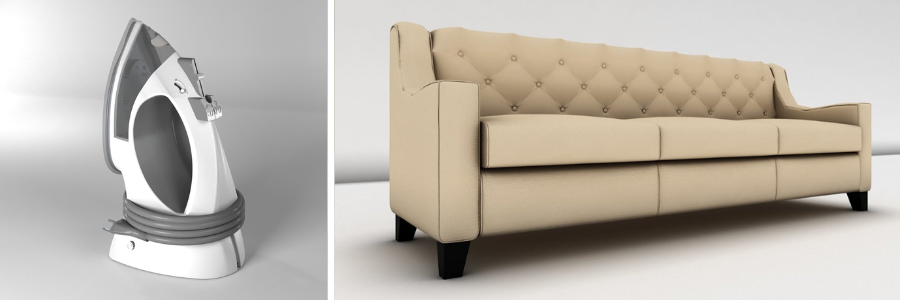
3D character modeling of a warrior and 3D modeling of a luxury watch by Cad Crowd design experts

RELATED: How 3D rendering helps collaboration between clients and design services companies

Hubstaff Talent

hubstaff talent logo

For a zero-cost freelancing platform without commission or transaction fees of any sort, try Hubstaff Talent. It doesn’t even require you to bid on any project; instead, you can just apply via the platform after you fill out your details, including expertise, experience, and availability. The system is built to let the clients and freelancers, like Solidworks design freelancers, initiate the matchmaking process themselves. On the one hand, clients can browse freelancers’ profiles, evaluate portfolios, and invite them to collaborate on projects. At the same time, freelancers can use the search feature to hunt for jobs relevant to their specializations.

Some clients might ask you to track your time on the job with the platform. While you’re under no obligation to accept the request, it might help build trust during the project. If a client sends you the request, Hubstaff Talent will notify you about the matter.

Website: Hubstafftalent.net

Upwork

Upwork-logo

Formerly known as Elance and oDesk, the US-based Upwork is without a doubt one of the largest general freelancing platforms on the web. All skills of any specialization are allowed to join. But with a great number of freelancers registered with the platform, and because the system requires you to bid on a project, you have to deal with pretty tough competition to win a project. Unless you’ve spent enough time on the platform and built a respectable portfolio to the point where clients are interested in inviting you to collaborate on a project, the only way to get hired is to outbid many other freelancers.

It sounds like quite a challenge indeed because the client always wants to hire the lowest bidder for the most services. That said, it’s not impossible to bid a little higher than the others as long as you have the portfolio to back the proposal up. And there are plenty of new projects posted every week in every category, including 3D modeling. Upwork takes a percentage of your earnings, from 5% (for a total earnings of more than $10,000) to 20% if you haven’t earned more than $500 on the platform.

Website: Upwork.com

The Muse

the muse logo

Registration and full access to the job listing are provided free of charge in The Muse. It’s not like you have to register to use the site, either. The job board is, thankfully, as simple as it can be. There’s a search bar to insert specific keywords (job title, skills, etc.) and some filtering options such as locations, benefits, company, and experience levels. You can even display the jobs that accept remote workers only. Clicking on any of the jobs/projects listed will bring up a full description, including roles and responsibilities, as well as the technical requirements. Every job post is attached to a link to the original source, allowing you to apply for it directly via the employer’s site.

Website: TheMuse.com

Fairygodboss

fairygodboss logo

Membership with Fairygodboss is free. It’s a sister site of LatHire, and the biggest difference between the two is that Fairygodboss focuses on providing job opportunities (remote or otherwise) for women. Being a community-first platform, the site offers more than just simple job boards, but also support articles, advice from experts and peers, and discussions revolving around work struggles, salaries, and negotiations. There are links to webinars, virtual job fairs, and insightful podcasts hosted by the Fairygodboss Radio. One unique feature in Fairygodboss is that it has an extensive list of job postings from “sponsored companies,” which, according to the site, includes only employers committed to hiring more women.

Website: Fairygodboss.com

RELATED: How to hire freelance CAD design talent for your project: Tips for design companies and firms

ZipRecruiter

ZipRecruiter Logo

Rated as the #1 job search app on both Android and iOS, ZipRecruiter is used by more than 157 million job seekers from various backgrounds in all industries. It’s one of the biggest hiring sites in the United States, with over 4.3 million companies registered with the platform. The site does offer quite a lot of features to make it easier for freelancers to find their next big projects. For example, it tracks down job opportunities relevant to your skills or specific software such as Revit conversion services, sends alerts based on your search activities on the site, and delivers updates on a timely basis. Ziprecruiter says that it actively pitches job seekers and freelancers alike to companies and hiring managers, but details are scarce about how it actually does that.

Website: ZipRecruiter.com

Glassdoor

Glassdoor

You can find just about everything you can expect from a typical job board in Glassdoor, and then some. There’s the usual search function, along with the filtering options to help you browse through hundreds of available jobs sourced from all over the Internet. Many jobs in the listing come with an “Easy Apply” marking to indicate that registered users can apply for the jobs directly via the platform, given they’ve uploaded their CVs. Uploading your resume to Glassdoor should also make it easier for companies to find your profile, too.

In addition to all those, Glassdoor takes pride in how it offers useful insights into companies’ work cultures through reviews submitted by current and former employees. These reviews may include various subjects like diversity, inclusion, work/life balance, benefits, compensation, and more.

Website: Glassdoor.com

Crossover

Crossover Logo

By claiming to hire only 1% of all the talents registering for the site, Crossover does sound quite a bit ambitious. Every applicant is subjected to a series of tests, including cognitive aptitude, English proficiency, and hard skill evaluation, followed by an interview or two. If you pass and are given a job offer through the platform, you still have to pass a proctored test (according to Crossover, it’s the equivalent of CCAT) with at least the same score as the first one. Most projects available on the site are related to web or software development, but there’s a “product design” category, which might require 3D modeling skills.

Website: Glassdoor.com

Toptal

Toptal-logo

Based on the description available on the site, you can’t help but notice that Toptal is primarily geared toward clients/employers looking to hire freelancers. Toptal says it receives thousands of applications from freelancers on a monthly basis, but it accepts only the best 3% of them for the sake of maintaining quality for all services, such as 3D rendering services. It positions itself as an exclusive platform, with just a tiny fraction of freelancers getting their chances of selling their services here. Toptal claims to work only with some of the most reputable companies worldwide, such as Motorola, Hewlett-Packard Enterprise, Zendesk, The Kraft Heinz Company, Bridgestone, and hundreds more.

Website: Toptal.com

FlexJobs

FlexJobs logo

It might not be entirely accurate to say that FlexJobs is a freelancing site because it’s mostly a job board. You can browse some of the available jobs for free, but to unlock all the features and gain access to the full listing and actually apply for a job here, you have to be a subscribed member. Even if you want to take advantage of the trial period, it costs $2.95 for 14 days of full access.

Remotive

remotive logo

In some respects, Remotive suffers the same problem as FlexJobs in the sense that freelancers have to pay a premium just to gain access to the job listing. It’s a general job board, meaning there’s no restriction as to the type of projects that can be posted to the site; chances are you’ll be able to find some projects or jobs related to 3D modeling and designing, but it might cost you a $79 one-time payment for it.

Freelance UK

freelance uk logo

As the name suggests, Freelance UK is meant only for freelancers based in the United Kingdom. Bear in mind that the platform is neither a job board nor a freelancing platform, but a directory of freelancers’ profiles. The platform is to be used by companies/employers to browse talent on a single website. You’d think that a simple directory would be available for free. But no; Freelance UK charges new members £20+VAT (for a minimum period of four months), followed by a monthly bill of £5+VAT until you cancel the membership.

Maxlancer

maxlancercom logo

As a freelancing platform targeted at professionals with engineering backgrounds, such as civil engineering services, it makes sense that Maxlancer manually evaluates all the applications it receives from freelancers in order to maintain a high level of standards. Every application must include supporting documents to prove the claims you make about your work history and expertise. Once you’ve become a member, you’re given access to browse the available projects and apply from the site.

SkipTheDrive

Skipthedrive

It’s another job board, but SkipTheDrive is quite a refreshing one in an ocean of premium options by giving access to the search feature and the entire database of available jobs for free. You don’t even have to be a registered member to use them. Although there’s no mention of 3D modeling or any other kind of specialization, SkipTheDrive says the platform has a listing that contains more than 25,000 jobs. There just have to be more than a handful of 3D modeling jobs among all of those.

Dice

Dice logo

For a site that claims to provide a user-friendly job board for tech professionals, Dice is at fault for not specifying the exact types of tech jobs it caters to. The good thing is that it has a simple search function with pretty comprehensive filtering options to help you find the projects relevant to your skills. Not every job listed on the site is hiring remotely or specifically for freelancers, but you can make use of the filters to narrow down the search.

Wellfound

wellfound logo

Like in many other freelancing platforms, the most important asset you have when applying for a freelance job in Wellfound is your profile, such as a portfolio of your 3D modeling services. Once you find a project that piques your interest and click the apply button, you’re sending the employer/client a link that leads to your profile page. In the event you make it to the list of shortlisted candidates, the client will contact you for an interview.

Working Nomads

Working Nomads logo

If you’re using Working Nomads as a free member, you only get access to a partial list of remote jobs posted to the site. To get access to the full list, you need to register as a premium member and pay a subscription fee of at least $5 per month. Some projects are for full-time positions, while others are looking for contract workers and part-time employees, but everything is a remote job.

Virtual Vocations

Virtual Vocations logo

Like in Working Nomads, all the jobs listed in Virtual Vocations are for remote freelancers. But also like Working Nomads, you can’t have full access to the entire listing if you’re using it as a free member. The difference is that Virtual Vocations charges a little bit more; the subscription fee is $19.99 per month. The site says that subscribed members have the benefit of receiving a daily-updated and manually-filtered list of jobs, whereas free members get randomly-selected jobs from the database.

We Work Remotely

Weworkremotely

Every single job posted on We Work Remotely is attached with a link that leads to the employer’s email, meaning you can apply directly for the project, without even registering to WWR first. The site says it gets more than 1,000 new leads on a monthly basis, and you’re welcome to set an alert for new 3D modeling projects or anything related to that, sent to your inbox.

Blender Artist

blenderartistsorg logo

Mainly built as an online community for Blender (the software) users, the platform is also a surprisingly good job board for 3D artists. In the “Jobs” section of the forum, you should see an updated list of paid and voluntary projects posted by clients and community members alike. It’s not exactly a massive community, and every job post is heavily moderated, so all the projects are likely legit freelancing opportunities.

99Designs

99Designs

Although 99Designs focuses primarily as a graphic design talent marketplace, a good number of projects actually require some 3D modeling expert work as well. Book cover and flyer designs are probably two-dimensional, but many brand logos and digital illustrations can be three-dimensional. Freelancing through 99Designs is mostly about participating in design contests. Only the winners get paid, but it provides a good platform for you to build a 3D modeling portfolio even if you don’t win.

Dribbble

dribbble.com-logo

Established in 2009, Dribbble has now grown into a huge global online community where designers share their best ideas, join a network of professionals, and get hired. As per the usual, your profile–or more specifically, the work samples in your profile–will be your most valuable asset on Dribbble to attract clients. When applying for a project, clients will look at those samples and make their decision based on what they see.

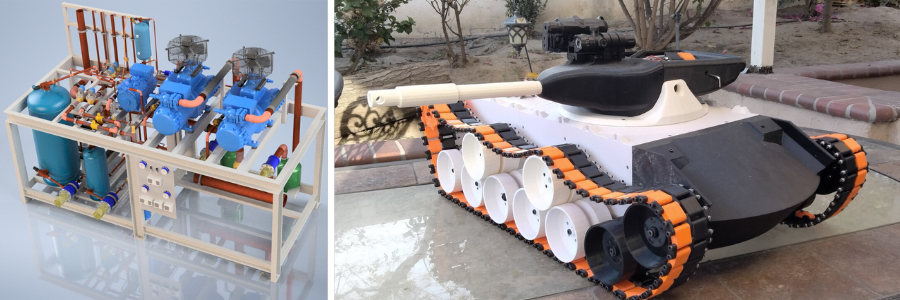
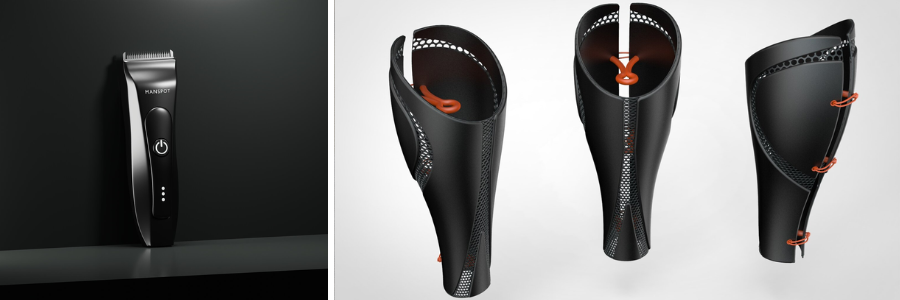
3D modeling of a robotic factory arm and 3D printing machine by Cad Crowd design experts

RELATED: Cost breakdown for 3D rendering services: Pricing & rate highlights for 3D design services in 2025 & 2026

Behance

Behance logo

In terms of job categories, Behance is larger than Dribbble and 99Designs. Apart from graphic designs, you get more 3D-focused options like architectural renderings and modeling projects. The job listing is easy to navigate with simple filtering options and clear job descriptions as well. Because Behance is owned by Adobe, you can sign in using your Adobe account.

LinkedIn

LinkedIn logo initial

What was once known as LinkedIn’s “Job Seeker” feature is now called “Premium Career.” A free membership gives you the ability to build a profile, grow a network of contacts, get recommendations from other members, receive emails, and most importantly, search job openings. Premium membership, on the other hand, unlocks additional features like direct emails from/to employers, career courses from LinkedIn, and AI-assisted job search.

Design Hill

Designhill logo

You’ll find a lot of similarities between Design Hill and 99Designs. For example, both platforms are mainly geared toward graphic designers, but there are some design categories where your 3D modeling skills should bear good relevance. For example, a category you might want to be included in is for 3dS Max modeling services. You can make money in Design Hill by winning a design contest or by getting invited by a client to collaborate on the project. As a bonus, the site is also a marketplace where you can sell your digital art.

DeviantArt Forum

DeviantArt-Logo

The main site of DeviantArt is reserved for the online community of digital artists. You have to go to the forum section first, and then navigate to “Employment Opportunities” to get to the job board. The two categories listed there are simply called Artist for Hire and Hiring an Artist. You can use those to offer 3D modeling services and apply for projects.

Guru

Guru logo

Certainly one of the largest general freelancing platforms on the web, Guru gives you the platform to apply for projects through a bidding process. Needless to say, you must outbid other freelancers to get the chance of getting hired to work on a project. Remember that the lowest bidder doesn’t always win, especially if you have the kind of portfolio to justify your bid properly.

Gun.io

Gunio logo

Make sure you build your profile accurately if you decide to use Gun.io as the freelancing platform of your choice. There’s no way to apply for projects or bid on them here. You have to rely on the site itself to discover your profile and match it with open projects relevant to your skills. As for the job categories, Gun.io is all about engineering and software development, and when it comes to engineering, there just have to be some tasks or projects that require 3D modeling skills, such as for product design visualization and analysis.

Twine

twine logo

There are three major job categories in Twine: creative, digital, and marketing. In case you haven’t noticed yet, all three are likely the most common proving grounds for 3D modeling and 3D visualization services. Similar to the bidding process on Upwork, you have to pitch your services to the client when applying for a project. You can use the platform (as a freelancer) for free, but Twine also offers a premium membership to unlock additional features.

Freelancer

freelancercom

Browsing for 3D modeling projects on Freelancer is a pretty straightforward process. Just use the search bar and filter the results using the options on the left-hand side of the panel. You apply for a project by submitting proposals (basically bidding) to the client. In case you don’t feel like bidding and want to join the race immediately, Freelancer also has many open contests available for you to participate in.

Working Not Working

workingnotworking-logo

The tagline says that Working Not Working is the best place to hire the best creative talents. When it says “talents,” the platform refers to a pretty comprehensive list of professionals, from product designers and illustrators to animators and 3D artists. Signing up is a brief process, and you even get to set your rates from the get-go. It’s definitely a reliable choice for creative firms.

Jooble

jooble logo

Think of Jooble as a collection of job boards sourced from the entire web. It collects job opportunities from over 15,000 sources and websites in 67 countries worldwide. There’s nothing new or particularly unique about Jooble, but at least it is supposed to make your search a simpler task. Not only does it aggregate the job openings, but Jooble also scans and filters out potential fraud and spam.

JustRemote

just remote logo

One of the biggest selling points of JustRemote is the claim that it scans only the “unadvertised” job openings and collects them for you. JustRemote says that companies and businesses only post about 30% of all open projects to job boards combined. You can use the platform for free, but you must be a subscribed member to have access to the full listing. The subscription fee is $6 for the first month.

Workster

workster logo

If JustRemote is geared toward an international audience, the sister site Workster is aimed at job seekers based in the United States or eligible to work in the country; normally, this includes US citizens or foreigners with a work visa. All job openings are from companies or clients based in the United States, who might not be able (due to legal reasons) to hire remote workers from any other country. Subscription fee is $14 per month (or $10/month, billed quarterly).

PowerToFly

power to fly logo

With more than 40,000 jobs from over 150 companies, PowerToFly does look like a good place to start your venture into the freelancing world. While not all of those jobs are for remote workers or related to 3D design services, you can just use the search bar to find what you’re looking for. In addition, community members are granted access to monthly virtual job fairs and invite-only events hosted by companies committed to doing more DEIB hiring.

DesignCrowd

DesignCrowd logo

You can’t actually apply for projects in DesignCrowd. Freelancers make money by participating (and actually winning) contests and selling their digital arts on the platform. Your participation in the contest and the digital arts you sell on the platform basically function as your portfolio; the more you participate and the more digital models you make available for purchase, the higher your chance of getting invited to collaborate with a client in a “one-to-one” project.

Bark

bark logo

For a site that claims to be the Amazon of services, Bark does cater to quite a lot of job categories, from dog walking to structural engineering tasks. There’s no option to apply for projects on the site. Instead, Bark will notify you when new projects relevant to your skills become available. While the leads are provided for free, you need to pay a small fee to contact the clients.

RELATED: 5 reasons freelancing studios are the future of 3D visualization services

Why is Cad Crowd people’s favorite?

It goes without saying that 3D CAD has revolutionized much of the product development workflow, game designs, marketing, reverse engineering, and the manufacturing industry; almost certainly, more companies and design agencies find themselves in need of easily accessible 3D modeling talents at competitive rates. General freelancing platforms for sure offer a large assortment of talents from all over the world, but nothing comes close to Cad Crowd when it comes to CAD-specific skills, especially 3D modeling and visualization.

In most platforms, 3D modeling is merely one big category, but Cad Crowd delves deep into the field and provides thousands of skillful talents highly specialized in dozens of disciplines, with the category including solid surface modeling, sculpting, rigging, animation, rendering, 2D-to-3D conversion, printable models, architectural modeling, product modeling, and more. Being a highly specific freelancing platform has allowed Cad Crowd to thrive in a largely digitized world where businesses and companies of all industries are looking to get their 2D-to-3D transformation done and embrace the new, exciting world of 3D-based designs, prototyping, and marketing. And those companies have now found Cad Crowd as the only place they need to discover talented professionals to get the job done.

Get a free quote today.

author avatar

MacKenzie Brown is the founder and CEO of Cad Crowd. With over 18 years of experience in launching and scaling platforms specializing in CAD services, product design, manufacturing, hardware, and software development, MacKenzie is a recognized authority in the engineering industry. Under his leadership, Cad Crowd serves esteemed clients like NASA, JPL, the U.S. Navy, and Fortune 500 companies, empowering innovators with access to high-quality design and engineering talent.

Connect with me: LinkedInXCad Crowd

Best 51 Sites for Freelance CAD Design Jobs, Remote Work & Virtual Projects from Home


The demand for creative and talented CAD professionals continues to soar. Throughout the world, in both developed and developing countries, businesses in various industries have an insatiable hunger for a creative workforce to make new products, solve engineering problems, design buildings, and basically introduce inventions to the market. The power of computer-assisted design–with software like AutoCAD, Inventor, SolidWorks, Blender, SketchUp, Revit, Fusion 360, Maya, and 3ds Max among others–has truly revolutionized the industries from consumer product designs and manufacturing to architectural, engineering, arts, films, and everything else in between. But no matter the software, it’s only as powerful (or useful) as the professional using it.

CAD freelancers everywhere now have the chance to showcase their best works and collaborate with companies from many different countries, thanks to the proliferation of freelancing websites all across the web. Here’s a short list of some of the best platforms where freelancers can get in touch with employers and work together on all sorts of CAD-related projects.


Cad Crowd

cadcrowd-logo

Easily a favorite of millions of CAD freelancers out there for one simple reason: Cad Crowd operates strictly on freelance CAD jobs. Without carrying the burden of overgeneralization typically observed in many other freelancing platforms, Cad Crowd can be very specific with its CAD services categorization. No matter what your specialization is, chances are there is a specific place for you on the site. It has everything from 2D modeling, 3D animation, architectural rendering, BIM, interior design, graphic design, 3D printing, computational fluid dynamics, product design, electronics design, and engineering services, just to name a few.

You can easily browse jobs and apply for them directly on the site. One thing to remember is that Cad Crowd is quite picky about the freelancers’ qualifications. In addition to the details in your profile (educational background, experience, preferred software, etc.), you have a higher chance of getting hired if you’ve joined a design contest before or provided a verifiable portfolio. The more contests you’ve participated in (and actually won), the higher your rank will be in Cad Crowd. And a higher rank translates to more opportunities. If you’re new to the freelancing world, contests are the quickest way to build your reputation on the site and showcase your best works.

Website: CadCrowd.com

GrabCAD Challenges

grabcad

From the looks of the page, GrabCAD Challenges seems to be made primarily for employers and companies rather than freelancers. But it doesn’t necessarily mean the latter are treated as secondary members, either. The page is designed like an invitation for companies to post design contests as a method to discover ideas, find engineering design solutions, and inject new perspectives into product development. At the same time, it also means that freelancers can showcase their skills through the contests. Most (if not all) of the contests in GrabCAD come with prize money, so they can be your gateway to freelancing in the CAD design services industry. Of course, each competition has rules and requirements such as file formats, intellectual property considerations, and so on.

Website: GrabCAD.com

Kolabtree

kolabtree logo

It goes without saying that Kolabtree, first and foremost, is built around the idea of providing freelance services to clients. The information about how a freelancer might join and get hired is not easily visible, but it’s there, although not clearly highlighted. In essence, anybody is allowed to sign up, and you must provide a complete profile (which likely refers to giving full educational backgrounds, professional experience, portfolio, and fields of expertise). You can get hired through one of the following methods: a client hires you directly, the internal team at Kolabtree invites you to work on a project, or you bid on a job posted on the site. All payments are processed through an escrow system and released after the project concludes.

Website: Kolabtree.com

Unicorn Factory

unicorn factory logo

First things first, Unicorn Factory focuses heavily on providing job opportunities for freelancers based in only two countries: Canada and New Zealand. The platform was first established in 2018 and has so far connected more than 11,000 freelancers with employers. The signup process is pretty typical, but there’s one big catch. Once your application is approved, you will have to opt in to their Kickstarter plan, which costs around $200 for your first five leads. According to Unicorn Factory, the starter plan is meant to see whether the platform is right for you, but there’s no mention of a money-back or refund option of any sort anywhere on the site.

Website: UnicornFactory.nz

Dribbble

dribbble.com-logo

The vast majority of CAD jobs you’ll find on Dribbble are graphic-design related projects. Dribbble (yes, with three b’s) started as a community where designers can showcase their best works, find inspiration from others’, and discover new opportunities for work. It still feels like an online community of graphic designers, but now with a job listing where you can apply for remote freelance projects. One of the best things about Dribbble is that it gives a real competitive advantage to all self-taught graphic designers because educational backgrounds don’t really matter that much here. When looking for a freelancer, clients will mostly see your work samples and portfolio rather than your educational background and other credentials.

Website: Dribbble.com

Working Not Working

workingnotworking-logo

Anybody can sign up as a “creative” with WNW. The registration process is pretty straightforward–just pay attention to the fields of expertise and the pay rate parts. Make sure to list your specialization using the right terms (product designer, industrial design expert, graphic designer, furniture designer, illustrator, etc.) to improve the chances of potential clients finding your profile on the site. As for the rate, WNW advises against putting an exact price for the services you provide. You need to be flexible with the pricing to attract more clients. Only clients or “hirers” can see the range. Other creatives and anyone else who’s not a registered member won’t be able to see it.

Website: Dribbble.com

Behance

Behance logo

You’ll immediately feel that Behance is operating on the same basic principle as Dribbble–both sites are built as an online graphic designers’ community first, and freelancing second. But this does not mean there aren’t enough freelancing projects posted on the site. Other than the typical graphic design categories like logo, typography, packaging, and icons, there are also architectural renderings, interior designs, and motion graphics. Behance is owned by Adobe, and most of the graphic designers on the site are trained in Adobe products, but you can register as a freelancer even if you’re using other software packages.

Website: Behance.com

Hired

hiredcom logo

Hired has been part of the LHH Recruitment Solution since 2014. You can browse for jobs on the site and apply directly, or you can submit your resume and let the platform match you with the right job opportunity. When you’re applying for a job, pay attention to the recruitment type because some of them are not exactly meant for freelancers. LHH says that the matching process is individualized, so there shouldn’t be a problem with incorrect offers as long as your resume and profile are accurate. For instance, don’t mention that you can work from anywhere in the United States when, in reality, you’ll be working from somewhere else as a remote freelancer.

Website: Behance.com

LinkedIn

Linkedin

With more than a billion members from 200 countries worldwide, LinkedIn might be right to pride itself as the largest professional network. Mind you that not all those members are job seekers and freelancers alike, but also employed experts, small businesses, and companies as well. The idea behind LinkedIn is to provide a kind of social networking where professionals can connect and foster collaboration with like-minded individuals. Being a social network, it has also become a place where organizations share the latest industry news, and more importantly, job opportunities.

Based on the platform’s own statistics (December 2023), about 61 million people use the online network to search for jobs. While it might not be a dedicated freelancing platform like Upwork or Fiverr, there’s no shortage of companies posting short-term projects to attract thousands of applicants. A big portion of the job listing is filled with CAD-related positions in various categories like product design, architecture, engineering, 3D modeling design services, 3D visualization, and more. When you’re browsing for job opportunities on LinkedIn, use the “Job Type” dropdown list to filter out the full-time and volunteer results, leaving only the contract and temporary jobs. The experience levels range from internships all the way to senior positions, so use them accordingly. Another important thing is to click the “Remote” option to narrow down the search results even further.

Website: LinkedIn.com

SimplyHired

SimplyHired logo

For a site that claims to be a “job search engine,” SimplyHired really does what it says on the tin. There’s a myriad of job categories available, but the first “Top 20” list is filled with options like Part-Time and Remote Work from Home. You can browse all the categories (listed alphabetically) or just use the search options right at the top of the page. SimplyHired also has a “Get Resume Help” feature that will redirect the page to the Indeed website. Apart from the job listing, the connection with Indeed helps you research reviews of companies, average salaries based on locations, and even a link to the Glassdoor community.

Website: SimplyHired.com

Fiverr

fiverr logo

Primarily known in the freelancing world for getting projects done for an affordable rate, Fiverr–as the name says–is where freelancers offer services for a starter price of only $5 (a fiver). Freelancers do not apply for jobs on the site; instead, they create a profile and include a portfolio for employers to find them. There are several options where you can promote your services, but the features are not free or are only available for those who have completed a certain number of jobs or passed the minimum number of perfect 5-star reviews. Fiverr is a general freelancing site, so there’s a myriad of job categories on the site, including CAD-specific projects. One of the disadvantages is that you’re not allowed to communicate with potential clients outside the platform itself. Apart from that, it is an easy-to-use platform for freelancers to market their CAD skills.

Website: Fiverr.com

Aquent

Aquent

A friendly reminder, only freelancers based in the United States are eligible to register with the platform. Companies and employers post jobs and projects on the site, but you won’t be able to find any kind of categorization here. Instead, the jobs are listed based on what’s currently available. Of course, you have to be a registered member to apply for the job. The browsing experience is not quite as pleasant as on other websites that give clear job categories based on skill requirements and employment needs (contract, freelance, or temporary), so it might take a little bit of getting used to. Aquent functions as an agency, so if you get hired by an employer via the site, you’re essentially an employee rather than a contractor. This means you have the option to opt in for benefits like sick leave and health insurance.

Website: Aquent.com

Nexxt

Nexxt

Millions of freelancers, from product design to engineering design services on Nexxt, like the fact that jobs and projects posted on the site come with direct links to the companies and employers. And just about everything is free. The sign-up process is also easy; all you have to do is create an account, build a resume, and apply for a job in the listing. There is a separate “portfolio” section in your account, where you can create and edit a collection of work samples or designs from past projects. To find the projects you’re interested in, you just have to use the search function. Type the job categories or job titles into the search bar, and you’re ready to go.

Website: Nexxt.com

Glassdoor

Glassdoor

When you want to apply for a project listed on Glassdoor, the link will redirect you to an Indeed page. There’s absolutely nothing wrong with that because the former is a sister site of the latter. Freelancers can appreciate how Glassdoor is not only about providing freelancers easy access to available projects, but it also offers insights into the potential employers’ profiles. There’s no shortage of CAD jobs on the site–just remember to use the keyword “freelance” to filter the search results right away. You can also browse based on location and categories. The salary comparison feature is a nice touch to help you make better decisions when applying for work with certain employers in any specific state or city in the US.

Website: Glassdoor.com

FlexJobs

FlexJobs logo

While FlexJobs is not strictly a freelancing site, it operates more or less in the same fashion as other sites on the list. You can create an account (as a CAD freelancer) for free, but the job listing is only visible to premium members. It’s a subscription-based membership, and to make things worse, FlexJobs doesn’t really say how much you will pay on a monthly basis. There’s a trial period, but even the trial itself comes at a cost of $2.95 for a 14-day period. According to FlexJobs, the subscription is partly to cover the cost of hiring an internal team to manually screen the job postings for quality and the employers for legitimacy. But at least the job search function is easy to use, and the application process is straightforward.

Website: Flexjob.com

Flexiple

flexiple logo

The vast majority of jobs posted on Flexiple revolve around digital projects like software engineer, UI/UX design, software developer, and so on. But you should be able to find some projects related to graphic design as well. Admittedly, many of those graphic designer roles have something to do with front-end web development and app user interface. That being said, it still takes some CAD skills to make good logos, icons, typography, illustrations, 3D animations, etc. Flexiple might not be the first place freelancers visit when they’re looking for CAD jobs, but they shouldn’t so easily dismiss it either, because CAD covers digital arts, too.

Website: Flexiple.com

Gun.io

Gunio logo

You’ll kick things off by building your profile in Gun.io; this means you need to detail past work experiences, determine your preferred languages, specializations, skill sets, etc. You can’t simply apply for a project once the profile is approved. The platform will review your profile and match it with an available freelancing opportunity. For example, if you’re specialized in CG animation and 3D rendering design services, Gun.io will notify you in case there’s a freelancing spot for such a project. Also, the platform allows you to keep 100% of your rate. Like in Flexiple, most of the projects in Gun.io will be about software development and engineering, but CAD-related projects won’t be completely left out of the picture.

Website: Gun.io

Malt

Malt logo

A lot of freelancing sites allow you to search for projects and bids to get hired. Malt works in the opposite direction. Freelancers register and complete their profiles like usual, but there’s never a sense of competition going on here. You don’t have to compete for the lowest rate, and there’s no need to search for specific freelancing opportunities as well. Malt makes the companies look for freelancers and submit their proposals. As long as you set up the profile correctly, you will likely get a job offer that matches your skills. It’s also a platform where you can manage projects, automate invoices, and create quotes, all in one place. At the moment, Malt only operates in the Nordics region and five countries, including the United Kingdom, the United Arab Emirates, Switzerland, the Netherlands, and Spain.

Website: Malt.com

PeoplePerHour

peopleperhour logo

When you’re searching for a freelance job on PeoplePerHour, you can use a few filtering options such as project type (urgent, pre-funded, etc.), payment schedule (fixed price or hourly rate), and experience level (entry, intermediate, and expert). Once you find the project you like, submit a proposal so that the client can see your profile and your bid. PeoplePerHour allows you to submit up to 15 proposals per month for free. In case you need some more, you must purchase additional credits. Make sure you build a complete profile with sample designs and a portfolio to convince clients to hire you for their projects.

Website: PeoplePerHour

Arc

arcdev logo 2

If Malt operates mostly in European countries, Arc focuses on the freelancing landscape in the United States. Well, the freelancers might be from any country, but the companies and employers registered with the site are primarily US-based tech companies and startups. The job listing makes it easy to apply for projects, and you’re allowed to communicate with the hiring manager directly. But if you opt in to Arc’s vetting process (technical and communication tests), you have the chance to get recommended to employers, too. With most projects, you’re required to pass an interview test with the hiring manager. Some job categories within the CAD field include illustrators, sketch experts, prototype designers, animation designers, 3D animators, 2D animators, and motion graphics designers.

Website: Arc.Dev

FreeUp

FreeUp logo

Freelancers are divided into three categories in FreeUp based on experience, level of expertise, and hourly rate. An entry-level freelancer is expected to charge between $5 and $15 per hour, an intermediate one costs between $15 and $30 per hour, while an expert professional can charge anywhere from $30 to $75 per hour. FreeUp has its own recruiter team to interview, vet, and approve or decline every applicant registering with the site. Things to consider during the approval process are work history, Internet speed, and typing speed. It’s a general freelancing site, meaning it has plenty of job categories listed on the site, including graphic designer, CAD designer, animator, 3D modeler, interior designer, mechanical engineer, structural engineering expert, etc.

Website: FreeUp.com

Toptal

Toptal-logo

Here’s the deal with Toptal: the sign-up process for freelancers is way more challenging than what you typically see with other sites. One of the platform’s biggest selling points (to employers and companies) is that the freelancers registered with Toptal have all been thoroughly vetted for their ability to communicate in English and domain-specific skills. The screening process involves tests to determine the level of expertise and professionalism, in addition to portfolio reviews. It is said that only 3% of the applicants are accepted. It’s not as CAD-specific as Cad Crowd, but there are categories like product designers, graphic designers, and 3D animators. The good thing is that once you get the approval to join the site as a freelancer, you’ve basically put yourself in the middle of a competition for high-paying freelance jobs only.

Website: Toptal.com

Insolvo

insolvo logo

A point of highlight with Insolvo is how it states that there will be many projects available for new freelancers, especially those with little experience. This is to encourage beginners to get into the freelancing world without feeling overwhelmed by the current level of competition, which might seem a little bit unfair. Every freelancer must pass a test when registering with Insolvo and pay a subscription fee to be able to apply for/take any task. Without the subscription, you’ll still be able to see the available tasks, but you can’t take any action. Insolvo says the subscription fee is to prevent members from fraud, although it doesn’t clearly explain how it works.

Website: Insolvo.com

goLance

golancecom logo

As far as freelancing is concerned, goLance gives you only everything that you need; nothing more, nothing less. When you create a profile, make sure to select the correct payment method and the job categories you prefer. The categories include everything from virtual assistants and sales to IT administrators and interior design experts. You can apply to as many projects as you want, without paying a dime. Some projects are fixed-price freelancing jobs, while others offer hourly rate payments.

Website: goLance.com

Hire With Near

Hirewithnearcom

This platform focuses on job seekers based in Latin America and employers in the United States, so most of the jobs posted on the site are geared toward remote workers. In addition to the usual “job search” feature and the option to apply for a project, Hire With Near allows you to set an alert in case you want to get notified when somebody posts a job that matches your profile. Most of the CAD jobs on the site are for graphic designers.

Website: HireWithNear.com

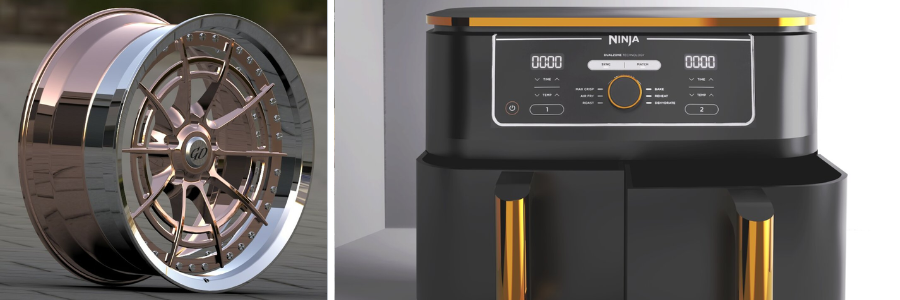
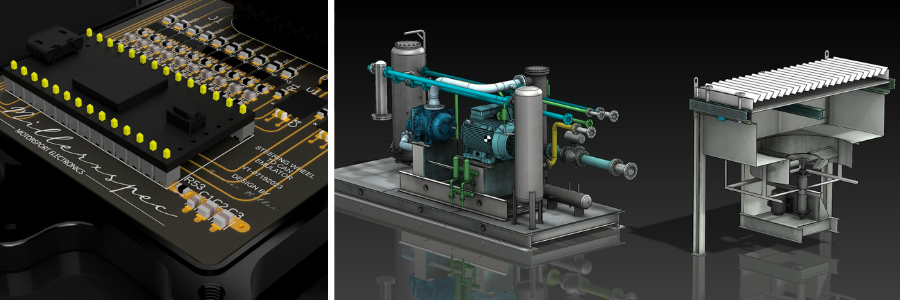
CAD design of cosmetic product packaging and jewelry store rendering by Cad Crowd design professionals

Freelancer

freelancer-logo

Obviously, one of the largest freelancing sites on the web, this platform takes pride in being as straightforward as it possibly can for freelancers to find jobs and for employers to post projects. It also claims to have a massive network of more than 77 million freelancers worldwide. As for the jobs, there have been over 24 million projects posted so far. Browsing for available CAD projects is easy, and you can further sort the search results by skills and language. Again, you have to bid and submit a proposal to apply for a job here. If you’re interested in joining a design contest, Freelancer has that option as well.

Website: Freelancer.com

Contra

contracom logo

According to Contra itself, more than 20,000 companies have used the platform to post various projects worth over $30 million. Most of them are growing tech companies. And the number of registered freelancers with the site has reached around 200,000 profiles. One of its biggest selling points is that freelancers get to keep 100% of the commission from every project they do. The platform also offers an AI-powered portfolio builder and analytic features with built-in payment management for freelancers.

Website: Contra.com

Guru

Guru logo

According to its own “About” page, Guru’s mission is to connect employers and freelancers from all over the world on one platform. With more than two million freelancers registered with the site and a free job posting feature, it seems that Guru is on the right track to achieve its objective. Guru is similar to Fiverr in the sense that it is a general freelancing site, so there are plenty of categories available from simple data entry to mechanical engineering services. It’s also like Upwork, meaning you have to make a bid on a project you’d like to do. Guru offers a feature called “Premium Quotes” to help improve your chances of winning a bid.

Website: Guru.com

Hire Digital

hiredigitalcom logo

In Hire Digital’s design category, you’ll find specific domains like graphic designers, animators, product designers, illustrators, technical designers, and logo designers. There’s no option to apply to projects directly in Hire Digital. Following a rather rigorous registration process that involves technical assessment and an interview, you’ll be invited to work on a project if there’s a job that matches your specialization and skill set. Each time you receive an invitation, Hire Digital also informs you whether the project involves a full-time or part-time commitment.

Website: HireDigital.com

Truelancer

truelancercom logo

The freelancing model in Truelancer is similar to that of Upwork. Freelancers must submit proposals when applying for a project. However, the platform only offers a limited allotment of free proposals per month. If you need to apply for additional projects, you have to purchase some more proposals. Another option is to pay for the premium membership account, which extends the allotment to a certain point. Truelancer also charges a service fee (from 8% to 10%) on every completed project. There’s also a payment processing fee with every withdrawal.

Website: Truelancer.com

Bark

bark logo

Right off the bat on the homepage, Bark boldly says that it is the Amazon of services, with millions of people using the platform every single day. There’s no option to apply for a project on the site; you don’t have to, because the companies/employers will find you instead. Bark also sends you leads when a company posts a project that needs your expertise. The leads contain the employers’ email addresses and phone numbers (if available), so you can contact them directly. While the leads are given to you for free, you have to pay a certain amount of money to get in touch with the employers.

Website: Bark.com

Upwork

Upwork-logo

During the sign-up process (as a freelancer) in Upwork, you’re given a number of options to define your skills and specializations. Once you have an active account, the types of jobs that appear on your feed should match your skill set. For instance, if you select the CAD engineer or architectural design expert option, your feed should be filled only with jobs related to your fields of expertise. That said, there’s also a search feature to help you find the freelancing opportunities you want. Upwork is a pretty competitive freelancing site–you have to bid on a project against other freelancers to actually have a chance of getting hired.

Website: Upwork.com

SolidGigs

solidgigs logo

At a glance, SolidGigs appears to be the perfect freelancing site for everyone looking to get hired for a remote job. The registration process is pretty straightforward: you create a profile, detail the services you’re selling, and set the budget. Once the profile is ready, SolidGigs will send you some leads with links to the original sources. If you get hired, you keep 100% of your paycheck from the employer. It all sounds wonderful until you realize that SolidGigs is not free to use. The subscription fee is $49 monthly.

Website: SolidGigs.com

99designs

99Designs

Most of the CAD projects in 99designs are in the graphic design category, like logo making or illustration. The freelancer and employer matchmaking service on the platform comes with a whopping $100 fee, spread out over the latter’s first $500 payment. There’s also an additional platform fee that goes from 5% for top-level designers to 15% for entry-level ones. If you find the fees a bit steep, you have a better chance of making money freelancing by participating in the design contests.

Website: 99designs.com

Design Hill

Designhill logo

Like 99designs mentioned above, Design Hill is also primarily about graphic design. Although there are premium membership options, you can use the platform for free. There are two ways to make money here: contests and one-to-one projects. A design contest means you participate in a competition for a graphic design project and submit your work before the deadline. The client gets to choose which design is best and who receives the prize money. In a one-to-one project, the employer initiates the communication and offers you work. Additionally, Design Hill is also a marketplace for people to sell their digital art.

Website: DesignHill.com

Hubstaff Talent

hubstaff talent logo

Everything about Hubstaff Talent is pleasing to use and pretty convincing. It charges no fee to freelancers, and you can apply for projects without having to engage in a bidding war. The site only works to connect freelancers and clients in need of services. You have the freedom to browse for posted jobs and submit your application, and companies can also contact you directly if they find your profile interesting enough. Most of the CAD jobs on the site are related to graphic design.

Website: Talent.Hubstaff.com

Twine

twine logo

On Twine, you pitch your profile on the platform to get notified of new projects, or the clients contact you directly through your portfolio, say, for example, for your 3D modeling design services. It’s as simple as that, and signing up as a freelancer is free. But there is a limit to how many pitches you can make each month. You get 15 free applications every month, but you can increase the limit by purchasing the “Pro” subscription account for $13.99 per month, which gives 35 additional pitches (for a total of 50 applications) each month.

Website: Talent.Hubstaff.com

ServiceScape

ServiceScapecom

If you dislike the idea of bidding for a project, ServiceScape might be worth a shot. There isn’t a broad range of services available on the site, but there is a graphic design category, where you can make money with your CAD expertise. It’s like Fiverr to a certain degree. You can’t apply for projects; the clients browse freelancers’ profiles and offer them work. ServiceScape offers no membership fee, but it takes a staggering 50% of your commission for every completed project, so you will have to take that into account when setting the rates.

Website: ServiceScape.com

ZillionDesigns

zilliondesigns logo

You build your reputation on ZillionDesigns by winning graphic design contests. The clients set the prize money for every contest, and the winner has to pay the platform 10% of the prize they receive. In addition to the commission, you also have to cover the payment processing cost. Once you’ve won a contest, your portfolio will be shortlisted on the client’s account, opening the possibility for the two of you to engage in a one-to-one project. ZillionDesigns charges a 20% processing fee for it.

Website: ZillionDesigns.com

Crackerjack

crackerjack logo

The CAD category in Crackerjack is pretty comprehensive, as it includes everything from logo design to architectural BIM modeling services. One of the limitations is that only freelancers based in the US will be accepted by the platform. Crackerjack doesn’t exactly list the fees associated with the service, but it promises to charge some of the lowest fees on the market. You can search for jobs and apply directly for projects, or take advantage of the notification system for new leads.

Website: Crackerjack.app

We Work Remotely

Weworkremotely

Since it was established in 2011, We Work Remotely has posted more than 20,000 projects. It also claims to accept more than 1,000 new leads every month on average. The best thing about WWR is that you can use the site even without registering. Every job posted on the site has a link that redirects to the client’s email. If you want, it’s possible to set a notification in case there’s a new project looking for a CAD professional.

Website: WeWorkRemotely.com

OnSite

Weworkremotely

This is the freelancing site to try if you don’t mind exercising a little bit of patience, and that’s assuming your registration as a freelancer is approved. OnSite says that it only accepts about 5% of all applicants. In a sense, OnSite is built for employers to look for freelancers, not the other way around. The clients browse for freelancers’ profiles and contact them through the platform. If you include a phone number on your profile, the client can even contact you off-site.

Website: WeWorkRemotely.com

LatHire

lathire logo

Actually, part of CloudDevs, all the freelancers registered with LatHire are based in Latin American countries. CloudDevs is primarily for developers, but there’s a graphic design category on the sister site. You have no option to apply for projects or send bids to a client; LatHire will take care of the matchmaking process and notify you when new opportunities relevant to your expertise are available.

Website: LatHire.com

DesignCrowd

DesignCrowd logo

Mostly for graphic design freelancers who sell 3D visualization services, DesignCrowd is a platform where you can participate in design contests and win prize money. There’s no bidding and submitting proposals here. Freelancers have to submit actual design files to take part in any competition. The client (the contest holder) won’t be able to download your design files unless you come out as a winner.

Website: DesignCrowd.com

Wellfound

wellfound logo

Every CAD freelancer, no matter the specialization, is welcome to join Wellfound. It’s worth mentioning that your profile is all you need/have to apply for any project posted on the platform. Make sure to include some design samples or works from previous projects (if possible) because you’re basically sending a link to your profile when you apply for work here. If you’re shortlisted, the client will contact you and schedule an interview.

Website: Wellfound.com

Maxlancer

maxlancercom logo

A freelancing site created by engineers for engineers, Maxlancer focuses heavily on technical expertise in product development and engineering solutions, such as structural engineering services. Every freelancer registering with the site is expected to meet a high standard of educational background, work experience, and skill set. You have to include supporting documents to prove your claim. Maxlancer says that an internal team of reviewers will manually evaluate the documents for authenticity. Once approved, you can browse for projects and apply via the site.

Website: Maxlancer.com

The Muse

the muse logo

Just like with We Work Remotely, you don’t have to be a registered freelancer with The Muse to use the platform and look for work. Bear in mind that some of the projects posted on the site are for full-time and on-site positions. Use the filtering option to sort the search results based on employment type and flexibility. The Muse won’t be involved in the application and hiring processes. You apply directly to the employers and handle everything yourself afterward.

Website: TheMuse.com

Working Nomads

Working Nomads logo

Registering for a freelancer account (no cost) with Working Nomads gives you access to a “partial” list of available remote projects. Some jobs posted on the site are for full-time positions, others look for part-time or contract workers, but all of them are remote jobs. The platform doesn’t prioritize any field of expertise, so every skill set is allowed, including CAD. If you decide to join the premium membership (starting from $5 per month), you should get full access to all the available remote projects–about 30,000 of them.

Website: WorkingNomads.com

SkipTheDrive

Skipthedrive

It’s all about searching for the right project in SkipTheDrive. There’s no registration necessary, and the search feature is available for free. The platform claims to have a massive database of more than 25,000 jobs from over 2,900 companies from various industries. If the claim is true, it’s highly likely that you’ll bump into projects that match your CAD expertise. SkipTheDrive only provides the platform for freelancers to look for jobs, and it won’t get involved in the hiring process.

Website: SkipTheDrive.com

Virtual Vocations

Virtual Vocations logo

All the projects posted on Virtual Vocations are for remote workers. It operates just like Working Nomads; free members have partial access to the job listing, whereas premium accounts are rewarded with access to the entire list of projects. Working Nomads says that premium freelancers will only receive manually-screened projects and an updated list daily. You can think of it as a collection of job opportunities sourced from multiple job boards, employers’ websites, blogs, and social media, compiled into a single list for even manufacturing design companies.

Website: VirtualVocations.com

Dice

Dice logo

The idea behind Dice is to provide tech professionals with an easy-to-use job board. It doesn’t specify what kind of tech jobs are listed on the site, but there’s a search option with a straightforward filtering feature. Some projects are for full-time and on-site hires, while others are meant for freelancers and remote workers. When registering with the site, you have to submit your resume, which will be evaluated (for free) by TopResume for approval.

Website: Dice.com

Conclusion

It wasn’t until about a decade ago that freelancing really became part of the employment landscape. The widespread use of the Internet certainly had something to do with the change, and now we have dozens of websites that promote remote jobs, virtual projects, and design contests used by companies big and small as they’re looking to get projects done by freelancers worldwide.

Freelancing is rapidly becoming the norm, if not already. And this is true in just about every industry and specialization, including CAD. While more and more CAD artists jump on the bandwagon with freelance-based works, the Internet is guilty of lacking a proper CAD-focused platform to connect skillful, talented, and experienced professionals with companies and employers alike. This is the main reason that Cad Crowd has been everybody’s favorite in recent years.

By focusing on CAD-related projects and emphasizing the quality of its freelancers, Cad Crowd has evolved from a simple remote-hiring platform into one of the most comprehensive platforms to bridge the gap between CAD job seekers and employers worldwide. Get a free quote today.
author avatar

MacKenzie Brown is the founder and CEO of Cad Crowd. With over 18 years of experience in launching and scaling platforms specializing in CAD services, product design, manufacturing, hardware, and software development, MacKenzie is a recognized authority in the engineering industry. Under his leadership, Cad Crowd serves esteemed clients like NASA, JPL, the U.S. Navy, and Fortune 500 companies, empowering innovators with access to high-quality design and engineering talent.

Connect with me: LinkedInXCad Crowd

5 ADU Design Tips To Make Spaces Feel Larger with Architectural Services & Design Firms


Accessory Dwelling Units (ADUs) are small by nature, but they don’t have to feel small. Whether it’s a backyard cottage, garage conversion, or a detached in-law suite, a well-designed ADU can punch well above its square footage. The key? Strategic design. And if you’re working with architectural design services or design firms from industry leaders like Cad Crowd, you’ve got a team that knows how to stretch every inch like it’s made of gold foil.

What is ADU Design? A quick and friendly guide

An ADU (Accessory Dwelling Unit) is a small, independent living space on your property, like a backyard cottage, garage apartment, or basement suite. These compact homes solve multigenerational housing needs, generate rental income, or maximize property use.

ADU design encompasses architecture, space planning, and smart layouts that maximize 400 to 1,200 square feet. Expert designers create functional, stylish spaces through strategic ceiling heights, window placement, and multipurpose features like kitchen islands doubling as dining tables. The goal is to make small spaces feel complete and comfortable.

Quality design balances privacy, natural light, property placement, comfort, code compliance, and curb appeal. Many incorporate sustainable materials and energy-efficient features for savings. ADUs offer versatility for aging parents, returning college students, or rental income. With relaxed zoning codes nationwide, more homeowners are embracing these solutions. Freelance professional CAD expertise in compact living is essential for creating small spaces that feel like home while earning every square foot.

RELATED: Interior design drafting: Undeniable advantages of CAD drawings for design firms

Why hiring architectural services & design companies is a game-changer for ADU design

So, you’re considering adding an Accessory Dwelling Unit to your property. Perhaps you need a guest house, a rental unit, a home office, or even a comfortable place for aging parents. Whatever your motivation, you’ve likely realized that it’s not as easy as plopping a tiny house in your yard and voilà.

That’s where architectural services and design firms come in ,and they’re not only useful, they’re complete game-changers.

They know the rules so you don’t have to

    Let’s begin with the least thrilling but most important portion of the ADU process: working through regulations. Zoning ordinances, permits, height limits, property line setbacks… ugh, it’s a pain. And it’s not simply paperwork; doing this stuff incorrectly can result in expensive delays or even having your project shut down before it starts.

    That’s why hiring an architectural planning and design firm that specializes in ADU design is such a great idea. These experts breathe building codes. They know how to navigate city officials, get the local idiosyncrasies, and do all the administrative red tape for you.

    In short: less time lost, fewer errors, and peace of mind that your project won’t be bogged down in permit purgatory.

    ADU floor plan and outdoor living area by Cad Crowd design experts

    Space-savvy solutions that actually work

    Designing tiny spaces is an art form. ADUs are about optimizing tiny square footage without making the space feel cramped. And not every builder or architect is qualified for the job.

    The right design firm will find creative ways to make your ADU feel open and livable. Think fold-out furniture, built-in storage, smart kitchen layouts, and even lofted beds or multi-use nooks. Every inch counts, and these professionals know how to make each one work hard.

    You’ll avoid awkward floor plans and random dead corners, and instead, get a space that flows, functions, and feels a whole lot bigger than it actually is.

    Real-life customization

    This is not just another shed, it’s an actual living space, and how you intend to use it is important. If it’s Grandma’s new home, a temporary vacation rental, or your own artistic refuge, you’ll want a floor plan that meets your requirements.

    Architectural home design companies don’t use cookie-cutter blueprints. They interview you, they sense your goals, and fit the design into your lifestyle. Perhaps you want improved insulation for soundproofing, doorways that are open for mobility restrictions, or integrated storage to spare you from clumsy furniture. You won’t be forced to sacrifice, because the space is constructed with you in mind.

    Built for the future

    The top design companies don’t simply consider how your ADU appears today, how it will perform five, ten, even twenty years from now. That’s why they incorporate energy efficiency, sustainability, and long-term adaptability into the design.

    From choosing eco-friendly materials to planning for solar panels or efficient HVAC systems, their designs can help reduce your carbon footprint and your utility bills. Some even plan ahead for future repurposing, like turning your rental unit into a home office or art studio down the road.

    If you’re looking at this as a long-term investment, future-proofing is a must, and design professionals know exactly how to make it happen.

    RELATED: Overcoming errors in outsourcing with architectural drafting services firms

    One point of contact, all the way through

    Building an ADU is a lot of moving parts: designers, engineering design firms, contractors, inspectors, and sometimes even landscape professionals. Attempting to manage all that yourself? That’s a recipe for stress and delays.

    A seasoned architectural firm with ADU experience usually handles the entire process. They’re not just designing your space; they’re managing your project, keeping everyone on track, and making sure every stage moves smoothly.

    Think of them as your project manager, problem solver, and creative partner all rolled into one. You’ll stay focused on the big picture, while they handle the details and logistics.

    In the end, working with an architectural services or design firm that specializes in ADUs isn’t just convenient, it’s an investment in doing it right the first time. You’ll save time, avoid common pitfalls, and end up with a space that’s not just functional, but beautiful and well-built for the future.

    So if you’re dreaming of that ideal backyard unit, whether it’s for family, rental income, or your own retreat, call in the professionals. You’ll be glad you did. Because the difference between a DIY headache and a really great ADU often comes down to one thing: the people who design it.

    This time, we’re unpacking five smart ADU design tips that maximize space and trick the eye into thinking there’s more room than the tape measure suggests. These aren’t theoretical ideas, they’re proven strategies used by top architectural design experts and design-build experts who live and breathe small-space design.

    Use vertical space like a pro

    When you can’t go out, it’s time to go up. It’s one of those tried-and-true design principles that architects and interior designers swear by. Whether you’re in a studio apartment or a snug guesthouse, making the most of vertical space can totally change the way your space feels and functions.

    Let’s discuss lofts, high cabinets, and all those ingenious little nooks. A well-planned loft space, particularly for sleeping, immediately opens up floor space for living or working. It’s like having a new room without the added square footage. Architectural design companies frequently go one step further by constructing raised reading nooks, small home offices in corner nooks, or staircases with storage. These options maximize every inch.

    Tall cabinets that go all the way up to the ceiling are not only storage options, they’re visual tricks. By leading the eye up, they create a sense of tallness and roominess in a space. It’s a fabulous trick for creating the illusion that a room needs, which may otherwise feel confined. And here’s a bonus tip straight from the pros: vaulted or sloped ceilings, especially for living rooms or dining rooms, achieve the illusion of openness and spaciousness, even on tiny floor plans under 500 square feet.

    But here’s something everyone forgets: lighting design services. If you’re working to maximize vertical space, lighting placement is key. Wall-mounted sconces, pendant lights high on the wall, or ceiling-mounted track lighting can all work to raise the eye and clear the clutter of floor or table lamps. The higher your light sources, the more space you open up, and the taller your space becomes.

    In short, when square footage is at a premium, height is your friend. Go vertical, and you’ll find there’s more space in your space than you ever thought possible.

    Let the light in (and bounce it around)

    Natural light is your friend when it comes to making any space feel airy and open. It’s the design equivalent of a good filter, it softens hard edges and illuminates shadows.

    Strategic window placement Designers are careful when they install windows. It’s not so much a matter of having a view; it’s about sightlines. A window across from a doorway increases visual depth. Corner windows eliminate the boxy quality and serve to “blur” the distinction between inside and outside.
    Clerestory windows & glass doors Clerestory windows (those high, thin strips of glass) are an underappreciated space enhancer. They let sunlight in without compromising privacy or wall space. Sliding glass or French doors to a patio immediately expand the living space visually and practically.
    Reflective surfaces Interior design experts frequently suggest using reflective surfaces, like mirrors or shiny backsplashes, to bounce light around the room. This produces a subtle illusion of openness without altering the structure.

    Architect tip: Underestimating window size or number is a frequent error in ADUs. A well-designed firm will optimize the window-to-wall ratio wherever feasible, typically moving windows between walls and ceilings to create a floating appearance.

    Open floor plans with strategic zoning

    You’ve heard it before: open floor plans make spaces feel bigger. But that doesn’t mean throwing everything into one big, undefined room. The trick is in the zoning, subtly separating areas without walls.

    The “invisible walls” approach Architectural designers use flooring changes, ceiling treatments, and furniture placement to define different areas within the same space. For example:

    • A switch from hardwood to tile can indicate the transition from kitchen to living room.
    • A drop-down pendant light over a dining table makes a virtual “room” without physical dividers.
    • Built-in benches or bookshelves function as partitions with a dual purpose.

    Furnishing with purpose Design companies adore furniture that can do its job and do it well. Consider fold-down Murphy beds with a desk, expandable dining tables, and storage ottomans. The more functions one piece of furniture serves, the less you need to buy, minimizing clutter (and visual clutter).

    Architect tip: Never skimp on breathing space. Interior design companies tend to minimize the number of furniture items a homeowner initially believes they require. It is all about quality, positioning, and movement, not quantity.

    Indoor-outdoor transition without separation

    Perhaps the most effective way to make an ADU feel spacious is to take the living space outside the walls. Welcome to the patio, deck, or small garden, treated as an extension of the indoors.

    Blur the boundary Architectural firms often suggest extra-large sliding doors, accordion glass walls, or even foldaway windows for outside-access units. These are equivalent to movable walls, erasing the boundary between in and out.
    Continuity in design To create a unified feel, professionals often use the same flooring material or matching color palettes for indoor and outdoor areas. For instance, if you’ve got a light oak laminate inside, a similar wood-tone composite deck outside can carry the theme through.
    Functional outdoor zones Just like interior zoning, landscape design experts and ADU designers break down outdoor space into usable zones:

    • A small bistro dining area
    • A grilling station or bar cart
    • A cozy corner with cushions and string lights

    Even 150 square feet outdoors can become a new “room” when executed well.

    Architect Tip: Lighting outdoors is critical. Soft, discreetly placed lights on walkways or walls can provide usable space throughout the day after dark, adding usable square footage well past sunset.

    Minimalism with character: The art of “just enough”

    The small space challenge is not being cluttered, while not being too sterile. Architecture and design firms tread carefully between these two worlds, making them minimalist yet bespoke environments.

    Built-ins and floating elements Interior designers adore built-in shelving, seating, and floating sinks. They are not only space-saving but also simplify the visual field. Less visual intrusiveness with fewer legs on the floor means a larger-feeling, cleaner room.
    Color psychology Neutral colors overwhelm small space interior design, yet nothing has to be beige. Architects rely on a unified color palette with targeted color accents. A gray-hued wall paired with navy blue cabinets and wooden accents? Classy and calm. The aim is not visual fragmentation—everything must be perceived as part of an overall tale.
    Texture and contrast Minimal doesn’t have to be dull. New residential design companies add texture, matte tile, woven textiles,and reclaimed wood to maintain interest without visual overload. Contrasts are also necessary: light walls with darker built-ins or vice versa help create space.

    Architect tip: Most pros use a “3-material rule”: limit any room to three primary materials or textures. This keeps things cohesive, purposeful, and uncluttered visually and physically.

    RELATED: 3 steps to hiring a reliable architecture firm & freelance services architects

    Bonus advice: Work with the right design firm

    Let’s get real, however many brilliant small-space tricks you may discover on Pinterest, they simply won’t add up if your project isn’t well-executed. And that’s precisely where the proper design or architectural team comes into its own. Working with specialists who understand all the subtleties of ADU (Accessory Dwelling Unit) design will transform your space from merely utilitarian to outright spectacular.

    So, what are you looking for in a firm?

    Number one, ADU experience. Not all firms are designed for small-space dwelling. You want a team that has a documented track record of ADUs or micro-living projects. These experts will already know how to optimize every square foot without creating a cramped environment.

    Next, customization abilities. Your property isn’t like everyone else’s, and your ADU shouldn’t be either. Avoid firms that push cookie-cutter plans. Instead, go for those that listen to your lifestyle needs and tailor the design around how you’ll actually use the space.

    Also important? Regulatory know-how. Local building codes and zoning regulations for ADUs can be wildly different and change frequently. An experienced architectural design & drafting firm will understand how to operate within those regulations and even assist in streamlining the permitting process. That translates to fewer delays, fewer penalties, and much less anxiety for you.

    Pro tip: Find companies that provide 3D visualizations or virtual tours before hammering in a single nail. These enable you to walk through your soon-to-be ADU and make changes in real time, so you’re not surprised when work starts.

    Bottom line? The ideal design company doesn’t merely create plans; it brings your dream to reality, cleverly and efficiently. Wouldn’t you rather do it right the first time?

    ADU design and 3D sketch by Cad Crowd architects

    From garage to gorgeous: A real-world ADU transformation

    Let’s step away from blueprints and building regulations and walk you through an actual transformation, one that begins in an area most of us never consider: the garage. Imagine this: a 450-square-foot garage nestled in a peaceful suburban backyard. To most, it’s merely a repository for old paint cans, children’s bicycles, and stacks of abandoned holiday decorations. But to a visionary architectural design company? It’s a blank sheet of paper for something remarkable.

    Here’s the way this unassuming space transforms into a breathtaking Accessory Dwelling Unit (ADU).

    Getting vertical with intent

    First, gaze upwards. Raising the ceiling just high enough to fit in a lofted sleeping space is accomplished by the design team. Not simply a bed on a shelf, this one’s reached through built-in stairs that serve as clever storage drawers too. Below, a snug sectional enfolds a media wall, providing a cozy nook for reading or TV binge-watching.

    Letting the light in

    Dark garages are over. Clerestory windows running along the new roofline provide natural light while maintaining privacy. A large sliding glass door leads out to a deck specifically built for it, with planters around it and fencing to create a small oasis in the backyard.

    Clever, zoned floorplan

    Instead of separating the space into zones using walls, the 3D floor plan design services rely on visual markers. A sleek kitchen is along one wall, supported by a plush tile backsplash. A dining alcove has its own show-stopping pendant light, and a small home office neatly nestles beneath the stairs, ideal for remote employment or artistic pursuits.

    Outdoor living, elevated

    The deck is not merely for show. It’s for use. During nice weather, it becomes an entire outdoor dining area. A pergola above it surrounds the space beautifully, with built-in lights for evening meals and just a hint of shade for breakfast or coffee on bright mornings.

    Minimalism with personality

    No clutter. No mess. Rather, imagine white oak floors, soft olive green cabinets, and discreet brushed gold fixtures. It’s a color scheme that is calm and contemporary but still provides texture and warmth.

    RELATED: Top design & drafting tasks to outsource for architects and architectural services firms

    Conclusion

    ADU design represents the art of maximizing small spaces through strategic planning and creative solutions. From utilizing vertical space and natural light to creating seamless indoor-outdoor transitions, these compact dwellings prove that square footage doesn’t determine livability. The key lies in working with experienced professionals who understand the complexities of small-space design, local regulations, and your specific needs. Whether for family housing, rental income, or personal retreat, a well-designed ADU can deliver big functionality in a small footprint. With proper planning and expert guidance, your ADU can become a comfortable, efficient home that punches well above its size.

    Ready to transform your space?

    Don’t let size limitations hold back your ADU dreams. Partner with Cad Crowd, the leading platform in finding the best freelance talent, and work with our experts who specialize in compact living solutions. Get professional guidance on regulations, design, and construction today. Contact us for your FREE quote and bring your vision to life.

    author avatar

    MacKenzie Brown is the founder and CEO of Cad Crowd. With over 18 years of experience in launching and scaling platforms specializing in CAD services, product design, manufacturing, hardware, and software development, MacKenzie is a recognized authority in the engineering industry. Under his leadership, Cad Crowd serves esteemed clients like NASA, JPL, the U.S. Navy, and Fortune 500 companies, empowering innovators with access to high-quality design and engineering talent.

    Connect with me: LinkedInXCad Crowd

Why Most Products Fail and Proven Tips for Success with New Product Design Services Firms


Oh, the excitement of innovation! The glint in a product designer expert‘s eye as a new concept comes to life. The thrill that percolates through you when you envision customers falling over their heads for your new invention. But life? Well, it tends to come crashing down like a ton of bricks. The rude reality is that the majority of new products fail to get beyond the launch phase. It’s a sobering fact: as many as 90% of new products don’t make it. So why do they fail? And more importantly, how can collaborating with capable new product design services companies from the industry-leader Cad Crowd turn the tables to put the odds on your side?

Let’s dive into why products fail and learn some tried-and-tested ways to help you create a successful product from conception through to delivery. Consider this a deep dive, with real-talk and practical guidance, aimed at anyone who’s got aspirations to bring the next big thing to market.


🚀 Table of contents


What’s behind the curtain? Why do most products fail?

First, it’s essential to understand that product failure is not a random catastrophe. It’s frequently the consequence of preventable mistakes and forgotten details. Often, it’s not about the product itself, but where it fits in the market and whether it addresses a real problem.

One traditional trap is misreading the market. Think about investing months (or years!) of work on a product based on guesswork about what people are looking for, and discovering they don’t really want or need it. This is all too easy to do. Entrepreneurs and businesses often bypass the hard work of learning true customer pain points and wind up introducing products that completely miss the point.

And then there’s the problem of inferior product design. Product design services are not merely about looks or a slick appearance. It’s about usability, functionality, and delivering an experience that customers are hungry for. If the product isn’t easy to use, dependable, or just a joy to use, word gets around quickly, and it’s not a positive kind.

Another offender is ignoring the competition. If you don’t know what else is available, how are you going to differentiate? Not placing your product uniquely or not providing something better or different tends to result in getting lost in the crowd.

Lastly, bad marketing and communication will kill a product quicker than a flawed prototype. The greatest product requires a simple message that will appeal to the people and a method to distribute it to them.

adjustible wheels on a carry bag and gun design by Cad Crod product designers

RELATED: What you need to know when hiring a product design firm & designer for new prototypes

The role of new product design services firms

New product design services companies tend to be the behind-the-scenes heroes of successful new product launches. When you’re starting from scratch with a new idea, it may be tempting to roll up your sleeves and build it yourself. But the distinction between a do-it-yourself versus working with experts is night and day. These companies bring creativity, technical savvy, and extensive market insight together to turn raw ideas into refined, market-perfect products.

One of their biggest strengths is in imposing sense on the maelstrom of innovative ideas. Rather than charging headlong, they begin by excavating who the product is actually for. By doing research and testing, they find out things about customers’ wants and needs that save them from making expensive errors, such as introducing something no one wants. Through seeking out critical questions regarding the intended audience, the issue the product addresses, and its integration into everyday life, they develop a solid groundwork for development.

The core of the process is iterative design. Ideas become sketches, sketches become prototypes, and prototypes are tested and tweaked over and over. This feedback and tweaking loop smooths out usability problems and hones features so the end product isn’t merely functional but actually pleasant to use. In most cases, this isn’t a linear journey; the round-trip guarantee that nothing half-finished makes it to the store.

Aside from beauty and use, these companies are attuned to manufacturing realities. They think about cost, material, sustainability, and production viability—factors that can make or break a product’s success or failure in the marketplace. Last but not least, most consumer product design companies assist in building the brand narrative, spinning an emotional thread that converts casual consumers to devoted enthusiasts. This narrative often closes the sale and propels enduring success.

How to tilt the odds: Proven tips for product success

If you’re itching to dive in and bring your idea to life, here’s the good stuff, proven tips to boost your chances of success, with a particular focus on how collaborating with product design services firms can be a game changer.

Begin with actual customer insight

Let go of what you believe people want. Get out there and listen. Through interviews, surveys, or viewing actual user behavior, this unfiltered feedback will guide your design and development down the correct path. Product design companies are great at this stage, leveraging formal techniques to capture insights that eliminate speculation.

Validate early and often

Don’t wait to test your assumptions until the product is complete. Use rapid prototyping design services—think crude sketches, mockups, or even crude 3D-printed ones—and get them out in front of your audience. This will save money, time, and heartache. It’s like a dress rehearsal prior to the big premiere.

Design for the user experience

Usability is the monarch. A confusing or frustrating product won’t stick, regardless of its cool factor. Product design teams infuse user-centric design experience, crafting flows and interfaces that are natural and pleasant to use. Consider ergonomics, accessibility, and even emotional resonance—the pixel count.

RELATED: The simple secret to unlocking new product innovation at design services companies

Know the competitive landscape

Understand your competitors, their strengths, and weaknesses. This enables you to define your niche and your value proposition. Proficient design companies perform market research as part of their practice, so your product will stand out.

Plan manufacturing and cost from day one

A jaw-dropping design is useless if it breaks the bank to construct or can’t be produced at scale. Product designers apply an understanding of materials, manufacturing design services, and cost management to help strike a balance between innovation and reality.

Build a compelling brand and story

Humans purchase products they emotionally connect with. Writing a compelling story around your product makes it easier to build that connection. Design companies tend to partner with branding specialists or provide full-service offerings that incorporate your product’s story into each touchpoint.

Get ready to launch with a good go-to-market strategy

Timing, channels, and messaging are the factors that matter. Product design companies tend to work in tandem with marketing experts to synchronize the launch plan with the strengths of the product and the target audience.

Lessons from real life through failed products

Learning sometimes comes the hard way, through others’ failures. Take the case of Google Glass—a product that was full of innovative technology but ended up failing because it didn’t click with users’ needs or social culture. Privacy and clumsy usability murdered what potentially could have been a groundbreaking wearable or New Coke, when a timeless formula tweak alienated loyalists, proving that grasping emotional connections and customer loyalty are key.

These scenarios indicate that product success isn’t necessarily about innovation or wizardry with technology—it’s about empathy, market savvy, and prudent execution.

Working with the right product design firm

Working with the ideal product design firm (or industrial design service, for that matter) can literally determine the fate of your project. When looking for the ideal match, pay attention to those that can appreciate your unique product category. Experience counts—a firm that has successfully released similar products to yours will better see through anticipated challenges and opportunities. Aside from expertise, also see if a team feels like a true partner. They must be in sync with your vision and passion while providing honest recommendations and expert opinions that enhance your idea.

The key is to understand their design process. Do they conduct extensive user research in order to discover genuine needs? Is prototyping an essential part of the process, enabling ideas to mature through testing and feedback? Companies that practice iterative development tend to create more robust, more usable products. Additionally, early attention to manufacturing constraints can save time and money later by preventing designs that are difficult or costly to manufacture.

Another crucial consideration is the way in which the company incorporates branding and market strategy into the design process. A full-service product design firm that can handle these elements in addition to design and engineering can help your product go from concept to market with ease, minimizing expensive surprises and increasing the likelihood of success.

Life tracker and audio interface by Cad Crowd design experts

RELATED: Cost-effective methods for new product design & development services for your company

Final thoughts: Failure isn’t fatal, it’s feedback

Failure is also usually depicted as the enemy, but it’s actually just on the way. Each failed product is a lesson—somehow, a glimpse into what does and doesn’t work. When paired with professional direction from open innovation and product design services companies, the lessons become stepping stones to success.

Innovation requires courage, patience, and flexibility. It involves challenging assumptions, listening rigorously, iterating continuously, and combining creativity with pragmatism. The product design process is your guide through this intricate landscape.

Ready to beat the 90% failure rate?

Don’t let your product idea become another statistic. Partner with Cad Crowd’s expert product design services to transform your concept into a market-winning reality. Our proven process combines deep customer insight, iterative design, and manufacturing expertise to give your product the competitive edge it needs.

Get your free quote today and start your journey from idea to success.

author avatar

MacKenzie Brown is the founder and CEO of Cad Crowd. With over 18 years of experience in launching and scaling platforms specializing in CAD services, product design, manufacturing, hardware, and software development, MacKenzie is a recognized authority in the engineering industry. Under his leadership, Cad Crowd serves esteemed clients like NASA, JPL, the U.S. Navy, and Fortune 500 companies, empowering innovators with access to high-quality design and engineering talent.

Connect with me: LinkedInXCad Crowd

A Comprehensive Overview of Steel Detailing Services and Its Importance for Construction Companies


There’s nothing quite like seeing a skyscraper rise up into the skyline or watching the aerodynamic steel skeleton of a contemporary stadium unfold. But each bolt, beam, and bracket is supported by a secret but essential force: steel detailing services. It’s the behind-the-scenes hero of building projects, translating dreams into workable blueprints. To construction firms, steel detailing isn’t a frill—it’s the keystone holding everything together, literally at times.

So, just what is steel detailing? Why the fuss? And where do you find the best of the best? Buckle up, put on your steel-toed boots (virtually), and let’s dive in-depth into the fascinating world of steel detailing services.


🚀 Table of contents


Why steel detailing matters (More than you might think)

Steel detailing may not be a headline-grabber, but it’s one of the most important steps in translating architectural visions into rock-solid realities. Behind each stunning steel creation—bridges, stadiums, high-rises—is a carefully detailed plan laid out with precision accuracy. This is where steel detailers come into the picture, filling the gap between structural engineers and construction teams.

Think of steel detailing as the blueprint’s next evolution. It transforms broad engineering concepts into ultra-specific instructions—how each beam should be cut, where every bolt goes, and exactly how it all comes together. These aren’t just simple line drawings. They include shop drawing services, 3D models, erection plans, bolt schedules, and connection diagrams that leave zero room for guesswork.

And here’s the kicker: even a minor oversight, like a single misaligned bolt hole or an incorrectly placed plate, can grind an entire construction project to a halt. That means lost time, blown budgets, and in extreme cases, structural issues that threaten safety.

It’s not only about accuracy—it’s about being accountable. Every beam and joint needs to be flawlessly planned and exactly carried out. Without quality steel detailing, an elegantly conceived structure could just as well stay a design.

So the next time you gawk at a sparkling skyscraper or marvel at the superstructure of a huge industrial facility, recall this: it would all be gone without the unheralded accuracy of steel detailers. They may not be on site, but their labor is completely everywhere.

RELATED: Ultimate guide in choosing freelance structural engineer for companies and firms

steel detailing services example by Cad Crowd design professionals and experts

Cad Crowd – The freelance powerhouse

Where recruiting proficient steel detailers is concerned, Cad Crowd takes center stage—and rightly so. The site has turned into a go-to source for construction firms that desire expert work without the recruitment of permanent employees. Whether it’s intricate Tekla work or precise SDS/2 and Advance Steel projects, Cad Crowd has a talent pool of screened steel detailing freelancers waiting to handle projects of any scope.

One of the most persuasive things about Cad Crowd is the incredible variety of talent that’s available. You aren’t confined to in-region hires or inflexible contracts. Rather, you get access to a worldwide pool of talented steel detailers that offer flexibility, efficiency, and experience to your building workflows. Whether you’re laying out a small warehouse or coordinating the steel infrastructure of a 40-story high-rise building, there’s a freelancer—or even a whole team—waiting to come in and get the work done.

This level of flexibility is a lifesaver for businesses with tight deadlines or variable project volumes. Need an individual for a singular task? No problem. Looking to ramp up with a virtual team for a big project? Piece of cake. Cad Crowd makes it easy to hire and deliver high-quality outcomes—no sacrifice required.

In an industry where speed and timelines are paramount, Cad Crowd provides a clever, scalable solution. It’s more than an employment platform—it’s a growth resource, driving efficiency and quality design.

Punch-packing boutique studios

In the constantly demanding construction world where deadlines are tight and precision is paramount, two steel detailing firms are raising the bar on excellence—Enginerio and Tesla Outsourcing Services.

Enginerio is carving a niche as a fast-rising star in the structural steel universe. Renowned for their precision engineering and keen attention to detail, their steel detailing division combines technical know-how with top-drawer 3D modeling design services. They’re not merely sketching lines—building a framework of smooth construction. Catering to mid-sized and large companies from North America and Europe, Enginerio has developed a strong reputation for being more than a service company. Their blog delves deep into subjects such as clash detection and site coordination, showing tangible know-how that speaks to project managers in the field.

Then there’s Tesla Outsourcing Services—a company name that’s been around long enough to be equated with trustworthiness. Their crew pairs Tekla Structures and Revit with strict project management techniques to deliver precision on a regular basis, especially on big commercial and industrial projects. They aren’t showy, but they are quick, meticulous, and reliable.

What binds the two firms together is the ability to succeed in adversity. Building doesn’t wait, nor do they. When the project requires close coordination between disciplines and lightning-quick turnarounds, Enginerio and Tesla Outsourcing Services are the go-to problem-solvers. Their attention to detail and teamwork make them go-to allies in the high-stakes, high-speed world of structural steel.

RELATED: Fundamentals of BIM & modeling design services at building information modeling companies

Seasoned detailing giants with a global presence

Steel detailing is more than a matter of drawing lines on paper—it’s a matter of providing stone-cold accuracy for intricate structures that define skylines and neighborhoods. That’s where firms like Flatworld Solutions excel. They’ve been around long enough to understand that any project requires precision and quick turnaround times. Their workflow is smooth: design validation initially, 2D/3D drawings services for clarity, CNC-ready data for manufacturing, and rigorous quality checks along the way. The outcome? Projects that get done quicker without sacrificing an ounce of quality. For general contractors balancing massive infrastructure projects, that’s not only impressive—it’s necessary.

And then there’s Indovance, a name that’s heavy with reputation in the realm of BIM-integrated steel detailing. What makes them stand out is their deeply ingrained engineering experience and a communications system that functions—no black hole email chains or misplaced revisions. Their model—headquartered in the U.S. with a skilled production team in India—means clients get high-level collaboration at a cost that doesn’t break the budget. It’s a win-win, especially for projects where detailed coordination can make or break the schedule.

And don’t forget Shalin Designs. This company packs a punch above its weight when it comes to bespoke steelwork. From structural and miscellaneous metals through precast pieces, they’re an intelligent choice for specialty contractors undertaking unusual builds—imagine custom canopies or ornamental staircases. They’re flexible and individually customized, so they’re a favorite of architects and builders with an artistic bent.

They embody, collectively, the changing craft of steel detailing—accurate, interdisciplinary, and ever progressive.

BIM-first steel detailing companies

Construction is quickly digitizing, and steel detailing is along for the ride. Firms such as QeBIM are at the forefront, placing steel detailing at the core of BIM processes. With extensive experience with Tekla BIMsight and Revit Structure, QeBIM provides more than accurate drawings—they provide fully coordinated models that reduce RFIs and reduce site confusion, particularly on complex commercial construction projects.

On the same wavelength, Excel Steel leads the way with its intelligent, 3D steel detailing models. Its detailers design fully connected layouts that go seamlessly from architectural design services to construction. Imagine error-free construction plans, clean construction drawings, and CNC-ready information—all optimized for high-tech clients and giant construction projects. These companies aren’t detailing steel; they’re reshaping how steel interacts within the overall construction universe. In an age of tight deadlines and tighter profit margins, that kind of coordination is gold.

Specialists in industrial and complex structures

Building huge industrial buildings—be it a mining complex, a power station, or an offshore platform—generic detailing just will not work. Such projects require profound, industry-specific expertise, and that’s precisely the area where companies like Weldform Structures excel. Australasia-based Weldform applies specialist precision to steel detailing for intricate projects like massive industrial sheds and mining facilities. Their staff works closely with fabricators and contractors, focusing strongly on the detailing of connections and material optimization for peak efficiency.

Meanwhile, Construction Placements operates from a different angle. Rather than providing services themselves, they serve as a vital industry connector, aggregating valuable resources and pointing construction companies toward firms with specialized expertise in infrastructure and public works. Whether you’re sourcing a specialist in bridge design or seeking steel detailing veterans, their curated listings and insights help decision-makers find the right fit for highly technical builds.

Up-and-comers with a tech edge

There are newer firms making some big waves in the steel detailing industry through the use of AI, parametric modeling, and intelligent workflows.

Xcavate Engineering and Trimble Tekla consultants are betting big on automation to decrease manual labor and enhance the speed of delivery. Use of live model coordination with MEP and architectural groups in their workflows prevents rework and expensive changes on-site.

There’s Silicon Valley Infomedia, a service provider based in India offering structural drafting services and steel detailing together for medium-sized projects in Europe and the U.S. They’re quick, technologically sophisticated, and extremely cost-effective—a winning combination for construction firms requiring responsive assistance.

expert steel detailing CAD desgin by Cad Crowd design professionals

RELATED: How architectural CAD drawings help modern design and construction companies

What makes a great steel detailing partner?

Not all steel detailers are alike, and selecting the right one can sink or float a project. Below are the most important aspects construction companies should be looking for when considering steel detailing companies:

Accuracy and adherence to standards

The best companies are familiar with AISC, OSHA, and international building codes. They are as meticulous about flange thickness as chefs are about salt. They are as careful about bolt grade as a good chef is about salt.

Collaborative communication

Steel detailing companies need to be as at home on Zoom meetings as they are on Tekla. Ongoing interaction with structural engineers, architects, and site contractors is crucial.

Multi-software skills

Be it Advance Steel, Tekla, Revit, or AutoCAD Structural Detailing, companies should be conversant with the tools your crew works with. Extra credit if they can export to CNC-friendly formats or interface with fabrication management software.

Turnaround time and scalability

Some projects need hundreds of detailed drawings within weeks. Can your chosen architectural design expert ramp up resources or pivot quickly? Scalability is key.

Quality assurance systems

Whether it’s internal checks or external audits, strong QA processes make the difference between a model that installs flawlessly on-site and one that triggers panic calls at 3 AM.

Common mistakes construction companies can avoid

While the detailing company is answerable for the drawings, construction firms tend to falter when they fail to give crisp inputs. Unclear design intent, late change orders, or poor coordination can devastate schedules.

Tip: Begin with a good set of structural drawings and have a kick-off meeting with your steel detailer. Present your expectations, timelines, site tolerances, and change-order procedures early.

Also include fabricators in the review of detailing. They tend to find things others do not, particularly shop capabilities.

The future of steel detailing: Smarter, faster, safer

Tech is revolutionizing steel detailing. Cloud-based collaboration software, AI clash detection, and real-time visualization are making detailing smarter and more efficient. Visualize a project where the steel detailer, the structural engineer, and the fabricator are all working on the same live model in real-time. That future is within reach.

Firms such as Autodesk, Trimble, and Bentley Systems are creating platforms that merge detailing with fabrication and even delivery logistics. The construction firms that invest in technologically aware steel detailers are well-placed to deliver on time, save money, and steer clear of construction mayhem.

Small enterprises can now punch above their weight due to CAD design outsourcing platforms such as Cad Crowd or cloud-based Tekla sharing, making it easier than ever to access steel detailing.

RELATED: As-built drawings vs shop drawings: What freelancers and service providers need to know

Final thoughts

Steel detailing isn’t simply an item in your construction budget—it’s the hub that keeps your whole project together. The most precise detailing work is unseen when executed well, but its lack can bring a site to a halt. For building smarter and quicker, construction companies need to invest in a proper steel detailing partner. It’s not a choice—it’s a necessity. And with choices that run from powerhouse platforms such as Cad Crowd to specialty companies with the best technology at their disposal, there’s never been a more opportune time to get your steel detailing done.

Get a free quote today.
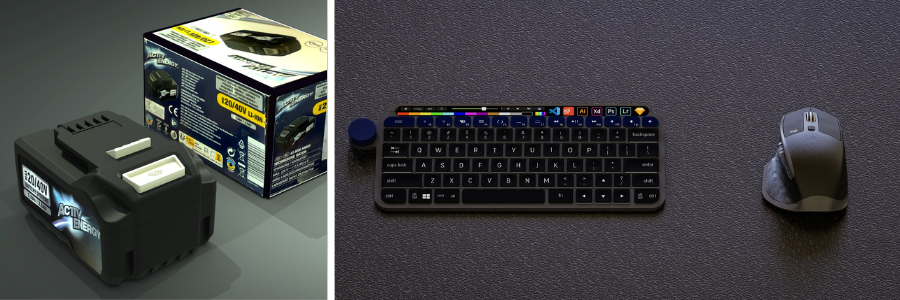
author avatar

MacKenzie Brown is the founder and CEO of Cad Crowd. With over 18 years of experience in launching and scaling platforms specializing in CAD services, product design, manufacturing, hardware, and software development, MacKenzie is a recognized authority in the engineering industry. Under his leadership, Cad Crowd serves esteemed clients like NASA, JPL, the U.S. Navy, and Fortune 500 companies, empowering innovators with access to high-quality design and engineering talent.

Connect with me: LinkedInXCad Crowd

Important Tips for Hiring New Product Development Services Firms & Freelance Design Experts


Designing a brand-new product isn’t exactly a walk in the park, especially if you intend to mass-produce and sell it at a profit, too. It takes meticulous planning, some serious budget considerations, and an almost obsessive level of devotion to the undertaking just to get the product properly designed and made to begin with.

And even when the product is finally here and ready to market, there’s little guarantee that it’s going to hit the ground running. Unless you have designed, produced, and released a product before, chances are you’ll bump into a number of perplexing challenges and get caught off guard by some hurdles you never knew existed in the first place. Even if this isn’t your first run, it doesn’t mean you won’t come across some difficulties, either. The difference is that you’ve gained some experience now, meaning you’ve gone through the intricacies before and become more prepared to face what’s coming next.

Either way, help isn’t always hard to come by. Like every other challenging task, designing a product is best left to the professionals. In this case, you have the option to seek assistance from a product development firm or a freelance design expert to provide guidance throughout the process. For example, you can find plenty of design forms and experienced freelance 3D design experts on freelancing platforms like Cad Crowd. However, not all design firms and experts are created equal; each has a distinct specialization in product categories, varying experience levels, a track record in the industry, and a history of successful projects. The following tips should help you discover the best possible partner for your specific needs and circumstances.


🚀 Table of contents


Be crystal clear about your goals

This first tip actually has little to do with hiring a professional design expert. Instead, it concerns your vision of the product and how you want to achieve it. Every product starts its existence as an idea. However, it takes work to turn the idea into a tangible product. A significant portion of this “work” involves identifying the nature of the product itself, including what it does, how it works, where it can be manufactured, why people would want it, who the target buyers are, and when it will be ready for sale.

You need to set a series of measurable goals, such as the target research and development cost, maximum production cost, estimated time to market, and expected profit margin, among others. Everything must be well-articulated from the beginning. All those targets and product descriptions will likely change throughout the development process, but at least you start with something definable, so you can keep track of those changes.

Research potential partners

Now that you’ve clearly defined everything there is to know about the product (or rather the idea of a product), you’ll come to realize that a collaboration with a professional design expert, or perhaps a product design firm, should go a long way to help you turn the idea into reality. The next step is to research potential partners. Because it makes little sense to just browse every single firm you can find online, you need to set the search criteria in advance to narrow down the options.

For example, limit the search to design experts who specialize in physical products rather than apps, UI, firmware, or other digital objects. Ensure the specialization includes the product category relevant to your idea. Focus on specific regions or areas, as well as a price range. The level of experience should also be included as a requirement, as seasoned product designers are more likely to understand the task’s complexities and guide you through the process.

Take a closer look at their portfolio

This is a no-brainer, really. Product development firms and freelance design experts often highlight their previous successful projects, prototype designs, collaborations with notable individuals, partnerships with prominent companies, and current ongoing projects. Don’t be surprised if their portfolios are filled with a broad variety of designs or products from entirely different categories. The key step here is to determine if any of them have experience working on a product similar to your design. It doesn’t have to be exactly the same, however.

As long as the product in the portfolio is in the same category as yours, it’s a huge plus. That being said, a diverse portfolio actually indicates versatility, a wide range of expertise, and proficiency in the trade. Don’t forget to read the case studies, if available, as they often provide valuable insights into problem-solving methods, client interactions, design workflows, and other project-related information.

RELATED: How 3D printing for rapid manufacturing is pushing boundaries at product design services firms

wheelchair and sous vide cooker product design by Cad Crowd experts

Pay attention to the team members’ skill set

When looking for design firms, it’s advisable to pay close attention not only to the principal engineer’s qualifications but also to those of the other team members. Partnering with a design firm doesn’t always mean you’ll be working directly with all the senior engineers. A design team typically comprises a project leader (manager), a product design experts, and two or more junior engineers. Of course, every firm has a different approach to a project, but the description generally holds true for the vast majority of small to medium-sized companies.

What you want is a diverse team comprised of professionals from various backgrounds. For instance, for the development of a complex mechanical product, the ideal team should consist of a mechanical engineer, an electrical engineer (for electronic products), and industrial/product designers. It’s essential that the team’s combined expertise encompasses a broad enough range of knowledge to develop your design into a viable product.

Take a long look at the pricing model

Some product development firms do not provide clear pricing information on their websites, but they’re willing to email it if you ask. If you opt for the freelancer route, pricing information is often more readily available. The most common pricing models include fixed-fee (a single fee that covers their services for the entire duration of the project) and hourly rate (based on the time they spend working on the project). A fixed fee is predictable, but it likely involves a large upfront payment; an hourly rate is more flexible, but it may lead to a significant expense if the project takes longer than expected.

Understand the design process and QA practices

The product development workflow is just about the same, no matter the design expert or the firm you hire. It begins with the ideation step, followed by market research, and then proceeds to prototype making, testing, documentation, and ultimately, mass production. But this is a generalization because they always have their own unique perspectives and approach to the design process.

Even if the basic workflow is the same across the board, they might employ different methodologies, such as Agile (focusing on iterative processes and flexibility), Waterfall (emphasizing linear and sequential development), or Design Thinking (focused on meeting users’ needs). Each methodology also has its own strong and weak points, so get yourself familiar with the matter before making a choice for your consumer product design firm. QA practices are just as important; ask the firms and design experts about their product testing procedures, how much of the design budget goes to quality assurance activities, who is involved in product reviews, and so forth. The more questions you ask, the more answers you get.

Place emphasis on project management

The cornerstone of a successful project is effective management. The term “management” is used in the broadest possible sense of the word and should encompass communication, collaboration practices, budget efficiency, and the extent of your involvement, among other aspects. A good product development firm should always keep you informed by providing timely updates on progress and timeline reports.

Poor communication often leads to design clashes, multiple runs of revisions, and misunderstandings, all of which can result in increased cost. It can be quite tricky to assess how exactly a firm manages a project unless you’ve hired them before. But it shouldn’t stop you from inquiring about their project management tools and preferred communication methods or channels. You may also be able to gauge their responsiveness during the initial consultation phase. In general, you should prioritize a firm or design expert who demonstrates strong collaborative effort, provides prompt answers to inquiries, responds to feedback, and uses a robust project management platform.

Get to know their manufacturing considerations

The ultimate goal of designing a physical product is to have it mass-produced in a cost-effective manner and sell it for profit. This is why you should be persistent with your inquiries about the production considerations. Product development experts are not inexpensive. You’ll be making a pretty substantial investment, so you need to know what you’re getting even before you make that hiring decision. Ask as many questions as you can muster about the firm’s strategies to prepare the product for mass production.

The question can be about injection molding, CNC machining, electronic product assembly, and 3D printing. If your product needs to be environmentally friendly, ensure the firm can provide you with satisfactory answers regarding material selection, product recyclability, end-of-life management, and other relevant aspects. A significant aspect of production consideration is DFM (Design for Manufacturability), which involves design optimizations to prepare the product for practical manufacturing. A product designed with the DFM approach in mind typically has a lower production cost as well.

Ask for well-defined deliverables

Developing a product from scratch isn’t something you can do in a matter of days. It may take weeks or even months, depending on design complexity and requirements. You shouldn’t expect any firm or design expert to get the job done in record time, but you can ask for details about project scope, realistic timelines, and a schedule for deliverables. All this information should help you track progress easily, address potential issues as they arise, and ensure proper collaboration throughout the project. If there are changes to the schedule due to unexpected challenges, the firm must provide prompt and clear updates, as delays may ripple through the project timeline.

RELATED: 10 design principles for product development & industrial design services teams

electronic device and wireless charger by Product design experts from Cad Crowd

Discuss the issues regarding confidentiality and intellectual property

The idea is yours, and you hire the product development firm or design expert to help you materialize that idea into reality. Whether you like it or not, collaboration means sharing every single detail about the idea with the professionals you hire. You practically present a potential invention to them, and you have to pay for it. Ideally, all the inventions and innovations that may come to the surface during the collaboration, along with the documentations related to the project, should be yours, because it’s your project, and you merely hire them to help you. But sometimes, things are not always that simple. This is why it’s essential to have a proper discussion about IP ownership and confidentiality in advance with product engineering services. The usual solution is to enforce an NDA.

Consider cultural fit

When people say “cultural fit” in hiring, it typically refers to the alignment of values between the employer and the employee. For example, if you want to design an eco-friendly product, then you should collaborate with a firm or design expert who also demonstrates an inclination for reducing harm to the environment; if you’d like to be heavily involved in the day-to-day activity in the project, you should hire a team with a dedicated project manager. When both parties share similar values and prefer the same approach to working, it’s easier to avoid misunderstandings, reduce conflicts, and tackle all possible challenges. In short, cultural fit improves productivity.

Check testimonials

A reliable method for gaining insight into a firm’s capabilities, communication style, collaborative efforts, and project management skills is to review testimonials. If possible, reach out to previous clients and ask them to describe their experience hiring the design firm. Please understand that it can be difficult to track down every single client who hired the firm in the past because of the NDA in their contracts. Seeking information from unofficial sources, such as through a professional network, can also reveal the quality of the services. The reputations of freelance design experts are likely easier to verify by simply looking at their ratings and clients’ feedback on freelancing platforms.

Avoid the common pitfalls

You’ll be surprised to know how many mistakes you can possibly make when hiring a design firm. For example, you decide to hire a firm or a design expert simply because the services are cheap. While price is always an important consideration, making a decision based solely on price often leads you to a design firm that may not have the necessary expertise and experience to complete the job. In some cases, cheap prices also indicate a long completion time; even if the firm has the professionals to deliver a quality product, the low price may suggest that your project is not a priority.

Another common mistake is choosing a design expert whose specialization is entirely different from your product category. Say you want to build a relatively simple yet robust desk ornament made of stainless steel; it makes little sense if you hire a design expert known for fashion accessories services. Even if the price is good and the designer has years of experience in the clothing industry, you can find a much better fit for the project.

Overemphasizing experience or reputation over creativity and fresh ideas can also be a mistake. It wouldn’t be a stretch to say that there are hundreds, if not thousands, of new design professionals out there eager to showcase their skills and unique visions to clients everywhere. Just because they’re new, it doesn’t always mean they’re any less capable than the others. Consider giving them a pilot project for simple product development, just to see how they handle the job. Like all pilot projects, don’t spend too much money on it; keep it a low-risk investment, but make sure the project allows you to assess its overall performance.

Conclusion

Whether you end up partnering with a freelance design expert or a full-blown product development company, the decision likely comes with quite a sizable investment for good reasons. They lend some specialized skills to help materialize an idea, bring an objective viewpoint to your design preferences, and offer a fresh perspective to keep everything on track. Believe it or not, much of that investment actually goes to something a little less tangible: experience. Now that you have experienced professionals on your team, the product development process has every chance to run more efficiently; they should know which strategies will work to your advantage and what to avoid, to prevent a waste of resources.

But the investment is not without risk, either. The right product development firm can open the door to brilliant ideas, help execute every action plan with good accuracy, and lead you to a hassle-free path toward a successful venture. On the other hand, choosing the wrong one can lead to a significant waste of time and money. The problem is, sometimes there’s no way to know if you’re making the wrong decision before it’s too late.

RELATED: Prototype design engineering: How well should your company’s prototype function?

How Cad Crowd can help?

While the tips above may not cover everything, treat them as essential guidelines for finding reliable design professionals in your product category. To kick-start your search, explore freelancing platforms like Cad Crowd, which are well-regarded for their impressive product design portfolios, with Cad Crowd being the premier place to find these talents. Don’t hesitate! Start your journey now to discover the perfect designer for your needs! Request your FREE quote now!

author avatar

MacKenzie Brown is the founder and CEO of Cad Crowd. With over 18 years of experience in launching and scaling platforms specializing in CAD services, product design, manufacturing, hardware, and software development, MacKenzie is a recognized authority in the engineering industry. Under his leadership, Cad Crowd serves esteemed clients like NASA, JPL, the U.S. Navy, and Fortune 500 companies, empowering innovators with access to high-quality design and engineering talent.

Connect with me: LinkedInXCad Crowd

Best 51 Platforms to Hire Freelance SolidWorks Designers & Engineers for 3D CAD Services


If you’ve ever had a brilliant product idea lingering in your head but no way to turn it into reality, you are not alone. Let me introduce you to the SolidWorks design services—those design wizards capable of drawing, simulating, and animating your idea into 3D perfection. But then again, the big question is: Where do you locate these wizard freelancers who speak SolidWorks in perfect language?

Spoiler warning: you needn’t spend hours Googling. We’ve taken care of the searching, filtering, eye-squinting, and double-checking. Cad Crowd has years of experience as the leading platform to help AEC firms find the very best SolidWorks and 3D design experts. And here’s your no-holds-barred guide to 51 of the very best sites to employ freelance SolidWorks engineers and designers—beginning with the first 17.


🚀 Table of contents


I. Top freelance marketplaces

Cad Crowd

cadcrowd-logo

Cad Crowd is where brilliant ideas meet the best CAD professionals. Think of it like the Michelin Guide to 3D design—without the cuisine, and with the best SolidWorks and industrial design experts in their place.

Post your assignment, host a design contest, or have the website match you with a pro who’s likely already designed what you had in mind. Need a smart lock model or aerospace component? Chances are that somebody at Cad Crowd’s already gotten it right—several times already. With vetted freelancers ready to jump in, you’re not just hiring help; you’re tapping into a deep bench of CAD design experts who live and breathe innovation.

Website: https://cadcrowd.com

PeoplePerHour

peopleperhour

PeoplePerHour, based in the UK, is a go-to spot for bite-sized freelance gigs called “hourlies.” Think of it as the IKEA of freelance engineering—streamlined, affordable, and no mysterious screws left over. It’s perfect if you need something in a hurry and well specified, whether it’s a SolidWorks part model, precise 3D modeling, or an end-to-end product development solution. The engineers on the website package their services neatly, so you have an exact idea of what you’re paying for and how much it’ll cost. For price-conscious inventors or companies, it offers a smart way of accessing experienced expertise without the hassle of long-term contracts or expensive fees.

Website: https://www.peopleperhour.com/

Guru

Guru logo

Guru may not yell the loudest in the world of freelance, but that is part of its appeal. It’s like finding a secret treasure—unobtrusive, self-assured, and just bursting with talent. Behind its understated presence lies a deep bench of seasoned CAD engineering design experts, including some seriously skilled SolidWorks pros. Whether you’re looking for someone to tackle a one-off prototype or stick around for long-term development, Guru delivers. One of its best features, WorkRoom, makes it easy to communicate and share files, smoother than, say, a precision-cut piece of aluminum. For firms that are less concerned with ability than with noise, Guru is where the actual work is done quietly—and done exceptionally well.

Website: https://www.guru.com/

Freelancer.com

freelancercom

Freelancer.com makes beginning your SolidWorks project easy. You post the specs, designers worldwide bid on your project, and you choose the pro that fits. It’s a broad market with plenty of skilled people making everything from intricate medical components to aerodynamic drone frames. The one caveat? There’s a bit of sorting required. With so many bids, it can be like searching for a needle in a haystack. But those who take the time are typically rewarded with skilled pros who handle fillets and assemblies as tenderly as a Jedi would handle a digital lightsaber.

Website: https://www.guru.com/

Toptal

Toptal-logo

Toptal is for people who don’t just want ability—they want the best of the best, without having to sift through thousands of resumes. Think of it as the first-class car ride of freelance recruiting. They stringently vet top 3% freelance engineers, like SolidWorks experts who likely designed parts for world-class manufacturers. If your standards are high and your schedule is too busy for experimentation and guesswork, Toptal delivers seasoned CAD designers who are fluent in the language of subtlety, detail, and even requesting such things as, “Make this portion be a Tesla hinge-type feel.” It’s high-end design expertise, served on a silver platter—no legwork required on your end.

Website: https://www.toptal.com/

Upwork

Upwork-logo

Upwork is a freelance giant on the planet—and of course, it’s not just a marketers’ and writers’ paradise. Head into the engineering section, and you’ll discover treasure troves of SolidWorks masters whose portfolios would shame aerospace experts. Posting jobs or cherry-picking the best with invites, the platform has flexibility and scope in store for both. But with so many profiles to sift through, the issue isn’t locating an engineer—it’s locating that one star who truly gets your vision. Patience and good observation will lead you to your engineering soulmate.

Website: https://www.upwork.com/

RELATED: How to reduce costs on 3D product development with remote CAD experts for companies

3D model and product design of a drone and engine cylinder by Cad Crowd design experts

II. Engineering-focused platforms

3D Hubs (now Hubs)

3d Hubs logo

Hubs, once 3D Hubs, has become a pioneer in playgrounds for creatives and engineers who are ready to turn fresh ideas into reality in physical products. Although it began as a basic 3D printing design service, Hubs has become an end-to-end platform that brings designers, manufacturers, and fab professionals together. No matter if you need high-quality SolidWorks modeling, smart DfM tactics, or CNC files, Hubs can provide. Their network of reliable CAD pros is crowded with people who know the secret of taking that digital drawing and developing it into a working prototype. It’s where grand plans lose their place in your mind—and start to become real.

Website: https://www.hubs.com/

Fictiv

fictiv logo

Fictiv is your do-it-all concierge to digital manufacturing, bridging the gap between excellent design and flawless execution. Imagine introducing the best of SolidWorks’ accuracy with the ease of on-demand manufacturing. That’s what Fictiv does. You simply upload your project, and Fictiv takes care of the rest, matching you with experienced CAD engineers who make your design ready for production in the real world. From a napkin scribble or a nearly finished model, their platform streamlines everything from idea to finished component. It’s a smart solution for companies requiring access to sound support and first-rate engineering talent without the delay or the guessing.

Website: https://www.fictiv.com/

Xometry

Xometry

Xometry does much more than just introduce you to CAD engineers. It’s a one-stop, full-service powerhouse that transforms your ideas into real-world products–all in one location. Whether you require prototyping, injection molding and casting services, CNC machining, or even complete manufacturing, Xometry has the tools and the talent to get it done. What stands out about them is their extensive SolidWorks community, designed to assist with all phases of the design-to-production process. For companies who would rather simplify the process and play it simple, Xometry is the best partner. It’s not so much about getting a design done—it’s about getting it done right, with precision, quickness, and professional collaboration in between.

Website: https://get.xometry.com/

Engineering.com Jobs Board

engineeringcom logo

Engineering.com’s Jobs Board is a bit of an insider secret for anyone looking for top SolidWorks talent. While it’s generally associated with full-time employment, don’t be fooled—freelancers are here, too. This website draws serious engineers, many of whom are seasoned 3D CAD design experts. If you’re unveiling a new prototype or even just need a last-minute adjustment to your design, promoting your project here might just draw in the kind of precision-driven talent you didn’t know you needed. That’s where the rocket minds gather—and a few of them are looking for freelance gigs.

Website: https://jobs.engineering.com/jobs/

SolidProfessor Freelance Network

SolidProfessor logo

SolidProfessor is not just a website to improve your SolidWorks expertise—it’s also an entrance to a tight network of certified professionals. Among this team of seasoned experts, several offer freelance services, so it’s a treasure trove for institutions seeking the best of the best. Imagine it as the Ivy League of the SolidWorks world, where everyone speaks the same CAD language and excellence is the standard. If you’re looking for a designer who’s not just trained but thoroughly tested, this is where you’ll find them. It’s more than training; it’s a network of trusted professionals ready to bring serious engineering skills to your next project.

Website: https://solidprofessor.com/

DesignCrowd

DesignCrowd logo

DesignCrowd might be famously associated with graphic design and logos, but it’s working equally in the background to establish itself in the industrial design space. Click a tad further in, and you find an increasing number of SolidWorks experts keen to crack 3D CAD design services. What makes it even more exciting is the crowdsourcing approach of the site—upload a project, and you’ll have multiple creative interpretations from different designers. It’s like having your own extended design contest, with the prize being a collection of ingenious, STL-enabled answers. Prototyping a product or reworking a part, DesignCrowd offers something more than images—it delivers CAD imagination on a plate.

Website: https://www.designcrowd.com/

GrabCAD

grabcad

GrabCAD is where imagination and collaboration meet in the world of CAD design. It’s part social network, part portfolio center in one, perfect for locating SolidWorks experts. It’s not an official job site, but there are thousands of designers sharing their designs, ideas, and engineering brilliance here. If you see a design that you like, you can directly approach the designer and inquire if you can work together. It’s a heaven for freelancers, tucked away amidst piles of gears, cases, and mechanical magic. GrabCAD’s not for browsing—it’s where serious CAD hookups get made, one click and sweet project at a time.

Website: https://grabcad.com/

Coroflot

Coroflot

Coroflot is where industrial designers and innovative engineers shine, especially those who wield SolidWorks as a sculptor’s chisel. Okay, it’s not your typical hardcore engineering hangout, but it’s a cavern of product designers with 3D curve and beauty function thinking. If you’re on the lookout for someone who brings technical expertise together with visual style, this is the destination. Rent out a project or dive into carefully curated portfolios showcasing everything from cutting-edge gadgets to efficient consumer products. It’s not just a talent-rental space—it’s where science meets art, and SolidWorks is an innovative design storytelling tool.

Website: https://www.coroflot.com/

Behance

Behance-logo-small

Sure, Behance might seem like the playground for graphic designers and illustrators—but dig a little deeper and you’ll uncover a thriving subculture of SolidWorks talent. Among the sleek UI layouts and bold typography, product designers are quietly showing off their skills in 3D modeling design services and mechanical concept development. It’s not unusual to find a jaw-dropping SolidWorks prototype wedged between a futuristic sneaker design and a sleek drone concept. Type in keywords like “3D product design” or “CAD modeling,” and you might just stumble upon the perfect designer already brainstorming the next innovation, sitting right in front of you in a virtual realm of imagination.

Website: https://www.behance.net/

LinkedIn

LinkedIn logo initial

LinkedIn isn’t just for job hunters or business climbers—it’s an alchemy paradise for finding freelance SolidWorks engineers. Think of it as the globe’s most powerful digital Rolodex, teeming with experts showcasing their expertise, history, and referrals. Search through advanced search filters to narrow down to specifically targeting SolidWorks experts, be it for product design, prototyping, or 3D CAD modeling. And, the icing on the cake? A glimpse of their work history, endorsements, and even personality through posts and shared content. It’s a surprisingly good—and sometimes overlooked—pipeline to engage engineers who know SolidWorks.

Website: https://www.linkedin.com/

Reddit r/forhire & r/cad

Reddit

Reddit can seem like the utopia of memes and rabbit-hole conspiracy theories, but buried among all that chaos are gems for finding CAD talent. Subreddits like r/forhire, r/cad, and r/engineering host vibrant communities of freelance designers, engineers, and makers who genuinely enjoy what they do. Need a SolidWorks master with the ability to provide accurate threaded holes? Just post your project, add some additional detail, and relax as the feedback floods in. The conversations are real, the comments are fast, and the talent pool? Sharper than sharp. It’s one of the internet’s best secrets to find top-class CAD freelancers.

Website: https://www.reddit.com/r/forhire/

Specialist engineering networks

Kolabtree

kolabtree logo

Kolabtree is where science and serious CAD skills meet. Whatever you’re developing—the next biotech breakthrough, a state-of-the-art medical device, or machine learning-capable hardware—this is where you’ll find smart, technically savvy freelancers who speak your language. Kolabtree’s SolidWorks experts are not just designing parts—they’re solving hard problems, marrying intimate scientific understanding with precise 3D modeling. It’s not design—it’s a research-level study driving innovation with practical engineering. If your project needs someone with experience in both equations and engineering, Kolabtree is your sandbox for cutting-edge building and surgical technical acumen.

Website: https://www.reddit.com/r/forhire/

CadCade

CadCade is not your average CAD marketplace—it’s more like an in-aesthetic engineering lounge where precision intersects with imagination. This small platform acts as a bridge between clients and gifted CAD experts from all over the U.S., many of whom are SolidWorks masters with deep experience. Whether structural elements or custom tooling design, CadCade offers seasoned mechanical engineering solutions with a dash of personality. The engineering may be technical, but the work environment is anything but clinical. Envision smart, agile designers collaborating within a virtual think tank—not a clank-and-bang factory floor. Where specialized knowledge is needed, CadCade makes thoughtful engineering a reality, one SolidWorks file at a time.

Design Match

kolabtree logo

Design Match is not just another freelance platform—it’s a match-making agency for your CAD aspirations. Imagine eHarmony, but with SolidWorks designers. Instead of sifting through hundreds of profiles, Design Match does it for you. They spend time getting to know your project, your work style, and even what kind of personality would be the best fit for you. Then, as good matchmakers, they introduce you to a pre-screened SolidWorks expert who’s your perfect match. No more mismatched freelancers or guesswork—just a personally matched design partner carefully selected to bring your engineering dream to life with ease and precision.

Website: https://www.designmatch.io/

Bricsys 24/7 Talent Portal

Bricsys logo

Bricsys may be famous for its powerful CAD software, but its 24/7 Talent Portal is so much more than code. It’s a smart portal to top-tier designers and engineers, including expertise in SolidWorks. It’s a blessing to teams working in multi-CAD environments, where the subtlety of compatibility issues between systems can either break or make a project. With the ability to use Bricsys 24/7, companies can work securely with those who actually know the technical details and workflow needs. It’s not just about finding assistance—it’s about encountering the right expertise at the right moment.

Website: https://www.bricsys.com/careers

Outwise

Outwise logo

Outwise is no ordinary freelance platform—it’s where hardcore engineering design services combine with strategic thinking. Targeting tech, engineering, and transformation consultants, it goes in search of SolidWorks experts who bring much more than just basic modeling skills. These professionals are well-versed in digital twin technology and design for manufacturing (DfM) and are therefore the best for companies facing tough product development. Be it creating sophisticated mechanical systems or building a next-generation digital model, Outvise identifies top talent to work on high-risk ventures. If your product idea is more than a bottle opener, this is the kind of platform that can help make it real, just so.

Website: https://www.outvise.com/

Turing

Turing logo

Turing came on the scene as a top developer placement service, but now it’s venturing into the mechanical world with ambitious plans. Its new engineering department enables you to hire mechanical engineers skilled at SolidWorks—ideal for precision-driven design projects. What distinguishes Turing? Their bold claim is that only the top 1% of applicants actually make it through. That’s not just a filter—it’s a full-on quality guarantee. Whether you’re building complex assemblies or pushing boundaries with product design, Turing is cultivating an elite network that’s engineered to deliver excellence. It’s a serious move for anyone looking to hire top-notch SolidWorks talent without the guesswork.

Website: https://turing.com

Prowess Project

prowess project logo

Prowess Project is turning the concept of hiring top-notch engineering talent on its head. This women-owned network specializes in bringing companies globally highly-qualified women engineers, designers, and project managers. Their SolidWorks specialists aren’t just well-versed in the software, but also possess engineering degrees, real-world experience, and top-notch communications skills to boot. It’s a winning formula that ensures projects are not just technically better but rolled out successfully from start to finish. Firms looking for smart, productive, and innovative minds are finding just that with Prowess Project. It’s brains that matter—and a step in the right direction toward inclusivity for the world of 3D CAD design.

Website: https://prowessproject.com

Experfy

Experfy logo

Experfy is where cutting-edge technology meets top talent. Originally developed for data science and AI, it’s now embracing the world of engineering and hardware. It’s a very structured setting for serious innovators—those who are not just modeling parts in SolidWorks, but also integrating robotics, machine learning, and deep analytics into product design services. Whether a company needs a freelancer to prototype a smart device or implement AI algorithms into product design optimization, Experfy makes it happen. The website matches businesses with experts who integrate heritage CAD skills with innovative technology, and therefore, it’s a single-stop site for future product innovation and development.

Website: https://www.experfy.com/

RELATED: Best practices for new product design & development with services companies & freelancers

SolidWorks-specific job boards

GigsBoard (by Dassault Systèmes)

Gigsboard logo

If you’re hiring for a SolidWorks project and want to bring aboard someone who intimately understands the language of Dassault Systèmes, GigsBoard is where to begin—and most likely end. Created by the same people who developed SolidWorks itself, this job board connects you with certified experts well-versed in the tools from the inside out. These are not generic freelancers; they’re FeatureManager tree gurus and CAD aficionados with an eye for perfection. If you need speedy prototyping or highly refined parametric models, you’ll find specialists here who are conversant in every Dassault shortcut and best practice. GigsBoard is more than just a marketplace—it’s a talent pool sifted for actual SolidWorks work.

Website: https://gigsboard.com/

MySolidWorks Forum Talent Threads

solidworks forum logo

The MySolidWorks Forum isn’t just a troubleshooting forum or design tip swap, either—it’s also a hidden gem talent hunt. Hidden in its threads are laid-back “hire me” posts and job postings that connect users directly with qualified SolidWorks experts. While it may not have the polish of official recruitment websites, that’s exactly why it’s so nice. You’re not dealing with generic profiles or computer filters. Instead, you’re dealing with experienced, highly skilled experts who breathe and sleep 3D CAD. If you need to find talent that truly knows the software inside out, this casual but informative clique is worth investigating.

Website: https://my.solidworks.com/

SolidWorks Subcontractors Facebook Group

SolidWorks Subcontractors Facebook Group does have a clandestine-web-portal ring to it, but it’s actually a gold mine for anyone looking to connect with top freelance SolidWorks experts. It’s a closed group teeming with tens of thousands of seasoned engineers and 3D rendering designers who continuously share their knowledge of availability, job openings, and even bid on work. It’s not a spot to just scroll idly by—it’s a thriving community where real collaborations take place daily. You’ll need to request an invite, but when you’re in, you’re not just a member—you’re part of a healthy community where finding (or offering) SolidWorks subcontracting is surprisingly a breeze. Yeah, even on Facebook.

CADJobHunter

Cadjobshunter

CADJobHunter will not win any design awards for appearance—it’s literally going back to the early 2000s, somehow—but don’t be fooled. Beneath the old front end lies a treasure trove of CAD possibilities, especially for SolidWorks enthusiasts. It’s one of the few job boards that exclusively traffics in CAD jobs, so naturally, it’s a niche site for employers and freelancers who are living in 3D modeling. There are SolidWorks opportunities with regularity, and some of them come from serious companies looking for top-level expertise. So, the graphics may be old-fashioned, but the job postings are pleasantly current and surprisingly rewarding.

Electric cabinet and earphones design by Cad Crowd product design experts

SolidWorks User Group Network (SWUGN)

The SolidWorks User Group Network (SWUGN) is more than a software fan club—it’s a vibrant community where skilled designers gather, learn, and create. With local chapters, SWUGN has in-person meetings, webinars on the web, and bulletin boards in motion. These’re not parties; these’re valuable sessions where members do sometimes swap freelance work, tips, and advice on technology. Hiring someone from this network isn’t bringing in a designer—better, it’s getting access to a pool of professionals who live and breathe SolidWorks. If you have a quick project or long-term design needs, SWUGN’s where passion and professional-grade expertise meet.

Website: https://community.swugn.org/

Luxion KeyShot Forum Marketplace

Keyshot by Luxion logo

The Luxion KeyShot Forum Marketplace is a hidden gem for those hunting top-tier SolidWorks talent with a flair for visuals. It’s where CAD designers who also excel in photorealistic rendering services gather to showcase their skills. If you’re looking for someone who can model with precision and make your design shine with cinematic polish, this is the place to browse. They’d best here blend technical know-how with artistic narrative, making product imagery look like it was plucked from the doorstep of a film set. For marketing, prototyping, or simply impressing stakeholders, this marketplace dishes out visual bang with legitimate CAD cred.

Website: https://www.keyshot.com/

Design agency platforms

99designs (3D Category)

99Designs

99designs is what most initially have in mind. Contests for logos and t-shirts come to mind. But take a closer look and you’ll find a growing niche in their 3D product design category. It’s a surprising gem, especially for those needing more than just eye-catching visuals. Many designers here are also skilled CAD professionals fluent in SolidWorks, blending artistic flair with technical precision. The platform combines the fun of design competitions with the seriousness of product development. It’s not pretty pictures alone—it’s manufacturable concepts. For businesses looking for innovative solutions that also have practical feasibility, 99designs offers a surprisingly solid player in the 3D domain.

Website: https://99designs.com/

LHH (formerly Hired)

LHH logo

LHH has come a long way from the early days as a haven for software developers. In a stealthy but pugnacious move, the platform is now expanding into engineering disciplines—SolidWorks included. Right, companies and startups now have access to a growing roster of full-time and freelance SolidWorks engineers looking for engaging contract work or innovative design assignments. Whether you’re making prototypes, optimizing a 3D model, or need some serious CAD brawn, Hired simplifies connecting with quality professionals already actively seeking their next assignment. It’s a savvy pick for anyone who needs reliable, top-notch engineering expertise.

Website: https://www.lhh.com/us/en/

Lemon.io

lemonio logo 2

Lemon.io is an adorable, quirky platform with Ukrainian roots, and it’s renowned for its innovative method of connecting customers with top-tier freelance talent. What sets it apart? Each freelancer goes through rigorous vetting before signing up, so there’s less uncertainty and higher confidence for anyone needing to hire. While they started strong in software development, Lemon.io has been branching out into SolidWorks engineering design services and hardware design. Need a SolidWorks expert? You’ll likely find someone who not only excels in CAD but also has a solid grasp of technical entrepreneurship. It’s a great spot for businesses seeking well-rounded, fast-moving freelance pros who don’t just design—they innovate.

Website: https://lemon.io/

RELATED: A guide to electronic product design for manufacturing with PCB design firms & engineers

Gun.io

Gunio logo

Gun.io may have begun life as a go-to destination for software coders, but it’s evolved to be so much more, especially for companies creating physical products. Today, the platform connects you with talented product engineers who have experience in both innovation and execution. While it still continues to find its footing in the CAD industry, Gun.io’s particularly known for its stringent screening process. Only seasoned experts grade-cut, so you’re not losing your time wading through beginners. If you need A-list talent to help transform your hardware vision into a reality with some real expertise, Gun.io might be your secret source.

Website: https://gun.io/

CloudDevs

Clouddevs logo

CloudDevs is disrupting the norm by connecting skilled Latin American tech freelancers with American companies—and now they’re expanding into hardware design as well, including SolidWorks expertise. That means if you’re an American-based company needing CAD support, you get the benefit of working with pros in your own time zone without breaking the bank. This geographic advantage makes it easier, faster, and more convenient to work. Whether you’re doing some quick prototype tweaks or designing full-fledged products, CloudDevs brings talent and affordability together. It’s an exciting option for those teams who not only appreciate quality work but also open windows of communication.

Website: https://clouddevs.com/

Designity

Designity logo

Designity opens the door to more than freelance ability alone—it opens the door to a whole creative team experience. When you hire through their service, you’re paired with a dedicated SolidWorks designer who isn’t working in isolation. They’re assisted by a creative director to offer consistency, quality, and strategic direction. This setup is more like having your own tiny consumer product design company, which is a huge plus for start-ups. It’s best for those building a product family where visual and functional continuity are crucial. With Designity, you’re outsourcing, not just getting a co-creative partner.

Website: https://www.designity.com/

Superside

Superside logo

Superside is your go-to creative power team when your project needs some serious design brawn. Picture them as your on-demand design SWAT team—standing by to jump in and deliver excellent results in short order. Sure, they’re best known for stunning visual design, but there’s more than an eye-catching surface. Their product design team tackles tough projects, often with CAD and 3D modeling to bring concepts to life. Need a SolidWorks mastermind? Just ask. Superside has the engineering capabilities to go along with their design talent, making them an ideal choice for firms that need brains alongside beauty in their design process.

Website: https://www.designity.com/

Regional/Niche Platforms

Workana

Workana logo

Workana is rapidly becoming a leading freelance platform in Latin America, and it’s no wonder. For businesses open to collaborating with Spanish or Portuguese-speaking engineers, especially those skilled in SolidWorks, this platform offers serious value. Whether you’re designing intricate 3D parts or need help refining a product prototype, you’ll find talented professionals who deliver solid results without breaking the bank. It’s a great choice for those looking to stretch their budget while tapping into an experienced, up-and-coming pool of talent that understands precision, attention to detail, and international collaboration.

Website: https://www.workana.com/

Truelancer

truelancercom logo

Truelancer has established a solid position in India and Southeast Asia as a top platform for low-cost, high-quality CAD services. It’s especially popular among mechanical engineering services that have hands-on manufacturing experience to offer—ideal for anyone looking to build functional SolidWorks projects. The best thing is that the costs here are only a fraction of what you would have to pay in Western markets, yet the quality is reasonable. From 3D modeling to complex part design, Truelancer connects clients with seasoned professionals who are familiar with both software and shop floor realities, a sound choice for value-conscious innovation.

Website: https://www.truelancer.com/

Flexing it

Flexing It logo

Flexing It is India’s answer to the growing demand for high-quality professional services, consultants, and freelancers. Ranging from veteran engineers to innovative industrial designers, the site brings together talent from a wide range. It’s an ideal place where companies seek razor-sharp minds for conceptual CAD work or technical assignments like Design for Manufacturing (DfM) consultancy. With a high-skill gig direction, Flexing It enables companies to tap into specialists who can jump in and get the job done. It’s not freelancing—it’s injecting professionalism and accuracy into every collaboration.

Website: https://www.flexingit.com/

Malt

Malt logo

Leading French-based freelance platform Malt is all the rage across Europe by matching companies with the best possible talent. It’s an aladdin’s cave for business owners who require brilliant SolidWorks designers and industrial engineering experts. Why does Malt stand out? It’s a rich pool of multilingual experts with a mastery of French, German, Spanish, and more. That means smooth, clean teamwork without the frustration of translation issues. Wherever you’re introducing a product, Berlin or refining a design, Barcelona, Malt offers that ideal blend of in-place know-how and best-in-class technical expertise—all from one efficient European hub for freelance experts.

Website: https://www.malt.com/

Bark

bark logo

Bark is also a very popular platform for UK businesses to locate freelancers in a wide range of services, ranging from dog walking to CAD modeling on SolidWorks. It’s a home-based solution that keeps the search easy, local, and legally simple. Whether you need someone to design a 3D component or just walk your high-energy dog, Bark makes it easy to find vetted professionals local to you. With all of it staying within the realm of the UK’s laws, you don’t have to worry about foreign contract misunderstandings. Convenience, trust, and getting the job done without crossing borders—or barking up the wrong tree—is what it’s all about.

Website: https://careers.bark.com/

Zeerk

zeerk logo

Zeerk is a bit of a hidden gem within the freelancing sphere, especially if you need speedy and affordable technical help. It’s like a Fiverr cousin, where microgigs reign supreme. It’s the first site you turn to when you need to have a SolidWorks designer slap together a hastily needed project, like a single-part model, a rapid change, or an exploded view. Turnaround is often astonishingly fast, and rates are reasonable. For product engineers or designers who need light-speed help on small things, Zeerk can be a good place to get those things done quickly and affordably without the wait or the expense.

Website: https://zeerk.com/

RELATED: Cost breakdown for 3D rendering services: Pricing & rate highlights for 3D design services in 2025 & 2026

Niche platforms

Cad Design Help

Caddesignhelpcom logo

Cad Design Help is a boutique-style service run by experienced U.S.-based mechanical engineers. If you want to breathe life into a product—be it a robotic arm, a sexy gizmo, or a one-of-a-kind piece of hardware—this firm matches you with SolidWorks freelancers who’ve been through the trenches. Think of it as the indie version of Cad Crowd, giving that personal, homemade feel yet still doing professional-grade CAD work. With a focus on quality and in-the-field experience, Cad Design Help is perfect for those who require hands-on help from engineers who actually know their stuff.

Website: https://caddesignhelp.com/

We Work Remotely (Design Section)

Weworkremotely

We Work Remotely might be the go-to platform for tech geeks, but don’t scroll through its “Design” section too fast. Wormed between the UI and branding work are freelance opportunities that cross over with industrial and product design—a natural niche for SolidWorks professionals who are remote-first thinkers. It’s a little-publicized secret for CAD contractors who detest commuting and prefer to work from anywhere. The postings themselves are usually serious clients, and the site itself is clean, minimal, and quality-focused. For laptop-wielding designers, it’s a great site to seek out serious remote employment.

Website: https://weworkremotely.com/

the dots logo

The Dots is the British version of Behance, with a pinch of British panache and a keen eye for design. It’s where designers (from graphic to product design experience in CAD) come to show off their chops. Spend a little time in the product design section and you’ll find a roster of professionals who don’t merely speak their language; many have hands-on expertise using SolidWorks and live projects listed on their CV. If you’re recruiting or simply researching for inspiration, The Dots is an amazingly curated setting for unearthing the top design skills in the UK’s thriving creative scene.

Website: https://the-dots.com/

IndieHackers (Collab Forum)

IndieHackers logo

IndieHackers isn’t just a hangout for software founders—it’s also a goldmine for hardware builders hunting for collaborators. Dive into the “Looking for Help” section of the forum, and you’ll discover SolidWorks freelancers eager to team up on all kinds of 3D CAD projects. If you’re bootstrapping a physical product or embarking on a nutty hardware project, this is where designers and engineers cross paths on the grounds of shared passion, equity stakes, or paid contributions. It’s huggably earthy, with people more focused on building killer stuff than titles. If that floats your boat, the portion of IndieHackers in here is something you may want to explore.

Website: https://www.indiehackers.com/

Startup School Forum (by Y Combinator)

Startup School logo

The Startup School Forum by Y Combinator is a goldmine for early-stage founders building physical products. If your prototype needs a boost and SolidWorks skills are in short supply, this is the place to be. Simply post what you’re looking for—CAD support, prototype design engineering services, MVP modeling, or help navigating design constraints—and you’ll likely catch the attention of experienced engineers. Many are fluent in startup realities, like tight budgets and fast iteration. It’s not a help forum; it’s a supportive community that thrives on innovation and cross-aid. Ideal for turning fuzzy ideas into real, testable products without depleting your finances.

Website: https://www.startupschool.org/

CreoParametric to SolidWorks Migration Groups (LinkedIn)

creoparametric logo

Leaving CreoParametric for SolidWorks might feel like trying to rewire a spaceship mid-flight—a.k.a., no, really. But it doesn’t need to get that desperate. If you’re up for the challenge, migration communities on LinkedIn might be your secret weapon. These specialty groups are filled with engineers who’ve already completed dozens of conversions. They understand the idiosyncrasies, the workarounds, and the pitfalls. And the best part? A lot of them provide freelance assistance. So rather than going in blind, lean on their expertise. Whether it’s a one-off gig or full-scale conversion, these communities talk your language—and they’ve got your back.

Niche platform for repeat work

Cad Crowd

Cadcrowd logo

Worth mentioning in pairs for another reason—Cad Crowd is not just for single shots. Certain companies use it for retainer-based SolidWorks design projects. You can have a regular partnership with an independent engineer who operates as a part of your group.

Conclusion

From high-end engineer networks and niche Facebook groups to local treasures and very carefully curated agency collections, this list gives you all kinds of freelance SolidWorks designers out there. Whether you’re on a budget, have a small or large project, or work in a highly specialized industry, there’s a place on this list where your next 3D superstar awaits.

Cad Crowd is an industry-leading platform where vetted CAD design, engineering, and product design freelancers can take your product designs to the next level. Request a free quote today.

author avatar

MacKenzie Brown is the founder and CEO of Cad Crowd. With over 18 years of experience in launching and scaling platforms specializing in CAD services, product design, manufacturing, hardware, and software development, MacKenzie is a recognized authority in the engineering industry. Under his leadership, Cad Crowd serves esteemed clients like NASA, JPL, the U.S. Navy, and Fortune 500 companies, empowering innovators with access to high-quality design and engineering talent.

Connect with me: LinkedInXCad Crowd

Ultimate Guide in Choosing Freelance Structural Engineer For Companies and Firms


Finding the right structural engineering expert can make or break your construction project. It’s one of those decisions that keeps project managers awake at night – choose well, and everything runs smoothly. Choose poorly, and you’re looking at delays, cost overruns, and potentially serious safety issues.

Structural engineers do more than just design buildings. They’re involved in demolitions, building inspections, renovations, and even forensic investigations when things go wrong. The challenge is finding someone whose experience aligns perfectly with your specific project needs.

If you’re feeling overwhelmed by the hiring process or just want to make sure you’re covering all your bases, this guide will walk you through everything you need to know about hiring the right structural engineer for your project


🚀 Table of contents


Why your company actually needs a structural engineer

Construction projects live or die based on two critical factors that most people don’t think about until something goes wrong.

Materials matter more than you think. The difference between using the right steel grade and the wrong one can mean the difference between a building that lasts 50 years and one that develops problems in five. A good structural engineering service doesn’t just know what materials to specify – they understand how different materials behave under stress, how they age, and how they interact with other building components.

Structural integrity isn’t negotiable. This goes beyond just making sure the building doesn’t fall down (though that’s obviously important). A skilled structural engineer designs systems that can handle not just the obvious loads like furniture and people, but also wind forces, seismic activity, temperature changes, and even unexpected events like vehicle impacts or equipment failures.

Structural engineers are the people who make sure your building can handle whatever life throws at it. They calculate loads, design connections, specify materials, and create detailed plans that contractors can actually follow. They work closely with architectural design experts to turn beautiful designs into buildable structures, and they collaborate with other engineers to ensure all the building systems work together harmoniously.

Throughout the construction process, they conduct inspections to verify that everything is being built according to plan. They catch problems before they become expensive mistakes, and they sign off on the structural elements that keep buildings safe for decades.

The best structural engineers don’t just meet building codes – they optimize designs for efficiency, sustainability, and cost-effectiveness. They find creative solutions that save money without compromising safety, and they help projects stay on schedule by anticipating and preventing problems before they occur.

RELATED: Structural engineering rates & costs for architectural design firms

Structural engineering of a power plant and BIM to scan of MEP building by Cad Crowd design professionals

What makes structural engineers stand out

When you’re looking for a structural engineer, the difference between a good one and a great one can mean thousands of dollars and months of time. Here’s what actually matters.

Real design experience pays off

Design work eats up most of the time and budget in structural projects. Engineering firms that’ve been around the block work faster and avoid costly mistakes. They’ve wrestled with enough buildings to spot which ideas work and which ones create headaches later.

The top firms have embraced Building Information Modeling (BIM) – though it’s not just about fancy 3D models. BIM lets engineers run virtual tests on designs before breaking ground. They can see how materials will hold up, spot construction hiccups early, and nail down more accurate cost estimates. Skip the BIM, and you’ll likely pay more while waiting longer.

Smart planning prevents disasters

Planning separates smooth projects from complete disasters. The engineers worth hiring have solid systems for managing their workload. They think ahead, catch problems before they explode, and build buffer time into schedules.

This includes wrestling with the mountain of paperwork that construction demands. Permits, inspections, code compliance documents – skilled engineers handle this maze so bureaucratic delays don’t torpedo your architectural design firm‘s timeline.

Material knowledge that actually works

Picking the right materials blends science, creativity, and budget reality. Engineers must juggle strength needs, thermal behavior, looks, costs, and what’s actually available. They need to know how materials age, how they play with other building parts, and how local weather will affect everything.

This wisdom comes from hands-on experience, not just classroom theory. Engineers who’ve tackled varied projects understand the real trade-offs. They know when splurging on premium materials makes sense and when standard options do the job perfectly.

Communication that keeps things moving

Construction projects involve dozens of people who must work together. Structural engineers coordinate with architects, contractors, other engineers, building officials, and clients. Poor communication kills momentum fast.

Test their communication skills early. Do they return calls and emails quickly? Can they explain technical stuff without drowning you in jargon? Do they ask smart questions about your goals and limitations? These first conversations show exactly how they’ll handle project communication.

Team players get better results

The best structural engineers thrive in collaborative environments. Those working in multidisciplinary firms usually excel here because they’re used to coordinating with architects, mechanical engineering experts, and other specialists. They understand how their decisions ripple through the entire project and adjust accordingly.

Local knowledge matters

Building codes differ dramatically between cities and states, plus they change constantly. Your engineer needs current knowledge of the specific rules governing your project location and building type. They should also understand local permitting quirks, inspection routines, and any unusual requirements that might affect your project.

The bottom line? Great structural engineers combine technical skill with practical experience, clear communication, and deep local knowledge. They’ve learned from enough projects to work efficiently while avoiding the pitfalls that trip up less experienced firms.

RELATED: BIM design: Compelling reasons to use it for architectural projects and CAD design firms

Market demand for structural engineers

Getting a handle on market demand matters when you’re considering structural engineering work. Freelancers face real challenges hunting down projects, especially without solid industry connections. Building that network takes time.

The market shifts constantly – sometimes there’s plenty of freelance work, other times clients stick with established firms. Local conditions make a huge difference. What works in booming metro areas might not apply to smaller markets where relationships drive business.

Smart engineers research their local scene first. They check who’s getting hired, what projects are moving, and whether clients trust engineering design freelancers with significant work. Success comes down to understanding what clients actually want and positioning yourself to deliver it consistently.

Essential Questions to Ask Before Hiring

“What’s your experience with projects like this one?” Don’t just ask about general experience – ask specifically about projects similar to yours in size, type, and complexity. A residential engineer might struggle with industrial projects, and someone who specializes in new construction might not be the best choice for renovation work.

“Are you properly licensed and insured?” This should be non-negotiable. Verify that their license is current and covers the type of work you need. Make sure their insurance coverage is adequate for your project size and risk level.

“How familiar are you with the building codes that apply to this project?” Building codes are constantly evolving, and they vary by location and building type. Your design engineering services need to be current on the specific requirements that affect your project.

“What are your fees, and how do you structure billing?” Get clear information about how they charge – hourly rates, fixed fees, or a percentage of construction cost. Understand what’s included and what might result in additional charges. Ask for a written estimate that breaks down the scope of work.

“Do you see any issues with our proposed timeline?” A good engineer will review your schedule and identify potential conflicts or unrealistic expectations. They should be able to suggest adjustments that keep the project on track while ensuring quality work.

“Can you provide references from recent similar projects?” Contact previous clients to ask about the engineer’s work quality, communication, adherence to schedules, and ability to handle unexpected challenges.

Structural engineering of a building by Cad Crowd structural engineers

RELATED: The evolution of architectural design with CAD software & design service companies

Red flags to watch out for

Be cautious of engineers who seem reluctant to discuss their experience in detail, can’t provide local references, or give quotes that seem unusually low compared to others. Civil engineering services that don’t ask detailed questions about your project might not be thinking carefully about the complexities involved.

Also, watch out for poor communication during the hiring process. If they’re slow to respond to calls or emails, unclear in their explanations, or seem to rush through discussions about your project, these patterns will likely continue throughout the project.

Making your final decision

The cheapest option usually isn’t the best value. Focus on finding an engineer whose experience matches your project needs, who communicates well, and who demonstrates a thorough understanding of the challenges your project will face.

Consider the total cost of the relationship, not just the engineering fees. An engineer who prevents problems, keeps the project on schedule, and helps optimize the design can save far more money than they cost

Trust your instincts about working relationships, too. Construction projects involve months of close collaboration, so choose someone you’re comfortable working with through both smooth periods and inevitable challenges.

The right structural engineer services become a valuable partner who contributes to your project’s success in ways that go far beyond basic structural design. Take the time to find someone who meets your technical needs and fits well with your project team.

Partner with Cad Crowd now!

Skip the lengthy search process and connect with pre-vetted structural engineering professionals who have the exact experience your project needs. CAD Crowd’s network includes licensed structural engineers with proven track records across residential, commercial, and industrial projects. Get matched with qualified candidates, review their portfolios and client feedback, and hire with confidence knowing you’re working with vetted professionals. Contact us now to get your FREE quote!

author avatar

MacKenzie Brown is the founder and CEO of Cad Crowd. With over 18 years of experience in launching and scaling platforms specializing in CAD services, product design, manufacturing, hardware, and software development, MacKenzie is a recognized authority in the engineering industry. Under his leadership, Cad Crowd serves esteemed clients like NASA, JPL, the U.S. Navy, and Fortune 500 companies, empowering innovators with access to high-quality design and engineering talent.

Connect with me: LinkedInXCad Crowd

Pet-Friendly Floor Plans for Homes When You Hire Architectural Design Companies


Designing the perfect home for both humans and your furry children doesn’t mean sacrificing sophistication and aesthetics, but it means thinking smart, planning ahead, and most importantly, hiring the right architectural design company to bring your fur-filled vision to life.

The leading platform Cad Crowd, houses over 94,000 3D design experts and 3D professionals ready to help you design that furr-ever home. The wish list for the ultimate home includes amenities such as in-unit dog baths, cat highways, and “woof-worthy” spaces that make tails wag and whiskers twitch.

So, let’s “paws” for a moment and dig into how architectural design companies can craft floor plans that are as fabulous as they are for you.

Why your pet is entitled to a voice in the floor plan

Pets are family, and we wouldn’t design a home that ignores your own comfort. That’s why you shouldn’t ignore your furry roommate either. Dogs, cats, birds, and even rabbits all have their own specific requirements when it comes to space, surfaces, noise, and flow.

Picture your German Shepherd struggling to make its way down a cramped hallway every time the doorbell rings, or your nervous rescue cat having absolutely nowhere to hide when visitors arrive. Not exactly ideal, right?

That’s where an architectural design firm with pet-friendly design experience comes in. They understand how to take those pain points and turn them into considerate perks—from bespoke feeding stations to paw-friendly walkways.

RELATED: How structural engineers improve custom home design when you hire Architects & design firms

pet-friendly living rooms designed by Cad Crowd interior design freelancers

Mudrooms: The MVP of pet entryways

If your canine has ever trundled inside after a wet walk and straight onto the sofa, you need no explanation about why the mudroom is the best friend. Dog-friendly mudrooms are half-garage and half-grooming salon with all the amenities and sanitation of a beauty parlor. Design strategies builders employ for dog-centered mudrooms include:

  • Pet-sized doors: A mini door within a door, or even an independent flap, so your pup or kitty can enter and exit without bringing in dirt to the rest of the house.
  • Pet showers or utility sinks: – Raised tubs with handheld sprayers—your back and your dog will appreciate it.
  • Accessories storage cubbies: – Leash, treat, and poop bag

When you hire a CAD design firm, they will usually recommend putting the mudroom next to the laundry space, so the messes can be addressed right away. And yes, they can even provide heated floors so paws remain warm after a winter walk.

Open concepts that keep eyes on the fur babies

Open-plan living is the default for contemporary residences, and it is fantastic in homes with pets. Why is that? Because it allows you to monitor your naughty golden retriever as he prowls around the kitchen countertop, or watch your parrot as it flaps against its playstand.

Architects can assist you in partitioning zones into the open plan through clever transitions such as

  • Flooring for pets – Consider slip-resistant flooring, bamboo, or luxury vinyl that can handle claws.
  • Room dividers or half-walls – These will close off spaces but not completely, ideal for training or quiet hours.
  • Dedicated gates that fit your style – Modern pet barriers, just like baby gates, can be decorative, sliding, or even discreet.

Bonus points if your architectural design expert incorporates cat perches or climbing walls into open-plan living spaces. It’s like an amusement park without the long lines.

The kitchen: Where human snacks live

The kitchen serves as the heart of every home, where families gather, meals are prepared, and (from your dog’s perspective) all the best snacks are stored. However, without proper planning, having pets in the kitchen can create chaos, safety hazards, and daily frustrations.

Smart kitchen solutions for pet owners

Professional pet-friendly design firms recommend these practical features:

  • Pull-out feeding stations: Hidden drawers that slide out at mealtime and disappear when not in use, eliminating trip hazards from floor bowls and creating a cleaner aesthetic.
  • Built-in pet retreat spaces: Cozy alcoves beneath kitchen islands or in corner nooks where dogs can rest comfortably while staying close to family activity.
  • Integrated treat and supply storage: Custom cabinetry with airtight compartments keeps pet food fresh, treats organized, and everything easily accessible yet out of sight.

Some architects go beyond basic functionality by designing dedicated pet pantries—walk-in storage spaces specifically for pet supplies, food, toys, and grooming essentials. This isn’t excessive; it’s thoughtful luxury that keeps your main kitchen clutter-free while ensuring everything your pet needs has its proper place. You may also look into pet product design services that may create functional items for your pets in the kitchen.

These design elements transform potential kitchen chaos into organized harmony, making daily routines smoother for both pets and their families.

Smart flow: Paths for pets and people

Ever seen a cat run across the living room like it’s trying out for a car commercial? Or a dog weaves around the couch like it’s practicing for a NASCAR race?

That’s why flow is important.

Architectural design firms can analyze the traffic pattern of your home and suggest layouts that will benefit both species. This involves:

  • Reducing sharp corners: Animals get excited. Excited animals slide. Rounded corners minimize accidents.
  • Placement of doorways: Having multiple entrances and exits can minimize bottlenecks during the morning rush, when it’s time for walkies.
  • Ease of access from outside: Key patio or dog run doors promote easier encouragement to exercise and a breath of fresh air for pets.

Interior design experts can even suggest hallways with enough width to fit the largest dog at rest across it like a speed bump. A small detail but big impact.

RELATED: Pros and cons of outsourcing 3D rendering services and visualization for your company

Built-in comfort zones for cats & dogs

Architectural design is not simply about building—it’s about experience. And if you’d like your pet to be secure and safe, you’ll require more than a local store dog bed. You’ll need nooks, crannies, and quiet areas that are specifically for them.

This is how designers accomplish it:

  • Under-stair dens: What’s normally a dead space becomes a doggy hideaway.
  • Window perches with views: Allow your cat to overlook the neighborhood like the appointed mayor they are.
  • Built-in crates or kennels: Installed within cabinetry or furniture to create a continuous look that does not yell “puppy jail.”

Design professionals tend to work with you in selecting spots dependent on your pet’s personality, as a social butterfly or peace-and-quiet purist.

Pet-friendly kitchen and living room interior by Cad Crowd architectural design experts

RELATED: Furniture business sales: Roles of 3D product rendering From CAD design services provider

Outdoor pet utopias (with indoor convenience)

Regardless of how amazing the interiors are, your pet will still require the great outdoors. Fortunately, architectural design and drafting companies can make it a seamless experience for both the pet and the human.

Some paws-itively wonderful features they suggest:

  • Professional dog runs with synthetic turf: Custom-designed exercise areas featuring built-in drainage systems that eliminate muddy paws, protect your natural lawn, and provide a dedicated space for pets to play and exercise year-round.
  • Modern security fencing: Stylish, durable barrier systems that blend seamlessly with your home’s architecture while keeping pets safely contained and protecting your landscaping investment.
  • Catios (cat patios): Enclosed outdoor spaces specifically designed for cats, featuring screened walls and roofing that allow fresh air and sunlight while protecting indoor cats from predators, traffic, and other outdoor dangers.

Designers can even install smart pet doors that connect to microchips or collars. It’s the kind of Star Trek-level tech your pet doesn’t know they need—but you’ll love.

Allergen-friendly materials & clean design

Living with pets naturally means dealing with dander, fur, and occasional accidents. However, smart architectural planning and material choices can significantly reduce allergens while maintaining a fresh, welcoming home environment.

Smart material choices for pet owners

Pet-savvy architectural home design firms recommend these practical solutions:

  • Non-porous flooring options: Hardwood, tile, and luxury vinyl plank are easy to clean, stain-resistant, and don’t trap odors or allergens like carpet.
  • Easy-maintenance surfaces: Smooth baseboards and washable wall finishes make it simple to remove pet hair and clean up unexpected messes.
  • Enhanced ventilation systems: Strategic placement of additional vents, exhaust fans, or built-in air purification systems keeps indoor air fresh and reduces allergens.

Storage for the craziness (and the adorableness)

Your furbabies come with stuff. Leashes. Toys. Blankets. Litter boxes. Scratching posts. That squeaky alligator your dog loves a little too much.

Rather than letting it all collect in a clump in a corner, designers can integrate storage into the home’s structure. Consider:

  • Disguised cabinets for grooming supplies
  • Slide-in litter box drawers in bathrooms or laundry rooms
  • Pet-height wall hooks
  • Tailor-made cubbies at entrances and exits

Good design preempts clutter and provides it a discreet, purpose-built home. Your visitors might not even notice a pet lives there—until they’re greeted by your friendly, wagging welcome committee.

Don’t forget the finishing touches

Even the most exemplary architectural floor plan service welcomes thoughtful finishing flourishes. A few additional ideas to add:

  • Noise control: Acoustic paneling and sound-absorbing materials may calm pets that get nervous at thunderstorms or loud noises.
  • Lighting: Motion-sensor lights for nighttime potty breaks are a godsend.
  • Color choices: Muted, earthy palettes don’t just hide fur—they create a calming environment for easily overstimulated pets.

And yes, some homeowners even request pet portrait walls or pet-shaped windows (think paw or bone cutouts). With the right design partner, anything’s possible.

RELATED: MEP shop drawing services: The secret weapon for freelancers and firms in successful building construction

Why an architectural design company is your best ally

You don’t have to sacrifice design aesthetics for pet functionality. Today’s pet-friendly materials and systems offer sophisticated looks that rival any design magazine while delivering the durability and cleanliness pet owners need. Modern pet-friendly homes prove you can have both Pinterest-worthy style and practical performance that works for the whole family, including the four-legged members.

Ready to build the purr-fect place?

Ready to design a home that’s perfect for both you and your furry family members? Stop settling for spaces that ignore your pet’s comfort and safety needs. Here at Cad Crowd, we can help you create thoughtful floor plans with mudrooms, built-in feeding stations, pet-friendly materials, and smart layouts that work for everyone. Call Cad Crowd today for your FREE quote and start building the purr-fect home where tails wag and whiskers twitch with joy.

author avatar

MacKenzie Brown is the founder and CEO of Cad Crowd. With over 18 years of experience in launching and scaling platforms specializing in CAD services, product design, manufacturing, hardware, and software development, MacKenzie is a recognized authority in the engineering industry. Under his leadership, Cad Crowd serves esteemed clients like NASA, JPL, the U.S. Navy, and Fortune 500 companies, empowering innovators with access to high-quality design and engineering talent.

Connect with me: LinkedInXCad Crowd

From Sketch to Prototype with Product Design Services for Companies at Cad Crowd


Within today’s competitive business climate, a new product journey from concept to reality is made possible with speed, precision, and collaboration. Product design service sits at the core of such an operation to enable firms to have a hazy sketch transformed into a usable prototype that is ready to produce.

Cad Crowd, the leader in on-demand CAD services with over 94,000 experts, supports companies in this intricate process by providing expert guidance at every stage. The website connects companies with the cream of the crop when it comes to product design services that can help with every stage of the process, from creating sketches to generating prototypes.


🚀 Table of contents


The role of product design sketches in development

The journey of any product begins with a concept, often a rough drawing. These sketches are not aesthetic images but essential conceptualization and communication tools for product vision. Well-drafted design sketches are the foundation of CAD modeling, which facilitates enhanced visualization and decision-making.

An exact sketch helps the designers and engineers understand the product’s basic functioning and appearance before spending resources on development. It also helps identify potential design faults early, saving time and costs. In the majority of industries, like this one here, such first sketches undergo multiple drafts before entering the next development phase, verifying that all facets of the design are compatible with market demands as well as manufacturing feasibility.

RELATED: Key factors to consider when vetting engineering firms for design & consulting services

Why does product design matter in product development?

On the aesthetics aside, in the world of product development services, design is a determinant of success or failure. Product design impacts user experience, manufacturing efficiency, and ultimately, business growth and customer satisfaction. Organizations that appreciate thoughtful design can reap significantly more than organizations that consider design an afterthought. The reasons why product design is essential in every stage of development are listed below.

Enhancing user experience

Great product design begins with the user. A well-designed product is intuitive, functional, and enjoyable to use. Consumers today expect seamless experiences, and a bit of friction in the form of a complex interface, clumsy grip, or hard assembly is sufficient to generate frustration and abandonment. The best designs anticipate needs and resolve pain points in advance. For example, manufacturers of phones invest a lot of money in ergonomics, so that their phones will be comfortable to hold in the hands of their customers while being thin. If design is usability-focused, then customer satisfaction is guaranteed to follow.

Sketch of a pulley system and butterfly knife by Cad Crowd product design experts

Differentiating in a crowded market

In any industry, competition is fierce. A well-designed product becomes iconic and accumulates brand reputation. From the elegance of an Apple product to the ruggedness of a Jeep, a design imposes a company’s values and identity. A creative, unique design can be the sole reason a customer uses one brand over another. Organizations that regularly revise their designs are capable of staying in line with current times and adapting to changing market trends.

Enhancing functionality and performance

Design isn’t just about appearance—it’s a problem-solving activity that optimizes functionality. Designers and engineers collaborate to refine form and function so that the product carries out its desired function with optimal efficiency. This applies to everything from consumer electronics to industrial machinery. Poor design can lead to performance issues, increased failure rates, or customer dissatisfaction. By integrating design thinking at the outset of development, companies can reduce costly redesigns and improve product reliability.

Decreasing manufacturing costs and complexity

An intelligent design not only enhances usability but also impacts manufacturing viability, which is critical. Design for manufacturability (DFM) services ensure a product can be manufactured at reasonable costs without having additional costs or time for production. Simple but efficient design choices—such as simplifying the number of components, employing easily procurable materials, and simplifying assembly in the design—save significant costs in production. Optimizing design for manufacturing in organizations gives them a competitive advantage through cost reduction without sacrificing quality.

Improving sustainability and longevity

Sustainable design is increasingly a primary concern in modern product development. Consumers and businesses alike are more eco-aware, and the more sustainable the product, the more desirable it is. Thoughtfully made design choices—like recyclable material, low energy consumption, and longevity—assist in giving a cleaner lifecycle. Products with longer lifespans and less waste assist in building consumer trust and contribute to growing global efforts toward sustainability.

Product design is not merely about making something look good—it’s a strategic element that affects user experience, marketability, efficiency, cost, and sustainability. Investing in great design upfront in the product development process ensures that products perform better, stand out in the marketplace, and create enduring value. In an increasingly competitive world, companies that understand the power of design will always be ahead.

RELATED: 10 design principles for product development & industrial design services teams

CAD modeling: Bridging the gap between concept and functionality

Concept to reality is a vital process in today’s product development and engineering. While hand sketches and conceptual drawings play a significant role during the initial design stages, they are not practical and precise enough for production purposes. That’s where CAD (Computer-Aided Design) modeling fits in, serving as the bridge between raw concepts and functional products. CAD modeling design services translate raw concepts into highly accurate digital 3D models, enabling designers and engineers to fine-tune every aspect of a design before a single physical prototype is made.

As businesses rely increasingly on technology-based solutions, CAD has become a critical part of product design, architecture, mechanical engineering, and fashion. Its allowance for accurate visualization, structural evaluation, and effortless collaboration makes it inevitable. Business entities like Cad Crowd bring together companies with expert CAD designers in a bid to achieve high-end models that appeal both aesthetically as well as functionally.

The role of CAD in product design

CAD modeling is not just an exercise in coming up with a nice-looking picture; it’s optimizing and maximizing designs for performance, manufacturability, and efficiency. Let’s talk about the leading advantages CAD can provide in product design.

Increased accuracy

Accuracy is the key to successful product design. CAD software allows designers to employ accurate measurements, so that each component will assemble perfectly in an assembly. Compared to manual drafting methods, where human error is a common occurrence, CAD software minimizes errors by employing automated dimensioning, geometric constraints, and parametric modeling. Engineers can design with tight tolerances, so that all parts will function as intended when produced.

For instance, in the automobile industry, a millimeter or two may be the difference between success and failure. CAD enables product development experts to mold tiny details so that engine components, gears, and chassis components can be assembled together smoothly. Such accuracy not only makes products more functional but also reduces the likelihood of costly design flaws.

Cost and time efficiency

One of the most powerful advantages of CAD modeling is its ability to shorten product development time. Traditionally, physical prototyping and design were an expensive and time-guzzling task. CAD helps engineers create computer-based prototypes that can be easily modified within a short span of time, saving the hassle of repeated physical runs. This generates huge cost savings by eliminating wastage of materials and labor expenditures for repeated running of prototypes.

Additionally, CAD software minimizes the design process by offering pre-made components, automated functions, and standard part libraries. This allows the designer to focus on creativity rather than repetition. Moreover, CAD functions well with CNC machining and 3D printing technology, allowing for rapid prototyping and efficient manufacturing processes.

Design optimization and performance testing

Aside from graphic presentation, CAD enables engineering design firms to optimize and analyze their designs. By means of simulation and analysis features embedded within the software, designers can test structural strength, stress patterns, aerodynamics, and material response to varying conditions.

For example, in the aviation industry, CAD is used to simulate air drag, heat, and mechanical stress on aircraft components before they are manufactured. Predictive analysis like this alerts engineers to potential weak points early in the design process, allowing them to reinforce critical points without over-engineering the structure. This way, companies can create light, strong, and high-performance products at no additional cost.

Additionally, CAD facilitates material selection via the potential of designers to compare materials virtually. With the analysis of weight, strength, flexibility, and cost, companies can make a decision prior to committing to a specific material for manufacturing.

Smooth collaboration across teams

Product design is rarely a one-person job. Various stakeholders, like engineers, designers, manufacturing design experts, and clients, must sit together to deliver a successful project. CAD software allows collaboration by providing a shared digital platform on which all stakeholders can see, edit, and approve designs in real-time.

Cloud-based CAD tools also improve collaboration by providing remote access to design files, making it possible for global teams to collaborate effectively. CAD software also accommodates multiple file formats, which makes it compatible with a variety of manufacturing and engineering tools. CAD modeling eliminates miscommunication and version control problems, making everyone on the same page during the design and production process.

RELATED: Master product design costing: Top strategies for CAD services companies & freelance designers

Sketch to prototype of an automated bucket seat and PCB ether by Cad Crowd product development experts

From idea to reality: A digital revolution

The ability to visualize through complex geometries, model real-world constraints, and explore various manufacturing methods in a virtual environment has revolutionized product development. Compared to traditional methods that rely on trial and error, CAD-based design is data-driven, precise, and effective.

Every industry, from consumer electronics design services to industrial machinery, depends on CAD modeling to upgrade their products prior to mass production. Consider the smartphone industry: every new model is subjected to a comprehensive digital simulation prior to landing on shelves. Engineers use CAD software to study drop tests, heat dissipation, and ergonomics to create a great-looking, durable final product.

Likewise, in architectural construction, CAD modeling allows builders to draft accurate building blueprints, from structural elements to plumbing, electrical schematics, and aesthetic details. Architects are able to design entire skyscrapers, simulate daylight effects, and perform energy-efficiency tests—all before the first brick is set.

From CAD to rapid prototyping: The next stage

CAD models are the basis for rapid prototyping, or creating a physical representation of the design. Companies on Cad Crowd have access to advanced prototyping techniques, including:

  • 3D printing: Best suited for quick iteration and experimentation with multiple materials.
  • CNC machining: Provides high precision for functional prototypes.
  • Injection molding: Ideal for testing mass-production feasibility.
  • Vacuum casting: Convenient for creating accurate, durable prototypes.

Prototype engineering services facilitate real-world testing, such that the product is industry-grade and performs as expected. Refining and tweaking can be effectively achieved before mass production.

Iterative design: Prototyping refinement

Prototyping is rarely a one-step activity. Companies prefer to go through multiple iterations to improve functionality, appearance, and manufacturability. Cad Crowd’s platform facilitates companies to work with seasoned engineers who refine designs on the basis of:

  • User feedback: Gathering feedback from potential end-users for the simplicity of use.
  • Material testing: Verification of chosen material against performance and longevity.
  • Ergonomics & aesthetics: Balancing usability and visual appeal.
  • Manufacturing constraints: Design in accordance with production at the lowest costs.

Iterative prototyping and refinement maximize business potential in the market at a lower risk of expensive post-launch redesign.

Manufacturing readiness: On the way to production

Following verification of a prototype, the next step is gearing up for large-scale production. CAD services play a pivotal part in enabling economic production by designing:

  • Top-level engineering drawings: Step-by-step guides that guide manufacturers during mass production.
  • Bill of Materials (BOM): A bill of materials listing.
  • Assembly instructions: Sequential instructions for factory workers.
  • Tolerancing and GD&T analysis: Ensuring mechanical fit and performance.

Cad Crowd helps companies transition seamlessly from prototype to production with highly detailed CAD files that are optimized for various manufacturing processes.

Why choose Cad Crowd for product design services?

Cad Crowd offers businesses access to a worldwide pool of talented designers, engineers, and prototyping experts, allowing businesses of any size to effectively create and improve their products. Through Cad Crowd, clients enjoy a number of important benefits:

  • On-demand expertise: Regardless of whether your project needs CAD drafting, mechanical engineering, or industrial design experts, Cad Crowd provides you with pre-screened experts specializing in different sectors. No more headaches of recruiting full-time employees.
  • Cost-effective solutions: The platform provides flexible pricing models that adjust according to your individual project requirements, facilitating startups and existing businesses in controlling their expenses while procuring elite talent.
  • Fast time-to-market: Cad Crowd quickens the process of design, delivering rapid iteration and rapid prototyping, thereby ensuring that your product hits the market in a minimum amount of time.
  • IP protection: Privacy is paramount, and Cad Crowd makes sure all intellectual property is treated with utmost confidentiality, ensuring your designs don’t fall into the wrong hands.

From initial ideas to production-ready products, Cad Crowd offers the support and skills necessary to take ideas into marketable solutions, thus becoming a reliable partner for businesses looking for efficiency and innovation.

RELATED: How to improve product development for your company with engineering firms & design consultants

Product sketch and design of a reverse engineered gearbox and ATX enclosure by Cad Crowd design professionals

The future of CAD in designing and manufacturing

As technology progresses, so does the role of CAD in product design. Artificial intelligence (AI) and machine learning incorporated in CAD software see automation further augmented, allowing designers to generate optimized models with minimal human input. AI-driven generative design is already used in industries like aerospace engineering services and automotive manufacturing, where program algorithms propose design alternatives based on performance specifications input by users.

Additionally, CAD is increasingly collaborating with Virtual Reality (VR) and Augmented Reality (AR) technologies. These innovations enable engineers to interact with their designs virtually, allowing for enhanced spatial understanding and real-time modification.

As Industry 4.0 and smart manufacturing take hold, CAD also plays a big role in digital twin technology. Digital twins are computer simulations of physical products or systems employed to track in real-time, conduct predictive maintenance, and analyze performance. The technology is transforming industries like healthcare, with CAD-generated digital twins of medical devices and prosthetics making personalized patient solutions possible.

Conclusion

CAD modeling is now the backbone of modern product design as a pivotal bridge between conceptual sketching and practical reality. As a powerful tool that can provide more precision, cost savings, design optimization, and seamless collaboration, CAD empowers designers and engineers to break new ground.

From architecture to industrial design services, consumer goods, or industrial manufacturing, CAD software ensures end products are not only aesthetically sound but also functionally sound and production-ready. With the progress being made with AI, simulation, and digitization, CAD modeling will remain a core asset in shaping the destiny of design and engineering.

For businesses looking to leverage the potential of CAD, working with seasoned experts through platforms like Cad Crowd ensures access to top-notch designers who can bring ideas to life quickly and precisely. As businesses embrace digitalization, CAD modeling continues to be the backbone of intelligent, high-performance product design.

RELATED: 10 key costs for electronic pdesign & drates for engineering services companies

Cad Crowd is here to help

From sketch to prototype, product creation is a high-tech but rewarding process that calls for technical expertise and strategic vision. With Cad Crowd’s comprehensive product design solutions, companies can lead every step with confidence, from sketching and CAD modeling all the way through to prototyping and manufacturing.

In a world where speed, quality, and innovation decide market success, collaboration with a trustworthy CAD services provider ensures that your product development process remains on track, competitive, and future-ready. Be it a cutting-edge consumer device or an industrial part, Cad Crowd is a trusted partner in bringing your vision to life.

Feel free to contact us today to order a quote for our product design services and beyond!

author avatar

MacKenzie Brown is the founder and CEO of Cad Crowd. With over 18 years of experience in launching and scaling platforms specializing in CAD services, product design, manufacturing, hardware, and software development, MacKenzie is a recognized authority in the engineering industry. Under his leadership, Cad Crowd serves esteemed clients like NASA, JPL, the U.S. Navy, and Fortune 500 companies, empowering innovators with access to high-quality design and engineering talent.

Connect with me: LinkedInXCad Crowd