Innovation Best Practices: Strategies for Better & Faster Product Design Services


If you’ve ever seen a product materialize — that instant when an idea draws itself from a pencil mark into a prototype and then into the very product you’re holding in your hands — you already understand that product design is a ride. But it’s not all about the ride. It’s about being intelligent, quick, and strategic. Product design innovation services you can find in industry giant Cad Crowd aren’t merely a buzzword; it’s a marketing advantage. The firms that perfect it don’t merely survive; they flourish.

But innovation has its quirks. How do you develop better ideas in less time, get the ideas to stick, and ship great products without the aggravation of back-and-forth forever? The solution is a combination of culture, strategy, tools, and attitude. Let’s break down what works, what doesn’t, and how you can take your product design game to the fast lane with style and substance.


🚀 Table of contents


Drop the linear mindset: Innovation is a loop, not a line

Product design innovation never happens in a linear fashion from idea to finished product. The familiar myth that you just begin with an idea, sketch it out, construct it, test it, and voila, it’s finished is more of a dream than a reality. Rather, the process is more of a dance—one step forward, then two back, and sometimes a wayward spin that reverses direction.

It’s widely known that being flexible is the key to success. This is where innovation comes in due to the fast-paced environment that requires quick prototyping, the need to improve every single time, and to achieve greatness in every product design. If ever you assume that everything you do is perfect and does not need any editing, you have to face the reality that every design process is a work of art that needs to undergo a series of refinements to achieve perfection.

The advent of agile methods, which first originated in software development, has greatly transformed the way design teams function. Segmentation of projects into brief sprints enables teams to prototype concepts rapidly and learn valuable lessons without having to wait for months to receive a completed product. Cross-functional team collaboration also energizes quicker problem-solving and innovation spurts by product design firms.

By stepping away from the old linear thinking, teams save time, cut down on wasted effort, and maintain their momentum. This cycle of creation, feedback, and refinement is what really fuels successful innovation in today’s rapid marketplace.

RELATED: A comprehensive guide to engineering product development services for companies & startups

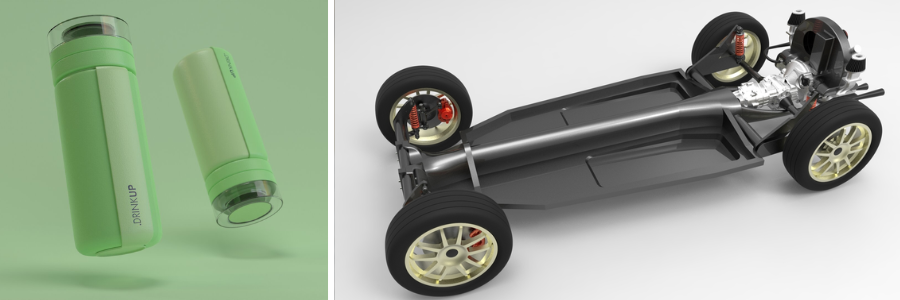
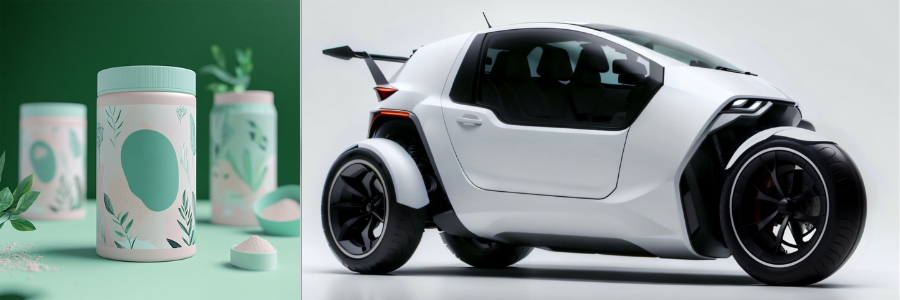
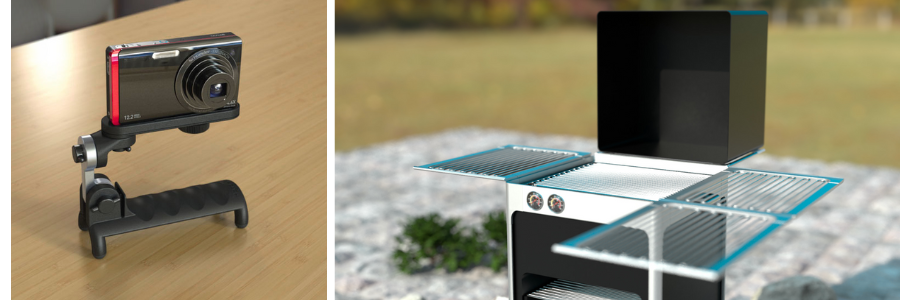
CAD designs of unique products by Cad Crowd experts

Fuel innovation culture: People first, process second

Innovation doesn’t just pop from sophisticated tools or strict procedures—it’s all about people. It’s the attitude, inspiration, and collaboration within a business that most effectively sparks new possibilities in product design services. No procedure by itself can trigger imagination if the company culture discourages risk-taking or inquiry.

Innovative cultures have some common characteristics. They rejoice in curiosity and empower employees to experiment without the fear of failure. Rather than disciplining mistakes, they regard failure as a necessary stepping stone to triumph. Just imagine Apple or Tesla — their competitive advantage is not so much cutting-edge technology but the fearlessness, audacious culture that gives their teams the confidence to break rules.

Leadership is key to the creation of this type of culture. When leaders encourage experimentation and build environments where individuals are not intimidated to make mistakes, employees have the liberty to speak freely, even about their most outrageous ideas. That freedom is usually what produces the breakthrough innovations everyone envies.

Cooperation also stimulates innovation. When groups eliminate silos between departments—designers talking to engineering design experts, marketers, and even customers—innovative ideas begin to flow. Varied views provoke new ways of thinking and challenge old assumptions. When individuals link freely and exchange their own perspectives, innovation ceases to be a far-off dream and becomes an everyday occurrence in the company’s way of operating.

Tap open innovation: Don’t go it alone

The concept of the solo genius inventor developing revolutionary innovations independently is less a reality and more a myth. Real innovation often benefits when it’s a team effort, and one of the best partners could possibly be outside your organization or company itself. This method is referred to as open innovation.

Open innovation consists of embracing ideas, technologies, and alliances from outside your company walls. That might involve partnering with startups innovating in their space, accessing university research, engaging deeply with suppliers, or even speaking directly to customers. By inviting outside contributors, businesses dramatically increase the number of ideas and solutions available, accelerating problem-solving in ways an insular team could hardly hope to replicate.

Think of a consumer product design company designing smart home appliances. Rather than attempting to create each bit of technology in-house, they may partner with a startup company that is good at artificial intelligence or IoT sensor technology. This speeds up creation and makes the product more attractive and useful, providing customers with something revolutionary.

Yes, open innovation is not without risk. It requires sound coordination and trust. Intellectual property rights and confidentiality need to be well-defined to keep everyone safe. The organization also has to be flexible enough to implement outside ideas swiftly, lest the entire process become bogged down. When executed properly, open innovation makes collaboration a catalyst for greatness.

Customer-centric innovation: Listen harder, build smarter

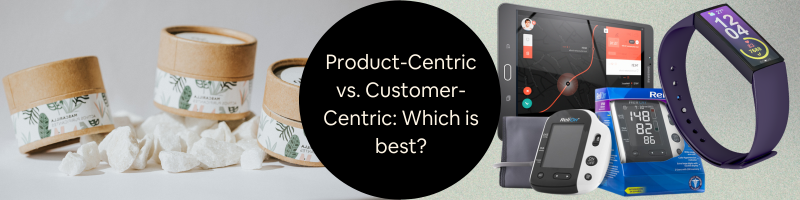
Customer-led innovation transcends mere buzzword status; it serves as a highly effective strategy that transforms product development. Instead of guessing what customers may require, the most successful teams go directly to the source, engaging deeply with real customer experiences and needs. This approach involves leveraging feedback through diverse methods such as ethnographic research, where designers watch how individuals use products in their daily routines, as well as usability testing, surveys, and monitoring social media discussions.

The secret is to look beyond surface-level comments. The true gold is finding those buried frustrations and needs that customers themselves may not even be able to articulate. At times, individuals don’t even know what they require until they experience a product that fixes an issue they weren’t aware they possessed—a philosophy Steve Jobs famously believed in. Having the complete context of customers’ environments enables designers to design solutions that are intuitive and natural, not contrived or gimmicky.

Engaging with customers throughout development ensures products stay current and avoids costly missteps later. This process also creates a loyal group of champions who trust the brand and can’t wait to support new titles. When open innovation services are focused on careful listening combined with intelligent design, the result isn’t just better products. It’s healthier, longer-lasting relationships that fuel sustained success for both brands and their customers.

RELATED: How to visualize consumer products using 3D rendering services for your company and firm

Smart use of technology: Innovation tools that make a difference

Technology is transforming product design and industrial design services in amazing ways, from AI-facilitated creativity to virtual reality prototyping that animates concepts before there even is a first physical model. With a staggering number of tools at our disposal, it’s tempting to get lost in pursuing the new fad without direction. The wisest strategy is to adopt technology that helps the design process in meaningful ways—tools that inspire creativity, enhance precision, and ease collaboration.

For instance, 3D CAD tools integrated with simulations enable the testing and iteration of ideas virtually, conserving precious time and resources otherwise spent on physical prototypes. Not only does this virtual testing accelerate development, but it also minimizes costly errors early in the process.

Keeping all stakeholders integrated is another significant advantage. Digital collaboration tools allow designers, engineers, and stakeholders, wherever they are, to exchange ideas, documents, and live feedback easily. This improves communication flow and enables projects to continue flowing smoothly.

Data analytics also comes into play by unlocking patterns in product performance or how production can be optimized. Breakthroughs and intelligent innovations come from insights provided by this information.

Of course, technology alone doesn’t drive innovation. The magic only occurs when teams figure out how to incorporate these tools in a thoughtful way into their workstreams. Proper training and intended use are critical to make investments in technology pay off as meaningful progress and quantifiable returns.

Speed without sacrifice: Balancing fast iteration with quality

Quality and speed often conflict in product design, but finding the right balance is essential. Quick innovation is vital for competing in crowded markets, yet rushing can lead to the release of subpar or flawed products— a costly mistake that may damage reputation and erode customer trust.

A really smart product development expert incorporates quality assurance into all aspects of development. Rather than leaving it until the end, testing and validation occur all along, catching issues early. This keeps surprises from arising later on and ensures that every iteration is robust.

The trendy “fail fast” slogan is often used incorrectly. It does not equate to releasing defective products but is about learning quickly from small, controlled failures during prototyping. Fast prototyping and functional testing expose issues early when they’re easier and less expensive to fix, enabling teams to make changes and develop without massive delays.

Smart risk-taking also figures into this balancing act. By focusing on features and experiments that provide the most benefit at the least risk, teams stay centered and don’t waste time on expensive, low-impact initiatives. This approach keeps innovation agile and focused.

In the end, going fast without compromising on quality isn’t merely possible — it’s a requirement for product success. Adopting a tempo that combines fast iteration with intensive testing makes high-speed development a viable competitive advantage.

Data-driven decision making: Innovation meets analytics

Innovation and analytics may seem like opposing forces—creativity and intuition on one hand, and data-driven decision-making on the other. However, when combined, they are transforming modern product design. Creativity often starts with an instinctive spark or a bold idea, but lacking solid data, it can feel like aiming at a target in the dark.

Product teams today have data at their fingertips: knowledge about market trends, how people use products, what the competition is doing, and even granular material and supply chain information. All this information provides insights and patterns that may not otherwise be apparent. Take, for instance, customer usage data that draws attention to features that aren’t catching on and could be simplified or reenvisioned to create real value. Supply chain analytics may identify bottlenecks that prompt teams to be creative with alternative materials or modular designs that enhance efficiency.

When you start marrying creative vision with these deeper insights, something remarkable happens to your decision-making process. Instead of those endless debates based on personal preferences or gut feelings alone, teams can zero in on solutions rooted in actual user behavior and everyday contexts. This shift doesn’t just save everyone from spinning their wheels on ideas that’ll never fly—it dramatically improves your odds of building something that actually succeeds in the market. I’ve watched teams waste months on beautiful concepts that completely missed the mark because they never validated their assumptions with real people.

What’s exciting is how this blend of hard data and creative thinking transforms the entire approach to product engineering services. You’re no longer throwing ideas at the wall to see what sticks. Instead, you’re building on a foundation of evidence while still leaving room for those breakthrough moments that only come from imaginative thinking. The teams that master this balance—combining rigorous research with bold creative leaps—consistently deliver products that not only work well but genuinely surprise and delight users in ways they didn’t even know they needed.

RELATED: What you need to know when hiring a product design firm & designer for new prototypes

Build a strong innovation pipeline: Manage ideas like gold

Ideas fuel innovation, but treating them casually can mean missing out on game-changing opportunities. Thinking of ideas as valuable as gold changes the way a company approaches creativity, turning random sparks into real business wins. Many organizations falter simply because they don’t consistently capture ideas or let promising concepts fade away before they get the chance to grow.

A successful innovation pipeline behaves like a carefully designed funnel, walking ideas through step-by-step. It begins with discovery, progresses through concept refinement, prototyping, and ultimately launches the most promising ideas. This process eliminates the poorer concepts early on, allocating energy and resources to those that have the greatest promise.

Transparency is the key to making this system succeed. When each team member understands how to come up with ideas and what happens next, more people participate. Confidence in the process grows organically. Clear criteria for idea evaluation keep the pipeline focused on the company’s larger objectives and avoid distractions.

Technology plays a crucial role in this process. Modern innovation management tools help teams efficiently collect, evaluate, and track ideas and move through prototype design engineering services. They encourage collaboration by allowing for real-time feedback and improvements. By combining a structured innovation pipeline with smart technology, ideas are not just created; they are transformed into valuable products and services. This approach helps businesses stay ahead in a competitive market, turning innovation into an ongoing, manageable process instead of an unpredictable occurrence.

Celebrate small wins: Keep the momentum alive

Innovation is a marathon, not a sprint, and anyone who’s ever been involved knows how hard it is to maintain momentum over the long term. The secret to keeping that flame burning? Commemorating the small victories along the way. Whether it’s acing a prototype test or hearing a glowing word from a customer, these smaller celebrations are more important than we tend to think.

Recognizing these successes doesn’t need to involve much. Innovation awards or recognition programs are wonderful, but even a shout-out at a team meeting can be a strong message: creative effort matters here. When individuals are noticed and valued for their work, it fuels passion and the will to keep innovating.

Innovation is not an event but a continuous process for concept design services. Every minor victory creates momentum, making it simpler to overcome the subsequent obstacle. These victories embed a culture of experimentation wherein attempting new things is less risky because progress is consistently recognized. That confidence built through minor successes produces a positive feedback loop, encouraging more imagination and propelling the team ahead.

Through celebrating small victories, businesses turn innovation from a taxing challenge into an enthralling, ongoing journey. It’s these small wins that maintain morale high and the momentum going, so big breakthroughs have a strong base to build on.

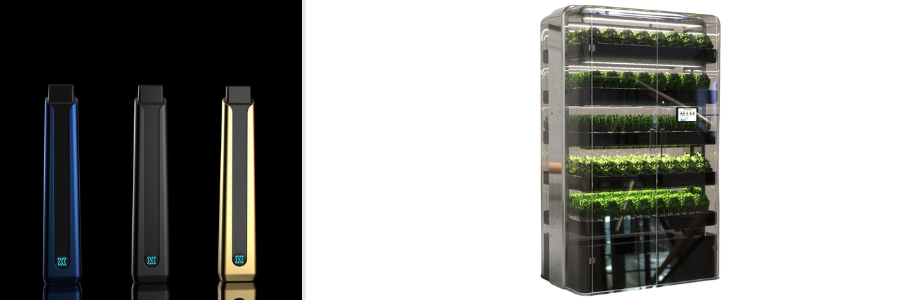
medical scanner and customizable backpack designs by Cad Crowd product innovation services

RELATED: The simple secret to unlocking new product innovation at design services companies

Learning from failure: The innovation paradox

In the innovation world, there’s an interesting paradox surrounding failure. Failing quickly is often touted as necessary, yet failing and not learning is meaningless. The true value lies not in how fast you crash into a wall—it’s in what follows. Successful innovation product design teams know this at their core. They do not view failure as a stop sign; rather, they view it as a treasure chest of learning in waiting.

When a project didn’t deliver, spending time breaking down what did work, what didn’t, and why can be a turning point. This sort of honest self-reflection transforms failure from infuriating setbacks into valuable lessons. Each failure holds within it clues that, when revealed, result in wiser choices and improved solutions. It’s taking a stumble and turning it into a stepping stone toward triumph.

Too many workplaces discourage this method. When failure is punished, or errors are concealed out of fear, creativity comes to a halt. People are risk-averse, often concealing problems rather than confronting them. Companies that foster open and honest discussions about failures, on the other hand, produce a culture where learning can thrive. Employees feel comfortable experimenting, exchanging, learning, and constantly improving.

Innovation is not a linear path. It’s a process of attempting, stumbling, reflecting, and improving. The breakthrough happens when failure is viewed as a reliable guide rather than something to dread. Accepting failure as a usual aspect of the journey brings forth new ideas, fosters growth, and leads to ultimate success.

Sustainability as innovation: Designing for the future

Innovation nowadays is no longer just about adding new capabilities or accelerating product rollout. It’s becoming something more profound and significant — a responsibility. Designing for sustainability involves creating products that not only perform their function but also honor the environment and society. This thinking is transforming the way companies develop products.

Successful firms do not handle sustainability as an afterthought. Rather, they incorporate it explicitly into their innovation processes. Recycling materials, for instance, reduces the ecological impact, whereas making products repairable ensures that they last longer and minimizes waste. Streamlining production processes to minimize residual materials and energy usage also significantly contributes to this green strategy.

The genius of sustainability-fueled innovation is that doing good and doing well finally intersect. Consumers increasingly desire products that reflect their values, so environmental-conscious design is a powerful market differentiator. Indeed, firms that focus on sustainability frequently find that they capture customer loyalty and differentiate themselves in competitive markets.

Finally, sustainability is no longer a nice-to-have. It’s an integral part of innovation that future-proofs products and companies, demonstrating that responsibility and creativity are two sides of the same coin. The future is for those who think for both the planet and people.

The human element: Balancing tech and touch

The center of product design innovation pulses most when human touch and technology are brought together. It’s tempting to fall into the newest AI software, powerful CAD systems, and pyramids of data analytics — and they are without a doubt game-changers. They make designers able to work more quickly, see ideas in stunning clarity, and study user behavior in ways never seen before. But innovation is not simply a matter of number crunching or running algorithms. It’s about people.

Product design fundamentally addresses two distinct groups. On one side, there are the creative individuals such as designers, strategists, and product managers who continuously push boundaries and envision new possibilities. On the other side, we have the end users who simply seek solutions that integrate smoothly into their lives. The interesting thing is, without those distinctly human qualities like gut instinct, genuine empathy, and creative problem-solving, even the most sophisticated technology falls flat. It’s these softer skills that breathe life into what would otherwise be just another functional tool, turning it into something people actually want to use..

Finally, keeping the user at the center of every decision guarantees that products not only work well but also relate on a more personal level. The magic occurs when intelligent technology intersects with authentic human insight. That’s where innovation flourishes.

Wrapping up: Your innovation playbook

Product design innovation isn’t magic, but it’s close. It involves a mind shift, cultural buy-in, intelligent use of tools, fanatical customer obsession, and a properly managed process that celebrates failure and learns quickly. By making innovation a strategic habit — powered by collaboration, data, and a love of problem-solving — your product designs won’t be faster and better; they’ll be game-changers.

RELATED: How is product design different from industrial design services companies?

Partner with Cad Crowd now!

Ready to disrupt the norm? The most effective innovations don’t ask for permission — they run full speed, try bold things, and surprise customers in ways they never could have imagined. Innovation isn’t a place you arrive at. It’s your new work methodology. And it’s the advantage that keeps you ahead. Be at the top of the game with the assistance of Cad Crowd services, the world’s leading freelance platform to find CAD, engineering, and architectural design professionals. Get in touch with us today and ask for a quote for free.

author avatar

MacKenzie Brown is the founder and CEO of Cad Crowd. With over 18 years of experience in launching and scaling platforms specializing in CAD services, product design, manufacturing, hardware, and software development, MacKenzie is a recognized authority in the engineering industry. Under his leadership, Cad Crowd serves esteemed clients like NASA, JPL, the U.S. Navy, and Fortune 500 companies, empowering innovators with access to high-quality design and engineering talent.

Connect with me: LinkedInXCad Crowd

How to Improve Product Development For Your Company with Engineering Firms & Design Consultants


Product design is a complex and interactive process that involves a range of stages, from ideation through to final product launch. Those companies charged with creating innovative, high-tech products are those that engage the services of engineering companies and design consultants within a top-shelf firm like Cad Crowd, gaining access to world-class expertise as well as thinking outside the box. The secret to enhancing your product development is finding out how partnerships function, the value that they add, and how to infuse their input into your operations without interruption.

This article discusses the best practices through which companies can maximize their product development through partnerships with engineering design firms and design consultants. We will dissect the advantages, the process involved, and the step-by-step steps towards a successful partnership that yields innovative and market-ready products.


🚀 Table of contents


The role of engineering firms and design consultants in product development

Product development is the practice of bringing together various disciplines in order to turn a product into something not only functional but also desirable and saleable. The two major actors in this role are engineering firms and design consultants, each with its own capabilities.

Engineering firms undertake the technical component of product development. They specialized in areas including mechanical, electrical, software, and industrial engineering. The primary role is to translate abstract designs into concrete, functional products, ensuring that a product is not just functional and reliable but also manufacturable in volume. They also provide valuable insights regarding materials, processes, and technologies required to make the product function effectively in the real world. Their experience makes the design functional, safe, and inexpensive to manufacture, filling the gap between the original concept and the finished product.

Design consultants, on the other hand, focus on the UX and look of the product. They dive deep into how the product feels, looks, and engages with the end-user. Design consultants make the product appealing to the target consumers by focusing on aspects of form, functionality, and ergonomics. They use creativity and market knowledge to create a design that not only works but is also stunning and in sync with current fashion trends. Keeping abreast of the consumer’s taste, they position the product so that it stands out among others in a competitive market.

Together, engineering companies and design consultants offer a balanced solution to product design services. Engineering companies offer technical accuracy and functionality, while design consultants ensure the product resonates with the consumer on an emotional level. The combination creates innovative and sellable products.

product design of a smart watch and glass cup by Cad Crowd design experts

RELATED: A guide to electronic product design for manufacturing with PCB design firms & engineers

The benefits of working with engineering firms and design consultants

Collaboration with outside experts, including design consultants and engineering companies, can make a significant difference in product development. These partnerships enable businesses to access top-tier talent, innovate more effectively, shorten time-to-market, and reduce costs and risks. By merging the skills of engineers and consultants, companies can achieve better product outcomes and avoid costly mistakes. The following is a closer examination of the specific benefits these collaborations offer.

Expertise and specialized knowledge

One of the strongest arguments to collaborate with engineering firms and design consultants is the level of expertise they can provide. Engineering design experts, whether they are making it manufacturable, ensuring it meets industry standards and laws, or dealing with challenging engineering issues, are able to handle the technical issues that can otherwise slow or halt a project. They can make sure that a product can be produced effectively and safely, and it meets all specs required.

Alternatively, design consultants provide insightful perspectives in areas such as consumer behavior, usability, and ergonomics. They are experts in knowing what the target market likes and making a product functional and user-friendly as well as pleasing to the eye. Through working with such an expert, businesses are able to design products that are market-friendly, user-friendly, and market competitive.

Innovation

Having outside experts collaborate with them also creates innovation. Design consultants and engineers introduce new ideas and innovative solutions that may not be conceived by in-house staff. These specialists are used to thinking outside the box and generating solutions that go against the norms. For instance, an engineering company can propose a new method of production that reduces costs or extends the lifespan of the product. In the same manner, design consultants can bring in new materials, beauty, or functionality that enhances the product’s value to the consumer.

The inclusion of consultants in the design process ensures that companies stretch the limits of their product ideas and find opportunities for differentiation they might otherwise not have discovered on their own without assistance. This surge of innovation and expertise can lead to more breakthrough products well-positioned to seize the marketplace for consumer product design companies.

Less time-to-market

Collaboration with professionals will easily accelerate the development cycle. Engineering companies and design consultants typically have well-documented processes and design tools that facilitate straightforward testing, prototyping, and design. They also possess experience with numerous projects, enabling them to foresee potential challenges in advance so the team can take proactive measures to address issues before they impede progress. Moreover, these experts can quickly prototype and test ideas, thus shortening the time required to transition from conception to completion.

The faster one can get a product into the market, the faster it will start making money and building brand recognition. Companies can significantly minimize their development timeline with the assistance of external specialists and become the leaders in constantly evolving industries.

Cost efficiency

Though outside consultant and engineering firm costs are a drawback, the initial upfront price, the initial upfront price is a drawback, they can actually end up saving enormous amounts of money. Engineering companies are valuable at finding and fixing design faults prior to these being turned into money-wasting production problems. Through making things more manufacturable, companies allow products to be manufactured cheaper and thereby save materials and production dollars, such as through design for manufacturability services.

Cost savings by product refinement are also designed by design consultants for the sake of meeting user needs and market requirements. A product that is appropriately designed in the first place will not need redesigning or costly rework. Consultants save companies from expensive mistakes, such as designing a product that people won’t appreciate or one that fails to perform as designed in the real environment.

Mitigation of risk

Third-party experts have a sense of caution, enabling companies to avoid risk at the onset of product development. Design consultancies and engineering companies have a third-party perspective, detached from the design process and therefore able to point out problems that may be missed internally due to bias or expertise. By detecting such risks early on, i.e., probable safety issues, manufacturing problems, or usability defects, experts can come up with solutions that prevent secondary, bigger, and more expensive issues.

Identifying errors is important to prevent delays, expensive product recalls, or lawsuits that could harm the business reputation. With the counsel of experts, companies can tackle challenges head-on, gaining a smoother and more successful product launch.

In brief, co-operation with design consultants and design engineering firms has several benefits. From innovation and experience to reduced times to develop, cost savings, and risk elimination, such co-operation can make the product development process. Through the leverage of the experience of external experts, companies can develop more successful products and gain a competitive edge in the competitive market.

How engineering companies and design consultants improve the product development process

Product development is a multi-faceted process involving numerous factors such as design, cost control, user needs, manufacturability, and compliance with regulatory legislation. Design consultants and engineering firms are the main protagonists in this process, providing professional guidance that shortens the development cycle, enhances performance, and ensures commercial success. By collaborating, they offer essential guidance at every stage of the product life cycle, ranging from conceptualization to completion and manufacturing. Now, we will explore how design consultants and engineering firms assist with product development in the following areas.

A) Development of clear requirements and specifications

The first part of any product development project is to create well-defined, actionable requirements. This is the most critical stage because it sets the tone for the remaining development process. Both design consultants and product engineering companies utilize their expertise to translate them into solid technical specifications.

Engineering input

Engineering companies play the central role at this point in specifying and designing the technical specifications needed in a bid to realize the product. This entails making decisions regarding the materials that will be used, the performance levels that are desired, and the manufacturing methods. Engineers also need to ensure that the product will be technically possible and can be constructed within the intended budget. They also take into account pragmatic considerations like print durability, safety, and legality that prevent problems down the line that might jeopardize the product’s launch.

Design input

Design consultants bring a creative input. They are user experience-focused, though. So the product is not only beautiful, ergonomic, and easy to use. They define the user interface, visual design, and functionality from the consumer perspective. These are basic factors, as whether or not a product works also hinges upon whether or not it is acceptable to the ultimate consumer. The design consultants would reassure that the product design would be appealing to its target consuming audience and at the same time adhere to the brand identity.

This collaboration between designers and engineers makes sure that everyone involved in the project has a clear vision of the project constraints and objectives. The outcome is a clearly defined roadmap that reduces the risk of scope creep and maintains the project on course.

RELATED: Master product design costing: Top strategies for CAD services companies & freelance designers

Product design of a watch and RV camper by Cad Crowd design professionals

B) Prototyping and iteration

After the first-stage design requirements, the second major phase of the product development process is prototyping. Through prototyping design engineering services, designers and engineers are able to experiment with their concepts in real form, receiving useful feedback regarding how the product will behave in real life.

Engineering perspective

For engineering companies, a prototype serves as a test demo for technical performance. They ensure that the product can be produced in volume and that it passes required safety testing. Engineers also test the product’s performance and durability under different sets of conditions. This is a crucial component of detecting and correcting any design defects prior to large-scale production. If the prototype either does not perform or fails to clear regulatory tests, the engineers will return to the drawing board and redesign until it is functional and producible.

Design perspective

Prototyping for design consultants is an opportunity to refine the design and user interface of the product. Designers pay attention to things such as how the product appears, feels, and how the product and user interact. They keep a very close eye on ergonomics, usability, and design appeal in general. Feedback from user testing, for example, from individual user interviews or focus groups, will most likely yield the richest feedback that will influence design development. Evolutionary design changes ensure not only that the product is useful but also that it is salable and appealing to consumers.

The iteration and prototyping stage is a joint effort, with designers and engineering design firms closely working together. Through testing the prototypes, technical and user feedback are integrated, and the product progresses towards its final product. Iteration is vital in helping find and solve problems early on before making expensive errors later.

C) Simplifying manufacturing and supply chain

Design and functionality of a product take precedence, but manufacturability and getting it to the customer are just as critical. Engineering companies are notorious for taking the lead in these aspects, ensuring the product can be scaled up for cost-efficient and effective manufacturing. Design consultants ensure the product design is scalable for production without sacrificing user experience.

Engineering’s role in manufacturing optimization

Engineers are responsible for selecting suitable materials, establishing production techniques, and simplifying production processes. They are interested in ensuring the product can be produced in high volume within budget constraints while maintaining quality. Engineers may suggest design modifications that make production easier or cheaper, such as simplifying assembly processes or using substitute materials that reduce the cost of manufacture without loss of function.

Design’s role in scalability

Design consultants ensure the product design can be mass-produced. They ensure the design will be uniform and function correctly if mass-produced. This is particularly important in consumer goods, where design elements must be duplicated exactly across enormous quantities. By finding a balance between manufacturability and aesthetics, designers ensure the end product is not only functional but also maintains its original appeal once mass-produced. Design for manufacturability services specialize in harmonizing these two qualities for mass production.

Collaboration between engineering companies and design consultants is paramount in supply chain optimization. While the engineers focus on minimizing production costs as well as manufacturing processes, the design consultants make sure that the end product is not only visually appealing but also easy to use and aesthetically consistent. The collaborative approach guarantees that the product is not just producible but also affordable and competitive in the market.

D) User-centered design and feedback loops

In a competitive market, the key is integrating customer feedback into the product development process. Design consultants gather and analyze user feedback to ensure that the product satisfies the needs and expectations of its customers. User testing, focus groups, and surveys are used by designers to get valuable insight into how the product functions under everyday conditions.

Engineering’s role in feedback integration

As user feedback is being collected by design consultants, engineers make sure that user-driven modifications do not harm the product’s functionality or manufacturability. Engineers make sure that design modifications are technologically viable and won’t adversely affect the product’s performance or safety. This dialogue offers a cycle of feedback constantly improving the user experience of the product without jeopardizing technical integrity.

This ongoing process of refinement and upgrading is necessary for the creation of a product that not only satisfies user requirements but is functional, durable, and producible at high volume.

E) Cost optimization and efficiency

Cost minimization is the key issue for every business in product development. Product design experts and engineering companies work together to find cost-saving opportunities without impacting the product quality and creativity.

Engineering’s role in cost optimization

Engineering companies can provide more affordable materials and production processes that can lower the cost of production. For instance, they can suggest the use of substitute materials that are less expensive but just as good in terms of performance. Manufacturers can also be streamlined by engineers, minimizing labor costs and maximizing efficiency.

Design’s role in cost efficiency

Design consultants will be in a position to recognize unnecessary parts or features that can be cut out or simplified to lower production costs. They can recommend design modifications to simplify the manufacturing process or lower assembly costs. Designers keep the product affordable and yet make it viable for the market by emphasizing essential features and cutting out the unnecessary ones.

By maximizing both design and engineering considerations, companies can design products within their budget and yet have the required quality and functionality.

Best practices for working with engineering firms and design consultants

To maximize value from working with engineering firms and design consultants, and even manufacturing design services, companies must follow some best practices that promote cooperation and result in successful product development.

A) Clear communication and alignment

From the beginning, there must be clear communication among all parties. Design firms and engineering firms must learn your company vision, objectives, and target audience. Frequent meetings, transparency in communication, and documentation keep everyone on the same page throughout the development phase.

B) Set realistic expectations

Development is a complicated process, and hurdles are always present. Setting realistic expectations on timescales, costs, and results allows it to be possible to deal with any unexpected obstacles. Having contingency plans and an open line of communication available ensures that derailments can be corrected on an expedited basis.

C) Create synergy between designers and engineers

Promoting coordination among designers and engineers makes it simple to identify issues early, which creates innovative ideas and brings both sides of the product together without conflicts. Cross-functional teams have the ability to introduce diverse ideas to the project, which is what makes the project innovative and effective.

D) Continuous feedback and iteration

The process of product development is a circular one, and feedback is to be included at each step repeatedly. Expert engineering design consultants have very crucial roles to play in including testing feedback, user feedback, and market feedback into the product development process.

RELATED: How much does NPD cost? Rates & pricing for services at top design companies

Product design rendering of a smart TV and SIM racing rig by Cad Crowd design professionals

E) Have a long-term partnership

Long-term associations with engineering firms and design consultants could lead to improved and innovative product development. Over time, the partners come to know your business objectives and beliefs better, making it easier to work with a quality output.

Starting from establishing clear requirements and specifications to streamlining the production process and integrating users’ input, their technical know-how makes products functional, producible, and user-friendly. By promoting teamwork, establishing realistic expectations, and establishing open lines of communication, firms can deliver high-quality products that satisfy consumers’ requirements and business goals.

Conclusion

Product development is not just enhanced by technical knowledge or creative design—it’s the way one brings the two together in a team setting. By collaborating with engineering companies and design consultants, businesses are able to leverage specialized knowledge, drive innovation, and simplify their development process. What emerges is not just a product that functions, but a product that interacts with users and dominates the market.

How Cad Crowd can help?

By adhering to best collaboration practices, defining clear objectives, and implementing an iterative process, your business can realize the full potential of these partnerships and introduce into the market products that are not only useful but also innovative, user-friendly, and affordable. Collaborate with Cad Crowd to achieve success as you deserve. Request a quote today.

author avatar

MacKenzie Brown is the founder and CEO of Cad Crowd. With over 18 years of experience in launching and scaling platforms specializing in CAD services, product design, manufacturing, hardware, and software development, MacKenzie is a recognized authority in the engineering industry. Under his leadership, Cad Crowd serves esteemed clients like NASA, JPL, the U.S. Navy, and Fortune 500 companies, empowering innovators with access to high-quality design and engineering talent.

Connect with me: LinkedInXCad Crowd

How Brand Consistency Enhances Product Design and Insights from CAD Services Firms


Brand consistency happens when your company presents uniformed visuals, personality, and messaging across the entire range of products. A lot of people seem to see brand consistency only as it relates to marketing, but it’s just as important within the context of design. To have the most impact, all products under the same brand must maintain the same design language to be easily recognizable by the target consumers. 

But imagine having a confusing or misaligned brand identity – it’s bound to create issues in terms of appeal and longevity and may even set you up for failure as you’ll fail to capture the hearts and minds of your intended audience.


🚀 Table of contents


Why do you need to be consistent?

It’s pretty straightforward: brand consistency improves memorability. What’s the first thing that comes to mind when someone mentions a premium gaming laptop so striking, it looks as if they’re also used by advanced space-faring species? Alienware. What about a power drill wrapped in a construction worker’s high-visibility jacket? DeWalt. So why are all those brands so easy to remember? Because they’ve been using consistent design throughout their existence. People already know too well what those brands represent, what products they offer, the expected build quality, and the presumed value for money.

RELATED: Designing prototypes: 3D design services for inventors and companies

This is where manufacturing firms follow the “Rules of Seven” to their full potential. It’s a well-known marketing concept utilized by companies all around the world to suggest that unique products or brands will stick to people’s minds for good after they’ve seen it seven times. A memorable design creates a sense of connection with the target consumers. When the design is easily remembered and associated with positive experiences, sales will likely pick up.

If you want a gaming laptop, chances are you’re thinking about an Alienware; when the time comes to buy a new power drill, you can’t possibly forget about DeWalt – otherwise, you may have to settle for less. None of this suggests in any way that alternatives don’t exist. In fact, the competitors might be more in line with what you need, or at least equally good. The point is that you always take those brands into consideration each time you want to make a purchase. And that’s how you can tell if the brand consistency strategy works as intended. Apart from memorability, consistent brand designs also lead to the following:

  • Recognizability: let’s go back to the brand examples again. DeWalt offers not only power drills but an entire lineup of hand tools and power tools for the construction and woodworking industries. Some products are intended for commercial use, while others are geared toward DIYers and craftspeople as well. The brand uses the same color scheme, typography, icons, logo, and other visual cues across the range. You can tell if something is a DeWalt or not from miles away.
  • Simplified marketing: brand consistency accounts for a huge part of product marketing strategy. Given a unique product design with recognizable elements, you don’t have to worry about your product getting drowned out by dozens of competitors sitting on the same store shelf. No one says creating a unique design and maintaining consistency are easy undertakings, but once you get there, your marketing team has one less big thing to worry about. Apple is probably the finest example in this regard. It doesn’t matter if you pick up an iPhone, iPad, or Mac of any version, you’ll immediately notice it’s an Apple device.
  • Testament of authenticity: brand consistency is all about maintaining the same build quality and enjoyable user experience across all your products. In other words, you need to be consistently good to showcase that the designs are indeed authentically yours. If some other brands are trying to look slightly (or perhaps eerily) similar, they’re copycats. To some extent, what they do is a direct admission that your design is the authentic one and actually better. To the customers, authentic brands are trustworthy, original, and good value for money.

Aiming for brand consistency when developing a new product requires two things: meeting consumer demands and presenting the product in a way that is relevant to all its predecessors. Of course, it applies mostly if you have already launched a product or two into the market. For a completely new brand, the best you can do is to try and come up with a unique design. No one will accuse you of being inconsistent because it’s the first product from the brand after all, unless the brand is releasing multiple products at once.

branding examples

RELATED: Preparing your firm’s product design for manufacturing: How to streamline development and reduce costs

How does it affect design?

A big portion of branding – regardless of how the design appears visually – is making an effort to expose your target consumers to the brand in a relentless manner. It has everything to do with effective marketing as they share a common goal: creating unforgettable associations between people and the product. They may associate your product with pleasing visuals, striking colors, good ergonomics, build-to-last quality, practicality, portability, ease of maintenance, affordability, eco-friendliness, reliability, accuracy, or any combination of those aspects. Once you’ve built such an association, it makes little sense to reinvent the idea each time you release a new product from the same brand.

When brand consistency is of the utmost importance, sometimes it can put a strain to the creativity aspect of the design department. For the sake of being relevant to the brand, a design cannot stray too far from the already-established elements. However, this is not always a bad thing because brand consistency also leads to many beneficial effects.

Design template

Brand consistency is more than just about using the same colors, materials, icons, and finishes. Just as important is the overall user experience with the product. User experience, as the name suggests, is the sum of all interactions between the product and the person using it. This includes accessing the features, utilizing the functionalities, and basically all the user does to take advantage of everything the product has to offer. With brand consistency in mind, there’s no need to change the user experience for the sake of being creative. For example, keep the power button in the same position, make the product compatible with the same accessories or consumable parts as the previous version, don’t go overboard with reshaping the ergonomics, and maintain the same build quality.

If you have to introduce changes, make sure it’s an improvement, not a downgrade. Since the goal is to maintain brand consistency, think of your previous product as a ready-made design template to help eliminate a lot of guesswork. The approach actually works for more types of consumer products design services than you think. Referring back to our previous examples, most iPhones look the same, but people are still buying new ones, and nearly every DeWalt power drill appears almost identical to each other. It’s not that they can’t come up with new designs, but why bother when the existing design is perfect for the purpose? When you buy a new iPhone, you expect it to work like your old iPhone, only better. And that’s because the design department can put more resources on the product’s inner workings rather than cosmetics alone.

RELATED: Understanding the cost of prototyping for product design services and budgeting for your company

Style uniformity

Brand consistency triggers the need to create design uniformity, leading to familiarity. Uniformity is not limited to build quality and materials but the stylistic approach as well. Let’s say you’ve positioned a computer peripherals brand as a classic alternative to contemporary competitors; although you’re using modern prototyping services and manufacturing technologies to produce computer mouses, keyboards, flash drives, headphones, speakers, and other peripheral devices, your products offer old-school or retro designs. There’s nothing wrong with Bluetooth, IPS display, and noise-canceling technology, but your style must be consistently classic.

Building familiarity is the primary design approach within the context of brand consistency. When people purchase your brand, they expect the product to look and feel old-school while offering new technologies inside. Customers won’t complain about the style being outdated because that’s exactly the distinctive aspect of the brand. As it is your signature style, the design team can focus specifically on “recreating” incarnations of antiquated looks. Brand consistency is the driving force behind design decisions.

Boring can be a good thing

A brand is an identity. In this case, being consistent means using the same identity for all the products released under that brand. Having inconsistent styles and design approaches makes it difficult to nurture a sense of familiarity and uniformity. You’ll be introducing the consumers to a completely different product with every release, and that’s a recipe for marketing disaster. If your design feels repetitive and boring but the sales keep going well, it means you’re doing brand consistency right.

red electric vacuum cleaner branding example

RELATED: How are product concept design services used to innovate during product development?

A simple guideline to brand consistency

To prevent yourself from deviating too much from the brand’s original value proposition, make simple guidelines that include:

  • Price range
  • How the brand logo should be used
  • Color palette
  • Materials, textures, and finishing
  • Styles (futuristic, minimalistic, rustic, robotic, modern, etc.)
  • Basic design template, including shape and contour
  • User interface
  • Modularity or compatibility with other systems
  • Brand messaging
  • Packaging design

There’s no need to get all fancy about the guidelines. As long as it conveys clear messages about what to do and NOT do, the design team should understand what you’re trying to achieve from the get-go and keep everything under the defined parameters.

Cad Crowd can help

Achieving brand consistency takes a lot of dedication, persistence, and of course, a good understanding of what a good design is. It can be a challenging task, but it doesn’t always have to be as daunting as it appears to be, especially with Cad Crowd on your side. Over the last 15 years or so, we’ve been connecting companies big and small with a serious lineup of professional designers and design consultants to collaborate in the efforts to ensure brand consistency across the board. You, too, can take advantage of experts’ insights into your strategic planning and design approaches to fulfill the dream of materializing brand consistency.

Reach out to Cad Crowd at your earliest convenience to get your free quote today.

author avatar

MacKenzie Brown is the founder and CEO of Cad Crowd. With over 18 years of experience in launching and scaling platforms specializing in CAD services, product design, manufacturing, hardware, and software development, MacKenzie is a recognized authority in the engineering industry. Under his leadership, Cad Crowd serves esteemed clients like NASA, JPL, the U.S. Navy, and Fortune 500 companies, empowering innovators with access to high-quality design and engineering talent.

Connect with me: LinkedInXCad Crowd

How Digital Prototyping Influences Company Product Development and Design


If you’re a product developer, you might already know how challenging the new product development process can get, especially once you get to the point when you need to build a prototype.

Product prototypes are among the most time-consuming and expensive stages of the product development process. You need to develop a unique and new item, build it from scratch, and check to see if you missed anything so you can change it before it’s too late. However, most of these problems are now eradicated with the help of technology. This article discusses how digital prototyping influences company product development and design.

Digital prototyping defined

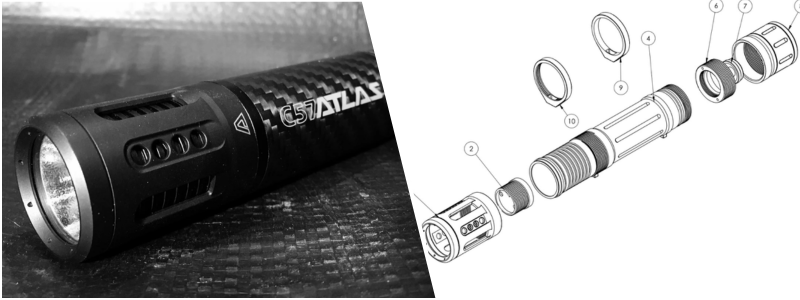
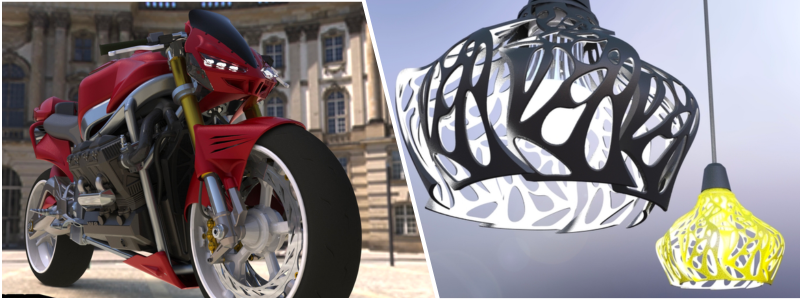
Digital prototyping refers to the concept of creating real-world product models. Product models allow product developers to acquire early feedback from potential product users without releasing the product to market. Here, the prototypes are produced digitally with all the necessary transitions and animations that resemble the actual product. This differs from a throwaway or paper prototype, as product details are the main focus of digital prototypes.

During digital prototyping, the product’s functioning model is made before its actual development. It is made possible with the help of different tools for digital prototyping available in the market. Being in a digital format, these digital prototypes allow developers to quickly iterate and make a few adjustments without too much hassle, according to the feedback from the users.

The following primary phases are part of the digital prototyping process:

  1. Analysis of the problem and exploration of the product and its core idea.
  2. Brainstorming on the prototype’s development in digital format.
  3. Development of a real-world model of the prototype that allows testing using a reliable tool.
  4. Presentation of the prototype model to potential users to obtain valuable insights.
  5. Adjust the prototype based on the acquired feedback and start the process again.

RELATED: How Much Does it Cost to Make A Prototype for My New Product Invention?

Principles of digital prototyping

product1

Aside from helping you create prototypes that are as realistic as possible, digital prototyping has the following broad principles:

Build enough to learn but nothing else beyond that

Digital prototypes are not fully functioning designs. Instead, these digital prototype designs function as a test to answer critical questions regarding your hypothesis. Will people buy your product online? You can’t wait to test and develop your products at this point. Digital product prototype images will help answer the question and show how to fill the orders to ensure that clients won’t be disappointed.

You can discard prototypes

The main point is that digital prototypes are meant to be produced only as part of the product to present the appearance and features of the product and not necessarily the product itself. This is when you will test the idea. It means you’ll be wasting time if you spend more extended hours than necessary on prototype development. Aside from that, working longer on something will only increase your attachment to it. Depending on customer feedback, it’s never recommended to be too attached to a prototype because of the possibility of pivoting 180 degrees.

Anything can be developed into a prototype

There’s often significant time pressure when making digital prototypes. However, you can prototype almost anything under the sun.

RELATED: Elevating Your Company Using CAD Product Design Services During Product Development

Why is digital prototyping important in product development and design?

product2-1

Digital prototyping services can help you save money and time and assist with complex conversions to create better products. Developing digital prototypes offers many benefits, and the following are the most important ones:

Accuracy

You can create modern digital prototypes with excellent tolerances that are much tighter than physical prototypes. It lets developers create an accurate model of how the product’s production version might function without the need to go through the trouble of building it.

Visual aid for meticulous feedback

If you’ve ever tried articulating a visual concept, you know how difficult it can be. Sometimes, you may use paper and pen to illustrate your product concept. Digital prototypes work to help create visual representations to allow feedback.

Attainable

There’s a reason why digital prototyping plays a critical role in companies’ product development and design processes. The expertise and software required to work it are tricky, if possible, to implement on a smaller scale. However, this is starting to change gradually with the improved accessibility of digital prototyping technology, even for more minor scales.

Validate business goals

It’s common for businesses not to understand their goals aside from lowering costs and making money. Digital prototyping will force a company to see solutions in full action and consider whether these will solve their concerns.

product3

Better collaboration

In today’s manufacturing industry, an entire product design team typically works together on just one prototype. This is why it’s invaluable to be able to work on similar data at the same time. This luxury is possible with the help of a good package for digital prototyping.

Collaboration is fundamental for the success of any project. When the product development team works with a client, they meet regularly to run through things they’re working on. Introducing digital prototyping at this stage allows clients to work with the team to troubleshoot issues that require their technical expertise and industry knowledge.

Compatibility

Pen and paper prototype designs still come in handy in various respects. However, there’s no way that you can manipulate them. Digital prototypes can be tweaked endlessly, and multiple versions can be kept in storage that can be worked on using different devices.

Efficiency

Since it’s possible to conduct digital prototyping faster, it ensures a more thorough prototyping stage as part of the production process. It results in products superior to those that undergo the creaking cumbersomeness of traditional projects.

Lower budget

The first and most important concern of most product developers and freelance product designers is the cost involved in prototyping. Digital prototyping minimizes the need to build something. As a result, it lowers the materials and labor necessary for the process.

RELATED: Guide to Prototyping Methods Used in Product Development Services for Companies and Firms

Testing

One of the most critical purposes of digital prototyping is to confirm that the product will work as it is meant to. It also ensures that any initial errors will be addressed before the actual production stage. Since creating digital prototypes is faster, more tests can be conducted before abandoning the production stage.

Large applications may also take several months to reach the point where users can offer feedback. Digital prototyping can cut down this process so that users are given the chance to test the product. Digital prototypes are also faster to build and change and come in handy for validating new ideas for the product developer.

Shared understanding

One of the almost unavoidable concerns during product development is assuming everyone is on the same page regarding the idea. While some may recognize the limitations of concepts and techniques, others may not. Some developers may also misinterpret certain features specific to the industry since they lack information regarding how things work. Digital prototyping allows all parties to reach a shared understanding since the details are fully visualized.

Singular point of reference for developers and designers

Information is acquired from various places, including project managers, client meetings, emails, use stories, and more when a project starts. Consolidating everything into a digital prototype allows developers and designers a source of truth that they can refer to so they can start with product development.

Speed up the development process

Regarding product development, building products will be faster if the details have been hashed out in full and the number of reworks is minimized. Spending time on digital prototyping can help catch some of the issues that may otherwise show up during the actual development, which may result in longer delays to the product’s release.

Time

Digital prototyping also helps shorten the production stage as much as possible. It shortens the product development cycle, allowing better agility for the manufacturer when launching the product in the market.

product4

Confirm user needs

The most severe concern about new products is when they don’t fully cater to the target users’ needs. It often happens when the product developer assumes they have a fantastic idea that people will buy without bothering to check if they will buy it. Digital prototyping offers a rudimentary means for product developers to match with users and confirm if the product will simplify their lives.

Explore challenging concepts

Several concepts are difficult to understand and may be more challenging to design. Since digital prototyping isn’t focused on the details alone, it allows for exploring concerns without being too focused on trivial details.

RELATED: 5 Ways How Rapid Product Development & Prototyping Benefits Your Company

How Cad Crowd can help

Cad Crowd will help you find skilled digital prototyping professionals for easier product development and design. Our product prototyping experts will provide top-notch services that will help you simplify and streamline your product design and development process. With Cad Crowd, you can bring your new products to life efficiently and effectively and take your product development to the next level. Get a free quote now!