How Can Accurate 3D CAD Modeling Benefit to the Design Process of Your Firm


It appears that product development is at a stage and at a time that is so image and so technologically driven that it would appear that the napkin sketch would be worth so much less than it once would have. Yet it would appear that it is at precisely this stage that the next generation designs would have so much more definition, so much more precision, so much more sophistication, so much more detailed work that there would be no room for error. It would be here that a 3D CAD modeling solution would want to have so much confidence and so much enthusiasm that they could develop an idea, no matter if it were fuzzy, into something your whole organization would be happy with.

How you carry out 3D CAD modeling effectively is definitely not an “oh wow” thing that your competitors would be so envious they would be itching to demonstrate at a business presentation as if they are on the precipice. A 3D CAD model, on the contrary, signifies exactly the spine of an optimized process itself. It will enable your project members to conceptualize with a clear intention and communicate without being caught up in understanding discrepancies created using scribbled-out sketches on a piece of paper. That, my friend, clearly signifies an effortless glide from conceptualizing to completion without a hitch.

Give it a chance, and it will soon turn out to be your new best pal if your project serves as a productivity supercharger and astonishes your client before they might have even posed an inquiry. Sites like Cad Crowd are there so that you can get your own freelance 3D CAD modeling artists who not only have a great knowledge base about things they are talking about with regards to accuracy. These people will bring their own knowledge base with them into your own projects without your having to hire an entire staff. Companies will no doubt let out a collective breath at this alone.

So, let us start an exploration on how the proper 3D CAD modeling software solution can help your business succeed with your designs within today’s competitive market.


🚀 Table of contents


Intelligence-assisted visualization for all phases of development improvement

Nevertheless, there is something magical about seeing an idea develop out of a conception on a piece of paper and develop into something three-dimensional and optimal. It somehow becomes more feasible and possible with unlimited opportunities waiting to be discovered. The accuracy and precision that you receive with 3D CAD design services enable your design team to have designs conceived at a size scale that might have been impractical with conventional designs. You have perspective, size, scale, proportion, and even a sense.

Just consider having an idea for the very first time for a client or some executives at your own organization. You might be standing there with some 2D sketches on a board and hoping that everyone who understands it would be viewing it exactly the same as you. But with a 3D model with exactly what you want to build and giving you the functionality to pan, zoom, and rotate it from any side, you’re answering questions before people even have a chance to ask. That helps people who have to sign things off because they’re viewing it and having to picture what it might look like.

The reward for this will be enormous and will be achieved as you develop your designs. Your whole team will be aware of what needs to be done. You will be able to mess around with designs without having to rip apart your prototypes or even focus on designs that are brand new. It will be easier and more collaborative, as everyone will be viewing things from the same perspective, making your designs appear convenient.

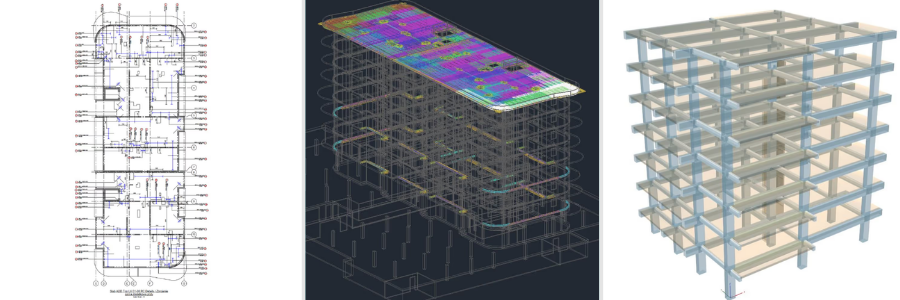
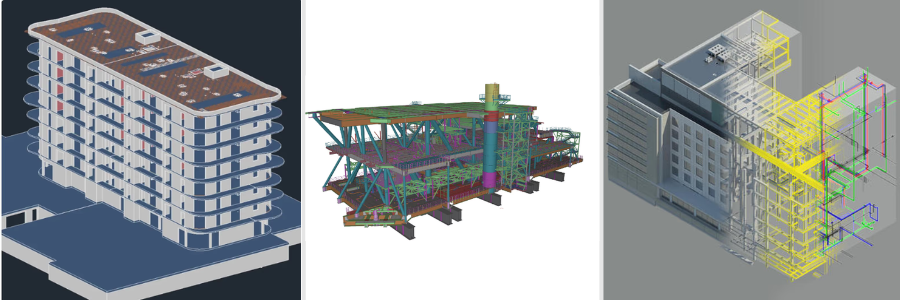
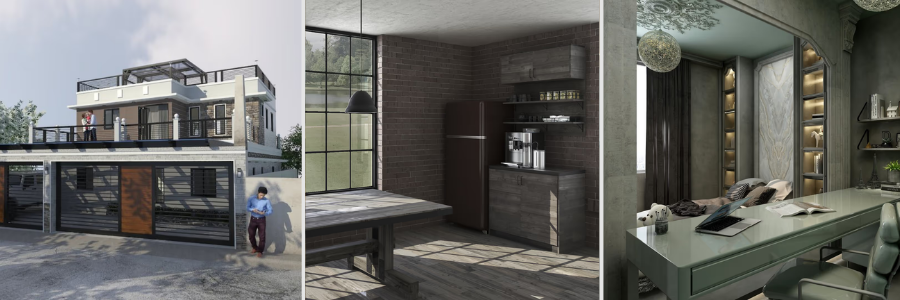
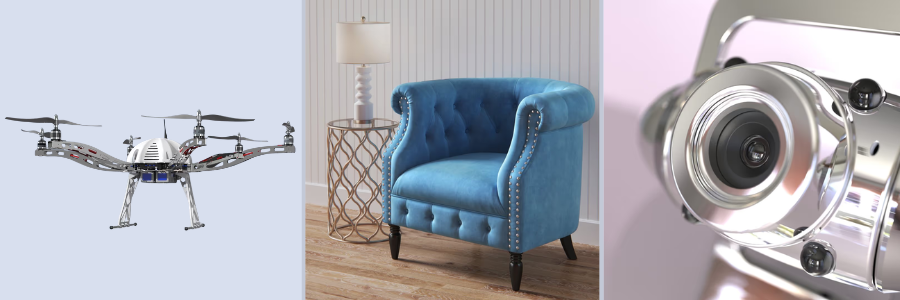
3D modeling of various products by Cad Crowd design engineering experts

RELATED: Tips for product design firms: Validate new product ideas & squash launch failures

Improve accuracy and prevent costly guesswork

But then again, if your business has ever had to deal with the presence of error measurement or with the sly short hoodlum named Misunderstanding lurking about, then it will all be up to 3D CAD modeling with its accuracy. The accuracy that is required and necessary for your business, and that your business can put stock in and trust and believe with regard to precision, will be there with 3D CAD modeling. There are no guesses as to anything being too general.

Accuracy will be your basis for designs. The error will be so small. The unexpected surprises will never be a surprise for production. Production will never be caught off guard. Prototypes will never be distorted or incompatible with systems. Engineering design experts will never be put into a position to have to hold everything back because they’re correcting something they could have very well prevented.

And all these with precision on this scale will be the challenge for industries as complex as your auto, aerospace, robotics, medical, and architectural industries. It will be your products with detailed components with specific safety needs that will make up your 3D CAD models. You will no longer have to wait on tenterhooks as you make your submissions for production because you will be aware that all the minute details were stipulated.

But if it’s not something your business already has an area for and designs with CAD skills commensurate with your industry, then Cad Crowd will be providing your business with extremely skilled professionals competent enough to provide your models with accuracy levels commensurate with your industry.

All departments will work seamlessly

A design will never be solo. It requires multiple teams for something as elementary as an article or an object. Engineering requires an approval check on feasibility, Marketing requires an approval check on designs, Production requires an approval check on production, and then an approval check on cost at the management level; it becomes a Telephone game without an instrument that can amplify all requests.

A correct 3D CAD model does not have these hurdles because there is a common goal that everyone can relate to. All communications are done within a universal language and without misunderstandings between 3D modeling design services. You will not be writing an email about changes and your colleagues pointing at a correct 3D model and talking about changes with reference to some components.

It will remove friction with communications so that collaboration will be an even better experience. The reviews for designs will occur within shorter periods because, believe it or not, there will be a better communications tool that will replace a document with pages and pages. The engineers will be able to spot regions with problems with structures. The designers will be able to create surfaces without creating problems with functionality.

The more your business requires specific 3D CAD modeling, the easier collaboration becomes. The feelings of understanding that result from a smooth workflow make it possible for a much higher level of collaboration and tension release that arises with completing a difficult project.

Enable quicker iteration and save time with a focus on encouraging innovation

Speed is a trait that truly requires a lot and is very necessary for competitive business. Those who will be able to sustain an extremely high speed from conceptual stages to approval will certainly have an edge. However, then every stage will be an enormous task, and it might be quite tough. You will be able to attain rapid product cycles with the proper 3D CAD modeling because your group will be working on a copy and making changes to something that already exists, instead of doing everything again and again.

Regarding things like some form of change on the client’s side, there are some changes that occur effortlessly. Due to some form of error noticed within some designs by 3D modeling design experts, some changes will be incorporated without having to start from scratch. Assuming your employees are interested in some designs, then accuracy within 3D CAD modeling will have you testing some routes without excessive investment in your schedules.

It promotes creativity

The justification for this is that, because it would be easy to modify, there would be confidence in making statements about very large designs. Even without physically prototyping, it would be possible for engineers to analyze various performances. It would make everyone in the community inventive because it would be cheaper to research designs.

However, things escalate even more into higher gear within an uninterrupted iteration process among various companies that have engaged with freelance professionals on relevant 3D CAD modeling. Cad Crowd helps you source experts with knowledge on rapid iteration and executing changes at an unimaginably fast rate. Productivity will increase as your company will be capable of producing results out of this world at unbelievably short times.

RELATED: Prototype cost Vs. production cost: Prototyping services rates and R&D pricing for firms

The cost of production process

Evidently, amongst perhaps some of the most encouraging benefits of an exact 3D CAD modeling process would be its economy. It truly is an undeniable fact that problems discovered at an early stage cost less compared to problems detected at a production stage. A tiny miscalculation made at an unnoticed modeling stage can turn out to be an economic headache at the ordering and production stage. It will allow your project participants, even engineering design services, to identify problems before they turn into disasters. You will be able to concentrate on your project and review it if necessary before checking for compatibility.

It will be your first line of defense against project failures because you employ 3D CAD modeling software. Both industries are pleased with the exact model due to its immense benefits. The industry will be able to check at once if it suits them. A disadvantage will be removed because they will have an easier chance of finding an approximate cost estimate. A timetable with high accuracy will be created. It would be very useful and advantageous for your business budgeting if there were a model that would enable verification of information, so that your business budgeting would be more efficient, even if your organization were doing the production.

It does not have to be pointed out that the more information your organization receives about budgeting, the better it would be, because then there would be no surprises. The more efficient your budgeting is, the more money an organization will3D CAD modeling and skills provided at Cad Crowd will make your production chain smooth and cost-effective. 3D CAD modeling and skills provided at Cad Crowd have already justified itself on visualization, accuracy, collaboration, rapid iteration, and cost savings.

But there’s more, as your business adopts this giant as a step within your production chain, you will reap more and more benefits. Your overall production chain will be smooth and cost-effective, and your entire staff will benefit. And as your creative staff people will no longer be working on guesses and old ways, creativity will bloom and surprise even the most seasoned and experienced executives.

A source of competitive advantage in turbulent markets

Fast-tracking business operations promotes value innovation and productivity. Delays caused by developments will be missed opportunities. Unproductive business operations will result in frustrated customers. At some point, there will be no business growth. Accuracy obtained from 3D rendering design services and modeling translates to good business as it boosts productivity and accuracy.

When your business presents clean graphics at an early stage, they appreciate it. When your models fit and work as they should, they appreciate it. When your employees express an idea not only clearly but also professionally, they appreciate it. It is because of these factors that your reputation will be made and your business will be honored among your competitors who engage in taking corners with wrong methods.

Effective 3D CAD modeling brings enormous opportunities for you, and you can be bolder without fear. Those designs that were hard for you to do are accomplished with the help of efficient modeling tools. It will be easy for you to get creative. It will be easy for you to enter new markets without taking any risk. Your business will be able to undertake projects that were hard for you.

This advantage will be made even better as your company will make use of freelance modelers from Cad Crowd. You will eventually get talent from all around the world without any commitment to be made. You will be more flexible and will scale at a very rapid rate as opportunities arise for you, and, hence, make sure your business is ready and up-to-date.

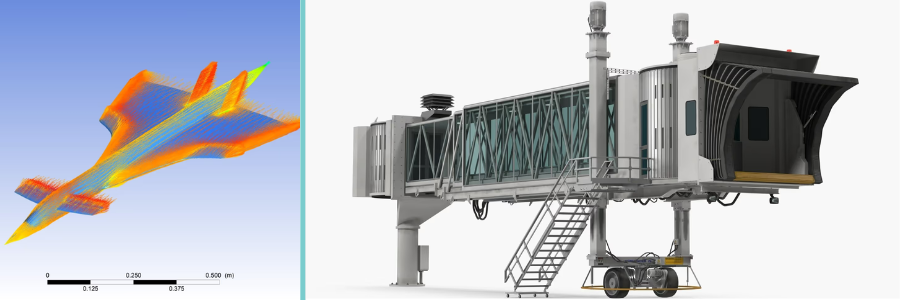
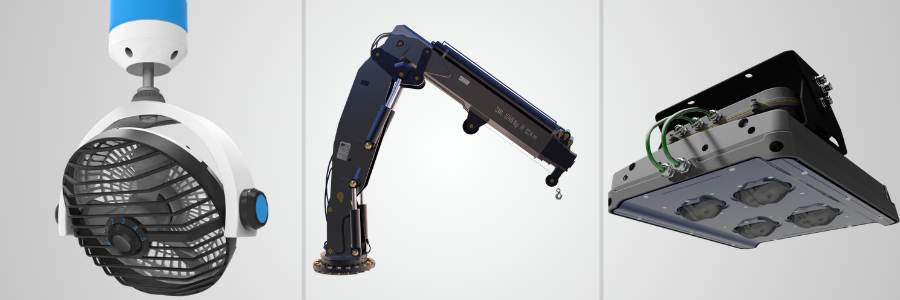
3d model of electronic products by Cad Crowd design experts and freelancers

RELATED: 13 reasons why companies outsource IoT design & development to product design firms

Higher accuracy levels in prototyping, thus fewer trial and error experiments

And then, of course, there’s the entertaining bit: your idea realized as a three-dimensional model. But it can be frustrating if there are discrepancies in your designs or if your designs aren’t assembled properly. A small mistake on your three-dimensional model, and before you know it, you have an issue on your hands with your prototype and need to fix it with the product engineering expert. It becomes a defect, and an error becomes a costly correction.

By using 3D CAD modeling, all these problems are removed and maintained at as low a level as possible. It allows creating a prototype that is similar to the actual thing. All specifications relating to size are correct. Components are in the correct places. So, it becomes an exact representation of an actual product.

It will result in an efficient process as regards two parameters: first, there will be fewer prototypes because error correction will be carried out digitally and not physically, and second, there will be more relevant testing on these prototypes because they will no longer be restricted to geometry testing. You will be able to test functionality as opposed to correcting errors.

These are some processes that require very detailed digital modeling. These processes are 3D printing, CNC machining, vacuum forming, and injection molding. The more detailed the design of a product, the easier it becomes to turn it into a product. It truly becomes an extremely critical stage requiring very detailed 3D CAD modeling. Freelance CAD technologists on Cad Crowd will mostly have designs for making prototypes. The experts will make sure that your prototype will be successfully realized as an actual product, either as an idea model or as a functional unit. 

Unlock the full potential of your design process

Among the most necessary technologies that should be implemented within any business at the current stage will be the implementation of accurate 3D CAD modeling. It will enhance visualization, accuracy, collaboration, rates of iteration, and simulation and prototyping design engineering services. It will also be extremely useful and apt for the minimization of production costs. It will prepare your business for success and will provide a foundation for your growth. 

All phases and stages of your business will be extremely efficient and delightful as soon as accuracy becomes your core business activity. You don’t have to employ an entire CAD staff on a full-time basis. It has become extremely easy and effortless for you to be introduced to highly skilled freelance 3D CAD model artists who will prove an unwavering level of accuracy and professionalism in what they do, thanks to Cad Crowd. 

How Cad Crowd can help

So, if you are interested in taking your process of designs and products to the next level and making your products have an increased backbone and achieve an unparalleled breakthrough from conceptualization to completion, then it’s about time you explored your options. You should check out Cad Crowd and check out highly skilled freelance 3D CAD model artists that will assist you in actualizing your vision. be able to spend on R and D. Request a quote today.

author avatar

MacKenzie Brown is the founder and CEO of Cad Crowd. With over 18 years of experience in launching and scaling platforms specializing in CAD services, product design, manufacturing, hardware, and software development, MacKenzie is a recognized authority in the engineering industry. Under his leadership, Cad Crowd serves esteemed clients like NASA, JPL, the U.S. Navy, and Fortune 500 companies, empowering innovators with access to high-quality design and engineering talent.

Connect with me: LinkedIn ✦ X ✦ Cad Crowd

Niknaz Aftahi Explores ARES Trinity: Rethinking BIM-to-DWG Automation for Complex AEC Projects


BIM has transformed the way AEC teams design, but the documentation process still lags behind. As Niknaz Aftahi puts it, “BIM is smarter than ever. So why are we still doing so much manually?” Despite highly intelligent models, teams continue to spend a disproportionate amount of time on producing drawings—often up to “30 to 40% of a project’s total time.” This disconnect highlights a persistent gap between design intelligence and deliverable output.

The issue isn’t just inefficiency—it’s a structural bottleneck. Skilled BIM professionals are still tied up with repetitive 2D tasks like labeling, dimensioning, and formatting. As the article notes, “BIM has transformed how we design. It hasn’t yet transformed how we document.” This reliance on manual workflows not only slows projects down but also increases the risk of errors and inconsistencies in final deliverables.

Graebert’s ARES Trinity 2027 aims to close this gap by automating BIM-to-DWG documentation workflows. By leveraging the data already embedded in BIM models, it generates coordinated, annotated drawings with minimal manual intervention. The result is a more streamlined pipeline that connects design, documentation, and collaboration—freeing teams to focus on higher-value work instead of repetitive drafting tasks.

Ultimately, the promise of automation goes beyond speed. As Aftahi emphasizes, “The most valuable thing automation gives you isn’t just speed. It’s your time back.” With solutions like ARES Trinity, AEC teams can finally start realizing BIM’s full potential—not just in design, but in delivering accurate, high-quality documentation at scale.

3D Rendering Techniques in Architecture: CGI Conundrum for Architectural Companies


3D rendering, as a breakthrough technological application in today’s architecture industry, empowers the development of photorealistic and visually appealing renderings of buildings, landscapes, and interior spaces – but it’s not just about the renders. Architects leverage 3D rendering techniques to embark on an interesting journey of exploring different scenarios of architectural visualization services so that they’re able to come up with a design that satisfies the expectations of many stakeholders. It also helps detect potential flaws in design before the design phase even begins.

3D rendering in architecture improves the effective communication and sharing of ideas to all stakeholders, clients, and the general public, most simply and easily. Using top-of-the-line CGI images allows architects to convince customers to buy their products and choose their services. Employing CGI in architecture is an enticing process that requires abundant creativity and technical expertise.


How does CGI work in the architecture industry?

Here are the steps involved in using 3D rendering in architecture:

3D CGI modeling

The first step of CGI rendering is to design the 3D model of the intended building or space. The use of specialized software for architectural rendering helps produce visually stunning design concepts. 3D rendering is critical for interior and exterior designers who want to test different design elements and correct flaws before construction starts. Such an approach saves time and improves cost-effectiveness while offering cheaper cost estimates by eliminating the need for physical prototypes.

Texture and mapping

The second step is to decide on the right materials and textures to apply to the surface of the model. Good examples of textures for CGI presentations include wood greens, brick patterns, frosted glass, rough concrete, and polished concrete, just to name a few. This process is important to create real-time, lifelike visualizations that will entice prospective clients to buy.

Scene setup

Using strategically placed virtual cameras and proper lighting to create top-of-the-line CGI interior and exterior designs would be a big help. Lighting design services are critical to generating visually enticing CGI.

It can create shadows, highlights, and reflections to enhance the dimension and visual depth of the architecture. Virtual cameras will offer a clearer view of the entire design from every angle.

CGI rendering and architectural visualization by Cad Crowd design experts

RELATED: Understanding architect fees and hiring options for your firm with Cad Crowd

Rendering

The rendering process starts after the successful setup of the scene with models, textures, lighting, and architectural animation. This rendering process involves the high-performance computations of the software that simulate the interaction between light rays, virtual objects, and materials to achieve the final visual result of the scene.

It is highly recommended that you work with the best 3D rendering studio with a team of excellent 3D rendering artists to identify the appropriate parameters and guarantee the best final design product. To speed up the CGI process in the architecture industry, projects are often divided into smaller projects and spread across numerous architectural design software programs before the final post-processing stage. 

This last step includes making the necessary adjustments or changes if there are flaws and applying enhancements, color adjustments, and compositing. The final CGI imagery is presented to the client for prospective buyers to see. Depending on the client’s preference, the output can be in various forms, including images, video files, films, video games, or architectural visualization.

Popular CGI rendering applications in architecture

3D rendering design services are important in the modern era of architecture. It allows architects and designers alike to come up with visually stunning renderings before construction begins. The construction marked a significant growth in the 3D industry as it enhanced and streamlined the process of conveying intricate design concepts to stakeholders and clients.

The following are the most popular applications of 3D rendering techniques in architecture:

Historic restoration and preservation

Designers in the architecture industry use CGI to come up with lifelike 3D models of historical buildings and monuments required to direct efforts in restoration and preservation.

Interior design

Qualified 3D rendering services are needed to create eye-catching interior spaces. These services can equip buildings with the best décor, lighting, and furniture. This benefits designers working on different commercial projects, such as hotels and resorts, by creating efficient and inviting environments for customers.

Landscape design

3D rendering is important to ensure the success of a landscape design. The use of CGI technology is exceptionally critical in the planning and development of urban spaces. It also empowers designers to come up with inviting outdoor areas.

Urban planning and development

Architectural design experts also use 3D rendering techniques to design buildings. CGI simulation is valuable for successful large-scale projects to develop a sustainable urban environment and appealing 3D homes.

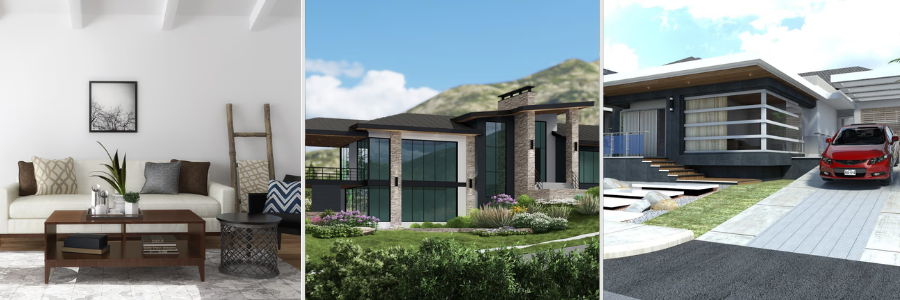
3D rendering and CGI by Cad Crowd design experts and freelancers

RELATED: The power of 3D visualizations in improving construction safety and project efficiency

Benefits of CGI for architectural companies

Like other creative processes, the creator will always want to present their ideas and concepts in the best, most professional, and most appealing way possible. Unfortunately, architecture always comes with the challenge of explaining drawings to non-architectural construction teams or professionals.

The fastest way to address this problem is by using CGI to correctly convey the blueprint or sketch. The following are the top reasons why architectural companies should consider using CGI.

Visualize specific design ideas

Every time an architectural planning and design company presents a project, its designs may show the placement or how the space is arranged inside the house. However, these are illustrated using symbols that most people can’t understand.

Building concept models may also be great, but this may cost too much effort and time. Paradigms and drawings are also tricky to adjust or tweak to meet the client’s demands and make them look realistic.

Cost-effectiveness

Even though the CGI rendering process calls for an upfront investment in expertise and software, it is still more cost-effective down the line. It decreases the need for expensive prototyping and physical models and reduces the costs associated with numerous design revisions.

Efficient revisions of the design

Revisions are a critical aspect of the architectural process in terms of design. With the help of 3D rendering techniques, it becomes faster and easier to make the necessary revisions. Compared to traditional techniques, where even the slightest changes can consume too much time, CGI allows for faster modifications that help save resources and time.

Enhanced client communication

CGI rendering allows architectural design companies to convey complex concepts to their clients more efficiently. This transforms their ideas into visually appealing and understandable images that bridge the gap between clients’ perceptions and architects’ technical language. The clarity guarantees that all parties involved will be on the same page, making the design process more efficient than ever.

Contextual and environmental analysis

3D rendering can mimic various conditions and elements in the environment and place an architectural structure in its potential context in the future. Thanks to this feature, it becomes possible to analyze the interaction of the building with its surroundings, such as factors like neighboring structures, weather, and lighting.

Improved presentations and marketing efforts

CGI renders are extremely powerful marketing tools. Realistic, high-quality images are great for advertisements, presentations, and brochures, and they can attract more potential investors and buyers. The visual appeal of these renders can significantly improve architectural projects and their marketability as a whole.

Competition and innovation

CGI rendering can help foster innovation and help architectural companies stay competitive. Architects can stay on top of the game in the quickly changing industry if they use the most state-of-the-art technologies and constantly push the boundaries of architectural design and its possibilities.

BIM integration

CGI rendering experts can seamlessly integrate with BIM or building information modeling experts. Thanks to this integration, architects can create more detailed and accurate renders based on real data, improving the overall precision and quality of their visualizations.

Photorealistic visualizations

One of the biggest benefits of CGI rendering is that it allows architects to produce photorealistic images of the projects entrusted to them. The visualizations are so accurate and detailed that they usually look like actual photographs. This form of realism is important for stakeholders and clients to view the exact appearance of the finished space or building down to the tiniest detail.

Virtual representation of style and material

CGI rendering offers architects the much-needed flexibility to experiment with different finishes, styles, and materials. The material allows a more creative exploration of various design options, enabling architects to present their clients with different alternatives.

Augmented and virtual reality experiences

The progression of augmented and virtual reality technologies helped further expand the capabilities of 3D rendering. Thanks to these technologies, immersive 3D experiences can be produced that allow clients to walk through the project’s virtual model. This kind of interaction offers a deeper engagement and understanding of the design.

RELATED: Overcoming errors in architectural drafting with outsourcing design services

How Cad Crowd can help

If you’re looking for the best 3D rendering services, don’t hesitate to contact us. We can connect you with the right professionals for the job! Request a quote today.

author avatar

MacKenzie Brown is the founder and CEO of Cad Crowd. With over 18 years of experience in launching and scaling platforms specializing in CAD services, product design, manufacturing, hardware, and software development, MacKenzie is a recognized authority in the engineering industry. Under his leadership, Cad Crowd serves esteemed clients like NASA, JPL, the U.S. Navy, and Fortune 500 companies, empowering innovators with access to high-quality design and engineering talent.

Connect with me: LinkedIn ✦ X ✦ Cad Crowd
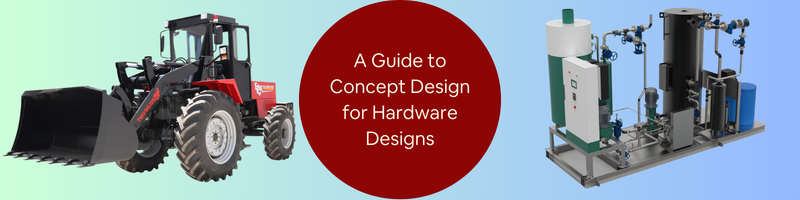
A Guide to Concept Design with Product Design & Engineering Companies


NPD, or new product development, is a complex undertaking with one purpose in mind: transforming an idea into a market-ready product. It’s a systematic process that involves in-depth market research, design and engineering, iterative prototyping, testing and validation, and commercialization. There is no single correct formula for new product development. Every company can implement its own unique approach and strategy as it sees fit. In the vast majority of cases, however, an NPD starts with concept design services.

Think of a concept design as the earliest version of a product that represents the big picture of what you’re trying to build. It’s meant to show what problems the product will solve and how it should achieve that objective. Generating a concept design might actually be the most creative stage of a product development process; this is where you make notes and drawings on napkins and scrapbooks, then slap them on the wall and whiteboards. Only when all possibilities are explored, and every idea from varying perspectives is taken into consideration, can a concept design generation lead to innovation. In other words, the task runs in its most effective fashion as a team effort – preferably a team populated by professionals experienced in hardware product development.

Finding and hiring design professionals isn’t necessarily difficult. Freelancing platforms make it easy for you to discover and connect with talented product designers, fabricators, PCB makers, firmware developers, and engineers. Cad Crowd, a platform that specializes in product design and development, is always a safe bet. It’s home to a vast network of industrial designers from all over the world, ready to take on your NPD project at every stage of the process, be it concept generation or the entirety of the workflow. Having professionals with the right credentials and track record on your side means you have a much higher chance of formulating a proper concept – a design that you can plausibly develop into a working prototype in a cost-efficient manner.

Cad Crowd can connect you with pre-vetted experts capable of delving deep into hardware design research for products of any category, from fully mechanical tools and equipment to sophisticated electronics. They help you experiment with components, assemblies, fabrication techniques, PCB layouts, and all possibilities within DFM (design for manufacturability) services. While there’s always a degree of uncertainty with every concept design, the talents at Cad Crowd strive to eliminate the risk from the get-go, allowing you to focus on what’s technically feasible rather than trying to fix mistakes as the project moves along.


🚀 Table of contents


Ideation and concept design

When you come up with an idea for a hardware product, whether home appliances, power tools, medical devices, peripherals, toys, gadgets, or anything else in between, almost immediately, your mind ventures into the “concept design” territory, chances are, you visualize the product in your mind and wonder if the design makes sense or is at least possible. The notion that you have to separate ideation and concept design generation isn’t as clear-cut as it may seem.

They’re usually considered separate stages in an NPD process, but a concept design is, in essence, an idea waiting to be materialized all the same. A concept design is somewhat more tangible than an idea, but not quite tangible enough that you can call it a PoC (Proof of Concept). It’s somewhere between the two, and its main purpose is to point you in the right direction before you go too far ahead. You need a feasible concept to form the foundation of a prototype, which eventually becomes the ultimate reference point for the final production version.

blog-3-tiles 32

RELATED: How innovative product design simplicity and honesty help your brand grow

CAD for concept design

For a lot of product designers, a concept design is where they make rough sketches sprinkled with symbols and handwritten notes. It shouldn’t be too elaborate because the important point here is to entertain the ideas with only some basic visualizations. Pencils and paper are the best tools, allowing the designers to quickly generate a concept every time they have a brain wave. There’s no need to overthink every single design that comes to mind, considering how everything still has to go through a screening process later on.

Detailed design, on the other hand, is often viewed as a phase that requires CAD tools. It’s a phase that immediately follows the screening process, where only the most plausible concepts are shortlisted for further development. Product design experts will probably discard dozens of concepts generated during the previous phase for the sake of effective resource allocation. If every concept must be drawn using CAD software, it’s going to take too much time before they can move on to the next phase.

The thing is that just because someone mentions CAD, it doesn’t necessarily mean the time has come for you to worry about such technical matters as clearances, material selections, simulations, electrical engineering, or manufacturability. If the development team has just one person familiar enough with 3D CAD modeling, creating a basic concept of a simple hardware product will probably take anywhere from 4 to 8 hours (especially when using digital sculpting software like ZBrush, Blender, Mudbox, or the alternatives). The model will be pretty basic without texturing, detailed specifications, and the like, but then again, one concept per day is a respectably productive pace in an NPD process.

The road to concept designs for hardware products

A concept design isn’t a development phase reserved only for complex products like cars, humanoid robots, medical equipment, or any high-dollar machinery. Every product worth developing needs to (or at least should) go through some form of concept design phase.

Much like the entire NPD process, there’s no one best formula for an effective conceptual design. If you ask a dozen industrial designers about it, you’ll end up even more confused by their varying explanations. There’s nothing wrong with the different answers, and confusion isn’t always unexpected, either. After all, concept generation is inherently an exercise of creativity, and your method of crafting a solution might be different from the others’. Although variations are nothing unusual, the path leading toward a hardware concept design tends to include the following major steps.

Define the design requirements

In the countless guides you’ve come across all over the Internet about product development for product design firms, you’ll often see that market research is also listed as its own separate phase, rather than a subcategory of concept generation. Most of these guides mention “research” in the broadest sense of the term, including the business sides of NPD such as profitability, IP protection, target demographics, and so forth.

Concept generation also needs market research, at least the part where it digs into unsolved problems, unmet demands, and user preferences. You want to develop a concept design based on valid research, so that every design decision you make actually addresses real needs rather than an assumed necessity. Assumptions have their uses, for example, when you try to form a hypothesis about how a product fails or why consumers choose a particular brand over others. But these assumptions mean very little unless they’re validated by findings from thorough research. A concept design with no solid foundation in market research is prone to common blunders, such as the lack of desired features, terrible ergonomics, outdated functionality, poor user interface, or compatibility issues.

A market research of the sort might involve interviewing a lot of people, or a survey if you’d like – about the problems they have with the existing products, the solutions they want, what features they need, what kind of activities they do with the products, frequent pain points, and prices.

Let’s say you’re developing a concept design of a modern lawnmower led by new invention development design services. The research can cover a lot of topics, from the size of the motor and horsepower to app connectivity and remote monitoring. They’re all broad questions, but you might want to be very specific about every topic, because the best answers/responses are supposed to be narrow-focused as well, for instance:

  • “A power-reserve gauge will be great, even a light indicator is good enough to tell me exactly when to recharge.”
  • “My partner is much taller than I, so an adjustable handle would be helpful.”
  • “Why isn’t there any affordable hybrid lawnmower I can buy already?”
  • “I don’t mind a gas-powered lawnmower, if only the fuel doesn’t spill so easily.”
  • “Fancy mowers aren’t for me. An old-school heavy-duty hardware is still best, perhaps with a little bit of battery goodness.”
  • “So long as it’s durable and easy to repair, I will buy it.”

As casual as the answers might sound, they offer true insight into users’ viewpoints and can lead you to some market differentiators. The answers touch on a lot of issues, and you should be able to formulate a coherent design intent from the information you gather. Here’s just an example:

A lawnmower, even if it comes with various modern features like Bluetooth and a solar panel, should strive to preserve ergonomics and ease-of-use. Convenient features are always welcome additions, whether a pair of cupholders, an included second mulch attachment, or a foldable design for easy storage. Durability and repairability remain two major issues to address, regardless of design and powertrain configuration.

The more users involved in the survey, the more specific the design intent you get. And everything that you come across while specifying the design intent ends up as design requirements, which can be defined as specific criteria derived from end-user research and meant to guide the development of the product’s features and intended use cases.

RELATED: How to reduce costs on 3D product development with remote CAD experts for companies

Product benchmarking

With only a few exceptions, most hardware products developed by electronic device design services in the last several decades or so aren’t exactly brand-new innovations. Some of them use novel technologies like 5G connectivity (IoT or smartphones), electromechanical biosensors (wearable devices), an assortment of exotic metals (heavy-duty vehicles), and high-performance semiconductors (medical and industrial robots), but much of their shape and form is built on existing products.

For example, the basic form of a car has been pretty much the same for decades, down to the pedal arrangement and drivetrain. The same thing applies to many smartphones and laptops, which still take design cues from their earliest generations. Consumer medical devices like pacemakers, hearing aids, fitness trackers, pulse oximeters, thermometers, and blood pressure monitors haven’t changed as drastically as you might expect, either.

This doesn’t mean copying the look and feel of an existing product is the right way to generate a concept design. A unique product stands out from the crowd. On a store shelf filled with similar-looking products from various brands, a distinctive design gets all the attention from consumers. At the same time, straying too far from the “recognizability” factor comes with the inherent risk of people avoiding it altogether. Imagine a scenario where a company makes bicycles that use steering wheels as opposed to the conventional handlebars; a high point for uniqueness, but minus one for familiarity.

A few people probably buy it just for its peculiarity value, while most end-users take a second glance, and that’s about it. Having a unique design is commendable, but sticking to what’s already been proven effective and marketable is always a wise decision. It’s probably why nobody has successfully reinvented the wheel. A balance between uniqueness and familiarity in hardware design is the safe bet, and this is where product benchmarking comes in. To do that, you have to examine the competition. Benchmarking allows you to assess competitors’ product designs and understand why consumers prefer certain brands over alternatives.

There are times during the design development where you may have to isolate yourself from external influences and focus on putting bits of ideas together to build a coherent concept. It enables you to filter the noise more easily and come up with a truly unique design of your own. At other times, studying competitors’ designs would also be beneficial as they provide an insight into the good, the bad, and the ugly. Benchmarking opens the door to a better view of the market landscape and trends, which hopefully reveal or present clear pathways to design differentiation and product innovation.

Attributes to benchmark

For most consumer hardware products, whether mechanical or electronic (or a combination of both), the idea behind benchmarking is to figure out the best and the worst popular design elements and features of the existing products. There are plenty of design attributes to focus on. Among the obvious ones for consumer product design companies are as follows:

Physical characteristics Style/visual appeal User interface Convenient factors
Material
Shape
Form
Size
Durability
Color
Finishes
Packaging
Display (if any)
Controls/buttons
Feedback
Ease of use
Ergonomics
Portability
Safety features
Power efficiency
Repairability
Compatibility
Instructions

Remember that you’re not in the process of creating imitations of all those features. The point is that no matter what concept design you come up with, at the end of the day, it has to be an improvement over the existing designs or at least perform just as well. Anything subpar defeats the purpose of a concept design.

About the user interface

Assuming the product being developed is an electronic, it probably has some kind of digital control for the user to operate the device. Modern electronics like home appliances or consumer-grade medical devices often have a screen to display status indicators (battery power, speed, timer, heat, and so on), data received from the built-in or attached sensors, and error information, to name a few. In case the product isn’t meant to have a screen, it probably has a few buttons or switches to activate certain features or initiate operation in the first place. Even a mechanical alarm clock has a few knobs to adjust the time, a trigger ice cream scoop has a lever, and a basic computer mouse has two buttons and a scroll wheel. Physical controls are fundamental parts of the user interface.

Complex hardware products like smart thermostats, car infotainment systems, digital cameras, handheld GPS, laser distance meters, and, of course, smartphones have much more sophisticated user interface designs from the embedded software. The good thing is that creating a concept design of a digital user interface doesn’t require tinkering with software development for concept design experts. During the concept phase, you can sketch a simple version of a UI on a whiteboard or paper. Although it won’t work (because you can’t actually operate it anyway), the drawing gives you an idea of the display layout and how to position the physical buttons accordingly.

Vision statement

Out of the design requirements and benchmarking results comes a better understanding of the market opportunity. At this point, you’ve already learned about the range of problems typical users have and have had a reasonable grasp of how the existing products failed to deliver effective solutions. However, it’s important to remember that every product is usually a result of a design compromise. For example, a company probably has what it takes to build an exceptionally good digital audio player (DAP) equipped with sophisticated software and a high-grade metal enclosure.

But a premium product isn’t cheap. Given the substantial resources spent on research and development and manufacturing, the price tag must reflect production costs if the company wants to make a profit on every sale. Some compromises are necessary to keep the price down to a reasonable level for the target market. The metal enclosure might use a less-durable alloy, the touchscreen is resistive instead of capacitive, the battery has a smaller capacity, or the storage device is built-in rather than removable. Every downgrade means lower development cost, and therefore friendlier retail price.

A vision statement has no regard for such compromises. Unlike a design intent, where you tend to delve into specific features and functionality, a vision statement speaks only in generalities. This is how you describe a perfect concept. Take a look at the following excerpt of a hypothetical lawnmower concept design: The lawnmower must be optimized for compatibility with modern technologies, in terms of connectivity and sustainability. Control via smartphone, the use of eco-friendly energy sources, and automation within the IoT framework allow for simplified and more practical operation in both residential and commercial settings.

All the hardware parts and assemblies, including the self-sharpening blade, are replaceable for easy maintenance and repair by design for manufacturing and assembly services. A vision statement is supposed to be a general description, albeit with a clear focus on durability and ease of use. Don’t overthink about what to put into the statement; the eventual product will most likely end up with a design compromise or two, and the vision statement simply acts as a guardrail to prevent you from straying too far off the objectives and a reminder to keep you striving for improvement.

Concept generation

Backed by a combination of detailed user research, benchmarking results, and the vision statement, you’re now ready to enter the actual phase of concept generation. The goal is to come up with as many concepts as possible to be evaluated during the next stage of product development. With every concept, there’s no need to get bogged down with technical feasibilities, engineering constraints, potential for profits, and overall manufacturability. Many of your concepts may be closer to being imaginary than they are to feasibility, some could be pretty convincing, and a select few might fall just right under the umbrella of real market opportunity. Although you will eventually discard most of those concepts, never prejudge any of them.

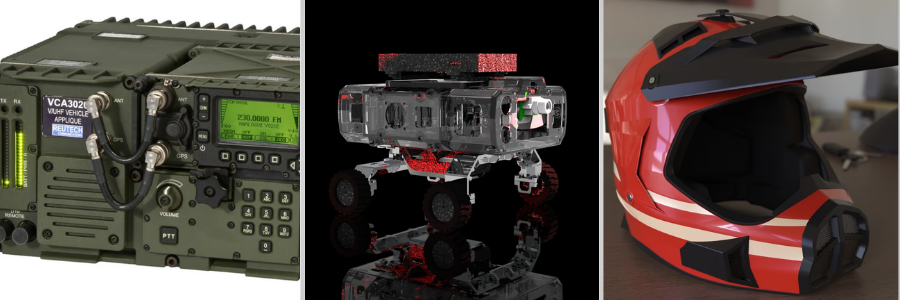
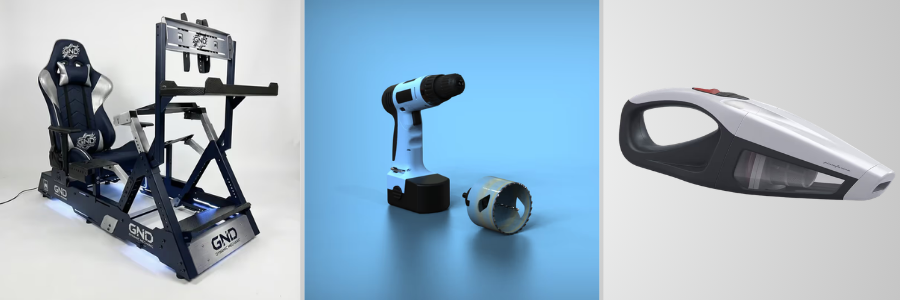
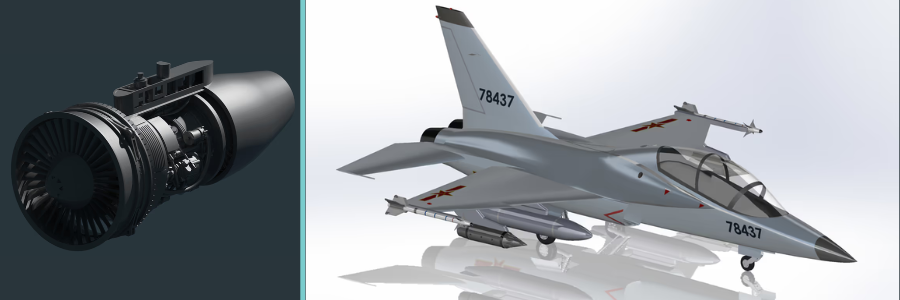
concept designs by Cad Crowd design experts and freelancers

RELATED: 13 reasons why companies outsource IoT design & development to product design firms

Concept assessment

Generating concept designs should be an entirely creative, if not imaginative, phase where you enjoy exploring ideas. Putting all those concepts into assessment, on the other hand, is an entirely different matter. You need to narrow the selection down, for example, from a list of 20 concept designs to only 5, based on various factors such as technical or engineering feasibility, budget, time-to-market, and conformity with the vision statement. Use the attributes you observed during the benchmarking phase as the assessment criteria. Because it’s never a good idea to evaluate your own work, make the effort to assemble a small team of professionals consisting of at least one industrial design expert and one engineer.

Suppose the product is an electronic device with a digital user interface; a firmware/software developer should be involved as well. It’s not uncommon for companies to hire some “representatives” of the target demographics to take part in the assessment process. For instance, if the product is a medical device, the team includes a primary care physician, a specialist, or a nurse; if it’s sports equipment, you need an athlete or a coach; if it’s a home appliance, include a technician or an electrician, and so forth.

Having an industry-specific professional in the team is advisable, especially when your product has to meet strict standards and regulations. As the assessment concludes, you’ll end up with two – perhaps three – concepts that warrant further analysis and testing to determine if they can plausibly satisfy user needs and meet the design requirements while maintaining conformity with standards.

Takeaway

Concept generation is often listed as its own phase in an NPD process. In reality, this phase alone comprises multiple steps to ensure that the resulting concepts are grounded in sound analysis of market opportunities, research on the target demographics, and a well-founded understanding of existing products.

At every step of the concept generation phase, from defining design requirements and benchmarking to formulating the vision statement and conducting assessments, you have a much better chance of producing valid results and development-worthy concepts by bringing professionals on board. Industry-specific expertise and experience in NPD go a long way to transform your concept design generation into a systematic plan of action without all the guesswork.

How Cad Crowd can help

With Cad Crowd around, hiring the right professionals for the job doesn’t have to be an expensive hurdle. You can find thousands of industrial designers, engineers, market analysts, and even turnkey NPD professionals on the platform with just a few clicks of a button. More importantly, Cad Crowd has pre-vetted all the freelancers beforehand, leaving only the most talented and best qualified partners for you to collaborate with. Request a quote today.

author avatar

MacKenzie Brown is the founder and CEO of Cad Crowd. With over 18 years of experience in launching and scaling platforms specializing in CAD services, product design, manufacturing, hardware, and software development, MacKenzie is a recognized authority in the engineering industry. Under his leadership, Cad Crowd serves esteemed clients like NASA, JPL, the U.S. Navy, and Fortune 500 companies, empowering innovators with access to high-quality design and engineering talent.

Connect with me: LinkedIn ✦ X ✦ Cad Crowd
Top 43 3D Visualization Design Companies for Architectural Rendering & 3D Product Design Services


Today’s post shines the light on the top 43 3D visualization design companies for architectural rendering and product design services. Each one of us has our own liking to collect. Some may keep stamps from somewhere, others coffee mugs, or just simple collectible items. However, there are some who prefer something different, just as architects and product innovators impressively collect digital visuals. In this modern world, where we all depend on technology, everything can already be seen through our screens and accessed everywhere. And this is how and where 3D visualizations play a vital role.

Through a realistic design, buyers can be able to see clearly what to expect and can have a better visualization of the outcome. Moreover, this list highlights companies that surely meet expectations through 3D designs, those that put life into every output and bring reality to every creativity. Thus, if what you’re looking for is something that screams reliability and can really get the work done, Cad Crowd has a set of talented 3D design professionals across the world that would meet you through the comfort of your own digital screens.

cadcrowd-logo

1. Cad Crowd

Cad Crowd helps businesses connect to professionals who are skilled in bringing 3D visuals to life around the world. They offer a lot of specializations and services, which makes them stand out as a leading marketplace in the online platform. Whether you are looking for an expert to do the work on any designs, such as 3D product rendering and design services, or on every scale of architectural projects.

This platform guarantees clients a quality output that can meet their creative expectations with efficiency and top-notch collaboration. It doesn’t make things complicated, but rather makes everything smooth and easy for clients to get the high quality contents they visualized. Through this, a lot of companies rely on Cad Crowd as it delivers accuracy and visually reliable presentations that support decision making all throughout the process. 

Website: Cadcrowd.com

RELATED: The Power of 3D Visualizations in Improving Construction Safety and Project Efficiency

Lunas studio logo

2. Lunas

Lunas focuses on offering quality-based architectural designs, mainly tailoring 3D visualizations based on modern real estate. This platform helps ideas from architects, developers, and marketers’ visions meet halfway by creating clean, realistic 3D visuals that are impressively captivating. They bring life to every content need, from interior and exterior down to animations to conceptual visuals,  which technically show clarity in every customer’s vision, as they also put significance on how every structure flows and show consistency in visual standards. The studio consists of teams that are not just skilled but also responsive communicators and truly make the work done exactly as you’d like it to be. 

Website: Lunas.pro

fortesvision logo

3. Fortes.Vision

Fortes.Vision specializes in providing services that are realistic, clear, and designed with intent for every professional architectural visualization. This 3D architectural rendering studio mainly ensures to communicate designs in a clearer and more realistic aspect by collaborating closely with architects and developers. It offers a variety of services that give specifications on exterior renderings, interior scenes, aerial views, and animation support that will technically meet the client’s project standards.

Fortes.Vision stands out among others because they are very keen on details and make sure to balance creative input with technical accuracy, making sure that the clients will have a high-quality presentation. Through their team’s structured approach and consistency in putting things to work, they become a reliable choice for any clients that seek top-notch visuals that want to strengthen their marketing impact. 

Website: Fortes.vision

Applet3D

4. Applet 3D 

Apple 3D offers expertise in architectural visualization and 3D product rendering that’s perfect for clients who are seeking ready-made, high-quality presentations. It offers a variety of services that highlight creative design for interiors and exteriors, also providing top-notch 3D animation services, interactive presentations, and supporting marketing design reviews. This company mainly focuses on producing clear visuals that depict realistic designs with a touch of balanced compositions that give emphasis to the features of design without distractions.

What also makes this company stand out is that their team centralizes flexibility and adaptability to different architectural styles and approaches, and has a collaborative workflow that makes outputs dependable and aligned with branding goals. And that’s what makes Applet 3D a reliable source for businesses looking for professional visuals. 

Website: Applet3d.com

omegarender logo

5. OmegaRender 

OmegaRender mainly specializes in services that provide professional 3D visualization, which focuses on architectural renderings and product imagery designs. They deliver different kinds of expertise to clients that specify interiors and exteriors, supporting real estate marketing, design approvals, and presentations. What makes their visuals good is that they produce quality designs with clean geometry, substantial materials, and good lighting that helps people clearly understand the visual.

This studio works collaboratively with architects, developers, and manufacturers to ensure a high-quality output. Clients liked the company’s consistent quality, even on large projects, and how reliable they are in achieving structured deadlines. Overall, OmegaRender is best when it comes to dependable work, making everything smoothly done in professional-looking visuals from the start to the end of the project.

Website: Omegarender.com

RELATED: Why 3D Rendering Lighting is Crucial for Flawless Product and Architectural Visualization Companies

Render Atelier

6. Render Atelier

Render Atelier is a studio known for providing services that strongly value artistic balance and technical accuracy when it comes to architectural visualization designers. They technically work on a lot of interior and exterior renderings, along with creative animations and conceptual visuals that help best depict the story behind every design and the needs of marketing. The studio keenly pays attention to details such as lighting, materials, and how every aspect of the spaces is composed. Their team mainly believed that consistent quality is very important, especially in creating works across residential, commercial, and mixed-use projects. They are also best known for being responsive and the ability to create and produce outputs that are carefully made from the heart and visibly authentic and not overly generic.

Website: Renderatelier.com

Imagineio

7. Imagine.io

Imagine.io is a platform that creates 3D visualization designs, which helps businesses in modern digital experiences. Instead of having static images, through this, users are able to create presentations that are creatively alive through 3D visuals where they can explore, adjust, and enhance engagement online. This helpful tool is often used by manufacturers, product designers, and retailers who not just visualize but also want to be flexible in showcasing their visual content online. With diverse features such as real-time rendering and quality customization, it integrates smoothly into websites. This is truly ideal for teams who are looking for a 3D solution and who value visually accurate designs, for it meets every user’s ideals while still remaining reliable and user-friendly.

Website: Imagine.io

AIMIR CG

8. AIMIR CG

AIMIR CG mainly focuses on providing services that will bring life to real estate marketing and designs through architectural visualization and 3D rendering. This studio gives emphasis to realistic and detailed visuals as they deliver interiors and exteriors to animations and walkthroughs. Every output is made with proportions that are accurate, with natural lighting and materials that look imaginable, ensuring that every design stays true to the vision.

The 3D rendering team works together with experts such as architects and developers, making sure that every detail in the design stays the same. Many clients claim how organized and reliable the teams in this company are and how they consistently produce quality-based outputs. Thus, when you look for a dependable choice for projects that align with their expertise, they have your back in ensuring every presentation meets your professional aims on different platforms.

Website: Aimircg.com

Max Gogh Studio

9. Max Gogh Studio

Max Gogh Studio provides services that focus on putting a creative touch on architectural projects while keeping their realistic style as it is. They mainly work on interiors and exteriors, and on animations and concept visuals for projects like residential and commercial developments. This studio keenly puts attention into every detail, ensuring projects stand out while not taking away their originality at the same time.

Their team is adaptable to various architectural styles and branding throughout the process. What clients love about this studio is how collaborative they are and how they put heart and mind into every input while still giving off professionalism and content accuracy. If what you’re looking for is a studio that will make your visual creation more engaging and distinctive, and still true to design, this one’s truly the hand for you.

Website: Maxgogh.com

RELATED: Realistic Exterior Rendering: Here’s How 3D Artists Design Precision Renders for Your Company

Archicgi

10. ArchiCGI

ArchiCGI is a studio that mainly brings architectural visions into reality in a way that’s realistic and easy to visualize. Quality-based presentations from interior and exterior to aerial views and animations, that’s what they work on best, providing a clearer vision for architects and developers. Everything is carefully handled, from materials to good lighting, and every scale is just to make sure that everything aligns with the design. Their team is composed of highly organized people who follow a structured workflow to provide quality results just in time. What clients love about this company is that they produce projects that are clean and high-quality, which is worth their time. So, if you’re looking for 3D renderings that are reliable and generate polished quality, ArchiCGI is a 3D rendering team that you can rely on.

Website: Archicgi.com

Notriangle Studio

11. NoTriangle Studio

NoTriangle Studio specializes in bringing luxury architectural projects into visuals that not just impress but also inspire. In this studio, they have a team of architects who are skilled and who combine technical skill and creative flair to produce photo-realistic images and animations that are immersive. Their visual inputs are not just presentable, but they also ensure that it convinces the investors and planning boards. It’s a great choice if you want a balance of precision and creativity. And if your goal is to have a presentation that’ll truly sell and make people believe in it early on, then NoTriangle is something you need to consider.

Website: Notrianglestudio.com

Vertex3d

12. Vertex Software

Vertex Software offers a cloud-based platform that is mainly built to make large 3D data easier to share and view. It enables users to open large, complicated, industrial models to be accessible anytime and on any device are way easier. It’s very helpful because, through this, users don’t need expensive hardware or complex software to open any models. And most importantly, product design companies can work more efficiently and speed up their decision-making. Although it makes projects way quicker to open, it still has a strong focus on security, making sure that every access is secured and protected throughout the process.

Website: Vertex3d.com

Realspace 3D

13. RealSpace3D

RealSpace3D is a long-established studio that has a trusted experience in architectural visualization. This studio mainly offers a variety of services, such as creating 3D floor plans, loft renders, and many residential visuals that are creatively made from trusted and skilled teams. What clients want and love about this studio is that their teams have a transparent workflow that they follow, and that they provide free revisions and are keen on detail with multiple camera angles.

They also produced high-quality visual styles and really observed and made sure to have good light and shadow, and truly bridged imagination and visions to reality by creating just natural and truly real content. If you are about to do or make projects about individual owners or even large-scale developers, this 3D visualition firm is for you, for it delivers high-quality visuals that will truly help your projects be presented clearly and provide support throughout the entire process and quality decision-making as well.

Website: Realspace3d.com

RELATED: Understanding Real-time Rendering, How it Works, and Benefits for Architectural Companies

VisEngine logo

14. Visengine

Visengine is a well-established International large-scale virtualization studio that’s known best for combining both the traditional techniques in visual rendering with modern technology. They consist of teams that are from across major global cities such as London, New York, and Dubai, that deal with different services to different high-end client demands. This studio produces a variety of services that include interactive 3D master plans, advanced virtual reality experiences, and even photo-realistic renderings.

With skilled 3D architectural visualization teams, the studio is known for having an efficient workflow that truly handles demanding projects but is still able to provide high-quality visuals without losing its creative depth. This is the studio that will best help potential clients, such as architects and real estate professionals who aim for a project that offers high scale and sophistication to present ideas with confidence in a luxury or high-rise development market.

Website: Visengine.com

Freedes Studio logo

15. Freedes Studio

Freedes Studio is a visualization studio that mainly turns two-dimensional ideas into highly realistic three-dimensional visuals. They offer services for a global department, such as architectural visualization, product development visuals, and interior design services. They are really keen on detail and truly go above and beyond in every aspect to make sure that every texture and fabric used is suitable for what they want to achieve, a remarkable level of realism.

This studio puts high importance on the consistency of the visuals to be able to produce and help brands to maintain their exact look and make sure it consistently stays even across various campaigns. By producing high-end and clear, realistic, and impressive visual content, Freedes Studio ensures that every business gives off a presentation that is captivating enough to be able to sell their projects with confidence.

Website: Freedesstudio.com

Virtualitics

16. Virtualitics Inc.

Virtualitics, Inc. is a technology company that mainly operates at the intersection of data science, artificial intelligence, and 3D visualization, which is powered by its own AI platform. This was founded by researchers from Caltech, and it has a strong research and science-based foundation. What makes this company apart from others is that it focuses on explainable AI, which turns complex and massive data into visuals that are clear and easy to comprehend. It uses 3D space that enables users to explore more of the data instead of complex visuals.

Through their tools, plenty of users are able to explore large datasets visually and also identify patterns, insights, and trends easily. It also reduces confusion from the overload of data. And most of the users of it are trusted by the agencies, by the government, and by major financial institutions, as it is aimed at high-level decision-makers. This has an approach that is very helpful, especially when you prioritize transparency for a clear understanding and quick decision-making.

Website: Virtualitics.com

Render3D Quick logo

17. Render 3D Quick Inc.

Render3Dquick Incorporation focuses on bringing architectural ideas to life in a way that is fast and affordable to the users. The 3D architectural rendering team provides various services, from working in residential homes to commercial spaces, creating detailed 3D renderings, aerial views, and even physical 3D-printed models. Behind these high-quality content visuals is a team of people who work around the clock to be able to meet the deadlines without compromising the in-depth quality of the creativity. Whether it is just a simple design or even a full, massive industrial project, Render 3D Quick is highly recommended because it provides visuals that are realistic and produce interactive tours, which help the clients to showcase and present their properties faster and even with more confidence.

Website: Render3dquick.com

RELATED: Questions to Ask Before Hiring a 3D Virtual Tour Company for Architectural Design Firms

Techsoft

18. TechSoft 3D

TechSoft 3D platform mainly provides powerful software tools that help digital developers to visualize, create, and share three-dimensional data with ease. The services it offers include 3D PDF publishing, high-performance visualization, and CAD data translation services. That technically puts a purpose in giving developers a place to add complex 3D functionality to their own software. It also allows them to work on desktop and mobile apps. In its 30 years of experience, it is guaranteed to support digital designs and collaboration, for it acts as a strategic technology partner for most developing projects that are substantial to developers’ creation efficiency across industries.

Website: Techsoft3d.com

maverick frame studio logo

19. Maverick Frame

Maverick Frame is a large and highly skilled design studio that mainly creates high-quality 3D visuals and is known for attention to detail and its guaranteed artistic taste. It’s backed by a hundred or more specialists that produce outputs and provide services such as metaverse modeling, yacht previews, and even interior 3D visualizations.

These 3D artists are thoroughly put in an internal training school to ensure that they handle and master how lighting, materials, and composition work throughout the process. Along with their very meticulous production, they offer a very competitive pricing and individual approach, ranging from European developers to global luxury brands. This studio is very dedicated to creating beautiful, innovative visual content that brings life to both residential and workplace environments.

Website: Maverickframe.com

Render Vision

20. Rendervision

Rendervision is a boutique studio that is based in Australia. It mainly specializes in creating high-end 3D. It offers a variety of services to architects, real estate agents, and builders that include dynamic property presentations, virtual furnishings for vacant spaces, and also photorealistic renderings for property and product marketing. This boutique is a combination of creativity and cutting-edge hardware, and with its affordable rates, it produces quality-based output without compromising its in-depth creativity and visuals. Render Vision also prioritizes keeping clients transparent and communicative as they ensure every step of the rendering process feels effortless and stress-free.

Website: Rendervision.com

tejjy logo

21. Tejjy Inc.

Tejjy Inc. is a company that helps provide 3D visualization and architectural rendering services to real estate companies, design and architecture firms, and construction firms that offer services such as BIM coordination, detailed visual documentation, exterior rendering services, and interior 3D renderings. This company places emphasis on the technical accuracy and compliance of the projects, and keenly keeps attention to clear visuals for it to have an easy understanding of the complex designs.

What makes them stand out from others is that this team of people works together to provide a smooth and quality output, and how easy they are to communicate with the clients. So, if you want to have visuals that are output-based and could absolutely help you make decisions easier at every step throughout the process of making your design, TJN Corporation has got you covered.

Website: Tejji.com

RELATED: 3D Rendering Artists: What Sets Apart CGI Specialists & Talented Freelance Experts

Cylind Studio

 22. CYLIND Studio

CYLIND Studio is an architectural visualization that is focused on providing clean and contemporary visuals. This offers a variety of services that include creating concept visuals, animations, and interior and exterior renderings. In the process of creating and bringing these projects to life, they always make sure that every form and material, and space is shown clearly. Behind this architectural project is an architectural design team that consists of people who particularly focus on accurate lighting, well-balanced, and keenly into fine details without overdoing its style.

They also work closely with developers and architects to make sure that the design vision is still there while doing the process. This studio is very adaptable because it adapts to any projects, such as residential, commercial, or even hospitality ones. What clients love and appreciate about this studio is that their creative direction and they have consistency, flow in producing quality content visuals that are truly ready for presenting or sharing with the stakeholders.

Website: Cylind.com

Arktek Studio

23. Arktek Studio

Arktek Studio is an architectural visualization and 3D CAD rendering Studio that provides support to design, development, and marketing. These provide output services such as animations, interior scenes, and exterior renderings. They generate animations with a strong emphasis on their natural lighting, making sure that the materials used are realistic and have accurate proportions, to produce a clear storytelling visual.

Behind this creativity are a group of architects and developers who work to translate technical concepts into a more understandable visual narrative. ArcTech Studio values collaboration, reliability, feedback, and making sure projects are met on the exact deadlines without compromising the quality of creativity. What clients love about Arktek Studio is that it is guaranteed to produce quality visuals that are not overly done, and it has a balanced approach while also making sure that the ideas will be presented confidently with no touch of complexity.

Website: Arktek3d.com

3D power logo

24. 3D Power

3D Power is a company providing 3D visualization services. It covers both architectural rendering and product design visuals. They handle services from interior and exterior renderings to animations and create presentation materials that help businesses to present their projects effectively. Behind this company that produces quality projects is an architectural drafting team that focuses more on accuracy and consistency as they ensure every detail is clear and meets the vision of every client.

3D Power works closely across different industries like manufacturing, real estate, and commercial design. And what clients appreciate about this company is that its workflow quality and its ability to turn ideas and deliver them right on schedule without compromising its quality. This company is very suitable for brands that seek practical solutions that give balance to technical detail and have a clean and professional presentation that is perfect for presenting to different kinds of audiences.

Website: 3Dpower.in

invedus logo

25.  Invedus

Invedus helps businesses bring their ideas to life through flexible creative support with their wide selection of 3D visualization freelancers. They handle various services, from interior and exterior renderings to animations, 3D modeling design services, all following each project’s aims and goals. Their works feature thoroughly and collaboratively managed ideas with developers, architects, and design firms, which bridges visuals that are both reliable and cost-effective. Through structured workflow and flexibility, clients are even drawn to their quality. This company ensures to produce projects that are polished and professionally created while also letting clients stay in control of their timelines, budget, and creative direction.

Website: Invedus.com

RELATED: Integrating Drone Footage with 3D Architectural Animation: Aerial CGI for Companies

RNDR

26. RNDR

RNDR is a studio that turns architectural visions into a realistic and more alive output. It provides services from interior to exterior renderings, creates animations, and visual studies or concept-based visuals. They give emphasis on how lighting works in material depths and the composition of the project to create accurate visuals. In this architectural design company, they work collaboratively with architects and developers that aims to create visuals that connect clearly to the intention of the design. What makes it easy for clients to choose R&DR is that they provide projects that don’t just present vision, but also tell a story behind it without losing its technical clarity. So if you are looking for a studio that could best help you to create visuals that have consistent quality, then RNDR is the right one for you.

Website: Rendernetwork.com

easyrendercom logo 2

27. Easy Render

EasyRender is a platform that helps businesses to connect with the top 3D rendering studios across the world. They provide services such as interior visualizations, animations, architectural rendering, and product imagery from different industries. The platform makes sure that everything is handled well, especially communication flow, quality checks, and product coordination, so that clients would be less hassled and won’t be dealing with different connections. It is perfect for firms and businesses that seek reliable and professional sources without needing to connect to multiple sources. While also aiming for a high-quality and organized project output.

Brick-Visual

Website: Easyrender.com

28. Brick Visual

Brick Visual is a studio that turns architectural visualization into high-end 3D visuals. The rendering style and animation of this studio don’t just present the vision, but also communicate the story behind the visuals with a polished and thoroughly thought-out composition. These projects aren’t possible without a 3D photorealistic rendering team that has a sense, that has a strong sense of attention to detail, while ensuring visuals meet the intent of every architectural project. Thus, aside from its professionalism and creativity, clients are drawn to Break Visual for its high-quality results that are globally ready for marketing campaigns.

Website: Brickvisual.com

archx studios logo

29. ArchXStudio

ArchXStudio is a 3D visualization that has a goal in providing clear and realistic design presentations that are realistic to the eyes of viewers. They produce creations with regard to interior visuals, exterior visuals, animations, and walk-throughs for both commercial and residential projects. Throughout the process of creating this creative visual, they always make sure to focus on what the project aims to achieve by keeping attention to every material used, to the lighting, and to the proper proportions of every aspect.

what’s stands out about this studio is that they allow clients to work with them through collaborative communication and feedback, while also adapting to different styles of architecture, and don’t just limit their designs to one specific scope. Clients choose ArcX Studio for the reason that, aside from providing them a quality-based project, it also allows them to communicate what they want the project to be as an outcome. And they also meet the required deadlines while not limiting its professionality visually. It’s really a great company to choose when you want something to present in the market that is a well-created design.

Website: Archxstudio.com

RELATED: Ray Tracing in Architectural Visualization: Why It’s Essential for Design Firms and Freelance Services

The Render Unit logo

30. The Render Unit

The Render Unit focuses on turning 3D visuals into science that is easy to understand and not complicated. Their photorealistic rendering studio provides services in creating interior and exterior renderings, presentation visuals, and animations. While going through every project, they always make sure that everything clearly presents the ideas they meant to deliver, as they are also keen on detail with the materials used, the lighting, and also the proportions to ensure that every aspect stays intact with realism and balance.

What the clients love about this studio is that they don’t just provide quality projects, but also keep track of everything, and they really deliver on time. So if what you are looking for is professional visuals that communicate the intent of your design, then Render Unit is a team that you can rely on for smooth marketing presentations.

Website: Therenderunit.com

31. The Boundary

The Boundary mainly creates hyper-realistic marketing visuals for High-end brands that aim to make an impact on the market. It is an agency that is widely known across the globe, for it specializes in combining the strengths of CGI with real-time gaming technology, and operates at a high premium level of creation. They work closely with luxury brands, real estate developers, and any clients who look for a company that provides them visuals that will stand out and impress the stakeholders.

They don’t just stick with the traditional way of rendering visuals. In fact, their capabilities go way beyond, offering interactive virtual showrooms that replace traditional photography with digital environments. Their goal here is not just to present something but to make an impact. Their architectural 3D modeing team is made up of skilled individuals from London and New York, and they provide services 24/7, without even compromising the output quality of this cinematic creation. This company is highly trusted for businesses that aim to provide high-profile developments, as they are guaranteed to sell bold projects as early as they can.

Website: The-boundary.com

32. Flatworld Solutions

Flatworld Solutions is a company that focuses on providing 3D architectural visualization that combines technical accuracy with artistic quality. They deliver high-quality interior and exterior renderings that keenly outline detailed environments, which include the lighting and the landscaping aspect of every project they create. Behind this creative company is a team that is composed of skilled 3D animators and modelers who are able to quickly create projects that are customized to each client’s needs.

What’s also beneficial about them is that they are affordable and they offer creative quality. This company is strongly backed by data security and a certified ISO, so it does make them suitable for any global outsourcing. If what you are looking for is a studio that could provide you services that don’t just meet you halfway, but provide exceeding quality design results that are professionally competitive rates, then Flatworld Solutions is your hand for it.

Website: Flatworldsolutions.com

33. PixReady

PixReady is a product rendering studio that focuses on enhancing business products, aiming to have a stronger product presentation to the market. They mainly specialize in providing services such as jewelry visualization, 3D configurators, and any product rendering, and are guaranteed to turn simple client ideas into digitally created, real products that are pixel-accurate and in high-detail visuals. They are very hands-on in helping clients to turn their simple ideas come to life as they still focus on the realistic and not just the aestheticism of the style.

Through a healthy workflow and a considerable price amount, they offer quality-based products. That’s why it becomes popular with e-commerce brands because they help their products look polished and market-ready. So if you want something that could help you escalate your brand’s visual content, then PixReady is something that you can count on.

Website: Pixready.com

RELATED: How Does 3D Architectural Modeling Create Immersive Design Experiences for AEC Companies?

34. ZOA Studio

This 3D architectural animation studio specializes in creating cinematic, memorable styles out of architectural visions, which aim to create animations that promote an impact on the viewers. Their unique feature is the impression package, which produces multiple high-resolution visuals in a short span of time. It is technically ideal for businesses that are looking for a high-quality product but are tight on deadlines, and still want a competitive output design.

The third team is composed of architects who are highly skilled and worked with well-known architectural firms. which brings technical accuracy to life with creativity that is not static, but ensures to communicate the story between animations and the viewers. So if you are looking for a platform that will help your project stand out and truly leave a lasting impact, ZOA Studio is right for you. The architects who work behind this studio are making sure to bring their architectural thinking and their creative expression to life.

Website: Zoastudio.com

35. Virtual Building Studio

VirtualBuildingStudiois known for being the leading provider of building information modeling services that primarily focus on the architecture, engineering design services, and construction industries. It works closely on infrastructure and construction projects of any scale. What they technically do is that they make data that is rich in 3D models more accurate and efficient. It produces 5D cost estimations, class detections, scan-to-BIM, and ensures that they integrate the right scheduling and sustainability into projects that they generate.

Website: Virtualbuildingstudio.com

36. Renders Point

Renders Point is a studio that is based in London, which mainly focuses on turning architectural views into interior ideas that are truly impressive. They provide a lot of services that include creating still renders and 3D 360 degree panorama rendering services that include immersive VR experiences that truly make you rethink if it’s real or not, because of their realistic creation. What makes this studio apart from others is that they are very keen on details, and eco-friendly practices are truly visible in every visual that they create. They are very organized and always make sure that they don’t just deliver projects on time, but also provide them with the high-quality standards that meet their goals. Renders Point is the go-to partner for every developer or designer who aims for a high-value output and a project that meets their definition of perfection.

Website: Renderspoint.com

37. Cinatti Studios

Cinatti Studios specializes in architectural visualization, which produces immersive VR walkthroughs and cinematic videos that apply real-time rendering technology. Their services ensure professionally created designs that are easy to understand. They mainly offer Perspective camera matching along with Sun studies. Their approach technically gives emphasis to the combination of both technical precision and creativity that tells a story in each project, so that they retain the realistic aspect of it to make it have an impact. So, it is really recommended for developers who want to generate 3D experiences that will truly tell the story behind the project they visualize to present.

Website: Cinattistudios.com

RELATED: Stages of Offices and Workplace 3D Renderings for Architectural Design Companies

38. VizSource

VizSource is a studio that is based in San Diego, that was established way back in 2006, and through the years, it confidently produces thousands of projects by well-known, skillfully trained 2D & 3D design artists in the field of architecture. They offer services such as animations and photorealistic renderings. They are very keen on accuracy and presenting quality-based projects. And what sets them apart from others is that they skillfully handle projects that are seen as difficult to handle by other firms. In fact, they have been known for having a 98% client satisfaction rating, which means their reputation is truly exceptional, for they have been providing clients with the absolute best projects and generating creations with top-notch quality visualizations.

Website: Vizsource.com

39. United-BIM

United BIM mainly focuses on creating precise and clear construction ideas for BIM models. They collaboratively work with construction managers and architects to ensure that the project they are creating is specific and concise and is ready for the field. What sets them apart is their kind of approach that is consultative. They believe that it is very important to be transparent to the clients, so they act as a real partner in which they help resolving design errors and ensures they meet their needs with a reasonable solution. In fact, they have produced thousands of projects already in their over a decade of experience. All through those years, they have been consistent in delivering reliable and detailed projects and making sure they provide quality products, as it remains valuable while running everything smoothly.

Website: United-bim.com

40. The AEC Associates

The AEC Associates focuses on turning complicated architectural ideas into a creative visual that is clear and easy to understand. In their service, they meticulously integrate structure, design, elements, and materials into every project they render. Their walkthroughs expert designers create experiences that truly make the stakeholders’ vision clear and meet their own expectations, even way before the project has been done.

This company values high-quality projects, and they provide them to clients all around the world. They are also known for being reliable as they spot errors early on and try to solve them as early as they can in order to save time and avoid making the process more expensive throughout the process. So if what you’re looking for is a studio that could bring your visions to life and can create a project that meets your goals with clarity and impact, then AEC Associate is the best hand for you.

Website: Theaecassociates.com

41. Tesla Outsourcing Services

Tesla Outsourcing Services specializes in helping businesses create their visions through professional 3D visuals. The company highlights services such as providing creation from interior to exterior renderings, product visuals, and animations, and all this, they always put their mind to it as they focus on clarity, consistency, and technical precision in each project they try to generate. The team behind this creative company collaboratively partnered with developers, designers, and architects, and they really follow a significant workflow which keeps them providing projects that are not just high-quality, but also ensuring to meet them right on deadline. So if what you’re looking for is visuals that you can confidently trust to present in the market, then Tesla Outsourcing Service is the go-to partner that you can rely on.

Website: Teslaoutsourcingservices.com

RELATED: Types and Benefits of 3D Cutaway Rendering for 3D Architectural Rendering Services

42. SMAARCHVIZ

SMAARCHVIZ delivers quality 3D visualization projects to real estate teams, architects, and developers. They can help you with a lot of things, especially in the interior and exterior renderings, down to walkthroughs and animations. In each project they produce, they always rely on materials that keep the realistic aspect as it is, also assuring good lighting and clear layouts to be able to present a well-presented and clear project design. SMAARCHBIZ puts emphasis on every detail, and they are capable of handling projects on any scale, ensuring that they deliver quality products consistently and deliver them on time. So, if what you’re looking for is a project that is clearly polished and a company that could help you deliver project decisions, whether it’s a small or a large-scale project, then SMAARCHVIZ is right for you.

Website: Smaarchviz.com

43. Bottomline Studio

Bottomline Studio focuses their services on residential, commercial, and product design projects that aim at high-quality architectural visuals and 3D renders. They create services that put emphasis on the importance of 3D interior rendering services and exterior renderings, concept visuals, and even animations. And they ensure to generate a clear representation of polished aesthetics that is also technically accurate as they go through the process of producing the product.

The team always makes sure to have a collaborative effort with the clients so that they could be able to make sure that every design is created correctly and that the aims of the project will be thoroughly met. Bottom Line Studio is known for its reliable delivery and consistent quality, as they provide professionalism. So it really is a perfect partner for businesses that are looking for a project that’s made with clarity and impact, and is ready for market approvals.

Website: Bottomlinestudio.com

Final Thoughts

A great 3D visualization is more than visually appealing. It must communicate the design’s ideas, tell the intention behind its visuals, and not just convince clients, but establish credibility that will stay throughout the process. All the companies that have been highlighted in this article have their own strengths, credentials, and style in showcasing their project output designs. While every project is created uniquely and believed to have its own style, cost, and timeline, it is best to choose the one that truly stands out and can truly be of help with the entirety of your project goal.

How Cad Crowd can help

If you are looking for a company that will best meet you where you want the project to lead, CAD Crowd is guaranteed to help you bring it to life. It makes everything simple, easy, and runs smoothly. A lot of skillful 3D experts will do the job for you and deliver your project’s vision with clarity and professional realism.

author avatar

MacKenzie Brown is the founder and CEO of Cad Crowd. With over 18 years of experience in launching and scaling platforms specializing in CAD services, product design, manufacturing, hardware, and software development, MacKenzie is a recognized authority in the engineering industry. Under his leadership, Cad Crowd serves esteemed clients like NASA, JPL, the U.S. Navy, and Fortune 500 companies, empowering innovators with access to high-quality design and engineering talent.

Connect with me: LinkedIn ✦ X ✦ Cad Crowd

Virtual Product Visualisation: Benefits, Challenges & Future Trends at 3D Rendering Firms


The silent revolution of virtual product visualisation, from clever design assist tool to serious industry indicator, has been ongoing. Whether you have yet been swept off your feet by some gorgeously real 3D vision, you felt an intense passion for your product, or experienced some confidence when it ceased from being a set of worthy prototypes on your computer screen, then it is time to discover the beauty of virtual visualisation. It is a rough sketch-to-grandstand show-piece, a spin-to-realistic simulation tool, a fuzzy thought-to-phototastic facade finisher that can even make you feel what is missing: touch.

This is a sector that deals with the 3D rendering services of companies, something colorful, creative, messy, and exciting. This is a small community of artists and engineers dealing with polygons, lighting, shaders, and materials, with enough coffee that one small library full of coffee should, in fact, be a case study for some sort of medical research on the energizing properties of coffee. And finally, though the effect is serious in tone, that effect has been arrived at in such a way that a certain effect has been produced, a certain look has been arrived at in order to make that look, that effect, look as such.

This crossroads of cyber wizardry, craftsmanship, and nose-to-the-grindstone work ethic is, of course, the ideal crossing of dream meets design, hands are shaken, smile is shared, etcetera, that is the industry that has to do with the virtual visualisation of products. Platforms like Crowd are literally filled with talented 3D visualisation freelancers who not only have what it takes to produce such masterpieces, but can do so at prices that are significantly within most budgets.

RELATED: The Importance of Iteration in Product Development & Working with Product Design Companies

Virtual product visualisation: the need of the hour

If one considers what a list of the superpowers this virtual visualisation software might have, then a list with speed, clarity, convincingness, and savings will be the most definite. Not that many software systems have such a grand background as this software does. It is the service that the designers need, the one that removes resistance from the process of design. This is a service that businesses require as it saves them a pretty penny. This is the service that consumers need because it can show them what they are going to buy even before they reach for their wallet.

The high level of relevance associated with high-level influencers is connected to the revised buying expectation due to the created environment. Consumers would not want to be left speculating about what it might look like. Consumers want to Zoom In on it. Consumers want to Turn It Around. Consumers want to know what it feels like to see it, Turn It Around in one’s brain, maybe even touch it in one’s own environment. It has also reduced the risks that exist with development. The kinds of problems that existed before were a nightmare for prototype design companies and for product development on an industrial scale.

The problems identified in the computer simulation can be easily corrected in a few minutes. Materials, colors, assembly, and mechanisms can now be developed on a computer without the use of prototypes. They are also aware of the importance that the business attaches to the cost of the reusability of the virtual imagery: the imagery here includes pictures that are intended for presentation purposes, advertisement, investment presentations, instruction guides, and websites, to name a few. This is used on application software that has AR capabilities and, in return, gives some form of return on investment, which increases with age.

RELATED: Prototyping Techniques Utilized for Complex Products at New Product Design Companies

Human touch in the digital era

Product rendering services remains a very human yet highly technical process that requires a user who has made all the decisions regarding positioning the lights, how the surface will be reflected, and the style that will carry the message of that product’s temperament. High-tech software is one of the many useful tools and does not replace the creative vision of the artist. This would concern itself with the way a real matter behaves when it exists within a natural setting.

They must come to realize how a particular type of plastic differs from a particular type of ceramic, for example, regarding reflectivity or how brushed aluminum changes when diffused lighting is accounted for. It means the researcher has to do some research on the product until one is able to appreciate its structure, purpose, style, and characterization of the said product. An image is the voice of a story-the result of the human vision, not the algorithm from a computer.

This is perhaps the reason why most businesses are now on the lookout for professional product concept design freelancers. Most professional artists are known to have a certain detail, which is necessary because there is a certain touch required to take the image further than is required in a common composition. With the help of websites like Cad Crowd, it’s easy to bring all such freelancers together, and it is easy for businesses to reach professional artists who understand the entire concept of image rendering. The whole setting makes it easy to locate a visual artist because they are solely dedicated to creating images that can make a particular product look attractive.

RELATED: Wearable Product Development: 6 Key Challenges for Product Development Companies

product design firm

The advantage of making visualisation a superpower for designers 

The list of potential benefits which might be gained from product visualisation and photorealistic rendering services in a virtual realm is so rich that a couple of chapters might have been devoted to it, but here is the Cliff’s Notes version. Number one, the potential use of product visualisation is that a product might be contemplated from a perspective far, far back, because development may take a far-and-wide path. Then, of course, there is what is called consistency, because this cyber world is completely controllable. The lighting is consistent. The angles of the cameras are reproducible.

The colors are consistent. The best that the best photographers can do is inside the studio, but once it is a matter of the natural environment, the sun may not be willing to play along, the prop men may fall, or the shadow may appear. The explanation can also be made simpler, even to the non-engineer investor, with the use of virtual visualisation. This is because he does not have to listen to the opinion of the engineers. Now, he can show his own beautiful 3D view, which clearly shows what the product will look like. It is worth complimenting the presence of the clients, because clients are human beings who need clarity.

It is worth complimenting the presence of team members, who make things simpler with less ambiguity. Everybody is going to be thrilled that the discussions whether a certain curve has to be three degrees more acute are a thing of the past, whether a product has to be red are a thing of the past. Actually, this is a very strong aspect, a real-life scenario which I believe has been highly underrated. The product can be installed within a kitchen, office, studio, bedroom, or room environment, as well as within a real-life environment.

This, in my mind, is a great benefit to the consumer, who now gets an opportunity to visualize his own product within his surroundings, thanks to 3D visualisation designers. More importantly, he gets a chance to ensure that his product is perfectly harmonized with the surroundings it’s supposed to keep, which is basically what his product is known for. 3D rendering service providers can also prepare an animation story for any product, keeping in mind light effects, color contrasts, and presentation style.

RELATED: Why 3D Product Models Are Replacing Traditional Photography for Product Design Companies

This is the reason why, while models in the past served only as a way to allow a potential user to get an idea of what the product might look and feel like, modern models can already “communicate a sense of feelings linked with luxury, excitement, reliability, simplicity, and innovation.” Indeed, people are hardwired to respond very viscerally to emotionally charged imagery, so “the business knows how much more impactful visual storytelling is when a new idea is introduced into the environment.”

Where collaboration tools really deliver

However, with the progress made in product visualisations in the computer age, collaboration software has reduced potential miscommunication within groups. The cloud software has actually come a long way with such advanced features that make it easy to share models in real time with 3D artists, engineers, managers, and clients. Now that virtual reality is more user-friendly, design houses have also begun collaborative reviews in the realm of VR. A reviewer can just stroll around his or her own creation, take a look at details, and find out what’s going wrong with his or her own creation, as one does when collaborating on a common shared workspace.

Of course, this is not exactly a home workshop with a hint of saw-cut wood in the air, but boy, it’s full of detail. This, therefore, is a blessing in disguise, even for product design freelancers. This is because of the latest developments within the scope of project management: a freelancer recruited from the Cad Crowd website is easily part of the design process at a particular company. The gap has been closed while talent has multiplied. A complete environment has been made, which itself is a part of the whole globe.

RELATED: How to Use 3D Product Modeling and 3D Product Photography for Company Advertising

Computerized product visualisation to build brand identity

It is not a logo, but it is a voice, personality, style, and promise. In regard to presentation, it is infinitely significant how a consumer is going to interpret that identity. Product visualisation has also been a way of speaking aloud. Colors, lighting, moods, and compositions form part of brand signatures. This is because such visual stimuli, through consistency, are what give a brand an emotional association. It is the clients who are given the chance to associate certain visual stimuli with the brand itself.

For instance, in a high brand situation, the effects of lighting style may even go to dark shadow with a reflection of silk, while in a fun brand’s situation, colorful, soft, and warm would be applied. For a technology-focused brand, the 3D rendering expert would use a clean background of geometric shapes, and this is communicated through visualisations before the marketing message is read. This would make it a visual element that has to ensure continuity in the transition of ads, packages, and even interactions within their respective platforms. It is an element that would require development in terms of creating cohesion in the user experience.

consumer product design services

Challenges along the digital trail

Inevitable, of course, in even the most fanciful technologies lurk a couple of Gremlins within. Even as product visualisation seems to be waving the magic wand, the following two challenges that keep graphic designers wide awake are literally overlooked by the former:

This is to do with one of the more fundamental challenges: that of the software learning curve. The software that is used in 3D rendering is also changing every year, with a different set of skills, a different set of controls, and the latest software used to make even the smallest change in a different way altogether. This particular set of skills, which a particular product rendering artist has, respecting caustic, subsurface scattering, reflections, and detail, takes a rather long time to acquire. Even a beginner would, within an infinitesimally small amount of time, realize that what used to take a click of the filter button now takes a whole lot more.

RELATED: How Successful Companies Utilize 3D Product Modeling Services for Compelling Product Imagery

The old nemesis is speed, which has not yet been tamed as far as rendering is concerned. It is a hungry process, especially when rendering high-resolution images, to say nothing of rendering as a final product itself. The rendering farms of such animation houses may have to be huge, but on the other side of the track, large scenes with great detail, as well as high-order lights, take hours to render. In most cases, the artist renders, sleeps, and wakes up to find the computer still computing the bounce of the light, as if contemplating the biggest questions of life.

It is a really tricky element because it might not be necessarily impressive might need precision. Precision is about materials, sizes, tolerances, and colors that must meet the product specification exactly. The design might be awesome, but it might not be precise, which indicates there will be a problem with the design when it is actually produced. This could also be a tricky situation for the communications between teams, such as engineers speaking from a technical specifications perspective, artists from a visual metaphors perspective, marketing teams from an emotional impressions perspective, and so on.

This is why freelancers can sometimes be pretty useful to businesses, as they might have knowledge that helps fill the language gap. It is, of course, a situation wherein the consumer might even become a problem when he reaches the conclusion that the copy is even more pleasing to the eye than the product itself. It is a fact that computer-generated lighting is never “unflattering,” computer-generated blemishes are never spotted at the worst possible moments, and so on. It is a line that has to be walked with extreme care at a point when it is a matter of rendering.      

RELATED: Product-Centric vs. Customer-Centric: Which Is Best for Consumer Product Design Companies?

The future of virtual product visualisation 

The future of product visualisation is a bright, exciting, unpredictable fireworks display, with technicians who have a bloodstream that has more caffeine than blood cells. The computer is becoming smarter, with rendering times becoming faster. New technologies are bursting on the scene with claims that they have revolutionized the industry before lunch. Then, of course, one success story arrives, making it a success within the design, marketing, and publicity communities. The effects of such changes are already evident in how the workflow for artificial intelligence used for 3D effects operates.

It is a tool that helps the product development artist develop a concept, change a material, or even determine how a lighting rig might look, even though no light ray has been calculated. Artificial intelligence doesn’t eliminate reliance on instinct, but essentially provides a full process from creation to completion, one that has been made even smoother by artificial intelligence. What the artists now have is more creative hours but fewer hours spent wrestling with all these pesky, gritty tasks, artfully disguised as digital tasks. The other exciting area is real-time rendering engines. Real-time rendering allows designers to analyze even the most complex scenes in real time, without having to perform many calculations.

That is similar to changing the materials on a chair and receiving a visual appearance that includes all the reflections, shadows, and environment. Real-time rendering has now empowered designers to produce quick concepts that can be refined. Augmented reality is now becoming such a sidekick that it is extremely useful in demonstrating the product virtually. Customers can now manipulate a virtual object in a real-world environment using smartphones or AR glasses. It is a very useful service because, in effect, customers are now able to manipulate the product virtually while at home.

RELATED: Why Companies Use Product Design Sketches during New Product Development and Design

This provides a massive advantage to the corporation that uses AR because, by definition, it fills the existing gap from new product design services to real-world surroundings, putting a seal of advantage over huge corporations. The area that has most to do with virtual reality, on the other hand, is rising. This is because this sector uses a certain realism in the process of visualisation that cannot be imitated on the screen. It is literally possible to see the product from the human perspective, going around it, taking a look from the side when standing on the floor, and estimating how that scaling is going to work in a complete environment. 

It is a different feeling when taking a look at a product design in a 3D environment on a flat screen-one is suddenly standing alongside it, feeling as though he or she could reach out and touch it inside of a virtual environment. In order to keep up with such developing technologies, the most sensible thing that the brightest 3D rendering firms can do is take immediate action. The reason is that this is the age of digitization, encouraging learning in a progressive way. This is why the brightest photorealistic 3D rendering firms can leverage technological knowledge combined with creativity. 

3D product modeling designers

Avail online product visualisation solutions now 

There is no doubt that the visualisation of the virtual product is the most adaptable force in product design, marketing, and experiences. The list of factors is endless, while difficulties are overpowered easily, with a horizon full of bright technologies. Real-time rendering, Augmented Reality, simulation software, anything is out of bounds, it would seem, as if with infinite enthusiasm awaiting. 

Every day, freelancers and firms specializing in 3D rendering come together to join hands and push past boundaries to create amazing visualisations, statements, and striking images. This can be a great time to unleash the potential of “Virtual Visualisation” if it is going to speak with clarity, accuracy, and distinctness about your thoughts. 

RELATED: Sustainable Product Design and Product Development Principles for Firms to Consider

How Cad Crowd can help

If you are looking forward to working with some professional freelancers who can make his dreams come true, believe me, Cad Crowd is a great place to look for painters of this art. In fact, this is a great page that recommends different talented services on “Virtual Product Visualisation” and a number of talented artists who can make your dream come true, visualizing your thoughts with a great story to tell. Contact us for a free quote.

author avatar

MacKenzie Brown is the founder and CEO of Cad Crowd. With over 18 years of experience in launching and scaling platforms specializing in CAD services, product design, manufacturing, hardware, and software development, MacKenzie is a recognized authority in the engineering industry. Under his leadership, Cad Crowd serves esteemed clients like NASA, JPL, the U.S. Navy, and Fortune 500 companies, empowering innovators with access to high-quality design and engineering talent.

Connect with me: LinkedIn ✦ X ✦ Cad Crowd

Top 33 Platforms to Hire Freelance Marine Engineering Experts for Design & Manufacturing


Today’s post shine the light on the top 33 platforms to hire marine engineering experts for design and manufacturing. Just this week alone, on your way to the coffee shop in the mornings, you’ve probably met some realtors, salespeople, cops, tailors, maybe a few politicians, and certainly more than enough influencers. And when you actually get there, at least a couple of scriptwriters have been sitting in the corner since the day before. But how many marine engineers have you seen today, or in the last several weeks, or months?

Probably zero. Not many people are looking to hire marine engineers. It’s not a particularly common profession you come across every day on the streets. So you’re forgiven for not knowing what exactly a typical marine engineer does on the job. And in case you get it mistaken with ship engineers, whose main job is to supervise all kinds of machinery on a ship, let’s see what the BLS has to say.

What does a marine engineer do?

Instead of supervising the operation of a ship’s machinery, marine engineers actually design the machinery. They also design a ship’s propulsion system, power supply, and all related equipment. BLS further explains that, as of May 2024, the median wage for marine engineers was approximately $105,000 per year. Some marine engineering designers work for the federal government, designing and testing ships and ocean-based technologies for the military. Boat-building firms employ many people to design smaller, non-military vessels, such as rowboats, ferries, cruise ships, and freighters. 

Depending on the project, the duties of a marine engineer include one or more of the following:

  • Evaluate design proposals of marine vessels
  • Develop and oversee the installation of marine equipment
  • Determine the general specification of a ship, for instance, the size, speed, and weight
  • Create technical drawings of a ship’s system layout
  • Conduct performance tests of marine vessels and related equipment
  • Prepare a schedule and cost estimation of a ship construction project
  • Produce project documentation and reports

Marine engineers almost always work with naval architects on every big project. They may provide services directly to the public only if they hold a Professional Engineer (PE) license. According to the Department of Energy, marine engineers and naval architects must have at least 4 years of work experience and a Fundamentals of Engineering license to be eligible for the PE exam. Needless to say, you don’t want to hire any marine engineer who has no PE license. They might charge you a little bit cheaper than their fully-licensed counterparts, but you’d be breaking the law.

RELATED: What are Boat Design Costs & Naval Engineering Rates for Marine Services Companies?

And that makes you a criminal. Imagine what your neighbors will say. It’s a good thing that Cad Crowd has what it takes to connect you with some of the most talented marine engineers from all around the world to help you design, build, and test ships and marine equipment of all sorts. The freelancing platform covers just about every sector in the AEC industry to make sure that there are always perfectly qualified specialists to help you with any project, regardless of how plain and simple or intimidatingly complex it is.

Finding the right experts

Freelancers might not be the first word to come to mind when you think about hiring a professional to design a ship, the machinery and utilities on a cruise liner, offshore wind turbines, a tidal power plant, or any other ocean-based technology. Chances are you’ll be looking immediately for established companies with unquestionable histories, or at least mid-sized firms with reputable portfolios attached to their names.

Although you’re not entirely wrong to pivot to that viewpoint, you might be pleasantly surprised to figure out the sheer amount of independent marine engineers offering their services online, often at competitive rates as well. Here are some of the best places on the web to find serious marine engineering talent to handle projects of any size. We’ll divide the platforms into several sections based on how they manage the hiring processes.

Specialized platforms

Nothing is more reassuring than seeing the word “specialized” slapped onto a name, a brand, a product, or a service. These are the recruitment platforms to go to because you can’t be bothered with browsing through too many barely relevant skill categories.

Cadcrowd-2

1. Cad Crowd

Just as long as your project has something to do with AEC (architectural, engineering design services, and construction), Cad Crowd can’t be too far away from the top recommendations. Admittedly, the platform doesn’t limit itself to marine engineering; it covers the entire AEC industry. The great thing is that Cad Crowd ensures every engineering specialization is recognized and treated with the utmost respect for expertise and experience. It goes without saying that the platform comes with nothing but the most talented pool of pre-vetted marine engineering professionals, each with their own specializations, from bilge and ballast systems, shafting and propellers, hydrodynamics, and hull designs to ancillary equipment and all else in between.

Website: Cadcrowd.com

RELATED: The Cost to Hire a Naval Architect and Marine Engineering Service Rates for Companies

Matchtech

2. Matchtech

Having been around since 1984 and connecting more than 10,000 clients with engineering and technology experts, Matchtech is what the kids today would call the “OG” of the industry, whatever that means. Backed with decades of experience not only in marine engineering but also naval defense and maritime infrastructure, just to name a fraction of its in-depth expertise, this is the place to get in touch with someone who knows the nitty-gritty of ocean-based technologies like the back of their hand. The platform is also well-known for its extensive network of engineers who cover projects across North America and Europe.

Website: Matchtech.com

Navis Consulting

3. Navis Consulting

An even more specialized recruitment platform, Navis Consulting, offers services in only four sectors: marine engineering, shipping, superyachts, and seagoing. Also, they’re not kidding around with the name “consulting” here. The platform is as consultative as they come. They don’t just send you a big pile of resumes and call it a day. In fact, you’ll probably get more help than you bargained for. They make the effort to figure out exactly what you want, so that they can provide you with the skills you actually need. Whether you need a no-nonsense fishing boat or a floating five-star hotel with its own tennis court and an aquarium for an excessive measure, Navis Consulting is at your service. 

Website: Navis-consulting.com

Faststream Recruitment

4. Faststream Recruitment

When it comes to outsourced talent for the maritime sectors, there aren’t too many agencies out there to match the scope of services you can get from Faststream Recruitment. Whether you’re a small design engineering firm in search of a temporary brainpower reinforcement or a superyacht builder looking to bring a senior naval architect into the team, Faststream has you covered. In addition to the usual affair of making a perfect match between your demand for a professional and the best qualified talent, they also offer salary data benchmarks to save you from the embarrassment of offering a ridiculously small amount of money to an experienced marine engineer. Faststream operates wherever a ship can sail, from the Americas to Asia-Pacific to Europe, the Middle East, and Africa.

Website: Faststream.com

Select Offshore

5. Select Offshore

So long as your project happens somewhere at sea, and you need a marine engineer to tick some boxes on a clipboard, among other much more complex things, Select Offshore knows a thing or two about finding the right professional for the role. Select Offshore has quite a reputation for being an extremely picky recruitment agency. Sometimes you wonder if they simply care too much about the talents they send or if they just like to make things harder for themselves. Either way, you get the best out of the deal.

 Website: Selectoffshore.com

Holt Engineering

6. Holt Engineering

What do you think is the most effective way to make sure that an outsourced engineer is indeed as qualified as the paperwork says? Have them recruited by their peers. Holt Engineering has been doing exactly that for years. Many (if not most) of their recruiters were trained as engineers or have relevant engineering backgrounds to improve accuracy in matching an open position with a candidate. In the “marine engineering” sector, Holt focuses largely on shipbuilding, marine technologies, and offshore energy systems. To put it simply, it helps to have a recruiter who understands that even a small ship needs a proper plumbing system, not just a tank with a hatch to dump sewage into the water. 

Website: Holtengineering.co.uk

RELATED: The 10 Highest Paid Jobs in the Engineering Services Industry

Worldwide Recruitment Solutions

7. Worldwide Recruitment Solutions (WRS)

In terms of specialization, the WRS is quite specific, focusing on only three industries: Oil & Gas, Offshore & Maritime, and Renewable Energy. They don’t seem to do anything radically differently from competitors, except in the boring administrative work. It might seem boring to most people, but it is nevertheless very important in offshore recruitment. Uninteresting stuff like visas, international payroll, non-permanent staffing management, and compliance can be real headaches. WRS handles everything in their Managed Services Programme, so you can worry about anything else. Not to mention, they have loads of experienced professionals in FPSO (floating production, storage, and offloading) design and marine engineering in their database.

Website: Worldwide-rs.com

Marine Resources

8. Marine Resources

Say you’re running a shipbuilding project in England or somewhere else in the UK, and suddenly you remember the best marine engineer is a local one. It’s not that an American, German, Japanese, Canadian, or Chinese engineer isn’t a capable professional. The problem is that the English sometimes speak an entirely different English from most people. The current engineer has had enough of begging everybody’s pardon in every conversation, so you need a replacement at once. Marine Resources is the recruitment agency to turn to. Run and managed by people with real boat-building backgrounds, they’ve built a good reputation by genuine industry know-how rather than the usual and often pushy sales talk. 

Website: Marineresources.co.uk

Spinnaker Global

9. Spinnaker

For when you need to outsource a technical role of all sorts, look no further than Spinnaker. Whether you need a marine engineer, technical design engineering expert, machinery specialist, or even operations manager, the recruitment agency has just the right pool of talent to fill the positions, no matter where the project is. Spinnaker was first established in 1997 and has since specialized in the maritime sector. And despite having an impressive recruitment record in more than 80 countries worldwide, they don’t even bother diversifying into other industries. It has always been the maritime sector, and that’s about it. 

Website: Spinnaker-global.com

Intermarine UK

10. Intermarine UK

One of the biggest and most reputable global recruitment agencies across the European continent, Intermarine UK specializes in turnkey project management and was heavily involved in the construction of HMS Queen Elizabeth and HMS Prince of Wales. “Being involved” is a bit of an understatement here because they actually handled some of the most challenging engineering tasks in both projects. Emphasis on the word “turnkey” because the agency separates itself from all others by actually providing an all-around comprehensive solution, from the recruitment itself and visas to transport and housing. If you need simpler outsourcing work, Intermarine UK has recently entered into a partnership with the Marine People recruitment agency.

Website: Intermarineuk.com

Oneocean

11. OneOcean

In 2022, One Ocean officially became part of Lloyd’s Register, a name associated with the standards and rules of naval architecture and marine engineering worldwide. OneOcean is primarily known as a marine digital service company. They build software to transform the maritime sector’s old-school practices into something more sophisticated. In addition, OneOcean is a turnkey onboarding company to help you hire the right marine engineers and prepare them for career development via high-tech management and data monitoring.

Webiste: Oneocean.com

RELATED: How Much Does it Cost to Design a Yacht, Engineering Rates, & Pricing for Companies?

DNV Det Norske Veritas

12. DNV (Det Norske Veritas)

Let this sink in for a minute: DNV provides services for about 21% of the global market share of vessels and mobile offshore units. Granted, naval architecture and marine engineering aren’t the only types of services they offer, but that’s still an impressive number, no matter how you put it. As a matter of fact, DNV’s range of services covers nearly the entirety of maritime operations, from building new ships to performance optimizations, cyber security, digital solutions, certifications, and compliance. Specifically in marine engineering, DNV focuses on the consulting side of the industry, including structural analysis and SIM (structural integrity management).

Website: Dnv.com

Maritime marketplaces

Nobody thinks that procurement marketplaces, or B2B platforms, would be a good idea to find freelance marine engineers. But it turns out people can be wrong.

Shipserv

13. ShipServ

Think of it as the Amazon of the maritime sector. And no, we’re not talking about the world’s largest river, “Amazon,” but the world’s largest online retailer that just happens to go by the same name. ShipServ is a digital marketplace where you can discover not only pumps and valves but also marine engineering services. Many of the suppliers registered on the site sell spare parts and offer shipbuilding expertise. Make sure you limit your search to “suppliers” rather than “products” to find the engineering services you need.

Website: Shipserv.com

Procureship

14. Procureship

Things are more clearly laid out in Procureship. In addition to facilitating product procurement for buyers and suppliers, the marketplace has a separate section for service providers. The platform has a worldwide reach and allows you to communicate directly with service providers. ProcureShip makes handling multiple RFQs and POs a simple matter with just a few clicks. Keep in mind that Procureship isn’t a recruitment agency, so while it doesn’t help you screen resumes and interview candidates, the platform gives you the much-needed exposure from qualified marine engineers all over the world.

Website: Procureship.com

bid2board

15. Bid2board

In some respects, bid2board works in the same way as Procureship, perhaps even more straightforwardly. It’s a global online marketplace for service providers, where you can specify exactly what parts of your project activities need attention and invite qualified 3D engineering professionals to send their proposals. Such a method is identical to many general freelancing platforms, which we’ll cover later, ensuring a competitive environment so you can get the best deal for your dollars.

Website: Bid2board.com

Eastlinkeu

16. EastLink

Another maritime procurement platform, EastLink, appears to specialize in connecting buyers with suppliers instead of service providers. That said, it doesn’t mention anything about limiting the type of shipbuilding project you can post to the site, either. As for how it works, EastLink is pretty much identical to bid2board: you detail the project and receive bids from sellers. EastLink is a premium platform, but there’s a trial period, so it can’t hurt to try to use it to search for your marine engineer. 

Website: Eastlink.eu

RELATED: What Are Ship Design Costs, Naval Architect Rates & Company Service Pricing?

Mariapps

17. MariApps

More than just a platform, MariApps is a collection of software solutions (or modules) for ship management, design, and operations. And each module contains an assortment of features that allow you to access everything at your fingertips. For instance, the “cruisePAL” app serves as a communication hub between onshore and offshore teams to ensure effective coordination. It also has streamlined crew deployment management and a “New Applicant” feature to facilitate a digital recruitment process. Since every app is mobile-friendly, you can certainly use all the features while listening to a Moby-Dick audiobook.

Website: Mariapps.com

Industry directories

Online platforms where you can search for marine engineering services and communicate directly with them. Some directories offer a premium membership for access to full features and benefits.

IMarEST

18. IMarEST

The Institute of Marine Engineering, Science, and Technology is, without a doubt, a reassuring place to find qualified marine engineers for small and big projects alike. It’s often regarded as the gold standard because the service providers listed in the directory have been peer-reviewed for competence and compliance. IMarEST is a serious platform among dozens of other professionally-managed alternatives. For a no-nonsense option to get in touch with some of the world’s most talented engineering designers, you really can’t do much better than starting your search here.

Website: Imarest.org

Seaplant

19. Seaplant

Sometimes you just want to go straight to the point and browse a collection of marine engineering services you can hire. Seaplant, as it happens, gives you exactly that. Not only is it a directory of maritime sector services, but it also lists everything in plain, simple alphabetical order. Just go for “Marine Engineering” and enjoy your time browsing. Seaplant is one of those websites that makes you wonder why don’t all the others look and behave like this one.

Website: Seaplant.com

TRUSTEDDOCKS

20. TRUSTEDDOCKS

A maritime sector directory has only one job to do: provide a list of reputable suppliers and service providers to anyone in need, including shipbuilding firms, shipping companies, or just about anybody with enough money to own a yacht. TRUSTEDDOCKS does the job very well. It’s basically a search engine (and a properly outlined one indeed), where you can browse dozens of categories from shipbuilding to maintenance, repairs, classification, terminal operations, and radio equipment. It has everything in one tidy place.

Website: Trusteddocks.com

Royal Institution of Naval Architects RINA

21. Royal Institution of Naval Architects (RINA)

Unlike a typical maritime industry directory, RINA acts as a networking platform. Most members are naval architects, marine engineers, and associate professionals. Although the institution is based in the UK, it’s frequented by maritime professionals and organizations from all over the world. There’s no direct recruitment option here, but you’ll be able to establish communications with marine engineers based in more than 140 countries. Who knows, perhaps you can find an opportunity there for pitching an engineering project to some industry leaders. Working with RINA-accredited engineering firms and experts is in itself an assurance of quality. 

Website: Rina.org.uk

RELATED: Innovative Floating Home Design: Architectural Design Ideas for Companies & Firms

Maritime Technology Society MTS

22. Maritime Technology Society (MTS)

Another networking platform for maritime professionals, MTS focuses heavily on the sector’s tech side. It promotes the implementation of marine technology and education programs related to the trade. Furthermore, the platform has its own job board. Professionals seeking work can upload their resumes, while companies and organizations can post jobs and projects. In case you need a design engineering firm instead of individual freelancers, MTS has a “Corporate Members” section to help you find what you’re looking for. And as with any networking platform, being a registered member gives you access to more features. 

Website: Mtsociety.org

Society of Naval Architects and Marine Engineers SNAME

23. Society of Naval Architects and Marine Engineers (SNAME)

The name says it all. SNAME is an online community created specifically for naval architects and marine engineers to mingle with like-minded people and expand their networks. The platform currently has more than 5,000 members from all around the world. Because it holds multiple events and meetings from time to time, you’ll get the chance to meet face-to-face with some CAD engineers and do an informal job interview on-site. In case you’re not fond of the idea of socializing onshore, the “Members Only Directory” comes with a direct contact option. 

Website: Sname.org

Asia Marine Offshore Industries Directory

24. Asia Marine & Offshore Industries Directory

About 85% of the world’s shipbuilding activities are concentrated in South Korea, Japan, and China. The remaining 15% occur in countries such as Italy, Germany, the United States, France, the Philippines, the Netherlands, and Vietnam. In case you’re currently in a shipyard somewhere in Asia and wondering where to get a marine engineer as quickly as possible, the Asia Marine & Offshore Industries Directory has all the answers. It’s based in Singapore, arguably one of the busiest shipping ports in the world.

Website: Mgmarineindustries.com

Marinelink

25. Maritime Directory

Looking for a marine engineering firm doesn’t get any simpler than with the aptly named Maritime Directory. The website has a straightforward, perhaps borderline outdated interface that makes the very act of searching nothing but a breeze. In the search bar, just type in “marine engineering” and you’ll immediately get a list of potential partners with their contact information as well. Apart from contact information, however, there’s barely any detail about any of the firms. 

Website: Marinelink.com

Marinejournal

26. Maritime Journal Industry Database

The main site of “Maritime Journal” is filled with industry news and reports (some are even called special reports). Their publications cover everything from marine constructions and equipment to exhibition and insurance. The good thing is that under a category simply called “More,” there is a “Industry Database” section that functions like a massive directory of maritime service providers. This directory is neatly grouped into a number of categories to make it easier to search for whatever you’re looking for. And if that’s still not good enough, there’s always the search bar.

Website: Maritimejournal.com

RELATED: Top 9 design engineering tips for reducing manufacturing costs on new product designs & prototypes

Thomasnet.com_

27. Thomasnet

You can’t talk about an industry directory without at least mentioning Thomasnet, presumably the most popular platform of its kind in North America. Thomasnet isn’t maritime-specific; it’s more like a broad directory of suppliers and service providers across nearly every known industrial sector, from architectural design services to mechanical engineering firms. An easy workaround for filtering the search is to use the search bar with relevant queries such as marine engineering, shipbuilding, naval architects, and so forth. 

Website: Thomasnet.com

Industrynet.com_

28. IndustryNet

In some respects, IndustryNet works the same way as Thomasnet. Both are general industry directories with a large enough database to always give you an answer, regardless of the business sector. IndustryNet is free to use, not only for searching but also for requesting bids from service providers. They claim the database is refreshed multiple times every year to ensure accuracy. Like in Thomasnet, the search bar is your best friend here. So long as you know what to look for, the platform should generate relevant results.

Website: Industrynet.com

us.kompass.com_

29. Kompass

A global, data-rich directory of suppliers and service providers from more than 70 countries, Kompass is, thankfully, as straightforward as it comes. Once you enter a search query, the page generates all relevant results in seconds. You can then filter the results by country, company type (suppliers, service providers, or producers), classification, and even number of employees. The interface might not be the easiest on the eyes, but the site works just fine for the purpose.

Website: Kompass.com

Freelance marketplaces

Perhaps the easiest way to find a freelancer is, well, through freelancing platforms. Keep in mind that these platforms often function like recruitment agencies, acting as intermediaries between clients and freelancers. However, things are a little bit more laid-back for the most part because you’re likely dealing with individual freelancers rather than big engineering firms.

kolabtree logo

30. Kolabtree

It wouldn’t be an exaggeration to say that Kolabtree is a hidden gem in the freelancing world. The marketplace makes clear that most (if not all) 3D design freelancers registered to the platform are verified scientists with PhD-level expertise in their respective fields. Kolabtree is the site to use when your project needs an experienced professional for in-depth engineering analysis and a solution. 

Website: Kolabtree.com

toptal

31. Toptal

What separates Toptal from the vast majority of freelancing platforms is its high barrier to entry. Toptal claims to accept no more than 3% of the thousands of applicants each month, ensuring that every client gets to work with only the most qualified professional. Here is a potential issue: “marine engineering” isn’t explicitly listed as a category on the site. That said, Toptal says it’s ready to provide bespoke service and deliver the talents you need, no matter the skills and specialization required. 

Website: Toptal.com

RELATED: Top 30 sites for crowdsourcing design and engineering product innovation

fiverr logo

32. Fiverr

A freelancing platform at its simplest, Fiverr gives you access to thousands of freelancers who sell “packaged” services. There are plenty of categories and specializations listed on the site, so be sure to look for the most relevant skills. Fiverr has no project-bidding mechanism. The only way to purchase services is to contact the freelancers directly (via the platform’s messaging feature) and ask them to make an offer. Since most freelancers on Fiverr work online, you might only want to consider the option if you need a 3D design service rather than on-site engineering.

Website: Fiverr.com

Upwork

33. Upwork

One of the top freelancing platforms on the entire web, Upwork has millions of professionals ready to provide services at affordable rates. Upwork uses a simple bidding system that requires freelancers to submit their best offers for projects or jobs posted by buyers. It’s a time-tested system to ensure you get the best bang for your buck every time. Similar to Fiverr, it’s probably best to use Upwork for naval architecture design services rather than applied marine engineering activities, given the nature of remote hiring.

Website: Upwork.com

Wrapping it up

Marine engineering is a highly specialized field. You might think that it’s almost like the typical architectural engineering, but there’s a tiny bit of a difference between the professions: the ocean. A marine engineer has to worry about whether the ship/boat structure, the machinery, the equipment, the electrical installation, and the toilet and plumbing will work and actually stay afloat when they’re many miles away from the nearest shore. The more specialized the trade, the more difficult it is to find the right person to do it.

How Cad Crowd can help

Any of those platforms can guarantee that you’ll discover the ideal professional, but at the very least, they can make it a little bit easier for you to narrow down the search. Every directory, marketplace, and freelancing platform has its own strengths and weaknesses. Yet, Cad Crowd still stands out thanks to its balanced mix of flexible hiring options, talent pre-screening process, and guarantee of accuracy. Another point of the platform is how it handles IP rights and NDAs, so you have one less thing to worry about.

author avatar

MacKenzie Brown is the founder and CEO of Cad Crowd. With over 18 years of experience in launching and scaling platforms specializing in CAD services, product design, manufacturing, hardware, and software development, MacKenzie is a recognized authority in the engineering industry. Under his leadership, Cad Crowd serves esteemed clients like NASA, JPL, the U.S. Navy, and Fortune 500 companies, empowering innovators with access to high-quality design and engineering talent.

Connect with me: LinkedIn ✦ X ✦ Cad Crowd
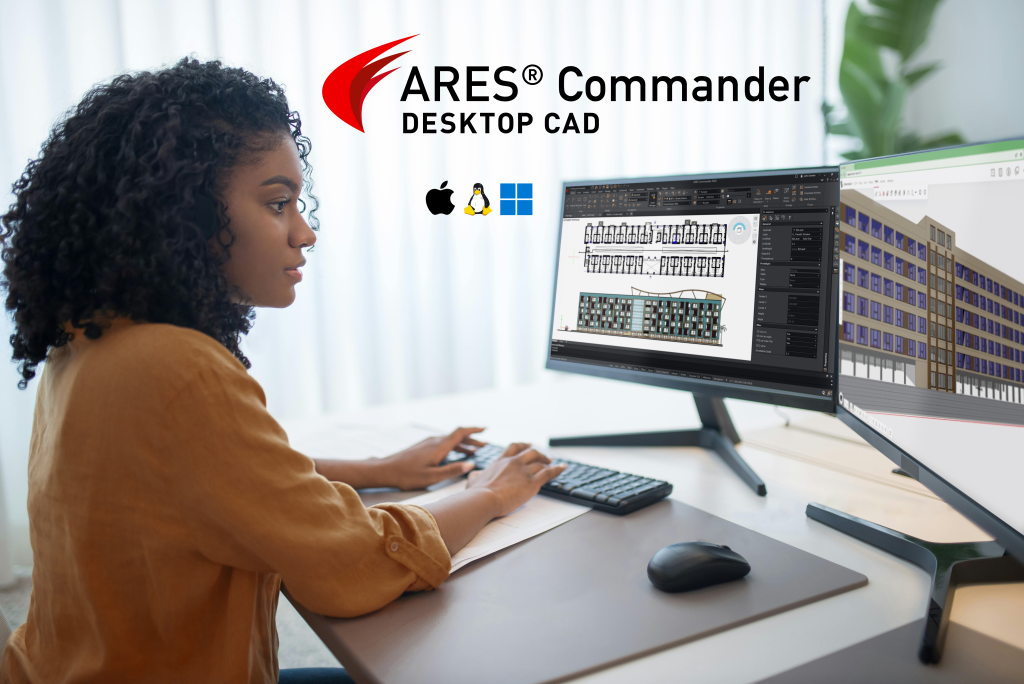
Ultimate Guide to Rebar Detailing Services for Your Construction Project


If you’re building custom furniture, you need millwork drawing services as documentation, reference, and instruction for the millworker to construct and install the product. A rebar (reinforcement bar) shop drawing is somewhat like a millwork drawing, but for the construction of rebar in a concrete structure. The process of creating the rebar shop drawing is often referred to as rebar detailing.

A reinforcement bar is a mandatory ingredient of concrete, as it can significantly enhance the durability and load-bearing capacity of the structure. Concrete is created by mixing cement, sand, gravel, and water in a specific ratio; while the resulting mixture itself is exceedingly complex and dense, it’s relatively brittle and prone to fail under heavy stress. When used for load-bearing components of a building (such as beams, walls, slabs, trusses, arches, etc.), the concrete is susceptible to rapid cracking. The low tensile strength may even lead to sudden structural collapse. Reinforced concrete solves all those issues.

That said, not every AEC has an in-house professional for the task, which means they must hire one from an external source each time a project necessitates a detailed rebar shop drawing. Some companies outsource the job to the smaller construction firms, while others prefer to hire freelancers. The latter option is often more affordable, but there is the inherent risk of the drawings turning out to be underwhelming, or perhaps worse than the expectation due to poor communication or blatant incompetence. If you have to hire a freelance rebar detailer, at least choose a professional from a reputable platform.

And when it comes to rebar detailing services, a specialized platform like Cad Crowd should be the first choice. Cad Crowd specializes in the AEC industry, with a strict freelancer-screening policy, to make sure that you always get to hire a qualified rebar steel detailer on demand at an affordable rate.


🚀 Table of contents


Why you need rebar detailing

Design (including size, shape, and materials) and structural integrity are the two most significant contributing factors to the overall rigidity of a construction. As mentioned earlier, rebar increases the tensile strength of a building’s load-bearing components. While an amateur handyperson can probably install reinforcement bars when building a few simple beams in a tiny-scale project, it’s a whole different story if you want to make an entire structure from scratch. The bigger the structure, the more complex the installation. Rebar detailing is a job best left to a trained professional with in-depth knowledge of construction methods and structural design.

It is possible to simply use the biggest rebar from the building material suppliers, cut or bend the rods to shape, pour wet concrete over them, wait until dry, and consider it a job done. But this is an amateurish practice at best and grossly inefficient at worst. More than just inserting steel rods into a wet concrete mixture, the installation takes precise calculation of the rebar dimension and shape, depending on the size of the load-bearing component itself and the expected weight capacity. Rebar comes in a variety of sizes, shapes, and grades for different design requirements.

One of the primary purposes of rebar detailing is to use the most efficient type and volume of steel rods to achieve greater efficiency without sacrificing structural integrity. Not only do the steel rods have to be in the correct sizes and shapes, but they must be installed and configured in the correct order. Accuracy is of the utmost importance because the rebar shop drawing will also be used as a reference for cost estimation by architectural design firms.

Rebar detailing and drawings by Cad Crowd design freelance experts

RELATED: Structural steel detailing services for companies: Steel detailer costs and rates complete breakdown

What’s a rebar shop drawing?

Every project comes with a set of construction documents. A rebar shop drawing is a blueprint created as a detailed visualization for reinforced components. It specifies and configures rebars to be placed in the concrete mix of various load-bearing components in a structure.

A rebar detailer creates a shop drawing based on the engineer’s latest design/construction plan. The problem is that in most projects, there’s barely any direct contact between the detailer and the engineer; any communication between them is typically bridged by the general contractor (GC). In case of unclear or missing information in the design plan, the detailer must submit an RFI (Request for Information) to the engineer through the GC. And the standard response time is around two weeks.

Professional rebar detailers are not mere “image editors” who receive a design plan and add rebar visualization to the drawings. They’re problem-solvers to figure out the most effective rebar configuration for the construction. The shop drawings are sent back to the engineers, and if approved, will eventually reach the hands of rebar fabricators and installers. A proper rebar shop drawing must contain at least the following information:

  • Rebar schedule: a comprehensive list of rebars required for the construction project. The list should mention the shapes, sizes, grades, and quantities of reinforcement steel rods. This is to make sure that all the materials are prepared and ready for fabrication.
  • Material specifications: additional information to reiterate the specifications of rebar, concrete elements, and other materials required for the installation. It provides insights into the overall strength, performance, durability, and cost factors of the structure.
  • Rebar details: visualization for the rebar assembly process. The main idea is to provide visual guides to the types and spacing of the rebars. Architectural visualization services may include representation of bends, hooks, and other fixtures. Keep in mind that the visualization is more than a mere image, but a data-driven drawing based on the intended design and strength of the structure.
  • Bar bending schedules: a complete list of rebars to be bent and cut during fabrication. If the bars are already cut and bent to specifications, the construction workers can be expected to finish the assembly and installation processes quickly. Every single bar should fit well in the designated spot without further modification on-site.
  • Clear cover: a visual representation to depict the space between the outer surface of the concrete and the nearest-positioned rebar unit. A safe distance keeps the rebar from corrosion and rust, so the reinforcement remains effective over an extended period of time.
  • Development and lap lengths: an estimation to show how the rebars should be spliced and lapped for a more seamless continuity and to optimize structural strength.
  • Anchorage details: information about the pattern and length of the rebar that must be anchored into the concrete. This is especially important if the anchorage has to be aligned with other structural elements by structural design services.
  • Spacing and location: construction drawings to represent the complete details of rebar placement inside the concrete. Every single rebar (with all the specifications) must be accounted for.
  • Structural notes: a set of instructions for the rebar installers/contractors. It’s filled with specific information such as construction methods and the required structural strength.

During the process of creating a rebar shop drawing, the detailer works closely with the general contractor, the structural engineer, and the fabricator to achieve high accuracy. Well-coordinated teamwork is expected to deliver error-free drawings that simplify both the fabrication and construction tasks.

RELATED: How to detail sheet metal shop drawings for increased fabrication accuracy for companies

Common Challenges in Rebar Detailing

Even a seasoned detailer doesn’t always produce accurate rebar shop drawings on the first attempt. Among the most common challenges are listed below:

  • Reinforcing steel clashes: using multiple drawings for separate structural elements makes the configuration susceptible to clashes, for example, rebars interfering with each other or sticking out of the concrete because the drawings aren’t correctly aligned. The good thing is that a unified, data-rich, realistic 3D model can provide a better visualization to help solve the issue for architectural design experts.
  • Intricate design: while there’s nothing wrong with complex designs, inexperienced detailers may find it challenging to interpret the engineer’s construction plan. A thorough analysis of load distribution is crucial to prepare the shop drawing because incorrect interpretation may lead to structural collapse if left unaddressed. It might be necessary to use an in-depth 3D model and structural analysis software to prevent mistakes.
  • Design modification and specification change: In the event that the architect or the engineer makes an alteration, especially concerning the construction plan of any of the structural elements, the rebar shop drawing must be redone. An alteration requires a systematic reassessment to identify potential effects on the rebar specifications, placement, schedule, and budget. It is wise not to commission rebar shop drawings until the design is finalized.

Most AEC companies and rebar detailers still use the conventional 2D imagery for shop drawings, which may not illustrate the placement and configuration of reinforcing steel with precision. 2D drawings are also difficult to interpret, further adding unnecessary challenges to an already intricate rebar detailing task. But the conventional way is slowly growing out of trend in favor of 3D modeling design services and BIM-based shop drawings. A data-rich model delivers a realistic visualization of the rebar with automatic cost estimation and a real-time update feature.

rebar designs and detailing by Cad Crowd freelancers

RELATED: Casework vs. millwork design: A detailed breakdown for freelancers and architectural firms

Takeaway

Meticulous planning and accurate cost estimation play significant roles in the success of every facet of a construction project. Among the most crucial aspects of a construction are well-built structural elements, such as foundations, beams, columns, slabs, trusses, and walls. Because all those load-bearing components form the backbone of durable structures, it only makes good sense to be fastidious about how you build them.

In designing load-bearing components, rebar detailing is a pivotal point that will determine the overall structural strength of the building. The rebar shop drawing serves as a blueprint for the configuration and placement of the reinforcing steel within the concrete. It makes sure that the rebar is fabricated to the correct specification and installed in accordance with the specific design requirements of the structure.

How Cad Crowd can help

Considering the importance of rebar shop drawings, it takes an unparalleled expertise in rebar detailing to produce precise shop drawings that guarantee not only the structural integrity of the building but also cost efficiency. Cad Crowd, the AEC-focused freelancing platform, is home to rebar detailing professionals committed to providing quality services at affordable rates. Request a quote today.

author avatar

MacKenzie Brown is the founder and CEO of Cad Crowd. With over 18 years of experience in launching and scaling platforms specializing in CAD services, product design, manufacturing, hardware, and software development, MacKenzie is a recognized authority in the engineering industry. Under his leadership, Cad Crowd serves esteemed clients like NASA, JPL, the U.S. Navy, and Fortune 500 companies, empowering innovators with access to high-quality design and engineering talent.

Connect with me: LinkedIn ✦ X ✦ Cad Crowd

Common Texture Mapping Mistakes that Ruin 3D Renders for Architectural Design Companies


Texture mapping is one of the critical touches to produce realistic renders in an architectural project. It adds realistic characteristics to materials like glass, wood, stone, concrete, and metals. It makes it look alive and adds accuracy to what it looks like in real life. Doing this helps stakeholders visualize how the building’s finishes. This can be pulled off, though, with the right resources and skills, especially by architectural design experts. 

There are some renders that don’t look real because the surfaces are not properly matched with textures. The surfaces may look flat and pixelated, and this can feel unrealistic. This can affect how stakeholders see the representation and may mislead them into thinking that the materials portrayed are inaccurate. To avoid this kind of mishap, architectural firms tend to rely on specialists who can do accurate texture mapping. In Cad Crowd, firms connect with professionals who can correct texture mapping, making sure it looks realistic and visually consistent across all models. 


🚀 Table of contents


Overlapping UVs

UVs act like a wrapper for a 3D object, except it is textured. When it is applied to a model space, it is called UV mapping. Now, when multiple parts of the model have used the same part of the texture image, it will look weirdly mirrored or duplicated. This is called overlapping UVs. When this was overlooked, the project may look unrealistic and inaccurate. To prevent this from happening, digital platforms use features to separate UV shells before rendering. Freelancers can identify this early on and can take corrective measures to ensure that each texture has uniqueness.

texturized 3d Rendering by Cad Crowd architectural and interior design experts

RELATED: Understanding architect fees and hiring options for your firm with Cad Crowd

Stretching and distorted textures

Improper scaling and texture placement may look weird, as it can look distorted. This can either be stretched, squeezed, or warped, making it look unrealistic. This mistake usually happens when the shape doesn’t align with the texture image or the size of the 3d. It’s best to position it in a way that it looks scaled and realistic. For instance, tiles should appear realistically square instead of rectangular, or the fabric textures may look uneven. This can be fixed by making use of vertices and adjusting them in UV maps. There is also an unwrapping feature that can help reduce this mistake in the future for architectural design services.

Incorrect texture resolution

When the texture is made of a low-quality photo, it looks blurry and a lot more pixelated. It looks fuzzy and disrupts the idea of it being realistic. While some use low-quality photos so as not to slow down while rendering, there should be a balance in usage. A high-resolution image texture can be used for near camera surfaces, while low-quality ones can be used for distant objects. In that way, it wouldn’t feel unreal but intentional.  Choosing the correct type of resolutions makes it better and more realistic rather than settling for what’s available. 

Repetitive patterns

A certain pattern may look good in small areas but may look unreal if repeated multiple times in a larger space. Once visualized in a large space, the pattern will become too obvious and may look fake or computer-generated. In real life, if tiles are laid, it does not look perfect. It has some slight differences, be it in color or some cracks. Not being perfectly patterned makes the texture look real and not fake. 

Misaligned textures

There would be a misalignment observed when the patterns of material do not line up properly across a surface or an edge, making it look messy and chaotic. When looking at real tile panels, the edges are seamless and do not look sloppy. Proper alignment can be done by using UV tools and snapping features. Architectural firms that take the importance of projects such as hotels, offices, and luxury spaces could benefit from precise alignment since it looks pristine and luxe. 

Ignoring normal and bump maps

There are maps that simulate bumps and add geometry without adding 3D shapes anymore, which is good for photorealistic rendering services. These are called normal and bump maps. Instead of adding bump shapes to make it seem real, a normal and bump map can be incorporated to make it look real and add depth to the surface. This is mostly used in areas that use high-detail architectural projects, an example is a museum or textured walls. 

Improper material settings

There are certain factors that still affect how surfaces are perceived in real life. There are reflection, glossiness, transparency, and other things. These influence how a material looks behaving in real life, and incorrect material settings can dull it. There are different adjustments for every material type. Sometimes these are adjusted during lighting scenarios to make the model more appealing. 

Inconsistent scale across materials

Inconsistent scaling could sometimes be seen by the way it just feels off. The same type of material can appear in different sizes, and this causes unrealistic visuals because the proportions just don’t match. This can be adjusted through texture scale on various objects. Making use of UV mapping and texture settings will make the render look more realistic. 

RELATED: The power of 3D visualizations in improving construction safety and project efficiency

Using non-seamless textures

When a texture does not appear seamless, the edges and terminations of the images become a lot more obvious and look fake. In real life, the surfaces do not look like they have an end; they feel continuous. In order to fix this, designers use seamless fixtures to match it perfectly with the adjacent patterns, so it won’t have obvious lines and borders. 

Ignoring texture orientation

Texture direction is important in achieving realism because if the applied texture is in the wrong direction, the design could look fake. It is crucial for designers to check all orientations if there’s inconsistency. 3D rendering design experts should be attentive to details and enhance surface texture by correcting misaligned directions, if any. 

Overlooking UV packing efficiency

How UV packing is utilized matters in texture mapping. It could leave a space underutilized, reducing details intended for more important areas. Knowing how to optimize UV layouts ensures that areas of high priority will receive the highest texture resolution.  There is an automation to do this to make it more efficient, and BIM and CAD can be used for this. 

Incorrect use of procedural textures

Although helpful and powerful at times, procedural textures can also be tricky when applied poorly. Procedural textures are patterns that are created mathematically. An example is the patterns of marble and wood grain. It adds variation without the need to use large files, yes, but it can also look unnatural if it’s misused. The key to making it look real is blending it with regular image textures. This way, it adds naturalness to the surface. 

Neglecting lighting influence on textures

Textures dance with light; some artists overlook this and adjust only the texture. They tend to forget that lighting also influences it, like shadow, highlights, and reflections. Without lighting influence, the texture would appear unnatural and dull. Lighting adds depth perception and enhances material authenticity. 

3D rendering design examples by Cad Crowd architectural and interior design freelancers

RELATED: Overcoming errors in architectural drafting with outsourcing design services

Failing to test renders at multiple angles

Architectural models often have more complex shapes, and sometimes it needs not only one camera angle view but more of them. Doing so can expose errors. Having only one angle can be prone to blind spots, and errors will be overlooked. Ensuring that the issues are caught early on makes it easier to fix or make an adjustment for 3D architectural rendering services. Checking multiple angles could also ensure consistency across all surfaces, making sure that no mistake was missed. 

Proper UV unwrapping

To ensure that UV unwrapping is properly done, it has to be envisioned that it looks like flattening a 3D object onto a 2D surface so that all textures wrap it correctly. In UV, textures can overlap, misalign, and stretch on the model, making it look off. Textures should stay in the right place, and that can be fixed with the utilization of UV islands to adjust positions and check the spacing and stretching. 

Maintaining texture resolution balance

To maintain texture resolution balance, select the right detail for each surface. High-resolution photos are mostly used on close-up surfaces, so the details appear crisp and clear. But in distant objects, low-resolution textures can be used since small details won’t be noticed, since they’re distant. 

Seamless textures and pattern variation. Seamless textures do make surfaces look continuous and natural, but such repetitive patterns make it perfect, so it feels artificial. To ensure that this is avoided, designers fix it by layering multiple textures and adding some hues or colors to pattern variations. This can be used for long hallways or large walls where a repeated pattern can easily be spotted. 

Consistent material scaling

There are different material surfaces and patterns that can be seen on the render model, and it’s important to have a consistent scaling throughout the model. From bricks, floor tiles, or wood planks. Every pattern and texture should be proportionate to the objects or other elements; it will look mismatched and awkward. 

Ignoring ambient occlusion

This is about forgetting subtle shadows that should appear on areas or where surfaces meet. Shadows in surfaces influence depth and realism, and not having it make it look unnatural. Without it, there would only be smooth pictures or detailed patterns. It will look flat. Architectural and interior design experts can fix it by utilizing maps and applying shadows in corners and crevices to make surfaces look three-dimensional. 

Applying textures to the wrong material channels

Every material has multiple channels that control how it looks. It has color, roughness, metalness, and normal/bump. When color texture was put on a different roughness slot, it may not look good. It can look patchy or may appear fake. The textures wouldn’t feel like they’re real. Textures need to be corrected and put in their rightful slots. Color textures are meant to color, roughness makes the surface shine, and normal maps can add in bumps. Mixed-ups can make it look way off. 

Ignoring real-world material references

All textures have to be aligned with what the real-life one looks like. Having a reference makes it easier to correct anything that feels fake or off. When the textures do not match the real material, the render wouldn’t feel real or convincing, no matter how high the quality of the render is. It is important to take note of how the real-life material looks so that the textures in the render would feel believable.  

Using stretched UV shells

Stretched UV Shells usually happen when an unwrapped version of the three-dimensional surfaces is squashed or stretched. The texture wouldn’t feel like it fits. It could elongate, bend, and squash on some materials. To fix this, UV islands have to be checked to make sure that they are properly and consistently scaled. Also, relax or unwrap UVs to evenly distribute them. Fixing this layout ensures that the texture wraps naturally. 

Regular software updates and plugins

Constant checks on software updates and plug-ins ensure that the program is running on new tool engines and consistently improves. The updates could help improve bugs, fixes, and other optimizations to make the textures more reliable and realistic. There are plug-ins that could help in detecting overlapping UVs so they can be resolved early on. Updating could also improve speed in HDR rendering services, as well as their compatibility with files. 

Collaboration and freelance support

Having a freelancer help with unloading tasks and works and could improve the render quality. This way, the team can focus on other decision-making agendas or do quality control on design planning. There are several platforms that connect businesses to professionals, but in Cad Crowd, you are assured that the freelancers are pre-vetted and ready to help without guesswork. They can deliver the tasks tailored to the project’s needs. 

texturized 3D renders including landscape and interior by Cad Crowd architectural designers and freelancers

RELATED: Understanding real-time rendering, how it works, and benefits for architectural companies

Workflow documentation and templates

Having a standardized workflow and documentation helps keep track across the projects. It sets rules and conditioning for UV wrap, texture naming conventions, resolutions, and material settings. This ensures consistency and makes it an easier streamline workflow for the team members to follow. This is essential, especially when handling multiple large-scale projects. 

Final render checks

Before submitting final renders, it is only right to do a quality check and inspection of all surface textures to detect errors, if any, and whether everything is correctly aligned and consistent. Use multiple camera angles to check other areas, as there may be hidden issues. High-resolution views can detect subtle clashes that could not be seen on drafts. Doing a final check gives confidence in the final output, strengthening trust and enhancing client satisfaction. 

How Cad Crowd can help

Texture mapping isn’t just about finding the right textures to match the surfaces; it must look real and natural. An effective texture mapping produces high-quality renders, which makes stakeholders visualized realism of the structure, adding confidence to it.  Addressing common mistakes in texture mapping and taking corrective measures improves the outcomes and aligns the renders with realism. To ensure quality, architectural firms connect to platforms like Cad Crowd to help in finding the right experts to work with. Check Cad Crowd today and hire your 3D artist and achieve that realistic render with accuracy and visual impact. Request a quote today.

author avatar

MacKenzie Brown is the founder and CEO of Cad Crowd. With over 18 years of experience in launching and scaling platforms specializing in CAD services, product design, manufacturing, hardware, and software development, MacKenzie is a recognized authority in the engineering industry. Under his leadership, Cad Crowd serves esteemed clients like NASA, JPL, the U.S. Navy, and Fortune 500 companies, empowering innovators with access to high-quality design and engineering talent.

Connect with me: LinkedIn ✦ X ✦ Cad Crowd

Future-Proof Your Aerospace Designs by Digitizing Legacy Blueprints with CAD Services


When it comes to Aerospace designs, precision is of great importance and must be complied with. Businesses should utilize technology in the modern era rather than relying solely on files and paper drawings. While this has worked in the past, it is important to adapt and catch up with what has been paving the way, such as the digital drawings that are created using CAD design services.

These digitalized aerospace blueprints are becoming more popular in the industry as they avoid loss of files, which usually happens in past methods. With the use of digital aerospace blueprints, it is much more efficient to spot mistakes, and in a span of time, you can edit and convert the files.


🚀 Table of contents


Role of paper in the aerospace industry

Paper was the backbone of everything. Paper was the most effective means of delivering documents and information back then. It truly fulfills its function in the industry and is utilized in a variety of tasks. However, as time goes on, the aerospace industry’s needs become more demanding and complicated, and paperwork may become a barrier. Even still, actual blueprints and paper will continue to be significant.

The role of paper in the industry acts as an intellectual property. Everything is signed, needs to be checked first, and has to be revised all over again. It is a piece of knowledge where it all started. Everything before digital has risen, such as papers that preserve and secure every piece of information that is available.

Aerospace design by Cad Crowd design experts
RELATED: Elevating your company’s product designs through user-centered design principles

Paper to digital: Physical degradation and its limitations

Paper drawings, files, and blueprints are not useless; they are the first step and the longest way of having documents physically. However, it has a lot of factors that can make it useless; it can fade, tear, and be easily fabricated. With the use of digital files, it may be hard at first as everyone is still adjusting, and not everyone has the means of catching up with the latest, but it makes it easier to preserve and store files. It will also reduce costs with the use of digital files, as the use of paper will be less for aerospace engineering firms.

Storage can be hard and takes up space in the office. It is also hard to retrieved needed information and documents in an instant. Using paper blueprints also means that editing and modifying parts are difficult, and errors usually happen. System layouts can be hard, and so transitioning to digital can be a great move. In addition, old drawings and paper files can be limited in sight, which can lead to errors. In the realm of aerospace, precision is a must and makes no room for any errors, as it will cost not just financially but also to the industry that is being built.

Paper documents play a part in the aircraft industry because it frequently takes time to locate the correct file to examine. Working collaboratively is particularly challenging since it involves paperwork, which requires passing it along to others before work can begin. The emergence of digital tools has made it possible for the aerospace sector to avoid slow workflow because time is valuable.

Accuracy and sustainability in support of digital tools

In the report of NASA’s 2025 Aircraft Data Hierarchy, the room for digitalized tools and model-based systems engineering supports sustainability. The use of modern digitalized tools offers quicker repairs to problems, while still providing accuracy and integration to the systems. Yet in the field of aerospace, safety is the number 1 priority, hence the need for specific tools for specific tasks. It is a must to use the suitable tool for work, as it can cause a delay if not. By this, the use of digitalization in the field can enable one to easily track and monitor all the tools and processes being used.

Adopting digitalization is crucial in fields where safety must be ingrained since it increases productivity, which reduces hazards. As a result of these projects’ transformation, engineering systems and layouts may initially be complicated, but each step is necessary to provide precise and sustainable production. Accuracy must be instilled as professionals work efficiently, as it reduces delays in production and so can improve results for manufacturing design services.

Transitioning to digitalization

More than just turning paper files and blueprints into PDFs and images, it means that flexibility can happen. Embracing the world of digital and technology, in the industry of aerospace, it is easy to say that the paper files can be converted into digital files, such as 2D and 3D CAD services, which can be updated with the current tools in the market.

Using paper drawings, or by merely sketching them, is so hard to make adjustments to them, but by digitalizing the blueprints, it is more convenient for the aerospace industry.  Having to deal with unlimited information every day, and by securing that in every step being made, the safety and quality are attained. There is a platform that can do the task, as it offers CAD services that convert every paper drawing into formats in CAD that can be edited and modified in a span.

The process from paper to digital doesn’t mean rebuilding the entire blueprint. It does not make use of traced images but of refined, editable 2D or 3D models. While there are still a lot of platforms focusing on different field yet still covering the digitizing blueprints. The use of it can create a part that can make the manufacturing process better, often lighter or stronger than the original. 

Virtual testing and communication

Testing designs in a virtual environment has several benefits, including resource savings for engineering design firms. One benefit of digitizing blueprints is that they may be evaluated virtually, indicating their stress resistance. In the field of optimization benefits, Siemens & Rolls-Royce Next-Gen Demonstration allows AI-powered optimization, where some of the parts are used in digital to upgrade the process. Without having to splurge on multiple prototypes, with the use of virtual testing, experts can find flaws and maximize the tools.

Virtual testing is equally important as testing in real-world scenarios; it can improve efficiency and maximize existing knowledge and systems. In addition to saving time and money, communication between teams and partners created an environment that may benefit the aerospace company. The demand for communication in the aerospace field is getting larger and larger every day. But with the use of digital models, there are a lot of tasks that can be conveniently done. Communication can be easier to reach as you can share ideas in real time, or even if you just need a clear instruction on what to do.

As technology happens, the work is being made easier, so the need to ship a pile of papers can be lessened. Collaboratively done with every partner, team, client, and professional, it improves communication in a two-way manner and eliminates any potential misunderstanding that might be in the way.

RELATED: A startup guide to concept design for hardware with product design services companies

Efficiency and productivity in the world of digitalization

The use of digitalization in the industry makes it really important, as it can improve the performance of every craft.  It is convenient to have communication with different partners, teams, and engineers to improve performance, as they can use virtual meetings. With the use of virtual meetings, time can be saved, and so it will increase the productivity and efficiency of everyone, especially aerospace engineering experts. Utilizing digitalization also means being visible in the competitive business environment and building a reputation that every customer can rely on.

To be one, the aerospace industry makes an effort. There are particular tools used in production that are actually in line with what is required. It uses a variety of tools to provide digital services. Among many other things, this includes CNC machining, digital twin systems, and 5-axis milling. This provides accuracy in this industry, where precise and standardized models are being created. The use of these manufacturing tools bridges the gap between physical and digital models and design.

Reverse engineering

Not all the time can original documents be found, and so with the use of CAD services and experts, it will be easy to reclassify and redesign the document. The use of blueprints in digital form can be useful in a way that documents and files are readily available without the need to archive files in the storage room.

It cannot be denied that one challenge that happens usually when using paper files is that they get old or the original ones are lost; hence, the use of reverse engineering is a significant action, where it goes back to how exactly the paperwork was made. As a result, reverse engineering is a crucial step that relates to the precise way the paperwork was created. It is not always necessary to start a new file when one is lost or cannot be viewed fully and properly.

Risks and challenges of transitioning

Potential hazards can also happen in the use of modern digitalization, such as hacking and viruses, which can pose a risk in the field, yet with a proper platform, this can be avoided. Selecting what the aircraft design experts need is crucial to preventing resource waste. Conflict may arise if the selected tool is unrelated to the client’s needs, which could have a detrimental effect on the platform. Despite digitalization, there is a shortage of skills and talents, given that few people are keeping up with it.

The transition from paper to digital poses a lot of things that could happen, including working collaboratively. However, this transition should happen in the future. Even with the benefits that could happen when still in the format of paper, the change in digital should be made as it is done for the betterment of the industry. It is clear that despite all of the changes, humans still play a crucial role in it. It is hard to give up the process of what has been done, but resistance to change can do no good in the future.

Resistance just indicates that fear is at the forefront of the enterprise. Sometimes people are afraid of change, but that doesn’t imply they’re deleting all of their work. Notwithstanding the modifications, it can be a good notion to complete a challenging activity without feeling rushed. Ensuring that requirements are fulfilled while continuing to align with the objectives of the aerospace sector.

Security and data protection of digital

Digitalization can pose risks, as do paper files and documents. Digital files can be protected in different ways, such as using passkeys, encryption, and access controls. Because only a small number of people may access and alter the designs, tools, and documents using digital tools, platforms that offer digitalization do provide stronger protection than physical ones. The modifications made make it simple to track down. By using digitalization, the aerospace sector can produce and possess intellectual property without having to worry about it being faked or altered.

The greater the technological advancements, the easier it is to replicate. Security is rigorous, making it difficult for everyone to access, despite the experience of all professionals providing CAD digitization services. The aerospace sector faces a dilemma because it is crucial to the area; it is important to address and ensure that all data is protected. There is a special form where CAD files and services are unique from what has been used in the past. It took time before it was developed, yet it is an asset to make sure that none of the factors are compromised.

Viruses and threats might happen in the process. If these attacks can be successfully made, they will corrupt all the files, resulting in a loss of what has been designed, making it hard to recover. Hence, to avoid all of these from happening, it is vital to restrict who has access to it. In this digital age, security is crucial because making it easily accessible to everyone can raise the possibility of unlawful use.

RELATED: Aircraft design services: A complete look at pricing, rates, and costs for companies

AI as the digital future of aerospace

Initiatives run through by programs like Digital Design, Manufacturing & Services, and platforms like Airbus, a digital aerospace company, can produce real-time production and manufacturing, maintenance, while still maintaining the standards and quality. In the field of transitioning to digital is the help of AI tools and systems. AI can be a help by enhancing the blueprints into refined works with the use of CAD flow.

AI can speed up the process of digitization rather than manually doing the task.  It can also be a great help to experts and engineers to easily spot errors or features that need improvement. It can offer an improved approach to enhance and speed up the models while maintaining the safety standards that an aerospace company establishes.

It is important to search for alternative options that can put the industry in the forefront while advancements are pursued through prototype design engineering. It’s a smart step that benefits both clients and specialists to use AI-driven solutions to convert files in line with CAD systems. It allows for the pursuit of standardization while providing precision.

Utilizing the past to secure the future and improve the present

With the use of digital models and blueprints, it is more efficient to collaborate with different teams and partners, which also means that every move and change can be traced in real time. Yet, while there may be a lot of opinions on switching from paper to digital, making the switch to digital instead of paper can save time and money, and it also reduces the possibility of errors. It doesn’t mean that transitioning from it means that preservation of resources is not being made. It just means that it is upgrading and so investing in the services that could help flourish the system in the industry.

Using legacy drawing CAD services for the aerospace industry entails that innovation is being attained, and so investing in success. It builds a legacy that adapts to the needs of the emerging competition in the market. By having to invest in the present and future, using the past tools can still be a great help as files from it are being used, and are improved in the present, bringing out the best in the future, and avoiding being outdated in the market.

Quality control and compliance

In the industry where safety and precautions are valued and needed, having to comply with certain rules and standards is a must. Having been in the field where there are always changes as time progresses, it cannot be denied that sometimes it can be tiresome, confusing, and can reduce the quality of the work.

With the use of digitalization and so with CAD services, it is much convenient to handle tasks at once, securing that protocols are being complied. It is vital to keep track of everything, and so transparency and accountability are two of the few that the aerospace industry must attain. Digital tools can streamline processes, identify mistakes automatically, and perform quality checks while maintaining consistency with set standards.

Digital blueprint as a future for the aerospace industry

As time progresses, all things get old, and as we use them, the materials and parts weaken. Over time, it needs to be replaced, and so modern technology is a help. In the aerospace industry, aircraft maintenance can be a pain in the neck, especially when it is no longer being produced. Yet with the help of digitalized blueprints, it allows every expert, especially with the use of different platforms like Cad Crowd, to form the same forms accurately. The process of making the designs using digital tools can save time.

Digitization is more than just turning every file into an editable one. It uses CAD software that creates models, redrafts, and converts 2D into a 3D CAD model through CAD conversion services. It also organizes all the data into a proper arrangement. Digital blueprints can also be used a hundred times if a client wants to, especially in the aerospace industry. Ensuring that everything takes place in order, digital tools in the world of aerospace use a structure that can be accessible to everyone.

aerospace design of a jet engine and fighter jet by Cad Crowd aerospace design expert freelancers

RELATED: How much do aerospace engineering recruiters cost staffing agencies: Service fees for companies

CAD service platforms’ function and operation

To accomplish the transition from paper to digital, Cad Crowd is one of the best platforms that can be used. Cad Crowd has experts in CAD services that can provide services in the aerospace industry, such as converting the drawings into editable CAD formats, including SolidWorks, AutoCAD, and many more in the field.

By using the platform, the aerospace teams will not have to assign their own staff or resources to complete the work because the Cad Crowd freelancers will handle the entire process. Only the Cad Crowd team will use it to make sure it is in line with the requirements of the aerospace industry.


Experts in CAD Services specialize in turning every file into formats. It can be done in a 2D to 3D conversion, where a client can surely see the complete system. It allows the professionals to simulate and perform the tools to be able to dry run and confirm if the product is ready for production. Professionals can be a great help in the aerospace industry, as they can also complete the files, whether the file is incomplete or torn apart. Techniques and services cannot be compared to real-life services, as using digitization also means moving forward toward the goal.

In the platform Cad Crowd, the service starts by making use of the existing file and turning it into a digital, modern file. CAD redrafting services can give a replica that can be edited while still being able to preserve the engineering process that already happened. Editing it means that changes can be made, while still securing the files and aligned with. In the field of aerospace, it is a long, tremendous phase that can take a lot of time and resources, but with the use of platforms like the Cad Crowd, the process, knowledge, and information are stored securely, which can still be used for the future. 

The aerospace industry is at the core of improving its service. In this modern world, being able to adapt to it helps in improving its functionality. Digitizing legacy blueprints makes a voice in the engineering expertise, and so with the professionals who make sure that it keeps on being relevant in the realm of digital. The use of CAD services is a great way to make sure that digitizing forms is used properly. As an aerospace company continues to demand service, digital services are part of the solution to this.

Future-proofing designs does not only mean that it is just for technical advancements, but it is also about being a responsible company that cares for its customers and clients. The utilization of it enhances the protection and accountability that any model needs to have. Driven optimization reduces resources and produces the greatest service available in the market by focusing on improving each form. From paper to digital plan, it allows for innovation while meeting requirements and adhering to standards to guarantee quality.

How Cad Crowd can assist
Aerospace companies should not let the past hold back their future. It is something to look forward to, the improvement and the progress. The concept of transformation is made feasible by CAD services, which make it potent and pertinent to advance and safeguard the aerospace future. Future-proofing aerospace design is a change that unlocks every possibility that could help the field grow. Transitioning from the past to what is accessible is a step that helps, making it possible to help customers fly until the sky is the limit. Request a quote today.

author avatar

MacKenzie Brown is the founder and CEO of Cad Crowd. With over 18 years of experience in launching and scaling platforms specializing in CAD services, product design, manufacturing, hardware, and software development, MacKenzie is a recognized authority in the engineering industry. Under his leadership, Cad Crowd serves esteemed clients like NASA, JPL, the U.S. Navy, and Fortune 500 companies, empowering innovators with access to high-quality design and engineering talent.

Connect with me: LinkedIn ✦ X ✦ Cad Crowd