Odin and Thor handhelds are getting another price hike


AYN Thor dual screen android handheld

TL;DR

  • AYN has announced that its Thor and Odin series handhelds are getting another price hike on Friday.
  • The Thor devices are now $10 to $30 more expensive, while the Odin 2 Portal and Odin 3 handhelds go up by $10.
  • The price increase goes into effect on Friday, so you still have a few days to act if you’re keen on these devices.

AYN is one of the more premium Android handheld brands out there, but it hasn’t been immune to the RAM crisis. The company previously announced price hikes early this year for some models, but it’s now revealed even more bad news.

AYN confirmed on Discord that the Thor, Odin 3, and Odin 2 Portal handhelds will all receive price increases on Friday (July 3). The firm explained that the Thor Lite, Base, Pro, and Max 512GB models will all receive $10 price hikes. Meanwhile, the Max 1TB model will go up by $30. Big oof. Check out the screenshot below for a look at current prices compared to the new prices.

A Discord message confirming price hikes for the Thor handhelds, as well as the Odin 2 Portal, and Odin 3 series.

This is at least the third time this year that AYN has increased the price of the Thor range. Most of these variants saw a $10 to $20 price hike back in January. The company then issued a $10 to $40 price increase in March. What’s particularly notable this time is that the $249 Lite model, which hadn’t received a price increase in 2026, has also seen a price hike.

The handheld maker isn’t stopping with its Thor devices, though. AYN says that pricing for all Odin 3 models and the Odin 2 Portal will increase by $10. This follows a $10 to $40 price hike for the Odin 3 series in March. The Odin 2 Portal increase is especially notable as it’s also managed to avoid higher prices this year.

This is a disappointing turn of events, but these price hikes are out of AYN’s control. AI companies have been buying up RAM and storage at a breakneck pace, resulting in supply shortages and skyrocketing component costs. So electronics manufacturers are forced to pass these higher costs on to consumers. At least AYN is giving a heads-up so anyone who really wants one of these handhelds can buy it at the cheaper price.

Thank you for being part of our community. Read our Comment Policy before posting.

GFN Thursday: Steam Summer Sale 2026


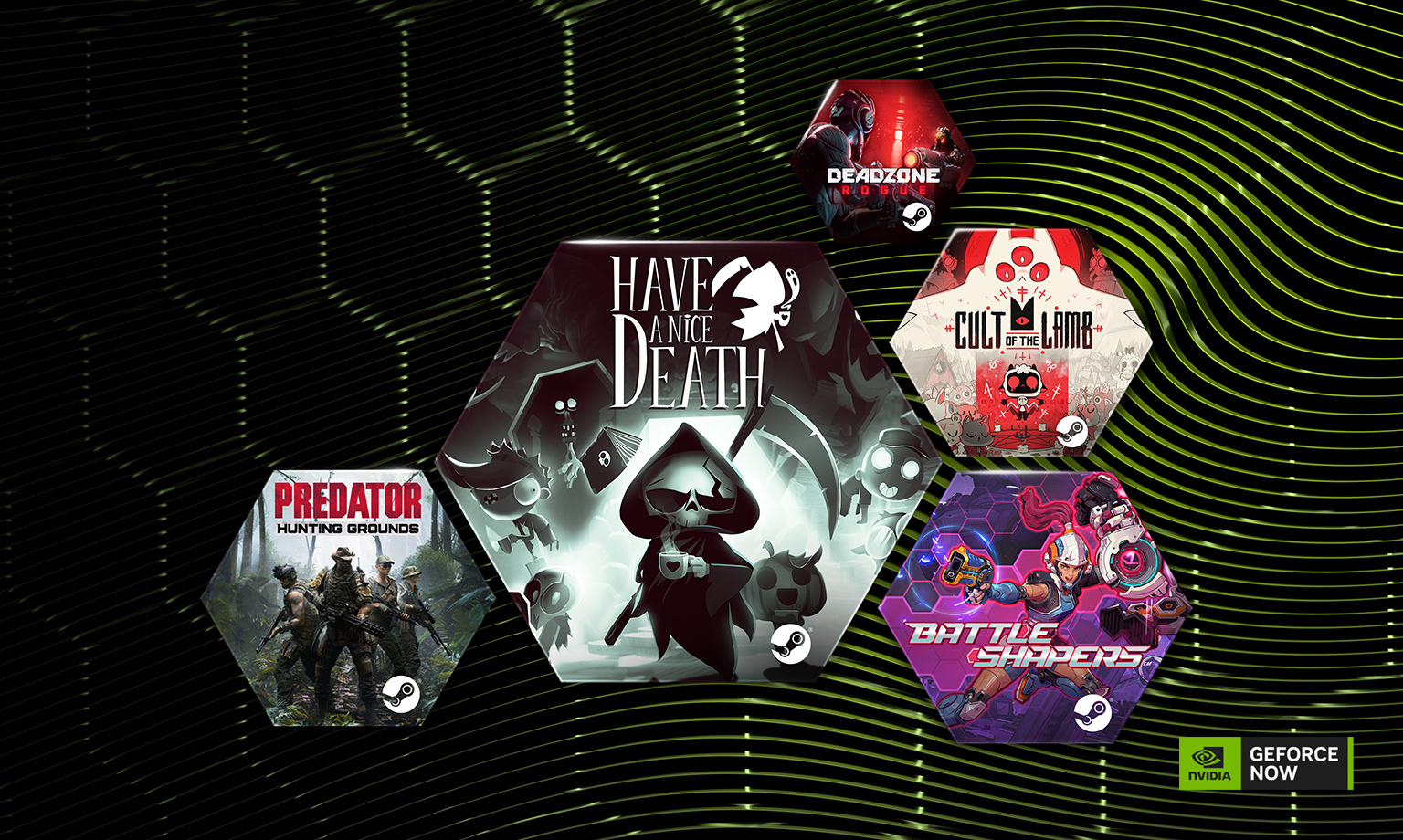
Summer savings are heating up. From the Steam Summer Sale to GeForce NOW membership discounts, this week’s GFN Thursday delivers double the deals and more ways to get the most value from cloud gaming.

Plus, Dark Scrolls joins the growing Devolver lineup, alongside Square Enix’s The Adventures of Elliot: The Millennium Tales. They lead the charge for six new games joining the GeForce NOW library this week.

Steam Dreams Are Made of These

GeForce NOW Games
Add to cart, not to storage.

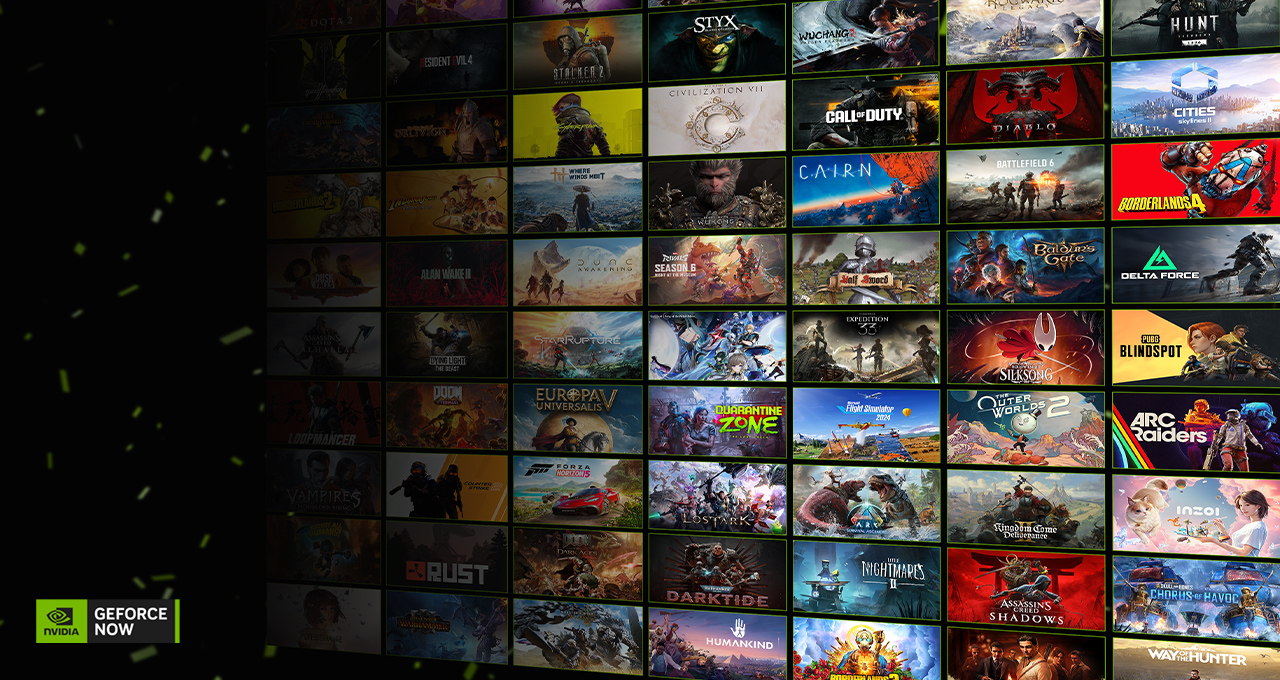
The Steam Summer Sale is here, bringing discounts across thousands of PC games as one of the year’s biggest opportunities to grow a gaming library.

Supported Steam games can be streamed across devices with GeForce NOW, making it easy to buy a game once, keep progress synced and pick up where the gameplay left off on PCs, Macs, handheld devices, phones, TVs and more.

In other words, the Steam Summer Sale brings the deals; GeForce NOW adds the flexibility. 

As new titles expand collections, storage demands and hardware requirements expand with them. GeForce NOW helps remove those barriers by streaming supported games from powerful GeForce RTX servers in the cloud, allowing members to enjoy today’s biggest games on devices they already own. Since downloads and installs are handled in the cloud, games can be added to the cart without being added to storage.

Check out the “Sales & Special Offers” row in the GeForce NOW app to discover the discounts today.

The Ultimate Upgrade to Level Up for Less

GeForce NOW Summer Sale
The upgrade every game deserves.

The deals don’t stop there. Pair GeForce NOW’s summer sale with the Steam Summer Sale to spend less time waiting on downloads, managing storage or needing pricey hardware upgrades — and more time gaming.

Get $70 off a 12-month Ultimate membership or $35 off a 12-month Performance membership and experience GeForce RTX-powered gaming in the cloud across devices.

The Ultimate membership unlocks GeForce RTX 4080- and 5080-class performance in the cloud with up to 4K resolution, up to 120 frames per second (fps) and advanced technologies like NVIDIA DLSS, ray tracing and NVIDIA Reflex.

Dig Into Devolver

GeForce NOW Dark Scrolls
Written in chaos.

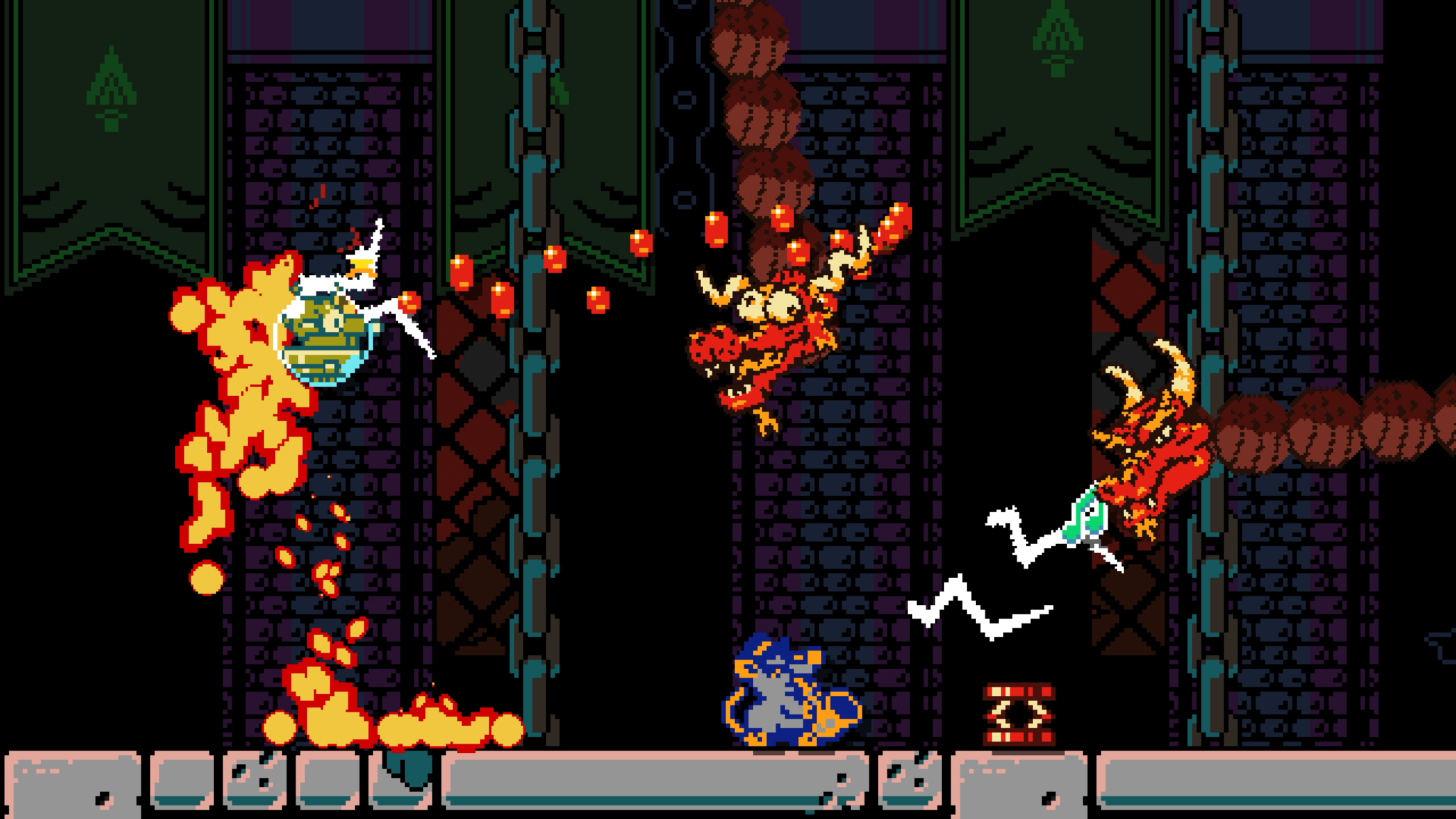
Dark Scrolls, the kinetic action roguelite from Devolver Digital, arrives on GeForce NOW with its blend of fast combat, evolving builds and unapologetic chaos. Set in a warped fantasy world that doesn’t take itself too seriously, players battle through shifting arenas packed with enemies, hazards and power-ups that can turn a run from fragile to unstoppable in seconds.

Stack abilities, experiment with wild combinations and adapt on the fly as the game constantly raises the stakes — rewarding bold play as much as careful movement.

On GeForce NOW, Dark Scrolls is ready the moment players are, streaming across devices with no downloads or setup required. It joins a growing lineup of Devolver Digital titles on the service — Cult of the Lamb, Hotline Miami, Hotline Miami 2: Wrong Number, Inscryption, Enter the Gungeon and Ball x Pit — each delivering that distinct mix of style, surprise and controlled chaos, and just a click away with GeForce NOW.

A Storybook Across Centuries

The Adventures of Elliot: The Millennium Tales arrives on GeForce NOW, delivering a charming, narrative-driven adventure filled with mystery and discovery. With a hand-crafted world and a focus on exploration, it blends classic adventure gameplay with modern, character-driven storytelling.

Follow Elliot — a curious traveler bound to a mysterious Millennium Core — as he’s pulled across eras in a journey that spans neon skylines, forgotten ruins and quiet villages on the edge of legend. Each era has its own rules and rhythms, with Elliot’s reactions and scribbled journal notes giving the story a warm, personal touch.

Stream the cinematic-quality visuals and responsive gameplay with GeForce RTX power in the cloud for Ultimate members. Experience Elliot’s time-twisting journey in sharp detail across supported devices — no high-end rig, patches or paradox prep required. Just jump in and pick up from wherever the last chapter left off.

In addition, members can look for the following:

  • Dark Scrolls (New release on Steam, available June 22)
  • SAND: Raiders of Sophie (New release on Steam, available June 22)
  • Deer & Boy (New release on Steam, available June 23)
  • EMPULSE (New release on Steam, available June 24)
  • The Adventures of Elliot: The Millennium Tales (Steam)
  • FATAL FURY: City of the Wolves (Steam)

Leaving the last word to the Community Corner, one GeForce NOW member recently shared being “so impressed” by GeForce NOW. They gave the service a spin because of affordable pricing and took a lower-end PC from 20-30 fps on low settings to 60+ fps with settings maxed out — really putting the WoW in their World of Warcraft. 

What are you planning to play this weekend? Maybe even more importantly, what device are you planning to play on? Let us know on X or in the comments below.

The World’s First 240Hz Video Smart Glasses for Gaming Aren’t Cheap


Asus ROG’s Xreal R1, the world’s first pair of AR smart glasses capable of projecting a virtual screen before your eyes with a blistering 240Hz rate, finally has… a price and preorder dates.

Ahead of Google I/O 2026, Asus ROG has announced the Xreal R1 costs $849—$200 more than the $650 MSRP for the Xreal One Pro, which top out at a 120Hz refresh rate. The gaming-focused AR smart glasses can be ordered from Best Buy starting today, May 15. The Xreal store will accept preorders on May 17 at 3 a.m. ET / 12 a.m. PT.

See Asus ROG Xreal R1 at Best Buy

Asus Rog Xreal R1 1
© Xreal

Spec for spec, the Xreal R1 and the Xreal One Pro are the same, except for that refresh rate and the slightly more gamer-y design. You get the same 171-inch (1,920 x 1,080) virtual display through the micro OLED panel, 57-degree field of view, Bose-tuned sound, 3DoF (three degrees of freedom) tracking technology used for anchoring virtual windows, and more. Asus ROG is hoping the 240Hz refresh rate will be worth the additional cost.

Asus Rog Xreal R1 2
© Xreal

The only other difference is that the Xreal R1 comes with an “ROG Control Dock.” This docking station lets you switch between three connected devices (two via HDMI 2.0 and one through DisplayPort 1.4). So for example, with the push of a button, you could flip between a PS5, Switch 2, and a PC. Asus ROG touts the Xreal R1 as requiring no additional software to get up and running. Just plug the AR smart glasses into the Control Dock, select an input, and get gaming on your 171-inch virtual screen. You can also connect the Xreal R1 to any phone, tablet, laptop, or handheld that supports display out. For the Switch 2, you will need to use the Control Dock, as the Xreal Neo adapter/video was canceled before it could launch.

Will a 240Hz refresh rate in video smart glasses make any meaningful difference when you’re gaming? Who knows, but we’re hoping to find out soon when we get a pair to try out.

See Asus ROG Xreal R1 at Best Buy

Xbox Game Pass gets a price cut, but loses its biggest flex


If there’s one thing the gaming industry loves more than hype cycles, it’s a good ol’ value shake-up. And right now, Xbox Game Pass is right in the middle of one. Microsoft has officially cut prices across Game Pass tiers, making the service easier on the wallet at a time when subscription fatigue is very, very real. But, as always, there’s a twist. And it’s a big one.

The price drop that comes with a twist

Let’s get the numbers out of the way first, because they’re genuinely compelling. Xbox Game Pass Ultimate has dropped from $29.99 to $22.99 per month, while PC Game Pass now costs $13.99 instead of $16.49. That’s not pocket change. Over a year, that’s a noticeable saving, especially for players juggling multiple subscriptions.

Game Pass Ultimate has become too expensive for too many players. Starting today, we’re dropping the price from $29.99 to $22.99/month.
Future Call of Duty titles will no longer join Game Pass Ultimate on day one. They will join this tier the following holiday after launch (about…

— Asha (@asha_shar) April 21, 2026

But here’s the catch. New entries from Call of Duty are no longer launching day one on the service. Instead, they’ll arrive much later, roughly a year after release. Just to be clear, older Call of Duty titles aren’t going anywhere, so the back catalog remains intact. What’s gone is the instant access to one of gaming’s biggest annual releases, which, let’s be honest, was a huge part of Game Pass’s flex.

The community is… conflicted

The reaction? Exactly as chaotic as expected. There’s a sizable chunk of genuinely relieved players. You see, not everyone subscribes to Game Pass for Call of Duty, and for those users, this feels like getting a discount without losing anything meaningful. If COD wasn’t part of the weekly rotation anyway, the lower price is a straight-up win.

Then there’s the other side. For a lot of players, Game Pass built its reputation on the idea of “pay once, play everything day one.” Losing a flagship franchise from that promise feels like a crack in the foundation. It’s not just about Call of Duty; it’s about what this could mean going forward.

Microsoft just lowered Game Pass prices while quietly removing Call of Duty Day One launches.

They’re charging you less for a worse product and calling it ‘a response to feedback’.

Don’t fall for the trap.

It’s a downgrade disguised as marketing. pic.twitter.com/xn7dFQmcvw

— Yorch Torch Games (@YorchTorchGames) April 21, 2026

And then comes the third wave of takes, arguably the most interesting. Some fans are now asking if Microsoft should go even further and start trimming other bundled perks like EA Play or Fortnite Crew to reduce prices even more.

The thinking is simple. If removing one expensive piece lowers the cost, why not customize the whole thing?

Why Microsoft drew the line here

Here’s where the conversation shifts from emotional to practical. Call of Duty isn’t just another title in a catalog. It’s a yearly blockbuster with a massive, loyal player base that often buys the game regardless of subscriptions. That creates a strange value mismatch. Either players were going to pay for it anyway, or they didn’t care about it much in the first place.

Xbox gave up more than $300 million in sales of Call of Duty on consoles and PCs last year – Bloomberg

From Microsoft’s perspective, that makes it an incredibly expensive inclusion with limited upside. Worse, it likely eats into direct sales, turning what should be a revenue driver into a cost center. And while some fans are calling for more cuts, like removing EA Play, it’s not so simple. Game Pass thrives on being an all-in-one ecosystem. Start unbundling too much, and it risks turning into a fragmented, pick-and-pay service that loses its identity.

With Microsoft even exploring bundling services like Netflix into Game Pass, stripping away more perks would start to chip away at its whole “all-in-one” appeal. At that point, it’s not a powerhouse bundle anymore; it’s just a menu with items missing.

The End of “Too Good to Be True”?

For years, Xbox Game Pass felt like a cheat code. Day-one AAA games, a massive library, and a price that almost didn’t make sense. But eventually, reality caught up. Keeping a giant like Call of Duty in that mix from day one was always going to be expensive, and more importantly, unsustainable.

And honestly, this change feels like Microsoft finally admitting that. Instead of hiking prices even further, they’ve trimmed one of the costliest perks and made the service more accessible again. It’s not perfect, and sure, some fans will miss the old days, but this feels less like a downgrade and more like a smart reset. Not as flashy, but a lot more built to last.

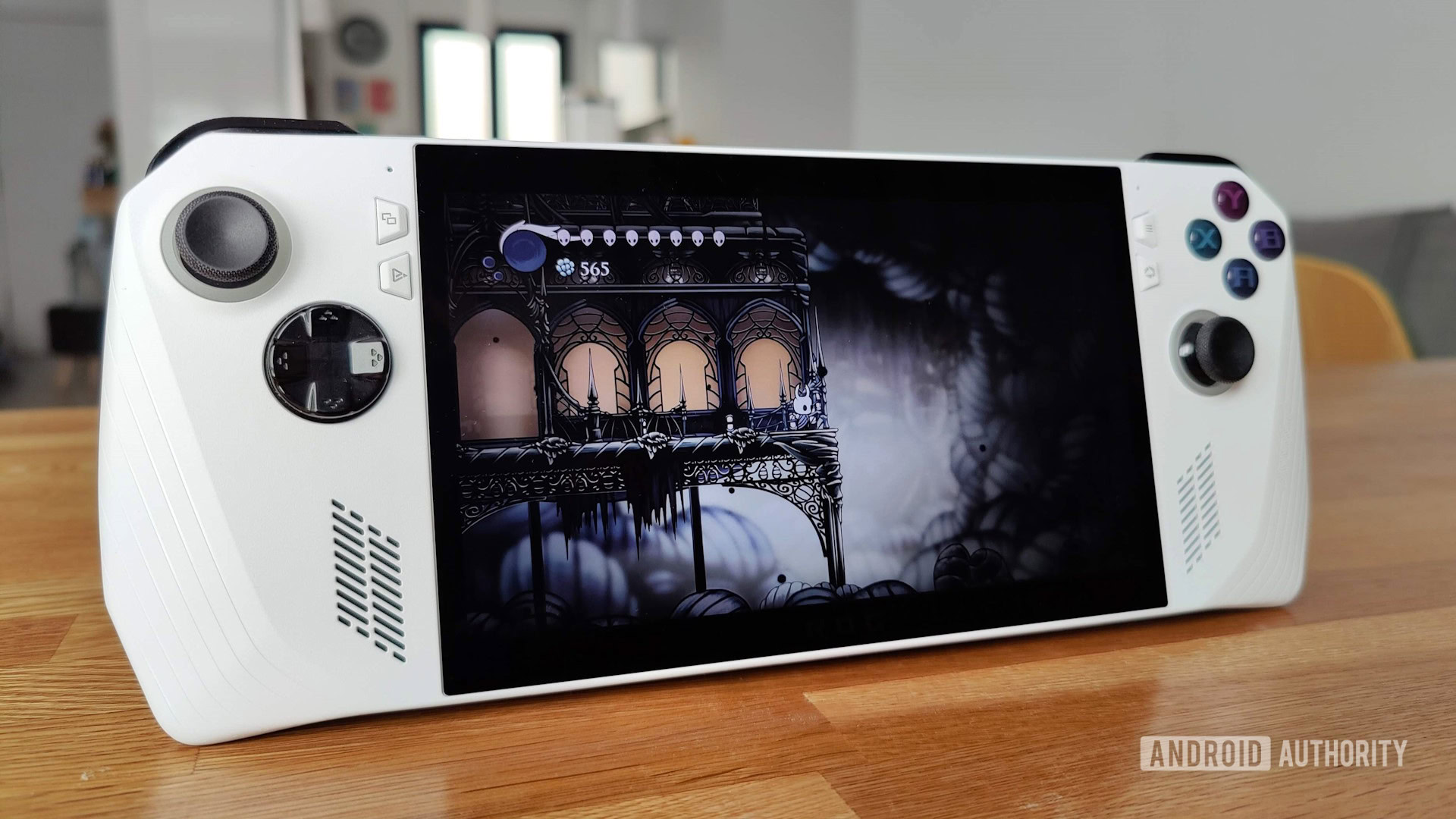
AMD may have just made these high-end handhelds obsolete after only two and a half years


ASUS ROG Ally Hollow Knight

Nick Fernandez / Android Authority

TL;DR

  • Reports from users and comments from hardware manufacturers suggest that AMD may have discontinued support for the Ryzen Z1 Extreme APU.
  • This would mean that several high-end PC gaming handhelds running Windows 11, like the ASUS ROG Ally, will no longer receive new drivers.
  • As a result, these handhelds could miss out on day-one optimizations for major game releases, which could lead to performance issues.

The handheld PC gaming market is full of options to choose from, be it the Steam Deck, MSI Claw, Lenovo Legion Go, and so on. If you’re thinking about picking one up for yourself, you may want to avoid any handhelds with an AMD Ryzen Z1 Extreme APU. Troubling reports cast serious doubt on the longevity of these devices.

Don’t want to miss the best from Android Authority?

google preferred source badge light@2xgoogle preferred source badge dark@2x

According to Tom’s Hardware, reports from handheld users and hardware manufacturers alike suggest that after two and a half years, AMD may have discontinued support for the Ryzen Z1 Extreme APU. This affects several high-end handheld gaming PCs that run Windows 11, including the ASUS ROG Ally, ROG Ally X, Lenovo Legion GO, and GO S. If this is true, then these devices may no longer receive driver updates going forward.

Reportedly, a Korean Lenovo community support representative told one user that there were “no more plans” to issue new drivers for the original Legion Go. Multiple users on Reddit also report that their devices have not received new drivers for several months.

So what does this mean for gamers who own affected handhelds? You’ll still be able to play games on your device, but the experience will suffer. Since you’re not receiving new drivers, you’ll miss out on day-one optimizations for major game releases. As a result, the likelihood of crashes and poor performance will be greater.

If you’re concerned about the longevity of your handheld gaming PC, you could try swapping out Windows for a Linux-based OS, like SteamOS or Bazzite. These operating systems use open-source drivers that don’t depend on AMD’s support.

Thank you for being part of our community. Read our Comment Policy before posting.

Commodore 64 Ultimate Review: An Astonishing Remake


Blue screen menu

Photograph: Matt Kamen

Boot up the C64U, and you’re greeted by a re-creation of the C64’s menu. Here, you can type in operation commands just as you would back in the day, using the BASIC programming language. Problem: I don’t have the first clue about BASIC. However, in what is possibly the greatest throwback of all, the C64U comes with a spiral-bound, 273-page user guide. It is an absolute tome. Somewhat surprisingly, it’s not a reprint of anything that came with the original, but rather a tailored guide to what the C64U does, where it differs from the C64, and how to get to grips with the computer’s capabilities. Equal parts history book and instruction manual, it starts out teaching you some simple commands and builds up to teaching you how to code. I’m still very much working my way through it, but that tactile approach—referring to the book, trying something out on the computer, back and forth—is a great touch.

Hidden Upgrades

If you don’t fancy having to do homework, the C64U’s own default menu, accessed at any time with a flick of the multifunction power button on the right-hand side of the unit, is a simple list of options and settings. Hit RETURN to go into any section—say, “Video Setup” to adjust whether the C64U outputs in original resolution, in PAL or NTSC modes (surprisingly important, given some games will only work with one display standard or the other), or a crystal clear 1080p with scanlines removed—and back out to save any changes to the system’s flash memory. It’s still a minimalist approach, but feels fairly intuitive.

This is also where you can start playing around with some of the other modern touches of the C64U, like how to leverage its far greater power. Well, “greater” in comparison to 1982. Spec-wise, this isn’t going to threaten any more modern machine, but running on an AMD Xilinx Artix-7 FPGA chip and packing 128-MB DDR2 RAM—compared to the 64 KB of the C64—it blows its inspiration out of the water. While at baseline it replicates the performance of the 1982 hardware, meaning it operates as if there’s only the original 64 KB were there, you can menu-dive to activate a virtualized RAM Expansion Unit, or activate a “Turbo Boost” to accelerate the clock speed to a lightning-fast (in this particular context) 64 MHz.

Splitgate 2 ‘unlaunches,’ studio to cut staff ahead of 2026 rerelease


Following its surprise launch in June, Splitgate 2 is now “unlaunching.” The multiplayer first-person shooter will remain online in a beta state and continue to get support through a season 3 update and bug fixes, but developer 1047 Games is otherwise pausing its planned roadmap to overhaul the project ahead of a relaunch in early 2026. The studio is also cutting an unspecified number of staff members and shutting down servers next month for the original Splitgate as cost-cutting measures.

“Basically, I feel like we missed the mark, and I don’t think that’s a secret,” 1047 Games CEO Ian Proulx told Polygon in a video interview ahead of today’s announcement.

Splitgate 2 launched on June 6 following a controversial announcement at this year’s Summer Game Fest, in which Proulx took to the stage wearing a “Make FPS Great Again” hat. While that moment generated heat for the studio, the game itself was met with negative feedback of its own from its community who voiced criticism of its bugs, its lack of a ranked mode at launch, expensive cosmetics, and more. Today, 1047 Games released a statement addressing those concerns and detailing the future of Splitgate, its sequel, and the studio at large.

“We’ve heard your feedback, and we agree with you: we launched too early,” the note to the game’s community reads. “We had ambitious goals with Splitgate 2, and in our excitement to share it with you, we bit off more than we could chew … So, we’re going back to beta.”

Speaking with Polygon, Proulx pinned some of Splitgate 2’s problems on a lack of community involvement in areas. Despite holding extensive playtests before launch, modes like Battle Royale were kept close to the chest to surprise players. 1047 Games intends to work closer with players moving forward, returning to the original Splitgate’s more grassroots development cycle.

“There was a giant Reddit thread that we literally read every single post,” Proulx said. “I read everything on the Reddit, everything, any tweets, Discord, all that stuff. We have a good sense of what needs to get done, what are the problems. Still tons of details to figure out, but I think the big change we’re going to make this time around is we’re going to actually do it alongside the community, get their feedback, playtest, and then when we feel like, all right, the game, it’s in a great place, it’s what it needs to be, that’s when we’re going to relaunch as opposed to just doing things in secret and then surprising them.”

1047 Games has a list of feedback that it’s planning to add in the overhaul, including ranked leaderboards and more mode-specific playlists. It will add more portal walls to arenas, following criticisms that the sequel had deemphasized the series’ central mechanic. A game mode revamp is coming too, as 1047 will put less focus on round-based modes to recapture the original Splitgate’s flow.

“I think there’s a lot of things Splitgate 2 does extremely well,” Proulx said. “I think we have a very polished actual core experience in terms of gun gunplay movements, graphics, et cetera. But I do feel like we bit off more than we could chew, and we have three games in one between Arena and Battle Royale and our own Map Creator. And so we tried to do a lot with a little, and I think we ended up with a game that’s kind of like 80% of the way there times three instead of a 100% of the way there on fewer things.”

Proulx noted that monetization will be reworked as well. That comes after the game drew criticism for including an $80 skin bundle at launch, among other pricey cosmetics. (“Obviously that one bundle … I mean, I’m not here to make excuses … Yeah …” Proulx trailed off when I asked about the response to monetization.)

I’ve made many, many, many mistakes …

— Ian Proulx, CEO of 1047 Games

That controversy dovetailed with another surrounding the launch: Proulx’s now infamous Summer Game Fest stunt. The CEO came under scrutiny for sporting a hat that referenced U.S. President Donald Trump’s “Make America Great Again” slogan, a move that happened as the current administration ramped up its deportation efforts with a wave of ICE raids – some mere blocks away from the YouTube Theater, the venue that hosted Summer Game Fest.

After initially standing behind the stunt as a non-political statement in an interview with IGN, Proulx has since apologized for it. Despite the scrutiny the moment generated, he affirmed that it didn’t have anything to do with the decision to unlaunch, though he still believes that that first-person shooter genre is not “in a great place right now.”

“Obviously the vibes are worse because of the hat, but, I think that if it was a 10 out of 10, feature-complete game that delivered on everything the community wanted, they would be playing it right now,” Proulx said.

“I’ve made many, many, many mistakes since we started this in January of 2017, and that’s one of them. And I’ve made so many more that the world doesn’t know about,” he added. “So, to me, it’s really just about moving forward, and I believe in this game, I believe in this team, and there’s tons of things I would do differently, that being one of them. But I’m focused on the future.”

As for what the “unlaunch” means for the game as it stands now, Splitgate 2 isn’t going away. The studio will forge ahead with a planned third season and will still run a few special events. Bug fixes are in the works, as well as quality-of-life improvements, like adding a playlist featuring player-made maps. Still, Proulx said that “95%” of the studio’s efforts will be spent on the relaunch. The team is targeting a rerelease window “as early as possible” in 2026, but Proulx said that an earlier window could be possible if the team was ready.

The studio will see layoffs as part of the change, but 1047 Games would not confirm the number of roles being reduced or say what departments would be impacted when asked by Polygon. This is the second wave of layoffs for the studio in the past two months, as the studio parted with a “small group” of staff members in June that included members of its art team.

The original Splitgate is getting caught up in the studio’s cost-cutting efforts too. 1047 Games will take the shooter’s servers down next month, though in the statement sent to its community today, noted that the studio is “exploring the possibility of supporting offline or peer-to-peer matches.”

This isn’t the first setback in Splitgate’s history. The original game first launched to middling reviews in 2019. 1047 Games would retool it over the next two years and pull off a successful relaunch in 2021. After staffing up with the goal of reworking the game from the inside out, the studio would then abruptly halt its plans one year later and pivot to developing a full sequel instead. Proulx is hopeful that Splitgate 2 will be able to retain the trust of a community who has seen the series’ direction morph several times in the past six years.

“We’ve been here before and we are as determined as ever,” Proulx said. “We’ve had much darker days with Splitgate where we almost quit, and I’m really glad we didn’t because 99% of this has been living the dream. So, we’re not going to quit. We are going to just absolutely grind this out and keep doing it and keep listening and make this game as amazing as possible.”

Who put all these videos in my games?


Welcome to Video Games Weekly on Engadget. Expect a new story every Monday or Tuesday, broken into two parts. The first is a space for short essays and ramblings about video game trends and related topics from me, Jess Conditt, a reporter who’s covered the industry for more than 13 years. The second contains the video game stories from the past week that you need to know about, including some headlines from outside of Engadget.

Please enjoy — and I’ll see you next week.


If I end up reading one more story about how fantastic Death Stranding 2 is so long as you skip the cutscenes, I’m gonna hurl. At what point during 10 hours of cinematic interstitials do we collectively put the controller down and say, actually, this isn’t a great game? Not because the game parts aren’t any good — they’re pretty fabulous, in fact — but because a significant portion of the experience isn’t actually interactive at all. When does it become more accurate to describe a Hideo Kojima project as a CGI movie with moments of interactivity, rather than as a video game first?

I’m not actually attempting to solve the “video game of Theseus” riddle right now, but it’s a conversation that’s been on my mind, given recent headlines. Death Stranding 2 reviews are in, Neil Druckmann is out at HBO and returning to Naughty Dog full-time, and Emmy nominations arrived with 18 nods for video game adaptations. Meanwhile, layoffs are rocking the gaming industry yet again, with thousands fired at Xbox this month, alongside multiple studio closures and game cancellations. One of the most surprising titles to get the ax was Project Blackbird, a promising-sounding MMO from Elder Scrolls studio ZeniMax Online. Blackbird was reportedly canceled in favor of allocating resources to the development of Fallout 5, a series with mainstream clout following the success of Amazon’s Fallout TV show in 2024.

The convergence of video games and Hollywood is not a new talking point — even for me — but it’s only grown more relevant with time. Sony in particular is leaning hard into a cross-media strategy with notable investments in television, anime and film adaptations of its video game franchises, and it just published Kojima Productions’ Death Stranding 2, which serves as a lightning rod for this entire conversation.

Kojima is easy to pick on because he’s been so vocal about his desire to make movies, and fittingly, his games have only grown more cinematic over the years. Death Stranding and its sequel are stacked with mainstream Hollywood actors (and Kojima’s favorite directors) across hours of drawn-out, non-interactive cutscenes. His next two projects, OD and Physint, are both described as having A-list casts and “blurring the boundaries between film and games.”

I’m a big fan of experimental horror games, and I deeply appreciate Kojima’s eye for building tension and sneaky action sequences, but I’m hesitant to get excited about OD and Physint. The deeper Kojima dives into the world of Hollywood, the more he loses me. I don’t download, install and boot up a video game to watch a movie instead, and I don’t find it impressive when an interactive product is defined by cinematic terms. The constraints of filmmaking are vastly different than those of video game development, and it sucks to watch a talented creator try to force video games to conform to the boundaries of movies or TV, rather than exploring the mechanics that make interactive art so uniquely powerful. I feel like Kojima sees cinema as the goal, not video games specifically, and this perspective breaks my little pixelated heart.

It’s particularly painful in an era of raging instability for the video game industry. It’s difficult to see so much money and creative talent being thrown at projects that end up feeling more like movies than games, at a time when it’s increasingly difficult for fresh and original AAA projects to make it to market. Video games have not been maxed out as an art form — there’s far more to discover in terms of mechanics, visuals, haptics and immersive interaction systems, and there are more stories that can only be told with these specific tools. Viewing game development through the lens of filmmaking diminishes everything that makes this medium so powerful. The only Hollywood trait the games industry should imitate is its powerful and functional unions.

I enjoy things that exist in the gray space between definitions; in fact, I often prefer them. What I don’t enjoy is misguided emulation that’s sold to an audience as innovation. In the end, I guess what I’m really saying is… I’m still not over PT.


One of the most eyebrow-raising details of Microsoft’s sweeping layoffs earlier this month was the fact that King, the studio behind Candy Crush, was included in the firings. King is historically a money-printing machine with high per-employee returns, which tends to insulate it from layoffs, but this time around at least 200 people were let go from the studio. As it turns out, a number of fired developers spent the past few years training AI systems to do their jobs, which just adds a layer of shittiness to an already crappy situation.

Has the FOMO gotten to you yet? After denying that you wanted a Switch 2 for a few noble and self-righteous weeks, have you cracked and admitted that you actually, really want one? Great — then get yourself to Best Buy on Thursday, July 17, when the company will restock its supply of Switch 2 consoles in all stores. This coincides with the release of Donkey Kong Banaza, too.

I’ve had my eye on Judas, the BioShocky FPS from Ken Levine’s Ghost Story Games, since it was revealed in 2022, and I lowkey love how little we still know about it today. That said, I’m happily devouring every bit of information about Judas, and the latest nugget comes from Levine himself in an interview with classic game publisher Nightdive Studios. With Judas, Ghost Story is focused on “telling the story and transporting the player somewhere,” rather than building live-service or microtransaction features, Levine said. As he put it, “You buy the game and you get the whole thing. There’s no online component. There’s no live service.”

There’s also no release date for Judas yet.

To view this content, you’ll need to update your privacy settings. Please click here and view the “Content and social-media partners” setting to do so.

The crazy kids at Summer Games Done Quick have done it once again and raised literal millions of dollars for Doctors Without Borders in a single weekend, simply by playing video games in silly ways without stopping. SGDQ 2025 wrapped up on Sunday with a total donation pool of $2,436,614. The organization’s next event is another edition of Flame Fatales, a speedrunning showcase featuring women and femmes that runs from September 7 to 14. We’ll see you there.

The well of Subnautica 2 drama runs deep. Earlier in July the heads of Subnatica 2 studio Unknown Worlds Entertainment — Charlie Cleveland, Ted Gill and Max McGuire — were ousted by the team’s parent company, Krafton, and the game’s early access release was delayed to 2026. What’s more, Bloomberg reported that the studio had been in line for a $250 million bonus if it had met certain financial goals by the end of the year, but those largely hinged on an early access release. Cleveland said on social media that Subnautica 2 was ready for early access, and Krafton responded to the whole shebang by accusing the fired developers of abandoning their responsibilities as studio heads. Cleveland and others are now apparently filing a lawsuit against Krafton. GamesIndustry.biz has a comprehensive timeline of the Subnautica 2 controversy right here.

New Ghost of Yotei gameplay reveals new details, presentation modes


Sucker Punch Productions shared an extended look at PlayStation 5 game Ghost of Yōtei on Thursday during Sony’s Yōtei-specific State of Play. It offered future ghosts more details about Atsu’s weapons, her journey across Ezo, and new and returning presentation modes.

Ghost of Tsushima’s Kurosawa Mode was a wonderful homage to the great Akira Kurosawa, director of some of samurai cinema’s best films, like Seven Samurai and Yojimbo, and it’ll return in Ghost of Yōtei. It features a black and white presentation, film grain, and Japanese dialogue with lip syncing.

The new presentation style, Takashi Miike Mode, puts the camera closer to the action and features more blood and mud during fights; Miike has directed a wide range of films, and western audiences might recognize best him from his 2013 samurai film 13 Assassins. Sucker Punch has also partnered with Samurai Champloo director Shinichirō Watanabe for a presentation mode that adds lo-fi beats to exploration and combat, for when you need a slightly more relaxed vibe in between Atsu’s revenge kills.

Thursday’s deep dive showcases new weapons — dual katanas, ōdachi, and kusarigama — in action. Atsu can switch between them on the fly during combat, and can disarm opponents during fights — or be disarmed herself. Exploration was a focus in the trailer; like in Tsushima, Atsu can follow wildlife to discover hidden areas. Sucker Punch also emphasized Yōtei’s Elden Ring-like discoverability, encouraging players to travel to cool areas off in the distance to see what they might have in store.

Limited Edition Ghost of Yōtei-themed consoles and controllers were shown off at the end of the presentation. The console plates showcase Mount Yōtei while the controllers feature Atsu.

While retaining the Ghost title, Ghost of Yōtei isn’t a direct sequel to Ghost of Tsushima; it takes place 300 years after the first game and is set in a different part of Japan, Ezo (now called Hokkaido). Ghost of Yōtei follows new protagonist Atsu as she sets out for vengeance against those who killed her family, called the Yōtei Six. As she wracks up a body count, both from her Yōtei Six targets and from bounties you can take on, Atsu will fully embrace the Ghost persona. Ghost of Yōtei will offer more narrative freedom for the player than the first game as you’ll be able to take down the Yōtei Six in any order of your choosing.

The best Prime Day gaming deals from laptops and peripherals to the latest video games


There is nothing more sublime than having a perfectly kitted out gaming station. That said, staying on top of things with the current pace of technology is always tricky. But for anyone hunting for upgrades, Amazon Prime Day is the perfect opportunity to improve your gaming setup on a discount. So regardless of whether you’re looking for some cables, extra storage or a brand new monitor and headphones, we’ve gathered all the best gaming deals in one place for easy reading.

Image for the small product module

Square Enix

DRAGON QUEST III HD-2D Remake (PS5/Nintendo Switch) for $35 ($25 off)

The Dragon Quest III HD-2D Remake is a fantastic update to a truly wonderful JRPG classic. It features an updated HD-2D art style along with some nice quality-of-life changes and UI improvements. But at its core, it has the same great story and turn-based combat that set the world on fire back in 1988. And because the Switch 2 is backwards compatible, this could be a great title to play on Nintendo’s latest handheld, though you can always opt for the PS5 version instead.

$35 at Amazon

The Legend of Zelda: Echoes of Wisdom (Nintendo Switch) for $52 ($8 off)

We rarely see discounts on first-party Nintendo games, especially when it comes to major franchises like The Legend of Zelda. But for Prime Day, Echoes of Wisdom is available for 15 percent off, which is even more impressive when you consider the game the game is less than a year old. Not only is this the first Zelda game to put our beloved princess in the spotlight (instead of Link), it offers a fun twist on the series’ classic top-down action RPG formula thanks to Zelda’s new ability to summon objects and monsters with the Tri-rod.

The Legend of Zelda: Tears of the Kingdom (Nintendo Switch) for $55 ($15 off)

Alternatively, if you are looking for something a bit faster paced, The Legend of Zelda: Tears of the Kingdom may be one of the best sequels in recent video game history. And now for Prime Day, it’s available for $15 off its normal retail price. Not only is this a great pickup for anyone who hasn’t played it yet, it’s also a great showcase of the Switch 2’s capabilities as users can purchase a $10 upgrade pack (or get it for free if you have a subscription to Nintendo Switch Online + Expansion Pack) that adds support for HDR, faster loading times, enhanced textures and smoother framerates.

Star Wars Outlaws – Limited Edition (Amazon Exclusive), PlayStation 5 for $29 ($31 off)

At full price, this game was easy to skip. But now that it’s available for just $29 (half off its normal retail price), Star Wars Outlaws suddenly becomes a lot more interesting for fans of the franchise. You get to live out your dreams of being an intergalactic scoundrel while taking down bounties or battling secret crime syndicates. And because this is the limited edition, the game includes some pre-order rewards like the Kessel Run bonus pack and the Rogue Infiltrator bundle.

Assassin’s Creed Shadows – Limited Edition for PS5/Xbox Series X for $48 ($22 off)

If you missed the latest entry in Ubisoft’s most well-known franchise, this might be the time to jump in because for Prime Day, Assassin’s Creed Shadows is available for $48, more than $20 off its regular retail price. This instalment has you explore feudal Japan as either the shinobi Naoe or the legendary samurai Yasuke while encountering some notable figures from the time period. If all you want is a wonderful world to sneak around in, it’s hard to go wrong with Assassin’s Creed on a discount.

Elden Ring: Shadow of The Erdtree Edition for PS5/Xbox Series X for $60 ($20 off)

Elden Ring is one of the most highly regarded games of this decade so far (and arguably of all time). For Prime Day, you can become a foul tarnished by picking up a version that includes the base game and the Shadow of the Erdtree expansion for $60. Elden Ring typically costs around $50 (though it’s down to $30 on PS4, PS5 and Xbox Series X for Prime Day) and the DLC will usually run you another $40, so that’s a decent discount compared with buying them separately — or even the Shadow of the Erdtree Edition at its regular price.

The Last of Us Part I – PlayStation 5 for $33 ($36 off)

The Last of Us is one of the greatest modern video game franchises, spawning both a critically acclaimed sequel and TV adaptation. For Prime Day, you can now get part one of the remastered version for more than 50 percent off. This latest edition for the PS5 features a brand new game engine, improved loading speeds and haptic feedback support for Sony’s DualSense controller and more, which is enough to make the series feel like an entirely new experience (even if you played the original back in the day). And while it isn’t getting as big of a discount, you can also pick up The Last of Us Part 2 Remastered on Amazon for just $40 (10 off its regular price).

Final Fantasy I-VI Collection Anniversary Edition for PlayStation and Switch for $45 ($30 off, lowest ever price)

This collection of pixel remasters of the first six Final Fantasy games is an absolute steal at $45 during Prime Day. It’s the lowest price we’ve seen to date for this set, which comes with a nice little sticker sheet of character sprites. Several other games in the series are on sale for PS5 as well, such as Final Fantasy VII Remake Intergrade ($30, $10 off), Final Fantasy VII Rebirth ($40, $30 off) and Final Fantasy XVI ($25, $15 off)

Meta Quest 3S 128GB Bundle for $249 ($51 off)

The Quest 3S is one of our picks for best VR headsets for good reason. Meta cut just the right corners from the more full-featured Quest 3, enabling it to drop the list price down lower. It has the same Snapdragon chip and controlers, but cheaps out a bit on the lenses, slightly lowering the graphics fidelity in use. Just like the Quest 3, it works standalone for lighter games and streaming, or in concert with a gaming PC for full-fat AAA VR titles. It’s well worth the $300 Meta usually asks for it, so at $249 with two games included (Cardboard Hero and the excellent social VR hit Gorilla Tag), it’s a steal.

Razer Blade 14 with RTX 4070 for $2,300 ($400 off)

The Blade 14 is one of my favorite laptop lines because it combines a super sleek chassis with solid performance and truly excellent build quality. And now, as a way to get in on the Prime Day festivities, Razer has an exclusive offer on its website that will knock $400 off configs with RTX 4070 GPUs or up to $300 on models with RTX 4060 cards. These kind of savings go a long way towards neutralizing my biggest issue with Razer’s laptops: their price. So if you’re looking for a system that can do some serious gaming but is still easy to carry around, you’re going to want to snap this deal up fast.

ASUS ROG Strix G16 Gaming Laptop with RTX 4060 for $1,360 ($340 off)

While an RTX 4060 isn’t the most powerful GPU on the market, getting a whole new laptop with solid specs for just $1,360 isn’t something you can just ignore, especially if you’re on a budget. This ROG Strix G16 comes with 16GB of RAM and 1TB of storage. And while its Intel Core i9-14900HX CPU is one generation old, it’s still plenty fast enough for gaming, video editing or pretty much anything else you need to do. I also appreciate small features like a MUX switch that lets the laptop connect directly to the GPU for increased performance, though if you want, you can also enable automatic switching for better battery life. And with a 16-inch 240Hz QHD display with 100% DCI-P3 coverage, everything on screen is sure to look great.

Acer Nitro V gaming laptop with NVIDIA RTX 4060 GPU for $1,200 ($150 off, lowest ever price)

Acer’s Nitro gaming laptops are meant to be more affordable alternatives to its flagship Predator systems. But now thanks to Prime Day, this model just got even more budget-friendly while still offering decent specs. You get an Intel Core i9-13900H CPU with 32GB of RAM, 1TB of storage and an RTX 4060 GPU, the latter of which should pair nicely with its 15.6-inch full HD 144Hz display. I also appreciate that unlike some gaming laptops, the Nitro V is stylish without being in your face with too many RGB lights, which makes it feel like an even better deal at $1,200. That’s the lowest price we’ve seen to date for this configuration.

Corsair Vengeance RGB DDR5 RAM 32GB (2x16GB) RAM for $95 ($25 off)

Adding some extra memory to your desktop can help unlock its full potential. So for Prime Day, Corsair is offering two 16GB sticks of its Vengeance DDR5 RAM for just $95. Not only do you get built-in RGB lighting, Corsair’s onboard voltage regulation makes it simpler to overclock your system. And for those who don’t want to mess around in BIOS settings, you can control almost everything from the easy-to-use free iCue app.

Thermaltake GF1 (2024) Fully Modular ATX 850W Power Supply for $80 ($30 off, lowest ever price)

Even though power supplies aren’t the most exciting component you can put in your desktop, the importance of a good one can’t be understated. For just $80, which is the lowest price we’ve seen to date for this product, the Thermaltake GF1 is fully modular (which means you can add or remove power cables as you need them) and has an ample max power of 850 watts along with an 80 Plus Gold rating for efficiency. And thanks to its 140mm fan, it should be pretty quiet, so it won’t cause a ruckus if you decide to play some games at night.

Samsung 990 EVO Plus 2TB PCIe M.2 SSD for $114 ($63 off)

If you’re like me and are constantly running out of storage, this deal for one of Samsung’s 990 EVO Plus 2TB M.2 SSDs is a fantastic way to add extra room on the cheap. With a 36 percent discount for Prime Day — down to $114 — this is the lowest price we’ve ever seen. And it’s not like you’re cutting corners on speed either, as the SSD supports both PCIe 4.0 x4 and PCIe 5.0 x2 and read/write rates of up to 7,250/6,300MB/s.

AMD Ryzen 5 9600X 6-Core, 12-Thread Unlocked Processor for $165 ($110 off)

The Ryzen 5 9600X isn’t super flashy, but it’s a really solid budget CPU. And now, it’s even more affordable during Prime Day where it’s going for just $165, which is $110 off its normal retail price. It features six cores and 12 total threads with a max boost speed of 5.4GHz and support for DDR5 RAM and PCIe Gen 5. It’s also unlocked, so you have the freedom to overlock if you want. That said, you will need to buy a CPU cooler separately, as one doesn’t come in the box.

AMD Ryzen 9 9950X 16-Core, 32-Thread Unlocked Desktop Processor for $434 ($215 off)

The biggest issue with the Ryzen 9 9950X CPU was that at launch, it was a bit overpriced. But during Prime Day, that problem is being addressed thanks to a $215 discount that brings its cost down to under $500. The CPU features 16 cores and 32 threads along with 80MB of cache and support for DDR5 RAM and PCIe Gen 5. However, like some of AMD’s other processors on sale this week, you will need to get a CPU cooler separately.

Razer Enki Gaming Chair for $450 ($50 off)

If you’re going to be spending all day in front of a screen gaming, you better make sure whatever you’re sitting on is super comfy. And as I’ve been using the Razer Enki every day for the last four years, I can attest that this chair is worth the money. It has a ton of adjustability for things like the arm rests, seat height and more. For more flexible folks, it was even designed so people can sit cross-legged. I also appreciate that in homes where neon green might not fit your vibe, there’s an all-black model (plus a pink one too, though that one is currently sold out).

Elgato Stream Deck MK.2 for $110 ($40 off, lowest ever)

If you’ve ever dreamed about becoming a gaming streamer or simply want some extra customizable controls for your PC, Elgato’s Stream Deck MK.2 could make a great addition to your setup. It has 15 programmable macro keys with built-in LCD displays so you can make custom buttons for switching scenes, turning on lights and so much more. Elgato also has plugins for services like YouTube, Twitch, Discord, so it’ll play nicely with all the major streaming platforms. In short, it’s like a command center for all your content creation and livestreaming needs.

Logitech G305 Lightspeed Wireless Gaming Mouse for $29 ($21 off)

The Logitech G305 Lightspeed gaming mouse is just a simple PC peripheral done well. And at just $29, it’s super affordable during Prime Day too. It features six programmable buttons, compatibility with both PCs and Macs and a sensor with sensitivity of up to 12,000 DPI. Meanwhile, thanks to a battery that lasts up to 250 hours between charges, you can go weeks between needing to plug it in. And because it’s wireless, there won’t be any cords or cables to get in your way.

Amazon Luna Controller and one month of Luna+ for $40 ($30 off)

The Luna Controller by itself is down to $40, which matches a record-low price. However, if you’re a newcomer to Luna+, you may as well pick up this bundle (which is also matching a record low) for the same price, as it includes one month of access to the service for new subscribers. This gamepad is a solid option for those who want to check out Luna, Amazon’s cloud gaming service. Prime subscribers get access to a dedicated channel with a rotating selection of games at no extra cost. This month, for instance, you can check out Death Stranding Director’s Cut, Hollow Knight and EA Sports FC 25.

8BitDo Retro Mechanical Keyboard for $80 ($20 off)

With its Retro Mechanical Keyboard, 8BitDo strikes a great balance between a nostalgic design and support for more modern features like wireless connectivity (both BT and 2.4GHz). There are several different versions to choose from, though the one inspired by the classic NES is the model I’d choose. The keyboard features an 87-key layout with PBT keycaps and Kailh Box switches, though because the PCB is hot swappable, you can always change them out for something else.

Sony Inzone H9 Wireless Gaming Headset for $198 ($102 off)

For anyone looking for a new pair of over-the-ear wireless gaming headphones to pair with a PS5, it’s hard to do better than Sony’s Inzone H9 headset. Not only does it have a similar design to the console, they are the only other headphones besides the official Pulse cans that support on-screen status notifications for volume, mic mute, game/chat balance and more. They also share a lot of the underlying tech used in Sony’s iconic WH-1000XM line, so you’ll get fantastic audio quality and active noise cancellation. But the best part is that at $198, you’re looking at a serious discount of 34 percent, which is more than $100 off its regular retail price.

Seagate Storage Expansion Card 2TB Solid State Drive for $209 ($21 off)

Games are getting bigger every day, so if you need some extra storage for your Xbox Series S or X, you’d be silly not to pick up one of Seagate’s 2TB Expansion Cards for just $209. That’s enough room for a dozen or more digital titles (or like three versions of Call of Duty) and it’s the biggest SSD storage module that slots into the back of the console without the need for a separate box.

Amazon Basics UPS Battery Backup & Surge Protector 800VA/450W for $65 ($10 off)

I’m not here to nag, but if you have a desktop PC, you really ought to consider adding a UPS (uninterruptible power supply) to your setup as they prevent power surges or momentary outages from knocking your system offline. Plus, this one has a beefy 450-watt battery backup and 12 outlets so you can connect all of your other PC gadgets to it. So if you’re going to do the smart thing by adding some extra electrical protection to your home during Prime Day, you might as well save some money in the process.

Samsung Galaxy S25 Ultra (512GB) for $1,055 ($365 off)

With Samsung’s next Unpacked event expected to show off new foldables, it looks like some of the existing models are getting some serious discounts for Prime Day, including the Galaxy S25 Ultra. And at $1,055, this is the lowest price we’ve seen for Samsung’s current flagship phone yet. For gamers, thanks to its Snapdragon 8 Elite chip, the S25 Ultra offers some of the best performance you can get in a phone right now, while its built-in vapor chamber should help prevent throttling. Its 6.9-inch AMOLED display is also one of the best mobile screens on the market today.

Razer Kishi Ultra for $100 ($50 off)

Razer doesn’t normally run a ton of deals for Prime Day, but it seems this year the company is making an exception as there are discounts on everything from gamepads to headsets and more. That said, one of the standout deals is for the Kishi Ultra gaming controller. On top of just being a well-built gamepad add-on for phones and tablets, its larger dimension and USB-C port means it works with a huge range of devices — both Android and iOS. This even includes more niche devices like foldables like the Galaxy Z Fold series, which often don’t fit inside other mobile gamepads due to their unique design.

Sony 85-Inch Class 4K Ultra HD Bravia 3 LED TV for $1,098 ($500 off)

There’s no better way to upgrade your living room gaming setup than with a brand-new, big-ass TV. Granted, the Bravia 3 is one of Sony’s entry-level models (fancier sets get higher numbers), but with a discounted price of $1,098 for a massive 85-inch panel, this deal represents one of the biggest screens you can get for the money. It also has Google TV built in, so you’ll get a very simple and straightforward way to stream your favorite shows and movies from services like Netflix, HBO and more. But perhaps most importantly is that for PS5 owners, the Bravia 3 supports exclusive features when connected to a PS5, such as Auto HDR Tone Mapping and Auto Genre Picture mode.

Alienware AW2725DF 26.7-inch OLED gaming monitor for $600 ($300 off)

For anyone who has been waiting for prices of OLED gaming monitors to drop, this may be your chance to pounce on a great deal. That’s because at $600, Alienware’s 26.7-inch OLED display strikes a good balance between price and performance with a 360Hz refresh rate, 2560 x 1440 resolution and support for AMD FreeSync Premium Pro. And of course, you get those lovely pure blacks and vivid colors that OLED panels have become known for.

Samsung Odyssey Neo G9 Series 57-inch 4K 240Hz 4K gaming monitor for $1,600 ($700 off)

This 57-inch monitor isn’t for people with limited space. But if you’ve got the room, at $1,600, this is the lowest we’ve ever seen the Neo G9 as this deal represents a whopping $700 savings compared to its regular list price. This thing features a solid 240Hz refresh rate along with support for AMD FreeSync Premium Pro, a 1000R curve and Quantum mini LED tech with 2,392 local dimming zones. For people who love ultra-wide displays, this should be at the top of your upgrade list during Amazon Prime Day.

Acer Nitro 27-inch WQHD IPS gaming monitor for $170 ($120 off)

Anyone looking for a solid and affordable 1440p gaming monitor during Prime Day should really check out this 27-inch IPS display from Acer. For just $170 (matching a record-low price), it features a relatively speedy 180Hz refresh rate along with support for AMD FreeSync Premium and a good color range that covers 95 percent of DCI-P3. The height-adjustable stand can also swivel and pivot, while thin bezels on top and on the sides will make sure it won’t look dated in a few years. So while this thing isn’t super fancy, it’s simple and competent in the best ways.

UGREEN Magnetic Power Bank 10,000mAh fast charging battery pack for $30 ($3 off)

The Switch 2 is a fantastic handheld, but its longevity could be better. So if you’re planning to take it on a long trip, pick up UGREEN’s 10,000mAH fast charging battery pack to help keep running when you’re away from a plug. This power pack almost has enough juice to fully refill a Switch 2 twice, which can add between five and 12 hours of additional game time (depending on the title). It also has an output of 20 watts, which is as much as the Switch 2 can suck down at once, but it’s still super pocketable measuring just four inches long and 0.7 inches thick. And if you need a convenient way to recharge your phone, the battery pack also comes with Qi wireless support.