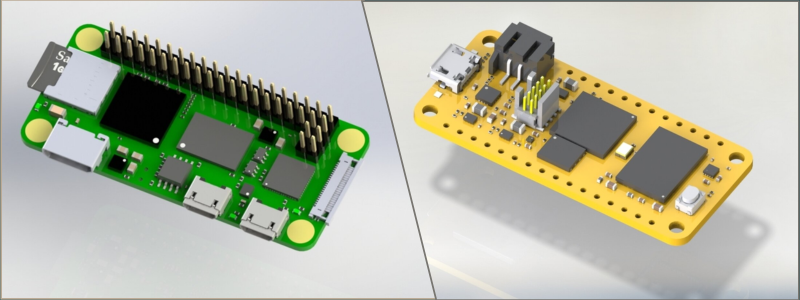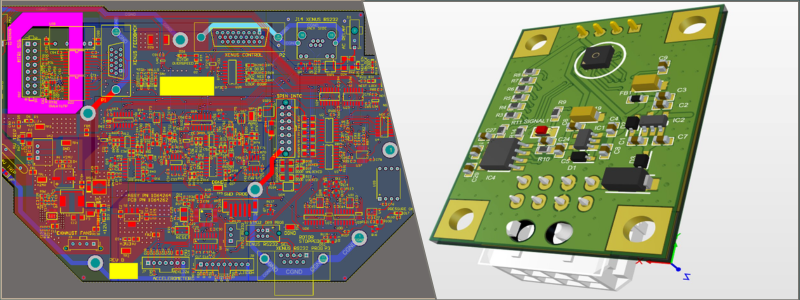
How to Reduce New Product Development Risks for Design Services Companies


You’re a design lead at a hectic product design company. You’ve just landed a new client with an excellent but challenging product idea, maybe a new consumer product that’s sexy and thin, an ergonomic piece of furniture with an unexpected twist, or a kitchen appliance that’s smart and will revolutionize how people prepare meals each day. Everybody’s elated, but deep down, you know that the road ahead is fraught with perils. Will the product do what it’s supposed to do? Will production glitches sidetrack schedules? What if the market doesn’t bite?

Cutting risk in new product development (NPD) isn’t so much a checklist or a tidy process flow; it’s an art and a science wrapped up. In this in-depth piece, we’ll take you through the way design services firms at the industry leader Cad Crowd can effectively identify, handle, and reduce the types of risks that can make an innovative product vision a pricey disaster. We’ll bypass the generic software-only suggestions and jump into the nitty-gritty of products and physical goods you can touch, try, and send.


🚀 Table of contents


Understanding the nature of product development risks

Let’s chat about the sneaky risks that hide in product development. Before jumping into how to dodge them, it’s smart to know what kinds of risks you’re actually dealing with. Usually, these risks fall into a few buckets: design, manufacturing, market, and operational. Each one can throw a wrench in the works if you’re not careful.

Take design risks, for example. For companies that specialize in design services, the real challenge is striking a balance between creative ideas and practical limits. It’s not just about dreaming up something cool; you’ve got to juggle things like technical feasibility, budgets, deadlines, quality standards, and what customers really want.

Imagine you’re creating a new smart coffee maker. The other decisions you make upfront are enormous. They set the direction of everything that comes next. The materials you select will determine the source and longevity costs. The manufacturing for assembly design services ensures that you can source quantities easily and build upon them quickly. The user interface? That can be customer-centric or customer-kamakai. Risks creep in when assumptions about any of them get forgotten, aren’t rigorously tested, or when the team is out of sync.

So, here’s the magic to managing it all. The trick is identifying those risks early and catching them frequently by interweaving intelligent risk-management techniques throughout the entire project lifecycle. That way, you never see surprises and maintain a smooth-running product development train.

Begin with definitive, realistic product requirements.

Let’s talk about why starting with clear, realistic product requirements is absolutely crucial for any successful design project. You’ve probably heard the phrase “garbage in, garbage out,” and it couldn’t be more true here. If the product requirements are vague or too optimistic, it’s like trying to build a house on shaky ground; it can lead to confusion, wasted effort, and risk.

Consider the case of a client who requests a chair that is “lightweight but very resilient,” but doesn’t define what “lightweight” or “resilient” specifically entails. Without targets, designers may pursue unattainable trade-offs, going round in circles without ever arriving at a viable answer.

That’s why world-class design services firms spend time up front in a careful, collaborative requirements-gathering process. They take the time to sit down with the customer to pin down precisely what the product needs to accomplish, who will be using it, where they’ll be using it, and what regulations need to be adhered to. They also keep things real if some of the requirements run counter to budget or timelines, they’re realistic about that.

One intelligent instrument is a “requirements matrix”, an easy-to-read chart that converts client desires into quantifiable objectives, such as max weight in pounds, minimum load capacity, or operating temperature ranges. This specificity provides designers firm guardrails, reduces guessing, and substantially lowers the cost of costly last-minute redesigns. Clear requirements = smoother design, happier clients, and superior products from product design experts.

RELATED: How to reduce costs on 3D product development with remote CAD experts for companies

welding robot and VR headset freelance product design by Cad Crowd experts

Invest in rapid prototyping, fail fast, learn fast.

Investing in rapid prototyping is one of the best things a product development team can do. Rather than relying on elaborate CAD drawings and praying that manufacturing will get it all right, rapid prototyping turns ideas into actual models in a hurry and at low cost. Working this way catches mistakes in the design early on before they become costly headaches.

By making several versions of prototypes, ranging from rough 3D-printed components to working models, teams find issues that could otherwise remain concealed until production or even after the product has been released. For instance, perhaps a button is uncomfortable or a plastic piece breaks when exposed to heat. These failures aren’t failures; they’re time- and cost-saving lessons learned.

Real-world user testing is now also an option with prototypes. Users tend to have surprising preferences or usability bugs that allow designers to iron out the product prior to setting final materials or tooling. A few companies even accelerate the process further by mixing in-house prototyping with simulation software, enabling them to cycle through their ideas quickly without burning resources.

Ultimately, embracing rapid prototyping design services means learning fast by failing fast. Early testing leads to fewer surprises, smoother manufacturing, and a better product in the hands of customers. It’s a proactive way to reduce risk, improve design, and boost the chances of success.

Select materials and processes carefully.

Selecting the correct materials and manufacturing processes is more than a technical specification issue; it’s a process that can avoid wasteful missteps down the road. The incorrect material will create product failure, unseen expenses, or frustrating delays in the delivery of parts. Similarly, the manufacturing process will establish the project’s success or failure in the areas of quality and productivity.

Take exotic composites, for example. They might be incredibly strong and durable, but perhaps at the expense of higher costs and supply chain interruptions. Injection molding, on the other hand, might be wonderful for producing a lot of parts economically, but it requires costly tooling upfront as well as more set-up time before running.

Design services companies overcome these obstacles by striking a balance between new-fangled creativity and time-honored practices. They negotiate varying materials and methodologies up front, weighing factors like cost, availability, environmental factors, and the quality of the vendors. Seizing control early on avoids surprises later on.

Close collaboration with the manufacturing design services at the design stage is another significant strategy. They ensure jointly that the product can actually be produced within their budget and time frame, without cutting corners on quality. This common exercise combines design ideas with what is possible by way of manufacturing, minimizing risk, and keeping the project to schedule.

Manage the supply chain and vendor relationships proactively

Proactively managing the supply chain and vendor relationships is a game-changer for any product. The best, most flawless design can fail if the supply chain is not strong. Sourcing material delays, surprise quality problems, or abrupt price variances can upset schedules and destroy customer confidence.

Design firms have to have vendor management in mind as a key part of risk management. It starts with thoroughly qualifying suppliers to ensure that they are satisfactory and meet expectations. Having some redundancy in having multiple suppliers in the pipeline provides a cushion when things fail. Monitoring supplier performance closely on a regular basis, nipping things in the bud before they become major obstacles, is a must.

Having standby contingency plans for disruptions is also extremely important. Unforeseen issues like geopolitical instability or raw material scarcity can’t always be expected, but maintaining alternate vendors or substitute materials on standby keeps the project moving.

The best teams don’t think of vendors as order takers. They develop strong relationships, built on cooperation and trust. Inviting vendors into the design phase earlier creates those types of gems that improve the product and reduce the cost. This strategy makes supply chain management a profit driver that enables successful product launches and long-term success, which also includes engineering design partners.

Use modular and flexible design methods.

The use of modular and flexible design techniques can truly transform the manner in which products are designed and serviced. Breaking down a product into discrete, stand-alone elements, termed modular design, gives the advantage wherein each piece can be individually designed, tested, and updated. This approach will lower the possibility of total failure by compartmentalizing faults, making it easier to debug.

Think of a smart speaker with separate modules for sound, power, and casing. If the sound module goes awry, it can be repaired or replaced without rejecting the entire device. Not only does this minimize cost, but it also simplifies making the product for different customer needs or markets. Enhancements and upgrades are less daunting as improvements can be focused on individual modules instead of overhauling the entire product.

Flexibility is a companion to this, preparing for changes in production. Instead of calling for impossible precision, flexible design includes small tolerances in parts or steps. This flexibility from open innovation services is especially its weight in gold when it is time to go from the prototype stage to mass production, dodging quality control issues that usually bring trouble.

Together, modularity and flexibility make product development more robust, cost-effective, and scalable. Companies can respond faster to shifting markets, handle risk more effectively, and keep customers longer with products that change automatically over time.

Leverage sustained testing and validation beyond the basics

Product testing isn’t just to check that it functions; it’s to push it to the limit and then some. Validating correctly is more than that, pushing endurance, safety, and performance in tough environments, and making sure to check all regulatory boxes. The goal is to find vulnerabilities before the product even makes it to customers.

Preeminent product engineering design services companies know this. They do not rely on one test but take on multiple stages of rigorous testing. From bench testing, in which separate components are checked, to environmental simulations that replicate extreme temperatures of heat, humidity, or vibration, they move on. Then come real-world applications that mimic the very types of issues customers encounter on a daily basis. Topping it all off is certification preparation to ensure that the product meets industry and government standards. It even involves destructive testing at times, knowingly driving parts to failure until they fail. It may sound extreme, but this does reveal failure modes that otherwise may not be evident, yielding extremely valuable information. These are the kinds of findings that result in incremental but meaningful design changes, greatly enhancing reliability and boosting customer confidence.

The rewards of this strict approach extend well beyond product quality. By firmly testing designs at the outset, firms escape costly headaches such as recalls, lawsuits, and battered reputations. In the end, it’s a good investment that pays off in terms of long-term achievement and a clear conscience.

Create a cross-functional development team.

Creating a truly superior product is more than a single expert doing it alone. Design services companies creating cross-functional development teams set themselves up for success because they bring several skill sets into the game from the very start. When industrial designers, mechanical engineers, manufacturing specialists, supply chain managers, marketers, and quality assurance professionals are all contributing together, the process of creating the product is significantly stronger and better.

Each team member has a unique perspective that, in turn, affects the product significantly. Manufacturing engineers can identify expected manufacturing issues that can complicate large-scale production, whereas marketers offer loads of information about expected user tendencies and emerging market trends. Quality assurance experts keep everyone reminded of significant regulatory and safety implications that the product must comply with.

This blend of abilities generates initial discovery of risks that would otherwise be a killer for the project if they are later discovered. It further helps avoid letting the product vision deviate from realities in the real world, balancing creativity and feasibility. Transparency and open communication are paramount, and jointly used digital tools have become indispensable. Such tools promote seamless sharing of ideas and progress, avoiding misunderstandings and costly blunders.

A cross-functional team is not a nicety, but a strategic idea that allows companies to deliver new, functional, and sellable products earlier with greater assurance.

RELATED: Top 3D PCB design software your service provider needs for electronics design

Action camera and headphones by Cad Crowd product design experts

Plan for regulatory and compliance issues up front.

When developing a new product, dealing with regulatory and compliance matters initially can spare much trouble down the line. Too often, teams overlook these critical requirements until they’re deep into the design or development phase, only to run into late-stage surprises that kill the project altogether. Whether it’s achieving the correct safety certifications for electronic device design services, using food-grade materials for kitchen appliances, or ergonomic compliance for furniture, compliance isn’t a checkbox afterthought at the finish. It has an effect on everything from selecting materials to testing methods and even how the product can be marketed.

Future-looking design companies are focused on learning all relevant regulations upfront. In most cases, this includes researching the very specific standards that are relevant and, in some cases, bringing in experts or regulatory consultants to work through complicated rules. This way, teams bake compliance into the actual product, avoiding the costly and time-consuming requirement of redesigns or last-minute fixes.

Aside from preventing delays, compliance planning enhances the credibility of a product. Consumers are assured when they purchase something that they are sure complies with industry standards and safety standards. Such confidence not only guarantees the success of the product but also strengthens the brand as a whole. In short, pre-emptive planning for regulatory hurdles is an excellent decision that leads to more successful launches and satisfied consumers.

Organize realistic timelines and budgets with buffer.

It is important to have realistic schedules and budgets during product development. Among the most frequent mistakes that most teams make is underestimating the time to complete the tasks or the expense. When this happens, deadlines are missed, the budget increases, and quality is compromised because of the rush to catch up. Such a scenario can bring down even the best projects.

Experienced design organizations avoid these traps by creating realistic project schedules that are not based on hope. They include buffer time and extra capital from the start. This includes leaving space for necessary iterations, prototyping phases, reverse engineering services, supplier lead times, and the unavoidable surprise delays. Including these variables in the early stages prevents them from causing chaos down the line.

Keeping the project back on track also depends on reliable milestone reporting and regular review of progress. The milestones serve as an early warning for creeping slippage or cost blowout. By detecting issues early, the team is able to respond to fix them before they spiral out of control.

This systematic project management style rules out surprises and keeps everyone involved, clients, designers, and vendors, on the same page. Finally, it makes sure that the project flows smoothly with the quality product everyone looks forward to without last-minute panic or costly fixes. Pragmatic planning supported by diligent monitoring makes it well worth it.

Apply risk assessment and management tools as a matter of course.

Risk assessment is not a box to check off a list and forget. It is a recurring responsibility that needs to be incorporated into every stage of a project. Successful manufacturing design firms understand this and rely on frequent use of risk assessment and management tools throughout the project life cycle. Official risk matrices, Failure Modes and Effects Analysis (FMEA), and risk registers are favorite turn-to’s.

These tools aren’t just paperwork; they help teams systematically identify potential risks, rank them by their potential impact, and monitor them as the project progresses. By focusing efforts on the most critical risks, teams can prioritize resources and attention where it really matters. Assigning clear ownership for each risk ensures accountability, so nobody is left guessing who’s responsible for mitigation.

Also, having clear records of risks and the actions taken to resolve them builds trust with partners and clients. If risks are documented and being managed, it reflects professionalism and administration. Such transparency can be a major confidence booster, especially in complex projects where issues could easily go wrong.

Short of it, regularly using risk assessment and management tools isn’t really about staying away from problems; it’s about putting into place a systematic process for dealing with uncertainty, aligning everyone, and ultimately producing successful results.

Create a culture that welcomes risk awareness and learning.

An office culture that wholeheartedly welcomes risk awareness and learning is the difference between a business successfully managing problems and otherwise. When companies view risk management as something to be done just to tick a box or as a chore to comply with, they react in panic when unexpected things go wrong, losing time, money, and morale. But companies that build risk awareness into the thinking of the day see risks as warning signs, not bogeymen. It helps them pick up problems early, deal with them logically, and adapt without hindrance.

Encouraging open communication plays a crucial role in this transformation, especially for concept design services. When team members feel safe to voice concerns or flag potential problems without fear of blame or retaliation, risks become visible far sooner. This openness creates a proactive atmosphere where everyone is vigilant, and risks don’t fester in silence.

In addition, a culture of learning from lessons acquired, whether from failure or near misses, makes every difficulty an opportunity to improve. Rather than covering up mistakes, teams examine what failed and learn from them. This learning loop creates resilience and improves the company’s capability not to make the same mistake again.

Finally, it’s about raising risk awareness and learning in order to prevent losses. It’s about creating a resilient, forward-looking organization equipped to succeed in a continuously changing world.

Bringing it all together: A product development story

Let’s place these concepts in a story. Imagine a design firm hired to develop a new line of green kitchen gadgets. Immediately, they collaborate with the client to define specific requirements: durability, compostable packaging, water resistance, and prices. They steer clear of vague terms and establish quantifiable objectives.

They rapidly develop 3D-printed prototypes to test ergonomics and material texture. Initial user testing identifies a grip problem, so they adjust the handle design. Meanwhile, the company consults manufacturing partners and selects a bioplastic that meets cost, strength, and sustainability criteria.

The company maps out potential suppliers and identifies backup sources in case of shortages. The product design is modular, with electronics and mechanics separable, making repairs or upgrades easier. The team runs rigorous tests, including drop tests, moisture exposure, and user safety assessments.

A cross-functional team maintains open communication, flexible schedules, and budgets with buffers. Regulatory specialists make sure the gadgets are FDA-approved and electrically safe. The company relies on risk management tools to monitor risk identification and mitigation progress.

By adopting these measures, the general design firm produces a product that pleases customers, gets to market on time and within budget, while reducing the feared surprises.

RELATED: How is product design different from industrial design services companies?

product design of a watch and night vision goggles by Product design freelance experts from Cad Crowd

Last thoughts: Risk is inevitable, but manageable

Risk in new product development is inevitable, but manageable through systematic planning and proactive strategies. Success requires clear requirements, rapid prototyping, smart material selection, strong supply chain management, rigorous testing, and cross-functional collaboration. Companies that treat risk as a manageable reality rather than an enemy create products that launch successfully, on time, and within budget. By implementing comprehensive risk management practices throughout the entire development lifecycle, design firms build client trust and establish reputations for reliability and innovation. The combination of bold creativity with prudent planning transforms potential disasters into market successes.

Ready to minimize your product development risks?

Don’t let unexpected challenges derail your next product launch. Partner with experienced design professionals who understand risk management. Get systematic planning, prototyping, and testing from day one. Cad Crowd is the leading platform for connecting freelance engineering, CAD, and architectural design professionals to AEC companies worldwide. Contact us today for your free consultation and quote.

author avatar

MacKenzie Brown is the founder and CEO of Cad Crowd. With over 18 years of experience in launching and scaling platforms specializing in CAD services, product design, manufacturing, hardware, and software development, MacKenzie is a recognized authority in the engineering industry. Under his leadership, Cad Crowd serves esteemed clients like NASA, JPL, the U.S. Navy, and Fortune 500 companies, empowering innovators with access to high-quality design and engineering talent.

Connect with me: LinkedInXCad Crowd

Speeding Up Product Development with New Product Design Services Companies


Imagine you’re a product manager or entrepreneur ready to take the next hot thing to market, whether a revolutionary gadget or a stylish, green piece of furniture. You’ve got the vision, team, and idea that can disrupt the market. But time is of the essence. Your competitors are already revved up, and your customers are anxiously waiting. If you don’t get your product out there quickly, you’ll be left behind.

That is where new and innovative product design services is needed. Cad Crowd, the leading agency, can help you choose from over 94,000 experts and product designers. These experts don’t simply help bring concepts to fruition; their help actually plays an imperative role in helping speed the overall product creation process along. What could be an otherwise protracted, fat-bloated undertaking, these designers transform into streamlined, quick-line paths for reaching the marketplace as fast as possible.

Let’s break down how these companies accelerate product development and how working with them can be a game-changer.


🚀 Table of contents


Mastering the art of streamlined design thinking

All successful products start with a good design, one that is thoughtful, purposeful, and focused on the end-user. In the old product development world, teams became mired in long loops of experimentation and error, multiple iterations of prototyping, and constant revisions. The process spirals out of control, takes too long, and costs too much. That’s where design thinking steps in to offer a more efficient solution.

Essentially, design thinking is a solution-finding process that revolves around empathy, ideation, and iteration. Instead of plunging headfirst into solutions, it encourages teams to start off by understanding the users’ needs and experiences beforehand. This human-centric approach allows companies to find pain points early on, eliminating unnecessary steps and making the development process focused on what really matters: the user experience.

Through design thinking, companies are able to avoid costly mistakes down the line. Consumer product design services firms, in particular, implement techniques like rapid prototyping to accelerate development. Rather than spending months finishing a product, they create quick, affordable prototypes that can be tested quickly and sent back to the designer to make changes. By this cycle of iteration, teams are able to modify their designs in real time, reducing development cycles by leaps and bounds and keeping projects on the go.

Ultimately, through the exercise of design thinking, companies not only enhance the quality of their product and customer satisfaction but also save valuable time and resources, streamlining the design process to success.

RELATED: The evolution of architectural design with CAD software & design service companies

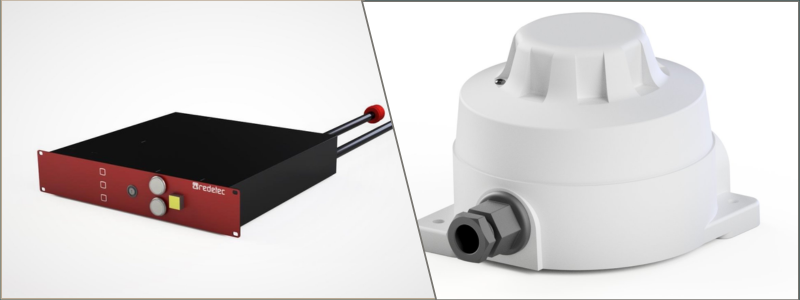
engineering design of a fire alarm and smoke detector by Cad Crowd engineering design experts

Applying agile methodology to attain speed and flexibility

In product development, flexibility is the name of the game. Those are the days of the rigid, waterfall approach, where each step of the process was dependent on the previous one. Gone are those days in today’s fast-paced world, where flexibility and responsiveness are a must, and that’s where agile methodology fits in.

Essentially, agile is about iterative development. Rather than spending months developing a product in a black box, agile teams break down the process into little, bite-sized chunks, known as sprints. That way, teams get to keep building, testing, and iterating a product, introducing feedback and market intelligence along the way. It’s all about being attuned to the evolving needs of the user and the market.

For product design services companies that are new to the market, agile thinking can be revolutionary. By bringing cross-functional teams, product design experts, engineers, and researchers together, they’re able to respond quickly, operate in concert, and respond as needed. This ability to adjust leads to fewer delays and a more efficient process of developing products.

The reward? A product that not only gets to market earlier but also meets the actual-world issues and needs of its users, too. Agile development is changing the way companies approach product development, offering flexibility, velocity, and a more user-centric design process. If you’re refining a product you already sell or creating one from the ground up, adopting agile can help you stay ahead and react better to what the marketplace is asking for.

Facilitating effortless teamwork with cross-functional teams

Product development acceleration isn’t just a matter of quick design cycles; it’s also a matter of making a culture wherein teamwork occurs naturally across all departments. Product designers, engineers, marketers, and business leaders must work together from day one to achieve the product vision on time and at a reasonable cost. Seamless teamwork is where it starts.

New product design services companies are designed to accommodate this kind of cross-disciplinary collaboration. These companies are inclined to bring together specialists with various areas of expertise, and this allows teams to approach the development process from various angles. From a product’s design, functionality, or positioning in the market, having many experts work together ensures a balanced approach to product development.

For example, when product designers and design engineering services firms work extremely closely together, it reduces the risk of design failures and technological blips later on. A designer might recognize that a design choice might be problematic for manufacturing, while an engineer might recognize a probable conflict between the product’s functionality that affects the user interface. Early interaction detects problems before they turn into expensive delays.

Also crucial is involving marketing professionals right from the start. They play an important part in creating the product’s messaging, so it resonates with the target market and aligns with branding plans. With marketing involved early, the product stands a better chance of being launch-ready for a successful launch.

By creating space for continuous collaboration, businesses can streamline the development process, resolve barriers faster, and get products to market in time.

Smart technologies and tools to streamline development

The modern world is rapidly moving, and technology is advancing at record speed in product development. The past reliance on ancient tools and slow manual processes is gone. The whole development process has been simplified with sophisticated technologies that automate and optimize each process because of the advancement of design services companies.

One of the strongest tools of this revolution is professional CAD services and 3D modeling software. These allow designers to create highly detailed and precise digital models of products no prototypes necessary. This makes it possible for designers to test, try out, and change their designs very quickly and simply, cutting development time by huge amounts. The simplicity with which the product is visualized from all angles and in varying contexts allows the fine-tuning of the design with ease in a matter of minutes, unlike when a long period is utilized when applying the traditional methods.

But there’s more. Several design services companies are also using advanced simulation and analysis software, taking the guesswork out of testing products. Designers can simulate a product in computer models of real-world conditions and detect flaws before the product ever hits the assembly line. Teams can then make adjustments to prevent costly mistakes by catching the flaws early.

With these state-of-the-art tools in their kit, design services businesses can move through the design process faster without sacrificing quality. The result is faster time-to-market, more innovative products, and a competitive advantage that keeps businesses ahead of the pack.

Ensuring consistency and quality assurance

In product design, speed is generally the name of the game, but that does not mean that quality should be sacrificed. Luckily, the new product design services companies today are masters at achieving the perfect balance between rapid development and top-notch results. They understand that while time equals money, quality sacrifice can result in more headaches in the long term.

How do they provide quality at top speed? It all depends on a combination of technology, testing, and experience. These companies use rigorous testing, prototype design engineering services, and validation processes to make sure the final product not only meets industrial standards but also exceeds customers’ expectations. Advanced automated tools detect potential problems early in the design process, reducing the risk of defects or costly recalls later on.

The secret to speed and quality control lies in their efficient processes. By efficiently managing timelines, budgets, and resources, they are able to meet deadlines without compromising on quality. This process ensures that no matter how tight the schedule is, the focus on quality never wavers.

To you, as the client, this promise of quality control means fewer errors, less rework, and fewer slippages, so you can deliver your product to market earlier than planned. In today’s high-speed world of product development, this difficult balance of both speed and better quality can often be the key to standing head and shoulders above others.

Minimizing time to market using existing expertise and experience

Product development is never a straight line. It’s a set of turns and twists, unanticipated bumps, and occasionally, having to swivel off from your original course. But this is the thing: with the right experience working for you, those barriers can become just bumps on the highway, and that’s where new product invention design services firms come in.

These are usually veteran veterans, with much experience to draw upon. They’ve already traversed the intricacies of product design, from conception through final production. Since they’ve done it all before, they’re aware of the obstacles that can develop and how to attack them full-on. That extensive industry expertise enables them to foresee pitfalls, shift gears at a moment’s notice, and act fast to resolve them, shortening precious time from your project timeline.

And that’s not all. Several of these design services firms come with a long-established network of good suppliers, manufacturers, and partners. With such a pre-established network, sourcing is easier, production can be accelerated, and distribution made easier. Thanks to their relationships and know-how, they can expedite the processes that can otherwise decelerate development and see your product onto the market faster.

Time to market may be the deciding factor between failure and success in a competitive market. Using the skill and capacity of an able product design service company can give you that competitive edge.

RELATED: How to determine the quality of architectural 3D renderings with design services companies firms

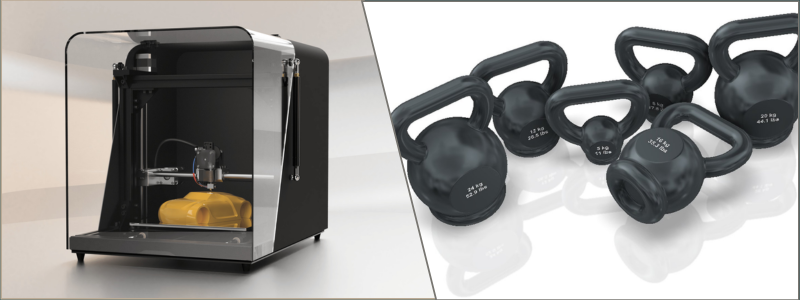
engineering design of a 3D printer and kettleballs by Cad Crowd engineering experts

Sourcing and supply chain optimization

When it comes to speeding up product development, sourcing and supply chain optimization are elements that cannot be overlooked. An unproductive or slow supply chain can result in costly delays, missed deadlines, and lost opportunities in a competitive market. That is where product design services companies come in. These experts not only specialize in design—they are also versed in supply chain management and can help optimize this important segment of the process.

With their connections in the business, these companies know exactly where to get good parts and materials. They can use connections with established suppliers to get the best terms, so you get what you need without unnecessary delays. It’s not just a question of getting the right parts at the right price; it’s the timing. These design service professionals are familiar with ensuring the delivery of materials as scheduled, meaning you get to meet deadlines without incurring wasteful delays.

In addition, many design firms work with manufacturing specialists who specialize in rapid prototyping design services and low-volume production. This technology can be revolutionary, so you can test designs quickly, make adjustments as needed, and get merchandise to market faster than ever before. Streamline the supply chain, and product design services can push development forward and lead the way.

Risk management using early testing and validation

In today’s quick-paced product development world, the fear of failure can sometimes be a giant stumbling block. What if, though, this fear doesn’t have to hold you back? Companies that offer new product design services are revolutionizing the way we approach risk by emphasizing early-stage testing and validation, so that products are ready to succeed even before they are released.

Among the most influential resources these businesses leverage is user testing. Through direct feedback from genuine users, they can identify potential problems that could otherwise fly under the radar. Whether by means of A/B testing, trials of prototypes, or usability research, this preliminary feedback enables design teams to swiftly make adjustments, refining the product for optimal benefit. This preventive action not only solves potential issues before they turn critical but also saves time and resources in the long run.

The primary benefit here is that, by way of early validation of ideas, design services companies prevent costly setbacks that could otherwise delay the launch of the project. This strategy not only minimizes risks, but it also accelerates the development process so the final product is fully aligned with client expectations. It’s a smart, strategic risk control method that keeps the project on track for success.

Scalability and flexibility to respond to demand

With your product development going on, naturally, market trends and customer needs will transform. Either due to new fashion, innovative technologies, or unexpected changes in consumer trends, staying ahead of the curve is the only way to go. This is where your scalable and adaptable design services come into play. New product design services through engineering design companies are masters at helping you navigate these transitions smoothly, ensuring your product evolves along with the market.

Their strength is their ability to quickly adapt and implement necessary changes without affecting the overall development process. If customer feedback necessitates a design change or if market conditions suddenly shift, these companies can redesign your product, condense its features, or even change production strategies.

What distinguishes them is their capacity to quickly adapt, without upsetting the entire project timeline. They understand that change is a reality in business, and they are ready to make your product adjust to such changes seamlessly. This implies your product remains not only relevant but also competitive in an ever-changing landscape. With a design partner who can match the pace of change in the market, you’re ensuring long-term success for your product.

The competitive advantage: Coming to market first

Timing is everything in the success of a product. One of the single greatest advantages of hiring a new product design services firm is entering the market before your competition. In fields where speed matters, being first gives you a powerful competitive edge.

These design service companies bring forward new approaches and expertise to the table and make the whole process of product development easier. They use the latest technologies, such as 3D modeling design services, rapid prototyping, and advanced CAD tools, which allow them to identify and address potential issues early on and make sure the design is tuned before production is done. This reduces the waits that typically follow traditional development practices.

By working with industry experts who understand the quickly changing environment, you are able to take your idea from conception to market much quicker. This is crucial because getting your product out first compared to everyone else provides you with a greater chance to acquire market share and establish brand recognition before others can even react.

Ultimately, the faster you get your product to market, the more likely you are to capitalize on breaking trends, address consumer demand, and gain a foothold in a crowded marketplace. It’s a surefire method of making your product stand out above the competition.

RELATED: 5 reasons freelancing studios are the future of 3D visualization services

Conclusion

Speeding up product development is not about going quicker; it’s about going wiser. New product design services companies provide the talent, tools, and team-oriented environments necessary to bring your product concept to life with velocity and precision.

Whether through agile development, rapid prototyping, or leveraging cutting-edge technologies, such companies play a critical role in ensuring your product reaches the market on schedule and with integrity. By partnering with the right product engineering services company, you are able to take your product to market quicker, outpace competitors, and eventually end up more successful.

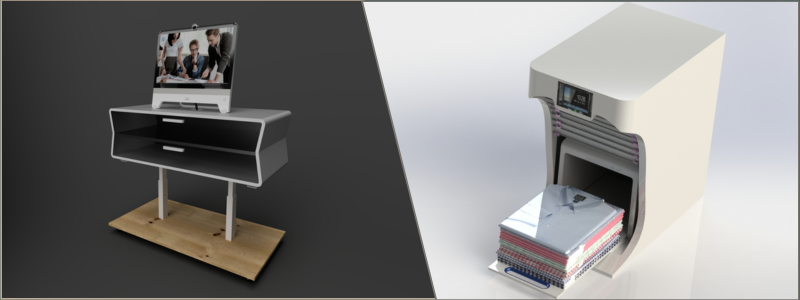
Engineering of a control desk and automatic clothes folding machine by Cad Crowd product engineers

How Cad Crowd can help?

Ready to transform your innovative ideas into market-ready products quicker than ever? Join forces with the experts at Cad Crowd today, the leading platform for hiring highly skilled freelance engineers, architectural designers, and more! You and your future customers will be grateful. Contact us now for your free quote and take the first step towards success!

author avatar

MacKenzie Brown is the founder and CEO of Cad Crowd. With over 18 years of experience in launching and scaling platforms specializing in CAD services, product design, manufacturing, hardware, and software development, MacKenzie is a recognized authority in the engineering industry. Under his leadership, Cad Crowd serves esteemed clients like NASA, JPL, the U.S. Navy, and Fortune 500 companies, empowering innovators with access to high-quality design and engineering talent.

Connect with me: LinkedInXCad Crowd

Top 3D PCB Design Software Your Service Provider Needs for Electronics Design


Electronics design isn’t all about traces, layers, and component footprints these days. Hardware must be compact, fast, and visually striking both inside and out. The days of using only 2D PCB designs are over. Whether you’re building a smartwatch, a drone controller board, or the circuit board for a smart coffee maker, your service provider had better be armed with some serious 3D design technology.

Today’s 3D PCB design software is more than mere eye candy. It allows your electronics design house to see how your circuit board will be housed in the end product, before it’s ever produced. Fewer mistakes before production even starts. Mechanical clashes, misaligned ports, or oversized components that won’t fit? Caught early, thanks to 3D visualization.

So, if you’re collaborating with a leading CAD design services firm like Cad Crowd, you’re assured that they’re working with the best tools for the task at hand. From system visualization of multi-board systems to 3D product rendering that resembles being taken straight out of a sci-fi film, these tools have the ability to sink or swim your next electronics project.

Ready for the inside scoop? Let’s take a look at the best 3D PCB design software your service provider should have in their digital arsenal.


🚀 Table of contents


Altium Designer – The gold standard for 3D PCB and electronics design

You don’t become known as the Ferrari of PCB software without having some serious chops. Altium Designer is what happens when high-end electronics design is combined with aggressive 3D visualization—all wrapped up in one seamless, integrated package.

Why is it a must-have?

Altium is not only another PCB layout tool; it’s an entire environment. You have schematic capture, layout, simulation, and one of the most capable 3D PCB engines around. And when we say capable, we mean realistic 3D views of the whole board, components, and all, with mechanical clearance checking and ECAD-MCAD co-design that is integrated right into SolidWorks and Autodesk Inventor.

That allows your design services partner to:

  • Identify fit problems prior to manufacturing
  • See boards in actual enclosures with 3D product rendering services
  • Minimize back-and-forth between electrical and mechanical teams
  • Cloud-enabled (high-version control and team collaboration)
  • Accommodates flex/rigid-flex designs, multi-board assemblies
  • Access real-time BOM (Bill of Materials) management

Best for:

  • High-end consumer electronics
  • Wearables, IoT devices
  • Mission-critical or space-constrained products

If your PCB vendor arrives with Altium Designer in their kit, that’s a good sign that they take seriously producing high-quality electronics design and excellent product images.

PCB design engineering by Cad Crowd PCB design experts

Fusion 360 and Eagle – The dynamic duo of 3D PCB and mechanical design

Autodesk Fusion 360 is the hip Swiss Army knife of product development, design, engineering design services, simulation, manufacturing, and all that in one cloud-based powerhouse. Add Eagle to the mix, and you have a PCB software and 3D design marriage in maker heaven.

Why is it a must-have?

Autodesk’s brilliant decision to merge Eagle into Fusion 360 provided an integrated environment for electrical-mechanical co-design. That is a fancy way of saying: your circuit board no longer needs to live in a vacuum.

Instead, your electronics services company can:

  • Design your PCB layout in Eagle
  • See and edit the 3D layout instantly within Fusion 360
  • Make sure every component fits snugly inside the product casing
  • Perform simulations, stress tests, and even thermal analysis

And as a bonus, Fusion 360 boasts a modern user interface and an active community. So whether it’s a startup prototype or a smooth production run, your product receives that pro-level finish.

Perfect for:

  • Startups, makers, and innovators
  • Projects with close ECAD/MCAD integration
  • Businesses that require cloud collaboration and revision control

If your architectural design company is a Fusion 360 user, look for speedy prototyping and stunning 3D product rendering built into the process. That’s a twofer for electronics design and visual narrative.

KiCad 7 – Open source joins 3D design coolness

Open-source can’t hold a candle to the giants, right? Wrong. KiCad has come of age as a legitimate 3D PCB design player, and the new release (KiCad 7) is taking things to an entirely new level.

Why is it a clever choice for agile teams?

KiCad isn’t merely free, it’s absurdly packed with features. It has a schematic editor, an effective layout editor, and a steadily more capable 3D viewer. The wizardry is in its 3D integration: you can see fully-rendered boards, turn and examine components, and even export your design for product rendering or enclosure design in third-party software.

The most recent versions also have STEP file export support, which makes working with mechanical engineers easy. Services that adopt KiCad aren’t only cost-friendly, they’re efficient, flexible, and community-focused.

And, KiCad accommodates:

  • Specialized 3D component modeling
  • Scripting for automation and efficiency
  • Integration with tools such as FreeCAD for enclosure prototyping

Best fit for:

  • Open hardware initiatives
  • Freelance engineers and agile startups
  • Anyone who prioritizes transparency and customization

If your design house is leveraging KiCad design experts, they’re probably agile, quick, and not hesitant to dig deep into customization. Throw in nice 3D visualization, and it’s a very compelling package, particularly for cost-sensitive projects.

Other 3D PCB design software: Worth a glance

Although the top three are at the head of the pack, some other 3D PCB design software packages are worth a look based on your project’s complexity, schedule, or cost:

OrCAD/Allegro by Cadence

Heavy-duty, industry-level performance meets detailed 3D modeling. Ideal for aerospace and automotive, but probably overkill for wearables or IoT gadgets. If your provider uses it, you’re likely working on a very sophisticated design.

DipTrace

User-friendly interface and decent 3D modeling make this a favorite for small businesses and individual designers. It’s not Altium, but it delivers solid results for many mid-range electronics projects.

CircuitStudio

Altium-designed, but cheaper and lighter. Has good 3D visualization service capabilities and is an excellent transition point before fully using Altium.

The importance of 3D PCB design tools for your business

Let’s be real, you don’t have to know all the technical ins and outs of how your electronics are designed. That’s what your design team is for. But knowing the kind of tools they’re using, particularly sophisticated ones like 3D PCB design software, can make a huge difference in what you end up with.

And that makes everything move faster. Rather than having to do several sets of prototypes, you have a real preview upfront in the process. It’s less painful to approve a design when you can actually see how it will look and perform. That reduces iteration time, which generally translates into faster delivery and less pain.

The use of 3D PCB design tools significantly enhances the visual appeal of your product for design engineering services. These advanced tools allow for features such as perfectly aligned USB ports, meticulously fitted components, and an overall look that is much cleaner and more professional. It’s this level of sophistication and attention to detail that can truly captivate customers, investors, and stakeholders alike. Moreover, when discussing stakeholders, it’s important to note that these tools often facilitate the creation of high-quality 3D product renderings.

Such renderings are invaluable for a variety of purposes, whether you are pitching your innovative idea to potential investors, launching an engaging crowdfunding campaign, or developing marketing materials that truly impress your audience. The ability to present a stunning visual representation of your product can make all the difference in showcasing its features and benefits, ultimately contributing to its success in the competitive market.

Better tools mean better results at the end of the day. When your design partner is working with design-for-manufacturing-enabled software and precise real-world geometry alignment, you get rapid development, reduced errors, and a product ready for prime time.

No, you don’t have to be a software guru, but understanding what happens behind the scenes is beneficial.

3D product rendering: Prettiest pictures, too

Envision a photorealistic rendering of your product, complete with the circuit board, even before creating a single prototype. This isn’t just for show; it’s a strategic approach. Services employing 3D PCB software with photorealistic rendering services are able to display precisely what your board will look like in your enclosure. They can model cable routing, connector locations, thermal spacings, and clearances. Additionally, they assist marketing organizations in producing sleek images long before a product launch and develop immersive presentations for stakeholders or pre-sales campaigns. So the next time a provider sends you a stunningly well-lit 3D rendering of your electronics module, don’t roll your eyes.

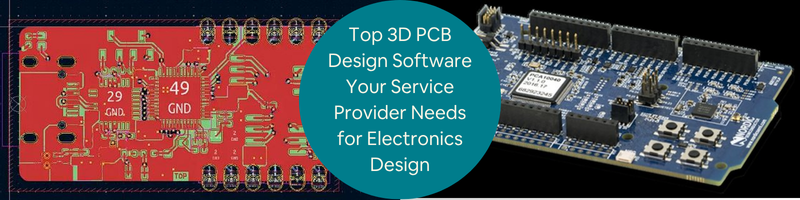
PCB of a centrifuge and IoT board by engineering experts in Cad Crowd

Conclusion

Selecting the proper 3D PCB design software is more than a technical preference—it’s a strategic choice that impacts the entire product development cycle. You are assured that any best service providers understand this and choose a design software tool that combines electronics and mechanical design in a single workflow, enabling accurate, realistic previews via 3D product rendering, enabling improved communication with clients, engineers, and marketers, and reducing expensive surprises at production time.

How Cad Crowd can help?

Because when your electronics look as good as they function, you’ve officially hit the mark. So, whether it’s Altium’s powerhouse engine, Fusion 360’s sleek fusion of form and function, or KiCad’s open-source liberty, ensure your design team has software that helps your vision take shape—layer by layer, pad by pad, and pixel by pixel.

Call Cad Crowd today and get your free quote!

author avatar

MacKenzie Brown is the founder and CEO of Cad Crowd. With over 18 years of experience in launching and scaling platforms specializing in CAD services, product design, manufacturing, hardware, and software development, MacKenzie is a recognized authority in the engineering industry. Under his leadership, Cad Crowd serves esteemed clients like NASA, JPL, the U.S. Navy, and Fortune 500 companies, empowering innovators with access to high-quality design and engineering talent.

Connect with me: LinkedInXCad Crowd

3D Product Rendering as a Cheaper Choice in Marketing Your Company or Freelance Services


You have a killer product. Perhaps you’re a small business introducing a new line of skincare. Or you’re a freelance designer featuring custom furniture. You want your product to look perfect in ads, on your website, and across social media. In the past, that would involve hiring a photographer, constructing a set, reserving a studio, and waiting days—or weeks—for edits.

But imagine if you could bypass the entire photoshoot. No lighting problems. No reshooting. No costly logistics. Simply deposit a CAD file in the lap of a 3D artist and voila. It magically turns into marketing gold. That’s the magic of 3D product rendering services, a marketing game-changer for businesses and freelancers who need sleek visuals without breaking the bank. At Cad Crowd, you’ll discover some of the best names in the field who can provide the most incredible 3D product renders you can’t get anywhere else.


🚀 Table of content


Cost comparison: Rendering vs. photography

Let’s discuss numbers before we get into the magic of 3D. Classic product photography is not inexpensive. You’re paying for:

  • Studio rental costs
  • Photographer’s hourly or daily fees
  • Set designers and stylists
  • Props, lighting gear, and backdrops
  • Post-production editing hours

Even a small shoot can cost thousands, particularly if you’re shooting multiple product variations or angles.

Next, compare it to services that provide 3D product design services. Rendering artists can provide you with an endless number of pictures, perspectives, colors, and settings once your object has been 3D-printed (usually from a CAD or engineering file)—all without ever having to set foot in a studio.

Yes, the first modeling expense may cost $100–$500 based on complexity, but then what? You can create unlimited variations without having to do it again. Want a holiday-themed version? Simply replace the new background elements. Introducing a new color? Don’t need to produce it first—simply modify the material finish in software.

Customers seldom pick apart details while purchasing online, and current 3D product renderings are nearly impossible to discern from images. In order to simulate details like ambient shadows and metallic sheens on materials like glass and stainless steel, professional rendering tools like V-Ray, Redshift, and Blender’s Cycles are at your service. You name it, they can make it sound like brushed aluminum, moisture on a drink can, or the gentle drap of cloth. A well-done render is more than just a picture duplication. It goes above and beyond.

Require flawless lighting? Done. Need a matte black version set up in a chic city apartment? Easy. Yearn for a “sunset glow” atmosphere without holding out for golden hour? Click, drag, render. It’s versatility that old-school photography can’t compete with.

RELATED: 10 design principles for product development & industrial design services teams

Product design of a 3D printer and router model by Cad Crowd engineering experts

Product marketing adores consistency

Consistency throughout marketing materials establishes trust and enhances your brand’s identity. But getting that kind of consistency with photography is easier said than done. Lighting design services are different. Product angles are different. Retouching style is different depending on who is editing the photo. With 3D product rendering, consistency is inherent.

Rendering artists are able to perfect camera angles, lighting setups, and material finishes once product design is complete. No matter how many photos you make, they will all look and feel the same. Need a status report in six months? Worry not, for the virtual studio neither ages nor loses its equipment.

It’s great for companies that sell a lot of different products or for designers who have a portfolio to show. Every time, your portfolio looks polished, well-planned, and complete.

Rapid turnarounds without rush fees

Consider how often a product shoot is put off. Production holdups cause samples to be delivered late. Or worse, an eleventh-hour packaging shift causes everyone to scramble with traditional photography, which translates into rearranging, rebudgeting, and replanning.

Delays aren’t as bad while using 3D rendering. Renders may usually be created using prototype CAD models or early design concepts long before the product itself appears. In the case of new product introductions (NPIs), when anticipation before the launch is key, it is a tremendous marketing boon.

In-studio painters may also fulfill tighter deadlines without the stress of physical logistics. As a 3D design freelancer working on a rebrand or an agency juggling tight client schedules, that predictability is gold.

A/B testing and personalization flexibility

Imagine you’re launching a new water bottle line and you’re not sure how people would respond to a neon green or a white, minimalist design. Making both, photographing both, and doing A/B tests will teach you a thing or two. You may whip up both versions in a single sitting and see how people respond before committing to production.

This freedom to see lots of options affordably and speedily is marketing nirvana. It invites exploration and allows you to adjust your approach with fewer dollars at stake. Freelancers and design studios increasingly depend on rendering for just that purpose: more images, more flexibility, less budget blow.

Freelancers: Put your portfolio in overdrive

Your portfolio is your lifeblood as a self-employed 3D artist, industrial engineering expert, or product designer. People who hire you want to see not only the final product, but also the process behind it. When you render your CAD models, they become eye-catching pictures that showcase your abilities. A photorealistic render presents furniture, consumer electronics, or packaging design with an air of professionalism and polish.

You may construct staged settings with even better rendering. Would a modern Scandinavian bathroom be more your style for your toothbrush? Alternatively, the light fixture in your posh hotel lobby? You may save money on rent by creating or renting a virtual place instead. It combines branding, storytelling, and design.

No need to wait for perfect prototypes

Let’s be realistic: occasionally, prototypes do take an eternity. They’re costly, they shift a lot, and they usually aren’t camera-ready.

With 3D product rendering, you don’t have to wait. Once your CAD file has been signed off, rendering can begin at once. Marketing materials, investor pitches, and even packaging mockups can all be developed prior to your product landing on the assembly line.

This is especially useful in B2B, where early-stage visuals help sell ideas to stakeholders, buyers, or investors. Product development experts can demonstrate a finished product vision without physically having one in hand.

RELATED: Prototype design engineering: How well should your company’s prototype function?

Lifestyle images without the hassle

Photography in a lifestyle setting is infamously difficult. Everything you need is there: a stunning setting, expert models, weather forecasting, set stylists, etc. It might easily cost five figures for that type of shoot. To create a virtual environment for your goods, you might use the services of a rendering studio.

Your hiking boots on the side of a mountain path? Your blender on a marble top in a kitchen bathed in sunlight? Your earbuds suspended above a colorful tech backdrop? 3D does it—and within reach. And allows you to modify the settings for various geos, seasons, or customer groups without beginning again from square one.

That level of personalization is strong in product marketing. It enables your brand to speak to certain audiences in a way that feels customized, not one-size-fits-all.

Say goodbye to inventory constraints

One of the lesser-known advantages of 3D rendering design services? You can display products you haven’t even produced yet.

Are you planning ten different versions but only have one sample available? Sure, just make them all. Websites selling customized or modular items, like:

  • Furniture with various finishes
  • Clothing with color and size options
  • Tech devices with upgradeable components

Old-fashioned photography would involve taking pictures of each combination—a task that is impossible for most. With 3D product rendering services, you produce a digital master file and create endless variations.

Now your Shopify or WooCommerce store is complete, cohesive, and detailed, instilling customers with confidence in what they’re purchasing.

The downsides (And why they’re manageable)

It’s only fair to say that rendering isn’t ideal for all scenarios. Some hyper-organic materials (such as fresh food, fabric with random textures, or messy natural patterns) can be challenging to replicate convincingly. Traditional photography still reigns supreme when ultra-complex realism is needed for tactile or edible products.

However, the technology is catching up fast. For non-perishable goods, industrial design, packaging design services, or home goods, rendering hits the sweet spot of realism and control.

Another challenge? Finding the right 3D artist or studio. Quality varies, and a poorly rendered image will look fake. That said, platforms like Cad Crowd, Behance, or Dribbble help you vet professionals with strong portfolios.

3D model of a product design for an AI assistant and advanced walkie talkie

RELATED: Master product design costing: Top strategies for CAD services companies & freelance designers

How to get started with 3D product rendering

Ready to dip your toes in? Here’s how to get started without getting bogged down:

  1. Have a 3D model or CAD file ready: Most rendering artists can use OBJ, STL, STEP, or SolidWorks files. If you don’t have one, you can commission a product modeler to make one from sketches or reference images.
  2. Clarify your goals: Know whether you need a white-background e-commerce image, a lifestyle shot, or a hero image for an ad. Different needs require different rendering approaches.
  3. Review the artist’s portfolio: Photorealism is a form of art. Check for lighting quality, reflections, and material accuracy in their work.
  4. Communicate clearly: The more detail you provide (color, texture, context, mood), the better the outcome.
  5. Begin with a small set: Attempt a single or a couple of images as a test before going to a batch order.

The bottom line: Rendering is an intelligent investment on visual storytelling

Visual marketing is the key to effective product promotion for many consumer product design companies. The professionalism, dependability, and attractiveness of a product are evaluated by consumers in a matter of seconds. 3D product rendering lets you save money and keep creative control while easily improving your brand’s image. If you’re a corporation seeking to streamline your marketing efforts or an individual professional trying to make a splash, this method might be more than simply a cheaper alternative to traditional photography; it could be a game-changer.

How Cad Crowd can help?

When you think, “I need a stunning product photo,” think again about pulling out the camera. Take a look at how expert design may improve your visual presence instead. Working with Cad Crowd might lead to greater outcomes than you anticipate. Get in touch with Cad Crowd right away for a FREE quotation and start improving the public’s perception of your company.

author avatar

MacKenzie Brown is the founder and CEO of Cad Crowd. With over 18 years of experience in launching and scaling platforms specializing in CAD services, product design, manufacturing, hardware, and software development, MacKenzie is a recognized authority in the engineering industry. Under his leadership, Cad Crowd serves esteemed clients like NASA, JPL, the U.S. Navy, and Fortune 500 companies, empowering innovators with access to high-quality design and engineering talent.

Connect with me: LinkedInXCad Crowd

Top 50 Consumer Product Design Service Companies, Agencies & Design Firms in the US


If creating successful consumer products were a sport, these 50 businesses are your all-star roster. Some are little scrappy boutiques pumping out great ideas from Brooklyn’s sunlit lofts or Portland’s factory floors. Others are innovation giants with international operations and patent portfolios that would make Edison blush. Whether it’s a sleek kitchen gadget, a smart wearable device, or a package that gets someone to say, “I want that,” these product design companies have been behind the scenes sketching, prototyping, testing, blowing it, fixing it, and ultimately getting it right.

Ideo

1. IDEO – San Francisco, CA (and everywhere else, too)

IDEO isn’t a design company, but the name that comes up when a person wins a design thinking award or delivers a TED talk, culminating in “Now go create something meaningful.” From inventing the first Apple mouse to redesigning healthcare experiences, IDEO’s imprint is all over the contemporary consumer product world. They combine anthropology and engineering. Whether it’s a child’s toothbrush or a medical device that’s not medieval torture, IDEO injects that precious human focus that transforms ideas into movements.

Ideo.com

Frog Design

2. Frog Design – Brooklyn, NY / Austin, TX / Worldwide

Frog is referred to as the Miles Davis of product design—fashionable, creative, and continually evolving. Hatched in Germany, this legendary firm has expanded as an international powerhouse with significant U.S. locations. Their fingerprints can be found from the Sony Walkman to the newest smart home devices. What differentiates Frog isn’t design—it’s feeling. They are the go-to for clients such as Disney, Lufthansa, and Dolby for an experience that resonates more deeply. Renowned for industrial sleekness and systems thinking, Frog expertly integrates hardware, software, and UX. Its soulful design always redefines what a product should feel like.

Frog.co

RKS Design

3. RKS Design – Thousand Oaks, CA

RKS is the result of bringing cutting-edge innovation together with fearless, rockstar looks. They’re not your typical design agency—nay, they employ something referred to as “Psycho-Aesthetics,” an original model that melds emotion, psychology, and design thinking. It’s the way they’ve designed legendary products such as Harman Kardon audio systems, sexy Logitech devices, and otherworldly kitchen gadgets that wouldn’t be out of place on a spaceship. RKS delves deeply into user needs and market understanding to create products that people not only use but also desire. Their design resonates on an emotional level, showing that when form and feeling are combined, you don’t get just functionality, you get desire.

Rksdesign.in

RELATED: Top 101 Female Inventions that Changed the World & Women’s Innovation History

Altitudeinc-logo

4. Altitude (Part of Accenture) – Boston, MA

Altitude might fly under the Accenture banner these days, but their culture of boots-on-the-ground innovation remains as strong as ever. From Boston, this group has developed a reputation for creating sophisticated, functional consumer products that reach the market. They’re not merely concerned with looks, usability, and manufacturability are infused into everything they do. For startups pursuing retail ambitions and hoping to hit shelves at Best Buy, Altitude is the partner of choice. From initial sketches to production in full gear, they know how to go fast without going cheap. It’s product development with purpose, precision, and undeniable panache.

Accenture.com

Tangerine

5. Tangerine – London, UK / San Francisco, CA

Breaking the rules for a second, Tangerine completely needs to be included on any design behemoth list, regardless of it being UK-based. Why? One word: Apple. Prior to Jony Ive revolutionizing tech design at Apple, he was creating bags at Tangerine. That alone is reason to investigate further. Now, this unsung studio crafts everything from cool consumer electronics to cutting-edge travel products, even high-tech toilets. What makes them unique is their dedication to merging stunning looks with the practical needs of real-world manufacturing. No gimmicks. No flair. Just careful, useful design that humbly drives some of the world’s most refined and surprising everyday items.

Tangerine.net

MNML

6. MNML – Chicago, IL

MNML—Minimal for short—celebrates minimalism with a fearless edge. Their design is clean, intentful, and provocatively modern, yet never sterile. Started by Scott Wilson, the company became famous when his LunaTik watch band escalated a modest Kickstarter into a multimillion-dollar phenomenon. Wilson infuses high-design skills into mainstream tech, wearables, and smart home devices. MNML collaborates with scrappy startups and industry behemoths alike, turning visionary ideas into gorgeous, market-ready gear. Imagine Apple’s beauty married to Bauhaus simplicity, topped with a spoonful of indie cool. MNML doesn’t only design products—they make cult-worthy icons with attitude and purpose.

Mnml.com

Matter Supply Co

7. Matter – Portland, OR

If Portland is known for anything other than its passion for coffee and bicycles, it’s a passionate love of craft, and that vibe is alive and kicking at Matter. This diminutive but mighty studio has made a name in sustainable product design, and they are go-tos for up-and-coming brands with bold concepts. Circular design, creative materials, and lovingly crafted products are their niche. Whether it’s a prize-winning water filter or smooth, sustainable electronics, Matter demonstrates that amazing design can be gorgeous and sustainable. No mass-produced plastic, just well-considered objects crafted with care, intention, and a keen attention to detail. It’s Portland innovation at its finest.

Mattersupply.com

Priority Designs

8. Priority Designs – Columbus, OH

Columbus might not be the first place that comes to mind for top-tier product development, but Priority Designs is changing that perception fast. Tucked away in the Midwest, this powerhouse blends serious engineering know-how with sharp industrial design. Their massive prototyping lab turns concepts into reality, and their client list, like Nike, Scotts, and Whirlpool, speaks volumes. What distinguishes Smart Design isn’t so much technical prowess; it’s their profound understanding of how everyday people actually use products in everyday life. Their approach hits the exact balance between hard facts and visionary imagination, so they are one of the region’s most compelling creative talents.

Prioritydesigns.com

RELATED: Top 100 Electronics Design Companies to Create Prototypes for Hardware Startups

Smart Design

9. Smart Design – New York, NY / London, UK

Smart Design really is smart. They’re the creative geniuses who created the original OXO Good Grips, a line of kitchen tools that revolutionized the category with their ergonomic, user-friendly handles. That groundbreaking design wasn’t just smart, it was rooted in understanding how actual consumers live and interact with products. Smart Design applies that same consumer-centric sensibility to everything from wearables to medical devices to high-technology products today. Their design is notable because it’s uncomplicated, readable, and ridiculously useful. If a product feels natural and welcoming, smart money says Smart Design was involved in making the experience happen.

Smartdesignworldwide.com

Pensa

10. Pensa – Brooklyn, NY

Pensa is where industrial cool meets street smarts in the best possible way. This Brooklyn design studio makes everything from drones and bike locks to sophisticated home technology, always with a practical, get-your-hands-on-it attitude. Their office overlooks the Brooklyn Navy Yard, giving prototypes an opportunity to encounter the real world before hitting the market. Pensa integrates R&D, strategic design, and rapid prototyping into one razor-sharp, innovative hub. They’re also the brains behind Street Charge, those solar-powered charging stations popping up in parks and public spaces. For Pensa, awesome design isn’t only clever, it’s street-tested, fashionable, and designed to keep pace with life.

Pensa.co

Whipsaw

11. Whipsaw – San Jose, CA

Whipsaw is the Hollywood of product design, sleek, visionary, and perpetually a bit ahead of its moment. Headquartered in the center of Silicon Valley, Whipsaw has served more than 800 customers in consumer electronics, robotics, medical devices, and more. Founder Dan Harden and his design team have created some of the most recognizable smart home devices, such as the original Google OnHub router and Arlo cameras. What makes them unique? They merge art, usability, and innovation into designs that appear futuristic but feel instinctively familiar. It’s no wonder they’ve accumulated over 300 design awards.

Whipsaw.com

Enlisted Design

12. Enlisted Design – Oakland, CA / Salt Lake City, UT

Enlisted is effortlessly cool, a self-assured friend every startup wants on speed dial. Whether it’s stylish home technology or tough outdoor equipment, this team is able to bring a brand to life through product design. Their collaborations with brands such as Allbirds, Stance, and Nestlé are evidence that they are not only designing functional products but also creating experiences that tap into emotions. What truly sets them apart? They take their industrial design and carry it over seamlessly into packaging and brand strategy. The outcome is more than a product; it’s an integrated, memorable experience from shelf to unboxing. That’s the Enlisted signature.

Enlisteddesign.com

Momentum Design Lab

13. Momentum Design Lab – San Mateo, CA

Where UX/UI comes together with physical products, Momentum excels, which is why they’re a perfect fit for businesses creating smart, connected devices. From app-enabled air purifiers to cutting-edge fitness devices and easy-to-use baby monitors, they’re experts in hardware-software integration that simply feels natural and seamless.

Their design-first approach has them developing the user experience early, before they have any hardware in the works, resulting in a product that’s both delightful to interact with and functional. For brands walking the tricky tightrope between digital interactions and physical-world experiences, Momentum provides buttery-smooth transitions that almost feel otherworldly. It’s not about design—it’s an end-to-end product experience, designed from the inside out.

Momentumdesignlab.com

Baren-Boym

14. Baren-Boym – New York, NY

Baren-Boym is unique in the world of design as a studio that is just as comfortable creating beautiful curves as it is working with complex engineering specs. From baby monitors to sophisticated luxury cosmetics packaging and cutting-edge kitchen appliances, their client list is astonishingly varied. With studios in New York, they offer a no-nonsense, practical approach where function never takes a backseat to form. All of their projects are based on thorough research, user testing, and astute manufacturing practices. It’s this balanced, reflective process that brings Fortune 500 titans and nimble DTC disruptors back time and time again. When you require design that actually delivers, Baren-Boym is usually already at the table.

Barem-boym.com

THRIVE

15. THRIVE – Atlanta, GA

Atlanta’s THRIVE is one of the South’s most interesting design agencies in this national light. Their secret? A strategy-first approach that establishes the tone for all they do. Before diving into design, they invest in consumer insights, behavioral tendencies, and market trends. That groundwork powers a creative process leading to crisp, scalable industrial design. Whether connected health devices or performance athletic equipment, THRIVE produces work that’s functional and eye-catching. Industry giants like Coca-Cola, Philips, and Samsung have taken advantage of their skills, showing that well-considered design strategy isn’t only wise, it’s necessary.

Thrivethinking.com

Astro Studios

16. Astro Studios – San Francisco, CA

Remember the Xbox 360? Astro Studios had a hand in shaping its iconic look. This San Francisco-based design firm has also collaborated with heavyweights like Nike, HP, and Beats by Dre. What sets Astro apart is its focus on creating products that drive culture, not just follow trends. Their design is aggressive, expressive, and willing to push boundaries, but never at the cost of usability. Every decision they make comes back to strategic branding and the way people really use the product. From wearables to gaming products, Astro creates the types of products that start conversations and make an impression.

Astrostudios.com

RELATED: Top 101 3D Design Firms & 3D Modeling Companies for Services in USA and Worldwide

Nuvation Engineering

17. Nuvation Engineering – Sunnyvale, CA

If consumer electronics are your passion, Nuvation is the behind-the-scenes powerhouse. In contrast to design-led aesthetic companies, Nuvation goes all-in on engineering and it’s their secret ingredient to high-tech success. They do the hard stuff like PCB layout and embedded systems, so your product is not only sexy but bulletproof where it matters most. Their work may not see the light of day for end users, but it’s crucial to functionality and scalability. They’re the behind-the-scenes geniuses who ensure all the flashy devices actually function. In a cool tech world, Nuvation is the engineering foundation that holds it all together.

Nuvation.com

Tactile Inc

18. Tactile – Seattle, WA

Seattle’s Tactile excels at its hands-on, detail-oriented process of product design. From creating smart fitness wear to experimenting with AR/VR technology, the team infuses highly technical products with a distinctly human touch. Their studio lives and breathes prototyping—imagine physical models, back-and-forth sketches, and ongoing user testing. This culture of ongoing refinement has each design naturally develop from real-world feedback. The payoff? Products that are intuitive, personal, and refined. With clients such as Microsoft, Panasonic, and Intel on their roster, it’s obvious that Tactile’s systematic creativity isn’t only respected, it’s sought after throughout the tech industry.

Tactileinc.com

Veryday

19. Veryday (Now part of McKinsey Design) – New York, NY / Stockholm, Sweden

Veryday is yet another globally born star that’s making waves within the American design community. Historically grounded in Scandinavians’ tradition of insightful and compassionate design, they’ve come to be an integral component of McKinsey Design’s global face. You may recognize them as the force behind the legendary BabyBjörn, but their portfolio now extends well beyond baby accessories. Now they focus on healthcare, lifestyle, and wellness products that have a human touch, such as home fitness equipment and medical devices with a gentle, user-friendly hand. Their skill is taking complicated products and making them feel accessible, so design always begins with the person using the product.

Mckinsey.com

Cre8 Design

20. Cre8 Design – Salt Lake City, UT

Cre8 is an agile, innovative industrial design force that consistently produces sleek, upscale products. From kitchen appliances and beauty gadgets to home tech and amazing DTC packaging, they assist emerging brands in creating a distinctive visual identity. The best thing about Cre8 is that they are able to transform raw, nascent ideas into production-ready designs that are desirable from the get-go. Their work exudes emotional draw, imagine flowing curves, tempting textures, and that leaping-from-your-eyes thing when a product simply clicks. It’s not design, it’s the creative process of getting people to fall in love with something they never realized they wanted.

Cre8-design.com

RKS Design

21. RKS Design – Thousand Oaks, CA

RKS is one of those veteran shops that never gets complacent. They’ve got a portfolio that goes back to the 1980s, having launched everything from electric shavers to intelligent water bottles. What differentiates RKS is its dedication to “Psycho-Aesthetics®,” a patented approach fusing emotional connection with visual design. Sounds high-brow, but essentially: RKS does not simply design the appearance of a product, they design the way it makes you feel. Whether bridging an emotional connection for a wellness company or crafting high-impact consumer electronics, they’ve got personal connection down to a science.

Rksdesign.in

Nonfiction

22. Nonfiction – San Francisco, CA

A female-founded studio crafting a more beautiful future? Yep. Nonfiction is remaking the tech sector, prioritizing deep-tech and wellness technologies. Their catalog features cutting-edge wearables, intelligent medical devices, and sophisticated equipment for health enthusiasts and biohackers. From breath-training devices for top athletes to relaxing devices that might be mistaken as NASA prototypes, each piece of work feels futuristic, cautiously crafted with empathy and an element of sci-fi. Their clients are pioneers in biohacking, mental health, and climate-resilient technology. It’s not just product design, it’s future-forward innovation crafted to improve lives and push boundaries in some of the world’s most vital sectors.

Nonfiction.design

MNML

23. MNML (Minimal) – Chicago, IL

Ever noticed how some gadgets just look like the future? MNML might be why. Started by former Nike designer Scott Wilson, this Chicago design firm is responsible for some of the coolest fitness trackers, drones, and e-bikes out there. Their clean design hides some serious tech, and elegance meets innovation. They initially shook things up with LunaTik, turning the iPod Nano into a proto-smartwatch before Apple even got in on the action. Since then, they’ve contributed to powering design for industry titans like Peloton, Samsung, and YETI. The outcome? Products that are effortless, inevitable, and always a step ahead of what you thought you were going to need.

Mnml.com

Bresslergroup logo

24. Bresslergroup – Philadelphia, PA

Having joined Delve, Bresslergroup applies decades of experience translating human-centered research into award-winning consumer products. Their true area of strength is networked devices, smart thermostats, security systems, and pet technology that just works. They distinguish themselves through their fixation on usability. Their work sits in the background, integrating into life with such naturalness that you barely even see it. And that’s the idea. Bresslergroup doesn’t seek to be noticed; rather, their creations glow by refining mundane habits. It’s design for the sake of design and done with a demure confidence that advances the product—and not the designer—into the high-profile position where it should be.

Delve.com

RELATED: Top 100 Famous Inventions and Greatest Ideas of All Time

DDSTUDIO logo

25. DDSTUDIO – Carlsbad, CA

Down in SoCal sunshine, DDSTUDIO is making waves with some simply exquisite work in healthcare and lifestyle design. Though they’ve built a reputation in med-tech, their portfolio extends far beyond, marrying beauty and function in consumer products where wellness and innovation intersect. They refer to themselves as an “innovation studio,” but they’re really so much more than just designers—they’re early-stage partners. Their group of researchers, engineers, and creatives immerses itself in the ideation process to craft solutions that intuitively feel, humanely feel, and even feel joyful. With a talent for distilling complexity into its most essential elements, DDSTUDIO shows that great design not only works but can also feel good.

Ddsstudio.co

Pushstart

26. Pushstart Creative – Austin, TX

Taking Frog Design’s place is Pushstart Creative, an Austin gem that’s been working in the background to assist consumer tech and lifestyle brands with making big design strides. They’re a small crew with lots of energy, most famous for turning high-level napkin sketch ideas into producible, marketable products. Whatever it is—smart kitchen appliances, wearables, or IoT products—Pushstart infuses every project with a contagious maker spirit. Their prototypes are neurotically spotless, their interfaces elegantly minimalist, and their packaging? Simply charming. And they work in close partnership with startups, so if you’re early stage and growth-hungry, they’re a great launchpad.

Pushstartcreative.com

Carbon Design Group

27. Carbon Design Group – Seattle, WA

Prior to Oculus acquiring them, Carbon Design Group was already making waves in product design circles. Renowned for their clean design, impeccable engineering, and user-centric innovation, they established a legacy that prepped them perfectly for what would eventually be Meta Reality Labs. And today, their DNA continues to infuse some of the most cutting-edge VR and AR hardware available. Whether you’re crafting headsets, smart glasses, or next-gen controllers, Carbon’s legacy provides a masterclass in considerate design. It’s not so much about creating awesome tech, it’s about making it smart, lovely, and designed for actual people.

Carbondesign.com

Worrell

28. Worrell – Minneapolis, MN

Worrell is one of those companies that strikes the perfect balance between consumer appeal and medical-grade innovation. Their sweet spot? Lifestyle and wellness devices, hydration-monitoring wearables, intelligent yoga mats, and therapy tools that feel spa rather than hospital. Their design language tilts clean and Scandinavian, prioritizing clarity and simplicity. But it’s not all about being pretty; Worrell is passionate about inclusive design, ensuring that their products function for everyone across all ages and abilities. Subtle yet powerful, they’re a best bet for businesses looking for functional, accessible solutions that enhance health tech without sacrificing style or usability.

Veranex.com

studiored logo

29. Studio Red – San Jose, CA

Studio Red is the type of straight-shooting Silicon Valley company that takes crazy ideas and turns them into clean, producible prototypes quickly. From robotic vacuums, wireless speakers, to smart doorbells, they’ve helped bring to life some seriously awesome consumer technology. They’re renowned for their extremely iterative approach to design, and thus a startup favorite in a world where time is of the essence. They may take a leading role in engineering, but never at the expense of aesthetics, making each product both functional and stunning. If you’re planning a Kickstarter-ready launch and require something that is as elegant as it is efficient, Studio Red is your go-to team. Brevity is a hallmark of all they produce.

Studiored.com

Design Partners

30. Design Partners – Dublin, Ireland / San Francisco, CA

Ireland-based Design Partners has been making serious ripples with US brands, designing incredible products for Logitech, Beats, and HP. Their secret? An intimate knowledge of user behavior and smooth, emotionally intuitive design. From ergonomic equipment to fashionable kitchen devices and high-spec gaming equipment, they infuse every product with a considered, intuitive feel. Their products not only look great, but they also feel instinctive. Rooted in a studio firmly based in California, they’re ideally placed to tap into the furious pace of Silicon Valley while holding fast to their European design heritage at the forefront.

Designpartners.com

whipsaw logo

31. Whipsaw – San Jose, CA

Few studios ride the razor-thin line between elegant design and cutting-edge engineering like Whipsaw. These guys have worked on consumer products you’ve likely already touched—from Arlo security cameras to Brita water filtration pitchers. They’re designing Swiss Army knives: one day working on a smart medical device, the next refining a streaming remote for the next-gen couch potato. Everything they do screams precision. Their design aesthetic is clean, intelligent, and quietly futuristic—no splash, lots of functionality. If Whipsaw were human, it’d be the fashionably dressed engineer who just happens to be strangely skilled at interior design.

Whipsaw.com

RELATED: Top 30 CAD Design Companies for Product Development and Prototype Services in Los Angeles

Y Studios

32. Y Studios – San Francisco, CA

Y Studios is where East and West meet in a collision of intelligent design and poetic storytelling. Founded by Taiwanese-American designer Wai-Loong Lim, this studio brings cross-cultural richness to consumer product design. From stylish kitchen appliances to digital devices and beauty tech, their work is always infused with a signature element that is understated but profoundly human. Their approach to design is not just about more than function; it engages the way things feel, physically and emotionally. Through an emphasis on the material and psychology of use, each item communicates to the senses. “Designing with soul” is not a slogan—it’s the pulse of all they do.

Ystudios.com

Smart Design

33. Smart Design – New York, NY

Smart Design created the “design thinking” way before everyone else caught on to the bandwagon. Recall those OXO Good Grips your mom still adores? That was them making kitchen staples ergonomic in order to turn them into icons. Since then, they’ve continued innovating, putting their energy into inclusive design for consumer products and health & wellness. Whether a high-tech bathroom mirror or a precision-fit toothbrush, they’re all about designing products that simply make sense. No flashy gizmos, no exclusivity, just intelligent, intuitive design for regular people. Behind everything is a simple conviction: great design should work for everyone, not just the tech-savvy.

Smartdesignworldwide.com

Prime studio

34. Prime Studio – New York, NY

Hidden away in Manhattan’s Flatiron District, Prime Studio is a tiny squad with an enormous impact. Their products appear modestly on Target and Sephora shelves, as well as REI streamlined packaging, clever dispensers, and small electronics that simply feel right. Chances are you’ve already used their designs without ever knowing it. That’s the sorcery: products that appear effortless but are crafted with compulsive attention to detail. They marry beauty with functionality, forming concepts into things that individuals truly want to hold, use, and buy. Though small in number, Prime Studio’s design presence spans the retail world, evidence that great impact does not necessarily result from great companies.

Primestudio.com

Ammunition Group Industrial Design

35. Ammunition – San Francisco, CA

Led by former Apple design mastermind Robert Brunner, Ammunition is the chic elder statesman of consumer product design. They’re most famous for designing the legendary Beats by Dre headphones, but their influence doesn’t end there. Ammunition combines chic industrial design with intelligent branding, producing products that don’t merely perform beautifully, they look like they were born to inhabit your world. From stylish health-monitoring rings to cutting-edge kitchen devices, their work is always visionary and emotionally stimulating. It’s the type of design that has people saying, “I need that,” without ever even knowing what it does. That’s the Ammunition magic.

Ammunitiongroup.com

Altitudeinc-logo

36. Altitude (Part of Accenture) – Somerville, MA

Altitude was a quick, clever studio based out of Boston that was acquired by Accenture. But don’t be fooled by the corporate parent; basically, they’ve still got boutique innovation mojo. Altitude excels when the product problem is nebulous and requires macro-level strategy and user understanding. They specialize in consumer wearables, smart home appliances, and connected health devices. They create clean, engineered, and scalable designs, which is why Bose and P&G bring them in when they want it done correctly.

Accenture.com

Tool

37. Tool – Boston, MA

Tool doesn’t design products. They create them. With a strong focus on research and in-depth collaboration, Tool assembles industrial designers, engineers, and UI/UX thinkers to create an idea think tank. Their work varies from beauty gadgets to home technology and everything in between. They have a reputation for functional minimalism, a sort of Scandinavian-American hybrid aesthetic, but above all, Tool applies an inventor’s sense of curiosity to consumer goods. They excel at bringing to the surface user issues that really matter and solving them cleverly.

Toolinc.com

CleverCreative

38. CleverCreative – Los Angeles, CA

Fewer than a handful of agencies can merge industrial design with narrative as well as CleverCreative. Though most famous for packaging and branding, they’ve been getting their toes wet more and more in physical product design, particularly in personal care, food & beverage, and boutique lifestyle sectors. If your consumer good must be utterly Instagram-look-attractive, then CleverCreative is the studio for you. They specialize in designing for experience rather than function and are geniuses at crafting product ranges that feel and look like a live brand.

Clevercreative.com

Morrama

39. Morrama – London, UK

Crossing the pond again for an excellent reason, Morrama. This UK female-led studio creates award-winning consumer goods for health, fitness, grooming, and wellness markets. Consider razors that have the feel of sculpture, vitamins that appear like designer sweets, and yoga blocks with uses other than on the mat. Morrama’s look is inescapably chic, but sustainable design and circularity are its true powers. All material, texture, and mechanism selection is based on longevity and emotional connection. For companies that desire products that stop traffic while minimizing waste, Morrama is a design partner you’d like to have in your corner.

Morrama.com

TEAMS design

40. TEAMS Design – Chicago, IL (with offices worldwide)

A worldwide design firm with a Chicago presence, TEAMS makes waves in the consumer products industry, particularly where engineering intersects with design at scale. Founded in Germany, their organized, near-Bauhaus-type thinking comes through in their approach. From appliances to power tools to personal health devices, they create for durability, not tricks. TEAMS shines in products that are intuitive in feel, even when technically complex, making it a darling for multi-functional kitchen and personal care products.

Teamsdesign.com

mindtribe-e

41. Mindtribe (Part of Accenture Industry X) – San Francisco, CA

Mindtribe, now a part of Accenture, is one of those behind-the-scenes giants of hardware creativity. Though they may be occasional invisible players, their impact is gigantic. They are experts at the nexus of hardware, firmware, and design, so for intelligent devices, networked appliances, or wearables, they’re top problem-solvers. They’re the design thinkers engineers adore and the engineers design firms envy. Their capacity to take a prototype to production is unmatched in Silicon Valley.

Accenture.com

RELATED: Inventors’ Complete Guide to Using Physical Prototype Design Services for Product Innovation

Enlisted Design

42. Enlisted Design – Oakland, CA

Enlisted Design balances beauty and strategy with ease. This is the group responsible for some of the most cutting-edge packaging and hardware design in Target, Amazon, and big box retailers nationwide. They assist young brands in punching above their weight and large brands in feeling boutique. They work with Allbirds, Arlo, and Native, and they do a great job of making sustainable, sophisticated products. Bonus: Their branding and photography are so sleek, it’s practically cruel. They’ll make your toothbrush appear as though it should be in a high-end hotel.

Enlisteddesign.com

Echo

43. Echo Product Development – Indianapolis, IN

Echo is a top-notch, from-start-to-finish product development company. They couple engineering prowess with industrial design for real-world outcomes, particularly in the home and kitchen market. You’ll usually find them in the trenches working out the real-world manufacturability: How do you make this safer? More cost-effective? Simpler to use? If you’re racing the clock to get a physical product to market and need cutting-edge design that won’t disintegrate during production, Echo’s your team.

Echosupply.com

Mako Design + Invent logo

44. Mako Design + Invent – Austin, TX

Mako has established itself as the go-to launch partner for inventors and startups. Their expertise is in taking crazy napkin concepts and turning them into producible, crowdfundable, shippable consumer products. From Bluetooth devices to lifestyle products and pet technology, they guide you from concept design through prototyping and then some. Their founder, Kevin Mako, is an advocate of inventor-driven innovation, so they’re accessible even without a million-dollar VC cheque behind your back.

Makodesign.com

Ideo industrial design

45. IDEO – Palo Alto, CA (Worldwide)

How to discuss consumer product design without genuflecting at the altar of IDEO? The pioneering design thinking behemoth requires little introduction. Though they apply their considerable skills in many sectors, their influence on consumer products is enormous, ranging from child-friendly toothbrushes to game-changing medical equipment. IDEO doesn’t simply design products; they design systems, services, and customer experiences. Their impact is intellectual, aesthetic, and cultural. If you desire your product to address actual human issues and be a part of something greater than yourself, this is your cathedral.

Ideo.com

Lunar

46. Lunar (Acquired by McKinsey) – San Francisco, CA

Lunar was once an independent force in Silicon Valley before being acquired by McKinsey. Today, they’re a hybrid creature of design innovation and management consulting size. They have a deep history of clean, compelling consumer design electronics, home goods, and their multidisciplinary process means each product is seen from 360 degrees: user need, market opportunity, business effect. Their industrial design is always clean, tactile, and quietly opulent.

Mckinsey.com

Layer Design

47. Layer Design – London, UK

Yes, we’re closing with another heavy hitter from across the Atlantic. Layer, led by the prolific Benjamin Hubert, is where future-forward industrial design meets user-focused experience. Their work in consumer electronics, smart furniture, wellness tech, and sustainable goods is nothing short of jaw-dropping. Consider headphones that adjust to your surroundings, chairs that recognize your posture, and bags that travel as if they belong to you. Layer isn’t inexpensive, but if you’re looking for the type of product that’ll have people whispering “Where did you get that?” they’re your ticket.

Layerdesign.com

Tangerine

48. Tangerine – London, UK (Co-founded by Apple’s Jony Ive) 

You know Jony Ive, the design minimalist genius who created the iPhone. But prior to Apple, he co-founded Tangerine. Although Jony’s long since departed, the company still retains that heritage of incisive, reductionist design thinking. Precision, elegance, and form following profound user logic are their hallmarks. Their work extends to consumer electronics, intelligent transportation, and, more recently, home and lifestyle technology. Tangerine is small-firm in feel but world-class in attitude.

If you desire Apple-quality design without Apple prices, they’re the ones to call.

Tangerine.net

RELATED: 101 Inventions That Changed the World in the Last 100 Years

studiored logo

49. StudioRed – San Jose, CA 

StudioRed is a nimble design and engineering team in the center of Silicon Valley. They’ve made a reputation assisting health-tech startup companies and consumer electronics companies go from napkin to shelf. What separates them is their prototyping lab and iterative design skills; they’re fast, and they’re even faster, plus they ensure that what you ship is exactly what you truly wanted to create.

From smart water bottles to home health products, they assist clients in designing intuitive, visually clean, and scalable consumer technology.

Studiored.com

RKS Design

50. RKS Design – Thousand Oaks, CA

We conclude with RKS Design, perhaps the most strategically oriented design company in the nation. This team pioneered the idea of “Psycho-Aesthetics,” a philosophy that combines psychology and emotional narrative with physical design. Their client list includes consumer electronics, packaging, and personal health. If you desire your product to engage with users on an emotional, not merely functional, level, this is the place. RKS is the unusual marriage of art, business strategy, and profound human understanding.

Rksdesign.com

The Bottom Line

From sea to shining sea and yes, a few mythic stops overseas, these 50 product design studios are more than ad agencies. They’re the ones creating the next wave of objects we live with, work with, and lug around in our daily lives. Whether you’re a scrappy startup with a bold idea or a seasoned company looking to reinvent your product line, there’s a firm on this list ready to elevate your vision with empathy, precision, and a splash of wow.

So go ahead and favorite your favorites, contact us with that sketch or pitch deck, and let’s get to work on making your product idea come to life in a tangible, stunning, and globally ready form. Because in great consumer product design, the right partner matters.

How Cad Crowd can help

Cadcrowd has access to a network of skilled consumer product design firms and freelance designers. No matter how big or small your project, they are more than able to assist. Contact us for a free quote.

author avatar

MacKenzie Brown is the founder and CEO of Cad Crowd. With over 18 years of experience in launching and scaling platforms specializing in CAD services, product design, manufacturing, hardware, and software development, MacKenzie is a recognized authority in the engineering industry. Under his leadership, Cad Crowd serves esteemed clients like NASA, JPL, the U.S. Navy, and Fortune 500 companies, empowering innovators with access to high-quality design and engineering talent.

Connect with me: LinkedInXCad Crowd

How is Product Design Different From Industrial Design Services Companies?


Many of us are under the impression that “product design services” and “industrial design services” are simply two different terms to refer to the same exact thing, but the process of designing a product to be mass-produced and sold to the masses. However, some people insist that the terms are only similar to each other, and they do have some notable differences.

Among the most commonly cited differences is that only the latter has anything to do with mass manufacturing, whereas the former stops at the prototyping phase. But don’t be surprised to find an explanation about how product design has a broader scope that includes both digital and physical products, while its industrial counterpart focuses almost exclusively on physical products–the kind that requires actual mass production rather than something akin to software launch.

Some would go as far as claiming that any industrial designer can be a product development expert, but not the other way, just because a product designer has no need for the knowledge of manufacturing at all. The good thing is that regardless of where the actual difference lies, the vast majority of professional product designers are aware of DFM (Design for Manufacturing) approach, which basically requires the designer to consider the likelihood of a product being mass-produced, so it pays to put any potential factory constraints into account throughout the design stages.

If you want to know more, you can ask any product designer on Cad Crowd freelancing platform, which has over 94,000 freelancers you can choose from. You’ll be glad to know that they, too, are pretty darn knowledgeable about DFM and mass manufacturing processes.


🚀 Table of contents


Pinpointing the dissimilarities

With all of that in mind, we come to some inconclusive points as follows:

  • Differences between product design services and industrial design services are subtle.
  • No definitive answer that everybody can agree on.
  • It depends on who you ask and how they describe their professions.
  • To say that product design processes stop at the prototyping phase makes little sense these days, as many product design firms also offer manufacturing services.
  • While the terms may not be entirely interchangeable in every single situation, they refer to the same thing in most cases.

One more thing, BLS has no specific entry for “product designer,” but the site says industrial designers tend to specialize in different product categories. Some may design consumer electronics and medical devices, while others develop houseware, toys, clothing, footwear, cars, sporting equipment, etc.

Perhaps, all product designers are inherently industrial designers until they specialize in specific products. For instance, no one refers to Battista Pininfarina as an industrial designer; he was an automobile designer. However, James Dyson is an industrial designer because he works on multiple products such as the bagless vacuum cleaners, bladeless fans, and heatless hand dryers.

lighting fixture and gaming chair product design by Cad Crowd freelancers

Product design – Functionality, aesthetics, and beyond

Each time you hear someone mention “product design,” the first thing that comes to mind is the process of developing a product from idea into reality, sending it to mass production, and then selling it to the masses for profit. In fact, product design services may even encompass the entirety of a product life cycle, meaning it can go beyond product launch to also include marketing campaigns, customer service, maintenance, and end-of-life management (for example, when an old product is deemed obsolete due to the lack of updates or better technology from newer alternatives).

Consumer product design services are fundamentally revolving around users’ needs, placing heavy emphasis on (1) understanding the target users, (2) defining the problem those users have, and (3) devising an effective solution to the problem. At the end of the process, the final product should meet users’ expectations in all major aspects (functionality, aesthetics, usability, etc.), and because the product also has to achieve the creator’s business objectives, it needs to be commercially viable as well.

Every product is made to cater to specific demographics. A product intended to penetrate the luxury market might be designed with few compromises on build quality and customer support; on the other hand, if the product is marketed to be affordable, it makes little sense to design and build a product that’s too expensive for the target customers to buy. It’s all about why you make a product, how to build one, and who the product is for.

Industrial design – The pursuit of mass production

It’s said that the defining factor of industrial design is the fixation on mass production. Think of it as product design infused with DFM. Also, remember that you can only mass produce physical products. For instance, a manufacturing facility might be able to make millions of smartphones in a year, but it doesn’t actually create an operating system for every single device. The operating system itself is a digital product distributed by the developer.

Suppose the smartphone in question runs a version of Windows Mobile; does this mean Microsoft has to develop millions of the same operating system, too? No, the company only needs to build one and then distribute it to the devices. What about in the old days when Microsoft sold physical copies of the Windows OS? The media (CD or DVD) were mass-produced, but not the operating system they carried.

Except for digital products, there’s not much of a difference between product design and industrial design services, especially considering the fact that nearly all modern product design services implement DFM principles.

No clear-cut difference

You can’t even say that one offers a broader range of service than the other. Both product design and industrial design services follow a similar series of steps, from market research and ideation to prototyping and mass manufacturing.

According to the BLS, the work of industrial designers mainly involves the development of a concept for manufactured products. The development process requires them to consider such factors as function, usability, aesthetics, and production cost. In general, the work requires them to combine engineering, art, and business know-how. BLS further elaborates that industrial designers often collaborate with specialists like mechanical engineers and manufacturers to determine whether the product can be mass-produced in a cost-efficient manner and sold at a reasonable profit margin. Parts of the job include creating physical prototypes, examining the materials, evaluating safety, and defining the manufacturing requirements.

But here’s the catch: product designers offer pretty much the same services, except when the product is in digital form, like an app or software, a website, or a video game.

There doesn’t seem to be a clear-cut difference between the two. Perhaps, they’re indeed the same or at least cover the same kind of services; it’s just that they have slightly different ways to handle the tasks involved. Referring back to the smartphone example mentioned above, the analogy below might lead to a better understanding of the terms.

Imagine a scenario where a product designer and an industrial design experts are tasked with developing a new smartphone.

Product design services should involve:

  • Market research to understand the problems users have with the existing products.
  • Determining the target market.
  • Defining the functionality and features to provide solutions to the problems, such as improved communication apps, better camera capabilities, higher quality speakers, more durable touchscreens, overall better repairability, etc.
  • Developing an operating system for the smartphone, unless there’s already an existing mobile OS that the designers can use.
  • Designing the user interface for the smartphone. It might be based on the OS.
  • Designing the physical device itself, including ergonomics, positions of physical buttons, screen size, and resolution,
  • Researching the best possible materials for the hardware parts, taking manufacturability and production cost into account.
  • Prototyping and testing.
  • Establishing collaboration with parts suppliers and a manufacturing partner.
  • Planning for product launch and post-launch management.

Industrial design services would involve:

  • Everything that product design services include, except the parts that focus on operating systems, apps, and user interface. As a matter of fact, if you want to develop new software of any sort, you’d have a better chance at success by hiring software developers rather than industrial designers or product designers.
  • Design for manufacturability service approach for all the hardware parts of the smartphone.

The non-physical parts of the smartphone can’t be mass-produced, and that’s usually (but not always) beyond the scope of services provided by an industrial designer. And as far as DFM is concerned, there’s no rule to govern that only industrial designers are allowed to implement the approach to the job.

Some sources cite that industrial design services put heavy emphasis on the physical characteristics of a product, including the materials, the shape, the ergonomics, and so forth. But this is a brazen belittlement of what industrial designers do. Their scope of work is beyond determining the right dimension of a product, choosing the color and finishes, or deciding where to put the volume rocker. They transform mere concepts of a product into reality through a series of complex undertakings and plan the mass manufacturing process, so that people can purchase it at a reasonable price.

3D printer and electronic enclosure by product engineering services from Cad Crowd

Conclusion

So far, we’ve established that product design and industrial design services revolve around transforming an idea into a commercial product that can be mass-produced and sold at a profit. Also, industrial designers don’t develop software or any kind of digital product, and neither do product designers. Assuming a product, most likely an electronic, requires software, they should know better than to handle the task on their own; it’s a specialized job best left to a specialized professional, which in this case is a software developer.

If there’s a striking difference between product design and industrial design services, it only becomes apparent when the former fails to implement the DFM and/or DFA (Design for Assembly) approaches to the workflow. In this day and age, when DFM and DFA software are pretty commonplace (at least among professionals), there don’t seem to be any real differences between how product designers and industrial designers deliver their services.

Cad Crowd is a leading platform for hiring freelance product design, engineering, and manufacturing design services. Request a free quote for your project today.

author avatar

MacKenzie Brown is the founder and CEO of Cad Crowd. With over 18 years of experience in launching and scaling platforms specializing in CAD services, product design, manufacturing, hardware, and software development, MacKenzie is a recognized authority in the engineering industry. Under his leadership, Cad Crowd serves esteemed clients like NASA, JPL, the U.S. Navy, and Fortune 500 companies, empowering innovators with access to high-quality design and engineering talent.

Connect with me: LinkedInXCad Crowd

Top 50 SolidWorks Design Companies for 3D Modeling, CAD Services & Engineering in the US


3D modeling design services and CAD engineering have their giants, and when you’re talking about achieving mastery in SolidWorks design, the United States has no shortage of extraordinary companies delivering exquisite digital designs, precision-forged components, and revolutionary product solutions. But when there are hundreds of companies out there saying they’re specialists in SolidWorks, how do you distinguish the experts from the pretenders?

Well, you’re in the right place. We’ve set out on a cross-country search for the crème de la crème of the CAD world. Whether you’re a startup founder with a prototype to build yesterday or a Fortune 500 corporation shopping around for a reliable design partner, this list is your definitive guide to 3D modeling excellence. So strap in and don your digital calipers, let’s take a tour of the top 50 SolidWorks design firms in America!


🚀 Table of contents


Cad Crowd (Nationwide)

Cadcrowd

The undisputed community hub for freelance design wizards? That would be Cad Crowd. This is where companies, from nimble startups to global giants, team up with vetted SolidWorks designers and engineers. Need rapid prototyping design services? No problem. Tackling a complex industrial system? Covered.

Whether you’re designing a game-changer product or perfecting the ergonomics of your next wearable, Cad Crowd matches you with the expertise needed to turn your idea into reality. Their designers don’t simply model in 3D; they turn ideas into reality with precision and panache. If innovation is your forte, Cad Crowd is where the magic takes place, one great design at a time.

https://www.cadcrowd.com

TriMech (Nationwide)

trimech group logo

TriMech is the one teaching everyone else how to become a master. With a reputation that goes back decades, this CAD force to be reckoned with provides a whole lot more than software instruction. They provide top-level engineering, automation, and design solutions customized for a variety of industries.

From aerospace breakthroughs to common consumer items, TriMech’s staff has collaborated with clients from all sectors. Their capabilities span the country, supported by a deep bench of professionals who understand what it takes to make complex projects a reality. No surprise they are a go-to resource for business leaders driving the edges of design.

https://trimech.com

Fikst (Massachusetts)

fikst product evelopment logo

Boston’s innovation ecosystem would not be as robust as it is without top-shelf engineering companies like Fikst. Reputed for having a keen eye towards product development, they specialize in producing high-precision medical equipment and advanced lab automation systems. With SolidWorks as their mainstay tool, Fikst converts intricate concepts into working, testable prototypes meeting the highest standards.

For businesses battling FDA approval, their technical rigor and design skills are precious. Fikst produces solutions that meet strict regulatory requirements for compliance. If your next innovation must pass the toughest critics, Fikst has the expertise and ability to help you achieve your goals

https://fikst.com

StudioRed (California)

studiored logo

Out here in sunny Silicon Valley, StudioRed is creating waves by combining industrial design sophistication with hardcore mechanical engineering expertise. This isn’t your typical design company; these are the visionary creatives behind award-winning enclosures and streamlined, user-focused products that achieve a perfect harmony between function and form.

Their designs not only look great, but they feel right and function seamlessly. Marketing groups adore them because their modeling makes products come alive in a manner that sells the concept right away. Behind the scenes, SolidWorks is their top tool, driving concept to creation. With StudioRed, innovation is foundational.

https://www.studiored.com/

M3 Design (Texas)

m3 logo

Located in the eclectic city of Austin, M3 Design combines sophisticated engineering with purpose-designed products to design products that capture attention. Their skilled designers excel at taking early-stage, rough ideas and refining them into high-performance, sleek solutions. They don’t simply make products, they design experiences.

Armed with SolidWorks design services as their go-to solution, they combine precision and creativity with each design. This commitment to both function and form has led to Red Dot Awards and put their designs at the forefront in competitive markets. For customers wanting innovative results that are as great to look at as they are to perform, M3 Design delivers consistently in style, substance, and engineering mastery.

https://www.m3design.com/

Pivot International (Kansas)

pivot international logo

Global expertise blends with Midwestern hospitality at Pivot International, where innovation is complemented by ease of use. This one-stop powerhouse does it all, from product design and prototyping to large-scale manufacturing, simplifying the entire development process under one roof.

What makes them special? Their smooth marriage of SolidWorks modeling with real-world supply chain knowledge. That translates to your ideas not languishing on the drawing board, but advancing productively and cost-effectively. Whether it’s releasing a new consumer device or ramping up production on a medical device, Pivot’s seasoned team applies high-tech accuracy along with a human touch. It’s intelligent design, clever execution, and service you can actually speak with.

https://www.pivotint.com/

IPS (Integrated Product Solutions) (Illinois)

IPS logo

From CAD modeling to large-scale manufacturing design services, IPS is a trusted partner for businesses in need of reliable engineering solutions. Their staff provides accuracy and innovation at each stage, moving ideas smoothly from design through production. SolidWorks is a central part of their process, particularly in the industrial and automation markets where functionality and accuracy are crucial.

With the powerful tool, IPS develops intelligent, efficient designs that fulfill the special requirements of today’s engineering. Whether it’s enhancing a prototype or informing long-term manufacturing, IPS applies technical knowledge and pragmatism to enable companies to achieve exceptional outcomes.

https://ips.live

RELATED: A guide to electronic product design for manufacturing with PCB design firms & engineers

Intelligent Product Solutions (New York)

IPS logo 2

At IPS, the coming together of mechanical engineers, industrial designers, and software coders produces product innovation that’s as sophisticated as a Michelin-starred meal. This group doesn’t merely design, they build, intertwining technology and product engineering into smooth solutions that transform mundane experiences.

From cutting-edge medical equipment to intelligent consumer and IoT devices, IPS breaks limits with precision and imagination. Their go-to software? SolidWorks. It’s the virtual canvas where imaginations are born, evolve, and become tangible. Whether it’s enhancing lives with healthcare technology or injecting intelligence into home appliances, IPS provides engineering excellence with flair that’s almost gastronomic in its attention to detail and delicacy.

https://www.intelligentproduct.solutions/

Mindtribe (California)

Mindtribe logo

Based in San Francisco and now part of Accenture, this innovative firm has become a driving force behind many of today’s most exciting hardware startups. Their team brings bold ideas to life, working on everything from smart connected devices to complex electromechanical systems.

With a deep understanding of the product design and development services, they rely heavily on SolidWorks, one of the industry’s most trusted tools for 3D design and engineering. It’s this blend of technical acumen and innovative energy that makes them stay ahead of the times. Their work continues to build the future of hardware in both intelligent and practical ways.

Engenious Design (Kansas)

Engenious Design logo

Engenious Design is a medtech innovation specialist, but their process extends well beyond mere product development. They design solutions with a purpose: to enhance and secure human life. Each detail counts, and that’s why SolidWorks lies at the heart of their design.

From complex mechanical assemblies to tough, user-friendly enclosures, everything they do is based on precision. They even make verification-grade prototypes that are up to the strict standards of medical regulations, maintaining safety and performance from day one. Engenious Design isn’t only constructing devices, they’re defining the healthcare future with each design, prototype, and build they craft.

https://www.engeniousdesigns.com/

Hatch Duo (California)

hatchduo logo

Hatch Duo is a Bay Area design and engineering boutique with a reputation for fusing sleek industrial looks with genuine mechanical function in the real world. Their designs always turn heads at product launches, owing in great part to the firm’s expertise in SolidWorks modeling.

The software is more than just a utility to them; it’s their creative vocabulary. Though they work across a broad spectrum of industries, Hatch Duo is particularly excited about robotics and consumer electronics design services. Their creative, attention-grabbing designs show that good design is not only about aesthetics, it’s about innovation for the long haul.

https://www.hatchduo.com

Synectic Product Development (Connecticut)

synectic product development logo

Synectic is unique in the field of product design by focusing on one essential area: medical product development. With decades of practical experience, their staff has learned the accuracy and dependability the healthcare sector requires. What really distinguishes them is their flawless application of SolidWorks.

From initial concept drawings to finished injection-molded components, each aspect is meticulously crafted with this formidable CAD software. Their approach isn’t merely about design; it’s about providing life-saving functionality with assurance. For businesses in search of reliable partners in medical innovation, Synectic delivers both know-how and keen execution.

https://synectic.net/

Goddard Inc. (Massachusetts)

goddar product development logo

At Goddard, engineering doesn’t merely mean precision; it means designing products that actually function in the real world. From surgical robots to wearable health monitors, the engineers marry extensive technical knowledge with an emphasis on usability and human-factors design. Armed with powerful software such as SolidWorks, they attack challenging mechanical problems without compromising elegance or efficiency.

Each product is engineered with a purpose, so it will work perfectly in all-day conditions while also being sleek and stylish. The outcome? Products that not only pass rigorous engineering requirements but also make a difference in people’s lives. That’s the sweet spot where innovation, functionality, and design meet in perfect harmony.

https://www.goddardtech.com

Blue Dolphin Engineering (California)

blue dolphin logo

Blue Dolphin is a trusted design for manufacturability services for mid-sized businesses and fast-moving startups who want to get their product concepts off the ground. This company specializes in designing functional, manufacturable designs that function in the real world, not only on paper. Their strengths in mechanical design, stress analysis, and simulation enable customers to transition from concept to production with confidence.

Each detail is meticulously engineered with SolidWorks at the core of the process. Whether you’re perfecting a mature prototype or creating something from the ground up, Blue Dolphin brings the type of intelligent, solid engineering that keeps the momentum going. No surprise they’ve established such a solid reputation.

https://bluedolphinengineering.com/

Simplexity Product Development (Washington & California)

Simplexity Product Development logo

Simplexity has earned a loyal following among those who value electromechanical genius. Whether it’s crafting sophisticated automation systems, life-saving medical equipment, or stylish consumer electronics, this team lives for unscrambling tough engineering brain teasers. Their specialty? Anything that moves, blinks, or whirs. From concept to manufacturing, they infuse motion and intelligence into products that people touch every day.

What holds it all together is their go-to design software: SolidWorks. Similar to a Swiss Army knife in the hands of masters, SolidWorks allows its engineers to conceive, hone, and fine-tune each mechanism with accuracy. At Simplexity, innovation and motion come together, and the outcome is far from the norm.

https://www.simplexitypd.com/

Zewski Corporation (Michigan)

Zewski Corporation logo

Zewski Corp has been a well-respected name in the automotive and mobility markets for many years, with a reputation for designing high-performance components and sophisticated mechanical assemblies. Their effort is more than mere fabrication; it includes precision, durability, and defying limits on what cars can do.

From SolidWorks’ early days, Zewski Corp saw its potential and integrated it into the very fabric of their design process. They’ve utilized the software over the years to turn innovative concepts into reality, maximize performance, and maximize production. That commitment to quality and consistency, supported by the strength of SolidWorks, is what keeps their reputation as a design engineering firm strong.

https://www.zewskicorp.com/

SGW Designworks (Idaho)

sgw logo

SGW Designworks is the type of flexible team that feeds off a challenge, particularly when it is designing rugged, outdoors-ready products. For the military or the industrial world, they’ve proven themselves capable of offering rugged solutions, garnering them serious credibility in both arenas. Their secret sauce? SolidWorks.

This high-powered program is the key to how they rapidly prototype and iterate through designs, ensuring all is constructed to survive the real world. From conception to field testing, their system is streamlined, accurate, and reliable. When durability and speed are most critical, SGW Designworks knows how to make it happen—and make it happen right.

https://www.sgwdesignworks.com

Bresslergroup (Pennsylvania)

Bresslergroup logo

An East Coast design institution, Bresslergroup, where bold innovation and serious engineering come together. Their product design experts aren’t just doodling concepts; they’re developing product breakthroughs and then getting down to business to build them. From stylish smart home gadgets to cutting-edge biometric scanners, Bresslergroup’s portfolio is filled with contemporary solutions that feel ahead of the game by one step.

It begins with SolidWorks, the CAD software that gives their ideas life with accuracy. The team’s capacity to transition effortlessly from concept to prototype has established them as a go-to name for the industrial design community. Where design must do more, Bresslergroup is already doing it.

https://www.delve.com

D&K Engineering (California)

DK Engineering logo

This San Diego giant excels in the business of full-stack product development, turning groundbreaking ideas into reality in the areas of healthcare, printing, and consumer markets. With dozens of successful high-tech product launches to their credit, the team has established a reputation for resolving complicated issues with precision and creativity.

The firm’s mechanical engineering experts rely predominantly on SolidWorks, employing it for everything from initial feasibility studies to comprehensive DFM (design for manufacturing) processes. Clients engage their hands-on expertise and technical know-how to convert concepts into production-ready designs. Whether it’s developing prototypes or perfecting designs for high-volume manufacturing, this team delivers at each step.

https://www.dkengineering.com

RELATED: Best 50+ product design companies & new prototype development services firms in the US

Product Creation Studio (Washington)

product creation studio logo

Product Creation Studio is a Seattle-based design company renowned for turning creative ideas into concrete, high-performance products. Focused on medtech and wellness devices, this team doesn’t merely draw ideas out; they produce reality. With razor-sharp attention to functionality and user interface, they design every product to feel intuitive and work faultlessly.

Their go-to software? SolidWorks. It’s the virtual backbone supporting their precision-based process, allowing them to craft complex mechanisms and intuitive user interfaces. From rough sketches to fully formed manufacturing-ready models, Product Creation Studio takes the leap between creative vision and mechanical realization, setting the bar high for innovation in healthcare and wellness product design.

https://www.productcreationstudio.com

BlackHägen Design (Florida)

Blackhagen design logo

BlackHägen Design is unique within the medtech and medical device services due to its intense emphasis on human factors and usability engineering. Each product they develop is not only functional but also designed specifically for actual humans with actual needs. Their staff is expert at creating devices that are intuitive, comfortable, and safe to operate.

Behind the scenes, they depend on accurate SolidWorks workflows that couple technical performance with ergonomic design. Whether it’s ensuring a device fits naturally in the human hand or meeting rigorous FDA requirements, BlackHägen’s approach is as practical as it is innovative. It’s thoughtful engineering with the end-user always in mind.

https://www.blackhagendesign.com

Nectar Product Development (California)

Nectar Product Development logo

Nectar is where engineering precision meets that laid-back Southern California vibe, and the result is nothing short of exceptional. This high-energy design house has built a portfolio reputation for designing award-winning products that balance innovation and practicality flawlessly.

Whether collaborating with nimble startups or iconic global brands, Nectar produces solutions based on serious SolidWorks know-how. From complex surfacing to solid mechanical engineering and manufacturability-driven design (DFM), the staff knows how to make ideas a reality. It’s not only about making things look great, it’s about making them function gorgeously too, with that unmistakable SoCal creativity zing.

https://nectarpd.com/

Mako Design + Invent (Texas)

Mako Design + Invent logo

Ideal for small businesses and inventors, Mako is your one-stop destination for bringing big ideas into tangible, shelf-life products. Napkin sketch of an idea? Don’t worry. Mako’s skilled CAD design team understands just how to bring raw ideas into polished, production-ready models. They use expert software such as SolidWorks to bring your ideas to reality, with all the details ready to go into production.

From your initial brainstorming through final prototype design engineering services, Mako takes you through every step of product development. It’s an effortless process designed for innovators who wish to watch their ideas go from spark to store without the customary stress or confusion.

https://www.makodesign.com/

Concept Design Group (Colorado)

Concept Design Group logo

For ruggedized industrial equipment and streamlined, heavy-duty mechanical enclosures, Concept Design Group is a premier designer in the Rockies. This group understands how to design an idea and move it all the way through to production so that it is effortless for their customers. With the use of SolidWorks, they create both aesthetic and functional accuracy.

If it’s a rugged tool designed for durability in harsh conditions or a crisp enclosure crafted for technical functionality, their products deliver. Concept Design Group combines technical expertise with a practical approach, ensuring that all designs meet the practical needs of today’s industries.

https://cdgrco.com

Evolve Design Solutions (Ohio)

Evolve Design Solutions logo

Hidden away but talent-packed, this compact design house packs more than a punch in consumer and industrial product design. Its strength is in marrying creative thinking with technical expertise, particularly in plastics and ergonomic casing. Whatever it is, be it a compact handheld gadget or a sophisticated mechanical device, every aspect is carefully designed.

They live by ingenious mechanical solutions that not only are aesthetically pleasing but also work perfectly. They use the whole process on SolidWorks, enabling them to make accurate 3D designs and quick iterations. With years of industry experience, they provide intelligent, manufacturable designs that meet and then surpass expectations without the expense of a big company.

https://www.evolve-designsolutions.com/

Flomio Inc. (Florida)

flomio logo

Flomio exists to make technology smarter and more seamless. As IoT and RFID-based product experts, they provide end-to-end solutions that bridge the physical and digital worlds. From simplifying access control to asset tracking, their innovations make interactions more efficient every day. One important aspect of their workflow? SolidWorks.

This mighty design software enables Flomio to transform complex tech into slim, portable devices that can fit comfortably in your pocket. It’s not just one service—it’s style, functionality, and user experience. Fusing sophisticated design tools with intelligent technology, Flomio develops products that are as easy to use as they are stunning.

https://flomio.com

Realize Design (Utah)

realize structural engineering logo

This agile team specializes in creating sharp, cutting-edge products, particularly for wearables and electronics. Their product is a mesh of creativity and technicality, and it is evident in each detail they deliver. With the renewed enthusiasm of a startup, they approach every project with passion and flexibility, and this makes them popular among businesses that want innovative solutions.

SolidWorks is their trusty tool for taking ideas and making them workable designs, allowing them to glide smoothly from concept to confirmation. Their method is quick, focused, and driven by a passion for bleeding-edge technology. It is this combination of innovation and enthusiasm that differentiates them in the product development space.

https://www.realize.design

Arcus Technology (California)

Arcus Technology logo

Arcus Technology excels in the realm of motion control systems and automation due to its masterful application of SolidWorks to model precision linear actuators and robotic parts. Their engineers don’t merely design, they hand-craft every component with painstaking attention to detail. This level of attention to detail guarantees every system operates dependably even under the most challenging conditions.

Known for their reliable solutions, Arcus’ SolidWorks engineers always provide high-performance motion control components. Through concept to completion, their utilization of advanced CAD software such as SolidWorks ensures consistency, accuracy, and efficiency. It’s this commitment that makes Arcus a name of confidence in automation.

https://arcus-technology.com/

Boyce Design & Contracting (Georgia)

boyce design contracting logo

Even the most opulent environments need precision, and that’s where SolidWorks is needed. Boyce is not a design company; they marry architecture with product design to create bespoke installations that stretch the limits of creativity and practicality. From complex lighting systems to bespoke moving walls or concealed mechanisms, their installations require the level of detail only high-level modeling can provide.

With ultra-high-end residences, each piece has to fit perfectly both visually and mechanically. SolidWorks allows Boyce to visualize and simulate complex systems long before construction begins, ensuring nothing is left to chance. Because in luxury design, perfection isn’t optional, it’s expected.

https://www.boycedesign.com/

Crossfire Group Design Engineering (Michigan)

Crossfire Group Design Engineering logo

Crossfire is a trusted design engineering team rooted in the heart of the Midwest, where automotive and manufacturing innovation thrive. With an emphasis on mechanical assemblies, tooling, and part development, they bring serious expertise to each project. Their engineers work exclusively in SolidWorks, providing precision and quick turnaround that perfectly match the fast-paced needs of today’s industry.

From creating intricate mechanical systems to tweaking a single component, Crossfire provides practical, effective solutions supported by extensive experience. SolidWorks engineering firms throughout the region rely on them due to their dependability, technical knowledge, and capability to translate ideas into high-performance mechanical realities.

https://www.xfiregroup.com/

RELATED: 10 design principles for product development & industrial design services teams

Sprout Studios (Massachusetts)

sprout logo

Sprout is a branding and product design company that’s famous for its clean style and commitment to user experience. Their team has the ability to make drastic industrial ideas turn into real-world products, combining creativity with accuracy. A central component of that process is SolidWorks, the robust CAD software they trust to turn ideas into production-ready focus.

With SolidWorks, they refine each curve and angle, ensuring the end product isn’t only stunning but also functional and production-ready. Sprout’s methodology combines innovation with engineering, delivering a client product that’s sleek-looking, flows smoothly, and bests the competition in the marketplace both for form and function.

https://sprout.cc/

Forma Medical Device Design (California)

forma medical logo

Forma is a surgical instrument and medical device specialist, and they don’t merely design equipment; each product is beautifully, simply designed to perform perfectly for both patients and clinicians. From the ergonomic handle on an instrument to the satisfying snap of a well-designed latch, every detail counts.

Behind the scenes, they model every curve using SolidWorks with great precision to ensure that the final product does exactly what it is supposed to do in actual medical use. Forma’s strategy combines extensive industry expertise with intelligent design and technical expertise to deliver instruments that not only work perfectly but feel good in the hands of those who depend on them.

https://www.formamedical.com/

Left Field Labs (California)

left field labs logo

Left Field Labs is where wild ideas meet real-world engineering. They blur the lines between design, interaction, and hardware to create experiences that feel like they’re from the future. Working with some of the biggest names in tech, this inventive team doesn’t shy away from pushing limits for open innovation services. Their projects often look experimental, but they’re grounded in solid feasibility.

That’s where SolidWorks comes in. The company employs it to test drive intelligent mechanisms and make sure designs are sound before they reach the physical realm. Whether it’s an ambitious new interface or an interactive exhibit, Left Field Labs brings imagination into reality with accuracy and panache.

https://www.leftfieldlabs.com

Kickr Design (Georgia)

kickr design logo

This Atlanta-based company is all about transforming audacious ideas into products that exist in the physical world. Whether consumer electronics, stylish car accessories, or the newest wearables, they’re heavily invested right from the beginning. With their strong proficiency in SolidWorks, they translate early-stage ideas into reality with precision and ingenuity.

They love brainstorming time—when ideas are unpolished and options are limitless. Working with them means receiving a collaborator who’s got innovation ingrained in them and isn’t hesitant to venture into the unknown. For whoever wants to build the next big thing, this team combines vision and technical muscle.

https://www.kickrdesign.com/

Speck Design (California)

Speck Design logo

Where design and technology meet, Speck is reimagining innovation into shape. This innovative company easily converges product development, brand narrative, and digital experience into memorable, user-driven solutions. From stylish AR glasses to advanced IoT hubs, their portfolio is a testament—every product meticulously designed with intent and exactness. Speck’s go-to? SolidWorks design engineers.

The robust CAD program is the spark for their imagination and the key that makes intricate concepts come together with breathtaking precision. It’s this command over form and function that enables them to release award-winning products that not only work perfectly but make a lasting impact in the rapidly moving tech world today.

https://www.speckdesign.com

Motivo Engineering (California)

motivo logo

Motivo Engineering is not just any design firm; it’s where performance and raw engineering artistry collide. For motorsports, aerospace, and other high-performance markets, Motivo takes innovative ideas and converts them into functional reality. With SolidWorks, they turn radical mechanical concepts into precision-crafted machines.

Their designs aren’t merely quick, they’re intelligent, efficient, and fanatically engineered right down to the last detail. From sketchy ideas on paper to real-world prototypes, Motivo’s team takes the limits of what’s possible and shatters them. It’s innovation at full speed, fueled by a love of speed, technology, and translating the most outrageous ideas into high-performance reality. Buckle up, business is afoot.

https://www.motivo.com/

Priority Designs (Ohio)

Priority Designs

This best-in-class product development company has a stellar resume, having developed everything from revolutionary Nike equipment to precision surgical tools. Their experience cuts across industries, and it reflects in the richness of their capabilities. What truly differentiates them is their vast library of SolidWorks—a repository based on decades of design victories and engineering triumphs.

It’s not a set of files; it’s a honed toolkit forged over years of cracking tough design problems. Whether it’s innovation in sportswear or life-critical medical solutions, this group approaches each project with both imagination and technical expertise. That’s the magic of genuine, tried experience.

https://www.prioritydesigns.com/

Design Central (Ohio)

design central logo

Design Central offers a welcome combination of creative flair and precision. Their cross-disciplinary team effortlessly fuses industrial design services with high-quality engineering to create outcomes that are both aesthetically pleasing and functionally oriented. From stylish water filtration systems to top-notch bicycles and intricate industrial systems, they’ve done it all with panache and precision.

What truly distinguishes them, however, is their steady adherence to using SolidWorks, their favorite platform for modeling, prototyping, and perfecting every aspect. It’s not simply about sketching out nice drawings; it’s about bringing tangible solutions to life that function flawlessly. At Design Central, form and function are synonymous every time.

https://designcentral.com

LUNAR (California)

As part of the McKinsey Design family, LUNAR has established itself as an industrial design heavyweight with a solid reputation. The team is renowned for combining creativity and precision to address everything from cutting-edge tech wearables to stylish electric scooters. Their approach is fueled by continuous prototyping and iteration, utilizing SolidWorks to create each idea with precise attention to detail.

LUNAR’s dedication to innovation and user experience has established the firm as a go-to collaborator for organizations seeking to extend the limits of product design. From a high-tech gadget to an innovative mobility solution, LUNAR’s work continues to break new ground in product development.

Catalyst Product Development Group (Indiana)

catalyst product development group logo

Seeking a team that will bring your concept from sketch to shelf? This full-service company is a leader in engineering, prototyping engineering services, and testing, all of which are conducted in-house. They have expertise in a broad scope of industries, including consumer electronics, healthcare devices, and industrial rugged solutions. From sharpening a concept to mass production, they have the equipment and know-how to get the job done.

At the center of their workflow is SolidWorks, a reliable platform that delivers precision and efficiency in each step of development. It’s not designing awesome products, it’s delivering practical results clients can depend on. At the center of their workflow is SolidWorks, a reliable platform that delivers precision and efficiency in each step of development. It’s not designing awesome products, it’s delivering practical results clients can depend on.

https://catalystpdg.com/

Helix Design (New Hampshire)

helix design logo

An excellent option for inventors and startups, Helix Design offers agility and creativity. This team is known for being nimble and highly responsive, making them ideal partners for early-stage product development. Their expertise with SolidWorks allows for rapid iterations, helping ideas evolve from rough concepts into refined, manufacturable products in record time.

Whether you’re prototyping a new device or refining a whether you’re prototyping a new device or refining a breakthrough innovation, Helix Design keeps the process moving smoothly. Their teamwork approach and technical accuracy make an actual impact when every little thing matters. For startups willing to go at high speed, Helix Design provides the thrust to keep up innovation, Helix Design keeps the process moving smoothly. Their teamwork approach and technical accuracy make an actual impact when every little thing matters. For startups willing to go at high speed, Helix Design provides the thrust to keep up.

https://helixdesign.com/

Gossamer Design (California)

gossamer design logo

This small design house has perfected the art of balancing sustainability with sophistication. Each product they produce is not just aesthetically pleasing but also carefully designed to reduce the environment’s footprint. Beneath the smooth lines and elegant curves is a universe of shining technical precision.

With SolidWorks, their engineering design experts create the underlying complexity that gives birth to every idea. From the inside out, they are clever and chic, evidence that eco-friendly solutions can be extravagant as well. It’s not merely a matter of appearance; it’s a matter of doing good, while still upholding a level of craftsmanship that’s simply a rarity in contemporary design.

https://gossameradmindesign.com/

Datum3D (Minnesota)

datum3d design logo

When design teams are confronted with sophisticated mechanical challenges, Datum3D intervenes with heavy-duty engineering clout. Their capabilities don’t merely enhance value; they revolutionize the entire development process. They’re particularly proficient in SolidWorks simulation, predicting how designs will behave under actual conditions before anything is even made.

That kind of understanding saves time, money, and a great deal of frustration. Datum3D is also manufacturability-minded. They don’t simply design models that look great; rather, they make sure the designs can be built effectively. With Datum3D, it’s not about ideas; it’s about transforming innovative ideas into productive, production-qualified solutions that perform from the very first day.

https://www.datum3d.com/

PDG (Product Development Group) (Pennsylvania)

product development group beyond expectations logo

PDG has established itself as a go-to partner for reliable engineering support in the medical, electronics, and consumer product markets. Businesses come to them when they require trustworthy, effective solutions that marry creativity with technical skill. One of the highlights of PDG’s strengths is its SolidWorks group, particularly plastics and mechanism design.

Whether they are creating detailed assemblies or optimizing fine components, their engineers have a knack for delivering precision and performance. Customers enjoy how smoothly PDG works with internal teams, speeding up development cycles without sacrificing quality. Their consistent record has won them long-term trust in several industries.

https://www.performdev.com/

RELATED: Common structural design mistakes to avoid when hiring engineering design firms

SKG Engineering (Texas)

SKG provides you with the freedom to select just what you want, whether that’s complete turnkey product development or à la carte engineering services customized to your project. Not only is their team skilled, but they’re SolidWorks-certified engineers who breathe and live complex assemblies. From initial concept design services through ultimate production files, they’re dedicated to ensuring your designs aren’t only great-looking but also completely manufacturable.

Whether you’re beginning with a blank slate or simply require assistance with one piece of the puzzle, SKG’s engineers come to the rescue with the proper know-how. Their attention to detail and precision result in fewer rounds of revision, more streamlined processes, and a product that’s ready to launch.

Alchemy Product Development (Colorado)

Located in the lively town of Boulder, Alchemy is a design company that excels at taking intricate product concepts and turning them into concise, functional realities. They’ve developed an impressive reputation as SolidWorks professionals, leveraging the tool to infuse every project with accuracy and ingenuity.

But what makes them truly unique is their passion for sustainability and long-term value. Every product they create is designed with the future in mind, reducing waste and increasing durability. This considerate process doesn’t just help the environment; it also creates products that are timeless. For businesses looking for clarity, expertise, and sustainable design, Alchemy is an intelligent partner.

https://www.alchemy.cloud

Evolve Collaborative (Oregon)

evolve collaborative logo

They’re not only designers or storytellers, they’re also experience engineers. At Evolve Collaborative, creativity and precision meet in a manner that few design studios are capable of. Their experts create with SolidWorks, a robust 3D CAD design solution that enables them to craft engaging, haptic product experiences.

It’s not simply about how something appears; it’s about how it feels, works, and engages people. Whether designing the next consumer technology to drive market dominance or a streamlined medical device, Evolve Collaborative marries form and function with deep thoughtfulness. Each project is a process from idea to existence, and they design that process with intention.

https://www.evolve.agency/

Synapse Product Development (Washington)

synapse-e

Synapse, a cutting-edge company owned by Capgemini, is deeply immersed in the world of connected hardware innovation. Their work revolves around pushing technology to new frontiers, blending creativity with advanced engineering. SolidWorks plays a crucial role in this journey, serving as a powerful design tool that allows Synapse to explore bold ideas in both form and function.

Through its use of SolidWorks, the team is able to prototype, iterate, and optimize their hardware designs so that they’re not just good-looking but extremely functional. This partnership of innovative ideation and powerful software enables Synapse to produce products that really push the boundaries of what’s possible in the connected hardware world.

https://www.synapse.com/

Breadboard Product Development (California)

breadboard product development logo

Breadboard’s engineers and designers are experts at electronics-intensive products with limited space and where precision is paramount. With SolidWorks, they confront the most challenging tasks, such as combining many small parts to form tiny assemblies through SolidWorks assembly design services. The software allows them to visualize and perfect all the details, making mechanical tolerances precise and fitting just right.

Such delicate designs are handled not only by technical skills but also by creative problem-solving capabilities. By utilizing SolidWorks, Breadboard’s team effectively works within these limitations, delivering trustworthy and high-quality products that meet stringent requirements. Their methodology guarantees smooth integration of electronic and mechanical elements, finally providing creative solutions in small form factors.

https://www.linkedin.com/company/breadboard-software

Zulu Product Design (California)

Zulu is a strategic design powerhouse with a keen eye for strategy, famous for creating elegant and ingenious design solutions. Their designs transcend common engineering as they turn SolidWorks modeling into a work of art. This philosophy beams brightly in wearable technology, lifestyle products, and consumer electronics, where style blends with function.

Zulu’s creations are not merely a pretty face; they are also innovative and functional, expanding the limits of what can be done. By bringing technical expertise and an artist’s eye together, Zulu continues to create products that leap out of a very competitive marketplace, demonstrating that intelligent design can be as lovely as it is useful.

https://www.zulustack.co

RELATED: How to improve product development for your company with engineering firms & design consultants

In summary

And there you have it, the best 50 SolidWorks design firms in the US. Whether you require genius prototyping, genial mechanical engineering, or a suite-of-all-trades product launch partner, one of these design teams is probably your ideal fit.

If you’re really serious about design, it’s time to go pro with SolidWorks and a team that understands how to make it sing. Cad Crowd has worked with hundreds of certified SolidWorks professionals, companies, and clients across a multitude of products, serving as the leading platform to find exceptional engineers. Request a free quote today.

author avatar

MacKenzie Brown is the founder and CEO of Cad Crowd. With over 18 years of experience in launching and scaling platforms specializing in CAD services, product design, manufacturing, hardware, and software development, MacKenzie is a recognized authority in the engineering industry. Under his leadership, Cad Crowd serves esteemed clients like NASA, JPL, the U.S. Navy, and Fortune 500 companies, empowering innovators with access to high-quality design and engineering talent.

Connect with me: LinkedInXCad Crowd

Key Factors to Consider When Vetting Engineering Firms for Design & Consulting Services


Here’s the thing about choosing an engineering firm: it’s nothing like picking a restaurant based on Google reviews. You’re not going to find testimonials saying, “Amazing structural analysis, would collapse bridges with them again!” But whether you’re developing the next breakthrough medical device, planning a LEED-certified skyscraper, or yes, even perfecting that game-changing smart toaster everyone’s been waiting for, the stakes are absolutely massive. Get this decision wrong, and you’re not just dealing with a disappointing meal; you’re looking at blown budgets, missed deadlines, and watching your brilliant concept turn into an expensive lesson in what not to do.

Make one misstep and you’re not only working with mushy tacos; you’re dealing with busted budgets, blown deadlines, and projects that go from vision to catastrophe quicker than you can say “Request for Proposal.

So, how do you screen an engineering design firm from industry giant Cad Crowd that won’t merely check the boxes but will actually advance your project with brains, boldness, and brilliance? Grab yourself a coffee (or something more potent, if your budget allows), and let’s dive deep into the most important factors you actually need to think about when selecting the perfect firm for your design and consulting needs.


🚀 Table of contents


Experience is more than a number on their website

All engineering companies have experience, typically with a neat round number on their website, such as “50+ years of combined experience.” Sounds great, but what does that actually mean? It might be one veteran engineer who’s been around since rotary phones, accompanied by two recent graduates who still call their professors for guidance. The number doesn’t tell you much.

What is more important is pertinent experience. If you’re designing a wearable health monitor, a group with expertise in aerospace work may not be the best fit, even if they assisted in putting a satellite into orbit. The technical proficiency may be similar, but context, user requirements, and regulatory requirements are all different.

Dig into the portfolio of engineering design experts. Have they solved similar problems before? Have they worked in your space? Look for evidence they’ve handled challenges like FDA approvals, LEED certifications, or tight form-factor constraints. If your idea involves smart sensors, advanced materials, or custom simulation work, make sure their experience supports that, not just on paper, but in practice. Flashy CAD models are nice, but they won’t help if your final product can’t function outside the render.

RELATED: Drafting vs. design of interior projects: What’s the difference for CAD design companies?

Silent diesel generator and advanced engine system CAD and engineering design through Cad Crowd

Team dynamics: The secret chemistry that counts

This is where the real narrative starts, the human beings behind the project. You’re not contracting a firm; you’re partnering with real human beings who’ll be sweating it out alongside you. So, just who are they? Who’s at the helm? Who will you be talking to each week? These aren’t little questions. Indeed, they can make or break your whole experience. Other companies present their A-players during the pitch, then assign your project to junior staff after you sign on the dotted line.

That’s a bait-and-switch you can do without. It’s chemistry, too. You’ll be working a lot of hours with this team on calls, in meetings, and in the trenches. If the chemistry doesn’t work in the early stages, it probably won’t improve. You require a team that listens, challenges constructively, and understands what you’re trying to create. If the talks already feel strained or stilted, it could be time to go somewhere else. A good working relationship based on trust and communication can save you considerable time, money, and anguish later on.

Pick wisely.

Technical breadth and depth: The engineering buffet

Today’s engineering is more of a smorgasbord than an individual course of action. Contemporary products don’t confine themselves to a single discipline; today’s products tend to integrate mechanical design, electrical engineering, embedded systems, industrial design services, software development, and even fluid dynamics. When you bring on a company that excels in only one area, it leaves you scrambling to coordinate a multitude of specialists. Now you’re having to juggle vendors like you’re bowling pins, praying nothing falls on the floor. And no, there’s no standing ovation for that show.

That’s why it is worth searching for engineering companies that have a complete range of experience to draw upon. Do they provide finite element analysis (FEA) and computational fluid dynamics (CFD)? Are they able to rapidly transition from concept sketches to working prototypes? Are they able to take you all the way to the manufacturing hand-off?

The more of these services that reside under one roof, the less bumpy your ride will be. It cuts down on miscommunication, accelerates development, and helps keep your vision from getting lost in translation. In the modern era of product development, technical breadth and depth are no longer an added value; they’re the entrée.

Communication: The underrated superpower

One of the most underappreciated assets of an amazing engineering company isn’t the tech stack, talent, or timelines—it’s communication. Transparent, no-surprises communication. If you’ve ever spent hours refreshing your inbox waiting for updates that never arrived, or gotten a project status email that reads like a Klingon-language novel from the planet Sto-Vo-Kor, you know exactly how infuriating poor communication can be.

Excellent engineering design firms don’t only construct, they clarify. They understand how to take complicated technical language and make it accessible to all, from investors to product managers, so everyone can comprehend it and take action. That is not merely politeness; it’s an art, and one that separates the great from the good.

High-end companies also adopt tools that allow staying in the know to be a breeze for all. Real-time collaboration environments, transparent Gantt charts that truly reflect tangible progress, and weekly updates that advance the project, not clutter up your calendar, are indicators of a team mindful of your time and priorities.

Amidst a sea of buzzwords and grandiose promises, actual communication remains the superpower that keeps everything on course.

Flexibility & problem-solving skills

Engineering isn’t a straight road. It’s a twisting road with potholes, detours, and the occasional missing bridge. Projects hit snags, pieces of equipment magically go out of stock, and timelines stretch like taffy. The true measure of an excellent engineering partner isn’t whether or not they encounter potholes, because they will, but how they react when things go wrong.

There are some companies that collapse at the first sign of trouble. Others return with a plan: “Here’s the problem, and here are three good ways to fix it.” That’s what you want to have in your head. The right team isn’t panicking or stalling. They adapt with confidence, troubleshoot quickly, and move the project forward.

It’s not about solving for X—it’s about welcoming flexibility from day one. Consider iterative design, rapid prototyping design services, and agile processes. These are not buzz terms—they’re indicators of a company that can change course in real time. You don’t require a company that gathers in a room for a week to get a bolt moved. You require engineers who spot an issue, roll up their sleeves, and fix it without skipping a beat.

Prototyping abilities: From napkin drawing to something you can drop

Renderings can charm souls on a screen, but in real-world performance, they tend to fall short. Similar to a dream date profile picture, a computer model can be filtered and polished far from the real thing. That’s where prototyping pays its dividends.

Whether a crude foam-core mockup taped together with duct tape, a machined part on a CNC, or a smooth 3D print, a prototype brings an idea to life in something you can touch, test, and yes, accidentally drop on the floor.

It’s not just about building something once. It’s about learning what works, what doesn’t, and iterating fast. When choosing a product design firm, ask about their prototyping capabilities. Do they build in-house or work with partners they trust? How quickly can they go from CAD model to physical object? Can they crank out multiple versions in a short time frame?

Faster, more accurate, and more flexible prototyping can be the key to a wow-inspiring investor presentation versus an opportunity lost. Particularly when there is little time, a company that can mock up, iterate, and refine in a hurry becomes your best friend.

Project management skills: The glue that holds it all together

Ever seen a project unravel because no one was clearly in charge? It happens more often than you’d think. Engineering firms may have top-tier technical expertise, but without strong project management, things can fall apart fast. Brilliant designs don’t mean much if they get buried under missed deadlines and ever-expanding scope.

That’s where project management expertise comes in—not a nice-to-have but the backbone of effective delivery. A competent firm should know what they are doing before anything starts. Are they tracking progress using tools such as Jira, Asana, or MS Project? Do you get milestone check-ins so that things are on track? Is there a roadmap that actually works from beginning to end?

Good project management doesn’t merely avoid chaos. It creates clarity, accountability, and order. A strong project manager anticipates issues ahead of time, keeps teams on track, and ensures deliverables are on schedule and of high quality. When these abilities are ingrained in a design engineering services company’s culture, they’re not constructing projects. They’re constructing trust.

RELATED: Best 50+ product design companies & new prototype development services firms in the US

Engineering design of a V12 engine and power batteries through Cad Crowd design services

Reputation & references: The Yelp review of the engineering world

Before booking a restaurant, you probably read three Yelp reviews, check the photos, and maybe even skim the menu. So why wouldn’t you do at least that much due diligence before hiring an engineering firm for your next big project?

Begin with customer testimonials, but don’t confine yourself to the carefully selected quotes on their website. Those are carefully edited for effect. Request the firm’s actual references, individuals you can speak with directly. Legitimate firms won’t mind introducing you to previous clients who can give you an accurate picture of what working together was like. You’ll want to ask: Were deadlines met? Was the project within budget? How was communication? If there were issues, how were they resolved?

Aside from customer testimonials, seek industry cred. Are they presenting at engineering conferences, writing opinion pieces, or receiving awards? That’s generally a good indicator that they’re not only effective marketers but committed engineering professionals well-regarded by their peers.

In an age where your project’s success rests on your ability to trust, don’t leave the background check behind. Research now can prevent a lot of regret later.

Cost structure & transparency: Show me the money (and the fine print)

Ah, yes, the infamous money talk. It’s not necessarily anyone’s highlight of initiating an engineering project, but it’s one of the most significant. Whether you’re introducing a new product or undertaking a structural rework, it’s wise to understand how your, say, for example, structural engineering company bills. Are they charging by the hour or quoting a flat fee? Are change orders readily including unexpected expenses? And what if a project extends beyond its expected duration or goes over budget?

A company that can’t articulate its price or won’t even talk about it is waving a giant red flag. You’re not merely contracting for brains and blueprints. You’re entering into a business arrangement, and transparent cost projections are essential to preventing drama down the road.

Seek out companies that are transparent with full-fledged proposals and itemize the “why” of each fee. They should also assist you in making decisions, such as between expensive components and less expensive options.

And don’t forget, the cheapest bid isn’t always the wisest. Bad engineering will end up costing you exponentially more in the end. Honest pricing may not be sexy, but it spares your wallet and your head.

Compliance and industry knowledge: Can they play by the rules?

If your product must navigate safety certifications, environmental requirements, or international compliance, working with a company that makes it up as it goes along is not a possibility. Understanding the rules is paramount. It makes sense to inquire beforehand which regulations they have experience with. Whether it’s submitting to FDA standards, ISO certification, UL testing, or even your local zoning regulations, the know-how counts.

Having worked through these processes before with a company saves you time, money, and grief. Bonus points if they’ve worked on projects in the highly regulated fields of medical devices, aerospace engineering services, or automotive. These don’t brook errors—one misstep may result in regulatory hell or government notices you don’t want to receive.

A compliance-savvy firm will more likely steer your product safely through the approval maze and inspection gauntlet. This skill not only guarantees that your product complies with regulations but also instills trust and customer confidence. In product development, following the rules isn’t simply intelligent, it’s a necessity.

RELATED: Why electronics product prototyping is important for successful product development at PCB design companies

Cultural fit: The x-factor you can’t ignore

It’s more than locating a capable engineering firm by skills and expertise. This is where you’ll know that cultural compatibility is a big deal. It’s all about how much you mesh with their organization and whether they really respect your company’s values, tempo, and vision. When dealing with an outside firm, it’s not just a matter of handing off work; it’s a collaboration. If the team makes you feel like a nuisance every time you have a question or doesn’t fit your working style, that tension can slow the whole thing down.

A company that feels like an extension of your own team makes the process smoother and, really, more fun. Communication works better, trust develops organically, and issues get resolved quicker. Pay close attention to those initial conversations, how they react, their demeanor, and vibe. If anything seems off, it likely is. You don’t have to accept just “meh” when there are amazing engineering companies that really resonate with your vibe. That special somebody can make the difference in your project’s success and your sanity.

Post-project support: Will they ghost you after launch?

When your product does finally ship or your build is complete, it’s tempting to believe that the hard work is behind you. But oftentimes, that’s when it really starts for consumer product design companies. Once the initial rush wears off, unexpected bugs will erupt, and what appeared to be a flawless version will require adjustments. Documentation updates become imperative, and suddenly, stakeholders have “just one more question” that no one saw coming.

After checking the dotted line, it’s wise to inquire about support after the project. Do they have warranty periods that will cover those inevitable repairs? Do they have maintenance packages that will keep things running in tip-top condition? It’s also good to know whether they’re prepared to assist with subsequent versions or upgrades, version 2.0 and all the rest. Expansion usually means new problems, so see whether the team can grow with your changing needs.

Having a company that doesn’t vanish after shipping is worth its weight in gold. A partner who hangs in there with you through the rough spots and iterates can spare you headaches and keep your project going strong long after it’s launched. Reliable help isn’t a nice-to-have; it’s frequently the difference between a good project and a great one.

Satellite camera and engine exhaust engineering designs from Cad Crowd design professionals

RELATED: 10 design principles for product development & industrial design services teams

Final thoughts: You’re not just hiring a vendor—You’re choosing a co-pilot

Choosing an engineering company isn’t like buying a product from a shelf. It’s more like choosing a co-pilot for a long flight across thunderclouds, time zones, and occasional rough air. You need someone to know how to fly, certainly, but also someone you don’t mind being stuck beside when things get rocky.

So ask the tough questions. Get into the weeds. Don’t rush it. The right partner will not only help you deliver your vision, but they’ll stretch it, test it, and make it better.

And when that prototype becomes a reality, when that system fits together like a puzzle, when your product starts shipping or your building opens to the public, you’ll know:

Partner with Cad Crowd Now!

Ready to find your engineering co-pilot? Don’t settle for just any firm when you could partner with a team that actually gets it. At Cad Crowd, we’ve helped countless innovators turn wild ideas into market-ready products. Let’s chat about your project, reach out today for your FREE quote!

author avatar

MacKenzie Brown is the founder and CEO of Cad Crowd. With over 18 years of experience in launching and scaling platforms specializing in CAD services, product design, manufacturing, hardware, and software development, MacKenzie is a recognized authority in the engineering industry. Under his leadership, Cad Crowd serves esteemed clients like NASA, JPL, the U.S. Navy, and Fortune 500 companies, empowering innovators with access to high-quality design and engineering talent.

Connect with me: LinkedInXCad Crowd

Best Practices for New Product Design & Development with Services Companies & Freelancers


Launching new products to the market requires a combination of creativity, functionality, and accuracy. New product design and development is the core of this process, converting concepts into actual, marketable products. From conceptual drawings to prototyping to production, CAD and 3D modeling design services are crucial in finalizing designs effectively. If you don’t have any idea how to turn your draft project into a successful one, you should consider CadCrowd, which brings together professional freelance designers you can choose from to carry out your plan with effectiveness and professionalism.

When designing a product, companies have to consider creativity, practicality, and affordability. Whether you’re a start-up company or a well-established multinational brand, the product design services will make a big difference. However, success has a strategy to it. In this blog, you’ll be able to identify the best practices you need to know before you work with design services companies and freelancers to design products effectively.


🚀 Table of contents


Stand with your vision and identify strategy

Before contacting a firm or freelancer for product design, it’s essential to have a clear vision and stick to it. A solid foundation ensures that your project remains on course and fulfills your expectations. Here are some key concepts you should be familiar with.

  • Knowing the main purpose of your product guides its design and functionality, and also creates an identity for your product.
  • Identify your target market and their needs, wants, and weaknesses
  • Determine the unique feature and function of the product. Knowing the must-haves will help your team avoid vague design concepts and maintain development effectiveness.
  • Accurately estimate the budget and timeline. Having a sense of your monetary and realistic timeline will help you set realistic expectations for your product and designer.
  • Identify your brand identity and incorporate it into your product. The aesthetics and values of your brand must support the design of your product in order to ensure a harmonious customer experience.

By establishing these elements from the beginning, you provide a framework that your CAD service provider will work with, resulting in an easier and more successful collaboration. Through a well-thought-out vision, designers will be able to execute your idea with accuracy and ensure that your end product achieves your desired objective.

product design example of an EV charger and luxury air fryer

RELATED: Validating new product design ideas: 5 questions every CAD and 3D modeling firm should ask

Selecting the proper partner: Firm or freelancer

Deciding whether to hire a firm or a freelancer for product design is based on the size, complexity, and budget of your project. Both have their merits, and the best option will depend on what you require.

Employing a product design firm

If your project is complicated—requiring engineering, prototyping, branding, and testing—contracting a product design firm could be the optimal solution. Companies offer a methodical process, with specific project managers maintaining coordinated processes and steady output. They also possess better tools, test labs, and pre-existing vendor relationships, which can help shorten the manufacturing time. This extent of skill and equipment, though, costs more due to overhead costs.

Hiring freelancers

Freelancers provide a cost-effective and more flexible option, which makes them suitable for small-scale projects and startups. You can hire specialized skills for individual purposes, such as 3D rendering, CAD modeling, or UX/UI design, without having to retain an entire team. What’s more, you can scale your team up or down as required. Nevertheless, managing freelancers takes more hands-on project management to ensure that everything stays on track for product design firms.

Regardless of your choice, evaluate potential partners based on their portfolio, industry experience, and client reviews to ensure they align with your project goals.

Establish clear communication & expectations

Clear communication is the backbone of any successful product design project. Whether you’re working with a design firm or a freelance CAD professional, setting the right expectations upfront can save time, reduce frustration, and ensure a smooth workflow.

Begin by outlining the project scope, major milestones, and deliverables in writing. A written plan keeps everyone on the same page and avoids the creep of scope. Second, utilize visual aids such as sketches, mood boards, or reference images to help clarify your thoughts—design is a visual medium, and words might be insufficient to express your vision.

It’s also critical to determine how you’ll communicate. Email, Slack, or Zoom? How frequently should updates be posted? Having these details on record from the start ensures that feedback loops are effective. Second, be specific about expectations around revisions, intellectual property rights, and confidentiality. Getting these terms out of the way in advance safeguards both parties and sidesteps misunderstandings later on.

Take advantage of prototyping & iteration

An open communication plan not only prevents misunderstandings but also establishes trust between you and your product design experts. If everyone knows what to expect, the project gets done with fewer bumps and a greater likelihood of success.

Prototyping is an important part of product design since it enables you to experiment with ideas, hone details, and steer clear of expensive errors prior to proceeding to mass production. Rather than leaping directly to a finished product, the process is one of building and refining numerous iterations in light of feedback and testing.

The good process begins with low-fidelity drawings and mockups—primitive drawings or quick models that bring the idea into perspective. Here, 3D CAD models enter the fray, facilitating computer simulations and testing for performance. It ensures errors in design at the initial phase itself, with savings on both time and dollars.

After the digital model appears viable, it’s time for physical prototypes. Rapid prototyping design services such as 3D printing, CNC machining, or injection molding bring designs to life, enabling hands-on testing of form, fit, and function. User feedback at this point is priceless—seeing how actual people use the prototype can uncover unforeseen problems or areas for improvement.

The key is to keep iterating. Each version should be better than the last, fine-tuning the design based on insights gathered. If you’re not handling prototyping yourself, work with freelancers or design firms that specialize in your product category to ensure an efficient, high-quality development process.

RELATED: Tips to optimize new invention development and product development for companies

Focus on user experience (UX) and aesthetics

When it comes to design, striking the right balance between aesthetics and usability is key. A beautiful product might catch the eye, but if it’s difficult to use, frustration will quickly set in. Whether you’re working with a design firm or an independent freelancer, focusing on User Experience (UX) should be a top priority.

Begin by using intuitive design concepts that allow seamless navigation and ease of interaction. Properly formatted layouts, transparent calls to action, and usable interfaces can bring the biggest positive impact. Conducting usability testing is also imperative—determining pain points beforehand allows the redesign before launch, which saves money and time down the line.

Apart from functionality, aesthetics also play a vital part in leaving an enduring impression. Synchronizing the design with your brand identity provides uniformity across platforms, promoting trust and familiarity. However, aesthetics should never come at the expense of usability. A beautiful, cutting-edge interface is wonderful, but if it puzzles users, it serves no purpose.

Ultimately, excellent UX design increases customer satisfaction and makes your product stand out from the rest. By focusing on both form and function, you design an experience that not only appears good but also functions smoothly, engaging users and keeping them loyal.

Plan for manufacturing & production in advance

Another of the most frequent mistakes in product development experts is creating a product that is wonderful to design but impossible to produce. In order to prevent expensive redesigns and production setbacks, it is necessary to plan manufacturing feasibility from the outset.

Begin by talking about material choice and manufacturing methods with your design company or independent engineer. The materials you use can affect cost, longevity, and even compliance with regulations. Likewise, various manufacturing processes—whether injection molding, CNC machining, or 3D printing—each have their own constraints and cost profiles. A discussion of these considerations early on in the process helps your design match up with actual manufacturing capabilities.

Another key step is optimizing your design for mass production and cost efficiency. A product that’s too complex or expensive to manufacture in large quantities can hurt your bottom line. Engineers experienced in design for manufacturability (DFM) services can help refine your product to reduce waste, improve assembly speed, and minimize errors.

It’s also a good idea to establish suppliers and manufacturers upfront. Finding the right production partner can have an impact on everything from lead time to end-product quality. Lastly, don’t forget compliance, safety, and sustainability considerations, which can have an impact on market entry and long-term success.

By utilizing professionals who speak manufacturing-ready design, you save time and money and ensure a smoother journey from concept to production.

Safeguard your intellectual property (IP)

If you’re creating something proprietary, protecting your intellectual property (IP) is crucial to staying competitive. Your creative designs or ideas could be stolen, copied, or even assumed by another party if you don’t have proper protections in place. Here’s how to protect your concepts:

  • Employ Non-Disclosure Agreements (NDAs): Have the potential partners, manufacturing design firms, or investors sign an NDA before sharing sensitive information with them. This binds them legally to confidentiality, minimizing the chances of leaks.
  • Specify ownership in contracts: When collaborating with freelancers or design companies, specify who owns the rights to the end product. Does the freelancer have some rights, or is everything yours? Clarify it to prevent future disputes.
  • Think of patents: If your product is uniquely designed, functions in a unique way, or involves unique technology, patenting it will keep others from duplicating it. Note that patents are time- and money-consuming, but they protect you in the long run.
  • Avoid design repurposing: Make sure any outside designers or companies you work with are contractually barred from reusing or reselling your designs to third parties.

When in doubt, ask an IP lawyer. They can advise you on the best legal protections to keep your hard-won innovations.

3d rendering of products including a karambit knife and cctv camera

RELATED: Complete costs of injection molding design, DFM engineering rates, & manufacturing pricing for CAD services

Trade-off among cost, quality, and speed

In product design, a balance among cost, quality, and speed is an ongoing dilemma. This has also been known as the “project management triangle” or the “design trade-off triangle.” The truth is that emphasizing one of these factors tends to require compromise on the others.

If quality is your number one priority, be prepared to spend additional time and money. High-quality products take painstaking design, tough testing, and high-quality materials, all of which are time-consuming and expensive. This method is best for products where durability, precision, or innovation is paramount.

On the other hand, if speed is crucial—perhaps due to a tight market window or an urgent launch—you’ll likely pay extra for expedited work. Rushing a project may also mean cutting corners in testing or material selection, potentially impacting quality for consumer product design services.

If budget is the biggest issue, you might need to streamline your design, employ cheaper materials, or eliminate features to contain costs. This approach is practical for cost-conscious projects but could necessitate a compromise in durability or appearance.

A good freelancer or design agency can assist in balancing these trade-offs to achieve the optimal blend based on your priorities. The most important thing is finding that optimal mix that supports your project’s objectives.

Test, iterate, and validate the market

Even the most groundbreaking designs need to be tested in the real world before they can really make it. Regardless of how good an idea may seem on paper, the true test is how real users respond to it. That’s why focus groups and beta testing are important to do before a full launch. These initial tests give great feedback on how users respond to the product, what is good, and what can be improved.

Feedback from users is pure gold when it comes to fine-tuning functionality, especially for electronic device design firms. Users tend to use goods and services in a manner that designers never thought possible, so getting feedback from actual users fine-tunes features and weeds out potential problems. Small-batch manufacturing is another savvy approach—it enables companies to test market demand without committing to high-volume production. By introducing limited batches, firms can monitor sales performance and discover areas for enhancement prior to mass production.

Market validation does not end with customer input. Competitor research is an important part of seeing what is working in the space. If there’s a similar product that’s succeeding, it’s worth learning why. Similarly, if a competitor didn’t work, learning from their failure can be incredibly valuable.

Iterative design—testing, refining, and improving continuously—minimizes the risk of expensive errors and maximizes the likelihood of market success.

Plan for scaling and future development

When your product is ready to be launched, it’s now time to prioritize the larger picture—scalability. Great design is not merely about addressing a short-term need; it’s also about building in long-term flexibility and expansion.

Begin by thinking about whether your design can be modified to accommodate various markets or price points. Can you provide a high-end version with more features or an affordable version without sacrificing quality? This adaptability enables you to appeal to a broader audience and achieve maximum profitability.

Then consider future upgrades. Technology and consumer tastes change, and your product must as well. Are there opportunities for new features that might enhance functionality or appeal? A good design allows these additions to be seamless instead of necessitating a total overhaul through open innovation services.

Your product also needs to align with your brand’s long-term vision. Does it fit well within your current lineup, or does it lead to opportunities for future breakthroughs? Design consistency and branding support customer loyalty and recognition.

Last, think about design support after the fact. Working with an agency or individual, having people on hand to do refinements, debugging, or adding to your design as your product evolves, ensures a clean transition as your product matures.

By taking an iterative path, you minimize expensive errors and continually optimize your product for a better market fit.

RELATED: Why 3D product visualization and asset customization is crucial for e-commerce company success

Final thoughts

Partnering with design agencies and freelancers can drive innovation, lower development expenses, and introduce new ideas to your product design cycle. By adopting these best practices—selecting the right partners, focusing on user experience, safeguarding IP, and considering production—you can develop products that appeal to customers and build your brand.

Cad Crowd is here to help

Turning an idea into a new product is not only innovation—it’s making a solution that works, is ready for market, and is aesthetically appealing. By applying the correct CAD and 3D modeling methodologies, design companies can sharpen ideas, perfect functionality, and reduce development timelines. For companies seeking to improve their product design process, having access to qualified professionals is crucial.

CadCrowd provides businesses with the best freelance CAD designers who have expertise in turning concepts into production-ready designs. Whether you require concept sketching, prototyping assistance, or detailed 3D renderings, you can hire the appropriate expert for your project. Request a quote today and move forward on bringing your next best product to market.

author avatar

MacKenzie Brown is the founder and CEO of Cad Crowd. With over 18 years of experience in launching and scaling platforms specializing in CAD services, product design, manufacturing, hardware, and software development, MacKenzie is a recognized authority in the engineering industry. Under his leadership, Cad Crowd serves esteemed clients like NASA, JPL, the U.S. Navy, and Fortune 500 companies, empowering innovators with access to high-quality design and engineering talent.

Connect with me: LinkedInXCad Crowd

Best 50+ Product Design Companies & New Prototype Development Services Firms in the US


Every invention, innovative solution to a problem, or improvement over an existing product starts as an idea. Once the idea is fully formed and conceptualized, then the real hard work begins. And believe it or not, in this day and age, a big portion of the hard work is to decide which product design company to partner with.

There are probably hundreds, if not thousands, of them out there, offering various specializations such as CAD visualization, prototyping, market research, and more. This is one of those situations where having more options doesn’t make things easier. In most cases, the advisable thing to do is to partner with a turnkey product development company. Take, for example, Cad Crowd; the California-based agency offers a comprehensive range of product design services and is backed by a network of professional engineers and designers from all over the world.


🚀 Table of contents


Design companies you might want to know about

One of the main reasons to choose a turkey product development company is the full-spectrum capability to transform a product into reality. If a company has what it takes to handle the entirety of the project workflow, naturally, it can also specialize in a particular task within the scope of the development, including prototyping. That being said, there is nothing wrong with taking a closer look at the available options. Some of those are listed below.

RELATED: Why electronics product prototyping is important for successful product development at PCB design companies

Cad Crowd

cadcrowd-logo

Starting with the obvious choice, Cad Crowd is a design agency/freelancing platform based in California, United States. While it essentially offers a turnkey product development service–from concept and idea generation to prototyping and mass production–the agency also provides design consultancy at any stage of the development workflow. For example, if the client already has a working idea about how the new product will work, Cad Crowd can help create the CAD documentation and photorealistic visualization.

In the event that the client only needs prototyping design engineering services or design validation, the agency is happy to deliver the relevant assistance. As a platform, Cad Crowd basically functions as a project manager; the actual tasks will be handled by designers and engineers best qualified for the jobs. It has a network of hundreds of mechanical engineers, industrial designers, electrical/electronic engineers, prototype makers, and manufacturing partners in the United States, Canada, Europe, the United Kingdom, and beyond.

IDEO

Ideo-logo

A top-tier innovation and design company, IDEO is known for its collaboration-first approach to product development. The company serves a broad range of industries, from consumer goods to education and healthcare. One of their most celebrated works is the wearable breast pump, developed in collaboration with Willow.

The finished product turned out to be the first cordless, bottle-free, all-in-one device of its kind that fits inside any typical bra. It’s a discreet, mobile, hands-free, innovative solution to help mothers achieve breastfeeding goals without disrupting their day-to-day activities. IDEO also played a massive role in the development of the Fotile Sink Dishwasher designed for China’s market. Thanks to the design, Fotile became the top-selling brand in the segment as of 2023.

Frog Design

Frog Design Designmind Logo

Frog Design’s extensive experience in product prototyping and strong track record in producing accurate market research have brought it to prominence in today’s global design consulting industry. Among the company’s most notable achievements in the consumer product firm category is Lumen’s personal CO2 monitor, which enables users to determine their CO2 concentration simply by breathing through the small handheld device. Frog Design’s collaboration with Heatworks also produced at least two smart products: the MODEL 3 water heater and the Duo Carafe countertop appliance. In a joint effort with Budweiser and BETC, Frog Design demonstrated its value and expertise by helping the partners develop a mechanism to cool perishables without the need for electricity.

Smart Design

Smart Design Industrial Design Firm

One of the biggest selling points of Smart Design is its ability to understand target consumers’ behaviors and effectively utilize the data in product development. Take, for example, the OXO Rapid Brewer; the conventional method of cold brew takes at least 12 hours to prepare, but the Rapid Brewer cuts the preparation time significantly to just 5 minutes. Smart Design also worked with PepsiCo to design the Gx Pods and Bottles. In 2023, the product became the best-selling item at one of the US’s biggest sporting goods retailers. Another popular product developed by Smart Design is the EDJY adaptable nail clipper, showcasing the company’s ability to think outside the box and reimagine a design that has remained virtually unchanged since the 19th century.

RELATED: Cost breakdown or 3D rendering services: Pricing & rate highlights for 3D design services in 2025 & 2026

Design 1st

Design1st

The product development services from Design 1st cover almost the entirety of the design lifecycle, including concept generation and validation, engineering, CAD modeling design services, prototyping, functionality testing, and full-scale manufacturing. One of the company’s success stories is the FoodCube, a food container system developed on behalf of Travelway Group. The core idea behind the product is to take the most common points of failure observed in existing containers and solve them all in a single product. The result is an innovative, durable food container that’s microwave and dishwasher-safe and equipped with reliable hinges. Another fine example is the pump equipment developed for Armstrong, which won the Smart Product Industry of the Year in 2021 at the Pump Industry Awards.

Protolabs

protolabs-e

Primarily an on-demand manufacturing service and a rapid prototyping company, Protolabs specializes in low-volume production and also provides design consultancy services. One of its most notable achievements is its collaboration with HP for the development of a new line of inkjet printers and cartridges. HP turned to Protolabs to help reduce the design cycle time because the supplier was able to deliver the required parts more quickly than expected. By working closely with HP designers and engineers, Protolabs successfully reduced the design cycle time from the standard 8 weeks to just 15 days. Protolabs has also produced prototypes for Sonos and contributed a generative design framework to NASA for the Artemis mission.

LA NPDT

protolabs-e

From testing product ideas and industrial design consultancy to engineering and prototyping, LA NDPT covers it all. This is evident in the range of physical products the company has developed so far. One of them is the BluElement, developed for AtmoSpark. Unlike a typical filtration system or pump that requires water to function, the device can generate potable water from humidity. Another creative example is the GoNutz razor, designed with unique ergonomics to ensure comfort, safety, and ease of use simultaneously. LA NDPT has also worked with ICBX, a Louisiana-based commercial refrigeration company, to develop a cooler box (and the accessories) to be used in automobiles.

Speck Design

Speck Design logo

Remember Google’s Project Tango, everyone? It’s an ambitious Google project to put sensors and cameras on a tablet so that the device can map space in real time and know its location inside that space. Speck Design actually played a role in the project, pouring its industrial design, mechanical engineering services, and electrical engineering expertise to assist with the development of the tablet. The project came to an end in 208, but that’s not the only story with Speck Design. The Clean Water Machine by Aquasana was developed in collaboration with Speck Design, and so was the Runner Smart pizza delivery bag. PopSockets, the simple yet useful mobile phone accessory that quickly became a global phenomenon, was also developed through a partnership with Speck Design.

Outdesign Co

outdesign co

With a comprehensive range of services, from mechanical engineering to prototyping, Outdesign Co caters to both small businesses and established brands, as you can see from the highlighted projects in the company’s portfolio. You probably didn’t know that Outdesign Co. was the company behind the packaging for Samsung’s Strap Studio; it also took part in the development of the award-winning Bioesse Technologies inhalation patch for pets, and the all-metal 3D printer (the E-Bot). Another praiseworthy achievement is the Humble Rice Cooker, designed to drain out the excess starch water from the cooking process and help mitigate health risks like diabetes and obesity. Outdesign Co has also managed to build the world’s first smart yoga mat that features real-time alignment and posture feedback.

GID Company

GID Company logo

Based in California, United States, GID Company offers a turnkey product development service from concept generation to launch. Among its most successful projects are The Advanced Tree, a mechanical sitting support device designed for bow hunters. It features a “claw” arm and a dual-ratcheting system, providing comfort, safety, and ease of use in a single product. There’s also the Peltia smart trash bin equipped with UV lamps to kill bacteria and remove odor; the trash bin is completely touchless and fully automatic as well. GID was apparently involved in the development of ARGCO Holemaster, which is essentially an assortment of piping tools and fittings proven to increase installation efficiency by up to 50%.

KC Proto

KC proto logo

Everything about KC Proto seems to be pretty straightforward. It offers product development services, including 3D CAD design, electrical engineering services, and small-batch prototyping. Their main target market includes startups, small businesses, and advertising agencies. Over the years, KC Proto has developed a handful of products for YOLOtek, a company specializing in fishing accessories, including the popular Power Stick, which plugs into a boat and functions as a power pass-through for GoPro cameras. KC Proto also developed the Arduino/RFID drawer lock mechanism, which won the Hacker Challenge at Lifehacker. Another project in the portfolio is the Birdie Bath golf ball cleaner, currently still available on Amazon.

NPD

npd logo

Operating from London, Manchester, and Preston in the United Kingdom, NPD Design Studio specializes in “technical” product development services. This is the company behind the FLEX-ESS off-grid energy storage system, housed in an enclosure made of a stainless steel substrate and glass-reinforced plastic, which maximizes thermal regulation while optimizing energy density. NPD also played a role in the design of thinAir’s oxygen therapy device and Doori’s outdoor cooking equipment, featuring a removable lid and skewers. Furthermore, NPD contributed to the development of LUUX’s sustainable sunglasses, which are made of FSC-certified materials. It even made the Callie Smart Jewellery (equipped with GPS and silent panic alarm activation) for Safepoint.

Bluefrog Design

Blue frog logo

A product development consultant in the UK, Bluefrog Design, deserves much of the credit for the creation of AXIS-CXi, which is basically an advanced cabinet used for X-ray inspection purposes. It was developed for 3DX-Ray and launched at the Total Security Summit in 2020. AXIS-Cxi ended up receiving a European Product Design Honours Award that same year. Bluefrog Design also collaborated with EarthSense to create the Zephyr Air Quality Sensor and with Guidance Automation to produce the first prototype of Autonomous Mobile Robots (AMR). The BIKEhud system, which earned the title of the world’s first head-up display for motorcycles, was the brainchild of a joint effort between BIKEsystems and Bluefrog Design.

D2M

D2M software logo

Founded in 2010, D2M first emerged when comprehensive, start-to-finish design services were scarce in the UK. Now that companies offering turnkey product development are all over the business landscape, D2M still manages to stand out from the crowd by employing not only engineers and expert designers but also commercially aware creatives. The ability to understand the market, target consumers, pricing strategies, and value proposition leads the company to a number of successful projects, such as the Magnetic fine liners (Magnetips) developed for Typica, the Grip Taper Pallet Wrap Dispenser designed on behalf of All Pack Packaging, the Anvery Trimmer and Guillotine Range designed for Anvery Dennison, and the Riut Backpack for Sarah Giblin, to name a few.

product design examples of a flow display and wireless charger

RELATED: How to utilize 3D rendering for offices and meeting rooms with visualization services firms

Prototype Projects

prototype project logo

Unfortunately, Prototype Projects does not list any products in its portfolio on the website. In fact, it doesn’t even have a portfolio page. It’s a family-owned design company operating from Royston (about 25 minutes southeast of Cambridge), specializing in product prototype development and low-volume production runs. It provides three main services including CNC machining for plastic and metal components using both 3-axis and 5-axis milling, CAD-based model making, laser cutting, and vacuum (urethane) casting. Prototype Projects offers various finishing options, including dye coloring, surface smoothing, spray painting, and lacquering. Production speed is one of the company’s noteworthy capabilities; it can handle overnight production for 3D printed parts and 3 working days for both CNC machined and 3D printed components.

TG0

tg0 logo

The design and prototyping works of TG0 mainly focus on developing intelligent or smart physical devices and consumer electronics devices design services equipped with their sensor technology. One of the company’s most successful products is the pair of handlebars developed for the Zwift Ride Indoor Fitness Bike. The handlebars are touch-sensitive with integrated controls, allowing for easy speed adjustment, virtual route navigation, and intuitive use of Zwift’s own immersive 3D courses. They’re also waterproof and suitable for an intense workout. Another popular product designed by TG0 is the Finger Sensing and Thumbpad Development Kit based on eteeController; it’s actually the first TG0-branded product to have been mass-manufactured.

Hobs 3D

hobs 3d logo

A turnkey product development service, Hobs 3D stands as one of the most reputable 3D printing and rapid prototyping companies across the United Kingdom, mainly for two projects. First, the highly detailed 3D models of the entirety of the Etihad Stadium, the home ground of Manchester City Football Club, including the entrances of the training facility. Hobs 3D produced two models, each measuring two meters square, visualizing an 80-acre area of campus. The finished models are now sunk into the ground and covered with glass, allowing the visitors to walk over them. Second, the 3D model of the CastleBrook High School, located in Warrington. The model was constructed on behalf of Galliford Try, a leading construction company in the UK. It was an interactive 3D model that helped the company win a £32 million contract. Also, Hobs 3D created a full-size sarcophagus model for Assassin’s Creed Origins on behalf of Ubisoft.

Simple Design Works

simple design works logo

Practicality has always been the main driving force behind Simple Design Work’s approach. Despite the name, however, very few of what they’ve done so far might qualify as “simple.” Take, for example, the fridge frame design commissioned by Budweiser during one of the beer brand’s campaigns for a limited-edition can; the collaboration also involved the English pop artist Sir Peter Thomas Blake. Building a frame for a can display seemed simple enough indeed, but the main challenge was that the frame had to actually work like a normal fridge, so it could keep the beer cool. Simple Design Works nailed the design, earning Budweiser a 22% sales increase in the following month. Some other products in the company’s portfolio include the Hush Air Purifier, the Knotty Ash console furniture, and the Direct Line breathalyzer toothbrush.

FLYNN

flynn logo

Based in Bristol and Exeter, with a meeting space in London, FLYNN is a design consultancy specializing in lifestyle and leisure products, including audio equipment, consumer medical devices design, eco-tech, and yacht and boating equipment. One of FLYNN’s most praiseworthy designs is the camera ball developed for Standard Chartered & Liverpool FC. It probably doesn’t sound like much, indeed, but it strikes differently when you realize it’s the first ever 60fps 4K version of its kind. The camera system is rugged enough to withstand 90G without exceeding the maximum weight of 445 grams for the ball. Other products in the portfolio include the Strøm C1 EV charger, the TONE 01 personal amplifier, the Topl reusable coffee cup, and the Mekamon Robot accessory packaging.

Materialise

materialise logo

Headquartered in Leuven, Belgium, and with branch offices located throughout Europe, the Asia Pacific, and the Americas, Materialise offers a comprehensive range of advanced 3D printing and custom rapid prototyping services. Over the years, Materialise has worked with various internationally recognized companies, including Philips Lighting, specifically when the company was in need of redesigning two manufacturing devices; Materialise successfully helped the company save nearly €90,000 in annual operational costs. Materialise also contributed to the development of binocular smart glasses with a 3D-printed titanium bridge for Vuzix. In a collaboration with AeroDelft, an ambitious company pioneering zero-emission aviation, Materialise was commissioned to 3D print aerospace-grade components.

Shapeways

Shapeways-logo

A global 3D printing service based in Eindhoven, Netherlands, Shapeways is recognized for its diverse range of additive manufacturing technologies, serving a broad spectrum of customers, from individual users to large enterprises. Shapeways doesn’t like to limit itself in terms of the business sectors it serves. The services cover various industries, including architecture, automotive, healthcare, aerospace, and semiconductors. Shapeways’ state-of-the-art manufacturing facilities can handle a wide range of additive manufacturing procedures, including but not limited to Multi-Jet Fusion, Selective Laser Sintering, Binder Jetting, and BASF. It can produce high-quality products and components from 90 different materials with professional-grade finishes. The company operates in accordance with the IATF 16949, as well as ISO 9001 and ISO 14001 standards.

Accenture (Designaffairs)

accenture logo

The German-based company describes itself as a design-oriented product development agency. Designaffairs emerged in 1997 and went on to become an award-winning agency, operating in Munich, Erlangen, and Shanghai. It focused on physical product engineering services, including consumer electronics, household appliances, and laboratory equipment. Designaffairs was a relatively big company, employing more than 80 employees before it became part of Accenture in 2018. Accenture is a much bigger Fortune Global 500 company headquartered in Dublin, Ireland. Designaffairs’ main role in the parent company is to strengthen its smart product design division.

BUSSE Design+Engineering

busse design logo

Not to be confused with the similarly named “Busse Design” firm that deals mainly with UX products, BUSSE Design+Engineering specializes in the development of physical products through industrial design practices, including engineering and prototyping. It boldly claims to be the only product development company to offer the biggest combined expertise in product design, powered by 60 in-house experts. Throughout its history, BUSSE has played a crucial role in creating various power saw products for STIHL, rechargeable wireless speakers and cordless vacuum cleaners for WÜRTH, modular automatic powder coating guns for WAGNER, electric rollators for Romiro, electro-hydraulic disc brakes for Ringspann, and high-pressure cleaners for Krunzle, among others.

FROLIC studio

frolic studio logo

By emphasizing sustainability in its design approach, FROLIC studio prioritizes environmentally conscious product development projects and utilizes eco-friendly materials wherever possible. The company’s portfolio features numerous projects completed over the years, and at least three of them are worth highlighting. First, the WestJet Flight Light; it appears to be a simple battery-powered airplane toy at first glance, but it houses an interesting combination of electronics that display the projection of celestial objects while tracking live flight data. The idea is to allow children to see their parents’ flight path at any given moment. Next is the Klassewerk, a bespoke camera attachment meant to be mounted on a standard safety helmet. It’s intended to be worn by a professional to teach students how to perform a specific task. Third, the Vattenfall zero fossil crib is manufactured to industry standard without using a single gram of oil, gas, or coal at any stage of production and distribution.

Let’s Prototype

lets prototype logo

Based in Madrid, Spain, Let’s Prototype claims to be the first ISO 9001:2015-certified engineering firm that specializes in prototyping and pre-series products. In January 2025, the firm was awarded the keys to Miami-Dade by Daniella Levine Cava, the current Mayor of Miami-Dade County, for its contribution to the prototyping industry in the city. In fact, for more than two years now, the firm has been operating one of Florida’s most advanced electronic prototype manufacturing facilities. Throughout its history, it has delivered a substantial volume of prototypes, comprising more than 200 manufactured projects, including a Plastic Container Recycling Machine, a Water Remineralization Machine, a self-cleaning juicer, and a smartphone cleaning robot, among others.

3D Systems

3d systems logo

Co-founded by Charles “Chuck” Hull, one of the inventors of the original SLA 3D printer, 3D Systems became the first company to commercialize the SLA-1 machine. The company has been in the business for more than three decades, providing additive manufacturing solutions across various industries, including aerospace, defense, healthcare, automotive, jewelry, motorsports, household products, and semiconductors. Backed by big pioneer and a long-stretch of experience, 3D systems has collaborated with plenty of major brands and studios to create such innovative products as the Steam Lounge Chair using pellet extrusion method, the radiator air intake duct for the Brumos Racing Porsche GT2 RS Clubsport, the Figure 4 eggshell molding solution for the BWT Alpine Formula 1 Team, the Ankle PSI surgical guides for Exactech’s Vantage Total Ankle Solution, the wax 3D printing solution for jewelry production, and high-fidelity 3D printed speakers for Node-Audio.

Stratasys

stratasys logo

Unlike most design agencies listed here, Stratasys isn’t actually a product development company. Instead, its main business models are selling and installing advanced 3D printing machines. That said, it does offer an on-demand additive manufacturing service for when you need to have parts, components, or even an entire product prototype made quickly. Stratasys has a massive fleet of an in-house prototyping facility, consisting of more than 200 industrial-grade 3D printers and an extensive supply of at least 50 different engineering-grade materials. The company is based in Minnesota, United States, but it has an established presence in various countries worldwide, including Germany, the Netherlands, Denmark, the UK, Mexico, Brazil, Japan, South Korea, and China.

Formlabs

formlabs logo

While it’s true that Formlabs doesn’t offer the typical product development services, the company provides easy access to its on-demand factory where clients can prototype and even build full physical products using additive manufacturing technologies. And it’s available regardless of the production goals, whether 1,000 or even 100,000 per month throughput.

Despite the lack of comprehensive design consultancy services, Formlabs’ team of engineers works closely with the clients to determine the best possible design (hardware) configuration for your product before printing it. Formlabs is probably best known for its collaboration with the footwear brand New Balance in the invention of Rebound Resin material. It’s a completely new footwear material developed from scratch, designed to withstand manufacturing treatment and end-user applications while maintaining optimum performance. Formlabs actually said that New Balance’s Rebound Resin has a much higher tear strength, energy return, and elongation properties than its own SLA resin–a testament to their professionalism. Formlabs has also collaborated with TaylorMade to create the SIM Fairway set of golf clubs and with Peak Design to design the Everyday Backpack.

RELATED: How 3D printing for rapid manufacturing is pushing boundaries at product design services firms

product design of a led lamp and measurement device

Weerg

weerg logo

Based in Venice, Italy, Weerg is much like the previously mentioned Stratasys in the sense that they offer rapid prototyping services (3D printing and CNC machine) rather than being traditional design agencies. Weerg is also similar to Formlabs because they provide assistance with production oversight to make sure that your files are optimized for the specific manufacturing method. The oversight also includes quality checks at the end of the process. For every prototyping run, Weerg offers a dedicated engineer in the facility to make sure the final product is exactly as desired. The company offers a selection of more than 50 materials and 20 finishes, all of which are produced in-house without the involvement of any third-party vendors.

UltiMaker

ultimaker logo

Still on the subject of companies that primarily focus on prototype-making rather than design consultancy services, UltiMaker provides the technology, specifically 3D printing machines, to clients worldwide. The company is headquartered in Geldermalsen, Netherlands, and it has a main branch office in New York, US. UltiMaker is most popularly known for its long-term collaboration with and support for the Royal Netherlands Navy; each ship in the fleet is equipped with the UltiMaker S7 Pro Bundle, a compact 3D printer featuring broad compatibility with a wide range of materials and automatic material management. Companies such as PepsiCo, Coca-Cola, LEGO, Heineken, P&G, Ben & Jerry’s, Schubert, and Trivium have also integrated UltiMaker’s 3D printing solutions into their automatic packaging processes in some of their facilities.

TriMech Design Solutions

trimech group logo

What was once known as MAKO Design + Invent is now part of the TriMech Group and officially called the TriMech Design Solutions. Despite the changes in ownership and naming, it’s reassuring to know that the new company still offers and maintains its turnkey product development professionals. TriMech Design Solutions is based in Richmond, Virginia, with over 50 branch offices located throughout the United States, Canada, the United Kingdom, and Ireland. Some of the most popular products in the company’s portfolio include the CarGenerator (earning $100,000 investment on Dragon’s Den), the Moonlite Smartphone Image Projector, the ViFi Wireless Speaker, the Comfycup (the first cupholder designed specifically for trains and buses), the GoFish CAM underwater camera, and the CleanintUV smartphone sterilization device, to name a few.

Tangent Design Engineering

tangent design engineering logo

Having been in operation since 2005, Tangent Design Engineering has delivered a diverse range of products across various categories, including consumer electronics, industrial equipment, medical devices, and aerospace. The company’s in-house team of professionals comprises more than 35 designers, engineers, and project managers, who work together in a collaborative environment to optimize results. For example, Tangent provided compliance support for Meggitt, a UK-based aerospace company, regarding refueling equipment in Class 1 Division 1 flammability zones. It has also developed a range of innovative physical products, such as the ambulatory blood pressure monitoring for 42 Health Sensors, a near-field spectrum visualization for EmScan, an infrared ground heater for industrial applications, and an electronic whiteboard with touch-sensitive panels.

Fuseproject

Fuseproject logo

Anyone who has worked in the design industry in the last decade is familiar with Fuseproject, a product development agency that gained prominence in 2012 with a Kickstarter project for OUYA, an open-source game console running the Android 4.1 operating system. Fuseproject made international news in 2017 in relation to a new project: the Juicero juicer, infamous for its high price and limited functionality. Despite the circumstances, Fuseproject has gradually regained its reputation as a capable design agency. In fact, it was involved in high-profile projects such as the Mini Jambox (for Jawbone), the Frame TV (in collaboration with Samsung), the world’s first robotic bassinet (Snoo), the Sayl Chair (with Herman Miller), and the TELO Trucks MT1.

Delve

Delve logo

Over the course of 55 years, Delve has garnered at least 200 design awards and more than 1,500 patents to its name. It’s a multidisciplinary product development firm based in four cities all across the United States: San Francisco, Philadelphia, Madison, and Boston. The decades of experience are, of course, sprinkled with an impressive portfolio of innovative products for various applications through their new open innovation services. One of them is the CGM (Continuous Glucose Monitoring) device developed by Dexcom; it’s built from the ground up with the intention of making an otherwise complex medical procedure feel friendly to the user. The result is an intuitive and safe device while maintaining compliance with Class II medical device requirements. Delve was also involved in the development of the TIKI-branded outdoor fire pit for Lamplight and the Elite OS electronic locks for Onity.

Ammunition

Ammunition Group Industrial Design

Ammunition, a product and packaging design company, was founded in 2007. It is currently based in San Francisco, California, and Brooklyn, New York. Throughout its eighteen-year history, the company has collaborated with numerous prominent brands from diverse industries. For instance, Ammunition collaborated with Terra Kaffe to create the TK-02 automatic espresso machine, which received a Core77 Design Award in the Home & Living category in 2024. Ammunition also built the Cafe X automatic/robotic coffee bar, a self-contained retailer serving espresso. The company has been in an ongoing partnership with Polaroid to continually improve the lineup of digital photography products, particularly from the Cube, Snap, and Zip series. In collaboration with Beats Electronics, Ammunition developed the Powerbeats Pro 2, currently one of the most advanced earbuds from the audio brand. It’s worth mentioning that Ammunition made the packaging designs for some of the NOOK tablets and e-readers, too.

Designworks

designworks logo 2

This is the product development company everybody knows, and not only because it’s owned by BMW, but for the variety of projects it has been involved with. Designworks wasn’t always part of the automaker. It was founded as an independent company in 1972 and only became wholly owned by BMW about 23 years later. The main office is located in Santa Monica, California, United States, and it has branch studios in Munich, Germany, and Shanghai, China. Some of its most famous works include the Asus ROG Face Off concept laptop, designed to strike a balance between an immersive gaming experience and premium aesthetic appeal for the gaming community and beyond. Designworks also built the FUTURELIGHT Camper Concept, utilizing the high-performance and waterproof nano-fibers made by The North Face. Another praiseworthy project is Spoke, a portable device that combines the functionalities of a server, a Bluetooth speaker, a camera, and a projector developed for Konica Minolta.

Beyond Design

beyond design logo

The Chicago-based product development firm, Beyond Design, specializes in NPD (New Product Development) services and engineering for the manufacturing design industry. This is the company behind Wilson’s BLX Racket, Fisher Price’s My First Cassette Player of the Tuff Stuff collection, Husqvarna’s robust TS-60 wet tile saw with water containment feature, and Rayovac’s professional-grade Yellow Industrial Flashlights. Beyond Design has collaborated with Hamilton Beach to develop a range of breakfast products for the brand as well. It also collaborated with Aries Manufacturing to develop a Bluetooth speaker (under CAT license); the result is a shockproof, water-resistant, and dustproof speaker that is resilient enough for even the toughest construction sites. Another highlight-worthy brainchild of Beyond Design is the line of EQ electronic faucets developed for Chicago Faucets.

StudioRed

studiored logo

For over 40 years, StudioRed has been busy creating more than 4,000 successful projects and winning at least 200 international design awards for the prototypes and products it has developed. The company’s in-house rapid prototyping facility is packed with SLA and FDM 3D printers, CNC machines, laser cutting devices, and advanced urethane casting equipment. From simple component fabrication and pre-production models to complex engineering prototypes with tight tolerances, StudioRed has the expertise to deliver the job. In fact, StudioRed was involved in the development of the first mass-produced VR systems for Virtuality Group in 1996, more than a decade before the Oculus Rift went mainstream. In recent years, StudioRed developed the Hakkei HX-S mechanical keyboard, which won the 2021 Good Design Award. It also played a key role in reviving the Prophet-5 synthesizer for Sequential.

Concepto Studios

Concepto-studios-logo

A full-scale product development company, Concepto Studios handles everything from early concept design research services and 3D visualization to prototyping and manufacturing–basically everything necessary to bring a product to market. The company was founded in 2007 and now operates from three main locations: Miami and San Francisco in the United States, and Beijing in China. In 2014, Concepto Studios proved its worth in the consumer goods landscape by developing Remington’s HyperFlex rotary shaver, which won not one, not two, but three Red Dot Awards for best design. About two years later, it collaborated with Philips to create the Zenit 5.1 Speaker System, which also earned a Red Dot Design Award. It also developed the Ativa premium shredder for Office Depot. And for 16 years, the company has collaborated with Black & Decker to create top-selling products in various categories, including garment care, toasters, and ovens.

Whipsaw

whipsaw logo

Engineering and design have been the core of everything that Whipsaw does. It offers a broad range of services from design ideation and prototyping to DFMA (Design for Manufacture and Assembly) and real-world product testing. Whipsaw is probably best known for its role in creating the concept for the Ravenchord Piano. Although it remains a concept at this point, the design itself has convinced the International Design Excellence (IDEA), the Chicago Athenaeum, and Red Dot to award the design. The Owala FreeSip water bottle, which earned a place in TIME’s Best Inventions of 2023, is one of Whipsaw’s creations, too. The company also developed Gridstack’s modular off-cloud NAS, Life360’s Tile Bluetooth Trackers, and DG Takano’s Melior Water Faucet.

RELATED: Why electronics product prototyping is important for successful product development at PCB design companies

Therefore

therefore logo

The interestingly named design company, Therefore, is another full-spectrum product design company with a track record of more than 1,000 successful projects spanning 30 years in the industry. It’s based in the center of London, where it operates in a fully equipped workshop featuring CNC machines, 3D printers, and a wide range of textile equipment. The company emphasizes a holistic approach to every project, from ideation to production. It even offers product strategy and manufacturing liaison services. Some of its most popular products in the portfolio include the Cordless Vacuum Cleaner, developed for Sharp, and the Moto Buds 450, designed for Motorola. In 2013, Therefore designed two classic alarm clocks for Braun and a retro radio alarm clock for Genus in 2006. More recently, the company designed the AirPOD concept for Rimac (2016) and the Astro Slide smartphone for Planet Computers (2020).

Spanner

spanner logo

A product development firm specializing in mechanical engineering professionals and design works, Spanner has worked with partners of all sizes, from startups to Fortune 500 companies. It has two studios located in California, filled with a team of veterans, including former Apple and Google engineers. The expertise is truly evident in the firm’s portfolio. For example, Spanner played a key role in the development of Omron’s Viper robots. While Spanner wasn’t deeply involved with the mechanism and inner workings of the device, the firm created the complex 3D CAD models that would become the foundation for the final unit. Spanner also lent their knowledge to train Omron engineers to leverage the source model for future iterations. The firm also helped Fitbit improve the self-locking clasp for the Charge HR 2.

Kickr Design

kickr design logo

One of the biggest selling points of Kickr Design is how it handles every single product development project with “flexibility” in mind, allowing the company to work with startups, inventors, major corporations, and government organizations. Kickr Design is actually the company behind the revamped version of the USDA calipers, used for measuring animal skin reactions to specific chemicals. Because the old device was no longer available on the market, Kickr Design had to reverse-engineer the existing specimen and build a completely new version based on the process. The company also built a fully functional lawnmower prototype with an embedded system that is controllable via an app for Greenzie in just a few months.

Idea Reality

ideareality logo

The UK-based turnkey product design company has been around since 2013. Its main office is located in Andover, Hampshire, but it has a meeting location in central London. Over the course of its business run, Idea Reality has completed numerous notable projects, including the bespoke enclosure for the LuminAir drone, the innovative Dome Bowl for Hing, and the Active Commute Bag in collaboration with MotionLab. Idea Reality also designed the StudioBox, which is a small form-factor laptop primarily built for video conferencing. The camera is embedded behind the display and positioned at eye level to reduce strain during long conversations. In 2022, StudioBox won the European Product Design Award.

DGCD

dgcd logo

The multidisciplinary team of electrical engineers, PCB layout designers, and firmware developers at DGCD specializes in transforming early electronics concepts into fully functional products. The company also offers outsourced expertise in related industries; for instance, DGCD provided consultancy services for EDM when the latter was modernizing the PhaseTrakker product. Woodward, a Colorado-based innovation company serving the aerospace, energy, and automotive industries, has also teamed up with DGCD to develop a cost-effective solution that increases design capacity. In a collaboration with Agilent Technologies to enhance their storage area network capabilities, DGCD handled the feasibility studies, PCB layout design, prototyping, and production process for the project. The company also worked together with SenseTech to develop the electronics for the ICEdot smart helmet.

219 Design

219 Design logo

Mechanical and electrical engineering are the primary capabilities of 219 Design, but the company also develops software when required by the project. The company has worked on multiple projects for DuPont, primarily to develop products that showcase the latter’s range of advanced materials. Some of the most notable results from the partnership are DuPont’s Custom Quadcopter Drone prototype and a solar-charging electric scooter. In a joint design effort with Allergy Amulet, 219 Design spearheaded the design work to transform the allergen-detection technology into a production-ready device. It also helped Motion Capture create the wireless, battery-powered version of the CyberGlove.

Tact

tact logo

Apart from providing physical product design experts, Tact also offers manufacturing operation consultancy backed by a worldwide supply chain management. The base of operation is located in Redwood City, California. It has worked with Logitech on several projects, including the Litra Glow adjustable streaming light, the G Cloud gaming console, and the Sight AI-powered tabletop camera. HP also collaborated with Tact to develop the Envy Move All-in-One PC; the design company focused on the enclosure and the stand. After creating more than 30 different designs, Tact delivered the final working prototype. In addition to working with major tech brands, Tact is recognized as the design company behind the invention of the Nuwa Pen, a digital ballpoint that can record written notes, and the Loop Dream Earplugs.

AJProTech

ajprotech logo

Based in Los Angeles, AJProTech is a turnkey IoT product development company to help clients transform ideas into mass-manufactured goods. The design team comprises at least 45 professional engineers, and the company has delivered more than 55 commercial electronic designs to date, accumulating a total sales revenue of products in the range of $50 million. Among the highlighted projects in the portfolio is MoKoo, a smart, Bluetooth-enabled Padlock designed to be controlled via an app, allowing for shared access. The padlock was designed and manufactured in collaboration with KWLocks, a Hong Kong-based manufacturer. Another praiseworthy project is the Industrial Protection Headphone developed in partnership with Guardio Safety, a safety product supplier based in Sweden.

Synapse

synapse logo

Synapse’s main business model is an end-to-end product development service, but it also offers design engineering consultancy for clients facing critical design challenges. Synapse has been in operation for over 20 years, has worked with at least 300 clients, and has completed approximately 1,500 projects. Returning clients account for 80% of the company’s business. Just about every project in the portfolio is a high-profile one. For example, Synapse collaborated with Arizona State University to develop the Smart-Nets, the institution’s first-generation lighted buoy (solar-powered) that acts as a deterrent to marine mammals. Initial studies by the university show that the device helps decrease bycatch by more than 60%. Synapse also collaborated with Valve to design the reference hardware for SteamVR Tracking, which occurred in 2016 when Valve began licensing the technology.

RKS Design

rks design logo

Based in Southern California, the design company is best known for its unique Psycho-Aesthetics approach to product development processes. According to Ravi Sawhney, founder and CEO of RKS Design, it’s essentially an insight into how a design or product affects users’ self-perception, rather than their perception of the design itself. Apparently, the approach works great for the company, as proven by the portfolio. One of the most interesting projects is the collaboration with British Aerospace Engineering Systems, which commissioned RKS Design to develop a rugged yet compact camera that utilizes their latest IR technology. RKS Design also worked with ThermoFisher to develop the EVOS M5000 Imaging System, the most versatile microscope ever produced to date.

RELATED: 10 design principles for product development & industrial design services teams

Takeaway

While many of the companies mentioned above offer turnkey product development services, some specialize in rapid prototyping only. Every client has personal preferences, and sometimes you have to test the same idea by considering it from two or more different perspectives to determine if it is truly as feasible as it may seem.

This is another reason why Cad Crowd is likely the ideal option. The agency is powered by a vast network of professional engineers and designers worldwide, enabling it to help you verify any product idea based on the viewpoints of multiple experts. And because it’s a turnkey product development agency, all the subsequent stages in the workflow, including DFM, prototyping, and mass manufacturing, are handled in one place for efficiency. Request a quote today.
author avatar

MacKenzie Brown is the founder and CEO of Cad Crowd. With over 18 years of experience in launching and scaling platforms specializing in CAD services, product design, manufacturing, hardware, and software development, MacKenzie is a recognized authority in the engineering industry. Under his leadership, Cad Crowd serves esteemed clients like NASA, JPL, the U.S. Navy, and Fortune 500 companies, empowering innovators with access to high-quality design and engineering talent.

Connect with me: LinkedInXCad Crowd