Why Electronics Product Prototyping Is Important for Successful Product Development at PCB Design Companies


During the development phase of an electronic product, PCB design firms that are part of the industry-leading platform Cad Crowd are confronted with a myriad of challenges. The terrain is littered with considerations, ranging from attaining design accuracy and functionality to making sure that the end product is industry-compliant and user-friendly. Among the most crucial steps in this process is the prototyping stage. The prototype is not only an initial version of the product, but it is also a very important tool that determines the path of the entire product development process.

Prototyping is one of the steps between the initial idea and final product, enabling PCB design firms to prototype, streamline, and modify the design prior to mass production. To an uninitiated eye accustomed to how electronics are made, prototyping is a hands-on way to prove design decisions, identify errors, and guarantee that the end product will meet the original design. In this article, we’ll explore why electronics product prototyping is essential for successful product development and how it directly influences efficiency, cost-effectiveness, and overall product success.

RELATED: How to Find an Electronic Design Company for Outsourcing New Product Engineering

1. Testing feasibility and functionality

At the very foundation of any successful electronics product is the need for proper functionality. If there is no working prototype, then the most well-thought-out concept can fail in practical applications. Prototyping offers a chance to verify the feasibility of the design—whether it functions as intended and satisfies all technical requirements. PCB designers must ensure that the designs are well-compatible with other components such as processors, sensors, and power systems.

Using prototypes will help them to visualize that the circuit is working properly, detect possible connectivity issues, and test for power supply or signal integrity problems. It is also not unusual for initial designs to fall into unexpected traps, such as voltage drops, interference, or misplaced signal routing. With a prototype, these faults can be spotted and fixed in the early stage of production to avoid expensive reworking in later stages of manufacturing.

RELATED: The Future of Electronic Design Engineering: Innovations and Trends for CAD Services Companies

For example, a prototype may simulate real-world conditions so that all components work well together. Testing under different environmental conditions such as temperature fluctuations or humidity can also ensure long-term reliability. If the prototype does not pass these tests, the design can be modified to make sure it works under the most demanding conditions without major failures.

2. Iterative improvement and design refinement

Prototyping design services with electronics present PCB design businesses with a very valuable chance to iterate on designs. Although computer-aided design (CAD) and simulation software are tools for the early stages of design, they cannot always foresee every problem that will occur in the real world. For instance, simulations do not always simulate every possible interaction between components, resulting in unexpected surprises during implementation. Through prototyping and detailed testing, design teams can identify errors that require modification.

When a component runs too hot or the physical cover of the PCB is too dense, degradation can happen, affecting performance. Prototypes can isolate such problems in a concrete, quantifiable manner, allowing for exact, data-driven decisions regarding how to optimize the design. Iteration of the product can result in an improved, more cost-efficient, and user-friendly final product. Additionally, it also provides the design team the opportunity to gauge and incorporate the feedback of the stakeholders—either from internal testers, clients, or actual users—so that the product is optimized from various angles.

pcb design specialists

3. Reducing costs and minimizing risk

One of the greatest strengths of electronics prototyping is that it can lower the overall risks linked to product design and development services. The sooner problems are found in the development process, the less expensive and time-consuming it will be to correct them. If a flaw is detected during prototyping, engineers can modify the design before investing in costly manufacturing or mass production runs. This can be cost-saving, particularly when using costly materials or when dealing with special sourcing or custom fabrication components.

RELATED: How to Find an Electronic Design Company for Outsourcing New Product Engineering

Cost-effectiveness in prototyping is not just about avoiding problems that may come up during manufacturing. It also enables PCB design companies to gain a better understanding of the cost structure, including component sourcing and assembly. By refining the design during the prototype stage, they can optimize the design for lower production costs without sacrificing quality.

The prototype provides a tangible roadmap for scaling up the design, allowing companies to forecast the costs more accurately and prepare for mass production with a clearer financial understanding. Identifying design flaws early in the process can save electronic design businesses from expensive recalls, warranty claims, and tarnished reputations. These can be a disaster for businesses, especially businesses with limited resources or tighter margins. Prototypes serve as a safety net against such an expensive fall.

4. Improved communication and cooperation

Effective communication between service providers and clients is crucial to a project’s success. Prototypes provide an excellent medium for communication in that they offer an actual and understandable representation of the end product to all parties concerned. Instead of relying on diagrams or conceptual talk, a prototype provides clients, manufacturers, and engineers with an actual object to engage with, experiment on, and review.

RELATED: How to Develop a New Electronic Hardware Prototype & Products for Your Company

Such a physical and visual model has the potential to make decision-making more efficient, synchronize expectations, and encourage a more cooperative development process. Prototyping also enhances in-house communication between the design team. Developers, designers, and engineers can collaborate to discuss the physical product, find out areas where there are likely to be design flaws, and suggest possible solutions through first-hand testing.

The process instills a collaborative attitude, stimulating the sharing of knowledge and promoting the chances of developing innovative solutions to design issues. In addition, prototypes allow the design team to run more focused user testing. The end-user or client can get their hands directly on a product, and give useful feedback from which design improvements can be made. This results in a more user-needs-satisfying product, bringing increased customer satisfaction and a higher market success rate.

5. Validate market readiness and customer acceptance

Finally, the success of any electronic device is dependent on how well it will be accepted in the market. Customers and end-users expect high-quality, functioning products that fulfill their requirements and expectations. Prototyping offers an initial chance to check if the design is ready for the market, not only from a technical perspective but also with regard to user experience. Prototype testing by potential customers or target markets gives PCB design companies the opportunity to gain valuable insights into the appeal, usability, and functionality of the product.

electrical design firm

RELATED: Top 100 Electronics Design Companies to Create Prototypes for Hardware Startups

Intuitive features or hard-to-use features, easily misunderstood components, or issues related to ergonomics or aesthetics can be resolved before actual production is carried out. Through prototype market testing, organizations are able to confirm whether products appeal to intended customers. Opinions regarding design elements, ease of handling, and overall usability can assist in refining the product to achieve ultimate value and satisfaction for clients. This is important in determining product success when released to the marketplace and competing against industry rivals.

6. Conformance to industry practices and requirements

Numerous electronics products have to comply with industry standards and regulatory standards, including safety approvals, electromagnetic compatibility (EMC) testing, and environmental studies. Prototyping provides electronic designers a chance to validate that their products comply with these regulations prior to mass production.

Prototype testing against regulatory requirements ensures that the product will not have legal issues or delays in the approval process. For instance, in sectors such as healthcare or consumer electronics, where certifications like CE, UL, or FCC compliance are mandatory, a prototype can ensure that the product meets such standards. This avoids expensive design reworks later and allows the product to be legally marketed and sold.

RELATED: How Much Does It Cost to Outsource PCB Design Services & Electronics Engineering Complete Prices for Companies

7. Speeding up time-to-market

In sectors with strong innovation, time-to-market is a key indicator of a product’s success. Electronics prototyping serves to speed up the product creation process by allowing quicker detection of design errors and more rapid iteration.

Instead of devoting long hours to trial-and-error work in mass production, PCB design firms can utilize prototypes to effectively pinpoint problems, fix them, and proceed with a streamlined process of development. This quick cycle of development enables firms to get to market sooner, providing them with a competitive advantage and the capacity to react to customer demands or new trends.

Conclusion

Prototyping is a necessary process in developing electronic products, especially for firms that specialize in PCB design. It offers an invaluable chance to test functionality, improve designs, reduce costs, enhance communication, and prepare the market. Through enabling engineers to solve potential problems early in development, prototypes help facilitate a less bumpy mass production transition and a greater probability of delivering a product that either meets or even surpasses customers’ expectations.

How Cad Crowd can help

For PCB companies looking for a design product service in a fast-paced and competitive business environment, adopting the prototyping process is essential. Cad Crowd can help you develop your PCB design through prototyping, which not only produces more functional and dependable products but also increases efficiency, minimizes risks, and ultimately leads to the long-term success of the company. Contact us today for your free quote!

author avatar

MacKenzie Brown is the founder and CEO of Cad Crowd. With over 18 years of experience in launching and scaling platforms specializing in CAD services, product design, manufacturing, hardware, and software development, MacKenzie is a recognized authority in the engineering industry. Under his leadership, Cad Crowd serves esteemed clients like NASA, JPL, the U.S. Navy, and Fortune 500 companies, empowering innovators with access to high-quality design and engineering talent.

Connect with me: LinkedInXCad Crowd

12 Important Hiring Tips for 3D Rendering Freelancers & 3D Modeling Service Companies


Employing freelancers to undertake 3D rendering or working with 3D modeling service companies is usually achieved, but the process seems daunting at first. Finding the best choice in Cad Crowd, a business leader in the industry, can be an endeavor to new heights, providing designs visible to the eye, but expressed so precisely that it satisfies even the most discerning expert.

Conversely, the incorrect person may result in delays, additional expenses, and even disappointing outcomes. The secret to effective partnership is familiarization with the sector, knowing what to seek, and questioning properly.

Here’s an exhaustive guide with 12 significant tips to hire that will enable you to make effective decisions when you are considering hiring a 3D rendering freelancer or dealing with a 3D modeling service organization.


🚀 Table of contents


Set project scope and objectives

You need to determine first what exactly you want to achieve with your 3D renderings, even before you start looking for a 3D rendering freelancer or business. Are you creating architectural visualizations, product models, or environmental designs? Setting your project objectives initially keeps everyone in sync and avoids confusion later on.

When you recruit 3D rendering specialists, detailed project scopes should include the number of renderings or views needed, level of detail (e.g., conceptual vs. photorealistic), as well as special requirements (e.g., animations, 360-degree views). The clearer your project scope is, the easier it will be to assess potential applicants.

RELATED: How 3D product design, rendering, and animation services can benefit companies and increase sales

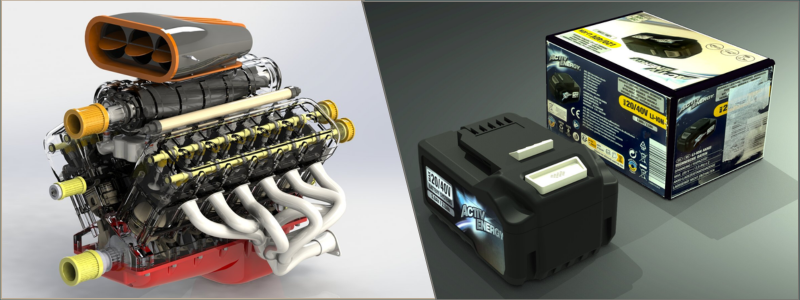
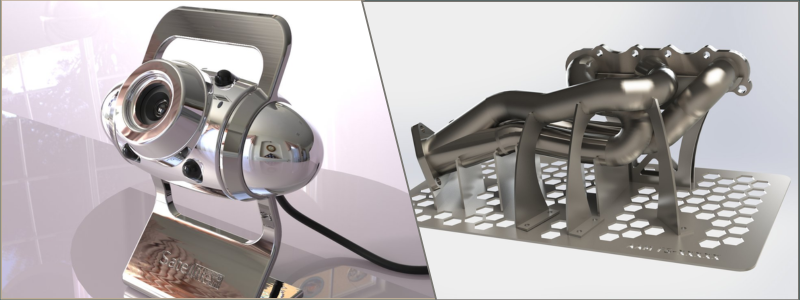
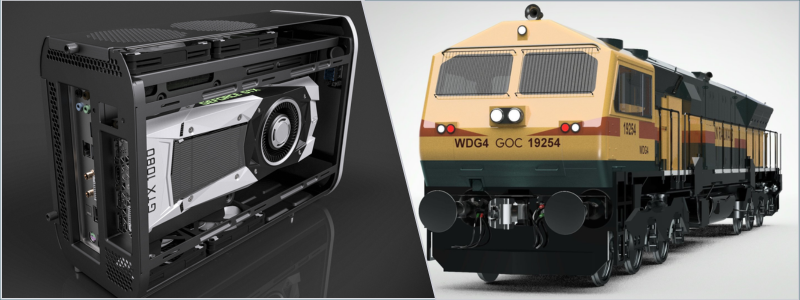
ITX mini case and train ram 3d rendering examples

Look for relevant experience

The best 3D rendering professionals are individuals with prior experience in the specific domain of your project. For example, if you need architectural renderings, you should be seeking individuals or businesses that specialize in architectural visualization. If you are creating product prototypes, you’ll be seeking an individual with expertise in product modeling and 3D rendering.

Freelance workers and corporations usually display their portfolios on websites, which is a good idea to use when evaluating their prior work. Insist on evaluating these portfolios accurately to confirm their style, level of quality, and methodology to fit your requirements.

Review technical skills

When choosing between a 3D rendering services firm, it is necessary to evaluate them thoroughly in regard to technical ability, since this immediately affects the degree of quality and efficiency of your project. 3D modeling and rendering are advanced, specialized technologies that are built upon one’s expertise in using high-level software tools.

Potential recruits should demonstrate firsthand experience in using high-end industry-standard rendering tools like V-Ray, Corona Renderer, or Octane Render, which produce high-quality output with high flexibility. Likewise, they should also be familiar with employing software packages to model, such as AutoCAD, SketchUp, Blender, or 3ds Max, depending on the particular needs of your project.

Interview them extensively during consultations or interviews regarding the software they operate on a day-to-day basis, the types of projects they have undertaken, and their pipelines for rendering. That way, they are not only armed with the tools but also know how to use them effectively.

Verifying software knowledge saves you from run-of-the-mill issues such as poor quality render, issues arising from file-compatibility issues, or prolonged renders due to poorly managed files. Additionally, a veteran operator is likely going to have optimizable processes in place that eliminate redundant rendering times while improving workflows. Finally, evaluating technical skills is vital to making your visualizations of professional quality, and being completed on time and on budget.

Evaluate communication skills

Effective communication is key to any project, but especially so for 3D modeling experts and rendering, where communicating the design intent is of the highest importance. Ensure that your potential employee listens attentively, asks questions where appropriate, and can clarify what they are saying.

A freelance professional or business should be able to listen to and act on your feedback and change their work accordingly. Miscommunication leads to revisions that stretch timelines and increase costs, so prioritize professionals who are communicative, timely, and collaborative.

RELATED: How 3D commercial rendering services help present commercial architectural projects

Verify client testimonials and references

A good method of verifying the credentials of a freelancer or 3D rendering company is to review client feedback or ask for references. Testimonials provide insight into the quality of the work, the professionalism of staff, and the capability to meet deadlines and manage projects.

Don’t hesitate to reach out to previous clients if you want to know precisely how the freelancer or company works. This can give a clearer idea of what you’ll get and allow you to better gauge the potential fit for your project.

Consider their portfolio diversity

A varied portfolio demonstrates that a business or CAD design freelancer is able to work on a wide variety of projects. Even though you might have a clear idea of what you require, the candidate’s ability to work in multiple industries and utilize a variety of techniques and styles is invaluable. Look for variation in their portfolio, particularly with projects like yours.

Portfolios that show the evolution of a project from conceptualization to final execution can also be a good indication of their workflow and collaboration skills. This can be useful in understanding their creative problem-solving process and client communication.

Know their workflow and schedules

Ask them about their process and timelines early on during the conversation. Different freelancers and agencies will have different processes, and it is smart to know how they work towards meeting deadlines, revisions, and comments. How many days do they take to turn in first drafts? How many rounds of revision are included in the service?

Being on the same page as far as timelines are concerned will assist you in getting aligned on expectations. Professionals are given very brief deadlines for others, and they require longer times to deliver quality in their sketches. Knowing this in advance allows you to make preparations and avoid disappointments in the future.

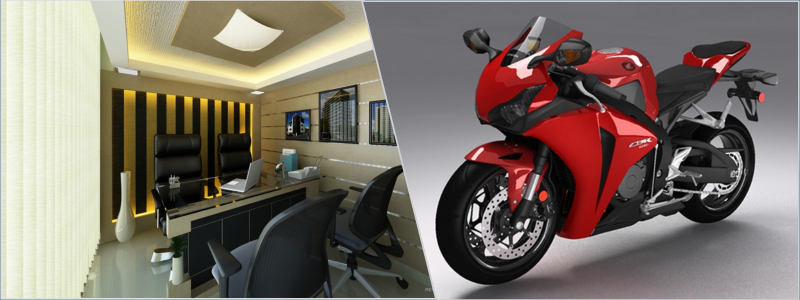
3d rendering of a high level office and a sports motorcycle

RELATED: How 3D rendering helps collaboration between clients and design services companies

Negotiate fees and budget appropriately

Pricing will vary broadly depending on the amount of experience, work complexity, and local market rates in your region. Photorealistic rendering services may be billed by the hour or per project, but service firms offer fixed prices or custom quotes on a project-by-project basis.

It’s a good idea to determine your budget in advance and negotiate with the company or freelancer based on that. Keep in mind, the cheapest might not always be the best, but at the same time, you shouldn’t pay more for something that doesn’t meet your needs.

Some of these experts may offer you a division of their fees (e.g., based on the complexity of rendering or modeling), which may provide you with an idea of the cost split. Make sure you also negotiate any fees for revisions or rush orders as well.

Search for technical support and post-project services

Although the primary issue may be the specific project, it’s also a good idea to consider what happens after the work is completed. Will the freelancer or company provide assistance if you experience issues with the files later on? Will they assist with debugging or file format translation?

Some 3D modeling and rendering professionals offer after-project assistance at a cost or as a service package. You should ask before hiring to ensure you will not be left hanging once the job is done.

Ensure they can handle feedback and revisions

Even the most seasoned 3D rendering professionals might need to alter their work several times based on your feedback. Therefore, it’s important to hire someone who is open to feedback and willing to make alterations.

Ask about the freelancer’s or company’s revision policy. How do they cope with feedback? Are revisions included in the original price, or are they added on top? Make sure to obtain definitive guidelines in place for the revision procedure to steer clear of misunderstanding or delay in the future.

Verify their revision turnaround time

Every now and then, revisions and feedback will come more slowly than expected. You should ask them how long they take to complete revisions after they have received feedback. If you need the job completed within a specified time limit, make sure you ask if they can complete it within that timeframe without any decrease in quality, and this is important whether you are an architectural design or product design firm.

If the company or freelancer is able to do rapid turnarounds on revisions, then it is a sign of how responsive and efficient they are. If they are too slow, then it may be a sign that they have a bottleneck in their process that will delay the project as a whole.

Establish clear contracts and agreements

Having a solid contract in place is essential when hiring 3D rendering freelancers or service companies. The contract should outline the scope of the project, deliverables, timelines, payment schedules, and revision policies.

A solid contract serves to shield both parties and establish expectations upfront. It’s also a good idea to cover any intellectual property (IP) issues, so you retain ownership of the rights to the finished renderings and models when the work is finished.

RELATED: Pros and cons of outsourcing 3D rendering services and visualization for your company

Wrapping it up

Having the right 3D rendering freelancer or modeling service firm in your corner can make all the difference in the success of your project. By carefully reviewing your experience, your technical skill set, your people skills, and pricing models, you can ensure that you join forces with someone professional enough to satisfy your needs and deliver results. Don’t hesitate to invest your time in portfolios, considering project details and clear expectations.

Cad Crowd to the Rescue

With 3D modeling and rendering, the more you prepare and communicate, the smoother it will be and the higher the quality of the final product will be. Make it part of your plan to venture into Cad Crowd and find the most trusted 3D freelancers and 3D modeling service providers today. Call us now for your free quote!

author avatar

MacKenzie Brown is the founder and CEO of Cad Crowd. With over 18 years of experience in launching and scaling platforms specializing in CAD services, product design, manufacturing, hardware, and software development, MacKenzie is a recognized authority in the engineering industry. Under his leadership, Cad Crowd serves esteemed clients like NASA, JPL, the U.S. Navy, and Fortune 500 companies, empowering innovators with access to high-quality design and engineering talent.

Connect with me: LinkedInXCad Crowd

The 30 Best 3D Rendering Services Studios & Companies in Los Angeles in 2025


If you want to turn your architectural visions, product ideas, or movie concepts into lifelike images, Los Angeles is the place where digital wizardry happens. This sunny city isn’t just the center of show business—it’s also where you’ll find a booming community of top-notch 3D rendering studios.

Whether it’s leading an innovative real estate initiative, introducing a new product, or marketing a feature animation-filled movie, there is an LA creative agency to make your vision a reality to breathtaking photorealism.

And who are LA’s true MVPs in 2025’s 3D rendering scene? With Cad Crowd leading the way as the premier freelance 3D rendering services platform, we braved deep, crawled pixel-fect portfolios, and found 30 of the crème de la crème 3D rendering studios and agencies that rule the roost in the city. Join us and explore this online wonderland.


🚀 Table of contents


Cad Crowd – 3D brilliance and freelance magic rolled into one

Cadcrowd

Need 3D rendering skills with versatility, cost, and global flair? Cad Crowd is the Airbnb of the crème de la crème of 3D rendering magic—except instead of forking over money to rent a hip apartment, you’re being asked for skilled freelancers who gorge on polygons.

LA-based yet globally active, Cad Crowd provides companies, programmers, architects, and start-ups with access to a huge pool of freelance 3D designers and CAD experts that range from photorealistic interior views to extremely high-gloss product renders.

No matter if you need a one-off render or full animated walkthrough, Cad Crowd’s project-matching technology introduces you to the ideal professional without agency commission.

RELATED: How 3D rendering helps collaboration between clients and design services companies

Theia Interactive – Hollywood standard, rendered for business

theia interactive logo

Under the creative spirit of Los Angeles, Theia Interactive has built its name on its breathtaking renders that appear nearly indistinguishable from being created for next year’s Marvel superhero blockbuster. Don’t be fooled by the A-grade movie magic, however—no less skilled at product rendering and architecture visualization than they are at building compelling VR experiences.

Theia’s magic sauce? A closet where vision is mixed with technical wizardry, placing their work beyond the realm of service and onto the planes of partnership. When you’re pitching a luxury apartment building skyscraper or a design car model, Theia brings your render to the scroll-strewn edges of social media and high-dollar investor pitches.

Voxelight – Concepts enlightened in every pixel

voxelight logo

Voxelight doesn’t create 3D images—instead, they give them life. Based out of the downtown Los Angeles area, this boutique company has cultivated a devoted client base of interior designers and real estate developers who have an appetite for style that has substance, like a taste bud has for salt. Voxelight’s magic is in the way it takes even the most functional room and turns it into an atmosphere-filled, emotion-filled space.

Their photorealistic lighting and realistically modeled textures are just short of high-gloss coffee table magazine quality. And now, in 2025, they’ve taken it one step further with AR-compatible rendering and interactive tours so that customers can “step inside” their home long before a hammer ever swings into action. High-end coder or modern furniture designer, Voxelight brings your vision as bright as your dreams.

Neoscape LA – When high design meets high-tech

neoscape logo

If love between digital artistry and design had a child, it would be named Neoscape. What distinguishes this agency is its outrageously stylized, incredibly detailed visuals that walk the line between surreal and realistic. With its East Coast base of operations, Neoscape’s LA office has been generating exceedingly serious ripples in architectural rendering since opening its doors on the West Coast.

They are mad about collaborating with idea-bricks and breaking them down to storytelling presentations of motion, sound, and rendering for selling stories. By 2025, they’ve gone big on virtual reality worlds and animated images where clients move from static photography and into an experience that remains in their heads long after departure.

Studio 216 – Immersion storytelling at its best

Studio 216 logo

To Studio 216, 3D rendering isn’t about looks, but vision. This LA giant produces heavy-on-story, using 3D commercial rendering as a storytelling technique that transfers emotion, scale, and intent to each project. Their area of expertise? Luxury real estate and commercial property development that demands more-than-nice imagery—more-than-nice imagery fuels desire.

Studio 216 stays at the forefront in 2025 with the convergence of cinematic camera movement, real-time rendering, and breathtaking VR environments. You’re not just seeing the building—you’re walking through it, watching the sun set through the windows, and feeling the hardwood beneath your digital feet. They sell clients’ ideas before a brick is laid, and they do it with panache.

blog-post-images-new 18

Beauty and The Bit – The art house of Archviz

beauty the bit logo

Is the title itself enough to raise an eyebrow, and what about the project? Full-on digital poetry. Though Spanish in origin, Beauty and the Beast also boasts a strong LA presence, working with creative shops and property companies in SoCal. They’re best known for their painterly, cinematic style of architectural visualization, balancing on the fine line between reality and concept art.

Their 2025 portfolio would be more like a reel of stills from the world’s finest directed film—a film in which architecture is the star. Beauty and the Bit doesn’t play it safe; each project is treated as a painting, and each renders a piece of beautiful visual storytelling.

Zwart Render Studio – LA Cool, Dutch Aesthetics

Zwart Render Studio logo

Zwart Render Studio’s name sounds as if it had been plucked from the depths of Amsterdam, but this continental flavor of LA brings moody, dark, attention-grabbing rendering to sun-kissed California. Renowned for a clean, cinematographic style, Zwart is the classic architectural render monarch of movie-quality shots in a film noir indie.

In 2025, they’re luxury developers and high-concept freelance architects‘ go-to if they desire to create a statement that’s bold and evocative. If your style is swag, Zwart puts a digital moral compass to it. Their renderings don’t merely reveal what something looks like—they show how it’d look on a drizzly Tuesday morning or in the golden hour leading up to a roof party.

DBOX – Making buildings sexy look like they’ve always been doing it

LOGOS 44

A visualization veteran, DBOX sits at the top of its stack in 2025 with an LA branch that wed architectural visualization with ad-level gloss. Not. Just stunning. buildings—.DBOX designs complete visual identities for residential developments. Their 3D rendering is paired with complete campaigns, cinematic animation, and mind-blowing graphics that make. Your condo complex, the new Apple product announcement.

If you’ve ever gazed at a skyscraper billboard and exclaimed, “Whoa, I wish I lived there,” chances are pretty good that DBOX is responsible. They have an aggressive, bold, minute-detailed aesthetic, with lighting and texture more art direction than construction visualization.

RELATED: How 3D commercial rendering services help present commercial architectural projects

3D-Ace – Kiev to the City of Angels

3d Ace logo

Local and global easily merge with 3D-Ace, the Kiev native 3D visualization company that has adopted the City of Angels as its second home. From a broad selection of gaming assets, product models, AR/VR universes, and building visualizations, 3D-Ace is the go-to option now for LA entertainment companies and startups looking for quick, high-quality work.

How does it dominate the year 2025? It’s speed and agility. Whatever you’re designing—a pitch deck for a next-generation smart home product or an immersive venue for a virtual music show—3D-Ace can spit out high-gloss, high-technology, industry-grade renders in minutes. They’re the behind-the-scenes workhorses who labor on most high-glitz launches, and their no-BS philosophy is a sanity-saver in a city that runs on hair-on-fire deadlines.

Vivid Vision – See it before it’s real

vivid vision logo

Vivid Vision creates architecture ideas with a big-picture, custom, and spot-on dose of drama. Based in the creative hub of LA, they assemble artists and architects to make 3D visualizations that blow minds and speak. Every image communicates mood, light, and space so you can feel the design.

All anyone can talk about is Vivid Vision in 2025 due to their wonderfully realistic depictions of house schemes and just jaw-dropping city scheme animation. Their photos are almost-humanely soft and stunning, and clients demand to fall in love with their plans all over again when it finally does in the capable hands of the Vivid team.

Luxigon – The free spirit of 3D rendering

luxigon logo

Luxigon never plays by the rules—and precisely because of that, architects and designers adore them. Their LA office serves up dramatic, surreal, and even over-the-top architectural illustrations with no concern for traditional style. Hold on tight for hyper-saturated clouds, neon blue silhouettes, and angles yelling confidence.

In 2025, their “concept art meets reality” visual brand pervades all—whether on design competitions or museum displays. The philosophy of Luxigon is part attitude and part concern for precision. They’re not here to provide you with the most realistic representation of your building. They’re here to make your building iconic. Unabashed, unbridled, and renegade, Luxigon is a result of creative freedom colliding with architectural accuracy for architectural design firms.

RenderRanch – Yeehaw for good design

Cowboys and CAD, anybody? RenderRanch is injecting a bit of country into the high-shine design world of LA. Don’t be fooled by their nickname: this studio is as professional as it gets when it comes to premium architectural and product rendering. For five years, since 2025, they’ve established a solid reputation among boutique interior designers and architects who appreciate the old-fashioned service and high-quality results.

Pure Render – Clean, crisp, consistently wow

purerender logo

Pure Render is minimalism incarnate. This LA-based design studio has a laser-like editorial vision that cuts through the noise and creates forceful, clean visuals and imagery that is visually right on cue.

They have wellness space renderings, modernist homes, and Scandinavian-style developments in 2025 down pat. Their color scheme is low-key but deliberate—softwood, muted shadowing, and purposeful dabbling in terra cotta.

They’re not relaxed, though: they’re by no means unsophisticated. These photos are packed with minuscule details and laser-cut modeling that brings life to every pixel. They’re appealing to developers and architects because they’re fast, and because they possess an elegant, always somewhat refined and peaceful look.

Ctrl+Art+3D – Rendering with a touch of fun

Ctrl+Art+3D logo

Ctrl+Art+3D is what their name delivers: a friendly, keyboard-pun-obsessed studio that brings 3D visualization to artwork. LA’s Koreatown is where they’re based, and they’re a client favorite among clients with an eye for style in need of an injection of personality into their renders.

From high-end boutique shops to custom jewelry design service, Ctrl+Art+3D isn’t concerned with the little things—but they are concerned with not taking themselves too seriously.

Their body of work in 2025 includes collaborations with small fashion labels, food tech firms, and small-run architects who need a dose of personality injected into their images.

See the different viewpoints, innovative lighting, and mood that yells, “you can look pro and have fun.”

3d rendering of small homes

Method Studios – Gigantic renders for giant clients

method studios logo

With a resume that looks more like the title roll of a hit Hollywood movie, Method Studios isn’t just doing 3D—partway, but making 3D spectacle. Renowned for their VFX-heavy work on film and games their LA base also churns out mind-bending product and architectural visualizations.

It’s going to a whole new level in 2025 with real-time rendering, cinematic lighting, and animation sequences that melt fantasy and possibility.

Witness skyscrapers rising above the clouds or phones revolving with MCU swagger. From the industry’s leading real estate companies, consumer electronics giants, and even fashion brands, who do not mind pre-visualizing engaging campaigns with consumers. Budget and aspirations – Method Studios will match it pixel for pixel.

Studio rendering – Where elegance meets character

Studio Rendering has found that ideal balance of chic architectural visualization services and cozy, lived-in character. Their Arts District offices are where their team of designers and render artists work with interior design firms and developers to create imagery that looks as though it was pulled straight from the pages of an upscale lifestyle magazine.

Their 2025 imagery is highly prized for its photorealism, but with an even higher regard for its emotional effect. You can sniff the aroma of coffee drips in a kitchen render or sniff ocean air off a Malibu deck. From high-rise condos to boutique hotels, Studio Rendering gives life to 3D images.

ArchVFX – Cinematic City icon renders

ArchVFX logo

ArchVFX, where film magic collides with architectural art. They are a production house in Hollywood where every render is a frame of a blockbuster movie.

Being experienced in high-rise apartment and downtown business district scenes, they have the artist’s eye for cinema lighting, misty fog, and dawn, which makes your photo a showstopper. Large developers are some of those clients who desire to impress city councils, investors, or potential tenants.

ArchVFX has been on fire in 2025—utilizing VR walkthroughs and drone photogrammetry as a pair of tools in their arsenal. If your next project is something greater than a chill CAD export—if it’s red carpet material—these are the folks to hire.

RELATED: Benefits of outsourcing architectural CGI services for real estate marketing agencies

Modsy Studio LA – Where design feels like home

Modsy Studio LA logo

Modsy is no longer simply an online interior solution. Their Los Angeles studio is now a full-service residential architects’ and expert interior designers‘ 3D rendering storefront. What distinguishes Modsy Studio LA in 2025 is data-driven taste.

They’re applying AI to anticipate furnishing design most likely to be adored and then taking those results and turning them into photorealistic images. The outcome? Rooms that are not just stunning—psycho-designed. They have a casual, light, and modern aesthetic with textured neutrals and Cali cool.

Perfect for staging, client presentations, or home redesign, Modsy is all about livability without one compromise in design integrity.

Abstract Render – LA design’s indie darling

Abstract Render is the A24 of the rendering houses—small, sleek, and hungry for innovation. They’re never going to deliver anything boilerplate. Each build is more of a painting of a poem, from a small Echo Park bungalow to a Culver City prototype restaurant.

By 2025, unconventional developers and small boutique architects had swallowed them whole. How did they accomplish this? A unified design vision that balances minimalism and narrative. These aren’t photographs—these are atmospheres. Their renders include the surprise factor: the sheen of a neon sign reflected off a puddle, or the yellow of sunset falling on a grimy wall. Abstract Render breaks all the rules, and they won’t apologize for it.

Luxigon LA – Art school meets architecture

luxigon LA logo

Luxigon is world-famous, and their LA office never fails to impress. Their drawings are not real—hyper-real with a touch of abstraction. If you desire something greater than a comic book but less than fine art, Luxigon does the trick. Their illustrators, architects, and 3D artists create watercolor colors, sharp digital lines, and a touch of motion blur for that screen look.

Luxigon’s LA clients span from cutting-edge architectural planning and design firms to cultural institutions that require wow-stopping photography for museums. They’ve added animation and AR as an option for museum displays and public spaces in 2025. This is the studio for anyone who wants to place their own touch on their design. Luxigon does not simply render your design—They raise the bar.

Studio Aiko

aiko logo

Studio Aiko has found its niche within the rendering business of Los Angeles by combining storytelling with technical know-how. Experts in architectural visualizations and animated walkthroughs, this group of people produces movie-quality experiences that not only reveal a space but also move you.

The outcome is as if within a movie, with atmospheric light, realistic texture, and nuance of atmosphere. Whatever it is that they’re shooting, penthouse luxury suite or boutique shopping ambiance, Studio Aiko has a designer’s sensibility and sense of cinematic sophistication for every shot.

The outcome is as if within a movie, with atmospheric light, realistic texture, and nuance of atmosphere. Whatever it is that they’re shooting, penthouse luxury suite or boutique shopping ambiance, Studio Aiko has a designer’s sensibility and sense of cinematic sophistication for every shot.

They know how to bring seemingly otherworldly ideas into being and how to assemble even the most technologically elaborate projects together in an effortless, sublime way.

M8 Studios – Hollywood-sheen boutique renders

m8 studios logo

M8 Studios has one foot on real estate and one foot on cinematic land—and the result is awe-inspiring. Based in West Hollywood, they specialize in high-end property visualization and work daily with leading architects and designers. They also do set design rendering, however, which adds a touch of Hollywood glamour that no one else can offer.

Their 2025 concepts are full of cinematic lighting design services, mood-setting angles, and lifestyle staging that’s exciting without being soulless. If you’d like your home to resemble the set of an Oscar-nominated movie, M8 is your crew. Even the constructors get to offer an augmented reality overlay for tour representatives on iPads.

Pixelhaus – The clean render revolution

pixelhaus logo

Pixelhaus is a minimalist paradise. They have a crisp, clean look, all about light and shape. Perfect for architects who like to design in “less is more,” this studio creates 3D visualizations with an emphasis on geometry, contrast, and shadow drama. In 2025, they’ve doubled their bet on AI rendering engines that churn out work in no time without a compromise on artistry.

Pixelhaus is also a prefab and modular construction company’s go-to partner, as they’re so excellent at showing how great design can be repeated. Their animation is particularly priceless—stunning but unobtrusive, to ambient soundtracks and introspective mood.

To market space and serenity, Pixelhaus reconciles with pixels.

Forma LA – 3D with a design heritage

forma LA logo

A team of former architects and graphic designers runs Forma LA, which is known for blending architectural thinking with creative spark.

Their sketches look like diagrams from start to finish, but they help clients explain the “why” behind each design. Don’t let that fool you—the final 3D images have texture, detail, and a hint of environmental storytelling. They focus on public buildings, high-end homes & new residential design services, and schools.

Forma LA will lead the pack in AI-powered mass analysis and parameter testing in 2025, which will be a big plus for offices needing quick feedback on initial designs. If you believe in brains behind beauty, Forma LA is worth checking out.

ZEO Renders – From napkin sketch to selling point

forma LA logo

ZEO Renders has been the perfect intermediary for everything from napkin drawings to pitch-perfect presentations. With their location being Downtown LA, they are experts at taking raw CAD files and transforming them into fully executed marketing images.

They’re your worst-kept secret when you need to impress a client, investor, or city planning commission. In 2025, they’ve added real-time rendering feedback sessions in which the clients can see the updates and changes in real time. This process-based method has made them a go-to favorite of time-crunched architecture firms and design-build teams.

Their visual language is spare and modern, with subtle references to nature-inspired motifs within it, rather than ultra-close editing passes through post-production. ZEO doesn’t make buildings—they sell buildings.

RenderWise Studio – Innovation meets intuition

RenderWise Studio logo

RenderWise works best when technology and intuition meet.

Their designers rely on an internal program that scans the mood of a design brief and suggests some lighting options, texture, and ambient state before modeling.

The result?

Comps that speak to the emotional purpose of the project. Building a spa, co-working facility, or green home? RenderWise is in sync. Their 2025 vision is 8K ultra-high-definition facades for landscape design experts and hospitality venues fueled by VR. Not nice views—experiences. For developers who must be heard amidst today’s frenetic visual economy, RenderWise provides them with an advantage that borders on psychic.

RELATED: Pros and cons of outsourcing 3D rendering services and visualization for your company

3D rendering example of apartment buildings

RealSpace LA – Quick, high-impact photographs

RealSpace LA logo

RealSpace gets it done right—on time and for less. No wasted time, no surprise invoices, just excellent renders your way.

By 2025, they’re standard with commercial real estate brokers and speed-hungry architecture practices.

Their procedure is laser-efficient: send in your plans, receive a same-day cost estimate, and see your vision in days.

Speed doesn’t have to equal sloppiness. Their visuals are sharp, with perfect lighting, gorgeous landscaping, and photoreal materials that make glass actually resemble glass. If you’re on a deadline and still want polished results, RealSpace LA is your MVP.

Vizual Method – The artists behind the architecture

visual method logo

Vizual Method is of the opinion that 3D architectural rendering services should not be a technical ordeal—it can be a work of art. Housed in Silver Lake, they’re darlings of independent developers, architects, and artists. They’ve been featured in design mags and gallery exhibitions, and it’s easy to see why.

All of their shots are taken with an editorial eye—natural lighting, soft shadows, lifestyle nuance, even tiny imperfections that give the entire thing gravitas.

Their 2025 portfolio is comprised of stylized stills, narrative voiceover animation, and even artwork designed to spur marketing campaigns that yield print quality.

You require renders to be “greater than pretty” but less than “profound” – that is your team.

Metric Works – Accuracy that sells

metrics works logo

Metric Works combines engineering accuracy with marketing expertise. Structural engineers design them and bring technical expertise to each drawing—office building in commercial steel frame, perhaps, or megascheme mixed-use. But just the beginning. Their ad-world vision for 2025 is dominated by aerial overlays, phasing animations, and tailored staging for digital marketing campaigns.

Need drone-aligned site positioning for investor presentations?

No issue.

Need 3D assets to release on your CRM platform? They have them at your fingertips. Metric Works is boldly and unequivocally selling you fine ideas even for engineering firms. They contextualize your project as a smart investment—because it is.

Render gurus LA – That final touch you need

Rounding out our roster is Render Gurus LA, the multi-tool of 3D rendering. Whatever they can throw your way—interiors, exteriors, products, retail displays—they have a look and workflow to meet your needs. They’re a multiracial, multilingual, infinitely flexible team. In 2025, they’ve introduced a “render & revise” package whereby clients can review design variations in real-time over Zoom, providing immediate feedback.

Their work is neat, but the thing that distinguishes them is the way they speak.

You never know what’s going on, when it will be done, or what changes will be like.

They’re dependable and cleverly flexible in their head, so they’re perfect for individual endeavors, as well as continuous collaborations. Make them your go-to collaborative creators whenever pixels require significance.

Conclusion: Bringing ideas to life in Los Angeles

Los Angeles boasts a wealth of 3D rendering talent. Whether you design skyscrapers, stage interiors, or launch new products, the right visuals can transform your project. From small studios to large agencies, these 30 companies create lifelike images with creativity and accuracy.

Do you want to make your project a reality but don’t know where to start? Cad Crowd can connect you with rated freelance 3D rendering specialists who fit your project needs. Get top-quality quick, and cost-effective results on your schedule. Request a quote from Cad Crowd today and see how easy it is to turn concepts into eye-catching visuals.

author avatar

MacKenzie Brown is the founder and CEO of Cad Crowd. With over 18 years of experience in launching and scaling platforms specializing in CAD services, product design, manufacturing, hardware, and software development, MacKenzie is a recognized authority in the engineering industry. Under his leadership, Cad Crowd serves esteemed clients like NASA, JPL, the U.S. Navy, and Fortune 500 companies, empowering innovators with access to high-quality design and engineering talent.

Connect with me: LinkedInXCad Crowd

Artificial Intelligence & AI’s Impact on 3D Rendering Design at 3D Modeling Companies


The platform for 3D modeling and rendering has changed radically and amazingly in recent years because of the advancement and distribution of artificial intelligence (AI) software and their integration step by step within the working process. For the best 3D modeling design firms on the market, giants like Cad Crowd, AI is no longer a word; it is changing their work into unprecedented levels in terms of stages of productivity and creativity.

Whereas traditional 3D rendering once depended so much on human intervention, AI-aided developments now are synchronizing everything from conceptualization to visualization with accuracy, saving time, and even opening new paths of innovation.

Hereafter, we will observe how AI is revolutionizing 3D rendering design, the technology utilized, and the impact on designers and clients both in the constantly changing arenas of architecture, interior design, product modeling, and beyond.

The emergence of AI in 3D rendering

AI’s introduction to 3D rendering started with the increasing necessity for quicker and more streamlined workflows for those industries that were highly reliant on high-fidelity visual output. Conventional 3D rendering was very time-consuming with extensive human intervention at almost every phase—concept and modeling to lighting and texture. Rendering would take hours or days based on the complexity of the model, with each detail being manually adjusted by designers.

Enter artificial intelligence: a game changer for reducing both time and labor-intensive processes while improving results. AI’s core strength in 3D rendering services lies in its ability to automate repetitive tasks, simulate realistic environments, and predict the best visual outcomes based on existing data. With machine learning and neural networks, AI can now help 3D modeling companies create lifelike renders in a fraction of the time.

RELATED: How to hire freelance CAD design talent for your project: Tips for design companies and firms

AI generative design of a bedroom and product packaging for a drink

Speeding up the rendering process

Rendering, in short, is the operation of generating a two-dimensional image from a 3D model by mimicking light, shadow, and texture in a virtual world. Previously, it was a task that demanded copious amounts of computing power and long processing times. A perfect case in point would be rendering photorealistic images of architectural models, which could take a few hours or days to produce, especially when dealing with complicated models or high-definition textures.

AI-driven software like NVIDIA’s DLSS (Deep Learning Super Sampling) or AI-driven real-time rendering software such as Unreal Engine’s MetaHuman can now cut down rendering time by orders of magnitude. They can render lighting, shadows, and textures in real time, and designers receive instant or near-instant feedback. This has enabled 3D modeling firms to deliver high-quality visuals at a quicker speed, while pleasing the clients as well as the designers with quicker project timelines.

For designers and product designers, quicker rendering translates to more iterations, tighter feedback cycles, and overall better design. What used to take days now takes hours, with more time for creative development and refinement.

Increased realism and accuracy

One of the biggest benefits AI contributes to 3D rendering experts is the ability to render scenes more realistically. Machine learning algorithms can be trained with millions of pictures, videos, and patterns of real-world environments and can scan large amounts of information about them to make incredibly realistic models of natural worlds. This translates into product design and architecture as meaning 3D rendering can now reproduce real-world lighting effects, materials, and textures with breathtaking accuracy.

Software such as Chaos V-Ray and Autodesk’s Arnold is a case in point. These render algorithms utilize AI to simulate more accurately how light works, thus creating more textured outputs that are representative of the way light behaves around objects in reality. For instance, light transmitted through glass windows or shading cast on an irregular surface is simulated better now, incorporating yet another level of realism to the resulting render.

In addition, AI can be used to automate material and texture generation. Software such as Adobe’s Substance utilizes AI to automatically recommend the optimum textures for a model’s geometry and environment, saving a significant percentage of time spent on manually creating and applying textures. Apart from accelerating processes, it also gives the optimum quality of textures for a range of materials, adding visual interest to a design.

Enhancing user experience with AI-based solutions

In addition to altering the manner in which designers produce images and render them, AI is also enhancing the manner in which expert CAD designers engage with the creation process. Before, creating and working with 3D models involved learning complicated software and having vast knowledge of 3D geometry. However, AI-based solutions now ease the process through easy interfaces and intelligent assistants that can help designers navigate the process.

Take the case of AI-based design assistants like Autodesk’s AutoCAD and Revit. These aid design elements include auto-completion, auto-error checking, and even auto-tuning of models. These applications use machine learning to detect patterns and suggest design elements most likely to get the desired result. For interior designers and architects, this can substantially reduce the learning curve on 3D modeling software, allowing them to focus on creativity and innovation rather than technical challenges.

The potential of AI to predict user behavior also enhances productivity in the workflow. It can then recommend lighting schemes, camera positions, or even object positions that maximize the overall structure, something that would have required designers to spend many hours experimenting manually. This proactive, predictive method not only streamlines the process but also leads to more evolved and more harmonized visual arrangements.

RELATED: How 3D product design, rendering, and animation services can benefit companies and increase sales

AI and the future of virtual reality and augmented reality integration

The convergence of AI with other technologies, such as virtual reality (VR) and augmented reality (AR), is another space where a gigantic future lies for 3D modeling experts. VR and AR are already revolutionizing industries such as real estate, interior design, and entertainment by virtue of the fact that interactive experiences can be provided to end-users and consumers. If the VR and AR systems are combined with AI, even designers can provide more realistic, personalized, and interactive experiences.

AI-driven VR environments, for example, can adjust lighting or texture in real time automatically based on the user’s interaction, so it becomes an adaptive experience. It is simpler to work through architectural designs or product designs with this integration, providing a more enhanced user experience as well as a better understanding of how a space or product will perform in the real world.

For 3D modeling businesses, having AI available for the creation of quick VR or AR-ready models equips them with smoother presentation and interactive checking capabilities in design. Customers can walk through fully immersed 3D spaces or critique mock-ups of products as if they were really touching actual products, and improved communication and decision-making result from it.

Predictive AI in design innovation

Not only is AI a method of augmenting existing workflows; it’s also opening up new possibilities for innovation in design. With predictive analytics and pattern matching, AI will enable designers to predict future trends and propose substitute design solutions. Through analysis of large sets of data on past designs, customer behavior patterns, and industry trends, AI can propose suggestions for design elements that would otherwise remain hidden, which is especially useful for product design firms.

Artificial intelligence can also be used in 3D modeling to generate generative designs, wherein software goes through an enormous range of design options based on specific parameters. These algorithms generate out-of-the-box and new solutions that may be challenging or time-consuming for humans to accomplish on their own. This generation-based philosophy of design is increasingly popular among product designers and architecture firms when attempting to exceed the bounds of designing, creating new ideas, and operational solutions that integrate form, appearance, and functionality.

The impact of AI on client relations and expectations

AI also benefits 3D modeling firms by enhancing the quality and speed of the design, but also by enhancing client relations. Customers prefer to receive not only static renders but also a sense of how a space or an object will evolve over time, how it will interact with other objects, and how it will behave under different conditions. AI-based tools can make it feasible to facilitate such dynamic vision, with real-time, interactive, and fully immersive experiences for the clients of consumer product design firms.

Additionally, the capability of AI to produce highly accurate and photorealistic renders allows clients to better visualize what the final product would look like without having to be built or created yet. This minimizes the risk of miscommunication and misunderstanding between the clients and designers, resulting in more successful projects and greater client satisfaction.

Generative designs of a hybrid powered plane and mountainside dwelling

RELATED: How AI innovations transform modern consumer product design at agencies & companies

The ethical implications of AI in 3D design

As AI is increasingly incorporated in 3D rendering design, the ethical consequences of deploying it have to be considered. One of the biggest issues is employment loss. As more and more automated work is done by AI in the design process, designers’ and technical experts’ positions may be perilous. But almost all of the experts are sure that AI shall never replace human beings, but assist them so that the designers may use their energy in more strategic and inventive activities, and enable AI to do dull work.

The second issue is the utilisation of AI to enable diversity and inclusion in design. The AI systems are as good as the data with which they have been trained, and if the AI systems are created with biased or restrictive data, then chances are that they might actually end up reinforcing prevalent stereotypes or overlooking underrepresented design viewpoints. There is a need for HDR rendering design services to make sure AI software is used responsibly with blended input and control, not to inject biases into final products.

Conclusion

Artificial intelligence is turning 3D modeling and rendering into a more realistic, quicker, and more innovative process for solving design problems. For 3D modeling businesses, AI can produce higher-quality output in less time, enhance the user experience, and provide clients with more interactive and engaging design experiences. Though there are challenges ahead in the form of ethical issues and job displacement, the future of AI for 3D rendering is bright.

Cad Crowd is here for you

With each step into technology in AI, the applications of AI for design will multiply, offering novel ways of creative design, productivity, and customer satisfaction in 3D modeling. Don’t miss this opportunity to learn Cad Crowd and find your perfect 3D partner for your upcoming projects. Contact us now and request a free quote!

author avatar

MacKenzie Brown is the founder and CEO of Cad Crowd. With over 18 years of experience in launching and scaling platforms specializing in CAD services, product design, manufacturing, hardware, and software development, MacKenzie is a recognized authority in the engineering industry. Under his leadership, Cad Crowd serves esteemed clients like NASA, JPL, the U.S. Navy, and Fortune 500 companies, empowering innovators with access to high-quality design and engineering talent.

Connect with me: LinkedInXCad Crowd

10 Design Principles for Product Development & Industrial Design Services Teams


There’s something nearly magical about seeing an idea transition from scribbles on a napkin to something tangible in your hands. But don’t be fooled, it’s not something that appears out of nowhere. It’s a process.

Great product development and industrial design services teams at industry pioneer Cad Crowd don’t stumble into brilliance. With over 94,000 product designers and 3D engineer professionals you can choose from, you are assured that they follow clear, collaborative, creative principles that guide their process and keep the user at the heart of every decision. If you’re looking to sharpen your team’s creative compass, these 10 design principles are your north star.

Build for real people, not user personas on paper

User personas are wonderful, until they’re not. Although they assist in early-stage planning, providing your team with a neat little snapshot of who you believe you’re building for. But they don’t reside on sticky notes or in slide presentations. They reside in the ugly, messy, frequently inconvenient world in which your product must earn its keep.

That’s why designing for actual people requires digging deeper than assumptions. It’s about watching, actual feedback, and a healthy dose of curiosity. Rather than hypothesizing how “Persona Patty” might use your app in some ideal situation, ask how someone uses it on a Monday morning, with a toddler pulling at their leg. Consider the greasy-gloved field worker, or the one-handed commuter tapping your interface on a rough train. Are you assisting, or getting in the way?

Designing for the real world is about accepting imperfection. It’s a bit messier. It’s about testing, tweaking, and occasionally throwing away smart features that simply don’t work out in the real world. But here’s the lovely thing: when you design with empathy and in context, you don’t merely create things that work, you create things people love. You create loyalty, trust, and tales worth retelling for your product design company.

So go ahead and use personas to begin. Just don’t leave it there because the magic happens when you design for people, not abstractions.

RELATED: Master product design costing: Top strategies for CAD services companies & freelance designers

product rendering of a solar panel and cockpit controls

Iterate like you mean it

The initial concept most likely isn’t a work of art, and it may not even be good. And here’s the thing: it’s completely okay. The alchemy of industrial design is not in the initial drawing or the polished illustration. It resides in the messy, exhilarating, sometimes infuriating process of iteration.

Consider iteration similar to speed dating for concepts. You test one, decide it’s not the right one, make some tweaks, and go on to the next. Rinse and repeat. Great industrial design experts don’t hold onto a single idea as they remain flexible to new ideas. This allows them to embrace experimentation because each “mistake” teaches them something good.

The secret to any success is to embrace failure and learn from it. One example you can encounter is feedback. A terrible prototype? That’s just feedback in disguise. Even in life, you can’t grow if you’re afraid of failure; that’s why you should always maintain professionalism and not get too attached to your work. The goal isn’t to be perfect, it’s to keep learning and iterating.

Also, don’t wait until you have a shiny render to share with your team. A napkin drawing or simple mock-up early on can inspire amazing input. Perfection is overrated; progress makes everything move forward.

So, iterate like crazy. Keep going, keep testing, and don’t get too attached. The best ideas are never born perfect. They started with a collaboration, curiosity, and a spirit of keeping going.

Cleverness is nice, but clarity is always better

Cleverness is appealing and draws attention; it turns heads, earns awards, and brings laughter to pitch meetings. However, once the applause fades, what remains is clarity. Clever may draw your attention, but clarity commands your confidence. Clarity is what in the consumer product services world makes products simple to use, simple to love, and oh so simple to recommend. A product whose purpose is obvious, whose interface is uncluttered, and whose advantages you can see instantly. That’s the champion every single time. No wit can rescue a product that baffles or maddens its users.

But don’t mistake clarity for blandness. You’re still allowed to have personality — be bold, quirky, even a little cheeky. Just don’t let that come at the cost of usability. If your user has to guess what a button does or dig through menus to find the core function, you’ve already lost them.

Ironically, clarity loves constraint. Imagine writing a tweet rather than a thesis. You must convey more with less. That’s not a constraint, it’s a design superpower. When teams approach clarity as an art challenge, the outcome speaks for itself.

Because ultimately, users don’t want to feel like they’re solving a puzzle. They want to feel intelligent. And what intelligent design decision can you make? Decide on clarity, every time.

Obsess over the problem, not the solution

As a designer or developer, it can be difficult to accept that your instinct to quickly find a solution might actually slow your progress. Freelance product designers are solution-focused. It’s why they’re so good at their jobs. However, the most effective teams put the “how” on hold and sit with the “what” and “why” for a while longer.

Why? Because the actual magic happens when you’re really clear about the problem.

The teams behind beautiful, game-altering solutions? They’re the ones who can better describe the problem than anyone else. They’ve gone over it in their heads a million times. They’ve challenged assumptions. They’ve asked “why” until users began side-eyeing them during interviews.

By fixating on the issue, you reveal underlying causes, not symptoms. You bypass the band-aid solutions and stay away from loading up with unnecessary features that bloat your product. You prevent creating “faster horses” when your customers truly require a car.

Decisions become much less complicated when the whole team comes together behind an unambiguous, well-defined problem. Alignment happens easily. Sharpens your focus. You end up not spinning your wheels and moving instead with direction.

So, pick up your metaphorical magnifying glass as a freelance product development expert. Ask strange questions. Be okay with not getting the answer immediately. Because of the solution? It’s in there. You just need to excavate through the questions to get to it.

Respect the hand-off: Design isn’t done at delivery

The mysterious “handoff.” The tone is somewhat formal, isn’t it? It’s as if you’ve just left the mic on a flawless CAD model or Figma file and strolled off into the sunset. However, it is obviously not how product development is done. Design doesn’t stop at the handoff; rather, it starts again.

Consider it more of a relay than a finish line. You’re not finished when you hand over the baton — you’re relying on the next runner to keep pace, follow the plan, and perhaps even adjust along the way. That’s how high-performing product teams work.

In real life, this translates into handling handoffs with the same level of care that you invested in the initial design. Are you merely sending files over, or are you sending understanding along? Have you described the whys behind that odd curve or the use of that particular material? If manufacturing or engineering services doesn’t receive the “why,” you are likely to lose your design the minute it encounters the actual world.

That is particularly the case with industrial design, where aesthetic, usability, and manufacturability decisions all come together. Materials, tolerances, and assembly processes can totally change your design’s viability or its price tag. Without teamwork, things fall apart quickly.

So don’t use the handoff as your grand finale. Think of it as more of a team huddle before the next play. Be there, be present, and be willing to fine-tune. An excellent design isn’t simply handed off. It’s handed through in collaboration.

Concept design and protptye of an infrared rework station and electronic scooter

RELATED: How to improve product development for your company with engineering firms & design consultants

Welcome constraints as a design superpower

No budget, no time, and limited resources? Perfect. That’s not a nightmare; it’s the true start of design. Constraints in product development aren’t creative killers. They’re the innovation secret sauce. Consider them the surprise turn in a cooking competition. You don’t get to choose from a well-stocked pantry — you have garlic, butter, and eggs. But that’s how frittatas came to be. The best designers, the best chefs, don’t bemoan what they can’t have. They wonder what they can do.

Constraints induce clarity, and it’s best to start this thinking while adopting the thinking of new product concept design experts. With tight budgets, you must pare down the verbiage and get to the essence. You’re pushed to think smarter, simpler. You begin asking better questions: “What is the most elegant solution to this?” “Can we achieve more with less?” “Is there a readily available and more sustainable material?”

In industrial design, constraints are a particularly steady friend. You can’t simply Photoshop your way around gravity or expense. But here’s the good part: fewer parts can translate to cleaner looks. Limited tooling can compel a team to come up with more modular or universally compatible designs.

When faced with limitations, teams often become stuck. However, games will start for the teams who have accepted them. Undergo testing. They find solutions by looking at old issues in a different way. Do not freak out the next time you encounter a roadblock in your project. Remember that wall? Here is where originality truly shines. Don’t worry, this is only the beginning.

RELATED: Prototype design engineering: How well should your company’s prototype function?

Prototype with genuine purpose

We’ve all seen those slick prototype demos that look like something out of a sci-fi movie… but barely function in real life. While they might win applause at a meeting, they don’t do much for the actual product. Here’s the deal: prototypes aren’t meant to sit on a pedestal. They’re tools. Tools for learning. Tools for testing. Tools for moving fast and getting real answers.

The greatest product design and prototype design engineering teams are aware of this. They don’t prototype to wow. They begin with a clear intention. Perhaps they need to check how something feels in the hand. Or how a new layout influences user flow. Or if a particular shape even works. Regardless of the intention, they clarify it before they begin building, so they don’t spend time creating a flawless-looking model that doesn’t help them learn anything.

And no, your prototype does not have to be sexy. A crude 3D print, a cardboard prototype, or a hastily drawn digital wireframe is often all you need to elicit priceless feedback. Users usually respond as soon as your idea crosses into the real world. They smile, pause, from, or give feedback, and that is priceless.

Purposeful prototyping design teams not only go faster, but they also design better. They establish an attitude of curiosity and iteration. And as time goes on, that attitude delivers better results, less surprise, and more innovative products.

Design for change, not just for launch day

When you finally go to launch a product, it feels like crossing a finish line, relief, and celebration. But here’s the reality: launch day isn’t a finish line. It’s lap one. With the speed of today’s world, products don’t sit in isolation. They reside in ecosystems that are always changing, with new technologies coming on board, user needs and behaviors changing, and expectations evolving for product engineering services.

That’s why you don’t set brilliant design in stone when you launch and leave behind. Instead, it must be adaptable and resilient, capable of growing and changing with the world around it. This is true for digital products, such as apps that receive ongoing updates, as much as it is for physical products, which may require modular components to keep pace with innovations to come.

Designing for change is anticipating having room for feedback. It is selecting materials, components, and systems that can scale or turn on a dime if necessary, rather than over-engineering solutions that commit you to a singular path. It’s like preparing for a journey with changeable weather — you pack layers, not sunglasses.

Design teams that take this approach aren’t merely producing products. They are creating robust platforms meant to be iterated upon, refined, and should last a long time. And that’s a game-changer. It’s not only good business; it’s how you make products that will endure in a universe that doesn’t.

Align around a shared vision and recheck it everytime

Let’s discuss something that tends to be forgotten but is absolutely essential to fantastic design: aligning to a common vision and checking in with it regularly. Fantastic design isn’t about the final product or the features you create. It’s about the why. Open innovation experts always have this on top of their minds. Why are we doing this? What are we solving? Most fundamentally, can every team member claim to know why at the exact moment, simultaneously?

A shared vision isn’t merely a cool slide deck that collects digital dust. It’s a living, breathing consensus that informs every decision, every priority, every trade-off the team makes. Consider it your creative North Star. When everyone’s on the same page, it guides through the grimy, complex areas of design. It keeps the team pumped, even when the empty coffee pot and deadlines are near. Vision transforms day-to-day drudgery of tasks into a mission with purpose.

But the thing is, vision alignment isn’t a checkbox that happens once. It can slide or fall out of focus easily. That’s why successful teams revisit it frequently. They discuss it during sprint planning, check on it in design reviews, and adjust it when conditions change. It’s a continuing dialogue, not a static conclusion.

This is especially important for industrial design teams juggling engineers, marketers, and manufacturing design firms, each with different priorities. Your sleek, polished concept can look like a Frankenstein’s monster if they’re not aligned. But when does everyone share the vision? That’s where the real magic happens.

example of a product line from concept to completion and an open concept for a smart stethoscope

RELATED: How 3D product design, rendering, and animation services can benefit companies and increase sales

Stay curious, stay humble, stay human

Here’s the catch about great design and innovation—it begins with a spark. That spark? Curiosity. Without curiosity, work is routine, safe, and predictable. It keeps the team excited, asking questions such as “What if we did this?” or “Why not turn the whole thing on its head?” It’s that desire to explore new possibilities that keeps us from simply coloring within the lines. When curiosity takes the lead, creativity flows.

But curiosity alone can’t cut it. It requires a partner’s humility. The greatest teams recognize they don’t have all the answers. Rather than trying to be the smartest person in the room, they listen intently to their peers and, more significantly, to who will actually use their products. Humility is about leaving ego at the door, knowing when you don’t know something, and being willing to learn. It’s in that humble state that true breakthroughs occur for design engineering services.

And above curiosity and humility, the true magic is to remain human. Designing with heart is more than fixing technical issues. It’s about being inclusive, acknowledging your blind spots, and creating experiences that leave people feeling seen and empowered.

As deadlines pile up and specifications start to merge, take a moment to stop. Consider these questions: Are we still curious? Are we still humble? Are we still designing for actual people? If your answer is yes, congratulations! You’re on the right track, and positive things lie ahead.

Conclusion

These 10 principles aren’t stone tablets with commandments inscribed upon them. They’re more like topics for discussion, means of pausing, re-focusing, and raising your team’s game on product development and industrial design. They’re not necessarily easy to follow, but they’re well worth it.

How Cad Crowd can help?

Truly remarkable design goes beyond just form and function; it is all about creating authentic relationships. Principles that prioritize people and purpose are the foundation of these interactions. Investigate the top Cad Crowd teams that have adopted these 10 guiding concepts. Are you willing to wait to make your design shine? Get a free quotation now!

author avatar

MacKenzie Brown is the founder and CEO of Cad Crowd. With over 18 years of experience in launching and scaling platforms specializing in CAD services, product design, manufacturing, hardware, and software development, MacKenzie is a recognized authority in the engineering industry. Under his leadership, Cad Crowd serves esteemed clients like NASA, JPL, the U.S. Navy, and Fortune 500 companies, empowering innovators with access to high-quality design and engineering talent.

Connect with me: LinkedInXCad Crowd

How 3D Visualization is Transforming Property Sales for Developers & Real Estate Services Companies


Technological development in the real estate marketplace, which is very rapidly developing today, affects properties at every stage of design, marketing, and sales. Among these technological developments, 3D visualization is one area that will take a game-changer to a new level of sophistication in real estate to enhance customer experience and improve the efficiency of real estate transactions.

From virtual tours to interactive models, 3D visual tools are transforming property sales and helping developers, as well as real estate companies, showcase properties better, enhance engagement, and speed up the decision-making process.

Cad Crowd has years of experience as a leading platform that connects the best freelance 3D designers with companies and firms. The article will aim to talk about how 3D visualization services are revolutionizing the face of property sales. It will look at key applications, advantages, and prospects of the technology in the real estate business.


🚀 Table of contents


Emergence of 3D visualization in real estate

The term refers to the creation of digital models and representations of properties using advanced CAD and rendering software. This means that maybe the same models that were previously represented as static images may now represent immersive virtual environments. While 2D blueprints and architectural drawings services have been the standard for decades, an opportunity has been opened up by 3D technology to more dynamically and visually invitingly represent properties.

Whereas earlier, it was the architects and designers who used the said technology for this very purpose, nowadays, the same applies to real estate marketing and sales. Today, with 3D visualization technology, a developer’s concept of a property is now directly translated to real property, where this technology helps the buyer and investor experience the property in ways that were hardly imaginable earlier.

RELATED: How the construction industry benefits from architectural visualization services

3D architectural visualization of a home and a variety of structures

Key applications of 3D visualization in property sales

Virtual tours to a property

Among the most famous uses of 3D visualization in real estate lies in the possibility of providing online virtual property tours. This will enable potential buyers from the comfort of their homes to explore the house. Compared to traditional photography or video tours, 3D virtual tours allow a higher level of interactivity for design and drafting companies. The viewers can “walk” through rooms, zoom in on details, change perspective, and it becomes an even more immersive experience.

Virtual tours are especially beneficial for properties in construction or at the development stage. That way, developers can show their clients what the final product would look like even though the property is not yet complete. This program not only boosts confidence among the intending buyers but also expedites sales since the clients can make informed decisions much earlier in the process of development.

Interactive 3D models

Users can delve deeper into a property by engaging with interactive 3D models. It may also include features such as 360 views, changeable options including color change of walls and furniture, and viewing floor plans from various angles. This kind of tool is invaluable for real estate service companies because it can give potential buyers more control over their browsing experience of the property.

It is also possible to avail architectural 3D modeling services that demonstrate entire building complexes or residential communities with interactive 3D models. By adding surrounding landscapes, roads, and amenities, these models provide a far-reaching perspective of the property in context, which would be much more comprehensive as far as the value proposition of the development is concerned.

Photorealistic 3D renderings

Photorealistic 3D renderings are taken from images that provide potential buyers with lifelike images of a property and are quite useful in pre-sale properties that haven’t been constructed yet. Highly sophisticated software is required to create these renderings, and high-end rendering used at conveyance conveys the detailed features of a property, such as the texture on walls or lighting effects during the day.

In high-end real estate markets, aesthetics play a big part, and photorealistic renderings carry a good amount of sway when it comes to a buyer’s decision-making process. They help buyers see exactly what the finished property will look like, as well as help them see how specific design elements will come together in life. It builds trust and sets realistic expectations, eliminating the guesswork that often accompanies off-plan purchases.

Augmented reality (AR) and virtual reality (VR)

AR and VR have taken 3D visualization in real estate to a whole new level. While rich visualization is delivered through detailed 3D renderings and interactive models, AR and VR services even immerse the potential buyer fully. Prospective buyers can use their smartphones or tablets to superimpose 3D property models over their real environment, and they can see what the property would look like on that particular plot of land or in that particular neighborhood.

On the other hand, VR allows buyers to experience a property as if they were really inside it. Buyers can walk through properties wearing a VR headset, touch doors or furniture, and get an actual feel of space and scale. This can, in fact, prove helpful for international buyers or clients who cannot come and see the properties in person, thus being able to make confident purchases from all around the world.

Real-time customization of interior design

3D visualization tools also offer the facility for real-time customization. For example, a person with a house purchase consideration would be able to make changes in the interior design of his future house. It is possible to do this while choosing finishes and furniture layout modifications or investigating color scheme changes. It gives the client a chance to modify and see the changes in an instant in a 3D model, which also works great for the interior designer.

This feature means to developers that there is an unreplaceable sales argument where buyers would have the feeling that owning the design process would strengthen their emotional connection to the property. Moreover, because of personalization, the selling price is higher than the premium paid for personal features.

RELATED: Mistakes to avoid when deciding on an architectural visualization firm

Advantages of 3D visualization for developers and real estate companies

Upgrade of marketing and sales tools

Real estate marketing today has traditionally revolved around static images, floor plans, and written descriptions to preview a property. Though these are productive in themselves, they don’t evoke the dynamic involvement needed to capture the attention of consumers. That all changes with 3D visualization, an interactive and immersive technology that changes how properties are presented to the market.

With interactive 3D models, virtual tours, and photorealistic renderings today, developers and real estate companies now have the possibility of a much more engaging way to experience properties when showing prospective buyers homes. Clients now can almost “walk” through homes, move through rooms, and go around layouts from the comfort of their own devices. It not only catches attention but also helps the prospective buyer form a kind of emotional bond with the property.

Visual storytelling plays a very important role in the buying process. Buyers can envision all elements of the property, from the architectural style aesthetics to interior design services, down to photorealistic quality. Developers can convey the full potential of the space and, through this ability, provide buyers with the possibility to make informed decisions with complete confidence. In a competitive market, this difference could make more impact, thereby qualifying more leads and ensuring increased sales.

Faster decision

The old process of buying a property is quite slow, from doing site visits, meeting with architects, and reviewing paper documents. The patience that it requires sometimes drags the decision-making process out, and the loss in business occurs when the buyer hesitates or takes too much time to decide.

All that the buyer needs to know for 3D visualizer services is realized at the outset. In today’s world, instead of visiting ten properties in person, a client can surf through virtual tours and explore interactive models, which give an overall view of the property. Buyers can quickly and efficiently evaluate properties across town or on the other side of the world.

Accelerated decision-making works in favor of developers with reduced sales cycles realized. Projects can be sold and finished faster because buyers are now able to make faster decisions in the market. This not only ensures greater profitability but also completes the development process in a much more efficient manner. The need to wait around for the actual building, or even for that matter, the somewhat blueprints, is eradicated as buyers know the exact way the final product would look. There will be more confident and swift buying decisions so that the product will gain even more value.

Better communication with customers

The two biggest battles in the minds of developers and real estate agents are always how best to communicate complicated design concepts to customers. “Technical drawing and architectural plans are undoubtedly important, but the truth is that sometimes a lack of expertise makes them hard to explain,” notes Antonio Elis, especially when expectations are sure to be destroyed, or future revisions will be on the horizon if something hasn’t been fully understood in the presentation.

This is a barrier that 3D presentation design tools overcome by allowing an intuitive way of presenting design ideas, which is extremely visually appealing. The developers do not have to use all the industrial terminologies or 2D plans when using all-inclusive 3D models to present the layout, features, and design elements of an entire property. Clients may be able to view the property entirely, thus enabling instant feedback, and ensuring that their expectations are consistent with the final product.

To a certain extent, this is because better communication decreases the possibility of misinterpretations and creates a more collaborative process. This increases the feelings of involvement and being informed by the buyers, which increases satisfaction and confidence in the developer. The developer can ensure that the preference of clients is met by creating a more transparent and visually appealing dialogue, thereby minimizing the need to make costly adjustments later.

RELATED: Architectural visualization services: A complete comprehensive guide to mood and atmosphere

3D visualization of two homes

Time and cost saving

Cost control is highly crucial, especially when it comes to large projects. So, for developers and architectural design companies, this is a high cost overrun in case of delays or design changes in the later stages of the project. To an extent, 3D visualization renders the scenario cost-effective with fewer preliminary models and less numbers of trial designs. Developers can develop virtual models that are eminently changeable instead of a time-consuming, expensive prototype. Changes to design can easily be performed by a person quickly and efficiently in a 3D environment; this also ensures no manual revision corrections are required, which helps save time.

Thirdly, 3D visualization minimizes site visits to a physical site, especially for international clients or off-plan sales. The clients can view and explore the house anywhere in the world without having to travel. The method saves time as well as logistical costs that accrue from the logistics of making a visit, that is, traveling costs for both parties: the buyer and the real estate agent.

These savings can be very lucrative to developers because fewer site visits and fewer rounds of manual cycles mean fewer overhead costs. The ability to use 3D visualization to identify and address design issues during the planning stages minimizes the chances of construction delays. Faster completion of projects and better workflow results.

Greater buyer confidence

To the best of anyone’s knowledge, buying a property is one of the biggest investments you can ever have in your lifetime. It is, hence, very overwhelming to most. The uncertainty that always characterizes the product at hand, especially with off-plan purchases, creates thus hesitations or second thoughts in doing so. 3D visualization procedure helps discount such concerns because it depicts the property clearly and to the T.

With 3D real estate rendering services, clients will be able to go into every aspect of a house-from the biggest plan all the way to the smallest design feature, be it finishes, fixtures, or landscaping. This type of openness allows buyers to have a proper expectation of what they buy because it creates trust and confidence in the developer.

Due to this, the buyers are more confident, and this gives the developers fewer cancellations or renegotiations. This is because when they see what they are getting, they tend to pull out very few from deals that were already made because of some unprojected design aspects or features. It is this aspect of 3D visualization that builds the developer-buyer relationship and makes sales go as smoothly as possible with high client satisfaction rates.

More tips to boost the sales of a property using 3D visualization

The real estate market is continuously changing, and its trend of using 3D visualization proves to be a great tool to sell properties. It not only gives the buyer an experience against a two-dimensional photograph or floor plan but also enables him to live in a space much more easily. This is how real estate developers and agents can successfully use the scope of 3D visualization to sell more properties.

Show pre-construction properties

One of the most valuable uses for 3D visualization is the provision of properties that are still in construction or even planning stages. Buyers do not invest in a project unless they see something in front of them; therefore, providing a detailed model of the 3D structure gives an excellent impression of the exterior and interior spaces, making the property look more realistic – usually with the help of 3D structural design services.

These graphics may highlight attractive architectural details, landscaping, or selections in interior design that can make a project attractive to buyers. Developers can now offer virtual tours through the property with the help of users who can go for a “walk-through” and see rooms from different angles, thereby selling properties much earlier than when the construction is finished.

Interior personalization for buyers

Personalization is needed today in a competitive real estate market, and 3D visualization makes it easier to offer potential buyers options tailored to their choice. For example, with interactive 3D models, buyers can opt for whatever design options they may like, including different colors of paint, flooring, cabinetry, and even furniture layouts. Real estate agents and developers can bridge individual preferences by enabling the client to see how different choices affect the look and feel of a space, thus making the property more appealing to a larger public.

This personalization also allows developers to advertise the property at different price points, effectively meaning that buyers can preview what real-time difference premium finishes or upgrades will look like. It creates buy engagement and builds an even deeper level of emotional connection between the buyer and the property, which may equate to a more speedy decision and higher sale prices.

Virtual tours for international buyers

For buyers who cannot be there physically, 3D virtual staging tours are the beauty that marked the world. One can experience a property interactively from any part of the world at his or her own pace. It’s very valuable for international investors or out-of-town buyers to make confident decisions without the need to be physically present onsite.

These virtual tours can be accessed via websites or specialized apps and are mostly compatible with headsets, thus offering the buyer an immersive experience. Therefore, by increasing their reach with 3D visualization, real estate professionals can tap into a wider audience. Thus, the chances of sale increase by percentages.

RELATED: What is architectural visualization and why architectural rendering services use it

Create emotional appeal

Emotion is largely attached to the buying decision, and 3D visualization sets that emotional appeal ablaze in the hearts of buyers by bringing the house to life for them. It not only lets them see the space but also lets them feel how they would live there. The lighting, texture, and general ambiance of space are much better carried by the 3D rendering than even static photos or 2D drawing plan services. Buyers can imagine having dinner in the dining room or just relaxing in the living room.

Such emotional connection will likely make them make decisions faster since they feel sure that the property fits their needs and lifestyle. Sharp visuals also evoke a feeling of luxury and exclusivity that can justify a higher price.

3d visualization of a residential building and luxury home

Integration with marketing and social media

3D rendering services and virtual tours can be great marketing aids, especially on social media. Rich graphic images are likely to be shared and viewed online, thereby increasing the potential for generating interest in a property. This is something developers and agents can do for advertisements and websites as well as virtual open houses. This attracts tech-savvy buyers while also offering a professional edge that inspires trust.

Providing more detailed visual representations, customization options, and virtual tours not only assists in a better buyer experience but also enables developers to cover a much wider audience for their property. Properties that make use of these tools are sure to attract more attention than usual and help build stronger emotional connections, resulting in faster and higher-priced deals.

The future of 3D visualization in real estate

As 3D visualization technology continues to evolve, its impact on the real estate industry will only grow. Advancements in AR, VR, and AI will enable even more immersive and interactive experiences, allowing buyers to not only explore properties but also simulate daily life within them. For example, future applications could allow buyers to “experience” a home’s lighting throughout the day or visualize how their furniture would fit within a space.

Moreover, as these technologies become more accessible and cost-effective, they will likely become the norm rather than a luxury, with even smaller real estate companies and developers adopting 3D presentation services and tools as part of their standard sales process.

Sustainability will also play a key role in the future of 3D visualization. As more developers focus on eco-friendly building practices, 3D models can help visualize the environmental impact of a property and demonstrate how sustainable design features, such as solar panels or green roofs, will be integrated.

3D visualization is transforming the way properties are sold, offering a host of benefits for both developers and real estate services companies. By providing immersive, interactive, and photorealistic representations of properties, these tools help enhance marketing efforts, accelerate decision-making, and build stronger connections between buyers and sellers.

RELATED: 5 types of 3D visualization used by architectural design firms for CGI projects

How Cad Crowd can help

Developers and real estate services companies need to keep up with the technological trends now more than ever. Gone are the days when they can just settle for what’s available. Cad Crowd can help you find 3D visualization experts who will showcase your real estate projects in the best possible light. We’re an industry-leading platform that can help you find the best design professionals for your real estate projects. Request a quote today.

author avatar

MacKenzie Brown is the founder and CEO of Cad Crowd. With over 18 years of experience in launching and scaling platforms specializing in CAD services, product design, manufacturing, hardware, and software development, MacKenzie is a recognized authority in the engineering industry. Under his leadership, Cad Crowd serves esteemed clients like NASA, JPL, the U.S. Navy, and Fortune 500 companies, empowering innovators with access to high-quality design and engineering talent.

Connect with me: LinkedInXCad Crowd

Exploring 5 Key Elements of Hotel Lobby 3D Design and CAD Interior Detailing Services


The hotel lobby is the first point of contact between the guests and the establishment, so it plays a very important role in the overall guest experience. It’s not just the area where one gets checked in or waits but it is key in communicating the brand, its values, and the overall style of luxury of that hotel.

With extensive usage of advanced tools such as 3D design software and CAD interior architectural detailing services, modern interior designers and architects guarantee the lobby looks pleasant and functional and also welcomes all the visitors; it helps achieve all detailed designs to ensure a level of precision, and enables a hotel to realize its vision of being functional while achieving optimal planning.

Cad Crowd has been a leader in providing the best freelance 3D CAD interior detailing professionals to design firms and architectural companies for over 15 years. This article focuses on five crucial aspects of hotel lobby 3D design and CAD interior detailing services, which play an important role in designing the ideal lobby.


🚀 Table of contents


Space planning and layout optimization

One of the most crucial design elements in a hotel lobby’s space planning would probably be how space is distributed for different functionalities and amenities in this space. A good design must facilitate the flow through the space while giving guests an uninterrupted experience from entry through waiting, resting, and the like. This means aesthetic appeal should come hand in hand with optimized usage of space.

Main considerations when doing space planning in hotel lobbies:

Guest circulation: The lobby should be designed to allow easy movement without feeling overcrowded or cramped. Proper space allocation ensures that guests can comfortably move between areas like the check-in desk, waiting lounges, and elevators.

Zones: A good hotel lobby will have different zones, such as the front desk where guests check-in, the sitting areas, and possibly a bar or a café. All these areas must be designed to have a functional flow while each area serves its purpose.

Functional access: Utilize design characteristics, such as a doorway, place of furniture, and ease of accessible services, which will be used for the purpose that space will adhere to the accessibility specifications of all guests.

Role of 3D design and CAD interior detailing: Architectural design firms can test various layouts and configurations to move walls, furniture, and partitions around using 3D design software. Virtual mockups will ensure the space is fully utilized. CAD detailing ensures precise measurements so that furniture and fixtures fit into the space without gaps.

RELATED: Learn about architectural design fee schedules, rates, and pricing for architect firms’ costs

3D interior renderings of hotel lobbies

Aesthetic concept and visual identity

This is where all the guest experience is set. Starting from the colors used, the textiles, and the lighting to the furniture and décor, everything that is chosen should have been considered in relation to hotel brands and themes. Whether the style is luxurious, modern, minimalist, or bohemian, the hotel should show that particular style in the lobby design.

Main aspects of aesthetic design:

Color palette: Colors can affect emotions and, in a way, the mood of a place. Luxury hotels might opt for deep tones such as gold, navy, or burgundy. A boutique hotel would opt for something more vibrant and eclectic.

Materials and textures: These aspects give the space a sensory feel. A hotel design has to use materials that give an incomplete look and feel, which are not only durable but also easy to maintain.

Lighting: One of the most influencing elements in ambiance creation is lighting. The designers use natural light as well as artificial lighting to draw attention to architectural features, evoke a mood, and make guests feel comfortable and welcome.

Decorative elements: Art, sculptures, plants, and even furniture style must align with the theme and purpose of the space.

3D design and CAD interior detailing: A designer can get a real-time view of effects from various color schemes, textures, and lighting schemes using 3D rendering services. They can play with many different configurations to get a feel of how the individual elements work in conjunction with one another before ever having to physically make changes. In CAD detailing, a designer can draw furniture and fixtures with precision and accuracy so that everything will be proportionally correct to the space.

Lighting design: Creating the proper mood

Lighting design professionals are integral to the hospitality lobby and dramatically affects the environment. In the right lighting, architectural detail can be more pronounced; warm ambient light can give a sense of welcome, or the overall appearance of the property can be even more beautiful. In any hotel lobby, lighting must provide a strategic presentation of key space elements, which include the front desk, lounge furniture, and visual interest.

Key considerations for lighting design include:

Layered lighting: Layered lighting often comes through several defined layers – ambient lighting, task lighting, and accent lighting. Ambient lighting helps to illuminate the space overall, task lighting directs focus to specific areas such as a check-in desk, and accent lighting lights up artwork or architectural features.

Natural lighting: Natural light can be brought into the lobby through large windows or glass walls and has been scientifically proven to raise mood and a welcoming ambiance for the guests.

Energy efficiency: The hotel lobbies are indeed areas of frequent visitation that demand extended operating hours. Lighting solutions that may be considered “green,” for example, LED, will reduce energy consumption without negatively affecting the look.

It is through 3D design and drafting services and CAD interior detailing that designers will have an opportunity to see within their virtual space how materials and furniture react to light. Lighting angles, colors, and intensity may now be tweaked in order to achieve the kind of mood desired. On the other hand, with CAD detailing, the placement of lighting fixtures to be used will be easier to identify so that they can be applied accurately and have a means for illuminating the desired areas.

RELATED: All you need to know about 3D visualization for architectural design and CGI projects

3D hotel lobby renderings

Sustainability and eco-friendly design elements

Sustainability has become a key factor for hoteliers when designing lobbies. Designing such lobbies that are not only eco-friendly but minimize the implications on the environment without compromising luxury and style. This feature has not only proved to be an environmental signifier but also a marketer’s tool for targeting smart travelers. Architectural detailing services should take this into consideration.

Key considerations for sustainable design:

Sustainable materials for selection: Material selection in a lobby design is also one that can include reusing reclaimed wood, recycled metal, or stones sourced locally, which not only helps reduce its carbon footprint but also adds the unique character that such materials introduce to the room.

Energy efficient features: Other energy-saving features can be incorporated besides the LED lighting system, such as energy-efficient heating, ventilation, and air-conditioning systems, in addition to light automation and natural ventilation systems.

Indoor air quality: The use of low-VOC paints, sustainable fabrics, and natural cleaning products will ensure better quality indoor air for guests and staff.

Role of 3D design and CAD interior detailing: 3D design tools allow designers to experiment with green materials and their visual impact, as well as how they come together with the rest of the design. CAD detailing ensures that the materials used are correctly specified for production; hence, it would be easier for a designer to source sustainable options and take good care of the intent behind the design.

RELATED: Why 3D rendering and retail store design services for commercial spaces are important

Application of technology and smart features

Technology in the hotel lobby is no longer a luxury but a necessity to provide a modern, seamless guest experience. From automated check-in kiosks to interactive displays and smart lighting, technology is increasingly playing a role in hotel interior design services.

Check-in kiosks: The guest self-service kiosk for check-in and check-out should be the easiest and most straightforward, with absolutely no human interface. Such kiosks are a great feature for the lobby as well as an aesthetically pleasing way of presenting these self-service stations.

Interactive displays: Interactive digital displays may show the hotel services, the points of attraction of the location, or even the weather forecast. It should be located at the optimal viewing and access point.

Smart lighting and climate control: Automated systems that adjust lighting and temperature according to occupancy can provide a more personalized experience for guests and improve energy efficiency.

Role of 3D design and CAD interior detailing: The technology integration in the lobby can be simulated using 3D design software, so how the tech elements will interact with the space. CAD detailing helps to specify the electrical and technological infrastructure that will be required for features like interactive displays, kiosks, and smart lighting.

Conclusion

Hotel lobby 3D designers and CAD interior detailing services have really changed the design of hotel interiors. It has been enhanced with advanced tools in terms of space planning, aesthetic design, lighting, sustainability, and technology integration, through which the final output of the hotel will be designed in a manner that will serve the functional requirements and branding aspirations of the hotel.

As hotel lobbies become multi-functional spaces that host guests with various needs, these five essential elements remain integral parts of the designs to be visually compelling while functionally working and inviting.

RELATED: Floor plan layouts and interior design drawings: Tips for architects and companies

How Cad Crowd can help

It might be an over-the-top luxury five-star hotel or an on-trend boutique property; nevertheless, splurge on professional 3D design and CAD detailing services so that the lobby will always be well-thought-out, giving a lifetime first impression to everyone who goes there. Cad Crowd has years of experience to connect you with the top services that enable you to bring your dream into reality. Request a quote today.

author avatar

MacKenzie Brown is the founder and CEO of Cad Crowd. With over 18 years of experience in launching and scaling platforms specializing in CAD services, product design, manufacturing, hardware, and software development, MacKenzie is a recognized authority in the engineering industry. Under his leadership, Cad Crowd serves esteemed clients like NASA, JPL, the U.S. Navy, and Fortune 500 companies, empowering innovators with access to high-quality design and engineering talent.

Connect with me: LinkedInXCad Crowd

Master Product Design Costing: Top Strategies for CAD Services Companies & Freelance Designers


Getting more sales while profiting in the first place would mean one thing: proper pricing. Yet, it’s ironic because many designers find it hard to talk and write about pricing, even if everyone’s interested in and curious about it.

Cad Crowd is an industry leader in helping product design companies, and firms find the best professionals and product designers to help with their innovative ideas. Today’s blog post helps you master product design costing together with top strategies for CAD services companies and freelance designers.


🚀 Table of contents


3D examples of product designs

Importance of pricing in product design

A successful business will never thrive if it does not know and understand the effects of pricing on the behavior of customers. Pricing is not just an activity that has its relevance in numbers. Instead, it is a strategic level intended to shape the complicated network of customers’ buying decisions.

The effects of pricing go beyond the traditional exchange of currency and goods. It also affects the psyche of consumers because numbers shape their perceptions of what is quality, desirable, and worth it. So, if your pricing strategy is calibrated just right, you can expect more loyal customers.

On the other hand, that may scare away even the most willing buyers with one wrong move. That means you need to be very specific, more experienced, and acutely aware of the changing dynamics of CAD design services and the marketplace if you are to navigate it well.

Most of today’s businesses are exploring and investigating even more innovative pricing methods as part of their effort to catch up with the fast-changing market landscape. The most important among these pricing strategies, however, has to be based on subscriptions, for which these models increasingly pave the way for a recurring payment structure for customers to have continuous access to such services or products.

RELATED: How to cut costs in 3D product rendering: Tips for freelance designers & CAD firms

Dynamic pricing, using algorithms and real-time data, gives businesses the opportunity to adjust their price in light of the cost among competitors, the demand, and other variables around their market, making them competitive and optimizing revenue.

Pricing on value is also growing, and it anchors to value. It focuses on the alignment of prices with the perceived value their customers receive so businesses can capture the real value from their distinct offers.

Outcomes-based pricing is also directly connected with the costs and the results delivered to the customers. This pricing model is also in increasing demand as it promotes a result-oriented approach, and the pleasure of the customers is tied up with the product design company’s success.

As businesses are not immune to the dynamic changes in consumer behavior and technology, so they test various pricing models to stay responsive and agile in the present dynamic marketplace.

Here are some strategies that CAD providers can follow on the pricing of their projects:

It begins with knowing your worth.

The first step in mastering how to price the design of your product is knowing your worth right from the start. It’s because your individual perspective, experience, and skills you can bring to the table would help determine your worth.

If you do not know your worth, you might just underprice your work. That would then impact your earnings in this case because it sets a wrong example in the marketplace.

This will then soon lead to financial instability and burnout in the long run. Moreover, if you undervalue yourself, clients may just underestimate your work and its quality. This is a very serious issue in the design industry, which has extreme competition. What you set for the price can make or break the chance of succeeding.

Try to follow this framework to correctly ascertain your true worth and give your services the right pricing:

  • Evaluate your skills: Take note of your industry-relevant skills. Be specific, and then add specialized skills that distinguish you from the rest.
  • Assess your experience: Think of how many years you’ve been in the industry and your previously completed projects. Your services will be more valuable based on your experience.
  • Take a closer look at your unique value proposition: What makes you unique? Is it a class of specialized skills that cannot be found elsewhere? Some mannerisms and uniqueness that cannot be found anywhere else? Do you have an aura of being strict with attention to detail or efficiency?
  • Look at what is presently selling in the market: Then, compare your unique value proposition, experience, and skills with the present market rates to determine your market standing.
  • Consider your costs: Contemplate all the overheads to the hardware and the software. There are so much more.
  • Price it according to what you have above as factors: Ensure that it is market competitive, and of course, it better reflects your worth.

RELATED: How much do prototypes cost to make in 2025? Pricing insights from proven CAD product design firms

Study the prices in the market.

Once you have rated and appraised your worth, next is the research about the going rates in the market. Knowing what the existing market rates are will give you an idea of competitive pricing. You can determine the accurate market position for yourself so that your price is not too low and not too high.

There seems to be a perceived risk of running clients away from your competitors if you run under extremely high prices. On the other hand, extremely low prices may attract the wrong type of clients; therefore, it becomes hard to make enough profit to keep your consumer product designs above the water.

Here is a framework for you to follow in effective research of market rates:

  • Know your customers: List down five to ten other businesses or professionals in your industry with the same services.
  • Assess their pricing: Reach out to the ones above either directly or through checking their website to know what their prices are. Note prices for services similar to yours.
  • Consider the experience and expertise of your competitors: Are they specialized services? Do they have more experience compared to you?
  • Assess other services: If there are other additional services offered by your competitors, do not forget to consider them either because these would have a bearing on their pricing. For example, are they having a 24/7 customer support?
  • Determine your services’ average charge after collecting the pertinent relevant data.
3D product design of a quadrocopter drone

Consider each cost

Now is the time for you to consider the costs associated with your service since you already concluded your value and looked upon existing market rates. In general, you have to consider every possible cost so you can earn your profits first.

Apart from the direct costs, such as software and materials, indirect costs, like marketing and overheads, must be included. Failure to consider all these costs might make your profit margin much lower than expected, or worse, you might suffer losses. Here are practical tips to help you determine that no cost remains unconsidered:

  1. You have to start by gathering a list of all the direct costs that are applicable to the service you provide, which would include your materials, outsourcing services, software, etc.
  2. The,n there would be a list of indirect costs, which include your overheads, customer support, marketing, etc.
  3. An approximate estimate of the amount of time required to deliver a service or complete a project. Do not forget to add in the time allocated to administrative things, communications, and all the other hours that are not chargeable.
  4. Add the indirect and direct costs and value of your time to derive your total price.
  5. Target desired profit margin. This will differ from industry to industry, along with the worth you are providing. 6. Add the desired profit margin to your total cost and make the final cost for you.

RELATED: Key signs it’s time to reach out to outsourcing companies to improve your engineering business

Customized pricing

Once all the costs are factored into the picture, the third step in learning to cost product design or product engineering services is making tailored pricing. This is the most crucial step since you can fine-tune your prices according to your project, the value you bring, and your client.

Most of the time, it’s not recommended to adopt a one-size-fits-all kind of pricing strategy because each client will have a different budget and needs. The only way to achieve this is through the customized pricing model, which is to attract that type of client in bulk quantity to increase your revenue.

  1. Understand the specific requirements and needs of your client. What are their budgets and the scope of the project?
  2. What value are you providing? Do you do something that most designers don’t? Are your services in high demand?
  3. Assess your client. Will they refer you to others? Are they repeat clients?
  4. Re-price your product. Update the prices within the ideas provided. This can be offering discounts for large orders, charging premiums for special orders, and even adjusting the budget according to that of the client.
  5. Ensure the client is informed of the pricing and let them know the rationale behind any changes as well as the value you provided.

Practice clear communication

Now, to continue from the above point, clear communication in mastering product design costing is the final point. Critical to business communications of all kinds, but even more when it comes to pricing. Miscommunication with your pricing may spell missed opportunities, misunderstandings, and, worst of all, damaged relationships.

How Cad Crowd can help

Your pricing can make or break the success of your business and the project of your clients. To ensure that you will get the most out of your money, Cad Crowd, with its years of experience, can connect you with the best product designers who will handle your projects according to your needs and requirements without blowing your budget. Request a quote now.

author avatar

MacKenzie Brown is the founder and CEO of Cad Crowd. With over 18 years of experience in launching and scaling platforms specializing in CAD services, product design, manufacturing, hardware, and software development, MacKenzie is a recognized authority in the engineering industry. Under his leadership, Cad Crowd serves esteemed clients like NASA, JPL, the U.S. Navy, and Fortune 500 companies, empowering innovators with access to high-quality design and engineering talent.

Connect with me: LinkedInXCad Crowd

Prototype Design Engineering: How Well Should Your Company’s Prototype Function?


Due to the fast-paced progress in the world of product development, creating a prototype is one of the most crucial steps in turning an idea into a product. Understanding the purpose and function of your prototype is vital, as it not only impacts the development process but also determines the success of the final product. For today’s blog post, you will learn about prototype design engineering and how well your company’s prototype should function.

Cad Crowd is a leading agency that can help you connect with experts in prototype design engineering with a reputation for delivering exceptional results. Consisting of over 94,000 experts, we pride ourselves on our ability to meet and exceed your highest standards. Whether you’re looking for innovative solutions, strategic insights, or top-tier execution, Cad Crowd has the expertise and the talent to bring your vision to life. Together with our unmatched experience and commitment to excellence, we are the trusted partner you can rely on for success.


🚀 Table of contents


Why prototyping matters?

Prototyping allows you to visualize your concept, test its capabilities, and identify potential issues before full-scale production. The level of functionality required from a prototype depends on its purpose. Understanding the purpose of your prototype will guide you in determining how well it should function at each stage of development.

Conceptualizing the prototype or the early-stage prototypes helps you visualize the design as it provides a clear representation of the product’s basic features and form. As the project progresses, the design also progresses as it is functional enough to test core functions of the design in terms of mechanical and electrical systems. It can also be used to validate specific features or components.

For prototypes that are intended for user testing, the test product should accurately resemble the final product in any form, as these models are used to gather feedback from customers, allowing designers to make iterations in the design. Lastly, before mass production, prototypes are tested to function as close to the final product as possible. They are used to test manufacturing processes, quality control, and regulatory compliance.

RELATED: Master product design costing: Top strategies for CAD services companies & freelance designers

prototype of an advanced cooling device and compact EV steering

Balancing cost and functionality

One of the biggest challenges in prototype design services is balancing cost with functionality. Prototypes can be expensive, especially when advanced features or materials are required. Companies must decide how much they are willing to invest in a prototype based on its intended purpose.

Low-fidelity prototypes – For early-stage conceptualization, low-fidelity prototypes can be cost-effective. These may include simple 3D prints, cardboard models, or digital renderings. While they may not be functional, they provide a visual representation of the product at a lower cost.

High-fidelity prototypes – When testing functionality or preparing for user testing, high-fidelity prototypes are necessary. These prototypes are often more expensive, as they require more advanced materials and manufacturing techniques. However, the investment can be justified by the valuable insights gained during testing.

Iterative prototyping – An iterative approach, where prototypes are developed in stages, can help manage costs. Start with a low-fidelity prototype to test the concept, and gradually increase functionality in subsequent iterations. This allows for early detection of issues and reduces the need for costly redesigns later in the process.

You may also consider using rapid prototyping services to ensure speed in iterations while retaining quality.

Key considerations for prototype functionality

When determining how well your prototype should function, consider the following key factors:

End-user experience – The prototype should mimic the final product’s user experience as closely as possible, especially during user testing. This includes the look, feel, and usability of the product. A well-functioning prototype can provide valuable feedback on how users interact with the product, leading to improvements in the final design.

Material selection The materials used in your prototype should reflect those intended for the final product, especially if the prototype is being used for testing durability or performance. However, in early stages, it may be more cost-effective to use alternative materials that still provide an accurate representation.

Manufacturing feasibility A prototype should demonstrate the feasibility of manufacturing the final product. This includes testing assembly processes, tolerances, and production techniques. A prototype that closely matches the final product can help identify potential manufacturing issues early on, saving time and money in the long run for manufacturing design firms.

Regulatory compliance Depending on the industry, your prototype may need to meet specific regulatory standards. Ensure that your prototype is functional enough to undergo necessary testing for safety, performance, and compliance with industry regulations.

Scalability – Consider how easily the prototype can be scaled up to full production. A prototype that functions well on a small scale may reveal challenges when mass-produced. Testing scalability during the prototyping phase can prevent costly delays during production.

Real-world examples of prototyping success

To illustrate the importance of prototype functionality, let’s examine a few real-world examples where prototyping played a critical role in the success of a product.

Dyson Vacuum Cleaners – Dyson is renowned for its innovative vacuum cleaners, and prototyping is at the heart of its development process. The company is known to create thousands of prototypes before finalizing a design. Each prototype is tested for functionality, user experience, and durability, ensuring that the final product meets the highest standards.

Apple iPhone Apple’s iPhone is another example of the importance of prototyping. Before the first iPhone was launched, Apple created numerous prototypes to test various features, including the touchscreen interface and the overall user experience. The functionality of these prototypes was critical in identifying and resolving potential issues, leading to the creation of a revolutionary product for one of the most recognizable product design companies.

Tesla Electric Vehicles Tesla’s electric vehicles undergo extensive prototyping to ensure functionality, safety, and performance. From battery technology to autonomous driving features, each aspect of the vehicle is prototyped and tested to the highest standards. This rigorous prototyping process has enabled Tesla to produce some of the most advanced electric vehicles on the market.

RELATED: How to umprove product development for your company with engineering firms & design consultants

wave range cooler and electrical grill

How to ensure your prototype functions well

Ensuring your prototype functions well involves a combination of planning, testing, and iteration.

Here are some steps to help you achieve the desired level of functionality in your prototype:

  • Define clear objectives Before starting the prototyping process, define clear objectives for what you want to achieve with your prototype. Understanding the purpose of the prototype will guide decisions about its functionality.
  • Collaborate with experts Working with experienced engineering services, designers, and prototype manufacturers can help ensure your prototype meets its functional requirements. Collaborating with experts can also provide insights into potential challenges and solutions.
  • Test and iterate Testing is a critical part of the prototyping process. Conduct thorough testing to evaluate the prototype’s functionality and identify any issues. Use feedback from testing to make necessary improvements and iterate on the design until the desired functionality is achieved.
  • Consider end-user feedback Involving end-users in the testing process can provide valuable insights into how the product will perform in the real world. Gather feedback from users and incorporate it into the prototype design to enhance functionality.
  • Plan for scale Consider how the prototype will scale to full production. Ensure that the materials, processes, and design elements used in the prototype can be easily replicated in mass production. Testing for scalability during the prototyping phase can help prevent issues later in the process.

Technology’s role in prototype design engineering

Advancements in technology have significantly impacted prototype design engineering, making it easier and more cost-effective to create functional prototypes. Some of the key technologies driving innovation in prototyping include:

  • 3D printing design services: This has revolutionized prototyping by allowing designers to quickly and affordably create physical models of their designs. This technology enables rapid iteration and testing, making it easier to achieve the desired level of functionality in a prototype.
  • CAD: This software allows engineers and designers to create detailed digital models of their prototypes. These models can be used to simulate functionality, test different design options, and identify potential issues before creating a physical prototype.
  • Virtual reality (VR) and augmented reality (AR): VR and AR technologies are increasingly being used in prototyping to create immersive simulations of products. These technologies allow designers to test functionality in a virtual environment, reducing the need for physical prototypes and speeding up the development process.
  • Advanced materials: The development of new materials has expanded the possibilities for prototyping. From lightweight composites to flexible electronics, advanced materials enable the creation of prototypes that closely mimic the final product’s functionality.

Conclusion

The level of functionality required for your prototype depends on its purpose within the product development cycle. While early-stage prototypes may not need to function fully, later-stage prototypes should closely resemble the final product in terms of form and function. Balancing cost with functionality, considering end-user experience, and planning for scalability are all critical factors in ensuring your prototype meets its objectives.

As you embark on the prototyping process, remember that each prototype is a stepping stone towards the final product. By investing in well-functioning prototypes, you can identify and resolve issues early, gather valuable user feedback, and ensure that your product is ready for successful market entry.

How Cad Crowd can help

Ready to take the next step in your product development journey? At Cad Crowd, we specialize in helping companies bring their ideas to life through expert prototype design engineering.

Whether you’re in the conceptualization phase or preparing for pre-production, we will assist you in finding a team of experienced engineers and designers who can come up with functional prototypes that meet your specific needs.

Contact us today to request a quote and learn more about how we can support your product development process. Let us help you turn your vision into reality!

author avatar

MacKenzie Brown is the founder and CEO of Cad Crowd. With over 18 years of experience in launching and scaling platforms specializing in CAD services, product design, manufacturing, hardware, and software development, MacKenzie is a recognized authority in the engineering industry. Under his leadership, Cad Crowd serves esteemed clients like NASA, JPL, the U.S. Navy, and Fortune 500 companies, empowering innovators with access to high-quality design and engineering talent.

Connect with me: LinkedInXCad Crowd

6 Reasons To Hire CAD Drafting Companies & Design Services Firms


Not all ideas begin with a sweeping architectural scheme or a well-refined engineering drawing. It begins sometimes with a crude sketch on a napkin or with a head full of ideas. But making that vision into a tangible, usable blueprint—now that is where CAD (Computer-Aided Design) drafting businesses from industry giant Cad Crowd enter like unheralded heroes.

Whether you’re introducing a new product, renovating a commercial facility, or implementing technical manuals for a factory installation, hiring CAD drafting professionals can be the best, most strategic decision you ever make. Why? Because these individuals don’t merely draw. They think, they optimize, and they bring clarity to complexity.

Let’s take a stroll through six ways that partnering with a CAD drafting service firm or design services business is not only a convenience—it’s a competitive advantage.

Accuracy, clarity, and no guesswork

Let’s admit it—inaccurate drawings mean costly errors.

Consider a structural detail that’s a few millimeters short. Now extend that discrepancy to the entire floor plan. The outcome? Squandered materials, rework nightmares, irritated contractors, and skyrocketing costs. CAD drafting companies eliminate this type of nightmare entirely.

These companies specialize in crafting precise, standards-based, and extremely detailed drawings. 2D floor plan services, mechanical assemblies, electrical schematics, or piping diagrams—whatever the drawing, it’s never fuzzy. The ambiguity margin? Zero.

More significantly, these drawings are communicated to all contractors, engineers, manufacturers, and stakeholders alike—eliminating errors in communication on all fronts. Clean layers, accurate scales, and industry-standard formats all mean everybody understands. Literally.

RELATED: Ten questions to ask a structural engineer before hiring an architectural design firm

3D design of an amphitheatre and mall

Time is money—And CAD firms save you both

A full-time in-house drafter might sound sensible to hire—until projects fall behind deadline and project scopes are adjusted.

One of the greatest benefits of contracting with a CAD design company is flexibility. You need a group to work on several revisions in a hurry? No problem. Do you need to ramp up for a large development phase and then back down again? Not an issue. You have talented professionals without the commitment to payroll.

Most businesses now outsource CAD drafting for exactly this reason. A specialized drafting company can finish the same project in half the time—without compromising quality. They have tried-and-true workflows, seasoned drafters, and state-of-the-art software at their disposal, and they’re designed for speed.

You don’t need to train anyone. You don’t need to install software. You simply give them your idea, and they produce.

Plus, most reputable CAD companies work around the clock with global teams—so while you sleep, your drawings get done. Talk about a time zone advantage.

Access to top talent and high-end tools (Without the overhead)

CAD design software isn’t cheap. AutoCAD, Revit, SolidWorks, Inventor, MicroStation—the list goes on. Not to mention the powerful workstations required to run them effectively.

When you hire a drafting service company, you’re not simply paying someone to click a mouse. You’re accessing sophisticated software, expert operators, and maybe years of expertise in many different fields—architecture, civil engineering, MEP, aerospace, furniture design services, manufacturing, and many more.

And they don’t simply know how to operate software—they know which tool is best for your particular project. That makes all the difference.

Even better, you have the advantage of a team approach. CAD companies will typically have several professionals work on a project—drafters, design engineers, quality checkers—all coordinated together. This multi-layered system guarantees that each drawing is reviewed and matched to your specifications.

So, rather than have a single generalist who is competent in some areas, you have an entire group of specialists.

RELATED: Wearable product development: 6 key challenges for product development companies

Ability to scale for projects of any size or complexity

Startups, builders, product designers, architects—whether your business or project is large or small, a CAD drafting company can grow with you.

Need a single part drawing done? They can do it. Need a whole hospital floor plan BIM modeled? They can handle that.

What’s more astonishing is that these firms integrate seamlessly with your workflow. Want to collaborate with your engineers in real-time? Most 3D rendering firms are compatible with cloud-based CAD programs and can implement shared drives or project dashboards. Want PDF markups translated into fully editable DWGs? No issues.

And when the situation becomes critical—as it tends to in manufacturing and construction—you’ll value that these companies can call in additional personnel, get jobs done quickly, and remain committed to quality. You can scale up or down without having to hire, fire, or reorganize staff.

Cost savings that extend beyond labor

Let’s analyze a popular myth: hiring someone externally is more expensive. Reality? Hiring a CAD firm generally costs much less than maintaining an internal staff, particularly in the long term.

Here’s why:

  • You don’t pay for software licenses and hardware upgrades.
  • You don’t pay for benefits, training, sick days, or startup time.
  • You pay only for completed work—nothing more.
  • You remove the cost of rework due to inexperience or hurried drawings.

Most CAD companies also offer package pricing or long-term contract discounts. With either hourly or flat-rate billing, predictability is useful for budgeting. And because you’re working with experts who do it right the first time, you eliminate the expense of delays for your construction or manufacturing company.

The outcome? A slimmer project pipeline, improved financial control, and fewer unexpected expenses in the future.

RELATED: How to Improve product development for your company with engineering firms & design consultants

Future-proofing through digital transformation

You may assume that CAD drafting is all about drawings. But more and more, it’s about data, collaboration, and intelligent documentation.

Forward-thinking companies today offer such services as:

  • 3D modeling and visualization, so stakeholders can “see” the completed project prior to its start.
  • As-built documentation for facility management and retrofitting.
  • Scan-to-CAD conversion from 3D laser scans of existing structures.
  • BIM (Building Information Modeling) services well beyond lines and layers—ones that mimic actual in-place performance.
  • File standardization and cloud documentation so you can have a virtual library of editable assets to reuse for successive projects.

Employing a CAD company places you on the road to digital integration. Your blueprints are living documents, simply updated and easily shared. And when your business or your team grows, you won’t be saddled with a paper-filled drawer or a stack of illegible files.

This is where CAD drafting services begin to feel like a part of your digital strategy, not just your drawing staff.

Self-service counter and AR 15 for an in-game weapon

RELATED: The impact of photorealistic rendering on design services: 10 key benefits for firms & 3D freelancers

When should you actually hire a CAD drafting firm?

You may be wondering: “Do I really need to hire a CAD drafting company? Is that only for huge corporations or massive construction projects?” Not so.

In fact, CAD drafting experts are not only for the skyscraper builders or multinational product manufacturers. Small companies, solo architects, and local contractors can benefit—and frequently in ways that save time and money.

Consider this: you’re a startup entrepreneur with an excellent product concept, perhaps you’ve even doodled it on a napkin. That’s a great beginning, but it won’t take you to production. A CAD drafting company can translate those rough drawings into accurate, professional technical drawings that manufacturers can work with.

Or suppose you’re a contractor who does kitchen remodels or home additions. You may be flying along with your hand-drawn drawings, but when permit plans need to be submitted or you need to work with structural engineers, the amateur hour drawings may not be adequate. That’s where CAD experts enter the picture.

So how do you know that it’s the time to hire one? Here are some obvious signs:

  • You’ve got the vision but need official construction or permit-ready drawings.
  • You’re tired of juggling between engineers, contractors, and vendors without clear communication—CAD files help everyone stay on the same page.
  • You’re spending more time editing drawings than actually designing or building. That’s not efficient.
  • You’re ready to move to 3D modeling or BIM but have no idea where to begin.
  • Your team’s CAD standards are in disarray, and you need to get everyone on the same page.

If any of these resonate, you’re likely ready to get some professional drafting assistance. It’s not about relinquishing control—it’s about equipping yourself with the tools and support you need to work smarter, not harder.

Whether you’re building a prototype or breaking ground on a house, having clean, consistent, and accurate drawings isn’t a luxury. It’s a necessity.

Need help turning ideas into action? That’s exactly what CAD drafting firms are built for.

A final word: Your vision deserves better than “good enough”

Your vision counts. Whether you’re building a multi-level business building, designing ergonomic office equipment, or creating a specialty component for a drone for your engineering company, you should have drawings that honor your vision.

It’s not about outsourcing for the sake of outsourcing when you hire a CAD drafting firm. It’s about getting the right tools, teams, and strategies to create work that’s more precise, more efficient, and more flexible to your changing needs.

The bottom line? When your business is at stake, you require more than a minimum set of plans. You require the assurance that each line, each angle, and each annotation stands in favor of your success.

So why compromise on guesswork or mediocrity when you can have excellence—at your beck and call?

Considering hiring a CAD drafting firm or design services business? Ask yourself this: What would be different if your next project debuted with accurate documentation, expert knowledge, and scalable resources at your fingertips?

That’s not a drafting improvement—it’s a strategic jump ahead. Get in touch with Cad Crowd and get your quote for free!

author avatar

MacKenzie Brown is the founder and CEO of Cad Crowd. With over 18 years of experience in launching and scaling platforms specializing in CAD services, product design, manufacturing, hardware, and software development, MacKenzie is a recognized authority in the engineering industry. Under his leadership, Cad Crowd serves esteemed clients like NASA, JPL, the U.S. Navy, and Fortune 500 companies, empowering innovators with access to high-quality design and engineering talent.

Connect with me: LinkedInXCad Crowd